
Nazca Culture: Delving into Their Customs, Beliefs, and Traditions

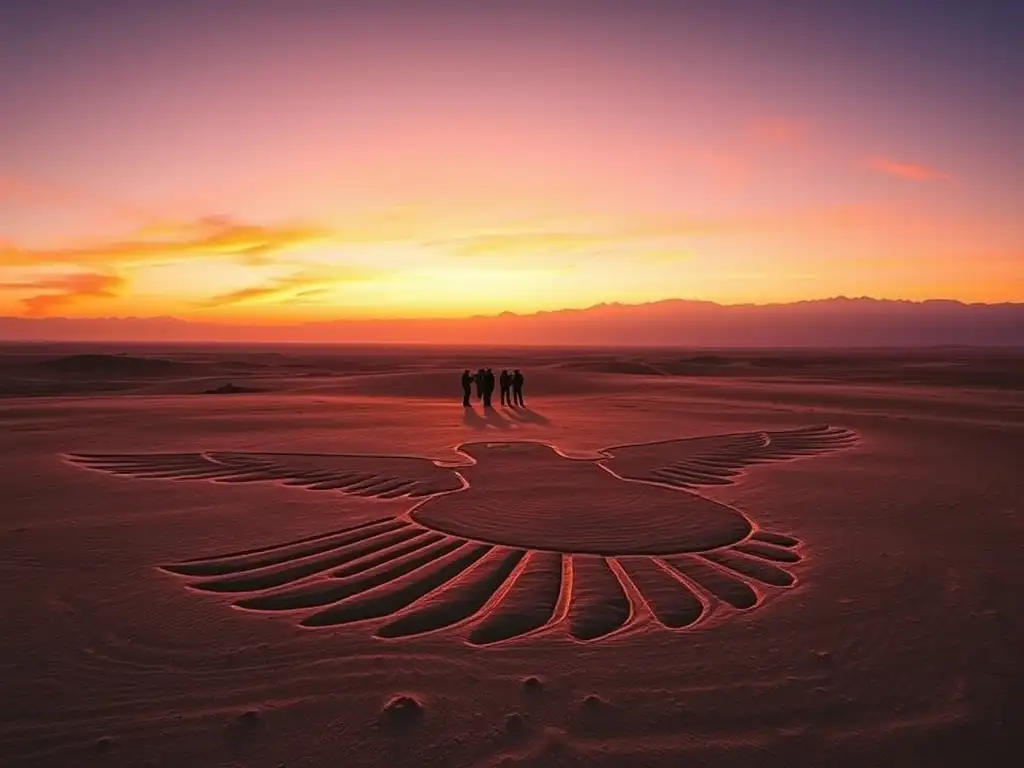
Step into a world lost to time, yet echoing with vibrant life. Prepare to be captivated by the enigmatic Andean civilizations, their ingenuity, and their enduring legacy. We unravel the mysteries of these ancient societies, starting with a deep dive into the Nazca culture, customs, and traditions. Discover rituals that defied gravity, artistry that challenged the very fabric of reality, and a civilization whose secrets continue to whisper from the desert sands. Dare to explore the fascinating world that awaits you...
The Nazca civilization, flourishing along the southern coast of Peru from approximately 100 BC to 800 AD, remains a captivating enigma. Their mastery of irrigation, their breathtaking geoglyphs etched into the desert landscape, and their sophisticated artistic and technological achievements continue to fascinate archaeologists and historians alike.
This article delves into the intricate tapestry of Nazca culture, exploring their customs, beliefs, and traditions, offering a glimpse into the daily lives and societal structures of this remarkable Andean people. Understanding the Nazca's societal organization, religious practices, and material culture is crucial to appreciating their lasting legacy and the significant contributions they made to the broader history of the Andes.
We will explore the intricacies of their social structure, their daily routines, their political systems, and their unique belief systems, providing a comprehensive overview of Nazca culture and its enduring impact. This exploration will shed light on the "Nazca culture customs and traditions," offering a nuanced perspective on this fascinating civilization.
Understanding the Nazca People: An Introduction
The Nazca people were not a monolithic entity; their society was comprised of diverse groups and communities, each with its own unique characteristics. However, certain cultural traits and practices unified them. They were primarily an agricultural society, relying on complex irrigation systems to cultivate crops in the arid coastal desert.
Their ingenuity in water management is a testament to their adaptive capabilities and understanding of their environment. Evidence suggests a strong emphasis on religious beliefs and practices, reflected in their elaborate burial rituals, intricate pottery, and, of course, the iconic Nazca Lines. These lines, vast geoglyphs etched into the desert floor, continue to puzzle researchers, with theories ranging from astronomical alignments to ritualistic purposes.
Understanding the Nazca people necessitates a holistic approach, considering their environmental adaptations, religious beliefs, social structures, and artistic expressions. Their sophisticated understanding of astronomy, evidenced by their calendar systems and potentially the Nazca Lines themselves, further highlights their intellectual capabilities.
The social organization of the Nazca people was hierarchical, with a clear distinction between elite and commoner classes. Archaeological evidence, such as elaborate tombs containing rich grave goods, indicates a stratified society with distinct social levels. The elite likely controlled resources and wielded significant political power, while commoners were involved in agriculture, craft production, and other essential activities. The nature of social mobility within this hierarchy remains a subject of ongoing research, with scholars exploring various theories about the factors influencing social status and advancement.
The Nazca Society: Hierarchy and Roles
The Nazca social structure was likely organized around kinship groups and possibly religious leaders. Evidence from burial sites suggests that certain individuals held higher social standing, indicated by the quality and quantity of grave goods accompanying their remains. These elite individuals might have held roles as priests, rulers, or warriors, wielding influence over the broader society.
The commoners, on the other hand, likely comprised the majority of the population, involved in agriculture, fishing, craft production, and other essential activities. The precise nature of their social interactions and the degree of social mobility remains a topic of ongoing research and debate. Further investigations into social stratification are needed to fully understand the dynamics of power and social hierarchy within Nazca society.
Daily Life in Nazca Communities: Homes and Activities
Nazca communities were likely characterized by clusters of dwellings, often built from adobe bricks. Daily life revolved around agriculture and the production of essential goods. Evidence suggests a strong emphasis on textile production, with intricate weaving techniques evident in their surviving textiles. Pottery also played a significant role, with diverse forms and styles reflecting the variety of social and ritual practices. The daily activities of the Nazca people were undoubtedly influenced by the harsh desert environment, requiring careful water management and resource allocation. Further research is needed to gain a deeper understanding of their daily routines and social interactions.
More information is needed to fully describe the typical home structure and the daily activities of the Nazca people. [Specific information pending]
Nazca Governance: Leadership and Political System
The political system of the Nazca civilization remains a subject of ongoing debate among scholars. While evidence suggests a hierarchical structure, the precise nature of political authority and governance is not fully understood. It's possible that a system of regional leaders or chiefdoms existed, with varying levels of influence and control. The absence of monumental architecture comparable to that of other Andean civilizations suggests a decentralized political organization.
However, the sophistication of their irrigation systems and the apparent coordination required for the creation of the Nazca Lines hint at a level of centralized planning and organization. Further archaeological research is needed to illuminate the complexities of Nazca governance and to clarify the nature of political power within their society. [Specific information pending concerning the political organization of Nazca.]
Core Nazca Customs and Traditions
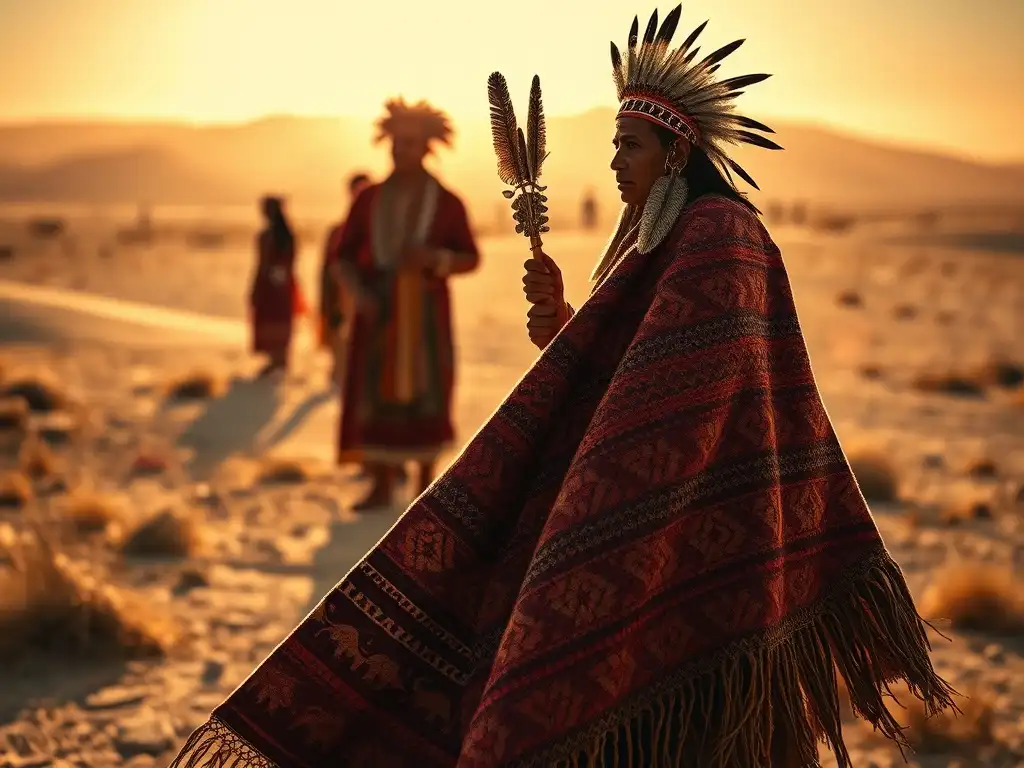
The Nazca culture, flourishing along the southern coast of Peru from approximately 100 BC to 800 AD, developed a complex and fascinating society with unique customs and traditions. Their sophisticated irrigation systems, remarkable textiles, and iconic geoglyphs are testaments to their ingenuity and cultural richness. But beyond these impressive achievements lay a deeply rooted belief system and intricate social practices that shaped their daily lives and worldview.
Understanding these aspects is crucial to appreciating the true depth and complexity of Nazca culture. This section delves into the core elements of Nazca customs and traditions, offering insights into their burial practices, religious beliefs, and spiritual life. The keyword "Nazca culture customs and traditions" is explored through detailed analysis of their unique societal structures.
Nazca Burial Practices and Rituals
The Nazca people held elaborate burial rituals central to their worldview. Death was not seen as an end but a transition to another realm. Their funerary practices reflect a deep-seated belief in the afterlife and the importance of providing the deceased with the necessities for their continued existence.
Nazca Funerary Customs: Preparing for the Afterlife
Preparing a body for burial involved meticulous processes. Evidence suggests that the deceased were often adorned with elaborate textiles, jewelry, and other grave goods. These offerings weren't merely decorative; they were believed to provide sustenance and comfort in the afterlife. The type and quantity of grave goods varied depending on the social status of the deceased, highlighting social stratification within Nazca society. Archaeological findings consistently reveal a careful selection of items, reflecting the importance placed on the transition to the next life. The meticulous nature of these preparations underscores the significance of the afterlife in Nazca beliefs.
Nazca Tombs and Offerings: Significance and Meaning
Nazca tombs ranged from simple pits to elaborate subterranean structures. The location and construction of these tombs often held symbolic meaning, potentially reflecting the deceased's social standing or relationship to specific deities. Offerings placed within the tombs included food, pottery, textiles, and tools, providing the deceased with the necessities for their journey into the afterlife.
The presence of specific artifacts within certain tombs suggests a rich tapestry of beliefs and practices surrounding death and the afterlife. Further research is needed to fully understand the nuanced symbolism embedded within these offerings and their relation to specific deities or rituals. [Specific information pending on the symbolism of different grave goods]
Nazca Mummification Techniques: Preserving the Dead
While not as sophisticated as those of later Andean cultures, the Nazca did practice mummification, albeit in a simpler form. The process likely involved drying the body naturally through exposure to the arid desert climate. Some evidence suggests the use of rudimentary embalming techniques, although the specifics remain unclear. The mummies discovered in Nazca contexts provide valuable insights into their physical characteristics, health, and diet.
The study of these mummies continues to shed light on Nazca health practices and social structures. Further analysis of the chemical composition of preserved materials could reveal more about their mummification techniques. [Specific chemical analysis data pending]
Nazca Religious Beliefs and Spirituality
The religious beliefs and spiritual practices of the Nazca people are largely inferred from archaeological evidence, primarily their elaborate burial rituals, iconography, and ceremonial sites. Their pantheon of deities and the significance of shamanistic practices are key components in understanding their spiritual life.
Nazca Deities and Gods: Understanding their Pantheon
The Nazca pantheon remains largely mysterious. While specific deities are difficult to identify, iconography found on pottery and textiles suggests a complex system of beliefs involving various supernatural beings. These representations often depict anthropomorphic figures, animals, and hybrid creatures, indicating a possible connection between the human and natural worlds. Further research is needed to fully decipher the symbolism of these figures and their roles within Nazca religion. [Specific information pending on the identification and roles of Nazca deities]
Nazca Ceremonial Centers and Sacred Sites
The construction of ceremonial centers and sacred sites underscores the importance of ritual practices in Nazca society. These sites often feature elaborate architecture, suggesting organized religious activities and possibly hierarchical social structures within the religious realm. The presence of specific artifacts and patterns within these sites further supports the complex nature of their religious beliefs. Detailed analysis of the architectural features and spatial organization of these sites could provide deeper insights into the structure of Nazca religious practices. [Architectural plans and spatial analysis data pending]
Nazca Shamanism and Ritual Practices
Shamanism likely played a significant role in Nazca society. The presence of hallucinogenic plants, such as San Pedro cactus, suggests the use of altered states of consciousness in religious rituals. These rituals may have served various purposes, including divination, healing, and communication with the spirit world.
The integration of shamanistic practices into their religious and social life highlights the importance of the spiritual realm in shaping Nazca culture and customs. Further research into the botanical remains and archaeological evidence could reveal more about the specific rituals and their social context. [Specific information pending on the nature and extent of shamanistic practices]
Nazca Art and Craftsmanship as a Cultural Expression
Nazca artistry wasn't merely decorative; it was a powerful means of expressing their worldview, beliefs, and social structures. Their remarkable skill in various crafts – pottery, textiles, and metalwork – reveals a sophisticated understanding of materials and techniques, reflecting a deep connection to their environment and a complex social hierarchy. The intricate designs and symbolic representations found in their artifacts offer invaluable insights into their daily lives, religious practices, and cosmological understanding.
The level of detail and precision evident in even the smallest artifacts suggests a highly specialized workforce, possibly indicating a system of apprenticeship or guild-like structures within their society. The widespread distribution of similar artistic styles across the Nazca region suggests a degree of cultural unity and possibly centralized control over artistic production, though further research is needed to definitively confirm this.
The enduring legacy of Nazca art continues to fascinate and inspire, providing modern scholars with a unique window into a lost civilization. Understanding their artistic practices helps us reconstruct their social organization and spiritual beliefs with greater accuracy.
Nazca Pottery: Designs, Techniques and Symbolism
Nazca pottery is renowned for its vibrant colors, intricate designs, and remarkable technical proficiency. Potters utilized a variety of techniques, including slip painting and negative painting, to create stunning polychrome vessels. Common motifs included stylized plants, animals, and human figures, often depicted in dynamic poses and elaborate headdresses.
The symbolism within these designs is complex and multifaceted, often relating to religious beliefs, agricultural practices, and social status. For example, the frequent depiction of stylized hummingbirds might represent a connection to the spirit world or agricultural fertility, while representations of jaguars could symbolize power and shamanistic abilities. The precision and consistency in the execution of these designs across various pottery types suggest a high degree of standardization in production, and perhaps the existence of specialized workshops or skilled artisans who passed their techniques down through generations.
Analyzing the stylistic variations in Nazca pottery allows researchers to establish chronological sequences and identify potential regional differences within the culture. The sheer volume of surviving Nazca pottery testifies to its importance in daily life and religious rituals.
Nazca Textiles: Weaving Traditions and Patterns
Nazca textiles demonstrate an exceptional mastery of weaving techniques. Using cotton and camelid fibers, they created intricate tapestries and garments with complex patterns and vibrant colors. The textiles often feature similar motifs to those found on pottery, including stylized animals, plants, and human figures, suggesting a close relationship between the two art forms and possibly a shared symbolic language.
The use of different colors and weaving techniques likely held symbolic significance, reflecting social status, religious beliefs, or specific ceremonies. For instance, certain colors or patterns might have been reserved for elite members of society, while others might have been used in everyday clothing. The discovery of remarkably preserved textiles in tombs and other archaeological contexts provides valuable information about burial practices and the social significance of clothing.
Further research into the textile technology and the dyes used can shed more light on the economic and social organization of Nazca society. The complexity and artistry of Nazca textiles highlight their advanced technological capabilities and their deep understanding of natural materials.
Nazca Metalwork and Jewelry: Crafting for Rituals and Status
While less common than pottery and textiles, Nazca metalwork displays remarkable skill and artistry. They primarily worked with copper, gold, and silver, creating intricate ornaments, jewelry, and small tools. These artifacts were often used in religious rituals or worn by elite members of society as symbols of status and power.
The techniques used, such as hammering, casting, and inlay, demonstrate a high level of technical proficiency. Common motifs include stylized animals, particularly birds and felines, often associated with shamanistic practices or spiritual beliefs. The use of precious metals suggests a connection to wealth and power, highlighting the importance of metalwork in the social hierarchy.
The rarity of surviving metal artifacts implies that they were highly valued possessions, possibly reserved for special occasions or individuals of high status. Further analysis of the metal alloys and the techniques used in their production can provide more information about their trade networks and economic organization. The discovery of metal artifacts in elite tombs and ceremonial contexts underscores their crucial role in Nazca religious and social life.
Exploring Key Aspects of Nazca Culture
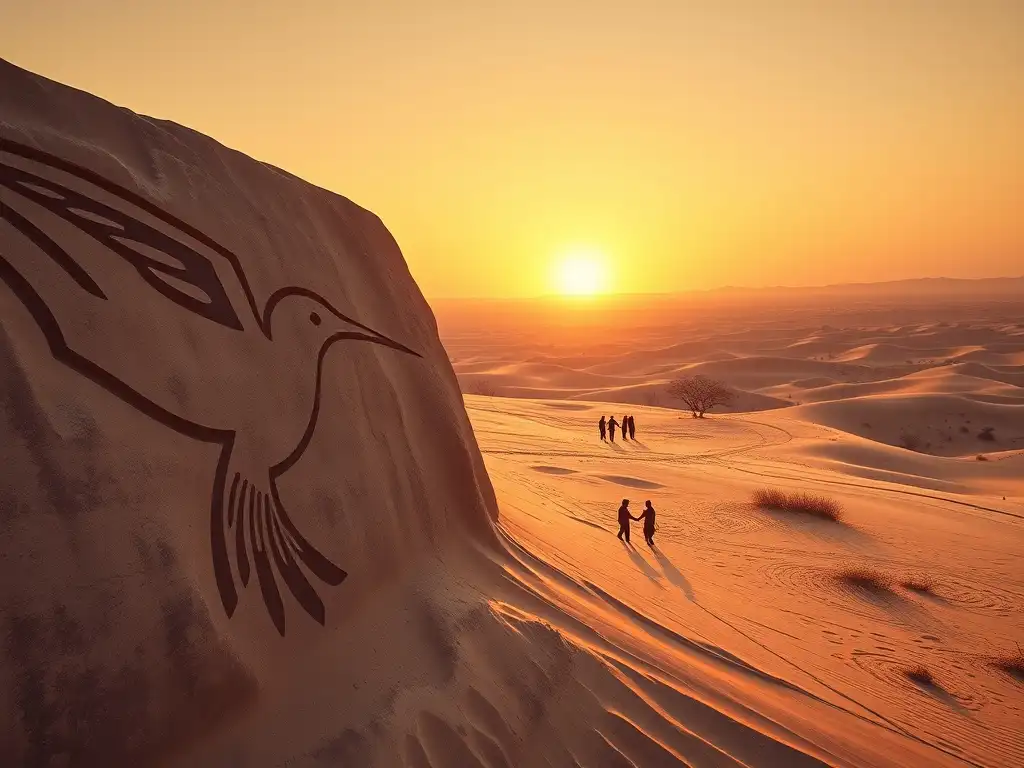
This section delves into the fascinating customs and traditions of the Nazca culture, focusing on their ingenious agricultural practices and vibrant musical and dance traditions. Understanding these aspects provides crucial insight into the complexities of Nazca society and their ability to thrive in a challenging desert environment. The keyword "Nazca culture customs and traditions" is central to this exploration.
Nazca Agriculture: Sustaining Life in the Desert
The Nazca's remarkable achievements are inextricably linked to their mastery of agriculture in a seemingly inhospitable environment. Their survival depended on innovative techniques to harness scarce water resources and cultivate crops in the arid coastal plains of southern Peru. This ingenuity allowed for the development of a complex and sophisticated society.
Nazca Irrigation Systems: Ingenious Water Management
The Nazca people developed sophisticated irrigation systems, a testament to their engineering prowess and understanding of hydrology. These systems, including canals, aqueducts, and subterranean galleries, channeled water from rivers and underground sources to their fields. The construction of these systems required meticulous planning, considerable labor, and a deep knowledge of the local terrain.
Evidence suggests a highly organized community effort, reflecting a strong social structure dedicated to communal well-being. Specific examples of these systems, such as the Cantalloc Aqueduct, showcase the scale and complexity of Nazca engineering. The precision and longevity of these systems highlight the Nazca's deep understanding of water management, crucial for their survival and the development of their culture.
Nazca Crops: Cultivating the Arid Land
Despite the harsh conditions, the Nazca cultivated a variety of crops, including cotton, beans, maize, squash, and gourds. Their agricultural practices were adapted to the desert climate, employing techniques like terracing and the use of fertilizers to maximize yields. The selection of drought-resistant crops demonstrates a deep understanding of plant biology and environmental adaptation. Archaeological evidence reveals sophisticated agricultural techniques, implying a level of agricultural knowledge comparable to other advanced Andean civilizations. The diversity of crops cultivated speaks to the resilience and adaptability of the Nazca people.
The Importance of Agriculture in Nazca Society
Agriculture was not merely a means of subsistence for the Nazca; it was deeply interwoven into their social, economic, and religious life. The success of their agricultural practices underpinned their social organization, economic stability, and religious beliefs. Agricultural surpluses likely facilitated the development of specialized crafts and the creation of monumental works, such as the famous Nazca Lines. The evidence suggests a strong connection between agricultural prosperity and the flourishing of Nazca culture. The control and distribution of water and agricultural produce likely played a significant role in the power dynamics and social hierarchy within Nazca society.
Nazca Music and Dance: Rhythmic Expressions of Culture
Music and dance were integral aspects of Nazca culture, playing significant roles in social gatherings, religious ceremonies, and daily life. The rhythmic expressions of music and dance reveal insights into their beliefs, social structures, and artistic sensibilities. Archaeological finds, though limited, offer glimpses into the instruments and styles used in their performances.
Nazca Musical Instruments: Sounds of the Ancient People
While complete instruments are rare, fragmented remains suggest the use of various percussion instruments, possibly including drums, rattles, and flutes. The materials used, such as clay, wood, and possibly animal hides, reflect the resources available in their environment. The sounds produced by these instruments likely accompanied various activities, from agricultural work to religious ceremonies. Further research is needed to fully understand the range and complexity of Nazca musical instruments and their associated musical styles. [Specific information on types of instruments pending further archaeological discoveries].
Nazca Dances and Performances: Ritual and Celebration
Nazca dances and performances were likely integral parts of their social and religious life. Representations found on pottery and textiles suggest elaborate costumes and movements, possibly reflecting specific rituals or celebrations. These performances might have served to reinforce social bonds, commemorate important events, or appease deities. The limited available evidence suggests a connection between dance and religious practices, but more research is needed to fully understand the nature and significance of these performances within Nazca society. [More detailed information on dance styles and rituals pending further research].
The Role of Music in Nazca Ceremonies
Music played a vital role in Nazca religious ceremonies. It likely accompanied rituals, processions, and offerings, creating an atmosphere conducive to spiritual connection. The rhythmic sounds and movements of music and dance could have been used to induce trance-like states, facilitating communication with the supernatural. The combination of music and dance likely enhanced the impact of religious ceremonies, reinforcing community bonds and strengthening religious beliefs. Further research into Nazca iconography and religious practices is crucial to fully understand the role of music in their ceremonies. [Further investigation into the relationship between music, dance and religious practices is required].
Nazca Headhunting Practices: A Controversial Custom
The Nazca culture, renowned for its enigmatic geoglyphs, also practiced headhunting, a custom that remains a subject of ongoing scholarly debate. Archaeological evidence reveals a significant number of trophy skulls, meticulously preserved and often adorned with various artifacts. This practice, while unsettling to modern sensibilities, offers invaluable insights into Nazca social structures, beliefs, and warfare. The sheer volume of discovered trophy heads suggests headhunting wasn't a sporadic event but a deeply ingrained aspect of their society, possibly linked to specific rituals or ceremonies.
The careful treatment given to the severed heads further underscores their importance within the Nazca worldview. Understanding this practice requires careful consideration of both the material evidence and the potential interpretations offered by anthropologists and archaeologists. The absence of clear written records necessitates reliance on careful analysis of skeletal remains and associated artifacts to reconstruct the context and significance of these actions.
The Purpose of Nazca Headhunting: Ritual or Warfare?
Determining the primary purpose of Nazca headhunting remains a challenge. Some scholars propose a connection to warfare, suggesting the practice was a means of asserting dominance over rival groups. The capture and display of enemy heads would have served as a powerful symbol of victory and intimidation. However, the meticulous preservation and adornment of the heads also suggest a ritualistic component.
The possibility of both ritual and warfare playing a role cannot be discounted. Perhaps headhunting was a ritualized aspect of warfare, where the taking of heads served not only a strategic military purpose but also a symbolic one, reinforcing social hierarchy and religious beliefs. Further research, including detailed analysis of the contexts in which these heads were found, is crucial for a more complete understanding. For example, the presence of specific grave goods alongside trophy heads could shed light on their ceremonial significance.
Nazca Trophy Heads: Processing and Significance
The manner in which Nazca trophy heads were processed and treated offers further clues about their significance. Evidence suggests a standardized procedure involving careful removal of the scalp and brain, followed by techniques to preserve the skull. This involved techniques to prevent decomposition, such as drying and potentially the use of specific substances. The skulls were often painted, adorned with artifacts, and sometimes even displayed in public areas or incorporated into funerary rituals.
The careful preservation and decoration demonstrate the high value placed on these trophy heads. The specific types of adornments used may also provide insights into the identity of the individuals whose heads were taken, reflecting social status or the importance of the battle or conflict in which they were captured. Analyzing these adornments in detail could help establish patterns or regional variations in Nazca headhunting practices.
Interpretations and Debates on Nazca Headhunting
Interpretations of Nazca headhunting vary widely among scholars. Some emphasize the ritualistic aspects, focusing on the symbolic meaning of the heads within the Nazca cosmology. Others highlight the warfare aspect, suggesting it was a tool of power and intimidation. There's also a growing body of research exploring the possibility of both ritual and warfare playing intertwined roles.
The debate is complex and highlights the challenges of interpreting ancient practices through limited evidence. It is important to consider multiple perspectives and avoid simplistic interpretations. Continued archaeological research and interdisciplinary collaboration are crucial to refine our understanding of this controversial aspect of Nazca culture and its implications for the broader understanding of Nazca society and beliefs. The ongoing research into Nazca society and its customs continues to reveal new information, constantly shaping and refining our understanding of this fascinating civilization.
The Legacy of Nazca Culture
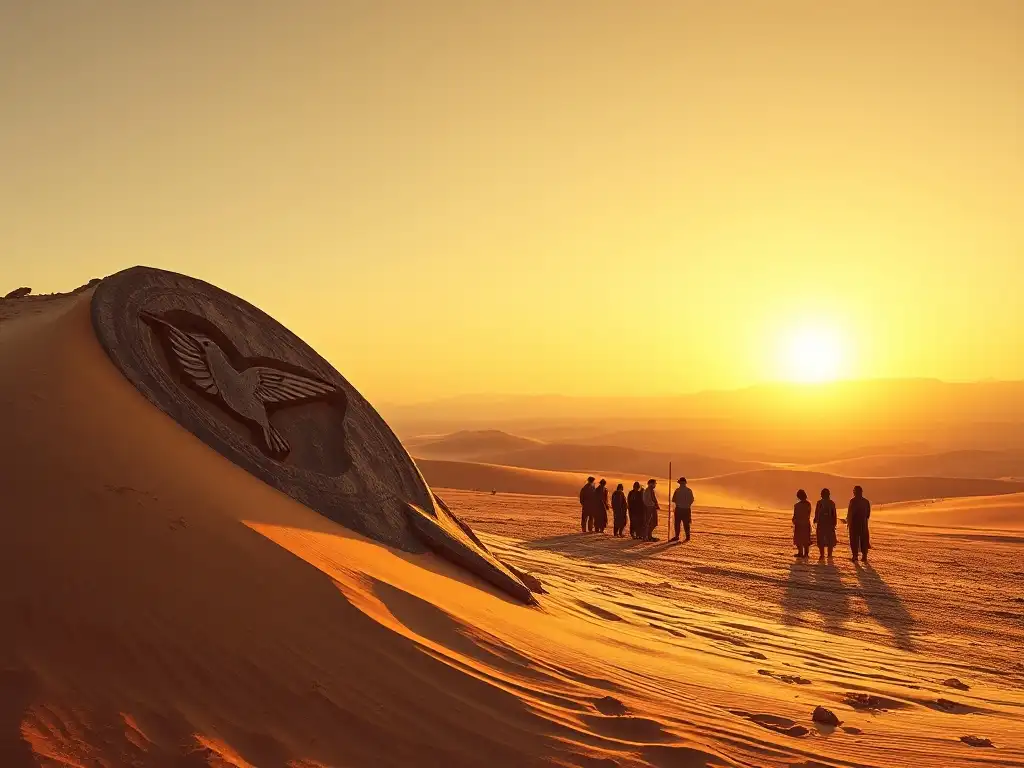
The Nazca culture, flourishing along the southern coast of Peru from approximately 100 BC to 800 AD, left behind a remarkable legacy that continues to fascinate and intrigue researchers and the public alike. Their sophisticated irrigation systems, intricate pottery, and unique burial practices are testaments to their advanced societal organization and deep-seated beliefs. Understanding their customs and traditions provides invaluable insight into the complexities of this remarkable civilization and its enduring impact on Peruvian culture.
The study of Nazca culture customs and traditions reveals a society deeply connected to its environment, with a rich spiritual life reflected in its art and architecture. This section explores key aspects of their legacy, focusing on their monumental achievements and the eventual decline of their civilization.
The Nazca Lines: A Monumental Cultural Achievement
The Nazca Lines, arguably the most iconic symbol of the Nazca culture, are a series of massive geoglyphs etched into the desert surface. These colossal figures, ranging from simple lines and geometric shapes to intricate depictions of animals and plants, span hundreds of square kilometers. Their sheer scale and precision are astonishing, leaving researchers continually puzzled about their creation and purpose. The lines, created by removing the dark reddish-brown surface stones to reveal the lighter subsoil, are only truly visible from the air, a fact that has fuelled numerous theories about their purpose.
Nazca Geoglyphs: Creation and Meaning
The creation of the Nazca Lines remains a subject of ongoing research. Archaeologists speculate that the Nazca people used simple tools, possibly wooden stakes and ropes, to meticulously plan and execute these massive designs. The process would have been incredibly labor-intensive, requiring coordinated effort from a large workforce. The meaning behind the geoglyphs is similarly debated.
While some believe they represent constellations or astronomical alignments, others suggest they served ritualistic or ceremonial purposes, perhaps linked to water sources or fertility rites. Detailed studies of the geoglyphs' layout and relationship to surrounding features are crucial to unraveling their intended meaning. Many depict stylized animals such as hummingbirds, monkeys, and lizards, alongside abstract designs. The precision and scale involved suggest a profound understanding of geometry and engineering.
Theories Surrounding the Nazca Lines: Purpose and Function
Numerous theories attempt to explain the purpose of the Nazca Lines. Some propose they were astronomical calendars, used to track celestial events and predict seasons crucial for agriculture. Others suggest they served as pilgrimage routes or markers for ceremonial processions. The lack of written records from the Nazca culture leaves much to interpretation.
The "water cult" theory, for example, links the designs to water sources and rituals aimed at ensuring a plentiful water supply in the arid coastal region. This theory aligns with the importance of water management in Nazca society. Further research, including advanced remote sensing techniques and detailed ground surveys, is crucial to test these theories and potentially reveal new insights.
Nazca Lines' Impact on Understanding Nazca Culture
The Nazca Lines provide invaluable insights into the worldview, societal organization, and technological capabilities of the Nazca people. Their creation demonstrates a sophisticated understanding of geometry, surveying, and large-scale planning. The immense effort required suggests a highly organized society with the capacity for collaborative projects.
The diversity of imagery, from realistic depictions of animals to abstract designs, reflects a rich cultural and spiritual life. The lines themselves are a testament to the Nazca people's enduring legacy and their ability to leave a mark on the landscape that continues to resonate today. The continued study of the Nazca Lines is essential for a comprehensive understanding of Nazca culture customs and traditions.
The Decline of Nazca Culture: Factors and Theories
The reasons behind the decline of the Nazca culture around 800 AD remain a subject of debate among scholars. Several factors likely contributed to their eventual disappearance. Environmental changes, such as prolonged droughts or shifts in rainfall patterns, could have severely impacted their agricultural practices and water management systems, which were crucial to their survival.
Internal conflicts or pressures from neighboring groups could also have played a role. The absence of extensive written records makes it challenging to pinpoint the precise causes of their decline, but the available evidence suggests a complex interplay of environmental and social factors. The scarcity of evidence makes it difficult to definitively identify the exact reason for their decline.
Further archaeological investigation is needed to gain a more comprehensive understanding of the factors that contributed to the end of the Nazca civilization. The study of Nazca culture customs and traditions must inevitably include analysis of their decline to fully appreciate their legacy.
Modern Perspectives on the Nazca Culture Customs and Traditions
Modern understanding of Nazca culture customs and traditions relies heavily on archaeological findings and anthropological interpretations. While we lack firsthand accounts from Nazca individuals, meticulous excavation and analysis of their artifacts, settlements, and burial sites provide invaluable insights. Researchers utilize a multidisciplinary approach, combining archaeology, anthropology, and even paleobotany and zoology, to piece together a comprehensive picture of their daily lives, beliefs, and social structures. This interdisciplinary lens allows for a more nuanced and accurate portrayal of Nazca society than was possible in the past.
One significant aspect of modern perspectives is the move away from simplistic or romanticized interpretations. Earlier studies may have focused on isolated aspects, like the famous Nazca Lines, often overlooking the intricate complexities of their social organization and daily practices. Current research emphasizes the dynamic nature of Nazca society, highlighting its internal variations and adaptations over time.
For instance, studies of their agricultural techniques reveal a sophisticated understanding of water management and irrigation, critical for survival in the arid coastal environment. The analysis of their ceramics and textiles unveils a rich symbolic language reflecting their cosmology, social hierarchy, and perhaps even their interactions with other Andean cultures.
Furthermore, contemporary scholars are increasingly attentive to the ethical implications of studying ancient civilizations. There's a growing emphasis on respectful collaboration with local communities and descendant populations, acknowledging their ancestral connection to the Nazca and their crucial role in preserving and interpreting their heritage. This collaborative approach ensures that the study of Nazca culture is not merely an academic exercise but also contributes to a more inclusive and meaningful understanding of their legacy.
This involves not only respecting the physical remains but also recognizing the ongoing cultural significance of the Nazca for modern-day communities. It represents a shift from an extractive approach to a more participatory and respectful one.
The aim is to ensure that the interpretation of Nazca culture is informed by both scientific rigor and a deep respect for the cultural heritage of the people who lived there. This collaborative approach is crucial for ensuring that the study of Nazca culture is both accurate and ethically sound.
Frequently Asked Questions
What were some key customs of the Nazca culture?
The Nazca people were known for their elaborate burial practices, including mummification and the inclusion of grave goods. They also practiced complex irrigation systems to support their agriculture in the arid desert.
What religious beliefs did the Nazca people hold?
Nazca religion appears to have centered around fertility and water, vital for survival in their environment. Evidence suggests the worship of deities associated with nature and ancestor veneration.
How did the Nazca people express their beliefs artistically?
Their art is strikingly represented by the famous Nazca Lines, geoglyphs depicting animals and plants. Ceramics also played a significant role, with intricate designs reflecting their worldview.
While details are still debated, evidence points to a hierarchical society, with specialized artisans and religious leaders. There's evidence of social stratification and distinct social classes.
How did the Nazca culture interact with other Andean cultures?
The Nazca interacted with other cultures, including the Paracas and later the Wari, through trade networks and cultural exchange. Their influence is seen in the art and technologies of neighboring societies.
Final Reflection: Echoes of the Nazca: A Legacy Woven in Time
The intricate geoglyphs of the Nazca desert continue to whisper secrets across millennia, reminding us of a civilization that mastered its environment and left an indelible mark on human history. Their sophisticated irrigation systems, innovative pottery, and complex social structures stand as testaments to the ingenuity and resilience of the Nazca people, a legacy that resonates powerfully even today. Their story challenges us to reconsider our own relationship with the environment and the enduring power of cultural expression.
The Nazca's profound understanding of their arid landscape, their ability to harness scarce resources for survival and artistic expression, continues to inspire awe and wonder. Their commitment to their beliefs, evident in the meticulous creation of their geoglyphs and the artistry of their textiles, speaks to a deep-seated connection with the spiritual world. The desert, vast and unforgiving, yet yielding beauty and sustenance, was their canvas and their provider.
This sentiment encapsulates the spirit of the Nazca, a people who found meaning and purpose within the seemingly harsh realities of their existence. Their story serves as a potent reminder of the human capacity for adaptation and creativity in the face of adversity.
Consider the Nazca's legacy. What can we learn from their resourcefulness, their artistic vision, and their enduring connection to their environment? Take a moment to reflect on how their story might inspire you to appreciate the delicate balance between human ingenuity and the natural world. Let the echoes of their culture resonate within you, prompting a deeper understanding of our shared human heritage and the importance of preserving the cultural treasures of past civilizations for future generations.
Unveil the Mysteries of the Nazca Culture!
Thank you for exploring the fascinating world of the Nazca culture. You've gained valuable insights into their customs, beliefs, and traditions. Now, let's deepen your connection with this incredible civilization.
Here are some ways to continue your exploration:
- Attend a local workshop or lecture on Nazca culture to expand your understanding and connect with other enthusiasts.
- Visit online archives or museums featuring Nazca artifacts to experience their legacy firsthand.
- Share your knowledge with friends and family, or engage in online discussions to spark others' curiosity about this ancient civilization.
What aspect of Nazca culture captivates you most, and how will you share your newfound passion?