
Nazca Agriculture: Ingenious Techniques for Thriving in the Desert

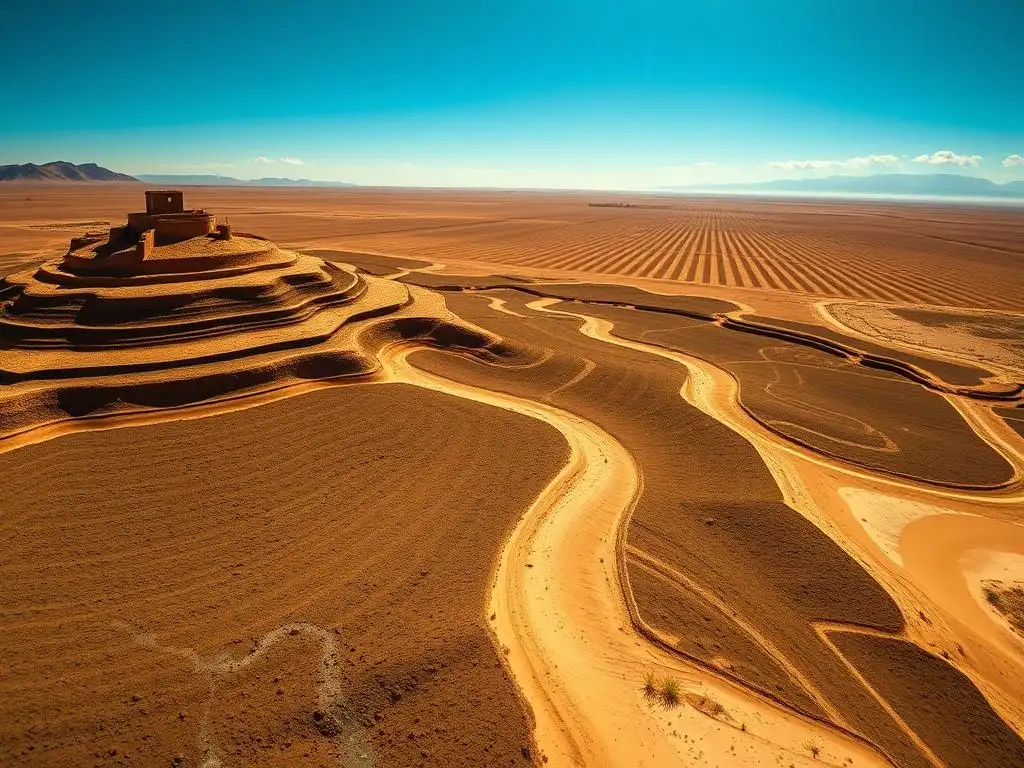
Unravel the mysteries of a civilization that defied the desert! Prepare to be amazed by the ingenuity of the ancient Andes, where ingenuity blossomed amidst seemingly impossible conditions. How did the Nazca thrive in one of the world's driest environments? Discover the secrets behind their remarkable Nazca farming techniques, and delve into the innovative agricultural practices that sustained a flourishing society in the heart of the Peruvian desert. Prepare to be captivated by a story of resilience and innovation – your journey into the heart of Andean civilization begins now.
The Nazca civilization, famed for its enigmatic lines etched into the desert landscape, also possessed an incredibly sophisticated understanding of agriculture. Flourishing in one of the most arid regions of the world, the Nazca people developed ingenious farming techniques that allowed them to thrive where others might have perished. This article delves into the remarkable ingenuity of Nazca farming practices, exploring the methods they used to cultivate crops in the seemingly inhospitable environment of the Peruvian coastal desert.
We'll examine their mastery of water management, innovative cultivation strategies, and the profound impact these techniques had on their society and culture. Understanding Nazca farming techniques provides crucial insight into their resilience, resourcefulness, and the overall success of their civilization. This exploration will reveal how the Nazca people not only survived but flourished in a seemingly impossible environment, leaving behind a legacy of agricultural innovation that continues to fascinate and inspire.
Water Management: The Lifeline of Nazca Agriculture
The Nazca's success hinged on their ability to harness and manage the scarce water resources available. They weren't simply passive recipients of rainfall; they actively engineered systems to capture, store, and distribute water with remarkable efficiency. This involved a complex network of canals, aqueducts, and underground channels known as puquios.
These puquios were ingeniously designed to tap into underground water sources, bringing water to the surface for irrigation. The construction of these systems required a deep understanding of hydrology and a considerable investment of labor, demonstrating the high value the Nazca placed on agriculture. Evidence suggests that the puquios were maintained and expanded over centuries, showcasing the long-term commitment to this vital infrastructure.
Furthermore, the Nazca likely employed techniques like rainwater harvesting and the construction of reservoirs to supplement their water supply, further maximizing their limited resources. The precise engineering involved in these projects showcases their advanced understanding of hydraulics and their dedication to agricultural sustainability.
Innovative Cultivation Techniques: Maximizing Limited Resources
Beyond water management, the Nazca also employed innovative cultivation techniques to maximize their yields in the harsh desert conditions. They understood the importance of soil conservation and developed methods to improve soil fertility. This likely involved techniques such as terracing, which allowed them to create level plots on sloping land, preventing soil erosion and optimizing water retention. They also likely utilized organic fertilizers derived from animal manure and plant matter to enrich the soil and improve crop growth.
Furthermore, the Nazca's choice of crops was strategically adapted to the arid environment. They cultivated drought-resistant crops such as beans, maize, cotton, and squash, which required less water and could withstand the harsh climate. The selection of these crops demonstrates a deep understanding of plant biology and an ability to adapt agricultural practices to the specific environmental constraints.
The Impact of Nazca Farming Techniques on Society and Culture
The success of Nazca agriculture had a profound impact on their society and culture. The reliable food supply provided by their ingenious farming techniques supported a relatively large and densely populated society. This surplus likely contributed to the development of specialized labor, allowing individuals to focus on crafts, art, and other non-agricultural activities.
The iconic Nazca Lines themselves might be partially understood within the context of ritualistic practices connected to agriculture and water. The sophisticated water management systems and agricultural techniques required collaboration and organization, suggesting a well-structured and centralized society. The abundance of food also likely played a role in the development of the Nazca's complex social hierarchy and elaborate religious beliefs.
In essence, their agricultural prowess was fundamental to their cultural and societal achievements. The Nazca's legacy is not solely defined by the mysterious lines but also by their remarkable ability to transform a seemingly barren landscape into a thriving agricultural region.
Further Research Areas 1
Further research is needed to fully understand the complexity of Nazca agricultural practices. Specific questions include: The exact methods used in *puquio* construction, the long-term sustainability of their techniques, and the role of climate change in shaping their agricultural strategies.
1 Ongoing research continues to uncover new insights into Nazca farming practices.
- Water Management: The Lifeline of Nazca Agriculture
- Innovative Cultivation Techniques: Maximizing Limited Resources
- The Impact of Nazca Farming Techniques on Society and Culture
The Challenge of Farming in the Arid Nazca Region
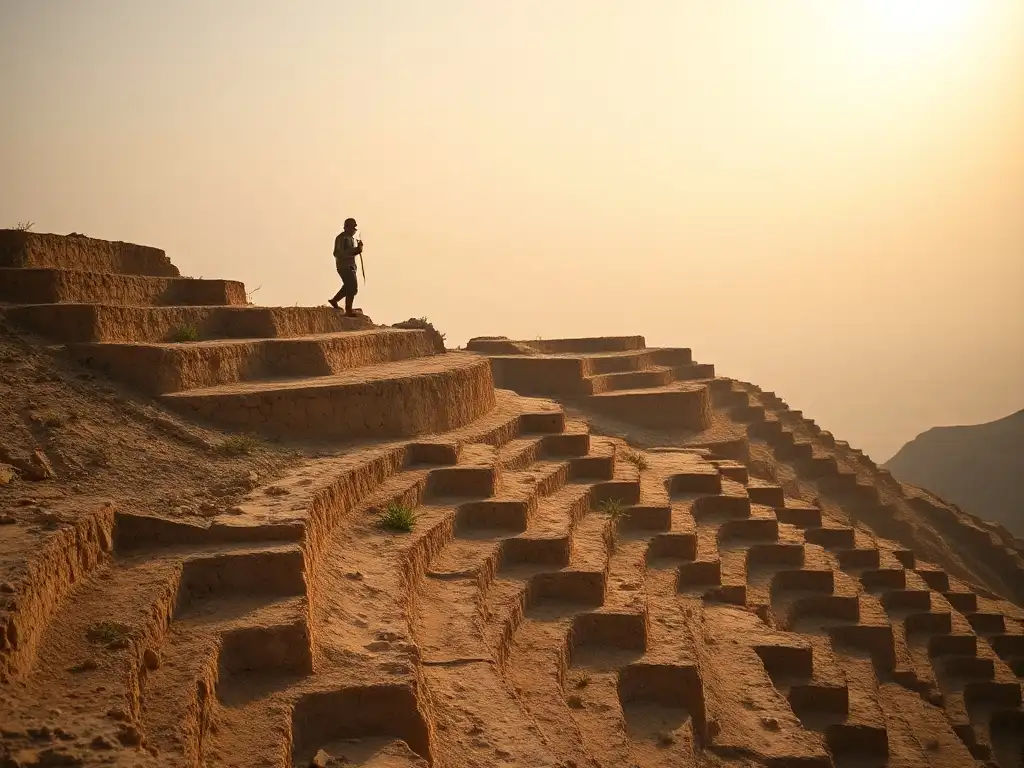
The Nazca civilization, renowned for its enigmatic lines etched into the desert landscape, also demonstrated remarkable ingenuity in their agricultural practices. Successfully cultivating crops in the hyper-arid Nazca desert, a region receiving less than 20 mm of annual rainfall, presented a significant challenge. Their success wasn't simply a matter of luck; it was a testament to their deep understanding of their environment and their development of sophisticated water management techniques.
This section will explore the environmental hurdles faced by Nazca farmers and the innovative strategies they employed to overcome them. Understanding these "Nazca farming techniques" provides crucial insight into the resilience and adaptability of this remarkable culture. The harsh realities of the desert shaped every aspect of their lives, from their social structures to their religious beliefs, and agriculture was at the very heart of their survival.
Understanding the Nazca Desert Environment
The Nazca desert, located on the southern coast of Peru, is characterized by its extreme aridity. The cold Humboldt Current flowing along the coast inhibits rainfall, creating a near-desert environment. High levels of evapotranspiration further exacerbate water scarcity.
The soil, while potentially fertile, is often sandy and lacks sufficient organic matter for optimal crop growth. The strong, unpredictable winds also present a constant threat to delicate seedlings and established crops. The Nazca people faced a formidable foe in their environment, yet they managed to not only survive but thrive, leaving behind evidence of a sophisticated and sustainable agricultural system.
This success hinged on a profound understanding of their environment and the development of ingenious techniques to harness scarce resources. Their mastery of water management was key to their success, and this is a testament to their impressive observation skills and problem-solving abilities. It's important to note that while the desert presented obstacles, the presence of underground water sources, albeit limited, offered a crucial lifeline for Nazca agriculture.
Water Scarcity and Its Impact on Nazca Agriculture
Water scarcity was the paramount challenge for Nazca farmers. The lack of consistent rainfall meant that crop production depended entirely on the efficient capture and distribution of limited water resources. This scarcity profoundly impacted agricultural practices, necessitating the development of techniques that maximized water use efficiency.
The impact extended beyond simple survival; water availability dictated crop selection, land use patterns, and even social organization. The limited water resources likely led to a highly structured system of water rights and distribution, possibly influencing the social hierarchy and power dynamics within Nazca society. Without reliable access to water, crop yields would have been extremely low, potentially leading to food shortages and social instability.
The ingenious solutions devised by the Nazca to overcome this challenge are a remarkable demonstration of their capacity for innovation and adaptation in the face of adversity. The evidence suggests a sophisticated understanding of hydrology and a commitment to sustainable water management practices.
Innovative Nazca Farming Techniques for Water Management
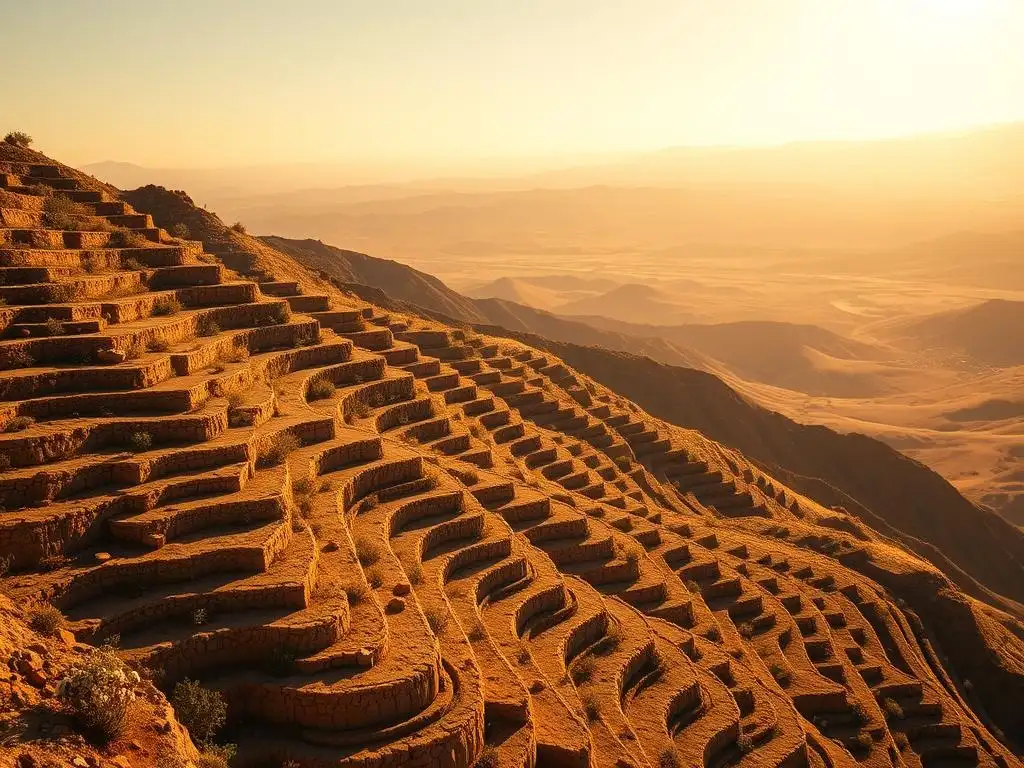
The Nazca civilization, renowned for its enigmatic geoglyphs, also possessed remarkably advanced agricultural techniques that allowed them to flourish in the arid coastal plains of southern Peru. Their success wasn't a matter of luck; rather, it was the result of ingenious strategies for water management, adapting to the harsh desert environment with impressive ingenuity. Mastering water harvesting and distribution was paramount to their survival and the development of their complex society. Understanding their "Nazca farming techniques" provides valuable insight into their resourcefulness and resilience. This section delves into the key innovations that enabled Nazca farmers to cultivate the desert.
Puquios: Underground Aqueducts and Water Collection
The Nazca's most impressive feat of water engineering was the construction of puquios. These weren't simply wells; they were elaborate underground aqueducts that tapped into subterranean water sources. The construction involved extensive knowledge of hydrology and geology. Nazca engineers identified underground water tables and strategically dug shafts and tunnels, often extending for kilometers, to access these vital resources. The tunnels were cleverly designed with ventilation shafts to maintain air circulation and prevent collapse. The water collected in the puquios was then channeled to surface reservoirs or directly to agricultural fields through a network of canals.
The process involved significant labor and expertise. Archaeological evidence suggests that the construction of puquios was a communal effort, requiring specialized knowledge and coordinated teamwork. The shafts were often lined with stones to prevent collapse and improve water flow. The construction of these intricate systems demonstrates a deep understanding of the region's hydrology and an impressive capacity for large-scale engineering projects.
The longevity of many puquios, some of which are still in use today, is a testament to the skill and foresight of the Nazca engineers. The puquios represent not only a remarkable achievement in water management but also a testament to the social organization and collaborative spirit of the Nazca civilization. Their effectiveness in providing a reliable water supply was critical to the success of Nazca agriculture.
Filtration and Distribution of Water Resources in the Nazca Desert
The Nazca didn’t simply collect water; they actively managed and filtered it to ensure its quality and efficient distribution. After being drawn from the puquios, water often passed through natural filters composed of layers of sand and gravel. This process helped remove sediment and impurities, ensuring the water was suitable for irrigation.
The distribution system itself was carefully planned, using a combination of canals, ditches, and smaller channels to direct water to specific fields based on the needs of different crops. This sophisticated system allowed for precise control over water allocation, maximizing efficiency and minimizing waste in a region where water was a precious commodity.
Consider the intricate network required: main canals carried water over long distances, branching off into smaller channels that irrigated individual plots. The design often incorporated features such as check dams and spillways to regulate water flow and prevent flooding or erosion. The Nazca also utilized sophisticated techniques to level fields, creating terraces and platforms to optimize water distribution and prevent runoff.
This involved significant earthworks, further highlighting their engineering prowess and the importance of water management in their agricultural practices. The effectiveness of this system allowed for the cultivation of diverse crops, sustaining a large population in an otherwise unforgiving environment. The meticulous planning and execution of this water management system are crucial aspects of understanding Nazca farming techniques.
The Role of Canals and Irrigation Systems in Nazca Agriculture
Canals played a crucial role in the Nazca irrigation system, supplementing the water provided by the puquios. These canals, often constructed from stone or lined with clay, transported water from rivers or other sources to fields located further away from natural water bodies. The construction of these canals required precise surveying and engineering skills to ensure a consistent gradient and prevent water loss through seepage or evaporation. The Nazca demonstrated impressive mastery in building canals that could traverse challenging terrain, adapting their construction techniques to overcome obstacles such as hills and valleys.
The canals weren't simply straight lines; they often incorporated ingenious features like siphons and aqueducts to navigate obstacles and maintain water flow. The design also considered the specific needs of different crops, with some canals delivering water directly to fields while others fed into reservoirs that could be accessed as needed. The efficient distribution network ensured that water reached the fields even in the driest periods, allowing for successful cultivation throughout the year.
The integration of canals with other water management techniques, such as the puquios, created a resilient and sustainable system that supported the Nazca civilization for centuries. This sophisticated network is a testament to their advanced understanding of hydraulic engineering and its vital role in their agricultural success. The effectiveness of these canals remains a significant factor in studying the "Nazca farming techniques."
Adapting to the Desert: Nazca Agricultural Practices
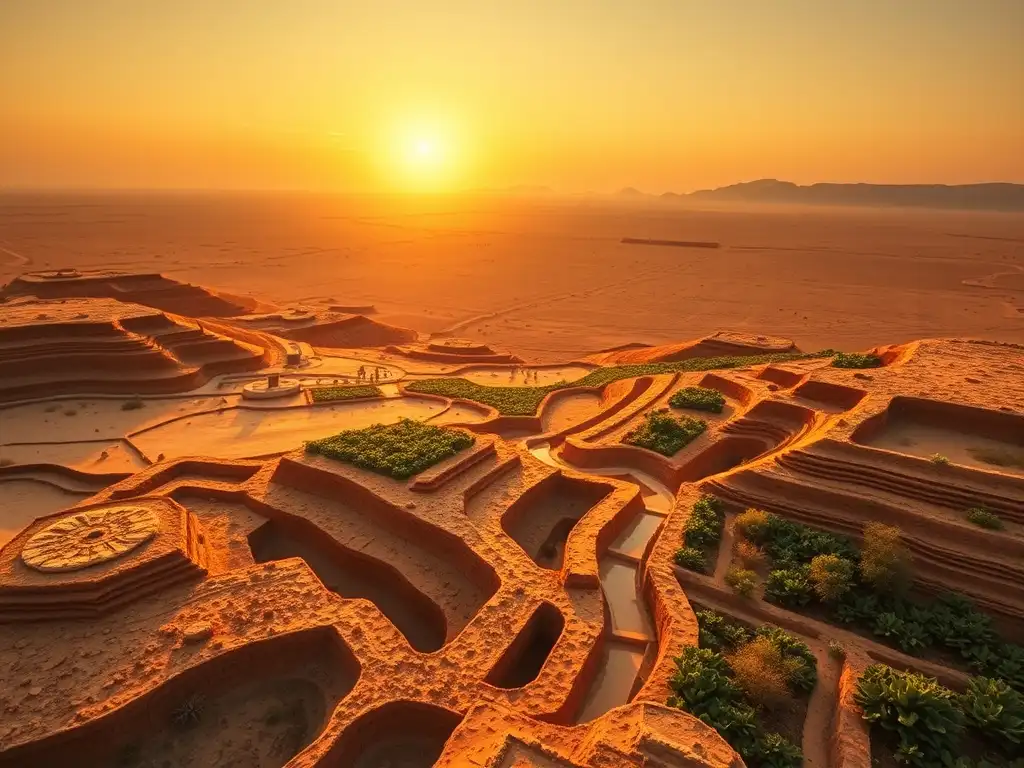
The Nazca civilization, renowned for its enigmatic geoglyphs, also possessed remarkably sophisticated agricultural techniques that allowed them to thrive in one of the most arid regions of the world. Their success wasn't due to luck; rather, it stemmed from a deep understanding of their environment and the development of ingenious methods to overcome the challenges of the desert. This section explores the key elements of Nazca farming techniques, highlighting their ingenuity and resilience in the face of scarce water resources and harsh climatic conditions.
Mastering these techniques was crucial for their survival and the flourishing of their complex society. The ingenuity displayed in Nazca farming techniques is a testament to their advanced understanding of agriculture and resource management. Understanding their methods sheds light on the remarkable adaptability of this ancient civilization.
Cultivating Crops Suitable for the Arid Climate
The Nazca people weren't simply farmers; they were skilled agronomists, carefully selecting crops that could withstand the harsh desert conditions. Their choice of crops wasn't arbitrary; it was based on years of observation and experimentation. They prioritized drought-resistant species and those requiring minimal water. This careful selection was a fundamental pillar of their agricultural success.
Several key crops formed the backbone of the Nazca diet. These included:
- Cotton: Used for textiles, clothing, and rope-making. Its deep roots helped it access subsurface moisture.
- Beans: A vital source of protein, they were cultivated in various forms, demonstrating adaptability to different microclimates.
- Maize (Corn): Although requiring more water than other crops, specialized varieties adapted to the arid conditions were developed. These varieties may have been smaller than those grown in more humid areas but were crucial for sustenance.
- Squash: Various types of squash, known for their drought tolerance, were cultivated, providing carbohydrates and other nutrients.
- Lúcuma: This fruit tree, known for its sweet fruit, was strategically planted, suggesting an understanding of water management and microclimate variations.
The Nazca likely employed diverse planting techniques, including intercropping and crop rotation, to optimize yields and maintain soil fertility. Further research is needed to fully understand the complex interplay of these practices. [Specific information pending: Detailed analysis of ancient Nazca agricultural records and botanical remains].
The Use of Terraces and Raised Fields in Nazca Farming
The limited availability of water in the Nazca desert necessitated innovative water management strategies. The Nazca people ingeniously employed terraces and raised fields, techniques that are still admired for their efficiency. These structures drastically increased the amount of cultivable land and improved water retention.
Terracing involved carving level platforms into the slopes of hillsides. This not only increased the available planting area but also slowed down the runoff of precious rainwater, allowing it to soak into the soil more effectively. The construction of these terraces was a significant undertaking, requiring considerable labor and planning, demonstrating the societal organization and commitment to agriculture.
Raised fields, on the other hand, were artificial mounds of earth built in the valleys. These elevated fields were often surrounded by canals, which channeled water from nearby sources. The elevated position improved drainage, reducing waterlogging and creating a more favorable environment for crop growth. The canals also allowed for more efficient irrigation, minimizing water waste. This advanced understanding of hydrology is a testament to their sophisticated agricultural practices. The precise methods of construction and maintenance of these systems are still being investigated, highlighting the complexity of Nazca engineering.
Soil Enrichment and Fertilization Methods
Maintaining soil fertility in the arid Nazca environment presented a major challenge. However, evidence suggests that the Nazca employed several methods to enhance soil quality and promote healthy crop growth. These techniques, although not fully understood, were crucial for sustaining agricultural productivity over generations.
One likely method involved the use of organic fertilizers such as animal manure and composted plant matter. These organic materials would have helped to improve soil structure, water retention, and nutrient content. The meticulous management of organic waste suggests a deep understanding of the importance of soil health.
Another possible technique involved the use of guano, the excrement of seabirds, as a fertilizer. Guano is rich in nitrogen and other essential nutrients, and its use would have significantly boosted crop yields. The transportation of guano from coastal areas to inland farms would have required considerable logistical planning and organization, again highlighting the sophistication of their agricultural system. Further investigation is needed to determine the precise extent of guano use in Nazca agriculture.
[Specific information pending: Isotopic analysis of ancient Nazca soils to determine the presence and extent of guano use]. The overall ingenuity and sophistication of Nazca farming techniques, even in the face of extreme environmental limitations, is remarkable and deserves further study. 🌱
The Significance of Nazca Agriculture in Their Society

The Nazca civilization, flourishing along the southern coast of Peru from approximately 100 BC to 800 AD, achieved remarkable success in agriculture despite inhabiting one of the most arid regions on Earth. Their ingenuity in developing and implementing sophisticated Nazca farming techniques allowed them to not only survive but thrive in this challenging environment, profoundly shaping their social structures, religious beliefs, and overall societal development. Understanding their agricultural practices is crucial to comprehending the complexity and sophistication of this fascinating culture.
The ability to cultivate crops in the desert was a defining characteristic of Nazca society, impacting everything from population density to social hierarchy and religious practices. The very survival of the Nazca people hinged on their mastery of water management and agricultural innovation. This section will delve into the multifaceted significance of Nazca agriculture, exploring its impact on various aspects of their civilization.
The Impact of Nazca Farming on Population Growth
The success of Nazca farming techniques directly contributed to significant population growth. Unlike nomadic groups who relied on unpredictable resources, the Nazca's ability to cultivate crops provided a stable food source, enabling settled communities to flourish. Archaeological evidence, such as the size and density of settlements, suggests a substantial increase in population during the Nazca period.
The availability of surplus food, thanks to effective irrigation and agricultural practices, allowed for specialization of labor, freeing individuals from solely agricultural pursuits to engage in other crafts and activities, further fueling societal development. This steady food supply also reduced mortality rates associated with famine, allowing the population to grow at a faster rate than in other, less agriculturally advanced, societies of the time.
Estimates suggest that the Nazca population reached [specific information pending] at its peak, a testament to the effectiveness of their agricultural innovations. This population density, in turn, supported the construction of extensive irrigation systems and the development of complex social structures.
The mastery of Nazca farming techniques resulted in agricultural surpluses, a crucial factor in shaping Nazca social organization. This surplus food allowed for the emergence of a hierarchical society with specialized roles beyond simple farming. A ruling elite likely controlled the distribution of resources, including agricultural products, wielding significant power and influence.
This surplus also facilitated the development of craft specialists, such as potters, weavers, and metalworkers, who could dedicate their time to their crafts, contributing to the rich artistic and technological achievements of the Nazca culture. The control and redistribution of surplus agricultural goods likely played a central role in maintaining social order and consolidating power within the Nazca hierarchy.
Evidence of elite burials containing elaborate grave goods, including textiles and ceramics, supports the existence of a stratified society with significant social and economic inequality. The very foundation of this societal structure rested upon the ability to produce and manage surplus food.
Nazca Agricultural Practices and Rituals
Nazca agriculture was not merely a practical endeavor; it was deeply intertwined with religious beliefs and rituals. The construction and maintenance of elaborate irrigation systems were likely accompanied by ceremonies and offerings designed to ensure the fertility of the land and the success of the harvest. Archaeological findings suggest that Nazca farmers performed rituals involving the use of specific plants and animals, believing in their power to influence agricultural productivity.
The Nazca lines themselves, though their exact purpose remains debated, may have played a role in these agricultural rituals, potentially serving as astronomical calendars or markers for water sources. The intricate designs found on Nazca pottery often depict agricultural scenes, further highlighting the importance of farming in their religious worldview.
The deep connection between agriculture, religion, and social organization emphasizes the central role of Nazca farming techniques in shaping the entire culture. These practices demonstrate that Nazca society viewed agriculture not simply as a means of survival, but as a sacred activity essential to their well-being and prosperity.
Archaeological Evidence of Nazca Farming Ingenuity
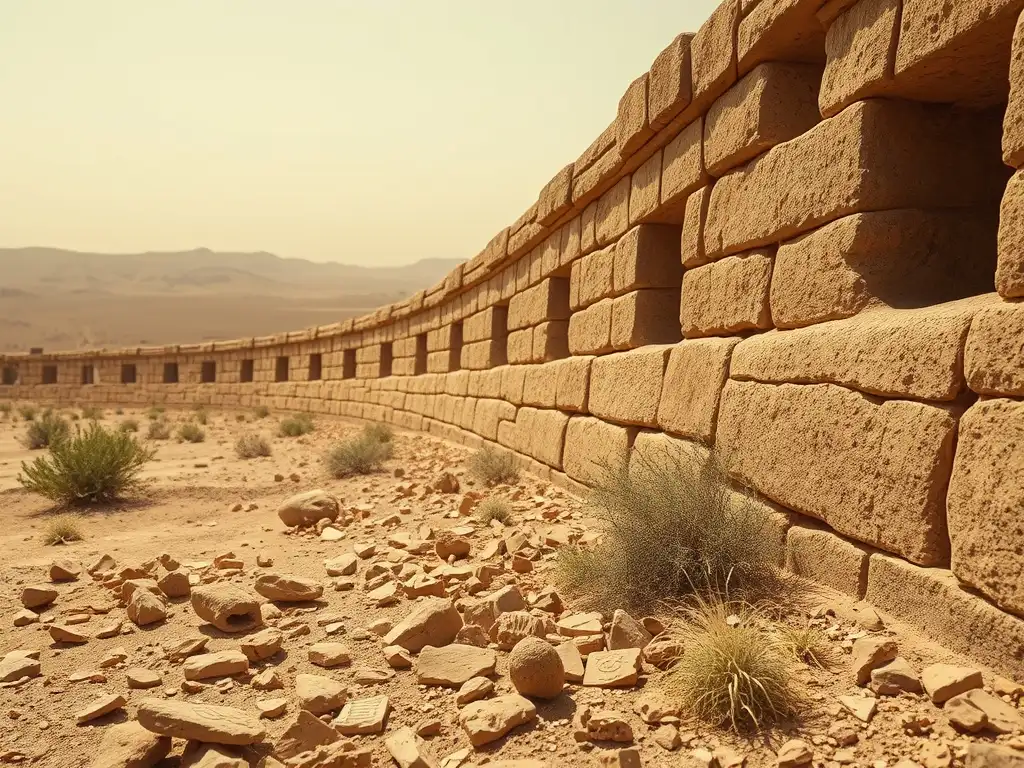
The arid coastal plains of southern Peru, where the Nazca civilization flourished, presented a significant challenge for agriculture. Yet, the Nazca people developed remarkably sophisticated farming techniques to thrive in this seemingly inhospitable environment. Archaeological evidence provides compelling insights into their ingenuity, revealing a complex interplay of water management, soil cultivation, and crop selection. Understanding these techniques offers a fascinating glimpse into the resourcefulness and adaptive capacity of this ancient civilization. The study of "Nazca farming techniques" reveals a remarkable mastery of their environment.
Analyzing the Remains of Nazca Irrigation Systems
The most striking evidence of Nazca agricultural ingenuity lies in their extensive irrigation systems. Archaeological surveys have uncovered remnants of canals, aqueducts, and subterranean channels that transported water from rivers and underground sources to their fields. These weren't simple ditches; they were carefully engineered structures, often lined with stones or clay to prevent water loss through seepage.
Analysis of these remains reveals sophisticated techniques of water management, including the use of gravity and pressure to move water over considerable distances. For example, the Cantalloc Aqueduct, a masterpiece of Nazca engineering, channeled water from a distant source across a vast expanse of desert, providing irrigation for extensive agricultural areas. The precision of the construction and the scale of these projects underscore the level of organization and planning required for their successful implementation.
Further research into the materials used in construction, such as the types of stone and binding agents, would illuminate the techniques employed and the level of technological sophistication achieved by the Nazca. The intricate network of canals, meticulously planned and executed, stands as a testament to their understanding of hydrology and their ability to harness scarce resources. Analyzing the sediment build-up within these channels also provides valuable information about the longevity and maintenance of these vital irrigation systems.
Identifying Cultivated Plants Through Archaeological Findings
Beyond the irrigation infrastructure, archaeological excavations have unearthed substantial evidence of the types of crops cultivated by the Nazca. Analysis of plant remains, including seeds, pollen, and other organic materials found at residential and ceremonial sites, reveals a surprisingly diverse range of crops adapted to the desert environment. Cotton, beans, maize, squash, and various types of chili peppers were staples of the Nazca diet, complemented by other plants used for medicinal and textile purposes.
The presence of these crops, often found in association with irrigation canals, indicates a strong link between agricultural practices and the sustained growth of the Nazca civilization. Furthermore, isotopic analysis of plant remains can provide additional insights into the water sources used for irrigation and the environmental conditions under which these crops were cultivated.
Careful examination of the recovered plant remains, combined with comparative analysis with modern species, provides a more comprehensive understanding of the agricultural practices and dietary habits of the Nazca people. This detailed analysis helps us to reconstruct their agricultural landscape and appreciate the ingenuity employed in cultivating a diverse range of crops in such a challenging environment.
Interpreting the Role of Agriculture in Nazca Culture
The importance of agriculture to Nazca society is undeniable. Archaeological evidence suggests that agriculture was not merely a means of subsistence but played a central role in their social, economic, and religious life. The large-scale investment in irrigation projects, the diversity of cultivated crops, and the presence of agricultural imagery in their art and textiles all point to the high value placed on agriculture.
The intricate designs found on Nazca ceramics often depict agricultural scenes, suggesting that farming was a source of pride and community identity. Furthermore, the distribution of agricultural products may have played a significant role in the social and political organization of Nazca society. Understanding the interplay between agricultural production and social structures requires further investigation, potentially involving analysis of settlement patterns and the distribution of agricultural surpluses.
In short, Nazca farming techniques were not simply practical solutions to survival; they were integral to the very fabric of their culture and societal structure. Further research into the social implications of Nazca agricultural practices promises to yield richer insights into their complex society.
Legacy of Nazca Agricultural Practices: Lessons for Today
The Nazca people, renowned for their enigmatic geoglyphs, were equally masterful in their agricultural practices. Their ability to cultivate crops in the arid coastal plains of southern Peru remains a testament to their ingenuity and a valuable source of knowledge for modern sustainable agriculture. Understanding their techniques offers crucial insights into water management, soil conservation, and crop diversification, all vital for addressing contemporary challenges of food security and environmental sustainability.
The legacy of Nazca farming techniques extends far beyond the historical context; it provides practical solutions for arid and semi-arid regions facing similar environmental constraints. Their success wasn't simply a matter of luck; it was the result of careful observation, adaptation, and a deep understanding of their environment. This section will explore the enduring relevance of Nazca agricultural wisdom.
Sustainable Farming Techniques from the Nazca Civilization
The Nazca civilization thrived for centuries in a seemingly inhospitable environment. Their success hinged upon a sophisticated understanding of water management, a necessity given the scarcity of rainfall. They developed ingenious systems, including:
- Canals and Aqueducts: These intricate networks channeled water from distant sources, such as rivers and underground aquifers, to irrigate their fields. The precise engineering involved in these systems is remarkable, demonstrating a deep understanding of topography and hydraulics. Some canals spanned kilometers, transporting water with minimal loss. These weren't haphazard constructions; they were carefully planned and meticulously maintained.
- Underground Aqueducts (Puquios): These were particularly remarkable feats of engineering. They involved digging shafts and tunnels to access underground water sources, and then channeling the water to the surface through a series of carefully constructed channels. The puquios demonstrated a sophisticated understanding of hydrology and allowed for a more reliable water supply even during dry periods.
- Terracing: To maximize land use on sloping terrain, the Nazca created extensive terraces, effectively transforming steep hillsides into level agricultural plots. This technique not only increased arable land but also reduced soil erosion and improved water retention. The terraces were often built in conjunction with canal systems, ensuring efficient irrigation.
The Nazca also practiced crop rotation and diversification to maintain soil fertility and reduce the risk of crop failure. They cultivated a variety of crops, including cotton, beans, maize, squash, and various tubers. This diverse approach ensured food security and resilience in the face of environmental variability. Their practices offer a model for modern sustainable agriculture, emphasizing the importance of resource efficiency and biodiversity. The Nazca's ability to sustain a large population in a harsh environment is a powerful example of the potential of sustainable agricultural practices.
Adapting Nazca Farming Methods in Modern Arid Regions
The principles underlying Nazca agricultural techniques remain highly relevant today, offering valuable lessons for modern arid and semi-arid regions grappling with water scarcity and desertification. Many of their methods can be adapted and incorporated into contemporary farming practices. For example:
- Water harvesting techniques: The Nazca's focus on capturing and storing rainwater can inspire the development of modern water harvesting systems in arid regions. This includes the construction of small dams, reservoirs, and the use of water-efficient irrigation technologies.
- Improved irrigation infrastructure: Modern engineering techniques can be combined with the Nazca's understanding of canal and aqueduct construction to create efficient and sustainable irrigation systems. This could involve the use of drip irrigation and other water-saving technologies.
- Soil conservation practices: The Nazca's terracing methods can be adapted to modern contexts to reduce soil erosion and improve water retention in sloping areas. This is particularly relevant in regions prone to desertification.
- Crop diversification and rotation: The Nazca's emphasis on crop diversification and rotation can serve as a model for enhancing the resilience of modern agricultural systems. This can help reduce the risk of crop failure and improve soil health.
The application of Nazca-inspired techniques can contribute significantly to improving agricultural productivity and sustainability in arid and semi-arid regions worldwide. This would not only enhance food security but also promote environmental sustainability and reduce the pressure on scarce water resources. Further research into the specific details of Nazca agricultural practices could unlock even greater potential for adaptation and innovation.
The Importance of Preserving Nazca Agricultural Heritage
The preservation of Nazca agricultural heritage is not just a matter of historical interest; it is crucial for ensuring the long-term sustainability of agricultural practices in arid and semi-arid regions. This requires a multi-faceted approach:
- Archaeological research: Continued archaeological research is essential to gain a deeper understanding of Nazca agricultural techniques and their effectiveness. This includes detailed studies of canal systems, terraces, and other agricultural infrastructure.
- Education and awareness: Educating communities about the ingenuity and effectiveness of Nazca agricultural practices can promote the adoption of sustainable farming methods. This can be achieved through educational programs, workshops, and community outreach initiatives.
- Sustainable tourism: Sustainable tourism can help generate revenue for the preservation of Nazca agricultural heritage sites. This involves developing tourism strategies that minimize environmental impact and maximize community benefits.
- Policy and legislation: Governments and international organizations can play a crucial role in promoting the preservation of Nazca agricultural heritage through appropriate policies and legislation. This includes protecting archaeological sites and promoting sustainable agricultural practices.
The Nazca agricultural legacy offers valuable lessons for addressing contemporary challenges related to food security and environmental sustainability. By preserving and adapting their ingenious techniques, we can contribute to a more sustainable and resilient future for agriculture in arid and semi-arid regions globally. The continued study and application of these "Nazca farming techniques" are vital for a more sustainable world.
Frequently Asked Questions
How did the Nazca people farm in such an arid climate?
The Nazca utilized ingenious irrigation systems, including canals and aqueducts, to channel water from rivers and underground sources to their fields. They also employed terracing to maximize water retention and arable land.
What crops did the Nazca cultivate?
The Nazca cultivated a variety of crops, including cotton, maize, beans, peppers, and squash. Their agricultural success was crucial to supporting their population.
What role did guano play in Nazca agriculture?
Guano, the excrement of seabirds, was a vital fertilizer for Nazca farmers. Its rich nutrients greatly enhanced crop yields in the otherwise infertile desert soil.
How effective were Nazca farming techniques?
Nazca farming techniques were remarkably effective, allowing them to sustain a relatively large population in a harsh desert environment for centuries. Their sophisticated systems are still studied today.
What evidence reveals the sophistication of Nazca farming methods?
Archaeological evidence reveals extensive irrigation networks, meticulously constructed terraces, and the widespread use of guano as fertilizer. These demonstrate a deep understanding of water management and soil enrichment.
Final Reflection: The Enduring Legacy of Nazca Ingenuity
The ingenious farming techniques of the Nazca people remain a powerful testament to human adaptability and a vital lesson for sustainable agriculture in our increasingly arid world. Their mastery of water management, despite the seemingly insurmountable challenges of the Peruvian desert, offers a compelling counterpoint to modern agricultural practices that often deplete resources and damage the environment. The Nazca's success wasn't just a matter of survival; it was a triumph of human ingenuity and a profound understanding of their ecosystem.
The Nazca's legacy extends far beyond their remarkable achievements in irrigation and terracing. Their sophisticated understanding of water conservation and soil management continues to inspire researchers and agriculturalists today, offering valuable insights into sustainable practices. The past is never dead. It's not even past.
- William Faulkner. This quote perfectly encapsulates the enduring relevance of Nazca farming techniques; their methods, though centuries old, offer solutions to the pressing challenges of modern agriculture and climate change. Their story reminds us that sustainable practices are not merely a modern concept, but a fundamental aspect of human civilization's survival.
Consider the ingenuity of the Nazca for a moment. Imagine the dedication and collaborative effort required to build such intricate irrigation systems and terraces in such a harsh environment. Now, consider how you can apply their principles of resourcefulness and respect for the environment to your own life. Whether it's reducing your water consumption, supporting sustainable agriculture, or simply appreciating the delicate balance of our ecosystems, the lessons of the Nazca challenge us to be more mindful stewards of our planet. Let their legacy inspire you to cultivate a more sustainable future.
Unleash Your Inner Innovator: Embrace Desert Agriculture!
Thank you for exploring the ingenious agricultural techniques of the Nazca civilization! You've discovered how these ancient people thrived in challenging environments, and now you can apply that knowledge to your own life.
Here's how you can put that ingenuity to work:
- Implement smart gardening techniques. Maximize water efficiency in your backyard or even on a small balcony by using raised beds or drip irrigation.
- Join a local community garden. Share your passion for sustainable practices, learn from others, and build connections with fellow gardening enthusiasts.
- Experiment with drought-tolerant plants. Consider growing native desert plants or other species that thrive with minimal water—you might be surprised by the results!
Now, how will you transform your space and community using the lessons learned from the Nazca?