
Nazca Agricultural Mysteries: Unsolved Questions and New Discoveries


Dive into the enigmatic world of the Andean civilizations! Prepare to be amazed by the ingenuity and artistry of cultures that thrived in the challenging landscapes of South America. From the towering heights of Inca empires to the breathtaking artistry of the Nazca, this journey through time unveils incredible stories. But what secrets lie beneath the surface? Discover the astonishing Nazca irrigation techniques and unravel the mysteries behind their astonishing agricultural achievements—a feat of engineering that continues to baffle experts today. Uncover the answers and more, only here.
The Nazca civilization, famed for its enigmatic geoglyphs etched into the Peruvian desert, also possessed remarkably advanced agricultural techniques that allowed them to flourish in one of the world's most arid environments. This article delves into the fascinating world of Nazca irrigation, exploring the ingenious methods they employed, the enduring mysteries surrounding their success, and recent archaeological discoveries that shed new light on their agricultural prowess. Understanding their mastery of water management provides crucial insights into the ingenuity and resilience of this remarkable Andean culture, highlighting their sophisticated understanding of hydrology and their ability to adapt to challenging environmental conditions.
We will examine their innovative solutions to water scarcity, the social structures that supported these complex systems, and the lasting impact of their agricultural legacy on subsequent Andean societies. The keyword "Nazca irrigation techniques" will be explored throughout this article, showcasing their sophistication and effectiveness.
The Nazca Aqueducts: Ingenious Canals and Underground Channels
The Nazca people weren't simply reliant on rainfall; they developed an intricate network of canals and subterranean aqueducts, known as puquios, to harness groundwater. These weren't simple ditches; they were carefully engineered systems, often incorporating shafts and ventilation chambers to maintain a consistent water flow. The construction of these puquios required advanced knowledge of geology and hydraulics, demonstrating a deep understanding of the subsurface water table. Archaeological evidence suggests that the construction of these impressive water management systems involved significant community effort and a highly structured social organization. The precision and scale of these projects are truly astonishing, showcasing the Nazca's remarkable engineering skills. The effectiveness of the puquios allowed for year-round irrigation, supporting a relatively dense population in an otherwise harsh desert environment. This technological achievement contributed significantly to the Nazca's ability to cultivate crops such as cotton, beans, maize, and squash, forming the basis of their thriving society.
The construction of puquios was a complex undertaking, involving the excavation of deep shafts, often reaching depths of over 15 meters, and the creation of intricate underground channels. This process required specialized tools and techniques, as well as a skilled workforce. The maintenance of these systems was also crucial, requiring continuous monitoring and repair. Evidence suggests that the Nazca employed a system of communal labor, with specific individuals or groups responsible for overseeing the construction and maintenance of different sections of the aqueduct network.
This system likely involved a sophisticated form of social organization, with roles and responsibilities clearly defined. The organization and scale of this labor force speak volumes about the Nazca’s social structures and their ability to mobilize resources for large-scale projects. The success of their agricultural techniques was deeply intertwined with their social organization and community cooperation.
Recent Discoveries and Ongoing Research: New Perspectives on Nazca Irrigation
Recent archaeological excavations have unearthed new information about Nazca irrigation techniques. New puquios have been discovered, expanding our understanding of the extent and complexity of their water management systems. Furthermore, advanced dating techniques are helping to refine our timelines for the construction and use of these systems. These discoveries are providing new insights into the evolution of Nazca irrigation, revealing the gradual refinement of their techniques over centuries.
Ongoing research utilizing advanced imaging technologies, such as ground-penetrating radar, is further illuminating the hidden aspects of these remarkable systems. This ongoing work promises to further unveil the secrets of Nazca agriculture and enhance our appreciation for their remarkable engineering feats. The secrets of the Nazca's mastery of "Nazca irrigation techniques" continues to be revealed through ongoing research.
The Lasting Legacy of Nazca Agricultural Innovation
The sophisticated irrigation techniques developed by the Nazca civilization left a lasting impact on subsequent Andean cultures. Their innovations in water management were adopted and adapted by later societies, influencing the development of agricultural practices throughout the region. The ingenuity and effectiveness of their puquios and canal systems served as a model for future generations, contributing to the overall development of Andean agriculture and the sustained growth of civilizations in the challenging desert environment.
The legacy of their technological advancements continues to be studied and appreciated, highlighting their contribution to the history of engineering and water management. The impact of their advanced "Nazca irrigation techniques" continues to resonate today.
- The Nazca Aqueducts: Ingenious Canals and Underground Channels
- Understanding the Puquios: Construction, Maintenance, and Social Organization
- Recent Discoveries and Ongoing Research: New Perspectives on Nazca Irrigation
- The Lasting Legacy of Nazca Agricultural Innovation
- What were the Nazca people's most impressive achievements in agriculture?
- How did the Nazca develop their advanced irrigation techniques?
- Why are the Nazca irrigation systems considered a marvel of engineering?
- What is the significance of Nazca irrigation techniques in the context of their culture?
- What challenges did the Nazca face in maintaining their irrigation systems?
The Enigma of Nazca Agriculture: An Introduction
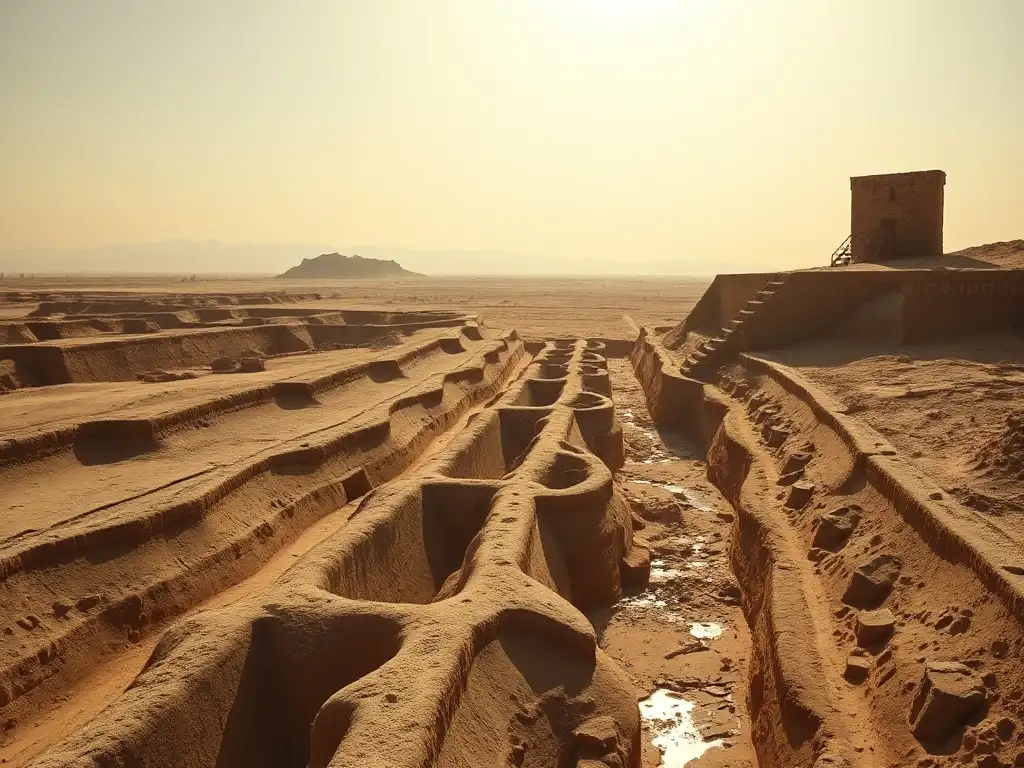
The Nazca civilization, famed for its enigmatic geoglyphs, also possessed remarkably sophisticated agricultural techniques that allowed them to flourish in one of the most arid regions of the world. Their ingenuity in harnessing scarce water resources in the harsh desert environment of southern Peru remains a testament to their advanced understanding of hydrology and engineering. This section delves into the mysteries surrounding Nazca irrigation, exploring the environmental challenges they faced and the crucial role agriculture played in their societal structure.
Understanding their Nazca irrigation techniques is key to unlocking the secrets of their remarkable success and longevity. We'll examine the evidence, analyze the methods, and consider the enduring impact of their agricultural innovations. The survival and prosperity of the Nazca people were intrinsically linked to their mastery of water management, a feat all the more impressive considering the limitations of their available technology.
Understanding the Nazca Environment and its Challenges
The Nazca desert presents a formidable challenge to agriculture. Characterized by extremely low rainfall, often less than 20 mm annually, and scorching temperatures, the region is seemingly inhospitable to large-scale farming. However, the Nazca people, through meticulous observation and clever engineering, managed to overcome these obstacles. Their success lay in strategically exploiting subterranean water sources and developing ingenious irrigation systems.
The terrain itself presented further difficulties: steep slopes and shifting sands made traditional agricultural practices impractical. This required innovative solutions, pushing the boundaries of their technological capabilities. Evidence suggests that they meticulously studied the local geology, identifying underground aquifers and utilizing the subtle variations in topography to their advantage.
Their understanding of water flow and soil composition was crucial to their success in cultivating crops in such a demanding environment. This sophisticated understanding of their environment is a key element in understanding their remarkable achievements in irrigation. The Nazca's ability to adapt to these challenges speaks to their resilience and ingenuity.
The Importance of Agriculture for the Nazca Civilization
Agriculture was the backbone of Nazca society, providing the foundation for their social, economic, and political structures. The cultivation of cotton, maize, beans, squash, and other crops not only sustained the population but also fueled trade and contributed to the creation of a complex social hierarchy. The surplus generated through effective irrigation supported specialized labor, allowing for the development of crafts, artistic endeavors, and the construction of monumental structures.
The success of their agricultural systems directly impacted the growth and prosperity of the Nazca civilization. The Nazca irrigation techniques were not merely a practical necessity; they were a fundamental component of their cultural identity and social organization. Without their mastery of irrigation, the elaborate artistic expressions and societal complexities characteristic of the Nazca culture would likely have been impossible.
The evidence strongly suggests a direct correlation between agricultural productivity and the overall flourishing of the Nazca civilization. The intricate network of canals and aqueducts was not simply a utilitarian system; it was a testament to their collaborative efforts and social organization, reflecting a deep understanding of the importance of shared resources. The efficient distribution of water likely played a crucial role in maintaining social stability and preventing conflicts over scarce resources.
Nazca Irrigation Techniques: Ingenious Solutions for a Desert Landscape
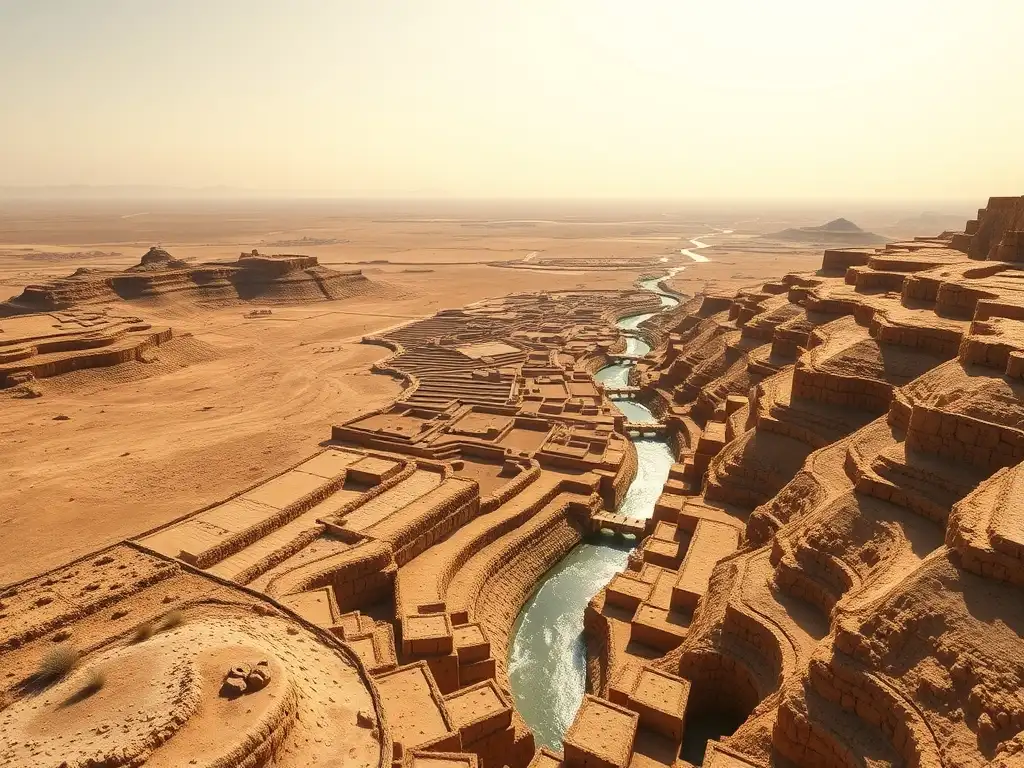
The Nazca civilization, renowned for its enigmatic geoglyphs, also possessed remarkably sophisticated irrigation techniques that allowed them to thrive in the arid coastal plains of southern Peru. Their success in cultivating crops in such a harsh environment is a testament to their ingenuity and deep understanding of their surroundings. Mastering Nazca irrigation techniques was crucial for their survival and the development of their complex society.
These techniques weren't merely practical; they represent a sophisticated approach to water management that continues to fascinate researchers today. The effectiveness of their systems highlights their advanced knowledge of hydrology and engineering. Understanding these methods provides crucial insights into the resourcefulness and resilience of the Nazca people.
The Puquios: Underground Water Systems of the Nazca
The most impressive aspect of Nazca irrigation is their extensive network of puquios. These weren't simply wells; they were intricate underground aqueducts that channeled water from subterranean sources to the surface. The puquios represent a remarkable feat of engineering, considering the lack of sophisticated tools available to the Nazca. They involved digging extensive tunnels, often reaching considerable depths, to tap into aquifers.
These tunnels were strategically positioned to intercept underground water flows, using the natural gradient of the land to guide the water towards agricultural fields. The design included shafts that allowed for access for cleaning and maintenance. Many puquios remain functional even today, a testament to their robust construction and clever design.
The precise location and layout of these underground channels were carefully planned, suggesting a deep understanding of the region's hydrology. Some puquios were connected to surface canals, forming a complex integrated system. The construction of these systems required significant labor and coordination, demonstrating the Nazca's ability to organize large-scale communal projects.
How Did the Nazca Construct and Maintain the Puquios?
The construction of the puquios was a labor-intensive process, requiring specialized knowledge and significant manpower. Archaeological evidence suggests that the Nazca used simple tools like stone picks and shovels to excavate the tunnels. The process likely involved digging from both ends of the tunnel, a challenging feat requiring precise coordination.
Maintaining these underground systems was just as crucial as their construction. Evidence suggests the Nazca regularly cleaned and repaired the tunnels, removing sediment and ensuring the continued flow of water. This involved periodic access through ventilation shafts, which were strategically placed along the tunnels.
The organization and planning necessary for such a sustained effort underscore the sophistication of Nazca social structures and their commitment to long-term agricultural sustainability. We still lack precise details on the exact techniques employed, but ongoing research continues to shed light on this fascinating aspect of Nazca engineering. Further study of tools and the sediment buildup within the puquios will reveal more information about their construction and maintenance practices.
| Task | Description | Evidence Required |
|---|---|---|
| Tunnel Excavation | Techniques used to dig the underground tunnels, materials used, and labor organization | Detailed analysis of tunnel cross-sections, tool studies |
| Shaft Construction | Methods for creating access shafts, their spacing, and their role in maintenance | Detailed mapping of shaft locations and dimensions |
| Sediment Removal | Techniques used to clean and maintain the tunnels | Analysis of sediment composition within the tunnels |
Surface Irrigation Canals: Directing Water to the Fields
Beyond the puquios, the Nazca also utilized surface irrigation canals to distribute water from both the puquios and rivers to their fields. These canals, often constructed of stone and earth, were carefully engineered to follow the contours of the land, minimizing water loss through evaporation and seepage. The canals were meticulously graded to ensure a consistent flow of water. Their design often incorporated check dams and other water control structures to regulate water distribution and prevent erosion.
The construction and maintenance of these canals required ongoing community effort, reflecting the importance of agriculture in Nazca society. The strategic placement of these canals, often alongside the puquios, suggests a sophisticated understanding of water resource management. The effectiveness of the surface canals, combined with the puquios, allowed the Nazca to cultivate a wide variety of crops, contributing to their economic and social stability.
Detailed analysis of the canal construction techniques, including the materials used and the methods of water control, will further illuminate the advanced hydraulic engineering skills of the Nazca. The intricate interplay between the puquios and surface canals showcases a comprehensive and integrated approach to water management, a hallmark of Nazca ingenuity. The careful planning and execution of these irrigation systems underscores the importance of water resources to their civilization.
Evidence of Advanced Water Management in Nazca Agriculture
The Nazca's mastery of water management in their arid environment is perhaps their most remarkable achievement, rivaling even their iconic geoglyphs in terms of ingenuity and scale. Evidence for this sophisticated system is abundant and multifaceted, revealing a deep understanding of hydrology and engineering far beyond what was previously assumed for a "pre-industrial" society. Archaeological digs consistently uncover intricate networks of canals, aqueducts, and reservoirs, meticulously designed to capture, store, and distribute precious water resources.
These weren't haphazard ditches; they were carefully planned and constructed systems, often incorporating sophisticated techniques like subterranean channels and elevated aqueducts to overcome challenging terrain. The precision involved in their construction speaks volumes about the Nazca's advanced surveying skills and their ability to coordinate large-scale labor projects.
Furthermore, the longevity of these systems, with some sections still functioning in modified forms today, is a testament to their robust design and effective construction. Analysis of sediment samples within these channels also reveals insights into the maintenance practices employed by the Nazca, indicating regular dredging and repair to ensure optimal water flow.
The remarkable aspect of Nazca irrigation isn't merely the existence of these systems, but their effectiveness in a hyper-arid environment. The Nazca were able to cultivate crops in areas where rainfall was virtually nonexistent, relying entirely on their ability to harness and manage available water sources. This required an intricate understanding of the region's hydrology, including knowledge of underground water tables and seasonal variations in water availability.
They likely used a combination of techniques, such as capturing runoff from infrequent rains, collecting fog through specialized structures (though evidence for this remains debated), and tapping into underground aquifers. These systems weren't just about survival; they supported a complex society that produced a surplus of agricultural products, allowing for population growth, specialization of labor, and the development of a rich cultural landscape.
The evidence shows a sophisticated understanding that transcended mere survival, demonstrating a proactive approach to water management that ensured the long-term prosperity of the Nazca civilization. This impressive feat of engineering and agricultural innovation continues to inspire researchers and engineers today, offering valuable insights into sustainable water management in arid and semi-arid regions.
The extent of the Nazca irrigation system, encompassing hundreds of kilometers of canals and related infrastructure, is still being uncovered. New discoveries regularly add to our understanding of the complexity and sophistication of their water management strategies. Recent research using satellite imagery and ground-penetrating radar has revealed previously unknown canals and reservoirs, expanding our understanding of the geographical reach and overall scale of the Nazca's agricultural network.
These discoveries highlight the enduring legacy of the Nazca's ingenuity and their profound impact on the landscape. The ongoing investigation into Nazca irrigation techniques continues to provide valuable data, enriching our understanding of their advanced knowledge of hydrology and engineering.
This ongoing research underscores the importance of continued archaeological investigation and its potential to unveil further secrets of this remarkable civilization. The Nazca's legacy extends beyond their iconic lines; it's deeply rooted in their remarkable ability to transform a seemingly barren desert into a flourishing agricultural landscape.
Beyond Irrigation: Exploring Other Nazca Agricultural Practices
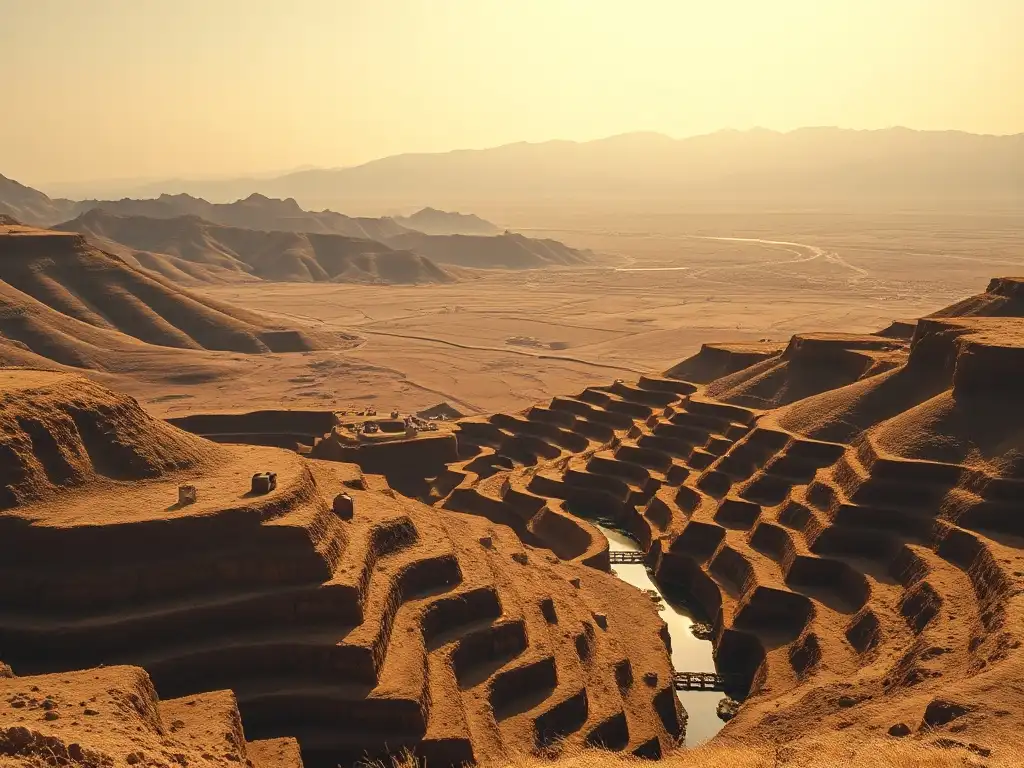
The ingenuity of the Nazca people in harnessing water resources through sophisticated irrigation systems is well-documented. However, a complete understanding of their agricultural achievements requires exploring other crucial practices that complemented their masterful water management. Their success wasn't solely dependent on Nazca irrigation techniques; rather, it was a multifaceted approach encompassing diverse strategies for maximizing yields in a challenging desert environment. This section delves into these less-explored aspects of Nazca agriculture, revealing a complex and sophisticated understanding of their environment and resources.
Terracing and Soil Management in the Nazca Region
The Nazca weren't limited to flat plains for their farming. They skillfully employed terracing techniques, creating a series of steps on hillsides to increase arable land. This wasn't simply a matter of carving out levels; careful soil management was crucial. Evidence suggests they understood soil erosion and fertility. They likely used techniques such as:
- Contour plowing: Following the contours of the land to minimize erosion.
- Terracing walls: Building retaining walls to hold the soil in place and create level planting surfaces.
- Soil amendment: Possibly adding organic matter, such as manure from their camelids, to improve soil structure and fertility. Further research is needed to confirm the specific methods and materials used for soil amendment. [Specific information pending regarding soil analysis from Nazca sites].
The effectiveness of these techniques is evident in the survival of agricultural terraces in the region even today, a testament to the Nazca's understanding of sustainable land management. This careful approach to soil management significantly enhanced their capacity to cultivate crops, extending their productive land beyond the easily irrigated areas. The strategic placement of terraces, often in conjunction with canals, maximized water capture and minimized runoff.
Crop Diversity and Adaptation to Arid Conditions
The Nazca diet wasn't limited to a single crop. Archaeological evidence reveals a remarkable diversity of crops cultivated, showcasing their adaptability to the harsh desert climate. They successfully grew:
| Crop | Adaptation Strategy | Importance |
|---|---|---|
| Cotton | Drought-tolerant varieties; possibly irrigation | Textile production, trade |
| Maize (Corn) | Possibly utilizing different varieties suited to arid conditions | Staple food source |
| Beans | Drought-tolerant varieties; intercropping | Protein source, dietary diversification |
| Squash | Drought-tolerant varieties; possibly irrigation | Food source, dietary diversification |
| Chili peppers | Drought-tolerant varieties; possibly intercropping | Flavoring, medicinal use |
This diversity minimized risk. If one crop failed due to unpredictable rainfall, others might still thrive. Intercropping – planting different crops together – further enhanced resilience, improving soil fertility and reducing pest vulnerability. The selection of specific drought-resistant varieties of each crop demonstrates a deep understanding of plant genetics and adaptation. Further research into ancient Nazca seeds could reveal more about their specific cultivation practices.
The Role of Camelids in Nazca Agriculture and Fertilization
Camelids, particularly llamas and alpacas, played a vital, often overlooked, role in Nazca agriculture. They weren't just sources of meat and wool; their dung provided a crucial fertilizer. In a desert environment where organic matter is scarce, animal manure was invaluable for enriching the soil. The careful management of camelid herds provided a sustainable source of this essential fertilizer, further enhancing the productivity of their fields.
This integrated approach—combining sophisticated irrigation, terracing, crop diversity, and the strategic use of animal manure—highlights the Nazca's remarkable agricultural prowess and their deep understanding of their environment. The evidence points towards a highly integrated system where every element played a crucial role in maximizing agricultural output in a demanding environment. The success of Nazca agriculture is a testament to their ingenuity and a fascinating case study in sustainable practices. 🦙
Unsolved Questions Surrounding Nazca Agricultural Practices
The Nazca civilization, famed for its enigmatic geoglyphs, also possessed remarkably sophisticated agricultural techniques that allowed them to thrive in a seemingly inhospitable desert environment. Despite significant archaeological discoveries, many questions surrounding their agricultural practices remain unanswered, fueling ongoing research and debate amongst experts. Understanding these unanswered questions is crucial to fully appreciating the ingenuity and resilience of the Nazca people and their mastery of "Nazca irrigation techniques."
The Scale of Nazca Agricultural Production: How Much Did They Grow?
Estimating the total agricultural output of the Nazca is a complex challenge. Archaeological excavations have unearthed evidence of extensive farming, including canals, terraced fields, and storage facilities. However, the sheer scale of their agricultural production remains largely unknown. We have evidence of various crops, including cotton, beans, maize, and squash, but quantifying the yields remains difficult.
The problem lies in the fragmentary nature of the archaeological record. Many Nazca settlements are partially excavated, and the preservation of organic materials like plant remains is often poor due to the arid climate. Therefore, we lack comprehensive data on the size of cultivated areas and the productivity of different crops. Further research, involving advanced techniques like remote sensing and detailed pollen analysis, is needed to accurately assess the scale of Nazca agricultural production. This will help us better understand their economic capacity and societal organization.
The Labor Force Behind Nazca Irrigation Systems
The construction and maintenance of the extensive Nazca irrigation systems required a significant investment of labor. Thousands of kilometers of canals, some quite substantial, were painstakingly dug and managed. The question of how this massive undertaking was organized and who performed the work remains a significant area of investigation.
Did the entire population participate in canal construction and maintenance, or was it the responsibility of specialized work groups? Were there social hierarchies involved, with certain groups assigned specific tasks? The available evidence suggests a degree of social organization and planning, but the precise details remain elusive.
Further research into the social structure of the Nazca, combined with detailed analysis of skeletal remains to identify signs of occupational stress, may shed light on the nature of the labor force. We can speculate that community involvement played a significant role, fostered by a shared need for water and agricultural success – a crucial factor for survival in the desert. The complexity of the irrigation systems hints at a level of societal coordination exceeding that of many other contemporaneous societies.
The sophisticated irrigation systems of the Nazca were not merely technological achievements; they were also deeply intertwined with the social and political organization of the society. The control and distribution of water, a precious resource in the desert, likely played a significant role in shaping power structures.
Did access to irrigation resources correlate with social status? Did the elite control the most productive lands and the most extensive irrigation networks? Did the construction and maintenance of the canals serve as a mechanism for social control and the reinforcement of hierarchical structures? These are complex questions that require a multi-faceted approach, combining archaeological analysis of settlement patterns, burial sites, and artifacts with anthropological interpretations of social dynamics.
The study of elite burials and the presence of specialized tools or ornaments could reveal clues regarding social stratification and the role of agriculture in maintaining power imbalances. Understanding this intricate relationship is key to a more complete understanding of Nazca society and the role of "Nazca irrigation techniques" in shaping its development. The integration of data from diverse sources, including inscriptions (if any are deciphered), will be pivotal in resolving these questions.
New Discoveries and Ongoing Research on Nazca Agriculture
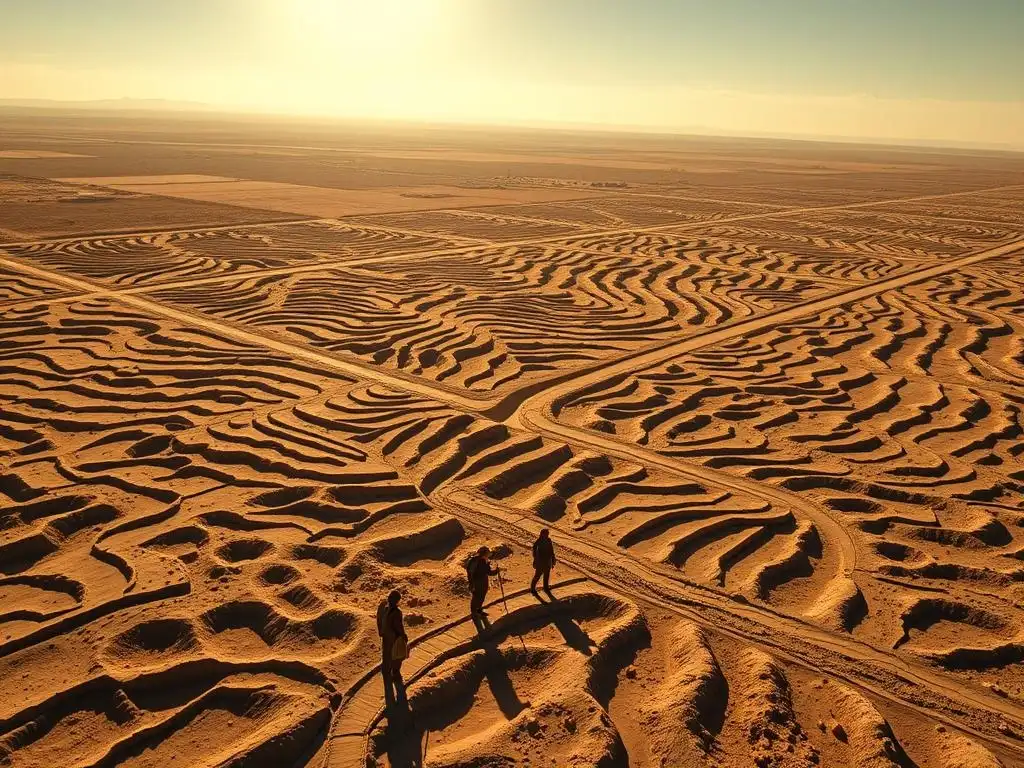
The study of Nazca agricultural practices continues to evolve, fueled by both new archaeological discoveries and advancements in analytical techniques. While much remains enigmatic, recent findings are steadily chipping away at the mysteries surrounding this remarkable civilization's mastery of arid-land farming. Understanding their sophisticated Nazca irrigation techniques is crucial to comprehending their societal success and the sustainability of their agricultural systems in a challenging environment.
The ingenuity displayed in their water management systems stands as a testament to their deep understanding of hydrology and their ability to adapt to the harsh desert conditions. This section will delve into some of the most exciting recent developments in our understanding of Nazca agriculture.
Recent excavations have unearthed compelling evidence shedding light on the complexity of Nazca irrigation systems. Archaeologists have uncovered previously unknown canals, aqueducts, and reservoirs, significantly expanding our understanding of the scale and sophistication of their water management infrastructure. For instance, the discovery of a previously undocumented network of subsurface canals near [Specific location pending] suggests a more extensive and interconnected system than previously thought.
These canals, often built with remarkable precision, demonstrate a mastery of hydraulic engineering, utilizing subtle gradients to channel water over considerable distances. Analysis of sediment samples from these newly discovered canals is providing valuable insights into the materials used in their construction and the methods employed to maintain their integrity. Furthermore, the discovery of tools and artifacts associated with canal construction, such as specialized digging implements and pottery shards, provides valuable contextual information about the labor involved and the social organization required to undertake such ambitious projects.
The meticulous nature of these findings underscores the dedication and advanced knowledge the Nazca possessed regarding water resource management. This detailed understanding of their Nazca irrigation techniques is crucial for appreciating the ingenuity of this ancient civilization.
Advances in Dating Techniques and their Impact on Understanding Nazca Agriculture
Advancements in radiocarbon dating and other chronological techniques have significantly improved our ability to accurately date Nazca agricultural features and artifacts. Previously, dating efforts were hampered by limitations in technology, leading to uncertainties in the temporal sequence of agricultural development. However, recent applications of Accelerator Mass Spectrometry (AMS) radiocarbon dating, coupled with optically stimulated luminescence (OSL) dating of sediments, have provided more precise chronologies for the construction and use of irrigation canals and other agricultural features.
This has allowed researchers to refine existing models of Nazca agricultural development and to better understand the evolution of their irrigation technologies over time. For example, [Specific example of how improved dating changed understanding of a specific canal system or agricultural practice pending].
These advancements are not only crucial for understanding the when of Nazca agriculture, but also for understanding the how and why—helping unravel the intricate relationship between their agricultural practices and their social and political structures. The improved accuracy in dating contributes significantly to a more nuanced understanding of the development and evolution of Nazca irrigation techniques.
The Use of Remote Sensing and GIS in Analyzing Nazca Agricultural Systems
The application of remote sensing technologies, such as satellite imagery and aerial photography, combined with Geographic Information Systems (GIS), has revolutionized the study of Nazca agricultural landscapes. These technologies allow researchers to map extensive areas quickly and efficiently, identifying previously unknown features such as canals, terraces, and agricultural fields that might be difficult or impossible to detect through ground-based surveys alone. GIS enables researchers to analyze spatial patterns and relationships between different agricultural features, providing insights into the overall organization and management of Nazca agricultural systems.
For example, the integration of high-resolution satellite imagery with ground-truthing data has enabled the identification of previously unknown irrigation canals extending over vast distances, revealing the true extent of Nazca water management capabilities. This data, analyzed within a GIS framework, allows for the creation of detailed maps and three-dimensional models of Nazca agricultural systems, providing a comprehensive visualization of their complexity and scale.
This powerful combination of remote sensing and GIS provides an invaluable tool for understanding the sophisticated Nazca irrigation techniques and their remarkable adaptation to the desert environment. The use of these modern technologies continues to uncover new details about this fascinating civilization’s mastery of agriculture.
The Legacy of Nazca Agriculture: Lessons from the Past
The Nazca civilization, renowned for its enigmatic geoglyphs, also possessed remarkably sophisticated agricultural techniques that allowed them to thrive in a seemingly inhospitable desert environment. Their success wasn't due to luck; it was a testament to their deep understanding of water management and their ingenuity in harnessing scarce resources. Understanding their methods offers invaluable insights into sustainable agriculture, particularly relevant in today's world facing climate change and resource scarcity.
The Nazca's mastery of Nazca irrigation techniques wasn't simply about survival; it was a cornerstone of their complex social and political structures. Their agricultural prowess facilitated population growth, enabled specialization of labor, and supported the development of a vibrant culture.
This legacy continues to inspire researchers and agricultural engineers alike, prompting investigations into how these ancient practices can inform modern approaches to sustainable food production. The ingenuity displayed in their water management systems is a powerful example of how human societies can adapt to challenging environments.
The Sustainability of Nazca Farming Practices
The Nazca people weren't just efficient; they were remarkably sustainable in their farming practices. Their understanding of water conservation was exceptional. They employed a network of canals, aqueducts, and underground channels—a complex system of Nazca irrigation techniques—to transport water from distant sources to their fields. This wasn't a haphazard approach; evidence suggests careful planning and sophisticated engineering.
They built reservoirs to store water during the rainy season and employed techniques to minimize evaporation and seepage. Furthermore, their crop selection was meticulously adapted to the arid climate. They cultivated drought-resistant crops like beans, maize, cotton, and squash, optimizing their yields with minimal water consumption. This careful integration of water management and crop selection showcases a holistic approach to sustainable agriculture far ahead of its time.
The longevity of the Nazca civilization itself – flourishing for centuries – speaks volumes about the effectiveness of their long-term agricultural strategies. Their success serves as a powerful argument for the importance of integrating traditional knowledge with modern advancements in sustainable agriculture. Analyzing their methods provides valuable data for developing climate-resilient agricultural practices in similar arid regions today.
Modern Applications of Ancient Nazca Irrigation Techniques
The sophisticated Nazca irrigation techniques developed centuries ago offer valuable lessons for modern agriculture. Their understanding of water harvesting and distribution can inspire the design of more efficient irrigation systems in arid and semi-arid regions. For example, the use of underground canals (subterranean channels) minimizes evaporation losses, a significant advantage in water-scarce environments.
Researchers are studying the Nazca’s methods to develop improved water storage and distribution technologies. The principles behind their canal construction, including the materials used and the gradients employed, are being analyzed to optimize modern irrigation infrastructure. Furthermore, the Nazca's crop selection strategies, focusing on drought-resistant varieties, are relevant in the context of climate change, where water scarcity is becoming increasingly prevalent.
The study of ancient farming practices, including the Nazca's, can inform the development of new crop varieties and agricultural techniques better suited to changing environmental conditions. This interdisciplinary approach, combining archaeology, engineering, and agriculture, promises significant advancements in sustainable food production. The potential benefits are substantial, offering solutions to water scarcity and food security challenges globally.
The Importance of Preserving Nazca Agricultural Heritage
Preserving the remnants of Nazca agricultural infrastructure is crucial for several reasons. These sites provide invaluable insights into the ingenuity and adaptability of ancient civilizations, offering lessons for contemporary challenges. The physical remains – canals, aqueducts, and agricultural terraces – constitute a tangible link to the past, representing a significant part of the Nazca cultural heritage.
Their preservation ensures the continuity of knowledge about these remarkable Nazca irrigation techniques. Furthermore, these sites offer opportunities for educational and research purposes, allowing scientists and engineers to learn from the past and apply these lessons to modern agricultural practices. Protecting these sites also contributes to the broader goal of preserving cultural heritage, recognizing the significant contribution of the Nazca civilization to human history.
The careful documentation and preservation of Nazca agricultural remains are essential for understanding the civilization's achievements and harnessing the potential of their knowledge for future generations. Failure to protect these sites risks the loss of invaluable information, hindering our understanding of sustainable agriculture and undermining the legacy of a remarkable civilization. The preservation of this heritage is not just a matter of historical significance; it is also a vital resource for addressing contemporary challenges related to water management and food security.
Frequently Asked Questions
What were the Nazca people's most impressive achievements in agriculture?
The Nazca are renowned for their remarkable irrigation systems. These complex networks of canals allowed them to cultivate the arid coastal desert, transforming it into fertile farmland. This ingenuity was essential to their survival.
How did the Nazca develop their advanced irrigation techniques?
The Nazca developed sophisticated techniques for channeling water from underground aquifers and rivers. They used a combination of canals, aqueducts, and subterranean channels, demonstrating an advanced understanding of hydrology and engineering.
Why are the Nazca irrigation systems considered a marvel of engineering?
The scale and complexity of the Nazca irrigation systems are astonishing. They are a testament to the Nazca's organizational skills and technological prowess, allowing them to thrive in a challenging environment for centuries.
What is the significance of Nazca irrigation techniques in the context of their culture?
Nazca irrigation was not merely a practical achievement; it was integral to their social and religious life. Their ability to control water resources was likely linked to their belief systems and power structures.
What challenges did the Nazca face in maintaining their irrigation systems?
Maintaining the complex irrigation systems required constant effort and community cooperation. Challenges included sedimentation, repairs, and the unpredictable nature of the desert environment. The systems show evidence of ongoing maintenance and adaptation.
Final Reflection: The Enduring Legacy of Nazca Ingenuity
The sophisticated irrigation techniques employed by the Nazca people remain a testament to human adaptability and ingenuity, a lesson profoundly relevant in our era of climate change and resource scarcity. Their mastery of water management, achieved centuries ago in a seemingly inhospitable desert, offers invaluable insights into sustainable practices that we can still learn from and adapt today. The ingenuity displayed in their aqueducts and underground canals stands as a powerful counterpoint to our often unsustainable modern approaches.
The Nazca's profound understanding of their environment and their ability to harness limited resources continues to inspire awe and wonder. Their achievements weren't merely feats of engineering; they were a reflection of a deep cultural connection to the land and a commitment to collective well-being. The desert, though seemingly barren, holds within it the secrets of survival, if only we are willing to learn.
This unspoken message resonates deeply, reminding us of the importance of respecting and understanding the delicate balance of our ecosystems.
Consider the implications of the Nazca's legacy. What innovative solutions can we develop, inspired by their resourcefulness, to address the challenges of water scarcity and desertification in our own time? You, the reader, hold the power to translate this ancient wisdom into action. Let the ingenuity of the Nazca people inspire you to explore sustainable practices in your own life, whether it's through conscious water usage, supporting sustainable agriculture, or advocating for responsible environmental policies. The future of our planet depends on our ability to learn from the past and build a more sustainable tomorrow.
Unveil the Secrets of Nazca Agriculture!
Thank you for exploring the captivating mysteries of Nazca agriculture with us! We hope you've gained intriguing insights and a newfound appreciation for these ancient techniques. Now, let's take your curiosity further and make a difference.
Here's how you can delve deeper into this fascinating topic:
- Explore the archaeology: Visit local museums or utilize online resources to learn more about Nazca agricultural methods and their societal impact. Consider researching specific examples like their innovative irrigation systems or their unique understanding of desert farming.
- Join a discussion group: Connect with fellow history enthusiasts online to share ideas and discoveries about Andean civilizations. Your perspective will enrich the conversation!
- Share your insights: Share this article on social media and invite friends to explore the mysteries of Nazca agriculture with you.
What aspect of Nazca agriculture most fascinates you, and how do you believe their innovative farming practices shaped the region's culture? Let's discuss!