
The Interplay of Art and Ritual: Nazca Ceramics in Ceremonial Contexts

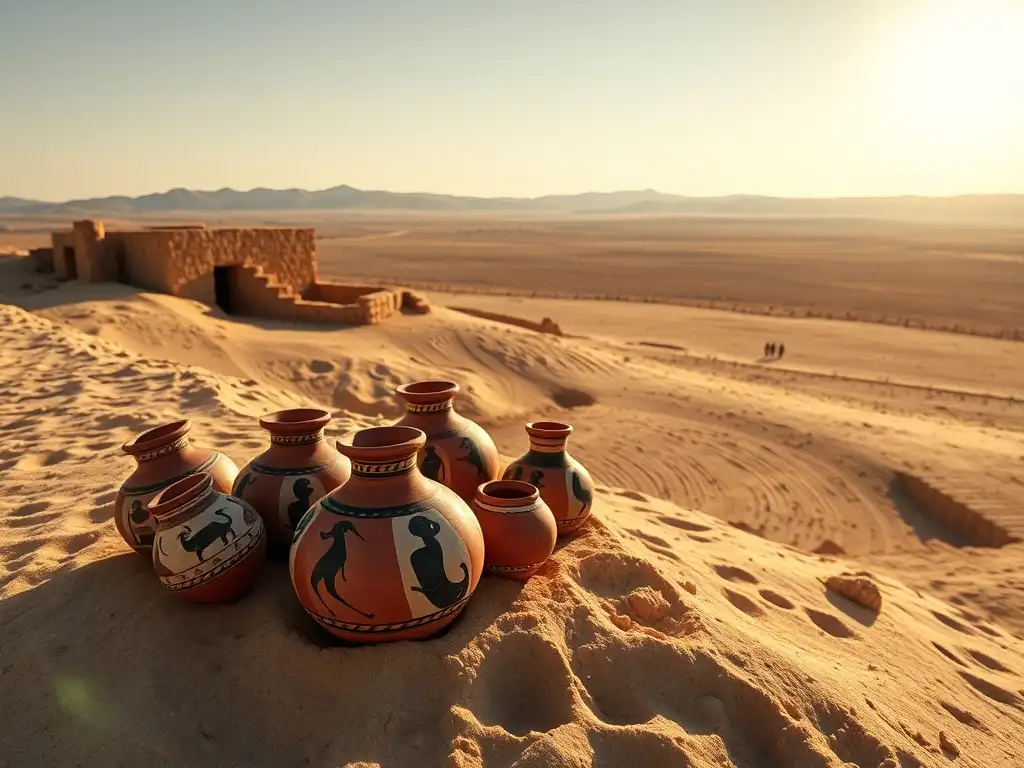
Unravel the mysteries of a lost world… Step into the vibrant heart of the Andean civilizations, where towering empires rose and fell, leaving behind a legacy of breathtaking artistry and intricate rituals. Prepare to be captivated by the intriguing world of Nazca pottery and its profound ceremonial use, a story waiting to be uncovered within the fascinating depths of Nazca culture. Discover how these ancient artifacts illuminate the beliefs and practices of a civilization that continues to hold our imaginations captive. Explore now and unlock the secrets they hold!
The arid coastal plains of southern Peru, a seemingly desolate landscape, once thrived with a sophisticated civilization renowned for its intricate artistry and complex religious beliefs: the Nazca. This article delves into the fascinating interplay between art and ritual in Nazca culture, focusing specifically on the ceremonial use of their iconic pottery.
We will explore the significance of Nazca ceramics within their societal structure, examining how these meticulously crafted vessels served not merely as utilitarian objects, but as integral components of religious ceremonies and social interactions, reflecting a deeply ingrained spiritual worldview and providing invaluable insights into their daily lives and beliefs. By analyzing the iconography, stylistic variations, and archaeological contexts of these artifacts, we aim to illuminate the profound role Nazca pottery played in shaping their cultural identity and understanding of the cosmos.
The study of Nazca pottery's ceremonial use offers a unique window into the vibrant and complex world of this remarkable ancient civilization, revealing the intricate connections between their artistic expressions and their spiritual practices. This exploration will shed light on the "Nazca pottery ceremonial use" and its broader implications for our understanding of Andean pre-Columbian societies.
Introduction to Nazca Pottery and its Significance
Nazca pottery is instantly recognizable for its vibrant polychromy and intricate designs. Unlike many other ancient ceramic traditions, Nazca potters mastered a technique of applying multiple layers of paint, resulting in remarkably detailed and colorful imagery. These vessels were not simply functional containers for food and liquids; their artistic complexity suggests a deeper, symbolic purpose.
The motifs frequently depicted—fantastic creatures, stylized plants, human figures engaged in various activities, and geometric patterns—reveal much about Nazca cosmology, mythology, and social structures. The sheer volume of surviving Nazca pottery, discovered in various contexts, including elite tombs, domestic sites, and ceremonial centers, underlines its importance in their society. Archaeological evidence suggests a significant degree of specialization in pottery production, with workshops and skilled artisans dedicated to creating these exquisite objects.
The diversity of shapes and sizes, from small, delicately painted vessels to large, imposing jars, further underscores the multifaceted role of pottery in daily life and ritual. The creation of these pieces was clearly a time-consuming and skilled process, underscoring the high value placed upon them. The use of specific pigments, sourced from various locations, also speaks to the level of organization and trade networks within Nazca society.
Understanding Nazca Culture and Ritual Practices
Nazca culture was deeply intertwined with ritual practices, reflecting a complex belief system centered around deities, ancestor veneration, and the forces of nature. Archaeological evidence, including the famous Nazca Lines, suggests a highly developed understanding of astronomy and its connection to agricultural cycles and the broader cosmos. Ceremonial contexts, such as temples and burial sites, often yielded significant quantities of pottery, indicating its use in rituals and offerings. The iconography on many vessels depicts scenes interpreted as representing shamanistic practices, mythological narratives, and perhaps even depictions of specific deities.
For example, the frequent appearance of feline-like figures and other supernatural beings suggests the importance of these entities in Nazca religious beliefs. The careful placement of pottery within tombs alongside other grave goods points to its role in funerary rituals and the belief in an afterlife. Furthermore, the stylistic variations in pottery may reflect different social groups or specific ceremonial occasions. Analysis of chemical residues on some vessels suggests that they were used to contain substances with ritual significance, further reinforcing their ceremonial role.
The study of Nazca ceremonial sites and the pottery found within them provides crucial context for understanding the significance of these artistic creations within their cultural framework. The meticulous detail and vibrant colors were not merely aesthetic choices, but integral aspects of ritual practice intended to evoke specific spiritual states or communicate with the supernatural. Further research into the specific chemical composition of the pigments and the types of vessels found in different ceremonial contexts is crucial for a more complete understanding of Nazca pottery's ceremonial use.
- What was the primary purpose of Nazca pottery?
- How did the ceremonial use of Nazca pottery differ from everyday use?
- What specific rituals involved Nazca pottery?
- What are some common motifs found on Nazca pottery used in ceremonies?
- Where can I find examples of Nazca pottery used in ceremonial contexts?
Nazca Pottery: More Than Just Utilitarian Objects
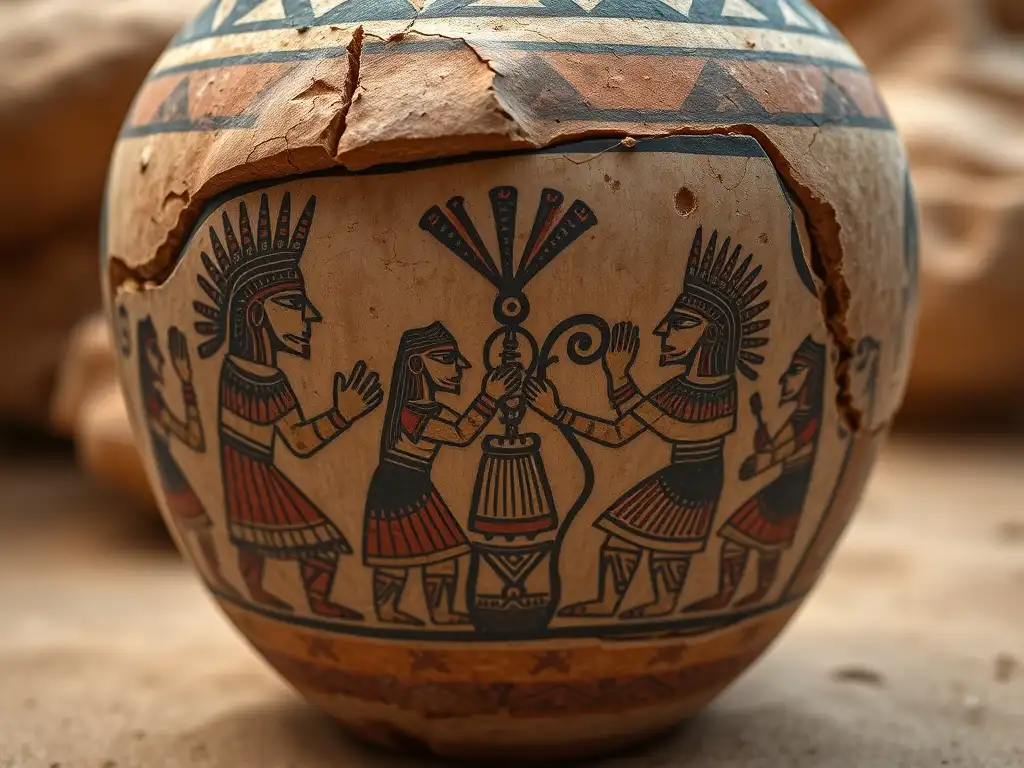
Nazca pottery, renowned for its vibrant colors and intricate designs, transcends its purely utilitarian function. While undoubtedly used for everyday purposes like storing food and water, its significance extends far beyond simple practicality. The meticulous craftsmanship, symbolic imagery, and the context of their discovery strongly suggest a profound ceremonial role in Nazca society. The sheer volume of pottery unearthed in funerary contexts and ceremonial sites reinforces this conclusion.
The production and use of Nazca pottery was deeply intertwined with religious beliefs and rituals, reflecting a sophisticated worldview. Analyzing the artistic techniques, iconography, and the contexts of discovery allows us to understand the deep cultural significance of this remarkable ceramic tradition. The meticulous detail and bold color palettes weren't merely aesthetic choices; they were integral to the ritual practices of the Nazca people, making "Nazca pottery ceremonial use" a crucial aspect of understanding their culture.
The Artistic Techniques of Nazca Ceramic Production
The creation of Nazca pottery was a complex process, demanding skill and precision. Potters employed a variety of techniques to achieve the distinctive visual characteristics of their work. The most common method involved using a coil-building technique, where long, thin coils of clay were carefully layered and smoothed to create the desired shape. After shaping, the vessels were often burnished to create a smooth surface, facilitating the application of the vibrant paints.
The colors themselves were derived from natural pigments, including minerals and plant extracts, meticulously ground and mixed to achieve a wide range of hues. Red, white, black, and yellow were frequently used, often in intricate combinations. The application of these paints was incredibly precise, often involving multiple layers to achieve depth and vibrancy.
Interestingly, some vessels show evidence of pre-painting designs incised into the clay, suggesting a multi-stage process that emphasized both the tactile and visual aspects of creation. The mastery of these techniques highlights the high social status often associated with the artisans themselves. This level of skill and artistry underlines the importance of pottery in Nazca society, further solidifying the idea of "Nazca pottery ceremonial use."
Iconography and Symbolism in Nazca Pottery
The iconography of Nazca pottery is rich and complex, offering valuable insights into the beliefs and rituals of the culture. The imagery depicted on these vessels is rarely arbitrary; instead, it's carefully chosen to convey specific meanings and messages. The motifs are not just decorative elements; they represent a complex system of symbols related to their worldview, social structure, and religious practices.
Recurring motifs, depictions of deities, and representations of the natural world all contribute to a comprehensive understanding of Nazca cosmology. The seemingly chaotic arrangements of figures and symbols often follow underlying patterns and structures, revealing a sophisticated understanding of visual communication. Analyzing the placement and interaction of these elements is key to unlocking the secrets of "Nazca pottery ceremonial use."
Recurring Motifs and their Meanings
Several motifs appear repeatedly throughout Nazca pottery, suggesting their profound cultural significance. One common motif is the depiction of stylized plants and animals, often intertwined with human figures. These representations are not simply naturalistic depictions; they are symbolic representations of the natural world and its relationship to human society. For example, the frequent appearance of hummingbirds might represent agility, speed, and connection to the supernatural realm.
Geometric patterns, such as zigzags and spirals, also appear frequently, possibly representing cosmological concepts or abstract ideas. The repetition of these motifs across different vessels and contexts reinforces their symbolic importance and their connection to ritual practices. Further research is needed to fully decipher the meaning of all the motifs, but their consistent presence strongly suggests their importance in "Nazca pottery ceremonial use."
Depictions of Deities and Mythological Creatures
Many Nazca pots depict figures that are likely representations of deities or mythological creatures. These figures often possess unique characteristics, such as exaggerated features or supernatural attributes, that distinguish them from ordinary humans. Some figures wear elaborate headdresses or costumes, indicating their elevated status. The presence of these figures on ceremonial vessels suggests their importance in religious rituals and beliefs.
The depictions frequently show interactions between these figures and humans, possibly illustrating myths or narratives crucial to Nazca religion. The stylistic choices used to depict these figures, such as the use of specific colors or poses, likely carried further symbolic meaning. The careful study of these representations is essential for understanding the religious context of "Nazca pottery ceremonial use" and the role of these vessels in rituals. Further research into comparative iconography and contextual analysis is vital to expand our understanding of these fascinating depictions.
Nazca Pottery Ceremonial Use: A Deep Dive
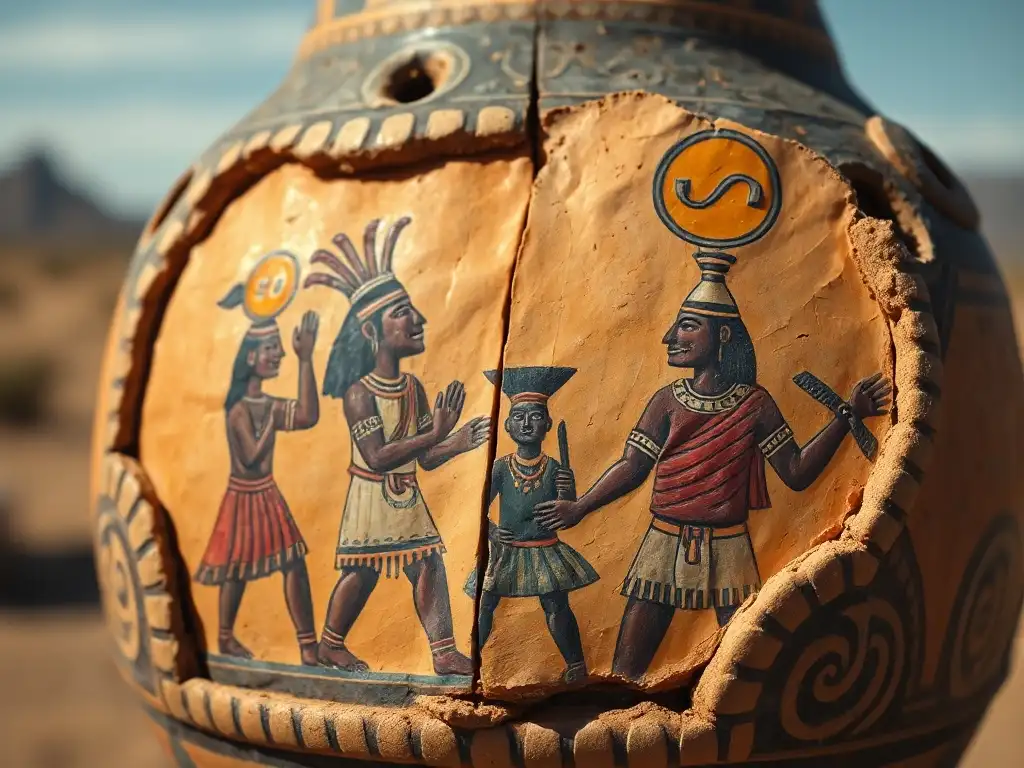
This section delves into the significant role Nazca pottery played in various ceremonial contexts, examining its use beyond mere decorative objects. The intricate designs and sophisticated techniques employed in Nazca ceramic production strongly suggest a deep connection between artistry and ritual practices, reflecting the worldview and spiritual beliefs of the Nazca culture. Analyzing these artifacts provides crucial insights into their societal structures, religious beliefs, and daily lives. Understanding the ceremonial use of Nazca pottery unlocks a deeper comprehension of their rich and complex civilization.
Pottery as Offerings in Nazca Religious Practices
The discovery of numerous Nazca ceramic vessels within burial sites and associated with religious structures unequivocally demonstrates their use as offerings. These offerings weren't simply discarded; they were carefully placed, often alongside other grave goods, suggesting a deliberate and meaningful act. The types of vessels used as offerings varied, ranging from simple bowls to intricately decorated jars, implying a hierarchical system of offerings, potentially reflecting the social status of the deceased or the importance of the specific ritual. The meticulous craftsmanship evident in many of these vessels further underscores their significance.
Burial Practices and Grave Goods
Analysis of Nazca burials reveals a consistent presence of pottery as grave goods. These vessels frequently contain remnants of food and drink, suggesting a provision for the deceased's journey into the afterlife. The types of food and drink preserved within these vessels, along with the associated pottery styles, can offer clues about the social status and beliefs of the individuals buried.
For example, elaborately decorated vessels containing rare ingredients might indicate a high-ranking individual, while simpler vessels with common foods might represent those of lower social standing. Further research into the chemical composition of residues within these vessels could provide more precise data on dietary habits and ritual practices. Detailed studies on the positioning of the pottery within the graves are also needed to understand the symbolic meaning associated with their placement.
Ritual Feasts and Consumption Vessels
Beyond funerary contexts, Nazca pottery served a crucial role in ritual feasts and communal celebrations. Large, elaborately decorated vessels, often depicting stylized figures and scenes, likely served as containers for shared food and drink during important ceremonies. These vessels, often found in association with other ritual objects, highlight the communal nature of Nazca religious practices.
The size and design of these vessels suggest they played a central role in structuring and symbolizing these communal events. The presence of multiple vessels of varying sizes in a single context suggests a carefully planned and organized distribution of food and drink, reflecting a sophisticated understanding of social hierarchy and ritual protocol. Further investigation into the chemical composition of residues in these vessels could reveal the specific types of food and beverages consumed during these ceremonies.
The Role of Ceramics in Nazca Shamanic Rituals
The intricate imagery found on many Nazca ceramic vessels strongly suggests their involvement in shamanic rituals. The depiction of supernatural beings, hallucinogenic plants, and transformative scenes strongly implies a connection to altered states of consciousness and shamanic practices. The vibrant colors and complex designs further emphasize their symbolic significance.
Pottery Depictions of Shamanic Transformations
Many Nazca ceramics depict scenes of transformation and metamorphosis, often featuring figures with hybrid features, blending human and animal characteristics. These depictions are highly suggestive of shamanic journeys and altered states of consciousness. The recurring motifs of birds, snakes, and other animals, often depicted in dynamic positions, may represent the shaman's ability to transform into these creatures, embodying their power and connecting with the spirit world.
The detailed analysis of these images, combined with ethnoarchaeological studies of contemporary Andean shamanic practices, can provide a more complete understanding of their significance. [Specific information pending] on the frequency of specific shamanic motifs across different Nazca ceramic styles is needed to strengthen this analysis.
The Use of Ceramics in Divination Rites
Some researchers propose that certain types of Nazca pottery were used in divination rites. The presence of vessels with specific designs or markings, possibly related to celestial events or natural phenomena, suggests their use in predicting the future or interpreting omens. The unique shapes and designs of these vessels might have held symbolic meanings related to specific divinatory practices. Further research is needed to identify these specific vessels and analyze their iconography to determine their function in divination.
Comparative studies with other Andean cultures known for their divinatory practices could provide valuable context and insights. [Specific examples of such pottery are pending further research]. A systematic cataloging of Nazca pottery designs and their potential symbolic meaning is crucial for future investigation into this aspect of Nazca ceremonial practices.
Nazca Pottery and Water Rituals
The arid coastal plains of southern Peru, where the Nazca civilization thrived, presented a constant challenge: the scarcity of water. This scarcity profoundly impacted their worldview, shaping their religious beliefs and practices, and is vividly reflected in their remarkable pottery. Nazca pottery wasn't merely decorative; it played a crucial role in elaborate water rituals aimed at ensuring the life-giving resource continued to flow.
These rituals were integral to their agricultural success and overall societal well-being. The intricate designs and symbolic imagery on the ceramics provide invaluable insights into these beliefs and practices, showcasing the deep connection between the Nazca people, their environment, and their spiritual world. The meticulous craftsmanship evident in these pieces underscores the profound significance attributed to these ceremonies.
The use of specific colors, forms, and iconography further reinforces the connection between the objects and the rituals themselves. Analyzing these elements allows for a deeper understanding of the complex interplay between art, ritual, and the survival of the Nazca civilization. The dedication to these ceremonies, as reflected in the pottery, speaks volumes about their commitment to maintaining a delicate balance with their challenging environment.
Depictions of Water and Fertility
Many Nazca ceramic vessels depict scenes directly related to water and fertility. Common motifs include stylized representations of rivers, streams, and rain, often accompanied by images of stylized plants, animals, and human figures engaged in activities related to agriculture and water management. These depictions are not merely aesthetic; they are symbolic representations of the life-giving properties of water and the cyclical nature of fertility.
For instance, the frequent appearance of stylized feline figures, often associated with water sources and rain, highlights the importance of these animals in the Nazca cosmology. The carefully executed details in these depictions, such as the intricate rendering of flowing water or the vibrant colors used to depict lush vegetation, suggest a deep understanding and appreciation of the natural world. These representations are not merely decorative; they were likely used to visually reinforce and celebrate the power of water and its role in sustaining life.
The meticulous attention to detail in the pottery showcases the importance of these symbolic representations in the overall context of Nazca religion and society. Furthermore, the consistency of these motifs across numerous vessels suggests a widespread understanding and shared belief system concerning the significance of water and fertility.
Ceramic Vessels Used in Water Ceremonies
Archaeological evidence suggests specific types of Nazca pottery were used in water ceremonies. Certain vessel shapes and styles, identified through careful excavation and analysis of ceremonial contexts, seem to have been specifically designed for ritual purposes. For example, some vessels with narrow necks and wide bodies might have been used for libations, while others with spout-like features could have been used for pouring water offerings. The size and shape of these vessels likely had symbolic meanings related to the type of ceremony or offering.
Furthermore, the presence of residue analysis on some vessels provides further evidence of their use in ritual contexts. [Specific examples of residue analysis and vessel types pending]. This analysis helps researchers understand the specific materials and substances used in these ceremonies. The careful study of these vessels provides compelling evidence of the integration of art and ritual in Nazca society.
The specific design and shape of these vessels, coupled with their context within ceremonial sites, demonstrate the intentional and ritualistic use of Nazca pottery. The careful craftsmanship and symbolic representations found on these vessels further emphasize their importance within the religious and social life of the Nazca people. The study of these ritual objects provides a unique window into the spiritual beliefs and practices of a remarkably innovative and resilient civilization.
Analyzing Specific Examples of Nazca Ceremonial Pottery
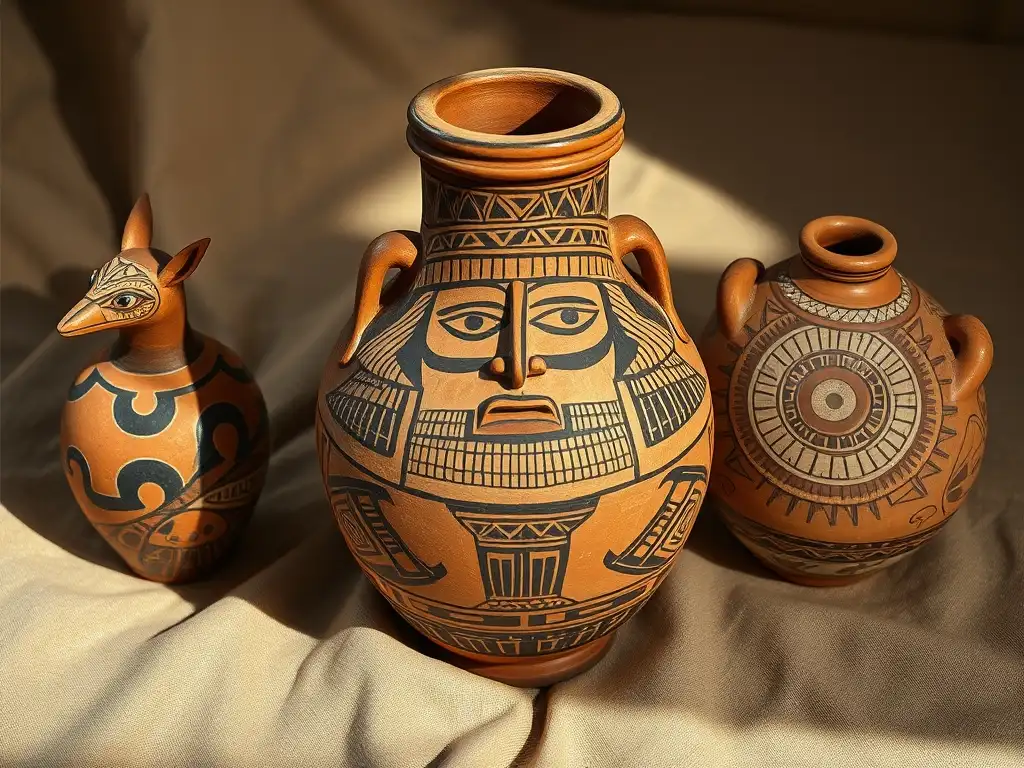
This section delves into the specific types of Nazca pottery frequently found in ceremonial contexts, analyzing their forms, iconography, and probable ritual functions. The intricate artistry of Nazca ceramics wasn't merely decorative; it served a crucial role in their religious and social life, reflecting their cosmology, beliefs, and societal structures. Understanding these vessels within their ceremonial settings provides invaluable insight into the complexities of Nazca culture and the significance of "Nazca pottery ceremonial use."
Trophy Head Vessels and Their Significance in Ritual Contexts
Trophy head vessels, a chilling yet fascinating aspect of Nazca pottery, represent a powerful visual manifestation of warfare and ritual sacrifice. These vessels, meticulously crafted to resemble decapitated heads, often feature realistic details including hair, facial features, and even headdresses. The intense realism suggests a deep symbolic connection to actual human sacrifice or the veneration of captured enemies. Some scholars posit that these vessels served as trophies displayed during ceremonies, reinforcing social hierarchies and celebrating military victories. Others suggest a more complex ritual function, perhaps involving ancestor veneration or the channeling of the deceased's power.
The materials used in creating these vessels further enhance their ritual significance. Fine-quality clay was often selected, and the painstaking detail in the painting and modeling demonstrates a high level of artistic skill and the importance placed upon these objects. The use of specific pigments, such as those derived from minerals, might have held further symbolic meaning, perhaps representing specific deities or locations. Analysis of the chemical composition of the pigments could reveal additional information about the rituals in which these vessels were used.
Further research into the burial contexts of these vessels is needed to fully understand their role. Were they placed in elite tombs, suggesting a connection to powerful individuals? Or were they found in communal burial sites, indicating a shared ritual practice? The answers to these questions will provide a more nuanced understanding of the function of trophy head vessels within Nazca society and their role in the broader context of "Nazca pottery ceremonial use."
Painted Bowls Depicting Mythological Scenes in Feasts
Elaborately painted bowls form another significant category of Nazca pottery found in ceremonial contexts. These bowls frequently depict scenes from Nazca mythology, often portraying deities, mythical creatures, and shamanistic rituals. The presence of these bowls in sites associated with feasts suggests their use in communal rituals, where the visual narratives on the bowls may have played a central role in the ceremony itself.
For example, bowls depicting the deity depicted as a feline-like being with human features could have been used during rituals dedicated to that specific deity. The detailed imagery would have served as a focal point for participants, reminding them of the deity's power and importance. The act of sharing food and drink from these vessels might have been considered a sacred communion, strengthening the bond between the participants and the divine realm.
The style and quality of the painting on these bowls varied greatly, suggesting different levels of craftsmanship and potentially different social statuses of the participants involved in the rituals. Some bowls display highly refined artistry, with intricate details and vibrant colors, while others are simpler in design. This variation reflects the social complexities of Nazca society and the diverse ways in which religious beliefs were expressed through "Nazca pottery ceremonial use."
Double-spout and bridge-spout vessels, characterized by their unique shape and intricate designs, are strongly associated with water-related ceremonies in Nazca culture. The double spouts, often connected by a bridge-like structure, are believed to symbolize the duality of the water sources – perhaps representing rivers and underground springs, or the contrasting forces of life-giving rain and destructive floods.
The iconography found on these vessels frequently includes representations of aquatic animals, stylized plants, and other symbols related to water and fertility. These motifs further support the hypothesis that these vessels played a significant role in rituals related to water management, agriculture, and the worship of water deities. The ceremonial use of these vessels could have involved libations, offerings, or perhaps even the ritual mixing of different liquids, symbolizing the union of opposing forces or the cyclical nature of water.
The distribution of these vessels across different sites suggests a widespread practice of water-related ceremonies throughout the Nazca region. Their presence in both elite and commoner contexts indicates that the importance of water and the associated rituals transcended social hierarchies. Further investigation into the chemical residue found on these vessels could provide more concrete evidence of their use in ritual libations, strengthening the link between these unique forms of Nazca pottery and their ceremonial functions in the broader context of "Nazca pottery ceremonial use."
The Importance of Context: Archaeological Evidence and Nazca Pottery
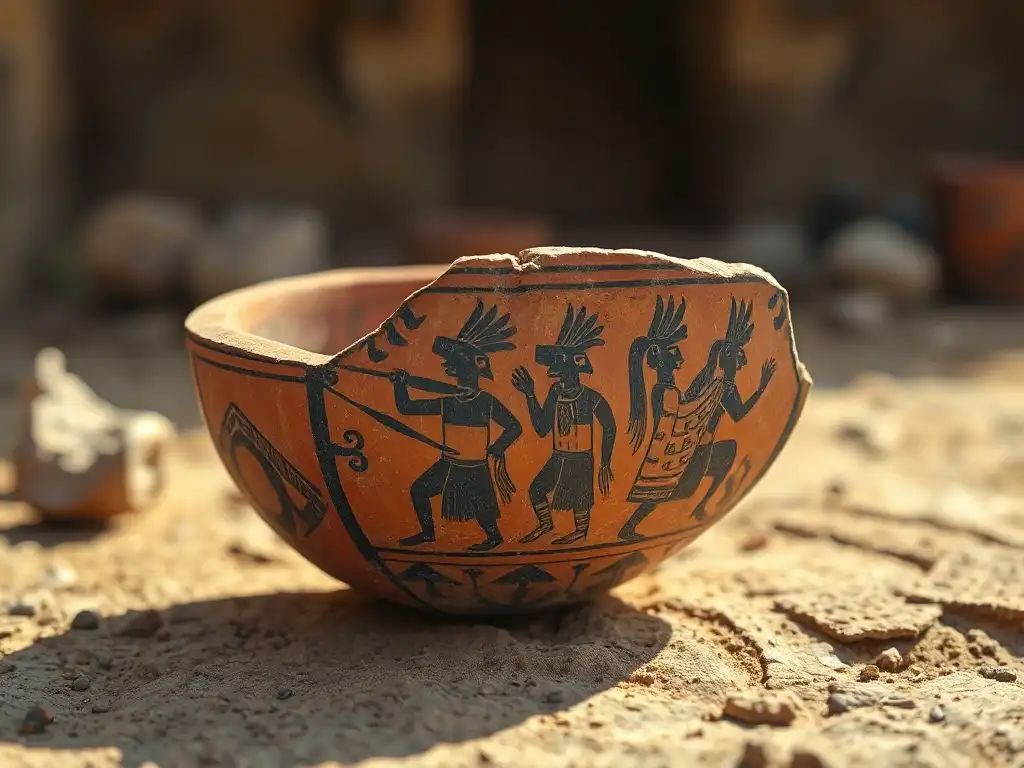
Understanding the ceremonial use of Nazca pottery requires a meticulous examination of archaeological evidence. Simply discovering a pot is insufficient; its context within a site is crucial for interpreting its function and significance within Nazca society. The careful excavation and analysis of associated artifacts, the site's layout, and the stratigraphic position of the pottery are all vital pieces of the puzzle in reconstructing past rituals.
The abundance and diversity of Nazca pottery discovered in various contexts offer a rich tapestry of information about their beliefs, practices, and social structures. Analyzing this data allows us to move beyond simple descriptions of the pottery's artistic merit and delve into its deeper social and religious meaning.
The integration of scientific dating techniques with careful archaeological excavation provides a robust framework for understanding the chronological development of Nazca rituals and their associated ceramic traditions. This holistic approach is essential for a nuanced understanding of "Nazca pottery ceremonial use".
Recovering Nazca Pottery from Archaeological Sites
Stratigraphic Analysis and Dating of Ceramics
The precise location of a ceramic artifact within a site's stratigraphy is paramount. Stratigraphy, the study of the layers of sediment, provides a chronological sequence. Pottery found in lower levels is generally older than that found in upper levels.
This allows archaeologists to establish a relative chronology of ceramic styles and, when combined with radiocarbon dating of associated organic materials (like charcoal or plant remains), provides absolute dates. For example, the careful excavation of the Cahuachi site has yielded a detailed stratigraphic sequence allowing researchers to trace the evolution of Nazca pottery styles over several centuries. The precision of this method is crucial for understanding the changing rituals and beliefs reflected in the ceramic production across different periods.
Accurate dating helps to contextualize stylistic changes, establishing which styles were contemporaneous and illuminating the potential evolution of ritual practices within Nazca culture. This detailed chronological framework is essential for interpreting the significance of specific ceramic types within their respective historical periods and further strengthens the understanding of "Nazca pottery ceremonial use".
Site Context and Function of Ceramic Finds
The context of discovery is equally crucial. Was the pottery found in a domestic setting, a burial site, a ceremonial center, or a temple? The answer profoundly impacts our understanding of its function.
Pottery found in elite tombs, for instance, often displays elaborate decoration and is indicative of high social status and ritual significance. In contrast, pottery found in everyday contexts might reflect more utilitarian functions. The arrangement of pottery within a site also provides clues.
Were vessels placed in specific locations, perhaps as offerings or as part of a ritual arrangement? For example, the discovery of multiple complete vessels alongside skeletal remains in a specific burial pattern at a site like [Site name pending] might suggest a funerary ritual involving the consumption of specific beverages or foods. The spatial distribution of pottery within a site, therefore, offers valuable insights into the organization and conduct of rituals, further contributing to our understanding of "Nazca pottery ceremonial use".
Interpreting Nazca Rituals Through Ceramic Evidence
Nazca ceramics frequently depict scenes of ritual and mythology. These depictions, combined with contextual evidence from archaeological sites, allow researchers to interpret the nature of Nazca rituals. For instance, vessels showing figures participating in ceremonies, such as processions or sacrifices, provide insights into the structure and performance of these events. The iconography itself often holds symbolic meaning.
Specific motifs, such as stylized plants, animals, or supernatural beings, might represent deities, ancestors, or other important elements of Nazca cosmology. The analysis of these motifs in different contexts can shed light on their evolving significance over time. Furthermore, the analysis of residues found on the pottery, such as traces of food or beverages, can reveal the role of these vessels in specific rituals.
For example, the presence of coca leaf residues might indicate the use of the pottery in rituals involving this sacred plant. By combining iconographic analysis with contextual data and residue analysis, researchers can reconstruct a detailed picture of Nazca ritual practices, providing a more comprehensive understanding of "Nazca pottery ceremonial use" and its significance within their culture. The detailed study of these aspects reveals the complex interplay between art and ritual in Nazca society, highlighting the crucial role of pottery in their religious and social life.
Nazca Pottery: Legacy and Influence
The Enduring Artistic Legacy of Nazca Ceramics
Nazca ceramics represent a pinnacle of artistic achievement in ancient Andean culture. Their enduring legacy is evident not only in the sheer volume of surviving pottery but also in the sophistication of their techniques and the vibrancy of their designs. The mastery of polychrome painting, a technique involving the application of multiple layers of paint, is particularly noteworthy. Artists achieved incredibly fine detail, depicting intricate motifs and vibrant scenes with remarkable precision.
These scenes often depict mythological beings, stylized plants and animals, and complex geometric patterns. The use of slip – a liquid clay mixture – allowed for a smooth surface, enhancing the brilliance of the colors and the overall aesthetic appeal. This meticulous craftsmanship speaks to the high value placed on these objects within Nazca society. The influence of Nazca ceramic styles can be traced in subsequent Andean cultures, demonstrating their lasting impact on artistic traditions throughout the region.
The distinctive style, characterized by its bold colors and intricate designs, continues to inspire artists and researchers today. The legacy of Nazca pottery is not merely aesthetic; it is a testament to the ingenuity and artistic skill of a civilization that flourished centuries ago. Analysis of surviving examples reveals a rich understanding of color theory and pigment preparation, showcasing a level of technical expertise rarely seen in other contemporary cultures. The enduring appeal of Nazca pottery is a reflection of its unique artistic merit and its connection to a vibrant and fascinating past.
Connections to Other Andean Ceramic Traditions
While Nazca pottery possesses a distinct style, it also shows clear connections to earlier and contemporary Andean ceramic traditions. For instance, some scholars trace stylistic influences from the Paracas culture, evident in certain motifs and techniques. Similarly, the development of polychrome painting in Nazca ceramics can be seen as a refinement of techniques used in earlier periods.
This evolution highlights a continuity in artistic practices across different Andean cultures, suggesting a shared artistic heritage and the transmission of knowledge across generations and geographical boundaries. Comparing Nazca pottery with that of other contemporary cultures, such as the Moche, reveals both similarities and differences. While both cultures employed elaborate polychrome techniques, the stylistic choices and iconography differ significantly, reflecting distinct cultural values and beliefs.
This comparison underscores the importance of considering Nazca pottery within a broader Andean context to fully appreciate its significance and its place within the wider tapestry of ancient Andean artistic traditions. Further research into the connections between Nazca and other Andean ceramic traditions is crucial for a more comprehensive understanding of the cultural exchanges and artistic influences that shaped the development of ceramic artistry in the Andes. Detailed stylistic analyses, coupled with archaeological context, are essential to unravel these complex interrelationships.
The Importance of Studying Nazca Pottery for Understanding Ancient Andean Rituals
The study of Nazca pottery is crucial for understanding the religious and ceremonial practices of the Nazca civilization. Many vessels were clearly created for ritual purposes, as evidenced by their iconography and the contexts in which they were discovered. Depictions of deities, mythical creatures, and ritual scenes provide valuable insights into the cosmology and religious beliefs of the Nazca people. The careful placement of these vessels in tombs and other ceremonial contexts further underscores their significance in religious rituals.
For example, the presence of specific types of pottery in elite burials suggests their use in funerary rites, possibly as offerings to the deceased or as symbols of status. Furthermore, the analysis of chemical residues on the pottery may reveal information about the substances consumed during rituals. This interdisciplinary approach, combining archaeological context with scientific analysis, offers a powerful means of reconstructing ancient Andean religious practices. The detailed study of Nazca pottery provides a window into the spiritual world of this fascinating culture, revealing the intricate relationship between art, religion, and everyday life.
By understanding the ceremonial use of Nazca pottery, we gain a deeper appreciation for the complexity and richness of Nazca culture and its enduring legacy. The meticulous craftsmanship and symbolic imagery found on these vessels offer compelling evidence of a society deeply invested in religious and ceremonial practices. Continued research into Nazca pottery and its ceremonial use promises to shed further light on the enigmatic world of the Nazca civilization.
Conclusion: The Vital Role of Nazca Ceramics in Religious Life
The vibrant and intricate artistry of Nazca pottery wasn't merely decorative; it played a pivotal role in the religious and social fabric of the Nazca civilization. The meticulous detail, the symbolic imagery, and the careful selection of materials all point to a deeply ingrained connection between ceramics and ritual practices. From the elaborate depictions of deities and mythical creatures to the carefully crafted vessels used in ceremonies, Nazca pottery served as a powerful medium for expressing religious beliefs and communicating with the supernatural world. The sheer quantity of pottery discovered in ceremonial contexts underscores the importance of these objects in their daily lives.
The investment of time, skill, and resources in creating these pieces highlights their significance within the wider societal framework. The enduring legacy of Nazca pottery, therefore, isn't just about aesthetic appreciation; it's about understanding the complex interplay between art, religion, and society in this fascinating ancient culture. Their pottery provides invaluable insights into a world where the mundane and the sacred were intricately interwoven, with ceramic vessels acting as conduits to the spiritual realm.
The study of Nazca pottery, therefore, offers a unique window into the worldview and religious practices of this remarkable civilization, allowing us to appreciate the profound significance of these seemingly simple objects. Further research into the specific chemical composition of pigments and the analysis of residue found within vessels could further illuminate the precise ceremonial uses of different types of Nazca pottery. The ongoing discovery and analysis of new artifacts continue to deepen our understanding of the vital role that Nazca ceramics played in shaping their religious life.
Frequently Asked Questions
What was the primary purpose of Nazca pottery?
Nazca pottery served a variety of purposes, but ceremonial use was prominent. Many vessels were used in rituals related to ancestor veneration, fertility, and shamanistic practices. Their elaborate decoration reflects this importance.
How did the ceremonial use of Nazca pottery differ from everyday use?
Ceremonial Nazca pottery often featured more elaborate designs and finer craftsmanship than everyday wares. They were also frequently found in elite tombs and ritual contexts, indicating their special status. Size and material also differed.
What specific rituals involved Nazca pottery?
While precise details are often lost to time, evidence suggests involvement in libations, offerings to deities, and funerary rites. The contents found within some vessels support this, such as plant remains and pigments.
What are some common motifs found on Nazca pottery used in ceremonies?
Common motifs include stylized figures, mythological creatures, and geometric patterns. These designs often held symbolic meaning related to the ritual's purpose, reflecting cosmology and beliefs.
Where can I find examples of Nazca pottery used in ceremonial contexts?
Many examples are housed in museums in Peru and in some international collections. Archaeological sites where such pottery has been excavated also offer insights into their ceremonial use, though access may be limited.
Final Reflection: Echoes of the Nazca: Art, Ritual, and Our Enduring Connection
The vibrant artistry of Nazca ceramics isn't merely a relic of the past; it's a powerful testament to the enduring human need for ritual and symbolic expression. These intricate vessels, meticulously crafted and imbued with potent imagery, continue to resonate with us today, offering a window into a civilization's deeply held beliefs and practices. Their survival across millennia speaks to the profound impact art can have on shaping cultural memory and transmitting values across generations.
The enduring fascination with Nazca pottery highlights the universal human impulse to create and participate in ritual. These objects weren't simply functional; they were active participants in ceremonies, embodying the spiritual and social fabric of Nazca society. Their intricate designs, often depicting deities, mythical creatures, and scenes of daily life, served as powerful visual narratives, reinforcing social structures and beliefs. Art washes away from the soul the dust of everyday life.
– Pablo Picasso. This quote, while not directly about Nazca pottery, perfectly captures the transcendent power of art to connect us to something larger than ourselves, something that echoes across time and cultures.
Consider the legacy of the Nazca. Their artistry, preserved in these fragile yet enduring vessels, continues to inspire awe and wonder. You, the reader, are now part of this ongoing conversation. Take a moment to reflect on the ways in which art and ritual shape your own life, your community, and your understanding of the world. What stories do your rituals tell? What enduring messages do you wish to convey through your own creative expressions? Let the echoes of the Nazca inspire you to find your own voice and leave your own mark on the world.
Unveil the Sacred: Engage with the Richness of Nazca Ceramics
Thank you for exploring the fascinating intersection of art and ritual in Nazca ceramics! Your journey into these vibrant artifacts has already enriched your understanding of sacred Andean ceremonies. Let's delve even deeper into this captivating world.
Here are some ways to further engage with Nazca culture:
- **Join our community:** Subscribe to our newsletter for exclusive insights and resources on Andean civilizations—information you won't find anywhere else.
- **Explore further:** Visit our interactive online exhibit showcasing Nazca ceramics, including lesser-known pieces that played vital roles in ancient rituals.
- **Share your knowledge:** Discuss your discoveries with friends or on social media; your insights can ignite a greater appreciation for Andean heritage.
What aspect of Nazca culture most inspires you, and how do you see its influence on contemporary art? Share your thoughts below!