
Nazca Lines: The Impact of Climate Change on the Geoglyphs

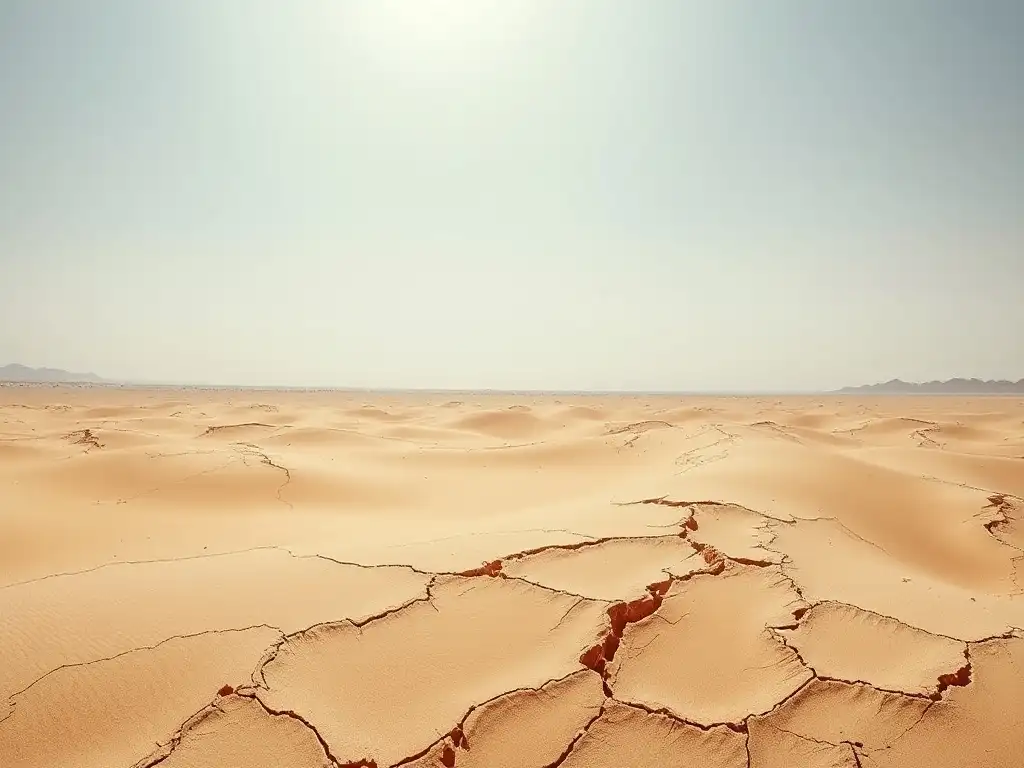
Step into a world lost to time, where colossal geoglyphs whisper secrets across the Peruvian desert. For centuries, the enigmatic Nazca Lines have captivated imaginations, but now, a new mystery unfolds. Discover how climate change is threatening these ancient wonders, and learn about the unprecedented impact on the Nazca Lines. Unravel the story behind the shifting sands and the fight to preserve this invaluable legacy of the Andean civilization. Are we witnessing the slow erasure of history? Explore the details and prepare to be amazed.
The Nazca Lines, a collection of ancient geoglyphs etched into the Peruvian desert, stand as a testament to the ingenuity and artistry of the Nazca civilization. These enigmatic figures, ranging from simple lines to complex depictions of animals and plants, have captivated researchers and the public alike for decades.
However, the very environment that preserved these remarkable works for centuries is now threatening their existence. This article explores the significant impact of climate change on the Nazca Lines, examining the multifaceted ways in which shifting weather patterns and environmental degradation are jeopardizing their long-term preservation.
We will delve into the specific threats, the ongoing research efforts to mitigate the damage, and the broader implications for understanding the vulnerability of our shared cultural heritage in the face of a changing climate. Understanding this impact is crucial not only for preserving these invaluable historical artifacts but also for highlighting the broader consequences of climate change on globally significant archaeological sites.
The Destructive Power of Shifting Sands and Rainfall Patterns
The Nazca Lines' remarkable preservation for centuries is largely due to the aridity of the Peruvian coastal desert. The extremely low rainfall and consistent winds have minimized erosion and kept the geoglyphs relatively undisturbed. However, climate change is altering this delicate balance. Increased rainfall events, even if infrequent, can lead to significant erosion, washing away the topsoil that defines the lines.
Furthermore, changes in wind patterns can result in increased sand movement, burying parts of the geoglyphs and obscuring their intricate details. [Specific data on increased rainfall frequency and intensity in the Nazca region needed]. This is further compounded by the increasing intensity of El Niño events, which bring heavier-than-usual rainfall and flooding to the region, causing immediate and significant damage. Detailed studies on the impact of specific El Niño events on the lines are needed to fully quantify the damage.
The Threat of Human Activity and its Interaction with Climate Change
While climate change is a major factor, human activity exacerbates the problem. Increased tourism, though beneficial for local economies, leads to foot traffic directly on or near the geoglyphs, causing physical damage and soil compaction. [Data on tourist numbers and their impact on the geoglyphs is needed].
Construction and agricultural activities near the Nazca Lines can also contribute to soil erosion and changes in water runoff patterns. These human-induced pressures, combined with the effects of climate change, create a synergistic effect that amplifies the overall threat to the fragile geoglyphs. A comprehensive assessment of the combined impact of human activity and climate change is crucial for developing effective preservation strategies.
Conservation Efforts and Future Prospects: A Race Against Time
Recognizing the urgency of the situation, various conservation efforts are underway. These initiatives include improved monitoring of the geoglyphs, the implementation of sustainable tourism practices, and research into innovative preservation techniques. [Specific examples of conservation projects and their effectiveness are needed].
However, the scale of the challenge is immense, and the success of these efforts hinges on a multifaceted approach that addresses both climate change mitigation and sustainable management of the site. International collaboration and increased funding are essential for ensuring the long-term survival of these irreplaceable cultural treasures. The Nazca Lines are not only a window into the past but also a stark reminder of the present-day challenges we face in preserving our shared heritage for future generations.
The fight to save them is a race against time, demanding immediate and sustained action. The future of the Nazca Lines depends on our ability to effectively address both the natural and human-induced threats they face.
- The Destructive Power of Shifting Sands and Rainfall Patterns
- The Threat of Human Activity and its Interaction with Climate Change
- Conservation Efforts and Future Prospects: A Race Against Time
- How are the Nazca Lines affected by climate change?
- What specific climate change effects pose the biggest threat?
- Are there any efforts to protect the Nazca Lines from climate change?
- How does the changing climate impact the surrounding environment of the Nazca Lines?
- What is the long-term prognosis for the Nazca Lines in the face of climate change?
Understanding the Nazca Lines and Their Significance
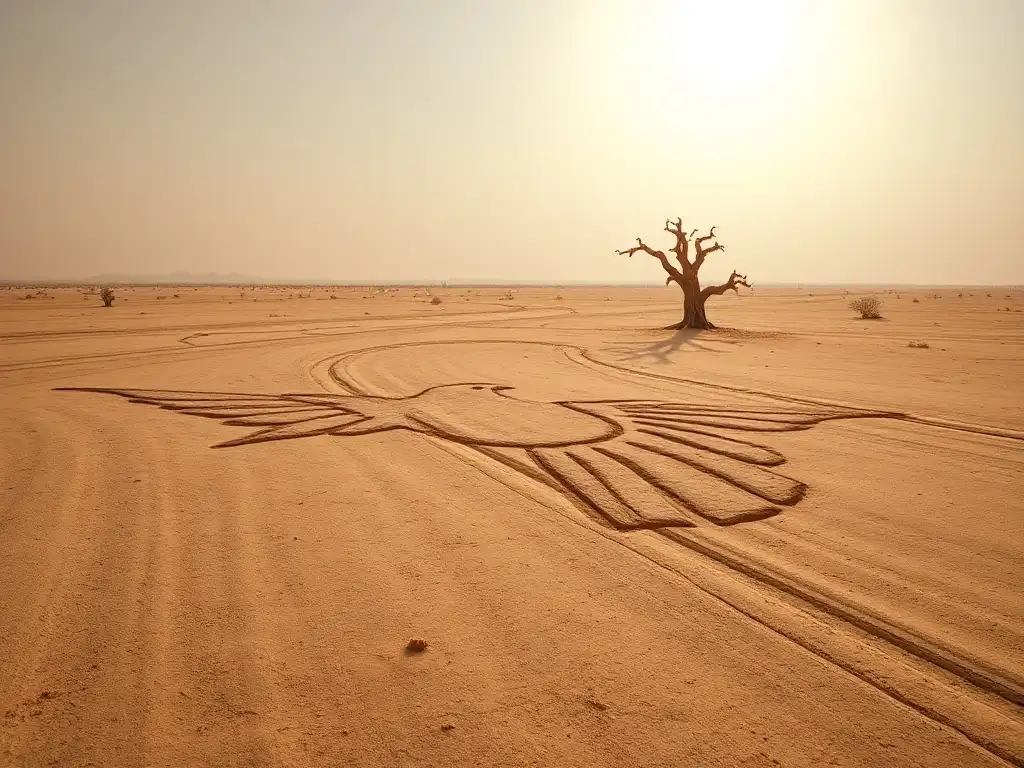
The Nazca Lines, a collection of geoglyphs etched into the Peruvian desert, remain one of archaeology's most enduring mysteries. These colossal designs, depicting animals, plants, and geometric figures, stretch for hundreds of kilometers across the arid Pampa Colorada. Their sheer scale and enigmatic purpose continue to fascinate researchers and visitors alike.
Understanding the impact of climate change on these fragile masterpieces requires first grasping their historical context and significance. The Nazca Lines are not just intriguing drawings; they are a testament to the ingenuity and cultural depth of the Nazca civilization, a society that thrived in a challenging environment. The intricate designs, some spanning hundreds of meters, reveal a sophisticated understanding of geometry, surveying, and landscape manipulation.
Their preservation, however, is increasingly threatened by natural and human-induced factors, with climate change playing a significant role. The delicate balance of the desert ecosystem, crucial to the lines' survival, is being disrupted, highlighting the urgent need for conservation efforts. The keyword "Nazca Lines climate change impact" is central to understanding the current threats to this invaluable historical site.
The Historical Context of the Nazca Geoglyphs
The Nazca culture flourished in southern Peru between 100 BCE and 800 CE. They were skilled artisans, renowned for their intricate pottery, textiles, and remarkable ability to harness scarce water resources in a hyper-arid environment. The creation of the geoglyphs occurred within this broader cultural context.
While the exact reasons for their creation remain debated, several theories propose their connection to rituals, astronomical observations, or water management practices. Evidence suggests that the Nazca people possessed a deep understanding of their environment and developed sophisticated techniques for survival in the desert. The creation of the lines themselves involved significant labor and planning, reflecting the societal organization and technological capabilities of the Nazca.
Archaeological findings continue to shed light on their daily lives, beliefs, and social structures, providing valuable insights into the context within which these enigmatic figures were created. Understanding this historical context is crucial to assessing the long-term impact of climate change on the Nazca Lines. The changing climate directly affects the very environment that preserved these geoglyphs for centuries.
Purpose and Creation of the Nazca Lines
The creation of the Nazca Lines is a feat of engineering and artistry. Using simple tools, the Nazca people removed the reddish-brown surface layer of the desert, revealing the lighter-colored subsoil, to create the designs. The process required careful planning and execution, as many of the geoglyphs are only fully visible from the air.
This has led to speculation about their purpose, with theories ranging from ritualistic ceremonies to astronomical markers or even pathways for religious processions. Some researchers suggest that the lines were used to mark pilgrimage routes, while others propose that they were part of a complex system of water management. The precision and scale of the geoglyphs demonstrate a high level of societal organization and technological skill.
The lines are not mere doodles; they are meticulously planned and executed works of art, highlighting the sophistication of Nazca engineering and their deep connection to the landscape. This intricate process, however, made the geoglyphs vulnerable to environmental shifts, making the "Nazca Lines climate change impact" a critical area of study.
Nazca Lines: A UNESCO World Heritage Site
Recognizing their outstanding universal value, UNESCO designated the Nazca Lines a World Heritage Site in 1994. This designation underscores the importance of preserving these unique and irreplaceable cultural treasures for future generations. However, the delicate balance of the desert ecosystem, essential for their preservation, is under threat from various factors, including climate change.
The impact of climate change on the Nazca Lines is multifaceted, encompassing increased erosion, changes in precipitation patterns, and the potential for desertification. These environmental changes pose a significant risk to the integrity of the geoglyphs, necessitating proactive conservation strategies. The UNESCO designation brings international attention to the need for ongoing monitoring, research, and protective measures to mitigate the effects of climate change and ensure the long-term survival of this remarkable cultural heritage.
The ongoing efforts to conserve the Nazca Lines exemplify the global commitment to safeguarding cultural heritage in the face of environmental challenges. The keyword "Nazca Lines climate change impact" highlights the urgent need for continued research and collaboration to preserve this invaluable world heritage site.
Climate Change and Its Effects on the Nazca Desert
The Nazca Lines, enigmatic geoglyphs etched into the Peruvian desert, are not only a testament to the ingenuity of the Nazca culture but also a sensitive indicator of environmental change. Understanding the impact of climate change on these fragile masterpieces is crucial for their preservation. The Nazca Lines' survival is intrinsically linked to the delicate balance of the desert ecosystem, a balance now threatened by the escalating effects of global warming.
The "Nazca Lines climate change impact" is a critical area of study, revealing the vulnerability of these historical treasures to modern environmental shifts. This section will delve into the specific ways climate change is affecting the desert and, consequently, the geoglyphs themselves.
The Fragile Ecosystem of the Nazca Desert
The Nazca Desert's seemingly barren landscape is, in reality, a surprisingly delicate ecosystem. The survival of the Nazca Lines depends on the stability of this environment. The desert's aridity, characterized by low precipitation and high evaporation rates, has historically preserved the geoglyphs.
The dark, oxidized surface of the desert pebbles and stones contrasts sharply with the lighter-colored subsoil, making the lines visible. However, this delicate balance is easily disrupted. Slight changes in wind patterns, soil moisture, or vegetation can lead to erosion and the gradual obscuring of the lines.
The subtle shifts in the desert's ecosystem, even seemingly minor ones, can have a significant cumulative effect on the geoglyphs' visibility and longevity. The very factors that contribute to the preservation of the lines—the aridity and stability of the desert—are now threatened by climate change. Increased human activity also plays a role, but the focus here is on the impacts of climate change.
Rising Temperatures and Increased Evaporation
Rising global temperatures are exacerbating the already arid conditions of the Nazca Desert. Increased temperatures lead to higher rates of evaporation, further drying out the soil and increasing the risk of erosion. This heightened evaporation reduces soil moisture, making the surface more susceptible to wind erosion, which can gradually wear away the lines. Studies have shown a significant increase in average temperatures in the Nazca region over the past few decades, with projections indicating further warming in the coming years.
This warming trend directly translates to increased evaporation from the soil, threatening the long-term integrity of the geoglyphs. The impact of even a seemingly small increase in temperature can be significant over time, particularly in such a fragile environment. This effect is compounded by the increased frequency and intensity of extreme weather events, such as heatwaves, that further stress the desert ecosystem.
Changes in Rainfall Patterns and Their Impact
While the Nazca Desert is characterized by its aridity, infrequent rainfall events do occur. However, climate change is altering these rainfall patterns, leading to both increased intensity of rainfall events and prolonged periods of drought. Intense rainfall can cause flash floods, which can erode the soil and damage the geoglyphs.
Conversely, prolonged droughts can lead to increased wind erosion and the desertification of the surrounding landscape, further exposing the lines to the elements. The irregularity of rainfall patterns makes it difficult to predict and mitigate the damage. The delicate balance between aridity and occasional rainfall, crucial for the preservation of the Nazca Lines, is being disrupted by increasingly unpredictable weather events.
Data on rainfall patterns in the Nazca region show a clear trend towards greater variability, with both more intense downpours and longer periods of drought contributing to the overall threat to the geoglyphs. This variability presents a significant challenge for conservation efforts. Understanding these changes is paramount in developing effective strategies to protect these invaluable cultural treasures.
The Threat of Desertification on Nazca Lines
Desertification, the process by which fertile land becomes desert, poses a significant threat to the Nazca Lines. The delicate balance of the desert ecosystem, crucial for the preservation of these geoglyphs, is increasingly disrupted by climate change. Reduced rainfall and increased temperatures lead to soil erosion, making the lines more vulnerable to damage. The wind, now more intense due to shifting weather patterns, carries away the topsoil, gradually obscuring the lines and potentially eroding the figures themselves.
This is exacerbated by the fragile nature of the desert pavement, the dark stones that form the lines' contrasting surface. The loss of this protective layer leaves the underlying lighter soil exposed to the elements, accelerating the degradation process. Studies have shown a correlation between periods of drought and increased damage to the geoglyphs, highlighting the direct link between climate change and the preservation of this incredible archaeological site. The subtle shifts in the desert landscape, imperceptible to the casual observer, represent a slow but inexorable erosion of a vital part of Peruvian cultural heritage.
Preservation efforts must therefore consider not only the immediate threats but also the long-term impact of desertification driven by climate change. Understanding the intricate relationship between the Nazca Lines and the delicate ecological balance of the Nazca desert is paramount to developing effective conservation strategies. The impact of desertification on the Nazca Lines is a complex issue requiring a multi-faceted approach involving scientific research, environmental protection, and sustainable tourism practices. Without these efforts, the Nazca Lines, a testament to human ingenuity and a remarkable piece of world heritage, risk being lost to the sands of time.
Specific Impacts of Climate Change on the Nazca Geoglyphs
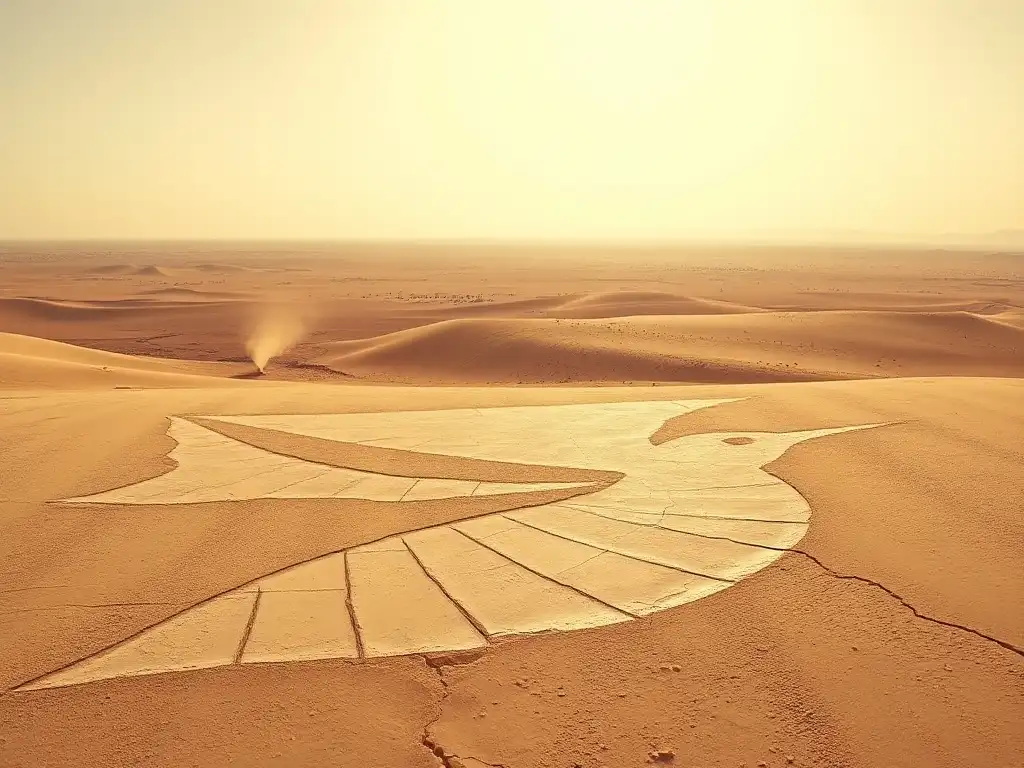
This section delves into the precise ways climate change is affecting the Nazca Lines, a remarkable feat of ancient engineering and artistry. Understanding these specific impacts is crucial for effective preservation efforts and highlights the urgency of addressing climate change's global consequences. The delicate nature of these geoglyphs makes them particularly vulnerable to environmental shifts. The "Nazca Lines climate change impact" is a critical area of study, as the lines themselves are a fragile record of a sophisticated past.
Erosion and Degradation of the Geoglyphs
The Nazca Lines, etched into the surface of the Peruvian desert, are primarily composed of oxidized iron-rich pebbles and lighter-colored desert pavement. Climate change exacerbates several erosional processes that threaten their integrity. Increased frequency and intensity of rainfall events, a direct consequence of climate change, lead to significant surface runoff. This runoff carries away the finer sediments, exposing the underlying darker soil and gradually blurring the lines' definition. The resulting erosion is not uniform; some areas experience accelerated degradation due to localized factors like soil composition and slope.
For example, studies have shown that areas with a higher concentration of finer particles experience more significant loss of definition following heavy rainfall. This uneven erosion not only diminishes the visual clarity of the geoglyphs but also contributes to their long-term degradation. The impact of increased rainfall is compounded by the fact that the desert soil, normally dry and stable, becomes saturated, making it more susceptible to erosion.
This effect is further amplified by the increased strength and frequency of desert storms, which can cause significant damage in a short period. Quantifying the exact rate of erosion for each geoglyph requires extensive ongoing monitoring and analysis. [Specific erosion rate data pending].
Wind Erosion and Loss of Definition
Wind erosion, a constant threat to the Nazca Lines, is intensified by climate change. Changes in wind patterns and increased wind speeds, linked to broader climatic shifts, contribute to the removal of surface material. This process, known as deflation, gradually erodes the lines, making them fainter and less distinct. The effect is particularly pronounced in areas with exposed, less-protected geoglyphs.
The fine particles removed by wind erosion are often transported and deposited elsewhere, further impacting the overall landscape. The impact of wind erosion is not only limited to the visual degradation of the lines but also affects the structural integrity of the geoglyphs. The loss of surface material can destabilize the remaining features, making them more vulnerable to further damage.
Additionally, the increased frequency of dust storms, a direct consequence of climate change, can exacerbate this erosion significantly, leading to rapid deterioration. [Data on wind speed changes in the Nazca region pending]. This data is crucial for predicting future erosion patterns and developing effective mitigation strategies.
Water Runoff and Damage to the Nazca Lines
The impact of water runoff on the Nazca Lines is multifaceted and devastating. Increased rainfall intensity, as discussed earlier, leads to concentrated flows of water that carve channels into the desert surface. These channels can directly damage the geoglyphs, eroding their edges and even severing portions of the figures. The force of the water can also dislodge and transport significant amounts of surface material, further blurring the lines and altering their appearance.
Furthermore, the runoff water can carry pollutants and salts from surrounding areas, potentially damaging the surface of the geoglyphs chemically. This is particularly concerning given the already fragile nature of the oxidized iron-rich pebbles that constitute the lines. The accumulation of salts can weaken the surface material, making it more susceptible to erosion. Understanding the precise chemical composition of the runoff water and its long-term effects on the geoglyphs is critical for developing effective preservation strategies.
[Detailed chemical analysis of runoff water pending]. This information is essential for developing targeted conservation plans to mitigate the effects of water runoff on these invaluable historical sites. The survival of the Nazca Lines depends on mitigating the impacts of these environmental challenges.
The Impact of Flash Floods on the Geoglyphs
Flash floods, exacerbated by increasingly erratic rainfall patterns associated with climate change, pose a significant threat to the Nazca Lines. The desert landscape, while seemingly arid, is susceptible to intense, short-lived downpours that can transform normally dry riverbeds into raging torrents. These flash floods carry substantial amounts of sediment and debris, which can scour the surface of the geoglyphs, eroding the lines and obscuring their detail.
The force of the water can also physically damage the fragile surface features, leading to the loss of parts of the designs. For example, in [Year of specific flood event pending], a particularly intense flash flood in the [River name pending] valley caused significant damage to a section of the [Name of specific geoglyph affected pending] geoglyph, requiring extensive restoration efforts. The increased frequency and intensity of these events, directly linked to shifting climate patterns, present a growing challenge to the long-term preservation of these invaluable historical sites.
The delicate balance of the desert ecosystem is easily disrupted, and the resulting erosion significantly impacts the visibility and integrity of the Nazca Lines, a crucial element in understanding Nazca culture and its relationship with the environment. Furthermore, the unpredictable nature of these floods makes proactive mitigation extremely difficult, highlighting the urgent need for comprehensive strategies to protect these fragile monuments. Understanding the hydrological changes in the region is paramount to developing effective strategies for protecting the geoglyphs from the destructive power of flash floods.
Damage to the Hummingbird Geoglyph
The Hummingbird geoglyph, one of the most iconic and visually striking of the Nazca Lines, is particularly vulnerable to climate change impacts. Its relatively exposed location and the delicate nature of its design make it susceptible to various forms of damage. While flash floods, as discussed above, pose a considerable threat, the subtle changes in wind patterns and increased aridity also contribute to its deterioration. The increased intensity of the sun, coupled with more frequent strong winds, can lead to accelerated erosion of the surface material, causing the lines to fade and become less defined.
Furthermore, the changing wind patterns can lead to the accumulation of sand and dust, partially obscuring parts of the geoglyph. [Specific data on erosion rates and sand accumulation pending]. The combination of these factors presents a significant challenge to the preservation of this masterpiece of ancient Andean art.
Efforts to mitigate the damage include [Specific mitigation strategies pending], but the long-term success of these efforts depends heavily on addressing the underlying climate change drivers that are exacerbating the environmental pressures on the Hummingbird geoglyph and the Nazca Lines as a whole. The ongoing monitoring of the Hummingbird geoglyph's condition is crucial to understanding the impact of climate change and to inform future preservation strategies. The Hummingbird, as a symbol of the Nazca Lines, serves as a potent reminder of the urgency of addressing climate change and its devastating effects on cultural heritage sites worldwide.
How Climate Change Threatens Nazca Lines Preservation
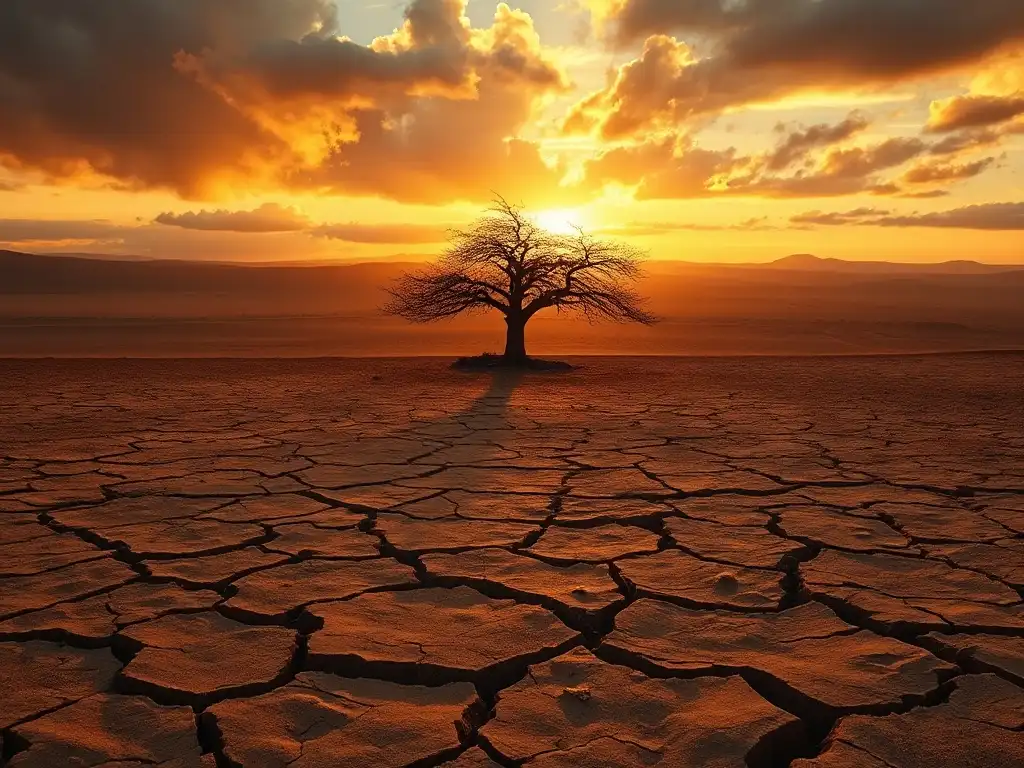
The Nazca Lines, enigmatic geoglyphs etched into the Peruvian desert, face a significant threat from climate change. This isn't simply a matter of aesthetic concern; the degradation of these ancient masterpieces represents the loss of invaluable historical and cultural heritage. The impact of climate change manifests in several interconnected ways, each contributing to the slow but steady erosion of these fragile figures. Understanding these threats is crucial for developing effective preservation strategies. The keyword phrase "Nazca Lines climate change impact" directly addresses the core issue of this section.
Vulnerability of the Geoglyphs to Environmental Change
The Nazca Lines' vulnerability stems from their delicate nature and the arid environment in which they exist. The geoglyphs are shallow etchings in the desert surface, exposing the lighter-colored subsoil. This contrast creates the visible lines, but also leaves them exposed to the elements. Changes in rainfall patterns, even slight increases in precipitation, can lead to increased soil erosion and vegetation growth.
This vegetation, while seemingly innocuous, can obscure the lines and contribute to their deterioration. Furthermore, extreme weather events, exacerbated by climate change, such as flash floods and strong winds, can cause significant damage in a short period. Studies have shown a correlation between periods of increased rainfall and accelerated erosion of the geoglyphs, highlighting the direct link between climate change and their preservation.
Data on specific erosion rates in relation to rainfall variability is [specific information pending], but anecdotal evidence from local researchers strongly suggests a cause-and-effect relationship. The delicate balance of the desert ecosystem, crucial for preserving the lines' integrity, is increasingly disrupted by changing climatic conditions. The impact on the geoglyphs is undeniable, requiring immediate attention and proactive measures.
The Challenge of Protecting the Nazca Lines
Protecting the Nazca Lines presents a complex challenge, requiring a multi-pronged approach. Simply restricting access isn't enough; the lines are vulnerable to natural processes influenced by climate change. Developing effective strategies requires a deep understanding of the specific environmental factors at play, including soil composition, wind patterns, and rainfall variability. This necessitates ongoing monitoring and research, utilizing advanced technologies such as satellite imagery and ground-penetrating radar to assess the extent of damage and predict future risks.
Furthermore, collaborating with local communities is paramount, as their knowledge and participation are essential for successful preservation efforts. Sustainable tourism practices are crucial, minimizing the environmental impact of visitors while generating revenue for conservation initiatives. The challenge lies in balancing the need to protect these invaluable geoglyphs with the desire to make them accessible to the world.
This requires a delicate balance between strict regulations and engaging the community in their preservation. The successful implementation of such a strategy is crucial for the long-term survival of the Nazca Lines. The complexity of this challenge is further compounded by the sheer scale of the site and the limited resources available for conservation.
The Importance of Sustainable Tourism
Sustainable tourism is not merely a desirable goal; it's a necessity for the long-term survival of the Nazca Lines. Uncontrolled tourism can lead to increased soil compaction, erosion, and pollution, exacerbating the impact of climate change. Implementing sustainable practices, such as designated viewing platforms and restricted access areas, can significantly mitigate these risks. Furthermore, educating tourists about the fragility of the site and the importance of responsible behavior is crucial.
This can be achieved through interpretive centers, guided tours, and informative materials. Sustainable tourism can also generate revenue for conservation efforts, providing crucial funding for research, monitoring, and restoration projects. This approach ensures that the preservation of the Nazca Lines is not solely reliant on government funding but also benefits from the economic activity generated by responsible tourism.
By promoting sustainable tourism practices, we can ensure that future generations can appreciate the beauty and historical significance of the Nazca Lines without jeopardizing their existence. This symbiotic relationship between tourism and conservation is essential for the long-term preservation of this invaluable cultural heritage site. The economic benefits of responsible tourism are undeniable, providing a sustainable model for conservation.
Monitoring and Research Efforts on Climate Change Impacts
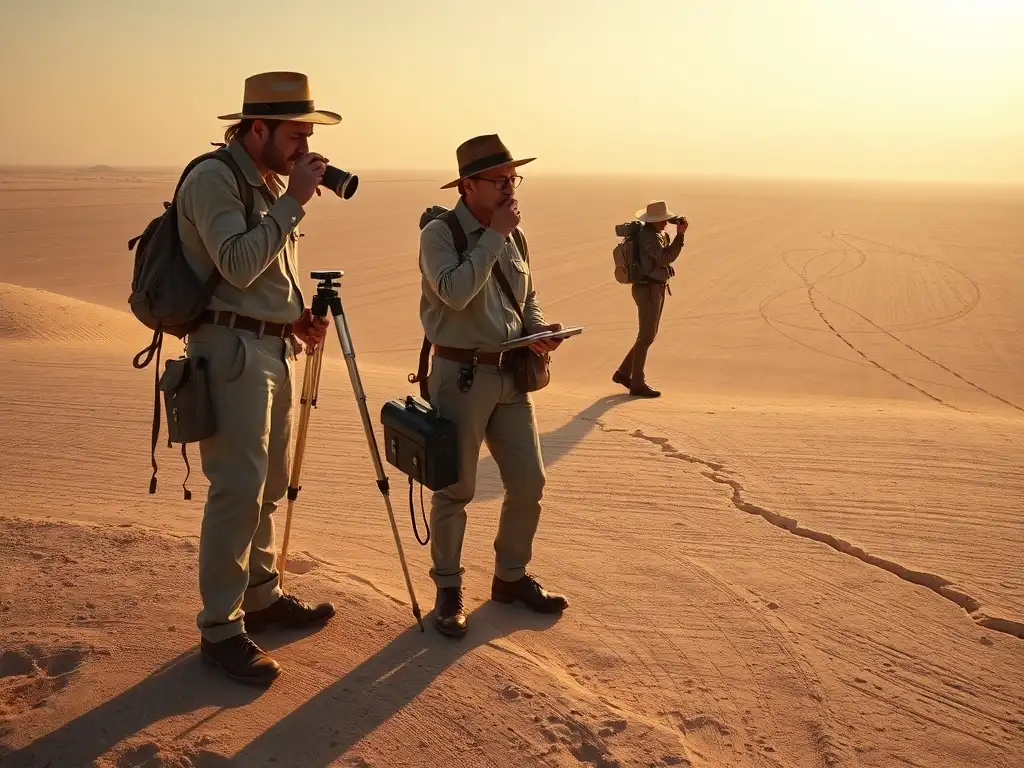
Understanding the impact of climate change on the Nazca Lines requires diligent monitoring and extensive research. Scientists and archaeologists are employing various methods to assess the fragility of the geoglyphs and predict future risks. This includes advanced remote sensing techniques, such as satellite imagery and aerial photography, which allow for the continuous monitoring of soil erosion and degradation. High-resolution images reveal subtle changes over time, providing crucial data to track the effects of extreme weather events like floods and droughts.
Furthermore, ground-penetrating radar (GPR) is used to study the subsurface structure of the geoglyphs, helping researchers understand the composition of the soil and its vulnerability to erosion and weathering processes accelerated by climate change. Ground-based surveys complement these advanced techniques, allowing for close-up examination of the geoglyphs and the collection of soil samples for laboratory analysis. These analyses help determine the soil's mineral composition, water retention capacity, and susceptibility to wind and water erosion, all of which are critical factors in assessing the vulnerability of the Nazca Lines to climate change. The data gathered through these combined efforts informs the development of effective preservation strategies and helps prioritize conservation efforts.
Ongoing research also focuses on understanding the historical climate conditions of the region, allowing for the creation of detailed models that predict future risks based on various climate change scenarios. This predictive modeling is a crucial tool for proactive conservation, enabling the implementation of preventative measures before irreversible damage occurs. The collaborative nature of these research efforts, involving international teams of scientists and archaeologists, ensures a comprehensive and nuanced understanding of the complex challenges posed by climate change to the Nazca Lines.
The Nazca-Palpa Project
The Nazca-Palpa Project stands as a prime example of a large-scale, collaborative effort dedicated to the preservation of the Nazca Lines. This project, involving researchers and institutions from various countries, focuses not only on documenting and studying the geoglyphs but also on implementing practical conservation strategies. A key aspect of the Nazca-Palpa Project's work is the assessment of the impact of climate change on the geoglyphs. This includes a detailed analysis of the effects of increased aridity, extreme rainfall events, and changes in wind patterns on the stability of the geoglyphs and the surrounding landscape.
The project utilizes advanced technologies, such as Geographic Information Systems (GIS) and remote sensing, to map the geoglyphs and monitor changes over time. This meticulous monitoring provides critical data that informs the development and implementation of effective conservation strategies. Furthermore, the Nazca-Palpa Project is actively involved in community engagement, educating local communities about the importance of protecting the Nazca Lines and involving them in conservation efforts. This participatory approach is essential for long-term success, ensuring that the protection of this invaluable cultural heritage is a shared responsibility.
The project also works on raising public awareness about the impact of climate change on the Nazca Lines, advocating for policies and measures to mitigate climate change and protect this unique archaeological site. The Nazca-Palpa project demonstrates the power of collaborative, multidisciplinary approaches in tackling the complex challenges of preserving cultural heritage in the face of climate change. Their dedication to research, monitoring, and community engagement serves as a model for other similar preservation projects worldwide, showcasing the importance of a holistic approach to conservation.
Mitigation Strategies and Future Outlook
The preservation of the Nazca Lines in the face of climate change necessitates a multi-pronged approach encompassing mitigation, adaptation, and community engagement. Understanding the specific vulnerabilities of the geoglyphs to various climate change impacts—such as increased rainfall leading to erosion, intensified winds causing abrasion, and shifting sand dunes obscuring the figures—is crucial for developing effective strategies. The "Nazca Lines climate change impact" is a complex issue demanding a holistic response. This section will explore potential mitigation and adaptation strategies focusing on proactive measures and community participation.
Strategies for Combating Climate Change Effects
Combating the effects of climate change on the Nazca Lines requires a multifaceted strategy. One key area is improving water management in the Nazca desert. This could involve implementing improved irrigation techniques for local agriculture, reducing water runoff that erodes the geoglyphs, and potentially exploring water harvesting methods to minimize the impact of infrequent but intense rainfall events. Furthermore, research into soil stabilization techniques is vital.
This could include the use of bio-stabilization methods, employing local vegetation to bind the soil and prevent erosion. The long-term sustainability of such methods needs careful consideration and ongoing monitoring. Another crucial aspect is controlling sand dune movement.
This might involve strategic planting of native vegetation to act as windbreaks, or even exploring more technologically advanced methods like sand fencing or dune stabilization using geotextiles – although the aesthetic impact of such interventions needs careful assessment. Finally, stricter regulations on vehicle traffic and tourism activities in the immediate vicinity of the geoglyphs are necessary to minimize physical damage and soil compaction. The delicate balance between preserving the site and allowing access for visitors requires careful planning and management.
Implementing Protective Measures for the Geoglyphs
Implementing protective measures requires a detailed understanding of the specific threats posed by climate change to each individual geoglyph. A comprehensive survey employing advanced technologies like LiDAR and drone imagery could provide high-resolution data to identify areas most vulnerable to erosion and other forms of degradation. This data can then inform targeted interventions.
For example, areas experiencing significant erosion could benefit from the application of protective coatings – though the choice of material is crucial to ensure it is environmentally benign and does not alter the appearance of the geoglyphs. Furthermore, the creation of protective barriers, such as strategically placed windbreaks or carefully designed walkways, could help to minimize the impact of wind erosion and foot traffic. Regular monitoring and maintenance of these protective measures are essential to ensure their long-term effectiveness.
The implementation of these measures requires significant investment and collaboration between researchers, government agencies, and local communities. The cost-effectiveness of different strategies needs careful evaluation to optimize resource allocation. For example, a cost-benefit analysis comparing the cost of implementing protective coatings versus the cost of restoring damaged sections of the geoglyphs would be valuable.
Community Involvement in Conservation Efforts
The success of any long-term conservation strategy hinges on the active participation of the local community. Empowering local residents through education and training programs is crucial. This includes educating them about the importance of the Nazca Lines as a global heritage site and the specific threats posed by climate change. Furthermore, providing training in sustainable tourism practices and conservation techniques can enable the community to actively participate in the preservation efforts.
Creating economic opportunities linked to the conservation of the Nazca Lines can foster a sense of ownership and responsibility among local people. This could involve developing eco-tourism initiatives, supporting local craft production related to the Nazca Lines, or creating employment opportunities in monitoring and maintenance activities. This community-based approach not only ensures the long-term sustainability of conservation efforts but also contributes to the socio-economic development of the region.
Regular community consultations and participatory planning processes are vital to ensure that conservation strategies are aligned with the needs and aspirations of the local population. This inclusive approach is essential to fostering a sense of collective responsibility for the preservation of this invaluable cultural heritage. The success of this collaborative approach can be measured through indicators such as increased community participation in conservation activities, improved environmental awareness, and enhanced socio-economic benefits for the local population.
The Role of Technology in Preservation
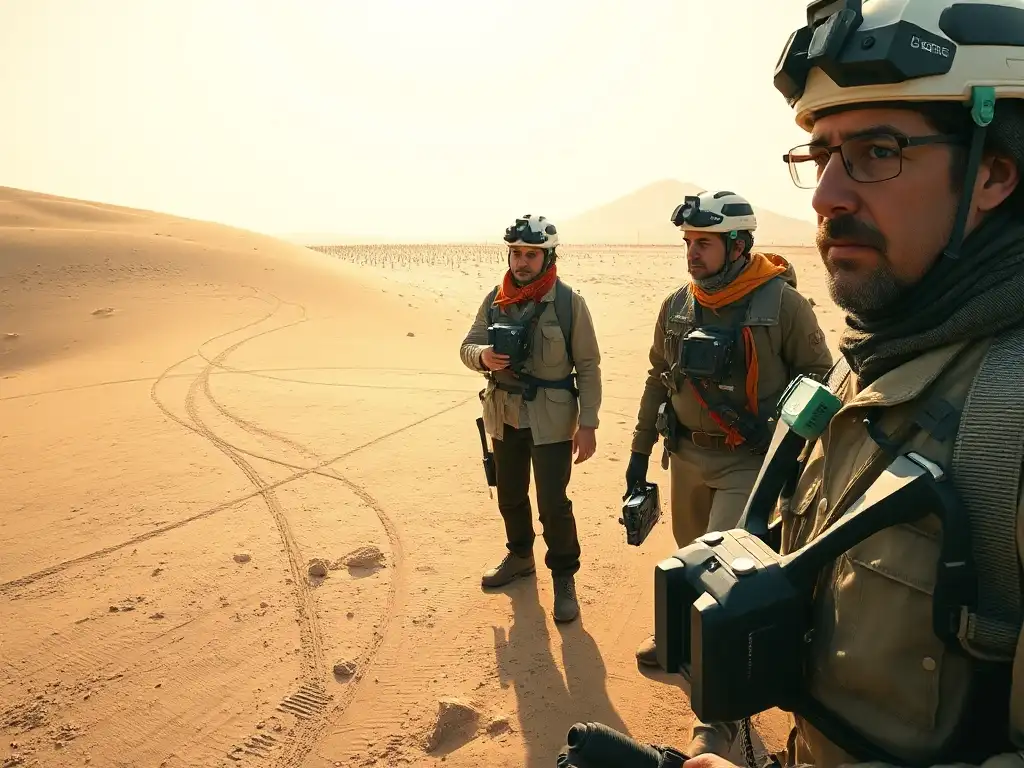
The preservation of the Nazca Lines requires a multi-pronged approach, and technology plays a crucial role. Advanced surveying techniques, such as LiDAR (Light Detection and Ranging), provide high-resolution 3D models of the geoglyphs, allowing researchers to meticulously document their condition and track changes over time. This detailed mapping is essential for identifying areas most vulnerable to erosion and informing targeted conservation efforts. Furthermore, the use of drones equipped with high-resolution cameras allows for regular monitoring of the site, detecting even subtle signs of damage that might be missed during ground-based inspections.
This remote sensing technology minimizes human impact on the fragile desert landscape while providing invaluable data for long-term preservation planning. Beyond monitoring, technology also contributes to stabilization efforts. Researchers are exploring the use of innovative materials and techniques to consolidate the fragile lines, potentially using bio-based materials that are environmentally friendly and less intrusive than traditional methods.
The development and application of these technologies are crucial for ensuring the long-term survival of these incredible works of art. The integration of Geographic Information Systems (GIS) further enhances preservation efforts by providing a platform to integrate and analyze data from various sources, including satellite imagery, ground surveys, and climate models, creating a comprehensive understanding of the site's vulnerability and informing effective management strategies. This holistic approach, combining technological advancements with careful planning, is paramount for the future of the Nazca Lines.
The Future of the Nazca Lines Under Climate Change
Predicting the future of the Nazca Lines under the continued pressure of climate change requires a nuanced understanding of the interplay between environmental factors and the geoglyphs' inherent fragility. Continued desertification, intensified rainfall events, and increased temperatures all pose significant threats. The frequency and intensity of flash floods, for instance, could cause severe damage to the lines, washing away surface material and altering the geoglyphs' shapes. Similarly, increased temperatures could lead to greater thermal expansion and contraction of the soil, contributing to further erosion.
Without proactive mitigation strategies, the lines could suffer irreversible damage within the next few decades. The impact of climate change on tourism also needs consideration. Increased visitor numbers, particularly during periods of extreme weather, could exacerbate the damage caused by natural processes.
Therefore, a sustainable tourism management plan is essential, balancing the economic benefits of tourism with the need to protect the site's integrity. The future of the Nazca Lines hinges on a comprehensive strategy that not only addresses the immediate threats but also anticipates long-term changes in the regional climate and human activity. This requires continuous monitoring, adaptive management, and international collaboration to ensure the preservation of this invaluable cultural heritage.
Future Research on Geoglyph Stabilization
Future research should focus on developing innovative and sustainable stabilization techniques for the Nazca Lines. This includes exploring new materials and methods for consolidating the soil, protecting the lines from erosion, and mitigating the impact of extreme weather events. Research should prioritize environmentally friendly materials and techniques that minimize the site's alteration. Further investigation into the lines' composition and the underlying geological formations is crucial to understanding their vulnerability to different environmental stressors.
This knowledge will inform the development of targeted interventions. Furthermore, research should focus on the long-term effectiveness of various stabilization techniques, analyzing their impact on the geoglyphs and the surrounding environment. This requires rigorous testing and monitoring over extended periods. Collaboration between archaeologists, geologists, climatologists, and engineers is crucial to develop a comprehensive understanding of the challenges and develop effective solutions.
The use of advanced modeling techniques, such as computer simulations, can help predict the impact of different environmental scenarios on the lines, guiding the development of proactive mitigation strategies. This multidisciplinary approach will be essential to preserving the Nazca Lines for future generations. The development of a comprehensive database documenting all research findings and stabilization efforts is also crucial for future conservation efforts. This will serve as a valuable resource for researchers and managers, ensuring that future interventions are informed by past experience and the latest scientific advancements.
Conclusion: The Urgency to Protect the Nazca Lines from Climate Change
The Nazca Lines, a testament to the ingenuity and artistry of the Nazca civilization, are facing an unprecedented threat: climate change. The delicate balance of the desert ecosystem, crucial for the preservation of these geoglyphs, is being disrupted by shifting weather patterns, increased erosion, and unpredictable rainfall. Understanding the intricate relationship between climate change and the deterioration of the Nazca Lines is paramount to ensuring their long-term survival.
The impact of climate change on the Nazca Lines is not merely an issue of archaeological preservation; it's a matter of safeguarding a vital piece of humanity's cultural heritage. Ignoring this threat risks the irreversible loss of invaluable historical and artistic information, leaving future generations without a significant window into the past. Proactive measures and international collaboration are crucial to mitigate the damage and secure the future of these enigmatic figures etched into the Peruvian desert.
A Call to Action for Preserving the Nazca Heritage
The evidence is clear: the Nazca Lines are vulnerable. The impact of climate change on the Nazca Lines necessitates immediate and decisive action. This requires a multi-pronged approach involving:
- Enhanced Monitoring: Implementing a sophisticated monitoring system using satellite imagery, drone technology, and ground-based surveys to track changes in the geoglyphs' condition in real-time. This allows for early detection of erosion and other damage, enabling prompt intervention.
- Sustainable Tourism Management: Implementing stricter regulations for tourist access to the Nazca Lines, including limiting visitor numbers and establishing designated viewing areas to minimize foot traffic and soil compaction. Promoting responsible tourism practices is essential.
- Climate Change Mitigation: Supporting international efforts to reduce greenhouse gas emissions and mitigate the effects of climate change globally. This is a crucial long-term strategy to address the root cause of the problem.
- Community Involvement: Engaging local communities in conservation efforts. Their knowledge and participation are essential for the long-term success of any preservation program. This includes education initiatives to raise awareness about the importance of protecting the Nazca Lines.
- Funding and Resource Allocation: Securing adequate funding for research, monitoring, and preservation activities. International collaboration and investment are necessary to support these crucial efforts.
Failure to act decisively will result in the continued degradation of these irreplaceable artifacts. The Nazca Lines are not just lines in the sand; they are a legacy, a story waiting to be told, and a responsibility we share to protect for future generations. The time for action is now.
The Interconnectedness of Climate Change and Cultural Heritage
The Nazca Lines' vulnerability highlights the broader issue of climate change's impact on cultural heritage sites worldwide. Many archaeological sites, particularly those in arid and semi-arid regions, are particularly susceptible to the effects of changing weather patterns. Increased rainfall can lead to erosion and flooding, while prolonged droughts can cause desiccation and damage to fragile materials. The Nazca Lines, located in a fragile desert ecosystem, are a prime example of this interconnectedness.
Understanding this relationship is crucial not only for protecting the Nazca Lines but also for developing effective strategies to safeguard other vulnerable cultural heritage sites across the globe. The preservation of the Nazca Lines serves as a microcosm of the larger challenge of protecting cultural heritage in the face of a changing climate. This requires a global commitment to both climate change mitigation and proactive heritage preservation strategies.
The Legacy of the Nazca Civilization
The Nazca Lines represent a remarkable achievement of a civilization that thrived in a challenging environment. Their creation demonstrates sophisticated engineering skills and a deep understanding of the landscape. Their continued existence is not just about preserving ancient lines; it's about preserving a legacy – a story of human ingenuity, adaptation, and artistic expression.
The impact of climate change on the Nazca Lines threatens to erase a significant chapter in human history. Protecting these geoglyphs is not just about preserving artifacts; it is about preserving a vital part of our shared human heritage. The Nazca Lines are a window into the past, offering insights into the culture, beliefs, and technological capabilities of the Nazca people.
Their loss would be an irreplaceable blow to our understanding of this fascinating civilization and the broader history of humanity. The ongoing research and preservation efforts are crucial to ensuring that their story continues to be told for centuries to come. The Nazca Lines, therefore, represent more than just a cultural site; they are a living testament to a remarkable civilization and a crucial part of our global heritage.
Frequently Asked Questions
How are the Nazca Lines affected by climate change?
The Nazca Lines are threatened by erosion accelerated by climate change-induced weather patterns. Increased rainfall and extreme weather events are damaging the fragile desert surface where the geoglyphs are located. This leads to degradation and potential loss of these ancient figures.
What specific climate change effects pose the biggest threat?
Intense rainfall and flooding are major concerns, washing away the desert surface and obscuring the lines. Changes in wind patterns can also contribute to erosion. Desertification processes, potentially exacerbated by climate change, further threaten their preservation.
Are there any efforts to protect the Nazca Lines from climate change?
Yes, there are ongoing conservation efforts focusing on sustainable tourism practices, monitoring erosion, and implementing preventative measures. Research into the impact of climate change is also crucial for developing effective long-term protection strategies.
How does the changing climate impact the surrounding environment of the Nazca Lines?
Changes in rainfall patterns affect the desert ecosystem, potentially leading to vegetation changes and soil instability. This impacts the stability of the fragile desert surface where the lines are located, accelerating erosion.
What is the long-term prognosis for the Nazca Lines in the face of climate change?
The long-term outlook depends heavily on the severity and pace of climate change, as well as the success of conservation efforts. Without significant intervention, the Nazca Lines could face substantial damage or even complete loss in the coming decades.
Final Reflection: A Legacy Etched in Earth, Threatened by the Sky
The Nazca Lines, ancient marvels etched into the Peruvian desert, stand as a poignant testament to human ingenuity, yet their very existence is now threatened by the escalating impacts of climate change. The delicate balance of the desert ecosystem, so crucial to the preservation of these geoglyphs, is being disrupted by shifting weather patterns and extreme events, highlighting the fragility of our shared heritage in the face of environmental change. This is not merely a concern for archaeologists; it's a warning sign for us all.
The ongoing erosion of the Nazca Lines serves as a stark reminder of our interconnectedness with the environment. The subtle shifts in wind patterns, the increased intensity of rainfall, and the creeping desertification – all symptoms of a changing climate – are slowly but surely erasing these invaluable historical records. The past is never dead. It's not even past.
– William Faulkner. This quote resonates deeply, as the potential loss of the Nazca Lines represents not just the erasure of a historical artifact, but the silencing of a voice from the past, a voice that speaks volumes about human resilience and our relationship with the natural world.
Consider the Nazca Lines as a mirror reflecting our own actions. Their vulnerability underscores the urgent need for collective action to mitigate climate change. What steps can you take, in your daily life, to reduce your carbon footprint and protect our shared heritage?
From supporting sustainable practices to advocating for climate-conscious policies, every individual action contributes to a larger movement. Let the enduring legacy of the Nazca Lines inspire you to become a steward of our planet, ensuring that future generations can marvel at the wonders of the past, and that the stories etched in earth remain legible for centuries to come.
**Protect the Wonders: Take Action for the Nazca Lines! **
Thank you for exploring the fascinating world of the Nazca Lines and learning about their vulnerability to climate change. We've uncovered the rich history and significance of these ancient geoglyphs, and now it's time to put that knowledge to work!
Here are some ways you can help preserve these incredible artifacts for future generations:
- **Support conservation efforts** by donating to organizations dedicated to protecting the Nazca Lines and their fragile environment.
- **Raise awareness** about the impact of climate change on historical sites like the Nazca Lines—share this article with your friends and family on social media.
- **Choose responsible tourism**. Support sustainable travel initiatives in the region, ensuring your visit contributes to local conservation projects.
What will you do today to help ensure the Nazca Lines endure? Share your ideas in the comments below!