
Nazca Textile Dyes: Revealing the Secrets of Natural Color Extraction

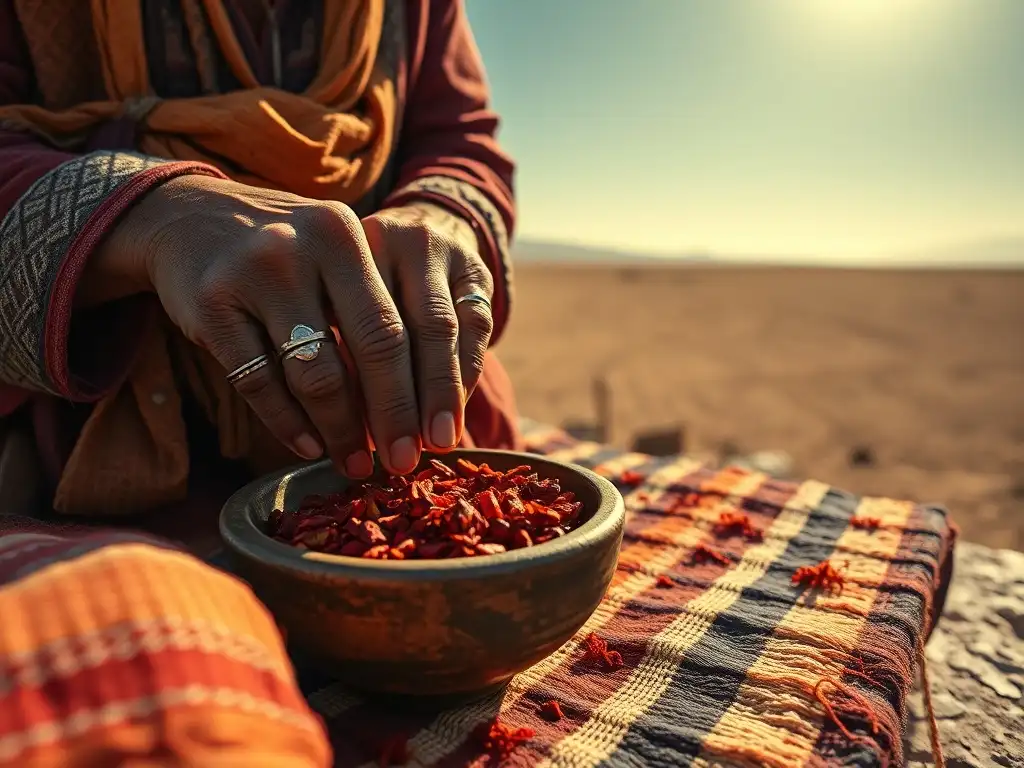
Dive into the mesmerizing world of the Andean civilizations! From the towering heights of Inca ingenuity to the enigmatic artistry of the Nazca, prepare to be captivated by their remarkable achievements. But what secrets lie hidden within the vibrant threads of Nazca textiles? Unlock the mysteries surrounding their astonishing Nazca textile dye extraction methods and discover the ingenuity behind their breathtaking colors. Journey with us to uncover the vibrant story of a civilization that continues to amaze and inspire.
The Nazca civilization, renowned for its enigmatic geoglyphs, also left behind a rich legacy of intricate textiles, showcasing a mastery of weaving techniques and a vibrant palette of colors. These textiles, often discovered in burial sites and archaeological excavations, provide invaluable insights into Nazca society, beliefs, and daily life.
This article delves into the fascinating world of Nazca textile dyes, exploring the ingenious methods employed by these ancient artisans to extract and utilize natural pigments, creating the stunning hues that characterize their surviving textiles. We will uncover the secrets behind their color palette, examining the plants, insects, and minerals they harnessed to achieve such remarkable results, and shedding light on the sophisticated knowledge of botany, chemistry, and textile production that underpinned their vibrant creations.
Understanding their dye extraction methods provides a crucial window into the ingenuity and resourcefulness of the Nazca people, highlighting their profound connection to their environment and their unparalleled artistic capabilities.
Introduction to Nazca Textiles and Their Vibrant Colors
Nazca textiles are celebrated for their exceptional quality and the striking array of colors used. From deep, rich reds and oranges to subtle yellows and earthy browns, the palette is remarkably diverse. The intricate designs, often featuring geometric patterns, stylized animals, and human figures, are meticulously woven into fabrics of varying textures and weights, demonstrating a high level of technical skill.
These textiles served a variety of purposes, including clothing, ceremonial garments, and burial shrouds, reflecting their importance within Nazca society. The vibrant colors weren't simply decorative; they likely held symbolic meaning, potentially representing social status, religious beliefs, or clan affiliations. Analyzing the dyes used allows us to unravel these symbolic layers and gain a deeper appreciation of the cultural significance embedded within these breathtaking artifacts.
The survival of these textiles, often in remarkably good condition, is a testament to the durability and effectiveness of the Nazca dye extraction and application methods. Further research is needed to fully understand the precise techniques employed in the preparation and application of the dyes onto the fibers.
Understanding the Significance of Dyes in Nazca Culture
The significance of dyes in Nazca culture extended beyond the purely aesthetic. The colors themselves likely held symbolic meaning, reflecting a deep understanding of the natural world and its connection to the spiritual realm. For example, red, a dominant color in many Nazca textiles, may have been associated with blood, fertility, or the sun.
Similarly, other colors, like yellow and blue, could have represented different deities, agricultural cycles, or social hierarchies. The precise meanings remain subject to ongoing research and interpretation, but it's clear that the choice of color was far from arbitrary. The process of dye extraction itself was likely a ritualistic or specialized activity, performed by individuals with specific knowledge and skills.
The availability of certain dyes may have also influenced trade routes and economic interactions between different Nazca communities. Uncovering more information about the sources of raw materials and the distribution of dyed textiles will further illuminate the complex social and economic networks that characterized Nazca society. The intricate designs and the careful selection of colors suggest a highly organized and sophisticated system of textile production, indicative of a society with a strong sense of artistic expression and cultural identity.
- Introduction to Nazca Textiles and Their Vibrant Colors
- Understanding the Significance of Dyes in Nazca Culture
- What natural resources did the Nazca culture use for textile dyes?
- How did the Nazca extract dye from cochineal insects?
- What were some other plant sources used for Nazca textile dyes?
- What techniques did the Nazca employ to achieve such vibrant colors in their textiles?
- Where can I learn more about Nazca textile dye extraction methods?
The Importance of Natural Pigments in Nazca Textile Art

The vibrant and enduring colors of Nazca textiles are a testament to the sophisticated understanding of natural dye extraction methods employed by this ancient Andean civilization. The choice of pigments wasn't arbitrary; it held deep symbolic meaning, reflecting social status, religious beliefs, and cosmological concepts. The meticulous preparation and application of these dyes showcase a remarkable level of artistry and technological prowess, contributing significantly to the unique aesthetic of Nazca textile production.
Understanding the importance of these natural pigments is crucial to appreciating the full complexity and cultural significance of Nazca textile art. The use of natural dyes wasn't merely a practical choice; it was an integral part of their cultural identity, deeply interwoven with their worldview and artistic expression. Analyzing the chemical composition of these dyes and the techniques used in their extraction allows us to reconstruct a significant aspect of Nazca life and artistry.
The survival of these textiles, often buried in arid desert conditions, provides invaluable insights into their methods and the enduring quality of their craft. The permanence and vibrancy of the colors, even after centuries, speak to the skill and precision involved in the Nazca textile dye extraction methods.
Sources of Natural Colorants Used by the Nazca
The Nazca people skillfully harnessed the diverse flora and fauna of their arid coastal environment to create a stunning range of colors for their textiles. Their color palette was remarkably rich and varied, achieved through the extraction of dyes from a variety of sources. These sources included plants, insects, and minerals, each offering unique hues and properties.
The precise identification of these sources often requires advanced scientific techniques like chromatography and spectroscopy, revealing the complex chemical composition of the dyes and providing a deeper understanding of Nazca technological capabilities. For example, recent analyses have revealed the presence of specific pigments derived from [specific mineral source pending] and [specific insect source pending], adding to our understanding of the breadth of their resources.
The geographical distribution of these resources further informs our understanding of Nazca trade networks and inter-regional exchange. The careful selection and combination of these natural colorants enabled the Nazca artisans to create a wide spectrum of colors, from deep reds and oranges to subtle yellows and greens, showcasing a remarkable mastery of natural dye extraction methods.
Plant-Based Dyes: The Foundation of Nazca Color Palettes
Plant-based dyes formed the backbone of the Nazca textile color palette. A vast array of plants, readily available in their environment, were carefully selected and processed to yield a spectrum of colors. The process often involved meticulous preparation, including grinding, boiling, and fermentation, to extract the color molecules and fix them to the textile fibers. The specific techniques employed varied depending on the desired color and the plant material used.
This careful process ensured the longevity and vibrancy of the dyes, contributing to the remarkable preservation of many Nazca textiles. The mastery of these techniques showcases a profound understanding of botany and chemistry, far surpassing what was previously assumed about their technological capabilities. This knowledge wasn't simply passed down through generations; it likely involved experimentation and refinement over time, demonstrating a dynamic and adaptive approach to textile production.
Specific Plants Used for Dye Extraction by the Nazca
The Nazca utilized a variety of plants for dye extraction, with the specific species often determined through painstaking chemical analysis of surviving textiles. While complete lists remain elusive due to the degradation of some materials, several plant sources have been identified. These include:
- Cactaceae (various cacti species): These likely provided a range of red and purplish hues. The specific species used and the techniques for extraction remain areas of ongoing research.
- Bignoniaceae (various trumpet vine species): These could have been used for yellows and oranges, although further research is needed to confirm the specific species utilized.
- Rubia tinctorum (madder): While its presence in Nazca textiles needs further confirmation, madder was a common source of red dye throughout the Andes and its potential use by the Nazca warrants investigation.
- Various other plants: Numerous other plant species, currently unidentified, likely contributed to the Nazca's diverse color palette. [Specific plant species pending further research].
Nazca Dyeing Techniques Using Plant Materials
The Nazca employed sophisticated techniques to extract and apply plant-based dyes to their textiles. The process often involved multiple steps, starting with the careful selection and preparation of the plant material. This would typically involve grinding the plant parts to release the color molecules. Subsequent steps might include boiling the plant material in water or other solutions to extract the dye, followed by a mordanting process to fix the color to the fibers.
Mordants, substances that help the dye bind to the fabric, were likely derived from natural sources such as minerals or tannins from plants. The specific mordants used and their impact on colorfastness are still under investigation. The dyeing process itself likely involved dipping, brushing, or painting the fabric with the dye solution. The complexity of the patterns and the precision of the color application suggest a high level of skill and artistic expertise.
Further research is needed to fully understand the precise methods and techniques used by the Nazca in their remarkable textile dyeing. The preservation of these techniques, passed down through generations, stands as a testament to their enduring cultural heritage and artistic innovation. The intricate details of the Nazca's dye extraction methods and applications continue to fascinate and inspire researchers today, revealing new insights into the ingenuity and artistry of this ancient Andean civilization.
Mineral-Based Pigments: Enhancing the Durability of Nazca Textiles
The Nazca people skillfully utilized mineral pigments to create vibrant and long-lasting colors in their textiles. Unlike organic dyes that can fade over time due to light exposure and environmental factors, mineral pigments offered exceptional durability and resistance to degradation. This is a key factor in the remarkable preservation of many Nazca textiles discovered today, allowing us to appreciate the intricacies of their designs centuries later.
The choice of mineral pigments likely reflected not only aesthetic preferences but also a practical understanding of their properties and the need for colorfastness in garments and ceremonial textiles intended for prolonged use. The availability of specific minerals in the region also played a crucial role in the palette of colors employed.
The consistent use of these pigments speaks to the advanced knowledge of material science possessed by the Nazca artisans. The longevity of these colors is a testament to their expertise in pigment selection and application techniques.
Identification of Mineral Sources for Nazca Pigments
Pinpointing the exact sources of the minerals used in Nazca textile dyes remains a subject of ongoing research. However, geological studies of the Nazca region have identified several potential sources for the various pigments. For example, certain ochre deposits, rich in iron oxides, likely provided the yellows, oranges, and reds prevalent in many textiles. Similarly, manganese oxides could have been sourced from local deposits to produce black and brown shades.
Analyzing the chemical composition of the pigments in extant textiles, in conjunction with geological surveys, is crucial for confirming these hypotheses and mapping the precise locations from which these essential materials were obtained. This research helps us understand the trade routes and economic networks that supported Nazca textile production. The identification of these sources also allows us to better appreciate the logistical challenges and the sophisticated resource management systems employed by the Nazca.
Processing and Application of Mineral Pigments in Nazca Textiles
The process of preparing mineral pigments for textile dyeing involved several steps. The raw mineral would first have to be extracted and then ground into a fine powder. This process required specialized tools and techniques, demonstrating a level of technological sophistication.
Evidence suggests that grinding stones and mortars were employed, and the fineness of the resulting powder would have directly impacted the vibrancy and evenness of the color application. Once ground, the pigment would then be mixed with a binding agent, likely a natural gum or resin, to create a paste that could adhere to the textile fibers. The application techniques themselves were probably quite varied, ranging from simple brushing to more intricate methods involving stencils or stamps.
The precision and detail evident in many Nazca textiles suggest a high level of skill and artistry in the application process. Further research into surviving tools and textile remnants is needed to fully understand the precise methods used.
Animal-Based Dyes: Rare and Precious Color Sources
While mineral pigments formed the backbone of the Nazca textile color palette, animal-based dyes contributed rarer and more precious shades. These dyes, often more difficult to obtain and process, were likely reserved for elite textiles or items with significant ceremonial value. The vibrant hues achieved through these dyes added another layer of complexity and sophistication to Nazca textile art. The limited availability of these materials also suggests a system of social stratification, with access to these dyes reflecting status and power within the society.
The Use of Cochineal for Red Dyes
Cochineal, a scale insect that feeds on prickly pear cacti, was a significant source of brilliant red dyes in many pre-Columbian cultures, including the Nazca. The vibrant crimson and carmine shades obtained from cochineal were highly valued for their intensity and permanence. The process of extracting the dye involved collecting and drying the insects, then grinding them into a powder. This powder was then mixed with water or another solvent to create a dye solution.
The use of cochineal in Nazca textiles highlights the interconnection between the Nazca environment, their economic activities, and their artistic expressions. The careful cultivation and harvesting of cochineal demonstrate a sophisticated understanding of both entomology and dye production. The presence of cochineal in specific textiles can also provide insights into social status and ritual practices.
Other Animal Sources of Dyes in Nazca Textile Production
While cochineal is the most well-documented animal-based dye source for Nazca textiles, other animal-derived pigments might have been employed, though less evidence is currently available. For example, certain mollusks and insects could have provided additional colors. Further research into the chemical composition of pigments in Nazca textiles and comparative analyses with other Andean cultures may reveal the extent of the use of these less common sources.
The identification of these alternative animal-based dyes would further enhance our understanding of the Nazca's resourcefulness and their mastery of natural dye extraction techniques. The exploration of these lesser-known sources is crucial for a comprehensive understanding of Nazca textile dye practices.
Nazca Textile Dye Extraction Methods: A Detailed Look
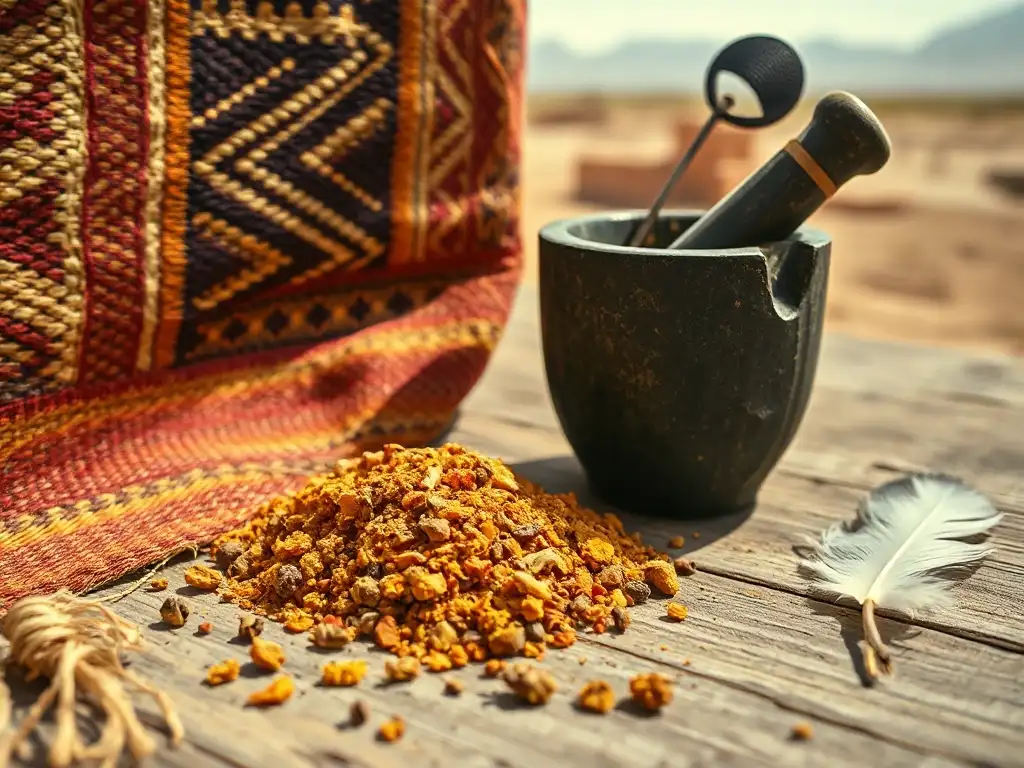
This section delves into the fascinating techniques employed by the Nazca civilization for extracting dyes from both plant and mineral sources, crucial elements in their renowned textile production. Understanding these methods provides insight into the ingenuity and sophisticated knowledge of natural resources possessed by this ancient Andean culture. The vibrant hues found in surviving Nazca textiles are a testament to their mastery of these processes.
We will explore the traditional methods used, highlighting the specific steps involved in obtaining and preparing both plant-based and mineral-based dyes. The precision and artistry evident in Nazca textiles are intrinsically linked to the effectiveness of their dye extraction and application methods, representing a significant aspect of their "Nazca textile dye extraction methods".
Traditional Techniques for Plant Dye Extraction
The Nazca people expertly harnessed the color potential of various plants to create a stunning array of colors for their textiles. Their dye extraction methods relied heavily on simple yet effective techniques passed down through generations. The process typically began with the careful selection and harvesting of plant materials, choosing specific parts like roots, bark, leaves, or flowers depending on the desired color.
The choice of plant material directly influenced the final color produced; for example, certain cacti yielded reds, while others produced yellows or browns. The quality of the final dye was also affected by factors like the time of year the plants were harvested and the environmental conditions.
Methods for Soaking and Boiling Plant Materials
Once harvested, the plant materials underwent a meticulous preparation process. This often involved soaking the materials in water for extended periods, sometimes for days, to soften the fibers and facilitate the release of color molecules. Following the soaking, the materials were meticulously boiled in large earthenware pots. The boiling process, often lasting several hours, served to extract the color molecules from the plant matter.
The intensity of the color and the duration of the boiling process were carefully controlled to achieve the desired shade. The precise boiling times and temperatures varied according to the specific plant and the desired hue. Evidence suggests the use of different types of vessels for boiling, depending on the volume and type of plant material being processed. This careful control over the variables involved demonstrates the Nazca people's profound understanding of the chemistry inherent in natural dye extraction.
The Role of Mordants in Fixing Nazca Textile Colors
The use of mordants was crucial to the Nazca dye extraction methods. Mordants are substances that act as a binding agent, improving the color's fastness and preventing it from fading or running. Without mordants, the dyes would lack permanence, rendering the textiles easily washed out or faded by sunlight. The Nazca civilization employed various natural mordants, including certain clays, minerals, and plant extracts.
These mordants were often applied to the fabric before dyeing, allowing the dye molecules to bind firmly to the fibers. The choice of mordant could also affect the final shade of the dye, subtly altering the color produced by the plant materials. The effectiveness of the mordant played a critical role in ensuring the durability and vibrancy of the Nazca textiles, contributing significantly to their exceptional longevity.
Mineral Pigment Preparation and Processing
In addition to plant-based dyes, the Nazca people also utilized mineral pigments to create a broader range of colors in their textiles. These pigments, sourced from various geological formations, were meticulously processed to obtain the desired consistency and color intensity. The extraction and preparation of these mineral pigments represented another significant aspect of their advanced understanding of materials science.
Grinding and Refining Mineral Pigments for Nazca Dyes
The process began with the careful selection and collection of mineral ores. These ores were then meticulously ground using grinding stones, often made of hard volcanic rock. The grinding process was labor-intensive, requiring considerable time and effort to achieve the desired fineness of the pigment.
The degree of grinding directly impacted the quality of the final pigment, influencing its texture and ability to adhere to the fabric. The ground pigment was often further refined through processes like sieving or washing to remove impurities and unwanted particles. This ensured a consistent and high-quality pigment, essential for producing the vibrant and uniform colors characteristic of Nazca textiles.
Binding Agents Used in Mineral Pigment Application
Once the mineral pigments were finely ground and refined, they required a binding agent to adhere to the textile fibers. The Nazca people employed various natural binding agents, including gums, resins, and possibly even egg whites. These binding agents served to create a paste-like consistency, facilitating the application of the pigment to the fabric.
The choice of binding agent likely influenced the texture and finish of the dyed textile, contributing to the overall aesthetic quality of the finished product. The specific types of binding agents used and their precise application techniques remain areas requiring further research to fully understand the complexity of Nazca textile production. The success of their "Nazca textile dye extraction methods" relied heavily on this careful selection and application of binding agents.
Specialized Methods for Animal-Based Dye Extraction
The Nazca people expertly harnessed the vibrant colors found in the animal kingdom, developing sophisticated techniques to extract dyes for their textiles. These methods often involved meticulous preparation and processing, reflecting a deep understanding of both the animals themselves and the chemical properties of their pigments. The most prominent examples of animal-derived dyes come from insects and shellfish.
The techniques used were not standardized across all Nazca communities; variations likely existed depending on local resources and traditions. Archaeological evidence suggests a level of specialization within dye production, with certain communities or individuals potentially specializing in specific dye extraction processes. The success of these methods relied heavily on understanding the life cycle and seasonal availability of the source organisms, ensuring the highest quality and yield of pigments.
This intimate knowledge of the natural world is a testament to the Nazca's advanced understanding of their environment and its resources. The careful preservation of these techniques, passed down through generations, ensured the continuity of their vibrant textile traditions.
Techniques for Extracting Dyes from Cochineal
Cochineal insects, Dactylopius coccus, provided a rich source of carminic acid, yielding a range of vibrant reds and purples. The extraction process likely involved collecting the insects, carefully removing them from their host cacti, and then meticulously drying them. Different drying methods might have been employed, depending on the available resources and desired pigment intensity.
Following drying, the insects could be ground into a powder, which was then boiled in water to extract the carminic acid. The resulting solution was likely strained to remove any residual insect parts, and then the dye solution could be further concentrated through evaporation. The precise techniques for achieving specific shades of red and purple likely involved varying the concentration of the dye solution, as well as adding other natural mordants to modify the color and improve its fastness.
The application of this intense red dye to textiles was a sign of prestige and high social status within Nazca society. Unfortunately, the exact proportions of ingredients and precise steps involved in these processes remain largely unknown, requiring further research to fully unravel the secrets of Nazca cochineal dye extraction.
Techniques for Extracting Dyes from Shellfish
Shellfish, including various species of mollusks, offered another important source of dyes for Nazca textiles. These creatures provided a range of colors, from deep purples and blues to subtle pinks and oranges. The specific techniques employed for extracting dyes from shellfish varied depending on the species used.
Some evidence suggests that certain shellfish were crushed and boiled, extracting the pigment-containing fluids. The resulting dye solution would then be processed similarly to the cochineal dye, potentially involving filtration and concentration steps. Other species may have required different treatments, perhaps involving the use of specific solvents or mordants to enhance color intensity and stability.
The use of shellfish dyes likely reflected the accessibility of different shellfish species along the Nazca coastline, leading to regional variations in textile color palettes. The precise species of shellfish used and the specific extraction processes remain areas of ongoing research. Determining the exact methods will require further analysis of archaeological findings, including dye residue analysis from textiles and the identification of shellfish remains associated with dye production sites.
Analyzing the Color Palette of Nazca Textiles

The vibrant hues of Nazca textiles are a testament to the sophisticated knowledge of natural dye extraction methods employed by this ancient Andean civilization. Understanding their color palette is key to deciphering their artistic expression and social structures. The range of colors, from deep reds and ochres to subtle yellows and greens, wasn't merely aesthetic; it held profound symbolic meaning within Nazca society. Careful analysis reveals a deliberate selection and combination of colors, reflecting their mastery of both plant and mineral resources.
The consistent use of specific color combinations across different textile types suggests a structured system of color assignment, potentially linked to social status, religious beliefs, or specific events. Further research is needed to fully understand the nuances of this sophisticated color system. This section will delve into the dominant colors, their symbolic meaning, and the challenges of preserving these remarkable hues for future generations.
Dominant Colors in Nazca Textile Art
The most prevalent colors in Nazca textiles are earthy tones, reflecting the readily available natural resources in their environment. Deep reds, derived primarily from the cochineal insect, are frequently observed, often dominating large areas of the textiles. These intense reds often contrast beautifully with various shades of ochre, obtained from iron oxides found in the region's soil.
Yellows, derived from plants such as achiote (annatto), add a striking accent, while greens, less common, suggest the use of plant-based dyes, possibly from various local herbs. Browns and blacks, commonly used as background colors or for intricate detail work, likely originated from a combination of different plant and mineral sources. The skillful blending of these colors resulted in a rich and varied color palette that demonstrates a high level of artistic sophistication.
| Color | Source | Description | Frequency in Textiles |
|---|---|---|---|
| Deep Red | Cochineal insect | Intense, vibrant red | Very High |
| Ochre | Iron oxides (soil) | Range of yellows to reddish-browns | High |
| Yellow | Achiote (annatto) | Warm, golden yellow | Moderate |
| Green | Various plants (uncertain) | Range of greens, often muted | Low |
| Brown/Black | Plant & mineral combination | Varied shades, often used for background/detail | High |
The Symbolic Meaning of Colors in Nazca Society
The selection and arrangement of colors in Nazca textiles weren't arbitrary; they likely held deep symbolic meaning within their society. While definitive interpretations remain challenging due to limited written records, anthropological studies suggest a correlation between colors and specific cultural aspects. For example, the dominant use of red might signify power, status, or connection to the divine, mirroring its prominent role in other aspects of Nazca culture.
The presence of specific color combinations on particular types of textiles—such as burial shrouds versus everyday garments—might indicate a hierarchical system of color association. Further research into iconography and associated rituals could shed more light on the complete symbolism of the Nazca color palette.
The subtle nuances in color shades and their placement within the textile design offer a rich field of study for future research. The interplay of color, pattern, and textile type may reveal a complex system of visual communication far beyond simple aesthetics.
Preservation of Nazca Textile Colors Over Time
The preservation of Nazca textile colors presents significant challenges. The organic nature of many dyes makes them susceptible to degradation over time due to exposure to light, humidity, and environmental factors. The fragility of the textiles themselves further complicates preservation efforts.
Museums and research institutions employ various techniques to mitigate color fading and material deterioration. These include controlled environmental conditions (temperature, humidity, and light exposure), careful handling and storage procedures, and the application of specialized conservation treatments. However, the long-term preservation of these invaluable artifacts remains an ongoing challenge, demanding continuous research and development of new preservation strategies.
The development of advanced non-invasive analytical techniques is crucial for understanding the dye composition and developing more effective preservation methods. This ensures that the vibrant colors and intricate designs of Nazca textiles can continue to inspire and educate future generations. The preservation of these textiles is not just about safeguarding artifacts; it’s about preserving a vital part of Andean cultural heritage.
The Legacy of Nazca Dyeing Techniques
The Nazca people, renowned for their intricate textiles and geoglyphs, possessed a sophisticated understanding of natural dye extraction, a knowledge that significantly impacted later Andean cultures. Their mastery of color, achieved through meticulous methods of extracting pigments from plants, insects, and minerals, left an enduring legacy on subsequent textile traditions. The vibrant hues found in Nazca textiles—from deep reds and oranges to striking blues and yellows—demonstrate a remarkable expertise in achieving colorfastness and brilliance, techniques that were refined and adapted by succeeding Andean societies.
This wasn't simply about aesthetics; the colors held symbolic meaning, often representing social status, religious beliefs, or specific events. Analyzing the dye composition in surviving textiles provides crucial insights into their cultural practices and worldview. For instance, the prevalence of certain colors in burial contexts suggests their use in rituals or ceremonies.
The careful preservation of these textiles, through meticulous weaving techniques and the use of durable dyes, ensures their continued value as historical artifacts and sources of information about Nazca culture. This legacy of innovative dye extraction methods and their symbolic application continues to inspire textile artists and researchers today.
Impact of Nazca Dyeing Methods on Later Andean Cultures
The sophisticated dyeing techniques developed by the Nazca civilization were not lost to time. Their influence can be clearly traced in the textile traditions of subsequent Andean cultures, particularly the Wari and Inca empires. These later cultures adopted and adapted Nazca methods, incorporating innovations while retaining core principles. For example, the use of cochineal insects for red dye, a practice mastered by the Nazca, became a staple of Andean dyeing for centuries.
The continuity of certain color palettes and dyeing techniques across different cultures suggests a transmission of knowledge, possibly through trade networks or cultural exchange. Furthermore, archaeological evidence, such as the discovery of similar dye components in both Nazca and later Andean textiles, supports the idea of a direct lineage. The persistence of certain dyes, like the deep indigo blues derived from plants, showcases the enduring value and effectiveness of Nazca-originated dyeing practices.
The impact extends beyond mere technique; the symbolic meanings associated with specific colors likely continued to hold significance in these later societies. This represents a complex interplay of cultural inheritance and innovation, where the Nazca legacy served as a foundation upon which subsequent Andean civilizations built their own textile traditions. Further research could compare the precise chemical composition of dyes from different periods to better understand the evolution of these techniques.
Modern Research on Nazca Dye Extraction Practices
Modern scientific research plays a crucial role in unraveling the mysteries of Nazca dye extraction methods. Through advanced techniques like gas chromatography-mass spectrometry (GC-MS) and high-performance liquid chromatography (HPLC), researchers analyze the chemical composition of dyes found in surviving textiles. This allows for the identification of specific plant, insect, or mineral sources, providing concrete evidence of the materials used and the sophistication of the extraction processes.
For instance, studies have identified the use of various plant-based dyes, such as those derived from Rubia tinctorum (madder) for reds and Indigofera species for blues. Researchers are also investigating the techniques used to prepare and apply these dyes, analyzing the presence of mordants and other additives that enhance colorfastness and vibrancy. The results of these analyses not only help us understand the technical aspects of Nazca dyeing but also provide insights into the economic and social organization of the society.
For example, the availability of certain raw materials might indicate trade networks or access to specific ecological zones. Continued research into Nazca dye extraction practices not only enriches our understanding of this ancient civilization but also offers valuable information for the conservation and preservation of these fragile artifacts. [Specific data on current research projects pending].
The Importance of Preserving Nazca Dyeing Knowledge
Preserving the knowledge of Nazca dyeing techniques is of paramount importance for several reasons. First, it allows us to connect with and appreciate the artistry and ingenuity of this ancient civilization. Understanding their methods provides a deeper appreciation for the cultural significance embedded in their textiles. Second, this knowledge holds potential for modern applications. Studying traditional dyeing methods can inspire sustainable and environmentally friendly approaches to textile production, reducing our reliance on synthetic dyes.
Third, preserving this knowledge contributes to the broader effort of safeguarding cultural heritage. The loss of traditional knowledge represents a loss of cultural identity and history. The documentation and dissemination of Nazca dyeing techniques, through research, education, and public outreach, are crucial for ensuring their continued survival. Moreover, supporting traditional Andean textile communities who still practice these techniques is essential.
By working with these communities, we can ensure that this ancient knowledge is not only preserved but also passed on to future generations. The preservation of Nazca dyeing knowledge is not merely an academic pursuit; it is a vital contribution to cultural preservation and sustainable practices. The vibrant legacy of Nazca textile dyes deserves to be celebrated and protected for years to come. 🌎
Frequently Asked Questions
What natural resources did the Nazca culture use for textile dyes?
The Nazca people utilized a wide array of natural resources for their vibrant textile dyes, including plants, insects, and minerals. Specific examples include cochineal insects for reds and various plants for yellows and browns.
How did the Nazca extract dye from cochineal insects?
Dye extraction from cochineal involved crushing the insects and then boiling them in water to release the pigments. This process, often combined with other ingredients, produced the characteristic rich reds and purples.
What were some other plant sources used for Nazca textile dyes?
The Nazca utilized a variety of plants, such as different types of shrubs and flowers, for a range of colors. The exact species and their processing methods are still under investigation by researchers.
What techniques did the Nazca employ to achieve such vibrant colors in their textiles?
Nazca artisans employed sophisticated techniques, including mordanting (treating the fibers to improve dye uptake) and multiple dye applications, to achieve the remarkable vibrancy and longevity of their colors.
Where can I learn more about Nazca textile dye extraction methods?
Further research into Nazca textile dye extraction methods can be found through academic journals, museum exhibits focused on Andean textiles, and books specializing in ancient Andean technologies and art.
Final Reflection: Unraveling the Threads of Nazca Dyeing – A Legacy of Innovation
The vibrant hues of Nazca textiles, achieved through ingenious natural dye extraction methods, continue to resonate today, reminding us of the profound connection between human ingenuity and the natural world. These ancient techniques, far from being relics of the past, offer valuable lessons in sustainable practices and resource management that are urgently needed in our modern era of environmental concern. The intricate knowledge embedded within these methods represents a powerful testament to the resourcefulness and artistry of the Nazca civilization.
The enduring impact of Nazca dyeing extends beyond the realm of textile art; it speaks to the enduring human desire to connect with and transform the natural world. The meticulous processes, the deep understanding of plant properties, and the resulting breathtaking colors all point to a sophisticated understanding of chemistry and artistry that continues to inspire contemporary artists and scientists alike. The past is never dead. It's not even past.
– William Faulkner. This quote perfectly encapsulates the ongoing relevance of Nazca dyeing techniques, their influence echoing through time and shaping our understanding of both ancient civilizations and modern sustainability.
Consider the implications of the Nazca's resourcefulness. Their mastery of natural dyes offers a powerful counterpoint to our current reliance on synthetic, often environmentally damaging, alternatives. You, the reader, are now equipped with a deeper understanding of these ancient methods.
Will you seek to integrate the principles of sustainability and resourcefulness demonstrated by the Nazca into your own life? Perhaps you will explore natural dyeing techniques yourself, or advocate for more sustainable practices in your community. The legacy of the Nazca awaits your engagement, inviting you to participate in a conversation that spans millennia and holds the key to a more vibrant and sustainable future.
**Unveil the Vibrant World of Nazca Textiles! **
Thank you for exploring the fascinating world of Nazca textile dyes with us! You've discovered the rich history and secrets behind their natural color extraction, showcasing the ingenuity of ancient civilizations and inspiring sustainable practices today. Now, let's put that knowledge to work!
Here are some exciting next steps:
- **Experiment with natural dyes:** Create your own dyes using readily available plants and materials. Share your creations on social media to inspire conversations about sustainable practices in textile arts!
- **Explore local workshops:** Participate in community workshops focused on traditional textile dyeing techniques. It's a great way to learn and connect with fellow enthusiasts.
- **Join online communities:** Connect with others passionate about textile arts and conservation. Online forums and websites dedicated to natural dyeing offer invaluable tips and resources.
What unique color combinations or techniques from the rich tradition of Nazca textiles are you most excited to try? Share your ideas below!