
The Symbolic Power of Nazca Textile Patterns: Geometric and Anthropomorphic Designs

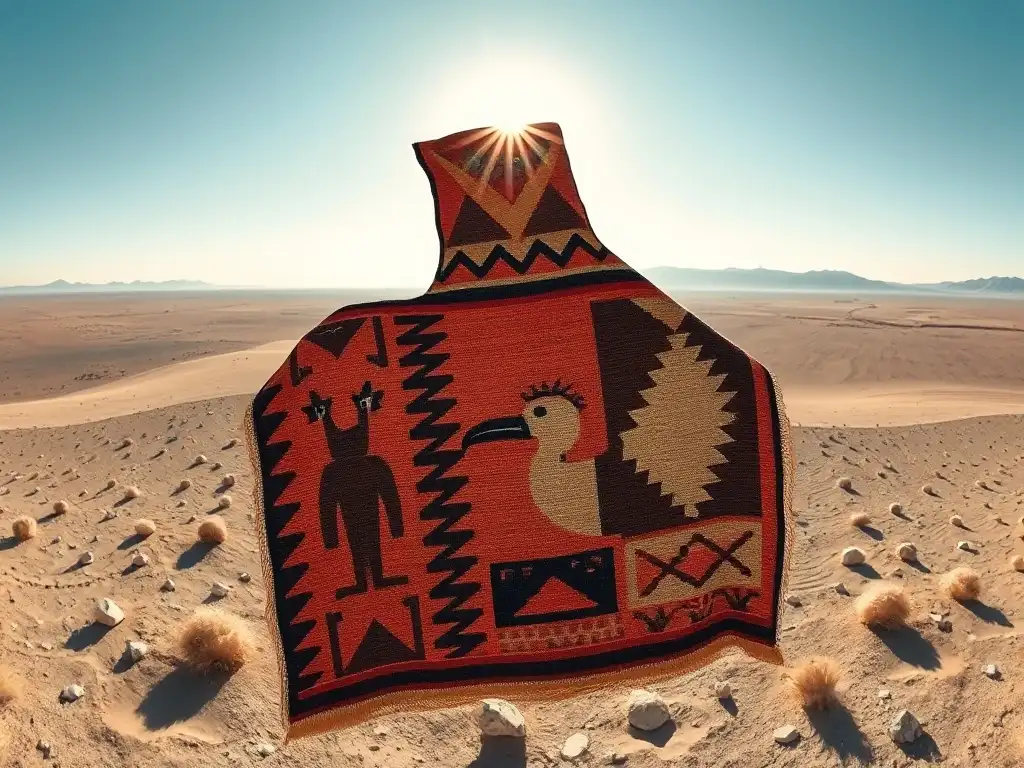
Step into a world woven with mystery and magnificence. For centuries, the Andean Civilizations have captivated the imagination, leaving behind a legacy of breathtaking artistry and complex societies. But have you ever considered the hidden stories embroidered into the very fabric of their existence? Prepare to unravel the enigmatic Nazca textile design symbolism, a world of geometric and anthropomorphic patterns teeming with untold secrets. Discover the symbolic power held within these ancient threads – a journey into the heart of Nazca culture awaits.
The Nazca civilization, flourishing along Peru's southern coast from approximately 100 BCE to 800 CE, left behind a remarkable legacy beyond their iconic geoglyphs. Their mastery of textile production resulted in extraordinarily intricate and vibrant fabrics, imbued with profound symbolic meaning.
This article delves into the captivating world of Nazca textile design symbolism, exploring the rich tapestry of geometric and anthropomorphic motifs that reveal insights into their cosmology, social structures, and daily life. We will examine the intricate weaving techniques and the powerful messages encoded within these textiles, highlighting the enduring cultural significance of Nazca textile art and its contribution to our understanding of this fascinating ancient society.
Understanding the symbolism embedded within these designs offers a unique window into the worldview and beliefs of the Nazca people, a perspective often overlooked in discussions of their more widely known geoglyphs. This exploration will illuminate the sophisticated artistry and cultural depth reflected in their textile traditions, showcasing the Nazca's remarkable ability to translate complex ideas into visually stunning and enduring works of art.
Geometric Patterns: A Cosmos Woven in Threads
Nazca textiles frequently feature complex geometric patterns, often incorporating intricate arrangements of triangles, squares, stepped figures, and spirals. These weren't merely decorative elements; rather, they represented a sophisticated system of symbolic communication. For example, the recurring use of triangles might symbolize mountains, a crucial element of their landscape and, potentially, their spiritual beliefs.
The precise arrangement and combination of these shapes within a textile could convey specific meanings, possibly relating to clan affiliations, social status, or ritual practices. Analysis of surviving textiles suggests a highly codified system, where subtle variations in color, size, and placement could significantly alter the overall meaning.
Further research is needed to fully decipher the complexity of these geometric codes, but preliminary studies indicate a deep connection between these patterns and the Nazca's understanding of their world. The precision and consistency in the geometric designs across various textiles suggest a high level of standardization and possibly the existence of a formal system of textile design education or apprenticeship.
Anthropomorphic Figures: Deities, Ancestors, and Everyday Life
Alongside geometric motifs, Nazca textiles frequently depict anthropomorphic figures – representations of human-like beings. These figures, often stylized and sometimes highly abstract, likely represent deities, ancestors, or figures of importance within their society. Some figures are clearly identifiable as shamans or individuals holding ritual objects, suggesting a connection to religious practices. The clothing and adornments of these figures often provide clues to their identity and social standing, offering valuable insights into the social hierarchy of the Nazca civilization.
The use of vibrant colors and detailed weaving techniques further emphasizes the significance of these anthropomorphic representations within the overall design of the textile. Detailed studies of individual figures and their context within complete textiles are crucial to unlocking their specific meanings. Unfortunately, many textiles are fragmentary, making comprehensive interpretations challenging.
The Role of Color and Fiber: Enhancing Symbolic Meaning
The choice of colors and fibers used in Nazca textiles wasn't arbitrary. Different colors likely held specific symbolic meanings, possibly relating to natural elements, deities, or social groups. The use of vibrant hues, achieved through natural dyes derived from plants and minerals, suggests a sophisticated understanding of color chemistry and its symbolic potential.
Similarly, the selection of fibers – such as cotton or camelid wool – may have also carried symbolic weight, possibly reflecting social status or the intended use of the textile. Further investigation into the sourcing and processing of these materials is vital to understanding their full significance within the broader context of Nazca textile production and symbolism. The combination of color, fiber, and pattern created a truly multifaceted system of visual communication, enriching the symbolic power of the textiles.
Weaving Techniques: A Testament to Nazca Skill and Innovation
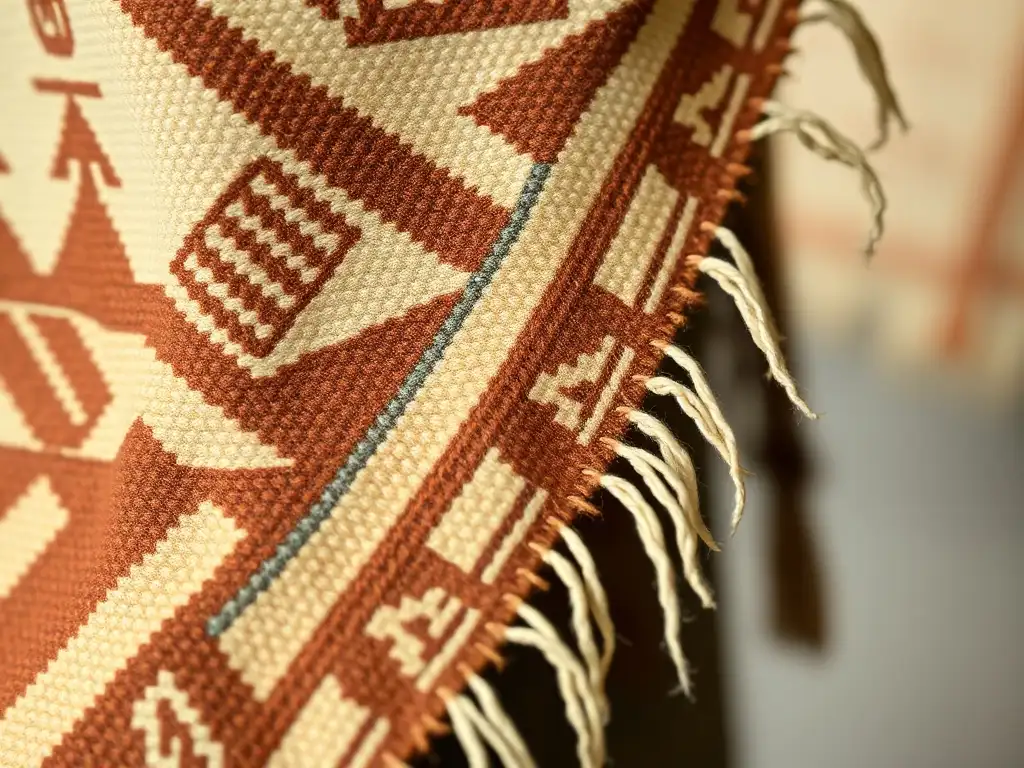
The intricate weaving techniques employed by Nazca artisans are a testament to their skill and ingenuity. Techniques like tapestry weaving, brocade, and gauze allowed them to create incredibly detailed and complex designs. These techniques required a high level of expertise and precision, highlighting the specialized nature of textile production within the Nazca society.
The mastery of these techniques, combined with the symbolic richness of their designs, elevated Nazca textiles beyond mere utilitarian objects, transforming them into powerful expressions of cultural identity and spiritual beliefs. The preservation of these advanced weaving techniques across generations speaks to the importance of textile production in the continuity of Nazca culture. Analyzing these techniques provides further insight into the social organization and technological advancements of this remarkable civilization.
Conclusion: Unveiling the Secrets of Nazca Textile Design
The symbolic power of Nazca textile patterns is undeniable. By carefully examining the geometric and anthropomorphic motifs, the role of color and fiber, and the sophisticated weaving techniques, we gain a deeper understanding of the Nazca worldview, social structure, and artistic achievements. Further research is needed to fully decipher the intricate codes embedded within these textiles, but the existing evidence reveals a rich and complex system of visual communication that continues to fascinate and inspire. The enduring legacy of Nazca textile art serves as a powerful reminder of the ingenuity and cultural depth of this remarkable ancient civilization. 🎉
- Geometric Patterns: A Cosmos Woven in Threads
- Anthropomorphic Figures: Deities, Ancestors, and Everyday Life
- The Role of Color and Fiber: Enhancing Symbolic Meaning
- Weaving Techniques: A Testament to Nazca Skill and Innovation
- Conclusion: Unveiling the Secrets of Nazca Textile Design
Unveiling the Meaning Behind Nazca Textile Art
The Significance of Nazca Textiles in Andean Culture
Nazca textiles hold a paramount position within the broader context of Andean civilization. Unlike many other ancient cultures where textiles served primarily utilitarian purposes, Nazca textiles represent a sophisticated blend of practical function and profound symbolic meaning. These intricately woven fabrics were not merely clothing or household items; they were powerful communicative tools, reflecting the worldview, social structures, and spiritual beliefs of the Nazca people. Their creation involved meticulous planning, specialized skills, and a deep understanding of color symbolism, all contributing to their significant cultural value.
The exceptional preservation of many examples in the arid coastal climate of Peru allows us to analyze these textiles with remarkable detail, revealing insights into the Nazca worldview that would otherwise be lost to time. The use of vibrant, natural dyes further emphasizes the importance placed upon these artifacts. The painstaking process of creating these textiles, from the cultivation of cotton and other fibers to the complex weaving techniques employed, speaks volumes about the societal organization and the high value placed on artistic expression within Nazca culture.
Many examples showcase intricate designs, often incorporating both geometric and anthropomorphic motifs, which we'll explore in detail in the following sections. The survival of these textiles, often found in burial contexts, suggests a belief in the continuing significance of these patterns even in the afterlife, reinforcing their profound cultural importance within Nazca society. Analysis of textile fragments alongside other archaeological findings, such as pottery and ceremonial objects, provides further context to interpret the meaning of specific designs and colors.
Introduction to Nazca Textile Design Symbolism
The symbolism embedded within Nazca textile designs is a captivating area of study for archaeologists and art historians alike. The recurring motifs—geometric patterns and anthropomorphic figures—are not randomly chosen; instead, they appear to represent a complex system of visual communication conveying social status, religious beliefs, and cosmological ideas. Understanding this symbolism requires a multi-faceted approach, combining detailed stylistic analysis of the textiles themselves with contextual evidence from other archaeological discoveries within Nazca sites. For example, the prevalence of certain geometric shapes, such as stepped triangles and interlocking spirals, might reflect cosmological concepts or represent agricultural cycles crucial to Nazca survival.
Similarly, anthropomorphic figures, often depicted in stylized forms, likely represent deities, shamans, or ancestral figures, indicating a strong belief in the spiritual world and the importance of ancestor veneration. The vibrant colors used in these textiles are also integral to their symbolic meaning. Researchers are still working to fully decipher the precise significance of specific color combinations, but preliminary findings suggest that they may have signified different social groups, ritual practices, or even specific deities. Further research, including detailed chemical analysis of the dyes used and comparative studies with similar textile traditions from neighboring cultures, will undoubtedly provide a more complete understanding of the rich tapestry of Nazca textile design symbolism.
The use of advanced imaging techniques also helps in analyzing deteriorated or fragmented textiles, revealing hidden details and enhancing our understanding of their complex designs. The study of Nazca textile design symbolism is a dynamic field, with new discoveries constantly enriching our comprehension of this remarkable ancient culture. The ongoing research promises to further illuminate the profound meaning behind these exquisite works of art.
Geometric Motifs in Nazca Textiles: A Language of Lines
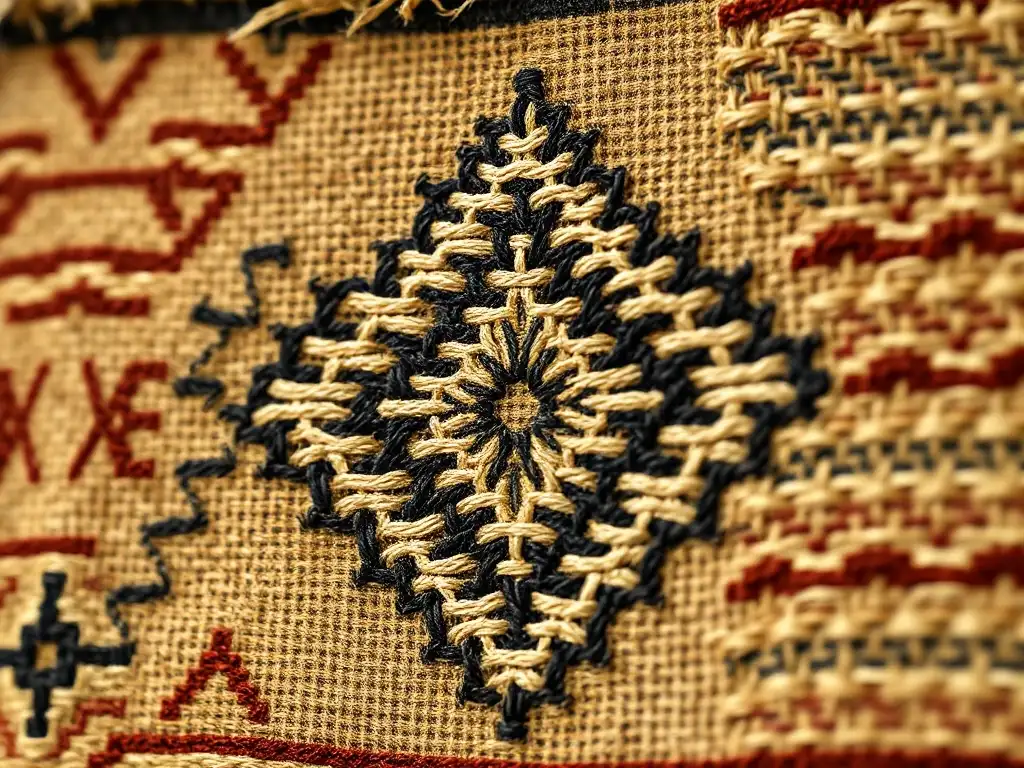
The intricate geometric designs woven into Nazca textiles represent a sophisticated system of visual communication, far beyond mere decoration. These patterns, meticulously crafted using a variety of techniques including tapestry weaving and weft-faced plain weave, offer insights into the worldview, social structures, and cosmology of the Nazca people. Understanding these motifs requires careful consideration of their recurring elements, their placement within the textile, and their potential connections to other aspects of Nazca culture, such as pottery and architecture.
The prevalence of geometric patterns in Nazca textiles highlights their importance as a potent form of symbolic expression, a visual language that speaks volumes about their creators. Analyzing Nazca textile design symbolism reveals a deep connection between the earthly and the spiritual realms.
Understanding the Recurring Geometric Patterns in Nazca Weaving
Recurring geometric patterns in Nazca textiles frequently include straight lines, zigzags, stepped frets, triangles, squares, and spirals. These elements are rarely isolated but rather combined in complex and often symmetrical arrangements. For example, a common motif involves a central square or diamond, surrounded by concentric stepped frets, further embellished with smaller triangles or zigzags.
This intricate layering suggests a hierarchical structure, mirroring perhaps the social organization of Nazca society or the perceived order of the cosmos. The precision and consistency in the execution of these patterns across different textiles indicate a standardized system of design and production, potentially reflecting the existence of specialized workshops or guilds of weavers. The use of different colors within these patterns, often vibrant reds, yellows, browns, and blues derived from natural dyes, further adds to their complexity and meaning.
The specific color combinations might have held further symbolic significance, though further research is needed to definitively interpret these chromatic variations. Detailed analysis of the weave itself – the type of yarn, the density of the weave, and the techniques used – could reveal further nuances in the creation and meaning of these patterns.
The Symbolism of Straight Lines, Zigzags, and Spirals in Nazca Textiles
Straight lines, often appearing as borders or framing elements, might symbolize boundaries, pathways, or the connection between different realms. Zigzags, with their dynamic energy, could represent the flow of water, the movement of celestial bodies, or perhaps even the rhythmic pulse of life itself. The frequent appearance of zigzags in association with other motifs, like stepped frets, suggests a potential interaction or interplay between different symbolic elements.
Spirals, on the other hand, are often interpreted as representations of cyclical processes, such as the seasons, the life cycle, or the continuous flow of time. Their presence in Nazca textiles could indicate a belief in the cyclical nature of existence and a deep understanding of the natural world's rhythms.
The size and orientation of these spirals within a given design could contribute to their specific meaning, requiring a close examination of their placement within the overall composition of the textile. [Specific interpretations of symbolic meanings pending further archaeological research and contextual analysis].
Geometric Shapes as Representations of the Natural World in Nazca Art
While abstract, many geometric shapes in Nazca textiles are likely symbolic representations of natural phenomena. Squares and rectangles could represent cultivated fields, reflecting the importance of agriculture in Nazca society. Triangles, with their pointed apex, might symbolize mountains, while stepped frets could represent terraced agricultural landscapes – a crucial element of Nazca farming techniques.
The integration of these geometric forms within larger, more complex designs might represent a holistic view of the landscape, reflecting the Nazca people's intimate connection to their environment. The precision and accuracy of these representations suggest a profound understanding of geometry and a keen observation of the natural world. Further investigation into the relationship between the geometric patterns found in textiles and the actual landscape features of the Nazca region could reveal deeper connections and interpretations.
The use of these patterns might have served not only as artistic expression but also as a way to record and transmit knowledge about agricultural practices and environmental understanding across generations. The survival of these textiles provides invaluable insights into the sophisticated relationship between the Nazca people and their environment, showcasing their deep understanding of the world around them.
Anthropomorphic Figures in Nazca Fabrics: Depictions of Myth and Ritual
The vibrant textiles of the Nazca civilization are not merely decorative; they are powerful visual narratives, deeply intertwined with the society's religious beliefs and social structures. Among the most striking elements are the anthropomorphic figures woven into these fabrics, offering invaluable insights into Nazca mythology, ritual practices, and worldview. These figures, far from being random artistic choices, represent a complex system of symbols that reflect the Nazca understanding of the cosmos, their relationship with the supernatural, and their social hierarchy.
The intricate detail and consistent stylistic elements across different textiles suggest a high degree of standardization and perhaps even a formalized system of artistic production related to religious institutions. Analyzing these figures allows us to glimpse into a rich, complex world that existed centuries ago. Understanding Nazca textile design symbolism is key to unlocking the secrets of this fascinating culture.
The Representation of Deities and Mythical Beings in Nazca Textile Art
Depictions of deities and mythical beings are prevalent in Nazca textile art. While precise identification remains challenging due to the lack of written records, certain recurring motifs suggest the presence of a pantheon of gods and supernatural entities. One frequently encountered figure is a stylized being with feline features – possibly a representation of a powerful deity associated with hunting, warfare, or the underworld.
These feline figures often appear in association with other symbols, such as serpents or stylized birds, suggesting a complex web of mythological relationships. Some anthropomorphic figures display exaggerated features, such as elongated limbs or multiple heads, further emphasizing their supernatural nature. The use of vibrant colors and intricate weaving techniques enhances the power and mystique of these figures, reinforcing their symbolic importance within Nazca society.
Further research, particularly comparative studies with other Nazca art forms like pottery and geoglyphs, could help to clarify the identity and significance of these divine representations. The careful study of Nazca textile design symbolism allows for a deeper understanding of their religious beliefs.
Analysis of Common Anthropomorphic Figures: Warriors, Shamans, and Ancestors
Beyond deities, Nazca textiles frequently depict human figures representing different social roles and statuses. Warriors, often depicted with weaponry and elaborate headdresses, are a recurring motif, highlighting the importance of warfare in Nazca society. The detailed representation of their attire and weaponry provides valuable information about their military organization and technology.
Shamans, identifiable by their distinctive clothing and ritual paraphernalia, are also frequently represented, suggesting a significant role for religious specialists in Nazca life. The inclusion of such figures in textiles implies a close connection between the spiritual and the material worlds, with textiles possibly functioning as conduits for ritual power. Finally, depictions of ancestors, often stylized and adorned with symbolic markings, suggest a strong emphasis on ancestor veneration, a common theme in many Andean cultures.
The careful analysis of these figures, considering their posture, attire, and associated symbols, offers insights into the social structure and beliefs of the Nazca civilization. The complexity of Nazca textile design symbolism is truly remarkable.
The Role of Anthropomorphic Designs in Nazca Rituals and Beliefs
The presence of anthropomorphic figures on Nazca textiles strongly suggests their involvement in rituals and ceremonies. Textiles may have been used as offerings to deities, worn during religious processions, or used to adorn sacred spaces. The intricate detail and high-quality craftsmanship of many textiles point to their high value and symbolic importance.
The placement of specific figures on certain garments, or their association with particular colors or patterns, could have held further ritual significance. The use of textiles in funerary contexts further underscores their connection to the afterlife and ancestor veneration. Moreover, the recurring motifs and symbolic elements across different textiles hint at a shared understanding of religious beliefs and rituals within Nazca society.
The study of Nazca textile design symbolism, therefore, is crucial for understanding the religious practices and cosmology of this fascinating Andean civilization. Further research into burial sites and contextual analysis of discovered textiles is needed to fully elucidate this intricate relationship between textiles, rituals, and beliefs. The significance of Nazca textile design symbolism continues to unfold as we delve deeper into the archeological record.
The Color Palette of Nazca Textiles: Symbolic Use of Dyes
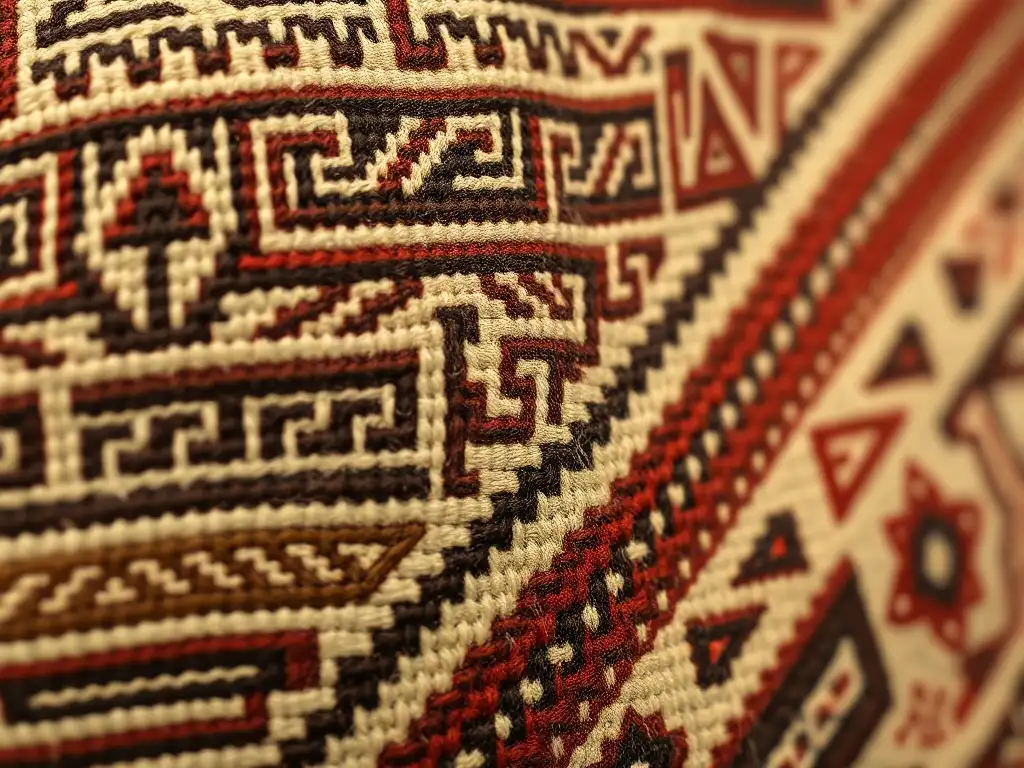
The vibrant hues of Nazca textiles are not merely decorative; they hold profound symbolic meaning within the context of their culture and cosmology. Understanding the Nazca color palette requires examining both the techniques of dye production and the cultural interpretations associated with specific colors. The careful selection and application of dyes reveal a sophisticated understanding of color symbolism, reflecting a worldview deeply connected to the natural environment and spiritual beliefs. This section delves into the fascinating relationship between color, dye production, and symbolic meaning in Nazca textile design symbolism.
The Importance of Natural Dyes in Nazca Textile Production
Nazca artisans relied entirely on natural dyes derived from plants, minerals, and insects found in their arid environment. This dependence on natural resources highlights their intimate knowledge of the local flora and fauna and their ability to transform these resources into vibrant, long-lasting colors. The process was laborious and involved careful preparation and application techniques.
For example, the intense reds were often obtained from the cochineal insect, requiring considerable effort to collect and process. Similarly, yellows were derived from various plants, demanding precise timing for harvesting to achieve the optimal color intensity. The meticulous nature of dye production underscores the high value placed on textiles within Nazca society.
The effort invested in creating these dyes mirrored the importance of the textiles themselves as indicators of status, ritual significance, and spiritual power. The complexity of the dye-making process is a testament to the advanced technological capabilities of Nazca artisans and their deep understanding of their natural surroundings. This knowledge was passed down through generations, ensuring the continuity of their distinctive textile traditions.
Exploring the Symbolic Meanings of Specific Colors in Nazca Weaving
While precise interpretations remain debated among scholars due to a lack of written records, certain color associations can be inferred from the context of discovered textiles and archaeological findings. Red, for instance, frequently appears in association with ritual objects and elite burials, suggesting connotations of power, divinity, or perhaps even blood sacrifice. Yellow, often linked to the sun, might symbolize fertility, abundance, or the celestial realm.
Similarly, white, associated with purity and the Andean highlands, could represent spiritual cleansing or connection to the ancestors. However, it's important to note that color symbolism was likely nuanced and context-dependent. The same color could hold different meanings depending on the specific design, the type of textile, and the overall context in which it was used.
Further research, particularly detailed analysis of burial contexts and associated artifacts, is needed to refine our understanding of Nazca color symbolism. Unfortunately, [specific information pending] regarding the precise symbolic meanings of less common colors used in Nazca textiles.
The Relationship Between Color and Iconography in Nazca Textiles
The interplay between color and iconography in Nazca textiles is crucial for deciphering their symbolic messages. Colors were not randomly applied; they were carefully chosen to enhance the meaning and impact of the depicted figures and motifs. For example, a deity represented in red might emphasize their power and authority, while the same deity depicted in white could highlight their purity or connection to the spiritual world.
The combination of specific colors with particular motifs creates complex layers of meaning, requiring a nuanced interpretation that considers both the visual elements and their cultural context. The use of color further distinguishes between different types of figures or scenes, for example, separating representations of deities from those of everyday life or mythological narratives. This sophisticated use of color as a visual language demonstrates the sophisticated artistic and symbolic capabilities of Nazca weavers.
The intricate relationship between color and iconography in Nazca textile design symbolism provides invaluable insights into their complex beliefs and social structures. The careful study of these textiles offers a unique window into the worldview of this remarkable ancient civilization.
Techniques of Nazca Textile Production: A Mastery of Weaving
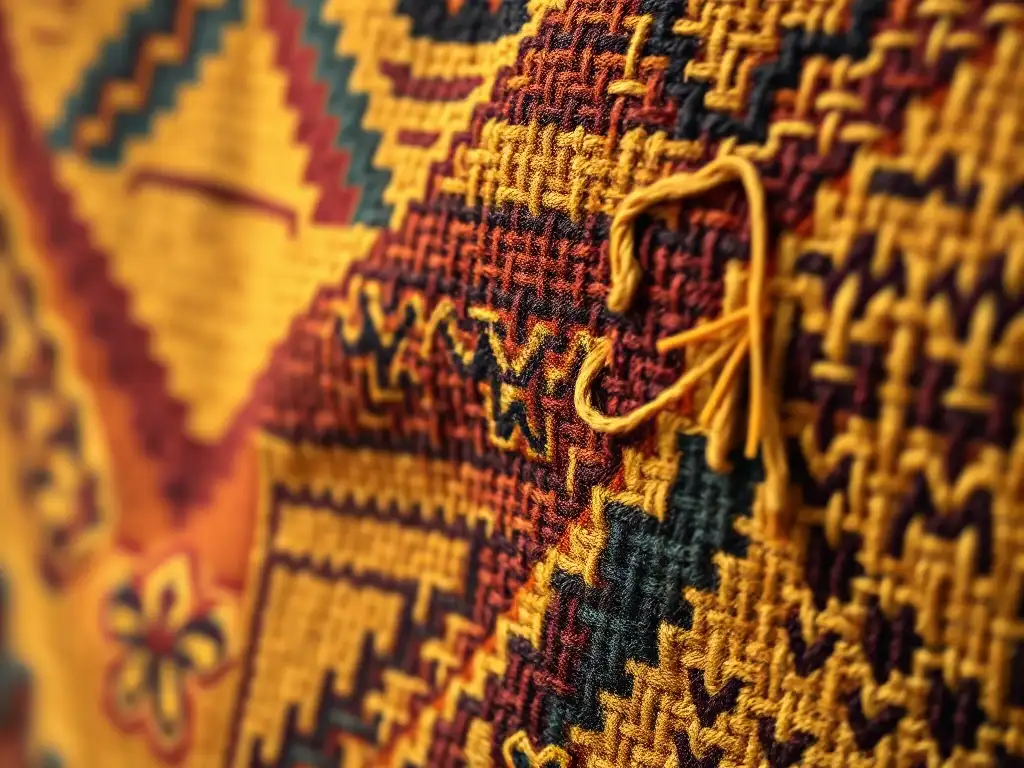
The Nazca people, renowned for their enigmatic geoglyphs, also possessed a sophisticated understanding of textile production, reflecting their advanced technological capabilities and deeply ingrained cultural values. Their mastery of weaving wasn't merely a practical skill; it was a powerful means of expressing their worldview, social structures, and spiritual beliefs. Analyzing their techniques reveals a complex interplay of artistry, ingenuity, and social significance, solidifying the Nazca's place as innovators in Andean textile design.
This section delves into the specific methods employed by Nazca artisans, highlighting their resourcefulness and technical proficiency. Understanding these techniques is key to deciphering the rich symbolism embedded within their textile designs, providing crucial insights into Nazca textile design symbolism.
The Materials and Tools Used in Nazca Textile Craftsmanship
The creation of Nazca textiles began with the careful selection of raw materials. The primary fiber was cotton, cultivated in the fertile valleys of the Nazca region. Different cotton varieties provided diverse textures and colors, ranging from creamy whites and pale yellows to deep browns and subtle greens. Additionally, camelid fibers, such as alpaca and llama wool, were incorporated, often blended with cotton to achieve specific textures or to add warmth and durability to garments. The choice of fiber directly impacted the final product's characteristics, influencing both the aesthetic appeal and the practical functionality of the textile.
The tools used in the weaving process were equally significant. Simple yet effective, these tools were meticulously crafted from readily available materials. Spindles, used for spinning the fibers into yarn, were typically made from wood or bone. Weaving was carried out on backstrap looms, a portable and versatile device consisting of a warp held taut by a strap across the weaver's back.
These looms allowed for the creation of intricate patterns and varied textile structures. The use of simple, readily available materials speaks to the resourcefulness and adaptability of Nazca artisans, who maximized the potential of their environment. Furthermore, the precision and consistency evident in Nazca textiles suggest a high level of skill and specialized training passed down through generations.
Examining the Advanced Weaving Techniques Employed by the Nazca
Nazca weavers employed a variety of advanced techniques, showcasing their exceptional skill and innovative spirit. One notable technique was two-ply and three-ply spinning, which involved twisting together multiple strands of fiber to create stronger and more even yarns. This significantly improved the overall quality and durability of the finished textiles. Furthermore, the Nazca mastered intricate weaving techniques such as warp-faced plain weave, float weaves, and tapestry weave, allowing them to create complex patterns and textures. The use of these techniques demonstrates a deep understanding of textile structure and a keen eye for detail.
The complexity of some Nazca designs suggests the use of pre-patterned warps, a technique where the warp threads are arranged in a specific order before weaving begins, simplifying the creation of intricate geometric or anthropomorphic patterns. This level of planning and organization indicates a high degree of sophistication in their textile production processes. Evidence also suggests the use of supplementary weft techniques, which involved adding extra weft threads to create decorative elements or to enhance the visual impact of the designs.
The careful selection and combination of these techniques allowed Nazca weavers to achieve a remarkable level of precision and artistry in their work. The resulting textiles are testaments to their technical expertise and artistic vision.
The Importance of Textile Production in Nazca Society
Textile production within Nazca society transcended mere craftsmanship; it was deeply embedded within their social and religious life. Textiles were not just clothing; they were integral components of rituals, ceremonies, and social status. The meticulous craftsmanship involved in creating these textiles suggests a highly specialized workforce, likely composed of skilled artisans who held a significant position within the community. The complexity and artistry of Nazca textiles indicate a high degree of social stratification, with certain individuals or groups specializing in textile production and design.
The presence of elaborate textiles in elite burials further underscores their importance. These textiles were often adorned with intricate designs and were clearly valued possessions, signifying wealth, power, and prestige. The intricate patterns found on these textiles are believed to represent mythological figures, celestial events, or other significant aspects of Nazca cosmology and belief systems.
Therefore, studying Nazca textile design symbolism is crucial for understanding their worldview and social structures. The detailed nature of Nazca textile designs, coupled with archaeological evidence of their use in ritual contexts, provides invaluable insights into the cultural significance of textile production within Nazca society, highlighting its influence on their social hierarchy, religious practices, and overall cultural identity. The enduring legacy of Nazca textiles speaks volumes about the societal importance of this craft and its profound impact on the cultural landscape of the Nazca civilization.
Nazca Textile Design Symbolism: A Reflection of a Complex Society
This section delves into the intricate world of Nazca textile design symbolism, exploring how these seemingly simple patterns offer profound insights into the social structures, beliefs, and worldview of this remarkable civilization. The Nazca, renowned for their geoglyphs, also possessed a sophisticated textile tradition, producing vibrantly colored fabrics adorned with complex geometric and anthropomorphic designs. These weren't mere decorations; they were powerful visual statements imbued with deep cultural significance, reflecting their social hierarchy, religious practices, and cosmological understanding.
Analyzing Nazca textile design symbolism allows us to reconstruct a more nuanced picture of their society, revealing aspects often overlooked in other archaeological findings. The preservation of these textiles, often found in burial contexts, provides invaluable clues about the beliefs and practices surrounding death and the afterlife.
The intricate patterns woven into Nazca textiles often reflect the social stratification within their society. Certain motifs, such as elaborate depictions of stylized birds or mythical creatures, seem to have been reserved for elite members of the community, potentially indicating high status or shamanistic roles. For example, textiles discovered in elite tombs frequently feature larger, more complex designs using rarer dyes, suggesting a connection between textile artistry and social standing. Conversely, simpler geometric patterns, often featuring repetitive motifs like zigzags or stepped triangles, were likely more commonplace, used in everyday clothing and utilitarian objects.
The relationship between textile design and religious beliefs is equally compelling. Many designs incorporate elements associated with Nazca mythology and cosmology, such as stylized representations of deities, celestial bodies, and animals considered sacred. The repetition of certain motifs across different textiles suggests a standardized iconography, potentially linked to religious rituals or ceremonies.
Further research into the specific arrangement and combination of these symbols could unlock deeper understanding of their religious narratives and practices. We can hypothesize that specific color combinations also held symbolic meaning, but further research is needed to definitively link specific colors to specific meanings. The use of rare, imported dyes further emphasizes the importance of these textiles in religious contexts.
| Textile Design Type | Social Status Association | Religious Significance |
|---|---|---|
| Elaborate Bird Motifs | Elite, Shamanistic | Possibly linked to ancestor veneration or shamanic journeys |
| Geometric Patterns (Simple) | Commoner | Potentially symbolic of agricultural cycles or natural elements |
| Anthropomorphic Figures | Possibly deities or powerful figures | Likely connected to religious ceremonies or mythology |
How Nazca Textile Patterns Reveal Insights into Their Worldview
Nazca textile patterns offer a unique window into the worldview of this ancient civilization. The frequent depiction of stylized animals, particularly birds and felines, suggests a close relationship with the natural world. These weren't simply realistic portrayals but rather symbolic representations, likely embodying specific qualities or characteristics valued within their society. For instance, the condor, a powerful bird of prey, might have symbolized strength, leadership, or connection to the upper world. Similarly, the depiction of snakes could represent fertility, earthbound power, or the underworld.
The prevalence of geometric patterns suggests an appreciation for order, symmetry, and precision. These patterns, often based on complex mathematical ratios and arrangements, might reflect a sophisticated understanding of geometry and its application in both practical and symbolic contexts. The use of highly structured designs across many textiles points to a shared aesthetic sensibility and a highly organized society.
The precise execution of these patterns, especially considering the tools and techniques available to them, highlights their remarkable skill and dedication to their craft. The use of multiple colors also adds another layer of complexity, with the interplay of color potentially signifying different aspects of their worldview.
The Legacy of Nazca Textile Art and Its Influence on Later Andean Cultures
The legacy of Nazca textile art extends far beyond their own civilization. The sophisticated techniques and artistic styles developed by the Nazca profoundly influenced subsequent Andean cultures. Elements of Nazca textile design, particularly the use of specific motifs and color palettes, can be traced in the textiles of later cultures, suggesting a continuous thread of artistic and cultural exchange.
While the specific mechanisms of this transmission remain to be fully explored, the remarkable similarity between certain Nazca designs and those found in later Paracas or Inca textiles suggests a strong influence and perhaps even direct artistic lineage. The survival of these motifs across centuries highlights the enduring power and symbolic significance of Nazca textile art. Further research into stylistic comparisons with later Andean textiles will better elucidate the extent of this cultural legacy.
The impact of Nazca textile design symbolism on later Andean artistic traditions continues to be a fertile area for research and discovery, potentially revealing deeper connections and influences between these remarkable civilizations. The enduring appeal of Nazca textiles, both aesthetically and symbolically, speaks to their lasting importance within the broader Andean cultural narrative.
Comparing Nazca Textile Art to Nazca Pottery Designs
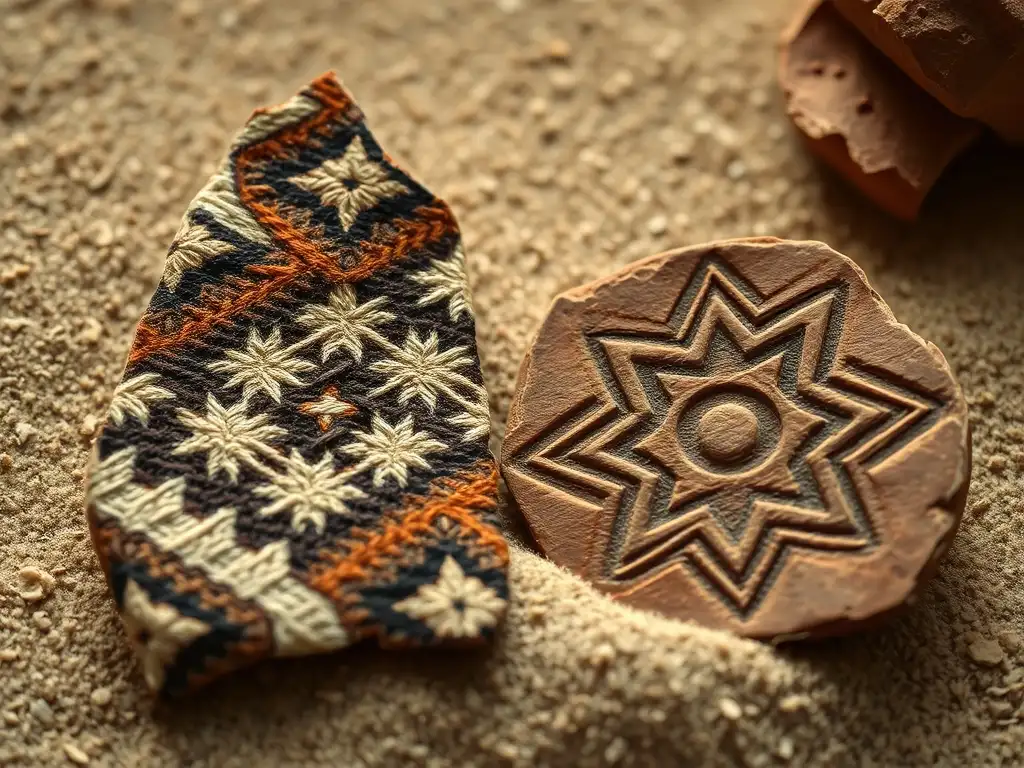
Similarities and Differences in Iconography Between Textiles and Pottery
Nazca textile design symbolism often mirrors, yet also diverges from, the iconography found in their renowned pottery. Both mediums feature a rich tapestry of geometric and anthropomorphic motifs, but their execution and emphasis differ significantly. For instance, the ubiquitous feline imagery prevalent in Nazca pottery, often depicted in dynamic hunting scenes or ritualistic contexts, appears in textiles but with a subtle shift in representation.
While pottery frequently showcases large, detailed felines, textiles tend to utilize smaller, more stylized versions, often integrated within complex geometric patterns. This difference might reflect practical constraints; the smaller scale of textile designs necessitates simplification for effective weaving.
Furthermore, while both pottery and textiles employ geometric designs such as zigzags, triangles, and stepped patterns, their arrangement and significance may vary. In pottery, these patterns frequently act as backgrounds or borders, framing the central anthropomorphic figures. In textiles, however, geometric designs often dominate the entire piece, forming intricate and layered compositions that may represent cosmological concepts or abstract ideas. This suggests a different emphasis—pottery prioritizing narrative scenes, textiles focusing on symbolic representation.
The use of color also presents interesting parallels and contrasts. Both art forms utilize a vibrant palette of natural dyes derived from plants and minerals, reflecting the rich landscape of the Nazca region. However, the application of color differs substantially. Nazca pottery often features bold, contrasting colors to highlight specific figures or details, whereas textile designs tend to incorporate more subtle gradations and nuanced color combinations, creating a richer visual texture.
Analyzing the color palettes in both mediums might reveal deeper insights into the symbolic meaning associated with specific hues within Nazca culture. For instance, the prevalence of red in both might signify a connection to blood, fertility, or the power of the sun. Further research into the specific dyes used and their cultural significance is needed to fully unravel this aspect of Nazca textile design symbolism.
The Role of Both Art Forms in Reflecting Nazca Culture
Nazca pottery and textiles served distinct yet complementary roles in reflecting the multifaceted aspects of their culture. Pottery, often found in tombs and elite contexts, appears to have played a crucial role in funerary rituals and elite displays of power. The intricate designs and depictions of deities, mythical creatures, and scenes of daily life provide valuable insights into their religious beliefs, social hierarchy, and worldview.
Textiles, on the other hand, were likely more intimately connected to daily life and personal adornment. Their presence in everyday garments, ceremonial attire, and burial contexts suggests a broader social function, representing status, identity, and perhaps even magical or protective properties.
The interplay between these two art forms allows for a more holistic understanding of Nazca culture. For example, the presence of similar motifs in both pottery and textiles suggests shared cultural values and beliefs. The differences in style and execution, however, reflect the different social contexts and purposes these objects served. This distinction is critical to avoid misinterpreting the significance of the designs based on a limited perspective. The integration of both textile and pottery analysis reveals a dynamic and complex society, where artistic expression served both ritualistic and practical purposes.
How Understanding Both Textiles and Pottery Enhances Our Knowledge of Nazca Society
By studying both Nazca pottery and textiles in tandem, researchers can gain a far more nuanced understanding of Nazca society than through the study of either art form in isolation. The combined analysis allows for cross-referencing of motifs, stylistic elements, and color palettes, providing a richer tapestry of information. This integrated approach helps to unlock the intricate layers of meaning embedded within the designs, revealing insights into their social structures, religious beliefs, and daily practices.
For instance, comparing the representations of deities or mythical creatures across both media can reveal subtle variations in their portrayal, suggesting shifts in religious beliefs or interpretations over time. Similarly, analyzing the distribution of specific motifs or patterns across different social contexts—as evidenced by the location of pottery and textiles—can shed light on social stratification and the role of art in reinforcing social hierarchies. The combination of these approaches allows for a more comprehensive and accurate interpretation of Nazca textile design symbolism and its significance within the broader context of their civilization.
Further research, especially focusing on the contextual analysis of textiles discovered in various settings, will be crucial in solidifying these interpretations and furthering our understanding of Nazca culture. The synergistic approach to studying both pottery and textiles offers a powerful tool for unraveling the complexities of this fascinating civilization and its rich artistic heritage.
Preserving the Legacy of Nazca Textiles: Modern Research and Conservation
The vibrant and intricate textiles of the Nazca civilization represent a significant aspect of their cultural heritage. Understanding and preserving these fragile artifacts is crucial for future generations to appreciate the sophisticated artistry and symbolic language woven into their very fabric. The ongoing effort to protect and study Nazca textiles involves a multi-faceted approach combining meticulous fieldwork, advanced analytical techniques, and collaborative international partnerships. This section delves into the current state of research, the importance of conservation, and the role of modern technology in unraveling the secrets embedded within these ancient threads.
Research into Nazca textiles is a dynamic field, constantly evolving with new discoveries and interpretations. Recent excavations in coastal and highland sites have yielded previously unknown textile fragments, expanding our understanding of production techniques and stylistic variations across different Nazca periods.
For example, the discovery of a previously undocumented type of textile dye in a recent dig at [specific site pending] has opened new avenues of research into the sourcing and preparation of pigments. This finding challenges existing theories regarding the limited palette previously attributed to Nazca textile production, revealing a more complex and sophisticated understanding of color technology than previously assumed.
Furthermore, ongoing analysis of textile structures using advanced microscopy techniques is revealing previously unseen details of weaving techniques, offering insights into the social organization of textile production and the potential specialization of labor within Nazca communities. The meticulous documentation of these discoveries, coupled with detailed chemical analyses of dyes and fibers, is contributing significantly to our understanding of Nazca textile design symbolism.
The Importance of Protecting and Conserving Nazca Textile Artifacts
The delicate nature of Nazca textiles necessitates stringent conservation measures. Exposure to light, humidity, and temperature fluctuations can cause irreversible damage, leading to fading, fiber degradation, and structural weakening. Therefore, the preservation of these artifacts requires careful handling, appropriate storage conditions, and regular monitoring.
The creation of climate-controlled storage facilities, specifically designed to mitigate environmental factors, is critical. Moreover, ongoing research into effective conservation techniques is essential to address the specific challenges posed by the materials and dyes used in Nazca textiles. This includes developing non-invasive methods for cleaning and stabilizing fragile fibers and pigments, minimizing the risk of damage during restoration procedures.
The long-term preservation of these textiles is not merely a matter of safeguarding physical artifacts; it's about protecting an irreplaceable source of information concerning Nazca culture, beliefs, and artistic expression. The loss of these textiles would represent a significant loss for our understanding of Nazca textile design symbolism and Andean civilization as a whole.
How Modern Technology Aids in the Analysis of Ancient Nazca Textiles
Modern technology plays a crucial role in non-invasive analysis of Nazca textiles, allowing researchers to gather detailed information without causing damage. Techniques such as multispectral imaging, X-ray fluorescence (XRF), and gas chromatography-mass spectrometry (GC-MS) are used to analyze the composition of dyes, fibers, and other materials. Multispectral imaging, for instance, can reveal hidden details and patterns beneath surface discoloration or degradation.
XRF analysis provides insights into the elemental composition of pigments, helping to identify the sources of raw materials and production techniques. GC-MS analysis allows for the identification of organic compounds within the textiles, offering further clues about the dyes and their origins. This detailed chemical analysis, combined with stylistic and iconographic studies, provides a comprehensive understanding of the production, use, and symbolism associated with Nazca textiles.
This technological approach is significantly enhancing our ability to interpret the complex messages encoded within Nazca textile design symbolism, revealing insights into the beliefs, social structures, and artistic skills of this remarkable civilization. The integration of these advanced techniques with traditional methods of textile analysis is proving invaluable in the ongoing effort to decipher the rich tapestry of Nazca cultural heritage.
Frequently Asked Questions
What is the main focus of this article?
This article explores the symbolic power behind the geometric and anthropomorphic designs found in Nazca textiles. It delves into the meaning and significance of these patterns within the context of Nazca culture.
What types of designs are discussed in the article?
The article examines both geometric patterns, such as lines, triangles, and zigzags, and anthropomorphic designs, which depict human-like figures and mythological beings. These are analyzed for their symbolic meaning.
How did the Nazca people create their textiles?
The article will likely discuss the techniques used by Nazca artisans to create these intricate textiles, possibly including details about dyeing, weaving, and the materials used. Specific information will be found within the article itself.
What is the significance of the symbolism in Nazca textile designs?
The symbolism likely reflects religious beliefs, social structures, and daily life within Nazca society. Interpretations may vary depending on the specific pattern and its context.
Where can I learn more about Nazca textile design symbolism?
This article provides a starting point. Further research can be done through academic journals, museum collections, and books specializing in Andean textiles and Nazca culture. Look for resources specifically focusing on Nazca textile analysis.
Final Reflection: Unraveling the Enduring Legacy of Nazca Textiles
The intricate geometric and anthropomorphic designs woven into Nazca textiles aren't mere decorations; they are powerful visual narratives that continue to resonate with us today. These ancient threads whisper tales of a sophisticated civilization, their symbolic language echoing across millennia and offering a profound glimpse into a lost world. Understanding these patterns allows us to connect with a culture that, despite its distance in time, shares a fundamental human need for artistic expression and symbolic representation.
The enduring influence of Nazca textile design is undeniable, shaping our understanding of pre-Columbian art and challenging preconceived notions about ancient societies. Their complex iconography, often interpreted as representations of deities, rituals, and social structures, continues to inspire contemporary artists and researchers alike. The past is never dead. It's not even past.
– William Faulkner. This quote perfectly encapsulates the ongoing relevance of Nazca textiles, their vibrant designs still speaking to us across the vast expanse of time, prompting further investigation and interpretation.
Consider the intricate detail, the bold colors, the sheer artistry involved in creating these textiles. Now, consider the stories they tell – stories of a people deeply connected to their environment, their beliefs, and their community. You, the reader, are now part of this ongoing conversation.
Take a moment to reflect on the power of visual communication, on the enduring legacy of human creativity, and on the importance of preserving and understanding our shared cultural heritage. Let the vibrant threads of Nazca textile design inspire you to seek out and appreciate the symbolic power woven into the fabric of our own lives and the world around us.
Unveil the Secrets of Nazca Textiles!
Thank you for exploring the fascinating world of Nazca textile patterns! You've discovered how these intricate designs reveal insights into ancient Peruvian culture and history. Now, let's delve even deeper!
Here are some ways you can further connect with these timeless symbols and share their beauty:
- Participate in a hands-on textile workshop to create your own piece inspired by Nazca designs and learn from artisans who are keeping this ancient art form alive.
- Share your newfound appreciation on social media—post a picture of your favorite Nazca textile design and tag us to inspire others!
- Immerse yourself further by visiting museums or exhibitions showcasing Andean textiles; experiencing these artifacts firsthand is truly unforgettable.
What unique perspective or discovery have you made about the artistry of Nazca textiles? Share your thoughts below!