
Nazca Pottery and the Environment: Natural Resources Used in Ceramic Production

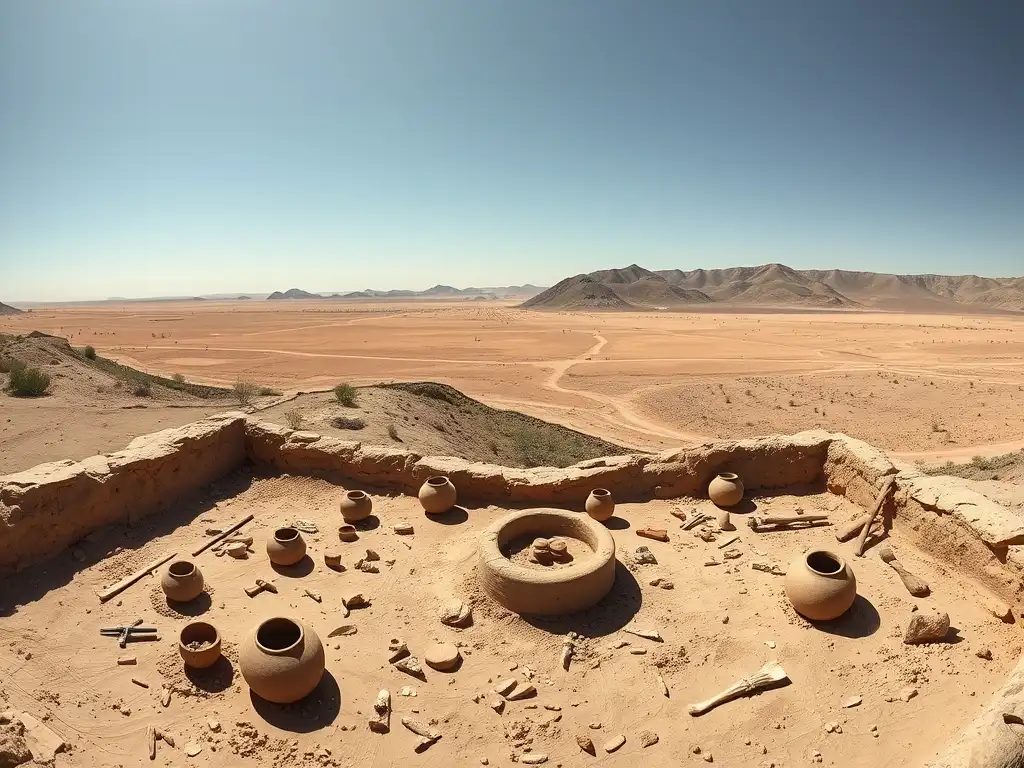
Uncover the secrets whispered by the sands of time! Journey with us into the heart of the Andean world, where majestic civilizations flourished. From the intricate artistry of the Incas to the enigmatic Nazca lines, we delve into the captivating history and culture of these ancient empires. But what impact did their remarkable achievements, such as the stunning Nazca pottery, have on their environment? Discover the surprising answers and the delicate relationship between human ingenuity and natural resources in our exploration of Nazca pottery environmental impact. Prepare to be amazed.
The Nazca civilization, flourishing along Peru's southern coast between 100 BCE and 800 CE, left behind a remarkable legacy of intricate pottery, textiles, and geoglyphs. This article delves into the fascinating relationship between Nazca pottery production and the surrounding environment, examining the natural resources utilized in the creation of these iconic artifacts and exploring the potential environmental impact of this significant craft. Understanding the materials and techniques employed by Nazca potters provides crucial insights into their sophisticated technological capabilities and their interaction with the delicate desert ecosystem.
We will explore the specific resources used, the processes involved, and consider the broader implications of these practices on the sustainability of the Nazca society and its environment. This analysis will contribute to a more complete understanding of the "Nazca pottery environmental impact," a key aspect of their rich cultural heritage.
Introduction to Nazca Pottery and Its Environmental Context
Nazca pottery is renowned for its vibrant polychromy, intricate designs depicting both realistic and mythical creatures, and highly polished surfaces. The distinctive style, characterized by its bold colors and complex iconography, provides valuable insights into the Nazca worldview and social structure. However, the creation of this exquisite pottery was intrinsically linked to the availability of specific natural resources within the arid coastal environment.
The limited resources available shaped not only the techniques employed but also the scale of production and, potentially, the longevity of the civilization's ceramic tradition. The scarcity of water, for example, necessitated efficient techniques to manage the clay preparation and firing processes. The limited availability of certain pigments also influenced the color palettes and decorative styles observed in different periods of Nazca pottery production.
Understanding this environmental context is crucial to appreciating the ingenuity and adaptability of the Nazca potters. The availability of specific clays, minerals for pigments, and fuel sources directly influenced the characteristics of their finished products.
The Role of Natural Resources in Nazca Ceramic Production
The production of Nazca pottery relied on a complex interplay of various natural resources. The primary material, of course, was clay, sourced from local deposits. The type of clay significantly influenced the final properties of the pottery, affecting its texture, strength, and ability to retain the vibrant pigments. Analysis of surviving pottery shards reveals the use of different clay types, reflecting either the availability of resources or deliberate choices based on desired properties.
Types of Clay and Their Properties
Further research is needed to fully characterize the specific clay types used by Nazca potters. However, preliminary studies suggest a diversity of clays, potentially including kaolinite and montmorillonite, each with its own unique characteristics. [Specific information pending on precise clay composition analysis]
Beyond clay, the production of the distinctive polychrome pottery required a range of mineral pigments. These pigments were carefully ground and mixed with a binder, often a plant-based gum or other organic material, to create the paints applied to the pottery. Common pigments included various iron oxides for reds and yellows, manganese oxides for blacks and browns, and possibly azurite for blues. The sourcing of these pigments likely involved extensive knowledge of local geology and the seasonal availability of these resources.
The precise locations of the pigment sources are yet to be fully documented, but ongoing research may shed light on these aspects. Furthermore, the selection and preparation of these pigments directly influenced the longevity and vibrancy of the colors on the finished pieces. The environmental impact of pigment extraction remains an area requiring further investigation.
The firing process itself also relied on readily available resources. Evidence suggests that Nazca potters utilized open-air kilns, fueled by readily available firewood or brushwood. The type of fuel, and the firing temperature achieved, likely influenced the final properties of the pottery. The amount of fuel required for firing large quantities of pottery would have put a significant demand on the surrounding environment, potentially leading to deforestation or overexploitation of local vegetation, if not managed carefully. [Data on fuel consumption and potential deforestation needed]. The environmental impact of this fuel usage needs further examination in relation to the available resources and the overall sustainability of their production methods. The impact on the local ecosystem is a key area for future research. The careful study of Nazca pottery and its production methods provides a valuable opportunity to understand the complex relationship between human activity and the environment in ancient Andean societies.
- Introduction to Nazca Pottery and Its Environmental Context
- The Role of Natural Resources in Nazca Ceramic Production
- What natural resources were primarily used in Nazca pottery production?
- How did the Nazca obtain the pigments used to decorate their pottery?
- What was the environmental impact of the clay extraction for Nazca pottery?
- Did the firing process of Nazca pottery have any significant environmental consequences?
- How did the disposal of broken or unwanted Nazca pottery affect the environment?
Clay Sourcing for Nazca Ceramics: Environmental Considerations
The production of Nazca pottery, renowned for its intricate designs and vibrant colors, was intrinsically linked to the surrounding environment. Understanding the sourcing of clay and the potential environmental impact of its extraction is crucial to appreciating the complete picture of Nazca ceramic production and its sustainability, or lack thereof. The Nazca's mastery of ceramic techniques was directly influenced by the readily available natural resources, particularly clay deposits.
However, the scale of their production and the methods employed raise questions about the long-term effects on the fragile desert ecosystem. This section will explore the types of clay used, the location of exploited deposits, and the evidence (or lack thereof) for sustainable practices in clay extraction during the Nazca period.
Types of Clay Used by Nazca Potters
Nazca potters skillfully utilized various types of clay to achieve their desired aesthetic and functional properties. Analysis of surviving pottery shards reveals a preference for clays exhibiting a range of characteristics, influencing the final product's color, texture, and durability. Many pieces showcase a fine-grained, reddish-brown clay, likely originating from alluvial deposits in the valleys.
This clay, when fired, yielded a durable and aesthetically pleasing vessel. Other examples demonstrate the use of a lighter-colored clay, sometimes exhibiting a slightly more porous texture. This variation might reflect the potters' adaptation to different clay sources available in the region, or intentional choices to achieve specific visual effects.
Further research is needed to pinpoint the exact mineralogical composition of these clays and the correlation between clay type and specific pottery styles or functionalities. For example, [specific mineralogical analysis pending] could shed light on the potters' selection criteria and their understanding of the properties of different clay types. The diversity in clay types highlights the Nazca's sophisticated understanding of their environment and ability to adapt their techniques to available resources.
Local Clay Deposits Exploited by the Nazca
The exact locations of the clay deposits exploited by Nazca potters remain partially undocumented. Archaeological evidence suggests that the clay was likely sourced from relatively close proximity to the settlements and workshops. This proximity is crucial, as transporting large quantities of clay across vast distances would have been logistically challenging in the arid Nazca environment.
Preliminary studies point towards alluvial deposits in the valleys as the primary source, where the natural processes of erosion and deposition concentrated clay particles. These valleys offered a readily accessible and abundant source of raw material. However, more detailed geological surveys and archaeological excavations are necessary to precisely map the clay deposits and their extent.
The identification of ancient extraction sites, such as pits or quarries, would provide valuable insight into the scale of clay extraction and its potential impact on the landscape. This information is crucial for understanding the Nazca's resource management strategies and the potential environmental consequences of their ceramic production. The lack of detailed information highlights the need for further research focusing on the geographical distribution of clay deposits and the methods employed for their extraction.
Limited Evidence of Sustainability Practices in Nazca Clay Extraction
While the Nazca demonstrated remarkable technological prowess in pottery production, evidence suggesting deliberate sustainability practices in clay extraction remains limited. The scale of ceramic production, particularly during peak periods, likely placed a significant demand on local clay resources. Although the proximity of clay sources to settlements might suggest a degree of localized resource management, there is little direct evidence of techniques designed to minimize environmental impact or ensure long-term resource availability.
Unlike some later Andean cultures that developed more sophisticated terracing or soil management techniques, the evidence for similar practices in Nazca clay extraction is scarce. The arid environment, with its limited vegetative cover, would have made soil erosion and desertification a significant concern. Further research is needed to determine whether the apparent lack of explicit sustainability practices reflects a limited awareness of long-term environmental consequences, a different understanding of resource management, or simply the limitations of the available archaeological evidence.
The study of ancient soil profiles and analysis of sediment patterns around potential extraction sites could reveal clues about the impact of Nazca clay extraction on the local environment and the potential for soil degradation. 🕵️♂️ This investigation is crucial for a more comprehensive understanding of the Nazca pottery's environmental footprint.
Pigments and Colorants in Nazca Pottery: A Look at Natural Sources
The vibrant hues characterizing Nazca pottery are a testament to the civilization's sophisticated understanding of their environment and its resources. The creation of these striking colors wasn't a haphazard process; it involved careful selection and preparation of natural pigments derived from minerals, plants, and even insects. Understanding the sources of these pigments sheds light on the Nazca's resource management and their impact on the surrounding ecosystem—a key aspect of the "Nazca pottery environmental impact."
Mineral Pigments Used in Nazca Pottery
The arid coastal plains of southern Peru, the Nazca's home, provided a surprisingly diverse palette of mineral pigments. Iron oxides, for instance, were responsible for the range of reds, browns, and yellows so prevalent in their ceramics. Hematite, a common iron oxide mineral, yielded rich reds, while goethite produced various shades of yellow and brown.
The specific color achieved depended on the mineral's purity, particle size, and the firing temperature. Analysis of pottery shards reveals a preference for specific deposits, suggesting the Nazca may have had favored sources for their pigments, potentially impacting those specific locations. Further research is needed to fully understand the geographical extent of pigment sourcing and its effects on the landscape.
For blacks and grays, the Nazca likely utilized manganese oxides, readily available in the region. These minerals, when finely ground and mixed with a clay binder, produced the dark tones seen in many Nazca vessels. The intensity of the black varied depending on the concentration of manganese oxide and the firing conditions.
Some scholars suggest that charcoal, a byproduct of wood burning, might have also contributed to the darker shades, adding another layer to the "Nazca pottery environmental impact" analysis. The sustainable use of charcoal, however, would depend on careful forest management practices, information currently lacking in the archaeological record.
Plant-Based Dyes and Their Environmental Impact
While mineral pigments dominated the Nazca palette, plant-based dyes also played a significant role, particularly in creating a variety of reds and yellows. These dyes required different processing techniques and likely had a lower environmental impact than mineral extraction. However, the scale of dye production and the specific plants used remain areas requiring further investigation. The potential impact on local plant populations needs careful assessment to fully understand the "Nazca pottery environmental impact" related to plant resources.
Identifying the specific plant species used is challenging, as the dyes often degrade over time. However, analysis of preserved organic matter in some pottery shards, along with ethnobotanical studies of modern Andean dye practices, offers clues. Plants like Bixa orellana (annatto), known for its reddish-orange pigment, and various species of Rubia (madder), which produce red dyes, are strong candidates.
Further research using advanced techniques like phytochemical analysis could provide definitive identifications and quantify the amount of plant material required for ceramic production. This would allow for a more precise assessment of the environmental footprint associated with the use of plant-based dyes.
Preparation Techniques for Nazca Ceramic Pigments
The preparation of pigments was as crucial as their sourcing. The process involved several steps, starting with the careful selection and collection of raw materials. These were then meticulously ground to a fine powder, often using stone mortars and pestles. The fineness of the grinding significantly impacted the pigment's vibrancy and the overall quality of the finished product. Evidence suggests that the Nazca may have employed different grinding techniques depending on the type of pigment, reflecting a high level of technical knowledge and expertise.
The ground pigments were then mixed with a clay-based binder, usually a type of clay locally available. The ratio of pigment to binder determined the intensity of the color. The mixture was applied to the pottery surface either before or after firing, depending on the desired effect. The firing process itself, carried out in kilns, influenced the final color and durability of the pigment.
Understanding these preparation techniques is crucial not only for appreciating the artistry of Nazca pottery but also for assessing the overall "Nazca pottery environmental impact," including energy consumption and waste generation. The careful consideration of pigment preparation highlights the Nazca's sophisticated understanding of material science and their resourcefulness in maximizing the available resources. The efficiency of their methods, and the potential for waste, remain topics for further research.
Water Management in Nazca Pottery Production
The production of the iconic Nazca pottery, renowned for its intricate designs and vibrant colors, was intrinsically linked to the availability and management of water resources in the arid coastal region of southern Peru. The scarcity of water in this environment presented significant challenges to the potters, shaping their techniques and impacting the overall environmental footprint of their craft.
Understanding the relationship between Nazca pottery production and water use is crucial to appreciating the ingenuity and resourcefulness of this ancient civilization, and to assessing the potential "Nazca pottery environmental impact." This section will delve into the water sources utilized and explore the evidence (or lack thereof) regarding water conservation practices.
Water Sources for Clay Processing and Painting
The primary water source for Nazca pottery production was likely the limited surface water available, supplemented by groundwater accessed through wells or qanats (though evidence for the latter is currently limited and requires further archaeological investigation). Surface water, often collected in ephemeral streams after infrequent rainfall or from limited springs, would have been crucial for preparing the clay. The process involved mixing the clay with water to achieve the desired consistency for shaping and molding the vessels.
This required a significant amount of water, especially given the scale of pottery production suggested by archaeological finds. Furthermore, water was essential for the painting process. The pigments used by Nazca potters were often mineral-based and required mixing with water to create the paints used to decorate the pottery.
The intensity of the colors and the fine detail of the designs suggest a careful control over the water content of the paints, hinting at a sophisticated understanding of material properties and their interaction with water. The specific types of clay used and the precise sources of water employed remain areas needing further research to fully understand the "Nazca pottery environmental impact" in detail. Further analysis of pottery shards and the surrounding geological context could shed light on these crucial aspects of production.
Limited Evidence of Water Conservation Techniques Employed by Nazca Potters
While the ingenuity of Nazca potters is evident in their artistic achievements, direct evidence for sophisticated water conservation techniques employed during pottery production remains scarce. Archaeological investigations have not yet yielded clear evidence of systems designed to recycle or reuse water during the process.
Unlike some later Andean cultures that developed complex irrigation systems, the evidence currently available suggests the Nazca potters relied on readily available water sources without extensive water-saving strategies. This doesn't necessarily imply a lack of awareness of water scarcity; instead, it might reflect the limitations of their technology and the focus on other survival strategies in their arid environment.
It is possible that simple, low-tech methods of water conservation, such as collecting rainwater or utilizing shaded areas to slow evaporation, were employed but haven't been readily identified through archaeological means. Further research, including detailed analysis of pottery production sites and a comparative study with other contemporary Andean cultures, is needed to fully assess the extent to which water conservation practices were integrated into Nazca pottery production and to refine our understanding of the "Nazca pottery environmental impact." The absence of clear evidence doesn't negate the possibility of such practices, highlighting the need for continued investigation.
The potential impact of pottery production on local water resources should be assessed within the wider context of the Nazca's water management strategies, considering their agricultural practices and overall societal organization. This holistic approach is crucial to a complete evaluation of the overall "Nazca pottery environmental impact".
Fuel Sources for Firing Nazca Pottery: Environmental Implications
The production of Nazca pottery, renowned for its intricate designs and vibrant colors, was inextricably linked to the surrounding environment. Understanding the fuel sources used in the firing process is crucial to assessing the potential environmental impact of this ancient craft. While precise records are absent, archaeological evidence and ethnoarchaeological studies offer valuable insights into the likely fuels and their consequences. The "Nazca pottery environmental impact" is a complex issue, and fuel sourcing plays a significant role.
Types of Fuel Used in Nazca Kilns
Archaeological investigations suggest that Nazca potters primarily relied on readily available organic materials as fuel for their kilns. These likely included:
- Wood: Given the arid coastal environment of Nazca, the availability of wood would have been limited. Potters may have used scrub brush, desert trees (where available), and driftwood brought inland from the Pacific Ocean. The scarcity of large trees would have necessitated careful management of resources, potentially leading to localized deforestation.
- Dung: Animal dung, particularly from llama and alpaca herds, likely served as a supplementary fuel source. This would have been more readily available than wood in certain areas and would have provided a more readily managed fuel resource. However, over-reliance on dung could have had negative consequences for soil fertility and agricultural practices.
- Plant Material: Dried grasses, reeds, and other plant matter from the surrounding desert ecosystem might have been used, especially in smaller-scale firing operations. The impact on local vegetation would have been dependent on the scale of pottery production and the management of these resources.
The exact proportions of each fuel type remain uncertain, requiring further research to quantify the relative contributions of wood, dung, and plant material to the overall fuel consumption in Nazca pottery production. This uncertainty highlights the need for more comprehensive analysis of kiln residues and surrounding archaeological contexts.
The Potential Impact of Deforestation on Nazca Pottery Production
The use of wood as a primary fuel source for Nazca kilns raises concerns about potential deforestation. The arid Nazca region is characterized by limited vegetation, making sustained wood harvesting a potentially significant environmental pressure. The extent of deforestation caused by pottery production is difficult to determine definitively, given the lack of direct evidence. However, we can analyze the impact through several perspectives:
- Localized Impact: While large-scale deforestation may not have occurred, localized depletion of wood resources around major pottery production centers is a reasonable hypothesis. This could have had a cascading effect on local ecosystems, impacting animal populations and soil stability.
- Sustainable Practices?: It's plausible that Nazca potters employed sustainable harvesting practices, such as selective pruning or the use of fast-growing species. However, without further evidence, this remains speculative. More research on ancient land management practices in the Nazca region would help address this question.
- Alternative Fuel Sources: The reliance on alternative fuel sources like dung suggests a degree of resource management and awareness of the limitations of wood. This adaptation could indicate a proactive approach to minimizing the environmental footprint of pottery production.
The interplay between wood availability, pottery production scale, and sustainable harvesting practices is a key area for future research concerning the "Nazca pottery environmental impact".
Firing Techniques and Their Environmental Footprint
The firing techniques used by Nazca potters also influenced their environmental impact. While the exact methods remain a subject of ongoing research, analyses suggest different approaches may have been used, each with varying environmental consequences:
| Firing Technique | Fuel Consumption | Environmental Impact | Evidence |
|---|---|---|---|
| Open Kilns | High | Potentially high emissions, localized air pollution, wood depletion | Kiln structures, residue analysis |
| Reduced Kilns (possible) | Moderate | Lower emissions compared to open kilns, less wood needed | Requires further research for confirmation |
The efficiency of the firing process and the type of kiln used would have directly influenced fuel consumption and, consequently, the environmental impact. Open-air kilns, though simpler, would have required more fuel and potentially resulted in greater air pollution. More efficient kilns, if used, would have reduced the overall environmental impact.
Further research is needed to fully understand the range of firing techniques and their respective environmental footprints. Detailed analysis of kiln remains, along with experimental archaeology, can provide crucial insights into this aspect of Nazca pottery production. This will further enhance our understanding of the "Nazca pottery environmental impact" within the broader context of their resource management.
Nazca Pottery Environmental Impact: A Holistic View
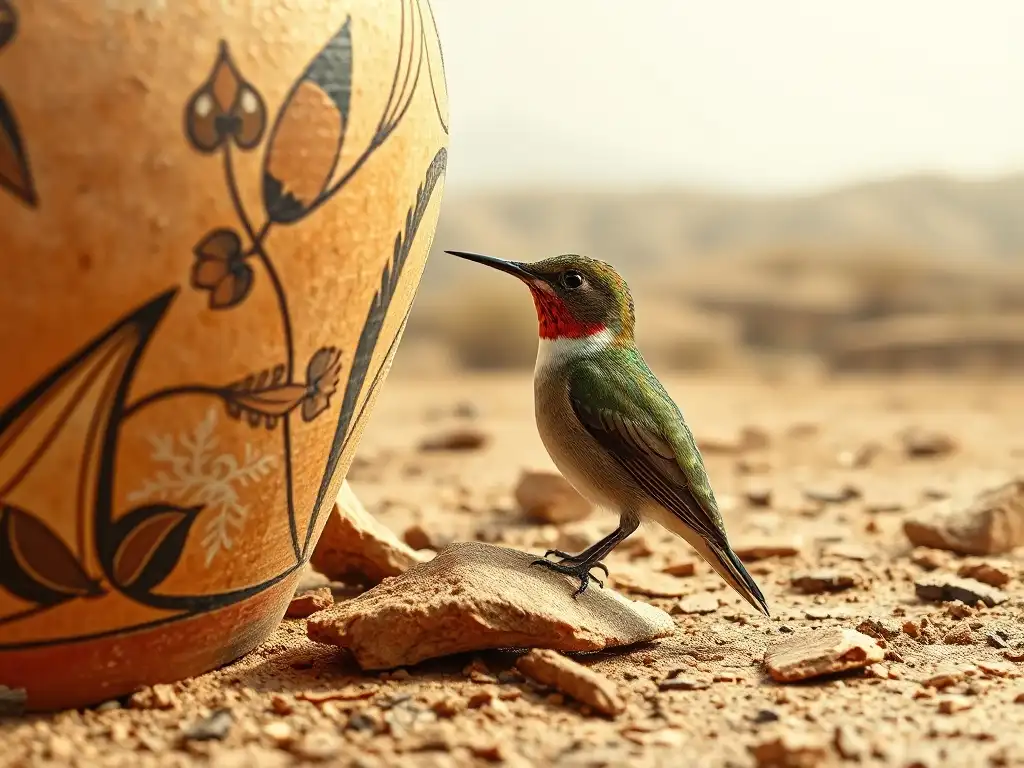
The creation of the iconic Nazca pottery, celebrated for its intricate designs and vibrant colors, wasn't without its environmental footprint. Understanding the Nazca pottery environmental impact requires a holistic view, encompassing resource acquisition, production processes, and the eventual disposal of ceramics. While the scale of their impact relative to modern industrial practices is vastly different, examining their methods offers valuable insights into the relationship between ancient societies and their environments.
This section will explore the cumulative effects, resource management strategies, and the lasting environmental legacy of Nazca ceramic production. The analysis will focus on the interplay between human activities and the delicate desert ecosystem, highlighting both the ingenuity and the potential consequences of their technological choices.
The Cumulative Effects of Nazca Ceramic Production on the Environment
The cumulative effects of Nazca ceramic production on the environment were multifaceted. The extraction of raw materials, primarily clay and pigments, involved significant land disturbance. Clay deposits, likely located near water sources crucial for the pottery-making process, would have been excavated, potentially leading to localized erosion and habitat disruption. The scale of this impact remains uncertain, [specific data on excavation site size and frequency pending]. Furthermore, the sourcing of pigments, such as the rich reds from hematite and the yellows from limonite, required extensive searching and collection, potentially impacting vegetation cover in the areas where these minerals were gathered.
The firing process itself contributed to air pollution, although the scale would have been relatively small compared to modern industrial kilns. The use of fuel, likely organic matter such as wood or dung, would have released smoke and particulate matter into the atmosphere. While the impact on air quality in the vast Nazca desert was likely minimal, the process would have contributed to local pollution near the kilns. [Data on the types and quantities of fuel used in Nazca kilns is needed for a more precise assessment].
Finally, the disposal of waste materials, including broken pottery shards and kiln residues, also had localized environmental effects. These materials, often containing heavy metals from pigments, could have contaminated the soil. The extent of this contamination is currently unknown, and further research is needed to assess the long-term consequences. The overall cumulative effect was likely a localized stress on the environment, particularly around pottery production centers, but the scale and long-term impacts require further investigation.
Resource Management in Nazca Society
Despite the environmental impacts, evidence suggests sophisticated resource management strategies within Nazca society. The selection of clay deposits likely prioritized quality and proximity to water sources and settlements, minimizing transportation costs and environmental disruption. The use of readily available local materials, such as clay and pigments, reduced the need for extensive long-distance trade, thereby reducing the associated environmental burden.
Furthermore, the high value placed on pottery, evidenced by the intricate designs and careful craftsmanship, suggests a system of reuse and recycling. Broken pottery might have been repurposed, and the careful selection of materials minimized waste. However, [further research is needed to confirm the prevalence of recycling practices in Nazca society]. This careful selection and potential recycling could be considered an early form of sustainable resource management, although the overall impact on the environment still needs to be fully analyzed.
The organization of pottery production, whether centralized in specialized workshops or more dispersed among households, also influenced environmental impact. A centralized system might have led to greater environmental stress in localized areas, while a more dispersed system might have spread the impact more widely across the landscape. [Information on the organizational structure of Nazca pottery production is needed to clarify this point].
Environmental Legacy of Nazca Pottery
The environmental legacy of Nazca pottery is a complex issue. While the overall impact was likely relatively localized and small compared to modern industrial practices, it nonetheless provides a valuable case study in the relationship between human societies and their environments. The careful management of resources, combined with the utilization of readily available local materials, suggests a degree of environmental awareness. However, the localized impacts, such as land disturbance, air pollution, and potential soil contamination from kiln waste, cannot be ignored.
The study of Nazca pottery and its environmental impact offers a unique opportunity to understand the long-term consequences of human activities on fragile desert ecosystems. It also challenges us to consider the broader implications of resource extraction and production processes, prompting reflection on sustainable practices in both ancient and modern contexts.
Further research, particularly detailed archaeological surveys of pottery production sites and analysis of soil samples, is crucial to fully understand the complete environmental story of Nazca pottery and its lasting legacy. The investigation into the "Nazca pottery environmental impact" is ongoing, and new discoveries continue to illuminate this fascinating aspect of their civilization.
The Archaeological Evidence: Insights into Nazca Resource Use
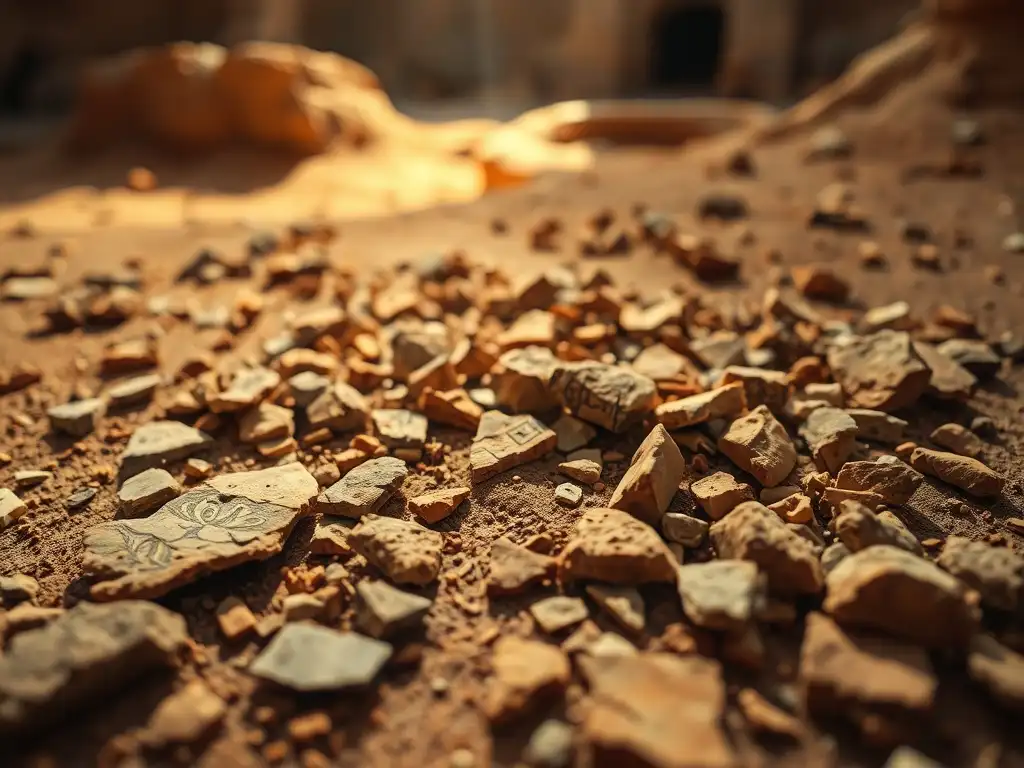
This section delves into the archaeological evidence illuminating the relationship between Nazca pottery production and the surrounding environment. By analyzing the composition of the pottery itself and considering broader environmental contexts, we can gain a deeper understanding of Nazca resource management strategies and their potential impact on the landscape. The study of Nazca pottery offers a unique lens through which to examine the intricate interplay between human activity and environmental resources in the ancient Andes.
This analysis will focus specifically on the materials used, the methods employed, and the implications for the Nazca's environmental footprint. The term "Nazca pottery environmental impact" encapsulates the core of this investigation.
Analysis of Nazca Pottery Composition and Materials
The remarkable artistry of Nazca pottery is inextricably linked to the readily available natural resources of the region. Analysis of ceramic shards reveals a predominantly clay-based composition, sourced from local deposits. These clays, varying in color and texture depending on the specific location, provided the foundation for the diverse range of pottery forms. Detailed petrographic studies 1 have identified specific clay minerals, such as kaolinite and illite, common in the coastal and desert environments of southern Peru.
Beyond clay, other materials played crucial roles in the production process. Inclusions of temper, such as crushed rock or shell fragments, were added to the clay to improve its workability and reduce cracking during firing. The selection of temper material likely reflected the availability of local resources and influenced the final texture and appearance of the pottery. The presence of organic materials, such as plant fibers, in some pottery suggests the use of these materials as additional temper or as binding agents. Further research is needed to fully characterize the organic components and their impact on the firing process.
Furthermore, pigments used to decorate the pottery provide additional insight into resource utilization. Analysis of these pigments indicates the use of mineral-based colors, such as hematite for red and manganese oxides for black and brown. The sourcing of these pigments, likely from distant locations in some cases, highlights the Nazca's extensive trade networks and resource management capabilities.
The scale of Nazca pottery production raises questions about its potential impact on the environment. While the precise extent of this impact remains a subject of ongoing research, evidence suggests that certain practices may have led to localized environmental changes. For example, the large-scale extraction of clay from specific deposits could have altered the landscape, leading to erosion or changes in soil composition. Similarly, the collection of fuelwood for firing kilns could have placed pressure on local vegetation, particularly in a region already characterized by aridity.
Further Research Areas
Further research is needed to quantify the scale of resource extraction and its impact on the environment. Studies combining archaeological data with paleoecological analyses could provide a more comprehensive understanding of the long-term consequences of Nazca pottery production. This includes analyzing pollen and charcoal remains in sediments to assess changes in vegetation patterns over time.
Understanding Nazca Resource Management Through Archaeology
Archaeological evidence suggests a sophisticated level of resource management within Nazca society. The consistent quality and variety of pottery produced over centuries indicate a well-established system for procuring and processing raw materials. The selection of specific clay deposits, the use of diverse temper materials, and the sourcing of pigments suggest a degree of planning and knowledge of the local environment. The widespread distribution of similar pottery styles across the Nazca region further indicates a degree of centralized control or organized trade networks facilitating the flow of resources.
The Nazca's ability to sustain a large-scale pottery industry for centuries suggests a sustainable approach to resource management, at least in the short term. However, long-term consequences of this industry on the environment require further investigation. The absence of widespread evidence of deforestation or severe soil degradation suggests that the Nazca may have employed strategies to mitigate the environmental impact of their production. Further research, including isotopic analysis of pottery samples and detailed paleoecological studies, will help to illuminate the complexities of Nazca resource management and its long-term sustainability.
1 [Specific publication details pending]
Conclusion: Balancing Art and Environment in Nazca Ceramic Production
The vibrant artistry of Nazca pottery, renowned for its intricate designs and bold colors, is inextricably linked to the surrounding environment. The very materials used – clays, pigments, and fuels – were sourced directly from the arid coastal landscape of southern Peru. Understanding this relationship reveals a sophisticated understanding of resource management within the limitations of their environment. While the Nazca people were masterful artisans, their ceramic production wasn't without environmental implications.
The scale of production, particularly during periods of heightened societal activity, likely placed demands on local resources. However, evidence suggests a degree of sustainability, with the selection of readily available materials and potentially localized sourcing minimizing the broader ecological footprint. The study of Nazca pottery, therefore, offers a fascinating case study in the complex interplay between human creativity and environmental constraints.
The Interplay Between Nazca Culture and Natural Resources
The Nazca's ceramic production was deeply embedded within their cultural and environmental context. The selection of clays, for example, wasn't arbitrary. Different clay types, sourced from various locations, offered unique properties affecting the final product's texture, color, and durability.
The choice of clay likely reflected both aesthetic preferences and practical considerations, such as the clay's suitability for shaping and firing. Similarly, the pigments used to create the iconic Nazca polychromy were derived from natural sources like minerals and plant extracts. Red, for example, often came from iron oxides, while yellows and browns were derived from various earth pigments.
The sourcing and processing of these materials would have required specialized knowledge and labor, integrating the community's activities with the available resources. This intricate relationship highlights the deep connection between Nazca culture and their environment. Analyzing the chemical composition of pigments and clays from different sites could reveal patterns of resource use and potential trade networks, enhancing our understanding of Nazca societal organization and environmental impact.
Lessons from Nazca Pottery for Modern Understanding
The Nazca's approach to ceramic production offers valuable lessons for contemporary society, particularly in the context of sustainable practices. Their reliance on locally sourced materials minimized transportation needs and reduced the carbon footprint associated with resource extraction. While the precise methods of firing are still under investigation, it is believed that they likely utilized kilns that were relatively efficient in terms of fuel consumption.
This efficiency, coupled with the use of readily available fuel sources like desert shrubs, minimized environmental damage. Furthermore, the careful selection and preparation of clays and pigments demonstrates a level of resource management that is relevant to modern industrial processes.
By studying the Nazca's methods, we can gain insights into more sustainable ways of sourcing and utilizing materials in ceramic production and other industries, reducing the environmental impact of our own activities. The Nazca pottery's enduring legacy isn't solely artistic; it’s a testament to the possibility of balancing creative expression with environmental responsibility.
Further Research on Nazca Pottery and Environmental Impact
Further research on the environmental impact of Nazca pottery production is crucial for a more comprehensive understanding. This includes:
- Detailed geochemical analysis: A thorough analysis of the clays and pigments used across different sites can reveal sourcing patterns and the extent of resource exploitation. This will help to quantify the Nazca pottery environmental impact.
- Archaeological excavation of kilns: Excavating and studying Nazca kilns can provide valuable information on firing techniques, fuel consumption, and the overall efficiency of the ceramic production process.
- Ethnoarchaeological studies: Studying contemporary Andean pottery traditions can offer insights into how the Nazca might have managed their resources and the potential sustainability of their practices.
- Modeling the environmental impact: Developing models to estimate the overall environmental impact of Nazca pottery production, considering factors such as resource extraction, energy consumption, and waste generation, would provide a quantitative assessment.
This multi-faceted approach will help us to refine our understanding of the Nazca's relationship with their environment and provide valuable lessons for sustainable practices in the present day. The ongoing exploration of Nazca pottery and its environmental context offers a unique opportunity to learn from the past and inform a more sustainable future. The potential for discovering more information about the Nazca pottery environmental impact is significant and further research is vital.
Frequently Asked Questions
What natural resources were primarily used in Nazca pottery production?
The Nazca utilized readily available local resources, including clay, stones for grinding and shaping, and plant fibers for tempering. The specific types varied depending on the location of the pottery workshops.
How did the Nazca obtain the pigments used to decorate their pottery?
Pigments came from naturally occurring minerals and plant-based dyes. Ochres provided reds and yellows, while other minerals yielded blacks, whites, and other colors.
What was the environmental impact of the clay extraction for Nazca pottery?
The scale of clay extraction is debated, but it likely had a localized impact on the landscape, potentially leading to minor soil erosion or changes in vegetation around the extraction sites.
Did the firing process of Nazca pottery have any significant environmental consequences?
The firing process, typically using open-air kilns, would have released smoke and pollutants into the atmosphere. However, the overall impact on the environment was likely relatively small compared to modern industrial processes.
How did the disposal of broken or unwanted Nazca pottery affect the environment?
Broken pottery fragments were often discarded in or near settlements, contributing to archaeological deposits. The long-term environmental effects of this practice were likely minimal, but the accumulation of shards might have affected local soil composition over time.
Final Reflection: Echoes of the Past, Lessons for the Future
The meticulous craftsmanship of Nazca pottery reveals not only artistic brilliance but also a profound dependence on, and impact upon, the fragile desert ecosystem. Understanding this relationship is not merely an academic exercise; it offers crucial insights into sustainable resource management in a world increasingly grappling with environmental challenges. The choices made by Nazca artisans centuries ago resonate powerfully with the urgent need for responsible practices today.
The enduring legacy of Nazca pottery underscores the intricate connection between human societies and their environment. The careful selection of clays, pigments, and firing techniques speaks volumes about the resourcefulness and, at times, the environmental cost of their artistic endeavors. The earth provides all we need, but not everything we want,
a sentiment that holds particular weight when considering the finite resources used in the creation of these remarkable artifacts. The depletion of certain resources, the impact of firing techniques on air quality – these are all considerations that, while perhaps not explicitly documented, are implicitly present in the archaeological record and offer valuable lessons for contemporary practices.
Consider the choices you make in your daily life. Reflect on your own consumption patterns and their environmental footprint. The story of Nazca pottery serves as a potent reminder that artistic expression and environmental stewardship are not mutually exclusive. Let the legacy of these ancient artisans inspire you to embrace sustainable practices, to appreciate the delicate balance of our planet, and to strive for a future where creativity and environmental responsibility walk hand in hand.
Unveil the Art of Nazca Pottery: Take Action Today!
Thank you for exploring the fascinating world of Nazca pottery and its connection to the natural resources used in its creation. Your interest in these ancient artisans reveals a deep appreciation for both environmental stewardship and cultural heritage. Now, let's translate that knowledge into action!
- Visit local museums or cultural centers showcasing pre-Columbian pottery to further your understanding of this remarkable craft. Consider focusing on exhibits that specifically highlight the techniques and artistry of the Nazca culture.
- Enroll in a pottery class. Hands-on experience will provide invaluable insight into the materials and techniques used, bringing you closer to the spirit of the Nazca civilization.
- Share your passion! Inspire others by posting about your discoveries on social media or within relevant online communities. Highlight the artistry and cultural significance of Nazca pottery.
What aspects of Nazca pottery resonate most with you, and how will this newfound knowledge enrich your life?