
The Nazca Lines and the Textile Weaving Connection

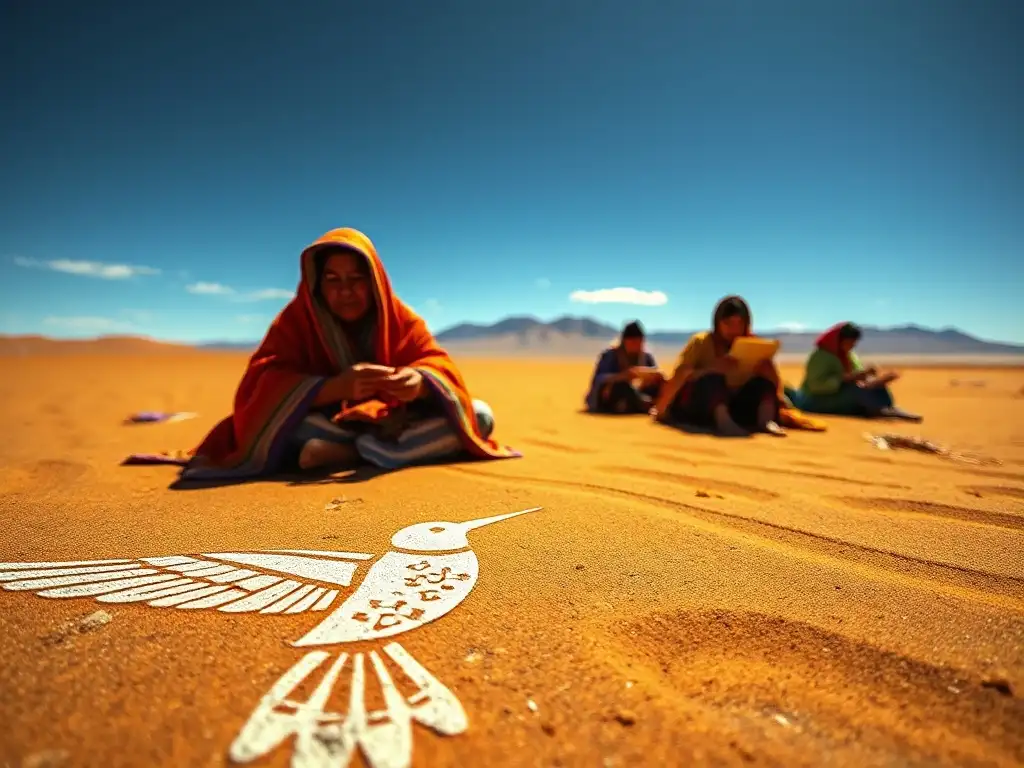
Unravel the mysteries of a lost world. For centuries, the enigmatic Nazca Lines have captivated imaginations, but their story is far richer than just desert etchings. Journey with us into the vibrant heart of the Nazca civilization and discover the astonishing connection between these iconic geoglyphs and their masterful textile weaving techniques. Prepare to be amazed by the intricate artistry and innovative technologies of a culture that continues to defy explanation. What secrets do the threads hold? Explore the fascinating details within.
- The Nazca Lines and the Textile Weaving Connection: Unraveling Ancient Andean Art
- The Enigma of the Nazca Lines: An Introduction
- Nazca Textile Weaving: A Parallel Artistic Expression
- Connecting the Dots: Nazca Lines and Textile Patterns
- Textile Techniques as a Tool for Understanding Nazca Line Creation
- Beyond the Aesthetic: Symbolism and Meaning in Nazca Art
- Modern Research and Perspectives on the Nazca Lines and Weaving
- Conclusion: The Enduring Legacy of Nazca Artistry
-
Frequently Asked Questions
- What is the connection between the Nazca Lines and textile weaving?
- What kind of textile weaving techniques did the Nazca people use?
- How do the Nazca textiles help us understand the Nazca Lines?
- Are there any specific examples of Nazca textiles showing Nazca Lines motifs?
- Where can I learn more about Nazca textile weaving techniques and their relationship to the Nazca Lines?
- Final Reflection: Unraveling the Threads of Nazca Culture
- Unveil the Mysteries of Nazca: Take Action Today!
The Nazca Lines and the Textile Weaving Connection: Unraveling Ancient Andean Art
The Nazca Lines, those enigmatic geoglyphs etched into the Peruvian desert, stand as a testament to the ingenuity and artistry of the Nazca civilization. For centuries, their purpose has remained a subject of intense debate, fueling countless theories ranging from astronomical calendars to landing strips for extraterrestrial visitors.
However, a closer examination reveals a fascinating connection between these colossal earthworks and the equally impressive textile weaving techniques of the Nazca people. This article delves into this compelling relationship, exploring how the intricate patterns and symbolic representations found in Nazca textiles offer valuable insights into the creation and possible meaning of the famous lines.
We will investigate the shared artistic motifs, the technical parallels in design execution, and how the study of textiles helps us better understand the cultural context of these monumental works. Understanding this connection provides a richer, more nuanced perspective on the Nazca culture and its remarkable achievements, moving beyond simple speculation to a more grounded appreciation of their artistic and engineering prowess.
The intricate designs found on Nazca textiles exhibit a striking resemblance to the motifs observed in the Nazca Lines themselves. Many of the creatures depicted in the geoglyphs – hummingbirds, monkeys, lizards, and stylized plants – also appear frequently in the vibrant textiles. These recurring themes suggest a shared artistic vocabulary and a consistent symbolic language employed across different mediums.
The stylistic conventions, such as the use of geometric patterns and highly detailed representations of flora and fauna, further reinforce this connection. Analysis of textile fragments reveals a consistent use of color palettes mirroring the earth tones prevalent in the desert landscape, echoing the subtle variations of color in the geoglyphs themselves. These parallels suggest that the creation of both textiles and geoglyphs may have been guided by the same cultural beliefs and cosmological understanding.
Textile Weaving Techniques: A Mirror to Geoglyph Construction?
The meticulous craftsmanship evident in Nazca textiles offers intriguing parallels to the precision required in creating the geoglyphs. The complex weaving techniques, involving intricate interlocking patterns and the use of multiple colors, demonstrate an advanced level of technical skill and planning. The use of fine threads and sophisticated knotting methods allowed Nazca weavers to create highly detailed representations, similar to the level of detail achieved in the geoglyphs.
This precision, both in weaving and earthwork construction, points to a highly organized society with advanced planning capabilities and a deep understanding of geometry and spatial relationships. Further research into the specific tools and techniques used in textile production could provide additional clues about the methods employed in creating the lines themselves. For example, the precise alignment of some lines might be linked to the use of measuring tools or techniques that also informed textile design.
Unraveling the Symbolism: Insights from Textile Analysis
The symbolic meanings embedded within Nazca textiles provide crucial context for interpreting the geoglyphs. Many textile designs incorporate figures and motifs with clear religious or ceremonial significance, offering clues about the possible ritualistic or cosmological purposes of the lines. The presence of specific deities or mythological creatures in both textiles and geoglyphs suggests that the lines may have played a role in religious ceremonies or served as visual representations of spiritual beliefs.
Detailed analysis of textile iconography, combined with archaeological evidence from Nazca sites, can help us decipher the symbolic language used by the Nazca people and gain a deeper understanding of their worldview. The study of these textiles is therefore not just about appreciating their aesthetic qualities, but also about unlocking the secrets hidden within their intricate patterns. Further research involving experts in Andean iconography is vital to fully unravel the significance of these shared motifs.
Future Research and the Ongoing Enigma
While the connection between Nazca textiles and the geoglyphs is becoming increasingly clear, much remains to be discovered. Future research should focus on a more comprehensive comparative analysis of both textile designs and geoglyph patterns, using advanced imaging techniques to identify subtle similarities and variations. Interdisciplinary collaboration between archaeologists, textile experts, and art historians is crucial to fully unlock the secrets hidden within these ancient artifacts.
The ongoing study of Nazca textiles holds the key to unraveling more of the mysteries surrounding these iconic lines, offering a richer understanding of this fascinating and enigmatic civilization. The potential for new discoveries is significant, and continued research promises to further illuminate the relationship between these two remarkable expressions of Nazca artistry and ingenuity.
The Enigma of the Nazca Lines: An Introduction
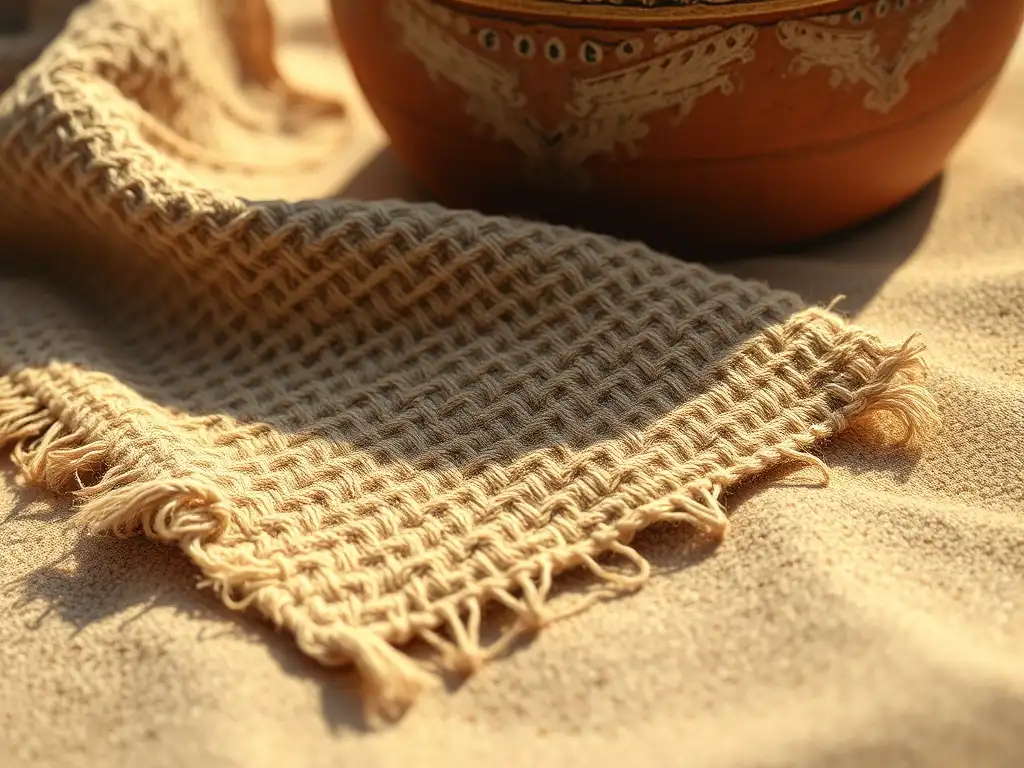
This section delves into the fascinating world of the Nazca Lines, focusing on their potential connection to the sophisticated textile weaving techniques of the Nazca culture. While the precise purpose of these geoglyphs remains a mystery, exploring the cultural context, particularly their intricate textile artistry, provides valuable insights into their possible meaning and creation. We will examine the lines themselves, their desert environment, and early attempts to understand their significance. Understanding the Nazca lines textile weaving techniques requires a multi-faceted approach, combining archaeological evidence with anthropological interpretations.
Overview of the Nazca Lines Geoglyphs
The Nazca Lines are a collection of enormous geoglyphs etched into the surface of the Nazca Desert in southern Peru. These figures, ranging from simple lines and geometric shapes to complex representations of animals, plants, and humanoids, stretch for hundreds of kilometers across the arid landscape. Their scale is breathtaking; some of the animal figures, such as the hummingbird or the monkey, measure hundreds of feet in length.
The lines themselves were created by removing the dark reddish-brown surface stones to reveal the lighter subsoil, a painstaking process requiring immense precision and organization. The sheer magnitude of the undertaking underscores the significant cultural importance these geoglyphs held for the Nazca people. Analyzing the Nazca lines textile weaving techniques alongside the creation of these massive works offers a compelling avenue for understanding their societal structures and beliefs.
Detailed studies of the geoglyphs reveal a surprisingly high level of sophistication in their design and execution, suggesting a deep understanding of geometry and perspective. Further research into the Nazca lines textile weaving techniques could reveal more about the planning and execution of the lines themselves.
Location and Environmental Context of the Nazca Desert
The Nazca Lines are located in the Nazca Desert, a hyper-arid coastal plain in southern Peru. This unique environment, characterized by extremely low rainfall and minimal vegetation, has played a crucial role in the preservation of the geoglyphs. The lack of erosion and the stable desert surface have allowed these ancient markings to survive for centuries, offering a remarkable glimpse into the past.
The desert's unique characteristics, including its stable soil and low wind speeds, likely contributed to the longevity of the Nazca Lines. The arid climate also influenced the Nazca people's daily lives, shaping their agricultural practices, social structures, and, arguably, their artistic expressions, including both the geoglyphs and their renowned textile weaving.
Understanding the environmental context is crucial for interpreting the Nazca lines textile weaving techniques within their broader cultural framework. The aridity of the desert might explain the choice of materials and techniques used in their textiles, reflecting an adaptation to the available resources.
Initial Theories and Interpretations of the Nazca Lines
Early interpretations of the Nazca Lines ranged from the purely speculative to the scientifically informed, but often lacked the nuanced understanding we have today. Some early theories suggested astronomical alignments, proposing that the lines served as a giant astronomical calendar or observatory. Others posited that they were related to water sources or irrigation systems, given the desert's aridity.
Still others speculated about religious or ceremonial significance. However, these initial theories often lacked substantial evidence. The discovery of the intricate textile weaving techniques of the Nazca culture, with its complex iconography and symbolic patterns, has provided a new lens through which to view the geoglyphs.
The intricate designs found in Nazca textiles often mirror the motifs present in the lines, suggesting a potential link between the two artistic forms. Further research into the Nazca lines textile weaving techniques may shed light on the overall significance of the lines, revealing deeper connections between artistry, cosmology, and everyday life in Nazca society. The ongoing investigation into the Nazca lines and their potential relationship to textile weaving represents a dynamic area of Andean archaeological research.
Nazca Textile Weaving: A Parallel Artistic Expression
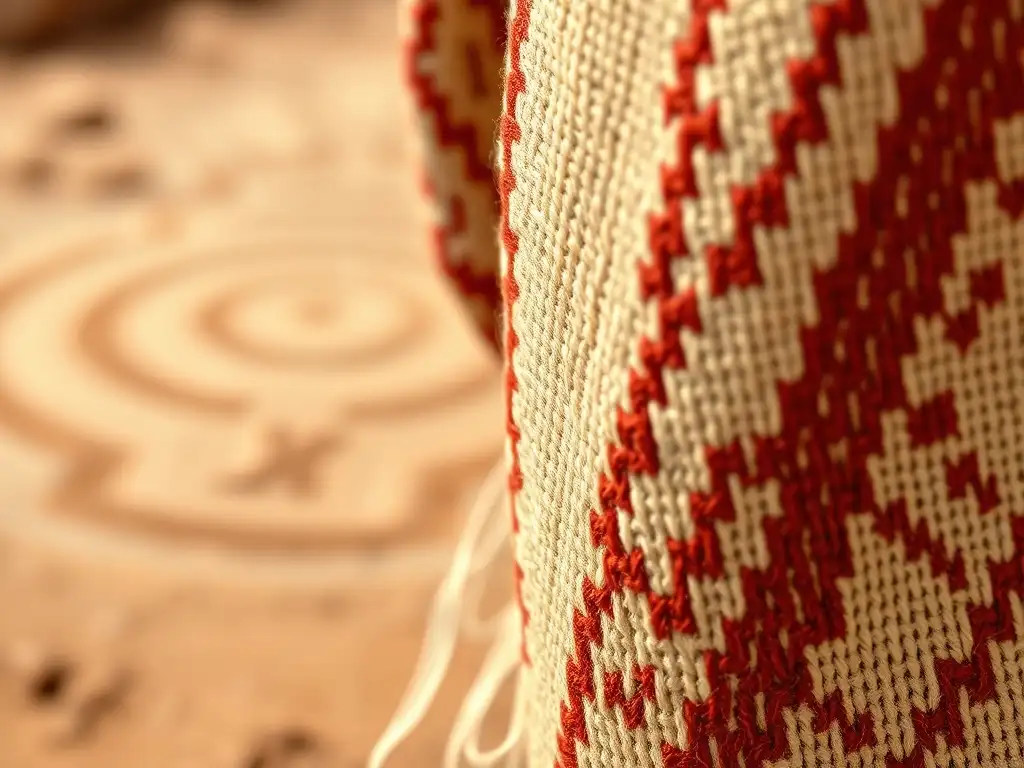
The Nazca Lines, those enigmatic geoglyphs etched into the Peruvian desert, are a testament to the advanced engineering and artistic capabilities of the Nazca civilization. However, a lesser-known yet equally impressive aspect of their culture is their mastery of textile weaving. Understanding Nazca textile weaving techniques offers a fascinating parallel to the creation of the lines, revealing a society deeply connected to its environment and possessing sophisticated artistic sensibilities.
The intricate designs and vibrant colors found in Nazca textiles mirror the complexity and precision observed in the geoglyphs, suggesting a shared aesthetic and perhaps even a connection between the artisans who created them. Analyzing these textiles provides crucial insights into the worldview, social structures, and daily lives of the Nazca people, enriching our understanding of this remarkable civilization. This exploration of "Nazca lines textile weaving techniques" will delve into the specific methods and materials employed.
The Importance of Textiles in Ancient Nazca Culture
Textiles weren't merely clothing for the Nazca; they were integral to their social and religious life. They served a multitude of purposes, from everyday garments and household items to ceremonial attire and offerings for the gods. The quality and intricacy of a textile often reflected the wearer's social status.
Elaborately woven garments, adorned with complex patterns and rare dyes, were likely reserved for elites, while simpler textiles served the needs of the common population. Archaeological discoveries have unearthed numerous textiles, including fragments of mantles, tunics, and belts, providing ample evidence of the widespread use and importance of textiles in Nazca society. Furthermore, the discovery of textiles within tombs suggests their significance in funerary rites, possibly representing the deceased's social standing or spiritual journey into the afterlife.
The enduring legacy of Nazca textiles speaks volumes about their cultural significance. The meticulous craftsmanship and the use of vibrant colors demonstrate a deep appreciation for artistic expression and a profound connection to the natural world.
Nazca Textile Techniques: A Detailed Look
Nazca weavers employed a variety of sophisticated techniques, demonstrating a high level of skill and innovation. One of the most remarkable techniques is continuous warp tapestry, where the weft threads are woven around the warp threads to create intricate designs. This method allowed for the creation of incredibly detailed images and patterns, showcasing the weavers' precision and mastery.
They also utilized techniques such as plain weave, brocade, and gauze, each contributing to the diversity and complexity of their textile production. The use of multiple colors and the incorporation of different materials added to the richness and visual appeal of their creations. The level of detail in some textiles is astonishing, with tiny figures and intricate patterns woven into the fabric.
These techniques required immense patience, skill, and a deep understanding of textile production. The precision and complexity of these techniques are directly comparable to the precision needed in the creation of the Nazca Lines themselves. The ability to create such intricately detailed work across such different mediums suggests a highly developed understanding of geometry, planning, and execution.
Materials and Dyes Used in Nazca Weaving
The materials used in Nazca weaving were primarily sourced from the local environment. Cotton was a staple, providing a soft and durable fiber. However, they also utilized other materials, such as camelid fibers (alpaca and llama), which added strength and texture to their textiles. The vibrant colors characteristic of Nazca textiles were achieved through the use of natural dyes derived from plants, minerals, and insects.
These dyes were carefully prepared and applied, resulting in a remarkable range of hues. For example, cochineal insects provided a brilliant crimson, while various plants yielded yellows, browns, and greens. The longevity and brilliance of these dyes are a testament to the Nazca's understanding of natural pigments and their ability to extract and utilize them effectively.
Evidence suggests that the preparation of these dyes was a complex and specialized process, requiring knowledge and skill passed down through generations. The remarkable preservation of the colors in many Nazca textiles discovered today further highlights the quality and durability of their dyeing techniques. The careful selection of materials and the mastery of dyeing techniques contributed significantly to the enduring beauty and cultural importance of Nazca textiles, a vital component when considering "Nazca lines textile weaving techniques".
Symbolic Motifs in Nazca Textiles
The intricate textiles of the Nazca culture are not merely decorative; they are rich tapestries woven with symbolic motifs that offer valuable insights into their worldview, beliefs, and daily life. These motifs, often mirroring those found in the famous Nazca Lines, reveal a complex system of representation interwoven with religious, social, and agricultural aspects of their society. Many designs feature stylized representations of animals, plants, and mythical creatures, each carrying specific symbolic weight within the Nazca cosmology. For example, the depiction of hummingbirds often signifies speed, agility, and perhaps even a connection to the spirit world.
Similarly, the frequent appearance of snakes suggests fertility, water, and the earth's life-giving power. These interpretations are supported by archaeological findings, such as the discovery of textiles buried alongside elite individuals, reinforcing their importance in ceremonial contexts. The careful arrangement and repetition of these motifs in the textiles suggest a sophisticated understanding of visual communication and the power of symbolic representation. Analyzing these symbols provides invaluable context for understanding the broader cultural significance of both the textiles and the Nazca Lines, revealing a deeply interconnected system of beliefs and practices.
The study of these motifs continues to fascinate researchers, pushing the boundaries of our understanding of the Nazca’s sophisticated artistic and spiritual world. Further research, particularly comparative studies with other Andean textile traditions, promises to unlock even deeper meanings embedded within these remarkable artifacts. The precision and detail in the weaving techniques themselves also contribute to the symbolic power of these textiles, highlighting the skill and dedication of the Nazca artisans. The deliberate choice of colors and fibers further adds layers of meaning to the overall design, emphasizing the intricate relationship between art, religion, and daily life in Nazca society.
Connecting the Dots: Nazca Lines and Textile Patterns
The Nazca Lines, those enigmatic geoglyphs etched into the Peruvian desert, have captivated researchers for decades. While their purpose remains a subject of ongoing debate, a compelling connection is emerging: the striking similarities between the designs found in the lines and those woven into the intricate textiles of the Nazca culture. This section explores the fascinating relationship between Nazca lines textile weaving techniques, focusing on shared motifs and theories linking these two remarkable aspects of Nazca artistry.
The evidence suggests a deep cultural significance woven into both the vast landscapes and the meticulously crafted textiles. Understanding this connection provides a richer understanding of Nazca worldview and artistic expression.
A significant portion of the Nazca Lines feature geometric designs: triangles, trapezoids, spirals, and zigzags. These same geometric shapes are prevalent in Nazca textiles, often appearing in complex combinations and repeating patterns. The precision and scale differ, of course; the lines stretch across kilometers while textile designs are confined to the smaller scale of woven cloth. However, the underlying structural principles and the use of similar angles and proportions are remarkably consistent. This suggests a shared artistic vocabulary and a consistent understanding of geometry within Nazca society.
For example, the frequent appearance of stepped trapezoids in both geoglyphs and textiles is particularly noteworthy. These shapes, often arranged in intricate sequences, are rarely found in the art of other Andean cultures. Their prominent presence in both Nazca Lines and textiles points toward a symbolic significance deeply ingrained in Nazca culture, perhaps related to their cosmology, agricultural practices, or social structures. Further research into the mathematical relationships within these designs could reveal deeper insights into Nazca understanding of geometry and its symbolic representation. [Specific mathematical analysis pending].
Theories on the Relationship Between Nazca Weaving and Line Creation
Several theories attempt to explain the connection between Nazca lines textile weaving techniques and the creation of the geoglyphs. One prominent theory suggests that the lines may have served as large-scale versions of textile designs, perhaps representing a form of "land art" reflecting the importance of weaving within Nazca society. The creation of the lines, therefore, could be viewed as a monumental extension of their textile practices. This theory is supported by the remarkable similarities in design elements and the prominent role textile production played in Nazca life.
Another theory proposes a more functional connection. Perhaps the lines served as guides or markers for ceremonial processions or rituals related to textile production and worship. The geometric patterns might have represented pathways or symbolic representations of the weaving process itself. This theory suggests a deeper ceremonial significance to both the lines and textiles. Further archaeological investigation into the proximity of textile workshops to the lines could provide supporting evidence. [Archaeological data pending on site proximity].
Beyond geometric designs, certain motifs appear repeatedly in both Nazca Lines and textiles. Two particularly striking examples are the hummingbird and the spider.
Hummingbirds, often depicted in flight, appear in several geoglyphs. These same stylized hummingbirds, characterized by their elongated bodies and delicate wings, are frequently found in Nazca textiles, often integrated into larger, more complex patterns. The hummingbird, a creature associated with speed, agility, and the sacred realm in many Andean cultures, likely held significant symbolic meaning for the Nazca, a meaning reflected in both their monumental land art and their finely crafted textiles.
Similarly, the spider motif, often represented with multiple legs and a distinctive body shape, appears in both geoglyphs and textiles. The spider, in many cultures, is associated with creation, weaving, and the underworld. The presence of this motif in both media suggests a shared understanding of its symbolism within Nazca society and its importance in their worldview.
The consistent representation of these creatures across different scales – from the vast expanse of the desert to the intricacies of woven cloth – reinforces the idea of a unified artistic language within Nazca culture. The consistent use of these motifs across mediums strengthens the argument for a deep connection between the lines and the textiles, suggesting a shared cultural significance deeply rooted in Nazca beliefs and practices.
The striking similarities between the iconography found in the Nazca Lines and the intricate designs woven into Nazca textiles suggest a deep-seated connection, prompting researchers to explore their potential shared functions. One prominent theory posits that the geoglyphs and textiles served as a form of visual communication, perhaps conveying narratives, religious beliefs, or astronomical observations. The repetition of certain motifs, such as stylized animals (hummingbirds, monkeys, lizards) and geometric patterns, across both mediums lends credence to this idea.
These shared symbols might have represented clan identities, territorial boundaries, or even acted as a form of early cartography, guiding individuals across the vast Nazca landscape. The complexity and precision of both the lines and the textiles suggest a sophisticated understanding of design and symbolism, indicating a highly developed cultural system.
Further research into the social structure of the Nazca civilization is crucial to fully understand the function of this shared iconography. Did specific motifs belong to certain social classes or lineages? Did the creation and display of these patterns hold ritualistic significance?
Were the geoglyphs and textiles used in ceremonies or celebrations? Answering these questions could reveal a deeper understanding of the relationship between the visual arts and social organization within Nazca society. The interwoven nature of these patterns, both on the vast desert canvas and the delicate textile fibers, points to a complex system of beliefs and practices that remains partially enigmatic.
Unraveling this mystery requires a multifaceted approach, combining archaeological findings, anthropological studies, and a deeper understanding of the mathematical precision evident in both the geoglyphs and the textile designs. The detailed analysis of individual motifs and their context within both the lines and the textiles could provide invaluable insights into the shared symbolic language of the Nazca people.
Textile Techniques as a Tool for Understanding Nazca Line Creation
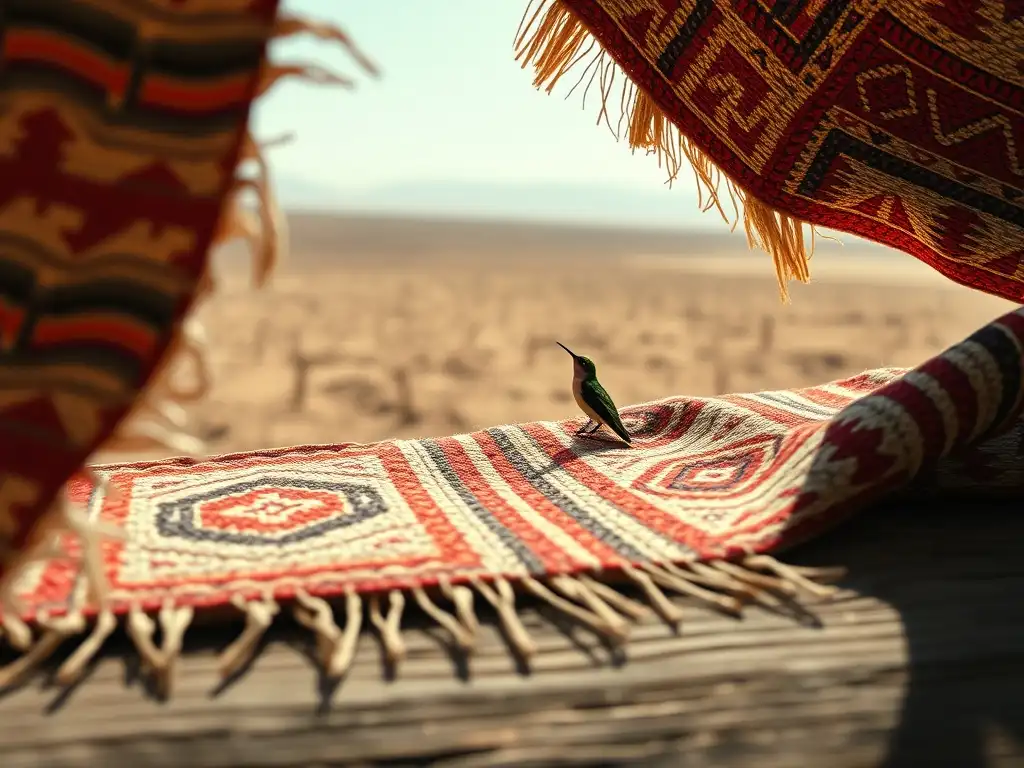
The Nazca Lines, those enigmatic geoglyphs etched into the Peruvian desert, have captivated researchers for decades. While their purpose remains debated, a fascinating area of investigation explores the potential connection between the sophisticated textile weaving techniques of the Nazca culture and the creation of the lines themselves.
This section delves into the hypothesis that the same meticulous planning, precision, and understanding of geometry evident in Nazca textiles may have been crucial in the design and execution of the massive geoglyphs. The intricate designs found on Nazca textiles, often featuring complex geometric patterns, animals, and stylized figures, showcase a mastery of planning and execution that mirrors the scale and complexity of the lines themselves.
This shared precision suggests a possible link between these seemingly disparate art forms. The intricate planning required for both textile weaving and the creation of the lines points toward a sophisticated understanding of spatial relationships and geometric principles within Nazca society.
How Textile Weaving Skills May Have Influenced Line Construction
The creation of the Nazca Lines required a high degree of precision and planning. Consider the sheer scale of some of the geoglyphs, stretching hundreds of meters in length. Maintaining consistent line width and curvature across such distances would have demanded a sophisticated system of measurement and alignment.
We can hypothesize that the Nazca's expertise in textile weaving, which often involved intricate patterns and precise measurements, provided them with the necessary skills and understanding to undertake such a monumental task. The use of precisely measured and carefully dyed threads in textiles parallels the meticulous planning needed to create the lines. The ability to accurately measure and replicate patterns on a small scale, as demonstrated in their textiles, could have easily been scaled up to the monumental task of constructing the geoglyphs.
Further research into the tools and techniques used in Nazca textile production might reveal parallels with methods used in line creation. For instance, the use of weighted cords or measuring sticks in weaving could have had a direct application in the layout of the lines.
The Use of Measuring and Planning Techniques in Both Art Forms
Both Nazca textile weaving and the creation of the lines required advanced planning and precise measuring techniques. Evidence from excavated textile workshops suggests the use of standardized weights and measures in the production of textiles. These findings suggest a highly organized and systematic approach to textile production, an approach that could have been easily adapted to the creation of the lines. Consider the intricate geometric patterns found in many Nazca textiles.
The precision required to create these patterns, involving the careful arrangement and alignment of threads, mirrors the precise alignment of the lines themselves. The ability to maintain consistent spacing and alignment over large distances, as seen in the geometric patterns of textiles, is a skill directly applicable to the construction of the Nazca Lines. Further research is needed to fully understand the specific measuring techniques used, but the inherent similarities in precision and planning suggest a strong link.
Analysis of Looping and Interlocking Weaving Techniques
The complex weaving techniques employed by Nazca artisans, such as looping and interlocking, also offer intriguing parallels to the methods that might have been used in constructing the lines. The intricate interweaving of threads in Nazca textiles creates complex patterns and textures. This mastery of interlocking and layering could be analogous to the layering and overlapping of lines found in some geoglyphs.
For example, the creation of a complex figure might have involved the sequential addition of lines, much like the layering of threads in certain weaving techniques. The repeated use of specific motifs in both textiles and the lines suggests a standardized approach to design and execution. The precision and control required in these advanced weaving techniques indicate a deep understanding of geometry and spatial relationships, further supporting the hypothesis of a connection between these two seemingly disparate art forms.
A detailed analysis of the specific weaving techniques and their potential parallels in line construction remains a promising avenue for future research. Specifically, studying the use of different types of knots and their potential relationship to the methods used to mark out and define the lines would provide valuable insights.
Reconstructing the Process: A Hypothetical Approach
The creation of the Nazca Lines remains shrouded in mystery, but studying Nazca textile weaving techniques offers a fascinating avenue for hypothetical reconstruction. We can posit that the same meticulous planning and precision evident in their textiles were applied to the monumental task of creating the geoglyphs. Consider the intricate designs woven into Nazca textiles—geometric patterns, stylized animals, and even representations of plants.
The complexity and scale of these designs, often achieved using multiple colors and techniques, suggest a highly organized and skilled workforce. This organizational structure, crucial for textile production, could easily be extrapolated to the creation of the lines themselves.
Imagine a team of artisans, experienced in the precise manipulation of fibers, transferring their expertise to the vast canvas of the desert floor. Their understanding of angles, proportions, and spatial relationships, honed through years of weaving, would have been invaluable in laying out the lines with such remarkable accuracy.
The use of natural dyes in textiles, often requiring precise measurements and careful application, parallels the potential need for accurate measurements and careful planning in the creation of the geoglyphs. Perhaps the same sophisticated understanding of color and its symbolic meaning, so prevalent in Nazca textiles, also informed the design choices made for the lines.
Furthermore, the repetitive nature of many weaving patterns might mirror the repetitive actions involved in clearing the desert surface to create the lines. The rhythmic movements of the weaver's hands, creating intricate patterns thread by thread, could be compared to the rhythmic removal of stones and soil, creating the vast geoglyphs. The meticulous care taken to ensure the evenness of the weave could be mirrored in the consistent width and depth of the lines. This connection suggests that the skills and processes developed in textile production were not only crucial for the Nazca economy but also played a significant role in their artistic and engineering achievements. While this remains a hypothetical approach, the parallels between textile weaving and the creation of the Nazca Lines are compelling and worthy of further investigation. Further research into the tools and techniques used in both practices could provide more concrete evidence for this hypothesis.
Beyond the Aesthetic: Symbolism and Meaning in Nazca Art
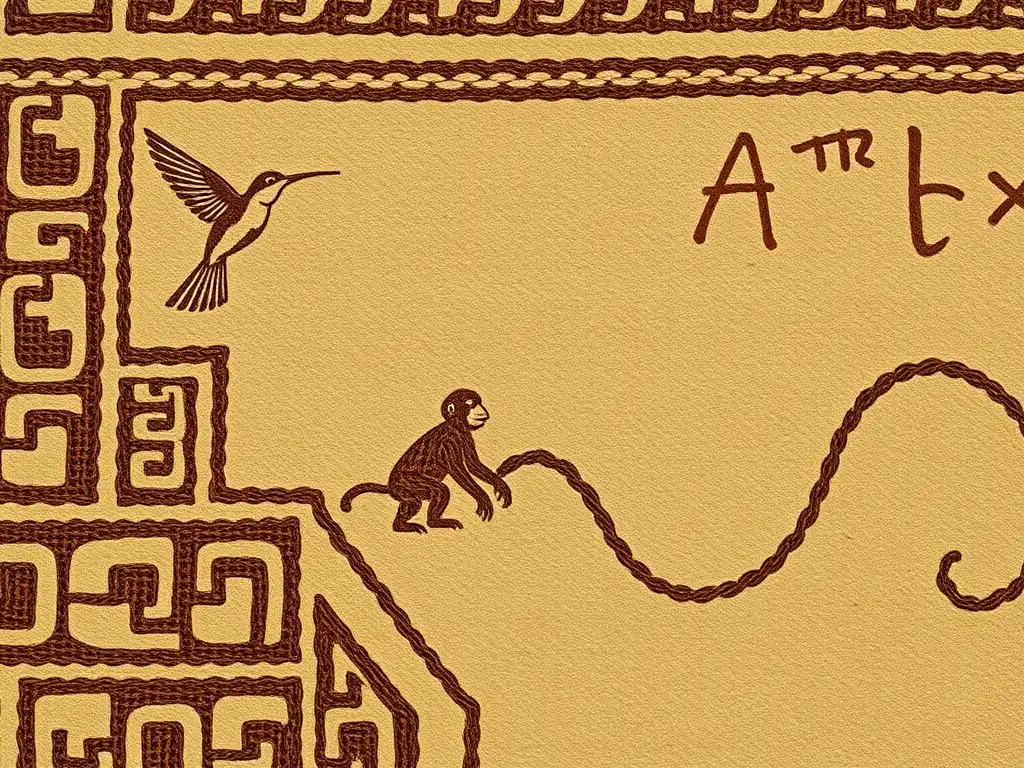
The Nazca Lines, those enigmatic geoglyphs etched into the Peruvian desert, are often viewed solely for their breathtaking scale and visual impact. However, a deeper understanding reveals a rich tapestry of symbolism intricately woven into their design. This symbolism isn't isolated to the lines themselves; it finds a powerful parallel in the sophisticated textile weaving techniques of the Nazca people. Understanding the interconnectedness of these art forms is crucial to unlocking the secrets of Nazca culture and their unique worldview.
The intricate designs found on Nazca textiles often mirror the motifs and patterns visible in the lines, suggesting a shared symbolic language. This shared visual vocabulary points to a complex system of beliefs and practices that permeated all aspects of Nazca life. By examining both the lines and textiles together, we can begin to decipher the meaning behind these remarkable creations.
The Role of Ritual and Ceremony in Nazca Society
Nazca society was deeply embedded in ritual and ceremony. Evidence suggests that many aspects of their daily lives, from agriculture to warfare, were governed by a complex system of religious beliefs and practices. Archaeological findings, including elaborate burial sites and the discovery of numerous ceremonial objects, strongly suggest the importance of ritual in their society.
The Nazca Lines themselves may have served as a backdrop for large-scale ceremonies, with certain lines possibly aligning with astronomical events or marking significant locations within their territory. Similarly, the intricately woven textiles, often adorned with complex designs and vibrant colors, likely played a crucial role in religious ceremonies. These textiles might have been used in rituals, worn by priests or shamans, or offered as gifts to the gods.
The meticulous craftsmanship involved in creating these textiles points to the significant value placed upon them within the context of their religious practices. Detailed analysis of textile fragments reveals recurring motifs, like stylized animals and geometric patterns, which likely held profound religious significance for the Nazca people. The repetition of these symbols across different textiles strengthens the argument for their ritual importance.
Interpreting the Symbolism in Both Nazca Lines and Textiles
The striking similarities between the imagery found in Nazca Lines and textiles provide valuable clues to their interpretation. For example, the frequent depiction of stylized birds, such as hummingbirds and condors, in both art forms suggests their importance within the Nazca cosmovision. These birds, often associated with deities or spirits, might have symbolized the connection between the earthly and spiritual realms.
Similarly, geometric patterns, such as spirals and triangles, appear repeatedly in both the lines and the textiles. These forms may represent abstract concepts related to fertility, the cosmos, or the cyclical nature of life and death. Researchers have proposed various interpretations of these symbols, but a definitive understanding remains elusive.
Further research, incorporating interdisciplinary approaches involving archaeology, anthropology, and art history, is needed to fully decipher the meaning of these symbols. The challenge lies in translating a visual language that, while rich in imagery, lacks a written record for direct interpretation. This means relying heavily on careful observation, comparative analysis, and contextual clues from associated artifacts.
Exploring the Cosmovision of the Nazca People Through Their Art
The Nazca Lines and textiles offer a unique window into the cosmovision, or worldview, of the Nazca people. Their art reveals a society deeply connected to its environment, with a keen understanding of the natural world and its cycles. The depiction of plants, animals, and celestial bodies reflects their close observation of nature and their integration within the ecosystem. The intricate designs found on textiles often showcase stylized representations of flora and fauna, reflecting a deep respect for the natural world.
This reverence for nature is further emphasized by the careful selection of materials used in textile production, often employing locally sourced fibers like cotton and alpaca wool. The Nazca Lines, with their monumental scale and precise execution, further highlight their profound understanding of their environment and their ability to manipulate it. The alignment of some lines with astronomical events suggests a sophisticated knowledge of astronomy and its influence on their daily lives.
Through their art, the Nazca people conveyed not only their aesthetic sensibilities but also their beliefs, values, and understanding of their place within the cosmos. The combination of the monumental Nazca lines and the intricate textiles provides a compelling and multifaceted portrait of a civilization that continues to fascinate and inspire researchers and the public alike. The careful study of these remarkable artifacts allows us to gain a deeper appreciation for the complexity and sophistication of Nazca culture and its lasting legacy.
Examples of Symbolic Representation: Animal Motifs and Fertility
The Nazca Lines, those enigmatic geoglyphs etched into the Peruvian desert, are often viewed solely for their aesthetic impact. However, a deeper dive reveals a complex tapestry of symbolism woven into their design, intimately connected to the sophisticated textile weaving techniques of the Nazca culture. Understanding this connection requires exploring the motifs themselves, particularly the prevalence of animal representations and their association with fertility.
Many of the Nazca Lines depict animals with remarkable accuracy and detail. Hummingbirds, lizards, spiders, and various marine creatures are frequently represented, often with a scale and precision that suggests a deep understanding of the animal kingdom and its importance within Nazca society. These weren't simply artistic renderings; they served as powerful symbols, imbued with meaning that reflects the Nazca worldview. The meticulous detail in the lines mirrors the meticulous detail found in their textiles, suggesting a shared artistic sensibility and possibly a shared symbolic language.
The representation of animals, especially those associated with fertility and abundance, like the hummingbird (known for its association with pollination) and the spider (a symbol of creation and weaving in many cultures), strongly suggests that the lines were not just decorative but also played a significant role in rituals related to agriculture and the success of harvests. The Nazca civilization relied heavily on agriculture in a harsh desert environment, and the depiction of these animals could have been a way to invoke their power and ensure a bountiful yield.
This connection is further reinforced by the discovery of similar animal motifs woven into Nazca textiles, providing a tangible link between the geoglyphs and the everyday life of the people. The vibrant colors and intricate designs of these textiles often reflected the same animals portrayed in the lines, suggesting a consistent symbolic system across different art forms.
Furthermore, the scale of some of these animal representations within the lines themselves is striking. The sheer size of some of these geoglyphs implies a communal effort, a collective act of creation that underscores the importance of these symbols within Nazca society. This communal aspect is also reflected in the weaving traditions, where the creation of complex textiles often involved the participation of multiple individuals, highlighting the collaborative nature of Nazca artistic expression.
The precision and size of the lines, like the intricate designs of their textiles, demonstrate a high level of societal organization and shared cultural understanding. The effort involved in creating both the lines and the textiles points towards their significance as expressions of spiritual and cultural values. The animals depicted weren't merely images; they were embodiments of power, fertility, and the very essence of Nazca life.
Modern Research and Perspectives on the Nazca Lines and Weaving
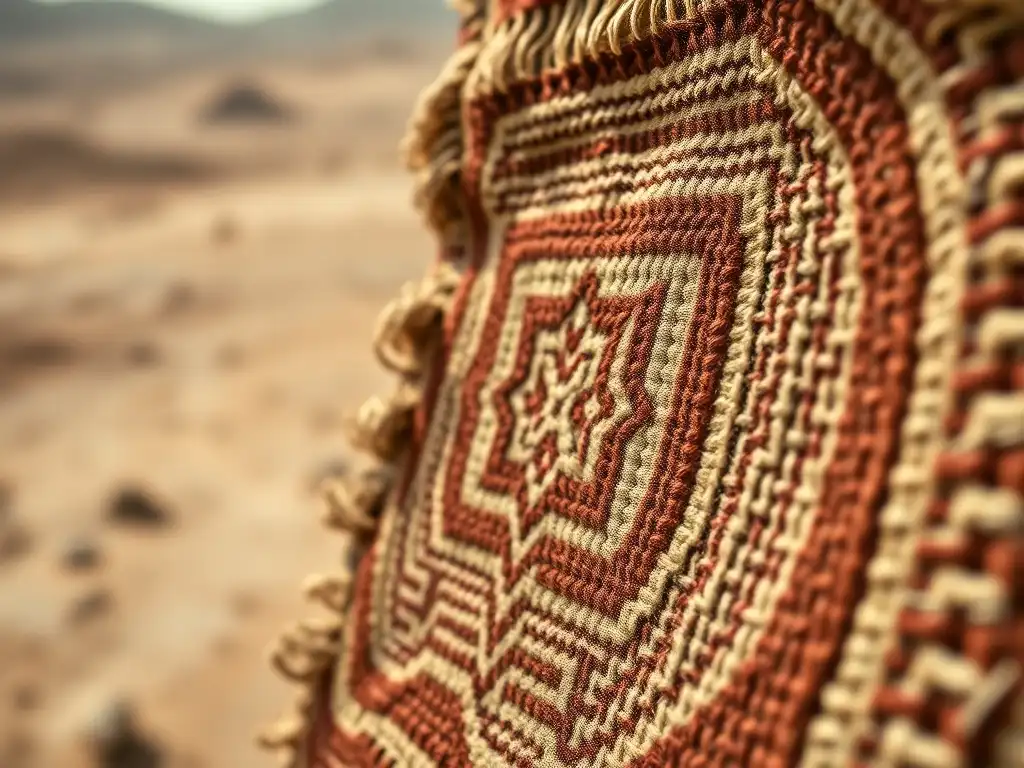
The intricate relationship between the Nazca Lines and textile weaving techniques remains a captivating area of ongoing research. While the geoglyphs themselves are undeniably impressive, the parallel study of contemporaneous textile production offers crucial insights into the worldview, societal structure, and artistic capabilities of the Nazca people. This section explores current research methodologies and the exciting possibilities presented by technological advancements in understanding this unique cultural expression.
Current Archaeological Studies and Findings
Current archaeological digs near Nazca sites are yielding valuable data connecting textile production to the creation of the geoglyphs. Analysis of unearthed textile fragments reveals complex dyeing techniques, intricate patterns, and the use of a variety of fibers, including cotton and camelid wool. These findings are significant because the same pigments and color palettes used in textile dyeing are found in the surface treatments of the Nazca Lines.
For example, recent excavations at the Cahuachi site unearthed numerous textile fragments with geometric patterns strikingly similar to those found in certain geoglyphs. This suggests a possible link between the design aesthetic applied to both textiles and the monumental land art. Moreover, the discovery of specialized tools used in both textile production and the creation of the lines – such as specific types of spatulas and brushes – points towards a shared skillset and possibly even the involvement of the same artisans in both crafts.
The meticulous precision evident in both textile weaving and the geoglyphs suggests a highly developed understanding of geometry and spatial organization within Nazca society. Further analysis of the chemical composition of the pigments used in both textile dyeing and the surface treatment of the geoglyphs is underway, promising to shed more light on this connection. This research is actively revealing new layers of understanding about the Nazca culture and their sophisticated artistic practices.
New Technologies Applied to the Study of Nazca Art
The application of new technologies has revolutionized our understanding of both Nazca textiles and the Lines. High-resolution imaging techniques, such as multispectral and hyperspectral imaging, are now being used to analyze the pigments and underlying layers of both textiles and the geoglyphs. This allows researchers to identify subtle variations in color and composition, providing insights into the production techniques and the evolution of the designs over time.
Furthermore, 3D modeling and digital reconstruction techniques are being used to create highly detailed representations of both the textiles and the landscape, allowing for a more comprehensive understanding of their spatial relationships. For example, the use of drones equipped with high-resolution cameras allows for the creation of detailed maps of the Nazca Lines, revealing previously unseen details and allowing for more accurate analysis of their layout and design. Similarly, advanced microscopy techniques are used to study the structure of the textile fibers, revealing intricate details of the weaving techniques and the materials used.
The combination of these technological advancements with traditional archaeological methods is providing a richer and more nuanced understanding of the Nazca Lines and their connection to textile weaving. This interdisciplinary approach is crucial in deciphering the complex cultural significance of these remarkable artifacts.
The Ongoing Debate: Further Research Needed
Despite significant progress, many questions about the relationship between Nazca Lines and textile weaving techniques remain unanswered. The exact purpose of the lines continues to be debated, with theories ranging from astronomical observatories to ritualistic pathways. The role of textile weaving within this context is still being explored. Further research is needed to definitively link specific geoglyphs to specific textile designs or production sites.
More detailed analysis of the pigments and dyes used in both contexts is also required to establish a stronger correlation. Furthermore, the social organization of Nazca society and the division of labor between different craftspeople need further investigation. Were the same individuals involved in both textile production and the creation of the lines?
Or were these separate, specialized crafts? These questions remain at the forefront of ongoing research, and the ongoing excavation and analysis of Nazca sites, coupled with the continued advancement of technology, promises to provide more answers in the years to come. The potential for new discoveries is immense, and future research will undoubtedly deepen our understanding of this fascinating aspect of Nazca culture and the intricate relationship between their monumental land art and their highly developed textile traditions.
Preservation Efforts of the Nazca Lines and Textile Heritage
Preserving the Nazca Lines and the associated textile heritage presents unique challenges. The fragility of the geoglyphs, etched into the desert surface, makes them vulnerable to erosion from wind and infrequent but intense rainfall. Human activity, such as unauthorized access and poorly planned infrastructure projects, also poses a significant threat.
Therefore, preservation efforts focus on limiting human impact and mitigating the effects of natural forces. This includes carefully managing tourism, implementing strict regulations regarding access to the Nazca Lines area, and conducting regular monitoring of the geoglyphs' condition using advanced technologies like satellite imagery and drone surveys. Furthermore, educating the local population and tourists about the importance of the site and the need for its protection is crucial for long-term preservation.
The preservation of ancient textiles faces different but equally significant challenges. The delicate nature of the materials, often made from natural fibers like cotton and alpaca wool, makes them susceptible to deterioration due to light exposure, humidity, and insect infestations. Careful storage in controlled environments, employing climate-controlled facilities with minimal light exposure, is therefore paramount. Furthermore, conservation efforts involve meticulous cleaning and repair techniques, often requiring the expertise of specialized conservators.
Digital archiving and documentation play a critical role, allowing researchers to study the textiles without physically handling the fragile artifacts. This digital preservation also safeguards this irreplaceable heritage against unforeseen events such as natural disasters or accidental damage. Finally, ongoing research into appropriate conservation methods for Andean textiles is vital to ensure their longevity for future generations. The understanding of ancient textile weaving techniques is intrinsically linked to the preservation of both the textiles themselves and the cultural heritage they represent.
The Nazca lines are a testament to their advanced engineering and artistic capabilities, and the textiles serve as a tangible link to the people who created them. Protecting both ensures the continuity of our understanding of this remarkable civilization. The collaborative efforts of archaeologists, textile conservators, local communities, and government agencies are essential for the successful preservation of both the Nazca Lines and their textile legacy. The long-term goal is not simply to maintain the existing artifacts but also to ensure that future generations have the opportunity to appreciate and learn from this unparalleled cultural heritage.
Conclusion: The Enduring Legacy of Nazca Artistry
The Nazca Lines, those enigmatic geoglyphs etched into the Peruvian desert, continue to captivate and puzzle researchers and enthusiasts alike. Their creation, purpose, and the sheer scale of the undertaking remain a source of ongoing debate. However, by examining the intricate relationship between the Nazca Lines and their textile weaving techniques, we gain a deeper appreciation for the sophisticated artistry and ingenuity of this ancient civilization.
The meticulous precision evident in both the geoglyphs and the textiles suggests a shared cultural ethos, a dedication to precise execution and symbolic representation. This connection highlights the interconnectedness of different artistic expressions within the Nazca culture, revealing a complex society with advanced technological capabilities and a profound understanding of their environment.
The legacy of the Nazca, therefore, extends beyond the awe-inspiring lines themselves; it encompasses a rich tapestry of artistic achievements that continue to inspire wonder and scholarly investigation. Understanding their textile weaving techniques provides valuable insights into their worldview, social structure, and technological prowess – all crucial elements in unraveling the mysteries surrounding this remarkable civilization.
The Interconnectedness of Nazca Lines and Textile Weaving
The Nazca Lines and their intricate textile weaving techniques are not isolated artistic expressions; rather, they are interwoven threads of a single cultural fabric. Evidence suggests a strong correlation between the geometric patterns found in the geoglyphs and the motifs frequently depicted in Nazca textiles. For instance, the recurring use of stylized animals, geometric shapes, and lines in both mediums suggests a shared symbolic language. The precision and detail found in the textiles mirror the meticulous planning and execution evident in the creation of the lines.
The mastery of techniques like tapestry weaving, brocade, and gauze, used to create highly complex and colorful designs, demonstrates a level of technical skill that parallels the engineering feat of constructing the geoglyphs. Furthermore, the use of natural dyes derived from plants and minerals, carefully chosen and applied, reflects a deep understanding of the natural world—a characteristic also reflected in the careful selection of the desert landscape for the creation of the lines. This interconnectedness points to a sophisticated cultural system where artistic expression extended across various media, reflecting a unified worldview and artistic sensibility.
The very act of creating both, required significant communal effort, highlighting the importance of social organization and collaboration in Nazca society. The analysis of surviving textiles, therefore, provides invaluable context for interpreting the meaning and purpose of the Nazca Lines. Further research into the specific dyes and fibers used could reveal even more about their resource management and environmental understanding.
The Importance of Studying Ancient Art for Cultural Understanding
Studying the art of ancient civilizations, such as the Nazca Lines and their textile weaving, offers a unique window into their cultural beliefs, social structures, and technological advancements. Ancient art is not merely aesthetic; it serves as a primary source of information, revealing insights that written records often fail to capture. The motifs, colors, and techniques employed in Nazca textiles, for example, provide clues about their religious beliefs, their social hierarchy, and their daily lives.
The repetition of certain symbols across various textiles suggests their significance in religious rituals or social practices. The use of specific colors might have held symbolic meaning, related to fertility, power, or social status. By analyzing the complexity and sophistication of their weaving techniques, we can infer their level of technological development and the specialization of labor within their society.
Moreover, the study of ancient art allows us to appreciate the ingenuity and creativity of past societies, challenging our preconceived notions about their capabilities and understanding of the world. In the case of the Nazca, studying their textiles alongside the Lines helps us to contextualize their artistic achievements within a broader cultural framework, enriching our understanding of this enigmatic civilization. The meticulous detail in both the geoglyphs and textiles speaks to a deep-seated cultural value placed on precision and craftsmanship.
The Enduring Mystery and Fascination of the Nazca Civilization
Despite centuries of research, the Nazca civilization continues to hold a captivating allure, fueled by the enduring mysteries surrounding its remarkable achievements. The Nazca Lines, with their immense scale and intricate designs, remain a source of profound wonder and speculation. Their purpose, whether religious, astronomical, or ceremonial, remains a subject of ongoing debate, with various theories proposed but none definitively proven.
Similarly, the sophisticated textile weaving techniques employed by the Nazca, showcasing exceptional skill and artistry, add to the enigma. The vibrant colors, intricate patterns, and technical mastery evident in these textiles stand as a testament to the ingenuity of this ancient culture. The combination of these two artistic expressions—the monumental geoglyphs and the delicate textiles—creates a compelling narrative of a civilization that possessed both a grand vision and an exquisite attention to detail.
The enduring mystery surrounding the Nazca, however, is not a limitation but rather a catalyst for continued research and exploration. Each new discovery, whether through archaeological excavations or advanced analytical techniques, sheds further light on this fascinating society, revealing new layers of complexity and deepening our appreciation for their cultural legacy. The ongoing investigation into the Nazca Lines and textile weaving techniques continues to inspire scientists, archaeologists, and historians alike, ensuring that the legacy of this ancient civilization will endure for generations to come.
Frequently Asked Questions
What is the connection between the Nazca Lines and textile weaving?
The Nazca Lines' creators also possessed exceptional textile weaving skills. Many intricate designs found on textiles mirror the imagery and motifs seen in the geoglyphs, suggesting a shared cultural understanding and artistic expression. This connection provides valuable insights into Nazca society.
What kind of textile weaving techniques did the Nazca people use?
Nazca weavers mastered various techniques including plain weave, tapestry, and brocade. They utilized fine camelid fibers like alpaca and llama wool, creating incredibly detailed and colorful textiles. Their skill is evident in the preservation of many examples.
How do the Nazca textiles help us understand the Nazca Lines?
The iconography present in both Nazca textiles and the Lines reveal similar themes, such as animals, plants, and mythical beings. This suggests a shared symbolic language and worldview. The textiles provide a more intimate look at the Nazca culture that created the Lines.
Are there any specific examples of Nazca textiles showing Nazca Lines motifs?
Yes, several textiles depict geometric patterns and animal figures that closely resemble those found in the Nazca Lines. These parallels strengthen the link between the two art forms and provide further evidence of a shared artistic vision. These textiles are housed in various museums around the world.
Where can I learn more about Nazca textile weaving techniques and their relationship to the Nazca Lines?
You can find more information in academic journals and books focusing on Andean textiles and archaeology. Many museums with collections of Nazca textiles also provide detailed information about their weaving techniques and cultural significance. Online resources are also increasingly available.
Final Reflection: Unraveling the Threads of Nazca Culture
The intricate artistry of the Nazca Lines, once considered a cosmic enigma, finds a powerful echo in the equally sophisticated textile weaving techniques of the Nazca people. This connection, far from being a mere coincidence, reveals a profound understanding of geometry, design, and the deep spiritual connection the Nazca held with their land and cosmos. The precision and scale of both the geoglyphs and the textiles speak to a highly developed civilization, one that deserves a deeper and more nuanced understanding than previously afforded.
The enduring legacy of Nazca textile weaving continues to inspire awe and wonder, demonstrating the remarkable ingenuity and artistic skill of a culture that thrived centuries ago. Their mastery of color, pattern, and intricate weaving techniques, often mirroring the motifs found in the Lines themselves, offers a tangible link to their worldview. The textiles are not merely decorative; they are a visual language, a record of beliefs, rituals, and social structures.
This statement underscores the importance of studying these artifacts not just for their aesthetic value but for the invaluable insights they provide into the Nazca civilization's complex social and spiritual fabric.
Consider, for a moment, the threads that connect past and present. The Nazca Lines and their textile counterparts are not relics of a distant past; they are living testaments to human creativity and resilience. You, the reader, now hold a piece of this ancient narrative.
By understanding the intricate relationship between these two art forms, you can appreciate the depth and complexity of a civilization that continues to fascinate and inspire us. Let the vibrant colors and intricate designs of Nazca textiles ignite your own imagination, prompting you to explore the rich tapestry of human history and the enduring power of artistic expression.
Unveil the Mysteries of Nazca: Take Action Today!
Thank you for exploring the fascinating world of the Nazca Lines and their intricate connection to textile weaving. We hope you've discovered how these ancient marvels reflect the rich tapestry of Andean culture. Now, let's delve deeper into this captivating heritage!
- Visit the breathtaking Nazca Lines in person, or take a virtual tour guided by local experts.
- Share your newfound knowledge and insights with friends and family, sparking engaging conversations about Andean history and culture.
- Join an online community of Andean civilization enthusiasts to continue your learning journey and connect with like-minded individuals.
What aspect of Nazca culture most captivates you, and how would you like to engage with it further?