
Nazca Lines: A Journey Through the Desert's Art Gallery


Dive into a world lost to time, yet etched forever into the Peruvian desert. Imagine vast, enigmatic geoglyphs stretching across the landscape – the legendary Nazca Lines. Their creation remains a mystery, a captivating puzzle that has baffled scholars for centuries. Uncover the secrets behind their history and meaning, and embark on a thrilling journey through the artistry and ingenuity of the Nazca civilization. Prepare to be amazed.
The Nazca Lines, etched into the arid plains of southern Peru, stand as one of the world's most enduring enigmas. These colossal geoglyphs, created by the Nazca culture between 500 BC and 500 AD, depict a breathtaking array of animals, plants, geometric shapes, and human-like figures, sprawling across hundreds of square kilometers.
Their sheer scale and intricate detail defy easy explanation, sparking centuries of debate about their purpose and creation. This article delves into the fascinating history and meaning of the Nazca Lines, exploring the various theories surrounding their origin and significance within the broader context of Nazca culture and its sophisticated understanding of astronomy, engineering, and symbolic representation.
Understanding the Nazca Lines requires examining not only their visual impact but also the socio-political and environmental factors that shaped their creation and preservation. This journey into the desert's art gallery promises to unveil some of the mysteries surrounding these iconic geoglyphs and shed light on the ingenuity and artistry of the ancient Nazca people.
Unveiling the Mysteries of the Nazca Lines
The Nazca Lines' sheer scale is immediately striking. Imagine figures stretching hundreds of meters long, meticulously crafted with an accuracy that is both astonishing and perplexing. How did the Nazca people, lacking modern technology, manage to create such intricate designs across such vast expanses of desert?
The answer lies in a combination of factors: a deep understanding of the landscape, sophisticated surveying techniques, and a highly organized societal structure. Archaeological evidence suggests that the Nazca used simple tools, likely wooden stakes and ropes, to plan and execute their work. The choice of location, the desert's pale surface providing high contrast against the darker earth, was crucial for their visibility.
Precise measurements and a clear understanding of perspective were essential to achieving the lines’ remarkable scale and accuracy. The process itself likely involved generations of Nazca people, passed down through family lines and traditions. The creation of the lines was not a spontaneous act but a carefully planned and executed project reflecting the culture’s deep-rooted beliefs and worldview.
Theories on the Purpose of the Nazca Lines: A Multifaceted Enigma
Numerous theories attempt to explain the purpose of the Nazca Lines. While definitive answers remain elusive, several hypotheses are particularly compelling. One prevalent theory suggests an astronomical connection. Some lines and figures align with celestial events, leading some researchers to believe they served as a massive astronomical calendar or observatory.
Another popular theory posits that the lines were part of ritualistic or religious practices. The figures, often depicting deities or mythical creatures, may have played a crucial role in ceremonies or pilgrimages. Further research suggests that the lines were part of a complex system of water management.
Some believe that the lines helped direct water flow and conserve precious resources in the arid landscape. Finally, some scholars propose a combination of these factors, suggesting the lines served multiple purposes, reflecting the multifaceted nature of Nazca society and its complex relationship with the natural world. The lack of conclusive evidence, however, leaves room for ongoing speculation and research.
The Nazca Lines and the Broader Context of Nazca Culture
The Nazca Lines are not an isolated phenomenon but an integral part of the Nazca culture's rich tapestry. Their creation reflects the society’s advanced understanding of engineering, mathematics, and astronomy. The intricate pottery, textiles, and other artifacts unearthed from Nazca sites reveal a sophisticated artistic tradition and a detailed understanding of their environment. The lines themselves may be seen as a culmination of this knowledge and skill, a monumental expression of their worldview and beliefs.
Further exploration into Nazca's sophisticated irrigation systems and their remarkable ability to adapt to the harsh desert climate further illuminates the context within which these impressive geoglyphs were created. The lines are not merely decorative; they are a testament to a civilization's ingenuity, resilience, and artistic vision. Understanding them requires a comprehensive understanding of Nazca culture in its entirety.
Preserving the Nazca Lines for Future Generations
The fragility of the Nazca Lines presents a significant challenge for their preservation. Erosion from the elements and human impact pose a constant threat. Efforts to protect these invaluable historical treasures are underway, involving measures to restrict access to certain areas, and ongoing research to monitor their condition and develop effective preservation strategies.
Increased awareness and responsible tourism are crucial in ensuring that these iconic geoglyphs remain intact for future generations to marvel at and learn from. Ongoing research, technological advancements, and international collaboration are essential to safeguarding this unique and irreplaceable cultural heritage. The Nazca Lines, a testament to human ingenuity and artistic expression, deserve our utmost respect and protection.
- Unveiling the Mysteries of the Nazca Lines
- Theories on the Purpose of the Nazca Lines: A Multifaceted Enigma
- The Nazca Lines and the Broader Context of Nazca Culture
- Preserving the Nazca Lines for Future Generations
The Historical Context of the Nazca Geoglyphs
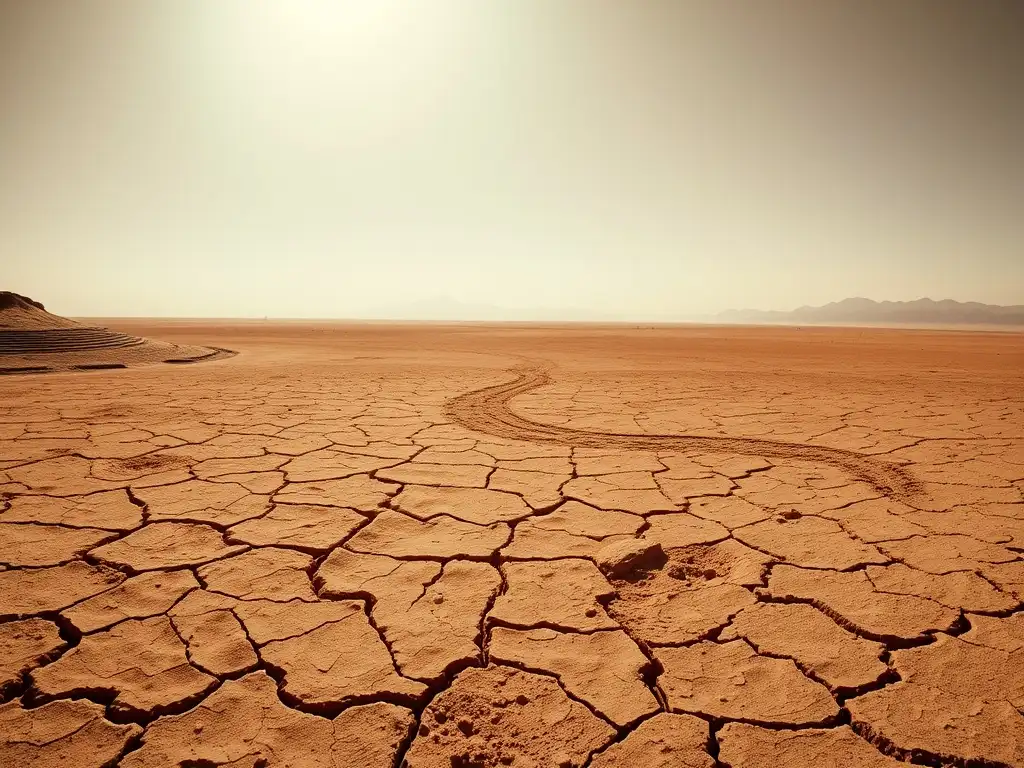
The Nazca Lines, a collection of massive geoglyphs etched into the Peruvian desert, stand as a testament to the ingenuity and artistic prowess of the Nazca culture. Understanding their history requires delving into the broader context of pre-Columbian art and the socio-political landscape of coastal Peru. The creation of these monumental designs wasn't an isolated event but rather a culmination of centuries of artistic and technological development within a specific cultural framework.
The lines themselves, therefore, represent not only artistic expression but also a reflection of the Nazca people's worldview, beliefs, and social structures. Their creation involved a sophisticated understanding of surveying, engineering, and resource management, showcasing a level of societal organization often underestimated in discussions of "Nazca Lines history and meaning."
Pre-Columbian Art in the Peruvian Desert
The arid coastal plains of southern Peru, where the Nazca Lines are located, provided a unique canvas for artistic expression long before the Nazca civilization flourished. Prior cultures, including the Paracas (known for their intricate textiles and mummification techniques) and early Nazca predecessors, left behind evidence of artistic traditions that likely influenced the later development of the geoglyphs. These earlier traditions included the creation of smaller-scale designs on pottery and textiles, often depicting stylized animals, plants, and mythical beings.
The transition from these smaller-scale representations to the monumental scale of the Nazca Lines represents a significant leap in both artistic ambition and technological capability. Analyzing the stylistic similarities and differences between these earlier forms of art and the Nazca Lines is crucial to understanding the evolution of artistic expression in the region and enriches the discussion of "Nazca Lines history and meaning."
Further research into the artistic techniques and materials used by these earlier cultures could shed more light on the processes employed by the Nazca in creating their iconic geoglyphs. For example, [specific information pending] on the pigments used in Paracas textiles could provide clues about the materials used in creating the Nazca Lines.
The Nazca Culture: Creators of the Enigmatic Lines
The Nazca civilization, flourishing from approximately 100 BCE to 800 CE, is widely credited with the creation of the vast majority of the geoglyphs. Their sophisticated irrigation systems, advanced pottery, and intricate textiles demonstrate a high level of societal organization and technological expertise. The Nazca Lines, therefore, are not simply enigmatic drawings but rather a product of a complex and highly developed society.
The lines themselves likely served multiple purposes, possibly relating to religious rituals, astronomical observations, or even marking territorial boundaries. Archaeological evidence, including the discovery of Nazca settlements near the geoglyphs and artifacts depicting similar motifs, strengthens the link between the culture and the art. Understanding the Nazca worldview, their social structure, and their daily lives is essential to fully grasp the "Nazca Lines history and meaning."
Further research on Nazca social organization, particularly the role of elites and religious leaders, could provide valuable insights into the impetus behind the creation of these monumental works. The intricate designs, often featuring stylized animals and plants, likely held deep symbolic significance within Nazca society, reflecting their beliefs and understanding of the natural world. This aspect is crucial when exploring the "Nazca Lines history and meaning."
Dating the Nazca Lines: Chronology and Discoveries
Pinpointing the exact dates of creation for each individual Nazca Line presents a challenge. However, through a combination of stylistic analysis, radiocarbon dating of associated artifacts, and stratigraphic analysis of the surrounding soil, archaeologists have established a general chronological framework. The majority of the geoglyphs are believed to have been created during the Nazca period, with some possibly dating back to earlier periods or extending into the subsequent Wari period.
The discovery of new geoglyphs and advancements in dating techniques continually refine our understanding of the timeline of creation. The ongoing research and new discoveries constantly add to our understanding of "Nazca Lines history and meaning," making the study of these enigmatic figures a dynamic and evolving field. For example, [specific information pending] on the latest radiocarbon dating results from a specific geoglyph could significantly impact our understanding of the chronological sequence of their creation.
This ongoing process of discovery and analysis is vital to accurately interpreting the "Nazca Lines history and meaning" and placing them within the broader context of Andean pre-Columbian history. The continuous refinement of dating techniques and the discovery of new evidence promise further insights into the creation and significance of these remarkable works.
Exploring the Diverse Forms of Nazca Art
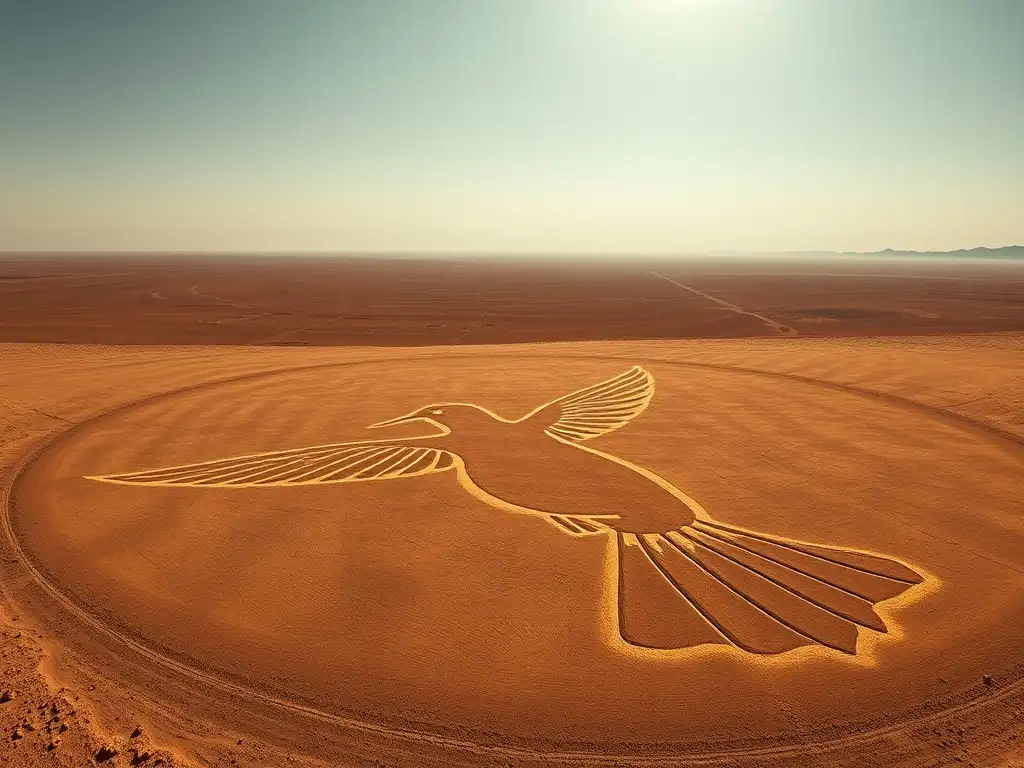
The Nazca Lines are undoubtedly the most famous manifestation of Nazca artistry, but they represent only one facet of a rich and diverse artistic tradition. Understanding the Nazca Lines' history and meaning requires appreciating the broader context of Nazca art, which encompassed pottery, textiles, and intricate metalwork alongside these monumental geoglyphs. The sophistication and variety of their artistic expressions reveal a complex society with deep spiritual beliefs and advanced technical skills.
The meticulous detail evident in all forms of Nazca art points to a highly organized society with specialized craftspeople and a strong cultural identity. This section focuses specifically on the diverse forms of Nazca art, providing insights into their creation and possible interpretations.
Geoglyphs: Animals, Plants, and Geometric Shapes
The Nazca geoglyphs, etched into the desert surface, are the most striking examples of Nazca art. These enormous figures, ranging from simple geometric shapes to complex representations of animals and plants, cover hundreds of square kilometers of the Peruvian desert. Their scale is breathtaking; some figures stretch for hundreds of meters. The lines themselves are remarkably precise, suggesting advanced surveying techniques and a sophisticated understanding of geometry.
The creation of these geoglyphs involved the removal of the dark desert varnish, revealing the lighter-colored earth beneath. This process, likely involving substantial labor, was undertaken with remarkable precision, hinting at a highly organized and collaborative society. The sheer number and diversity of the geoglyphs, including depictions of animals like the hummingbird and monkey, plants, and intricate geometric patterns, suggest a complex system of beliefs and symbolism. The history and meaning of these symbols remain a subject of ongoing research and debate, with interpretations ranging from astronomical calendars to ritual pathways.
Some researchers suggest the lines were used for pilgrimage routes or ceremonies, while others believe they served a more purely artistic or decorative purpose. The lack of definitive evidence, however, leaves room for continued speculation and investigation into the Nazca Lines' history and meaning. Further research is needed to fully understand the processes involved and their cultural significance.
The Hummingbird, Monkey, and Spider: Iconic Nazca Figures
Among the many geoglyphs, certain figures stand out due to their size, complexity, and recurring presence. The hummingbird, monkey, and spider are iconic examples. The hummingbird, a symbol of grace and speed in many cultures, is often depicted in flight, showcasing the Nazca artists' mastery of capturing movement. Its delicate details, such as the feathers and the extended beak, are visible even from a significant distance.
The monkey geoglyph, with its characteristic posture and facial features, displays a similar level of detail. The spider, a creature often associated with creation myths and weaving in various cultures, stands out for its eight legs, meticulously rendered in the desert floor. These iconic figures, along with others like the lizard and the condor, provide valuable clues to understanding the symbolism and religious beliefs of the Nazca culture.
The repetition of these motifs across different geoglyphs suggests their significance within the Nazca worldview. The careful execution and prominent placement of these figures further underscore their importance within the wider context of Nazca Lines history and meaning. Further analysis of these iconic figures, in conjunction with other artifacts and evidence, is crucial to deepening our understanding of the Nazca civilization.
Geometric Patterns and Straight Lines: Purpose and Interpretation
Beyond the zoomorphic and anthropomorphic figures, a significant portion of the Nazca geoglyphs consists of geometric patterns and long, straight lines. These elements, while less visually striking than the animal figures, are equally intriguing and crucial to understanding the Nazca Lines' history and meaning. The straight lines, some stretching for kilometers, often intersect, creating intricate grids across the landscape.
Their purpose remains largely unknown, but theories range from marking territorial boundaries to serving as astronomical alignments. The geometric patterns, including triangles, squares, and trapezoids, could represent abstract concepts or symbolic designs related to Nazca cosmology or religious beliefs. The precision with which these lines and patterns were created is remarkable, suggesting a deep understanding of geometry and surveying techniques far beyond what was previously assumed for the time period.
The combination of geometric shapes and straight lines with the more figurative geoglyphs indicates a complex and multifaceted system of representation. Further research, including advanced surveying and archaeological analysis, is needed to fully unravel the purpose and meaning behind these enigmatic elements, contributing to a more complete picture of Nazca Lines history and meaning. The interplay between these geometric forms and the animal figures is a key area for future research.
Theories Surrounding the Nazca Lines' Purpose
The Nazca Lines, etched into the Peruvian desert, remain one of archaeology's most enduring mysteries. Their sheer scale and enigmatic nature have fueled countless theories regarding their purpose, ranging from astronomical observatories to elaborate ritual pathways. While definitive answers remain elusive, several prominent hypotheses attempt to unravel the meaning behind these remarkable geoglyphs. Understanding the Nazca Lines' history and meaning requires considering multiple perspectives and weighing the evidence supporting each theory. The complexity of the lines suggests a multifaceted purpose, possibly encompassing religious, astronomical, and social functions.
Astronomical Alignments and Calendar Functions
One compelling theory posits that the Nazca Lines served as a giant astronomical calendar or observatory. Many lines and figures appear to be aligned with specific celestial events, such as solstices and equinoxes. This alignment isn't always precise, however, and some researchers argue the correlation is coincidental.
Detailed studies have focused on the possible astronomical significance of specific geoglyphs, like the hummingbird or the spider. These analyses often involve sophisticated software and astronomical modeling to determine potential alignments with the sun, moon, and stars at various times of the year. The precision needed to achieve these alignments, even if coincidental, would still reflect a sophisticated understanding of astronomy within the Nazca culture.
Further research is needed to definitively confirm or refute the astronomical calendar hypothesis, particularly regarding the accuracy of the alignments and the cultural significance of the chosen celestial events. The possibility that some lines served astronomical functions, while others had different purposes, remains a valid consideration.
Ritual Pathways and Ceremonial Significance
Another prominent theory suggests that the Nazca Lines functioned as ritual pathways or ceremonial routes. This hypothesis is supported by the presence of numerous smaller lines and paths connecting the larger geoglyphs. These smaller paths could have been used for processions, pilgrimages, or other ritualistic activities.
The geoglyphs themselves might have served as focal points for these ceremonies. Imagine the Nazca people walking along these pathways, perhaps during specific religious festivals, witnessing the monumental scale of the figures and experiencing a powerful sense of community and religious devotion. Anthropological studies of similar cultures in the Andean region reveal the importance of processions and pilgrimage in religious practices.
However, direct evidence linking the Nazca Lines specifically to such rituals remains limited. Further archaeological investigation, including the careful examination of any artifacts found along the paths, could potentially strengthen this theory. The layout and interconnectedness of the lines strongly suggest a degree of deliberate planning and organization, hinting at a significant ceremonial purpose.
Water Cults and Fertility Practices in the Nazca Region
The arid climate of the Nazca region necessitates a deep understanding of water management. This leads to another compelling theory linking the Nazca Lines to water cults and fertility practices. The Nazca people developed sophisticated irrigation systems to survive in the harsh desert. Perhaps the lines were connected to rituals aimed at ensuring abundant rainfall and successful harvests.
Some researchers suggest that certain geoglyphs represent deities associated with water or fertility. For example, the presence of figures resembling stylized plants or animals could symbolize life-giving forces. The intricate designs might reflect the complex relationship between the Nazca people and their environment, underscoring the importance of water for their survival and prosperity. This theory aligns with the observed significance of water sources and irrigation canals in the Nazca culture.
However, more research is needed to definitively link specific geoglyphs to water-related rituals or beliefs. Further investigation into the Nazca cosmology and religious practices could shed more light on this potentially crucial aspect of the Lines' meaning. The interplay between the environment and the religious beliefs of the Nazca people remains a fascinating avenue for further study.
Techniques and Construction of the Nazca Lines
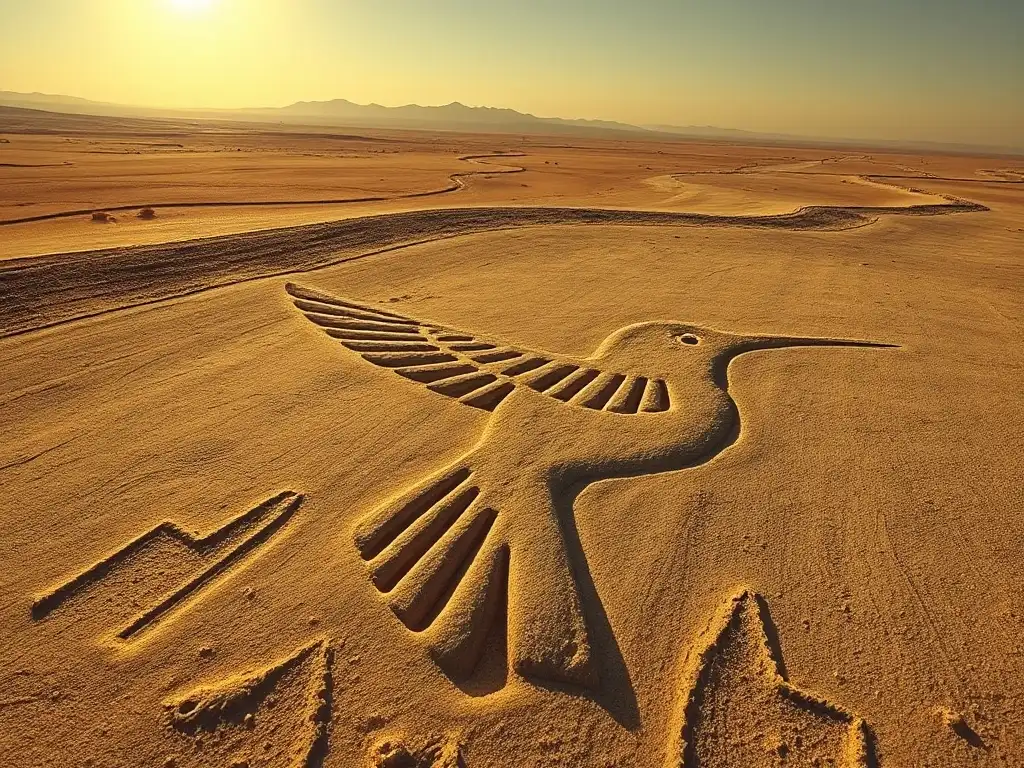
The creation of the Nazca Lines remains a testament to the ingenuity and precision of the Nazca culture. Understanding their construction reveals a fascinating blend of simple tools and sophisticated planning, a testament to their advanced understanding of surveying and engineering for its time. The enduring mystery surrounding their purpose is matched only by the impressive technical achievement of their creation. This section delves into the methods employed, the tools used, and the ongoing efforts to preserve this incredible legacy for future generations. Understanding the Nazca Lines history and meaning necessitates understanding how they were made.
How Were the Nazca Lines Made? Construction Methods
The Nazca Lines weren't etched into the earth like a carving. Instead, the Nazca people meticulously removed the dark reddish-brown pebbles and iron-oxide coated stones that covered the lighter-colored subsoil. This process, known as deflation, created the striking contrast that makes the geoglyphs visible from the air. Archaeological evidence suggests a multi-stage process:
- Planning and Layout: The immense scale of some lines suggests a sophisticated understanding of geometry and spatial planning. It's likely that they used a combination of methods, including simple surveying tools and perhaps even rudimentary sighting techniques, to accurately lay out the designs. [Specific surveying techniques used pending].
- Clearing the Surface: Teams of workers, likely organized in a coordinated fashion, systematically removed the surface stones, exposing the lighter-colored earth beneath. The depth of the removal varied depending on the line's width and the thickness of the surface layer. This was painstaking work, requiring significant manpower and coordination.
- Line Creation: The lines themselves were created by carefully removing the surface layer, creating a clear, continuous path. The precision and continuity of many lines are remarkable, especially considering the tools available to the Nazca.
- Maintaining the Lines: While the lines were created through removal of surface materials, it’s likely there was some ongoing maintenance to keep them clear of wind-blown debris and shifting sands. [Evidence of maintenance practices pending].
The scale and precision of the undertaking are truly awe-inspiring. The sheer amount of labor required underscores the significance of the lines within Nazca society.
The Use of Simple Tools and Precise Measurements
Despite the lack of sophisticated technology, the Nazca people achieved remarkable precision. Evidence suggests they primarily used simple tools:
- Wooden stakes: Possibly used for marking points and defining lines.
- Simple digging tools: Likely made from wood, bone, or stone, used to remove the surface stones.
- Ropes and measuring sticks: Used for accurate measurements and alignment.
The lines themselves demonstrate a surprising level of accuracy. Many lines are remarkably straight, extending for kilometers with minimal deviations. Some designs are incredibly intricate, suggesting a high level of skill and planning. The accuracy achieved with such basic tools highlights the advanced understanding of geometry and spatial relations within Nazca society. This precision is not merely aesthetic; it reflects a deep understanding of engineering principles and a commitment to meticulous craftsmanship. The Nazca Lines history and meaning are deeply intertwined with their remarkable construction.
Preserving the Lines: Challenges and Conservation Efforts
The Nazca Lines face numerous threats, including erosion from wind and water, damage from human activity, and the effects of climate change. Preserving these fragile geoglyphs requires a multifaceted approach:
- Erosion Control: Efforts are underway to stabilize the surrounding soil and reduce erosion through various techniques. [Specific erosion control methods pending].
- Restricted Access: Limiting access to certain areas helps to minimize damage caused by foot traffic and off-road vehicles.
- Environmental Monitoring: Careful monitoring of environmental conditions allows for early detection of potential problems and proactive interventions.
- Public Awareness: Educating the public about the importance of the lines and the threats they face is crucial for long-term preservation.
The ongoing conservation efforts are critical to ensuring that future generations can appreciate the beauty and mystery of the Nazca Lines. Protecting this unique cultural heritage requires a sustained and collaborative approach, balancing the needs of preservation with the desire to make these incredible works accessible to all. The long-term survival of these fascinating geoglyphs relies on continued dedication to their protection and understanding of their Nazca Lines history and meaning.
The Modern Significance of the Nazca Lines
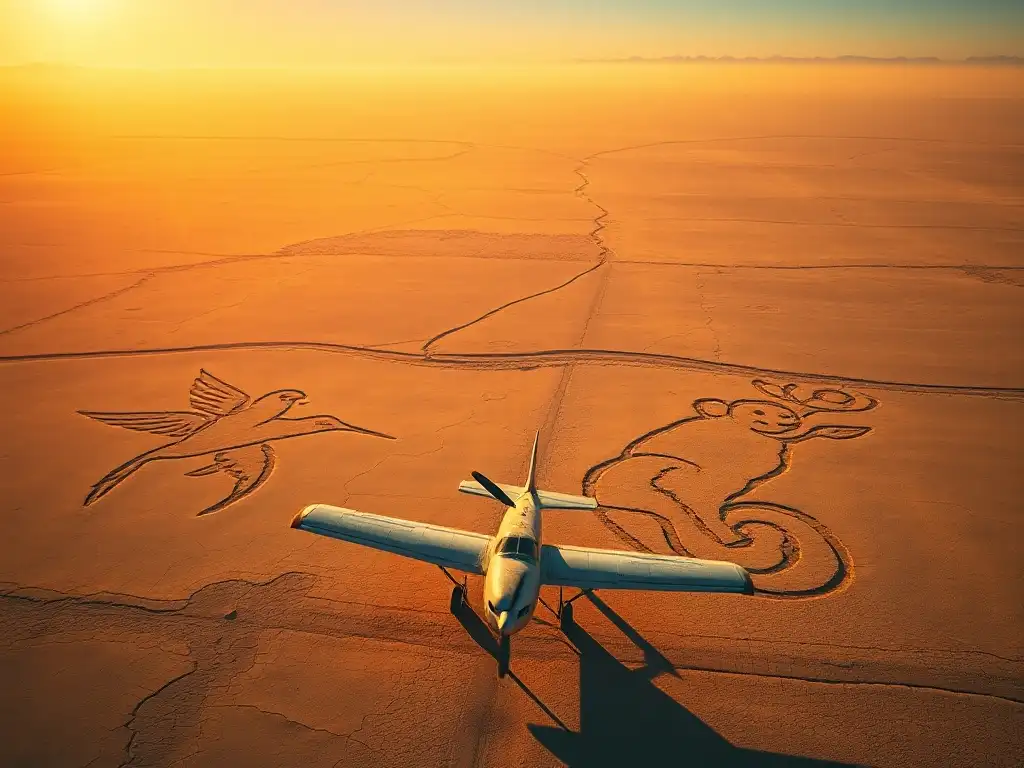
The Nazca Lines, far from being mere historical relics, continue to hold immense significance in the modern world. Their enduring mystery, coupled with their undeniable artistic and engineering prowess, fuels ongoing research, drives tourism, and serves as a powerful symbol of cultural heritage. Understanding their present-day impact allows us to appreciate not only their past but also their continuing relevance in shaping our understanding of ancient civilizations and the preservation of cultural treasures.
The lines' continued mystery contributes to their enduring fascination and underscores the need for both careful preservation and continued investigation. This section will delve into the multifaceted modern significance of the Nazca Lines, exploring their impact on tourism, scientific research, and cultural heritage preservation.
Tourism and the Nazca Lines: Impact and Management
The Nazca Lines are a major tourist attraction, drawing visitors from across the globe eager to witness these enigmatic geoglyphs firsthand. This tourism generates significant revenue for the region, supporting local communities and infrastructure development. However, this influx of visitors also presents challenges. Unsustainable tourism practices can lead to environmental degradation and damage to the fragile lines themselves. Careful management is crucial to balance economic benefits with the preservation of this invaluable cultural asset.
The number of annual visitors fluctuates, but reliable data suggests a substantial increase over the past two decades. This growth necessitates comprehensive strategies including:
- Controlled Access: Limiting the number of visitors allowed in specific areas to minimize foot traffic and erosion.
- Designated Viewing Points: Creating designated viewpoints to prevent unauthorized access and protect the lines from accidental damage.
- Educational Programs: Educating tourists about the importance of preserving the site and promoting responsible tourism practices.
- Sustainable Infrastructure: Developing eco-friendly infrastructure, such as transportation and visitor centers, to minimize environmental impact.
Effective management requires a collaborative effort between government agencies, local communities, and tourism operators to ensure the long-term preservation of the Nazca Lines for future generations. [Specific data on visitor numbers and economic impact pending]. The delicate balance between economic gain and environmental protection is a constant challenge.
Scientific Research and Ongoing Investigations
Despite decades of research, many questions surrounding the Nazca Lines remain unanswered. Ongoing scientific investigations employ various techniques, including aerial photography, satellite imagery, and ground-penetrating radar, to shed light on their creation, purpose, and meaning. These studies are crucial not only for understanding the Nazca culture but also for advancing our knowledge of ancient technologies and surveying practices.
Researchers continue to debate the purpose of the lines. While some believe they were primarily ceremonial or astronomical, others suggest they played a role in water management or served as communication pathways. The complexity of the designs and their sheer scale continue to inspire new hypotheses and fuel ongoing debate. Recent research has focused on:
- Geochemical Analysis: Studying the soil composition to understand the techniques used to create the lines.
- Astronomical Alignments: Investigating possible astronomical connections between the lines and celestial events.
- Advanced Imaging Techniques: Utilizing cutting-edge technology to reveal details previously obscured.
The ongoing research into the Nazca Lines exemplifies the enduring power of scientific inquiry to unlock the secrets of the past. New discoveries and technological advancements constantly refine our understanding of this remarkable ancient civilization.
The Nazca Lines as a Cultural Heritage Site
The Nazca Lines are recognized as a UNESCO World Heritage Site, underscoring their global importance as a unique and irreplaceable cultural monument. Their inscription on the World Heritage List acknowledges their outstanding universal value and emphasizes the need for their preservation for future generations. This designation provides a framework for international cooperation and support in protecting the site from threats such as looting, vandalism, and environmental degradation.
The lines' designation as a World Heritage Site has several implications:
- Increased International Awareness: The recognition elevates the profile of the Nazca Lines on a global scale, fostering greater awareness and support for their preservation.
- Enhanced Protection Measures: The designation brings increased scrutiny and funding to ensure the implementation of robust conservation strategies.
- International Collaboration: It promotes cooperation among nations and organizations in sharing knowledge and resources for the preservation of this invaluable cultural heritage.
The ongoing efforts to preserve the Nazca Lines highlight the importance of safeguarding cultural heritage for future generations. The lines stand as a testament to the ingenuity and artistry of the Nazca people, and their preservation is a responsibility shared by the global community. Their continued study and protection ensure that their story continues to resonate through time.
Understanding the Nazca Lines History and Meaning
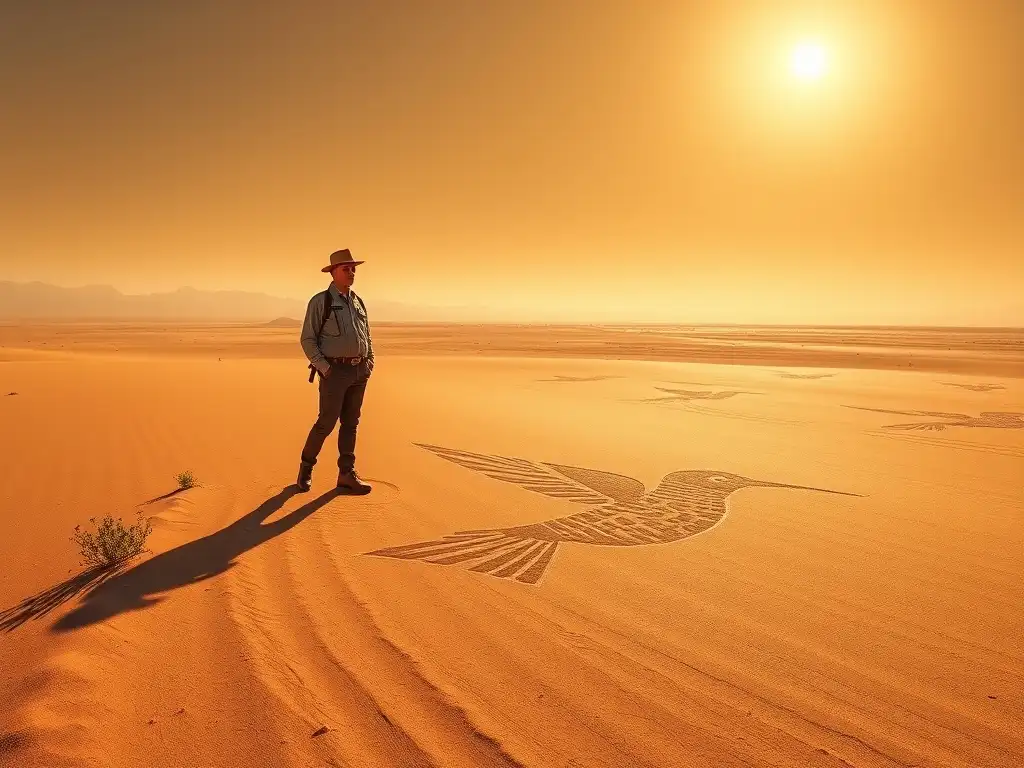
The Nazca Lines, a collection of geoglyphs etched into the Peruvian desert, represent one of the most enduring mysteries of ancient South America. Their creation, spanning centuries, remains a topic of intense scholarly debate, fueling ongoing research into their history and meaning. Understanding the Nazca Lines requires exploring not only the technical aspects of their construction but also the cultural and cosmological beliefs that motivated their creation.
The very act of creating these vast designs speaks volumes about the Nazca people's ingenuity, societal organization, and spiritual worldview. Their existence challenges our understanding of ancient Andean capabilities and offers a unique glimpse into a civilization that thrived in a seemingly inhospitable environment. This section delves into the historical context of their creation and explores the various interpretations of their purpose.
The complex interplay of these factors continues to fascinate researchers and enthusiasts alike, prompting ongoing investigations into the secrets held within these enigmatic desert markings. The enduring mystery surrounding their purpose ensures that the Nazca Lines remain a powerful symbol of the Nazca civilization's ingenuity and cultural significance.
Deciphering the Messages Encoded in the Geoglyphs
The Nazca Lines depict a diverse range of figures, including animals (hummingbirds, monkeys, spiders), plants, geometric shapes, and stylized humanoids. The sheer scale of these geoglyphs, some stretching hundreds of meters, is breathtaking. While their precise meaning remains elusive, several theories attempt to decipher the messages encoded within them.
One prominent theory proposes that the lines served as a form of astronomical calendar, aligning with specific celestial events. This hypothesis suggests that the Nazca people used the lines to track the movements of the sun, moon, and stars, aligning them with agricultural cycles and religious ceremonies. Evidence supporting this theory includes the alignment of certain lines with solstices and equinoxes. However, this theory doesn't fully explain the presence of the numerous animal and plant figures.
Another interpretation posits that the lines were part of ritualistic practices, possibly related to fertility rites or ancestor veneration. The intricate designs of the animals and plants could symbolize the abundance of life in the Nazca region, reflecting the importance of agriculture in their society. This theory suggests that the lines were not simply decorative but were integral to their religious and spiritual beliefs. Further research is needed to determine the precise nature of these rituals and their connection to the lines.
Finally, some researchers suggest a combination of astronomical, ritualistic, and possibly even territorial functions. The lines may have served multiple purposes, reflecting the multifaceted nature of Nazca culture and beliefs. The complexity of the designs and the diversity of the figures suggest a rich and nuanced understanding of the world. The interplay of these interpretations underscores the complexity of deciphering the true meaning of these enigmatic lines. Ongoing research continues to refine our understanding of these intricate designs, revealing new aspects of Nazca culture and beliefs. 🕵️♀️
The Nazca Lines: A Window into an Ancient Worldview
The creation of the Nazca Lines required immense organizational skills and a deep understanding of geometry and surveying. The Nazca people, using simple tools, meticulously cleared the dark reddish-brown surface stones to reveal the lighter subsoil, creating the contrasting lines. This process required significant labor and coordination, suggesting a highly structured society with a centralized authority capable of mobilizing large workforces. The precision and scale of the geoglyphs also point to a sophisticated understanding of mathematics and spatial relationships, far exceeding what was previously thought possible for a pre-Columbian civilization.
The diversity of the figures depicted in the lines provides valuable insights into the Nazca worldview. The inclusion of animals, plants, and geometric shapes suggests a close connection between the Nazca people and their environment. These designs may represent their understanding of the natural world, their spiritual beliefs, and their relationship with the cosmos. The presence of both realistic and abstract representations reflects a complex and dynamic spiritual system.
For example, the depiction of a hummingbird, a creature associated with the spirit world in many Andean cultures, may indicate a belief in the interconnectedness of the physical and spiritual realms. Analyzing the iconography of the lines provides a unique window into the cosmology and beliefs of this fascinating civilization. The artistry and precision displayed in these ancient works serve as a testament to their advanced knowledge and skills.
Continuing the Legacy of the Nazca Civilization
The Nazca Lines remain a powerful symbol of the Nazca civilization's ingenuity and cultural significance. Their enduring mystery continues to captivate researchers and visitors alike, inspiring ongoing research and exploration. Understanding the Nazca Lines contributes to a broader understanding of pre-Columbian Andean cultures and their remarkable achievements. The legacy of the Nazca civilization extends beyond the lines themselves, influencing subsequent cultures and leaving an indelible mark on Peruvian history and identity.
Preservation efforts are crucial to protect these fragile monuments for future generations, ensuring that their story continues to be told. The Nazca Lines stand as a timeless testament to human creativity and the enduring power of cultural expression, a legacy which continues to inspire awe and wonder. The ongoing study of these lines promises further revelations about the Nazca people and their place within the broader tapestry of Andean history.
The lines serve as a powerful reminder of the rich cultural heritage of Peru and the importance of preserving these invaluable historical sites. Their ongoing study enriches our understanding not only of the Nazca but also of the broader Andean civilizations. 🦙
The Nazca Lines, a vast collection of geoglyphs etched into the Peruvian desert, continue to captivate researchers and inspire awe. While significant progress has been made in understanding their creation and possible purposes, numerous questions remain unanswered, fueling ongoing research and promising exciting future discoveries. This section explores potential avenues for future investigation, focusing on reinterpretations of existing findings and advancements in research technology. The quest to unlock the complete history and meaning of the Nazca Lines is far from over; indeed, it's only just beginning to reveal its many layers of complexity.
Potential New Interpretations of the Nazca Lines
Current theories regarding the purpose of the Nazca Lines range from astronomical calendars to ritualistic pathways. However, new interpretations could emerge from several avenues. One promising area is a more nuanced analysis of the geoglyphs themselves. While many are animal figures, others are abstract or geometric, hinting at a more complex system of meaning than currently understood. Future research might involve:
- Advanced image processing: Utilizing sophisticated AI-powered image analysis to identify subtle details previously overlooked. This could reveal hidden patterns or connections between seemingly disparate geoglyphs.
- Cross-cultural comparisons: A more thorough comparison with similar geoglyphs from other cultures around the world could illuminate potential influences or shared symbolic languages. This comparative approach might reveal unexpected links to other ancient Andean cultures, or even to distant civilizations.
- Ethnoarchaeological investigations: Further research involving local communities and their oral traditions could provide invaluable insights into the possible cultural and religious significance of the lines. These traditions might hold clues not readily apparent from purely archaeological perspectives.
The Nazca Lines' history and meaning are intricately woven into the fabric of Nazca society. Uncovering new interpretations requires a multidisciplinary approach, integrating advanced technology with traditional research methods. This holistic perspective promises to unveil deeper layers of meaning within these enigmatic desert masterpieces.
Technological Advancements in the Study of Nazca Geoglyphs
Technological advancements are revolutionizing the way we study the Nazca Lines. High-resolution aerial photography, drone surveys, and ground-penetrating radar are providing unprecedented detail and insights into their construction and preservation. But the possibilities extend far beyond current capabilities. Future advancements could include:
- Hyperspectral imaging: This technology can reveal subtle variations in soil composition, potentially uncovering faint geoglyphs invisible to the naked eye or even to standard aerial photography. This could significantly expand the known extent of the Nazca Lines.
- LiDAR (Light Detection and Ranging): LiDAR scans can penetrate vegetation and other surface features, creating incredibly detailed 3D models of the landscape. This will allow researchers to study the lines in a completely new way, revealing their relationship to the surrounding terrain and potentially uncovering previously unknown features.
- Advanced chemical analysis: Analyzing the soil composition along the lines could provide insights into the methods used by the Nazca people to create them, and the materials they used. This could refine our understanding of the techniques involved in creating the geoglyphs, and provide more details on their construction.
The application of these technologies promises a deeper understanding of the Nazca Lines' history and meaning, potentially unveiling secrets hidden for centuries. The integration of these advanced tools with traditional archaeological methods will provide a more complete picture of this remarkable cultural achievement. The future of Nazca Lines research is bright, promising a wealth of new discoveries and a more complete understanding of this enigmatic legacy.
Frequently Asked Questions
What are the Nazca Lines?
The Nazca Lines are geoglyphs, enormous figures and lines etched into the desert surface of the Nazca plateau in southern Peru. They were created by the Nazca culture between 500 BC and 500 AD.
How were the Nazca Lines created?
The Nazca people removed the dark reddish pebbles from the desert surface, exposing the lighter subsoil to create the images. The scale and precision are astonishing, achieved without the aid of modern technology.
What do the Nazca Lines depict?
The lines depict a variety of images, including animals (hummingbirds, monkeys, lizards), plants, geometric shapes, and humanoid figures. Their exact meaning remains a mystery.
What is the most popular theory about the meaning of the Nazca Lines?
A leading theory suggests the lines were created for ceremonial or religious purposes, possibly related to water rituals or astronomical observations. Other theories involve marking pilgrimage routes or territorial boundaries.
Why are the Nazca Lines so well-preserved?
The arid climate of the Nazca desert, with its minimal rainfall and wind erosion, has helped preserve the lines remarkably well. This dry environment has protected them from the elements for centuries.
Final Reflection: Unraveling the Enigma of the Nazca Lines
The enduring mystery of the Nazca Lines continues to captivate us today, a testament to the ingenuity and spiritual depth of a civilization lost to time. Their sheer scale and enigmatic nature spark endless debate, reminding us of the vast unknowns that still exist in our world and the power of human creativity to leave an indelible mark on the landscape. We are left pondering not only what they are, but why they were created, and what they reveal about the human spirit's enduring quest for meaning.
The Nazca Lines' impact extends far beyond the Peruvian desert; they represent a powerful symbol of cultural preservation and the importance of understanding our past. Their continued existence, despite the ravages of time and the encroachment of modernity, speaks volumes about the need to protect and cherish our shared heritage. The past is never dead. It's not even past.
– William Faulkner. This quote resonates deeply, as the Nazca Lines serve as a tangible link to a civilization that, while gone, continues to speak to us across millennia. Their enduring presence challenges us to consider our own legacy and the marks we leave on the world.
Consider the Nazca Lines the next time you feel insignificant or overwhelmed. Reflect on the dedication and vision it took to create these colossal works of art, a testament to human perseverance and the power of belief. Let their enduring mystery inspire you to pursue your own passions with unwavering commitment, leaving your own unique mark on the world, however small it may seem. Embrace the unknown, explore the questions that remain unanswered, and strive to understand the rich tapestry of human history and its enduring impact on our present.
Unleash Your Curiosity and Explore the Nazca Lines!
Thank you for exploring the fascinating artistry of the Nazca Lines with us! You've discovered the incredible history and culture behind these enigmatic geoglyphs. Now, let's delve even deeper into one of the world's most intriguing mysteries.
Here are some ways to further explore and share this wonder:
- Plan a trip to see the Nazca Lines! A flight offering a bird's-eye view is highly recommended.
- Learn more about their history by reading books and watching documentaries about the Nazca civilization and ancient Andean cultures. Expanding your knowledge will deepen your appreciation.
- Share your fascination! Post about the Nazca Lines on social media, or join online discussions to share your insights and inspire others to learn about this breathtaking desert art.
What aspect of the Nazca Lines do you find most intriguing, and how do you think they impacted ancient Andean society?