
Nazca Sustainability: Lessons from Ancient Agricultural Practices

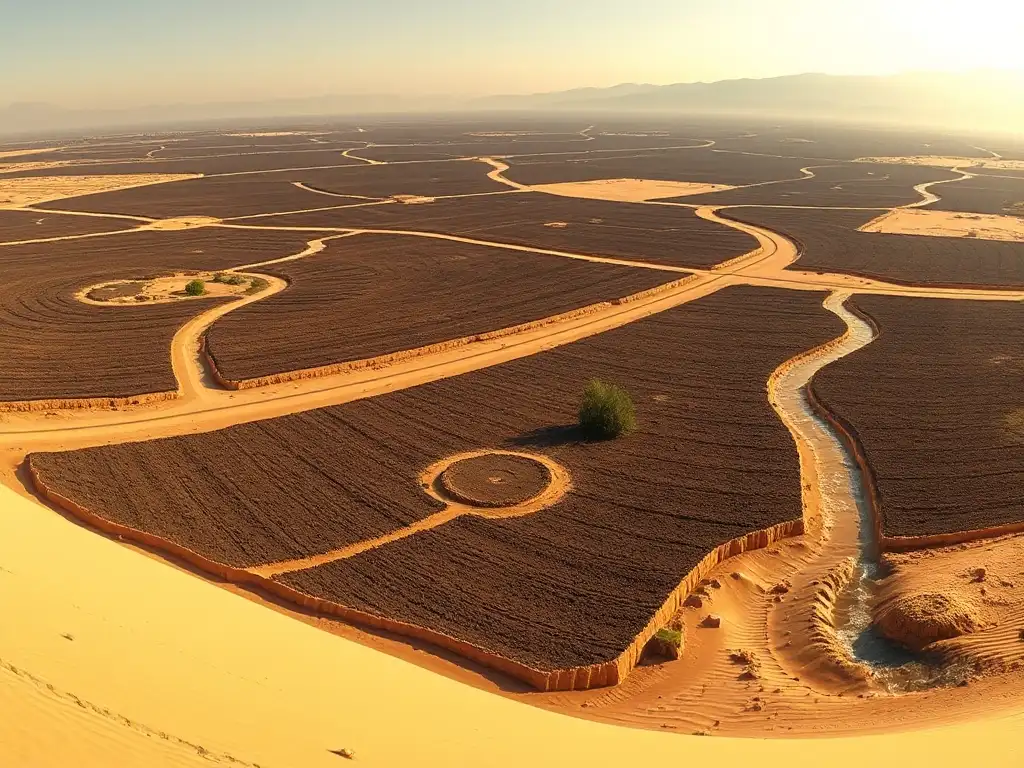
Step into a world lost to time, yet echoing with ingenuity. Imagine a civilization thriving in one of the world's most challenging environments. The Andean highlands hold secrets whispered across millennia, and within them lies the key to understanding the remarkable Nazca agricultural techniques that sustained a flourishing society. Uncover the sustainable practices of the Nazca and discover how they not only survived but thrived against the odds. Prepare to be amazed.
The Nazca civilization, flourishing along the southern coast of Peru between 100 BCE and 800 CE, is renowned for its iconic geoglyphs. However, beyond the enigmatic lines etched into the desert, lies a remarkable story of ingenuity and sustainability in agriculture.
This article delves into the sophisticated agricultural techniques employed by the Nazca, exploring their innovative solutions to the challenges of a harsh desert environment and examining the lessons these ancient practices hold for modern sustainable agriculture. We will uncover how their understanding of water management, soil conservation, and crop diversification allowed them to thrive in one of the world's most arid regions, offering valuable insights for tackling contemporary issues of food security and environmental preservation.
Understanding Nazca agricultural techniques provides a powerful case study in resilient and eco-conscious farming practices, demonstrating the importance of adapting to environmental limitations and working with nature, rather than against it. The ingenuity of the Nazca people in the face of adversity presents a compelling narrative of human resilience and a potential blueprint for a more sustainable future.
Introduction to Nazca Agriculture and its Relevance
The Nazca people faced a formidable challenge: cultivating crops in a hyper-arid desert environment with limited rainfall. Their success wasn't due to luck, but rather to a sophisticated understanding of hydrology and a mastery of ingenious agricultural techniques. These techniques, honed over centuries, allowed them to transform a seemingly barren landscape into a productive agricultural region capable of supporting a substantial population. The relevance of studying Nazca agricultural practices extends far beyond historical curiosity.
In an era marked by climate change, increasing desertification, and growing concerns about food security, their innovative solutions offer valuable lessons for contemporary agriculture. By examining their strategies for water management, soil conservation, and crop diversification, we can gain crucial insights into developing more sustainable and resilient agricultural systems capable of withstanding the pressures of a changing world. The Nazca legacy serves as a powerful reminder of the importance of adapting to environmental limitations and finding innovative ways to work in harmony with nature.
Their achievements highlight the potential for human ingenuity to overcome seemingly insurmountable obstacles and create sustainable solutions for food production. Understanding their methods can inspire the development of new, environmentally friendly agricultural practices that ensure food security for future generations. The study of Nazca agricultural techniques is therefore not merely an academic pursuit; it is a vital resource for addressing the pressing challenges of modern agriculture and promoting sustainable development.
- What innovative agricultural techniques did the Nazca civilization employ?
- How did the Nazca's agricultural practices contribute to their sustainability?
- What role did the Nazca lines play in their agriculture?
- How did the Nazca adapt their agriculture to the challenging desert environment?
- What can modern agriculture learn from the Nazca's sustainable methods?
Understanding Nazca Agricultural Techniques
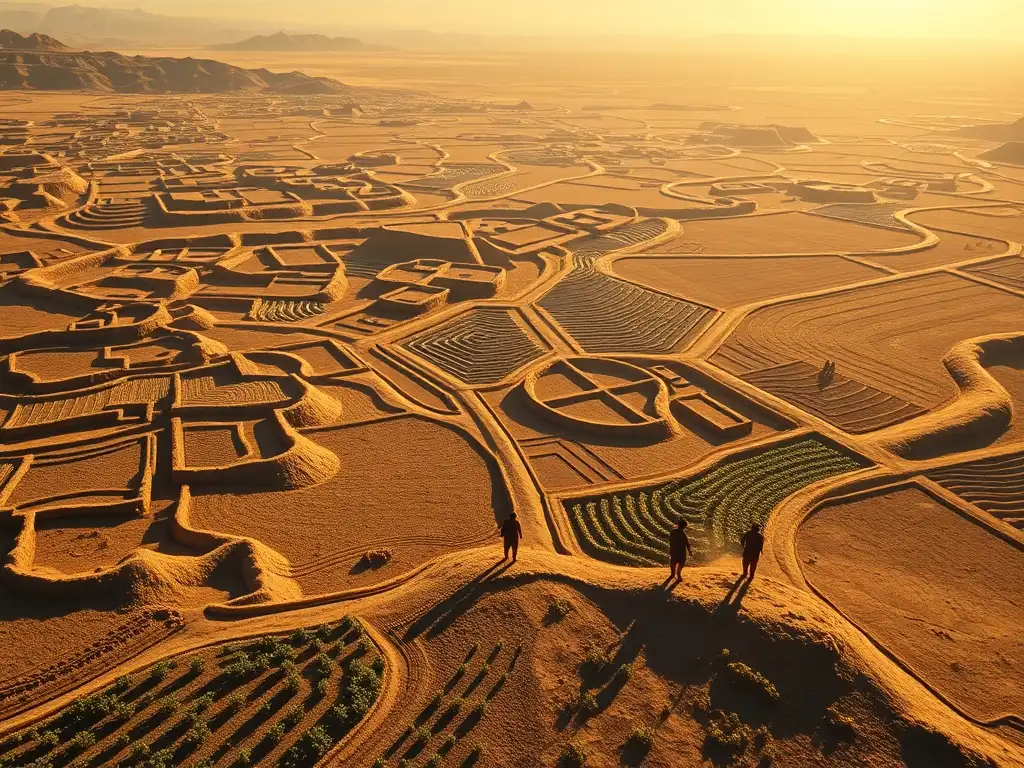
The Nazca civilization, renowned for its enigmatic geoglyphs, achieved remarkable feats in agriculture, thriving in one of the most arid regions on Earth. Their success hinged on sophisticated techniques that maximized scarce water resources and arable land. Understanding these "Nazca agricultural techniques" provides valuable insights into their ingenuity and offers potential lessons for sustainable agriculture today. The harsh desert environment forced the Nazca to develop innovative solutions, demonstrating a deep understanding of their ecosystem and a remarkable ability to adapt to its challenges. This section explores key aspects of their agricultural prowess.
The Ingenious System of Aqueducts: Puquios
The Nazca's most impressive achievement in water management was their network of subterranean aqueducts known as puquios. These weren't simply canals; they were intricately designed systems that tapped into underground water sources, channeling water to fields through a series of shafts and tunnels. The construction of puquios required advanced engineering knowledge and considerable labor. Archaeological evidence suggests the use of stone tools and techniques to excavate the tunnels, often extending for kilometers. The shafts were strategically placed to intercept underground water flows, utilizing the natural gradient of the terrain.
The ingenuity of the puquios lies not only in their construction but also in their sustainability. By drawing water from underground sources, the Nazca minimized evaporation losses compared to surface canals. This system allowed for year-round irrigation, ensuring a stable food supply even during periods of drought. The puquios also played a crucial role in preventing soil erosion and salinity, further enhancing the long-term sustainability of their agricultural practices.
The precise locations of puquios and their maintenance demonstrate sophisticated planning and community organization. These weren't haphazardly built structures; they were integral parts of a carefully managed water resource system. The remarkable longevity of some puquios, with evidence suggesting use over centuries, underscores their effectiveness and durability.
Water Management in the Nazca Desert
Beyond the puquios, the Nazca employed several other water management strategies to cope with the harsh desert conditions. These strategies were often integrated and worked together to create a resilient agricultural system. For example, they utilized canales, or surface canals, to supplement the water supplied by the puquios, especially in areas where underground water was less readily available. These canals were often built along natural contours, minimizing the need for extensive earthworks. They also employed techniques to reduce evaporation, such as lining canals with clay or stones.
Furthermore, the Nazca understood the importance of water conservation. They developed sophisticated methods to measure and distribute water equitably among farmers. Evidence suggests the existence of communal water management systems, with rules and regulations to ensure fair access and prevent conflicts.
This collaborative approach was essential for the success of their agricultural practices, highlighting the importance of social organization in achieving sustainability. Detailed studies of the Nazca's water management systems reveal a deep understanding of hydrology and a remarkable capacity for collective action. They were able to adapt their strategies to changing environmental conditions, making their agricultural practices remarkably resilient.
The effective water management strategies employed by the Nazca civilization were crucial for their survival and prosperity in the desert environment. The combination of puquios, surface canals, and community-based water distribution systems demonstrates a sophisticated understanding of water resource management that remains relevant today. This holistic approach to water management provides valuable lessons for modern arid-land agriculture.
Terrace Farming: Maximizing Arable Land
The limited arable land in the Nazca desert necessitated innovative land-use strategies. Terrace farming was a crucial technique employed to maximize the available space and improve water retention. By carving out level platforms on hillsides, the Nazca increased the area suitable for cultivation, creating a series of smaller, manageable plots. This method had several advantages: it reduced soil erosion, improved water infiltration, and allowed for more efficient irrigation.
The construction of terraces was a labor-intensive process, requiring careful planning and precise execution. The terraces were often supported by retaining walls made of stone or adobe, demonstrating advanced construction techniques. The size and shape of the terraces varied depending on the topography and soil conditions.
Archaeological studies have revealed a variety of terrace designs, indicating adaptation to local conditions. In some cases, terraces were integrated with other water management systems, such as canals and puquios, to create a highly efficient agricultural system. The meticulous construction of these terraces and their integration into the overall agricultural landscape underscore the Nazca’s dedication to sustainable land management.
The terraces not only increased arable land but also improved the overall productivity of the agricultural system. The effective use of terraces by the Nazca shows a sophisticated understanding of land management that is still relevant today. These techniques allowed them to cultivate crops successfully in a challenging environment, contributing to the overall sustainability of their civilization.
Soil Fertility and Enhancement Methods
The Nazca, inhabiting a seemingly arid coastal plain, developed ingenious methods to enhance soil fertility, crucial for their survival and the flourishing of their civilization. Their agricultural success wasn't simply a matter of luck; it was a testament to their profound understanding of their environment and their ability to adapt and innovate. They didn't rely solely on rainfall, which was scarce and unpredictable. Instead, they harnessed available resources and developed sophisticated techniques to maximize their limited water supply and improve soil quality.
One key strategy involved the careful management of guano, the excrement of seabirds. Guano, rich in nitrates and phosphates, acted as a potent natural fertilizer. The Nazca meticulously collected guano from offshore islands, transporting it inland to their fields. This process, requiring considerable organization and labor, highlights the importance they placed on soil enrichment.
The precise methods of transportation remain a topic of ongoing research, but evidence suggests the use of both human porters and possibly animal transport, depending on the distance and quantity. This meticulous process is a clear example of the Nazca's commitment to sustainable agricultural practices. The rich nutrient content of guano allowed for higher crop yields, supporting a larger population.
Another crucial aspect of their soil fertility management was the development of sophisticated irrigation systems. These weren't simply canals; they were complex networks designed to distribute water efficiently to different areas, taking into account the varying needs of different crops and soil types. By carefully controlling the flow of water, the Nazca could prevent soil erosion and maintain optimal moisture levels.
This careful management of water resources was essential not only for irrigation but also for preventing soil degradation. The Nazca's understanding of water management was far ahead of its time, demonstrating an impressive grasp of hydrological principles. The remnants of these ancient irrigation systems, visible even today, stand as a testament to their engineering prowess and sustainable approach to agriculture.
Furthermore, the Nazca likely employed techniques of crop rotation and fallow periods to maintain soil health. While direct evidence is limited, archaeological findings suggest diversified cropping patterns, indicating a possible practice of alternating different crops to prevent nutrient depletion. Leaving fields fallow for periods allowed the soil to recover its natural fertility, reducing the need for constant fertilization.
This practice, common in many sustainable agricultural systems, likely played a significant role in the long-term productivity of Nazca agriculture. Further research into pollen samples and soil analysis could provide more concrete evidence of these practices. The potential incorporation of cover crops to improve soil structure and fertility is also an area of ongoing research.
Nazca Farming Practices: Crops and Cultivation
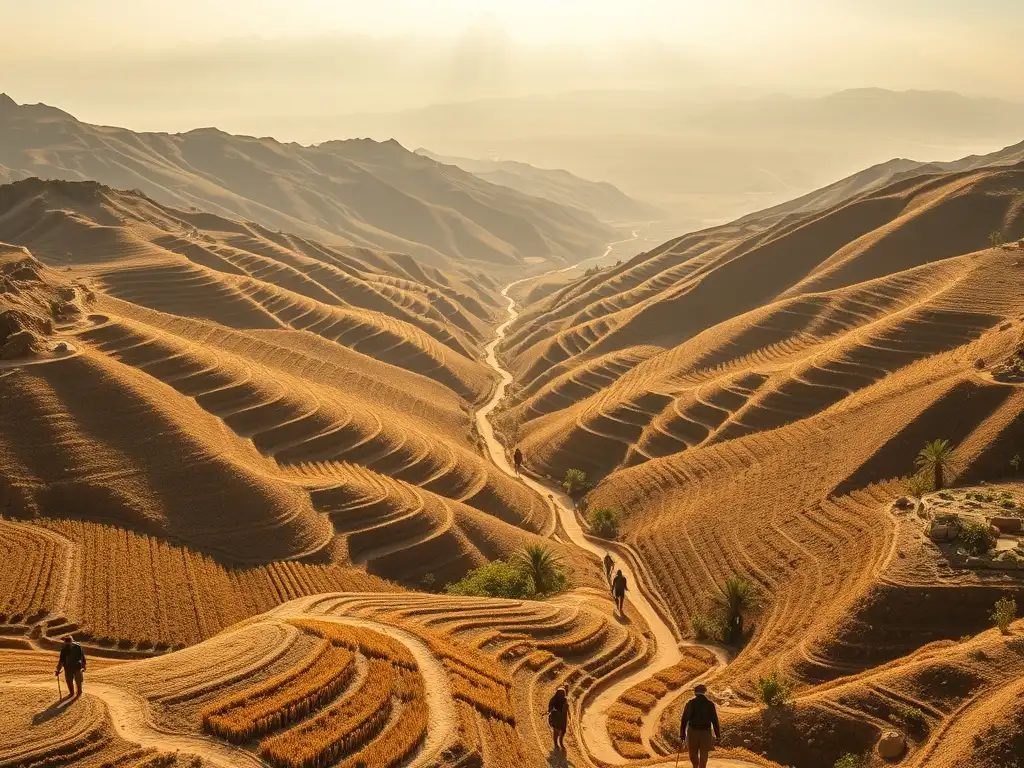
The Nazca's remarkable achievements in agriculture stemmed from their deep understanding of their environment and their innovative adaptation to its challenges. Their success wasn't merely about survival; it fueled the development of a complex society capable of creating iconic geoglyphs and sophisticated pottery. Understanding their farming practices reveals a sophisticated approach to resource management and sustainable agriculture that continues to fascinate researchers today. This section will explore the crops they cultivated and the techniques they employed to thrive in one of the world's most arid regions.
Staple Crops of the Nazca Culture
The Nazca diet, like that of many ancient Andean cultures, relied heavily on a few staple crops, skillfully chosen for their adaptability to the harsh desert conditions. These crops formed the foundation of their food security and societal structure. Archaeological evidence consistently points to the following as key components of their agricultural system:
- Cotton ( Gossypium barbadense): Not only a crucial source of fiber for textiles, but also a valuable crop for its seeds, used for oil and food. The Nazca developed sophisticated techniques for cotton cultivation, as evidenced by the high quality of their textiles and the widespread presence of cotton remains in archaeological sites.
- Maize ( Zea mays): While challenging to grow in the desert, maize was a vital part of the Nazca diet. Their ability to cultivate this crop successfully demonstrates their advanced understanding of irrigation and soil management, considering its water requirements.
- Beans ( Phaseolus spp.): Various bean species, including lima beans and others, supplemented the Nazca diet, providing essential protein and nutrients. These legumes likely played a significant role in soil fertility through nitrogen fixation, further enhancing their sustainable farming practices.
- Squash ( Cucurbita spp.): Different varieties of squash, adapted to the arid climate, contributed to a diverse and nutritious diet. These provided carbohydrates and vitamins, adding to the overall nutritional balance of their food system.
- Peppers ( Capsicum spp.): These provided flavor and also played a role in preserving food and possibly in medicinal practices. The presence of pepper seeds in various archaeological contexts highlights their importance.
Cultivation Techniques for Desert Environments
The Nazca weren't simply lucky in their crop selection; they developed ingenious techniques to maximize their yields in the challenging desert environment. Their mastery of water management is particularly striking. Key techniques included:
- Extensive Irrigation Systems: The Nazca constructed elaborate canal networks, diverting water from rivers and streams to irrigate their fields. These canals, often built on terraced slopes, demonstrate a sophisticated understanding of hydrology and engineering. The precision and scale of these systems are a testament to their organized society and collaborative efforts.
- Terracing: Terracing was crucial for creating level planting surfaces on sloping land, improving water retention and reducing soil erosion. This technique effectively maximized the usable land for cultivation, even on steep hillsides.
- Waru Waru: This unique raised-field agricultural system involved creating raised beds separated by canals. This method improved drainage, increased soil fertility, and moderated temperature fluctuations, creating a more favorable environment for crop growth. Waru Waru demonstrates a deep understanding of microclimates and soil management.
- Guano Fertilizer: The Nazca utilized guano, the excrement of seabirds, as a natural fertilizer, enriching the soil with essential nutrients. Access to guano resources and their knowledge of its fertilizing properties significantly boosted crop yields.
Adapting to the Arid Climate: Nazca Ingenuity
The Nazca's agricultural success wasn't just about water management; it was a holistic approach encompassing diverse strategies to confront the challenges of the desert. Their ingenuity in adapting to the arid climate is reflected in:
- Selection of Drought-Resistant Crops: The careful selection of crops tolerant to low rainfall and arid conditions was fundamental to their survival. This demonstrates a keen understanding of botany and the environmental needs of different plants.
- Soil Conservation: The Nazca employed techniques to minimize soil erosion and maintain soil fertility. Terracing and other soil management practices were vital for long-term agricultural sustainability in their fragile ecosystem.
- Microclimate Manipulation: The raised fields of the Waru Waru system not only improved drainage but also moderated temperature fluctuations, creating a more stable microclimate for optimal crop growth. This shows a sophisticated understanding of environmental factors.
- Community Organization: The construction and maintenance of large-scale irrigation systems required significant collective effort, highlighting the importance of social organization and cooperation in their agricultural practices. This communal approach was crucial for the success of their sustainable farming methods. The Nazca's agricultural techniques, therefore, represent a remarkable example of human ingenuity and adaptation to a challenging environment, offering valuable lessons in sustainable agriculture even today. Their legacy continues to inspire research and innovative approaches to farming in arid regions.
The Sustainability of Nazca Agricultural Methods
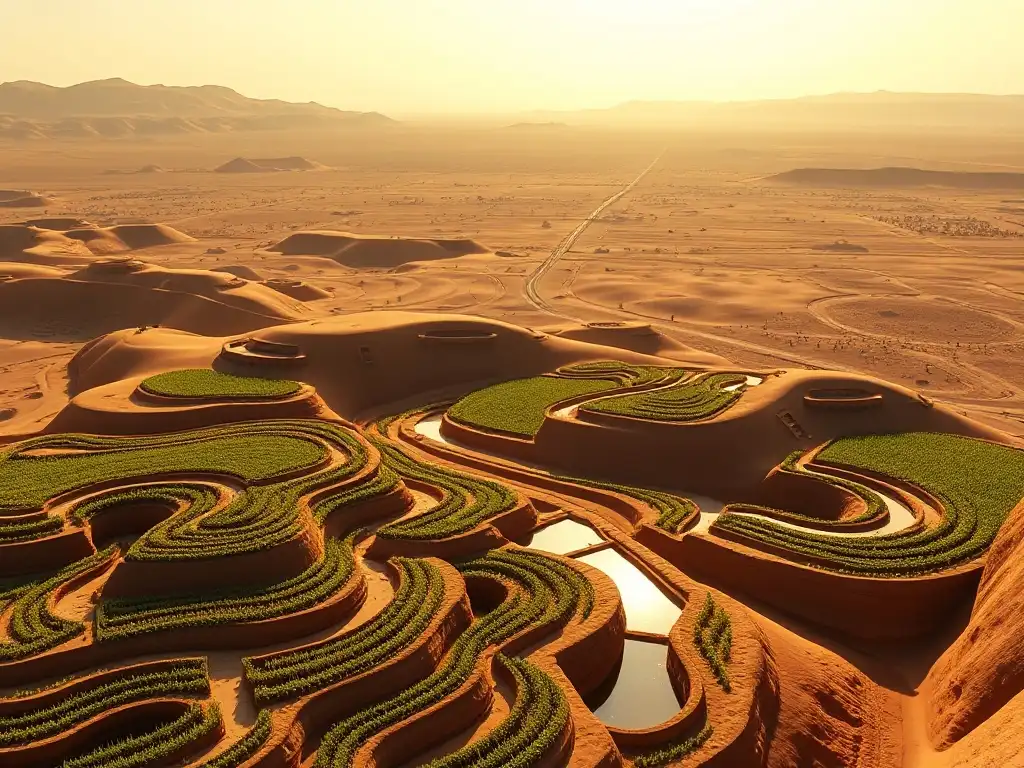
The Nazca civilization, renowned for its enigmatic lines etched into the desert, also possessed remarkably sophisticated agricultural techniques that allowed them to thrive in one of the most arid regions of the world. Understanding their methods reveals a surprising level of sustainability, offering valuable lessons for modern agricultural practices, particularly in arid and semi-arid environments. The ingenuity of their systems highlights the close relationship between the Nazca people and their environment, a relationship built on careful observation, resource management, and a deep understanding of their ecosystem.
This section will explore the key elements that contributed to the long-term viability of Nazca farming, their resource management strategies, and the overall environmental impact of their agricultural practices. Analyzing "Nazca agricultural techniques" reveals a mastery of water management and soil conservation unparalleled for its time.
Long-Term Viability of Nazca Farming
The success of Nazca agriculture hinged on its long-term viability. Unlike many civilizations that depleted resources through unsustainable practices, the Nazca developed methods that allowed them to cultivate crops for centuries. This wasn't merely luck; it was a result of meticulous planning and adaptation. Evidence suggests they employed a variety of techniques to ensure the continued productivity of their land.
For example, their understanding of water flow and infiltration allowed them to create intricate canal systems that maximized water retention and minimized evaporation. These systems, often built along the slopes of hills and mountains, channeled water from infrequent rainfall and infrequent river flows to their fields, effectively irrigating even the most challenging terrains. Furthermore, their crop rotation techniques helped to maintain soil fertility and prevent the depletion of essential nutrients.
Specific crop combinations and fallow periods were likely used, though precise details remain to be uncovered by further archaeological research. This long-term perspective, prioritizing sustainable practices over short-term gains, is a crucial aspect of understanding the remarkable longevity of Nazca agricultural systems. The ability to maintain crop yields over extended periods demonstrates a deep understanding of ecological principles and a commitment to responsible resource management.
Resource Management and Conservation Strategies
The Nazca civilization’s success stemmed from its impressive resource management strategies. Water, the most precious resource in the arid coastal region, was meticulously conserved and efficiently utilized. Their sophisticated canal systems, some stretching for kilometers, were not just conduits for water; they were marvels of engineering designed to minimize water loss through evaporation. The use of carefully graded channels and strategically placed reservoirs allowed for controlled water distribution and maximized irrigation efficiency.
Moreover, their agricultural practices focused on conserving soil. Terracing on hillsides prevented erosion and improved water retention. The precise techniques used in terracing varied depending on the terrain and the type of crop being cultivated.
Archaeological evidence suggests that they also employed techniques such as composting and the use of organic fertilizers to enhance soil fertility. This holistic approach to resource management ensured that the Nazca’s agricultural systems remained productive over generations, a testament to their understanding of ecological balance. The careful management of water and soil, alongside the selection of drought-resistant crops, demonstrates a remarkable level of environmental awareness.
The Impact of Nazca Agriculture on the Environment
While the Nazca agricultural techniques were remarkably sustainable, their impact on the environment wasn't entirely benign. The construction of extensive canal systems inevitably altered the natural landscape. While these alterations were generally managed to enhance agricultural productivity, they could have had localized effects on the natural water table and drainage patterns. However, compared to later, more intensive agricultural practices in the region, the Nazca's impact appears relatively minimal.
The emphasis on water conservation and soil protection suggests that they actively sought to minimize their environmental footprint. The lack of widespread deforestation or soil degradation strongly suggests that their agricultural practices were relatively sustainable in the long term. Further research is needed to fully assess the long-term environmental consequences of Nazca agriculture.
However, preliminary studies suggest a relatively low overall impact compared to other ancient civilizations that relied heavily on unsustainable practices. The overall picture suggests a nuanced relationship between the Nazca and their environment, one of adaptation and careful management rather than exploitation. The enduring legacy of Nazca agriculture lies not only in its productivity but also in its relative ecological sensitivity, a valuable lesson for contemporary sustainable agriculture.
Lessons from the Past: Modern Applications of Nazca Techniques
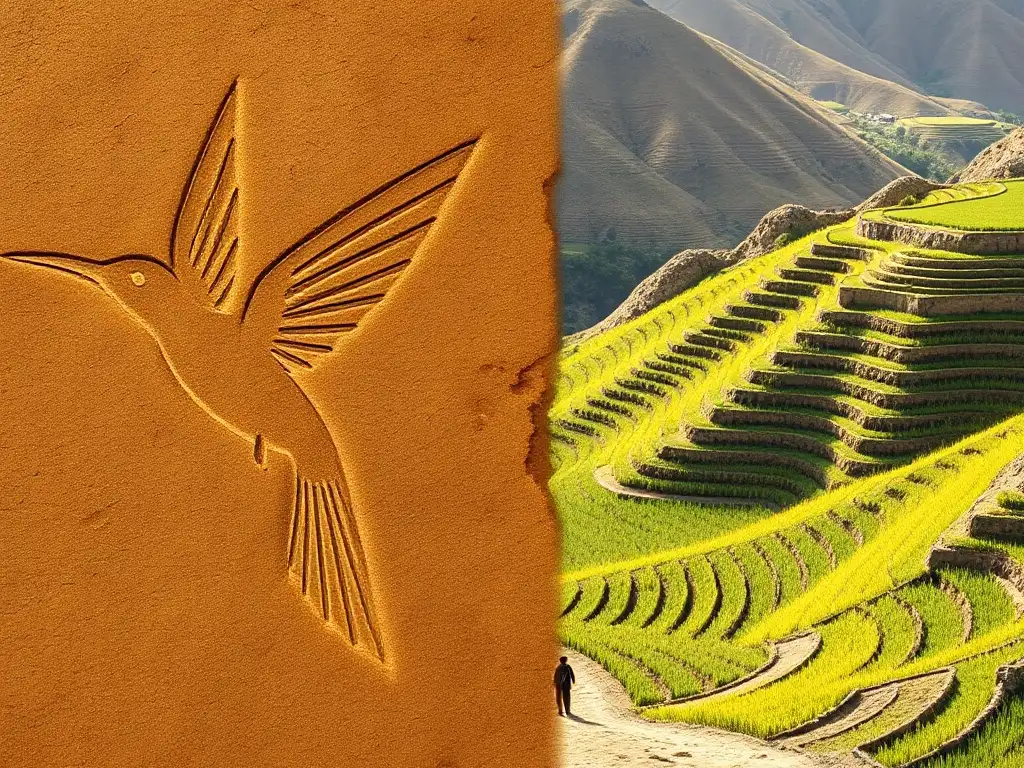
The Nazca civilization, renowned for its enigmatic lines etched into the desert landscape, also possessed sophisticated agricultural techniques that allowed them to thrive in one of the world's most arid environments. Understanding these ancient practices offers valuable insights for modern agriculture, particularly in regions facing water scarcity and land degradation. Analyzing their successes and failures provides a rich case study for sustainable agricultural development. The ingenuity of Nazca farmers in optimizing resource use, minimizing environmental impact, and maximizing crop yields remains strikingly relevant today.
This section explores the applicability of their methods to contemporary agricultural challenges, highlighting their potential to contribute to global food security and environmental sustainability. We'll examine specific examples of how their techniques can be adapted and improved upon for the benefit of modern farming practices. Keywords like Nazca irrigation, Nazca farming methods, and ancient Andean agriculture are crucial in understanding this rich legacy.
Relevance of Ancient Practices in Today's Agriculture
The challenges faced by modern agriculture – climate change, water scarcity, soil erosion, and the need for sustainable food production – echo those faced by the Nazca. Their solutions, though developed centuries ago, offer surprisingly effective strategies. For instance, the Nazca's intricate network of canals and aqueducts, designed to capture and distribute scarce water resources, provides a blueprint for efficient irrigation systems in arid and semi-arid regions.
Their understanding of microclimates and soil types allowed them to optimize crop placement, maximizing yields with minimal resource consumption. This contrasts sharply with many modern, large-scale agricultural practices that often lead to environmental degradation and resource depletion. The Nazca's emphasis on biodiversity and crop rotation also offers a valuable lesson in sustainable land management.
By studying their techniques, we can develop more resilient and environmentally friendly agricultural practices, mitigating the negative impacts of modern farming while improving productivity. Modern agricultural practices can learn from the Nazca's emphasis on careful observation of natural cycles and the development of regionally-specific techniques.
Sustainable Solutions from Nazca Innovations
Nazca agricultural innovations weren't merely reactive; they were proactive and ingenious. Their success wasn't solely dependent on water management; it was a multifaceted approach. They employed techniques such as terracing to reduce soil erosion on slopes, creating level platforms for cultivation.
This prevented valuable topsoil from being washed away by infrequent but intense rainfall. Furthermore, they utilized raised fields, creating artificial islands of fertile soil in marshy areas, improving drainage and increasing arable land. This approach, along with their sophisticated understanding of water management, allowed them to cultivate a diverse range of crops, ensuring food security even in the face of environmental variability.
Their success highlights the importance of integrated approaches to sustainable agriculture, combining water management with soil conservation and crop diversification. Analyzing the specific design and construction methods of Nazca raised fields can inform the creation of similar structures in modern contexts, offering sustainable solutions for land reclamation and increased agricultural production. The Nazca raised field design, in particular, is a prime example of ingenious sustainable agriculture.
Applying Nazca Water Management in Arid Regions
The Nazca’s mastery of water management is perhaps their most significant contribution to sustainable agriculture. Their sophisticated system of canals, aqueducts, and reservoirs allowed them to efficiently capture and distribute limited water resources. This involved a deep understanding of hydrology and the ability to adapt their techniques to varying terrain and soil conditions. The construction of these systems required significant labor and engineering skill, demonstrating the importance they placed on water security.
Modern arid and semi-arid regions facing water stress can learn valuable lessons from their approach. For example, the principles of water harvesting and efficient irrigation employed by the Nazca can be applied to modern systems, reducing water waste and improving crop yields. Furthermore, the Nazca's understanding of groundwater sources and their ability to tap into these resources provides valuable insights for modern groundwater management.
Understanding and replicating aspects of their Nazca irrigation systems can be instrumental in addressing current water scarcity issues. The integration of traditional knowledge with modern technology could lead to innovative and sustainable solutions for water management in arid regions worldwide. This includes exploring techniques such as subsurface drip irrigation, inspired by the Nazca's efficient water distribution methods.
Modern Applications in Peru and Chile
Peru and Chile, geographically close to the Nazca lines and sharing similar arid climates, have seen significant efforts to adapt and apply ancient Nazca agricultural techniques to contemporary challenges. The resurgence of interest in these methods is driven by the increasing need for sustainable agriculture in the face of climate change and growing populations. Researchers and farmers are actively exploring and implementing these techniques, focusing on water management and soil conservation.
One key area of modern application is the revival of canales (canals) and acueductos (aqueducts) for water distribution. While the original Nazca systems were impressive feats of engineering, adapting them to modern contexts requires careful consideration of materials, scale, and maintenance. Modern materials, such as reinforced concrete or durable plastics, are often used in conjunction with traditional techniques to ensure longevity and efficiency.
This blend of old and new is crucial for maintaining the sustainability and practicality of the water management systems. For instance, in certain regions of southern Peru, communities are using updated versions of Nazca canal systems to irrigate fields, demonstrating a successful integration of ancient wisdom and modern technology. These projects often involve community participation, ensuring that the knowledge and skills are passed down through generations.
Furthermore, the Nazca's sophisticated understanding of soil management, including the creation of raised fields and terraces, is finding renewed relevance. These techniques, which minimized erosion and maximized water retention, are being studied and implemented in projects aimed at combating desertification and restoring degraded lands. The application of these methods is not limited to agricultural lands; they are also being explored for urban green spaces and reforestation projects in arid and semi-arid zones.
The design and construction of modern raised beds, inspired by Nazca practices, often incorporate modern materials and technologies to enhance durability and productivity. These modern adaptations show a clear understanding of the principles behind Nazca techniques and their potential for broader applicability.
The success of these projects relies heavily on community engagement and the integration of traditional ecological knowledge with modern scientific understanding. The results demonstrate that ancient Nazca agricultural techniques offer valuable solutions for modern-day sustainability challenges, particularly in environments with limited water resources.
Conclusion: The Legacy of Nazca Agricultural Wisdom
The Nazca civilization's remarkable achievements in agriculture, particularly their mastery of water management and innovative farming techniques, offer invaluable lessons for contemporary sustainable agriculture. Their ingenuity in the face of a challenging desert environment stands as a testament to human adaptability and resourcefulness. Understanding their methods provides not only historical insight but also practical knowledge applicable to modern challenges like water scarcity and food security.
The Nazca legacy is not merely about ancient history; it’s a living example of sustainable practices that resonate deeply with the pressing needs of our time. Their success in creating a thriving society in a seemingly inhospitable environment highlights the potential for innovative solutions to modern agricultural problems. By studying and emulating their techniques, we can gain valuable insights into building more resilient and sustainable agricultural systems.
The ingenuity of Nazca agricultural techniques provides a compelling case study for future agricultural development and conservation efforts worldwide. This rich historical understanding empowers us to create more sustainable practices for the future.
The Enduring Significance of Nazca Farming
The Nazca people's sophisticated understanding of water management, reflected in their extensive network of canals and underground aqueducts ( puquios ), remains a powerful example of sustainable water use. These systems, meticulously designed and maintained, allowed them to cultivate crops in a hyper-arid environment. This contrasts sharply with modern, often unsustainable, agricultural practices that deplete water resources.
The Nazca's success hinged on their ability to capture, store, and distribute water efficiently, minimizing waste. Their methods, while technologically simpler than modern irrigation systems, were remarkably effective in maximizing yields while conserving precious water resources. We can learn much from their resource-conscious approach, especially in regions facing water stress.
The Nazca's legacy underscores the importance of integrated water management, a holistic approach that considers both the environmental and social aspects of water use. Their achievements serve as a powerful reminder that sustainable agriculture is not simply about technology; it’s about a deep understanding of the local environment and a commitment to responsible resource management.
Reflecting on Ancient Sustainability
The Nazca agricultural techniques demonstrate a profound understanding of ecological principles. Their farming practices were finely tuned to the local environment, minimizing their impact on the delicate ecosystem. They understood the importance of soil conservation, using techniques like terracing to prevent erosion and maintain soil fertility. Their crop diversification further minimized the risks associated with monoculture farming, ensuring food security even in the face of environmental variability.
This contrasts with many modern agricultural practices that often prioritize yield maximization over long-term sustainability, leading to soil degradation, water pollution, and biodiversity loss. The Nazca's commitment to ecological balance provides a valuable counterpoint to the often unsustainable practices of modern industrial agriculture. Analyzing their integrated approach—combining water management, soil conservation, and crop diversification—offers crucial insights into building more resilient and environmentally friendly agricultural systems. Their example challenges us to re-evaluate our current practices and prioritize long-term sustainability over short-term gains.
Promoting Research into Ancient Agricultural Techniques
Further research into Nazca agricultural techniques is crucial for understanding and replicating their success. Detailed studies of their irrigation systems, farming practices, and crop selection are needed to fully grasp their ingenuity. This research should involve interdisciplinary collaborations, combining archaeological findings with ecological and agricultural expertise. The knowledge gained could be instrumental in developing innovative sustainable agricultural solutions applicable to various arid and semi-arid regions globally.
Such research would not only enhance our understanding of the Nazca civilization but also contribute to addressing contemporary challenges related to food security and environmental sustainability. By investing in this research, we can unlock the potential of ancient wisdom to shape a more sustainable future. The potential benefits of understanding and applying Nazca agricultural techniques are immense, offering a pathway towards more resilient and environmentally conscious farming practices worldwide.
The study of Nazca agricultural techniques offers a unique opportunity to learn from the past and build a more sustainable future. This requires dedicated and collaborative research efforts to fully unlock the potential of this ancient knowledge. The study of Nazca agricultural techniques should be a priority for researchers and policymakers alike.
Frequently Asked Questions
What innovative agricultural techniques did the Nazca civilization employ?
The Nazca people developed ingenious water management systems, including underground canals (puquios) and sophisticated irrigation channels, to thrive in their arid environment. They also utilized raised fields and terracing to maximize land use and crop yields.
How did the Nazca's agricultural practices contribute to their sustainability?
Their techniques allowed for efficient water use and increased crop production in a desert climate, ensuring food security for their population. This sustainable approach allowed them to flourish for centuries.
What role did the Nazca lines play in their agriculture?
While the purpose of the Nazca Lines remains debated, some theories suggest a connection to water sources or ceremonial practices related to ensuring successful harvests. Their precise function relating to agriculture is still being researched.
How did the Nazca adapt their agriculture to the challenging desert environment?
The Nazca were masters of water harvesting and conservation. Their sophisticated systems allowed them to cultivate crops in an otherwise inhospitable landscape, demonstrating remarkable adaptation and resilience.
What can modern agriculture learn from the Nazca's sustainable methods?
Modern agriculture can learn from the Nazca's emphasis on water conservation, efficient land use, and integrated systems. Their techniques offer valuable insights for developing sustainable farming practices in arid and semi-arid regions.
Final Reflection: Harvesting the Wisdom of the Nazca
The ingenious agricultural techniques employed by the Nazca people remain a potent reminder of humanity's capacity for innovation in the face of environmental challenges, a lesson urgently needed in our era of climate change. Their sophisticated understanding of water management and soil conservation, developed centuries ago in a seemingly inhospitable desert, offers a powerful counterpoint to our often unsustainable modern practices. We stand to learn a great deal from their ingenuity, and applying these lessons could be crucial for securing a sustainable future.
The enduring legacy of Nazca agriculture extends far beyond the arid landscape of Peru; it speaks to a deeper human need to harmonize with our environment. Their success wasn't merely a matter of technological prowess, but a testament to a profound understanding of ecological balance. The earth provides enough to satisfy every man's needs but not every man's greed,
a quote often attributed to Mahatma Gandhi, perfectly encapsulates the Nazca's approach – a sustainable yield based on respect for the land, rather than its exploitation. This philosophy, sadly often lost in modern agricultural practices, holds the key to long-term food security and environmental preservation.
Consider the ingenious canals, the intricate terraces, and the careful management of water resources that allowed the Nazca to thrive in such a harsh environment. These weren't mere feats of engineering; they were expressions of a deep connection to the land. You too can cultivate a more sustainable relationship with the earth. By reflecting on the Nazca's achievements, and by seeking innovative solutions inspired by their wisdom, we can contribute to a future where human needs and environmental health are not mutually exclusive, but rather, mutually supportive. Let us learn from the past to build a more sustainable tomorrow.
Unleash Ancient Wisdom for a Sustainable Future!
Thank you for exploring the remarkable sustainability lessons offered by the ancient agricultural practices of the Nazca people. You've gained valuable insights into how these age-old techniques can inform our modern approach to environmental stewardship. Now, let's put this knowledge into action!
Here's how you can apply this wisdom today:
- Embrace sustainable gardening: Create a home garden inspired by Nazca methods, focusing on crop rotation and water-wise techniques.
- Engage in local community initiatives: Join or establish a local group that promotes sustainable agriculture, fostering the sharing of knowledge and resources.
- Explore Andean heritage: Deepen your understanding of the rich agricultural history of the Andean civilizations by visiting museums or researching their innovative farming practices.
What unique sustainable practices have you discovered that could revolutionize modern agriculture?