
Nazca Society: A Blend of Ingenuity, Art, and Agricultural Prowess

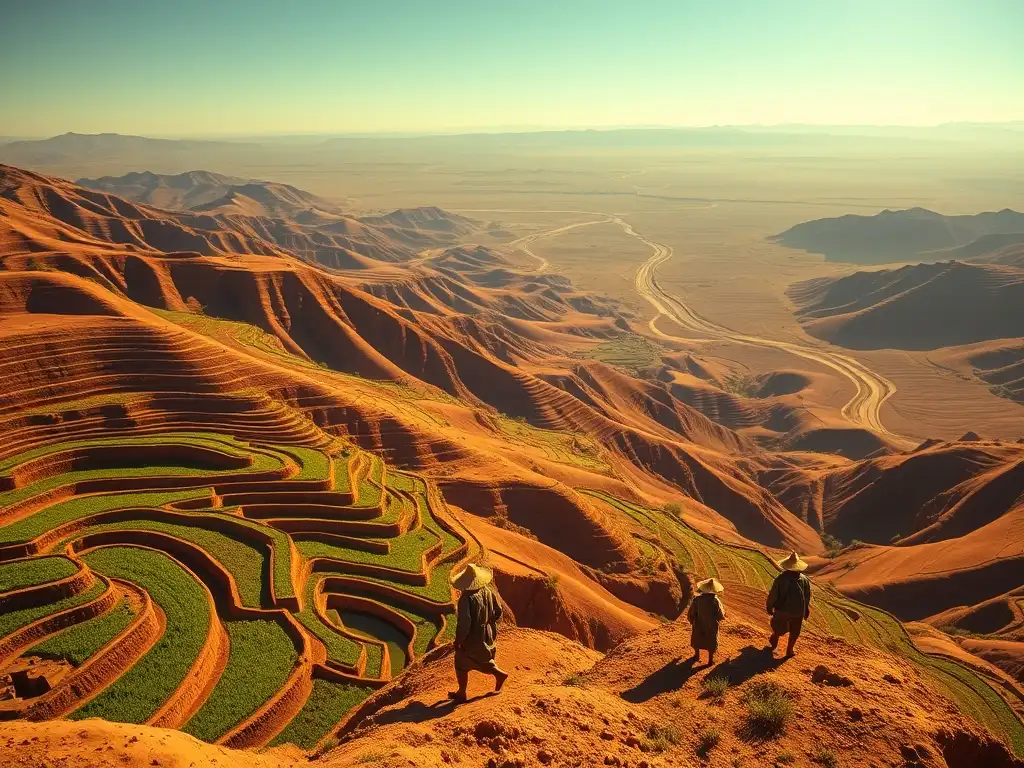
Step into a world lost to time, yet echoing with the ingenuity of a remarkable people. Prepare to be amazed by the Andean Civilizations, a tapestry woven with threads of breathtaking artistry, advanced technology, and profound spiritual beliefs. But the story doesn't end there... Uncover the secrets of Nazca society agricultural practices, a testament to their resilience and mastery of the harsh desert landscape. Their innovations will leave you wondering: how did they achieve such agricultural prowess in the midst of seemingly impossible conditions? Journey with us to explore this fascinating civilization and discover the answers.
The Nazca civilization, flourishing along Peru's southern coast between 100 BCE and 800 CE, remains a captivating enigma. Their iconic geoglyphs etched into the desert landscape are globally renowned, yet the sophistication of their societal structures and, particularly, their ingenious agricultural practices often remain understated.
This article delves into the intricacies of Nazca society, highlighting the remarkable interplay between their artistic achievements, technological innovation, and their mastery of agriculture in a seemingly inhospitable environment. We'll explore how their agricultural prowess not only sustained their population but also profoundly shaped their cultural development and social organization.
Understanding their agricultural practices provides crucial insight into the remarkable resilience and ingenuity of this ancient Andean culture, offering a compelling narrative of human adaptation and achievement in the face of environmental challenges. The keyword "Nazca society agricultural practices" will be explored in depth, revealing the interconnectedness of their agricultural techniques with their societal structure and artistic expressions.
Introduction to the Nazca Civilization
The Nazca people were not simply creators of breathtaking desert art; they were skilled engineers, astronomers, and, most importantly for their survival, expert agriculturalists. Their civilization thrived in a geographically challenging area, characterized by aridity and scarce rainfall. Unlike many other Andean cultures that relied heavily on highland agriculture, the Nazca adapted their practices to the coastal desert environment.
This adaptation involved a complex system of irrigation canals, innovative farming techniques, and a deep understanding of water management, all crucial elements for the success and longevity of their society. Their social structure, though not fully understood, seems to have been hierarchical, with evidence suggesting the existence of specialized craftspeople, priests, and a ruling elite. The interplay between these social strata and their collective agricultural efforts is a key theme we will explore further.
This exploration will reveal how their agricultural success influenced their overall societal development and contributed to their unique cultural identity. The intricate relationship between the Nazca's agricultural achievements and their social organization is a testament to their remarkable adaptability and resourcefulness.
The Geographical Context of the Nazca Culture
The Nazca's success hinged on their ability to overcome the harsh realities of their environment. Nestled in the arid coastal plains of southern Peru, the Nazca faced extreme challenges. The region receives minimal rainfall, making traditional agriculture virtually impossible. The Nazca River, while a vital source, is not sufficient to support a large population solely through flood irrigation.
The topography, characterized by steep hills and valleys, further complicated agricultural efforts. However, the Nazca were not deterred. Their ingenuity is evident in the extensive network of canals they constructed to harness the limited water resources available. These canals, some stretching for kilometers, were meticulously planned and maintained, demonstrating a high level of engineering expertise and a sophisticated understanding of hydraulics.
The careful management of water resources, coupled with the development of effective farming techniques, allowed the Nazca to cultivate crops such as cotton, beans, maize, and squash, forming the backbone of their economy and sustaining their population. The ingenuity of their water management systems stands as a remarkable testament to their adaptability and resourcefulness in the face of environmental limitations. The success of their agricultural practices is intrinsically linked to their deep understanding of the local geography and their ability to manipulate the environment to their advantage.
- What were the primary agricultural practices of the Nazca society?
- How did the Nazca manage water scarcity for agriculture?
- What crops did the Nazca people primarily cultivate?
- How did Nazca agricultural practices impact their society?
- What evidence reveals the sophistication of Nazca agricultural techniques?
Nazca Society Agricultural Practices: Foundations of Their Civilization
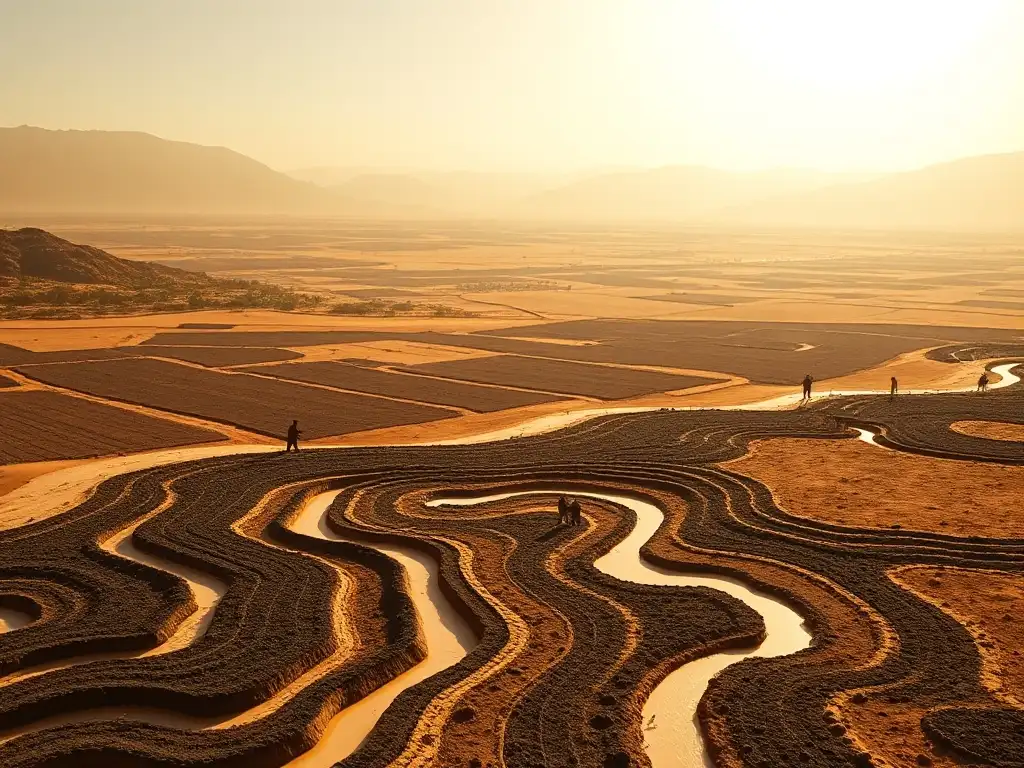
The Nazca civilization, renowned for its enigmatic geoglyphs, was equally impressive in its mastery of agriculture. Flourishing in a hyper-arid coastal region of modern-day Peru, their survival hinged on innovative and sophisticated agricultural practices. Understanding their agricultural techniques provides crucial insight into the ingenuity and resilience of this remarkable society.
The ability to cultivate crops in such a challenging environment is a testament to their deep understanding of their surroundings and their ability to adapt and overcome significant obstacles. This section will delve into the specific methods employed by the Nazca people to cultivate their land, highlighting their remarkable achievements in water management and agricultural innovation. This exploration of Nazca society agricultural practices reveals the foundational elements that supported their complex social structure and cultural achievements.
The Arid Environment and the Challenge of Agriculture
The Nazca desert is characterized by extremely low rainfall, intense sunlight, and infertile soil. These harsh conditions presented a significant challenge to agriculture. Annual rainfall averages less than 15 millimeters, making traditional farming techniques completely unsuitable. The lack of consistent water sources necessitated the development of ingenious strategies for water capture, storage, and distribution.
The success of the Nazca in overcoming this environmental obstacle is a testament to their resourcefulness and advanced understanding of hydrology. Their ability to thrive in such an unforgiving landscape speaks volumes about their capacity for innovation and adaptation, making their agricultural achievements all the more remarkable. This environmental pressure acted as a catalyst for the development of sophisticated agricultural technologies, which in turn shaped the very fabric of Nazca society.
Ingenious Water Management Techniques of the Nazca People
The Nazca people developed an intricate network of water management systems to overcome the challenges of their arid environment. These systems were crucial to their agricultural success and allowed them to cultivate a variety of crops, including cotton, beans, maize, and squash. The development of these systems, integrated with their understanding of the landscape and its subtle variations, showcases their keen observation skills and sophisticated engineering capabilities.
Their understanding of subterranean water sources and their ability to harness those resources were key to their agricultural prosperity. The Nazca's remarkable achievement in water management can be seen as one of the most significant contributions of their civilization.
Nazca Aqueducts: Puquios and Their Construction
A key element of Nazca water management was the construction of puquios, subterranean aqueducts that tapped into underground water sources. These ingenious structures consisted of a network of shafts and tunnels that channeled water from underground aquifers to the surface. The construction of these puquios required a deep understanding of hydrology and sophisticated engineering skills. Archaeological evidence suggests that the Nazca people used stone tools and possibly even simple ropes and baskets to excavate the tunnels.
The precise alignment and construction of these aqueducts demonstrate a remarkable level of planning and coordination. The puquios represent an impressive feat of engineering, allowing for a consistent supply of water for irrigation, even during periods of drought. The construction of each puquio required significant labor and planning, highlighting the importance of community cooperation and centralized organization within Nazca society.
Canals and Reservoirs: Maximizing Water Use
In addition to puquios, the Nazca people also constructed canals and reservoirs to store and distribute water. These canals, often lined with stones or clay, channeled water from rivers or springs to agricultural fields. Reservoirs, built in strategic locations, served as storage facilities, ensuring a consistent supply of water throughout the year. The construction of these systems required significant labor and coordination.
The effectiveness of these canals and reservoirs is evident in the agricultural productivity of the Nazca region. The design and implementation of such extensive water management systems is a testament to the Nazca's advanced understanding of hydraulic engineering and their ability to mobilize large-scale labor efforts. The efficiency of water usage is noteworthy, showcasing a sustainable approach to resource management.
Water Distribution Systems: Ensuring Equitable Access
The Nazca water management systems were not just about collecting and storing water; they also involved sophisticated distribution networks ensuring equitable access for all members of the society. The precise layout of canals and the strategic placement of reservoirs suggest a carefully planned system designed to provide water to all agricultural areas. This equitable distribution was crucial for maintaining social stability and preventing conflicts over resources.
Evidence suggests that the distribution of water was closely tied to social structures, with communities potentially having designated access to specific water sources. This sophisticated system of distribution highlights the strong social organization and community cooperation that were essential to the success of Nazca agriculture. The equitable distribution of water underscores the importance of social planning and resource management within Nazca society, contributing to a stable and prosperous agricultural sector.
Nazca Agricultural Methods and Crops Cultivation
The Nazca's success was intrinsically linked to their sophisticated agricultural techniques, developed to thrive in the arid coastal plains and valleys of southern Peru. Their ingenuity allowed them to transform a seemingly inhospitable environment into a productive agricultural landscape. This involved a complex interplay of water management, soil improvement, and crop diversification, strategies that allowed them to sustain a relatively large and complex society.
The Nazca weren't simply farmers; they were master engineers and agricultural innovators, constantly adapting their methods to maximize yield and resilience against the challenging climate. Their understanding of their environment and their ability to manipulate it is a testament to their advanced knowledge and practical skills.
Their agricultural prowess wasn't just a matter of survival; it fueled the artistic and cultural achievements for which the Nazca are renowned. The intricate irrigation systems and carefully cultivated fields provided the surplus necessary to support specialized labor, allowing artisans and priests to dedicate their time to creating the remarkable textiles, ceramics, and geoglyphs that characterize Nazca culture.
Terrace Farming in the Nazca Region
Terrace farming was a crucial element of Nazca agricultural success. The steep slopes of the valleys were transformed into a series of level platforms, dramatically increasing the arable land available. This wasn't simply a matter of carving into the hillside; the Nazca carefully constructed retaining walls, often from stone and adobe, to support the terraces and prevent soil erosion.
The creation of these terraces required significant labor and planning, demonstrating a high level of social organization and cooperation. The terraces not only provided more land but also helped to conserve water. The flat surfaces allowed for more efficient irrigation, reducing water runoff and maximizing the effectiveness of their irrigation systems.
The careful construction and maintenance of these terraces are a testament to the Nazca's understanding of hydrology and soil mechanics, showcasing their advanced engineering skills alongside their agricultural expertise. The enduring legacy of these terraces, some of which are still visible today, is a powerful reminder of the Nazca's remarkable achievements in agricultural engineering. The scale and precision of these structures speak volumes about their societal organization and the importance of agriculture to their way of life.
Crop Diversification in Nazca Agriculture
The Nazca didn't rely on a single crop; instead, they practiced a sophisticated form of crop diversification, minimizing the risk of crop failure due to drought, pests, or disease. This strategy ensured a more reliable food supply and reduced their vulnerability to environmental fluctuations. By cultivating a variety of crops, they created a resilient agricultural system capable of sustaining their population even in challenging years.
This diversification wasn't random; it reflected a deep understanding of the different needs and characteristics of various plants. They carefully selected crops that complemented each other, using intercropping techniques to optimize resource utilization and minimize competition. This intricate agricultural planning demonstrates a level of sophistication rarely seen in other contemporary societies.
Evidence suggests that they strategically placed different crops in specific locations within their fields, taking advantage of microclimates and soil variations to maximize yields. This practice highlights their keen observation skills and detailed knowledge of their environment. The success of their diversification strategy is a key factor in explaining the longevity and prosperity of Nazca society.
Key Crops: Maize, Beans, and Squash
Maize, beans, and squash formed the cornerstone of the Nazca diet, a combination known as the "Three Sisters" in many indigenous American cultures. These crops were not only nutritionally complementary but also benefited from being grown together. Maize provided structural support for the beans, which in turn fixed nitrogen in the soil, benefiting both the maize and the squash. Squash, with its broad leaves, helped to suppress weeds and retain soil moisture.
This synergistic relationship between the three crops maximized productivity and efficiency. The Nazca cultivated various varieties of maize, beans, and squash, adapted to the specific conditions of their environment. Archaeological evidence reveals a wide range of cultivars, reflecting their dedication to agricultural experimentation and improvement.
Beyond these staples, they also cultivated other crops such as cotton, peppers, and various fruits, further enhancing the diversity and nutritional value of their diet. The abundance of these crops not only sustained the population but also provided surplus for trade and ritual offerings, underscoring the vital role of agriculture in all facets of Nazca life. The cultivation of these crops was fundamental to their societal structure, economic stability, and cultural practices.
Nazca Art and Culture: Reflecting a Deep Connection to Agriculture
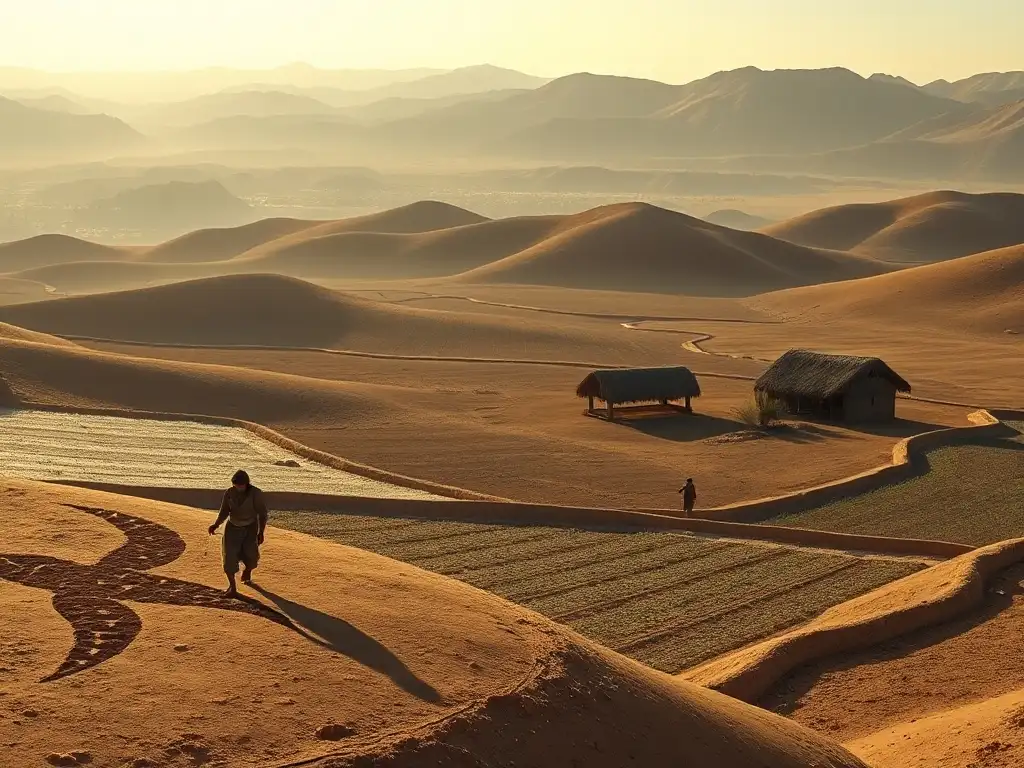
The Nazca people, renowned for their enigmatic lines etched into the desert, were equally adept at expressing their deep-seated connection to agriculture through their vibrant art and cultural practices. Their artistic output wasn't merely decorative; it served as a powerful medium to celebrate, document, and even perhaps ritualistically reinforce their agricultural success and dependence on the often-challenging desert environment. The intricate detail and recurring motifs found in Nazca pottery, textiles, and even possibly the lines themselves, reveal a society profoundly shaped by its agricultural practices.
Analyzing these artistic expressions provides invaluable insight into the Nazca worldview and their sophisticated understanding of their environment. Understanding Nazca society agricultural practices requires looking beyond the iconic lines and delving into the artistry that permeated their daily lives.
Nazca Pottery: Depicting Agricultural Scenes and Deities
Nazca pottery is celebrated for its polychrome style—the masterful use of multiple colors—and its intricate depictions of daily life. A significant portion of this pottery showcases scenes directly related to agriculture. We see detailed representations of planting, harvesting, irrigation techniques, and the various crops cultivated.
These aren't mere illustrations; they are often dynamic scenes, filled with human figures actively engaged in the agricultural cycle. Moreover, many vessels depict deities associated with fertility and abundance, further highlighting the vital role agriculture played in their religious beliefs. For example, depictions of the deity associated with rain frequently appear alongside scenes of irrigation canals, suggesting a direct link between divine favor and successful harvests.
The meticulous detail in these depictions—the types of tools used, the specific crops being cultivated, even the expressions on the faces of the laborers—suggests a deep understanding and appreciation for the agricultural process. The vibrant colors and striking imagery ensured that these narratives were not only informative but also aesthetically pleasing, serving both practical and ceremonial purposes. Analysis of the pottery styles and motifs across different time periods also allows researchers to study the evolution of Nazca agricultural practices.
Nazca Textiles: Weaving Agricultural Symbolism
Beyond pottery, Nazca textiles also offer a compelling window into their agricultural world. The intricate weaving techniques and symbolic imagery woven into these textiles provide additional evidence of the importance of agriculture in Nazca society. While many textiles depict animals and mythical creatures, a significant number feature patterns and designs directly related to agriculture.
These designs often include stylized representations of plants, crops, and agricultural tools, sometimes integrated into larger, more complex compositions. The use of specific colors and patterns may have also held symbolic meaning related to the agricultural cycle, seasons, or specific crops. For instance, certain colors might have represented the ripeness of a particular crop, or the changing seasons.
The precision and artistry involved in creating these textiles, which often incorporate multiple colors and complex patterns, demonstrates the advanced skills and knowledge of Nazca weavers. The durability and quality of the textiles suggest that they were not only functional but also held significant cultural and possibly ritualistic value.
The Nazca Lines: Astronomical Calendar or Agricultural Rituals?
The famous Nazca Lines, vast geoglyphs etched into the desert surface, remain one of the most enduring mysteries of the ancient world. While their purpose is still debated, some researchers propose a connection between the lines and agricultural practices. This theory suggests that the lines may have served as a complex astronomical calendar, used to predict seasonal changes and optimize planting and harvesting times. This would have been crucial in a desert environment where water resources were scarce and the timing of planting was critical for successful harvests.
Interpretations of the Nazca Lines
Several interpretations of the Nazca Lines exist, ranging from astronomical calendars to ritual pathways. The lines' immense scale and geometric precision suggest a sophisticated understanding of astronomy and mathematics. They could have functioned as a complex system for tracking the movements of the sun, moon, and stars, providing crucial information for agricultural planning. Some researchers even suggest that certain lines may have been aligned with specific constellations or celestial events significant to the Nazca agricultural cycle. Further research is needed to fully understand the role of the lines, and the evidence is still largely circumstantial.
The Relationship between Nazca Lines and Agriculture
The connection between the Nazca Lines and agriculture remains largely speculative, but the possibility cannot be dismissed. If the lines did serve as an astronomical calendar, it would have been an integral part of their agricultural system, enabling them to optimize their limited resources and maximize their crop yields. Furthermore, some researchers suggest that the lines may have played a role in ritualistic practices related to ensuring bountiful harvests.
The lines themselves might have served as pathways for processions or ceremonies aimed at appeasing agricultural deities or ensuring the fertility of the land. This idea is supported by the fact that many of the figures depicted in the lines represent animals and plants associated with agriculture. More research, particularly interdisciplinary studies involving archaeology, anthropology, and astronomy, is needed to fully elucidate the relationship between the Nazca Lines and their agricultural practices.
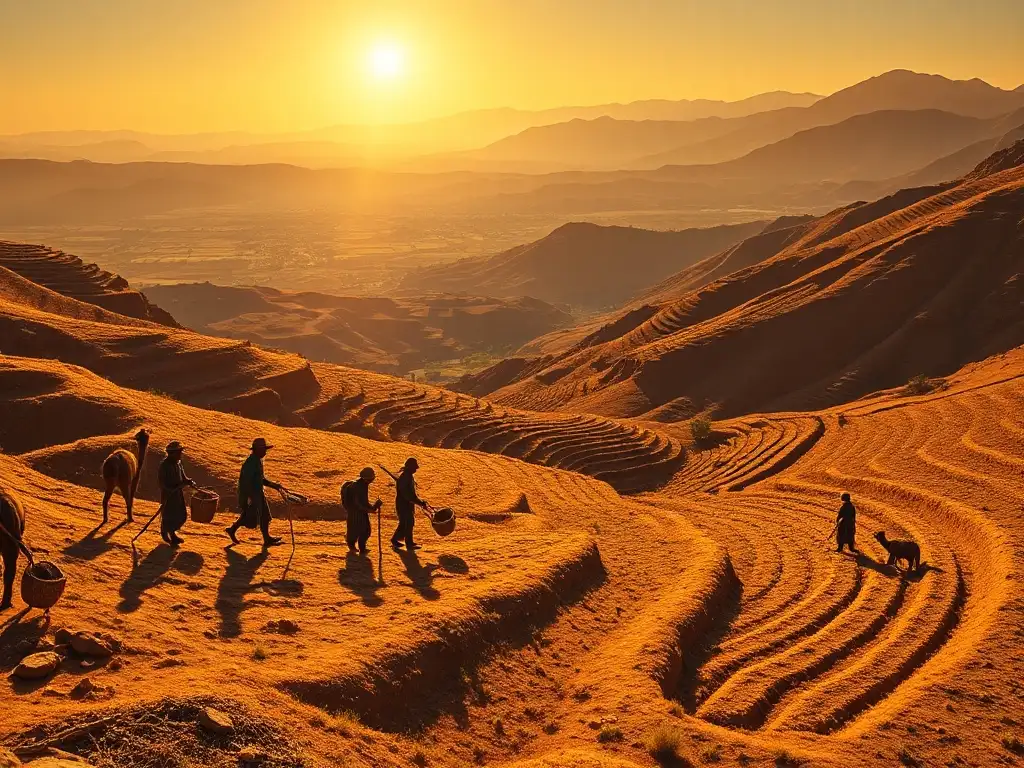
The Nazca society, flourishing along the arid south coast of Peru from 100 BCE to 800 CE, was intricately structured around its mastery of agriculture. Unlike many other ancient societies, their social organization wasn't solely based on a rigid class system. Instead, it was a dynamic interplay between social standing and access to, and control of, vital water resources and fertile lands.
The success of their agricultural practices directly impacted their social hierarchy, governance, and overall economic prosperity. Their ingenuity in developing sophisticated irrigation systems and agricultural techniques, in the face of a naturally challenging environment, is a testament to their remarkable organizational skills and adaptability. This section will explore the profound connection between Nazca social structure and their agricultural prowess, highlighting how agricultural success fueled their societal development.
Agricultural productivity directly influenced social standing within Nazca society. Those who controlled access to water – through the ownership or management of canals, aqueducts, and other irrigation infrastructure – held significant power and prestige. This wasn't necessarily a hereditary aristocracy, but rather a system where competence in water management and agricultural expertise led to social elevation.
Evidence suggests that skilled engineers, irrigation specialists, and successful farmers enjoyed higher social status. This is reflected in the sophisticated irrigation systems they built, implying a level of centralized planning and coordination, possibly managed by a specialized elite or priestly class. We can infer this from the scale and complexity of the projects, requiring considerable organizational ability and workforce management.
Furthermore, the distribution of agricultural goods, particularly surplus crops, likely played a crucial role in maintaining social order. Those who controlled the surplus could use it to consolidate power, reward loyalists, and maintain social stability. The precise mechanisms of this distribution remain unclear, but it's likely that religious institutions and political leaders played a significant role in managing and allocating resources. The presence of large ceremonial centers and elaborate grave goods suggests that religious leaders held considerable influence, possibly acting as intermediaries between the ruling elite and the farming populace.
Nazca Governance and Agricultural Management
The remarkable Nazca irrigation systems weren't simply the result of individual effort; they demanded a high degree of centralized planning and governance. The construction and maintenance of these extensive canals and aqueducts required coordinated labor, resource allocation, and conflict resolution. This points towards a level of centralized authority capable of mobilizing and managing large workforces, resolving disputes over water rights, and ensuring the long-term sustainability of their agricultural systems. This could have been achieved through a combination of religious authority, political leadership, and community participation.
The evidence suggests a sophisticated system of water rights and resource management. The intricate network of canals, carefully designed to distribute water efficiently across the arid landscape, indicates a profound understanding of hydrology and engineering. The management of this system would have required a substantial bureaucratic apparatus, capable of monitoring water flow, resolving disputes, and maintaining the infrastructure. Further research is needed to fully understand the specific mechanisms of Nazca governance in relation to agricultural management; [Specific details on Nazca governance structures pending].
The success of Nazca agricultural practices had a profound impact on their economy and society. Their ability to cultivate crops in a harsh desert environment led to a relatively stable food supply, supporting a dense population and fostering a complex social structure. The surplus production likely allowed for specialization of labor, with some individuals focusing on crafts, religious practices, or governance, while others dedicated themselves to agriculture. This specialization, in turn, contributed to the development of a vibrant and diverse culture, as seen in their renowned textiles, pottery, and geoglyphs.
The economic prosperity derived from agriculture facilitated the development of trade networks, connecting the Nazca with other societies along the coast and in the Andes. The exchange of goods, including agricultural products, contributed to the cultural exchange and the diffusion of ideas. The availability of surplus food also likely played a critical role in supporting the construction of elaborate ceremonial centers and monumental architecture, further demonstrating the societal importance of their agricultural achievements.
The remarkable success of Nazca agriculture was not merely a matter of survival; it was a cornerstone of their economic prosperity, social complexity, and cultural flourishing. The intricate relationship between their agricultural practices and societal development highlights their remarkable adaptability and engineering skills in the face of a challenging environment. 🌱
The Legacy of Nazca Agricultural Ingenuity
The Nazca civilization, renowned for its enigmatic geoglyphs, also possessed a sophisticated understanding of agriculture, crucial for their survival in the arid coastal plains of southern Peru. Their agricultural prowess wasn't simply a matter of survival; it was a testament to their ingenuity, adaptability, and deep connection to their environment. This section explores the remarkable strategies employed by Nazca farmers, highlighting their sustainable practices and the lasting impact of their techniques.
Understanding their agricultural achievements offers valuable insights into their societal structure, resource management, and overall success as a civilization. The keyword "Nazca society agricultural practices" is central to this analysis.
Lessons from Nazca Agricultural Strategies
The Nazca people faced significant environmental challenges. The coastal desert offered little in the way of naturally arable land. Rainfall was scarce and unpredictable. Yet, they developed ingenious strategies to overcome these limitations, demonstrating a remarkable capacity for innovation and adaptation. Their success hinged on a multifaceted approach:
- Canals and Irrigation: The Nazca are famous for their extensive network of canals, some stretching for kilometers, channeling water from rivers and underground aquifers to irrigate their fields. These weren't simple ditches; they were carefully engineered systems, often incorporating sophisticated techniques to manage water flow and prevent erosion. The precise construction and maintenance of these canals required significant community effort and a deep understanding of hydrology. This collaborative approach underscores the importance of social organization within Nazca society.
- Terracing: On the slopes of hills and valleys, the Nazca created terraced fields, transforming steep inclines into cultivable land. These terraces not only increased the available farming area but also helped to conserve water and soil. The construction of terraces was a labor-intensive process, requiring careful planning and execution. The scale and precision of Nazca terracing speak to their advanced engineering skills and their commitment to maximizing agricultural output.
- Waru Waru: This innovative agricultural technique involved creating raised beds surrounded by canals. This system offered several advantages: improved drainage, better water retention, and enhanced soil fertility. Waru Waru systems also provided microclimates, allowing for a greater diversity of crops. The effectiveness of Waru Waru demonstrates the Nazca's deep understanding of soil science and their ability to manipulate their environment to optimize agricultural production. Archaeological evidence suggests the system's remarkable resilience, even in the face of El Niño events.
Sustainable Practices of the Nazca Farmers
The Nazca agricultural system wasn't merely productive; it was remarkably sustainable. Their practices demonstrate a long-term perspective, prioritizing environmental stewardship and resource conservation. These sustainable practices were key to the civilization's longevity and contributed significantly to its overall success:
- Water Management: The intricate canal systems and Waru Waru techniques showcase a sophisticated understanding of water management. The Nazca carefully monitored water levels, regulated flow, and minimized waste. This meticulous approach ensured the efficient utilization of a precious resource in a harsh environment.
- Soil Conservation: Terracing and Waru Waru both played a crucial role in soil conservation. These techniques prevented erosion, maintained soil fertility, and protected the land from degradation. The Nazca's commitment to soil conservation is a testament to their understanding of the long-term consequences of unsustainable agricultural practices.
- Crop Diversification: The Nazca didn't rely on a single crop. They cultivated a variety of plants, including maize, beans, squash, cotton, and other crops. This diversification provided resilience against crop failures and ensured food security. The range of crops grown suggests a sophisticated understanding of agricultural techniques and a capacity for adapting to changing environmental conditions.
The Enduring Impact of Nazca Agricultural Techniques
The ingenuity of Nazca agricultural practices continues to inspire. Their sophisticated water management systems, terracing techniques, and innovative Waru Waru method offer valuable lessons for modern agriculture, particularly in arid and semi-arid regions. The Nazca's legacy extends beyond their impressive geoglyphs; it encompasses a remarkable understanding of sustainable agriculture that remains relevant today. Understanding their achievements allows us to appreciate the depth of their knowledge and their ability to thrive in a challenging environment.
The study of Nazca society agricultural practices provides valuable insights into the interplay between human ingenuity and environmental adaptation, highlighting the importance of sustainable practices for long-term societal success. The legacy of the Nazca civilization serves as a powerful reminder of the importance of respecting and understanding our environment. 🌱
Conclusion: The Significance of Nazca Society's Agricultural Practices
The Nazca's mastery of agriculture wasn't merely a means of survival; it was a cornerstone of their complex society, deeply intertwined with their religious beliefs and artistic expressions. Their innovative techniques, developed over centuries in a challenging desert environment, allowed them to flourish and create a vibrant culture. The intricate canal systems, the sophisticated understanding of water management, and the ingenious use of raised fields – all testament to their remarkable ingenuity – directly supported the population density and social complexity evident in their settlements and monumental works. The Nazca's agricultural achievements weren't isolated feats; they represent a sophisticated understanding of their environment and a testament to their capacity for adaptation and innovation.
This legacy extends beyond the physical remains of their irrigation systems; it reflects a deep understanding of sustainable resource management, a lesson still relevant in today's world grappling with environmental challenges. Understanding their agricultural practices provides crucial insights into the resilience and ingenuity of the Nazca people, highlighting the profound connection between their environment, their technology, and their societal development. The sophisticated interplay between their agricultural prowess and other aspects of their culture, such as their art and religious beliefs, underscores the holistic nature of their civilization and its remarkable contribution to Andean history.
Their success in transforming a seemingly inhospitable landscape into a thriving agricultural region serves as a powerful example of human adaptation and resourcefulness, a legacy that continues to inspire awe and admiration. The study of Nazca agricultural practices offers a valuable lens through which to understand not only their technological achievements but also the broader dynamics of their social organization and cultural values. In essence, the Nazca's agricultural ingenuity is a fundamental key to unlocking a deeper comprehension of their remarkable civilization.
Frequently Asked Questions
What were the primary agricultural practices of the Nazca society?
The Nazca utilized a sophisticated system of irrigation canals and terracing to cultivate crops in their arid environment. They also employed techniques like raised fields to maximize water use and crop yields.
How did the Nazca manage water scarcity for agriculture?
The Nazca were masters of water management, building extensive networks of canals to divert water from rivers and underground sources to their fields. Aqueducts and intricate systems of reservoirs played a vital role.
What crops did the Nazca people primarily cultivate?
Cotton, maize, beans, and squash were staple crops for the Nazca. These provided food, fiber for textiles, and other essential resources for their society.
How did Nazca agricultural practices impact their society?
Successful agriculture was fundamental to Nazca society, supporting population growth, economic stability, and the development of their complex art and culture. It fostered social organization and specialization.
What evidence reveals the sophistication of Nazca agricultural techniques?
The extensive network of canals, still visible today, and the ingenious raised field systems demonstrate the advanced engineering and agricultural knowledge of the Nazca. Archaeological findings further support this.
Final Reflection: The Enduring Legacy of Nazca Ingenuity
The sophisticated agricultural practices of the Nazca people remain a testament to human adaptability and ingenuity, a lesson particularly relevant in our era of climate change and resource scarcity. Their innovative solutions to aridity offer a powerful counterpoint to modern unsustainable practices, reminding us of the potential for human innovation to overcome environmental challenges. The Nazca's success wasn't simply about survival; it was about thriving in a harsh environment, creating a complex and vibrant society.
The Nazca's mastery of water management, evidenced by their intricate canal systems and sophisticated understanding of their environment, continues to inspire awe and wonder. Their ability to cultivate a thriving society in such a challenging landscape underscores the importance of understanding and respecting ecological balance. The desert, though seemingly barren, is a land of immense potential, waiting to be unlocked by those who understand its rhythms and respect its limits.
This quote, while not directly from a Nazca source, encapsulates the essence of their achievement and offers a powerful message for our time.
Consider the ingenuity of the Nazca, their ability to transform a seemingly desolate landscape into a flourishing oasis. You too possess the capacity for innovation and adaptation. Reflect on the challenges you face, and consider how the resourcefulness and resilience of the Nazca might inspire you to find creative solutions. Embrace the spirit of ingenuity that allowed the Nazca to thrive, and apply it to the challenges of your own life and community. Let their legacy be a beacon, guiding you towards a more sustainable and prosperous future.
**Unveil the Mysteries of Nazca Society! **
Thank you for exploring the fascinating world of the Nazca! We hope you've gained valuable insights into their remarkable ingenuity, artistic achievements, and sophisticated agricultural techniques. Now, let's build on this knowledge.
Here are some engaging ways to continue your exploration:
- **Visit** local museums or explore online resources dedicated to ancient Peruvian cultures to further your understanding of the Nazca's artistic legacy. You'll find many stunning examples of their pottery and textiles.
- **Connect** with others interested in Andean civilizations through online forums or social media groups. Sharing your discoveries can inspire others and deepen your own understanding.
- **Create** your own Nazca-inspired artwork, perhaps experimenting with geoglyph designs, or even design a garden using principles inspired by their innovative agricultural methods.
What aspect of Nazca culture most captivates you, and how can you integrate their innovative spirit into your own life?