
Nazca Legacy: The Enduring Impact of Their Agricultural Practices

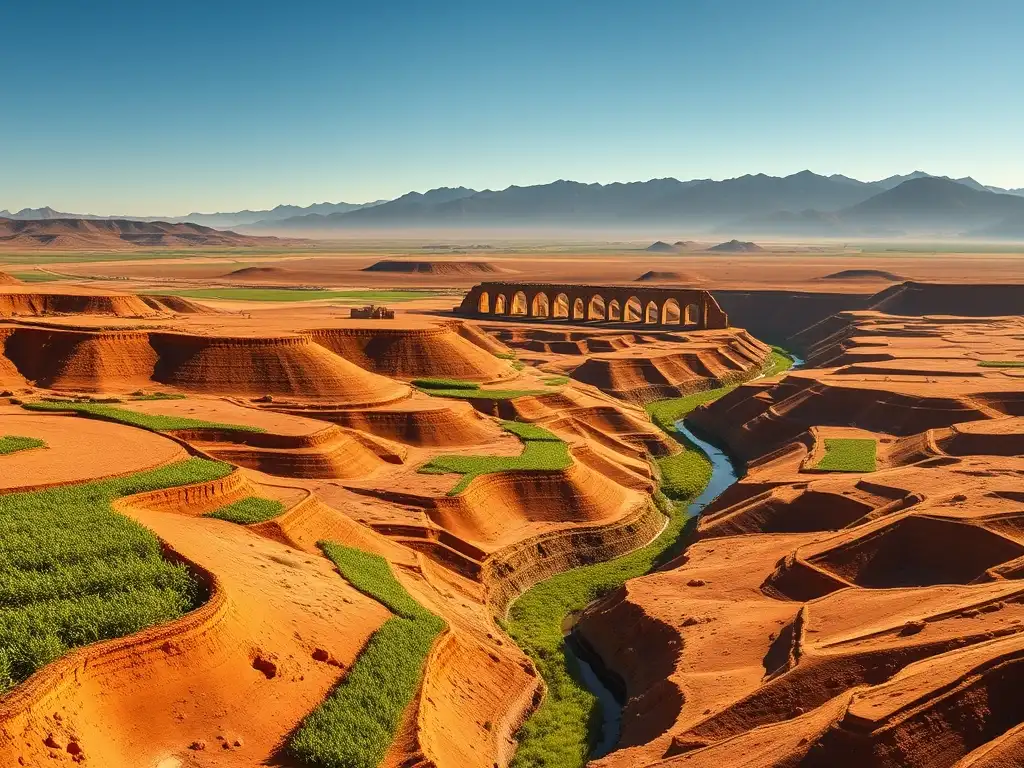
Unravel the mysteries of a civilization that defied the desert! Prepare to be amazed by the ingenuity of the ancient Andean peoples, whose legacy continues to resonate even today. Discover how the Nazca agricultural practices impact shaped not only their own survival but also left an indelible mark on the landscape and the course of history. Dive in and explore the breathtaking achievements of the Nazca, and the broader tapestry of Andean civilizations, revealing secrets lost to time. Their story is waiting to be uncovered.
The Nazca civilization, renowned for its enigmatic geoglyphs, also possessed a sophisticated understanding of agriculture that allowed them to thrive in one of the world's most arid environments. This article delves into the ingenious agricultural practices employed by the Nazca people, exploring their innovative techniques and the lasting impact these methods had on their society and the landscape.
Understanding their agricultural prowess is crucial to comprehending the overall success and longevity of the Nazca culture, highlighting their remarkable adaptability and ingenuity in the face of significant environmental challenges. We will examine the various techniques they utilized, from surface and subsurface irrigation systems to advanced terracing and soil management strategies, all contributing to their remarkable agricultural achievements and leaving a legacy that continues to fascinate and inspire.
This exploration of Nazca agricultural practices will reveal not only their technical skills but also their profound understanding of their environment and its delicate balance. The impact of their innovations continues to resonate today, offering valuable lessons in sustainable resource management and environmental stewardship.
Understanding Nazca Agriculture: An Overview
The Nazca civilization flourished along the southern coast of Peru, in a region characterized by extremely arid conditions and limited rainfall. Their survival and prosperity hinged on their ability to develop and implement effective agricultural strategies. Unlike many other ancient civilizations that relied on predictable rainfall, the Nazca faced the constant challenge of scarce water resources.
Their success, therefore, was not merely a matter of technological innovation but also a testament to their deep understanding of their environment and the development of sustainable agricultural practices. This understanding allowed them to cultivate crops successfully, leading to a stable food supply and a thriving population.
The ingenuity of their systems is evidenced by their ability to support a relatively large population in such a harsh environment, showcasing remarkable adaptation and resourcefulness. Their agricultural practices were not simply a means of survival; they were integral to their social structure, religious beliefs, and overall cultural identity.
The Ingenious Techniques of Nazca Farmers
The Nazca people weren't simply farmers; they were sophisticated engineers of water management. Their success stemmed from a combination of carefully planned irrigation systems and a deep understanding of soil conservation. They developed a range of techniques, each tailored to the specific challenges posed by their environment. These techniques, passed down through generations, allowed them to maximize their limited water resources and cultivate a variety of crops, ensuring food security for their communities.
Their mastery of water management is particularly impressive given the scarcity of rainfall in the region. The integration of these techniques reflects a holistic approach to agriculture, showcasing a sophisticated understanding of both engineering principles and ecological balance. This sophisticated approach is a testament to their advanced knowledge and organizational capabilities.
Surface Irrigation Methods in the Nazca Culture
One of the primary methods employed by the Nazca was surface irrigation. This involved constructing canals and channels to divert water from rivers and streams to their fields. These canals were often carefully engineered to follow the contours of the land, minimizing water loss through evaporation and ensuring even distribution. The construction of these canals required significant labor and coordination, demonstrating the advanced social organization of the Nazca.
Evidence suggests that these canals were meticulously maintained, showcasing a commitment to long-term sustainability. The precision and scale of these surface irrigation systems are impressive, indicating a high level of engineering skill and community cooperation. The effectiveness of these methods is evident in the successful cultivation of crops in an otherwise arid environment.
Subsurface Irrigation: The Puquios System
Perhaps the most remarkable of Nazca agricultural innovations was the puquio system. This ingenious subsurface irrigation technique involved tapping into underground aquifers to access a consistent source of water. The Nazca constructed intricate networks of underground channels, drawing water from springs and directing it to their fields. This innovative approach minimized evaporation and ensured a reliable water supply, even during periods of drought.
The puquio system not only provided water for irrigation but also played a crucial role in maintaining soil moisture and fertility. The construction and maintenance of these complex systems required a deep understanding of hydrology and engineering principles, highlighting the advanced technological capabilities of the Nazca civilization. The longevity and effectiveness of the puquio system are a testament to its ingenuity and sustainability.
Terracing and Soil Management by the Nazca
To further maximize their agricultural output, the Nazca employed terracing techniques to create level platforms on hillsides. This allowed them to cultivate land that would otherwise be unsuitable for farming. Terracing also helped to conserve soil moisture and prevent erosion, ensuring the long-term productivity of their fields. In conjunction with terracing, the Nazca practiced careful soil management techniques, including fertilization and crop rotation.
These practices helped to maintain soil fertility and prevent nutrient depletion, ensuring the sustainable productivity of their lands. The combination of terracing and soil management techniques represents a holistic approach to agriculture, emphasizing the importance of both land conservation and sustainable farming practices. These methods demonstrate a keen understanding of ecological principles and a commitment to long-term resource management.
Adaptation to Arid Conditions: Key to Nazca Farming Success
The success of Nazca agriculture was largely due to their remarkable adaptation to the challenges of their arid environment. Their innovative irrigation systems, coupled with their sophisticated soil management techniques, allowed them to overcome the limitations imposed by scarce water resources and infertile land. The Nazca's ingenuity in developing and implementing these techniques is a testament to their resilience and adaptability.
Their agricultural practices were not merely a matter of survival; they were integral to their cultural identity and social organization. The legacy of their agricultural innovations continues to inspire, offering valuable lessons in sustainable resource management and environmental stewardship in the face of challenging conditions. Their story serves as a powerful example of human ingenuity and the capacity to thrive even in the harshest environments.
The Impact of Nazca Agricultural Practices on Society
The Nazca's remarkable agricultural achievements were fundamental to their societal development and stability. Their innovative techniques, developed in a harsh desert environment, allowed them to cultivate crops successfully, directly impacting their population size, social structure, and economic prosperity. Without these advancements, the sophisticated Nazca culture, renowned for its artistry and engineering prowess, simply wouldn't have been possible.
The success of their agricultural practices fostered a degree of social complexity rarely seen in other contemporaneous desert cultures. Their ability to produce surplus food enabled specialization of labor and the development of a complex social hierarchy, facilitating the construction of monumental structures and the creation of intricate textiles and ceramics. The impact of their agricultural innovations resonates even today, offering valuable lessons in sustainable resource management and adaptation to challenging environments.
Supporting a Large Population through Efficient Agriculture
The Nazca population, while not as large as some later Andean empires, was substantial for its arid environment. Estimates place the population in the hundreds of thousands, spread across numerous settlements. This population density was only possible due to their mastery of irrigation and agricultural techniques.
Their sophisticated system of canals, aqueducts, and subterranean water channels (puquios) ensured a reliable water supply, essential for cultivating crops like cotton, maize, beans, and squash. The efficiency of their farming practices, coupled with their knowledge of appropriate crops for the desert climate, allowed them to maximize yields and support a relatively large population in an otherwise inhospitable region. The success of these agricultural practices is evident in the extensive network of agricultural terraces and fields that still exist today, a testament to their engineering skills and ingenuity.
The Role of Agriculture in Nazca Social Structure
Agriculture played a central role in defining the Nazca social structure. Evidence suggests a hierarchical society with elites, likely priests and rulers, at the top, followed by farmers, artisans, and laborers. Control over water resources and fertile land likely conferred significant social and political power. The organization required for large-scale irrigation projects and agricultural production indicates a complex system of labor management and social organization.
The elite likely oversaw the construction and maintenance of irrigation systems, ensuring equitable (or at least, controlled) distribution of water among farmers. This control over resources undoubtedly reinforced their social standing and political influence. The success of their agricultural system directly supported this hierarchy, providing the surplus needed to sustain the ruling class and fund ambitious construction projects.
Agricultural Surplus and Nazca Trade Networks
The Nazca's efficient agricultural practices generated a surplus of food and other resources. This surplus wasn't merely a reserve; it formed the basis of a thriving trade network. The Nazca traded their agricultural products, such as cotton, for other goods such as obsidian, metals, and exotic feathers from distant regions.
This exchange facilitated cultural interaction and economic prosperity, strengthening their society and influencing neighboring cultures. The presence of Nazca textiles and ceramics in far-flung sites provides compelling evidence of their extensive trade networks. The agricultural surplus was not only crucial for supporting the population but also played a vital role in their economic and political influence within the Andean region.
Nazca Water Management and Social Organization
The Nazca's mastery of water management was intrinsically linked to their social organization. The construction and maintenance of complex irrigation systems, including the ingenious puquios, required considerable collaborative effort and social coordination. This undertaking likely involved community participation and potentially specialized labor groups responsible for specific tasks within the irrigation system.
The intricate network of canals and aqueducts demonstrates a high degree of planning and social organization, suggesting a sophisticated system of governance and resource allocation. The success of their water management system was not just a technical achievement but also a testament to their capacity for collective action and social cooperation.
The Enduring Legacy of Nazca Farming
The impact of Nazca agricultural practices extends far beyond their own time. Their innovative techniques continue to inspire and inform contemporary approaches to sustainable agriculture and water management, particularly in arid and semi-arid regions. The ingenuity of their solutions to the challenges of desert farming provides a valuable case study for modern agricultural practices. Understanding their methods can contribute to the development of more resilient and sustainable agricultural systems in similar environments.
Modern Lessons from Ancient Nazca Agricultural Techniques
Studying Nazca agricultural techniques offers valuable lessons for modern agriculture. Their understanding of water conservation, through methods such as terracing and the construction of puquios, is particularly relevant in today's world, where water scarcity is a growing concern. Their crop selection, prioritizing drought-resistant varieties, also provides valuable insights into adapting agriculture to changing climatic conditions. By analyzing their techniques, we can gain a deeper understanding of sustainable agricultural practices and develop innovative solutions for food security in arid regions. This legacy of sustainable agriculture is a crucial resource for addressing modern agricultural challenges.
The Relevance of Puquios in Contemporary Water Management
The Nazca puquios, subterranean channels that tapped into underground water sources, represent a remarkable feat of engineering and a model for sustainable water management. Their design, which involved careful consideration of the local geology and hydrology, ensured a reliable water supply even during periods of drought. Today, the principles behind puquios are being re-examined and applied in modern water management projects. The use of similar techniques in arid and semi-arid regions can contribute to the development of more sustainable and resilient water systems. The enduring relevance of this ancient technology showcases its effectiveness and adaptability.
Sustainable Practices of Nazca Agriculture: A Model
The Nazca's agricultural practices exemplify sustainable agriculture. Their focus on water conservation, efficient land use, and the selection of drought-resistant crops minimized environmental impact. This approach to agriculture is particularly relevant today, given the increasing awareness of the need for sustainable practices to ensure long-term food security and environmental protection. The Nazca provide a powerful example of how a civilization can thrive while minimizing its environmental footprint. Their methods offer a valuable model for contemporary agricultural practices seeking to balance productivity and sustainability.
Advances in Remote Sensing for Nazca Agricultural Site Analysis
Modern technologies, such as remote sensing and GIS (Geographic Information Systems), are being used to analyze Nazca agricultural sites with unprecedented detail. These techniques allow researchers to map irrigation canals, terraces, and other agricultural features with high accuracy, revealing the extent and complexity of their agricultural systems. The analysis of satellite imagery and aerial photography provides valuable insights into the spatial organization of Nazca agriculture and its relationship to the surrounding environment.
These advances are crucial for a more complete understanding of Nazca agricultural practices and their impact on the landscape. This interdisciplinary approach combines ancient knowledge with modern technology to unlock new understanding of this remarkable civilization.
Comparing Nazca Agricultural Techniques with Other Andean Cultures
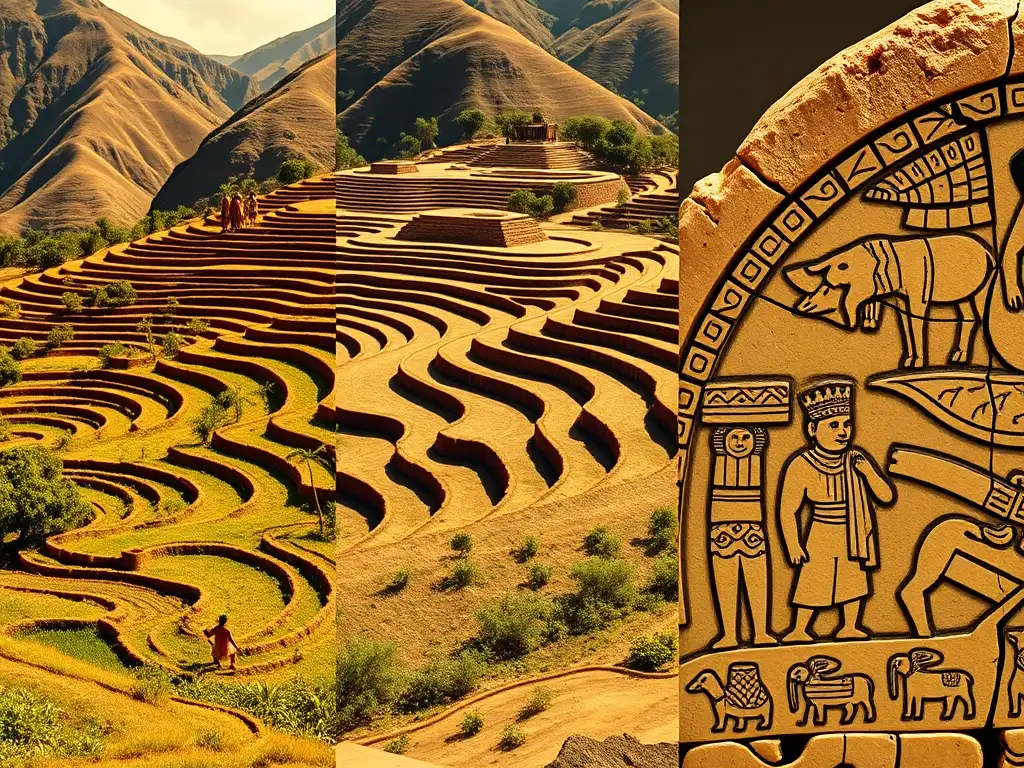
The Nazca's mastery of agriculture in a harsh desert environment stands as a testament to their ingenuity, but how did their techniques compare to those of other Andean cultures? While similarities exist across various Andean civilizations – a reliance on terracing, for example – the Nazca developed unique strategies adapted to their specific geographical challenges. The scale and complexity of their canal systems, for instance, far surpassed those found in many contemporary cultures.
While the Moche also utilized sophisticated irrigation, their coastal location presented different challenges and opportunities, leading to distinct approaches. The Inca, known for their extensive empire-wide agricultural projects, implemented a more centralized system, often incorporating labor from conquered populations. This contrasts with the Nazca’s seemingly more localized and community-based approach, as evidenced by the distribution of their irrigation networks.
Understanding these nuances reveals the diverse strategies employed across Andean societies to conquer the limitations imposed by varied terrains and climates. Further research is needed to fully elucidate the specific social structures that underlay these different agricultural methodologies.
Contrasting Nazca Irrigation with Moche Methods
The Nazca and Moche, both flourishing along the Peruvian coast, employed distinct irrigation techniques reflecting their differing environments. The Moche, situated closer to the coast, relied heavily on river systems and canals to divert water from rivers to their fields. Their canals were often shorter and simpler than those of the Nazca, reflecting the proximity of water sources.
The Nazca, inhabiting a drier, more inland region, developed a far more extensive and complex network of aqueducts and underground canals to capture and transport precious water from distant sources. These systems, often running for kilometers, demonstrate a sophisticated understanding of hydrology and engineering far exceeding that of the Moche.
The Moche canals, while impressive in their own right, were generally less elaborate and did not require the same level of engineering prowess to manage the challenges of water scarcity as seen in Nazca. The contrasting approaches underscore the importance of adapting agricultural strategies to specific environmental conditions.
Nazca Terracing vs. Inca Agricultural Practices
While both the Nazca and the Inca employed terracing to maximize arable land in mountainous regions, their approaches differed significantly. The Nazca terraces, often smaller and integrated into their overall irrigation system, were primarily used to cultivate crops in the valleys and foothills. Their terracing was a component of a broader strategy to manage water resources effectively.
In contrast, the Inca developed extensive terraced farming systems across their vast empire, utilizing larger, more uniform terraces built on a grander scale. The Inca's terracing was often integrated with a complex road system, facilitating transportation and labor management. The differences reflect the distinct geographical contexts and political structures of these civilizations.
The Inca's centralized empire allowed for massive coordinated projects, while the Nazca's independent communities likely focused on smaller, more locally managed projects. The scale and sophistication of Inca terraces stand out, but the Nazca's integrated approach to terracing and irrigation showcases a unique adaptation to their environment.
Unique Adaptations of Nazca Agriculture in Arid Environments
The Nazca civilization's remarkable success in agriculture stemmed from their innovative adaptations to the extremely arid climate of the south coast of Peru. Their ingenuity is clearly demonstrated in their intricate network of canals, aqueducts, and underground channels. These systems, often drawing water from distant sources, allowed them to cultivate crops in otherwise unproductive desert landscapes.
Furthermore, their understanding of water management extended beyond simple irrigation. They developed sophisticated techniques for capturing and storing rainwater, using reservoirs and infiltration basins to maximize the utilization of scarce water resources. The Nazca also employed advanced agricultural techniques such as raised fields and terracing to optimize soil conditions and minimize water loss.
These techniques, combined with the selection of drought-resistant crops, allowed them to create a flourishing agricultural system in one of the most challenging environments in the Andes. The sheer scale and complexity of their water management systems remain a testament to their advanced knowledge of engineering and hydrology.
The Decline of Nazca Agriculture: Contributing Factors
The decline of Nazca agriculture, a pivotal event in their societal history, remains a subject of ongoing research and debate. Several factors likely contributed to this gradual but significant shift, highlighting the intricate interplay between environmental, social, and political dynamics. The causes were not isolated events but rather a complex combination of interconnected processes. While not entirely conclusive, the evidence points to a confluence of factors that ultimately led to the transformation of their agricultural practices and, consequently, their society.
Environmental Changes and Their Effects on Nazca Farming
Environmental changes played a significant role in the decline of Nazca agriculture. Evidence suggests periods of prolonged drought and changes in precipitation patterns likely stressed their water management systems. The sophisticated canal networks, though remarkably resilient, could not withstand extended periods of extreme drought.
The depletion of groundwater resources, coupled with increasingly unpredictable rainfall, may have led to crop failures and reduced agricultural yields. These environmental pressures placed immense strain on the Nazca's ability to maintain their complex irrigation systems and sustain their population. Archaeological and paleoclimatological studies continue to refine our understanding of the precise nature and timing of these environmental shifts.
Political and Social Instability Impacting Nazca Agriculture
Political and social instability likely exacerbated the impact of environmental changes on Nazca agriculture. Internal conflicts or shifts in power structures could have disrupted the maintenance and expansion of the irrigation systems. A decline in centralized organization or a breakdown of community cooperation could have hampered the collective effort required to manage the complex water infrastructure. The absence of a strong centralized authority might have made it difficult to coordinate responses to drought or other environmental challenges. Evidence of social unrest or shifts in population distribution could provide further insights into this aspect of the decline.
Theories on the Transition Away from Nazca Agricultural Systems
Several theories attempt to explain the transition away from the highly developed Nazca agricultural systems. One prominent theory suggests that a gradual shift towards less intensive agricultural practices occurred as the population either declined or adapted to a changed environment. This might involve a reduction in the scale of irrigation projects, a move towards more resilient crops, or a change in settlement patterns.
Another theory focuses on the potential over-exploitation of water resources, leading to the degradation of the irrigation systems themselves. The long-term sustainability of the Nazca's agricultural practices remains a key question, with ongoing research exploring various scenarios that could account for the observed changes. More detailed studies of the archaeological record are needed to provide more definitive answers.
Lessons Learned from the Decline of Nazca Agriculture
The decline of Nazca agriculture offers valuable lessons about the delicate balance between human societies and their environment. It highlights the importance of sustainable resource management and the vulnerability of complex agricultural systems to environmental change and social instability. The Nazca's experience underscores the need for adaptive strategies to mitigate the risks associated with climate variability and emphasizes the significance of collaborative efforts in maintaining crucial infrastructure.
Understanding the factors that contributed to the decline of Nazca agriculture provides crucial insights into the challenges faced by ancient societies and offers valuable perspectives for modern-day agricultural practices and resource management. The story of the Nazca serves as a cautionary tale and a source of inspiration for developing sustainable solutions in the face of environmental uncertainty.
Preserving the Nazca Legacy: Future Considerations
The Nazca's ingenious agricultural techniques, developed in a harsh desert environment, offer valuable lessons for sustainable agriculture today. However, the fragility of these ancient systems and the ongoing pressures of modern development necessitate a proactive approach to preservation. The delicate balance achieved by the Nazca, a harmony between water management, soil conservation, and crop selection, is easily disrupted.
Understanding the long-term implications of modern agricultural practices on these sites is crucial to ensuring their continued survival for future generations. Failure to act decisively risks the irreversible loss of irreplaceable archaeological and historical knowledge, not to mention the potential for ecological damage to the fragile desert ecosystem. A comprehensive strategy is needed, encompassing both immediate protective measures and long-term planning.
The Importance of Protecting Nazca Agricultural Sites
Protecting Nazca agricultural sites requires a multi-faceted approach. This includes the careful management of water resources, preventing further encroachment from urban development and unsustainable farming practices. Stricter regulations and enforcement are vital to deter illegal activities such as land grabbing and damage to ancient irrigation canals. Furthermore, establishing protected zones around key agricultural sites, coupled with regular monitoring and maintenance, is critical to prevent erosion and degradation.
Archaeological surveys should be conducted regularly to identify and document at-risk areas, allowing for timely intervention and protective measures. The involvement of local communities is paramount; their understanding and cooperation are essential for the success of any long-term preservation strategy. Without their active participation, efforts to protect these sites will likely be futile.
Promoting Research and Education on Nazca Farming
Investment in research is crucial for a deeper understanding of Nazca agricultural practices. This research should focus not only on the technical aspects of their water management and farming techniques but also on the socio-economic context in which these practices were developed and maintained. By understanding the cultural significance of these practices, we can develop more effective preservation strategies that respect the heritage and cultural values of the Nazca people. Furthermore, educational programs are needed to raise awareness among local communities and the wider public about the importance of preserving these sites.
This includes engaging school children and adults through interactive exhibits, workshops, and community events. Promoting a sense of ownership and responsibility towards these historical sites is vital for their long-term protection. The goal is to foster a culture of respect and appreciation for the ingenuity and resilience of the Nazca civilization.
Sustainable Solutions Inspired by the Nazca Agricultural System
The Nazca's mastery of water management in a desert environment provides invaluable insights for modern sustainable agriculture. Their sophisticated irrigation systems, including canals, aqueducts, and underground channels, demonstrate an understanding of water conservation and efficient resource allocation that is remarkably relevant today. Modern agricultural practices often lead to water depletion and soil degradation. By studying the Nazca's techniques, we can learn how to design more efficient and sustainable irrigation systems, reducing water waste and preventing soil erosion.
Furthermore, their careful selection of drought-resistant crops offers lessons in adapting agriculture to challenging environmental conditions. This knowledge can be applied to developing more resilient crops and farming practices for arid and semi-arid regions worldwide. The Nazca legacy offers a blueprint for sustainable agriculture, a model that promotes both environmental protection and food security.
The Future of Collaborative Agricultural Research in the Nazca Region
The future of Nazca agricultural research lies in collaboration. A collaborative approach, involving archaeologists, agricultural scientists, local communities, and governmental agencies, is essential to ensure the long-term sustainability of both the research and the preservation of the sites themselves. This collaboration should focus on integrating modern scientific techniques with traditional knowledge, combining the strengths of both approaches to gain a more comprehensive understanding of Nazca agriculture.
This collaborative model should also prioritize capacity building within local communities, empowering them to participate actively in research and conservation efforts. Sharing knowledge and resources will not only lead to more effective preservation strategies, but also to the development of innovative sustainable agricultural practices that benefit both the environment and the local population. This collaborative approach is fundamental to ensuring that the Nazca legacy continues to inspire and inform future generations.
Conclusion: The Lasting Influence of Nazca Agricultural Practices
The Nazca civilization's impact extends far beyond their iconic geoglyphs. Their remarkable agricultural innovations, developed in response to the challenges of a harsh desert environment, demonstrate an impressive level of engineering and resource management. These practices, which ensured the survival and prosperity of the Nazca for centuries, continue to offer valuable lessons for sustainable agriculture today.
Preserving and studying these ancient systems is not simply an act of historical preservation; it is also an investment in the future of sustainable agriculture and a testament to the enduring ingenuity of the Nazca people. By understanding and applying their knowledge, we can create a more sustainable and resilient future for agriculture in arid and semi-arid regions worldwide. The Nazca legacy serves as a powerful reminder of the importance of respecting our environment and the ingenuity of past civilizations.
- Understanding Nazca Agriculture: An Overview
- The Ingenious Techniques of Nazca Farmers
- The Impact of Nazca Agricultural Practices on Society
- The Enduring Legacy of Nazca Farming
- Comparing Nazca Agricultural Techniques with Other Andean Cultures
- The Decline of Nazca Agriculture: Contributing Factors
- Preserving the Nazca Legacy: Future Considerations
- Conclusion: The Lasting Influence of Nazca Agricultural Practices
- What innovative agricultural techniques did the Nazca utilize?
- How did Nazca agriculture impact their societal structure?
- What was the role of water management in Nazca agricultural practices?
- How did the Nazca's agricultural practices influence their art and culture?
- What is the lasting legacy of Nazca agricultural practices?
Frequently Asked Questions
What innovative agricultural techniques did the Nazca utilize?
The Nazca developed sophisticated irrigation systems, including canals and aqueducts, to manage water resources in their arid environment. They also employed terracing to cultivate steep slopes and maximize arable land. This allowed them to support a surprisingly large population.
How did Nazca agriculture impact their societal structure?
Successful agriculture was crucial to the Nazca's social organization. A reliable food supply supported specialized labor and the development of complex social hierarchies. Agricultural surplus likely fueled the creation of their elaborate art and monumental architecture.
What was the role of water management in Nazca agricultural practices?
Water management was paramount for the Nazca. Their ingenuity in constructing canals and aqueducts to channel water from rivers and underground sources enabled them to cultivate crops in the otherwise barren desert. This efficient water use was essential for their survival and prosperity.
How did the Nazca's agricultural practices influence their art and culture?
The abundance of food produced through their advanced techniques likely contributed to the artistic flourishing of the Nazca culture. The time and resources freed up by efficient agriculture may have allowed for the development of their renowned pottery, textiles, and geoglyphs.
What is the lasting legacy of Nazca agricultural practices?
The Nazca's mastery of water management and irrigation continues to inspire modern agricultural practices in arid regions. Their innovative solutions to the challenges of desert farming offer valuable lessons in sustainable resource management and environmental adaptation.
Final Reflection: A Legacy Etched in the Desert Sands
The ingenuity of the Nazca people in harnessing the harsh desert environment for agriculture remains a potent lesson in sustainable resource management, a lesson urgently needed in our era of climate change and dwindling resources. Their sophisticated understanding of water management, terracing, and crop diversification offers a powerful counterpoint to modern, often unsustainable, agricultural practices. We stand to learn immensely from a civilization that thrived in seemingly impossible conditions.
The Nazca's legacy extends far beyond their iconic lines; it's a testament to human adaptability and the enduring power of community-driven solutions. Their agricultural practices, meticulously planned and executed, ensured the survival and prosperity of their civilization for centuries. This resonates deeply with me, highlighting the importance of understanding our interconnectedness with the environment and the necessity of long-term planning for a sustainable future. The earth provides enough to satisfy every man's needs but not every man's greed.
- Mahatma Gandhi. This quote perfectly encapsulates the wisdom embedded within the Nazca's approach, a wisdom we would do well to heed.
Consider the implications of the Nazca's achievements. What innovative solutions can we develop, inspired by their ingenuity, to address the challenges of modern agriculture? How can we foster a sense of community and shared responsibility in our approach to resource management, mirroring the collaborative spirit that sustained the Nazca civilization? I urge you to reflect on these questions, to explore the enduring lessons of the Nazca, and to actively participate in building a more sustainable and equitable future. Let their legacy inspire us to cultivate a world where ingenuity and respect for the environment coexist.
**Cultivate Your Knowledge and Make a Difference! **
Thank you for exploring the fascinating history of the Nazca civilization and their ingenious agricultural techniques! You've gained valuable insights into sustainable practices that can revolutionize modern farming. Now, let's put your knowledge to practical use!
- **Start a small garden**, experimenting with water management techniques inspired by the Nazca irrigation system. This hands-on approach will bring the ancient methods to life.
- **Share your newfound knowledge** with friends, family, and online communities. Inspire others to embrace and adopt sustainable practices for a healthier planet.
- **Join a local community garden or sustainable agriculture group**. Connecting with like-minded individuals provides opportunities for continued learning and collaborative action.
How can we creatively integrate ancient wisdom into modern sustainability initiatives? We'd love to hear your innovative ideas!