
Nazca Lines: The Impact of Modern Tourism on the Site

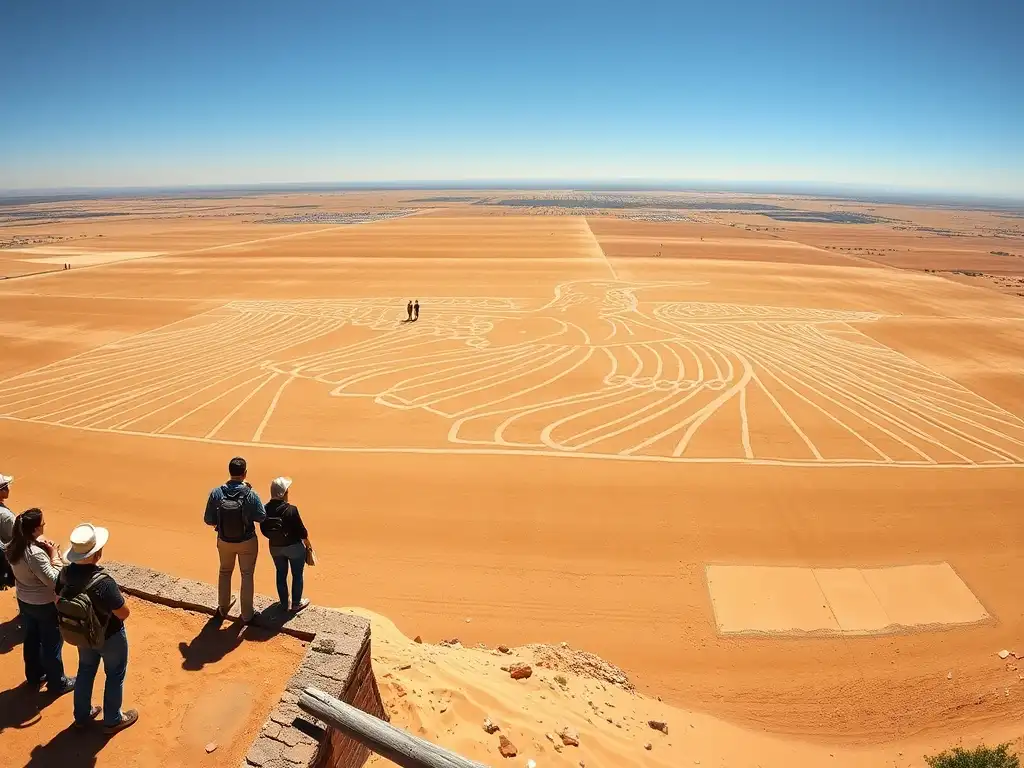
Dive into the enigmatic world of the Andean civilizations! From the towering heights of Inca ingenuity to the breathtaking artistry of the Nazca, we unravel the mysteries of a lost world. But what price glory? Discover the unforeseen consequences of modern Nazca Lines tourism impact, and explore the delicate balance between preserving these ancient wonders and the ever-growing tide of visitors. Uncover the truth behind this fascinating cultural crossroads – your journey begins now.
- Nazca Lines: Assessing the Tourism Impact on an Ancient Wonder
- Understanding the Nazca Lines: A Brief Overview
- The Rise of Tourism to the Nazca Lines
- Analyzing the Impact of Tourism on the Nazca Lines
- Positive Effects of Tourism on the Nazca Region
- Negative Consequences of Tourism on Nazca Archaeological Site
- Sustainable Tourism Strategies for the Nazca Lines
- The Future of the Nazca Lines: Balancing Tourism and Preservation
- Conclusion: Navigating the Challenges of Nazca Lines Tourism
- Frequently Asked Questions
- Final Reflection: A Legacy Etched in Earth and Time
- Unveil the Mysteries of the Nazca Lines and Make a Difference!
Nazca Lines: Assessing the Tourism Impact on an Ancient Wonder
The Nazca Lines, a collection of geoglyphs etched into the Peruvian desert, stand as a testament to the ingenuity and artistry of the Nazca civilization. These enigmatic figures, ranging from stylized animals and plants to geometric shapes, have captivated the world's imagination for decades.
However, the immense popularity of the Nazca Lines has brought with it a significant influx of tourism, raising crucial questions about the long-term preservation of this invaluable archaeological site. This article delves into the multifaceted impact of modern tourism on the Nazca Lines, exploring both its positive and negative consequences, and examining strategies for sustainable tourism management to ensure the protection of this extraordinary cultural heritage for future generations.
We will explore how the delicate balance between accessibility and preservation is being addressed, considering the economic benefits for local communities alongside the environmental and archaeological challenges posed by increasing visitor numbers. The goal is to understand the complexities of "Nazca Lines tourism impact" and to advocate for responsible and sustainable practices.
The Economic Boon and its Limitations
The Nazca Lines have become a major tourist attraction in Peru, generating substantial revenue for the local economy. This revenue stream supports various sectors, including transportation, accommodation, and local businesses that cater to tourists. Many communities directly benefit from the influx of visitors, with opportunities for employment in guiding, hospitality, and souvenir creation. However, the economic benefits are not evenly distributed, and there's a risk of over-reliance on tourism, potentially creating vulnerabilities should visitor numbers decline.
Furthermore, the focus on maximizing profits may sometimes overshadow concerns about environmental protection and the preservation of the site itself. A balanced approach is crucial, ensuring that economic growth is sustainable and does not come at the expense of the very asset that drives it. Careful planning, fair distribution of profits, and investment in local infrastructure are key to mitigating the downsides of economic dependence on tourism.
Environmental Concerns and Mitigation Strategies
The sheer volume of tourists visiting the Nazca Lines presents significant environmental challenges. Increased foot traffic, pollution from vehicles, and the potential for accidental damage to the geoglyphs themselves pose a considerable threat. The fragile desert ecosystem is also vulnerable to disturbance. Mitigation strategies, such as limiting access to certain areas, promoting eco-friendly transportation options, and implementing strict regulations on visitor behavior, are essential.
The development and enforcement of robust environmental protection policies are crucial to preserving the delicate balance of the Nazca desert and safeguarding the Lines for future generations. Furthermore, educating tourists about the fragility of the site and the importance of responsible behavior is a vital part of any successful mitigation strategy. This involves raising awareness through informative materials and engaging guided tours that emphasize environmental stewardship.
Archaeological Preservation and Sustainable Tourism Practices
The Nazca Lines are not only a stunning spectacle but also a precious source of information about the Nazca civilization. Uncontrolled tourism poses a risk to their archaeological integrity. Sustainable tourism practices are crucial to balancing the needs of visitors with the imperatives of preservation.
This includes implementing strict regulations on access, restricting the use of drones and other potentially damaging technologies, and investing in research and monitoring programs to assess the impact of tourism and implement necessary adjustments. Further research into the Nazca culture, through careful excavation and analysis, can inform better management practices and enhance the visitor experience by providing a deeper understanding of the site's significance.
This holistic approach, combining archaeological research with sustainable tourism management, ensures that the Nazca Lines remain a valuable source of historical and cultural knowledge for years to come. The development of visitor centers with informative exhibits can also contribute to a more responsible and enriching tourist experience.
The Future of Nazca Lines Tourism: Balancing Preservation and Access
The future of Nazca Lines tourism hinges on striking a balance between accessibility and preservation. This requires a collaborative effort between governmental agencies, local communities, tourism operators, and researchers. The development of comprehensive management plans that incorporate environmental protection, archaeological preservation, and socioeconomic benefits is paramount. Continuous monitoring of the site's condition, coupled with adaptive management strategies, is crucial to ensure the long-term viability of the Nazca Lines as a tourist destination.
Investing in infrastructure that minimizes environmental impact, such as improved transportation systems and visitor facilities, is also essential. Ultimately, the success of this endeavor relies on a shared commitment to responsible tourism, ensuring that the Nazca Lines remain a vibrant testament to the past while safeguarding their future for generations to come. The careful implementation of these strategies will be key to ensuring that the "Nazca Lines tourism impact" remains overwhelmingly positive.
Understanding the Nazca Lines: A Brief Overview
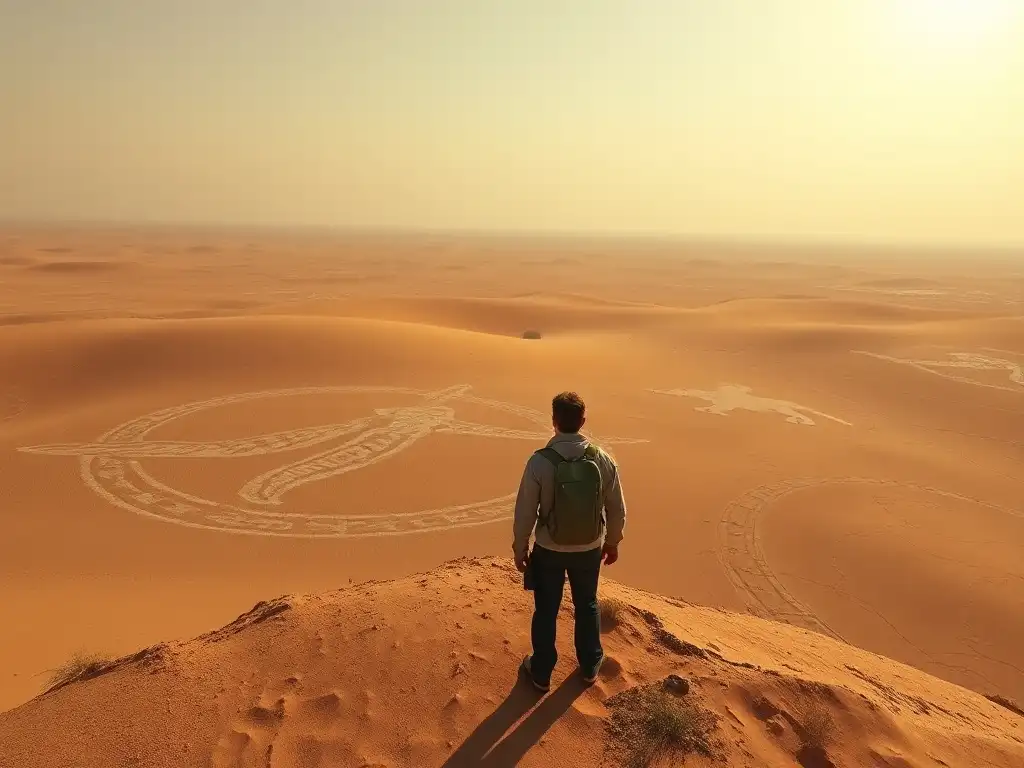
The Nazca Lines, located in the Nazca Desert of southern Peru, are a collection of geoglyphs—giant designs etched into the ground—that have captivated researchers and tourists alike for decades. These enigmatic figures, ranging from simple lines and geometric shapes to intricate representations of animals and plants, are so vast they are only truly appreciated from the air. Their scale and complexity, coupled with the mystery surrounding their creation and purpose, make them a truly unique archaeological site and a significant contributor to Peru's cultural heritage.
Understanding the impact of modern tourism on this fragile site is crucial for its preservation and continued study. The sheer number of visitors, estimated at [specific yearly visitor count pending], presents both opportunities and challenges for the region.
The Historical Significance of the Nazca Geoglyphs
The Nazca Lines are not merely impressive visual spectacles; they hold immense historical significance. Created by the Nazca culture between 500 BC and 500 AD, these geoglyphs offer invaluable insights into their society, beliefs, and artistic capabilities. The intricate designs, often depicting animals like hummingbirds, monkeys, and lizards, as well as stylized plants and geometric patterns, suggest a sophisticated understanding of geometry and a deep connection to the natural world.
Some scholars propose that the lines were part of a complex ritualistic system, perhaps related to water management or astronomical observations. Others suggest they served as pathways for ceremonial processions or acted as markers for pilgrimage routes. Regardless of their exact purpose, the lines stand as a testament to the ingenuity and artistic expression of the Nazca people, providing a unique window into a fascinating and largely enigmatic civilization.
Their survival for centuries, despite the harsh desert conditions, is a testament to the skill and dedication of their creators. Further research, including advanced imaging techniques and analysis of the surrounding environment, continues to reveal new information about these extraordinary works of art and their creators. The ongoing study of the Nazca Lines promises to further illuminate the cultural and societal practices of the Nazca civilization.
Nazca Lines: Creation and Purpose
The precise methods used by the Nazca to create these monumental geoglyphs remain a subject of ongoing debate. However, the prevailing theory suggests that they employed a combination of techniques. First, they would likely have cleared away the reddish-brown surface layer of the desert to expose the lighter-colored subsoil.
This process, achieved using simple tools like wooden stakes and possibly rudimentary metal implements, would have involved immense labor and meticulous planning. The scale of the undertaking is truly staggering, given the limitations of the technology available at the time. The complexity of some designs, particularly the zoomorphic figures, points to a high level of organizational ability and a shared understanding of the desired outcome.
The purpose of the Nazca Lines remains a captivating enigma. Theories range from astronomical alignments, serving as a massive calendar or observatory, to ceremonial pathways for religious processions or even giant representations of deities. Some suggest the lines were linked to water sources, possibly indicating sacred wells or underground streams crucial for survival in the arid desert. The absence of conclusive evidence makes it difficult to definitively determine their function, adding to their allure and mystery.
The ongoing research into the Nazca Lines aims not only to uncover their creation techniques but also to decipher their deeper meaning and significance within the context of Nazca culture. The debate continues, fueling further research and scholarly discussion about one of the most fascinating archaeological sites in the world. 🗺️
The Rise of Tourism to the Nazca Lines
The Nazca Lines, enigmatic geoglyphs etched into the Peruvian desert, have witnessed a dramatic surge in tourism over the past few decades. This increase isn't solely due to growing awareness; rather, it's a complex interplay of improved infrastructure, enhanced accessibility, and targeted marketing campaigns. Understanding this rise is crucial for evaluating the impact of modern tourism on the site's preservation and the surrounding community. The delicate balance between economic benefit and environmental protection is a constant challenge, one that requires careful management and sustainable practices.
The sheer scale of the increase necessitates a nuanced understanding of both its drivers and consequences. Analyzing visitor numbers over time, coupled with economic data from the region, provides a clearer picture of this complex phenomenon. The “Nazca Lines tourism impact” is a multifaceted issue that requires a comprehensive approach to truly understand.
Increased Accessibility and the Growth of Nazca Tourism
The expansion of tourism to the Nazca Lines is directly correlated with improved accessibility. Prior to the late 20th century, reaching the site was a significant undertaking, limiting visitor numbers. The development of better roads, improved transportation infrastructure, and the establishment of dedicated tour operators significantly lowered the barriers to entry.
This facilitated the growth of Nazca tourism exponentially. For example, the introduction of regular flights offering aerial views of the lines transformed the visitor experience, making it accessible to a broader demographic, including those with mobility limitations. This ease of access was a key factor in transforming the Nazca Lines from a relatively obscure archaeological site to a major tourist destination.
The number of tourists increased by [Specific data on tourist increase pending] between [Start year] and [End year], demonstrating a clear correlation between accessibility improvements and visitor growth. This growth also spurred the development of related infrastructure in the nearby town of Nazca, creating a ripple effect on the local economy. The positive impact on local businesses, however, needs to be weighed against the potential negative impacts on the fragile environment.
Factors Driving Tourist Interest in the Nazca Lines
Several factors contribute to the enduring fascination with the Nazca Lines, fueling the growth of Nazca tourism. The inherent mystery surrounding their purpose continues to capture the imagination of people worldwide. The sheer scale and complexity of the geoglyphs, visible only from the air, adds to their allure.
The lines' unique visual impact, coupled with the vastness of the desert landscape, creates a powerful and unforgettable experience. Furthermore, the ongoing research and archaeological discoveries continue to generate media attention and public interest, further stimulating tourism. The "Nazca Lines tourism impact" is also influenced by popular culture; the lines have featured in various documentaries and books, reinforcing their mystique and driving curiosity.
The lines' unique aesthetic appeal, combined with their air of mystery, creates a potent combination that attracts tourists from diverse backgrounds and interests. This sustained interest ensures a continuous flow of visitors to the site, highlighting the need for responsible tourism practices to ensure the long-term preservation of this invaluable cultural heritage. The continued mystery surrounding their creation continues to fuel the intrigue and drive the increase in "Nazca Lines tourism impact".
Analyzing the Impact of Tourism on the Nazca Lines
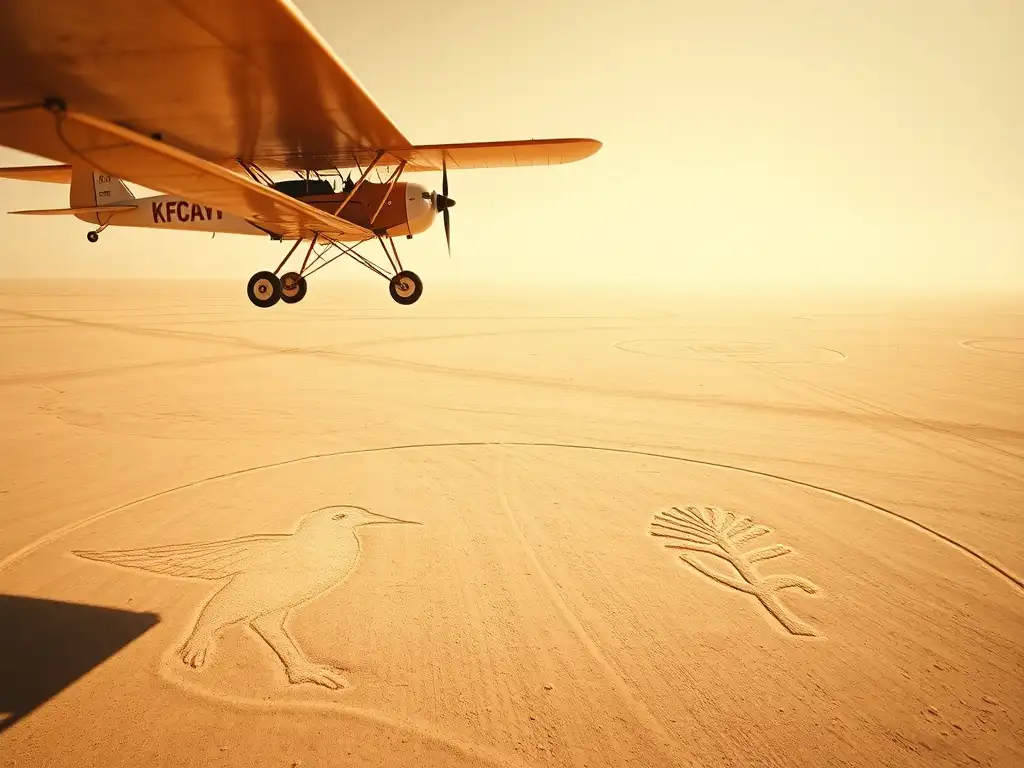
The Nazca Lines, a UNESCO World Heritage site, are facing significant challenges due to the burgeoning tourism industry. While tourism brings much-needed revenue to the region, its unchecked growth poses a considerable threat to the preservation of these ancient geoglyphs. Understanding the multifaceted impact of tourism is crucial for developing effective conservation strategies and ensuring the longevity of this invaluable cultural heritage for future generations.
This section will delve into the specific impacts, analyzing both the direct physical effects and the broader socio-economic consequences of increased tourist activity on the Nazca Lines. Balancing the economic benefits with the imperative to protect this fragile site requires careful planning and a commitment to sustainable tourism practices. The key here is to manage the "Nazca Lines tourism impact" in a way that benefits both the local economy and the preservation of this incredible historical legacy.
Direct Physical Impacts of Tourism on Nazca Geoglyphs
The sheer volume of visitors to the Nazca Lines presents a direct and tangible threat to the geoglyphs themselves. While viewing platforms and controlled access points have been implemented, the cumulative effect of human activity, even within designated areas, cannot be ignored. The delicate lines, etched into the surface of the desert, are susceptible to erosion and damage from various sources.
Foot traffic, even if minimal, contributes to the compaction of the soil, altering the surface texture and potentially obscuring portions of the geoglyphs. Furthermore, the impact of dust and debris kicked up by visitors can further contribute to the degradation of the fragile lines. Quantifying the exact rate of damage is challenging, requiring long-term monitoring and advanced techniques to assess subtle changes.
However, the potential for irreversible harm necessitates proactive measures. Studies on the rate of soil erosion in the area, [specific data pending on erosion rates near viewing platforms], are crucial to inform effective conservation efforts. Understanding the specific types of soil and their vulnerability to different stressors is essential for developing targeted interventions.
Erosion and Damage Caused by Foot Traffic
Foot traffic, even within designated areas, contributes significantly to the erosion and damage of the Nazca Lines. The weight of numerous visitors compacts the soil, leading to changes in surface texture and potentially obscuring the lines. This is exacerbated by the arid climate of the region, where the soil is already prone to erosion. While elevated viewing platforms mitigate some of this impact, it is nearly impossible to eliminate it completely.
Moreover, unauthorized access outside designated areas poses a far greater threat. Illegal trespassing can result in significant damage, particularly in areas with less stable soil. [Specific data pending on the number of reported incidents of unauthorized access]. The cumulative effect of even seemingly minor disturbances can, over time, lead to significant degradation of the geoglyphs.
This underscores the need for continuous monitoring and strict enforcement of regulations to prevent unauthorized access and minimize the impact of authorized foot traffic. The implementation of alternative viewing methods, such as virtual reality experiences, is also being explored to reduce the physical impact of tourism. These technologies offer an immersive experience without the need for physical presence at the site, offering a potential solution to managing the "Nazca Lines tourism impact."
The Effects of Overflights on the Nazca Lines
Overflights, while offering a spectacular perspective of the Nazca Lines, also contribute to the site's degradation. The downwash from aircraft, particularly larger planes, stirs up dust and sand particles, which can settle onto the geoglyphs and obscure their details. This effect is particularly pronounced during dry periods when the soil is more vulnerable. Furthermore, the vibrations from aircraft can contribute to soil erosion and instability.
[Specific data pending on the correlation between flight frequency and soil erosion]. While regulations limiting overflights exist, the increasing number of tourist flights necessitates a reassessment of these regulations and possibly stricter controls to mitigate the negative impact. Research into alternative viewing methods, such as high-resolution drones, could offer a less intrusive way to experience the Nazca Lines from the air, potentially reducing the need for large tourist planes.
Balancing the economic benefits of overflights with the need to preserve the site is a complex issue that requires careful consideration and a commitment to sustainable tourism practices. The long-term preservation of the Nazca Lines hinges on finding a balance between accessibility and protection, mitigating the negative impacts of "Nazca Lines tourism impact" for future generations. ✈️
Unregulated Development and Its Consequences
The influx of tourism to the Nazca Lines region has unfortunately led to significant unregulated development. The pressure to accommodate the growing number of visitors has resulted in haphazard construction of hotels, restaurants, and other infrastructure, often without proper environmental impact assessments. This uncontrolled expansion poses several serious threats to the preservation of the lines themselves.
The construction of roads and buildings near the fragile geoglyphs can lead to soil erosion and destabilize the delicate desert surface, gradually eroding the lines over time. Furthermore, the increased traffic and associated vibrations from vehicles can contribute to the deterioration of the lines' delicate features.
The lack of comprehensive urban planning has also resulted in the encroachment of settlements and infrastructure into areas crucial for the preservation of the Nazca Lines' integrity. This uncontrolled sprawl not only threatens the visual integrity of the geoglyphs but also impacts the surrounding ecosystem, which plays a vital role in the preservation of the desert landscape. For example, the increased demand for water resources to support the growing tourism industry can strain local water supplies, potentially impacting the delicate balance of the desert environment and contributing to land degradation.
Moreover, the haphazard development often lacks adequate waste management systems, leading to pollution of the surrounding environment. The accumulation of litter and untreated sewage poses a significant threat to the fragile desert ecosystem and can indirectly damage the geoglyphs through soil contamination and alteration of the natural landscape. The long-term consequences of such unregulated development are a serious concern for the preservation of the Nazca Lines, underscoring the urgent need for sustainable tourism practices and responsible urban planning in the region.
Effective management strategies must prioritize environmental protection alongside economic development to ensure the long-term survival of this incredible archaeological site. Failure to address these issues could lead to irreversible damage to this unique cultural heritage, impacting not only Peru's cultural landscape but also the global appreciation of this remarkable achievement of ancient civilization.
Positive Effects of Tourism on the Nazca Region
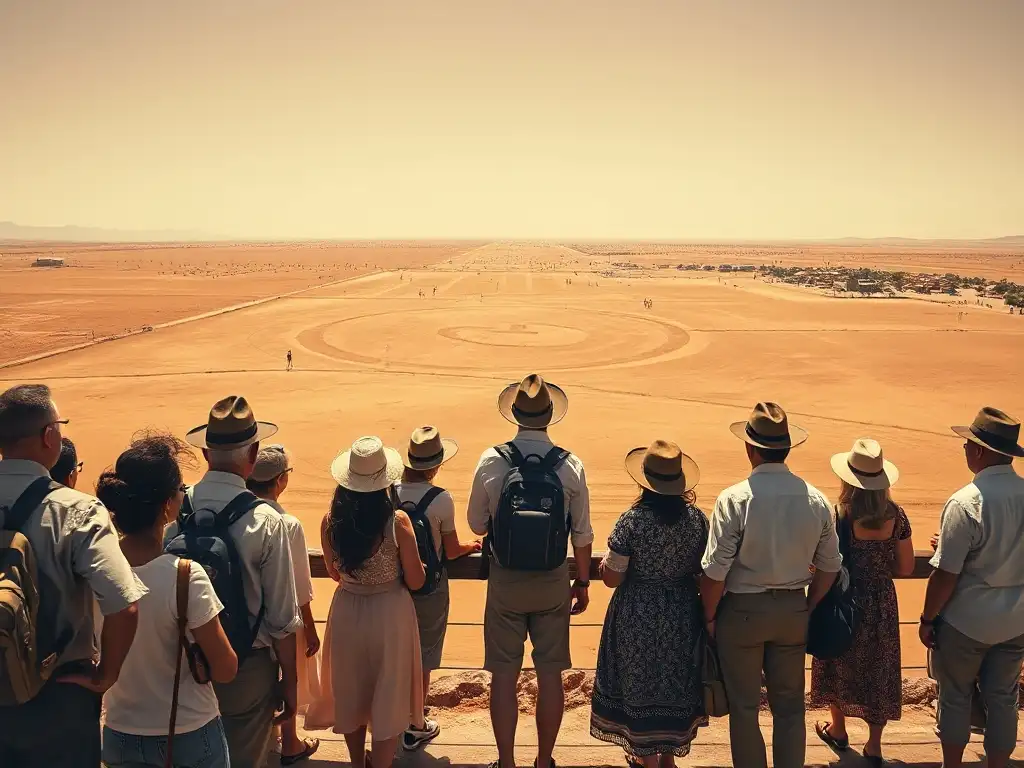
The influx of tourists drawn to the enigmatic Nazca Lines has, despite its challenges, generated several positive impacts on the Nazca region. These benefits are multifaceted, extending from economic improvements for local communities to enhanced conservation efforts and increased funding for research and preservation. Understanding these positive aspects is crucial for developing sustainable tourism strategies that maximize benefits while minimizing negative effects. The delicate balance between economic growth and environmental protection remains a primary concern in Nazca Lines tourism impact discussions.
Economic Benefits for Local Communities
Tourism has undeniably boosted the Nazca region's economy. The arrival of visitors creates a demand for various services, directly impacting local livelihoods. This includes:
- Increased employment: The tourism sector has generated numerous jobs, ranging from tour guides and pilots offering overflights to hotel staff, restaurant workers, and souvenir vendors. Many families rely on these jobs, contributing significantly to their household income and improving their overall standard of living. Data from [specific economic data pending] would further quantify the employment boost.
- Development of local businesses: The increased tourist influx has stimulated the growth of local businesses. Restaurants, hotels, and craft shops have expanded their operations to cater to the growing demand, leading to increased revenue and investment within the community. This economic diversification strengthens the region's resilience against economic fluctuations.
- Infrastructure improvements: The need to accommodate tourists has led to improvements in infrastructure, such as better roads, improved transportation facilities, and upgraded communication networks. These improvements benefit not only tourists but also the local population, enhancing their quality of life and connectivity to the wider region. For example, the improved roads have facilitated access to healthcare and education for communities previously isolated due to poor infrastructure.
Increased Awareness and Conservation Efforts
The rise in Nazca Lines tourism has ironically heightened global awareness of the site's fragility and the importance of its preservation. This increased visibility has prompted:
- Enhanced conservation programs: The influx of tourists has led to a greater understanding of the threats facing the geoglyphs, including natural erosion and human interference. This awareness has spurred the implementation of more robust conservation programs, aiming to protect the lines from further damage. Organizations and governments now allocate more resources to preserving the site, employing advanced techniques and strategies for its long-term protection.
- Stricter regulations and monitoring: Increased awareness has translated into stricter regulations regarding access to the lines and the surrounding area. Monitoring efforts have been stepped up, leading to better control over illegal activities such as unauthorized access or attempts to vandalize the geoglyphs. This proactive approach is essential to ensure the long-term preservation of this unique cultural heritage.
- Educational initiatives: Tourism has also fostered educational initiatives aimed at raising public awareness about the importance of protecting the Nazca Lines. These initiatives include informative displays at tourist centers, guided tours that highlight the importance of conservation, and educational programs in local schools. This educational outreach is crucial for building a culture of respect and responsible stewardship among both visitors and locals.
Funding for Research and Preservation of Nazca Geoglyphs
The revenue generated by Nazca Lines tourism has directly contributed to funding crucial research and preservation efforts. This has resulted in:
- Advanced research techniques: Increased funding has allowed researchers to implement advanced techniques for studying and preserving the geoglyphs. This includes the use of drones for high-resolution aerial imaging, advanced materials analysis, and improved methods for protecting the lines from erosion and other environmental threats. This technological advancement is crucial for ensuring the long-term preservation of this incredible cultural heritage.
- Improved site management: The additional funding has facilitated improved site management, including better infrastructure for visitors, enhanced monitoring systems, and improved visitor management strategies. These improvements contribute to a more sustainable and responsible tourism experience, minimizing the negative impacts on the site while maximizing the benefits for the local community.
- International collaborations: Increased funding has also facilitated international collaborations, bringing together experts from different fields to share knowledge and resources for the preservation of the Nazca Lines. This collaborative approach is crucial for addressing the complex challenges associated with protecting this globally significant cultural heritage site. The combined expertise ensures a more holistic and effective approach to conservation.
The positive impacts of Nazca Lines tourism, although often overshadowed by concerns about negative effects, are significant and undeniable. A well-managed tourism strategy that balances economic development with environmental protection is crucial for ensuring the long-term sustainability of this unique cultural site and its benefits to the local community. Careful planning and continuous monitoring are essential to ensure that the positive impacts continue to outweigh the negative ones in the years to come.
Negative Consequences of Tourism on Nazca Archaeological Site
The burgeoning tourism industry surrounding the Nazca Lines, while economically beneficial to the region, presents significant challenges to the long-term preservation of this invaluable archaeological site. The delicate nature of the geoglyphs, coupled with the increasing number of visitors, creates a complex interplay of positive and negative impacts. This section focuses specifically on the detrimental effects of unchecked tourism on the Nazca Lines and its surrounding environment.
Understanding these negative consequences is crucial for implementing effective preservation strategies and ensuring the site's survival for future generations. The keyword phrase "Nazca Lines tourism impact" is central to this discussion, highlighting the urgency of responsible management.
Threats to the Integrity of the Nazca Lines
The Nazca Lines' vulnerability stems from their delicate nature. Created by removing the dark reddish-brown surface stones to reveal the lighter subsoil, these geoglyphs are susceptible to erosion and damage from a variety of factors exacerbated by tourism. Increased foot traffic, even along designated pathways, contributes to soil compaction and the gradual obliteration of the lines' fine details.
Vibrations from passing vehicles, particularly tour buses traveling close to the site, can also loosen the already fragile surface material, leading to further degradation. Furthermore, the accumulation of dust and debris from tourist activity can obscure the lines, diminishing their visual impact and accelerating deterioration. Studies have shown a measurable increase in erosion rates in areas with higher tourist density.
This highlights the urgent need for stricter visitor management and the implementation of preventative conservation measures, such as improved pathways and dust control techniques. The impact of tourism on the Nazca Lines' integrity is a critical aspect of the "Nazca Lines tourism impact" discussion.
Disturbance of the Surrounding Desert Environment
The fragile desert ecosystem surrounding the Nazca Lines is also significantly impacted by the influx of tourists. Increased traffic leads to soil erosion and habitat disruption, affecting the local flora and fauna. Littering, even seemingly insignificant amounts, accumulates over time and disrupts the natural landscape. The construction of tourist infrastructure, including roads, parking lots, and visitor centers, further encroaches on the delicate desert environment, fragmenting habitats and potentially impacting sensitive species.
The increased demand for water and energy to support tourism activities also strains local resources. Responsible tourism practices, including stricter environmental regulations and educational campaigns to promote responsible visitor behavior, are essential to mitigate these negative effects. Understanding the broader "Nazca Lines tourism impact" necessitates considering the ecological repercussions beyond the geoglyphs themselves.
Cultural Commodification and Its Implications
The commercialization of the Nazca Lines for tourism purposes raises significant concerns about cultural commodification. The focus on attracting tourists can sometimes overshadow the site's inherent cultural and historical significance. The simplification of complex cultural narratives for mass consumption risks reducing the Nazca Lines to mere tourist attractions, neglecting their rich spiritual and societal context within the Nazca civilization. This commodification can lead to a superficial understanding of the site's importance, diminishing the profound connection between the lines and the ancient Nazca people.
Striking a balance between promoting tourism and preserving the cultural integrity of the site is essential. This requires a more nuanced approach to tourism management, prioritizing education and cultural sensitivity over mere profit maximization. The debate surrounding the "Nazca Lines tourism impact" must address the ethical dimensions of cultural commodification to ensure responsible and sustainable tourism practices.
Sustainable Tourism Strategies for the Nazca Lines
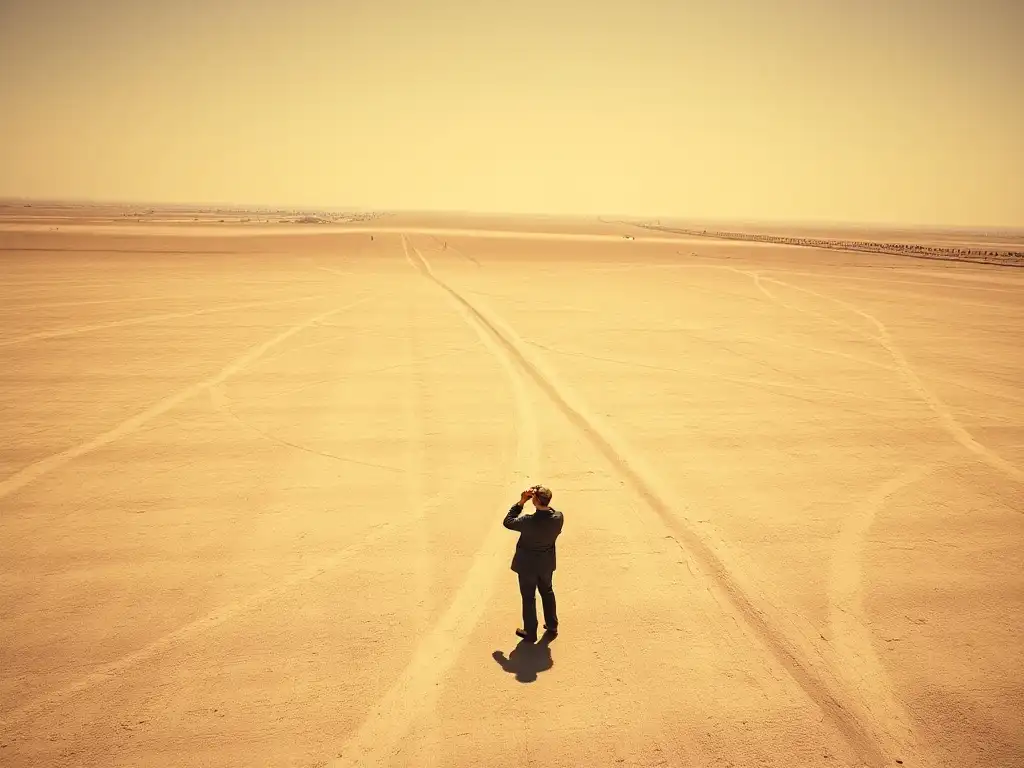
The Nazca Lines, a UNESCO World Heritage site, face significant challenges due to the increasing influx of tourists. While tourism generates revenue crucial for local communities and preservation efforts, uncontrolled visitor numbers pose a serious threat to the fragile geoglyphs and surrounding ecosystem. Implementing sustainable tourism strategies is paramount to ensure the long-term preservation of this invaluable cultural and historical treasure.
This requires a multifaceted approach encompassing responsible tourism practices, eco-friendly tour options, and comprehensive visitor education. The delicate balance between economic benefits and environmental protection must be carefully managed to mitigate the negative impact of "Nazca Lines tourism impact" and ensure its sustainability for future generations.
Implementing Responsible Tourism Practices
Responsible tourism practices are fundamental to minimizing the negative "Nazca Lines tourism impact". This involves implementing strict regulations and monitoring systems to control visitor numbers, access points, and behavior within the site. For instance, designated walkways and viewing platforms can prevent trampling and erosion around the geoglyphs. Furthermore, limiting the number of tour buses and encouraging the use of alternative transportation methods, such as electric vehicles, can reduce air and noise pollution.
Stringent penalties for unauthorized access or damage to the site should be enforced to deter irresponsible behavior. Regular monitoring and maintenance of the fragile desert environment are crucial. This includes initiatives to combat desertification and control invasive plant species that could threaten the lines' integrity. Data collection on visitor numbers, environmental impact, and economic benefits is essential for effective management and adaptive strategies.
An example of a successful strategy could be implementing a reservation system to manage visitor flow and prevent overcrowding, especially during peak seasons. This would allow for a more controlled and sustainable tourism experience. Careful planning and execution of these measures is critical to reduce the "Nazca Lines tourism impact".
Developing Eco-Friendly Tour Options
The development of eco-friendly tour options is crucial to lessening the environmental footprint of Nazca Lines tourism. This involves promoting sustainable transportation, minimizing waste generation, and supporting local businesses committed to environmental responsibility. Offering guided tours that emphasize the cultural and historical significance of the lines, rather than just a quick flyover, can encourage a deeper appreciation for the site and foster a sense of responsibility among visitors.
Promoting cycling tours or walking trails (where appropriate and feasible) can reduce reliance on polluting vehicles. Furthermore, encouraging the use of reusable water bottles and providing waste disposal facilities throughout the site are essential steps towards minimizing the environmental impact. Operators should be encouraged to invest in sustainable practices, such as using renewable energy sources and reducing their carbon emissions.
The use of biodegradable materials for packaging and promotional materials should also be prioritized. Ultimately, a shift towards eco-conscious tourism practices will significantly reduce the negative "Nazca Lines tourism impact" and promote a more sustainable model. A detailed analysis of the carbon footprint of different tour options could inform the development of more sustainable alternatives.
Educating Visitors About the Importance of Conservation
Educating visitors about the importance of conservation is a pivotal element in mitigating the negative "Nazca Lines tourism impact". Comprehensive educational programs, both on-site and online, are needed to raise awareness about the fragility of the geoglyphs and the importance of preserving them for future generations. Interactive exhibits, informative signage, and guided tours with knowledgeable guides can enhance visitor understanding and promote responsible behavior.
Educational materials should highlight the cultural significance of the Nazca Lines, their history, and the threats they face from various factors, including tourism. Furthermore, promoting responsible travel practices, such as respecting the local environment and culture, should be emphasized. The inclusion of educational programs within school curricula in nearby communities can help foster a sense of ownership and responsibility towards the site’s preservation.
By educating visitors about the importance of conservation, it’s possible to cultivate a culture of responsible tourism that actively contributes to the long-term preservation of the Nazca Lines. This proactive approach to education is vital to reduce the "Nazca Lines tourism impact" and promote sustainable tourism practices.
Collaborative Efforts for the Protection of Nazca Geoglyphs
Protecting the Nazca Lines requires a multifaceted approach, transcending national borders and involving diverse stakeholders. Successful preservation hinges on collaborative efforts between the Peruvian government, local communities, international organizations, and academic institutions. The government's role is paramount, encompassing the creation and enforcement of protective legislation, funding research initiatives, and implementing sustainable tourism management plans. This includes controlling access to the fragile geoglyphs, limiting the number of visitors at any given time, and strictly enforcing regulations against unauthorized activities such as off-road driving or the construction of nearby infrastructure that could potentially damage the site.
Effective collaboration extends to engaging local communities. Their traditional knowledge and stewardship of the land are invaluable assets. By empowering local communities through economic opportunities tied to sustainable tourism, such as creating artisan crafts inspired by the Nazca Lines or guiding tours, we can foster a sense of ownership and responsibility for the site's preservation.
This participatory approach ensures that the benefits of tourism are directly felt by the communities living closest to the lines, thereby encouraging their active involvement in conservation efforts. The economic incentives must be carefully designed to avoid over-tourism and prioritize long-term preservation over short-term gains.
International organizations play a vital role in providing financial and technical assistance. UNESCO's designation of the Nazca Lines as a World Heritage site brings international recognition and facilitates access to funding for conservation projects. These organizations can provide expertise in areas such as geospatial monitoring, damage assessment, and the development of innovative conservation techniques.
Furthermore, academic collaborations are crucial for advancing our understanding of the geoglyphs. Researchers from various disciplines, including archaeology, geology, and environmental science, contribute valuable insights into the lines' creation, degradation, and preservation. This research informs the development of effective conservation strategies and helps to counter misinformation and unfounded theories that could lead to inappropriate interventions.
The collaborative exchange of knowledge and resources is essential for ensuring the long-term survival of this invaluable cultural heritage. The effectiveness of these collaborations will be closely monitored and evaluated through regular assessments and adaptive management strategies to ensure the Nazca Lines remain a marvel for generations to come.
The Future of the Nazca Lines: Balancing Tourism and Preservation
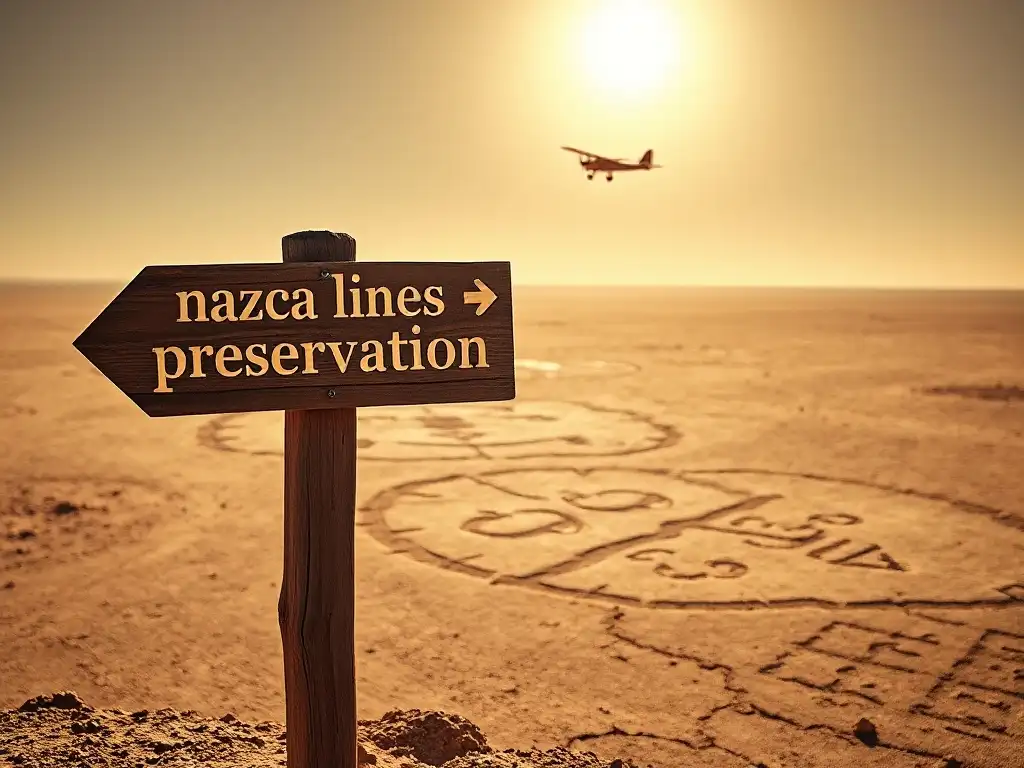
The Nazca Lines, a UNESCO World Heritage site, face a critical juncture. The allure of these enigmatic geoglyphs attracts significant tourism, generating economic benefits for the surrounding communities. However, this influx of visitors poses a considerable threat to the fragile lines themselves. The delicate nature of the desert surface, coupled with the increasing number of tourists, necessitates a proactive and sustainable approach to managing tourism's impact.
Finding this balance—between economic growth and environmental protection—is paramount for the long-term survival of this invaluable cultural heritage. Failure to do so risks irreversible damage to these irreplaceable historical treasures. The challenge lies in implementing strategies that minimize environmental impact while maximizing the economic and educational benefits of tourism. This requires a multi-pronged strategy involving technological advancements, community engagement, and stringent regulatory measures.
The Role of Technology in Monitoring Nazca Lines
Technological advancements offer crucial tools for monitoring the Nazca Lines' condition and mitigating the effects of tourism. High-resolution satellite imagery, drones equipped with advanced sensors, and ground-penetrating radar can provide detailed assessments of the geoglyphs' state, identifying areas of erosion or damage. This data can inform preventative measures, such as targeted soil stabilization or the implementation of controlled access zones.
Furthermore, sophisticated monitoring systems can track tourist movements and environmental factors like wind and rainfall, providing real-time insights into potential threats. This proactive approach, powered by technology, allows for timely interventions, minimizing the long-term impact of tourism and ensuring the preservation of these invaluable historical artifacts. For example, analyzing drone footage can reveal subtle changes in soil composition or the appearance of new cracks, allowing for early intervention before significant damage occurs.
The integration of AI and machine learning could further enhance the efficiency and accuracy of this monitoring process, automatically flagging potential issues for immediate attention. This technological investment is not merely a cost; it's a crucial investment in the future of the Nazca Lines, ensuring their preservation for generations to come.
Community Involvement in Site Management
Sustainable tourism relies heavily on the active participation of local communities. Involving nearby residents in the management and protection of the Nazca Lines is crucial. This can take many forms, from providing training opportunities in sustainable tourism practices to creating local employment opportunities related to site preservation and visitor education.
Empowering local communities fosters a sense of ownership and responsibility, leading to greater protection of the site. Community-based tourism initiatives can also help diversify income streams, reducing reliance on potentially damaging high-impact tourism models. This approach fosters a more equitable distribution of tourism benefits, contributing to the overall well-being of the community while simultaneously safeguarding the Nazca Lines.
For instance, training local guides on the historical significance of the lines and responsible tourism practices ensures that visitors receive accurate and engaging information while minimizing their environmental footprint. Furthermore, involving the community in monitoring programs, like reporting potential damage or illegal activities, creates a collaborative network for protection. This participatory approach transforms the local population from passive observers to active custodians of their cultural heritage.
Ensuring the Long-Term Survival of the Nazca Geoglyphs
The long-term survival of the Nazca Lines necessitates a comprehensive, multi-faceted strategy. This includes stringent regulations regarding tourist access, the implementation of advanced monitoring technologies, and continuous community engagement. Furthermore, research efforts should focus on understanding the geoglyphs' vulnerability to environmental factors and developing innovative preservation techniques.
Investing in educational programs to raise public awareness about the fragility of the site and the importance of its preservation is also crucial. Ultimately, the preservation of the Nazca Lines is not just a responsibility of the authorities or researchers; it's a collective effort requiring international cooperation and a commitment from all stakeholders. This collaborative approach, combining scientific expertise, technological innovation, and community engagement, offers the best hope for ensuring the continued existence of this remarkable cultural treasure for future generations.
A proactive and adaptable approach, constantly evaluating and refining strategies based on new data and evolving challenges, is essential for the long-term sustainability of the Nazca Lines and their place in world heritage. The Nazca Lines tourism impact, therefore, requires constant vigilance and a commitment to a sustainable future.
The Nazca Lines, a testament to the ingenuity and artistry of the Nazca civilization, face a complex interplay of preservation and accessibility. The impact of tourism, while crucial for economic development in the region, presents significant challenges to the long-term survival of this invaluable heritage site. Balancing the needs of the local economy with the imperative to protect these fragile geoglyphs requires a multifaceted approach, incorporating sustainable practices and responsible tourism strategies.
Failure to address these challenges effectively risks irreversible damage to these irreplaceable historical wonders. Understanding the delicate balance between economic benefit and environmental protection is paramount for ensuring the continued existence of the Nazca Lines for future generations. The future of Nazca Lines tourism hinges on this understanding and a commitment to proactive, sustainable management.
The Complex Relationship Between Tourism and Heritage
The Nazca Lines' vulnerability is intrinsically linked to the very factors driving tourism. Increased visitor numbers, even with well-intentioned efforts, contribute to soil erosion, pollution, and the overall degradation of the site. For example, the vibration from passing aircraft, once thought to be a minimal threat, is now understood to contribute to the slow deterioration of the geoglyphs.
Furthermore, the construction of infrastructure to accommodate tourists, such as access roads and viewing platforms, can inadvertently encroach upon the protected areas. This necessitates a delicate balance: restricting access to preserve the site risks harming the local economy, while uncontrolled tourism leads to the very damage it seeks to prevent. Data on visitor numbers and their impact, while currently fragmented, highlights the urgent need for comprehensive monitoring and assessment to inform effective management strategies.
This requires collaboration between government agencies, local communities, and tourism operators to develop a holistic approach that prioritizes both preservation and sustainable economic growth. Finding this equilibrium is key to ensuring the long-term viability of the Nazca Lines as both a cultural treasure and an economic asset.
A Call for Responsible Stewardship of the Nazca Lines
The future of the Nazca Lines depends on a collective commitment to responsible tourism. This involves several key actions: Implementing stricter regulations on air traffic and visitor access; investing in advanced monitoring technologies to assess the site's condition and identify areas needing immediate attention; developing educational programs for both tourists and local communities to promote awareness of the site's fragility and the importance of its preservation; encouraging sustainable tourism practices, such as using eco-friendly transportation and minimizing waste; and fostering community involvement in the management and protection of the Nazca Lines.
Furthermore, diversifying the local economy beyond tourism, reducing reliance on a single, potentially damaging income source, is crucial. Investing in alternative income-generating activities can help lessen the pressure on the site while simultaneously improving the lives of the local population.
This comprehensive approach, encompassing environmental protection, economic diversification, and community engagement, is essential for ensuring the long-term survival and appreciation of this unique and irreplaceable cultural heritage site. The Nazca Lines are not merely a tourist attraction; they are a global legacy, demanding responsible stewardship for generations to come.
Frequently Asked Questions
What is the main threat to the Nazca Lines caused by tourism?
The biggest threat is environmental damage from increased foot traffic and infrastructure development near the site. Erosion from poorly managed tourism significantly impacts the fragility of the lines.
How is tourism impacting the local Nazca community?
Tourism brings economic benefits to Nazca, creating jobs and revenue. However, sustainable practices are crucial to ensure the benefits are fairly distributed and long-lasting.
What measures are in place to protect the Nazca Lines from tourism?
Measures include restricting access to the lines themselves, promoting responsible tourism practices, and using observation towers for viewing. There's also ongoing research and conservation efforts.
How can tourists minimize their negative impact on the Nazca Lines?
Tourists should adhere to designated viewing areas, use official tour operators, and avoid any actions that could cause soil erosion or disturbance. Respect for the site is key.
What is the future of tourism at the Nazca Lines?
The future depends on striking a balance between economic development and environmental protection. Sustainable tourism strategies, including strict regulations and education initiatives, are vital for long-term preservation.
Final Reflection: A Legacy Etched in Earth and Time
The Nazca Lines, ancient marvels etched into the Peruvian desert, stand as a powerful testament to human ingenuity, yet their very existence is now threatened by the very thing meant to celebrate them: modern tourism. The delicate balance between preservation and accessibility is a critical issue, one that demands immediate and thoughtful consideration if we are to ensure these irreplaceable historical treasures remain for future generations.
The impact of tourism on the Nazca Lines is a complex and evolving story, one that underscores the inherent tension between economic development and environmental responsibility. The influx of visitors, while boosting the local economy, also contributes to soil erosion, pollution, and the overall degradation of the site. This delicate ecosystem, already vulnerable to the harsh desert climate, is further stressed by the sheer volume of human activity. The past is never dead. It's not even past.
– William Faulkner. This quote resonates deeply, reminding us that our actions today directly shape the legacy we leave for tomorrow. The Nazca Lines are a tangible link to a distant past, and their preservation is our responsibility.
Consider the weight of your own footprint. As you plan future travels, remember the fragility of these incredible sites. Choose responsible tourism options, supporting local communities and businesses committed to sustainable practices. Advocate for stricter regulations and preservation efforts, ensuring that the awe-inspiring mystery of the Nazca Lines continues to inspire wonder and curiosity for centuries to come. Let us ensure that the legacy of this ancient civilization is not erased by the very forces meant to celebrate it.
Unveil the Mysteries of the Nazca Lines and Make a Difference!
Thank you for exploring the fascinating world of the Nazca Lines and their impact on modern tourism! You've gained valuable insights into this extraordinary site and its significance, but your engagement can extend further to actively protect its legacy. Imagine being part of a movement ensuring these ancient wonders remain accessible for generations to come.
Here are a few ways you can contribute:
- Support local conservation efforts. Join a community initiative focused on protecting the Nazca Lines. Your involvement can help educate visitors on responsible tourism practices, fostering respect for these ancient symbols while allowing everyone to appreciate their beauty.
- Share your passion. Spread the word on social media! Share your newfound knowledge about the Nazca Lines and inspire friends and family to learn more about this incredible cultural treasure.
- Travel responsibly. When visiting the Nazca Lines, choose eco-friendly tours that prioritize site conservation and respect local communities.
What specific actions will you take to ensure the preservation of the Nazca Lines while experiencing their incredible beauty?