
Nazca Ceramics as Storytellers: Narratives Embedded in Pottery Designs

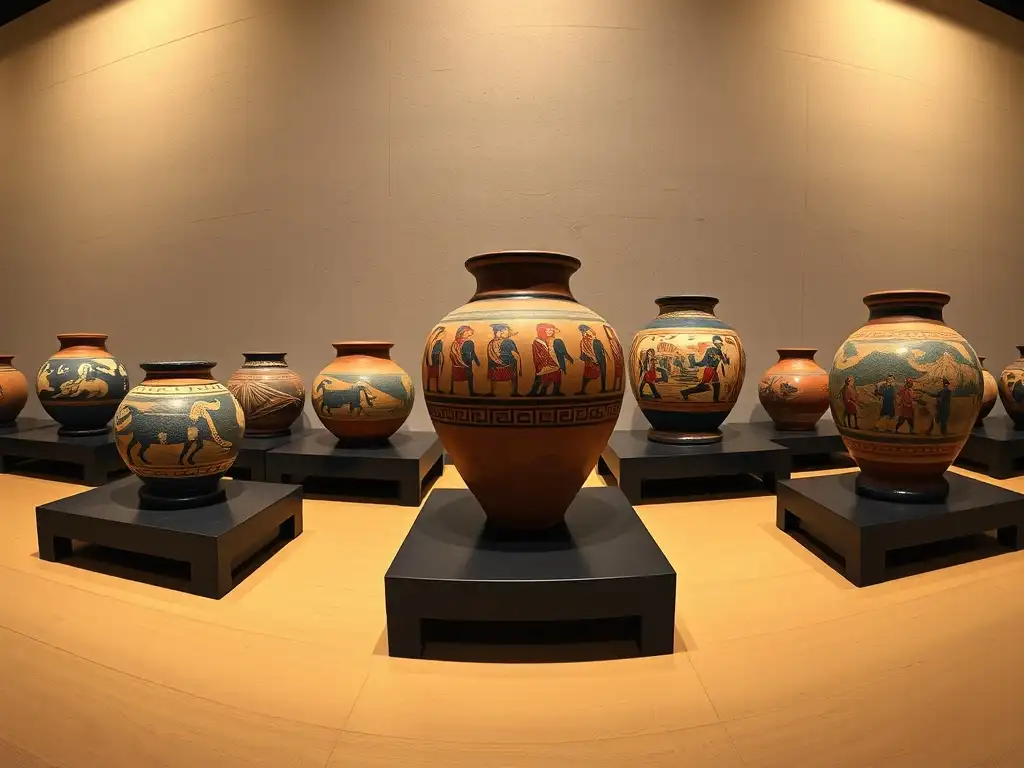
Step into a world lost to time, yet whispering secrets through its vibrant artistry. Uncover the enigmatic legacy of the Andean civilizations, where intricate designs hold the key to unlocking a rich tapestry of beliefs and traditions. Prepare to be captivated by the Nazca pottery design meaning, a fascinating window into the lives and cosmology of this remarkable culture. Dive in and discover the narratives embedded within these ancient ceramics – their stories await!
The Nazca civilization, renowned for its enigmatic geoglyphs etched into the Peruvian desert, also left behind a rich legacy of exquisite pottery. These aren't merely vessels; they are vibrant canvases teeming with intricate designs that whisper tales of daily life, religious beliefs, and societal structures. This article delves into the fascinating world of Nazca ceramics, exploring how their artistic motifs serve as powerful storytellers, revealing profound insights into the culture and worldview of this remarkable ancient Andean society.
We will unravel the meanings behind the iconic Nazca pottery design, examining the symbolism embedded within the imagery and analyzing how these designs contribute to our understanding of Nazca society. Understanding Nazca pottery design meaning provides a unique window into a complex civilization that continues to captivate and intrigue researchers and enthusiasts alike. Prepare to be transported to a world of vibrant colors, intricate patterns, and captivating narratives etched onto clay.
Decoding the Iconography: Common Motifs and Their Interpretations
Nazca pottery is characterized by its distinctive style: bold colors, often featuring a palette of red, black, white, and yellow, applied to highly polished surfaces. The designs themselves are incredibly intricate, featuring a wide array of recurring motifs. These include stylized representations of humans, animals (both real and mythical), plants, and geometric patterns.
For example, the recurring image of a feline, often depicted with elongated limbs and sharp features, is believed to represent a deity or shamanic figure, reflecting the importance of animals in their spiritual beliefs. Similarly, the frequent appearance of stylized plants might represent agricultural abundance or specific deities associated with fertility.
The precise meaning of many motifs remains a subject of ongoing research and scholarly debate, but careful analysis of the patterns and their context within a particular vessel can offer valuable clues. Detailed studies of individual pieces, comparing them to similar examples, are crucial for building a comprehensive understanding of the visual language used in Nazca pottery.
Nazca pottery was not solely decorative; it played a crucial role in both daily life and religious rituals. Many vessels were clearly functional, used for storing food, water, or other substances. However, the elaborate decoration suggests that these objects held significant social and ritual value beyond their practical uses.
The intricacy of the designs, the quality of the craftsmanship, and the materials used (including the choice of clay and pigments) all contribute to an understanding of the social status of the vessel's owner or the importance of the ritual in which it was used. For example, larger, more elaborately decorated vessels might have been used in important ceremonies or belonged to elite members of society, while simpler vessels served everyday needs. Analyzing the context of discovery—the location and association with other artifacts—further enhances our understanding of their significance.
Technological Marvels: The Techniques Behind the Art
The creation of Nazca pottery was a sophisticated process requiring considerable skill and knowledge. Potters employed a variety of techniques, including slip painting (applying a liquid clay coating) and negative painting (using a resist technique to create patterns), to achieve their stunning visual effects. The precise control over the application of pigments and the remarkable level of detail achieved in many pieces demonstrate the high level of expertise possessed by Nazca artisans.
The high-fired, polished surfaces of the pottery also reflect advanced ceramic technology, which contributed to their durability and longevity. Understanding these techniques allows us to appreciate not only the artistry but also the technological advancements that underpinned Nazca ceramic production. This mastery of technology speaks volumes about the organizational and societal structures that supported the creation of these exquisite objects.
Nazca Pottery Design Meaning: Connecting the Dots and Building Narratives
By combining iconographic analysis, studies of social context, and an understanding of the technological processes involved, we can begin to unravel the complex narratives embedded within Nazca pottery designs. Each vessel, with its unique combination of motifs and colors, contributes to a broader understanding of Nazca cosmology, social structures, and daily life. The vibrant imagery on these ceramic masterpieces offers a glimpse into the beliefs, values, and experiences of a remarkable ancient civilization.
Further research, combining archaeological findings with art historical analysis, will undoubtedly continue to shed light on the rich tapestry of meanings woven into these compelling works of art. The enduring appeal of Nazca pottery lies not only in its aesthetic beauty but also in its capacity to transport us to another time and place, allowing us to engage with the stories and beliefs of a fascinating ancient culture.
- Decoding the Iconography: Common Motifs and Their Interpretations
- Beyond Decoration: The Social and Ritual Significance of Pottery
- Technological Marvels: The Techniques Behind the Art
- Nazca Pottery Design Meaning: Connecting the Dots and Building Narratives
Decoding Nazca Pottery: An Introduction to Visual Narratives
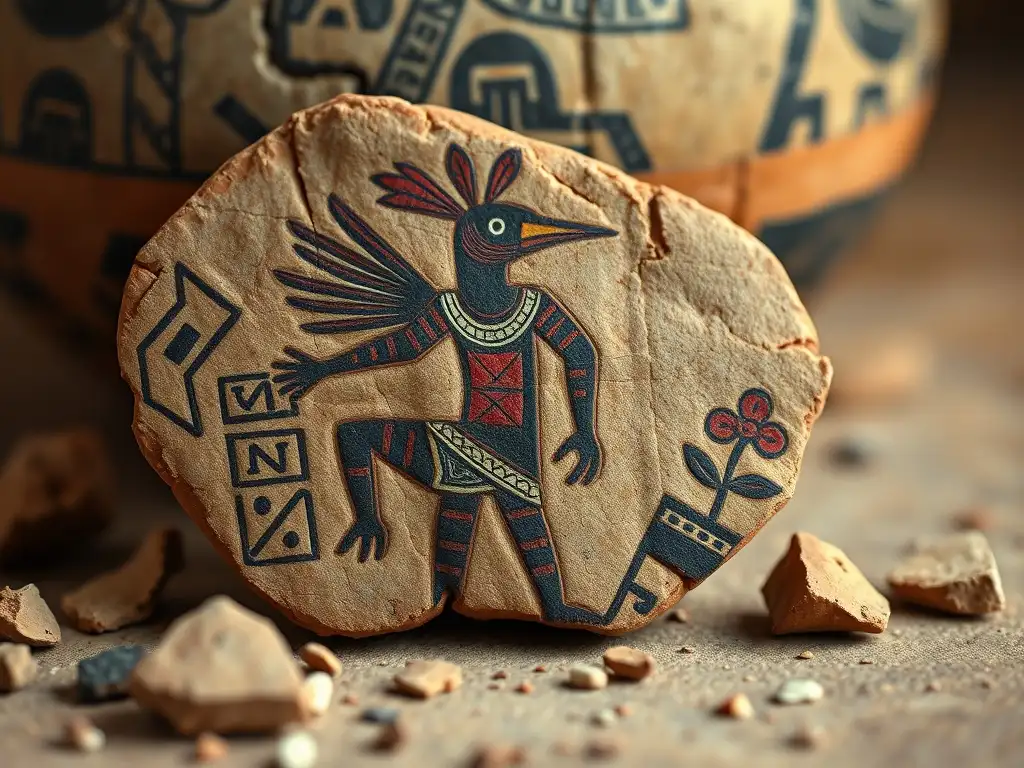
This section delves into the fascinating world of Nazca pottery, exploring how these ceramic artifacts serve as rich visual narratives, offering invaluable insights into the lives, beliefs, and societal structures of the Nazca civilization. Understanding Nazca pottery design meaning requires careful consideration of the intricate details, symbolic representations, and the cultural context in which these pieces were created.
The vibrant colors, intricate designs, and often-surreal imagery found on Nazca pottery are not mere decoration; they are carefully crafted visual stories that reveal a complex and sophisticated society. We will examine how these designs reflect aspects of daily life, religious practices, and cosmological beliefs of the Nazca people.
The analysis of Nazca pottery design meaning provides a window into a lost world, allowing us to reconstruct a more complete picture of this remarkable civilization. The study of these artifacts is essential for comprehending the cultural and artistic legacy of the Nazca, offering a unique perspective on Andean art and its significance within a broader historical context.
The Significance of Nazca Ceramics in Andean Culture
Nazca ceramics hold a prominent position within the broader context of Andean art and culture. Unlike many other ancient civilizations, the Nazca invested significant resources and artistry into their pottery, creating objects that were not merely functional but also served as powerful mediums for storytelling, ritual practice, and social expression. The meticulous craftsmanship evident in the pottery, from the delicate painting techniques to the precise shaping of the vessels, points to the high value placed on these objects within Nazca society.
The prevalence of these pieces in archaeological sites suggests their widespread use across different social strata, indicating their importance in both daily life and ceremonial contexts. Their presence in tombs and elite burials further emphasizes their symbolic and ritual significance. The intricate designs, often featuring mythical beings, stylized plants, and complex geometric patterns, are far from random; they are carefully constructed visual narratives that offer glimpses into Nazca mythology, cosmology, and social organization.
The stylistic consistency across numerous pieces also suggests a degree of standardization and artistic training within the community, pointing to the existence of skilled artisans and potentially specialized workshops. The legacy of Nazca ceramic artistry continues to inspire awe and admiration, serving as a testament to the creativity and ingenuity of this ancient Andean civilization.
Understanding the Context: Nazca Society and Artistic Expression
To truly grasp the Nazca pottery design meaning, we must consider the socio-political structure of the Nazca civilization. Archaeological evidence suggests a relatively decentralized society, possibly organized around smaller settlements and regional centers. This decentralized structure might explain the diversity of styles and iconography found in Nazca pottery, with regional variations reflecting local artistic traditions and beliefs. However, certain stylistic elements and motifs appear consistently across different regions, suggesting a degree of cultural cohesion and shared beliefs.
The production and distribution of pottery may have played a role in maintaining these cultural connections. Analysis of the materials used—clay types, pigments, and firing techniques—can provide further insights into trade networks and regional interactions. Furthermore, the depictions of individuals and social scenes on the pottery offer valuable information about social hierarchy and daily life. Some vessels portray elaborate feasts, suggesting the importance of communal gatherings and social rituals.
Others depict individuals engaged in various activities, such as agriculture, fishing, or textile production, providing glimpses into the economic activities that sustained Nazca society. Analyzing these scenes allows us to reconstruct the daily lives and social dynamics of the Nazca people, enriching our understanding of the context in which the pottery was created and its intended meaning. The study of Nazca pottery, therefore, becomes a multi-faceted endeavor, requiring an interdisciplinary approach that integrates archaeological findings, artistic analysis, and anthropological interpretations to fully unlock the secrets encoded within these remarkable artifacts.
Exploring the Iconography of Nazca Pottery: Symbolic Language
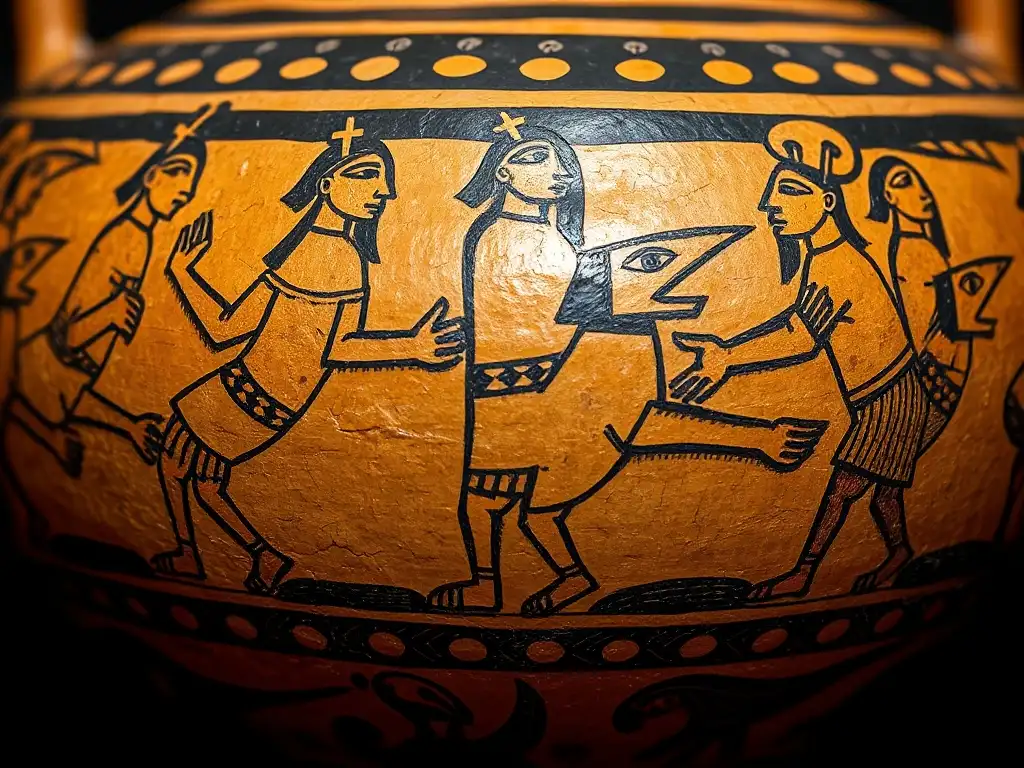
The intricate designs adorning Nazca pottery are far from mere decoration; they represent a complex system of visual communication, a symbolic language that offers a window into the beliefs, rituals, and daily life of this remarkable civilization. Understanding this iconography requires careful observation and interpretation, considering not only the individual motifs but also their arrangement, color, and context within the broader cultural landscape. Scholars have dedicated years to deciphering these visual narratives, piecing together fragments of a rich and fascinating worldview.
The challenge lies in the fact that much remains enigmatic, and new interpretations are constantly emerging as researchers uncover more artifacts and refine their analytical methods. This section delves into the key aspects of Nazca pottery iconography, aiming to illuminate the symbolic richness embedded within these seemingly simple ceramic surfaces.
Common Motifs in Nazca Pottery: Animals, Plants, and Mythical Beings
Nazca pottery is teeming with a diverse array of motifs, prominently featuring representations of the natural world. Animals, in particular, hold significant symbolic weight. Depictions of birds, such as hummingbirds and condors, are frequently encountered, often associated with themes of flight, spirituality, and shamanistic practices. The stylized representations of these creatures, with their elongated bodies and vibrant colors, are instantly recognizable and aesthetically striking. Similarly, depictions of marine life, including fish, whales, and seabirds, suggest a deep connection between the Nazca people and the Pacific Ocean, a vital source of sustenance and spiritual significance.
Beyond animals, plants also feature prominently. Cactus plants, often rendered with meticulous detail, likely symbolized resilience and adaptation to the arid coastal environment. Other plant motifs, possibly representing cultivated crops or medicinal herbs, may reflect the importance of agriculture and healing in Nazca society.
Perhaps the most intriguing motifs are those depicting mythical beings. These often appear as hybrid creatures, combining elements of different animals or incorporating anthropomorphic features. These enigmatic figures likely represent deities, spirits, or other supernatural entities central to Nazca cosmology. Their precise meanings remain a subject of ongoing scholarly debate, with interpretations varying based on the specific combination of features and the context of their appearance on the pottery. The ambiguity itself contributes to the mystique of Nazca pottery, inviting further investigation and speculation.
The Role of Color in Nazca Pottery: Conveying Meaning and Emotion
Color plays a crucial role in enhancing the symbolic power of Nazca pottery. The vibrant hues, achieved through the use of natural pigments, are not merely aesthetic choices; they are integral to the meaning conveyed by the designs. Red, for instance, often associated with blood and sacrifice, might signify power, fertility, or even a connection to the underworld.
White, on the other hand, might represent purity, while black could symbolize death or the night. The specific meaning of a color, however, is not always straightforward and often depends on the context within the overall design and the specific motif it accompanies.
Further complicating the interpretation, the Nazca artisans employed a range of techniques to create different color effects, including negative painting and the use of multiple layers of pigment. This sophistication in technique underlines the deliberate nature of their artistic choices and the importance of color in conveying complex meanings. The interplay of colors, therefore, adds another layer of complexity to the interpretation of Nazca pottery iconography, highlighting the advanced symbolic system employed by the Nazca civilization. Understanding the nuances of color use significantly contributes to a richer understanding of the narratives embedded in these ancient vessels.
Nazca Pottery Design Meaning: Unveiling the Symbolic Code
Deciphering the meaning behind Nazca pottery designs is a complex and ongoing process, requiring interdisciplinary collaboration between archaeologists, art historians, and anthropologists. While complete understanding may remain elusive, considerable progress has been made in identifying recurring motifs and their likely symbolic associations. The careful study of individual pieces, alongside the analysis of broader stylistic trends and the archaeological context in which the pottery was found, provides crucial clues.
For example, the presence of certain motifs in association with specific burial practices might suggest their significance in funerary rites. Similarly, the recurring appearance of particular designs on vessels used in ceremonies could indicate their role in religious rituals.
The study of Nazca pottery design meaning is not a static endeavor. New discoveries and analytical techniques continuously refine our understanding. Each newly unearthed piece of pottery, each newly developed interpretation, contributes to a more comprehensive picture of the sophisticated symbolic system that underpinned Nazca culture. The ongoing research underscores the enduring fascination with these enigmatic artifacts and the richness of the cultural heritage they represent. The pursuit of understanding the "Nazca pottery design meaning" continues to inspire awe and wonder, reminding us of the ingenuity and complexity of ancient Andean civilizations.
Analyzing Narrative Scenes in Nazca Pottery
The intricate designs adorning Nazca pottery are far more than mere decoration; they are vibrant narratives, meticulously crafted to convey complex stories, beliefs, and societal structures. Understanding these narratives requires careful analysis of the iconography, composition, and stylistic choices employed by the Nazca artisans. The meaning embedded within each piece is multifaceted, reflecting a rich tapestry of cultural practices and worldview. This section delves into specific themes frequently depicted on Nazca ceramics, offering insights into their potential interpretations.
Unraveling the secrets hidden within these ancient vessels provides a deeper understanding of Nazca pottery design meaning and the civilization itself. The sheer diversity of scenes, ranging from everyday life to mythical encounters, makes the study of Nazca ceramics a fascinating and ongoing endeavor. Researchers continue to debate interpretations, adding to the enduring allure of this remarkable art form.
Depictions of Rituals and Ceremonies in Nazca Ceramics
Nazca pottery frequently showcases scenes depicting elaborate rituals and ceremonies, offering invaluable glimpses into the religious practices of this ancient civilization. These depictions often feature figures in ceremonial attire, engaging in actions that suggest offerings, dances, or other ritualistic behaviors. The careful arrangement of figures and objects within these scenes suggests a highly structured and formalized approach to religious practice.
For example, scenes depicting individuals presenting offerings to deities or ancestral spirits are commonly found, highlighting the importance of ancestor veneration and appeasement of supernatural forces. The vibrant colors and detailed execution of these scenes emphasize their significance within Nazca society. The use of specific colors and symbols may also hold deeper meanings, reflecting a complex system of religious beliefs and practices.
Further research is needed to fully decipher the nuances of these ritualistic scenes and their place within the larger context of Nazca religion. Analyzing the specific iconography and spatial relationships between the figures involved could reveal additional layers of meaning within these complex narratives. Detailed studies of individual vessels, comparing and contrasting similar scenes across different pieces, are crucial for unraveling the subtleties of Nazca ritual practices.
Representations of Warfare and Conquest on Nazca Vessels
While often associated with elaborate depictions of flora and fauna, Nazca pottery also reveals a surprising amount of imagery relating to warfare and conquest. These scenes, though less frequent than depictions of rituals or daily life, provide important insights into the social dynamics and potential conflicts within Nazca society, or perhaps with neighboring groups. Representations of warfare typically involve stylized depictions of warriors armed with spears, clubs, and other weaponry, engaged in combat or processions.
The warriors are often depicted wearing distinctive headdresses and adornments, possibly indicating different social ranks or affiliations within the military structure. The level of detail in these depictions, including the portrayal of weaponry and battle tactics, suggests a significant focus on military prowess within Nazca culture. However, the precise interpretation of these scenes remains a subject of ongoing scholarly debate.
Some researchers suggest that these depictions are not necessarily representations of actual warfare, but rather symbolic representations of power, dominance, or ritualistic combat. Further research, comparing these depictions with archaeological evidence of warfare, is needed to fully understand the context and meaning of these scenes. Analyzing the weapons, attire, and body language of the figures involved can offer clues about the nature of warfare within Nazca society, contributing to a more complete understanding of their social structure and interactions.
The Presence of Mythological Figures and Deities in Nazca Art
A significant portion of Nazca pottery design meaning stems from the portrayal of mythological figures and deities. These figures, often depicted with exaggerated features and elaborate headdresses, are central to understanding Nazca religious beliefs and cosmology. Many of these deities are anthropomorphic, possessing human-like forms but with distinct features that set them apart from ordinary mortals. Some are depicted with animalistic characteristics, suggesting a close relationship between the human and animal worlds in Nazca mythology.
The identification of specific deities, however, remains challenging due to the lack of written texts. Scholars rely on iconographic analysis and comparisons across multiple vessels to identify recurring motifs and potential symbolic representations. For instance, certain headdresses or adornments may indicate specific deities or roles within the pantheon. The consistent presence of certain symbols, such as stylized plants, animals, or celestial bodies, may also provide clues about the attributes and powers of these mythological figures.
The dynamic interaction between these figures within the narrative scenes suggests a complex mythology with interwoven relationships between deities and their human devotees. Further research into comparative iconography and the analysis of stylistic variations across different pottery workshops could provide a more detailed understanding of the Nazca pantheon and its influence on Nazca society. The study of Nazca pottery, therefore, offers a unique window into the rich and complex religious beliefs of this fascinating civilization, enriching our understanding of Nazca pottery design meaning.
Nazca Pottery Techniques and Materials: Craftsmanship and Skill
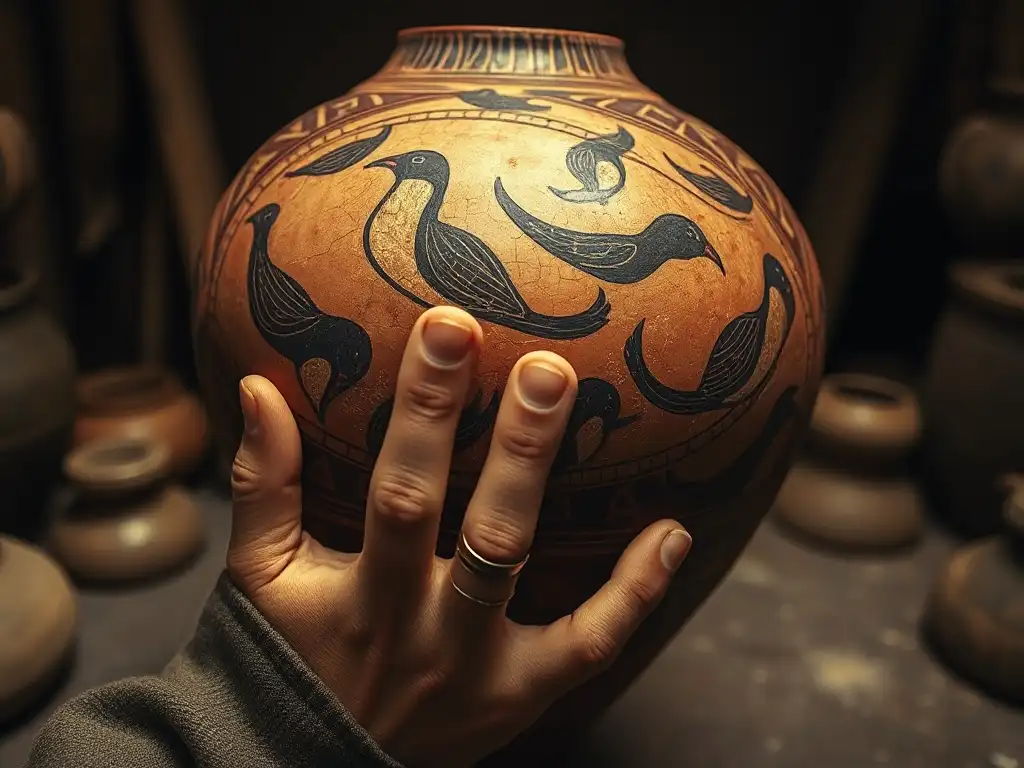
The remarkable artistry of Nazca pottery is not just about the captivating designs; it's deeply rooted in the sophisticated techniques and materials employed by the artisans. Understanding these aspects reveals a level of craftsmanship that speaks volumes about their societal organization and technological prowess. The creation of these vibrant, detailed ceramics was a complex process, requiring specialized knowledge and skill passed down through generations. This section delves into the specifics of Nazca pottery production, highlighting the meticulous care and expertise involved in each step.
Analyzing the techniques used reveals much about the Nazca worldview and their understanding of the natural world. The enduring legacy of Nazca pottery is a testament to the skill and dedication of these ancient artisans. This deep dive into "Nazca pottery design meaning" will reveal more about the cultural significance of the pottery.
The Process of Creating Nazca Pottery: From Clay to Finished Piece
The creation of a Nazca ceramic piece was a multi-stage process, beginning with the careful selection and preparation of clay. Evidence suggests they utilized various clay types, often mixing them to achieve the desired consistency and color. After procuring the clay, the artisans would meticulously remove impurities and knead the material to achieve a smooth, workable texture.
Then, the shaping process commenced, often using molds for standardized forms or employing the coil method for more intricate designs. The use of molds allowed for mass production of certain vessel types, while the coil method provided greater flexibility for unique shapes and sizes.
Following shaping, the pottery underwent a crucial drying process, ensuring the clay's stability before firing. This process, likely undertaken in open-air kilns, involved carefully controlling the temperature to avoid cracking or warping. The firing process transformed the clay, hardening it and rendering it durable.
The firing temperature varied depending on the desired color and texture of the final piece. After firing, the surface was prepared for painting, often involving smoothing and polishing to create a pristine base for the vibrant pigments. The final step was the application of the intricate designs that are so characteristic of Nazca pottery, a testament to the artisans' skill and artistic vision.
Pigments and Dyes Used in Nazca Pottery: Achieving Vibrant Colors
The striking vibrancy of Nazca pottery colors is a testament to the artisans' mastery of pigments and dyes. Analysis of surviving pieces reveals a sophisticated understanding of natural materials and their properties. The pigments were primarily derived from minerals and plant sources found in the local environment.
For example, reds were frequently obtained from iron oxides, yellows from clays rich in iron hydroxides, and blacks from manganese oxides. A range of other earth pigments provided a diverse palette, including various shades of brown, ochre, and white. The precise recipes and methods for preparing and applying these pigments remain partially unknown, although ongoing research continuously reveals new insights.
The longevity of the colors, despite centuries of exposure to the elements, points to a remarkable understanding of pigment chemistry and application techniques. The skill in achieving such vibrant and enduring colors adds another layer to our understanding of "Nazca pottery design meaning," suggesting a profound connection between the artists and their natural surroundings.
The Durability and Longevity of Nazca Pottery: A Testament to Their Skill
The remarkable survival rate of Nazca pottery is a testament to the quality of materials and the mastery of production techniques. Thousands of pieces have survived, showcasing the skill and dedication of the artisans who created them. Many vessels have endured harsh desert conditions for centuries, a testament to their durability.
The combination of high-quality clay, precise firing techniques, and the use of durable pigments all contributed to the exceptional longevity of Nazca ceramics. The ability to create pottery that could withstand the test of time reflects a sophisticated understanding of materials science and craftsmanship that is truly impressive.
The long-lasting nature of these artifacts allows us to continue to unravel the narratives embedded in their designs and gain a deeper appreciation for "Nazca pottery design meaning" today. The enduring presence of these vessels provides a tangible link to the past, allowing us to connect with the culture and artistry of a remarkable civilization.
The Function of Nazca Pottery: Beyond Decoration
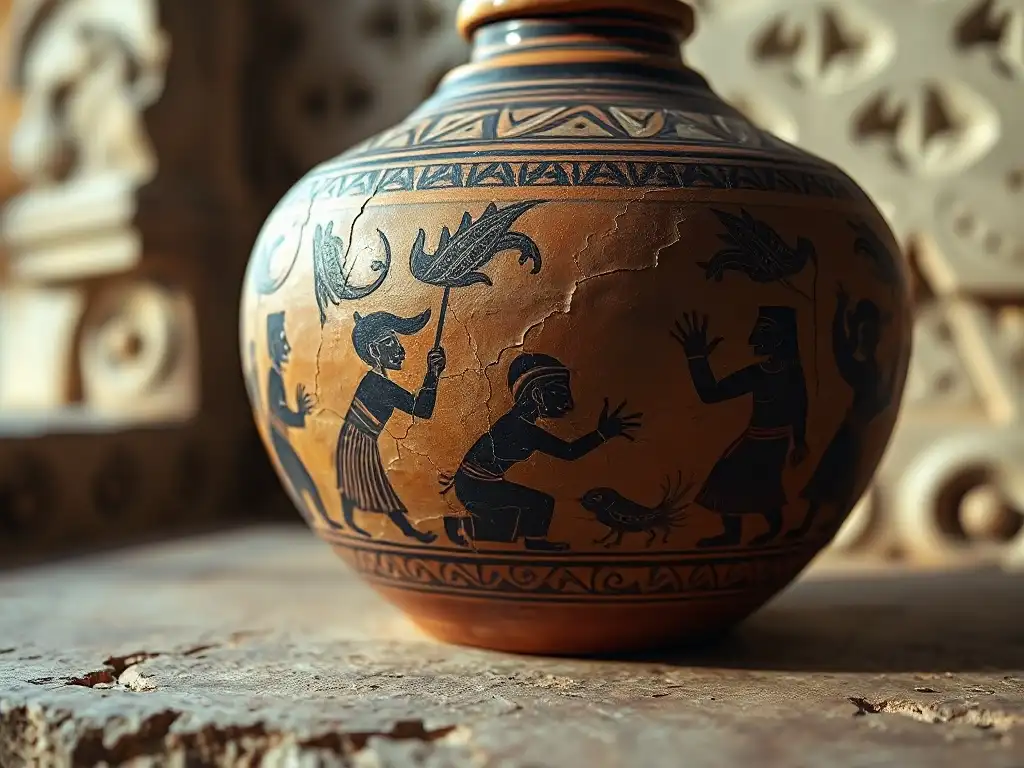
Nazca pottery, renowned for its intricate and vibrant designs, served far more purposes than mere decoration. Understanding the multifaceted roles of this pottery is crucial to deciphering the meaning behind its stunning imagery. The Nazca people imbued their ceramics with deep symbolic significance, using them in rituals, daily life, and as vehicles for transmitting cultural knowledge across generations.
Analyzing these functions reveals a complex interplay of religious beliefs, social structures, and artistic expression within Nazca society. This section will explore the key roles of Nazca pottery, moving beyond its aesthetic appeal to uncover its deeper cultural meaning, significantly contributing to our understanding of "Nazca pottery design meaning."
Nazca Pottery as Offerings and Burial Goods: The Afterlife Connection
A significant portion of discovered Nazca pottery is found in funerary contexts, strongly suggesting its importance in beliefs surrounding the afterlife. Elaborately decorated vessels, often containing food or other offerings, were placed within tombs alongside the deceased. The specific designs on these vessels likely held symbolic meaning related to the deceased's status, beliefs, or desired journey into the afterlife. For instance, depictions of mythical beings or celestial events might represent a passage to a spiritual realm or a connection with ancestral spirits.
The careful placement and selection of pottery within graves reveal a structured system of beliefs, illustrating the importance of these objects in the Nazca worldview. The intricate detail and high quality of many funerary vessels further emphasize their value and the significance placed upon the deceased's transition. Analysis of these burial practices offers invaluable insight into the "Nazca pottery design meaning" within a ritualistic context.
The Use of Nazca Pottery in Daily Life: Utilitarian and Symbolic Roles
While some Nazca pottery served ceremonial functions, a considerable amount was clearly used in daily life. Vessels of various shapes and sizes were employed for storing food, water, and other goods. Even utilitarian pottery, however, often displays decorative elements, integrating symbolic imagery into everyday objects. This suggests that even mundane activities were infused with cultural significance.
For example, a simple water jar might feature geometric patterns representing agricultural fertility or stylized depictions of animals crucial to Nazca subsistence. The consistent incorporation of design, even on functional pieces, highlights the pervasive nature of artistic expression and symbolic representation within Nazca culture. This pervasive use of design across all types of pottery reinforces the concept of "Nazca pottery design meaning" extending beyond the merely ceremonial.
Nazca Pottery as a Form of Communication: Transmitting Cultural Knowledge
Nazca pottery acted as a powerful tool for transmitting cultural knowledge and beliefs across generations. The designs, often complex and multi-layered, encoded narratives, myths, and cosmological ideas. Scholars continue to decipher the symbolism embedded within these images, revealing insights into Nazca social structures, religious practices, and understanding of the natural world. The consistency of certain motifs across different vessels suggests a shared cultural understanding and the existence of a complex system of visual communication.
The vibrant colors and intricate details of the designs ensured that these narratives were easily recognizable and memorable, facilitating the transmission of cultural heritage. The enduring appeal and continued study of Nazca pottery demonstrate the success of this visual communication system, making the investigation into "Nazca pottery design meaning" a continuous and rewarding endeavor. The study of these designs continues to shed light on the rich and complex culture of the Nazca people.
Preserving and Interpreting Nazca Pottery: Modern Perspectives
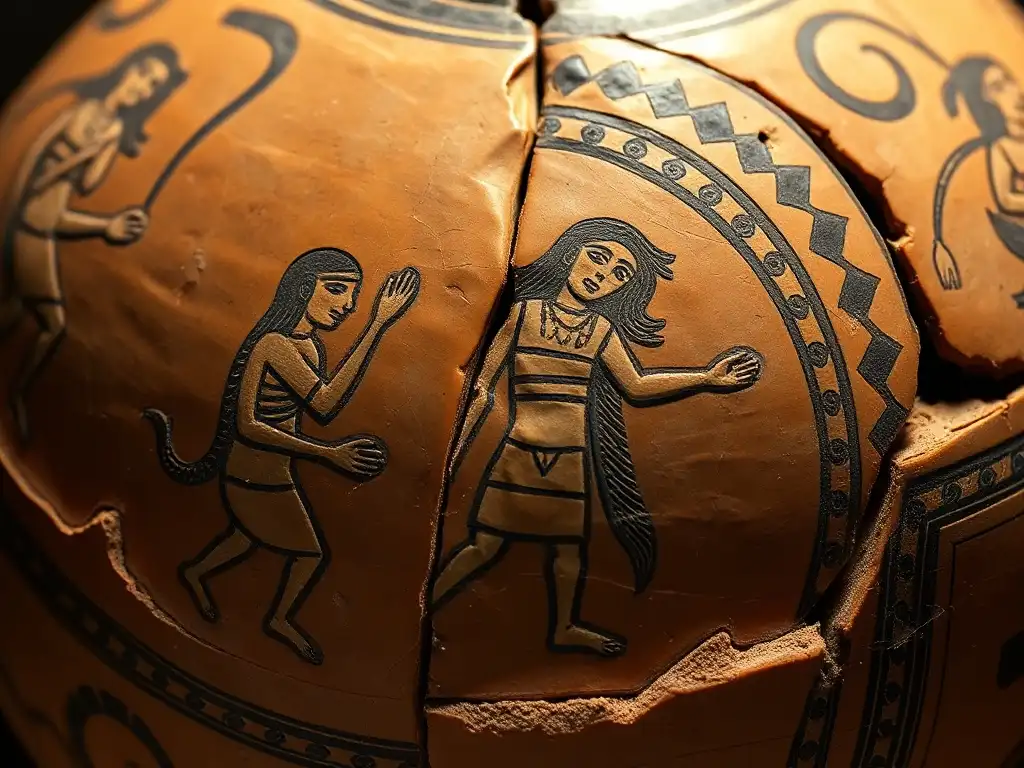
The vibrant and enigmatic world of Nazca pottery continues to captivate researchers and enthusiasts alike. Understanding the intricate designs and their cultural significance requires a multifaceted approach, combining careful preservation techniques with rigorous interpretative methodologies. The fragility of these ancient artifacts, coupled with the complexities of their iconography, presents significant challenges. This section explores the modern perspectives shaping our understanding of Nazca ceramics, highlighting both the scientific advancements and the ongoing debates surrounding their interpretation.
Archaeological Discoveries and the Study of Nazca Ceramics
Archaeological discoveries continue to enrich our understanding of Nazca pottery design meaning. Recent excavations, particularly those focusing on residential sites and elite tombs, have yielded a wealth of new data. The discovery of workshops, kilns, and discarded pottery shards provides invaluable insights into the production process, revealing the specialized skills and organization involved in creating these remarkable pieces.
For example, the uncovering of a large kiln complex near [Specific location pending] shed light on the techniques used for firing and the potential role of specialized artisans within Nazca society. The analysis of pigment composition, using techniques like X-ray fluorescence (XRF), has also advanced our knowledge, revealing the sources of the materials used and the sophistication of their color palettes. This data allows us to better understand the economic and social implications of Nazca pottery production, linking it to broader patterns of trade and exchange within the Andean region.
Careful documentation of these findings, including detailed photographic records and 3D modeling, ensures that future researchers can build upon this knowledge base. The meticulous recording of contextual data—the location of the artifacts within the site, their association with other objects, and the surrounding stratigraphy—is crucial for contextualizing the pottery and understanding its significance within the larger cultural landscape. This contributes significantly to our understanding of Nazca pottery design meaning.
The Ongoing Debate about Nazca Pottery Interpretation
Despite significant advancements, the interpretation of Nazca pottery designs remains a subject of ongoing debate. Scholars grapple with the complexities of the iconography, often struggling to decipher the specific meanings embedded within the intricate scenes depicted. While some researchers focus on identifying recurring motifs and their potential symbolic significance, others emphasize the importance of considering the broader social and political context in which the pottery was produced and used.
For example, the recurring theme of stylized birds and mythical creatures has prompted various interpretations, ranging from shamanistic rituals to representations of deities or ancestral figures. The absence of a written language further complicates this task. Researchers must rely on comparative analysis with other Andean cultures, the study of similar iconographic elements in textiles and other artifacts, and contextual clues from archaeological excavations to formulate interpretations.
This ongoing debate underscores the evolving nature of archaeological interpretation and the need for interdisciplinary collaboration to shed further light on the multifaceted meanings embedded within Nazca pottery. The diverse perspectives and methodologies employed by researchers highlight the inherent complexities involved in interpreting these intricate designs and their connection to Nazca pottery design meaning.
The Importance of Nazca Pottery for Understanding Andean History
The careful study and preservation of Nazca ceramics are essential for unlocking the secrets of this fascinating culture and enriching our understanding of Andean history. The detailed examination of Nazca pottery design meaning continues to provide invaluable insights into the lives, beliefs, and achievements of this remarkable civilization.
Conclusion: The Enduring Legacy of Nazca Pottery Storytelling
The intricate and captivating world of Nazca pottery design meaning continues to fascinate and inspire researchers and enthusiasts alike. These ceramic masterpieces, far from being mere vessels, serve as invaluable windows into the beliefs, rituals, and daily lives of this remarkable Andean civilization. The vibrant colors, dynamic compositions, and symbolic imagery woven into each piece offer a rich tapestry of narratives, allowing us to connect with a culture that flourished centuries ago.
The enduring legacy of Nazca pottery is not just aesthetic; it's a testament to the ingenuity and artistic prowess of the Nazca people, and their ability to communicate complex ideas through a visually stunning medium. Understanding Nazca pottery design meaning unlocks a deeper appreciation for their cultural achievements and provides a powerful connection to the past.
The Artistic Brilliance of Nazca Ceramicists
The technical skill displayed in Nazca pottery is truly astounding. The ceramicists demonstrated mastery over a range of techniques, including the precise application of paint, the creation of intricate designs, and the firing process itself. Consider the delicate lines and subtle shading used to depict animals, humans, and mythical creatures. The vibrant colors, often derived from natural pigments like minerals and plants, retain their intensity even after centuries.
This longevity is a testament to the high quality of materials and the sophisticated techniques employed. The use of slip, a liquid clay coating, helped create a smooth surface for painting, enhancing the vibrancy and detail of the designs. Furthermore, the mastery of different ceramic types, from fine-grained wares to coarser utilitarian pieces, reflects a sophisticated understanding of material properties and their applications.
Analysis of surviving pottery shards reveals an impressive consistency in quality, suggesting a highly organized and skilled workforce. The level of artistic sophistication displayed in Nazca pottery production speaks volumes about the societal value placed on artistic expression and craftsmanship. 💅
The Cultural Significance of Nazca Pottery Designs
The designs themselves are far from arbitrary. Nazca pottery design meaning is deeply rooted in the culture's cosmology, mythology, and social structures. Recurring motifs, such as stylized birds, mythical beings, and geometric patterns, appear consistently across different pottery pieces, suggesting their symbolic importance.
For example, the frequent depiction of birds might relate to their beliefs about the afterlife or the importance of avian deities. Similarly, anthropomorphic figures, often depicted in ritualistic contexts, might represent shamans or other important figures within their society. Detailed studies of Nazca iconography have revealed complex layers of meaning, connecting seemingly disparate elements into a cohesive narrative system.
Further research is needed to fully understand the nuances of these symbols and their relationships to specific rituals or social structures. However, even a preliminary examination reveals the rich cultural significance embedded within these seemingly simple designs. The study of Nazca pottery design meaning, therefore, provides invaluable insights into their worldview and social organization.
The Continuing Relevance of Nazca Narratives Today
The narratives embedded in Nazca pottery continue to resonate with contemporary audiences. The enduring appeal of these ancient artifacts lies not only in their aesthetic beauty but also in their capacity to connect us to a distant past. The vibrant colors and striking imagery still captivate viewers, evoking a sense of wonder and mystery.
The study of Nazca pottery design meaning is not merely an academic pursuit; it's a vital component of preserving and understanding cultural heritage. Museums and archaeological sites around the world showcase these remarkable pieces, allowing wider audiences to appreciate the artistic and cultural achievements of the Nazca civilization. Furthermore, ongoing research continues to shed light on new aspects of Nazca culture and their artistic practices.
The ongoing study of Nazca pottery design meaning is essential for promoting cross-cultural understanding and appreciation of diverse artistic traditions. The legacy of Nazca pottery continues to inspire contemporary artists, designers, and researchers, demonstrating the enduring power of artistic expression to transcend time and cultures. The vibrant narratives embedded in these ancient vessels remind us of the rich tapestry of human creativity and the importance of preserving our cultural heritage for future generations.
Frequently Asked Questions
What is the significance of Nazca pottery?
Nazca pottery is incredibly important for understanding their culture. The intricate designs tell complex stories about their daily life, beliefs, and mythology, offering invaluable insights into their society. They are considered masterpieces of ancient art.
What kind of designs are commonly found on Nazca pottery?
Nazca pottery features a wide variety of designs, including mythological creatures, geometric patterns, and depictions of plants and animals. Many pieces show scenes of daily life, ceremonies, and rituals. The vibrant colors are also a key characteristic.
What is the meaning behind the Nazca pottery designs?
The exact meaning of many designs remains a mystery, but scholars believe they represent religious beliefs, social structures, and daily activities. Research continues to uncover new interpretations of these symbolic representations.
How did the Nazca create their intricate pottery designs?
The Nazca people used a variety of techniques, including slip painting and negative painting, to create their intricate designs. They employed natural pigments derived from plants and minerals, achieving remarkably vibrant and long-lasting colors.
Where can I learn more about Nazca pottery design meaning?
You can find more information through academic journals, museum exhibits, and books dedicated to Andean archaeology and art history. Many online resources also offer detailed information on Nazca culture and their artistic achievements, including the specific meaning of different designs.
Final Reflection: Unearthing the Whispers of Nazca Pottery
The intricate designs adorning Nazca ceramics aren't mere decorations; they are vibrant narratives echoing across millennia, offering invaluable insights into a vanished civilization and continuing to resonate with us today. These ancient vessels, painstakingly crafted and richly adorned, serve as powerful testaments to the ingenuity and cultural depth of the Nazca people, a legacy that continues to captivate archaeologists and art historians alike. Their enduring appeal speaks to a universal human need to connect with the past and understand the stories that shape our present.
The enduring power of Nazca pottery lies not only in its aesthetic beauty but also in its ability to transport us to another time and place. The vibrant colors, the intricate motifs, the very shapes of the vessels—all speak to a sophisticated worldview and a rich artistic tradition. The past is never dead. It's not even past.
- William Faulkner. This quote perfectly encapsulates the ongoing relevance of Nazca pottery; its narratives continue to unfold, offering new interpretations and perspectives with each new discovery and analysis. The ongoing research and study of these artifacts ensure that the voices of the Nazca people, though silent for centuries, continue to be heard.
Consider the stories embedded within these ancient designs. What narratives do you see unfolding in the swirling lines and stylized figures? Take a moment to contemplate the artistry, the skill, and the cultural significance woven into each piece. By engaging with these ancient artifacts, we not only learn about the Nazca civilization but also gain a deeper understanding of our own human capacity for creativity, storytelling, and the enduring power of artistic expression. Let the whispers of the past inspire your own creative journey and deepen your appreciation for the rich tapestry of human history.
Unveil the Stories Behind Nazca Ceramics!
Thank you for joining us on this journey through the fascinating world of Nazca ceramics. You've discovered how these intricate designs are far more than mere decoration—they are powerful reflections of history, culture, and identity. Now, let's put that newfound knowledge into practice!
Here's how you can delve deeper into the magic of Nazca storytelling and share your discoveries:
- Explore local museums and cultural centers for exhibits on Andean ceramics. You might be surprised by the hidden narratives you uncover!
- Engage with online forums and social media groups dedicated to Andean history, sharing your insights on Nazca pottery with fellow enthusiasts.
- Create your own ceramic piece inspired by Nazca designs. Document your creative process and share it on social media to inspire others and spark conversations!
As you embark on this exciting exploration, consider this: What story will your artistic expression convey?