
Nazca Pottery as a Timeline: Dating and Sequencing Ceramic Styles

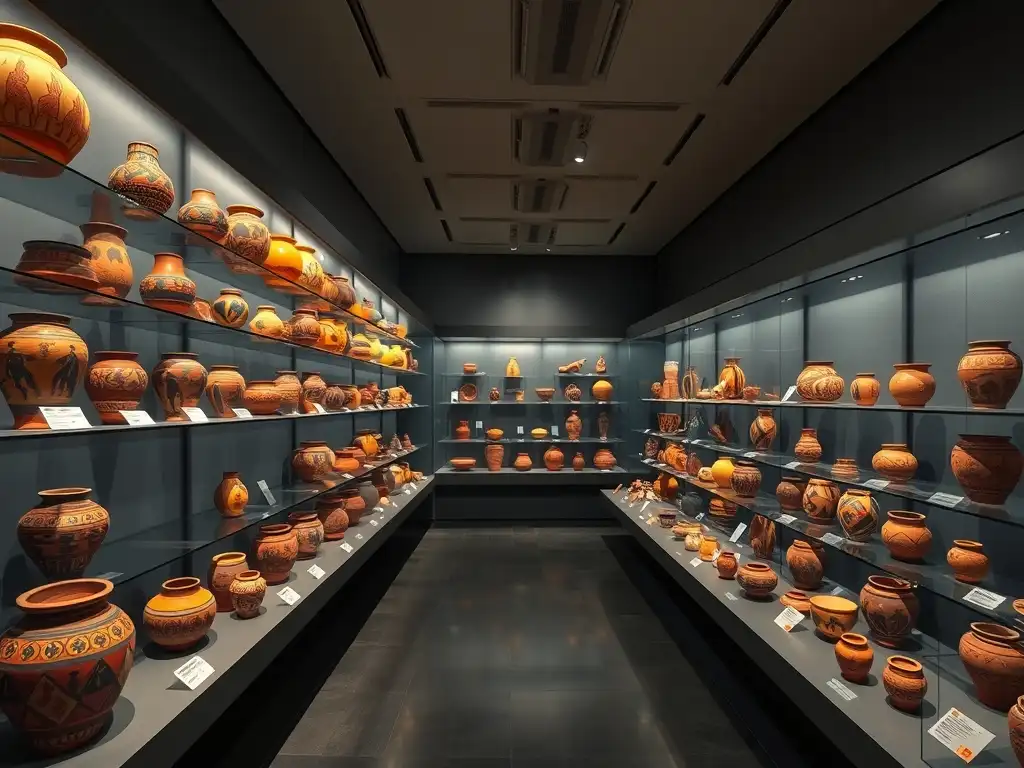
Unravel the mysteries of a lost world! Dive into the captivating realm of Andean civilizations, where breathtaking artistry and advanced engineering flourished for millennia. But what secrets do the vibrant hues and intricate designs of Nazca pottery hold? Discover a fascinating Nazca pottery dating timeline, revealing the evolution of ceramic styles and offering a glimpse into the lives and beliefs of this enigmatic culture. Prepare to be amazed as we piece together the puzzle of their extraordinary legacy.
The Nazca civilization, flourishing along Peru's southern coast from approximately 100 BCE to 800 CE, left behind a remarkable legacy of intricate pottery. These ceramics, far from being mere vessels, serve as invaluable windows into their complex social structures, religious beliefs, and daily lives. Understanding the chronology of Nazca pottery is crucial for reconstructing the cultural evolution of this fascinating civilization.
This article delves into the methods used to date and sequence Nazca ceramic styles, providing a timeline that illuminates the stylistic shifts and technological advancements that characterized the different phases of Nazca pottery production. We will explore the key characteristics of each phase, highlighting the distinctive features that allow archaeologists to accurately date and categorize these exquisite artifacts. By understanding this timeline, we gain a deeper appreciation for the artistic ingenuity and cultural dynamism of the Nazca people, and how their pottery reflects their evolving world.
This detailed chronological exploration will help clarify the evolution of Nazca pottery, solidifying its importance as a primary source for understanding the civilization's trajectory. The analysis will utilize both stylistic and technological developments to create a robust and accurate dating system, addressing the intricacies of the Nazca pottery dating timeline.
Understanding the Chronology of Nazca Pottery
The chronological framework for Nazca pottery is primarily established through stylistic analysis, complemented by radiocarbon dating of associated organic materials found within the same contexts. Archaeologists have identified several distinct phases, each characterized by unique design elements, painting techniques, and vessel forms. These phases are not always neatly separated, with transitional styles often bridging the gaps between periods. Furthermore, regional variations exist, with certain styles predominating in specific areas.
The earliest Nazca pottery, belonging to the Early Nazca period (c. 100 BCE – 200 CE), is characterized by simpler designs and a limited color palette, often featuring geometric patterns and stylized depictions of plants and animals. This period shows a noticeable emphasis on functionality over elaborate decoration.
The Middle Nazca period (c. 200 CE – 400 CE) marks a significant shift towards more complex and elaborate designs. The use of multiple colors becomes prevalent, with artists employing intricate polychromy to depict realistic scenes of humans, animals, and mythical creatures. This period exhibits a clear advancement in both artistic skill and technological proficiency. The production of large jars and other ceremonial vessels became more common, indicating a growth in social complexity.
The Late Nazca period (c. 400 CE – 800 CE) displays a continuation of the elaborate styles of the Middle Nazca, but with a more stylized and abstracted artistic approach. While the polychromy remains, the figures and scenes are often more symbolic and less naturalistic. The designs often incorporate intricate geometric patterns and motifs, demonstrating a high level of artistic sophistication. The evolution of vessel shapes also continued, displaying a remarkable diversity in forms.
The use of a detailed typology is crucial for accurate dating. This involves carefully documenting and classifying the various forms, decorative motifs, and painting techniques observed across different pottery samples. This meticulous process allows for a more precise sequencing of styles, enabling archaeologists to build a comprehensive timeline of Nazca pottery production.
The Importance of Ceramic Analysis in Nazca Culture
Nazca pottery analysis extends beyond mere chronological sequencing; it provides crucial insights into various aspects of Nazca society. The intricate imagery on the pottery offers valuable information about their mythology, religious beliefs, and social structures. Representations of deities, mythical beings, and ritualistic scenes provide glimpses into their spiritual world. Depictions of everyday life, including agricultural practices, hunting, and social interactions, shed light on their daily routines and social hierarchies.
Furthermore, the stylistic variations across different regions suggest the existence of distinct social groups or communities with their own unique artistic traditions. The presence of specific motifs or symbols on certain vessels may indicate their use in specific rituals or ceremonies. The size and complexity of the vessels may reflect social status or economic power.
Analyzing the clay composition and manufacturing techniques also offers valuable insights. Variations in clay sources and firing methods may reveal trade networks and technological advancements. The presence of specific pigments or additives can provide clues about the availability of resources and the sophistication of their technological knowledge.
By combining stylistic analysis with technological and chemical analysis, researchers can paint a more complete picture of Nazca culture and its development over time. The intricate detail found in Nazca pottery, therefore, serves not only as a testament to their artistic skill but also as a vital resource for understanding their complex and vibrant society. This multifaceted approach to studying Nazca pottery allows for a rich and nuanced understanding of the civilization, far surpassing a simple chronological sequence.
Early Nazca Pottery Styles: Establishing a Foundation
Early Nazca pottery, spanning roughly from 100 BCE to 200 CE, lays the groundwork for the more elaborate styles that would follow. Understanding this foundational period is crucial for establishing a robust "Nazca pottery dating timeline." Archaeologists have meticulously studied the stylistic shifts, technological advancements, and regional variations within this era to piece together a comprehensive understanding of its ceramic production.
The transition from the preceding Paracas traditions is gradual, yet distinct changes in form and decoration mark the emergence of a uniquely Nazca aesthetic. This period is characterized by a focus on refining existing techniques and establishing stylistic conventions that would define Nazca pottery for centuries to come. The development of distinctive forms and decorative motifs during this time provides a solid base for the chronological sequencing of later styles.
Initial Nazca Ceramic Characteristics
Early Nazca ceramics are often characterized by their relatively simple shapes compared to later periods. Common forms include simple bowls, jars, and stirrup-spouted vessels – the iconic stirrup spout becoming increasingly prevalent. While the stirrup spout itself was present in earlier Paracas styles, its integration into the Nazca repertoire marks a significant stylistic shift.
The paste, or clay body, typically exhibits a fine texture, reflecting a high level of craftsmanship and attention to detail in the pottery-making process. While the color palette is initially limited, the refinement of the clay and firing techniques laid the foundation for the vibrant polychromy that would define later periods. This foundational work in terms of clay preparation and firing techniques is often overlooked in discussions of Nazca pottery, but it's a crucial aspect of understanding the evolution of their ceramic artistry.
Key Features of Early Nazca Pottery Decoration
The decoration of early Nazca pottery is less complex than that seen in later periods. However, even these early examples display a clear shift from previous styles. Geometric patterns, often featuring simple lines, triangles, and zigzags, are prominent. While figurative representations are present, they are less frequent and often simpler in style than those found in Middle or Late Nazca pottery.
The use of negative space is a notable feature, with carefully designed patterns leaving areas of the vessel unpainted. This technique, along with the use of simple colors like red, black, and white, allows for the creation of visually striking designs despite the relative simplicity of the motifs. The evolution of these decorative elements provides essential clues for dating and sequencing the pottery.
Regional Variations in Early Nazca Pottery
Even within the early Nazca period, regional variations in pottery styles are evident. These variations, though subtle, are important for refining the "Nazca pottery dating timeline" and understanding the dynamics of ceramic production across the Nazca region. Certain motifs or techniques might be more common in one area than another, suggesting localized workshops or stylistic preferences.
For example, [Specific regional variations data pending]. These subtle differences highlight the complexity of the Nazca ceramic tradition and emphasize the need for careful regional analysis when studying the pottery. Further research into these regional variations promises to further refine our understanding of Nazca chronology and cultural exchange.
Middle Nazca Pottery: Evolution and Innovation
The Middle Nazca period (approximately 200-400 CE) marks a significant turning point in Nazca ceramic production. This period witnesses a dramatic increase in the complexity of both form and decoration, reflecting a flourishing artistic culture and technological advancement. The stylistic innovations of this period are readily apparent, making it a crucial stage for establishing a detailed "Nazca pottery dating timeline". The refinement of techniques and the development of new artistic conventions helped establish the Nazca style as a distinct and highly recognizable entity within Andean ceramic traditions.
Developing Iconography in Middle Nazca Ceramics
Middle Nazca pottery exhibits a dramatic expansion in its iconography. While geometric designs remain present, figurative representations become increasingly prominent, often depicting humans, animals, and mythical creatures with greater detail and complexity. These figures are frequently rendered in dynamic poses, suggesting narrative elements.
The use of stylized representations, often combining realistic and abstract features, is a defining characteristic of Middle Nazca iconography. The increasing complexity of these images reflects a growing sophistication in artistic representation and a deeper engagement with the symbolic meaning of the depicted figures. Analyzing these iconographic changes is crucial for understanding the evolution of Nazca belief systems and social structures.
Polychrome Techniques in Nazca Pottery
The Middle Nazca period witnesses a significant advancement in polychrome techniques. The use of multiple colors becomes much more sophisticated, with artists employing a wider range of hues and more refined techniques to create vibrant and detailed designs. The application of paint becomes more precise, allowing for the creation of intricate patterns and finely detailed figures.
The development of these advanced polychrome techniques is a key marker of this period and provides important chronological markers in the "Nazca pottery dating timeline." The mastery of these techniques allowed for the creation of some of the most visually stunning ceramics in the entire Nazca tradition.
The Rise of Narrative Scenes in Middle Nazca Ceramics
A particularly striking feature of Middle Nazca pottery is the increasing prevalence of narrative scenes. These scenes often depict complex interactions between humans, animals, and supernatural beings, suggesting the representation of myths, rituals, or everyday life. The development of these narrative scenes represents a significant step forward in the expressive capabilities of Nazca pottery, moving beyond simple decoration to communicate complex stories and ideas.
The interpretation of these narrative scenes remains a topic of ongoing scholarly debate, offering a rich field for understanding Nazca cosmology, social structures, and worldview. The increasing complexity and detail of these narratives provide significant chronological markers within the Middle Nazca period and contribute substantially to the overall "Nazca pottery dating timeline."
Late Nazca Pottery Styles: Transformation and Decline
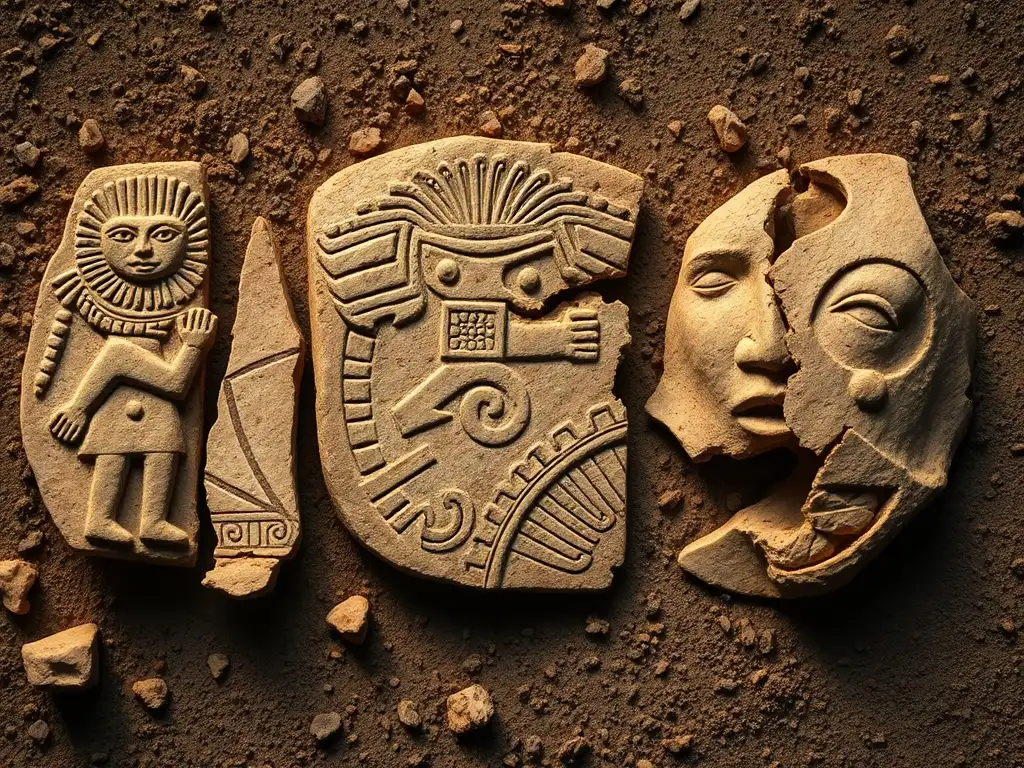
The Late Nazca period, spanning roughly from 300 CE to 500 CE, witnessed significant transformations in ceramic styles, reflecting societal shifts and perhaps the beginnings of decline. The vibrant, highly detailed imagery characteristic of Early and Middle Nazca pottery gave way to a more simplified, though still distinctive, aesthetic. Colors became less intense, and the intricate designs, while still present, showed a tendency towards greater abstraction.
This shift is not abrupt, but rather a gradual evolution, making precise chronological boundaries challenging. Scholars debate the exact causes of these changes, but hypotheses include internal socio-political factors, external pressures from neighboring cultures, and possibly environmental changes affecting resource availability.
The decreased complexity in design could reflect a decline in specialized craftsmanship or a change in societal values prioritizing functionality over elaborate artistry. The overall impression is one of a culture undergoing internal restructuring, a process reflected directly in the evolution of its pottery.
Geometric Patterns and Stylistic Changes
A hallmark of Late Nazca pottery is the increased prominence of geometric patterns. While earlier periods featured geometric elements integrated within larger, figurative compositions, Late Nazca pottery shows a growing preference for abstract forms. Bands of triangles, zigzags, and stepped patterns appear more frequently, often dominating the surface area of the vessels. The use of color also shifts, with a reduction in the range of pigments and a greater emphasis on simpler color combinations, often featuring muted reds, browns, and yellows.
This simplification isn't necessarily indicative of a decline in skill, but rather a shift in artistic focus. The precision and execution of these geometric designs demonstrate a continued high level of technical proficiency. This stylistic change may also reflect a change in the social function of pottery, perhaps moving towards more utilitarian purposes.
Influences from Neighboring Cultures in Late Nazca Pottery
While Nazca pottery maintained its distinct character, evidence suggests increasing interaction and potential influence from neighboring cultures during the Late Nazca period. Some scholars propose that the stylistic changes observed might be partly attributed to cultural exchange with groups like the Paracas or early Tiahuanaco cultures. The exact nature of this influence is debated, with some researchers suggesting a direct borrowing of motifs or techniques, while others argue for a more indirect influence, where shared artistic trends are reflected in the evolving styles of the different cultures.
Further research, including detailed comparative analysis of pottery styles across these different regions, is necessary to clarify the extent of this cultural exchange. Identifying specific stylistic elements that show clear parallels between Late Nazca and neighboring cultures is crucial to understand this aspect of the ceramic tradition.
The End of the Nazca Ceramic Tradition
The exact reasons for the eventual decline and disappearance of the Nazca ceramic tradition are still under investigation. However, it is clear that by around 500 CE, the characteristic styles of Nazca pottery had largely disappeared, replaced by the emerging styles of the Wari culture and other groups in the region. The decline wasn't abrupt; rather, it was a gradual process reflected in the transformation of styles already described.
Factors like climate change, internal societal upheavals, or the influence of more powerful neighboring cultures might have contributed to the shift. The abandonment of the distinctive Nazca aesthetic in pottery suggests a broader transformation in the socio-cultural landscape of the region, marking a significant turning point in Andean history. The rich legacy of Nazca pottery, however, continues to inform our understanding of this fascinating civilization.
Techniques for Dating Nazca Pottery
Accurately dating Nazca pottery is crucial for understanding the chronological development of their artistic styles and socio-cultural evolution. Archaeologists employ a variety of techniques to achieve this, combining relative and absolute dating methods for a more comprehensive understanding. These methods help to establish a detailed timeline of ceramic production and offer insights into the cultural changes reflected in the pottery itself. The combination of these different approaches provides a robust framework for interpreting the chronological sequence of Nazca pottery.
Radiocarbon Dating of Organic Materials in Nazca Pottery
Radiocarbon dating is an absolute dating technique used to determine the age of organic materials. In the context of Nazca pottery, this method can be applied to organic residues found within or on the pottery, such as plant fibers used in the construction process, or food remnants adhering to the surfaces. By analyzing the carbon-14 content of these organic materials, researchers can obtain a chronological estimate for the pottery's creation.
However, the applicability of this method is limited by the availability of suitable organic material in good condition. The process requires careful sampling and laboratory analysis, and the results provide a range of dates, rather than a precise point in time.
Stratigraphic Analysis of Nazca Pottery Deposits
Stratigraphic analysis relies on the principle of superposition, which states that in undisturbed layers of sediment, the oldest layers are at the bottom and the youngest at the top. By carefully excavating and documenting the layers (strata) of a site where Nazca pottery is found, archaeologists can establish a relative chronology. Pottery found in lower strata is generally older than pottery found in higher strata.
This method provides a relative chronological sequence of pottery styles, offering valuable context for interpreting the stylistic changes within the Nazca ceramic tradition. However, disturbances in the soil layers can complicate this analysis, making careful excavation and interpretation essential.
Seriation and Stylistic Analysis for Nazca Ceramic Dating
Seriation is a relative dating method that relies on the changes in the stylistic attributes of artifacts over time. By comparing the stylistic features of different Nazca pottery pieces—such as the use of colors, motifs, and decorative techniques—archaeologists can arrange them into a chronological sequence. This is often combined with stylistic analysis, which involves identifying and classifying different ceramic styles based on their unique characteristics.
This approach, when combined with other dating methods, helps refine the chronological sequence of Nazca pottery styles and provides insights into the evolution of artistic preferences and cultural changes within the Nazca civilization. The accuracy of seriation depends on the availability of a large sample of pottery and the careful identification of stylistic changes over time.
Nazca Pottery Timeline: A Detailed Chronological Sequence
The Nazca culture, flourishing in southern Peru from approximately 100 BCE to 800 CE, left behind a remarkable legacy of pottery. Understanding the chronological sequence of Nazca ceramic styles is crucial for reconstructing their history and societal development. Archaeologists utilize a combination of stylistic analysis, stratigraphic evidence from excavations, and radiocarbon dating to establish a relatively precise timeline.
This timeline is not absolute, with ongoing research refining the dates and interpretations. However, the general sequence is well-established, allowing for a meaningful understanding of Nazca pottery evolution. The styles are often characterized by distinct painting techniques, vessel shapes, and iconographic motifs.
These changes often reflect broader cultural shifts, economic developments, and evolving religious beliefs within Nazca society. The detailed classification and dating of Nazca pottery remains a subject of ongoing scholarly investigation, with new discoveries and analyses constantly refining our understanding. This detailed chronological framework is essential for interpreting the cultural and social significance of Nazca ceramics.
The Early Horizon and its impact on Nazca Ceramics
The Early Horizon (circa 200 BCE – 100 CE) in the Andes saw the influence of the Paracas culture, particularly in textile production and artistic motifs. While Paracas pottery is distinct, its stylistic elements, particularly in the use of vibrant colors and intricate designs, had a demonstrable impact on the nascent Nazca ceramic tradition. Early Nazca pottery shows a clear connection to Paracas styles, with similar color palettes and some recurring motifs, but it also begins to develop its own unique characteristics.
The transition isn't abrupt; rather, it’s a gradual evolution, with early Nazca pieces showing a blend of Paracas and emerging Nazca traits. Archaeological excavations at sites like Cahuachi, a major ceremonial center, have yielded pottery that bridges this gap, providing valuable insights into the stylistic transformations occurring during this period.
The careful study of these transitional pieces is crucial for understanding the development of Nazca pottery's distinctive features. This period lays the foundation for the more elaborate and iconic styles that would characterize later Nazca pottery.
The Early Intermediate Period and Nazca Pottery Development
The Early Intermediate Period (circa 100 CE – 400 CE) marks the flourishing of the Nazca culture and its distinctive pottery styles. This period is characterized by the emergence of the iconic Nazca polychrome pottery, renowned for its intricate designs and vibrant colors. The use of multiple colors, often applied in thin, precise lines to create detailed images, became a hallmark of Nazca ceramics.
Common motifs include stylized plants, animals (especially birds and felines), anthropomorphic figures, and complex geometric patterns. The development of new ceramic techniques, such as the mastery of slip painting and the use of fine-grained clays, allowed for the creation of highly refined and aesthetically pleasing vessels.
This period also witnessed an increase in the production of large quantities of pottery, suggesting a growing population and a flourishing economy. The diversity of vessel shapes and sizes reflects the various uses of pottery within Nazca society, from everyday domestic use to ceremonial purposes.
The Middle Horizon and Nazca Ceramic Transformations
The Middle Horizon (circa 400 CE – 600 CE) saw the expansion of the Wari empire across much of the central Andes. The influence of Wari culture on Nazca is evident in the pottery of this period. While Nazca styles persisted, there is a noticeable shift towards simpler designs and a reduction in the overall complexity of the painted motifs.
Some scholars suggest that this reflects a degree of cultural assimilation or a decline in the prestige of traditional Nazca styles under Wari dominance. The vibrant polychromy characteristic of earlier Nazca pottery is less prevalent, with a tendency towards simpler, often bichrome designs. The shapes of the vessels also underwent some changes, with a greater emphasis on utilitarian forms.
However, it is important to note that Nazca pottery did not disappear entirely; instead, it adapted and incorporated some Wari elements while still retaining some distinctly Nazca characteristics. The interplay between Nazca and Wari artistic traditions remains a fascinating area of study.
Late Intermediate Period and the Decline of Nazca Pottery
The Late Intermediate Period (circa 600 CE – 800 CE) marks the eventual decline of the Nazca culture and a corresponding shift in ceramic styles. The influence of Wari waned, and new regional styles emerged. Nazca pottery production continued, but the intricate polychrome designs of earlier periods became less frequent. Simpler styles and less vibrant color palettes characterize the pottery of this era.
This decline may be related to a combination of factors, including environmental changes, internal social disruptions, and the rise of new power structures in the region. The stylistic changes reflect a broader cultural transformation, as Nazca traditions gradually gave way to newer artistic expressions. The final stages of Nazca pottery production often feature simpler designs and a reduced emphasis on elaborate decoration, indicating a decline in both the technical skill and the social significance of the craft.
Using Nazca Pottery to Reconstruct Nazca History
Nazca pottery serves as an invaluable source of information for reconstructing the history of the Nazca culture. The detailed analysis of ceramic styles, motifs, and vessel shapes provides insights into various aspects of Nazca life, including social organization, religious beliefs, and economic activities. The consistent evolution of styles across time allows archaeologists to establish a robust chronological framework for understanding the culture's development.
Nazca Pottery and Social Organization
The diversity of Nazca pottery suggests a complex social structure. The presence of both elaborately decorated vessels and simpler, utilitarian pottery indicates a stratified society with different social classes. The distribution of different types of pottery across different sites may also reveal information about social interactions and trade networks. Furthermore, the presence of specific motifs or symbols on certain vessels might indicate membership in particular social groups or clans. Detailed studies of burial contexts, where pottery is found alongside human remains, provide further insights into the relationships between pottery and social status.
Nazca Pottery and Religious Beliefs
Many Nazca pottery vessels depict scenes that appear to be related to religious practices and beliefs. These depictions often feature deities, mythological creatures, and ritualistic ceremonies. The iconography provides clues about the cosmology and religious worldview of the Nazca people.
The presence of certain motifs on specific types of vessels might indicate their use in particular rituals or ceremonies. For example, vessels depicting deities might have been used in temple rituals, while those depicting animals might have been associated with hunting or agricultural practices. The study of these motifs and their contexts provides invaluable insights into Nazca religious practices and beliefs.
Nazca Pottery and Trade Networks
The distribution of Nazca pottery across a wide geographical area suggests extensive trade networks. The discovery of Nazca pottery in sites far from the Nazca heartland indicates that these ceramics were valued commodities traded over long distances. Variations in styles and motifs across different regions might reflect the interaction and exchange of ideas between different groups.
The presence of certain materials used in the production of pottery, such as specific pigments or types of clay, might also provide clues about trade routes and the exchange of resources. The study of pottery distribution patterns provides critical evidence for understanding the extent and nature of Nazca trade networks.
Challenges in Dating Nazca Pottery
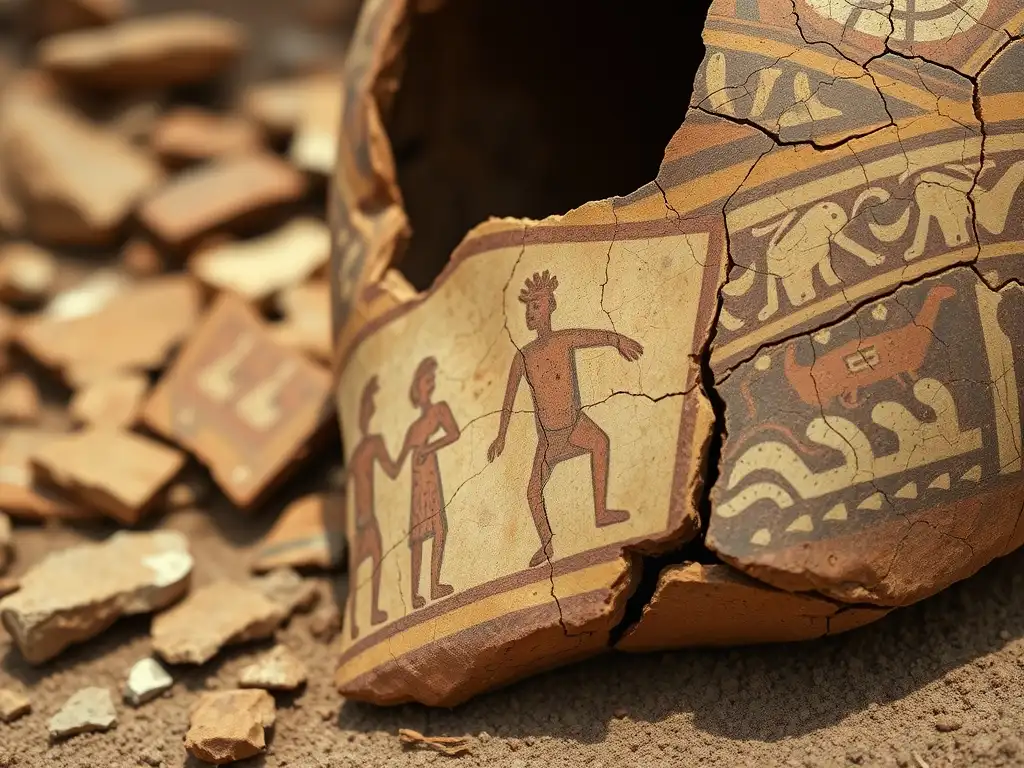
Dating Nazca pottery presents a complex array of challenges that researchers must carefully navigate to create a reliable chronological framework. The difficulties stem from several interconnected factors, hindering the precise placement of artifacts within the Nazca timeline. The lack of a robust, universally accepted dating system for Nazca pottery further complicates the process, leading to varying interpretations and chronologies among scholars.
These discrepancies often arise from the methods employed and the inherent limitations of those methods when applied to the unique characteristics of Nazca ceramics. A comprehensive understanding of these challenges is crucial for interpreting the existing data and guiding future research.
Fragmented Nature of Nazca Pottery Remains
The fragmented nature of many Nazca pottery remains significantly complicates dating efforts. Many pieces are discovered broken, incomplete, or severely eroded, making stylistic analysis more difficult and less reliable. The absence of complete vessels can obscure crucial decorative elements that are essential for accurate stylistic attribution and chronological placement.
This fragmentation also impacts the ability to accurately assess the technological aspects of the pottery, such as the type of clay used or firing techniques, which can also be valuable indicators of time period. The challenge is compounded by the fact that many fragments are found out of context, making it even harder to link them to specific sites or phases. Researchers often have to painstakingly piece together fragments, a process that is time-consuming and can lead to interpretive biases.
Subjectivity in Stylistic Analysis
Stylistic analysis forms a cornerstone of Nazca pottery dating, relying on the identification and classification of decorative motifs, painting techniques, and vessel shapes. However, this approach inherently involves a degree of subjectivity. Different researchers may interpret the same stylistic features differently, leading to discrepancies in chronological assignments.
The subtle variations in artistic styles across different workshops and time periods further complicate the process. For example, the interpretation of a particular motif's evolution over time can be influenced by the researcher's background, experience, and even personal biases. This subjectivity underscores the need for rigorous methodologies and inter-researcher collaboration to minimize the potential for bias and maximize the reliability of stylistic dating.
The Impact of Looting on Contextual Information
Illegal looting of Nazca archaeological sites has significantly hampered dating efforts by destroying crucial contextual information. The removal of artifacts from their original locations disrupts the stratigraphic record, making it impossible to establish a secure chronological sequence based on the layering of deposits. Looting also often results in the loss of associated artifacts, such as grave goods or other objects that could provide valuable chronological clues.
Furthermore, the lack of precise provenance information for looted artifacts makes it difficult to assess their authenticity and to determine their place within the broader Nazca ceramic tradition. The widespread effects of looting undermine the accuracy and reliability of any dating effort, highlighting the critical importance of protecting archaeological sites from illicit activities.
Future Research Directions in Nazca Pottery Dating
Despite the challenges, significant advancements are possible in improving the accuracy and precision of Nazca pottery dating. A multi-pronged approach incorporating technological innovations and interdisciplinary collaborations holds the key to unlocking a more refined understanding of the chronological development of Nazca ceramic styles. Focusing on these areas is crucial for building a more complete and reliable timeline of Nazca pottery production.
Advances in Dating Technologies
The application of advanced dating technologies holds immense potential for refining Nazca pottery dating. Techniques such as radiocarbon dating, thermoluminescence dating, and optically stimulated luminescence (OSL) dating can provide more precise chronological information than stylistic analysis alone. However, these methods require careful sample selection and rigorous laboratory analysis to ensure accuracy.
Furthermore, the application of these techniques to pottery fragments needs to be carefully considered due to the potential for contamination or alteration of the materials over time. Future research should focus on developing and refining these methods specifically for application to Nazca ceramics, addressing the limitations of current techniques and exploring new possibilities.
Interdisciplinary Approaches to Nazca Pottery Analysis
Interdisciplinary collaborations are crucial for enhancing the accuracy of Nazca pottery dating. Combining stylistic analysis with scientific dating techniques, such as those mentioned above, can provide a more comprehensive and nuanced chronological framework. Furthermore, integrating other lines of evidence, such as botanical remains, faunal remains, and isotopic analysis, can enhance our understanding of the context of pottery production and use. By bringing together experts from various fields—archaeology, chemistry, geology, and anthropology—researchers can develop a more robust and reliable chronology that considers multiple lines of evidence. This collaborative approach is essential for moving beyond the limitations of individual methodologies.
Preserving the Legacy of Nazca Ceramics
The preservation of Nazca ceramic collections is paramount for future research. Proper storage and conservation techniques are crucial to prevent further deterioration of these fragile artifacts. Furthermore, rigorous documentation of existing collections, including detailed photographic records and contextual information, is essential for researchers to access and analyze the available data.
The creation of comprehensive databases and online repositories can facilitate the sharing of information and collaboration among scholars. Investing in the preservation of Nazca ceramics not only safeguards the cultural heritage but also enables future generations of researchers to build upon existing knowledge and advance our understanding of this remarkable civilization. Protecting these irreplaceable artifacts is crucial for continuing the study of "Nazca pottery dating timeline" and other aspects of Nazca culture.
Conclusion: The Ongoing Story of Nazca Pottery
The chronological sequencing of Nazca pottery styles, while providing a valuable framework for understanding the civilization's development, is a constantly evolving field. New discoveries and advanced analytical techniques continually refine our understanding of the pottery's creation and context. The intricate designs, vibrant colors, and remarkable preservation of these artifacts continue to fascinate researchers and enthusiasts alike.
Each newly unearthed pot, each newly analyzed fragment, adds another layer to the complex narrative of the Nazca people and their artistic achievements. The careful study of stylistic changes, alongside radiocarbon dating and other scientific methods, allows us to piece together a more complete picture of their society, beliefs, and daily lives.
This ongoing process of refinement is crucial for a comprehensive understanding of Nazca culture and its place within the broader Andean context. The story of Nazca pottery, therefore, remains an active and engaging area of research, promising further exciting discoveries in the years to come.
The Significance of Nazca Pottery in Andean Archaeology
Nazca pottery holds immense significance in Andean archaeology for several reasons. Firstly, its abundance and remarkable preservation provide an unparalleled source of information about the Nazca culture. Unlike other archaeological materials that may be scarce or fragmented, vast quantities of Nazca pottery have survived, offering a rich dataset for analysis.
Secondly, the stylistic changes observable across different periods provide a chronological framework for understanding the evolution of Nazca society. The distinct phases, identified through shifts in pottery styles, allow archaeologists to date other artifacts and sites within a broader chronological context. This is crucial for reconstructing the timeline of Nazca development and understanding the interactions between different aspects of their culture.
Thirdly, the iconography and imagery depicted on the pottery offer invaluable insights into Nazca beliefs, rituals, and social structures. The detailed representations of deities, mythical creatures, and everyday life provide a window into the worldview and practices of this fascinating civilization. The study of Nazca pottery, therefore, plays a central role in our understanding of the broader Andean archaeological landscape, contributing significantly to our knowledge of pre-Columbian societies.
Nazca Pottery as a Window into the Past
The intricate designs and vibrant colors of Nazca pottery serve as a remarkable window into the past, offering glimpses into various aspects of Nazca life. The pottery depicts a wide range of subjects, from stylized representations of plants and animals to complex mythological scenes and depictions of daily activities. These images provide invaluable insights into the Nazca worldview, their understanding of the natural world, and their social structures.
For example, the recurring motifs of deities and mythical beings suggest the importance of religious beliefs in their society. Similarly, representations of agricultural practices and tools reveal the significance of agriculture in their economy. The variety of vessel forms, ranging from simple bowls to elaborate ceremonial jars, reflects the diverse needs and social roles within the Nazca community.
By analyzing these visual elements, archaeologists can reconstruct aspects of Nazca social organization, religious practices, economic activities, and daily life, painting a vivid picture of this ancient civilization. The pottery, therefore, is not simply a collection of beautiful artifacts; it is a rich source of primary data that allows us to connect with the past in a tangible and meaningful way.
Continued Research and Appreciation of Nazca Art
The study and appreciation of Nazca pottery are far from complete. Continued research using advanced technologies, such as advanced imaging techniques and chemical analysis, will undoubtedly reveal further details about the pottery's production, use, and cultural significance. Furthermore, ongoing archaeological excavations in the Nazca region continue to uncover new examples of this remarkable art form, enriching our understanding of the timeline and stylistic variations within the pottery tradition.
The preservation and accessibility of these artifacts are crucial for future generations to learn from and appreciate the artistic and cultural achievements of the Nazca civilization. Efforts to protect these fragile artifacts from deterioration and to make them accessible to researchers and the public are essential for ensuring that the story of Nazca pottery continues to be told and appreciated for centuries to come.
The ongoing research and preservation efforts represent a commitment to understanding and celebrating the rich cultural heritage of the Nazca people and their lasting legacy. This dedication to understanding and appreciating Nazca art ensures that this extraordinary civilization continues to inspire wonder and admiration.
- Understanding the Chronology of Nazca Pottery
- The Importance of Ceramic Analysis in Nazca Culture
- Early Nazca Pottery Styles: Establishing a Foundation
- Middle Nazca Pottery: Evolution and Innovation
- Late Nazca Pottery Styles: Transformation and Decline
- Techniques for Dating Nazca Pottery
- Nazca Pottery Timeline: A Detailed Chronological Sequence
- Using Nazca Pottery to Reconstruct Nazca History
- Challenges in Dating Nazca Pottery
- Future Research Directions in Nazca Pottery Dating
- Conclusion: The Ongoing Story of Nazca Pottery
- How can Nazca pottery help us understand the timeline of the Nazca civilization?
- What are the key characteristics used to date Nazca pottery?
- What is the approximate timeframe for Nazca pottery production?
- How accurate is the dating of Nazca pottery?
- Where can I find more detailed information on Nazca pottery dating?
Frequently Asked Questions
How can Nazca pottery help us understand the timeline of the Nazca civilization?
The styles and techniques used in Nazca pottery changed over time. By studying these changes, archaeologists can create a chronological sequence, allowing them to date other artifacts and better understand the civilization's development. This is crucial for understanding the Nazca culture's evolution.
What are the key characteristics used to date Nazca pottery?
Archaeologists analyze stylistic features like the shapes of vessels, the types of decoration (e.g., painted figures, incised designs), and the colors and pigments used. The evolution of these features over time provides a framework for dating.
What is the approximate timeframe for Nazca pottery production?
The main period of Nazca pottery production is generally placed between 100 BCE and 800 CE, although some variations exist depending on the specific style and region. This broad timeframe encompasses the various stylistic phases identified by researchers.
How accurate is the dating of Nazca pottery?
Dating is based on stylistic analysis and cross-referencing with other archaeological finds. While not precise to the year, the relative chronology within the Nazca sequence is well-established, providing a robust framework for understanding the civilization's history.
Where can I find more detailed information on Nazca pottery dating?
You can find more in-depth information in academic publications and books on Andean archaeology. Many museum websites and online databases also feature detailed catalogues of Nazca pottery with associated dating information and contextual details.
Final Reflection: Unraveling the Whispers of Nazca Clay
The intricate artistry of Nazca pottery offers not just aesthetic beauty, but a tangible timeline of a vanished civilization. Understanding the chronological sequencing of these ceramic styles allows us to reconstruct the social, political, and artistic evolution of the Nazca culture with unprecedented accuracy, providing a vital window into a fascinating and complex society. This knowledge is not merely historical; it's a crucial tool for preserving and understanding the cultural heritage of Peru and the wider Andean region.
The impact of accurately dating Nazca pottery extends far beyond academic circles. It informs conservation efforts, helps combat the illegal antiquities trade, and enriches our understanding of the cultural exchange and artistic innovation that characterized this period. The meticulous study of these fragile artifacts allows us to connect with the past in a profound way, appreciating the skill and ingenuity of the Nazca artisans. The past is never dead. It's not even past.
- William Faulkner. This quote resonates deeply, as the careful dating of Nazca pottery brings the past vividly to life, allowing us to engage with its complexities and appreciate its enduring legacy.
Now, consider the implications of this knowledge. How can we, as individuals, contribute to the preservation of cultural heritage? What responsibility do we bear in ensuring that future generations can appreciate the beauty and significance of artifacts like Nazca pottery? I urge you to delve deeper, to explore the resources available, and to become active participants in the ongoing effort to understand and protect our shared past. Let the whispers of Nazca clay inspire you to learn, to appreciate, and to act as custodians of history.
Uncover the Rich History of Nazca Pottery!
Thank you for exploring the fascinating world of Nazca pottery! You've discovered how these intricate ceramics reveal the story of a remarkable ancient civilization. Now, let's bring that knowledge to life.
Here are some exciting ways to further your engagement with Nazca pottery and its history:
- Visit a museum with a significant collection of Andean artifacts to see these beautiful ceramics up close. The experience of viewing these pieces firsthand will greatly enhance your understanding.
- Join an online community or forum dedicated to Andean civilizations. Connecting with other enthusiasts is a wonderful way to share your insights and learn from others' perspectives.
- Take a pottery workshop and create your own pieces inspired by Nazca techniques. This hands-on experience will provide a deeper appreciation for the artistry and skill involved in creating these ancient works.
What aspect of Nazca pottery captivates you most, and how will you continue to explore its place within the broader context of ancient Andean cultures?