
Nazca Social Classes: Decoding the Roles of Elites, Artisans, and Farmers

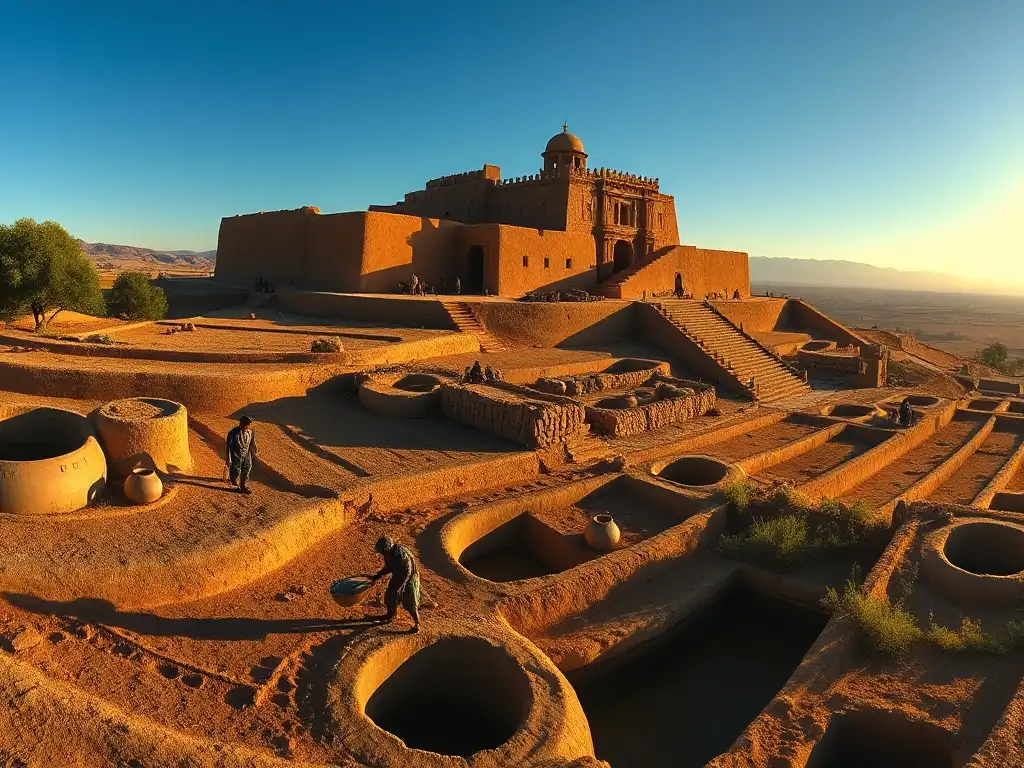
Unravel the mysteries of a vanished world. Journey into the heart of the Andean civilizations, where towering empires rose and fell, leaving behind a legacy of breathtaking artistry and sophisticated engineering. But what truly shaped these societies? Prepare to be captivated as we delve into the intricate Nazca social hierarchy structure, exploring the complex roles of elites, artisans, and farmers – a key to understanding the power and ingenuity of this enigmatic culture. Discover how their social order shaped their extraordinary achievements. Continue reading to uncover the secrets hidden beneath the sands...
The Nazca civilization, flourishing along Peru's southern coast from approximately 100 BCE to 800 CE, left behind a legacy of breathtaking artistry and sophisticated engineering, most famously embodied in the Nazca Lines. However, understanding their remarkable achievements requires delving into the intricate social structures that underpinned their society. This article explores the Nazca social hierarchy structure, examining the roles and interrelationships of the elites, artisans, and farmers who formed the backbone of this fascinating civilization.
We will unpack the evidence from archaeological findings and analyze how these distinct social classes contributed to the overall complexity and success of the Nazca culture, shedding light on the power dynamics and economic systems that shaped their daily lives and monumental works. The keyword "Nazca social hierarchy structure" will be explored in detail, providing a comprehensive overview of this vital aspect of Nazca society.
The Nazca social hierarchy, like many ancient societies, was stratified, with a clear distinction between the elite class, the skilled artisans, and the agricultural workforce. Archaeological evidence, including burial sites with varying grave goods and the distribution of settlements, strongly suggests a hierarchical organization. The elite, likely composed of priests, rulers, and high-ranking officials, occupied the apex of this structure. Their power was likely derived from a combination of religious authority, control over resources, and potentially hereditary lineage.
Evidence suggests a degree of centralized control, possibly facilitated by a complex system of tribute and labor organization. The discovery of elaborate tombs containing fine textiles, gold ornaments, and other luxury items points towards a significant gap in wealth and status between the elite and the rest of the population. This disparity is further highlighted by the differing sizes and quality of residential structures found across Nazca settlements.
The Role of Elites in Nazca Society
The Nazca elite played a crucial role in managing and organizing society. They likely controlled the distribution of resources, oversaw large-scale public works projects (such as irrigation systems and the creation of the iconic Nazca Lines), and maintained religious practices. Their influence was likely reinforced through elaborate rituals and ceremonies, which solidified their position as intermediaries between the human and spiritual worlds.
The precise mechanisms of power transfer – whether hereditary or based on merit – remain a subject of ongoing research and debate amongst scholars. However, the consistent presence of lavish grave goods in elite burials suggests a system of inherited status and accumulated wealth passed down through generations. Further research into the iconography found on elite artifacts may reveal more about their specific roles and responsibilities within the broader social framework.
Artisans: The Skilled Hands of Nazca
The artisans of Nazca were highly skilled specialists, responsible for producing the stunning textiles, ceramics, and metalwork for which the civilization is renowned. Their expertise in weaving, pottery, and metallurgy was essential to the production of both everyday objects and the luxurious items found in elite burials. The intricate designs and sophisticated techniques employed in their crafts speak to a high level of artistic talent and technical proficiency.
Evidence suggests that these artisans likely operated within specialized workshops or possibly within the patronage of the elite, producing goods for both ceremonial and practical use. The standardization of certain ceramic forms and textile patterns hints at possible forms of organization and possibly even apprenticeship systems within the artisan community.
Farmers: The Foundation of Nazca Society
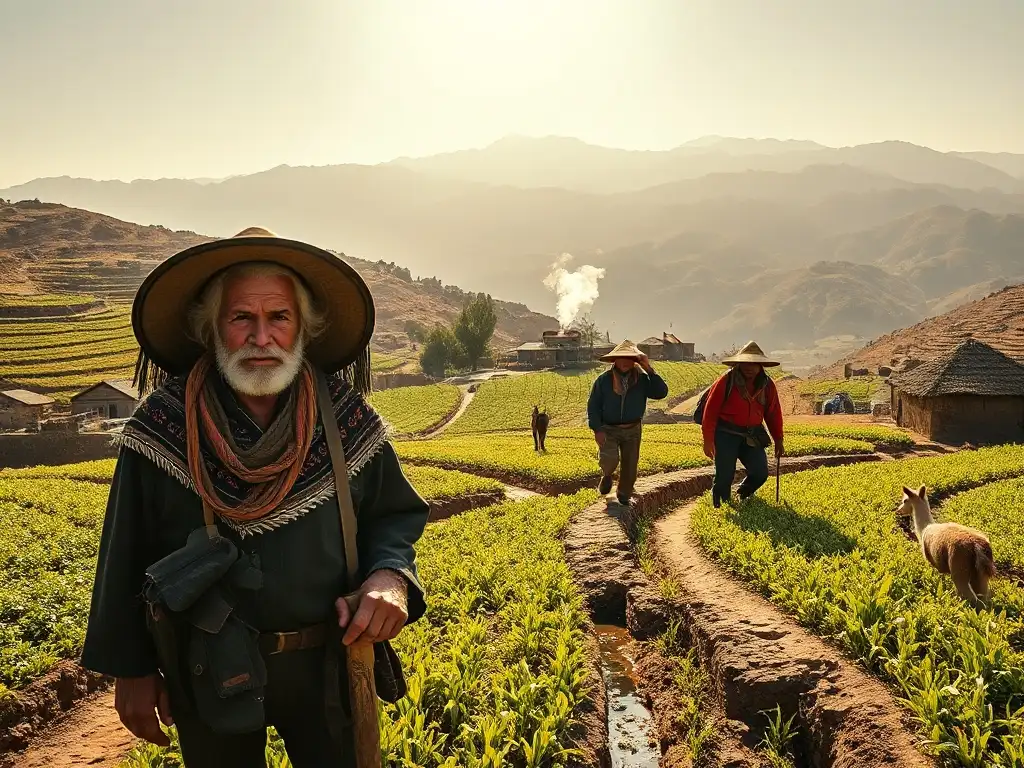
At the base of the Nazca social hierarchy were the farmers, who formed the vast majority of the population. Their labor was crucial to the survival and prosperity of the civilization. The Nazca developed sophisticated irrigation systems to cultivate crops in the arid coastal region, demonstrating remarkable engineering skills. These systems, along with their agricultural techniques, allowed them to produce sufficient food to sustain a relatively large population.
Archaeological evidence, including the remains of irrigation canals and agricultural terraces, bears witness to their ingenuity and hard work. The farmers' contribution was essential, providing the food and resources that sustained both the elite and the artisan classes. The success of the Nazca civilization was directly linked to the efficiency and productivity of their agricultural practices.
Further Research and Future Directions
While much is known about the Nazca civilization, further research is needed to fully understand the nuances of their social hierarchy. Future studies focusing on analyzing the isotopic composition of human remains could provide further insights into dietary differences between social classes, adding another layer to our understanding of the distribution of resources and power. Additionally, more detailed analysis of the settlement patterns and the spatial organization of Nazca communities could shed light on the social dynamics that shaped their daily lives.
The ongoing excavation and analysis of Nazca sites promise to reveal more about this fascinating civilization and its complex social structure in the years to come. The ongoing exploration of the Nazca social hierarchy structure continues to be a dynamic field of research, promising further insights into this remarkable ancient society.
- Understanding the Nazca Social Hierarchy Structure
- The Role of Elites in Nazca Society
- Artisans: The Skilled Hands of Nazca
- Farmers: The Foundation of Nazca Society
- Further Research and Future Directions
The Nazca Elite: Power and Governance
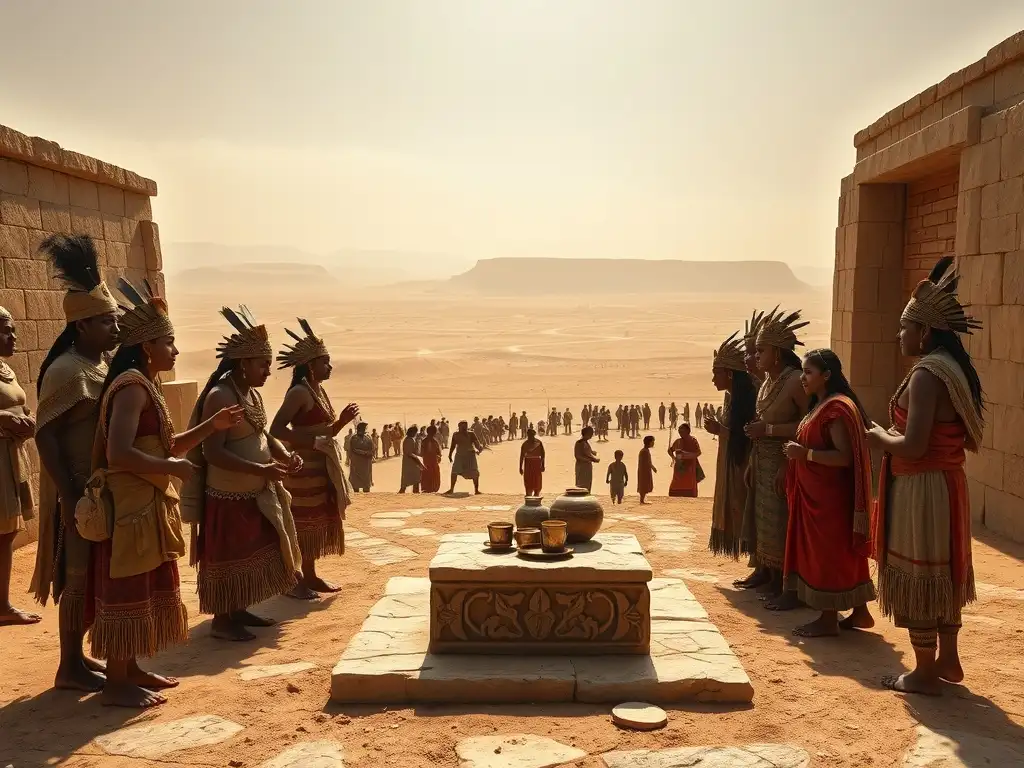
The Nazca social hierarchy structure was undeniably stratified, with a powerful elite class controlling significant resources and wielding considerable influence. Understanding the mechanisms of governance and the role of this elite is crucial to comprehending the complexity of Nazca society. While direct written records are absent, archaeological evidence paints a compelling picture of a sophisticated system of power, likely based on religious authority and control over agricultural production.
The Nazca elite's influence permeated every aspect of life, from monumental construction projects to intricate textile production and elaborate burial practices. Their power was not simply coercive; it was likely buttressed by a sophisticated ideology that legitimized their rule and ensured the cooperation of the broader population. The study of Nazca elite power is an ongoing process, with new discoveries continually refining our understanding.
The Role of Nazca Priests and Rulers
The Nazca elite likely comprised a complex interplay of priestly and ruling figures. Archaeological findings suggest a close relationship between religious authority and political power. Elaborate burial sites containing rich grave goods—including gold ornaments, finely crafted textiles, and ceramics—indicate a highly stratified society where certain individuals enjoyed significantly elevated status.
These individuals were likely both religious leaders and political authorities, wielding influence through a combination of spiritual authority and control over resources. The iconic Nazca geoglyphs, for example, might have served as both religious and political statements, reinforcing the elite's power and potentially marking territorial boundaries or significant events. The exact nature of the relationship between priests and rulers remains a topic of ongoing debate amongst researchers, with some suggesting a distinct separation of roles and others proposing a more integrated structure of authority.
Further research into the iconography and symbolism found in Nazca art and architecture may shed further light on this complex dynamic. Detailed analysis of the spatial distribution of elite burials and ritual centers could also reveal more about the power structures within the Nazca elite.
Evidence of Nazca Elite Residences and Ritual Centers
Evidence of Nazca elite residences and ritual centers is crucial for understanding their social organization. Archaeological excavations have unearthed impressive structures that stand in stark contrast to the more modest dwellings of commoners. These elite residences, often located in strategic positions overlooking agricultural lands or near major ceremonial sites, are characterized by their size, quality of construction, and the presence of luxurious artifacts.
The discovery of large-scale ceremonial centers, with elaborate platforms, temples, and plazas, further underscores the importance of religious practices in Nazca society and the central role played by the elite in these rituals. Analysis of the materials used in construction, the architectural styles employed, and the artifacts recovered from these sites provides valuable insights into the wealth and power of the Nazca elite.
For instance, the use of imported materials like certain types of stones or shells indicates extensive trade networks controlled by the elite, further solidifying their position within the Nazca social hierarchy structure. The meticulous craftsmanship evident in the construction and decoration of these structures also points to a specialized workforce under the elite’s command.
The Nazca upper class, beyond priests and rulers, likely included a diverse range of individuals who benefited from the existing power structure. This might have included high-ranking officials, military leaders, and wealthy merchants who controlled trade networks. Their elevated social status is often reflected in their burial practices, with elaborate grave goods and prominent burial locations distinguishing them from other social groups.
The presence of specialized workshops and artisan communities suggests a significant role for skilled artisans in producing luxury goods for the elite. These artisans, while not part of the ruling class themselves, occupied a privileged position within the social hierarchy, benefiting from their specialized skills and access to resources. Furthermore, the study of Nazca textiles and ceramics reveals intricate designs and techniques, suggesting a high level of skill and specialization within the artisan community.
The intricate weaving techniques and the use of rare dyes, for example, point to a system of patronage and reward that benefited both the artisans and the elite who commissioned their work. The precise social standing and relationships within the upper class require further investigation, but it's clear that a complex network of relationships and dependencies supported the dominant power structure. Further research, including detailed analysis of burial contexts and associated artifacts, is needed to more fully define the diverse composition of the Nazca upper class and their interactions with other social groups.
Nazca Artisans: Masters of Craft and Innovation
The Nazca social hierarchy structure wasn't solely defined by political power; skilled artisans held a significant position, contributing substantially to the society's wealth and cultural identity. Their mastery of craft, particularly pottery and textiles, played a vital role in the Nazca's complex social fabric. The intricate designs and sophisticated techniques employed demonstrate a high level of specialization and artistry, suggesting a well-organized system of production and distribution.
Understanding the role of these artisans offers crucial insight into the overall Nazca social hierarchy structure and their economic organization. Their creations weren't merely functional; they held deep symbolic meaning, reflecting religious beliefs and social status.
The Importance of Nazca Pottery and Textile Production
Nazca pottery is globally renowned for its vibrant colors, intricate designs, and innovative techniques. The polychrome pottery, characterized by its multiple layers of paint, represents a high point of artistic achievement. These weren't simply everyday vessels; they were often used in rituals and displayed as status symbols, implying a connection between artistic skill and social standing within the Nazca social hierarchy structure.
The production of this pottery required specialized knowledge, from preparing the clay and pigments to mastering the firing process. Evidence suggests that ceramic production was likely organized within specialized workshops, indicating a degree of labor division and potentially a hierarchical structure even within the artisan class itself.
Similarly, Nazca textiles demonstrate remarkable technical skill and aesthetic sophistication. The intricate weaving techniques, use of diverse fibers, and complex designs showcase the artisans' mastery. These textiles, often adorned with elaborate geometric patterns and figurative representations, were likely used for clothing, ceremonial purposes, and possibly even as grave goods, highlighting their importance within the Nazca social hierarchy structure. The production of textiles, like pottery, likely involved specialized workshops and a division of labor, contributing to the overall complexity of Nazca society. The preservation of these textiles offers invaluable information on the materials, techniques, and social context of their creation.
Nazca Ceramic Artists and their Specialized Workshops
Archaeological evidence suggests that Nazca ceramic artists worked within specialized workshops, often located near sources of clay and other materials. These workshops were likely organized according to the type of pottery produced, with different specialists focusing on specific techniques or styles. This specialized division of labor within the artisan class suggests a hierarchical structure within the workshops themselves, with master potters overseeing apprentices and other workers.
The consistency in style and quality across many Nazca pottery pieces points towards a structured system of production and training. The existence of these workshops also indicates a level of economic organization, with the artisans potentially working under patronage or as part of a larger economic system that influenced the Nazca social hierarchy structure.
Further research into the organization and management of these workshops could shed more light on the social and economic roles of Nazca ceramic artists. The size and layout of these workshops, as well as the tools and materials found within them, could provide further details about the production process and the social organization of the artisans.
The Role of Artisans in the Nazca Economy
The skilled artisans of Nazca played a crucial role in the economy, producing goods that were highly valued both within the society and potentially in trade networks. Their creations served not only utilitarian purposes but also held significant symbolic and religious value, contributing to the overall social prestige associated with their craft. This economic contribution likely placed artisans within a relatively high position in the Nazca social hierarchy structure, especially master artisans who possessed exceptional skills and knowledge.
The exchange of pottery and textiles, either through direct trade or as tribute to elites, would have generated wealth and influenced the distribution of resources within the society. Further research is needed to fully understand the economic mechanisms through which artisans were compensated and how their economic contributions shaped the broader Nazca social hierarchy structure.
Analyzing the distribution of pottery and textiles across different sites and social contexts could provide valuable insights into the economic networks and the social standing of artisans within the Nazca civilization. The presence of elite tombs containing elaborate pottery and textiles further reinforces the economic and social significance of the artisan class.
Nazca Farmers: The Foundation of Society
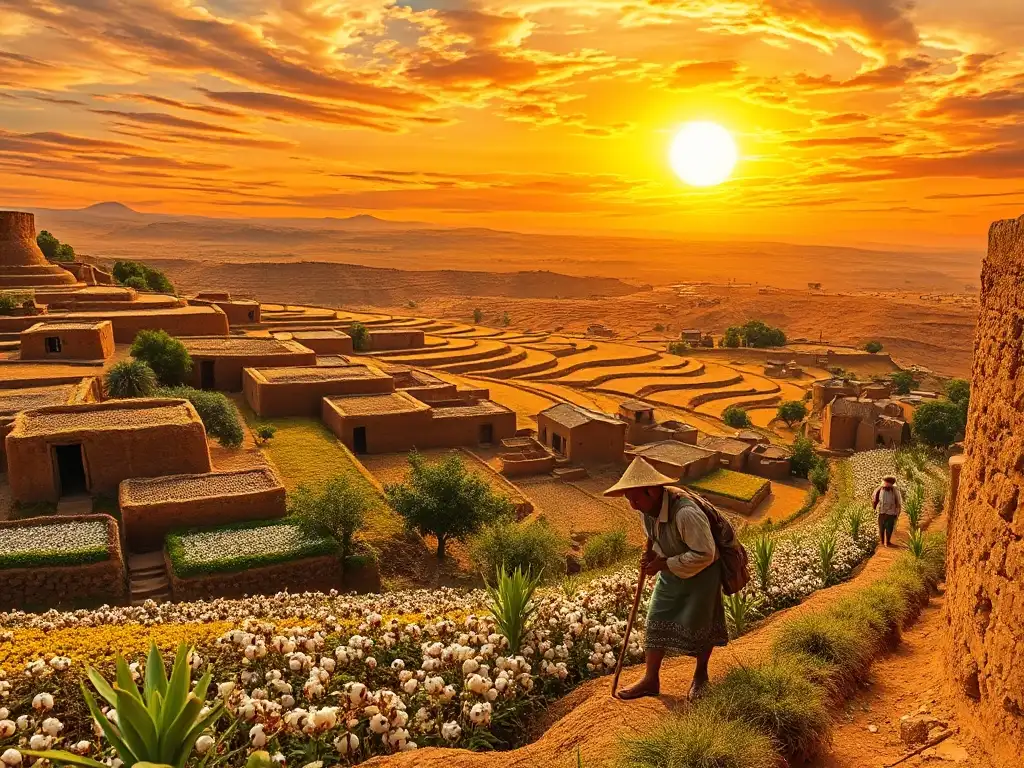
The Nazca social hierarchy structure rested heavily upon the productivity of its agricultural sector. While elites and artisans held prominent positions, the vast majority of the Nazca population consisted of farmers, whose labor formed the bedrock of the civilization's economic and social stability. Understanding the role of Nazca farmers is crucial to comprehending the entire societal framework.
Their contributions extended far beyond mere food production; they played a vital role in maintaining the complex irrigation systems, shaping the social fabric, and ultimately, ensuring the survival of the Nazca culture. This section will delve into the intricacies of Nazca agriculture, the organization of agricultural labor, and the overall significance of farmers within the Nazca social hierarchy.
Nazca Agriculture and Irrigation Techniques
Nazca agriculture, flourishing in a desert environment, was a remarkable feat of engineering and social organization. The arid coastal plains of southern Peru presented significant challenges, demanding innovative solutions to secure water for cultivation. The Nazca people weren't simply farmers; they were master engineers of water management.
They developed sophisticated irrigation systems, including canals, aqueducts, and underground channels, to harness the scarce water resources from rivers and underground aquifers. These systems, often carved into the desert landscape with meticulous precision, channeled water to fields located miles away, enabling the cultivation of crops like cotton, beans, maize, and squash. The scale and complexity of these irrigation projects demonstrate a high level of social coordination and planning, suggesting a hierarchical structure that oversaw resource allocation and labor organization.
Evidence suggests that the construction and maintenance of these intricate irrigation systems required significant labor input, coordinated likely by local leaders or specialized officials within the Nazca social hierarchy structure. The success of these systems directly influenced the prosperity and stability of the Nazca society, highlighting the crucial role of farmers in a challenging environment.
The Organization of Nazca Agricultural Labor
The organization of agricultural labor within the Nazca social hierarchy structure likely involved a complex interplay of communal effort and specialized roles. While precise details remain elusive, archaeological evidence suggests a system that combined individual plots with collective projects. Individual farmers may have cultivated smaller family plots, supplementing their subsistence through communal labor on larger-scale irrigation projects or communal fields.
This suggests a system that balanced individual responsibility with the collective good, necessary for the maintenance of the crucial irrigation infrastructure. The hierarchy likely played a role in the organization of this labor. Evidence suggests the existence of specialized officials or leaders who oversaw the allocation of resources and coordinated large-scale agricultural endeavors.
Further research is needed to fully understand the nuances of Nazca agricultural labor organization, including the roles of different social groups and the methods used to manage and distribute agricultural output. The level of sophistication in the irrigation systems alone points to a degree of centralized planning and organization within the broader Nazca social hierarchy structure.
The Importance of Farmers in Sustaining Nazca Society
The Nazca farmers were not merely producers of food; they were the foundation upon which the entire society was built. Their success in cultivating crops in a harsh desert environment directly impacted the prosperity and stability of the Nazca civilization. The surplus produced by the farmers supported the non-agricultural population, including elites, artisans, and priests.
This surplus facilitated the development of specialized crafts, monumental architecture, and complex social structures. Without the consistent food supply provided by the farmers, the sophisticated Nazca culture, as we know it, would have been unsustainable. The Nazca social hierarchy structure, therefore, can't be fully understood without recognizing the fundamental importance of the farmers and their contributions to the overall stability and prosperity of the civilization.
Their labor was not just essential for survival; it was the engine that powered the remarkable achievements of the Nazca culture. The intricate interplay between the farmers and the rest of the Nazca social hierarchy structure showcases the intricate dynamics of this remarkable ancient society. Further investigation into the economic aspects of the Nazca social hierarchy structure would shed more light on the intricate relationship between farmers and the elite classes.
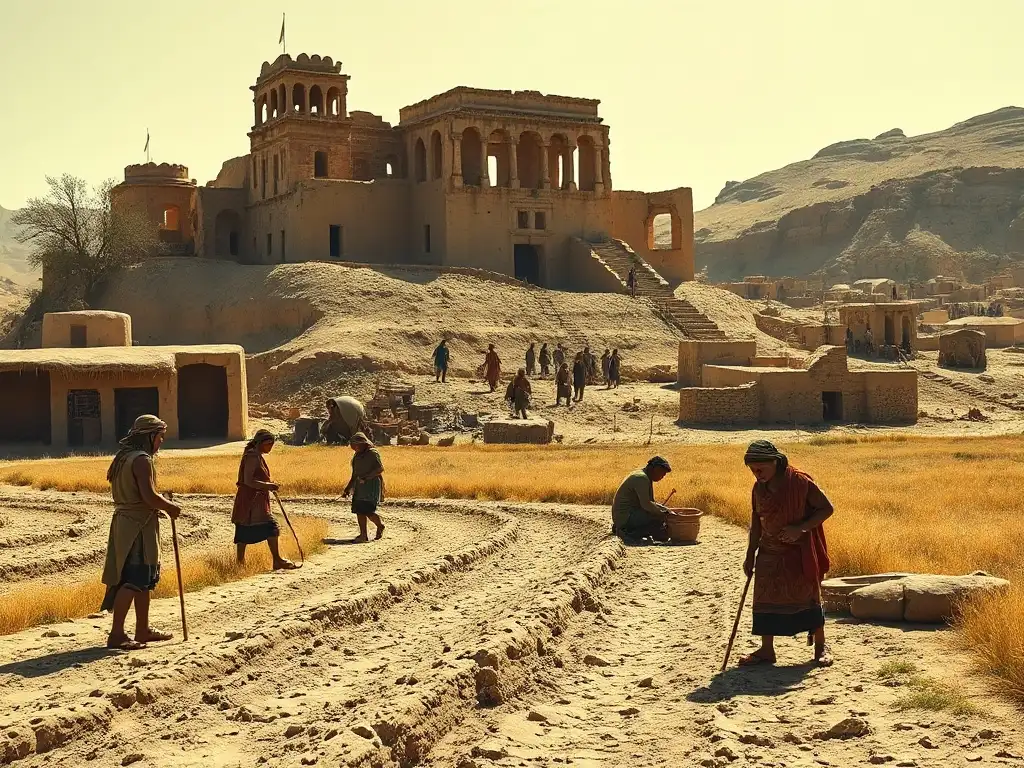
This section delves into the intricate relationships between the different social strata within Nazca society, exploring how these groups interacted and coexisted to form a complex social structure. Understanding the Nazca social hierarchy structure requires examining not only the distinct roles of each class but also the dynamic interplay between them. The evidence suggests a system of mutual dependence, albeit one heavily weighted in favor of the elite.
The Nazca social hierarchy wasn't a rigidly defined system; rather, it displayed a degree of fluidity, particularly concerning the artisan class. While elites held ultimate power and controlled resources, their influence depended on the skilled labor of artisans and the agricultural productivity of farmers. The elite likely commissioned works from artisans, providing them with resources and potentially patronage. In return, artisans produced intricate textiles, ceramics, and other artifacts that reinforced the elite's status and power. This symbiotic relationship, however, was inherently unequal. The artisans, despite their crucial role, remained subordinate to the ruling class.
Farmers, the backbone of the Nazca economy, were essential for sustaining the entire society. Their agricultural output provided sustenance for all social classes, including the elite. While archaeological evidence doesn't reveal direct interactions between the elite and farmers to the same extent as with artisans, it's highly likely that the elite implemented systems of taxation or tribute to ensure a steady flow of agricultural products.
This system maintained the elite's power and control over resources, highlighting the hierarchical nature of the Nazca social structure. The relationship between farmers and artisans might have been more indirect, with farmers providing the food that sustained the artisan class.
The interplay between these classes was further complicated by religious beliefs and practices. The elite likely held significant religious authority, and their control over religious rituals and ceremonies reinforced their social standing. This religious authority might have influenced the economic and social organization of the lower classes, further solidifying the existing power dynamics.
The Influence of the Nazca Elite on Artisans and Farmers
The Nazca elite exerted significant influence over both artisans and farmers through various mechanisms. Control over resources was paramount. The elite likely controlled access to vital resources like land, water, and raw materials necessary for both agricultural production and craftwork. This control allowed them to dictate production quotas and potentially regulate prices, ensuring a steady supply of goods and services that served to maintain their privileged position. We see this reflected in the lavish tombs and ceremonial sites unearthed by archaeologists, showcasing the elite's access to the finest materials and craftsmanship.
Furthermore, the elite's influence extended to the symbolic realm. The imagery and iconography found in Nazca art often depict elite figures in positions of power and authority, reinforcing their social dominance and legitimacy. This visual propaganda served to legitimize their control over resources and maintain social order. The elite likely used religious ideology to justify their privileged position, portraying themselves as intermediaries between the divine and the common people.
This ideological control further cemented their influence over the lower classes. The extent to which this influence was enforced through direct coercion or indirect means such as religious beliefs remains a subject of ongoing research. However, the archaeological record strongly suggests a clear power imbalance.
The Nazca economic system, characterized by agriculture, craft production, and likely some form of trade, directly shaped social mobility (or lack thereof). While evidence for significant social mobility is limited, it's plausible that exceptional skill in crafts or exceptional agricultural output might have led to some upward movement within the artisan class. However, advancement into the elite class appears to have been extremely rare, likely reserved for those born into powerful families or through exceptional circumstances, possibly linked to military prowess or religious leadership.
The control of resources and the inherent inequalities within the system largely limited social mobility. The elite's control over land and resources created a system that perpetuated inequality across generations. While artisans might have experienced some degree of internal mobility based on skill and patronage, the overall structure remained hierarchical.
Further research is needed to fully understand the dynamics of social mobility in Nazca society, but the available evidence suggests a relatively rigid social structure with limited opportunities for upward mobility for those born into lower social strata. Analyzing burial practices and grave goods offers a potential pathway to further understanding social mobility patterns within the Nazca social hierarchy structure. The presence or absence of elaborate grave goods could indicate the social standing of individuals and potentially reveal patterns of social advancement or stagnation across generations.
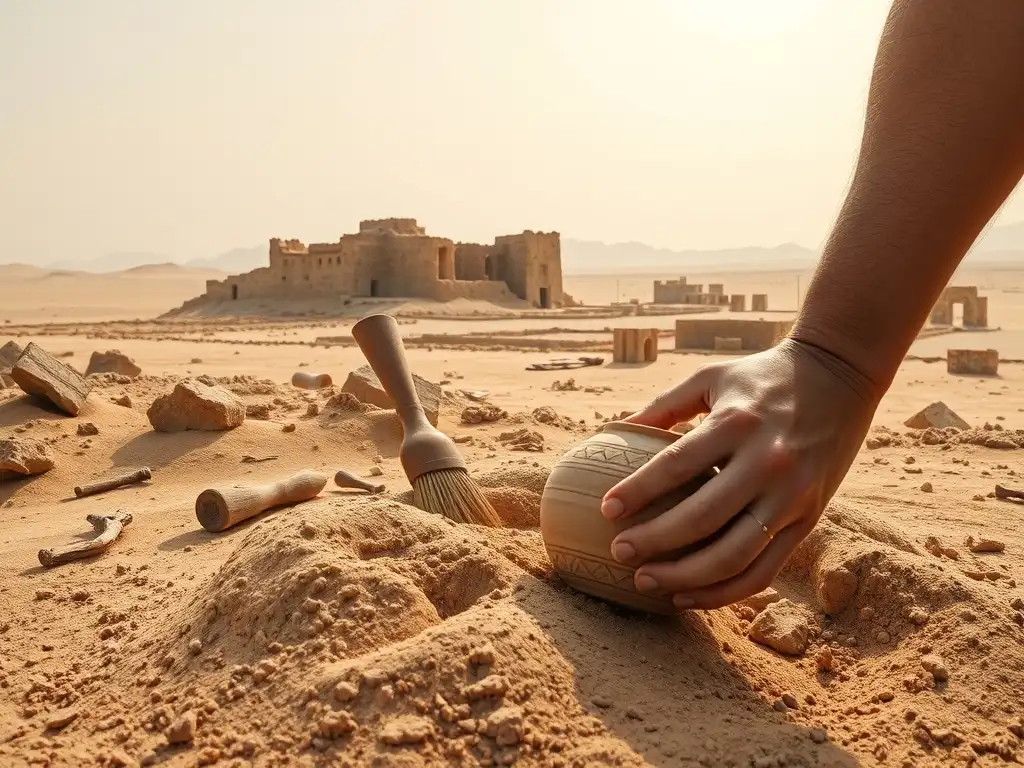
The Nazca social hierarchy structure, a complex system reflecting the civilization's sophisticated organization, is vividly illustrated through archaeological discoveries. Evidence points to a stratified society with distinct social classes, ranging from elites controlling resources and power to artisans and farmers forming the backbone of the economy. Understanding this structure requires analyzing various aspects of Nazca life, from burial practices and artifact analysis to settlement patterns and population distribution.
The meticulous work of archaeologists has revealed crucial clues, allowing us to piece together a clearer picture of this fascinating civilization's social dynamics. The keyword "Nazca social hierarchy structure" is central to understanding the power dynamics and societal organization of this ancient culture.
Nazca burial practices offer compelling insights into their social stratification. Grave goods, the items buried with the deceased, provide a direct reflection of their social standing. Elaborate tombs containing numerous luxurious artifacts, such as gold ornaments, finely crafted ceramics, and textiles, indicate high social status, likely belonging to the elite class – perhaps priests, rulers, or wealthy merchants.
These individuals were likely afforded privileged access to resources and held significant power within the society. In contrast, simpler burials with minimal grave goods suggest a lower social standing, possibly representing commoners or individuals from the artisan or farming classes. The variation in burial complexity and the richness of grave offerings directly correlate with social status, providing strong evidence for a hierarchical society.
This systematic difference in burial treatment highlights the importance of social status in Nazca culture and the clear distinction between the elite and the commoners. Further research into the specific types of grave goods found in different burial contexts could help refine our understanding of the nuances within the social hierarchy. For example, the presence of specific types of pottery or textiles might indicate membership in particular social groups or guilds.
The analysis of Nazca artifacts provides further evidence of social differentiation. The incredible artistry of Nazca ceramics, textiles, and metalwork reveals specialized skills and a division of labor. The production of high-quality artifacts, requiring considerable expertise and time, likely involved specialized artisans who held a respected position within the society.
These artisans, while not necessarily part of the elite, occupied a distinct social niche, contributing significantly to the cultural production of the Nazca civilization. The stylistic variations in artifacts might also reflect different social groups or workshops, possibly indicating a degree of social organization within the artisan class itself. For instance, certain motifs or techniques might be associated with specific workshops or social groups.
Moreover, the distribution of these artifacts across different settlements could shed light on trade networks and the movement of goods, which in turn could reflect the influence and power dynamics between different social groups. Further research is needed to fully understand the complexity of the artisan class and its interaction with other social strata within the Nazca social hierarchy structure.
Insights from Nazca Settlements and Population Distribution
The spatial distribution of Nazca settlements reveals further clues about their social organization. Larger, more complex settlements, often strategically located near water sources or agricultural lands, likely housed the elite and administrative centers. These settlements often feature impressive architecture, including large platforms, temples, and residential structures, indicating the concentration of resources and power. In contrast, smaller, less complex settlements, scattered across the landscape, likely housed the majority of the population – farmers and artisans.
The presence of irrigation canals and agricultural terraces suggests a highly organized system of agricultural production, which likely involved a significant portion of the population. The unequal distribution of resources and the varying sizes and complexities of settlements strongly suggest a hierarchical social structure, with the elite controlling access to resources and land. Analyzing the size and density of populations in different settlements could provide valuable information about the relative size and influence of different social groups.
Furthermore, examining the types of structures within settlements might reveal further details about social differentiation within the different settlements. For instance, the presence of specialized structures, such as workshops or storage facilities, might indicate the presence of specific social groups or economic activities within a settlement. The spatial distribution of settlements therefore provides a macro-level perspective on the Nazca social hierarchy structure, complementing the insights gained from burial practices and artifact analysis.
The Nazca social hierarchy structure, while not as rigidly defined as some other Andean civilizations, reveals a sophisticated system of social stratification based on a complex interplay of political power, religious authority, economic production, and specialized skills. Understanding this intricate web requires careful consideration of the archaeological evidence, which often presents fragmented and ambiguous clues.
While we can identify clear distinctions between elites, artisans, and farmers, the precise mechanisms of social mobility and the degree of interaction between these groups remain areas of ongoing scholarly debate. Further research and analysis of newly discovered artifacts and sites are crucial to refining our understanding of Nazca society and its internal dynamics.
The Nazca social hierarchy was not a static system. While a clear elite class existed, wielding political and religious influence, the lines between artisans and farmers were likely more fluid than commonly portrayed. The evidence suggests a hierarchical structure with several key components:
- Elites: This group controlled access to resources and likely held significant religious authority. Their status is evidenced by elaborate burials containing prestigious grave goods, such as gold ornaments, fine textiles, and ceramic vessels. These individuals probably played a crucial role in organizing large-scale public works projects, like the famous Nazca Lines. Their influence extended across various aspects of Nazca life, from religious ceremonies to economic production.
- Artisans: Highly skilled craftspeople, including potters, weavers, and metalworkers, occupied a respected position within Nazca society. Their specialized skills were essential to the production of high-quality goods, many of which were likely used in elite contexts or traded extensively. The complexity and artistry of Nazca ceramics, textiles, and metalwork testify to the advanced techniques and specialized knowledge possessed by these artisans. Their social standing may have varied depending on the specific craft and the demand for their products.
- Farmers: The foundation of Nazca society rested on agricultural production, with farmers comprising the majority of the population. Their labor sustained the entire social structure, providing the food and resources necessary for the elites and artisans. While their social standing might seem lower compared to the elites and artisans, their essential role in the economic system cannot be underestimated. The sophisticated irrigation systems developed by the Nazca demonstrate their organizational capabilities and ingenuity. Their lives were intricately tied to the success of their agricultural endeavors, which were impacted by factors such as climate and water availability.
The interaction between these three main social groups is not fully understood. It is likely that there was a degree of social mobility, with skilled artisans potentially rising in status, and some farmers perhaps accumulating wealth and influence. The absence of clear-cut social markers and the ambiguity of some archaeological finds prevent us from painting a completely clear picture of the Nazca social structure.
The Nazca social hierarchy structure, with its blend of centralized authority and specialized labor, left a lasting imprint on subsequent Andean civilizations. The emphasis on skilled craftsmanship and the importance of agricultural production continued to shape the social and economic landscapes of later cultures, such as the Tiwanaku and Inca. The sophisticated irrigation techniques developed by the Nazca were adopted and adapted by succeeding groups, highlighting the enduring influence of their technological innovations.
The hierarchical social organization, while varying in its specifics, became a recurring theme in Andean societies, demonstrating the continuity of certain social patterns across different cultural groups and historical periods. The legacy of the Nazca's organizational and technological achievements continues to be studied and appreciated, offering valuable insights into the evolution of Andean civilizations and their unique social structures.
Analyzing the Nazca's system helps us understand broader trends in Andean societal development and the enduring patterns of power, production, and social stratification in the region. The Nazca social hierarchy provides a fascinating case study in the complexities of ancient Andean societies and their lasting impact on the region's history.
Frequently Asked Questions
The Nazca social hierarchy was primarily based on access to resources and specialized skills. Elites controlled land and resources, while artisans and farmers occupied lower positions based on their contributions to society. This system was likely reinforced through religious beliefs.
How did the Nazca elite maintain their power?
The Nazca elite maintained power through control of resources, religious authority, and potentially through inherited status. Their influence extended to the construction of monumental works and the organization of labor. Religious ideology likely legitimized their rule.
What roles did artisans play in Nazca society?
Artisans held a relatively high status within the Nazca social structure, due to their specialized skills in pottery, textile production, and metalworking. Their crafts were often used for religious purposes or to display the power of the elite.
How did the lives of Nazca farmers differ from those of the elite?
Nazca farmers formed the largest segment of society, working the land to produce food. Their lives were likely characterized by hard labor and limited access to resources compared to the privileged elite. They were crucial to the overall functioning of the society.
Evidence for the Nazca social hierarchy comes from archaeological findings, including elaborate burials, monumental architecture, and variations in material culture. Differences in grave goods and settlement patterns also reflect social stratification.
Final Reflection: Unraveling the Threads of Nazca Society
The intricate social hierarchy of the Nazca civilization, far from being a relic of the past, offers a powerful lens through which to examine the enduring dynamics of power, labor, and social stratification in societies across time and cultures. Understanding their complex system of elites, artisans, and farmers provides crucial insights into how civilizations manage resources, distribute wealth, and ultimately, shape their legacies. The echoes of their societal structure resonate even today.
The Nazca's sophisticated irrigation systems, monumental architecture, and breathtaking artistry were all products of a carefully orchestrated social order. However, the very success of this system also highlights the inherent inequalities that often accompany such advancements. The price of greatness is responsibility.
This quote, while not directly from a Nazca source, speaks to the burden and privilege inherent in the elite's position, and the vital role played by the artisans and farmers who sustained their society. Their story reminds us that progress is rarely achieved without both collaboration and inherent power imbalances.
Consider the implications of the Nazca social structure for your own life. How do you perceive the distribution of power and resources in your own community? What role do you play in the larger social fabric? Take a moment to reflect on the responsibilities that come with privilege and the importance of recognizing the contributions of all members of society, regardless of their position. The legacy of the Nazca challenges us to build a more equitable and just future, one where the contributions of every individual are valued and celebrated.
Unveil the Secrets of Nazca Society!
Thank you for exploring the fascinating world of Nazca social structures. We hope you gained valuable insights into the roles of the elite, artisans, and farmers within this remarkable civilization. Now, let's explore how this knowledge connects to modern society.
Here are some ways to further your understanding and engagement:
- Join our community: Share your thoughts and discoveries on the influence of ancient social structures on contemporary cultures by joining our forum at Andean Civilizations.
- Support local artisans: Visit a local artisan market or browse online, considering how their crafts echo the skills of Nazca artisans. Supporting local talent helps preserve traditional skills and artistry.
- Continue your learning: Explore additional resources and articles on our website to deepen your understanding of ancient civilizations.
What parallels do you see between Nazca social classes and those of today's world? Share your thoughts below!