
Colors of the Desert: Natural Dyes and Their Significance in Nazca Textiles

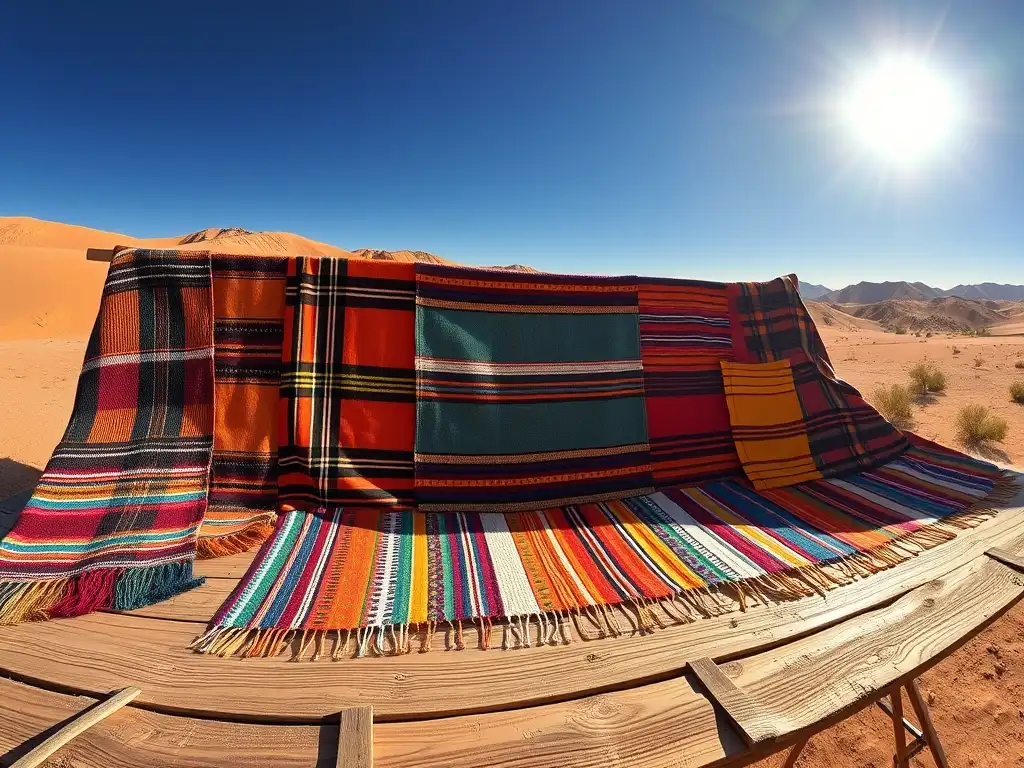
Unravel the mysteries woven into the very fabric of Andean history. Journey with us through vibrant landscapes and breathtaking artistry, where ancient cultures flourished and left behind a legacy as rich as the natural dyes they used. Prepare to be amazed by the intricate world of Nazca textiles, a testament to ingenuity and a profound connection to the desert. Discover how these remarkable colors tell a story far beyond their beauty – a story waiting to be unveiled.
The arid landscapes of the Nazca desert, famous for their enigmatic geoglyphs, also nurtured a vibrant and sophisticated textile tradition. Nazca textiles, renowned for their incredibly detailed designs and astonishingly preserved colors, offer a captivating window into the worldview and artistry of this ancient Andean civilization (c. 100-800 CE).
This article delves into the fascinating world of Nazca textile production, focusing specifically on the natural dyes that provided the rich palette of colors so characteristic of these remarkable artifacts. We will explore the sources of these dyes, the techniques employed to extract and apply them, and the profound cultural significance these colors held within Nazca society, revealing how the seemingly simple act of dyeing threads became a powerful expression of their beliefs and social structures.
Understanding the use of natural dyes in Nazca textiles provides crucial insight into their advanced knowledge of botany, chemistry, and the intricate relationship between their culture and the environment. The vibrant hues preserved in these textiles are not merely decorative; they are a testament to the ingenuity and artistry of the Nazca people, and their enduring legacy.
Introduction to Nazca Textile Art and its Vibrant Colors
Nazca textiles are celebrated for their exceptional quality and intricate designs. Unlike many other ancient textiles, a significant number of Nazca examples have survived remarkably well, preserving the original vibrancy of their colors. This exceptional preservation allows us to appreciate the complexity of their designs, which often feature stylized representations of animals, plants, and human figures. The textiles themselves were made using a variety of techniques, including tapestry weaving, embroidery, and plain weave, demonstrating a high level of technical skill.
The colors, however, are what truly captivate. From deep reds and oranges to brilliant yellows and greens, the range of hues is striking. These colors weren't achieved through synthetic pigments; the Nazca people expertly harnessed the power of nature, utilizing a sophisticated palette derived entirely from natural sources. The variety and intensity of the colors suggest a deep understanding of the local flora and their dyeing properties.
Detailed analysis of surviving textiles reveals a complex system of color application, with multiple shades and nuanced combinations used to achieve the desired effect. The use of different weaving techniques also influenced the final appearance of the dyed textiles, showing a mastery not only of dyeing but also of textile production as a whole. Further research is needed to fully understand the exact processes involved, but preliminary studies reveal a remarkable level of sophistication.
The Importance of Natural Dyes in Ancient Andean Cultures
The use of natural dyes was not unique to the Nazca; it was a widespread practice across various Andean cultures. However, the Nazca's mastery of these techniques, as evidenced by the surviving textiles, stands out. These dyes held significant cultural importance, often associated with specific beliefs and social status.
For example, certain colors might have been reserved for elite members of society, while others were used in religious ceremonies or everyday clothing. The sourcing of the dyes themselves would have involved extensive knowledge of local plants and their properties – a knowledge passed down through generations. Some of the key plants used included:
- Cochineal: Producing vibrant reds and crimsons.
- Indigo: Yielding deep blues and purples.
- Various plants and minerals: Providing yellows, oranges, browns and greens (specific plants require further research).
The process of creating these dyes would have been laborious and time-consuming, involving harvesting, processing, and carefully applying the dye to the fibers. The precise methods are still being investigated, but it's evident that the Nazca possessed an advanced understanding of the chemical processes involved in dyeing.
The enduring vibrancy of many of the surviving textiles suggests that the Nazca developed exceptionally effective methods of color fixation, ensuring the longevity of their creations. The significance of these dyes extended beyond their aesthetic value; they were integral to the cultural identity of the Nazca people, reflecting their profound connection to their environment and their complex social structures.
The meticulous application of these dyes to their textiles, alongside the intricate designs woven into the fabric, tells a story of a sophisticated civilization deeply connected to their land and their traditions. Further research into the specific plant sources and dyeing techniques continues to unlock the secrets held within the vibrant colors of Nazca textiles.
- Introduction to Nazca Textile Art and its Vibrant Colors
- The Importance of Natural Dyes in Ancient Andean Cultures
Understanding Nazca Textiles: Materials and Techniques
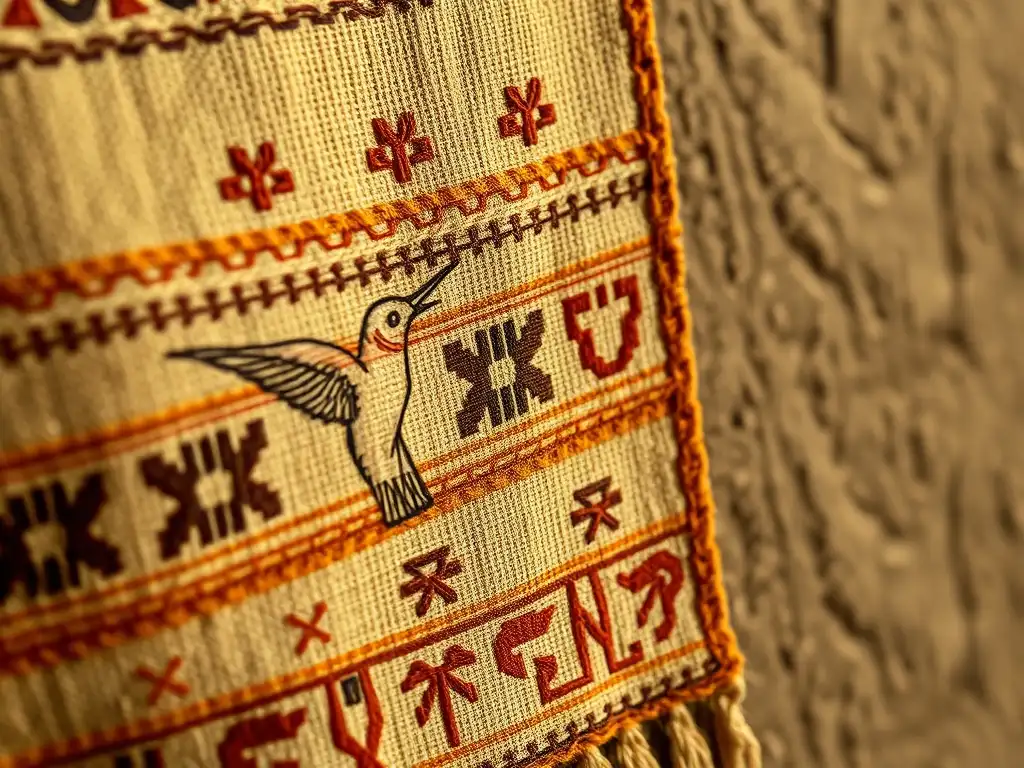
The vibrant colors of Nazca textiles are not just aesthetically pleasing; they represent a deep understanding of natural resources and sophisticated textile production techniques. The mastery of these techniques, combined with the symbolic meaning imbued in the colors themselves, makes Nazca textiles a remarkable achievement of Andean artistry. This section delves into the materials and methods used to create these iconic pieces, offering a glimpse into the ingenuity of Nazca artisans.
Fibers Used in Nazca Textile Production: Cotton and Camelid Wool
Nazca textile production relied primarily on two key fibers: cotton and camelid wool. Cotton, grown in the warmer coastal valleys, provided a soft, absorbent, and readily available material. Different varieties of cotton, possibly exhibiting variations in color and texture, were likely cultivated to meet the diverse needs of textile production. Analysis of surviving textiles indicates the use of long-staple cotton, allowing for the creation of finely woven fabrics. The quality of the cotton used, combined with the skilled weaving techniques, resulted in textiles that were both durable and luxurious.
Camelid wool, sourced from alpacas and llamas, offered a different set of properties. Alpaca wool, known for its softness and fine texture, was likely used for finer garments and textiles. Llama wool, coarser and more robust, was probably employed in creating more durable items like bags and blankets. The use of both cotton and camelid wool reflects a practical understanding of the properties of each fiber and their suitability for different applications.
The combination of these fibers, sometimes in a single textile, showcases the resourcefulness and adaptability of Nazca weavers. Further research is needed to fully determine the precise ratios of cotton and camelid wool utilized in various Nazca textile types. For example, [specific data on fiber ratios in different textile types pending].
Weaving Techniques Employed by Nazca Artisans
Nazca artisans employed a range of sophisticated weaving techniques to create their complex and visually stunning textiles. Evidence suggests the use of both plain weave and more intricate techniques like tapestry weaving. Plain weave, the simplest form of weaving, involved interlacing warp and weft threads in a straightforward manner. This technique was likely used for creating the base fabric for many textiles. However, the iconic designs and patterns found in many Nazca textiles clearly indicate the use of more complex weaving techniques.
Tapestry weaving, a more advanced technique, involved the use of supplementary weft threads to create intricate designs and patterns. This technique allowed Nazca weavers to incorporate intricate details and complex imagery into their textiles. The precision and skill required for tapestry weaving are evident in the fine details and the sharp lines found in many surviving examples.
The use of multiple colors and the careful placement of weft threads demonstrate a high level of technical expertise. Furthermore, the use of techniques like brocading and supplementary weft floatation likely contributed to the creation of the rich textures and patterns found in these textiles. The exact processes and tools used in these techniques remain an area of ongoing research, with [details on specific tools and techniques pending].
The mastery of these weaving techniques, coupled with the use of natural dyes, enabled Nazca artisans to create textiles that were not only functional but also powerfully symbolic, reflecting the rich cultural and spiritual beliefs of their society. The surviving examples stand as a testament to their skill and ingenuity, offering a fascinating glimpse into the world of Nazca textile production. The precision and artistry involved in creating these textiles highlight the importance of textiles within Nazca culture and society.
The Palette of the Nazca: Exploring Natural Dye Sources
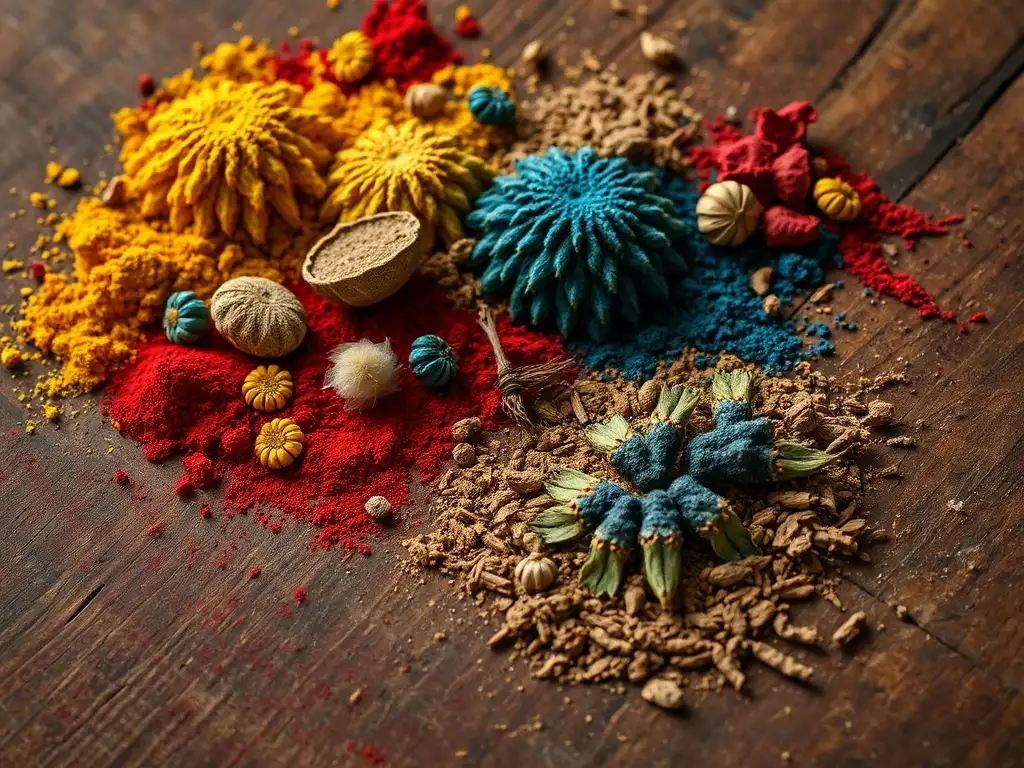
The vibrant colors adorning Nazca textiles are a testament to the sophisticated understanding of natural dyes possessed by this ancient Andean civilization. Their mastery of extracting and applying these pigments allowed them to create breathtaking tapestries, demonstrating both artistic skill and a deep connection to their environment. Understanding the sources of these dyes provides crucial insight into the Nazca worldview and their ingenuity in utilizing readily available resources.
The palette employed was remarkably diverse, ranging from fiery reds and oranges to subtle yellows and greens, and even rare blues and purples. This section will delve into the specific plant and mineral sources used to create these stunning hues, providing a detailed look at the "Nazca textiles natural dyes" and their significance.
Plant-Based Dyes: Achieving Vibrant Hues from Flora
Nazca artisans skillfully harnessed the color potential of the local flora, extracting pigments to create a wide spectrum of hues. Their knowledge of plant properties and dyeing techniques allowed them to produce remarkably durable and vibrant colors. Many of the plants used were common in the arid coastal regions of southern Peru, demonstrating a resourceful and sustainable approach to textile production.
Obtaining Reds and Oranges from Relbunium and Bixa Orellana
Relbunium species, likely Relbunium microcarpum, provided a source of red dye. The precise methods employed for extraction remain partially unclear, but likely involved boiling the plant material to release the pigment. Similarly, Bixa orellana, also known as annatto, yielded a rich orange-red.
The seeds of this plant were likely ground and mixed with water, creating a paste that could then be applied to the textiles. The intensity of the color could be adjusted by varying the concentration of the dye and the length of the dyeing process. Archaeological evidence suggests a preference for these reds and oranges in ceremonial textiles, indicating their cultural significance.
Achieving Yellows and Greens Using Schinus molle and Tessaria integrifolia
Schinus molle, the Peruvian pepper tree, offered a versatile source of yellow and yellowish-green dyes. Different parts of the plant, including the bark and leaves, likely yielded varying shades. The dyeing process possibly involved boiling the plant parts to extract the pigment. Tessaria integrifolia, a shrub prevalent in the Nazca region, likely contributed to the palette of greens. Further research is needed to determine the precise extraction methods used with this plant and the specific shades it produced. The combination of yellows and greens with other colors created a range of complex and nuanced hues in the finished textiles.
Blues and Purples: The Rarest Nazca Textile Dyes
Blues and purples are exceptionally rare in Nazca textiles, suggesting either limited availability of suitable natural sources or the use of more complex and less readily accessible dyeing techniques. While some researchers suggest the possibility of using indigo, conclusive evidence remains elusive. Further analysis of existing textiles and continued archaeological investigation are crucial to identifying the precise sources and methods employed in producing these rarer colors, adding more detail to our understanding of "Nazca textiles natural dyes". The scarcity of these hues might indicate their special status and use in high-status textiles or ceremonial objects.
Mineral-Based Pigments: Earth Colors in Nazca Textiles
Beyond plant-based dyes, Nazca artisans also utilized mineral pigments to achieve a range of earth tones in their textiles. These pigments, readily available in the surrounding environment, added depth and complexity to their color palette.
The Use of Iron Oxides for Reds and Browns
Iron oxides, particularly hematite and goethite, provided a source of red and brown pigments. These minerals were likely ground into a fine powder and mixed with a binding agent, such as gum arabic or clay, before application to the textiles. The variation in iron oxide concentration and the type of iron oxide used likely resulted in different shades of red and brown. The durability of these pigments contributed to the longevity of many Nazca textiles that have survived to this day.
Obtaining Blacks and Grays from Manganese Oxides
Manganese oxides, such as pyrolusite, were a key source of black and gray pigments. These minerals were likely processed similarly to the iron oxides, ground into a fine powder and mixed with a binder. The use of manganese oxides adds another layer to the sophisticated palette of "Nazca textiles natural dyes", showcasing the resourceful utilization of the available mineral resources. The intensity of the black or gray likely depended on the concentration of the manganese oxide and the dyeing process. The use of black and gray provided contrast and depth in many complex textile designs.
Animal-Based Dyes: The Role of Cochineal
Cochineal, a vibrant crimson dye derived from the cochineal insect ( Dactylopius coccus), played a crucial role in the rich tapestry of Nazca textile production. These small insects, feeding on prickly pear cacti, were meticulously harvested and processed to yield a dye prized for its intense and lasting color. The process involved careful drying and grinding of the insects, often resulting in a powder that was then mixed with water and other mordants to achieve the desired shade. The availability of prickly pear cacti, a common plant in the Nazca region, likely contributed to the widespread use of cochineal in their textile artistry.
The intensity of the color achieved depended on several factors, including the insect's age and the specific processing techniques employed. This careful attention to detail showcases the sophisticated understanding of dyeing processes held by the Nazca artisans. Furthermore, the use of cochineal in textiles wasn't merely about aesthetics; it likely held symbolic meaning within their culture, as evidenced by the prevalence of red hues in ceremonial garments and other important textiles.
The meticulous preparation and application of cochineal demonstrate the importance placed upon this vibrant color in the Nazca worldview. The resilience of the color, even after centuries, is a testament to the expertise of the Nazca dyers. Archaeological finds consistently reveal textiles with remarkably well-preserved red hues, highlighting the effectiveness of their techniques.
The Significance of Cochineal in Achieving Brilliant Reds
The use of cochineal allowed Nazca artisans to achieve a range of brilliant reds, from fiery scarlets to deep crimsons, adding depth and complexity to their textile designs. The intensity of the red varied depending on the concentration of the dye and the type of mordant used. Mordants, substances that help to fix the dye to the fibers, were likely sourced from local plants and minerals. The precise combination of cochineal and mordant would have been carefully determined to achieve the specific shade required for a particular textile.
This suggests a high level of technical expertise and a deep understanding of the chemical interactions involved in dyeing. Moreover, the use of cochineal wasn't limited to simply creating a solid red; it was often incorporated into complex patterns and designs, demonstrating the adaptability of the dye and the skill of the artisans in manipulating its properties. The vibrant reds achieved with cochineal are a distinctive characteristic of Nazca textiles, setting them apart from the work of other Andean cultures.
The exceptional quality of the red hues, combined with the intricate designs, suggests that these textiles held significant cultural and possibly social value. The consistent presence of vibrant red hues in archaeological discoveries underscores the importance and enduring quality of this animal-based dye within Nazca textile production. The ability to obtain such a range of intense reds through cochineal undoubtedly contributed to the artistry and prestige of Nazca textiles.
The Process of Dyeing Nazca Textiles
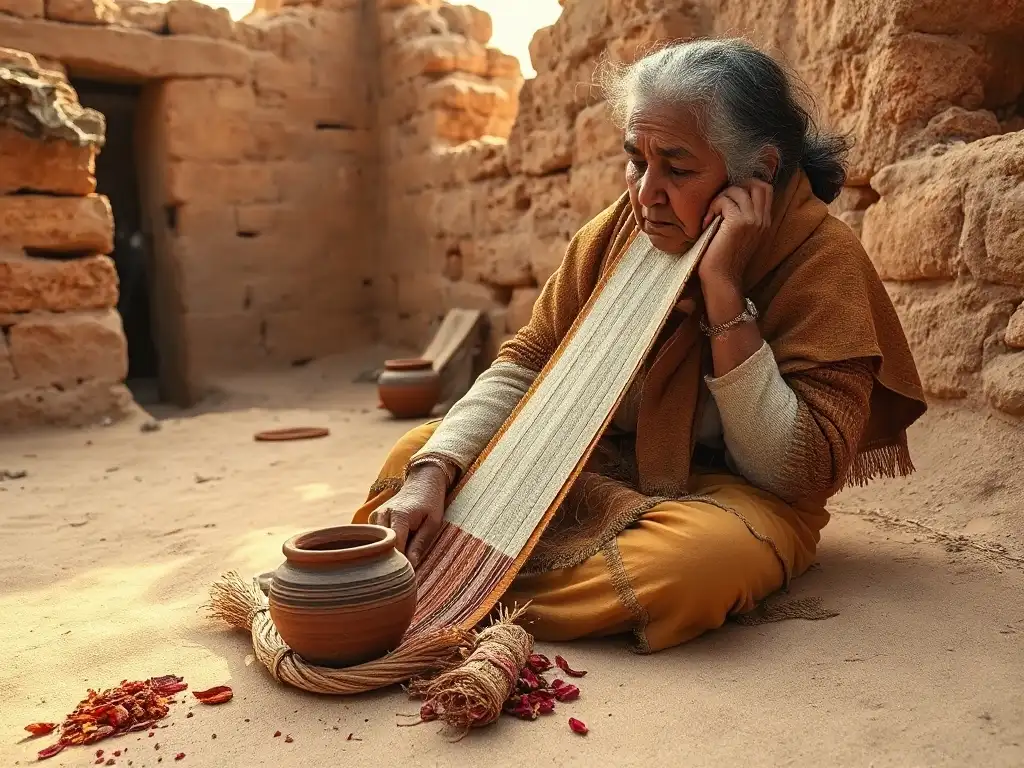
The vibrant hues of Nazca textiles are a testament to the sophisticated knowledge of natural dyes possessed by this ancient Andean civilization. Their mastery wasn't simply about achieving color; it was about imbuing their textiles with symbolic meaning, reflecting their intricate worldview and social structures. Understanding the process of dyeing Nazca textiles requires exploring the sourcing of raw materials, the preparation of dyes, and the application techniques themselves.
This intricate process, passed down through generations, resulted in textiles that are both aesthetically stunning and historically significant. The remarkable preservation of many examples allows us to analyze the techniques used and appreciate the artistry involved.
The detailed study of surviving textiles, combined with archaeological evidence, continues to reveal new insights into this fascinating aspect of Nazca culture. The enduring legacy of Nazca textile production highlights the ingenuity and artistic skill of this civilization, leaving a lasting impact on our understanding of Andean textile traditions.
Mordants: Fixing Natural Dyes on Textile Fibers
The success of dyeing Nazca textiles relied heavily on the use of mordants. Mordants are substances that improve the dye's ability to bind to the fibers, enhancing colorfastness and vibrancy. Archaeological evidence suggests the Nazca utilized a variety of mordants, including minerals like alum (potassium aluminum sulfate) and possibly iron oxides.
The precise methods of mordant application remain a subject of ongoing research, but it's likely that they involved soaking the fibers in a mordant solution before dyeing. The effectiveness of the mordant was crucial in determining the final color intensity and longevity of the dyed textiles. Without proper mordanting, the dyes would likely wash out easily, rendering the textiles impractical for everyday use or ceremonial purposes.
The careful selection and application of mordants represent a crucial step in the sophisticated dyeing process, demonstrating the Nazca's deep understanding of chemistry and textile production. Further research is needed to fully understand the specific types and quantities of mordants employed, and how they varied depending on the desired color and fiber type.
Dyeing Methods Used in Nazca Textile Production
Nazca artisans employed various dyeing methods to achieve the wide spectrum of colors found in their textiles. While precise details remain elusive, analysis of surviving textiles points to techniques involving immersion dyeing, possibly using large vats. This involved submerging the prepared (mordanted) fibers in dye baths made from crushed plants, insects, or minerals.
The duration of immersion would have varied depending on the desired color intensity. Additionally, some evidence suggests the use of resist dyeing techniques, where certain areas of the fabric were protected from the dye to create patterns. This could have been achieved using wax resist, a method still employed by many textile artisans today.
The complexity of the patterns and the precision of their execution in many Nazca textiles suggest a high level of skill and specialized knowledge passed down through generations of dyers. The diversity of techniques employed underscores the sophisticated understanding of dyeing processes prevalent in Nazca society. The use of multiple dye baths, layering colors, and careful manipulation of the dyeing process likely contributed to the exceptional depth and brilliance of the colors.
The Art of Dyeing: Achieving Colorfastness and Intensity
Achieving colorfastness and intense color in natural dyes was a significant challenge for Nazca dyers. The longevity of many surviving textiles, however, testifies to their success. This was achieved through a combination of factors: careful selection of high-quality raw materials for both dyes and fibers; precise control of the dyeing process, including the use of effective mordants and appropriate dyeing techniques; and potentially, post-dyeing treatments to further enhance colorfastness.
The vibrant colors of Nazca textiles are not simply the result of chance; they represent a sophisticated understanding of the chemical interactions between dyes, fibers, and mordants. The remarkable preservation of these colors over centuries points to a level of mastery that remains impressive even today. The ability to create rich, long-lasting colors was not merely a technical achievement; it was a key element in the cultural and social significance of Nazca textiles.
The colors themselves likely held symbolic meaning, contributing to the overall narrative conveyed by the textiles' designs and patterns. Further research into the specific chemical compositions of the dyes and mordants used would shed more light on this remarkable technological feat. Analyzing the degradation patterns of the dyes in surviving textiles could also provide valuable insights into the methods used to achieve colorfastness.
The Symbolic Significance of Color in Nazca Textiles
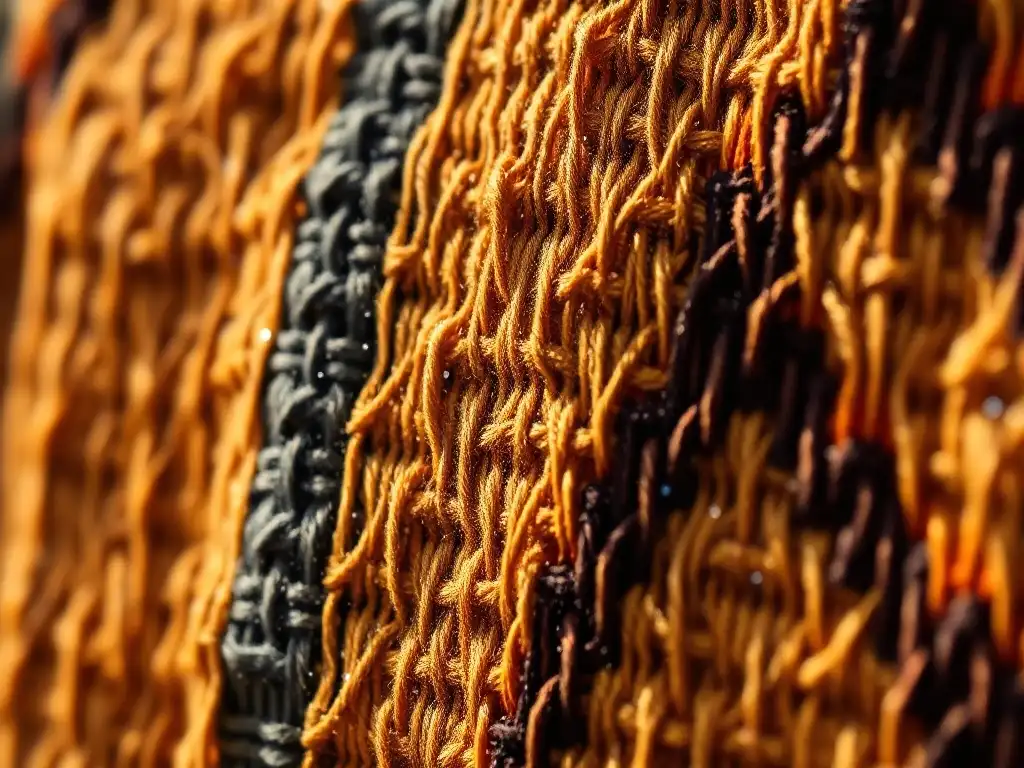
The vibrant hues found in Nazca textiles weren't merely aesthetic choices; they were integral to the complex symbolic system of this remarkable Andean civilization. The careful selection and application of natural dyes in Nazca textile production reflect a deep understanding of the relationship between color, cosmology, social structure, and religious beliefs. Understanding the symbolic significance of color in Nazca textiles provides invaluable insight into their worldview and societal organization. The use of "Nazca textiles natural dyes" was far from arbitrary; it was a sophisticated system of communication and representation.
Color as a Language: Communicating Meaning Through Dyes
Nazca artisans skillfully employed a palette of natural dyes derived from plants, insects, and minerals found in their arid environment. These dyes, painstakingly extracted and prepared, were not simply pigments; they were imbued with symbolic meaning. For example, the deep crimson red, likely obtained from the cochineal insect, might represent blood, sacrifice, or the life-giving power of the sun.
Similarly, the earthy browns and yellows, derived from various minerals and plants, could symbolize the desert landscape itself, connecting the textiles to the very environment of the Nazca people. The intricate designs, woven with these deeply symbolic colors, served as a visual language, conveying complex narratives and beliefs. The precision and artistry involved indicate a high level of social organization and specialized knowledge within the Nazca community.
Further research is needed to fully decipher the nuanced meanings associated with each specific hue and their combinations. [Specific information pending on detailed dye analysis of different Nazca textiles].
The Use of Color in Nazca Textile Motifs and Designs
The vibrant colors in Nazca textiles were not randomly applied; they were carefully integrated into intricate motifs and designs. Recurring patterns, such as stylized birds, mythical creatures, and geometric shapes, were often rendered in specific color combinations, enhancing their symbolic power. For instance, a specific type of bird might always be depicted in a combination of blue and yellow, while another might be consistently rendered in red and black.
This consistent use of color in relation to specific motifs suggests a codified system of visual representation, possibly linked to specific deities, rituals, or social status. The careful arrangement of colors within the designs further emphasizes the significance of this visual language.
The complexity of the patterns, coupled with the thoughtful selection of dyes, showcases the sophisticated artistry and symbolic thinking of Nazca weavers. Analyzing the color palettes used in different types of Nazca textiles—those used for ceremonial purposes versus everyday wear—could reveal further insights into their social hierarchy and religious practices.
Colors and Their Connection to Nazca Cosmology
Many scholars believe that the color choices in Nazca textiles were deeply rooted in their cosmology. The vibrant colors might represent celestial bodies, such as the sun (red and orange), the moon (silver/grey), and stars (various shades of blue and gold). The earth's tones (browns, yellows, and ochres) likely symbolized the desert landscape and its connection to the life-sustaining water sources.
The use of these colors in specific patterns and combinations could have represented celestial events, mythical journeys, or other cosmological concepts central to Nazca beliefs. Further research into the astronomical knowledge of the Nazca people, combined with detailed analysis of color patterns in their textiles, could reveal even more compelling connections between their art and their understanding of the cosmos.
The presence of certain colors in particular contexts within the textiles warrants further investigation. For instance, [specific information pending on the frequency of specific color combinations linked to celestial events].
The Social and Religious Significance of Color
The social and religious significance of color in Nazca textiles is evident in the variations observed across different textile types and contexts. Ceremonial textiles, often featuring elaborate designs and rich color palettes, likely held a higher status and were used in religious rituals or worn by elite members of society. Everyday textiles, while still employing symbolic colors, might have featured simpler designs and a more limited palette.
This suggests that color was a significant marker of social status and religious affiliation. The use of specific colors in burial contexts provides further evidence of their importance in funerary rituals and beliefs about the afterlife.
Detailed study of textile fragments found in Nazca tombs, focusing on the color palettes used, could yield crucial insights into their beliefs about death and the afterlife. For example, the prevalence of [specific information pending on color usage in funerary textiles] could indicate their association with specific deities or spiritual concepts.
Nazca Textiles: A Legacy of Natural Dyes and Artistry
The Nazca civilization, renowned for its enigmatic geoglyphs, also left behind a remarkable legacy of textile artistry. Their mastery wasn't just in weaving intricate patterns but also in the vibrant, long-lasting colors achieved through the skillful use of natural dyes. These dyes, derived from plants, insects, and minerals found in the harsh desert environment, were carefully processed and applied to create textiles that remain strikingly beautiful even millennia later.
The use of these natural pigments wasn't merely decorative; it held deep cultural and symbolic meaning, reflecting the Nazca worldview and their relationship with the natural world. The vibrant hues found in surviving textiles often represent specific deities, agricultural cycles, or social status, demonstrating a sophisticated understanding of color symbolism. The complexity of the dyeing process, combined with the intricate weaving techniques, makes Nazca textiles exceptional examples of ancient Andean craftsmanship.
The survival of these textiles, despite the arid climate, provides invaluable insights into the Nazca's artistic capabilities and their profound connection to their environment. Analyzing these textiles reveals not only artistic skill but also a sophisticated understanding of chemistry and botany, crucial to extracting and utilizing the natural dyes effectively.
The Preservation of Nazca Textile Colors Over Time
The remarkable preservation of Nazca textile colors is a testament to both the quality of the dyes and the careful techniques employed by the artisans. The arid climate of the Nazca desert played a crucial role, minimizing the effects of moisture and microbial degradation that often damage organic materials. However, the dyes themselves also contributed significantly to their longevity. Many of the pigments used, such as those derived from cochineal insects (producing deep reds and crimsons) and various plants (yielding yellows, browns, and greens), are inherently lightfast and resistant to fading.
Furthermore, the Nazca likely employed mordants – substances that bind the dye to the fibers – enhancing the color's permanence. While the exact methods remain partially unknown, analysis suggests the use of minerals like iron oxide for fixing certain colors. The techniques involved in preparing and applying these dyes were clearly sophisticated, resulting in textiles that have withstood the test of time far better than many other ancient textiles from different climates.
Research continues to uncover further details about the specific mordants and processes used, enhancing our understanding of Nazca technological prowess. Careful conservation efforts by museums and researchers are also vital in preserving these fragile artifacts for future generations. The longevity of the colors highlights the Nazca's impressive knowledge of both natural resources and dyeing techniques.
Modern Applications of Nazca Dyeing Techniques
Modern artisans and researchers are increasingly exploring the potential of recreating Nazca dyeing techniques. This involves identifying the original plant and insect sources of the dyes, replicating the processing methods, and understanding the mordanting processes. The revival of these ancient techniques not only offers a fascinating glimpse into the past but also presents opportunities for sustainable and eco-friendly dyeing practices.
Utilizing natural dyes is a growing trend in contemporary textile arts, offering a more environmentally friendly alternative to synthetic dyes. The study of Nazca textiles provides valuable insights into this sustainable approach, showcasing the potential of natural pigments for creating durable and vibrant colors. Furthermore, understanding the Nazca's sophisticated approach to color manipulation can inspire new innovations in natural dyeing techniques.
Research into the specific chemical compositions of the dyes used by the Nazca is ongoing, potentially leading to the discovery of new and improved natural dye applications. The resurgence of interest in Nazca textiles and their dyeing techniques offers a unique blend of historical preservation and modern innovation, emphasizing the enduring relevance of ancient Andean knowledge.
Conclusion: The Enduring Legacy of Nazca Textiles and Natural Pigments
The study of Nazca textiles provides a captivating window into the artistic skills, technological ingenuity, and cultural beliefs of this remarkable civilization. Their mastery of natural dyes, resulting in textiles of exceptional vibrancy and longevity, stands as a testament to their deep understanding of the natural world. The colors themselves, far from being mere decoration, encoded rich symbolic meanings, reflecting the Nazca's complex social structures and spiritual beliefs.
The ongoing research into Nazca textile dyes offers valuable insights not only into ancient Andean practices but also into the potential of sustainable and eco-friendly dyeing methods. The vibrant hues of these ancient textiles continue to inspire contemporary artisans and researchers, highlighting the enduring legacy of Nazca artistry and the power of natural pigments.
The exceptional preservation of these textiles, coupled with ongoing scientific analysis, ensures that the secrets of Nazca dyeing will continue to be unearthed and appreciated for generations to come. The legacy of Nazca textiles and natural dyes remains a vibrant and compelling testament to the ingenuity and artistry of this ancient Andean culture.
Frequently Asked Questions
What natural dyes did the Nazca people use in their textiles?
The Nazca utilized a wide array of natural dyes derived from plants, insects, and minerals. Common sources included cochineal insects for reds, various plants for yellows and browns, and minerals for blacks and other shades.
How did the Nazca obtain these natural dyes?
The Nazca likely cultivated some dye plants, while others were foraged from the surrounding environment. Sophisticated techniques were employed to extract and prepare the dyes for use in textile production.
What is the significance of color in Nazca textiles?
Colors in Nazca textiles held deep symbolic meaning, often representing social status, religious beliefs, or specific events or deities. The vibrant hues were integral to their cultural expression.
How durable were the Nazca textiles' colors?
The durability of Nazca textile colors varied depending on the dye source and the techniques used. Some colors, particularly those from cochineal, were remarkably long-lasting, while others faded over time.
Where can I learn more about Nazca textiles and their natural dyes?
Further information can be found in archaeological publications and museum exhibits focusing on ancient Andean cultures. Many books and online resources also explore the fascinating world of Nazca textiles and their dyes.
Final Reflection: The Enduring Legacy of Nazca Dye
The vibrant hues of Nazca textiles, achieved through ingenious natural dyeing techniques, continue to resonate today, a testament to the ingenuity and artistry of a vanished civilization. Their intricate designs and the enduring beauty of their colors offer a powerful connection to a rich past, reminding us of the profound relationship between humans and their environment. The sophisticated understanding of plant-based dyes displayed by the Nazca people remains a source of wonder and inspiration for modern artisans and scientists alike.
The impact of Nazca textile techniques extends far beyond the realm of archaeology; they represent a profound connection to the land and a sophisticated understanding of natural processes. These dyes, painstakingly extracted from local flora, tell a story of resourcefulness and deep cultural significance. The vibrant colors weren't merely decorative; they held symbolic meaning, reflecting the Nazca worldview and their relationship with the desert ecosystem. The colors are not just colors, but a language, a story woven into the very fabric of their existence.
This quote, though not directly from a Nazca source, encapsulates the profound meaning embedded within these ancient textiles.
Consider the enduring power of these colors. Imagine the hands that cultivated the plants, the meticulous processes of extraction and dyeing, the skilled weavers who transformed these natural pigments into breathtaking works of art. You too can connect with this legacy. Take a moment to appreciate the artistry and innovation of the Nazca people, and let their vibrant legacy inspire you to explore the natural world around you, to appreciate the beauty of sustainable practices, and to find your own unique way to connect with the past.
Unveil the Vibrant World of Natural Dyes!
Thank you for exploring the captivating world of natural dyes and their importance in Nazca textiles! Your interest in this rich cultural heritage highlights the beauty of sustainable practices and traditional artistry. Let's further explore this vibrant history.
- Create your own natural dyes: Experiment with creating natural dyes at home using readily available plants and vegetables. Share your experience and results with friends and family!
- Connect with local artisans: Visit a local market or craft fair to meet artisans who utilize traditional dyeing techniques. Learn about their methods and the stories behind their creations.
- Share your newfound knowledge: Share this article with others who appreciate sustainable practices and the artistry of handcrafted textiles. Let's spark a conversation about the beauty and importance of these traditional skills.
What colors would you choose to express your personal story through the art of natural dyeing? Imagine the possibilities!