
Nazca Lines and the Theory of Alien Intervention: Fact or Fiction?

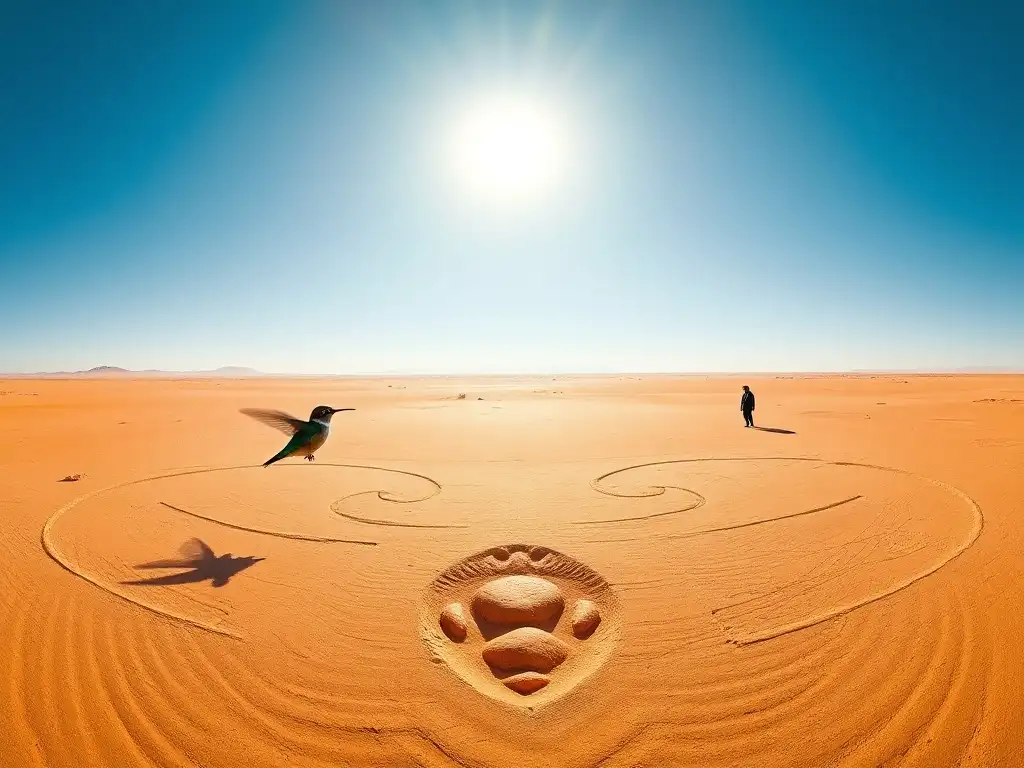
Dive into the enigmatic world of the Andean civilizations! From the towering heights of Inca ingenuity to the breathtaking artistry of the Moche, a tapestry of ancient cultures awaits. But what secrets lie hidden beneath the Peruvian sands? This website unravels the mysteries of the Andes, starting with the most perplexing enigma of them all: the Nazca Lines alien theory. Dare to explore the evidence and decide for yourself – is it the work of ancient hands, or something far more... extraordinary?
- Nazca Lines and the Alien Intervention Theory: Unraveling the Mystery
- The Alien Intervention Theory: A Closer Look
- Exploring Alternative Explanations for the Nazca Lines
- Nazca Lines: Debunking the Myth of Alien Involvement
- Conclusion: The Nazca Lines and Human Ingenuity
- Frequently Asked Questions
- Final Reflection: Deciphering the Enigma of the Nazca Lines
- Unveil the Secrets of the Nazca Lines!
Nazca Lines and the Alien Intervention Theory: Unraveling the Mystery
The Nazca Lines, a collection of ancient geoglyphs etched into the Peruvian desert, remain one of archaeology's most enduring mysteries. These colossal figures and intricate designs, visible only from the air, have captivated imaginations for decades, sparking countless theories about their purpose and origin.
Among the most popular, and arguably the most sensational, is the theory of alien intervention – the idea that these enigmatic lines were created by extraterrestrial visitors. This article will delve into the Nazca Lines alien theory, examining the evidence, the counterarguments, and ultimately, attempting to separate fact from fiction.
We will explore the sheer scale and complexity of these geoglyphs, analyze the prevailing scientific explanations, and consider the enduring appeal of the alien hypothesis within the broader context of Nazca culture and its technological capabilities. Ultimately, we aim to provide a balanced perspective on this fascinating and enduring debate, exploring the rich tapestry of historical, archaeological, and scientific perspectives surrounding these extraordinary works of art.
Introduction to the Nazca Lines
The Nazca Lines are located in the Nazca Desert of southern Peru, a vast, arid expanse known for its remarkably stable, dry climate. This unique environment has played a crucial role in the preservation of these geoglyphs, which are believed to have been created between 500 BC and 500 AD by the Nazca culture. These lines are not simply random scratches in the earth; they encompass a vast array of figures, including animals (such as hummingbirds, monkeys, and lizards), plants, geometric shapes, and even humanoid figures.
Their scale is breathtaking; some of the animal figures stretch for hundreds of meters. The precision and artistry involved in their creation are equally astonishing. The lines themselves were created by removing the reddish-brown surface layer of the desert to reveal the lighter-colored subsoil, creating a stark contrast that is best appreciated from a significant altitude.
The sheer effort involved in creating these geoglyphs, using only basic tools, is staggering, fueling speculation about their purpose and the sophistication of the Nazca civilization. The mystery surrounding their creation and the lack of a definitive explanation have contributed significantly to the enduring popularity of the alien intervention theory.
The Enigma of the Geoglyphs: Size and Complexity
The sheer size and complexity of the Nazca Lines are arguably their most striking features. Many of the geoglyphs are incredibly large, some extending for hundreds of meters in length. Consider the hummingbird, for example; its intricate details, including the delicate feathers and slender beak, are rendered with astonishing precision across a vast expanse of desert. This level of accuracy and planning suggests a sophisticated understanding of geometry, surveying, and potentially, even astronomical principles.
The lines themselves are not merely single lines, but often consist of multiple lines running parallel to each other, creating intricate patterns and shapes. Furthermore, the lines often follow the contours of the land, demonstrating an advanced understanding of topography and engineering. The creation of these geoglyphs involved the coordinated effort of a large workforce, requiring meticulous planning and execution.
The logistical challenges involved in creating these massive figures, using only rudimentary tools, are significant and contribute significantly to the enduring debate surrounding their purpose and the capabilities of the Nazca civilization. The precision and scale of the work involved continue to challenge conventional understanding of ancient Andean technology and societal organization. The complexity of the designs, combined with the vast scale, fuels the persistent speculation about extra-terrestrial involvement, a theory that persists despite compelling counterarguments from the scientific community.
Understanding the Nazca Culture and Their Worldview
The Nazca culture, flourishing in southern Peru between 100 BCE and 800 CE, remains shrouded in some mystery, despite significant archaeological discoveries. Their worldview, deeply intertwined with their arid environment and complex social structure, offers valuable clues to understanding the purpose of the Nazca Lines. Evidence suggests a sophisticated understanding of agriculture, water management (as seen in their intricate canal systems), and a rich ceremonial life centered around deities associated with fertility and the life-giving forces of nature.
Their art, particularly their pottery depicting stylized figures and intricate designs, showcases a vivid imagination and a keen observation of the natural world. This artistic sensibility, evident in their pottery and textiles, provides a context for understanding the potential symbolic meanings embedded within the Nazca Lines themselves. The Nazca people were not a monolithic group; their society likely involved various social strata, with specialized artisans and religious leaders playing crucial roles in their cultural practices.
Understanding this social complexity is key to interpreting the monumental effort involved in creating the lines. Their advanced knowledge of engineering and their dedication to large-scale projects, as evidenced by their aqueducts and elaborate tombs, suggests a capacity for collaborative effort and sophisticated planning – characteristics that could also be applied to the creation of the Nazca geoglyphs. Further research into their religious beliefs and social organization will undoubtedly shed more light on the mysteries surrounding the lines.
The Nazca Lines: Purpose and Creation Techniques
The Nazca Lines, a collection of geoglyphs etched into the Peruvian desert, consist of hundreds of figures ranging from simple lines to complex representations of animals, plants, and geometric shapes. These enormous designs, some stretching over a hundred meters in length, are only truly visible from the air, a fact that has fueled much speculation about their purpose. Their creation involved meticulous planning and execution, requiring a high degree of precision and coordination among a large workforce. The scale of the undertaking is astonishing, highlighting the advanced organizational capabilities of the Nazca people.
Theories abound regarding their purpose, ranging from astronomical markers to ritualistic pathways. However, no single theory fully explains the diversity and complexity of the designs. The lines themselves were created by removing the reddish-brown surface layer of the desert, exposing the lighter-colored subsoil beneath.
This process, while seemingly simple, required immense effort and precise execution to create the intricate designs that we see today. The tools used are still being investigated, but likely involved simple implements like stakes and ropes, combined with a detailed understanding of the landscape and the effects of wind and erosion. The challenge lies in understanding not only how the lines were created, but also why.
Construction of the Geoglyphs: Methods and Materials
The creation of the Nazca Lines involved a surprisingly simple yet incredibly labor-intensive process. The Nazca people used rudimentary tools, likely including wooden stakes, ropes, and possibly some form of smoothing implements, to carefully remove the dark, oxidized surface layer of the desert soil. This revealed the lighter-colored subsoil, creating the striking contrast that defines the geoglyphs.
The process required a deep understanding of the local geology and the wind patterns that shape the desert landscape. The accuracy and precision of the lines suggest a high level of planning and coordination amongst the workers. Evidence suggests that the work was likely carried out over a significant period, possibly involving different teams and phases of construction.
The scale of the project, involving hundreds of figures across a vast expanse of desert, is remarkable, suggesting a highly organized society capable of mobilizing significant human resources for a project with a clearly defined purpose. Further research into the tools and techniques employed by the Nazca is needed to fully understand the logistical challenges and the level of expertise involved in the creation of these iconic geoglyphs. Analysis of the soil samples from the lines could also provide insights into the methods used for removing the surface layer and the timeframe of the construction.
Possible Functions of the Nazca Lines: Rituals and Astronomy
The purpose of the Nazca Lines remains a subject of ongoing debate, with several competing theories. One prominent theory links the lines to ritualistic practices. Some suggest they served as pilgrimage routes, with individuals or groups following the lines during ceremonies. The lines’ association with water sources and fertility deities supports this hypothesis, suggesting a connection to rituals seeking to ensure successful harvests.
Another compelling theory connects the lines to astronomical observations. Several lines seem to align with celestial events, such as solstices and equinoxes. This suggests a possible role in tracking the movements of the sun and stars, potentially for agricultural or religious purposes. The combination of astronomical alignments and the presence of figures representing animals and plants could indicate a complex system of beliefs linking the terrestrial and celestial realms.
However, it's important to note that not all lines show clear astronomical alignments, suggesting that a single, unified purpose is unlikely. It is more probable that the lines served multiple functions, combining ritualistic and astronomical purposes, reflecting the multifaceted nature of Nazca culture and belief. Further research into the precise alignments of the lines, combined with a deeper understanding of Nazca cosmology, is necessary to fully elucidate their function. The interplay between ritual, astronomy, and the landscape itself likely played a crucial role in shaping the meaning and significance of these enigmatic geoglyphs.
The Alien Intervention Theory: A Closer Look
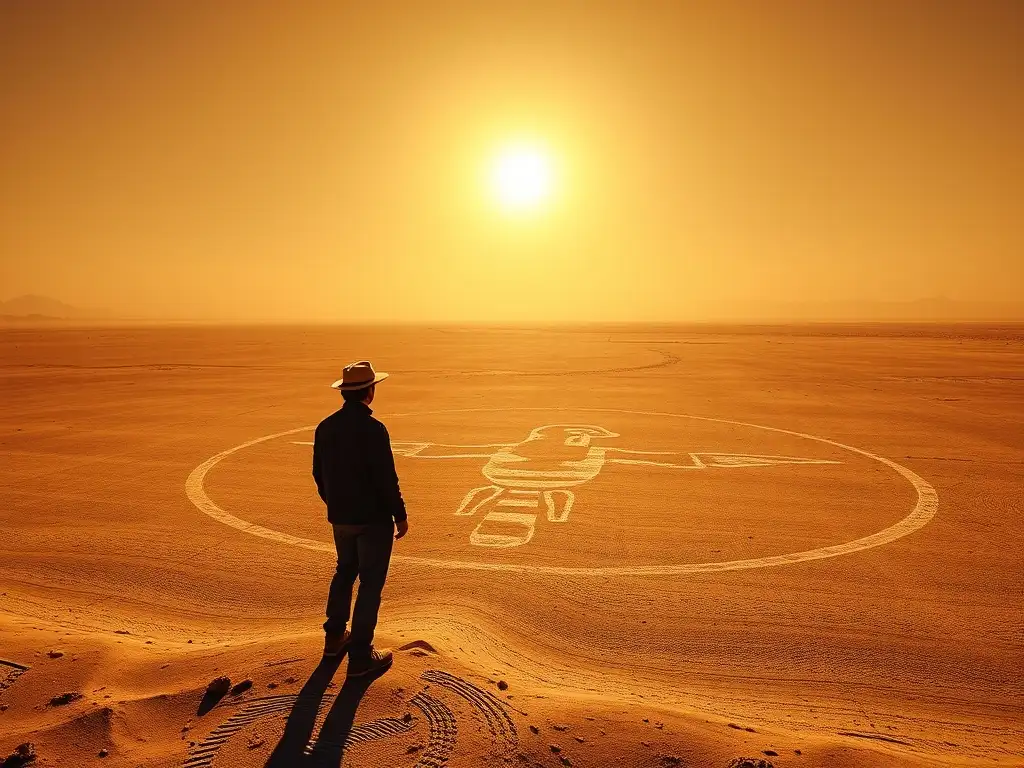
The Nazca Lines, those enigmatic geoglyphs etched into the Peruvian desert, have captivated imaginations for decades. While many theories attempt to explain their creation, the "Nazca Lines alien theory" remains a persistent, albeit controversial, explanation. This theory posits that the lines, with their immense scale and intricate designs, could only have been created by extraterrestrial beings possessing advanced technology and an aerial perspective.
This section will delve into the arguments both for and against this fascinating, yet ultimately debated, hypothesis. Understanding the nuances of this theory is crucial for a complete comprehension of the ongoing mystery surrounding the Nazca Lines. The keyword "Nazca Lines alien theory" and its variations will be explored throughout the analysis.
Proponents of the Nazca Lines Alien Connection
Belief in extraterrestrial involvement in the creation of the Nazca Lines is often fueled by the sheer scale and precision of the geoglyphs. Many proponents point to the seemingly impossible feat of creating such large, intricate designs without the benefit of an aerial perspective. The lines, some stretching for kilometers, are often too vast to be fully appreciated from ground level. This perceived impossibility, coupled with a lack of definitive explanation from archaeological findings, has led many to conclude that only beings with advanced technology and a bird's-eye view could have accomplished this.
Furthermore, some proponents highlight the apparent lack of any logical, earthly purpose for the lines. While some suggest ritualistic or astronomical functions, the sheer number and complexity of the geoglyphs, coupled with their seemingly haphazard arrangement, have fueled the alien explanation. This argument suggests that if the lines served a practical purpose, it would be more readily apparent. The mystery surrounding their purpose, therefore, is leveraged as evidence for extraterrestrial involvement in the "Nazca Lines alien theory." The lack of a fully satisfying terrestrial explanation leaves room for alternative interpretations, however speculative they may be.
Arguments for the Extraterrestrial Hypothesis: The Straight Lines as Landing Strips, The Impossibility of Construction Without Aerial View
A central tenet of the extraterrestrial hypothesis is the interpretation of certain straight lines as potential landing strips for alien spacecraft. Proponents suggest that the long, straight lines, perfectly aligned and remarkably straight, bear an uncanny resemblance to runways. This interpretation, however, rests on a highly speculative assumption, projecting modern understanding of aerospace technology onto a civilization lacking such knowledge.
The argument is further bolstered by the perceived impossibility of accurately creating these lines without an aerial perspective. The precision and scale of the geoglyphs, it is argued, defy explanation using only terrestrial tools and methods available to the Nazca culture.
The argument centers on the challenge of maintaining straight lines over such vast distances across uneven terrain. Proponents often present the difficulty of surveying and marking such lines from the ground as insurmountable, implying the necessity of an aerial viewpoint for accurate construction.
This is a compelling argument, but one that ignores potential surveying techniques used by the Nazca, which may have involved sophisticated understandings of geometry and land surveying, though these techniques remain to be fully understood. The "Nazca Lines alien theory," therefore, presents a compelling narrative, but one that needs to be critically examined against archaeological evidence and scientific understanding.
Critiques and Scientific Rebuttals of the Alien Theory
While the alien intervention theory captures the imagination, it faces significant criticism from the scientific community. The most substantial rebuttal is the wealth of archaeological evidence pointing to a terrestrial origin. Extensive research has revealed sophisticated surveying techniques used by the Nazca, including the use of stakes and ropes to mark out lines and shapes. Furthermore, analysis of the tools and materials used suggests that the lines were created over centuries, using relatively simple technology, albeit requiring immense labor.
The argument that the lines are too precise to have been created without aerial assistance ignores the potential for advanced surveying techniques. While the scale is impressive, it is not impossible to achieve with sufficient planning, manpower, and a deep understanding of geometry. The interpretation of straight lines as landing strips is considered highly speculative and lacks any concrete evidence.
The scientific consensus, therefore, firmly rejects the "Nazca Lines alien theory," favoring instead a grounded explanation supported by archaeological evidence and a more nuanced understanding of the Nazca civilization's capabilities. The mystery of the Nazca Lines remains, but the solution likely lies in further archaeological investigation, not extraterrestrial intervention.
Exploring Alternative Explanations for the Nazca Lines
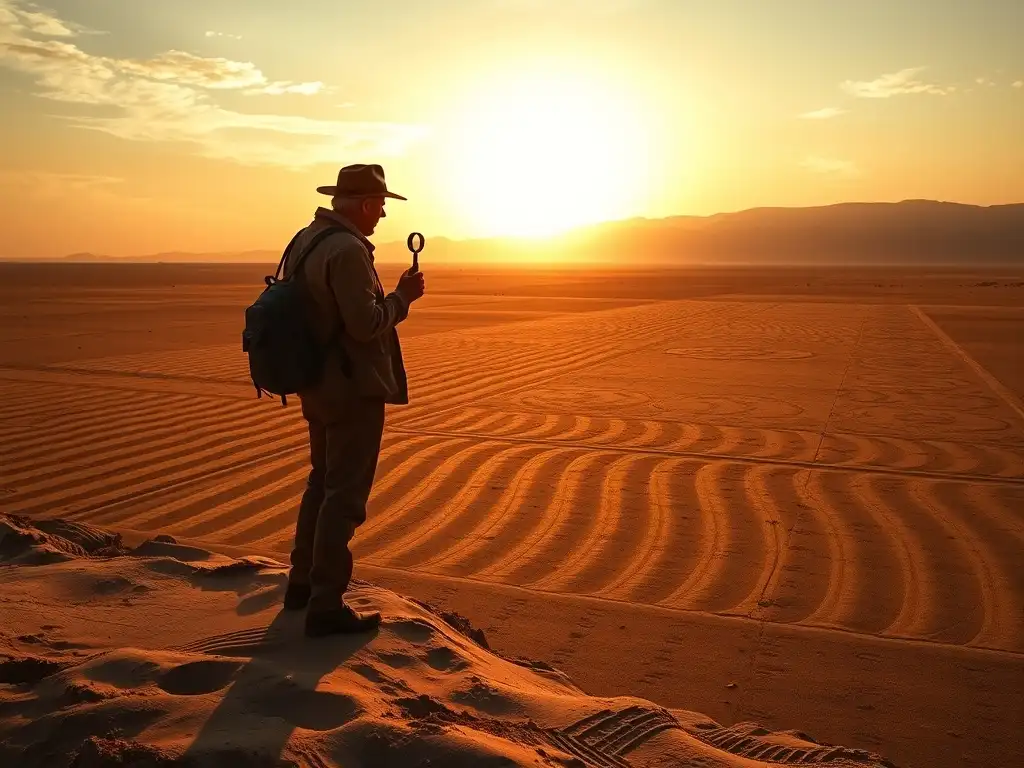
The enduring mystery surrounding the Nazca Lines often leads to speculation about extraterrestrial involvement. However, a deeper dive into archaeological findings and the sophisticated understanding of Nazca culture reveals compelling alternative explanations that don't require invoking alien intervention. The "Nazca Lines alien theory," while captivating, may overshadow more plausible interpretations rooted in the ingenuity and cultural practices of the Nazca people themselves. Let's explore these alternative perspectives, examining the evidence available to us.
Archaeological Evidence and Nazca Engineering Prowess
The Nazca were not a primitive society. Archaeological excavations reveal a remarkable level of engineering skill and sophisticated understanding of their environment. Their mastery of irrigation systems, for example, allowed them to flourish in a desert climate, showcasing their practical knowledge and problem-solving abilities. This expertise extended to their construction techniques.
The creation of the lines themselves involved significant planning and execution. Evidence suggests the use of simple tools, such as stakes and ropes, to create the geoglyphs. The precision and scale of the work demonstrate a high level of organizational capacity and a deep understanding of geometry and surveying. Analyzing the composition of the soil used to create the lines provides further insight into their methods and the resources utilized.
The meticulous removal of the dark reddish-brown surface layer to reveal the lighter subsoil suggests a controlled and planned process, not a haphazard or inexplicable creation. Careful analysis of the lines' construction has revealed nuanced techniques and patterns that point towards a highly organized and skilled workforce. This detailed understanding challenges the notion that only advanced extraterrestrial technology could have produced such intricate designs. The Nazca Lines are a testament to human ingenuity and not necessarily evidence of extraterrestrial involvement.
Astronomical Alignments and Nazca Calendars
Another compelling alternative to the "Nazca Lines alien theory" focuses on the possible astronomical significance of the lines. Many geoglyphs appear to align with celestial events, suggesting a connection to the Nazca calendar and their understanding of the cosmos. This theory proposes that the lines served as a giant astronomical observatory, a complex calendar system intricately linked to agricultural cycles and religious practices.
The precise alignment of certain lines with the solstices and equinoxes lends credence to this hypothesis. The Nazca's deep reverence for celestial bodies is well documented through their artifacts and iconography. This astronomical interpretation doesn't necessarily negate the impressive engineering feat involved in their creation but shifts the focus from an unexplained technological marvel to a sophisticated expression of their cultural and spiritual beliefs.
The Role of Astronomy in Nazca Culture
The Nazca people's deep connection to astronomy is evident in various aspects of their culture. Their pottery often depicts celestial bodies, and their intricate designs frequently incorporate astronomical motifs. This suggests a profound understanding of the cosmos and its influence on their lives.
The potential astronomical function of the Nazca Lines further reinforces this cultural aspect. The alignment of some lines with specific constellations or the rising and setting points of the sun and moon suggests a calendar system that was integral to their agricultural practices and religious rituals. The lines may have served as a way to mark significant celestial events, guiding their agricultural activities and providing a framework for their religious beliefs.
Further research into the astronomical alignments of the lines is crucial to fully understanding their purpose and to dismissing the simplistic "Nazca Lines alien theory" as the sole explanation for their existence. The intricate interplay between astronomy, agriculture, and religion within Nazca society offers a much richer and more nuanced understanding of these enigmatic geoglyphs.
Ritual Significance and the Nazca Worldview
The Nazca Lines, undeniably impressive in their scale and complexity, were likely far more than mere artistic expressions. Understanding their creation requires delving into the Nazca worldview, a complex tapestry of religious beliefs and cosmological perspectives. Archaeological evidence suggests a deeply spiritual society, with elaborate burial practices and a strong emphasis on ancestor veneration. The lines themselves may have served as integral components of their religious rituals, perhaps acting as pathways for processions or marking sacred sites.
Consider the intricate designs—hummingbirds, monkeys, lizards—animals often associated with fertility, rain, and other vital aspects of Nazca life. These depictions might reflect a desire to influence the natural world through ritualistic engagement with the geoglyphs. Furthermore, the precision and scale of the lines suggest a significant investment of time, labor, and resources, indicating their paramount importance within Nazca society. This wasn't a casual artistic endeavor; it was a deeply ingrained aspect of their religious and social fabric.
The sheer effort involved underscores the lines' significance within the broader context of Nazca beliefs and practices. Further research into Nazca iconography and religious practices could shed more light on the specific rituals associated with these enigmatic lines. The intricate interplay between cosmology, ritual, and the geoglyphs remains a captivating area of ongoing scholarly debate.
The Geoglyphs as Pathways and Processional Routes
Another compelling theory proposes that the Nazca Lines functioned as pathways or processional routes during significant religious ceremonies. This idea draws upon evidence of ancient roads and pathways found in other Andean cultures. Imagine vast processions, perhaps involving priests, dignitaries, and members of the community, moving along these carefully planned lines. The lines themselves might have guided these processions, their designs providing a visual focus for ritualistic activities.
Some researchers suggest that certain geoglyphs, particularly those depicting animals or other symbolic figures, might have marked specific points along these routes, representing stages in the procession or significant locations within the ritual. The scale of some of the lines lends credence to this theory; their size is such that they would have been easily visible from afar, effectively guiding participants. The alignment of some lines with astronomical events further strengthens this hypothesis, suggesting the Nazca people may have used the lines to track celestial movements and time their ceremonies accordingly.
While the exact nature of these processions remains largely speculative, the possibility that the lines served as vital components of significant religious events significantly alters our understanding of their purpose. Further investigation into Nazca settlement patterns and the distribution of ceremonial sites in relation to the lines could help to illuminate this theory. The idea of the lines as pathways adds another layer of complexity to the already multifaceted enigma of the Nazca geoglyphs.
Nazca Lines: Debunking the Myth of Alien Involvement

The Nazca Lines, a collection of geoglyphs etched into the Peruvian desert, have captivated imaginations for decades. While their precise purpose remains a subject of ongoing scholarly debate, the enduring allure of the "Nazca Lines alien theory" persists. This section aims to critically examine this popular hypothesis, separating fact from fiction and highlighting the lack of credible evidence supporting extraterrestrial involvement in their creation. We'll explore the logical fallacies underpinning this theory and present a more grounded understanding of these remarkable ancient works.
The enduring mystery of the Nazca Lines is fascinating, but it doesn't necessitate resorting to unsubstantiated explanations. A robust investigation requires careful consideration of all available evidence, prioritizing scientifically verifiable data over speculative narratives. The Nazca Lines alien theory, while captivating, ultimately falls short of providing a convincing explanation.
Examining the Flaws in the Extraterrestrial Argument
The extraterrestrial hypothesis for the creation of the Nazca Lines often rests on the assumption that the scale and precision of the geoglyphs are beyond the capabilities of any known ancient civilization. This argument, however, significantly underestimates the ingenuity and organizational skills of the Nazca people. Proponents of the alien theory often point to the apparent complexity of the designs and their vast scale as proof of otherworldly intervention. Yet, this overlooks crucial archaeological evidence.
Lack of Scientific Evidence for Alien Intervention
There is no credible scientific evidence supporting alien involvement in the creation of the Nazca Lines. No extraterrestrial artifacts, technologies, or materials have ever been found in association with the geoglyphs. Claims of anomalous energy readings or unusual geological formations near the lines lack rigorous scientific validation and are often based on anecdotal evidence or misinterpretations of data.
Furthermore, the argument that the lines could only have been created from the air ignores the possibility of elevated vantage points and sophisticated surveying techniques employed by the Nazca. The idea of advanced alien technology is often invoked to explain the precision of the lines; however, recent research suggests that simple tools and a deep understanding of the landscape were sufficient for their creation.
The lack of any physical evidence directly linking the lines to extraterrestrial origins significantly weakens the alien theory. The burden of proof rests on those proposing the extraterrestrial hypothesis to provide compelling scientific evidence, which currently remains absent.
Analyzing the Logical Fallacies in Alien Theories
The argument for alien involvement in the creation of the Nazca Lines often relies on several logical fallacies. One common fallacy is the argument from ignorance: because we don't fully understand how the Nazca created the lines, it must have been aliens. This is a flawed reasoning process. The lack of a complete explanation does not automatically equate to extraterrestrial intervention.
Another fallacy is the appeal to mystery: the sheer scale and complexity of the lines are presented as inherently inexplicable without alien intervention. However, this ignores the ongoing research and discoveries that gradually shed light on Nazca engineering and societal structures. The Nazca people possessed advanced knowledge of astronomy, mathematics, and engineering, all of which could have contributed to their ability to create these impressive geoglyphs. Finally, the theory often commits the fallacy of confirmation bias, selectively focusing on evidence that supports the extraterrestrial hypothesis while ignoring or dismissing contradictory evidence.
A more rigorous and balanced approach demands a comprehensive analysis of all available data, not just the pieces that fit a pre-conceived narrative. The Nazca Lines remain a fascinating enigma, but their mystery does not necessitate invoking extraterrestrial explanations. A thorough examination reveals that the alien theory rests on weak foundations and lacks the scientific rigor required for credible acceptance.
Conclusion: The Nazca Lines and Human Ingenuity
The enduring mystery surrounding the Nazca Lines continues to captivate imaginations worldwide. While the "Nazca Lines alien theory" holds a certain allure, a thorough examination of available evidence overwhelmingly points towards a human origin. The complexity and scale of the geoglyphs are undeniably impressive, fueling speculation about extraterrestrial involvement. However, archaeological findings, anthropological studies, and a deeper understanding of Nazca culture provide compelling counterarguments.
The meticulous planning, sophisticated surveying techniques, and the sheer dedication required to create these massive figures speak volumes about the ingenuity and advanced societal organization of the Nazca people. Dismissing their capabilities as insufficient to create such wonders is a disservice to their remarkable achievements. The Nazca Lines stand not as a testament to alien intervention, but as a powerful symbol of human creativity, perseverance, and a profound connection to the land.
The Legacy of the Nazca People: Art, Technology, and Culture
The Nazca Lines are but one facet of a rich and complex civilization. Their artistic prowess extended beyond the desert plains, evident in their intricate pottery, textiles, and metalwork. The Nazca were masters of irrigation, developing sophisticated systems to cultivate crops in the arid environment.
Their understanding of astronomy and mathematics is also reflected in their intricate designs and precise geoglyph placement. The creation of the lines itself showcases advanced understanding of surveying and engineering. Evidence suggests the use of simple tools and techniques, yet the precision and scale achieved are extraordinary, highlighting the dedication and collaborative effort involved.
The Nazca Lines, therefore, are not isolated marvels but represent the culmination of their advanced understanding of engineering, mathematics, and artistic expression. They are a vital piece of the broader puzzle that constitutes the legacy of the Nazca people – a legacy that deserves to be celebrated and understood in its entirety, free from the distortions of unsubstantiated theories. Their advanced understanding of water management, reflected in their sophisticated irrigation systems, further underscores their technological capabilities, eliminating the need to invoke extraterrestrial explanations for the creation of the Nazca Lines.
The Importance of Preserving the Nazca Lines for Future Generations
The Nazca Lines are a fragile and irreplaceable part of our global heritage. The ongoing threat of erosion, vandalism, and the impact of climate change necessitates proactive conservation efforts. Protecting these invaluable geoglyphs is not just about preserving a historical landmark; it's about safeguarding a crucial piece of human history and understanding.
The lines provide invaluable insights into the ingenuity and cultural practices of the Nazca civilization, contributing to our broader understanding of ancient Andean societies. Continued research and responsible tourism practices are crucial for ensuring their long-term preservation, allowing future generations to appreciate and learn from this remarkable achievement. The implementation of strict regulations, advanced monitoring techniques, and sustainable tourism strategies are vital steps towards ensuring the Nazca Lines remain a source of wonder and knowledge for centuries to come.
Ignoring the importance of preservation would be a catastrophic loss, not just for Peru, but for the entire world. The Nazca Lines deserve a future where they can continue to inspire awe and further research, contributing to our ever-evolving understanding of human history and ingenuity.
Final Thoughts on the Nazca Lines and Their True Origin
Ultimately, the Nazca Lines stand as a compelling testament to human ingenuity and cultural expression. While the allure of the "Nazca Lines alien theory" persists, a detailed analysis of available evidence strongly suggests a human origin. The intricate designs, the advanced surveying and engineering techniques employed, and the broader context of Nazca culture all contribute to a more plausible and comprehensive explanation.
The lines are a product of human creativity, perseverance, and a deep connection to their environment. Acknowledging this human achievement allows us to fully appreciate the artistry, technology, and cultural significance of this extraordinary landmark. The continued study and preservation of the Nazca Lines are crucial to ensuring that this remarkable legacy continues to inspire and educate generations to come.
The true wonder of the Nazca Lines lies not in their mysterious origins, but in the profound understanding they provide of the capabilities and ingenuity of the ancient Nazca people. Let's celebrate their achievement, rather than diminishing it with unfounded speculation.
Frequently Asked Questions
What are the Nazca Lines?
The Nazca Lines are geoglyphs—giant designs etched into the Peruvian desert. They depict animals, plants, and geometric shapes, and are best viewed from the air. Their creation remains a mystery.
Why is there an alien theory surrounding the Nazca Lines?
The sheer scale and complexity of the lines, combined with their inaccessibility from the ground, led to speculation about extraterrestrial involvement. Some believe their creation required advanced technology unavailable to ancient civilizations.
What is the most accepted explanation for the Nazca Lines?
The prevailing theory suggests that the Nazca Lines were created by the Nazca culture as part of religious rituals or ceremonies. Evidence points to their creation over several centuries using simple tools and techniques.
What evidence refutes the alien theory of the Nazca Lines?
Archaeological findings show evidence of simple tools and techniques used by the Nazca people. Furthermore, similar geoglyphs have been found in other cultures, suggesting a human origin rather than extraterrestrial intervention.
Can tourists visit the Nazca Lines?
Yes, tourists can see the Nazca Lines by taking a short flight over the desert. This offers the best perspective to appreciate the scale and complexity of these remarkable geoglyphs.
Final Reflection: Deciphering the Enigma of the Nazca Lines
The enduring mystery of the Nazca Lines continues to captivate us, forcing a confrontation with our own limitations in understanding the past and challenging our assumptions about what is possible. While technological advancements offer new avenues for investigation, the debate surrounding their creation remains fiercely contested, highlighting the enduring power of speculation and the human desire to find meaning in the unknown.
The Nazca Lines' impact extends far beyond the arid plains of Peru; they represent a potent symbol in our ongoing conversation about ancient civilizations, technological capabilities, and the very nature of belief. Their enigmatic presence fuels countless narratives, from pragmatic explanations of ritualistic practices to the more fantastical theories of extraterrestrial involvement. The universe is a pretty big place. If it's just us, seems like an awful waste of space.
– Carl Sagan. This quote perfectly encapsulates the allure and the inherent uncertainty surrounding the lines, prompting us to consider the vastness of possibilities beyond our current understanding.
Consider the implications of this enduring mystery. What does the ongoing debate about the Nazca Lines reveal about our own biases and assumptions? How can we approach the unknown with a balance of critical thinking and open-mindedness?
I urge you to continue exploring this fascinating topic, not just to find answers, but to cultivate a deeper appreciation for the enduring power of mystery and the boundless capacity of the human imagination. Let the Nazca Lines serve as a reminder that the most compelling stories are often those that remain unsolved, forever challenging us to question, to explore, and to wonder.
Unveil the Secrets of the Nazca Lines!
Thank you for exploring the fascinating world of the Nazca Lines and the many theories surrounding their creation. Your interest in this captivating mystery helps keep the discussion alive! Now that you've learned more about these ancient geoglyphs, it's time to delve even deeper.
- Join our community: Subscribe to our newsletter for the latest discoveries and insights into Andean civilizations.
- Expand your knowledge: Explore our in-depth articles on related topics and uncover the connections between ancient cultures and their environments.
- Share your perspective: Join the conversation! Post your thoughts and engage with others passionate about history in the comments below.
What most intrigues you about the Nazca Lines—their artistry, the proposed explanations for their creation, or their impact on our understanding of ancient civilizations? Your opinion is valuable!