
Nazca Water Management: Strategies for Survival in a Dry Climate

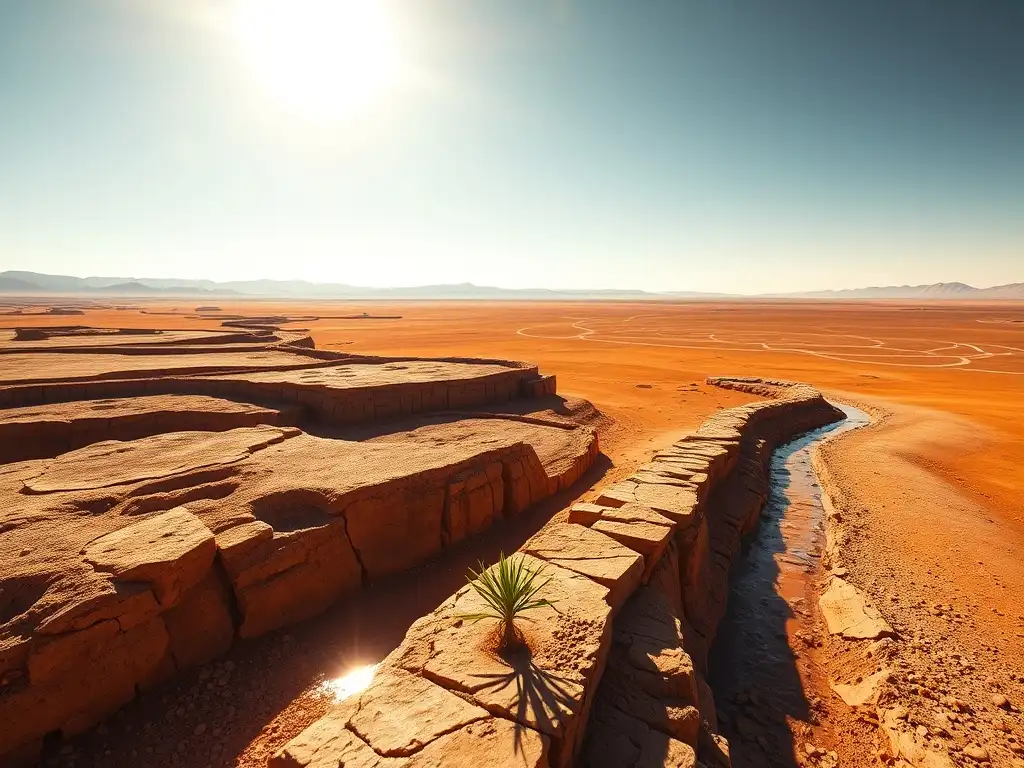
Step into a world lost to time, where ingenuity thrived amidst arid landscapes. Imagine a civilization that mastered the desert, defying the odds with breathtaking skill and innovation. On this journey through the Andean Civilizations, we delve into the secrets of the ancient cultures who shaped this remarkable region.
Prepare to be amazed by the ingenious Nazca irrigation techniques – a testament to human resilience and a key to understanding their enduring legacy. Discover how they harnessed scarce resources, and unravel the mysteries of their survival in the face of a challenging environment. Continue reading to uncover the secrets of their water management...
The Nazca civilization, flourishing along the arid southern coast of Peru between 100 BCE and 800 CE, stands as a testament to human ingenuity and adaptation. Their remarkable achievements in art, particularly the enigmatic Nazca Lines, often overshadow their equally impressive mastery of water management.
This article delves into the ingenious irrigation techniques employed by the Nazca people, crucial strategies that enabled their survival and prosperity in one of the world's most challenging environments. We will explore the harsh realities of their environment, the specific agricultural challenges they faced, and the sophisticated solutions they developed to harness scarce water resources, showcasing their profound understanding of hydrology and engineering.
Understanding their water management systems provides crucial insight into the complexity and resilience of this fascinating ancient civilization and their ability to thrive despite the limitations imposed by their environment. This exploration will highlight the ingenuity and resourcefulness of the Nazca, showing how their "Nazca irrigation techniques" allowed them to flourish in a seemingly inhospitable land.
The Arid Landscape of the Southern Peruvian Coast
The Nazca region is characterized by an extremely arid climate, receiving minimal rainfall annually. The coastal desert, a vast expanse of sand and rock, presents significant challenges for agriculture. The lack of consistent precipitation forced the Nazca to develop innovative methods for obtaining and managing water.
This hyper-aridity, coupled with intense solar radiation and strong winds, created an environment where survival depended entirely on access to reliable water sources. The limited availability of surface water, such as rivers and lakes, meant that the Nazca had to rely on other sources, primarily groundwater, which they accessed through a sophisticated network of canals and subterranean aqueducts. Their understanding of the local hydrology, including underground water flows and seasonal variations, was essential to their success.
The ingenuity of their water management systems is all the more impressive given the challenging geological conditions of the region, which included steep slopes and unstable soils. The Nazca’s adaptation to this harsh environment demonstrates a deep understanding of their surroundings and a remarkable capacity for innovation.
Agricultural Challenges in the Hyperarid Nazca Desert
The hyperarid conditions of the Nazca desert presented several major challenges to agriculture. The scarcity of water was the most obvious obstacle. Without sufficient irrigation, crop cultivation was virtually impossible. Furthermore, the high temperatures and intense sunlight led to rapid evaporation, making water conservation a critical concern.
The sandy soil, lacking in organic matter, also posed difficulties for plant growth. The Nazca had to overcome these limitations through careful planning and the construction of complex irrigation systems. The lack of rainfall necessitated the development of techniques for capturing and storing water from infrequent but occasionally heavy rains. Evidence suggests that the Nazca employed techniques such as water harvesting and the construction of reservoirs to collect and retain this precious resource.
The need to cultivate crops in such a harsh climate spurred the development of sophisticated agricultural practices and technologies, including specialized farming techniques adapted to the specific characteristics of the Nazca desert. These challenges, coupled with the need to feed a growing population, drove the Nazca to create an impressive infrastructure dedicated to water management. Their success in overcoming these obstacles is a testament to their technological capabilities and their deep understanding of their environment.
- The Arid Landscape of the Southern Peruvian Coast
- Agricultural Challenges in the Hyperarid Nazca Desert
Ingenious Nazca Irrigation Techniques
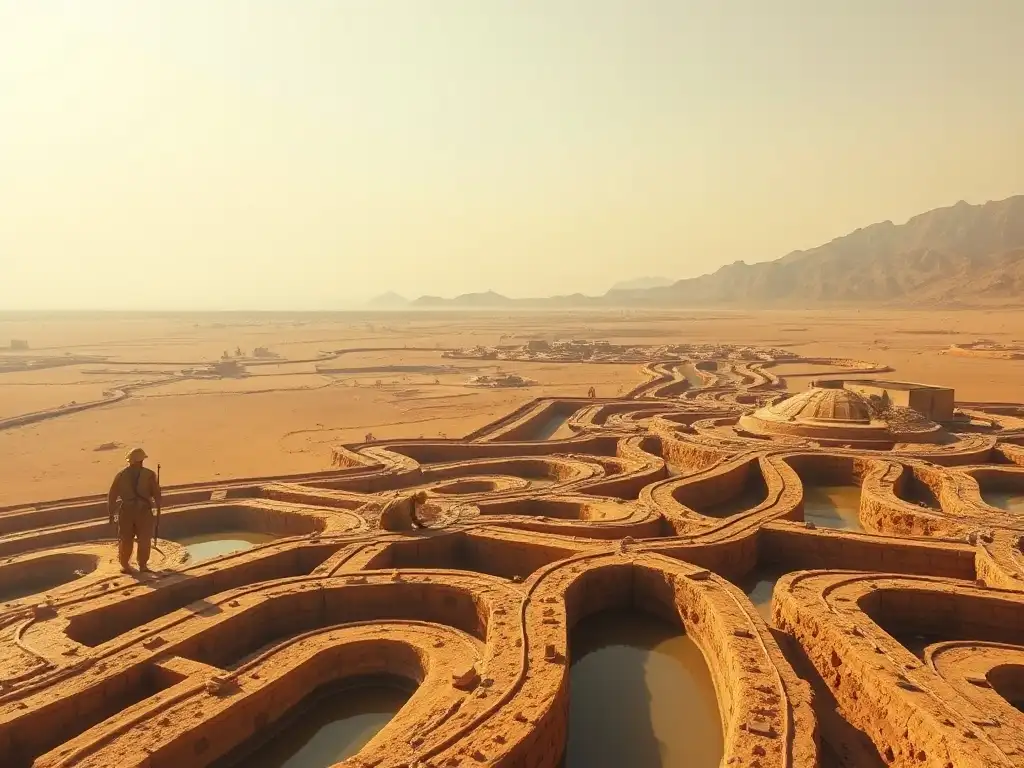
The Nazca civilization, renowned for its enigmatic geoglyphs, also possessed remarkable ingenuity in water management. Their survival in the arid coastal plains of southern Peru hinged on sophisticated irrigation techniques, allowing them to cultivate crops and thrive in a challenging environment. Understanding their methods offers valuable insights into their societal organization, technological prowess, and resilience in the face of scarce resources. This section delves into the key strategies employed by the Nazca for water management, focusing specifically on their mastery of "Nazca irrigation techniques."
Puquios: Underground Aqueducts of the Nazca
The Nazca's most impressive feat of water engineering was undoubtedly their network of puquios, underground aqueducts that tapped into subterranean water sources. These ingenious structures allowed them to access a reliable water supply even during prolonged droughts, a critical factor in ensuring agricultural productivity and societal stability. The puquios represent a sophisticated understanding of hydrology and a testament to their advanced engineering capabilities. Their effective use exemplifies the Nazca's deep connection with their environment and their ability to adapt to its challenges.
How Puquios Function: Accessing Subterranean Water Sources
Puquios are essentially a series of interconnected shafts and tunnels that intercept underground water flows. These flows, often originating from higher elevations or from aquifers, are channeled through the puquio system to the surface. The shafts, typically dug vertically, are connected by horizontal tunnels that follow the water table. Clever use of natural gradients ensured a continuous flow, minimizing the need for pumps or other mechanical devices.
The Nazca’s understanding of the local geology and hydrology was crucial to identifying suitable locations for puquio construction. They strategically positioned the shafts to maximize water capture and efficiency. The construction process itself, as we will discuss below, was incredibly labor-intensive, reflecting the importance of water to their society.
Construction Techniques and Maintenance of Nazca Puquios
The construction of Nazca puquios was a remarkable feat of engineering, requiring specialized knowledge and considerable labor. Archaeological evidence suggests that the Nazca used stone tools and possibly simple levers and ropes to excavate the shafts and tunnels. The shafts were often lined with stones to prevent collapse and to maintain the integrity of the system.
The tunnels, in some cases, were also reinforced with masonry, enhancing their durability and lifespan. Maintaining these intricate systems required ongoing effort. Regular inspections and repairs were necessary to address any potential issues such as collapses or blockages.
This ongoing maintenance highlights the importance that the Nazca placed on their water infrastructure. The organization and cooperation required for the construction and maintenance of the puquios further demonstrate a sophisticated social structure capable of managing large-scale projects. The precise techniques used, and the scale of the labor involved, continue to be subjects of ongoing archaeological research.
Canals and Reservoirs: Surface Water Management
While puquios provided access to subterranean water, the Nazca also skillfully managed surface water resources. They constructed extensive canal networks to distribute water to their agricultural fields and reservoirs to store water for use during drier periods. These surface water management strategies complemented their underground systems, providing a more diversified approach to water security. The scale and complexity of these systems underscore the Nazca’s mastery of hydraulic engineering.
Nazca Canal Networks: Distribution of Water for Irrigated Fields
The Nazca canal networks were strategically designed to carry water from rivers and streams to the agricultural fields. These canals, often built along contours, minimized water loss through evaporation and seepage. They utilized a variety of techniques, including terracing, to optimize water distribution and prevent erosion.
The canals were meticulously maintained, and their construction likely involved community participation, reflecting the importance of irrigation for the entire society. The precise layout of the canal networks varied depending on the topography and the location of water sources. Some canals were relatively small, serving individual plots of land, while others were larger and more extensive, supplying water to entire communities.
Storage of Water: Nazca Reservoirs for Dry Season Use
To mitigate the effects of seasonal variations in rainfall, the Nazca constructed reservoirs to store water during the wet season for use during the dry season. These reservoirs, often built using earth and stone, played a crucial role in ensuring a continuous water supply for agriculture. Their design and location were carefully considered, taking into account factors such as topography, soil type, and water availability.
The size of the reservoirs varied depending on the local needs and the availability of suitable sites. The construction and maintenance of these reservoirs, like the canals and puquios, were likely communal endeavors, reflecting the social and economic importance of water management in Nazca society. The ingenious combination of puquios, canals, and reservoirs enabled the Nazca to cultivate crops year-round, supporting a thriving agricultural economy and a relatively dense population in a challenging environment.
Nazca Agricultural Practices Complementing Water Management
The Nazca's mastery of water management, crucial for survival in their arid coastal and highland environments, was intricately interwoven with sophisticated agricultural practices. Their success wasn't solely reliant on ingenious irrigation systems; rather, it stemmed from a holistic approach encompassing a range of techniques designed to maximize resource utilization and optimize crop yields in a challenging climate. Understanding these complementary practices provides a more complete picture of Nazca ingenuity and resilience. The effective use of "Nazca irrigation techniques" was only one piece of a much larger, carefully planned agricultural puzzle.
Terracing Techniques: Expanding Cultivable Land
Terracing was a fundamental strategy employed by the Nazca to increase arable land in their steep, mountainous regions. This involved carving a series of level platforms into hillsides, creating a staircase-like effect. These terraces served multiple purposes: they prevented soil erosion, slowed water runoff, allowing for better water absorption and retention, and significantly increased the amount of land available for cultivation.
The precision and scale of some Nazca terraces are astonishing, demonstrating a deep understanding of topography and hydrology. Analysis of surviving terrace systems reveals remarkable engineering skills, with carefully constructed retaining walls made of stone and adobe bricks, often reinforced with intricate drainage systems to manage excess water. The effectiveness of these terraces is evident in the survival of agricultural practices in similar terrains even today, showcasing the long-term sustainability of Nazca methods.
The construction, maintenance, and utilization of these terraces were likely communal efforts, reflecting a complex social organization and cooperation within Nazca society. This collaborative spirit was essential for the success of their agricultural strategies and the overall prosperity of their communities.
Crop Selection and Adaptation to Arid Conditions
The Nazca didn't rely on a single crop; instead, they cultivated a diverse range of plants specifically adapted to their arid environment. This diversification minimized the risk of crop failure due to unpredictable rainfall or other environmental factors. Their choices reflected a keen understanding of plant needs and the limitations of their environment.
This careful selection was crucial for their survival and prosperity within the challenging conditions of the Nazca desert. Their agricultural success hinged upon this strategic diversification, a testament to their profound knowledge of botany and ecological principles. The selection wasn't random; it was meticulously chosen based on their needs and the local conditions.
Maize, Beans, Squash, and Cotton Cultivation
The "Nazca irrigation techniques" supported the cultivation of key crops like maize (corn), beans, squash, and cotton. These were not only staples of their diet but also played vital roles in their economy and society.
- Maize: A primary source of carbohydrates, maize was cultivated in various forms, possibly adapted to different altitudes and microclimates. Evidence suggests diverse maize varieties were grown, indicating sophisticated agricultural knowledge and experimentation.
- Beans: A crucial source of protein, beans were often intercropped with maize, a technique known as companion planting, which enhanced soil fertility and pest control. This symbiotic relationship between crops further demonstrates the Nazca's understanding of agricultural ecology.
- Squash: Various types of squash provided additional carbohydrates and vitamins. Like beans, squash likely benefited from intercropping practices that improved overall yields.
- Cotton: Cotton was a valuable resource, used for textiles, clothing, and possibly other purposes. Its cultivation showcases the Nazca's ability to cultivate both food and fiber crops within their limited water resources. The quality and quantity of cotton produced were likely important factors in their trade networks.
The successful cultivation of these crops, underpinned by efficient water management and diverse agricultural practices, highlights the advanced knowledge and ingenuity of the Nazca civilization, allowing them to thrive in a challenging environment for centuries. The legacy of their agricultural innovations continues to resonate, offering valuable lessons in sustainable resource management and environmental adaptation. Their integrated approach to agriculture, expertly combining sophisticated irrigation with shrewd crop selection and land management, stands as a remarkable achievement in ancient Andean engineering and agricultural science.
The Impact of Nazca Water Systems on Society
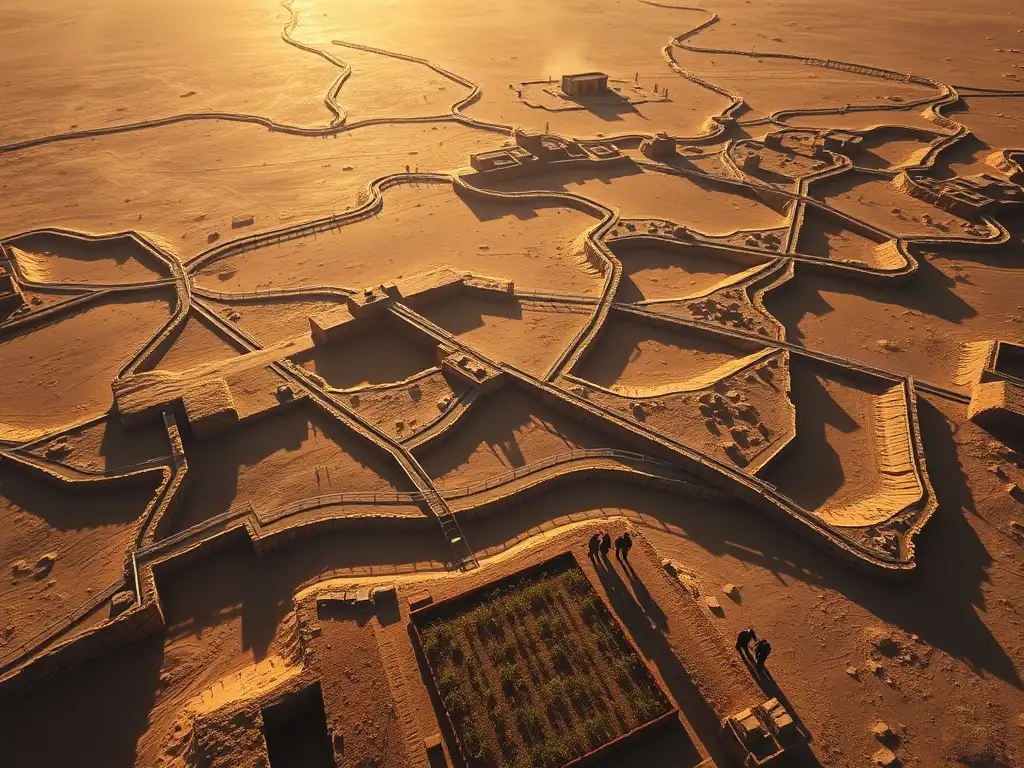
The ingenuity of Nazca irrigation techniques profoundly shaped Nazca society, influencing its social structure, religious beliefs, and overall survival in the arid coastal plains of southern Peru. Mastering water, in this harsh environment, wasn't merely a matter of survival; it became the cornerstone of their civilization, impacting every facet of their lives. The sophisticated systems they developed were not simply technological achievements but also integral components of their socio-political and religious frameworks.
Understanding their water management is key to understanding the Nazca civilization itself. The effective utilization of scarce water resources allowed for population growth, agricultural surplus, and the development of a complex social hierarchy.
Socio-Political Organization and Control of Water Resources
Control over water resources in Nazca was intrinsically linked to power and social status. The construction and maintenance of the extensive canal networks required considerable organization and labor, suggesting a hierarchical society with specialized roles. Evidence suggests that a centralized authority, possibly a priestly elite or a powerful ruling class, oversaw the planning, construction, and distribution of water.
This control wasn't arbitrary; it likely involved complex systems of labor allocation, taxation, or tribute, ensuring the continuous functioning of the irrigation systems. The distribution of water itself could have been a tool for rewarding loyalists or punishing dissenters, strengthening the power of the ruling class. We can infer this from the meticulous planning evident in the canal systems, which often spanned vast distances and required careful surveying and engineering.
Further research into the social organization of Nazca communities is needed to fully understand the intricacies of water resource management and its impact on their social structure. For example, [specific information pending] regarding the existence of specialized water managers or engineers within Nazca society. The scale of the projects suggests a significant degree of social engineering and coordination, indicating a sophisticated level of governance and social control.
Religious and Ritual Significance of Water in Nazca Culture
Water held immense religious and ritual significance for the Nazca people. Their survival depended entirely on it, making it a sacred element inextricably linked to their worldview. The construction of canals was not merely a practical undertaking but also a ritual act, possibly imbued with religious meaning. The careful alignment of some canals with astronomical events suggests a connection between their water management and cosmological beliefs.
This suggests that the control of water wasn’t just a practical matter, but a sacred duty, performed with ritualistic precision. The scarcity of water in the region likely elevated its status to a sacred element, a life-giving force worthy of reverence and ritualistic practices. We can hypothesize that ceremonies and rituals were performed to ensure the continued flow of water, to appease the gods associated with water, and to ensure bountiful harvests. [Specific details on religious practices related to water are pending].
Further analysis of Nazca iconography and archaeological findings could reveal more about the religious beliefs surrounding water, illuminating the profound cultural significance of their sophisticated irrigation techniques. The intricate network of canals, therefore, wasn't just a feat of engineering; it was a testament to their faith and a reflection of their deep-seated beliefs about the cosmos and the vital role of water in sustaining their civilization. The integration of religious beliefs into practical water management highlights the holistic approach of the Nazca to their environment and their resourcefulness in the face of adversity.
Legacy of Nazca Water Management
The Nazca civilization, famed for its enigmatic lines etched across the desert, also possessed remarkable skills in water management, crucial for survival in the arid coastal plains of southern Peru. Their ingenuity in developing sophisticated irrigation systems allowed them to flourish for centuries, transforming a seemingly inhospitable environment into a productive agricultural landscape. This section explores the lasting impact of Nazca water management techniques, examining their effectiveness and their relevance to modern-day challenges. Understanding their approach provides valuable insights into sustainable water resource management in arid and semi-arid regions globally.
Lessons from Nazca Irrigation for Sustainable Water Management
The Nazca's success wasn't merely a matter of luck; it was a testament to their understanding of hydrology and their ability to adapt to their environment. Their irrigation systems, a complex network of canals, aqueducts, and reservoirs, demonstrate several key principles applicable to modern sustainable water management:
- Water harvesting: The Nazca expertly harnessed scarce rainfall and subsurface water through sophisticated canal systems that channeled water from distant sources to their fields. This approach minimizes water loss and maximizes the utilization of available resources. Modern techniques like rainwater harvesting and groundwater recharge can learn from this efficient method.
- Canal construction and maintenance: The construction of the Nazca canals involved precise surveying and engineering, ensuring a consistent gradient for efficient water flow. Regular maintenance was crucial to prevent silting and leakage. This highlights the importance of ongoing infrastructure investment and management in modern irrigation projects.
- Water distribution: The intricate network of canals allowed for the efficient distribution of water to different agricultural areas based on their needs. This equitable distribution prevented water scarcity and ensured that all areas benefited from irrigation. Modern irrigation systems can improve water allocation strategies by adopting similar principles.
- Crop selection: The Nazca's choice of drought-resistant crops, combined with their irrigation systems, further maximized their water resources. Modern agriculture can benefit from selecting and developing crops that require less water.
Preserving and Studying Nazca Engineering Achievements
The fragility of the Nazca irrigation system, combined with the passage of time and environmental changes, necessitates significant efforts in preservation and study. Understanding the materials used in canal construction, the methods employed in their building, and the long-term sustainability of their designs is crucial for future development. Archaeological research continues to uncover new details about the Nazca's engineering prowess, providing valuable data for both historical understanding and practical application. This includes:
- Advanced materials analysis: Studying the composition of the materials used in canal construction (e.g., types of stone, mortar, and binding agents) can help us understand their durability and longevity. This information can inform the development of more sustainable materials for modern infrastructure.
- Detailed mapping and surveying: High-resolution mapping techniques, coupled with advanced surveying methods, allow for a precise understanding of the extent and complexity of the Nazca irrigation network. This provides a basis for effective preservation strategies.
- Environmental impact assessment: Understanding the environmental impact of the Nazca irrigation systems – both positive and negative – allows us to learn from their successes and mistakes. This ensures that modern projects have minimal environmental consequences. This also includes evaluating the long-term effects on soil quality and water tables.
Nazca Irrigation Techniques: A Legacy of Ingenuity
The Nazca irrigation techniques represent a remarkable feat of engineering and a testament to human adaptability. Their sophisticated understanding of water management allowed them to thrive in a challenging environment, showcasing an exceptional level of ingenuity. The legacy of their achievements continues to inspire researchers and engineers today, offering valuable lessons for sustainable water management in arid regions.
Analyzing their methods, from water harvesting to canal construction and crop selection, provides a rich source of knowledge for developing effective and environmentally responsible water resource strategies. The Nazca’s success underscores the importance of combining technological innovation with a deep understanding of local environmental conditions to ensure long-term water security.
Their systems, a testament to their resilience and ingenuity, serve as a powerful example of human adaptation and resource management. Further research into their precise methods and the long-term impacts of their irrigation systems will undoubtedly unveil even more valuable insights into sustainable water management practices.
Frequently Asked Questions
How did the Nazca people survive in such an arid climate?
The Nazca civilization thrived through ingenious water management techniques. They developed sophisticated systems of canals, aqueducts, and underground channels to capture and distribute scarce water resources. This allowed them to cultivate crops in the otherwise barren desert.
What were the most important Nazca irrigation techniques?
The Nazca employed a variety of techniques, including surface canals, subterranean galleries (puquios), and reservoirs. These systems channeled water from rivers and underground aquifers to their fields.
How did the Nazca build their underground canals (puquios)?
Construction of the puquios involved extensive digging and the use of stone tools and materials. These intricate systems were designed to minimize water loss through evaporation and maintain a constant water supply. They demonstrated remarkable engineering skills.
What crops did the Nazca cultivate using their irrigation systems?
Using their advanced irrigation, the Nazca successfully grew a variety of crops including cotton, maize, beans, squash, and gourds. This diversified agriculture sustained their population and supported their complex society.
How effective were the Nazca's irrigation systems?
The effectiveness of the Nazca irrigation systems is evident in their long-term occupation of the desert. Their ability to harness and distribute water allowed for significant agricultural production and the growth of a large and complex civilization.
Final Reflection: The Enduring Legacy of Nazca Water Wisdom
The ingenious water management systems of the Nazca people remain a potent testament to human ingenuity and a stark reminder of the enduring challenges posed by arid climates. Their innovative techniques, developed centuries ago, offer valuable lessons for contemporary societies grappling with water scarcity and the impacts of climate change, a challenge that only intensifies with each passing year. The ingenuity displayed in their solutions continues to inspire awe and provides a blueprint for sustainable practices.
The Nazca's profound understanding of their environment and their ability to harness limited resources for survival is a powerful example of human adaptation and resilience. Their legacy extends far beyond the iconic lines etched into the desert; it's a story of resourcefulness and community cooperation. Water is the lifeblood of civilization,
a statement that rings truer than ever in our increasingly water-stressed world. Their achievements serve as a powerful counterpoint to the often unsustainable practices of modern society, urging us to reconsider our relationship with this precious resource.
Consider the ingenuity of the Nazca for a moment. Imagine the collaborative effort, the meticulous planning, and the unwavering dedication required to build and maintain such complex systems in such a harsh environment. You too can embrace a more mindful approach to water conservation. Start small: reduce your water footprint at home, support sustainable agricultural practices, and advocate for responsible water management policies in your community. Let the legacy of the Nazca inspire you to become a steward of this vital resource, ensuring its availability for generations to come.
Embrace Sustainable Solutions for Our Dry Future!
Thank you for exploring Nazca's innovative water management strategies. Your interest demonstrates a commitment to understanding how ancient civilizations overcame environmental challenges—knowledge crucial for addressing today's water scarcity. Now, let's work together to make a difference!
Here are some actionable steps you can take:
- Conserve Water at Home: Begin by fixing leaky faucets and toilets, installing low-flow showerheads and toilets, and consider collecting rainwater for gardening. Even small changes can have a significant impact.
- Educate Your Community: Share water-saving tips with friends, family, and neighbors. Organize a workshop or community meeting to discuss sustainable practices and encourage wider participation.
- Support Local Conservation Efforts: Visit local ecological projects focused on water management, or volunteer with initiatives dedicated to restoring and protecting water resources.
What water-saving measures will you adopt today to build on the resilience of past civilizations and create a sustainable future?