
Decoding the Nazca Geoglyphs Through Pottery and Textile Motifs

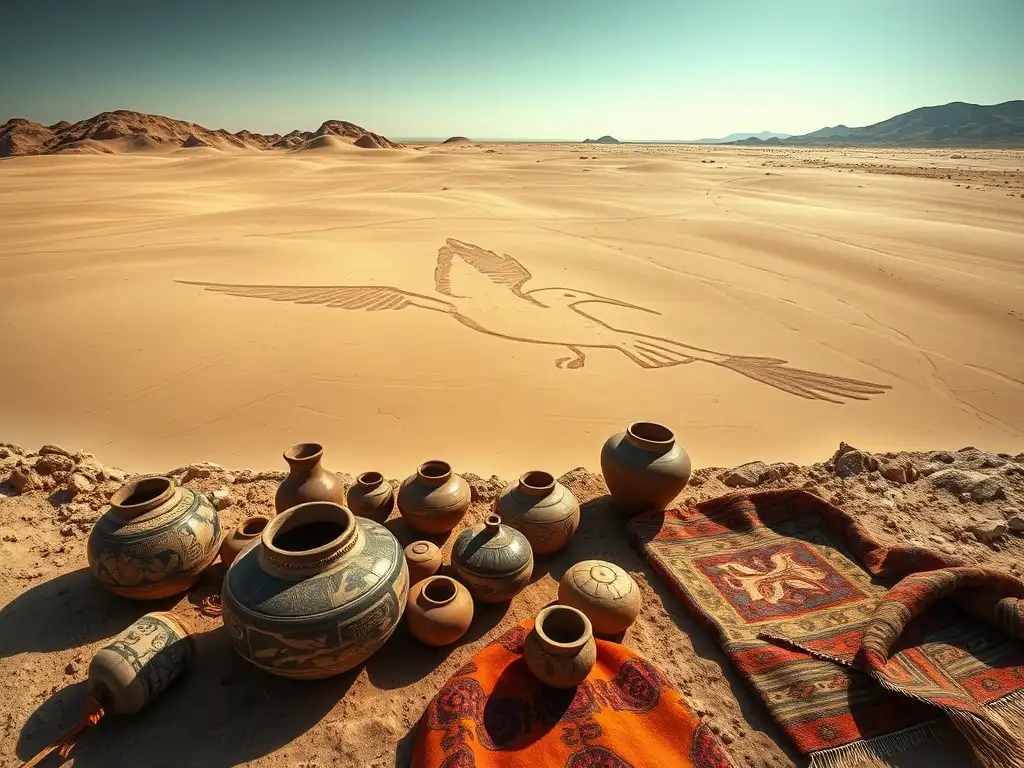
Step into a world lost to time, yet whispering secrets through the sands. Imagine vibrant textiles and enigmatic pottery, each piece a fragment of a civilization that mastered artistry and innovation in the heart of the Andes. This is the story of the Nazca, a people whose mastery of Nazca pottery textile motifs holds the key to unlocking the mysteries of their breathtaking geoglyphs. Prepare to be captivated as we unravel the intricate threads of their legacy – a journey awaits.
- Decoding the Nazca Geoglyphs: Insights from Pottery and Textile Motifs
- The Interconnected World of Nazca Art: Geoglyphs, Pottery, and Textiles
- Nazca Pottery: A Canvas for Symbolic Representations
- Nazca Textiles: Weaving Stories of the Desert
- Parallels Between Nazca Pottery and Textile Motifs and the Geoglyphs
- Deciphering the Meaning: How Pottery and Textile Motifs Help Interpret Geoglyphs
- The Importance of Interdisciplinary Studies in Understanding Nazca Culture
- Conclusion: A Holistic View of Nazca Art and Symbolism
- Frequently Asked Questions
- Final Reflection: Unveiling the Nazca Enigma Through Art
- **Unveil the Mysteries of the Nazca Geoglyphs! **
Decoding the Nazca Geoglyphs: Insights from Pottery and Textile Motifs
The enigmatic Nazca Lines, sprawling geoglyphs etched into the Peruvian desert, have captivated the world for decades. Their purpose remains a subject of intense debate, with theories ranging from astronomical calendars to ritualistic pathways.
However, a closer examination of contemporaneous Nazca pottery and textiles offers compelling clues that may help unravel these ancient mysteries. This article delves into the fascinating interplay between these artistic mediums and the monumental geoglyphs, exploring how motifs found on ceramics and woven fabrics provide valuable insights into the cultural context and potential meanings of the Nazca Lines.
By analyzing recurring patterns, symbolic representations, and stylistic similarities, we can gain a deeper understanding of the Nazca worldview and the significance of these extraordinary creations. This exploration will focus on the specific ways Nazca pottery and textile motifs reflect and potentially illuminate the creation and purpose of the famous geoglyphs, providing a fresh perspective on this enduring archaeological puzzle.
Analyzing Common Iconography in Nazca Pottery and Textiles
Nazca pottery is renowned for its vibrant polychrome designs, often featuring intricate depictions of flora, fauna, and mythical creatures. Many of these motifs, such as stylized birds, stylized plants, and geometric patterns, strikingly resemble elements found within the Nazca Lines themselves. For example, the recurring image of a hummingbird, frequently portrayed in Nazca pottery with outstretched wings, bears a close resemblance to certain bird-shaped geoglyphs.
Similarly, swirling patterns and abstract designs found on textiles echo the complex curvilinear forms that characterize many of the larger Nazca figures. The sheer volume of these recurring motifs suggests a strong correlation, hinting at a shared symbolic language across these diverse artistic expressions.
Detailed studies comparing specific pottery designs to corresponding sections of the geoglyphs reveal a surprising level of congruency, suggesting a deliberate connection. Furthermore, the use of specific colors in both pottery and textiles could hold further symbolic significance, potentially related to specific deities or cosmological beliefs.
The Role of Textiles in Interpreting Nazca Geoglyphs
Nazca textiles, often crafted from fine cotton and alpaca wool, demonstrate an equally sophisticated level of artistry. These textiles, frequently adorned with intricate designs woven using complex techniques, provide further evidence supporting the connection between pottery motifs and the geoglyphs. The use of similar color palettes and stylistic conventions in both pottery and textiles strengthens the argument for a cohesive cultural system underlying the creation of both art forms and the geoglyphs.
For example, the repetitive use of specific geometric patterns, such as stepped frets or interlocking triangles, in both textiles and geoglyphs suggests a shared symbolic language connected to their creation. Moreover, the discovery of textiles bearing images that directly correspond to specific geoglyphs would provide powerful evidence to support this connection.
[Specific examples of textile designs mirroring geoglyph motifs pending]. Further research into the techniques and materials used in textile production might reveal additional clues about the social organization and beliefs of the Nazca people.
Uncovering Ritualistic and Cosmological Significance
The consistent presence of certain motifs across Nazca pottery, textiles, and geoglyphs strongly suggests a ritualistic or cosmological significance. Many scholars believe that the Nazca Lines served a purpose beyond mere decoration, potentially functioning as pilgrimage routes, astronomical observatories, or sites for ritual ceremonies. The recurring imagery of stylized animals and plants found in the art forms could represent deities, ancestral spirits, or important aspects of the Nazca worldview. The precise meaning of these symbols remains elusive, but their persistence across different media suggests a deeply ingrained cultural importance.
Further research into the context of discovery of these artifacts, particularly those found in proximity to the geoglyphs, could provide valuable context for interpreting these symbolic representations. [Data on artifact discoveries near geoglyphs pending]. This integrated approach to analyzing Nazca pottery, textiles, and geoglyphs offers a promising avenue for unlocking the secrets of this remarkable civilization.
Future Research and Unanswered Questions
Despite significant progress in understanding the Nazca Lines through the study of associated pottery and textiles, many questions remain unanswered. Further research is needed to fully decipher the complex symbolism embedded within these artistic expressions and to establish definitive links between specific motifs and particular geoglyphs. Advanced imaging techniques, such as high-resolution aerial photography and spectral analysis, could provide new insights into the composition and age of both the geoglyphs and the associated artifacts. Furthermore, interdisciplinary collaborations between archaeologists, art historians, and anthropologists are crucial for a comprehensive understanding of the Nazca civilization and its enduring legacy. The continued investigation of Nazca pottery and textile motifs promises to shed further light on these enigmatic geoglyphs and offer a more nuanced understanding of the rich cultural tapestry of the Nazca people. The integration of technological advancements with traditional archaeological methods holds immense potential for unlocking further secrets of this fascinating civilization.
The Interconnected World of Nazca Art: Geoglyphs, Pottery, and Textiles
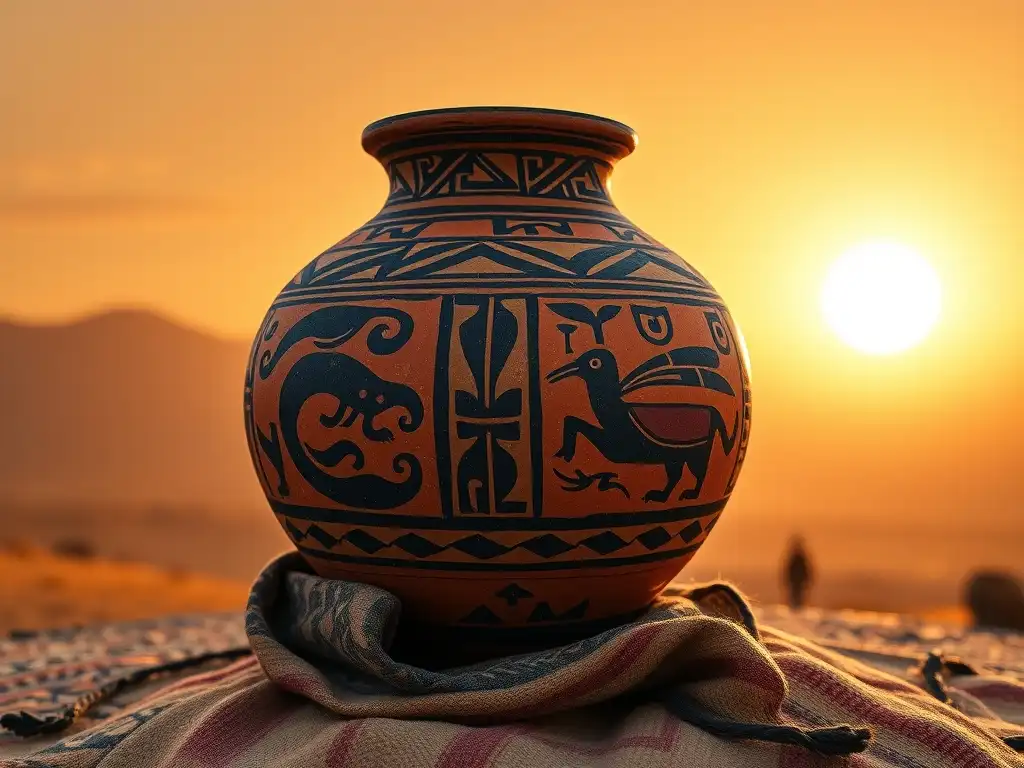
The Nazca culture, flourishing in southern Peru from approximately 100 BCE to 800 CE, left behind a remarkable legacy expressed through a diverse range of artistic mediums. Their iconic geoglyphs, sprawling across the desert plains, are often studied in isolation. However, a deeper understanding emerges when we examine their intricate pottery and textiles, revealing a fascinating interconnectedness between these seemingly disparate art forms. By analyzing recurring motifs and stylistic similarities, we can gain valuable insights into the cosmology, social structures, and daily life of this enigmatic civilization.
The study of "Nazca pottery textile motifs" provides a crucial lens through which to interpret their artistic vision and its profound significance. This interdisciplinary approach allows us to move beyond individual pieces and see a cohesive narrative woven across different media. Analyzing these elements together allows for a more complete understanding of Nazca symbolism and its evolution over time.
Understanding Nazca Iconography: A Multifaceted Approach
Nazca iconography is remarkably consistent across pottery, textiles, and geoglyphs. While the scale differs dramatically – from the monumental geoglyphs to the miniature details on pottery – certain motifs reappear with striking regularity. For example, the stylized depictions of birds, particularly hummingbirds and condors, are prevalent in all three art forms.
These avian figures are not merely decorative; they likely held deep symbolic meaning related to the Nazca worldview, possibly representing deities, shamans, or even celestial bodies. The representation of these birds varies slightly across the different media, with textiles often showcasing more intricate detail and vibrant colors compared to the simpler, bolder lines of the geoglyphs. This variation, however, doesn’t negate the fundamental similarity in the representation of the birds themselves.
Further strengthening this interconnectedness are recurring motifs of plants and animals, often depicted in highly stylized forms. Geometric patterns, such as zigzags, triangles, and spirals, also appear consistently across pottery, textiles, and geoglyphs, suggesting a shared cultural understanding and artistic vocabulary. The use of these patterns might relate to their understanding of the natural world, perhaps representing agricultural cycles, celestial events, or even abstract concepts.
Detailed analysis of the color palettes employed also reveals interesting parallels. The use of specific pigments, like reds, yellows, and blacks, shows consistency across pottery and textiles, further suggesting a shared artistic tradition. The limited color palette in the geoglyphs, dictated by the natural earth tones, doesn't negate this connection; rather, it highlights the adaptive nature of the artists' technique to the available materials.
The study of Nazca pottery textile motifs offers a unique opportunity to understand the creative process itself. Did the artists who created the geoglyphs also produce the pottery and textiles? Or did these artistic practices exist within separate, yet interconnected, communities? This remains an open question, but the stylistic similarities suggest a shared artistic tradition and possibly a degree of specialization within the Nazca society. Further research into the techniques employed, the materials used, and the geographic distribution of these artifacts is crucial to answering these questions.
The Significance of Nazca Geoglyphs in the Andean World
The Nazca geoglyphs, while visually stunning, also hold profound significance within the broader Andean context. Their creation required immense planning, labor, and technical skill, highlighting the sophisticated organizational abilities of the Nazca people. The sheer scale of these works suggests a collective effort, indicative of a well-structured society with a strong sense of shared purpose. The precise purpose of these geoglyphs remains a subject of debate, but several theories exist. Some suggest they served as ceremonial sites, pilgrimage routes, or astronomical markers. Others propose that they were linked to water management systems or agricultural practices.
The recurring motifs in the geoglyphs, mirroring those found in pottery and textiles, suggest a connection to the broader Nazca worldview. These images weren't simply random designs; they were carefully chosen and meticulously executed, reflecting a deep understanding of the natural world and the spiritual realm. The geoglyphs, therefore, serve as a powerful testament to the Nazca people's creativity and their connection to their environment.
The fact that these monumental works are echoed in smaller, more accessible forms like pottery and textiles suggests that the cosmological and spiritual beliefs expressed in the geoglyphs were central to Nazca culture and integrated into the everyday lives of the people. Understanding this connection – the relationship between the monumental and the mundane – is key to unlocking the true meaning of the Nazca legacy.
Further research, especially in interdisciplinary studies incorporating archaeology, anthropology, and art history, is needed to fully appreciate the significance of these remarkable works. The study of Nazca pottery textile motifs, therefore, provides crucial context for understanding the geoglyphs and their place within the rich tapestry of Andean civilization.
Nazca Pottery: A Canvas for Symbolic Representations
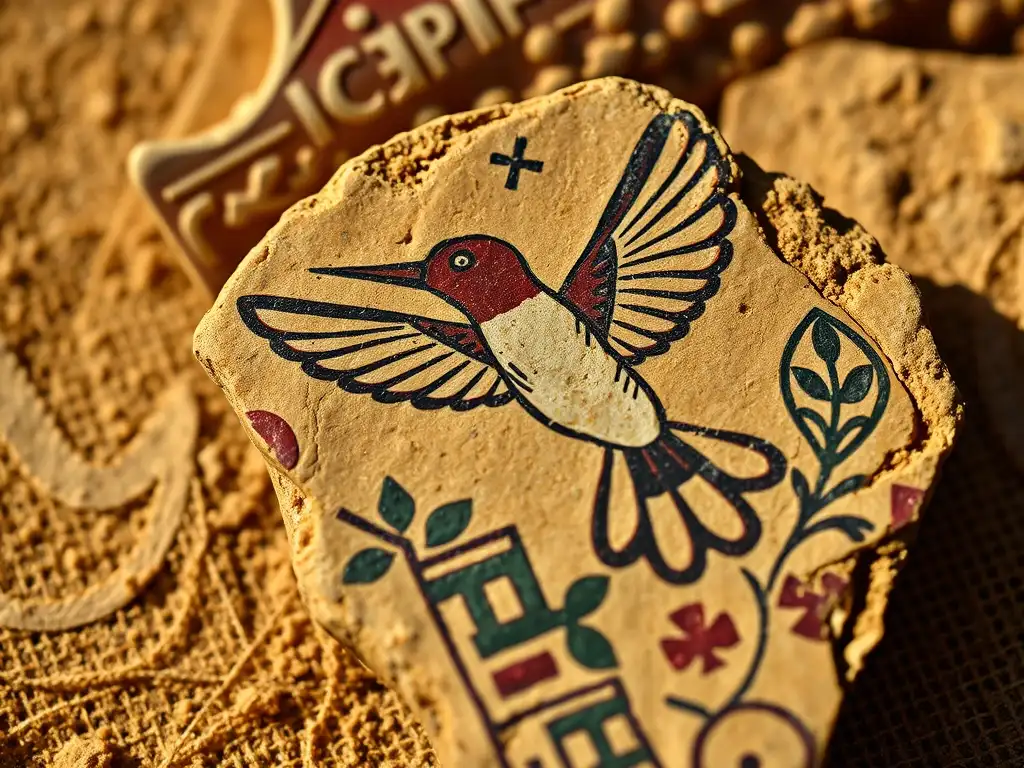
The Nazca people, renowned for their enigmatic geoglyphs, also possessed a sophisticated and vibrant ceramic tradition. Nazca pottery, far from being merely functional, served as a powerful medium for expressing their worldview, beliefs, and social structures. These intricately decorated vessels offer invaluable insights into their daily lives, religious practices, and artistic capabilities, providing a compelling counterpoint to the aerial perspective offered by the famous lines.
The motifs found on these pieces directly correlate with those found in textiles, strengthening the connection between these two important art forms and providing a richer understanding of Nazca symbolism. Studying Nazca pottery and textile motifs together allows for a more complete interpretation of their culture, revealing layers of meaning that would otherwise remain hidden. The sheer variety of styles, techniques, and subject matter across different Nazca periods presents a fascinating challenge and opportunity for researchers.
Common Motifs in Nazca Ceramics: Animals, Plants, and Mythological Figures
Nazca ceramic motifs are incredibly diverse, yet recurring themes emerge. Animals feature prominently, often depicted with a high degree of realism and anatomical accuracy. Birds, such as hummingbirds and condors, are frequently represented, possibly reflecting their importance in Nazca mythology or daily life.
Marine life, including fish and stylized whales, also appears, suggesting a connection to coastal resources. Furthermore, many depictions of felines, such as jaguars or pumas, are found, hinting at their symbolic or ritualistic significance. These aren't simply naturalistic representations; they often incorporate stylistic conventions and exaggerations, highlighting specific features or aspects considered important by the Nazca people.
Plant motifs are equally prevalent, with representations of cacti, gourds, and other flora frequently appearing alongside animal imagery. These plant depictions may reflect agricultural practices or symbolic representations of fertility and abundance. The careful observation of these motifs reveals a deep understanding of the local environment and its resources.
Beyond the naturalistic representations, Nazca pottery showcases complex mythological figures and scenes. These often involve anthropomorphic beings, hybrid creatures, and stylized deities, reflecting the rich cosmology of the Nazca culture. Interpreting these figures requires careful consideration of their context and comparison with other artistic expressions, including textiles. The intricate details and symbolic layering found in these mythological scenes highlight the sophistication of Nazca artistic and religious thought. For instance, a recurring motif involves a deity holding a staff or scepter, possibly a representation of power or authority.
The Technical Aspects of Nazca Pottery Decoration
The technical skill involved in creating Nazca pottery is remarkable. Potters employed a variety of techniques, including slip painting, negative painting, and incision, to achieve their artistic effects. Slip painting involved applying a liquid clay suspension of a different color onto the vessel's surface, creating vibrant designs. Negative painting, a more complex technique, involved reserving areas of the background color by applying a resist before painting the design. This created a striking effect, with the design appearing as a negative space against a contrasting background.
Incision, the practice of carving designs into the surface of the pottery, was another important technique. This often involved creating fine lines and details that added depth and complexity to the designs. The precision and control demonstrated in these techniques highlight the advanced technological capabilities of Nazca artisans.
The use of different pigments, obtained from natural sources such as minerals and plants, also contributed to the vibrancy and longevity of the ceramic art. Analyzing the chemical composition of these pigments can provide further insights into the techniques and materials employed by Nazca potters. The combination of these techniques allowed for a remarkable level of detail and artistic expression.
Analyzing the Use of Color in Nazca Ceramic Art
Color plays a crucial role in the interpretation of Nazca pottery. Specific colors were likely associated with particular meanings or deities. Red, for example, was frequently used and may have been associated with blood, fertility, or perhaps even the sun. White, often used as a background color, could symbolize purity or sacredness. The careful combination and juxtaposition of colors created a visual language that enhanced the narrative and symbolic power of the designs. The use of color is not arbitrary; it is integral to the overall aesthetic and symbolic impact of the artwork.
Furthermore, the intensity and vibrancy of the colors often vary across different Nazca periods. This variation provides valuable chronological information and helps researchers to better understand the stylistic evolution of Nazca ceramic art. The study of color in Nazca pottery, therefore, provides valuable insights into the cultural and symbolic systems of this ancient civilization. Detailed analysis of the pigments and their application methods will continue to reveal the sophisticated artistic techniques and the rich cultural significance encoded within these beautiful and enigmatic artifacts. The interplay of color and motif contributes significantly to our understanding of Nazca pottery textile motifs.
Nazca Textiles: Weaving Stories of the Desert
The arid landscape of the Nazca desert belies a rich tapestry of cultural expression, vividly preserved in its intricate textiles. These aren't merely functional garments; they are powerful narratives woven into the very fabric of Nazca society. Analyzing Nazca textiles provides invaluable insights into their beliefs, social structures, and daily lives, complementing the information gleaned from their famous geoglyphs and pottery.
The exceptional preservation of these textiles, often found in tombs and burial sites, allows us to directly engage with the artistic and technical skills of these ancient artisans. The study of Nazca pottery textile motifs reveals a fascinating interconnectedness between these two art forms, with recurring symbols and styles bridging the gap between woven cloth and ceramic vessels.
Textile Techniques and Materials in Nazca Culture
Nazca weavers demonstrated remarkable mastery of their craft, employing sophisticated techniques to create incredibly detailed and vibrant textiles. Their primary material was cotton, cultivated in the oases along the Nazca River. However, they also incorporated camelid fibers, such as alpaca and llama wool, adding warmth and texture to their creations. The use of camelid fibers suggests a level of social complexity, indicating access to animal husbandry and trade networks.
The most common weaving technique was tapestry weaving, which involved interlacing colored threads to create intricate designs. This technique allowed for the creation of highly detailed images and patterns, often featuring geometric designs, stylized animals, and anthropomorphic figures. Evidence suggests the use of supplementary weft techniques as well, enhancing the visual richness and complexity of their textiles. The precision and control demonstrated in their weaving techniques suggest a highly developed understanding of textile production, passed down through generations of skilled artisans.
These techniques, combined with the use of natural dyes derived from plants and minerals, resulted in textiles that were both durable and visually stunning. Careful examination of the fibers and dyes reveals much about their resource management and technological prowess. The variety of colors and their consistent application across numerous textiles point to a standardized system of dye production and application.
Repeating Patterns and Symbolic Meanings in Nazca Pottery Textile Motifs
A striking feature of Nazca textiles is the repetition of specific motifs across different pieces. These recurring patterns, often mirroring those found on Nazca pottery, are not merely decorative; they carry significant symbolic meaning. Common motifs include stylized birds, felines, snakes, and geometric shapes such as stepped frets and triangles. The prevalence of these patterns suggests a shared cultural understanding and belief system. The Nazca pottery textile motifs often feature anthropomorphic figures, possibly representing deities or shamans, further reinforcing their cultural significance.
For example, the recurring motif of a stylized bird, often depicted in flight, might represent a spirit animal or a connection to the supernatural. Similarly, the frequent appearance of feline imagery could symbolize power, agility, and nocturnal forces. The meticulous repetition of these motifs in both pottery and textiles points to a deeply ingrained cultural significance.
Further research is needed to fully decipher the nuances of these symbols and their interconnectedness within the broader Nazca cosmology. Analyzing the context in which these textiles were found—often within tombs or associated with ritual objects—can provide crucial clues to their meaning. The arrangement of motifs, their size, and their placement within the overall textile design all contribute to their interpretive significance.
The Role of Textiles in Ritual and Daily Life
Nazca textiles played a vital role in both ritual and daily life. Elaborately woven garments were likely worn by members of the elite, signifying their social status and power. These garments, often adorned with intricate designs and rare materials, served as markers of distinction within Nazca society. The presence of textiles in burial contexts suggests their importance in funerary rituals, possibly representing the deceased's identity or their journey into the afterlife.
Simpler textiles, however, were used in everyday life. Cloths were used for clothing, blankets, and carrying goods. The durability and functionality of Nazca textiles are testament to the practicality of their weaving techniques. The discovery of fragments of textiles in domestic contexts suggests their widespread use in daily activities.
The diversity of textile types and their varying levels of decoration reflect the social stratification and economic complexity of Nazca society. The analysis of Nazca pottery textile motifs reveals a continuity of artistic expression across different mediums, highlighting the importance of these motifs in both ceremonial and everyday life. Further research into the social contexts of textile production and use is crucial for a more complete understanding of their role in Nazca society.
Parallels Between Nazca Pottery and Textile Motifs and the Geoglyphs
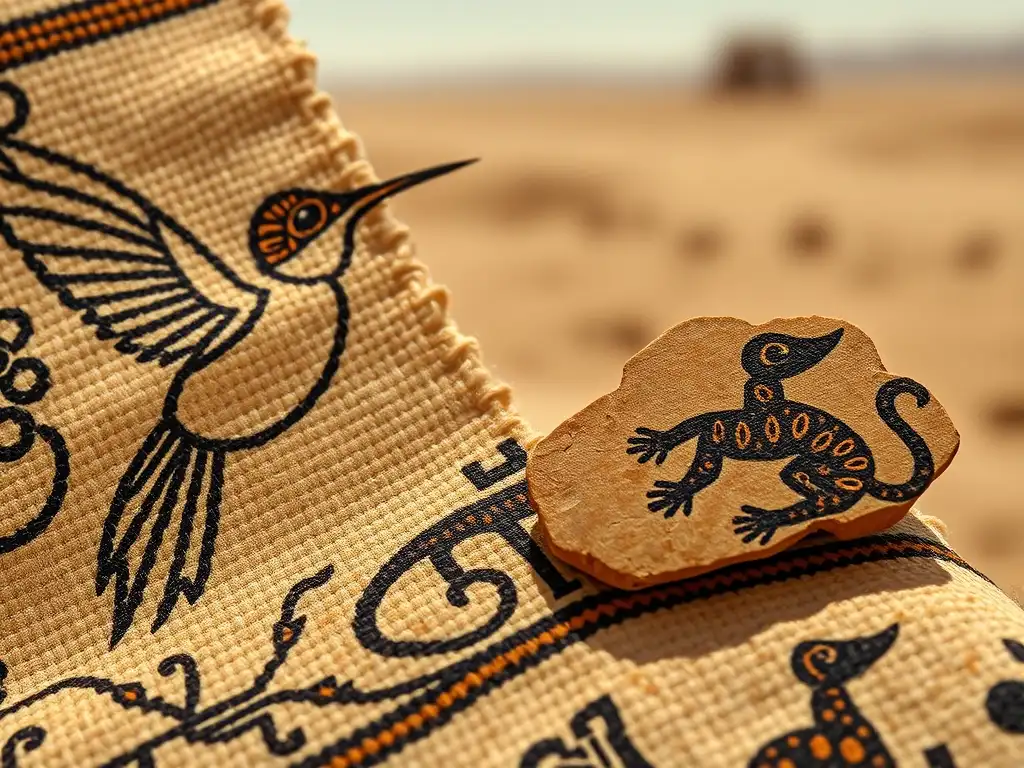
The Nazca culture, famed for its enigmatic geoglyphs etched into the Peruvian desert, left behind a rich legacy of artistic expression in pottery and textiles. These seemingly disparate art forms—the monumental scale of the geoglyphs versus the intimate detail of pottery and textiles—actually share striking similarities, providing valuable insights into Nazca cosmology, beliefs, and social structures. Analyzing the iconography present in all three reveals a complex interconnectedness, strengthening our understanding of Nazca symbolism and its significance.
The careful study of Nazca pottery textile motifs alongside the geoglyphs allows for a more complete picture of this fascinating civilization's worldview. This detailed analysis of Nazca pottery textile motifs offers a unique perspective on deciphering the mysteries surrounding these ancient artworks.
The recurring motifs in Nazca pottery and textiles often mirror those found in the geoglyphs. This is not a coincidence; rather, it suggests a unified artistic vision that permeated Nazca society. For instance, stylized representations of plants, animals, and mythical creatures are common across all three mediums. The use of vibrant colors, geometric patterns, and highly detailed renderings further reinforces the connection. While the scale differs drastically, the underlying artistic principles and symbolic language remain remarkably consistent.
Consider the prevalence of zoomorphic figures. While the geoglyphs often depict animals in a more simplified, linear style due to their size constraints, the pottery and textiles offer more intricate detail. However, the same animals—hummingbirds, lizards, spiders, and snakes—appear repeatedly, highlighting their cultural importance.
The repetition of these motifs across different artistic media emphasizes their significance in Nazca belief systems. Further research is needed to fully understand the nuanced variations in their depiction across these mediums, but the initial findings suggest a deliberate continuation of symbolic language. Analyzing the stylistic variations provides crucial clues to understanding the context and meaning behind these representations.
The Hummingbird: A Recurring Motif in Geoglyphs, Pottery, and Textiles
The hummingbird, a creature of remarkable agility and beauty, frequently appears in Nazca art. In the geoglyphs, hummingbirds are often depicted in flight, their wings outstretched in dynamic poses. This contrasts with the often more static, yet equally detailed, representations found on pottery and textiles. On pottery, hummingbirds are frequently portrayed alongside other creatures or floral motifs, suggesting a complex web of symbolic relationships. Textiles, due to their more intricate weaving techniques, allow for a more elaborate depiction of feathers and details, highlighting the bird's iridescent plumage.
The consistent presence of the hummingbird across different art forms suggests its significance within Nazca culture. It may have symbolized various aspects, including speed, grace, fertility, or connection to the spirit world. Further research, particularly focusing on contextual evidence from associated artifacts, is needed to ascertain its precise symbolic meaning. The hummingbird's recurring presence in Nazca pottery textile motifs and the geoglyphs underscores its importance within the broader artistic and symbolic landscape of the Nazca civilization. This requires further investigation into the specific iconographic details and their variations across different contexts.
The Spider: A Symbol of Power and Creation in Nazca Culture
The spider, another prevalent motif, holds a prominent position in Nazca iconography. In the geoglyphs, large, stylized spiders are often found, their eight legs radiating outwards. On pottery, spiders are depicted with intricate detail, showing their numerous legs and often incorporating geometric patterns within their bodies. Textiles, too, showcase spiders, frequently woven into complex designs that emphasize their web-spinning abilities.
The spider's symbolic meaning within Nazca culture likely relates to its role as a creator and weaver. The intricate webs it spins can be seen as a metaphor for the cosmos or the interconnectedness of life. The spider's presence on both the massive scale of the geoglyphs and the smaller scale of pottery and textiles suggests its overarching significance in Nazca cosmology.
Its association with creation and the intricate nature of its webs mirrors the complexity and artistry of the Nazca themselves, as evidenced by the intricacy of their Nazca pottery textile motifs and the monumental task of creating the geoglyphs. Further investigation into the specific iconographic details and cultural context surrounding the spider motif is needed to fully appreciate its significance. The spider, therefore, serves as a powerful symbol connecting the various artistic expressions of the Nazca civilization.
The Monkey: Tracing the Meaning of this Figure in Nazca Art
The monkey, a recurring motif in Nazca pottery and textiles, presents a fascinating case study in deciphering the symbolic language of this ancient civilization. While a definitive, universally accepted interpretation remains elusive, analyzing its depiction across various media provides valuable insights into its possible significance. The monkeys depicted in Nazca art are not simply realistic representations; they are stylized figures often imbued with symbolic weight. Their postures, the details of their features (such as exaggerated eyes or elongated limbs), and the context in which they appear—alongside other figures or within specific scenes—all contribute to their meaning.
One noticeable characteristic is the variation in the monkey's portrayal. Sometimes, they appear playful and almost cartoonish, with exaggerated features and dynamic poses. In other instances, they are depicted in a more serious, almost ritualistic manner, perhaps suggesting a connection to specific ceremonies or beliefs. This variability suggests a complex symbolic system rather than a singular, straightforward interpretation. The use of different colors and techniques further adds to this complexity. For instance, a monkey rendered in vibrant reds and yellows might hold a different meaning than one depicted in muted earth tones.
The context within which the monkey appears is also crucial. In some textiles, monkeys are shown interacting with other animals or human figures, participating in scenes that might depict myths, legends, or daily life. This contextual information provides clues about the monkey's role within the broader narrative.
Similarly, on pottery, the monkey might be part of a larger composition, interacting with other elements that could help in interpreting its meaning. For example, a monkey depicted alongside plant motifs might suggest a connection to agriculture or fertility. Further research into the specific artifacts and their accompanying archaeological context is essential to uncover these contextual clues.
Analyzing the stylistic choices in the depiction of monkeys also offers insights. Are the monkeys depicted realistically or stylized? Do their features align with known species of monkeys found in the Nazca region? The answers to these questions can help us understand whether the depiction is purely aesthetic or carries a deeper symbolic meaning.
The level of detail, the use of lines, and the overall artistic style all contribute to the interpretation of the monkey motif within the broader framework of Nazca art. The meticulous study of these nuances is crucial for understanding the significance of this intriguing figure within the rich tapestry of Nazca iconography. The monkey, therefore, serves as a microcosm of the complex challenges and rewarding discoveries inherent in the study of Nazca art. Further research, especially comparative studies with other Andean cultures' representations of monkeys, could shed further light on this enigmatic symbol.
Deciphering the Meaning: How Pottery and Textile Motifs Help Interpret Geoglyphs
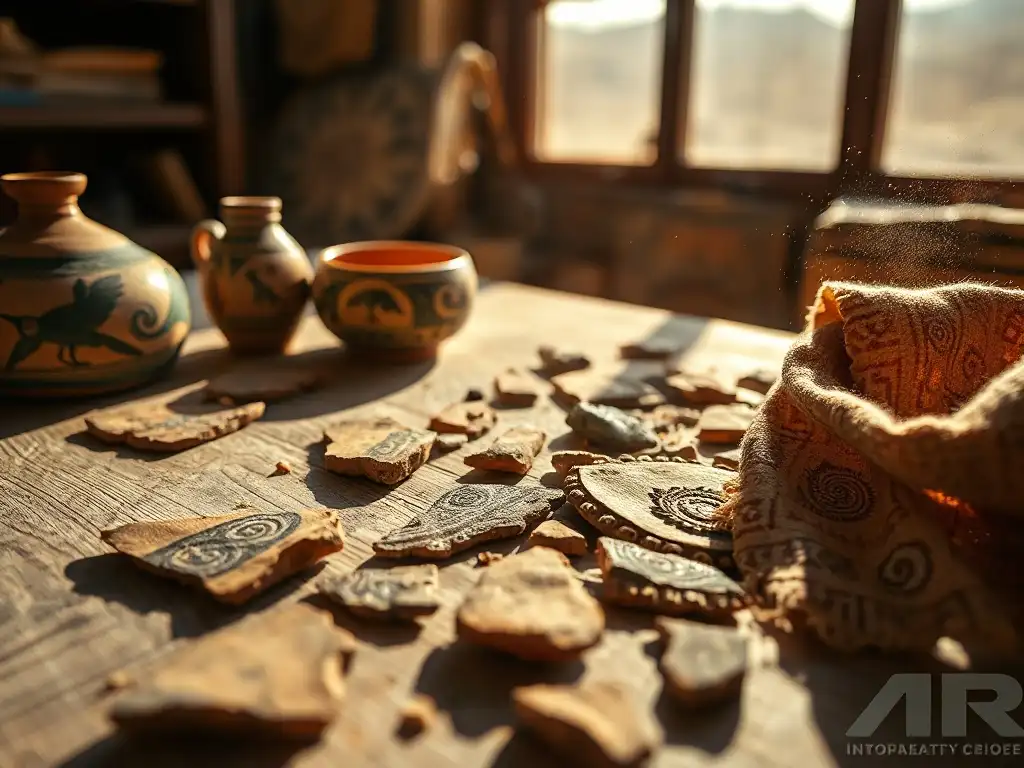
The enigmatic Nazca geoglyphs, sprawling across the Peruvian desert, have captivated researchers for decades. Their immense scale and intricate designs resist easy explanation. However, a crucial key to unlocking their meaning lies in the careful study of contemporaneous Nazca pottery and textiles. These artifacts, often overlooked in isolation, provide a rich visual vocabulary that mirrors and clarifies the imagery found in the geoglyphs themselves.
By analyzing the recurring motifs in these three art forms – geoglyphs, pottery, and textiles – we can begin to decipher the intentions and beliefs of the Nazca culture. The intricate details present in these smaller, more accessible artifacts offer a window into the symbolic world reflected in the monumental geoglyphs. This comparative approach allows for a more nuanced understanding of the Nazca worldview and its artistic expression. The study of Nazca pottery textile motifs is therefore paramount to this process.
Using Nazca Ceramic Imagery to Understand Geoglyph Interpretations
Nazca pottery is renowned for its vibrant polychromy and complex iconography. Many ceramic vessels depict stylized animals, plants, and mythical beings, often presented in dynamic compositions. These depictions frequently parallel the imagery found in the geoglyphs.
For instance, the recurring motif of a stylized hummingbird, frequently found on Nazca pottery, also appears as a geoglyph. The stylistic similarities between the ceramic representation and the geoglyph suggest a shared symbolic significance. Furthermore, the detailed rendering of the hummingbird's plumage on the pottery provides insights into the level of detail and precision that the Nazca artists were capable of achieving, hinting at the planning and execution involved in creating the geoglyphs.
Analyzing the variations in the depiction of the hummingbird across different ceramic pieces – perhaps showing different stages of flight or varying postures – can help us understand the nuances of its symbolic meaning in the broader Nazca cosmology. By comparing the size, proportions, and accompanying elements in both the pottery and the geoglyphs, we can refine our understanding of this particular motif and its significance within the Nazca culture. Detailed catalogs of Nazca pottery, meticulously documenting the variations in these motifs, are essential for this comparative analysis.
Analyzing Textile Designs to Uncover the Purpose of the Nazca Lines
Nazca textiles, similarly, offer a wealth of information regarding the culture's artistic and symbolic language. The intricate designs woven into these textiles often mirror the motifs found both in the pottery and the geoglyphs. The use of specific colors, weaving techniques, and repeated patterns provides clues to the possible meanings and functions of the geoglyphs.
For example, the presence of specific geometric patterns in textiles might correspond to the arrangement of lines and shapes in certain geoglyphs, suggesting a connection between the two art forms. The use of different types of fibers and dyeing techniques could also hold symbolic meaning, relating to specific ceremonies or social structures.
Furthermore, the discovery of textiles within specific burial contexts can provide additional information about the social status and beliefs of individuals associated with the creation or use of the geoglyphs. The study of textile fragments found near geoglyphs sites offers valuable contextual information, providing a more holistic understanding of the Nazca lines and their significance within the broader cultural landscape.
The Orca: A Marine Representation Across Nazca Art Forms
One particularly compelling example of this interconnectedness is the representation of the orca whale. This marine mammal appears both in Nazca pottery and textiles, depicted with remarkable detail and stylistic consistency. The consistent representation of the orca across multiple art forms suggests a significant role within the Nazca worldview.
Its presence in the geoglyphs, although potentially less frequent than other motifs, warrants further investigation. The orca's powerful presence in the ocean, its social behavior, and its predatory nature might have held symbolic significance for the Nazca people. Further research into the distribution and variations of the orca motif across Nazca pottery, textiles, and geoglyphs could reveal insights into the culture's relationship with the marine environment and its understanding of the natural world.
The comparative analysis of the orca's representation across these different mediums allows for a deeper understanding of its symbolic meaning and its place within the broader context of Nazca iconography. The detailed study of Nazca pottery textile motifs, particularly those depicting the orca, could unveil vital clues about the beliefs and practices of this fascinating civilization.
The Importance of Interdisciplinary Studies in Understanding Nazca Culture
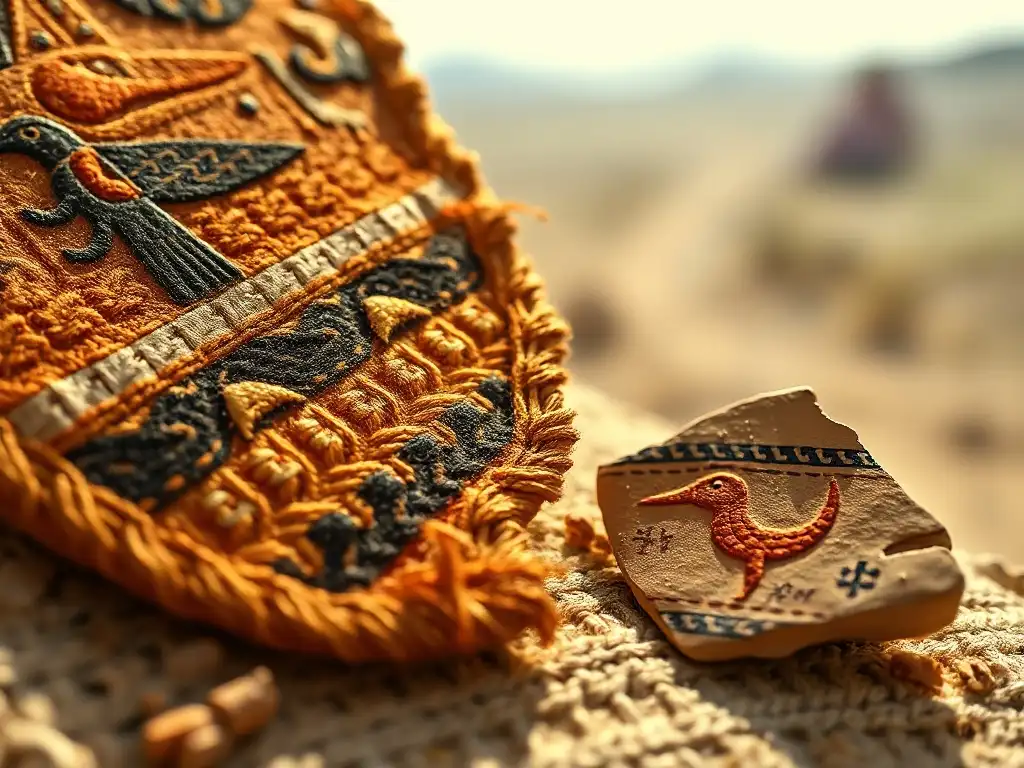
Understanding the Nazca culture requires a multifaceted approach, moving beyond simple archaeological excavation. A truly comprehensive understanding necessitates the integration of various disciplines, creating a rich tapestry of knowledge woven from diverse threads. This interdisciplinary approach is crucial for deciphering the enigmatic Nazca geoglyphs, as well as comprehending the broader socio-political and religious contexts of their civilization.
By combining archaeology, anthropology, art history, and even textile technology, we can begin to unravel the complexities of Nazca society and the meanings behind their iconic imagery. Ignoring one area of study risks a skewed and incomplete interpretation of their rich legacy.
For example, solely focusing on the geoglyphs without considering contemporary pottery and textile motifs limits our ability to fully understand their symbolic language and the potential narratives they convey. The intricate designs found on Nazca pottery and textiles often mirror, complement, or even elaborate on themes seen in the geoglyphs, providing invaluable context and deeper meaning.
Combining Archaeological Evidence with Iconographic Analysis
Archaeological digs at Nazca sites yield invaluable physical evidence, such as pottery shards, textile fragments, and building remains. However, this physical evidence gains significantly more meaning when analyzed alongside iconographic interpretations. For instance, a recurring motif of a stylized hummingbird on Nazca pottery might seem insignificant in isolation.
However, when compared to similar imagery found on textiles and, potentially, represented in a simplified form within a geoglyph, a deeper understanding of the hummingbird's symbolic role within Nazca cosmology emerges. This could represent a deity, a symbol of fertility, or a connection to the spirit world – the possibilities are numerous, but only through a comparative iconographic analysis can we begin to formulate informed hypotheses. Furthermore, the analysis of the techniques used in creating both the pottery and textiles—the pigments used, the weaving styles employed—provides further clues about the social organization and technological capabilities of Nazca artisans.
Understanding the distribution of specific pottery styles across different sites can also shed light on trade routes and social interactions between different Nazca communities. The meticulous study of these details, coupled with careful stratigraphic analysis of archaeological sites, offers a much richer understanding of the Nazca civilization than a singular approach could ever provide. This combined approach allows us to move beyond simple description to a more nuanced understanding of the cultural significance of these artifacts.
The Ongoing Research on Nazca Art and its Implications
The study of Nazca art, encompassing both pottery and textiles, is a constantly evolving field. New discoveries and advancements in analytical techniques continuously refine our understanding. For example, recent applications of advanced imaging techniques to textile fragments have revealed previously unseen details in the weaving patterns, leading to new interpretations of their symbolic meaning. Similarly, ongoing chemical analyses of pigments used in both pottery and textiles are providing insights into the sources of these materials and the trade networks that facilitated their acquisition.
This research is not only enriching our understanding of Nazca art but also helping to reconstruct the broader social and economic landscape of the civilization. The implications of this ongoing research are far-reaching. It not only helps us to better appreciate the artistic achievements of the Nazca people but also provides valuable insights into their beliefs, social structures, and interactions with their environment.
The study of "Nazca pottery textile motifs" is therefore crucial for a complete understanding of the Nazca worldview, offering a window into a complex and fascinating ancient civilization. By combining meticulous fieldwork with cutting-edge analytical techniques, researchers continue to unravel the secrets held within these remarkable artifacts, contributing to a more complete and nuanced picture of the Nazca civilization. The potential for future discoveries and reinterpretations remains immense, promising further exciting developments in our understanding of this captivating culture.
Conclusion: A Holistic View of Nazca Art and Symbolism
This exploration of Nazca pottery and textile motifs in relation to the enigmatic geoglyphs reveals a complex and interwoven artistic landscape. The recurring imagery—from stylized animals and plants to anthropomorphic figures and geometric designs—suggests a cohesive worldview expressed across different media. Analyzing these motifs allows us to glimpse into the beliefs, rituals, and social structures of the Nazca people, providing a more nuanced understanding of their culture beyond the awe-inspiring scale of the geoglyphs. The consistent stylistic elements across pottery, textiles, and geoglyphs strongly suggest a centralized system of artistic production and dissemination, perhaps indicative of a sophisticated social hierarchy or religious organization. Further research is needed to fully decipher the meaning behind specific symbols, but the interconnectedness of these art forms undeniably enriches our interpretation of Nazca civilization. The convergence of these artistic expressions offers a powerful lens through which to examine their cosmology, societal organization, and daily life.
The Enduring Legacy of Nazca Pottery, Textiles, and Geoglyphs
The Nazca's artistic legacy continues to resonate today. Their intricate pottery, vibrant textiles, and monumental geoglyphs remain captivating testaments to their ingenuity and cultural depth. The detailed depictions on their ceramics, often showcasing scenes of daily life, ritual practices, and mythical creatures, provide invaluable insights into their society.
Similarly, the textiles, with their complex weaving techniques and symbolic patterns, offer further evidence of their advanced technological skills and artistic sensibilities. The geoglyphs, meanwhile, continue to inspire wonder and speculation, prompting ongoing research and debate regarding their purpose and meaning. The enduring appeal of Nazca art lies in its ability to transcend time and culture, sparking curiosity and admiration in contemporary audiences.
The preservation and study of these artifacts are crucial for understanding not only the Nazca civilization but also the broader context of Andean art and culture. The remarkable preservation of these artifacts in arid climates has been crucial in allowing us to study them today. Furthermore, ongoing archaeological excavations and technological advancements continue to unveil new discoveries, enriching our understanding of their artistic practices and cultural significance.
Further Exploration of Nazca Art and Culture
Further research into Nazca art should incorporate interdisciplinary approaches, combining archaeological findings with anthropological studies and art historical analyses. A comparative study of Nazca motifs with those found in contemporaneous cultures across the Andes could reveal potential influences and interactions. Technological advancements in imaging and analysis can also contribute significantly to deciphering the intricate details of the geoglyphs and textiles.
For example, high-resolution aerial photography and spectral imaging can reveal subtle variations in color and texture, potentially uncovering hidden symbols or patterns. Moreover, studying the chemical composition of pigments used in pottery and textiles can provide insights into trade networks and resource management practices. The potential for future discoveries and interpretations is vast, promising a richer and more comprehensive understanding of the Nazca civilization and its artistic achievements.
The study of Nazca pottery textile motifs remains a dynamic and evolving field, requiring continued investigation and collaboration among researchers from various disciplines. This holistic approach will be crucial in unlocking the full potential of Nazca art as a window into the past.
Frequently Asked Questions
What are Nazca geoglyphs, and why are they significant?
Nazca geoglyphs are giant figures and lines etched into the desert surface of southern Peru. Their significance remains debated, but they represent a remarkable feat of engineering and artistic expression, showcasing the advanced knowledge of the Nazca culture.
How do Nazca pottery and textiles relate to the geoglyphs?
Pottery and textiles from the Nazca civilization often depict similar motifs and designs found in the geoglyphs. These artifacts provide valuable insights into the cultural and symbolic meaning behind the geoglyphs, offering clues to their purpose.
What are some common motifs found in Nazca pottery and textiles?
Common motifs include stylized animals (like birds, monkeys, and lizards), geometric patterns, and plant representations. These motifs are often depicted in vibrant colors and intricate detail, demonstrating the advanced artistic skills of the Nazca people.
How do these motifs help us understand Nazca culture?
The recurring motifs suggest the importance of specific animals and plants in Nazca religious beliefs and daily life. The complexity of the designs also highlights their sophisticated artistic and technological capabilities.
Where can I learn more about Nazca pottery textile motifs?
You can explore museums with Nazca collections, research academic articles on Nazca iconography, and visit websites dedicated to Andean archaeology. The article, "Decoding the Nazca Geoglyphs Through Pottery and Textile Motifs," is also a great starting point.
Final Reflection: Unveiling the Nazca Enigma Through Art
The intricate artistry of Nazca pottery and textiles offers not just a glimpse into a lost civilization, but a powerful testament to the enduring human capacity for creative expression and complex societal structures. The vibrant colors and symbolic imagery preserved on these ancient artifacts continue to resonate today, challenging our understanding of pre-Columbian societies and prompting ongoing research into their sophisticated culture. The connections between these seemingly disparate art forms reveal a deeper narrative, one that speaks volumes about the Nazca worldview and their profound connection to their environment.
The enduring legacy of Nazca art is undeniable; its influence can be seen in modern interpretations of Andean art and design, a testament to the timeless beauty and cultural significance of these pieces. The past is never dead. It's not even past.
- William Faulkner. This quote rings true when considering the continued fascination with the Nazca culture, fueled by the ongoing discovery and interpretation of their artistic achievements. The motifs, the colors, the very techniques employed continue to inspire artists and researchers alike, demonstrating the power of art to transcend time and connect us to our shared human heritage.
Consider the intricate detail, the bold colors, the sheer scale of the geoglyphs themselves – all mirrored in the miniature worlds captured on pottery and textiles. You, the reader, are now part of this ongoing conversation. Take a moment to reflect on the enduring power of art to communicate across millennia.
Seek out examples of Nazca art in museums or online, and allow yourself to be transported to a time long past, to connect with the creativity and ingenuity of a civilization that continues to captivate and inspire. Let their legacy fuel your own creative spirit and your appreciation for the rich tapestry of human history.
**Unveil the Mysteries of the Nazca Geoglyphs! **
Thank you for joining us on this fascinating journey into the world of the Nazca geoglyphs! We're thrilled you're exploring the intricate connections between their pottery, textiles, and monumental figures. Let's delve deeper into these ancient wonders.
Here are some ways to further explore and share the wonder of the Nazca culture:
- **Explore the Past:** Immerse yourself in the Nazca world by visiting museums or exploring online exhibitions featuring their artifacts. This firsthand experience will significantly enhance your understanding of their artistic achievements.
- **Share Your Discoveries:** Discuss this article with friends and family, sparking conversations about what you've learned. You never know what insights might emerge!
- **Connect with Fellow Enthusiasts:** Join online forums or social media groups dedicated to Andean civilizations and archaeology. Connect with like-minded individuals and share your perspectives.
What aspect of Nazca culture captivates you the most, and how can we collaboratively continue to unravel its secrets?