
Nazca Lines: Exploring the Different Styles and Techniques

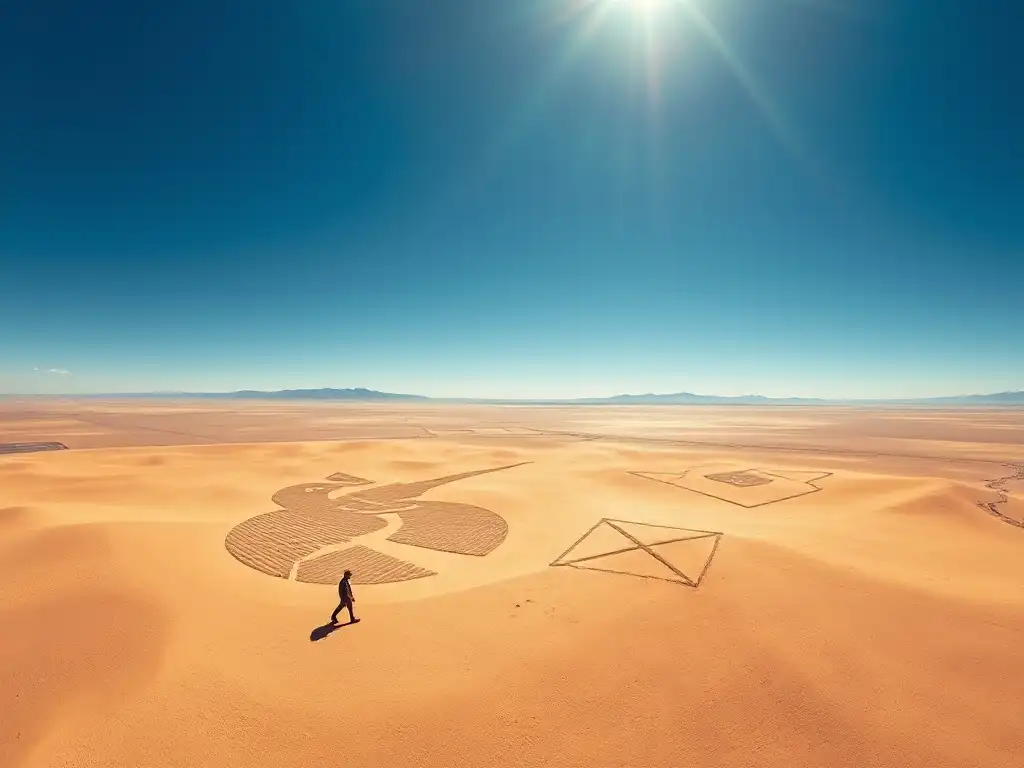
Unravel the enigma of the Andes! Prepare to journey back in time and discover the breathtaking ingenuity of ancient Andean civilizations. From the majestic Incas to the enigmatic Nazca, their legacy lives on in captivating artistry and unparalleled technological advancements. But what secrets lie hidden within the mysterious Nazca Lines? Explore the diverse styles and techniques employed in their creation—a puzzle that continues to challenge and fascinate researchers today. Dive in and uncover the answers...
The Nazca Lines, etched into the arid plains of southern Peru, stand as one of the world's most enigmatic archaeological mysteries. These vast geoglyphs, created by the Nazca culture between 500 BCE and 500 CE, depict a breathtaking array of figures, from simple geometric shapes to complex zoomorphic and anthropomorphic representations. This article delves into the diverse styles and techniques employed by the Nazca people in crafting these monumental works, exploring the artistry and ingenuity behind their creation and the enduring questions they pose about their purpose and meaning.
We will examine the different categories of Nazca lines, analyzing their unique characteristics and the methods used to bring them into existence. Understanding these intricacies offers a deeper appreciation for the sophisticated culture that produced them and sheds light on the technological prowess of the Nazca civilization.
The exploration of the diverse styles and techniques employed in creating these remarkable geoglyphs provides valuable insights into the beliefs, practices, and artistic capabilities of this fascinating ancient society. Prepare to be amazed by the sheer scale and complexity of these ancient masterpieces, and the enduring questions they pose about their purpose and meaning.
Understanding the Nazca Geoglyphs: An Introduction
The Nazca Lines are not merely random scratches in the desert; they are meticulously planned and executed works of art. Created by removing the reddish-brown topsoil to reveal the lighter subsoil, these geoglyphs range in size from a few meters to over 200 meters in length. The vast scale of many of these figures is only truly appreciated from the air, a fact that has fueled much speculation about their purpose.
The Nazca people employed a remarkably precise technique, using simple tools to create these intricate designs. The arid climate of the Nazca desert has been crucial in preserving these fragile works of art for centuries, allowing us to marvel at their complexity and artistry today. The lack of significant erosion is a testament to the unique environmental conditions of the region.
Further research is needed to fully understand the tools and methods used by the Nazca, but the precision and scale of their work are truly remarkable. Archaeological findings continue to provide clues about the processes involved in the creation of these impressive geoglyphs. The sheer scale and precision involved highlight the sophisticated understanding of geometry and spatial planning possessed by the Nazca civilization.
Nazca Lines Styles: Classifying the Geoglyphs
The Nazca Lines are not monolithic; they exhibit a remarkable diversity of styles and representations. We can broadly categorize them into several distinct groups: geometric figures, zoomorphic representations, phytomorphic designs, and anthropomorphic geoglyphs. Each category showcases unique artistic conventions and levels of complexity, reflecting the range of artistic expression within the Nazca culture.
The variety of styles suggests a rich and multifaceted symbolic system, the full extent of which remains a subject of ongoing research and debate amongst scholars. The different styles may represent distinct beliefs, rituals, or social structures within the Nazca society. The complexity and diversity of these styles highlight the sophistication and creativity of the Nazca civilization.
Geometric Figures: Trapezoids, Lines, and Spirals
A significant portion of the Nazca Lines consists of geometric figures, including numerous trapezoids, straight lines, and spirals. These simple yet striking shapes are often found in clusters, forming intricate patterns across the desert floor. Their purpose remains largely unknown, but some theories suggest they may have played a role in astronomical observations or served as markers for ceremonial routes. The precision with which these shapes were created is astounding, demonstrating a sophisticated understanding of geometry and surveying techniques.
The sheer number of geometric figures suggests their importance within the Nazca worldview. Detailed analysis of their arrangement and spatial relationships could potentially reveal further insights into their meaning and function. Further research is needed to determine the exact function of these geometric forms.
Zoomorphic Representations: The Hummingbird, Monkey, and Spider
Many of the most iconic Nazca Lines depict animals, showcasing a remarkable level of artistic skill and observation. These zoomorphic representations include a hummingbird, monkey, spider, and many others. The accuracy and detail in these depictions are striking, capturing the essence of each animal with remarkable precision.
The size and complexity of these figures vary greatly, suggesting different levels of importance or symbolic meaning. These representations may have held religious or ceremonial significance, perhaps representing deities or totems within the Nazca belief system. The level of detail in some of these animals is astonishing, suggesting a deep understanding of animal anatomy and behavior.
Phytomorphic Designs: Depictions of Trees and Flowers
Beyond animals, the Nazca Lines also feature depictions of plants, including trees and flowers. These phytomorphic designs, though less numerous than the zoomorphic figures, are equally captivating. Their inclusion suggests a strong connection between the Nazca people and their environment. These plant representations may symbolize fertility, growth, or abundance, reflecting the importance of agriculture in their society. The style and detail of these plant representations often differ from those of the animal figures, highlighting the diversity of artistic expression within the Nazca culture. Further research is necessary to fully understand the symbolic meaning of these plant depictions.
Anthropomorphic Geoglyphs: The "Astronaut" and Other Human-like Figures
While less common than zoomorphic and geometric figures, several Nazca Lines depict human-like figures, often referred to as anthropomorphic geoglyphs. The most famous of these is the so-called "Astronaut," a figure that has fueled much speculation and debate. These human-like figures often exhibit stylized features, with varying degrees of detail. Their interpretation is highly debated, with theories ranging from representations of deities or shamans to purely artistic expressions.
The stylistic differences between these figures and other Nazca geoglyphs suggest a distinct artistic tradition or symbolic meaning. The enigma surrounding these anthropomorphic figures continues to fascinate researchers and the public alike. Further investigation is needed to determine the true nature and purpose of these human-like representations.
Nazca Lines Construction Techniques: How They Were Made
The creation of the Nazca lines, a monumental undertaking, involved a surprisingly simple yet ingenious set of techniques. These geoglyphs, etched into the desert floor, weren't carved into the earth but rather revealed by removing the dark reddish-brown surface stones to expose the lighter-colored subsoil underneath. This process, repeated across hundreds of figures and lines, required significant planning, organization, and labor.
The precision and scale of the project are truly remarkable, particularly considering the tools and technology available to the Nazca people. The entire process, from initial planning to final maintenance, demonstrates a sophisticated understanding of geometry, land surveying, and communal organization.
Ground Preparation: Removing Darker Surface Stones
Before any line or figure could be created, the Nazca people meticulously prepared the ground. This involved clearing away the loose surface stones and debris, creating a smooth and relatively level surface. This step was crucial for ensuring the accuracy and visibility of the geoglyphs. The removal of these darker stones was likely a labor-intensive process, requiring substantial manpower.
Archaeological evidence suggests that simple tools, possibly made of stone or wood, were employed for this initial stage. The evenness of the prepared surface is a testament to the care and precision invested in the project. The uniformity in the ground preparation across the vast expanse of the Nazca desert underscores the organizational prowess of the Nazca civilization.
Creating the Outline: Employing Straight Lines and Geometric Principles
The next step involved outlining the geoglyphs. This process required a sophisticated understanding of geometry and spatial planning. The Nazca people employed a combination of techniques to create straight lines and complex geometric shapes. Evidence suggests they may have used stakes and ropes to establish straight lines across the landscape.
The remarkable accuracy of these lines, some stretching for kilometers, is a testament to their advanced surveying skills. They incorporated various geometric principles, including circles, triangles, and trapezoids, demonstrating a sophisticated understanding of mathematics and spatial relationships. The precision in the outlines is a key element in the overall aesthetic impact of the Nazca lines.
Removing the Topsoil: Exposing the Lighter-Colored Soil Below
Once the outlines were established, the Nazca people began the most labor-intensive part of the process: removing the topsoil. This involved carefully scraping away the dark reddish-brown surface layer to expose the lighter-colored subsoil beneath. This contrast in color is what makes the geoglyphs visible from the air. The depth of the topsoil removed varied depending on the desired size and prominence of the geoglyph.
This meticulous process required careful coordination and a considerable workforce. It is believed that simple tools like shovels or scrapers were used, and the process likely took considerable time and effort. The scale of the topsoil removal across the extensive Nazca plain is truly awe-inspiring.
Maintaining the Geoglyphs: Periodic Clearing and Repair Work
The Nazca lines weren't simply created and then abandoned. Evidence suggests that the Nazca people periodically cleared and repaired the geoglyphs. The desert environment, with its wind and occasional rains, would gradually cause the lines to become obscured. Regular maintenance was necessary to preserve the visibility of these remarkable figures. This ongoing maintenance demonstrates the long-term commitment and significance of the Nazca lines to the culture. The dedication to preserving these geoglyphs over generations reflects a deep-seated cultural and possibly religious importance. This continuous effort underscores the cultural value placed upon these enigmatic designs.
The Purpose and Interpretation of Nazca Lines
The purpose of the Nazca lines remains one of archaeology's most enduring mysteries. While there is no definitive answer, several theories attempt to explain their creation and meaning. These theories range from astronomical alignments to ritual and religious practices, reflecting the complexity and multifaceted nature of the Nazca civilization. Ongoing research continues to shed light on these enigmatic geoglyphs, slowly unveiling the secrets held within the desert landscape.
Astronomical Alignments: Solstice and Equinox Connections
One prominent theory suggests that the Nazca lines were aligned with astronomical events, such as solstices and equinoxes. Some lines and figures appear to be oriented towards specific points on the horizon where the sun rises or sets during these celestial events. This suggests a possible connection between the Nazca lines and their understanding of astronomy and the cosmos. The precision of the alignments further strengthens this theory, hinting at advanced astronomical knowledge. Further research into the precise alignments and their correlation with celestial events is needed to fully understand this potential connection.
Ritual and Religious Significance: Ceremonial Pathways and Offerings
Another compelling theory links the Nazca lines to ritual and religious practices. Some researchers propose that the lines served as ceremonial pathways, used in processions or rituals. The presence of offerings and artifacts near some geoglyphs further supports this interpretation. The lines may have been part of a larger religious or spiritual landscape, used to connect sacred sites or facilitate communication with the supernatural. The scale and precision of the lines suggest a significant investment of time and resources, indicative of their importance within the Nazca worldview.
Social Organization and Labor: Communal Projects and Leadership
The creation and maintenance of the Nazca lines required a high degree of social organization and cooperation. The scale of the project suggests that it involved a significant portion of the Nazca population, working together over an extended period. This highlights the sophisticated social structures and leadership within the Nazca civilization. The successful coordination of such a massive undertaking points to effective communication, planning, and resource management. The lines stand as a testament to the collective effort and the societal capacity of the Nazca people.
Variations in Nazca Line Techniques Across Different Areas
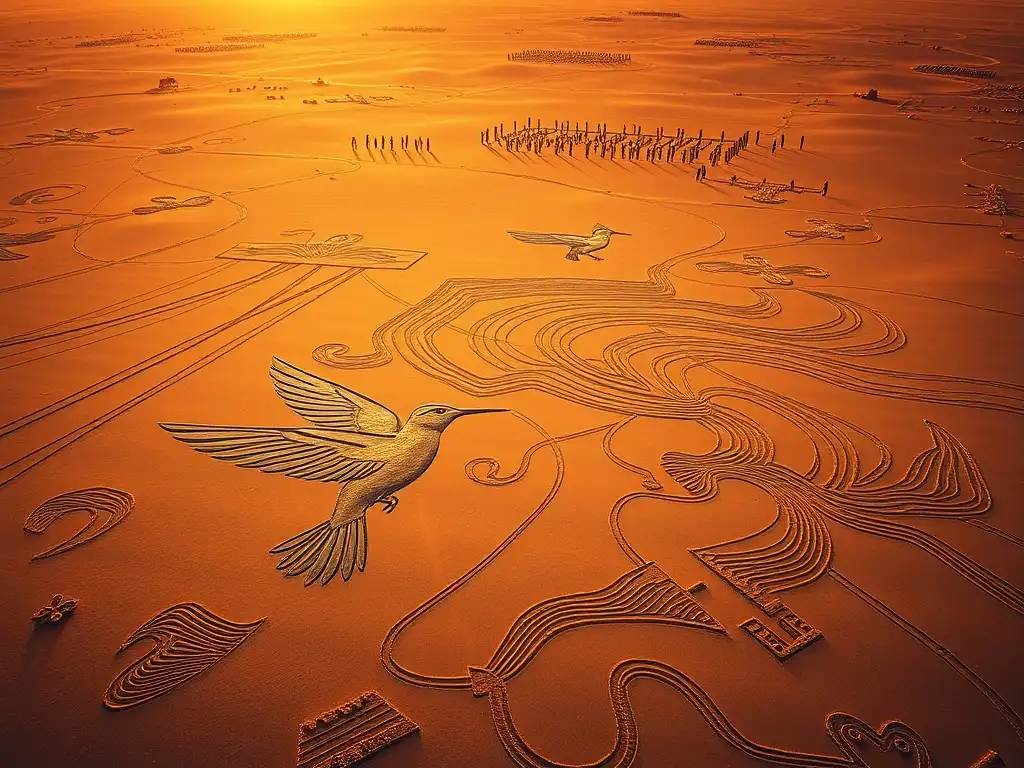
The Nazca Lines, a vast collection of geoglyphs etched into the Peruvian desert, aren't uniformly created. Significant variations in techniques exist across different areas of the Nazca plateau, reflecting both the geographical characteristics of the land and the potential influence of various cultural groups. These differences are subtle but crucial in understanding the evolution and complexity of Nazca line creation.
The lines themselves aren't simply randomly placed; their distribution suggests a deliberate planning process, possibly reflecting different ceremonial zones or phases of construction spanning centuries. The varying soil composition across the plateau also played a role, influencing the ease of excavation and the resulting appearance of the lines. Some areas show a preference for deeper, more sharply defined lines, while others exhibit shallower, less distinct markings.
This variation might indicate a shift in tools, techniques, or even the purpose of the geoglyphs over time. Further research into the precise geological makeup of different sections of the plateau could shed more light on these regional differences in line creation.
Regional Differences in Style and Design: Paracas and Nazca Influence
The styles of the Nazca lines themselves subtly reflect influences from neighboring cultures, particularly the Paracas culture which predates the Nazca. While the Nazca are primarily credited with the creation of the vast majority of the lines, some designs exhibit stylistic elements reminiscent of Paracas iconography, suggesting a possible cultural exchange or continuity of artistic traditions. This is especially evident in certain zoomorphic figures, where stylistic features like the representation of feathers or the curvature of bodies show similarities with known Paracas textile designs.
Analyzing these subtle stylistic variations helps to understand the cultural landscape of the time and the potential interactions between different groups. The precision and scale of the Nazca lines, however, represent a distinct advancement in the execution of geoglyphs, showcasing a level of sophistication not fully captured by the Paracas examples.
Variations in Geoglyph Size and Complexity: From Small Figures to Large-Scale Designs
The Nazca lines are not all created equal. There is a remarkable range in the size and complexity of the geoglyphs, from small, relatively simple designs to enormous, intricate figures stretching hundreds of meters. Some are mere lines or simple geometric shapes, while others are elaborate representations of animals, plants, and humans.
This variability might reflect different purposes or stages in the development of Nazca line creation. Smaller, simpler geoglyphs might represent earlier forms, perhaps serving as practice or preliminary sketches before the creation of larger, more ambitious designs. The larger figures, on the other hand, might represent significant ceremonial or ritualistic events.
The sheer scale of some of these designs is astonishing, highlighting the impressive organizational and engineering capabilities of the Nazca people. The variation in complexity also points to a potential hierarchical structure within the society, with larger, more intricate designs possibly being reserved for elite or religious figures.
The Use of Different Materials and Tools: Wooden Stakes and Measuring Cords
Creating the Nazca lines required sophisticated tools and techniques. While the precise tools used remain a subject of ongoing research, evidence suggests that wooden stakes, measuring cords, and possibly even some form of rudimentary surveying instruments were employed. The dark, reddish-brown soil was removed to reveal the lighter colored subsoil, creating the visible lines. The process likely involved careful planning and measurement to ensure the accuracy and scale of the designs. The use of wooden stakes, for example, would have allowed for the creation of straight lines and curves, while measuring cords would have facilitated the accurate reproduction of shapes and patterns. The uniformity of some lines suggests the use of a standardized unit of measurement, indicating a level of precision and planning rarely seen in ancient societies. Further archaeological investigation may uncover more evidence of the tools and techniques used, providing a more complete picture of the creation process.
Preservation and Future Research of Nazca Lines
The Nazca Lines represent a unique and invaluable part of human history. However, their preservation is threatened by several factors, and continued research is essential to understand their creation and meaning. The lines’ fragility makes them particularly vulnerable to environmental and human-induced damage, highlighting the urgent need for ongoing preservation and research efforts. This involves not only protecting the lines from physical damage but also deepening our understanding of their cultural and historical significance. This work requires a multidisciplinary approach, combining archaeological investigation, geological analysis, and advanced imaging techniques.
Threats to the Nazca Lines: Erosion, Tourism, and Development
Several factors threaten the long-term preservation of the Nazca Lines. Natural erosion caused by wind and rain gradually wears away the lines, making them less distinct over time. Increased tourism, while beneficial economically, also poses a risk, as the presence of people and vehicles can compact the soil and damage the delicate geoglyphs.
Development in the surrounding areas, including infrastructure projects and agriculture, also poses a significant threat. The construction of roads, buildings, and irrigation systems can disrupt the delicate ecosystem of the plateau and lead to further erosion and degradation of the lines. Addressing these threats requires careful planning and management of both tourism and development in the region.
Conservation Efforts: UNESCO World Heritage Site Protections
Recognizing the immense cultural and historical significance of the Nazca Lines, UNESCO designated them a World Heritage Site in 1994. This designation provides a framework for international cooperation in the preservation of the lines, and several conservation efforts are underway. These efforts include monitoring the condition of the lines, implementing measures to mitigate erosion, and regulating tourism to minimize its impact.
The Peruvian government, in collaboration with international organizations and experts, actively works to protect the site and educate the public about its importance. These efforts are crucial in ensuring that future generations can appreciate and learn from this remarkable achievement of ancient civilization. However, ongoing vigilance and investment are needed to counter the persistent threats.
Ongoing Research and Discoveries: New Geoglyphs and Interpretations
Research on the Nazca Lines continues to yield new discoveries and interpretations. Advanced imaging technologies, such as aerial photography and satellite imagery, have revealed previously unknown geoglyphs, expanding our understanding of the extent and complexity of the site. Ongoing archaeological investigations are also providing new insights into the tools, techniques, and cultural context of the lines.
New interpretations of existing geoglyphs challenge established theories, prompting further research and debate among scholars. This ongoing process of discovery and reinterpretation ensures that the Nazca Lines remain a dynamic and fascinating subject of study for years to come. The continuous uncovering of new evidence and insights is a testament to the enduring mystery and allure of this ancient wonder.
Nazca Lines: A Legacy of Ancient Ingenuity
The Nazca Lines, etched into the coastal desert of southern Peru, stand as a testament to the ingenuity and artistry of the Nazca people. These enigmatic geoglyphs, created between 500 BC and 500 AD, represent a remarkable feat of ancient engineering and artistic expression. Their sheer scale and precision are astonishing, with some figures stretching over a hundred meters in length.
The lines themselves weren't just randomly placed; they were carefully planned and executed, demonstrating a sophisticated understanding of surveying and land management. The Nazca people, despite lacking advanced tools and technology by modern standards, managed to create these intricate designs with an accuracy that continues to impress archaeologists and researchers today.
Understanding the techniques they employed requires considering the tools available to them, the environmental challenges they overcame, and the cultural significance of the lines themselves. The creation of the Nazca lines involved not only artistic skill but also a deep understanding of the landscape and its properties.
The Enduring Mystery of the Nazca Geoglyphs
The purpose of the Nazca Lines remains one of archaeology's most enduring mysteries. While various theories abound—from astronomical alignments to ritualistic practices—no single explanation fully satisfies scholars. Some researchers suggest the lines served as pathways for ceremonial processions, perhaps connected to water sources or religious sites. Others believe they may have been related to astronomical observations, with certain lines aligning with celestial events.
The intricate designs themselves—depicting animals, plants, and geometric shapes—further add to the complexity. Were they meant to be viewed from above, perhaps by airborne deities? Or were they intended to be observed from specific vantage points on the ground?
The lack of written records from the Nazca people leaves many questions unanswered, fueling ongoing research and debate. The mystery surrounding their creation and purpose only enhances their allure and continues to draw researchers and tourists alike. The sheer scale and precision of the work raise questions about the level of societal organization and planning required for such an undertaking.
Appreciating the Art and Engineering of the Nazca People
The creation of the Nazca lines required a remarkable combination of artistic skill and engineering prowess. The Nazca people employed simple tools—likely wooden stakes and ropes—to mark out the designs on the ground. They then painstakingly removed the dark reddish-brown surface layer of stones and pebbles, revealing the lighter-colored subsoil beneath. This process, repeated countless times across vast areas, resulted in the striking contrast that makes the geoglyphs visible today.
The precision involved is particularly noteworthy, with lines often maintaining a consistent width for hundreds of meters. The vast scale of some of the designs, such as the hummingbird or the monkey, required significant planning and coordination among a large workforce. This demonstrates a level of social organization and engineering skill that was previously underestimated in pre-Columbian Andean societies.
The Nazca lines are not merely intriguing designs; they represent a sophisticated level of cultural expression and technical mastery. The artistry, patience, and precision involved in their creation are a testament to the Nazca people's remarkable capabilities. Their legacy continues to inspire awe and wonder, challenging our understanding of ancient civilizations and their capabilities.
- Understanding the Nazca Geoglyphs: An Introduction
- Nazca Lines Styles: Classifying the Geoglyphs
- Nazca Lines Construction Techniques: How They Were Made
- The Purpose and Interpretation of Nazca Lines
- Variations in Nazca Line Techniques Across Different Areas
- Preservation and Future Research of Nazca Lines
- Nazca Lines: A Legacy of Ancient Ingenuity
Frequently Asked Questions
What are the Nazca Lines?
The Nazca Lines are geoglyphs—giant designs etched into the desert surface of Peru's Nazca plains. They depict animals, plants, and geometric shapes, and their creation remains a mystery.
How were the Nazca Lines created?
The Nazca people likely created the lines by removing the dark reddish pebbles from the surface, revealing the lighter soil beneath. This process involved extensive labor and planning.
What are the different styles of Nazca Lines?
The lines showcase diverse styles, including zoomorphic (animal) figures like the hummingbird and monkey, phytomorphic (plant) designs, and complex geometric patterns. These styles reflect the Nazca's artistic and cosmological beliefs.
What techniques were used to create the Nazca Lines?
The precise techniques remain debated, but likely involved simple tools like stakes and ropes to mark out the designs. The vast scale and accuracy are particularly impressive.
Why were the Nazca Lines created?
The purpose of the Nazca Lines is still debated. Leading theories suggest religious and ceremonial functions, possibly related to water rituals, astronomical observations, or ancestor veneration.
Final Reflection: Unraveling the Enigma of the Nazca Lines
The intricate artistry of the Nazca Lines continues to resonate today, a testament to the ingenuity and cultural depth of a civilization lost to time. Their enduring mystery, coupled with the ongoing efforts to understand their creation and purpose, makes them a powerful symbol of human creativity and our persistent quest for knowledge. The sheer scale and precision of these geoglyphs remain astonishing, prompting ongoing research and sparking the imagination of countless individuals across generations.
The impact of the Nazca Lines extends far beyond their physical presence in the Peruvian desert. They represent a powerful connection to our past, a reminder of the rich tapestry of human cultures and their unique expressions. Their enduring mystery challenges our assumptions about ancient civilizations and their capabilities, forcing us to reconsider our understanding of history and artistic expression. The Nazca Lines are a powerful reminder that the past is not a closed book, but a living story that continues to unfold before our eyes.
This quote encapsulates the ongoing fascination and the continuous learning that these enigmatic lines inspire.
Consider the meticulous planning, the unwavering dedication, and the sheer scale of effort required to create these monumental works. Now, consider the implications for our own lives. What monumental tasks are you undertaking, what passions are you pursuing with unwavering dedication?
Let the Nazca Lines inspire you to embrace your own creative spirit, to strive for excellence in your endeavors, and to leave your own unique mark on the world, however small it may seem. The legacy of the Nazca Lines is a testament to the power of human ambition and the enduring beauty of artistic expression; let it be a source of inspiration for your own journey.
Unveil the Wonders of the Nazca Lines!
Thank you for exploring the fascinating world of the Nazca Lines with us! You've discovered the diverse artistry and ingenuity of the ancient Andean civilizations. Now, let's delve even deeper. Here are some ways to continue your exploration:
- Learn More: Explore our in-depth articles and resources on ancient Andean art and architecture. Discover how these remarkable cultures created their masterpieces and the stories behind them.
- Share Your Discoveries: Discuss what fascinated you most about the Nazca Lines with friends and family, or share your thoughts on social media using #NazcaMysteries to connect with other history enthusiasts.
- Get Creative: Design your own Nazca-inspired artwork! Sketch or digitally create your interpretation and consider submitting it to our online gallery.
What aspect of the Nazca Lines captivated you the most, and what do you think it reveals about the culture that created them? We'd love to hear your thoughts in the comments below!