Nazca Civilization

Discover how Nazca society and agriculture shaped one of ancient Peru’s most remarkable civilizations 🌾. Explore the Nazca social structure, farming communities, irrigation systems, ceremonial traditions, and innovative land-use practices that enabled life in the arid coastal valleys. Learn how agriculture supported Nazca culture, trade, religious development, and artistic achievement through fascinating insights into ancient Andean history.
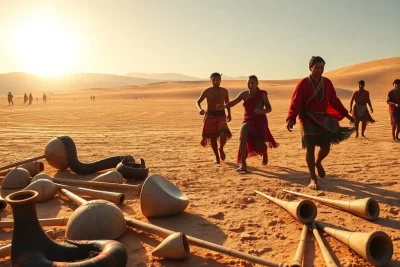
Discover how Nazca society and agriculture shaped one of the most remarkable cultures of ancient Peru. This subcategory explores the organization, economy, farming practices, social traditions, and environmental knowledge of the Nazca civilization, which flourished along Peru’s arid southern coast between approximately 100 BCE and 800 CE. Learn how Nazca communities transformed desert landscapes into productive settlements through irrigation canals, underground water channels, ceremonial centers, and carefully managed agricultural systems. As part of Andean Civilizations, this section connects everyday Nazca life with the wider history of ancient Andean culture, including the relationships between agriculture, religion, art, trade, and technology.
Nazca society was organized around villages, ceremonial centers, family groups, farmers, craftspeople, religious specialists, and local leaders. Articles in this section examine how social roles may have developed within Nazca settlements and how communities coordinated labor, ceremonies, irrigation, construction, and trade. Readers can explore evidence from archaeological sites, pottery, textiles, architecture, and human remains to understand family life, social identity, leadership, and community organization in ancient Nazca culture.
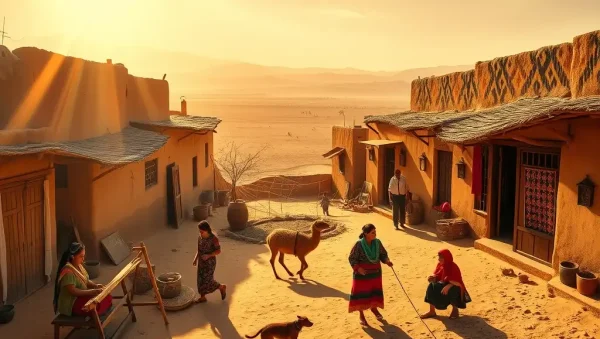
Discover what daily life may have looked like for Nazca people, from preparing food and producing textiles to participating in religious festivals and maintaining agricultural land. Because written records from the Nazca period are limited, researchers use material evidence to reconstruct the past. This subcategory explains that evidence clearly while distinguishing between established archaeological findings and interpretations about social hierarchy, household activities, gender roles, and community traditions.
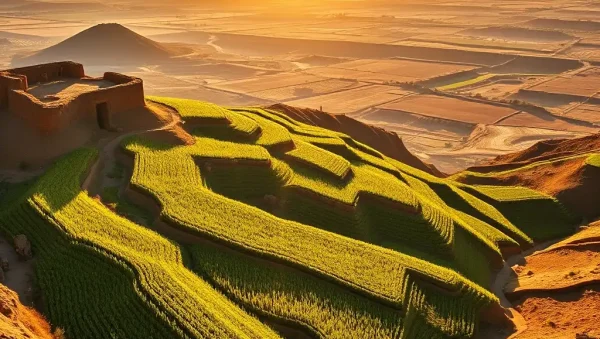
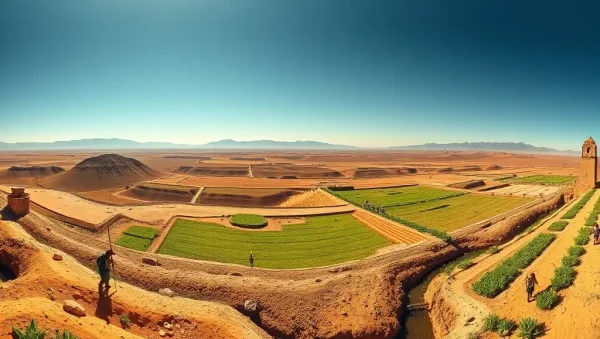
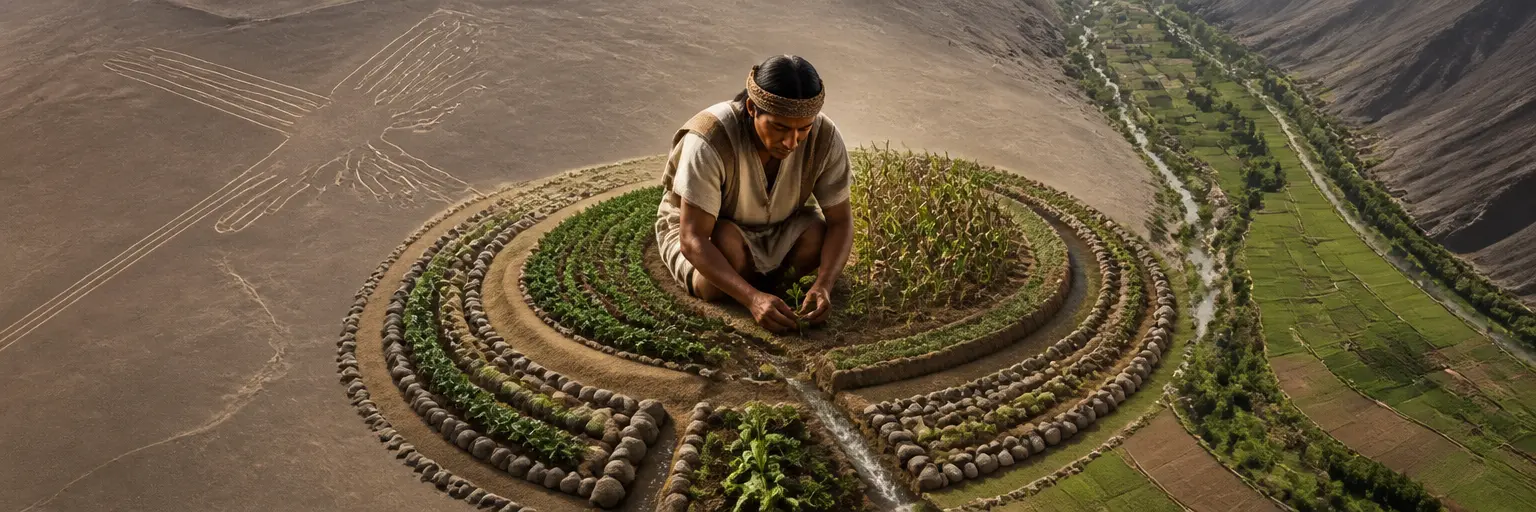
Nazca agriculture developed in one of the driest environments in the world. Farmers cultivated crops such as maize, beans, squash, cotton, peanuts, and potatoes by taking advantage of river valleys, seasonal water supplies, and engineered irrigation systems. Explore how Nazca farmers adapted to limited rainfall and created productive agricultural zones through water management, soil cultivation, crop diversity, and careful planning.
This section explains the importance of farming to Nazca society, including how agriculture supported population growth, craft production, ceremonies, and regional exchange. Learn how agricultural practices responded to changing environmental conditions and why food production was closely connected to social power. Topics may include ancient Peruvian crops, Nazca farming tools, coastal agriculture, food storage, agricultural labor, and sustainable desert cultivation.
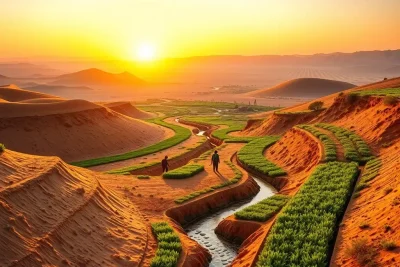
Water was central to Nazca survival and community development. Nazca farmers used canals, wells, reservoirs, river channels, and puquios—often described as underground aqueducts or water galleries—to access and distribute water. Readers will learn how these systems worked, why they were important, and what archaeological evidence reveals about Nazca hydraulic engineering and ancient water technology.
Beyond their practical function, irrigation systems also encouraged cooperation and shared responsibility. Maintaining canals and water sources required organized labor, technical knowledge, and agreements among communities. Explore how water management influenced settlement patterns, agricultural productivity, political relationships, and religious ideas, while considering ongoing scholarly debates about the age, construction, and use of Nazca puquios.
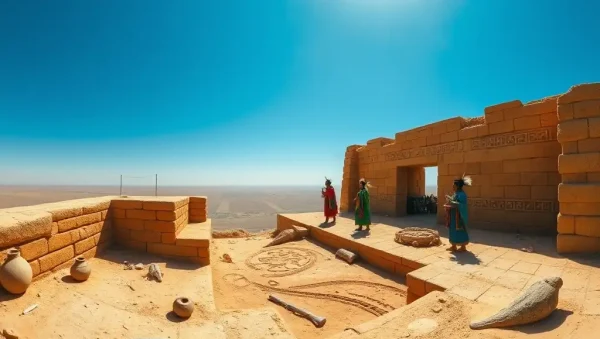
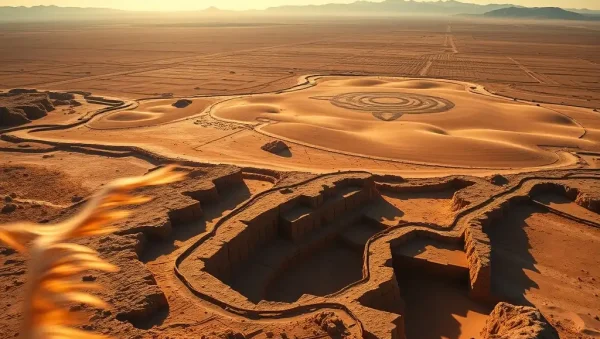
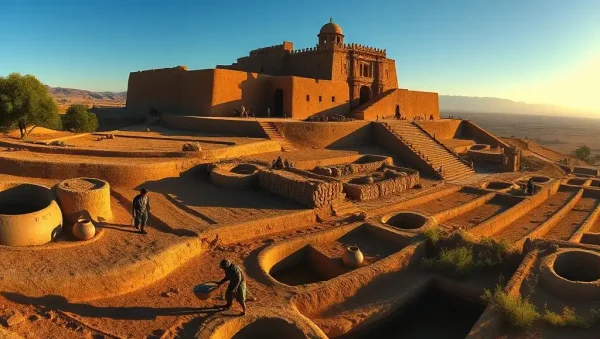
Nazca settlements varied from small agricultural villages to important ceremonial and administrative centers. This subcategory examines the relationship between homes, plazas, temples, cemeteries, workshops, and farmland. Learn how settlement archaeology helps researchers understand urban development, household organization, regional planning, and the connection between rural communities and ceremonial sites.
Articles also explore how Nazca communities interacted across valleys and ecological zones. Trade, migration, marriage alliances, pilgrimage, and shared religious traditions may have linked settlements over considerable distances. By studying architecture, pottery distribution, food remains, and burial practices, readers can gain a deeper understanding of the social networks that supported ancient Nazca civilization.
Nazca culture is famous for its colorful pottery, embroidered textiles, carved objects, and ceremonial artifacts. Craft production was an important part of the economy and may have involved specialized knowledge passed between generations. Discover how artisans worked with clay, pigments, fibers, feathers, shells, and metals to create objects that reflected Nazca religion, social status, identity, and regional connections.
Trade allowed Nazca communities to obtain materials that were not locally available, including highland resources, tropical feathers, marine goods, and specialized stone. This section explores exchange routes and the movement of objects, ideas, and people across the Andes. Readers can learn how economic activity linked the coast with nearby valleys and highland regions while supporting the wider development of Nazca society.
Food remains provide valuable information about Nazca agriculture and everyday life. Archaeologists study plant remains, animal bones, pottery residues, tools, and burial offerings to identify the foods consumed by different communities. Explore the role of maize, beans, seafood, camelids, fruits, tubers, and cultivated cotton in the Nazca economy and diet.
Understanding food production also reveals how people responded to environmental challenges. Coastal fishing, river-valley farming, gathering, and long-distance exchange created a diverse resource base. Learn how food storage, preparation, distribution, and ceremonial consumption may have reinforced family relationships, community cooperation, religious practices, and social distinctions in ancient Peru.
Religion influenced nearly every aspect of Nazca life, including farming, water management, fertility, and seasonal activity. Nazca pottery and textiles depict powerful supernatural beings, plants, animals, warriors, and ritual scenes that may reflect beliefs about nature and agricultural abundance. This section explores how religious ceremonies and sacred landscapes were connected to the success of crops and the availability of water.
Readers will also learn about ceremonial centers, offerings, feasting, music, processions, and burial customs. Although interpretations remain debated, archaeological evidence suggests that ritual activity helped communities communicate with supernatural forces and reinforce social authority. Articles present multiple perspectives while explaining how agriculture, climate, ancestors, and religion were interconnected in Nazca culture.
The Nazca civilization developed in a landscape shaped by extreme aridity, river valleys, coastal ecosystems, and nearby mountains. Explore how geography and climate affected settlement, farming, food supplies, and social organization. Topics include desert ecology, El Niño events, drought, river fluctuations, soil conditions, and environmental adaptation.
Environmental change may have contributed to shifts in settlement patterns, agricultural strategies, and political relationships over time. This section presents archaeological and scientific approaches used to study Nazca climate history, including pollen analysis, sediment research, isotopic evidence, and the examination of ancient irrigation systems. Readers will gain a balanced understanding of how environmental pressures interacted with human choices.
Nazca society consisted of farming communities, craft specialists, religious leaders, labor organizers, and local authorities. Social organization was expressed through settlements, ceremonial buildings, burials, textiles, pottery, and public rituals. Archaeologists continue to study how much political power was centralized and how independent communities were connected across the southern Peruvian coast.
Nazca farmers cultivated maize, beans, squash, peanuts, cotton, potatoes, and other crops suited to coastal and valley environments. They also relied on fishing, gathering, and exchange with neighboring regions. Crop diversity helped communities manage environmental uncertainty and supported both daily nutrition and ceremonial activities.
The Nazca used river water, irrigation canals, wells, reservoirs, and puquios to support farming in an extremely dry environment. These systems allowed water to reach fields and settlements beyond the immediate riverbanks. Their maintenance required technical knowledge, organized labor, and cooperation among local communities.
Agriculture provided food, raw materials, and economic stability. Surplus production supported artisans, religious specialists, leaders, construction projects, trade, and ceremonial feasting. Farming also shaped settlement locations, social relationships, and the development of hydraulic technologies throughout the Nazca region.
Because the Nazca left no known written language, researchers rely on archaeological evidence such as pottery, textiles, architecture, irrigation channels, tools, plant remains, animal bones, tombs, and human remains. Scientific methods, including environmental analysis and radiocarbon dating, help establish chronology and reconstruct ancient diets, mobility, health, and agricultural practices.