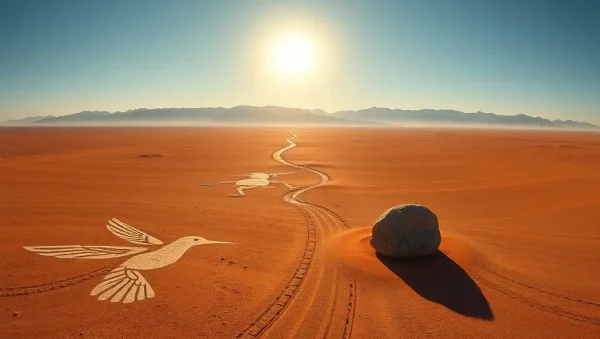
Nazca Civilization

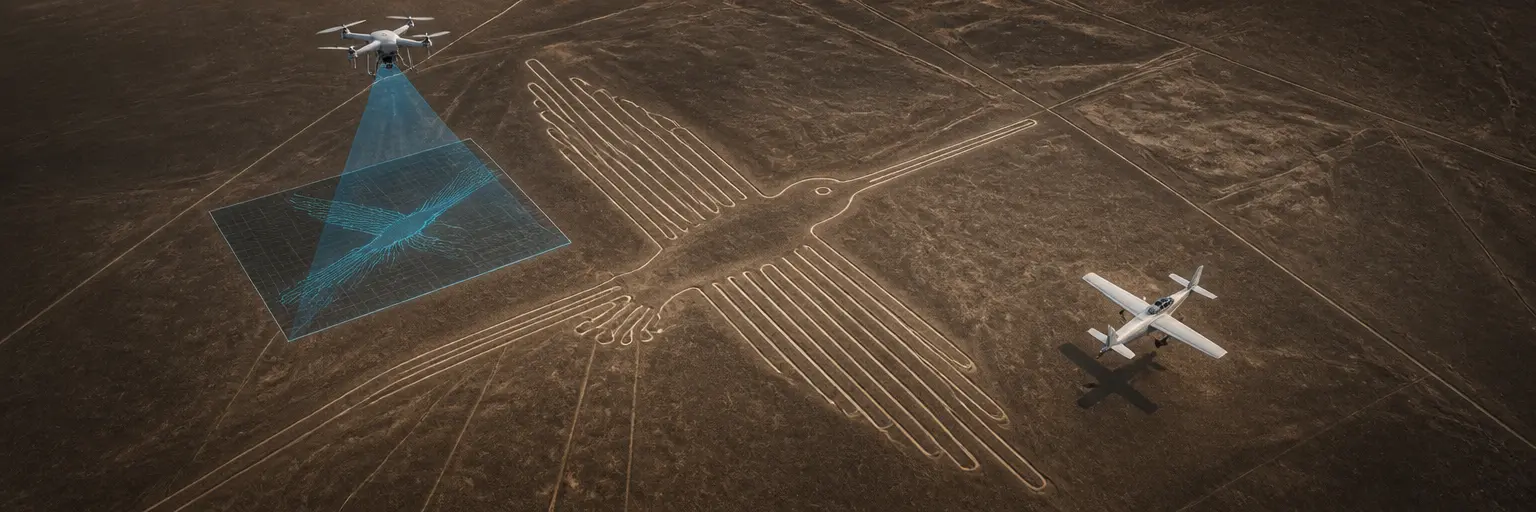
Discover the Enigmatic Nazca Lines—vast geoglyphs etched across Peru’s desert by the ancient Nazca civilization. Explore their remarkable designs, enduring mysteries, astronomical theories, and cultural significance while uncovering how these iconic figures reveal the ingenuity of Andean civilizations. 🏜️🔍✨
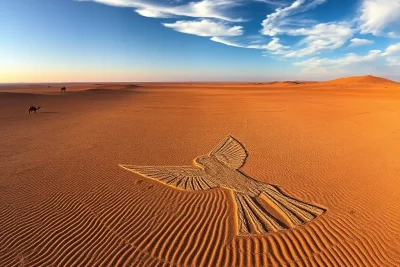
Explore The Enigmatic Nazca Lines, one of the most fascinating achievements of the Nazca Civilization and a remarkable legacy of ancient Peru. Located across the arid Nazca Desert and surrounding coastal valleys, these enormous geoglyphs depict animals, plants, geometric shapes, and mysterious linear formations. This subcategory on Andean Civilizations examines the origins, meanings, construction techniques, religious significance, and enduring mysteries of the Nazca Lines, offering readers a deeper understanding of Nazca culture, archaeology, and ancient Andean history.
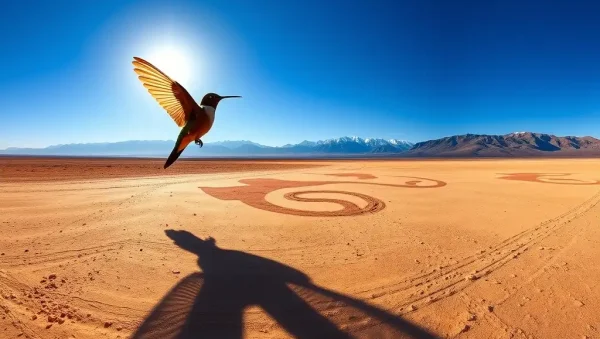
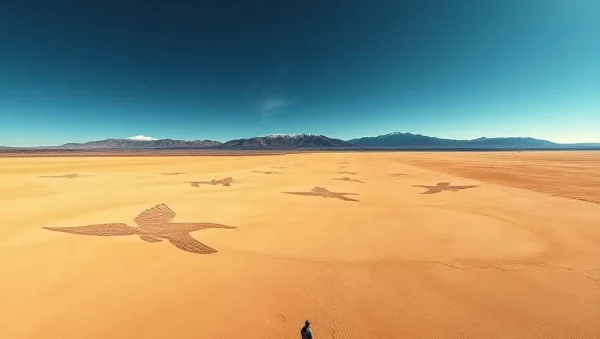
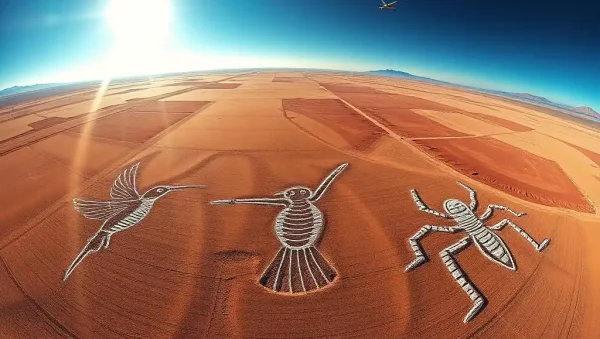
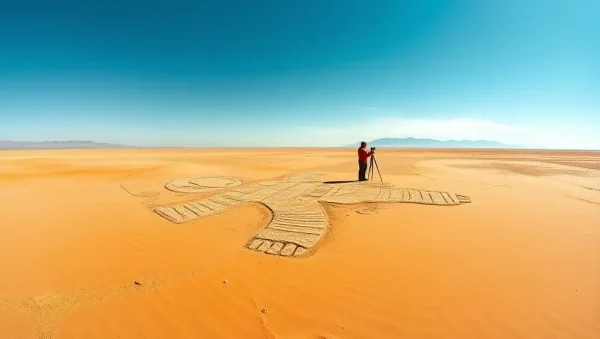
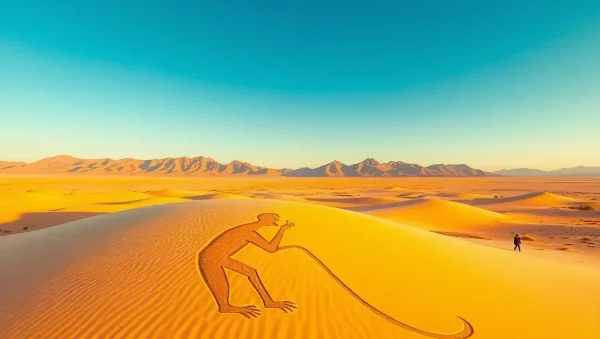
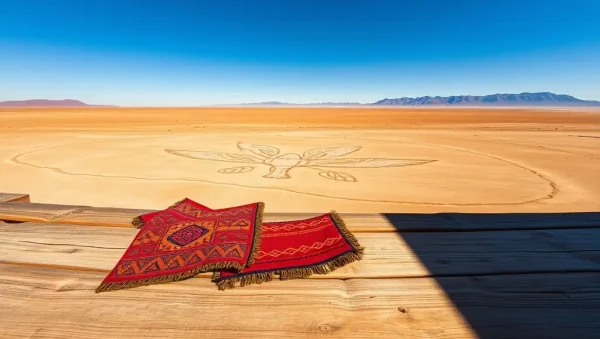
Discover the best-known Nazca geoglyphs, including the Hummingbird, Monkey, Condor, Spider, Dog, Heron, and Astronaut. Learn how these immense desert drawings were created on the Nazca plateau and why their size, precision, and visibility continue to attract archaeologists, historians, and travelers from around the world.
Readers can explore the visual characteristics of Nazca art, the relationship between individual figures and the surrounding landscape, and the evidence used to identify different designs. Detailed descriptions of the Nazca Lines help explain how these ancient images reflect the symbolism, creativity, and spiritual worldview of the Nazca people.
Learn when the Nazca Lines were made and how they developed during the history of the Nazca Civilization. Archaeological research generally places their creation between approximately 500 BCE and 500 CE, although some geoglyphs may have earlier cultural connections. This section explores the development of the lines alongside Nazca settlements, ceramics, textiles, and religious traditions.
Readers will also discover how the Nazca Lines relate to earlier cultures, including the Paracas tradition, and how changing artistic styles may reveal shifts in ritual practices. By placing the geoglyphs within their historical context, this subcategory presents the Nazca Lines as part of a complex society rather than as an isolated archaeological mystery.
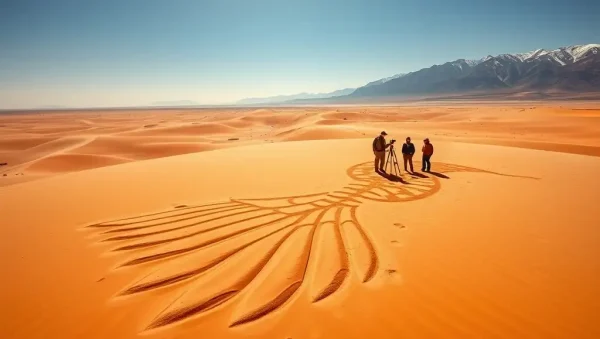
Find out how ancient Nazca engineers produced enormous desert drawings without modern surveying equipment. Most lines were formed by removing the dark, weathered surface stones to reveal the lighter soil beneath. Using stakes, cords, measured distances, and careful planning, Nazca communities could create remarkably straight lines and accurately proportioned figures.
This section explains the practical methods behind Nazca geoglyph construction, including the use of simple tools, coordinated labor, and natural desert conditions. Readers can expect clear information about ancient engineering, land surveying, geometry, and archaeological fieldwork, as well as the techniques used to preserve and study these fragile formations.
Explore theories about the religious purpose of the Nazca Lines and their possible connection to water, fertility, mountains, ancestors, and celestial forces. In one of the driest regions of Peru, water was essential to survival, and many researchers believe that ritual activities on the geoglyphs may have appealed to supernatural powers associated with rain and agricultural abundance.
Readers will examine how the geoglyphs may have functioned as ceremonial pathways, sacred gathering places, or offerings to deities and ancestors. Because the Nazca people left no written explanation, interpretations must combine archaeology, iconography, environmental evidence, and comparisons with other Andean religious traditions.
Discover the debate surrounding possible astronomical alignments among the Nazca Lines. Some researchers have suggested that certain lines correspond to the movements of the sun, moon, stars, or other celestial bodies. This section presents these ideas carefully while distinguishing between well-supported archaeological evidence and more speculative interpretations.
The landscape itself was central to Nazca culture. Readers will learn how desert mountains, underground water sources, river valleys, and sacred natural features may have influenced the placement of the geoglyphs. Understanding this relationship between environment, astronomy, ritual, and geography provides a richer interpretation of ancient Andean civilization.
Follow the archaeological study of the Nazca Lines, from early observations to modern aerial photography, satellite imagery, drones, and digital mapping. Researchers continue to identify new geoglyphs, investigate construction methods, and document damage caused by erosion, roads, climate events, and human activity.
This section highlights major archaeological questions and the technologies used to answer them. Readers can expect accessible explanations of remote sensing, geographic information systems, excavation, conservation, and field surveys, along with insights into how new discoveries are reshaping our understanding of the Nazca Civilization.
Examine the most enduring mysteries associated with the Nazca Lines, including who created them, why they were built, and how their makers planned such enormous images. The geoglyphs have inspired theories involving ceremonial processions, water rituals, astronomical observations, social organization, and communication with sacred powers.
Readers will also learn to separate archaeological interpretations from popular myths, including claims that the lines were landing strips for extraterrestrial visitors. While these stories have increased public interest, credible research emphasizes the abilities, beliefs, and achievements of the ancient Nazca people themselves.
Learn why the Nazca Lines are among Peru’s most valuable and vulnerable archaeological treasures. Their desert environment has helped preserve them for centuries, but vehicle traffic, urban expansion, climate change, heavy rainfall, wind erosion, and careless tourism can threaten their survival.
This section explores responsible travel to the Nazca Lines, viewing platforms, aerial tours, archaeological protection, and the importance of UNESCO World Heritage conservation. Readers will gain practical context for appreciating the site while supporting sustainable tourism and the preservation of ancient Peruvian heritage.
The Nazca Lines are ancient geoglyphs made by removing darker surface stones to expose lighter-colored desert soil. They include animal figures, plants, geometric shapes, and long straight lines created by the Nazca and earlier cultural traditions in southern Peru.
The majority of the geoglyphs are associated with the Nazca Civilization, which flourished in Peru between approximately 200 BCE and 600 CE. Some designs may have been influenced by or created during earlier Paracas cultural phases.
No single explanation has been proven, but leading theories connect the geoglyphs with religious ceremonies, water and fertility rituals, sacred landscapes, processions, and communication with supernatural forces. Their meaning may have varied across different periods and locations.
Visitors can view some designs from observation towers near the Pan-American Highway, while scenic flights from Nazca or nearby airports provide broader views of major geoglyphs. Travelers should choose licensed operators and follow conservation guidelines to help protect the site.
There is no reliable archaeological evidence linking the Nazca Lines to extraterrestrials. Their construction can be explained through human planning, labor, surveying, religious practice, and knowledge of the desert environment. The geoglyphs demonstrate the impressive capabilities of ancient Andean societies.