
Defending Machu Picchu: Military Strategies and Fortification Systems

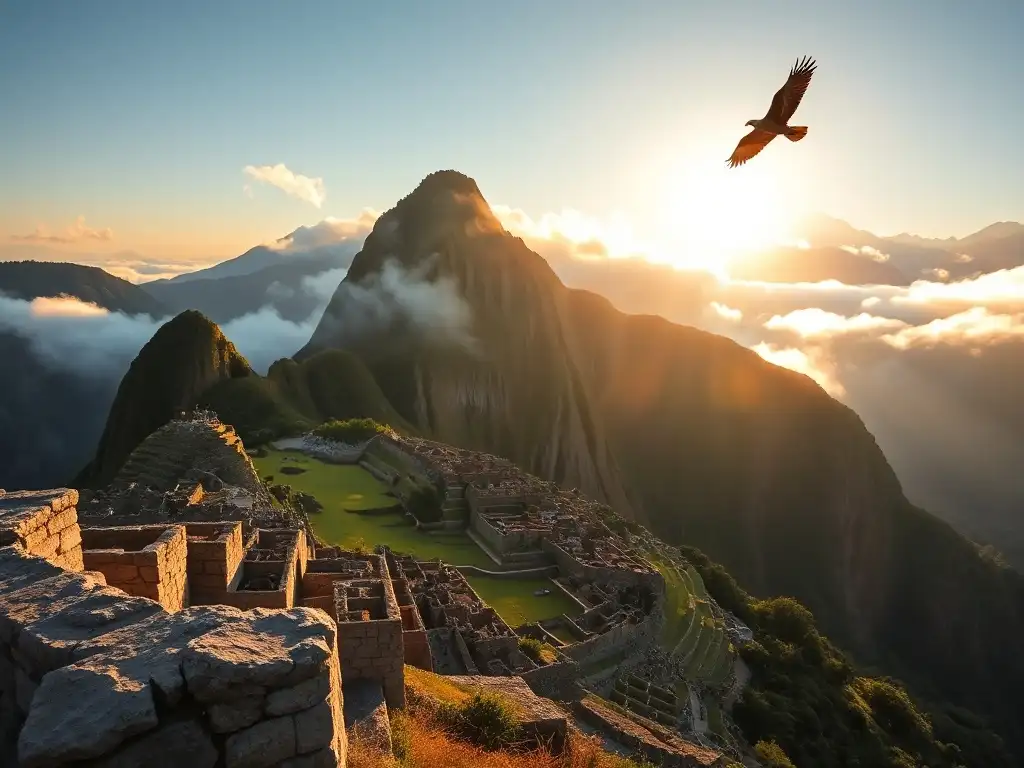
Uncover the mysteries of the Andes! Journey through millennia of breathtaking artistry, intricate societal structures, and astonishing engineering feats. But what secrets lie behind the seemingly impenetrable walls of Machu Picchu? Dive into the intriguing world of Inca Machu Picchu defense strategies and discover how this iconic citadel withstood the test of time. Prepare to be amazed by the ingenuity and military prowess of one of history's most remarkable empires.
-
Inca Machu Picchu Defense Strategies: A Comprehensive Overview
- Strategic Location of Machu Picchu for Defense
- Inca Military Engineering and Fortifications at Machu Picchu
- Inca Military Tactics and Strategies at Machu Picchu
- The Importance of Water Management for Defense
- The Effectiveness of Machu Picchu's Defenses
- Comparing Machu Picchu's Defense with Other Inca Sites
- The Legacy of Inca Military Ingenuity at Machu Picchu
-
Frequently Asked Questions
- How did the Inca defend Machu Picchu?
- What were the main features of Machu Picchu's fortifications?
- Were there any specific military strategies used to defend Machu Picchu?
- How effective were the Inca's defense strategies at Machu Picchu?
- What evidence exists to support our understanding of Machu Picchu's defenses?
- Final Reflection: Echoes of Empire: Machu Picchu's Enduring Legacy of Defense
- Step Up to Protect Our Heritage!
Inca Machu Picchu Defense Strategies: A Comprehensive Overview
Machu Picchu, the iconic "Lost City of the Incas," stands as a testament to the ingenuity and prowess of Inca civilization. Beyond its breathtaking beauty and intricate architecture, Machu Picchu reveals a sophisticated understanding of military strategy and defensive engineering.
This article delves into the multifaceted defense mechanisms employed by the Incas to protect this strategically vital site, exploring its natural fortifications, ingenious military architecture, and the overall strategic thinking behind its design. We will examine how the Incas leveraged the natural landscape and implemented innovative construction techniques to create a virtually impregnable citadel, effectively safeguarding Machu Picchu from potential threats and ensuring its longevity as a crucial center of Inca power.
Understanding the Inca's defense strategies at Machu Picchu offers invaluable insight into their military capabilities, urban planning, and overall societal organization. This exploration will focus on the keyword "Inca Machu Picchu defense strategies" providing a comprehensive overview of this fascinating aspect of Inca history.
Strategic Location of Machu Picchu for Defense
The strategic location of Machu Picchu played a pivotal role in its defense. Nestled high in the Andes Mountains, the city's accessibility was inherently limited, offering a significant natural defense advantage. This strategic positioning was not accidental; the Incas were masters of utilizing geographical features to enhance their defensive capabilities.
Machu Picchu's Natural Defenses: Mountains and Cliffs
Machu Picchu is dramatically situated on a mountain ridge, surrounded by steep, almost vertical cliffs and imposing mountain peaks. These natural barriers presented formidable obstacles to any potential invaders, significantly reducing the number of accessible approaches to the city. The sheer drop-offs made scaling the mountain incredibly difficult and dangerous, acting as a powerful deterrent. This natural fortification significantly reduced the need for extensive man-made defenses along certain sections of the city's perimeter.
The Role of Geography in Inca Military Planning at Machu Picchu
The Incas' military planning at Machu Picchu demonstrates a profound understanding of topography. They didn't simply build within the mountain; they integrated the city into the mountain itself. This intimate relationship between architecture and landscape significantly enhanced the city's defensibility. By strategically placing structures within the natural contours of the terrain, they maximized the use of natural barriers and minimized vulnerable points of attack. The resulting design was not only aesthetically stunning but also tactically brilliant.
Inca Military Engineering and Fortifications at Machu Picchu
While natural defenses provided a strong foundation, the Incas also employed sophisticated military engineering to further strengthen Machu Picchu's defenses. Their mastery of stonework and construction techniques allowed them to create impressive and effective fortifications.
Terraces as Defensive Barriers in Machu Picchu
The extensive agricultural terraces that cascade down the mountain slopes weren't solely for farming; they also served as defensive barriers. These meticulously constructed terraces created a series of obstacles, hindering the advance of any attacking force. The uneven terrain and the sheer number of terraces would have slowed down and disrupted any attempt to storm the city. The terraces also provided vantage points for defenders to observe and repel attackers.
Walls and Gateways: Securing Access to the Inca Citadel
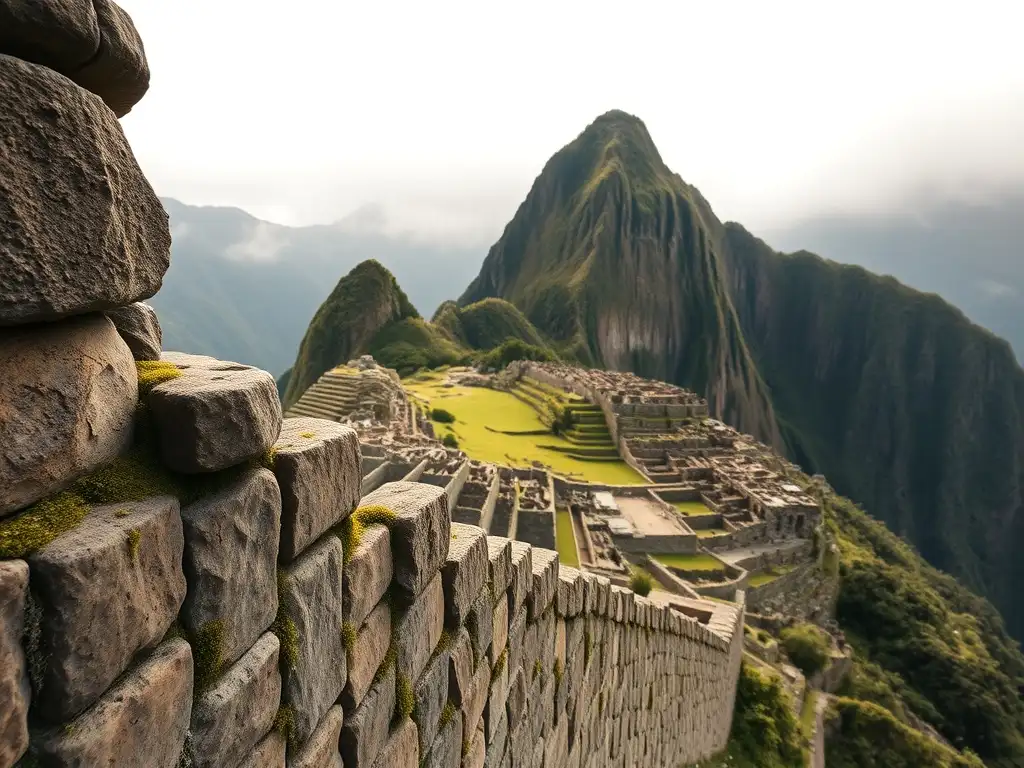
Machu Picchu's walls and gateways represent a marvel of Inca engineering. Constructed from precisely fitted stones, these walls were not merely decorative; they were robust defensive structures designed to withstand sieges. Strategic placement of gateways and narrow passages funneled attackers into chokepoints, making them vulnerable to concentrated defense. The walls themselves were often built to follow the contours of the mountain, maximizing their defensive potential.
Watchtowers and Guard Posts: Maintaining Surveillance
Strategically positioned watchtowers and guard posts provided crucial surveillance capabilities. These structures allowed Inca soldiers to monitor approaching forces and provide early warning of potential attacks. Their elevated positions offered panoramic views of the surrounding terrain, enabling the defenders to anticipate and react to threats effectively. The communication system between these outposts likely played a key role in coordinating the city's defense. The precise number and location of these watchtowers requires further research.
Inca Military Tactics and Strategies at Machu Picchu
The Inca military, renowned for its effectiveness and organization, employed sophisticated strategies to defend Machu Picchu. The city's location, high in the Andes Mountains, presented a natural defense, but the Incas augmented this with carefully planned fortifications and tactical maneuvers. Their understanding of terrain, coupled with their ability to rapidly mobilize troops, allowed them to effectively control access to the site and repel potential threats.
Evidence suggests that the Incas likely used a combination of defensive and offensive strategies, adapting their tactics depending on the nature and scale of the threat. The strategic placement of watchtowers and strategically located defensive structures allowed for early warning systems and coordinated responses.
Their knowledge of the surrounding landscape and the ability to utilize it to their advantage were crucial elements of their defense. For example, the steep, narrow paths leading to Machu Picchu would have made any attack difficult and costly for an enemy.
Inca Military Organization and Troops at Machu Picchu
While the exact number of troops permanently stationed at Machu Picchu remains uncertain, archeological findings point to a well-organized military presence. The Inca army was structured hierarchically, with experienced commanders leading units of varying sizes. These units likely consisted of both professional soldiers and conscripted citizens. Soldiers were equipped with a variety of weapons, including slings, spears, clubs, and possibly some early forms of bows and arrows.
The elite warriors, often drawn from the Inca nobility, likely occupied key defensive positions within Machu Picchu. Evidence of barracks or quarters for soldiers within the city suggests a continuous military presence, ready to respond to any threat. The organization of the troops would have been crucial in managing the defense of the complex, allowing for coordinated actions and efficient resource allocation. [Specific information pending: Number of soldiers stationed at Machu Picchu; details on barracks/quarters.]
Defensive Maneuvers and Combat Techniques
Inca military tactics emphasized mobility and adaptability. They were skilled at utilizing the terrain to their advantage, employing hit-and-run tactics to harass and weaken enemies before engaging in close-quarters combat. The narrow paths and steep slopes surrounding Machu Picchu would have been used to funnel attackers into kill zones, where they could be easily overwhelmed by the defenders.
The Inca's mastery of guerilla warfare, combined with their superior knowledge of the local environment, would have made an assault on Machu Picchu a very challenging proposition. The defensive walls and strategically placed structures were not simply static barriers; they were integral parts of a wider defensive system, designed to channel enemy movements and create chokepoints. [Specific information pending: Detailed description of specific combat techniques employed at Machu Picchu.]
Supply Lines and Logistics for the Machu Picchu Garrison
Maintaining a garrison at Machu Picchu, a remote location high in the Andes, required a sophisticated logistical system. The Incas had a well-developed network of roads and trails that connected Machu Picchu to other parts of their empire. These routes facilitated the transport of food, water, weapons, and other essential supplies.
The Inca's mastery of engineering allowed them to construct impressive infrastructure, including bridges and storehouses, which were essential for sustaining the Machu Picchu garrison. The efficient management of resources would have been crucial for the long-term defense of the site. [Specific information pending: Details about the Inca road system connecting to Machu Picchu, types of supplies transported, and evidence of storage facilities.]
The Importance of Water Management for Defense
Water management was not just essential for the survival of the Machu Picchu inhabitants but also played a crucial role in its defense. Control over water sources gave the Incas a significant strategic advantage, allowing them to restrict access to vital resources for potential attackers. The intricate system of canals, fountains, and reservoirs was not just a marvel of engineering but also a key element of the city's defense strategy.
Water Access and Control in the Inca Fortress
The Incas carefully controlled access to water sources within and around Machu Picchu. The city's location, at the confluence of several streams, provided a reliable supply of water. However, the Incas further enhanced this by constructing a network of channels and reservoirs, allowing them to regulate the flow of water and potentially redirect it to flood defensive positions or deny access to attackers. This control over water resources was a powerful tool in defending the site against siege. The ingenuity of the Inca water management system is a testament to their understanding of both engineering and military strategy.
The Role of Aqueducts in Sustaining the Machu Picchu Garrison
The aqueducts of Machu Picchu were essential for sustaining the garrison and the city's population. These impressive feats of engineering not only brought water from distant sources but also ensured a continuous supply, even during times of siege or conflict. The ability to maintain a steady flow of water, even under pressure, was a vital factor in the city's resilience and its ability to withstand prolonged attacks.
The aqueducts represent a remarkable example of the Inca's ability to integrate practical engineering with military strategy, demonstrating their foresight and planning. The maintenance of these aqueducts would have been a continuous effort, requiring significant resources and expertise, highlighting the importance of water security in the defense of Machu Picchu.
The Effectiveness of Machu Picchu's Defenses
Analyzing the Success of Inca Defensive Measures
The effectiveness of Machu Picchu's defenses is a complex issue, debated by historians and archaeologists. While the site's location, high in the Andes mountains, provided a natural defense, the effectiveness of the built fortifications is less clear-cut. The strategically placed terraces, walls, and watchtowers undoubtedly made it difficult to approach undetected. However, the relatively small number of defensive structures compared to other Inca sites like Ollantaytambo or Sacsayhuaman suggests that its primary function might not have been purely military.
The limited evidence of large-scale battles or sieges at Machu Picchu further complicates the assessment of its defensive capabilities. Analyzing the success requires careful consideration of the interplay between natural barriers, architectural features, and the specific military threats faced by the Inca. A thorough analysis needs to factor in the Inca's overall military doctrine and the specific context of Machu Picchu's purpose and function within the broader Inca empire.
Evidence of Limited Military Activity and Symbolic Role
While Machu Picchu possessed defensive features, archaeological evidence suggests limited large-scale military activity at the site. The lack of extensive damage from sieges or battles, compared to other Inca strongholds, points towards a possibly less prominent military role. The presence of sophisticated agricultural terraces, residential buildings, and ritual structures strongly suggests that Machu Picchu served as a significant administrative center, religious sanctuary, and possibly a royal estate.
This does not preclude defensive capabilities, but it suggests that defense might have been secondary to its other functions. Further research into the site's use and occupation patterns is required to fully understand the interplay between its defensive and symbolic roles. The relatively small number of weapons and other military artifacts found at the site also supports this interpretation.
The Resilience of Machu Picchu Against Potential Attacks
Despite the limited evidence of direct attacks, Machu Picchu’s design and location contributed significantly to its resilience against potential threats. The steep, rugged terrain surrounding the site made access extremely difficult, acting as a natural barrier. The strategic placement of walls and towers further enhanced the site's defensibility, channeling attackers into predetermined chokepoints where they would be vulnerable.
The combination of natural and man-made defenses likely made a successful assault extremely challenging, even for well-equipped armies. The site's elevation and remote location also made it difficult to sustain a prolonged siege. However, the precise nature of the threats faced by Machu Picchu and the extent to which its defenses successfully mitigated those threats remain subjects of ongoing scholarly debate.
Comparing Machu Picchu's Defense with Other Inca Sites
Similarities and Differences in Inca Fortification Systems
Comparing Machu Picchu's defenses with other Inca sites reveals both similarities and differences in Inca fortification strategies. Many Inca sites, including Ollantaytambo and Sacsayhuaman, featured extensive and highly sophisticated defensive systems, including massive stone walls, intricate networks of terraces, and strategically placed watchtowers. These sites often served as crucial military and administrative centers, requiring robust defenses.
Machu Picchu, while sharing some similarities in its use of stonework and terrace construction, exhibits a less overtly military character compared to these larger sites. The scale and complexity of its defensive structures are noticeably smaller. This difference suggests a variation in the intended function and strategic importance of each site within the Inca empire.
Examples of Inca Military Architecture at Ollantaytambo and Sacsayhuaman
Ollantaytambo, a significant Inca military and administrative center, displays impressive defensive architecture. Its extensive network of interconnected terraces, strategically positioned walls, and narrow passageways created a formidable defensive complex. The sheer size and strength of the stonework are awe-inspiring. Similarly, Sacsayhuaman, located near Cusco, showcases massive, precisely fitted stone walls, designed to withstand powerful attacks. Its strategically placed structures and fortifications demonstrate a high level of military engineering expertise. In contrast to these sites, Machu Picchu's defenses, while effective, appear less extensive and primarily focused on protecting a relatively smaller area.
Lessons Learned from Inca Military Strategies
The study of Inca military strategies, as exemplified by sites like Machu Picchu, Ollantaytambo, and Sacsayhuaman, offers valuable insights into ancient warfare and fortification techniques. The Inca demonstrated a mastery of stonework and an understanding of strategic positioning, utilizing both natural and man-made barriers to enhance their defenses. The integration of defensive structures into the broader landscape demonstrates a sophisticated approach to military planning.
However, the varying degrees of defensive investment across different sites also highlight the Inca's adaptability and the nuanced ways in which they tailored their defenses to the specific needs and context of each location. Analyzing these differences illuminates the complexity of Inca military thinking and the diverse roles played by different sites within their empire. Further research is needed to fully understand the subtleties of Inca military strategy and its impact on the empire's longevity and success.
The Legacy of Inca Military Ingenuity at Machu Picchu
The Inca Empire, renowned for its expansive reach and sophisticated administrative system, also possessed a formidable military capability. Machu Picchu, often perceived primarily as a royal estate or religious center, also showcases the Inca's impressive military engineering. Its strategic location, high in the Andes Mountains, provided natural defenses, but the Incas further enhanced these advantages through meticulous planning and construction of defensive structures. The sheer difficulty of access, combined with strategically placed fortifications, made Machu Picchu a nearly impregnable stronghold.
This wasn't just about brute force; the Incas understood the importance of terrain and utilized it to their advantage, a hallmark of their military prowess. The integration of defensive elements into the overall design of the city illustrates a holistic approach to security, where every structure played a role in the overall defense strategy. This sophisticated understanding of defensive architecture is a testament to Inca military ingenuity and planning.
Machu Picchu as a Symbol of Inca Power and Ingenuity
Machu Picchu served as a potent symbol of Inca power and engineering skill. Its existence, hidden high in the mountains, demonstrated the empire's ability to project power and control even in remote and challenging terrains. The city's construction itself was a feat of engineering, requiring the mobilization of significant resources and labor, highlighting the empire's organizational capabilities and its mastery of stonework.
The precision and artistry displayed in the construction of the walls, terraces, and other structures further underscored the Inca's advanced technological skills and their capacity for large-scale projects. The very existence of Machu Picchu, a strategically located and meticulously built city, served as a powerful statement of Inca dominance and technological superiority, both to its inhabitants and any potential enemies. This symbolic power is a crucial aspect of understanding Inca military strategies at Machu Picchu.
Modern Interpretations of Machu Picchu's Non-Military Functions
While Machu Picchu's defensive features are undeniable, modern interpretations often emphasize its non-military roles. Scholars now recognize the site's importance as a royal estate, a religious center, and potentially a site for agricultural experimentation. The presence of sophisticated agricultural terraces, alongside the defensive structures, suggests a dual purpose: providing food security while maintaining a strong defensive position.
This multifaceted understanding doesn't diminish the importance of Machu Picchu's defensive capabilities but rather adds nuance to our comprehension of its function. The discovery of artifacts and the ongoing archeological research continually refine our understanding of the site's diverse uses, highlighting the complex interplay between military strategy and other socio-cultural factors within the Inca Empire. The blending of military preparedness with other essential functions reflects the Incas' practical and holistic approach to urban planning.
The Continuing Study of Inca Military Architecture
The study of Inca military architecture, particularly at Machu Picchu, is a dynamic and ongoing process. New discoveries and technological advancements continually refine our understanding of Inca construction techniques and strategic thinking. Archaeological investigations continue to unearth new insights into the city's layout, revealing further details about its defensive capabilities.
Advanced imaging techniques, such as LiDAR, are providing detailed three-dimensional models of the site, allowing researchers to better understand the spatial relationships between different structures and assess their defensive roles more accurately. Furthermore, comparative studies with other Inca sites are helping to establish broader patterns in Inca military architecture and to better understand the specific context of Machu Picchu within the larger Inca military strategy. The ongoing research promises further advancements in our knowledge of Inca defense strategies and will continue to illuminate the fascinating complexities of Machu Picchu's design and function.
Frequently Asked Questions
How did the Inca defend Machu Picchu?
Machu Picchu's defense relied on a combination of natural barriers like steep cliffs and strategic placement. The Incas also constructed fortifications, including walls, watchtowers, and strategically placed buildings to control access.
What were the main features of Machu Picchu's fortifications?
Key features included terraced walls blending seamlessly with the landscape, watchtowers providing panoramic views, and narrow, winding pathways making it difficult for attackers to advance. Gateways controlled access to the citadel.
Were there any specific military strategies used to defend Machu Picchu?
The Incas likely employed guerrilla warfare tactics, utilizing the terrain to their advantage. They may have also used ambushes and rapid troop movements to repel attackers. Early warning systems through watchtowers were crucial.
How effective were the Inca's defense strategies at Machu Picchu?
While Machu Picchu was never conquered by force, its effectiveness is debated. The rugged terrain provided significant natural defense, but the limited access might have hindered quick reinforcements. The combination of natural and man-made defenses proved reasonably effective.
What evidence exists to support our understanding of Machu Picchu's defenses?
Archaeological evidence such as the remaining walls, watchtowers, and strategically placed buildings supports our understanding. Studies of the landscape and the Inca's military tactics elsewhere in the empire also inform our analysis of Machu Picchu's defenses.
Final Reflection: Echoes of Empire: Machu Picchu's Enduring Legacy of Defense
The ingenious defensive strategies employed at Machu Picchu weren't merely historical curiosities; they represent a potent testament to human ingenuity in the face of adversity, a lesson profoundly relevant in today's world. Understanding the Inca's sophisticated approach to fortification, blending natural barriers with meticulously planned architecture, offers valuable insights into effective resource management and strategic planning, principles applicable far beyond the Andes Mountains. The challenges faced by the Inca in protecting their sacred city resonate with the modern-day struggles to safeguard vulnerable sites and communities.
The enduring power of Machu Picchu lies not just in its breathtaking beauty, but in the story it tells of resilience and adaptation. The city's strategic placement, its intricate network of trails and watchtowers, and the very design of its buildings speak volumes about the Inca's understanding of both their environment and their potential enemies. This understanding, this deep connection to the land and its strategic possibilities, is a powerful reminder of the importance of environmental awareness in any form of defense. The past is never dead. It's not even past.
- William Faulkner. This quote perfectly encapsulates the ongoing relevance of studying Machu Picchu's defenses; their echoes continue to shape our understanding of strategic thinking and cultural preservation.
Consider the ingenuity of the Inca engineers, their ability to seamlessly integrate natural features into their defensive systems. Now, consider how you can apply that same principle of resourcefulness and adaptability to the challenges you face. Think about the obstacles in your own life – are there "natural barriers" you can leverage, or innovative strategies you can employ to overcome them?
Let the legacy of Machu Picchu inspire you to approach your own challenges with the same strategic brilliance and unwavering determination that characterized the Inca civilization. Embrace the lessons of the past to build a stronger, more resilient future.
Step Up to Protect Our Heritage!
Thank you for exploring the fascinating military strategies and fortifications of Machu Picchu! Your interest highlights both the ingenuity of the Inca civilization and the crucial need to preserve these monumental achievements for future generations. Now that you've learned about these remarkable defenses, here's how you can get involved:
- Join a local conservation group to help protect archaeological sites in your community. Your contribution can make a real difference!
- Share your knowledge on social media to raise awareness about the importance of preserving Machu Picchu and other significant historical sites.
- Support sustainable tourism that prioritizes the conservation of historical landmarks.
How will you contribute to protecting the world's cultural heritage?