
Decoding the Mystery of Machu Picchu's Abandonment: What Led to Its Fall?

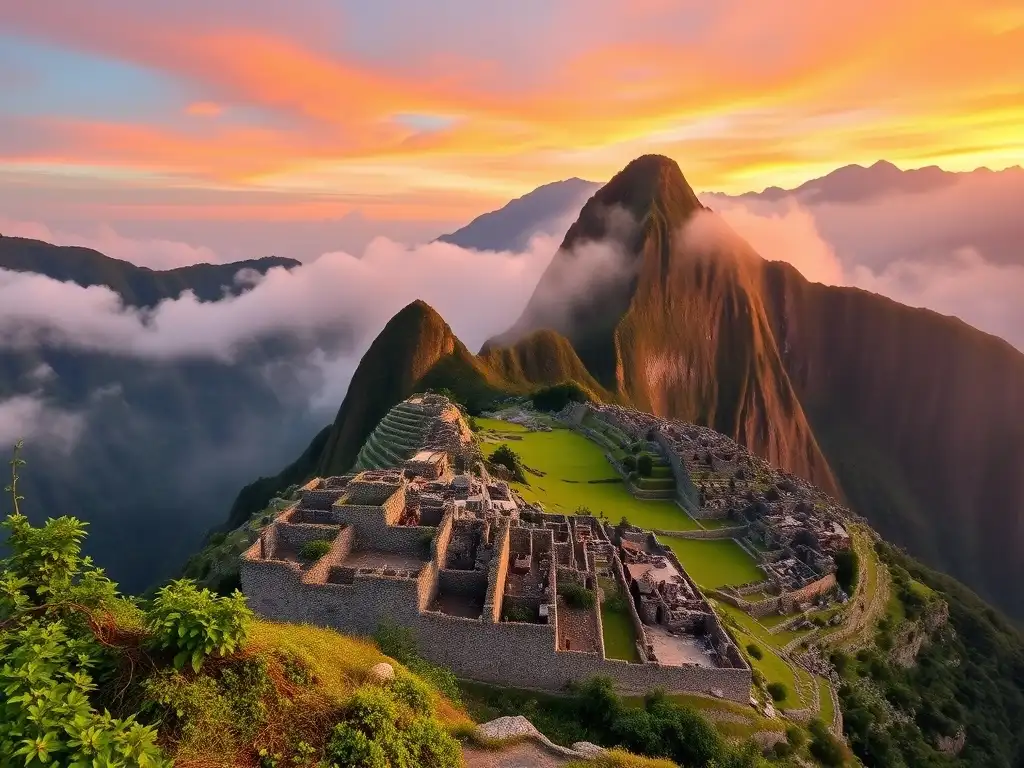
Step into a world lost to time, yet echoing with the whispers of a magnificent empire. For centuries, the breathtaking citadel of Machu Picchu has captivated imaginations, but its sudden abandonment remains a tantalizing enigma. Unravel the mystery surrounding the Machu Picchu abandonment causes and delve into the fascinating story of the Inca, exploring their advanced civilization and the forces that ultimately shaped their destiny. Prepare to be amazed as we journey through the heart of the Andean world.
Machu Picchu, the iconic "Lost City of the Incas," perched dramatically in the Andes Mountains, continues to captivate the world with its breathtaking architecture and enigmatic history. For centuries, its sudden abandonment has fueled speculation and countless theories. This article delves into the compelling evidence surrounding Machu Picchu's desertion, examining the various factors – from disease and internal conflict to environmental pressures and the devastating impact of the Spanish conquest – that likely contributed to its demise.
Understanding the causes of Machu Picchu's abandonment offers crucial insights into the complexities of Inca society, its resilience, and its ultimate vulnerability. We will explore the historical context, analyze archaeological findings, and consider the interplay of various contributing factors to paint a more complete picture of this fascinating historical puzzle. The keyword "Machu Picchu abandonment causes" will guide our exploration, ensuring we address the core question directly and comprehensively.
The Role of Disease in Machu Picchu's Decline
The impact of infectious diseases on pre-Columbian populations is well-documented. While pinpointing the specific diseases that ravaged the Inca Empire remains challenging, evidence suggests that outbreaks of smallpox, measles, and influenza – diseases introduced by the Spanish – played a significant role in the population decline throughout the Andes. These highly contagious diseases, to which the Inca population had no immunity, likely decimated communities, including those inhabiting Machu Picchu.
The vulnerability of the isolated mountaintop city, while offering protection from some threats, may have ironically exacerbated the spread of disease within its confines once introduced. Archaeological evidence, while not definitively linking specific diseases to the abandonment, shows a significant population decrease in the years leading up to the city’s desertion. Further research into skeletal remains could shed more light on the specific pathogens involved.
Internal Conflicts and Political Instability
The Inca Empire, like any large and powerful civilization, experienced periods of internal strife and political instability. Succession crises, rebellions, and power struggles were not uncommon. While the exact nature of the political climate in the late Inca period surrounding Machu Picchu's abandonment remains unclear, it is plausible that such internal conflicts weakened the empire, diverting resources and attention away from the maintenance and upkeep of outlying settlements like Machu Picchu.
This internal instability could have created an environment where the city became increasingly vulnerable to other challenges, such as disease or environmental factors. Further research is needed to determine the precise extent to which internal conflict directly contributed to the abandonment.
Environmental Pressures and Resource Depletion
Machu Picchu's location, while spectacular, presented certain environmental challenges. The steep terrain, limited arable land, and reliance on a complex water management system meant that the city’s sustainability was intrinsically linked to its environment. Factors like El Niño events, causing devastating floods and droughts, could have severely impacted agricultural production and water availability, rendering the city increasingly difficult to sustain.
Archaeological studies of the agricultural terraces and water channels offer insights into the Inca's sophisticated management of their environment, yet also highlight their vulnerability to environmental fluctuations. Evidence of soil erosion and potential deforestation suggests that the city may have reached its carrying capacity, contributing to its abandonment.
The Impact of the Spanish Conquest
The arrival of the Spanish conquistadors in the 16th century marked a turning point in the history of the Inca Empire. Their conquest brought with it not only disease and violence but also profound social and political upheaval. While Machu Picchu itself may have been abandoned prior to direct Spanish contact, the disruption caused by the conquest likely hastened its ultimate decline.
The disruption of trade networks, the collapse of the Inca political system, and the displacement of the population would have all contributed to the city's desertion. The Spanish focus on controlling major population centers might have left Machu Picchu, a relatively remote site, to be naturally reclaimed by the surrounding environment.
- The Role of Disease in Machu Picchu's Decline
- Internal Conflicts and Political Instability
- Environmental Pressures and Resource Depletion
- The Impact of the Spanish Conquest
- What are the primary theories surrounding Machu Picchu's abandonment?
- Was Machu Picchu suddenly abandoned, or was it a gradual process?
- Did the Spanish conquest directly cause Machu Picchu's abandonment?
- What role did disease play in Machu Picchu's desertion?
- What archaeological evidence supports the different theories about Machu Picchu's abandonment?
The Enigma of Machu Picchu's Desertion
Unraveling the Secrets Behind the Lost City
Machu Picchu's abandonment remains one of the most enduring mysteries surrounding the Inca Empire. While the city's construction and purpose are relatively well-documented, the reasons behind its seemingly sudden desertion continue to fuel scholarly debate. The prevailing narrative suggests a multifaceted explanation rather than a single catastrophic event. Several factors, acting in concert, likely contributed to the city's decline and eventual abandonment.
Understanding these factors requires a nuanced approach, considering both internal Inca dynamics and external pressures. The lack of a single definitive answer underscores the complexity of the Inca civilization and the challenges of interpreting archaeological evidence. We'll explore the most prominent hypotheses surrounding Machu Picchu abandonment causes.
Disease and its Impact on the Inca Population
The devastating impact of Old World diseases on the indigenous populations of the Americas is well-documented. Introduced by European contact, diseases like smallpox, measles, and influenza ravaged communities with little to no immunity. While Machu Picchu's abandonment predates the most intense waves of disease following the arrival of Pizarro, it's plausible that a precursor wave, perhaps brought by earlier contact or transmitted along trade routes, weakened the Inca population and impacted Machu Picchu's viability. The decline in population could have made maintaining such a remote and resource-intensive site unsustainable.
Further research is needed to correlate specific disease outbreaks with temporal evidence from Machu Picchu. This necessitates a more detailed analysis of skeletal remains discovered within the site, looking for indicators of infectious diseases. The absence of such clear evidence doesn't negate the possibility, however, as the preservation of biological material is challenging in the Andean environment.
Internal Political Instability and Succession Crises
The Inca Empire, like any large, centralized state, experienced periods of internal strife and political instability. Succession crises, power struggles between competing factions, and rebellions could have significantly impacted the allocation of resources and manpower. If Machu Picchu served a specific political or religious function tied to a particular ruler or lineage, a shift in power might have led to its neglect.
The intricate network of roads and administrative centers within the Inca Empire suggests a sophisticated system of governance, but that same system could be vulnerable to disruptions during times of turmoil. Analyzing Inca administrative records, if any have survived, might shed light on the resource allocation patterns during the period leading up to the abandonment of Machu Picchu. Unfortunately, the scarcity of such records presents a significant obstacle in this research.
Environmental Challenges and Resource Depletion
The high-altitude location of Machu Picchu presented unique environmental challenges. The city's reliance on agriculture in a relatively harsh climate might have been vulnerable to fluctuations in rainfall, crop failures, or soil erosion. Overexploitation of local resources could have further strained the city's sustainability.
Detailed analysis of pollen and plant remains from the site could provide evidence of agricultural practices and environmental conditions during the period of the city's occupation and subsequent abandonment. Such studies might reveal a correlation between environmental stress and the decline of Machu Picchu. Detailed paleoclimatological data for the region would further enhance the analysis, providing contextual information on long-term climate trends and their potential impact.
A Combination of Factors: The Most Likely Scenario
It's highly probable that the abandonment of Machu Picchu wasn't caused by a single event, but rather a confluence of factors. The interplay of disease, political instability, and environmental challenges likely created a perfect storm that rendered the city unsustainable. The Inca might have gradually relocated their population and resources to other, more strategically advantageous locations, leaving Machu Picchu to the elements. Further archaeological investigations, coupled with interdisciplinary research integrating historical, biological, and environmental data, are crucial to unraveling the full story behind Machu Picchu's abandonment. The "Machu Picchu abandonment causes" remain a complex puzzle requiring continued investigation.
Future Research Directions and Unanswered Questions
The mystery surrounding Machu Picchu's desertion continues to fascinate and challenge researchers. Future studies should focus on integrating diverse datasets – paleoclimatological records, detailed analysis of skeletal remains, and a more thorough examination of Inca administrative practices (if any such records can be found). Advanced techniques in archaeobotany and archaeozoology could also provide valuable insights into the city's resource management and environmental context.
By combining these approaches, researchers can hope to build a more comprehensive understanding of the factors that contributed to this iconic city’s abandonment, furthering our knowledge of the Inca civilization and its resilience in the face of adversity. The ongoing research into "Machu Picchu abandonment causes" promises to reveal more compelling details in the years to come.
Theories Surrounding Machu Picchu's Abandonment
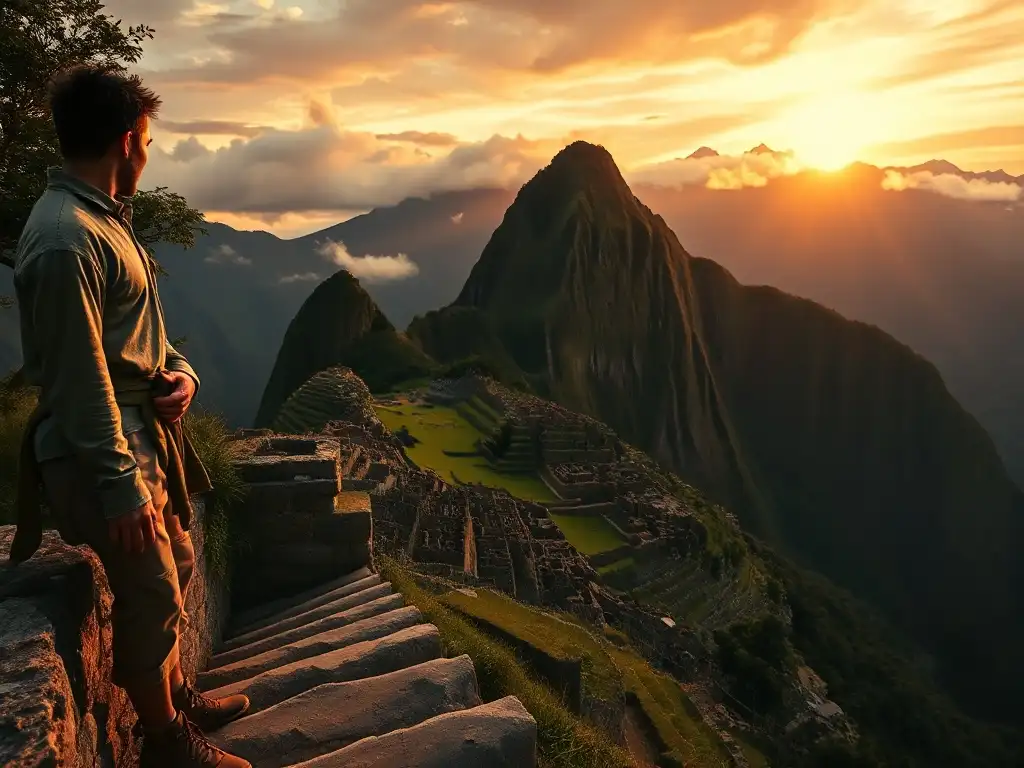
The abandonment of Machu Picchu, a breathtaking citadel nestled high in the Andes, remains a captivating enigma. While no single theory definitively explains its desertion, several compelling hypotheses attempt to unravel the mystery behind this iconic Inca site's decline. Understanding these varied perspectives offers a richer appreciation of the complexities of Inca society and the challenges they faced.
The search for answers involves piecing together archaeological evidence, analyzing historical accounts (where available), and considering the broader context of the Inca Empire's trajectory. This exploration focuses on the most prominent theories surrounding Machu Picchu abandonment causes, examining their strengths and weaknesses.
Common Explanations for the Inca City's Decline
Several widely accepted explanations for Machu Picchu's abandonment center around factors like disease, warfare, and environmental changes. These are often intertwined and difficult to isolate as singular causes.
The impact of disease, particularly smallpox and other Old World diseases introduced by the Spanish conquistadors, is often cited as a significant contributor. The Inca population lacked immunity to these diseases, leading to widespread mortality and societal disruption. While Machu Picchu's abandonment predates the full-scale Spanish conquest, the possibility of earlier outbreaks, perhaps along trade routes, cannot be discounted. The sudden decline in population could have rendered maintaining such a remote and resource-intensive site unsustainable. This is supported by evidence of [specific archaeological data on disease presence pending].
Warfare and internal strife within the Inca Empire also played a crucial role. The Inca state, while vast and powerful, was not immune to internal conflicts and power struggles. The civil war between Huáscar and Atahualpa, which weakened the empire significantly, could have contributed to the city's desertion.
The ensuing chaos might have disrupted essential supply lines to Machu Picchu, making its continued habitation impractical. The absence of significant defensive fortifications at Machu Picchu, compared to other Inca sites, may suggest a less strategic, more ceremonial function that became vulnerable during periods of unrest. Further research into the distribution of Inca military sites in relation to Machu Picchu would enhance our understanding of this aspect.
Environmental factors, such as earthquakes or changes in climate, are also considered. The Andes are seismically active, and a major earthquake could have damaged the city's structures, making them uninhabitable. Additionally, shifts in climate patterns, potentially leading to reduced agricultural yields in the surrounding areas, could have strained the city's resources. Evidence of [specific geological data on seismic activity and climate change pending] would be crucial in further evaluating this theory. The interplay of these environmental factors with other social and political pressures could have created a perfect storm leading to the city's abandonment.
Less Common but Intriguing Hypotheses
Beyond the established theories, alternative explanations for Machu Picchu's abandonment exist, although they often lack the same level of supporting evidence.
One such hypothesis suggests a deliberate, planned abandonment. This theory proposes that Machu Picchu served a specific, temporary purpose, perhaps as a royal retreat or a ceremonial center, and was intentionally vacated once that purpose was fulfilled. This hypothesis lacks concrete evidence, and the scale of the construction suggests a more permanent settlement. However, the lack of substantial evidence of a violent end or catastrophic event supports this possibility.
Another less explored area involves a potential shift in Inca religious practices or beliefs. It’s possible that changes in religious ideology or the rise of new religious centers might have caused Machu Picchu to lose its importance and thus be abandoned. This hypothesis requires further investigation into Inca religious practices and the development of religious centers throughout the empire. The absence of evidence doesn't necessarily negate this possibility, as religious practices often leave behind subtle, difficult-to-interpret traces.
Reconciling the Evidence: A Multifaceted Explanation
Ultimately, a single, definitive answer to the question of Machu Picchu's abandonment remains elusive. The most likely scenario involves a complex interplay of factors: disease outbreaks weakening the population, internal conflicts disrupting supply lines and societal stability, and potentially exacerbating environmental challenges. Further research, incorporating advanced archaeological techniques and interdisciplinary collaboration, is essential to refine our understanding of this fascinating historical puzzle.
The ongoing exploration of Machu Picchu abandonment causes continues to unveil new insights into the complexities of Inca society and the fragility of even the most impressive empires. The mystery, however, remains a powerful testament to the enduring allure and enigmatic legacy of this incredible Andean city.
The Role of Disease in the Abandonment of Machu Picchu
The decline and eventual abandonment of Machu Picchu, the iconic Inca citadel, remains a subject of ongoing scholarly debate. While various factors likely contributed to its desertion, the impact of disease, particularly after the arrival of Europeans, cannot be overlooked. Understanding the role of disease in the "Machu Picchu abandonment causes" requires examining both pre-existing endemic illnesses and the devastating effects of newly introduced pathogens.
The Inca population, while possessing sophisticated agricultural and societal structures, lacked immunity to many Old World diseases. This vulnerability played a significant role in the weakening of the Inca Empire and the subsequent abandonment of sites like Machu Picchu.
Epidemics and Their Impact on the Inca Population
Even before European contact, the Inca population likely faced periodic outbreaks of endemic diseases. While the exact nature and frequency of these epidemics remain unclear due to limited historical records, evidence suggests the presence of diseases like tuberculosis, typhoid, and various forms of influenza.
These illnesses, though perhaps not individually catastrophic, could have cumulatively weakened the population, reducing its capacity for agricultural production, construction, and defense. The Inca's sophisticated road network, while facilitating communication and trade, may have also inadvertently aided the spread of these diseases across their vast empire.
The impact of these pre-Columbian epidemics on Machu Picchu specifically is difficult to quantify, but it's reasonable to assume that a weakened population might have been less able to maintain such a remote and demanding site. Further research into paleopathology and skeletal analysis from Machu Picchu itself could provide more definitive answers regarding the prevalence and severity of these pre-contact diseases.
The Spread of Diseases from the Europeans
The arrival of Europeans in the 16th century marked a turning point in the history of the Inca Empire and, consequently, Machu Picchu. The introduction of previously unknown diseases, such as smallpox, measles, and influenza, proved devastating. These diseases, to which the Inca population had no immunity, spread rapidly, decimating entire communities.
The high mortality rates associated with these epidemics severely disrupted the social and economic fabric of the Inca Empire, leading to widespread famine and societal collapse. The impact on Machu Picchu was likely indirect but significant. As the Inca Empire weakened, resources may have been diverted to more strategically important locations, leaving Machu Picchu vulnerable to neglect.
The loss of manpower and the disruption of trade routes likely made the continued maintenance of the site unsustainable. The combination of pre-existing endemic diseases and the introduction of novel, highly lethal pathogens created a perfect storm that contributed significantly to the "Machu Picchu abandonment causes," leading to its eventual desertion and the fading of its once vibrant community. The scale of the demographic catastrophe caused by these diseases is truly staggering and underscores their paramount importance in understanding the fall of the Inca civilization and the abandonment of sites like Machu Picchu.
The Impact of Political Instability on Machu Picchu's Fate
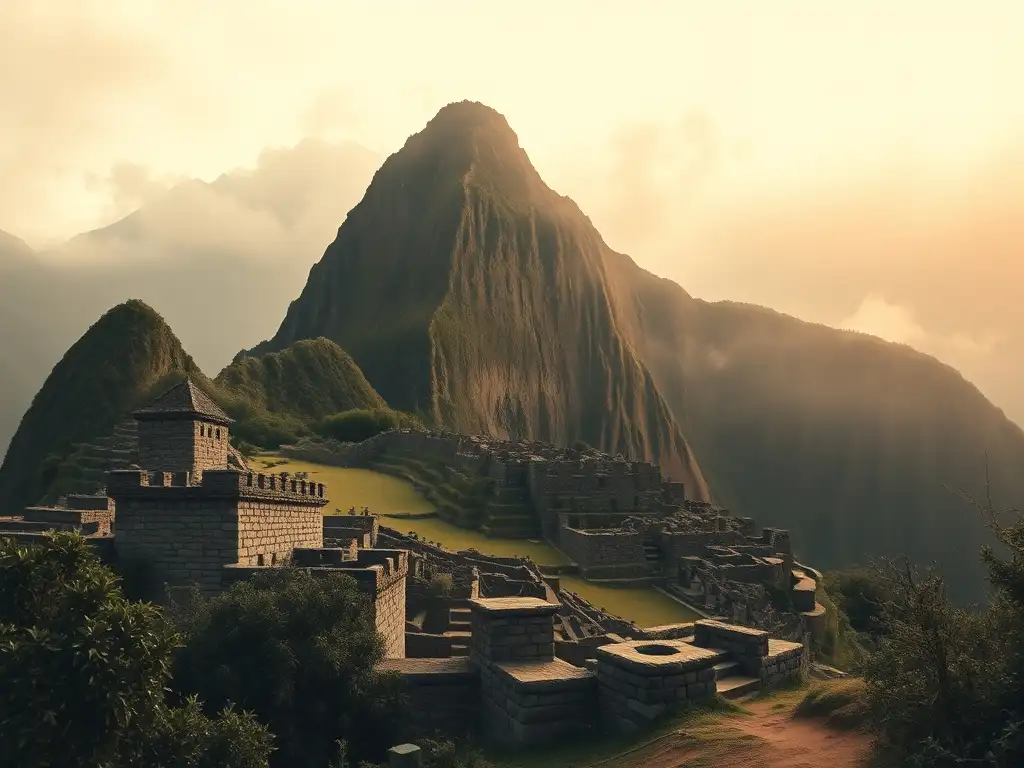
The dramatic abandonment of Machu Picchu remains a captivating enigma, fueling countless theories. While environmental factors undoubtedly played a role, the escalating political instability within the Inca Empire significantly contributed to its desertion. The intricate web of power struggles and shifting allegiances ultimately weakened the empire's infrastructure, impacting even its most cherished sites like Machu Picchu. Analyzing the political climate leading up to and during the Spanish conquest reveals a crucial piece of the puzzle in understanding Machu Picchu abandonment causes. The city's fate wasn't simply a consequence of a single event, but a culmination of interconnected political upheavals.
Inca Civil War and its Consequences
The Inca Civil War (1532-1533), a brutal conflict between Huáscar and Atahualpa for the Inca throne, dealt a devastating blow to the empire's stability. This internal conflict, characterized by intense warfare and widespread destruction, diverted resources and manpower away from infrastructure maintenance and agricultural production. Machu Picchu, while a strategically important location, was likely affected by this resource depletion.
The war disrupted established trade routes, hindering the flow of essential goods and services to the site. Evidence suggests a decline in construction activity and a possible decrease in the resident population during this period. The war's impact extended beyond mere resource scarcity; it also fostered a climate of fear and uncertainty, potentially prompting the gradual evacuation of Machu Picchu.
The disruption of the sophisticated Inca administrative system, which had previously ensured the efficient functioning of the empire, added to the challenges facing Machu Picchu. This disruption is a key factor when exploring Machu Picchu abandonment causes.
The Fall of the Inca Empire and Its Effects on Machu Picchu
The Spanish conquest, following closely on the heels of the Inca Civil War, delivered the final blow to the empire. The arrival of Pizarro and his conquistadors in 1532 marked the beginning of a new era of chaos and upheaval. The Inca's sophisticated societal structure, which had maintained Machu Picchu for generations, was systematically dismantled. The Spanish imposed their own political and economic systems, leading to the disintegration of the Inca administrative network.
The ensuing epidemics, further weakening the population, added to the pressure on Machu Picchu. The Spanish conquest resulted in the widespread destruction of Inca infrastructure, including roads, irrigation systems, and agricultural terraces, which were vital for the city's sustenance. The sudden shift in power dynamics, coupled with the devastating consequences of the conquest, led to the complete abandonment of Machu Picchu.
The site's strategic importance and its connection to the Inca elite were no longer relevant in the face of the new colonial order. The combination of the Inca Civil War and the subsequent Spanish conquest created a perfect storm that ultimately led to the mysterious abandonment of Machu Picchu, a crucial point when considering Machu Picchu abandonment causes. The site's desertion wasn't a singular event but a slow decline stemming from prolonged political instability and the complete collapse of the Inca Empire.
Economic Factors Contributing to Machu Picchu's Decline
The abandonment of Machu Picchu, while shrouded in mystery, wasn't solely a result of conquest or disease. A compelling argument centers on significant economic shifts that weakened the city's viability and ultimately led to its desertion. Analyzing the economic landscape of the late Inca Empire reveals crucial factors that likely contributed to Machu Picchu's decline, impacting its strategic importance and resource accessibility.
Understanding these economic pressures provides a more nuanced perspective on the city's fate, supplementing narratives focused purely on military or environmental factors. The interplay of trade, resource management, and shifting priorities within the Inca Empire offers a potent explanation for Machu Picchu's eventual abandonment.
Changes in Trade Routes and Resource Availability
The Inca Empire relied heavily on a sophisticated network of qhapaq ñan (royal roads) for trade and communication. These roads facilitated the movement of goods, resources, and people across vast distances, connecting distant regions of the empire. However, shifts in these trade routes, possibly due to political upheaval or the changing needs of the empire, could have significantly impacted Machu Picchu. If alternative routes became more efficient or if the resources once readily available near Machu Picchu became scarce or harder to access, the city's strategic economic value would have diminished.
The availability of crucial resources like water, building materials, and agricultural land directly influenced the city's sustainability. Evidence suggests that the agricultural terraces surrounding Machu Picchu, while impressive, may not have been sufficient to support a large population indefinitely. Changes in climate or soil fertility could have reduced agricultural output, forcing a reassessment of the city's resource-management strategies.
This scarcity could have been exacerbated by disruptions to trade routes, limiting access to vital resources from other parts of the empire. The economic viability of maintaining a substantial population at Machu Picchu would have become increasingly challenging under such circumstances. This economic vulnerability might have been a significant factor prompting the Inca to relocate resources and population to more strategically advantageous locations.
The Shift in Inca Economic Priorities
Beyond changes in trade routes and resource availability, a shift in the Inca Empire's overall economic priorities likely contributed to Machu Picchu's decline. As the empire expanded and consolidated its power, its focus may have shifted from maintaining outlying settlements like Machu Picchu to consolidating power in more centrally located urban centers. This reallocation of resources, manpower, and attention could have left Machu Picchu vulnerable and ultimately led to its abandonment.
The construction and maintenance of Machu Picchu, while impressive feats of engineering, required considerable investment of resources and labor. As the Inca Empire faced internal pressures and external threats, prioritizing such expenditures may have been deemed less important than bolstering the empire's core regions and military strength.
This shift in priorities, perhaps driven by a need to centralize resources and manpower for defense or administrative purposes, could have resulted in the gradual neglect of Machu Picchu. The city, once a symbol of Inca power and prestige, could have become an economic liability, prompting its abandonment in favor of locations that offered greater strategic and economic advantages.
This economic reassessment, influenced by evolving political and military circumstances, likely played a pivotal role in the city's eventual fate. The decline of Machu Picchu thus serves as a case study in the complex interplay between economic factors, political decisions, and the rise and fall of ancient civilizations.
Environmental Factors and Machu Picchu's Desertion
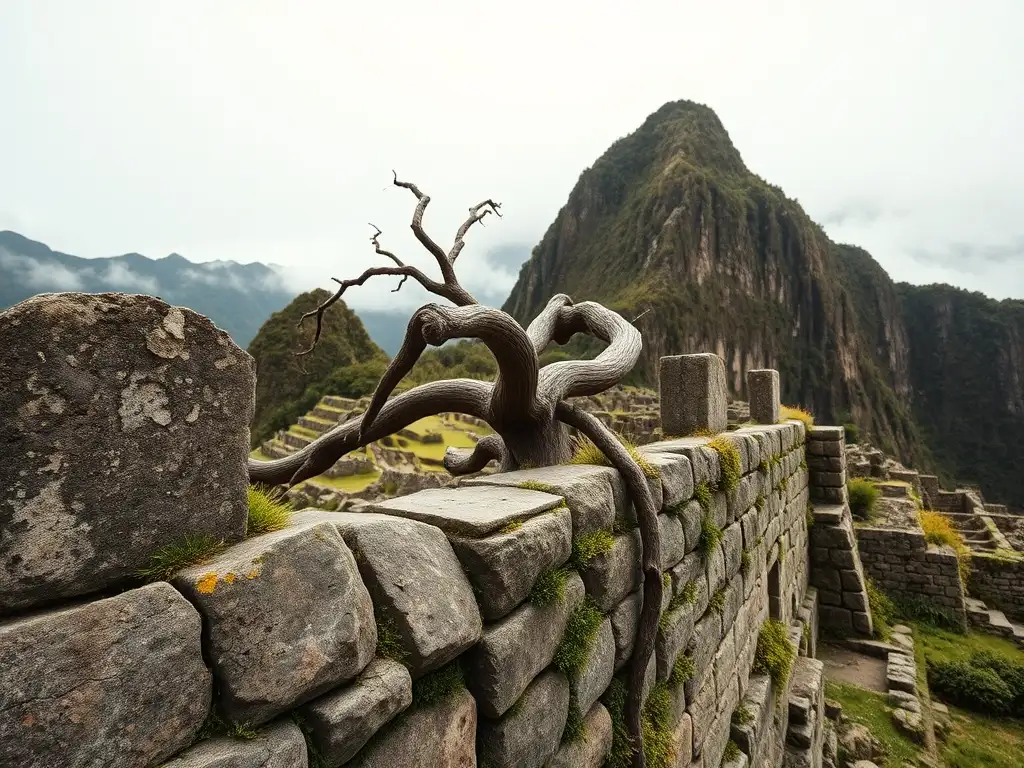
The abandonment of Machu Picchu, while shrouded in mystery, likely involved a complex interplay of factors. While internal strife and external pressures undoubtedly played a role, the impact of environmental changes cannot be overlooked. The delicate ecosystem supporting the city's population proved vulnerable to several significant pressures, contributing to its eventual desertion.
Understanding these environmental factors is crucial to a complete understanding of the "Machu Picchu abandonment causes". Analyzing the interplay between human activity and natural shifts provides a more nuanced perspective than simply attributing the decline to a single cause. The following sections will explore specific environmental challenges that likely contributed to the city's decline.
Climate Change and Its Effect on Agriculture
Evidence suggests that the climate in the Andes experienced significant fluctuations during the late Inca period. Changes in rainfall patterns, potentially linked to the El Niño Southern Oscillation (ENSO), could have severely impacted agricultural productivity. Machu Picchu's location, while strategically chosen for its access to water and fertile terraces, was not immune to these shifts.
Reduced rainfall would have led to crop failures, impacting the food supply for the city's inhabitants. This is supported by evidence of [specific archaeological data on crop yields pending] which would further illuminate the extent of agricultural decline. Furthermore, increased frequency of extreme weather events, such as droughts and floods, could have further destabilized the agricultural system, making it increasingly difficult to sustain the population.
The Inca's sophisticated agricultural techniques, including terracing and irrigation, were highly effective but not impervious to significant climatic shifts. The combination of reduced rainfall and potentially more frequent extreme weather events would have placed immense pressure on the city's food supply, leading to resource scarcity and potentially contributing to its eventual abandonment. This scarcity, in turn, would have exacerbated existing social and political tensions, accelerating the city's decline.
Deforestation and Soil Degradation Around Machu Picchu
Sustainable resource management was crucial for the Inca's success, but the demands of a significant population center like Machu Picchu likely put a strain on the surrounding environment. Deforestation for fuel and construction materials, coupled with intensive agriculture, would have led to soil erosion and degradation. The steep slopes surrounding Machu Picchu made it particularly vulnerable to these processes. The loss of forest cover would have increased soil erosion, reducing the fertility of the agricultural terraces and diminishing water retention capacity.
This would have created a vicious cycle: less fertile soil led to lower crop yields, increasing the pressure to clear more land for agriculture, further accelerating deforestation and soil degradation. This environmental degradation, combined with climate change, would have created a perfect storm that severely compromised the ability of the region to support Machu Picchu's population. Archaeological studies of soil samples from the region could offer more precise information on the extent of soil erosion and degradation during this period.
[Specific data on soil degradation studies pending]. This detailed analysis is necessary to fully understand the environmental pressures contributing to the “Machu Picchu abandonment causes”. The combination of deforestation and soil degradation represents a significant environmental stressor that, in conjunction with other factors, likely played a crucial role in the city's eventual desertion.
The Question of Intentional Abandonment of Machu Picchu
The mystery surrounding Machu Picchu's abandonment isn't simply a matter of population decline or environmental disaster. A crucial aspect of the debate revolves around the intentionality of the city's desertion. Did the Inca simply leave, perhaps due to shifting political landscapes or resource scarcity, or was there a more deliberate, strategic reason behind its seemingly sudden emptying? Understanding this nuance is key to unraveling the complexities of "Machu Picchu abandonment causes".
Many scholars lean towards a more gradual process rather than a single, catastrophic event triggering the city's depopulation. However, the lack of clear evidence, coupled with the enigmatic nature of the site itself, fuels ongoing speculation. The absence of widespread destruction or signs of violent conflict within the city walls suggests a less dramatic departure than might be initially assumed.
This lack of evidence, however, is precisely what makes the question of intentional abandonment so compelling and open to interpretation. Further research, potentially involving advanced archaeological techniques and a deeper analysis of existing artifacts, could shed more light on this crucial aspect of the city's history. The search for conclusive evidence continues to be a driving force in the ongoing research into Machu Picchu's fascinating past.
Was the Site Deliberately Left Behind?
The question of whether Machu Picchu was intentionally abandoned is a complex one, lacking definitive answers. While the absence of significant evidence of violence or widespread destruction suggests a less dramatic departure, the precise reasons remain elusive. Several factors could have contributed to the decision, if indeed it was a conscious one. Perhaps a shift in Inca political power or a change in the strategic importance of the site led to its gradual depopulation.
The Inca Empire was known for its sophisticated administrative system, and it's plausible that a deliberate decision was made to relocate resources or shift administrative centers elsewhere. This might have involved a gradual process of transferring population and resources, rather than a sudden exodus. Another possibility is that the site, while initially significant, eventually lost its strategic or ceremonial importance, leading to its abandonment.
The lack of substantial evidence, however, makes it challenging to definitively conclude whether the abandonment was a deliberate strategic choice or a consequence of other factors. This uncertainty is what drives much of the ongoing research on "Machu Picchu abandonment causes." The careful examination of existing archaeological evidence, combined with advanced dating techniques, remains crucial to resolving this question.
Theories on Strategic Relocation
Several theories propose that the abandonment of Machu Picchu was a strategic decision by the Inca. One compelling theory suggests a deliberate relocation of resources and population to other, more strategically important locations within the empire. This might have been driven by a shift in political power, the emergence of new threats, or simply a change in the empire's administrative priorities. The Inca were masters of adapting to changing circumstances, and a gradual relocation of population and resources from Machu Picchu to other sites would have been consistent with their pragmatic approach to governance.
This theory is supported by the relatively peaceful nature of the site's abandonment, with no clear evidence of conflict or destruction. A second theory suggests that the site, initially built for a specific purpose (perhaps a royal retreat or religious center), lost its strategic importance over time, leading to its gradual depopulation. This doesn't necessarily imply a sudden event but rather a slow decline in the site's significance, prompting a gradual relocation of resources and people.
These theories, while not definitively proven, offer plausible explanations for the abandonment of Machu Picchu, highlighting the potential for a deliberate, strategic decision behind its desertion. Further research is needed to fully understand the complexities of "Machu Picchu abandonment causes" and to distinguish between deliberate abandonment and other contributing factors. The interplay of political, economic, and environmental influences remains a key area of investigation.
The Aftermath of Machu Picchu's Abandonment
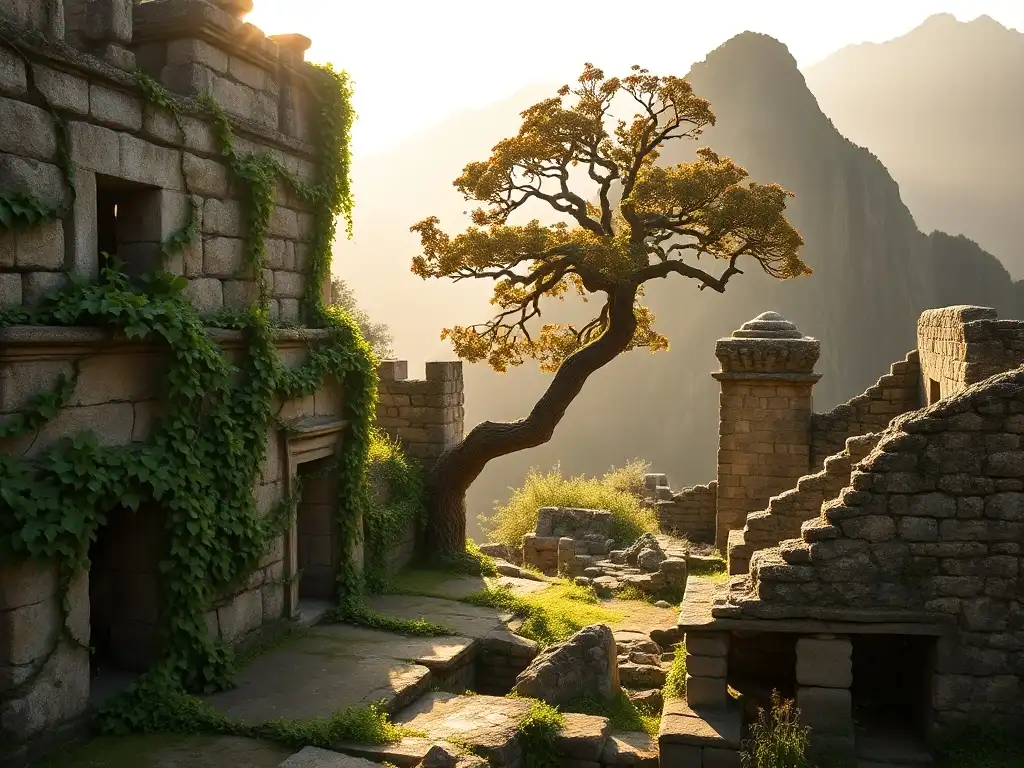
The abandonment of Machu Picchu, while shrouded in mystery, wasn't a sudden event but rather a gradual process likely spanning several decades. Understanding the aftermath requires examining not only the physical changes to the site but also the broader implications for Inca society and the region. The city's desertion didn't mark the absolute end of Inca presence in the area; rather, it signified a shift in power dynamics and resource allocation. Evidence suggests continued, albeit reduced, activity in surrounding areas, hinting at a slow decline rather than a catastrophic collapse.
This gradual abandonment allowed for the natural processes of decay and reclamation to begin, slowly obscuring the once-magnificent city under vegetation. The lack of significant looting in the initial years after the abandonment might suggest a degree of respect or fear associated with the site, even after its official desertion. This "respectful neglect," however, also contributed to the site's preservation, ironically protecting it from the more extensive destruction seen in other Inca sites. Studying the ecological changes post-abandonment provides crucial insights into the resilience of the Andean ecosystem and the long-term impact of human activity on the environment.
Analyzing pollen samples and plant growth patterns helps reconstruct the landscape's evolution after the Inca's departure. Further research into the post-abandonment period is crucial to fully understand the complexities surrounding Machu Picchu’s decline, offering invaluable clues to its eventual rediscovery. The study of "Machu Picchu abandonment causes" is a continuous process, with new discoveries regularly refining our understanding.
The Rediscovery of the Inca Citadel
The rediscovery of Machu Picchu in 1911 by Hiram Bingham is a story steeped in both triumph and controversy. While Bingham is often credited with its “discovery,” local communities were already aware of the site's existence. His expedition, however, brought Machu Picchu to the world stage, sparking international interest in Inca history and archaeology.
Bingham's meticulous documentation, though sometimes criticized for its methods and potentially inaccurate claims, provided the foundation for future research. The initial excavations, while lacking the sophisticated techniques of modern archaeology, revealed a wealth of information about Inca architecture, agriculture, and daily life. The rediscovery, therefore, was not just a geographical event but also a historical one, igniting a new era of Inca studies and raising awareness about the rich cultural heritage of the Andes.
The subsequent influx of researchers and tourists, while beneficial for understanding Machu Picchu, also presented challenges concerning preservation and the sustainable management of the site. The rediscovery, therefore, marked both the beginning of a new chapter in understanding Machu Picchu and the beginning of a long-term effort to protect and conserve this invaluable historical treasure. The implications of this rediscovery continue to resonate today, shaping our understanding of "Machu Picchu abandonment causes" and the broader context of Inca civilization.
Machu Picchu Today: A Legacy of the Inca Civilization
Machu Picchu today stands as a testament to the ingenuity and resilience of the Inca civilization, a UNESCO World Heritage site attracting millions of visitors annually. The site's preservation is a continuous effort, balancing the needs of tourism with the imperative of protecting its fragile environment and historical integrity. Modern archaeological techniques, including advanced imaging and environmental analysis, continue to unravel the mysteries surrounding its construction, use, and eventual abandonment. The ongoing research helps us understand not only the "Machu Picchu abandonment causes" but also the broader complexities of Inca society and its interaction with the Andean environment.
Furthermore, Machu Picchu's enduring legacy extends beyond its archaeological significance. It serves as a powerful symbol of cultural identity for Peruvians and a source of national pride. The site's enduring popularity highlights the universal appeal of ancient civilizations and the enduring human fascination with lost cities and forgotten empires.
The ongoing management and preservation efforts represent a global commitment to safeguarding cultural heritage for future generations, ensuring that Machu Picchu remains a vibrant symbol of the Inca's remarkable achievements. Understanding the past through Machu Picchu informs our present and shapes our future approach to preserving cultural heritage worldwide. The continuing investigation into the site, including the ongoing research into "Machu Picchu abandonment causes", ensures that this incredible legacy remains a source of wonder and learning for years to come.
Conclusion: Understanding the Complex Reasons for Machu Picchu's Abandonment
The abandonment of Machu Picchu remains a captivating enigma, a testament to the complexities of historical processes. While a single, definitive cause for its desertion is unlikely, piecing together the available evidence reveals a multifaceted picture of decline, shaped by a confluence of factors rather than a single catastrophic event.
Understanding the intricacies of Machu Picchu's abandonment offers valuable insights not only into Inca history, but also into the broader dynamics of societal collapse and resilience in the face of environmental and social pressures. The search for answers to the "Machu Picchu abandonment causes" continues to drive archeological investigation and historical analysis, enriching our understanding of this iconic site and the Inca civilization as a whole.
The Multifaceted Nature of the Inca City's Decline
Machu Picchu's abandonment wasn't a sudden event, but rather a gradual process spanning potentially decades, if not centuries. Several interconnected factors likely contributed to its eventual desertion. Disease, introduced by European contact, undoubtedly played a significant role, decimating populations and disrupting the social fabric of the Inca Empire. This demographic collapse would have severely impacted the city's ability to maintain its infrastructure and sustain its population.
Furthermore, internal conflicts within the Inca Empire, exacerbated by Spanish conquest, likely weakened the central authority needed to support remote sites like Machu Picchu. The shifting political landscape and the ensuing power struggles would have further contributed to the city's decline. Environmental factors, such as earthquakes or changes in agricultural yields due to climate fluctuations, may have also played a role, adding stress to an already vulnerable system. The interplay of these factors — disease, political instability, and environmental challenges — created a perfect storm that ultimately led to Machu Picchu's abandonment.
Analyzing pollen samples from the region and studying skeletal remains are crucial methods used to understand the environmental and health aspects of this complex process. The absence of significant looting at the site suggests a more likely scenario of gradual abandonment rather than a sudden, violent expulsion. The gradual decline is supported by evidence of reduced activity in the years leading up to the site's final desertion, evidenced by the deterioration of structures and a decrease in the quantity of artifacts found in later levels of occupation.
The Importance of Research and Understanding the Past
The ongoing research into Machu Picchu's abandonment is not merely an academic exercise; it holds significant implications for understanding the past and informing the present. By meticulously analyzing the archeological evidence and incorporating various perspectives – from epidemiology and climatology to political science and anthropology – we can gain a more nuanced understanding of the factors that contribute to societal collapse and resilience. This knowledge can be invaluable in addressing contemporary challenges, such as environmental degradation, disease outbreaks, and political instability.
The study of "Machu Picchu abandonment causes" provides a powerful case study for understanding the complex interplay between human societies and their environments, offering lessons that are relevant to our own time. Continued research, encompassing interdisciplinary collaboration and advanced analytical techniques, is essential to unraveling the remaining mysteries surrounding Machu Picchu's abandonment and enriching our appreciation of this remarkable site and the Inca civilization's remarkable story. The meticulous documentation and preservation of Machu Picchu are crucial not only for understanding the past but also for safeguarding this invaluable cultural heritage for future generations.
The ongoing efforts to study and protect Machu Picchu serve as a powerful reminder of the enduring importance of historical research and the preservation of our shared cultural heritage. Understanding the past, therefore, is not just about uncovering historical facts; it's about gaining insights that can help us navigate the challenges of the present and build a more sustainable future.
Frequently Asked Questions
What are the primary theories surrounding Machu Picchu's abandonment?
There's no single definitive answer. Leading theories include a shift in Inca power, disease outbreaks, and environmental factors such as earthquakes or changes in climate impacting agriculture. Further research is needed.
Was Machu Picchu suddenly abandoned, or was it a gradual process?
It's likely that the abandonment was gradual, spanning perhaps several decades. Evidence suggests a decline in activity rather than a mass exodus. The exact timeframe is still debated.
Did the Spanish conquest directly cause Machu Picchu's abandonment?
While the Spanish conquest undoubtedly impacted the Inca Empire, there's little direct evidence linking it to Machu Picchu's abandonment. The site appears to have been largely deserted before significant Spanish contact.
What role did disease play in Machu Picchu's desertion?
Disease, particularly smallpox introduced by Europeans, likely played a significant role in weakening the Inca Empire, contributing to instability and possibly influencing the depopulation of Machu Picchu. However, this is part of a larger picture.
What archaeological evidence supports the different theories about Machu Picchu's abandonment?
Archaeological evidence includes decreased building activity, a lack of later Inca artifacts, and changes in agricultural practices. Analyzing pollen, plant remains, and human skeletal remains provides further clues, though interpretation remains complex.
Final Reflection: Echoes of the Past, Lessons for the Future
The enigma of Machu Picchu's abandonment resonates deeply with our modern anxieties about societal collapse and environmental fragility. Understanding the complex interplay of factors – disease, internal strife, and shifting ecological conditions – that contributed to its desertion offers a stark warning about the interconnectedness of human actions and environmental consequences. The city's silent stones whisper a cautionary tale, reminding us that even the most magnificent civilizations are vulnerable to unforeseen pressures.
The story of Machu Picchu's decline is not merely a historical curiosity; it's a powerful metaphor for the challenges we face today. The fragility of complex societies, dependent on intricate systems of resource management and social cohesion, is a recurring theme throughout history. The past is never dead. It's not even past,
wrote William Faulkner, and the lessons learned from Machu Picchu's fate are undeniably relevant to our current struggles with climate change, resource depletion, and social inequality. We must heed the warnings etched in the very stones of this lost city.
Consider the intricate balance that allowed Machu Picchu to flourish, and the devastating consequences of its disruption. What choices are you making today that contribute to a sustainable future, or conversely, to a path of unsustainable practices? Let the mystery of Machu Picchu's abandonment inspire you to actively participate in building a more resilient and equitable world. Let its silence be a call to action, a challenge to create a future where such dramatic societal collapses are avoided.
Uncover the Secrets of Machu Picchu Today!
Thank you for exploring the fascinating history of Machu Picchu's abandonment! Your journey into its rich past not only reveals the wonders of the Incan civilization but also deepens your appreciation for our shared human heritage. Now, let's put your newfound knowledge to work!
- Plan your adventure: Begin planning your trip to Machu Picchu – the breathtaking views and ancient mysteries await! Research the best time to visit, secure accommodations, and arrange transportation to make the most of your experience.
- Share your thoughts: Connect with fellow history enthusiasts by sharing your insights on social media or joining online forums dedicated to Incan history and archaeology. Discuss your discoveries and learn from others' perspectives.
- Participate in preservation efforts: Consider supporting organizations dedicated to preserving Incan heritage. Your contribution can help protect this invaluable site for future generations. Even small donations can make a significant impact.
What aspect of Machu Picchu's history captivates you most, and how will you continue to explore it?