
Machu Picchu and the Inca Cosmovision: Understanding the Inca World

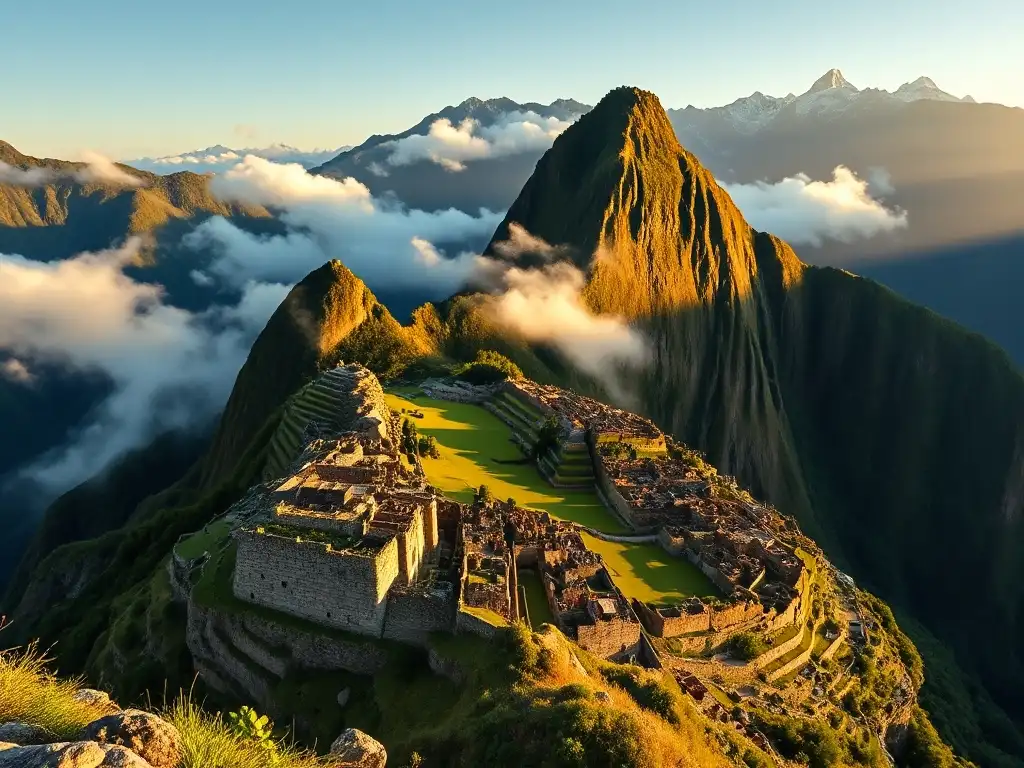
Step into a world lost to time, yet echoing with the whispers of a magnificent empire. Discover the enigmatic heart of the Andes, where towering mountains met celestial wonders. Prepare to be captivated by the Inca civilization cosmology, a breathtaking system of beliefs that shaped every aspect of Inca life, from the majestic Machu Picchu to the intricate details of their daily rituals. Unravel the mysteries of this ancient civilization and uncover the secrets woven into the very fabric of their world – a journey awaits you.
Machu Picchu, the iconic "Lost City of the Incas," stands as a testament to the sophisticated civilization that once thrived in the Andes. But understanding Machu Picchu requires more than just appreciating its architectural marvel; it necessitates delving into the Inca cosmovision, their profound worldview that shaped their society, beliefs, and even their city planning. This article explores the intricate relationship between Machu Picchu and the Inca cosmology, revealing how this breathtaking site reflects a deep connection to the natural world and the spiritual realm.
We will unravel the complex interplay of celestial observations, agricultural practices, and religious beliefs that formed the core of Inca civilization cosmology, offering a richer understanding of this fascinating culture. Prepare to journey beyond the stones and into the heart of the Inca worldview.
We'll explore the evidence found at Machu Picchu itself, examining how its design and location reflect this unique perspective. Get ready to uncover the secrets hidden within this remarkable site and gain a deeper appreciation for the Inca civilization's profound understanding of the universe.
The Inca Concept of Pacha and its Three Levels
The Inca worldview was centered around the concept of Pacha, a holistic vision encompassing three interconnected realms: Hanan Pacha (the upper world), Kay Pacha (the earthly world), and Ukhu Pacha (the underworld). These weren't simply separate locations but intertwined dimensions, constantly interacting and influencing one another. Inca cosmology believed that maintaining harmony among these three Pachas was essential for the well-being of the entire world. This is reflected in their agricultural practices, religious rituals, and even the very layout of their cities, including Machu Picchu.
The city's strategic location, nestled high in the Andes mountains, symbolically connected all three Pachas: the sky above, the fertile land, and the earth below. Detailed archaeological findings point to specific locations within the city dedicated to connecting with each realm. For example, [specific examples of architectural features related to each Pacha pending].
Celestial Observations and the Sacred Landscape
The Incas were keen observers of the celestial bodies, incorporating their knowledge of astronomy into their religious practices and city planning. The precise orientation of Machu Picchu's structures, for example, suggests a sophisticated understanding of the sun's movements and solstices. [Specific data on the alignment of buildings with celestial events pending]. This integration of astronomy and architecture underscores the importance of the cosmos in their worldview.
The Inca calendar, meticulously tracked through observations of the sun, moon, and stars, guided their agricultural cycles and religious festivals. This close relationship between the celestial and terrestrial realms is further emphasized by the presence of [specific features at Machu Picchu linked to astronomical events pending]. The Inca's deep understanding of the cycles of nature and the cosmos is evident in their ability to create a sustainable society within a challenging environment.
Agricultural Practices and the Harmony of Pacha
Agriculture was fundamental to Inca society, and their agricultural practices were deeply intertwined with their cosmology. The terraces at Machu Picchu, a remarkable feat of engineering, were not just for farming; they represented a tangible manifestation of the Inca's efforts to maintain harmony within Kay Pacha. The meticulous construction of these terraces facilitated efficient water management and optimized crop yields, reflecting a deep understanding of the environment and a commitment to sustainability.
[Specific data on the types of crops cultivated and the irrigation techniques used at Machu Picchu pending]. These practices weren't just about food production; they were a ritualistic act aimed at ensuring the fertility of the land and the continuation of life, essential aspects of the Inca’s cosmological beliefs. The careful integration of agriculture with the surrounding landscape demonstrates their profound respect for the natural world and their belief in the interconnectedness of all living things.
Religious Rituals and the Sacred Mountains
The Inca religion played a vital role in maintaining the balance between the three Pachas. Sacred mountains, such as Huayna Picchu and Machu Picchu mountain, towering over the city, were considered sacred sites, embodying a connection between the earthly and celestial realms. [Specific details regarding religious practices and rituals performed at Machu Picchu pending]. These mountains served as both physical and spiritual anchors, reinforcing the Inca’s cosmological beliefs.
The presence of various shrines and religious structures within Machu Picchu further emphasizes the importance of religion in their daily lives and their intricate connection to the cosmos. The entire city served as a sacred space, a microcosm of the Inca worldview, reflecting their deep understanding of the universe and their place within it. The meticulous planning and execution of Machu Picchu, therefore, wasn't merely an architectural achievement; it was a profound statement of their cosmology.
- The Inca Concept of Pacha and its Three Levels
- Celestial Observations and the Sacred Landscape
- Agricultural Practices and the Harmony of Pacha
- Religious Rituals and the Sacred Mountains
The Significance of Machu Picchu within Inca Cosmology
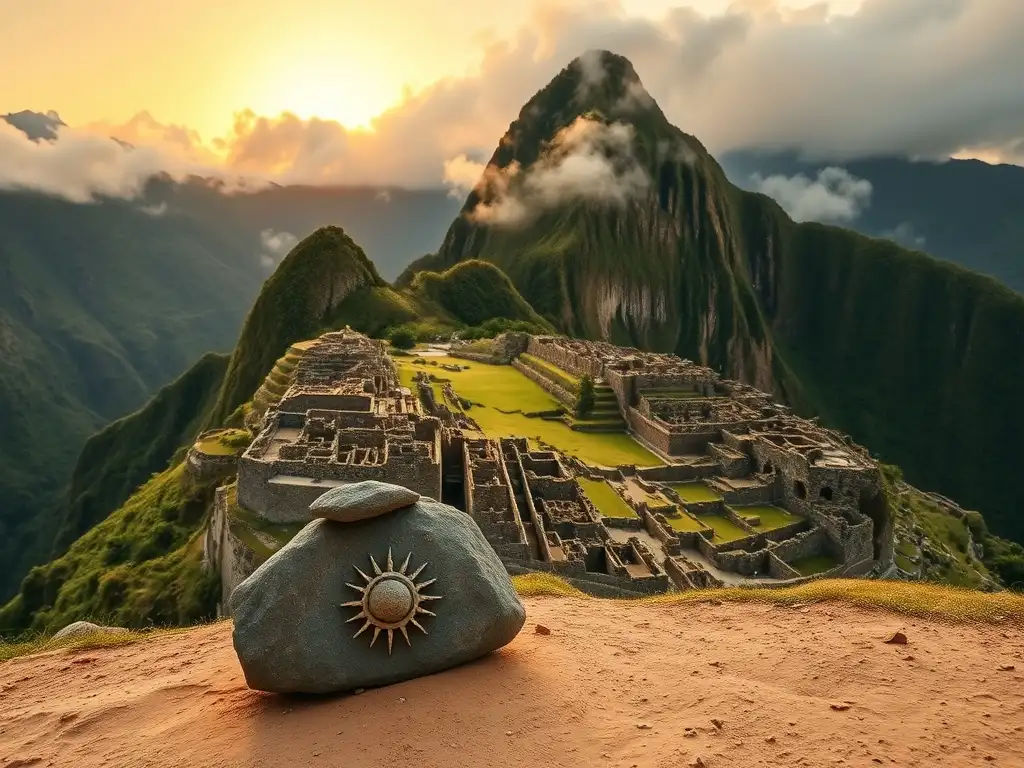
Machu Picchu's significance transcends its architectural marvel; it's deeply embedded within the Inca worldview, a complex cosmology reflecting their profound understanding of the universe and their place within it. Understanding Machu Picchu requires acknowledging its role as not just a city, but a sacred site meticulously designed to align with Inca beliefs about the cosmos. This intricate connection between the physical landscape and spiritual beliefs is a cornerstone of Inca civilization cosmology.
The site’s layout, the orientation of its structures, and even the agricultural terraces all contribute to a holistic expression of their spiritual understanding. Analyzing these elements reveals a sophisticated cosmology far beyond a simple belief system.
Machu Picchu: A Sacred Site Reflecting Inca Beliefs
The Incas believed in a deeply interconnected world, where the celestial and terrestrial realms were inextricably linked. Machu Picchu, strategically located in a landscape brimming with spiritual significance, embodies this interconnectedness. The city's placement within the Andes Mountains, a region revered for its connection to the gods, wasn't accidental.
The mountain peaks themselves were considered sacred, representing the apu (mountain spirits) who were integral to Inca cosmology. Machu Picchu's orientation towards specific celestial events, such as solstices and equinoxes, further supports the notion of its sacred purpose. Archaeological evidence suggests a deliberate alignment of structures with these astronomical occurrences, implying a sophisticated understanding of astronomy and its cosmological implications.
This deliberate integration of astronomical observations into the city's design highlights the importance of celestial events within the Inca worldview. The meticulous planning and execution of the city's layout reinforce the sacred nature of Machu Picchu within the broader context of Inca civilization cosmology.
The Inca Understanding of the Universe and its Representation at Machu Picchu
Inca cosmology wasn't a static, rigid system; it was dynamic and multifaceted. The Incas visualized the universe as a three-tiered structure: the hanan pacha (upper world), the kay pacha (present world), and the ukhu pacha (underworld). Each level held significance and was populated by deities and spirits. Machu Picchu, with its intricate network of terraces, temples, and residential areas, reflects this three-tiered structure.
The agricultural terraces, crucial for sustaining life in the kay pacha, are a testament to the Inca's practical application of their cosmological beliefs. The temples, elevated and often located on prominent vantage points, represent the hanan pacha, the realm of the gods. The intricate network of tunnels and subterranean structures could symbolize the ukhu pacha, representing the unseen world below. The interplay of these elements within the city's design provides a tangible representation of the Inca’s cosmological model.
The integration of these three worlds within a single site emphasizes the interconnectedness of the universe as understood by the Inca civilization. Further research into the specific symbolism embedded within the architecture of Machu Picchu continues to unveil more insights into this captivating aspect of Inca cosmology. The more we learn, the more we appreciate the depth and sophistication of Inca civilization cosmology and its profound impact on their daily lives and the creation of magnificent sites like Machu Picchu.
Key Concepts of Inca Civilization Cosmology
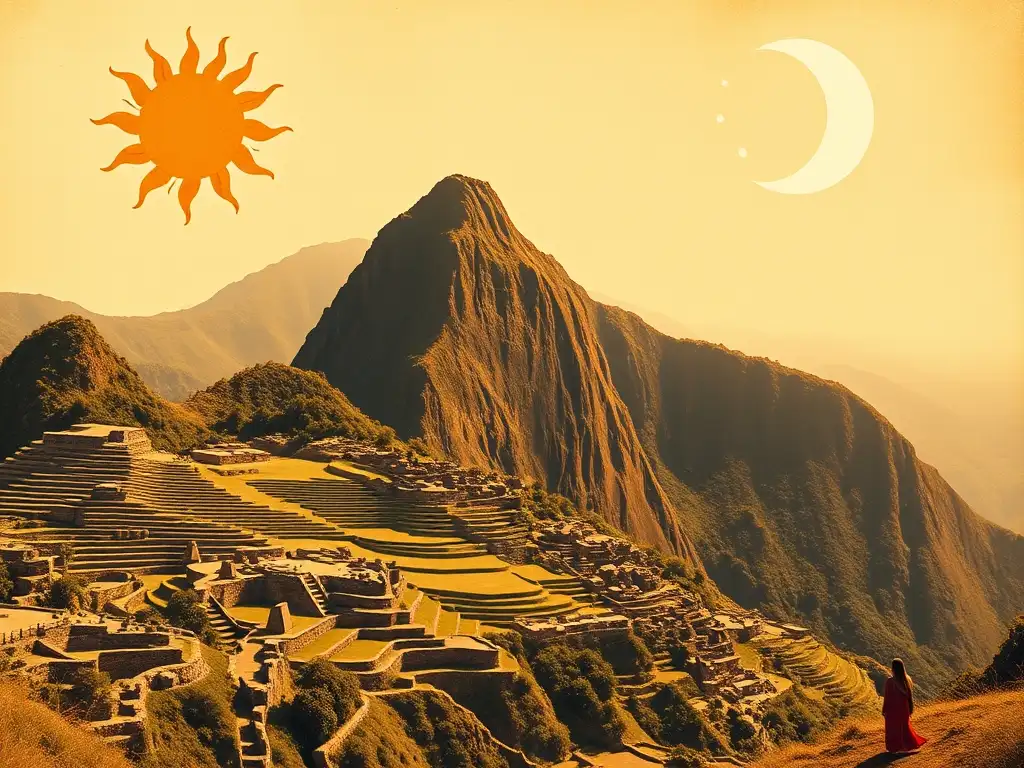
This section delves into the core tenets of Inca cosmology, a complex system of beliefs that intertwined the physical and spiritual worlds, profoundly influencing all aspects of Inca life. Understanding Inca civilization cosmology requires appreciating their worldview, which wasn't simply a collection of myths but a practical guide for living in harmony with the natural world.
This cosmological framework provided a structure for social organization, agricultural practices, and even their sophisticated architectural achievements like Machu Picchu itself. The Inca worldview wasn't static; it evolved over centuries, absorbing elements from earlier Andean cultures, but maintained a consistent focus on balance and reciprocity between the human and divine realms.
Hanan Pacha, Kay Pacha, and Uku Pacha: The Three Realms of the Inca World
Inca cosmology is fundamentally structured around three interconnected realms: Hanan Pacha, Kay Pacha, and Uku Pacha. These weren't simply geographical locations but distinct planes of existence, each with its own characteristics and inhabitants.
- Hanan Pacha (Upper World): This celestial realm was the home of the gods, the sun (Inti), the moon (Killa), and the stars. It represented order, perfection, and the source of all life-giving energy. Inca rituals, including sacrifices and astronomical observations, were designed to maintain harmonious relationships with the deities residing in Hanan Pacha. The Inca believed that the actions performed in Kay Pacha directly impacted the balance of Hanan Pacha.
- Kay Pacha (Here and Now): This is the earthly realm, the world of humans and living beings. It's the plane of action, where Inca society functioned, and where the balance between the other two realms was maintained. Kay Pacha was considered the crucial middle ground, the site of interaction between the divine and the underworld. The Inca's agricultural practices, their intricate social hierarchy, and their construction of monumental sites like Machu Picchu all aimed to reflect and maintain the cosmic equilibrium between Hanan Pacha and Uku Pacha.
- Uku Pacha (Underworld): This subterranean realm was associated with death, the ancestors, and the spirits of the earth. It wasn't necessarily a place of evil but rather a realm of immense power and mystery. Uku Pacha was linked to fertility, the sources of water, and the minerals within the earth. The Inca revered the spirits of the underworld, recognizing their influence on the productivity of the land and the health of their communities. Respect for Uku Pacha was essential for ensuring abundant harvests and maintaining a prosperous society.
The interaction and balance between these three realms were crucial to the Inca worldview. Disruptions in one realm were believed to have repercussions in the others, emphasizing the importance of maintaining harmony and reciprocity throughout the cosmos. This understanding shaped their religious practices, agricultural techniques, and social structures, all contributing to the remarkable achievements of the Inca civilization.
The Role of Inti, the Sun God, in Inca Religious Beliefs
Inti, the sun god, held paramount importance in Inca religion and cosmology. He wasn't merely a deity but the source of life, energy, and imperial power. The Inca Emperor was considered the direct descendant of Inti, further solidifying the god's central role in their society. The Inca's sophisticated astronomical observations, particularly the precise tracking of the solstices and equinoxes, were deeply intertwined with their worship of Inti. These observations weren't simply scientific endeavors but crucial religious rituals, designed to honor the sun god and ensure his continued favor.
The Inca built magnificent temples dedicated to Inti, such as the Coricancha in Cusco, which served as the center of their religious life. These structures were not only places of worship but also astronomical observatories, aligning with the sun's movements throughout the year. Elaborate festivals and ceremonies, often involving human sacrifice, were performed to appease Inti and secure his blessings for bountiful harvests and the continued prosperity of the empire.
The Inca's devotion to Inti underscores the fundamental role of the sun god in their cosmology and the intricate relationship between religion, astronomy, and the state. The significance of Inti in Inca cosmology highlights the deep connection between their religious beliefs and their daily lives.
Pachamama: The Earth Mother and her Importance in Inca Life
Pachamama, the Earth Mother, represents another crucial element of Inca civilization cosmology. Unlike Inti, who represents the celestial realm, Pachamama embodies the fertile earth, the source of all sustenance and life. She is revered as a powerful deity, responsible for the abundance of harvests and the overall well-being of the community. The Inca believed that Pachamama had to be appeased through offerings and rituals to ensure the fertility of the land and the prosperity of their crops.
The Inca's agricultural practices were deeply intertwined with their veneration of Pachamama. They performed ceremonies involving offerings of coca leaves, chicha (a fermented corn beverage), and other goods to ensure her continued favor. These offerings were not simply acts of worship but also essential agricultural practices, intended to maintain a harmonious relationship with the earth and secure abundant harvests. The deep respect for Pachamama reflects the Inca's profound understanding of the interconnectedness between the human world and the natural environment.
Their sustainable agricultural practices, including terracing and irrigation, demonstrate a practical application of their cosmological beliefs. The importance of Pachamama in Inca life highlights their profound respect for the natural world and their belief in the reciprocal relationship between humanity and the earth. The concept of Pachamama remains a vital part of Andean culture today, demonstrating the enduring influence of Inca cosmology on subsequent generations.
Apus: The Sacred Mountains and their Connection to the Inca Spirit World
The Inca worldview was deeply intertwined with the natural world, particularly the towering Apus, or sacred mountains. These weren't simply geographical features; they were considered powerful deities, intermediaries between the human and spiritual realms. The Inca believed the Apus possessed immense power and influence, directly impacting the lives of the people living in their shadow. Their snow-capped peaks, reaching towards the heavens, symbolized the connection between the earthly and celestial spheres, a crucial element of Inca cosmology.
The reverence for the Apus extended beyond simple worship. Inca communities performed elaborate ceremonies and offerings at mountain shrines, seeking blessings for successful harvests, protection from natural disasters, and general well-being. These rituals often involved coca leaf offerings, llama sacrifices, and intricate prayers delivered by designated priests. The specific rituals varied depending on the particular Apus and the community's needs, highlighting the individualized relationship between each group and their respective mountain deity.
Furthermore, the Inca strategically located their settlements and agricultural terraces in relation to the Apus. This wasn't merely a matter of practicality; it reflected a deep-seated belief that proximity to the sacred mountains conferred spiritual protection and enhanced the fertility of the land. The landscape itself became a sacred tapestry woven with the threads of spiritual and physical existence, with the Apus acting as the central, life-giving threads.
The precise alignment of agricultural terraces and settlements with specific mountain peaks further underscores the profound importance of the Apus within the Inca cosmological framework. Archaeological evidence supports this, revealing the careful planning and execution of Inca urban design in relation to the surrounding mountains.
The orientation of buildings, the placement of agricultural fields, and even the construction of roads all seemingly reflect an understanding of the sacred geography and its impact on the Inca civilization's prosperity. This intimate relationship between the Inca and their sacred mountains exemplifies the holistic nature of their cosmology, where the spiritual and physical realms were inextricably linked.
Architectural Alignment at Machu Picchu with Inca Cosmic Principles
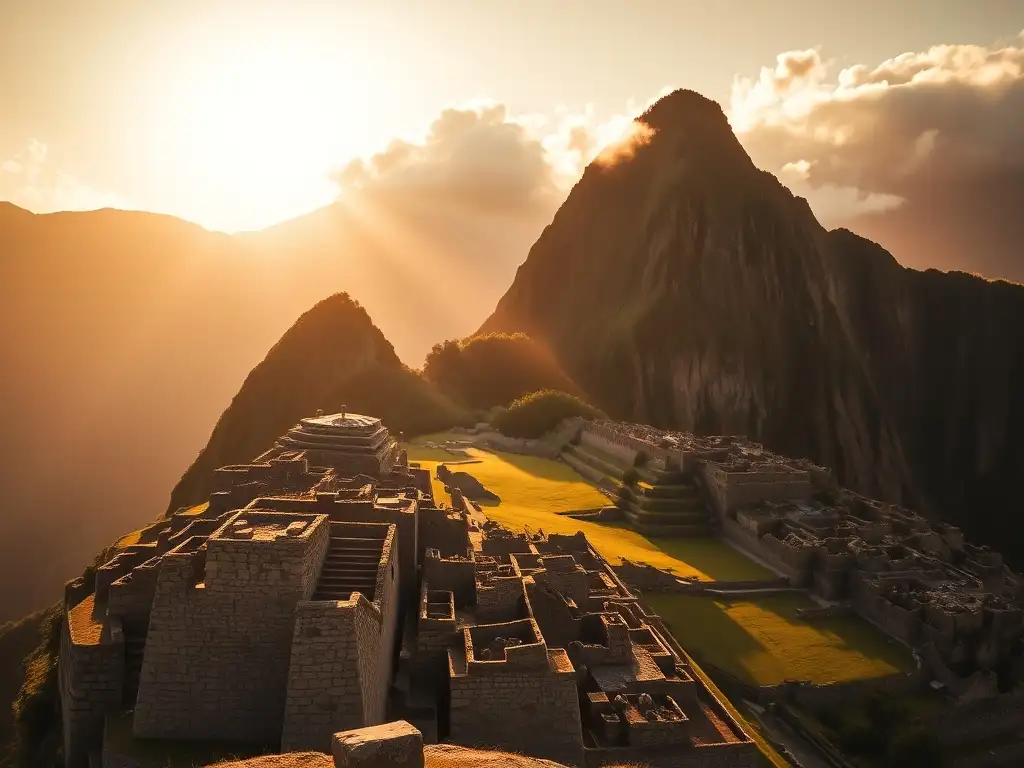
Machu Picchu, the iconic citadel nestled high in the Andes, wasn't merely a stunning feat of engineering; it was a meticulously planned reflection of the Inca civilization's cosmology. The Inca worldview, deeply intertwined with nature and celestial events, shaped every aspect of their lives, from agriculture to urban planning. This is profoundly evident in Machu Picchu's architecture, where careful alignment with solar and stellar movements reveals a sophisticated understanding of astronomy and a profound connection to the cosmos.
Understanding this astronomical precision is crucial to appreciating the true significance of Machu Picchu within the broader context of Inca civilization cosmology. The careful placement of structures, their orientations, and the incorporation of specific astronomical features weren't accidental; they were deliberate choices reflecting a deep-seated belief system. This section will explore some key examples of this cosmic integration.
Solar Observations and Astronomical Knowledge Embodied in Machu Picchu
The Inca's advanced astronomical knowledge is undeniable. They weren't simply observing the sun; they were meticulously tracking its movements throughout the year, using this knowledge to regulate their agricultural cycles and religious ceremonies. Machu Picchu's architecture bears witness to this expertise.
Many structures, including the Royal Tomb and the Principal Temple, are precisely oriented to capture the solstices and equinoxes. For example, on the winter solstice, the sun's rays would illuminate specific areas within these structures, possibly marking significant ceremonial moments. Detailed studies have revealed that the Inca accurately predicted the solstices and equinoxes with remarkable precision, demonstrating a sophisticated understanding of celestial mechanics far surpassing what was previously assumed.
This precision wasn't achieved through simple observation; it required advanced knowledge of mathematics and geometry, further emphasizing the intellectual sophistication of the Inca civilization. Further research is needed to fully understand the nuances of these solar alignments and their ritual significance within the Inca cosmology. The subtle shifts in sunlight throughout the year likely held profound symbolic meaning for the Inca people.
The Intihuatana Stone: A Ritual Tool Aligned with the Sun
The Intihuatana Stone, a monolithic rock formation found at Machu Picchu, is arguably the most striking example of the Inca's astronomical prowess. Its name, meaning "place where the sun is tied," hints at its ritual importance. While its precise function remains debated, evidence suggests that it served as a significant astronomical marker.
Its position and shape appear to be deliberately aligned with the sun's movements, particularly during the solstices. Some scholars suggest that it was used to observe the solstices and equinoxes, marking the crucial points in the agricultural calendar. Others propose that it played a more significant role in religious ceremonies, acting as a focal point for rituals aimed at ensuring the sun's continued life-giving power.
The Intihuatana Stone embodies the Inca belief in the sun's vital role in their existence, underlining the intimate relationship between their cosmology and their daily lives. The stone itself, with its intricate carvings and precise placement, stands as a powerful testament to the Inca's deep understanding of the cosmos and their ability to translate that understanding into tangible, enduring structures. Further investigation into the stone's precise alignment and the associated rituals would provide valuable insights into Inca cosmology.
The Temple of the Sun and its Cosmic Significance
The Temple of the Sun, a circular structure located within Machu Picchu, further illustrates the Inca's integration of astronomy into their architecture. Its circular shape, unusual in Inca architecture, is believed to symbolize the sun itself. The precise orientation of the temple, combined with its design, suggests a deliberate attempt to track the sun's movements and to use it as a focus for ritual activities.
The temple's strategic placement within the citadel, its unique architectural features, and its potential astronomical functions all contribute to its cosmic significance. The interior of the temple, with its carefully constructed niches and possible astronomical alignments, likely served as a space for observing celestial events and performing rituals connected to the sun's power. The Temple of the Sun, therefore, represents more than just a place of worship; it is a tangible manifestation of the Inca's profound understanding of the cosmos and their ability to incorporate their cosmological beliefs into their built environment.
Further research is needed to fully elucidate the precise astronomical functions of the Temple of the Sun and its role within the broader context of Inca religious practices and Inca civilization cosmology. The combination of architectural design and astronomical alignment emphasizes the deep connection between the Inca’s spiritual beliefs and their practical knowledge of the celestial world.
The Layout of Machu Picchu Reflecting Inca Spatial Concepts
Machu Picchu's layout isn't haphazard; it's a deliberate reflection of Inca spatial concepts deeply rooted in their cosmology. The city's arrangement mirrors the Inca understanding of the universe, a carefully orchestrated interplay between the earthly and celestial realms. This wasn't simply a matter of practical urban planning; it was a sacred act, designed to harmonize with the cosmos and ensure the well-being of its inhabitants.
The placement of structures, the orientation of pathways, and even the subtle gradients of the terrain all contribute to this cosmic alignment. Researchers have meticulously studied these alignments, finding correlations between the city's layout and the positions of the sun, moon, and stars at specific times of the year, particularly during solstices and equinoxes.
This intentional arrangement underscores the profound significance the Inca placed on their relationship with the natural world and the spiritual forces they believed governed it. The integration of astronomy and architecture showcases a sophisticated understanding of both the physical and metaphysical world, a hallmark of Inca civilization cosmology.
The meticulous planning evident in Machu Picchu's design is further emphasized by the careful selection of building materials and the precise techniques used in construction. The Inca masons were masters of their craft, creating structures that seamlessly blended with the surrounding landscape. This integration wasn't just aesthetically pleasing; it was a fundamental aspect of their cosmological worldview.
By harmoniously integrating the built environment with the natural one, the Inca sought to create a space where the earthly and celestial realms converged. This approach is visible in the way the buildings are integrated into the mountainside, utilizing the natural contours of the terrain to create a sense of unity between the built and natural environments.
The very act of building Machu Picchu was, therefore, a ritualistic act of cosmic alignment, reflecting the Inca's deep-seated belief in the interconnectedness of all things. This holistic approach is a key element in understanding Inca civilization cosmology and its impact on their urban planning.
Furthermore, the distribution of different functional areas within Machu Picchu – residential zones, agricultural terraces, religious structures, and administrative centers – also reflects a deliberate spatial organization based on Inca cosmological principles. The arrangement wasn't random; it was carefully planned to represent the Inca's understanding of the universe's structure and the relationships between different elements within it.
For example, the placement of temples and sacred sites in relation to other structures may reflect a symbolic representation of the celestial bodies and their influence on earthly life. This symbolic representation is a crucial aspect of understanding the Inca's worldview, revealing the deep-seated connection they sought to establish between the human world and the cosmos.
Detailed analysis of these spatial relationships continues to unveil the complexity and sophistication of Inca civilization cosmology, providing valuable insights into their belief system and societal organization. The intricate interplay between the physical layout and the symbolic representation highlights the profound integration of cosmology into daily life at Machu Picchu.
The Interplay Between Inca Rituals and the Cosmovision at Machu Picchu
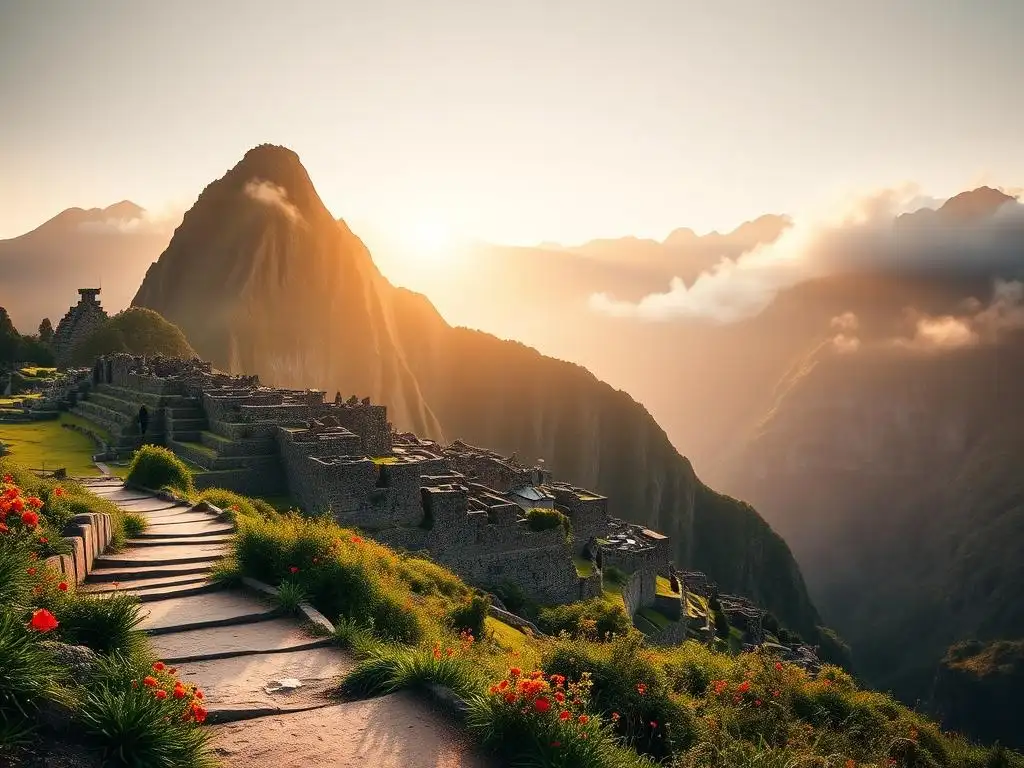
The Inca civilization cosmology, deeply intertwined with their daily lives, profoundly shaped the design and function of Machu Picchu. This sacred city wasn't merely a refuge or a royal estate; it served as a microcosm of the Inca worldview, a physical manifestation of their beliefs about the cosmos and their place within it. Understanding the interplay between Inca rituals and their cosmovision at Machu Picchu is crucial to grasping the true significance of this remarkable site.
The meticulous planning of the city, its orientation towards celestial events, and the evidence of elaborate ceremonies all point to a deliberate attempt to harmonize the earthly realm with the spiritual one. The intricate network of pathways, terraces, and buildings wasn't just practical; it was a symbolic representation of the Inca’s understanding of the universe, mirroring the celestial order on the earth.
Religious Ceremonies and Offerings within the Sacred City
Evidence suggests that Machu Picchu hosted a variety of religious ceremonies and offerings. Archaeological findings indicate the presence of ritual spaces, including the Intihuatana stone, believed to be used for solar observations and possibly for ceremonies related to the sun god, Inti. The discovery of numerous ceramic fragments, often depicting deities and mythological figures, further supports the city's religious function.
These weren't merely decorative pieces; they were integral to rituals, possibly used as offerings or as part of ceremonial processions. The meticulous placement of buildings and the careful orientation of certain structures towards specific celestial points suggest a deep understanding of astronomy and its role in religious practices. For example, the alignment of some buildings with the solstices and equinoxes could have been crucial for determining the timing of important agricultural and religious festivals.
Moreover, the presence of numerous water fountains and channels, strategically placed throughout the city, likely played a symbolic role, relating to the Inca's veneration of water as a sacred element. The precise nature of many of these rituals remains debated, however, the sheer quantity of evidence undeniably points to the significant role of religious practices in the daily life of Machu Picchu's inhabitants.
The Role of Priests and the Inca Elite in Cosmovision Practices
The Inca cosmovision wasn't passively observed; it was actively maintained and perpetuated by a powerful priestly class and the Inca elite. Priests, known as amautas, played a central role in interpreting celestial events and mediating between the human and spiritual worlds. They were responsible for conducting religious ceremonies, interpreting omens, and advising the Inca ruler on matters of state.
Their expertise in astronomy and their understanding of the Inca cosmology were fundamental to the functioning of the empire. The Inca elite, including the Sapa Inca himself, actively participated in these rituals, reinforcing their authority and their connection to the divine. Machu Picchu, being a royal estate, was likely a site where the Sapa Inca and the elite engaged in significant religious practices, further connecting the rulers to the cosmological order.
This active engagement wasn’t merely symbolic; it was a means of maintaining social order and political legitimacy, deeply rooted in the Inca's understanding of their place within the cosmos. We can infer their involvement through the architectural grandeur of the site and the presence of structures likely reserved for elite use, suggesting a level of ritual activity and importance beyond the everyday life of the common people.
How Machu Picchu Served as a Center for Inca Spiritual Activities
Machu Picchu wasn't merely a city; it was a living testament to the Inca civilization cosmology, a place where the spiritual and the earthly intertwined to create a unique and powerful expression of their beliefs.
Deciphering Inca Worldview Through the Lens of Machu Picchu
Machu Picchu, the iconic "Lost City of the Incas," serves as a powerful lens through which we can examine the intricate cosmology of the Inca civilization. Its strategic location, architectural design, and agricultural practices all reflect a deeply ingrained worldview that intertwined the sacred and the profane, the celestial and the terrestrial. Understanding Inca cosmology isn't simply about recognizing constellations or divining prophecies; it's about recognizing a holistic philosophy that permeated every aspect of Inca life, from the emperor's daily rituals to the construction of a simple terrace.
This intricate relationship between the Inca worldview and the physical manifestation of Machu Picchu provides invaluable insight into the Inca civilization cosmology. The city itself wasn't merely a refuge or a fortress; it was a living embodiment of their spiritual beliefs.
The Harmony Between Nature and Architecture in Inca Thought
Inca architecture wasn't just about functionality; it was a deliberate integration with the natural environment. Machu Picchu's construction exemplifies this philosophy. The city seamlessly blends into the surrounding landscape, with structures carefully positioned to align with celestial events and geological features.
The terraces, meticulously carved into the mountainside, weren't merely agricultural plots; they were a symbolic representation of the pachamama, the Earth Mother, providing sustenance and life. This careful integration reflects the deep respect the Inca held for nature, viewing it as a source of both sustenance and spiritual power. The Inca civilization cosmology saw the environment not as something to be conquered, but as a force to be harmonized with.
The precise alignment of buildings with solstices and equinoxes further emphasizes this connection. The placement of windows and doorways, the orientation of pathways, all suggest a deep understanding of astronomy and its influence on their agricultural cycles and religious practices. This wasn't accidental; it was a deliberate attempt to create a microcosm of the cosmos within the city itself. Imagine the sun rising on the winter solstice, casting a precise shadow that marked the beginning of a vital agricultural cycle – a powerful demonstration of the Inca's mastery over both architecture and their understanding of the Inca civilization cosmology.
Understanding the Inca Perception of Time and Space
The Inca perception of time and space differed significantly from our own linear understanding. Their worldview was cyclical, emphasizing the continuous renewal of life and the interconnectedness of all things. Machu Picchu's layout reflects this cyclical view, with its intricate network of pathways and plazas representing the flow of energy and the passage of time. The city wasn't a static entity; it was a dynamic space where the energies of the earth and the heavens interacted. This is a key aspect of Inca civilization cosmology.
Furthermore, the Inca didn't perceive space as a series of discrete locations; rather, they saw it as a continuous, interconnected realm. The sacred huacas (places of worship) scattered throughout the landscape were not isolated points but integral parts of a larger cosmic web. Machu Picchu's location within this web, its proximity to other significant sites, underscores the Inca's understanding of the interconnectedness of sacred spaces.
The mountain itself, Huayna Picchu, was considered a sacred peak, further emphasizing the integration of the natural and spiritual worlds within their cosmology. The Intihuatana stone, a significant structure at Machu Picchu, is a prime example of this, potentially used for astronomical observations and rituals, signifying the Inca's profound understanding of time’s cyclical nature within their cosmology.
Machu Picchu as a Microcosm of the Inca Empire's Spiritual and Cosmological Beliefs
Machu Picchu wasn't simply a royal estate; it was a carefully constructed representation of the Inca worldview. It served as a microcosm of the empire itself, reflecting the hierarchical structure of Inca society and the interconnectedness of the natural and spiritual realms. The city's layout, its agricultural terraces, its religious structures, and its astronomical alignments all worked in harmony to create a living embodiment of Inca civilization cosmology.
The presence of both residential and ceremonial structures within the city further highlights this duality. The Inca did not separate the sacred and the secular; their lives were infused with a deep sense of spirituality. Every aspect of their daily routines, from farming to governance, was infused with religious significance. Machu Picchu, in its complexity and sophistication, serves as a powerful testament to this integrated worldview.
The city's very existence is a testament to the depth and complexity of Inca beliefs, offering a compelling case study for understanding the Inca civilization cosmology. Further research into the specific alignments and the symbolism of the various structures within Machu Picchu could reveal even more profound insights into this fascinating aspect of Inca culture. The careful study of the Inca civilization cosmology, using Machu Picchu as a primary source, offers a unique opportunity to understand the profound interconnectedness of their world.
The Persistence of Andean Cosmovision in Contemporary Indigenous Practices
The Inca worldview, a complex tapestry woven from celestial observations, ancestor veneration, and a deep connection to the Pachamama (Mother Earth), didn't vanish with the Spanish conquest. While the Inca Empire crumbled, its cosmological beliefs persisted, subtly adapting and evolving within the surviving Quechua communities. This enduring legacy is evident in various contemporary practices that reflect a continuity with ancient Andean traditions.
For example, the annual Inti Raymi festival, a celebration of the winter solstice, continues to be observed in many Andean communities. This vibrant ceremony, with its intricate rituals and offerings to the sun god Inti, provides a tangible link to the Inca's deep reverence for the cosmos and the cyclical nature of time. The festival's enduring popularity demonstrates the enduring power of Inca cosmology in shaping contemporary Andean identity and cultural practices.
Furthermore, agricultural practices in the Andes often retain elements deeply rooted in Inca cosmology. The careful consideration of the land, the meticulous planting cycles aligned with celestial events, and the rituals performed to ensure a bountiful harvest all reflect a worldview that prioritizes harmony between humanity and nature. These practices aren't merely agricultural techniques; they are expressions of a living cosmology, demonstrating a profound understanding of the interconnectedness of the natural world, mirroring the Inca's intimate knowledge and respect for the Pachamama.
Many Quechua communities continue to utilize traditional Andean agricultural techniques, passed down through generations, proving the resilience of this cosmological perspective. The intricate knowledge of microclimates, water management systems, and terraced farming, all inherited from the Inca, showcases the practical application of their cosmological understanding.
The use of medicinal plants and traditional healing practices also reveals the enduring influence of Inca cosmology. These practices are not simply about treating illness; they are informed by a deep understanding of the balance between the physical and spiritual realms, reflecting the Inca belief in the interconnectedness of all living things.
Healers often incorporate ritual and spiritual elements into their treatments, demonstrating the continuity between ancient and modern Andean healing traditions. This intertwining of the physical and spiritual is a direct reflection of the Inca's holistic worldview, which saw the human body as an integral part of the larger cosmic order.
The persistence of these practices underlines the enduring relevance of Inca cosmological principles in shaping contemporary healthcare systems within Andean communities. The knowledge of medicinal plants and their applications, passed down through generations, remains a vital aspect of Andean culture and a testament to the enduring power of Inca cosmology.
The continuing presence of these practices – from vibrant festivals to agricultural techniques and healing methods – demonstrates that Inca cosmology is not a relic of the past but a living, evolving system of beliefs that continues to shape the lives and cultural identities of Andean communities today. Understanding these contemporary practices offers invaluable insight into the depth and complexity of the Inca worldview and its enduring legacy.
It highlights the resilience of Indigenous knowledge systems and their continued relevance in the modern world. The study of these practices allows for a deeper appreciation of the Inca civilization and the rich tapestry of Andean culture.
Frequently Asked Questions
What is Inca cosmology?
Inca cosmology was a complex system of beliefs centered around the relationship between humans and the natural world. They believed in a powerful creator god and a pantheon of deities associated with natural elements and phenomena. Their worldview deeply influenced their daily life and societal structure.
How did the Inca's understanding of the cosmos influence their architecture?
The Inca's deep understanding of astronomy and their cosmology directly impacted their architecture. Sites like Machu Picchu were strategically built to align with celestial events, demonstrating the importance of cosmic harmony in their society. This is evident in the precise placement of buildings and the use of solar markers.
What role did the sun play in Inca cosmology?
The sun, Inti, held a central position in Inca cosmology, considered the most important deity. It was seen as the source of life and energy, and Inca rituals and festivals were often centered around the sun's movements and cycles. Royal lineage was also linked to the sun god.
How did Inca cosmology affect their agricultural practices?
Inca agricultural practices were deeply intertwined with their cosmology. They understood the importance of harmonizing with nature's rhythms to ensure successful harvests. Their sophisticated irrigation systems and terrace farming techniques reflect their respect for the earth and their belief in maintaining balance within the cosmos.
What are some examples of Inca astronomical knowledge reflected in Machu Picchu?
Machu Picchu's design incorporates astronomical alignments, reflecting the Inca's advanced astronomical knowledge. The placement of buildings and windows suggests an understanding of solstices and equinoxes. This careful orientation demonstrates the integration of cosmology into their urban planning.
Final Reflection: Echoes of the Andes: A Legacy of Inca Cosmovision
The intricate relationship between the Inca civilization and their cosmology remains profoundly relevant today, a testament to the enduring power of a worldview deeply connected to the natural world. Understanding their sophisticated understanding of the cosmos not only illuminates their remarkable achievements in engineering and social organization but also offers a powerful counterpoint to our increasingly disconnected modern existence. The echoes of their reverence for the mountains, the sun, and the interconnectedness of all things resonate with a growing global awareness of environmental stewardship and the importance of holistic thinking.
The Inca cosmovision, with its emphasis on balance, reciprocity, and the sacredness of nature, continues to shape the cultural landscape of the Andes and inspire contemporary artists, thinkers, and activists. Their profound respect for the environment, a stark contrast to many modern practices, serves as a potent reminder of our responsibility to the planet. The mountains are not just stones, they are the bones of the earth, the dwelling places of the spirits.
– This sentiment, though not a direct Inca quote, captures the essence of their deep spiritual connection to the land, a connection we must strive to rekindle.
Consider the intricate details of Machu Picchu, a city built not just as a testament to human ingenuity, but as a reflection of the Inca's cosmological beliefs. Reflect on the ways in which their worldview shaped their society, their art, and their relationship with the environment. You, too, can cultivate a deeper connection with the natural world, fostering a sense of balance and reciprocity in your own life. Embrace the lessons of the Inca, and let their enduring legacy inspire you to live more consciously, more sustainably, and more in harmony with the cosmos.
Unveil the Mysteries of the Inca World!
Thank you for exploring the fascinating world of Machu Picchu and Inca civilization with us. Your curiosity has ignited a deeper understanding of this rich culture and its profound connection to nature and spirituality.
Let's delve further into this captivating world:
- Experience Machu Picchu firsthand with a guided tour. Walking among the ancient ruins offers an unparalleled connection to Inca history.
- Expand your knowledge by exploring Inca traditions and rituals. Numerous books and scholarly articles offer insightful perspectives beyond this introduction.
- Share your newfound insights! Discuss with friends and fellow history enthusiasts how Inca philosophies might inform modern approaches to sustainable living and community building.
As you continue your journey of discovery, consider this: How can the wisdom of the Inca worldview inspire a more harmonious relationship with the natural world today?