
Hiram Bingham's Discovery of Machu Picchu: A New Era of Archaeological Exploration

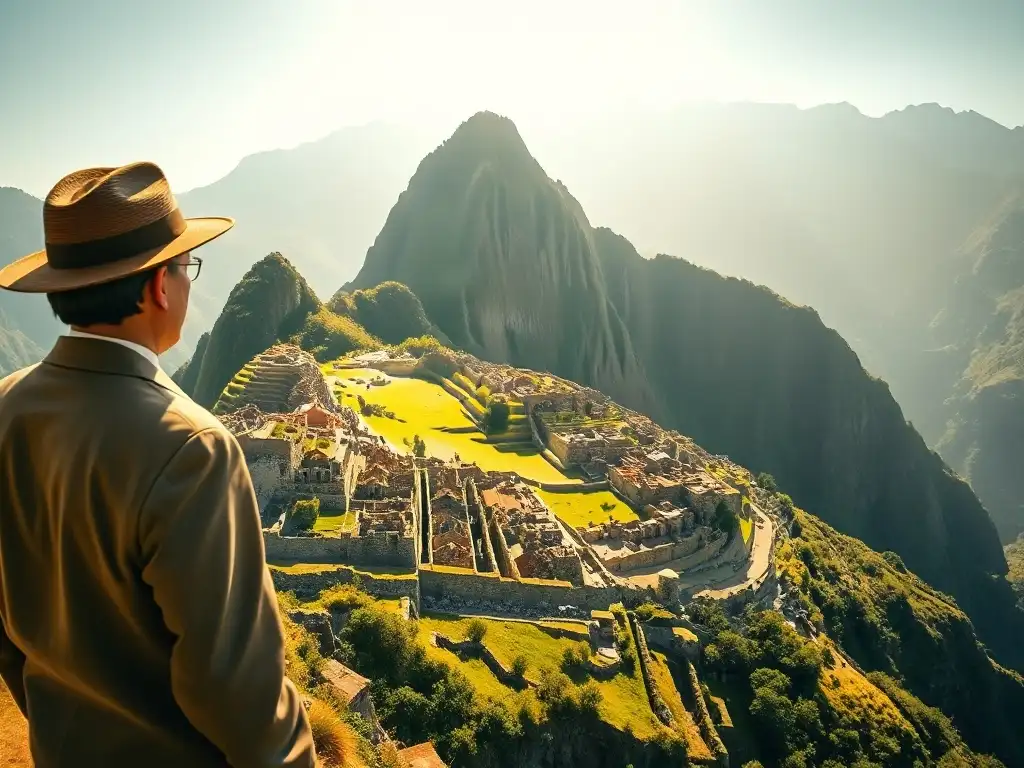
Step into a world lost in time, where majestic mountains hold secrets whispered across millennia. Andean Civilizations unveils the extraordinary tapestry of ancient cultures, from the intricate artistry of the Nazca to the breathtaking ingenuity of the Inca. But what truly shifted our understanding of this lost world? Discover the far-reaching impact of Hiram Bingham's Machu Picchu discovery and unlock the mysteries that await within this captivating realm. Prepare to be amazed.
- Hiram Bingham's Machu Picchu Discovery: A Turning Point in Andean Archaeology
- The 1911 Expedition: Hiram Bingham and the Rediscovery of Machu Picchu
- Documenting the Discovery: Bingham's Photographic and Journalistic Legacy
- The Scientific Impact of Hiram Bingham's Machu Picchu Exploration
- The Legacy of Hiram Bingham's Machu Picchu Discovery
- Debunking Myths Surrounding Hiram Bingham's Machu Picchu Discovery
- Hiram Bingham's Machu Picchu Discovery Impact on Tourism and Preservation
-
Frequently Asked Questions
- What role did Hiram Bingham play in the discovery of Machu Picchu?
- What was the impact of Bingham's discovery on the archaeological field?
- How accurate is the portrayal of Bingham's discovery in popular culture?
- What is the significance of Machu Picchu in the context of Andean civilizations?
- What controversies surround Hiram Bingham's discovery of Machu Picchu?
- Final Reflection: The Enduring Legacy of Machu Picchu's Rediscovery
- **Unveil the Mysteries of Machu Picchu Today! **
Hiram Bingham's Machu Picchu Discovery: A Turning Point in Andean Archaeology
The rediscovery of Machu Picchu by Hiram Bingham in 1911 marked a pivotal moment in Andean archaeology and significantly altered our understanding of the Inca Empire. Before Bingham's expedition, the magnificent citadel remained largely unknown to the outside world, shrouded in the mists of the Peruvian Andes. His controversial discovery, however, not only brought Machu Picchu to international attention but also sparked a new era of archaeological exploration, igniting both scholarly debate and popular fascination with Inca history and culture.
This article will delve into the impact of Bingham's findings, exploring the circumstances surrounding his discovery and the lasting consequences of bringing this "Lost City of the Incas" to light. The legacy of Bingham's work, while complex and subject to ongoing reevaluation, undeniably transformed the field of Andean archaeology, impacting how we study, interpret, and preserve these incredible ancient sites.
The implications of his discovery continue to resonate today, prompting crucial discussions about ethical considerations in archaeological fieldwork and the preservation of cultural heritage. We will examine these aspects, exploring the enduring legacy of Hiram Bingham and his impact on our understanding of the "Hiram Bingham Machu Picchu discovery impact".
The Enigmatic Lost City: Unveiling Machu Picchu's Secrets
Machu Picchu, nestled high in the Andes Mountains, presented a breathtaking spectacle to Bingham and his team. The city's intricate stonework, terraced agriculture, and sophisticated water management systems offered compelling evidence of the Inca's advanced engineering and urban planning capabilities. Prior to Bingham's arrival, local farmers were aware of the ruins, but their knowledge remained largely undocumented and confined to the immediate vicinity.
Bingham's meticulous documentation, including detailed photographs, maps, and written descriptions, provided the first comprehensive record of Machu Picchu's layout, architecture, and artifacts. He painstakingly cataloged numerous structures, including temples, residences, agricultural terraces, and storage facilities, painting a vivid picture of Inca life at its zenith. The sheer scale and complexity of the site challenged existing perceptions of Inca civilization and underscored its sophistication and ingenuity.
His findings fueled further research and spurred subsequent expeditions, leading to a deeper understanding of Inca social structures, religious practices, and agricultural techniques. The discovery also spurred a wave of tourism, transforming Machu Picchu into a world-renowned destination and a symbol of Inca heritage. However, it's crucial to acknowledge that Bingham's initial excavations were conducted with the methods common at the time, lacking the sophisticated techniques and ethical considerations employed in modern archaeology.
Hiram Bingham's Expedition to Peru: The Quest for Vilcabamba
Bingham's expedition wasn't initially focused on finding Machu Picchu. He was actually searching for the legendary last Inca capital of Vilcabamba, a city believed to have been the refuge of Inca resistance following the Spanish conquest. His pursuit of Vilcabamba led him through the rugged Andean terrain, ultimately resulting in his "accidental" discovery of Machu Picchu. This highlights the serendipitous nature of archaeological discoveries and the often unexpected paths that lead to significant findings.
While he did not locate Vilcabamba on this particular expedition, his exploration of the region provided valuable insights into the Inca's expansion and settlement patterns. The journey itself underscored the challenges and rewards of archaeological fieldwork in remote and demanding environments. Bingham's meticulous record-keeping and his ability to garner support for his expeditions were instrumental in bringing Machu Picchu to global attention.
His story, however, also serves as a cautionary tale, prompting discussions about the ethical responsibilities of archaeologists and the preservation of cultural heritage sites. His actions, while viewed differently today, were undeniably influential in shaping the narrative surrounding Machu Picchu and igniting global interest in Inca civilization. The impact of his expedition extended far beyond the discovery of Machu Picchu itself, shaping the trajectory of Andean archaeological research for decades to come.
The 1911 Expedition: Hiram Bingham and the Rediscovery of Machu Picchu
This section delves into the specifics of Hiram Bingham's 1911 expedition, focusing on the events leading to the rediscovery of Machu Picchu and its immediate aftermath. The impact of this discovery reverberated far beyond the immediate archaeological community, profoundly altering how we understand and appreciate Inca civilization. The Hiram Bingham Machu Picchu discovery impact is still felt today, influencing tourism, historical research, and conservation efforts.
Context of Bingham's 1911 Andean Expedition
Bingham's 1911 expedition wasn't solely focused on finding Machu Picchu. He was, in fact, on a Yale University-sponsored mission to locate the lost city of Vilcabamba, the supposed last refuge of the Inca emperor Manco Inca Yupanqui after the Spanish conquest. This search for Vilcabamba provided the crucial context for his accidental discovery of Machu Picchu.
His expedition, funded in part by the National Geographic Society, was equipped with mules, supplies for several months, and a team of local guides whose knowledge of the Andean terrain proved invaluable. The prevailing historical narratives of the time emphasized the romanticized notion of a lost Inca city, a narrative that both fueled Bingham's ambition and shaped his initial interpretations of Machu Picchu.
The expedition's meticulous documentation, including detailed diaries, photographs, and collected artifacts, forms the cornerstone of our current understanding of the site, although modern scholarship critically examines the methods and biases inherent in his approach. The expedition’s logistical challenges, traversing treacherous mountain passes and navigating dense jungle, were substantial, highlighting the difficulties faced by researchers in the early 20th century.
The Crucial Role of Local Guides in Finding Machu Picchu
While Bingham often received the lion's share of credit, the rediscovery of Machu Picchu was significantly aided, perhaps even entirely dependent, on the expertise of local Quechua guides. Their intimate knowledge of the Andean landscape, passed down through generations, was essential in navigating the challenging terrain. Melchor Arteaga, for instance, is often cited as being instrumental in leading Bingham and his team to the site.
These guides possessed an understanding of the region's hidden trails and ancient pathways that far surpassed Bingham's own cartographic resources. Their contributions, however, were often overlooked in early accounts, highlighting a colonial legacy that minimized the agency and knowledge of indigenous populations. Understanding the full extent of their contribution requires revisiting historical accounts with a more nuanced perspective, recognizing the crucial role of local knowledge in archaeological discovery.
It's vital to acknowledge that the "discovery" itself was a collaborative effort, not a singular achievement. The impact of Bingham's discovery should acknowledge this crucial partnership.
Initial Impressions of Machu Picchu: Bingham's First Encounters
Bingham's initial encounters with Machu Picchu were described in his journals and subsequent publications with a mixture of awe and scholarly excitement. He recounted the breathtaking views from the mountaintop, the sheer scale of the ruins, and the intricate details of the stonework. His descriptions emphasized the site's apparent abandonment and the mystery surrounding its purpose, fueling the romantic narrative of a lost Inca city.
However, his initial interpretations were often speculative and lacked the rigorous archaeological methodology employed by modern researchers. He initially believed Machu Picchu to be Vilcabamba, a misconception later corrected. His early photographs, while remarkable for their time, often lacked the systematic documentation needed for comprehensive analysis.
Bingham’s initial impressions, while filled with wonder, are now viewed through a more critical lens, recognizing both his contributions and the limitations of his early research methods. The Hiram Bingham Machu Picchu discovery impact is better understood by examining the evolution of our understanding of the site, starting from his initial, often romanticized, descriptions. The subsequent decades of research have significantly refined our knowledge, correcting initial assumptions and providing a more nuanced understanding of Machu Picchu's history and significance.
Documenting the Discovery: Bingham's Photographic and Journalistic Legacy
Hiram Bingham's discovery of Machu Picchu wasn't just about stumbling upon a lost city; it was about meticulously documenting the find for the world. His legacy extends beyond the initial exploration; it's deeply intertwined with his photographic and journalistic efforts, which played a crucial role in shaping public perception and fueling further archaeological investigation of the Inca Empire. The impact of Bingham's meticulous documentation on the "Hiram Bingham Machu Picchu discovery impact" is undeniable.
Bingham's Photography: Capturing Machu Picchu's Majesty
Bingham wasn't simply an explorer; he was a skilled photographer. His images, taken with cumbersome early 20th-century equipment, are invaluable primary sources. They provide a unique glimpse into the state of Machu Picchu before extensive restoration efforts began.
These photographs aren't merely snapshots; they are carefully composed shots showcasing the grandeur of the site, the intricate stonework, and the breathtaking landscape. The sheer scale of the city, often lost in written descriptions, becomes palpable through his lens. He painstakingly documented individual structures, capturing details that might otherwise have been overlooked, contributing significantly to our understanding of Inca architecture and urban planning.
Consider, for instance, his images of the Intihuatana, the "hitching post of the sun," a crucial element in understanding Inca cosmology. The photographic record provided vital context for later archaeological interpretations, influencing how scholars understood the site's layout and purpose. His photographs were not simply documentation; they were powerful tools for advocacy, effectively showcasing the importance of preserving this remarkable site.
Journalistic Accounts: Spreading the Word of the Lost City
Beyond his photography, Bingham actively disseminated news of his discovery through journalistic articles and publications. He wasn't just an archaeologist; he was a skilled writer who understood the power of narrative. His accounts, published in prominent magazines and newspapers, captivated the public's imagination, transforming Machu Picchu from a relatively unknown site into a globally recognized symbol of Inca civilization. The vivid descriptions of the city's architecture, the surrounding landscape, and the challenges of the expedition fueled public interest and shaped the narrative surrounding the "Hiram Bingham Machu Picchu discovery impact".
He meticulously crafted compelling stories, skillfully weaving together elements of adventure, exploration, and scholarly discovery. This combination proved incredibly effective in generating widespread enthusiasm for Inca history and archaeology. His writings weren't just factual reports; they were engaging narratives that brought the lost city to life for a broad audience.
The Impact of Bingham's Publications on Public Awareness
Bingham's photographic and journalistic efforts had a profound and lasting impact on public awareness of Machu Picchu and Inca civilization. His work effectively moved Machu Picchu from relative obscurity to global fame. This heightened awareness led to increased funding for archaeological research and preservation efforts.
His publications, disseminated widely through newspapers and magazines, sparked a surge in public interest in Inca history and culture. The evocative imagery and compelling narratives captured the imagination of readers worldwide, making Machu Picchu a household name and solidifying its place in the collective consciousness. This increase in public interest, in turn, spurred further research and exploration, leading to a deeper understanding of the Inca civilization and its remarkable achievements.
The lasting impact of Bingham's work can be seen in the ongoing efforts to preserve and study Machu Picchu, a testament to the power of effective communication and documentation in shaping historical understanding and public engagement. The legacy of his work continues to shape the discourse surrounding the "Hiram Bingham Machu Picchu discovery impact," highlighting the critical role of communication in archaeological discovery.
The Scientific Impact of Hiram Bingham's Machu Picchu Exploration
Hiram Bingham's 1911 "discovery" of Machu Picchu profoundly impacted the field of archaeology, sparking a new era of exploration and research in the Andes. His expedition, though controversial in its methods, undeniably brought this incredible site to global attention, initiating decades of intensive study and redefining our understanding of Inca civilization. The impact resonates even today, shaping how we approach archaeological investigation and the preservation of cultural heritage sites.
The sheer scale of Bingham's impact on the field is undeniable, pushing the boundaries of what was then considered acceptable archaeological practice while simultaneously laying the groundwork for more ethical and rigorous approaches. It's a complex legacy, one that highlights the evolution of archaeological thought and the enduring importance of ethical considerations in research.
The Significance of Bingham's Archaeological Findings
Bingham's initial findings at Machu Picchu were significant, not just for the sheer scale of the site but also for the artifacts he unearthed. He uncovered a wealth of ceramic fragments, stone tools, and textiles, providing crucial material evidence about Inca daily life, religious practices, and social structures. While some of his methods, particularly concerning the removal of artifacts, are now considered problematic, his initial cataloging and documentation provided a fundamental base for subsequent research.
The sheer volume of material recovered, though later criticized for its lack of meticulous contextual recording, was unprecedented for Andean archaeology at the time. This initial influx of material forced a reassessment of existing theories about Inca capabilities and sophistication.
Analyzing these initial findings – even with the limitations of the time – remains crucial for understanding the evolution of archaeological interpretations of Machu Picchu. The sheer number of artifacts recovered, while initially overwhelming, provided a wealth of data that continues to be analyzed and reinterpreted even today.
Early Interpretations of Machu Picchu's Purpose and Function
Early interpretations of Machu Picchu's purpose, heavily influenced by Bingham's initial reports, often focused on romantic narratives. The site was initially presented as a "lost city of the Incas," a secluded royal retreat or perhaps even a sacred religious center. These narratives, while captivating, lacked the nuanced understanding that would later emerge from more rigorous archaeological investigation.
The early interpretations often emphasized the site's supposed isolation and its dramatic setting, overlooking the complex interplay of agriculture, infrastructure, and social organization crucial to understanding its true function. The initial lack of detailed contextual analysis led to speculative conclusions, and it took many years of careful excavation and analysis to move beyond those early, often simplistic, interpretations. The shift towards a more scientific understanding was gradual, reflecting the changing methodologies within the field of archaeology itself.
The Evolution of Archaeological Understanding of Machu Picchu
Subsequent archaeological work at Machu Picchu has significantly refined our understanding of the site. Detailed excavations, meticulous documentation, and the application of advanced technologies have revealed a far more complex picture than that initially presented by Bingham. Researchers have uncovered evidence of a sophisticated agricultural system, a complex water management infrastructure, and a diverse population, suggesting that Machu Picchu served multiple functions, rather than being solely a royal estate or religious sanctuary.
The evolution of our understanding highlights the importance of ongoing research and the limitations of early interpretations based on incomplete data and less sophisticated analytical techniques. The development of new techniques, including advanced imaging and DNA analysis, continues to enrich our understanding of this remarkable site.
The ongoing research also underlines the dynamism of archaeological understanding – interpretations are constantly refined and updated as new evidence emerges. The Hiram Bingham Machu Picchu discovery impact continues to be felt, not only in the legacy of the site but also in the evolution of archaeological practices themselves.
The Legacy of Hiram Bingham's Machu Picchu Discovery
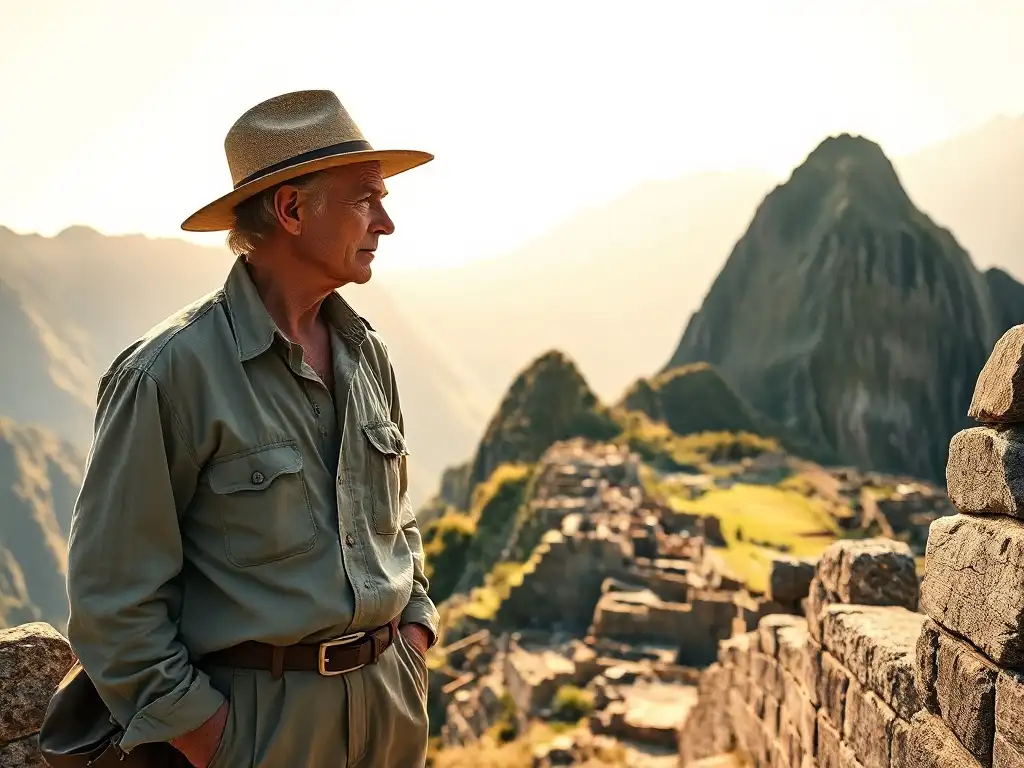
Hiram Bingham III's rediscovery of Machu Picchu in 1911 irrevocably altered the landscape of Andean archaeology and the global perception of Inca civilization. His expedition, though controversial in its methods and subsequent handling of artifacts, undeniably catapulted Machu Picchu to international fame, sparking decades of research and igniting a renewed interest in the Inca Empire. The impact of Bingham's work resonates even today, shaping how we understand, preserve, and appreciate this remarkable site.
The legacy is multifaceted, encompassing both significant contributions to the field and ongoing debates surrounding ethical considerations and the long-term consequences of his actions. Understanding this legacy requires a nuanced examination of both its positive and negative aspects. The sheer scale of the subsequent research and conservation efforts undertaken at Machu Picchu stands as a testament to the enduring power of Bingham's initial discovery, even amidst ongoing critical evaluation.
Hiram Bingham's Contribution to Andean Archaeology
Bingham's meticulous documentation, though criticized for its lack of rigorous archaeological methodology by modern standards, provided an invaluable initial record of Machu Picchu. His detailed descriptions, photographs, and the artifacts he collected—despite the controversies surrounding their removal and current location—laid the groundwork for future archaeological investigations. He effectively popularized Machu Picchu, bringing it to the attention of the world and stimulating further research and funding for Andean archaeology.
This increased attention led to a surge in scholarly interest, attracting archaeologists, historians, and anthropologists who built upon Bingham’s initial findings, refining our understanding of Inca society, architecture, and agricultural practices. His work, while imperfect, undeniably acted as a catalyst for a new era of Andean archaeological exploration, resulting in significantly more comprehensive and ethically sound research in subsequent decades.
This period saw the development of new techniques and a greater focus on preserving the integrity of sites, directly influenced by the lessons learned from the early, sometimes haphazard, explorations. The initial wave of research spurred by Bingham's discovery ultimately laid the foundation for the sophisticated archaeological understanding we possess today.
Ongoing Research and Conservation Efforts at Machu Picchu
The discovery of Machu Picchu initiated a continuous cycle of research and conservation efforts that persist to this day. Modern archaeological investigations employ far more sophisticated techniques, focusing on non-invasive methods such as ground-penetrating radar and LiDAR scanning to reveal hidden structures and understand the site’s layout without causing further damage. These advanced techniques allow researchers to build upon Bingham's initial work, creating a more complete picture of life at Machu Picchu.
Furthermore, extensive conservation projects are underway to protect the site from the elements and the impact of tourism. The Peruvian government, in collaboration with international organizations, implements rigorous preservation strategies, including structural stabilization, soil conservation, and the careful management of visitor flow. These efforts aim to ensure that Machu Picchu remains accessible for future generations while minimizing the environmental and structural impact of tourism.
The ongoing research and conservation are a direct consequence of Bingham’s initial discovery, demonstrating the long-term implications of his work, even if his methods are now viewed with scrutiny. The commitment to preservation reflects a shift towards a more ethical and sustainable approach to archaeological exploration.
Machu Picchu's Enduring Appeal and Cultural Significance
Machu Picchu's enduring appeal transcends its archaeological significance. It's become a powerful symbol of Inca ingenuity, resilience, and cultural heritage, captivating the imagination of people worldwide. Its breathtaking location, stunning architecture, and mysterious history continue to inspire awe and wonder.
The site's significance extends beyond its physical presence; it holds deep cultural and spiritual meaning for Peruvians, embodying a connection to their ancestral past. The site's enduring popularity as a tourist destination demonstrates its global cultural impact, highlighting the profound influence of Bingham's discovery. The influx of tourism, while posing challenges for conservation, also provides vital economic benefits to the local communities, fostering cultural preservation and sustainable development initiatives.
The lasting legacy of Hiram Bingham’s discovery is therefore not solely defined by the archaeological findings, but also by the enduring cultural and symbolic importance of Machu Picchu on a global scale. The site's continued relevance as a UNESCO World Heritage site underscores its irreplaceable value to both Peru and the world. The ongoing fascination with Machu Picchu is a direct testament to the enduring impact of Hiram Bingham's discovery and its lasting influence on our understanding of Andean civilizations.
Debunking Myths Surrounding Hiram Bingham's Machu Picchu Discovery
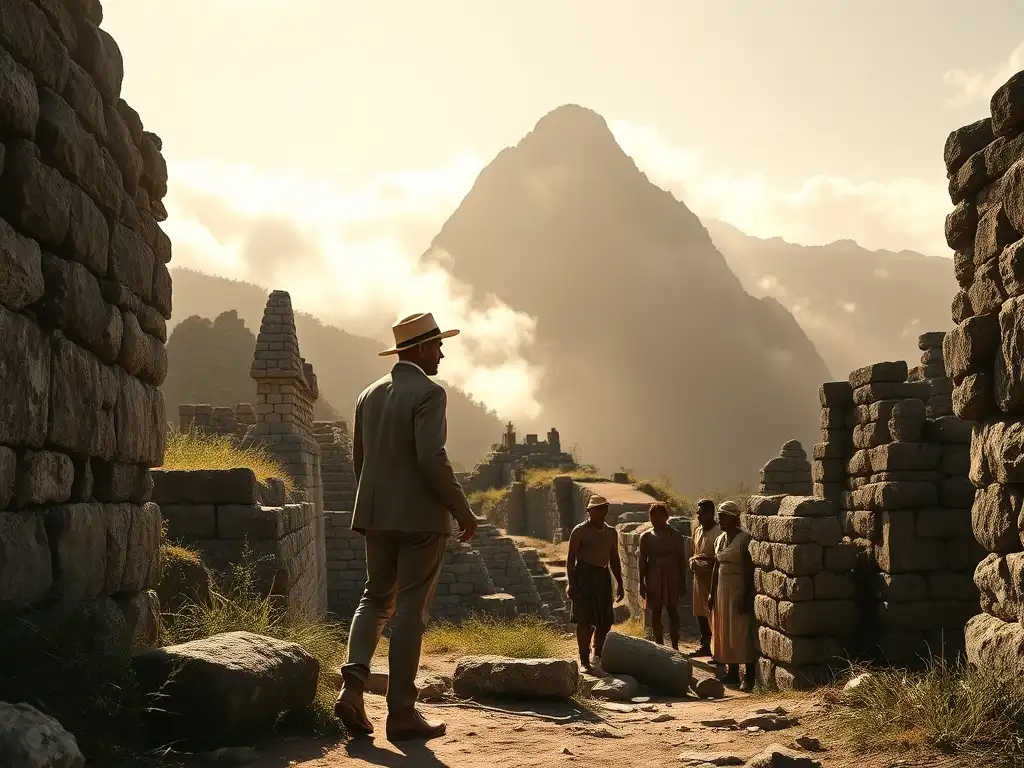
The Hiram Bingham Machu Picchu discovery impact is a topic often shrouded in myth and misconception. While Bingham's 1911 expedition undeniably brought Machu Picchu to international attention, the narrative surrounding his role requires careful examination to understand its true implications. Popular narratives often oversimplify a complex historical event, leading to inaccurate portrayals of Bingham's actions and their consequences.
This section aims to clarify some persistent myths and offer a more nuanced perspective on the events surrounding the rediscovery of this iconic Andean site. The accurate assessment of Bingham's impact necessitates acknowledging both his contributions and the limitations of his approach, considering the broader historical context and the perspectives of those often marginalized in traditional accounts.
Addressing Misconceptions About Bingham's Role
A common misconception paints Bingham as the sole discoverer of Machu Picchu, implying a heroic, almost accidental stumble upon a lost city. This narrative ignores the significant prior knowledge of the site's existence among local populations, particularly the Quechua people who lived in the surrounding areas for generations. Bingham's expedition, while crucial in bringing Machu Picchu to global recognition, was not the first to encounter the site.
Local guides, such as Melchor Arteaga, played a critical role in leading Bingham to the ruins, a fact often downplayed in romanticized accounts of the discovery. Furthermore, Bingham’s archaeological methods, by today's standards, were considered somewhat rudimentary and even destructive. His focus was often on collecting artifacts for museums rather than meticulously documenting the site's context.
This approach, while common at the time, raises questions about the long-term preservation of Machu Picchu and the ethical implications of his actions. The reality is far more nuanced than a simple "discovery" story; it's a story of collaboration, misrepresentation, and the complex interplay of historical forces.
The Complexities of Historical Narratives and Archaeological Interpretation
The narrative surrounding Bingham's expedition is further complicated by the inherent subjectivity of historical accounts and the evolving nature of archaeological interpretation. Different perspectives emerge depending on the historian's focus and the available evidence. For instance, some scholars emphasize Bingham's role in bringing Machu Picchu to the world stage, highlighting the subsequent influx of tourism and the increased understanding of Inca civilization. Others critique his methods, pointing to the damage inflicted on the site and the lack of proper documentation.
This disparity in interpretations underscores the need for a critical approach to historical narratives, avoiding simplistic hero-villain dichotomies. The Hiram Bingham Machu Picchu discovery impact is not a singular event with a clear-cut outcome; it's a multifaceted process with lasting consequences that continue to be debated and reevaluated. Analyzing the available evidence requires a multi-faceted approach, considering various sources and perspectives to create a more complete understanding.
Recognizing the Contributions of Indigenous Peoples in the Discovery
Crucially, the narrative surrounding Bingham's expedition must acknowledge the significant, often overlooked, contributions of the indigenous Quechua people. Their intimate knowledge of the surrounding landscape and the ruins themselves was instrumental in Bingham's success. They were not mere guides; they were active participants in the process, possessing generations of inherited knowledge about the historical significance of the site.
Their perspective, however, was often marginalized in favor of a Western-centric narrative that placed Bingham at the center of the story. This erasure of indigenous voices is a critical flaw in many traditional accounts of the discovery. A more accurate and ethically responsible narrative would center the contributions of the Quechua people, recognizing their crucial role in not only guiding Bingham to Machu Picchu but also in possessing and preserving knowledge of the site long before Bingham's arrival.
Their invaluable knowledge and historical memory should be acknowledged as a fundamental part of the Hiram Bingham Machu Picchu discovery impact. The true story is one of collaboration, though one where the contributions of indigenous peoples were unfortunately underrepresented for a long time.
Hiram Bingham's Machu Picchu Discovery Impact on Tourism and Preservation
Hiram Bingham's rediscovery of Machu Picchu in 1911 profoundly impacted not only archaeological understanding of the Inca Empire but also the site's future as a tourist destination and the subsequent challenges in its preservation. His meticulous documentation and subsequent publications brought the "Lost City of the Incas" to global attention, sparking a wave of interest that continues to this day.
This section will delve into the multifaceted consequences of Bingham's discovery, exploring its impact on tourism, the ongoing struggle to balance tourism with preservation, and the crucial role of responsible tourism in safeguarding this invaluable historical site for future generations.
The Rise of Tourism to Machu Picchu After Bingham's Discovery
Following Bingham's expedition and the publication of his findings, Machu Picchu quickly transitioned from an obscure, overgrown ruin to a world-renowned archaeological marvel. The initial surge in tourism was relatively modest, limited by the accessibility challenges of the time. However, the growing popularity of travel and adventure tourism in the early to mid-20th century fueled a steady increase in visitor numbers.
The construction of better roads and improved infrastructure played a significant role in this growth. By the latter half of the 20th century, Machu Picchu had become a major tourist destination, attracting visitors from across the globe. This explosive growth, while beneficial to the Peruvian economy, also presented unprecedented conservation challenges.
The sheer volume of visitors began to put a strain on the fragile ecosystem and the delicate archaeological remains themselves. Data on visitor numbers from this period is unfortunately fragmented, but anecdotal evidence points to a rapid and significant increase coinciding with improvements in infrastructure and accessibility.
Balancing Tourism and Preservation: The Challenges of Sustainable Management
The influx of tourists to Machu Picchu presented a significant dilemma: how to balance the economic benefits of tourism with the urgent need to protect this irreplaceable historical site. The delicate balance between these two competing forces continues to challenge Peruvian authorities and conservation organizations. The effects of uncontrolled tourism are readily apparent: erosion of trails, damage to structures, and the pollution of the surrounding environment.
Moreover, the sheer number of visitors can disrupt the delicate ecosystem of the surrounding cloud forest, impacting local flora and fauna. Sustainable management strategies have been implemented, including visitor quotas, the development of alternative trails, and the implementation of strict regulations regarding visitor behavior. However, the constant need to accommodate growing numbers of visitors while mitigating the environmental and archaeological impact remains an ongoing and complex challenge.
The ongoing debate involves balancing economic development with the long-term preservation of Machu Picchu's integrity. Further research into the economic impact of different management strategies is needed to better inform future policy decisions.
The Importance of Responsible Tourism in Conserving Machu Picchu
The long-term preservation of Machu Picchu hinges on the adoption of responsible tourism practices. This involves not only the implementation of effective management strategies by authorities but also a significant shift in the attitudes and behaviors of visitors. Responsible tourism emphasizes minimizing the environmental impact of travel, respecting local cultures, and supporting local communities.
For Machu Picchu, this translates into adhering to designated trails, avoiding contact with archaeological structures, and disposing of waste responsibly. Educational initiatives aimed at raising visitor awareness are crucial. Furthermore, supporting local businesses and communities that contribute to the preservation of the site helps ensure the long-term sustainability of both tourism and conservation efforts.
Promoting responsible tourism practices is not just a matter of preserving the physical integrity of Machu Picchu; it's about preserving its cultural and historical significance for generations to come. The success of this endeavor relies on a collaborative effort between government agencies, tourism operators, and individual visitors, all working towards a shared goal of sustainable and responsible tourism. The future of Machu Picchu depends on it.
Frequently Asked Questions
What role did Hiram Bingham play in the discovery of Machu Picchu?
Hiram Bingham's 1911 expedition is credited with bringing Machu Picchu to the world's attention. While the site wasn't entirely unknown to locals, Bingham's extensive documentation and publicity launched it onto the global stage, initiating widespread archaeological interest.
What was the impact of Bingham's discovery on the archaeological field?
Bingham's discovery spurred a new era of archaeological exploration in the Andes, significantly increasing interest in and funding for research on pre-Columbian civilizations. His work also helped establish new methodologies for documenting and preserving archaeological sites.
How accurate is the portrayal of Bingham's discovery in popular culture?
The popular image of Bingham's discovery is often romanticized. While he played a crucial role in bringing Machu Picchu to light, the narrative sometimes overlooks the pre-existing knowledge of local communities and the complexities of the site's history.
What is the significance of Machu Picchu in the context of Andean civilizations?
Machu Picchu, a remarkable Inca city, provides valuable insights into Inca urban planning, agricultural techniques, and social structures. It also serves as a testament to the advanced engineering and architectural skills of the Inca civilization.
What controversies surround Hiram Bingham's discovery of Machu Picchu?
Bingham's excavation methods are now seen as intrusive and lacking in modern archaeological standards. Furthermore, questions remain about the ethical implications of his actions and the proper treatment of cultural heritage sites.
Final Reflection: The Enduring Legacy of Machu Picchu's Rediscovery
Hiram Bingham's "discovery" of Machu Picchu wasn't merely an archaeological event; it was a catalyst, irrevocably altering the course of both archaeological practice and global perceptions of Inca civilization. The impact reverberates even today, shaping how we approach historical exploration and the preservation of cultural heritage sites worldwide. His expedition, while controversial in its methods, undeniably brought Machu Picchu to the world's attention, sparking a renewed interest in the Inca Empire and its rich history.
The enduring fascination with Machu Picchu, fueled by Bingham's narrative, highlights the power of storytelling in shaping historical understanding. It's a testament to the enduring allure of the lost city, a place that continues to inspire awe and wonder. Yet, it also compels us to critically examine the legacy of early archaeological expeditions, acknowledging both their contributions and their shortcomings. The past is never dead. It's not even past.
– William Faulkner. This quote underscores the ongoing relevance of Bingham's work, reminding us that the interpretation and impact of historical events continue to evolve.
Consider the implications of Bingham's actions. How has the influx of tourism impacted Machu Picchu's preservation? What ethical responsibilities do we have towards historical sites and the cultures they represent? You, the reader, are now part of this ongoing conversation. Reflect on the complexities of historical discovery, the importance of responsible exploration, and the enduring power of Machu Picchu's story. Let this reflection inspire you to engage with history critically, ethically, and with a deep appreciation for the cultures and civilizations that came before us.
**Unveil the Mysteries of Machu Picchu Today! **
Thank you for exploring the incredible story of Hiram Bingham and his remarkable discovery of Machu Picchu. We hope you found the insights into archaeological exploration and its profound impact on our understanding of Andean civilizations inspiring.
Now, let's deepen your engagement with this captivating history. Here are some exciting ways to continue your exploration:
- **Experience the breathtaking beauty of Machu Picchu firsthand** by joining a guided tour of the ancient ruins.
- **Share your newfound knowledge** by discussing the significance of Bingham’s discovery with friends or on social media.
- **Expand your understanding of Andean cultures** by exploring additional articles on our site and discovering lesser-known archaeological sites.
Reflect on this: **How can Hiram Bingham's adventurous spirit and dedication to discovery inspire your own pursuits? **