
Machu Picchu's Astronomy: Alignments and Celestial Observations

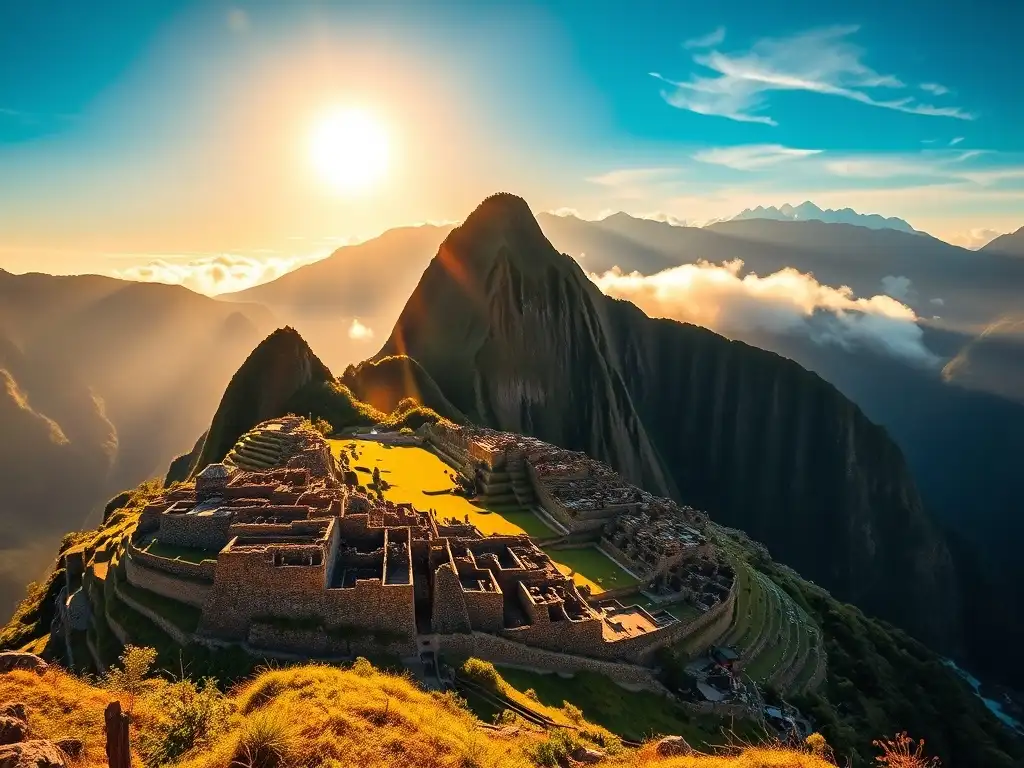
Step into a world lost in time, where the Andes Mountains whisper secrets of a celestial past. For centuries, the enigmatic heights of Machu Picchu have captivated the world, but have you ever considered its connection to the stars? Uncover the astonishing evidence of Machu Picchu astronomical alignments, revealing how the Incas meticulously charted the heavens and integrated their cosmic knowledge into their magnificent city. Prepare to be amazed as we delve into the mysteries of this ancient civilization and its profound understanding of the cosmos. Journey with us to unravel the secrets encoded in stone.
Machu Picchu, the iconic "Lost City of the Incas," nestled high in the Andes Mountains of Peru, is renowned not only for its breathtaking architecture and intricate engineering but also for its sophisticated understanding of astronomy. This article delves into the compelling evidence suggesting that the city's design incorporated deliberate astronomical alignments, reflecting the Inca's profound knowledge of the celestial movements and their integration into daily life, religious practices, and agricultural cycles.
We will explore the various architectural features of Machu Picchu that appear to be intentionally oriented towards significant celestial events, revealing the Inca's mastery of observation and their deep connection with the cosmos. Understanding these astronomical alignments provides a richer appreciation for the ingenuity and cultural significance of this remarkable site, shedding light on the advanced knowledge and spiritual beliefs of the Inca civilization.
The precise nature of these alignments and their intended purpose remain subjects of ongoing research and debate, but the evidence strongly suggests a deliberate and sophisticated system of celestial observation embedded within the very fabric of Machu Picchu. This exploration will address key findings and current interpretations of Machu Picchu's astronomical significance, focusing on how these alignments enhance our understanding of Inca cosmology and their relationship with the natural world.
Evidence of Solar Alignments at Machu Picchu
Numerous studies have documented the apparent alignment of several structures within Machu Picchu with the solstices and equinoxes. The Intihuatana stone, for example, a prominent monolithic structure, is believed by many researchers to have served as a key element in solar observations. Its position and the precise angles of its carved surfaces seem to be linked to the solstices, marking the longest and shortest days of the year.
This alignment would have been crucial for the Inca's agricultural calendar, helping them to predict planting and harvesting times with remarkable accuracy. Furthermore, the orientation of the main temples and residential buildings also suggests a deliberate attempt to capture specific solar events, such as the rising and setting sun at the solstices and equinoxes. Detailed analysis of the shadows cast by these structures at different times of the year provides compelling support for this hypothesis.
The precision of these alignments is remarkable, showcasing the Inca's advanced understanding of geometry and their ability to incorporate astronomical principles into their architectural designs. Further research continues to refine our understanding of the specific solar events tracked at Machu Picchu and their significance within the Inca worldview.
Lunar and Stellar Observations at Machu Picchu
Beyond solar alignments, evidence suggests that the Inca astronomers at Machu Picchu also meticulously observed the moon and stars. While less extensively studied than solar alignments, the positioning of certain structures and windows may reflect a keen awareness of lunar cycles and the movements of constellations. The Inca calendar was heavily influenced by both solar and lunar cycles, and some scholars hypothesize that specific architectural features served as observatories for tracking lunar phases and predicting eclipses.
Furthermore, the Inca mythology incorporated constellations and stars into their cosmology. Identifying possible alignments with significant constellations could offer insights into their religious beliefs and the symbolic significance of the celestial bodies. The limited research in this area, however, highlights the need for further investigation to uncover the full extent of Inca lunar and stellar observations at Machu Picchu.
The Intihuatana Stone and its Astronomical Significance
The Intihuatana stone, often translated as "Hitching Post of the Sun," is arguably the most famous example of Machu Picchu's astronomical features. Its complex carvings and precise orientation have fueled considerable debate among researchers. While its exact function remains a topic of discussion, the prevailing hypothesis is that it served as a crucial instrument for tracking the sun's movement throughout the year.
The stone's multiple facets and angles may have been used to precisely determine the solstices and equinoxes, providing vital information for agricultural planning and religious ceremonies. The intricate carvings on the stone itself may also hold symbolic meaning relating to the Inca cosmology and their understanding of the sun's power and influence. Further research, including more sophisticated 3D modeling and analysis of the stone's geometry, is needed to fully understand the intricate astronomical functions and symbolic interpretations of this enigmatic monument.
The Role of Astronomy in Inca Society and Culture
The astronomical alignments at Machu Picchu were not merely a scientific curiosity; they were deeply integrated into the fabric of Inca society and culture. Astronomy played a vital role in regulating agriculture, organizing social life, and shaping religious beliefs. The Inca's precise understanding of the celestial cycles allowed them to predict seasons, plan agricultural activities, and coordinate communal events.
Their cosmology, deeply intertwined with astronomical observations, shaped their worldview and provided a framework for understanding the natural world and their place within it. The astronomical alignments at Machu Picchu serve as a testament to the sophisticated level of astronomical knowledge attained by the Inca civilization and its profound impact on their daily lives and spiritual beliefs. This understanding highlights the crucial role that astronomy played in sustaining the Inca empire and shaping its cultural identity.
- Evidence of Solar Alignments at Machu Picchu
- Lunar and Stellar Observations at Machu Picchu
- The Intihuatana Stone and its Astronomical Significance
- The Role of Astronomy in Inca Society and Culture
The Inca Understanding of the Cosmos and Machu Picchu
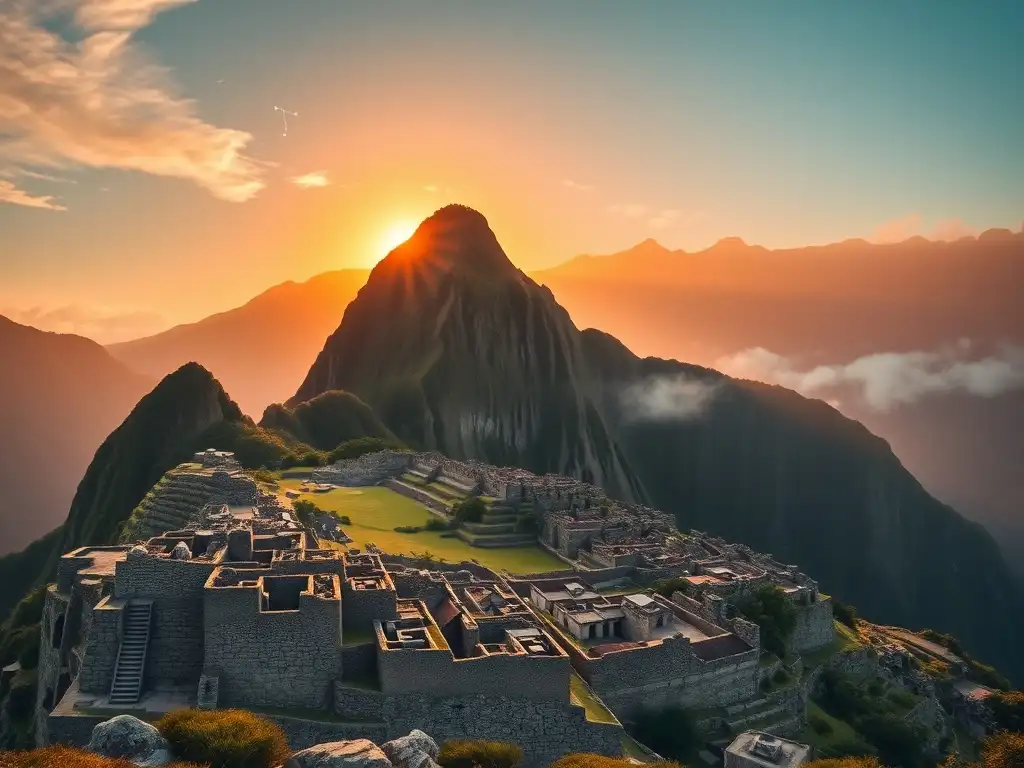
The Inca understanding of the cosmos profoundly influenced their architecture, particularly at Machu Picchu. Unlike purely utilitarian structures, Inca buildings were deeply symbolic, reflecting their intricate worldview and sophisticated astronomical knowledge. This wasn't simply a matter of chance alignment; rather, meticulous planning and observation went into integrating celestial events into the design and orientation of their sacred sites.
The precise placement of structures, the angles of walls, and even the arrangement of windows were carefully calibrated to mark solstices, equinoxes, and other significant astronomical occurrences. This meticulous attention to celestial events underscores the Inca's profound respect for the cosmos and their belief in the interconnectedness of the terrestrial and celestial realms. The integration of astronomy into architecture wasn't merely decorative; it served a crucial religious and social function, reinforcing the Inca worldview and strengthening the ties between the earthly and spiritual realms.
Understanding this connection is key to deciphering the true significance of Machu Picchu and other Inca sites. The evidence suggests a sophisticated understanding of astronomy far surpassing previously held assumptions. Further research is needed to fully unlock the secrets encoded within the architectural marvels of the Inca.
Inca Cosmology and its Influence on Architecture
Inca cosmology viewed the universe as a structured and interconnected system, with the sun, moon, and stars playing vital roles. The sun god, Inti, was central to their beliefs, considered the source of life and energy. The Inca calendar, intricately linked to the solar year, guided agricultural practices and religious ceremonies. This intimate relationship between the celestial bodies and earthly life directly impacted their architectural choices.
For example, the precise alignment of buildings with specific celestial events at Machu Picchu reflects their desire to create a space that harmoniously mirrored the cosmic order. This wasn't merely a visual effect; it served to sanctify the site, connecting it to the divine realm. The orientation of the Intihuatana stone, a significant feature at Machu Picchu, provides a striking example of this astronomical alignment, marking the solstices and equinoxes with remarkable precision.
The careful positioning of windows and doorways further demonstrates the Inca's sophisticated understanding of the sun's path throughout the year. This meticulous attention to detail highlights the deeply symbolic nature of Inca architecture and its fundamental connection to their cosmology. The use of specific stones, their placement, and even the direction of the building's orientation were not arbitrary choices but rather reflections of their deep-seated beliefs.
The Sacred Landscape and Celestial Connections
Machu Picchu wasn't just a city; it was a sacred landscape, carefully integrated into its natural environment. The Inca's ability to seamlessly blend architecture and nature further demonstrates their understanding of the interconnectedness between the terrestrial and celestial realms. The mountains surrounding Machu Picchu weren't simply geographical features; they were considered sacred entities, part of a broader cosmic landscape. The placement of structures within this landscape wasn't random.
Evidence suggests that specific mountains were chosen for their alignment with celestial events, creating a complex network of visual and symbolic connections. This deliberate integration of the celestial and terrestrial realms solidified the sacred nature of Machu Picchu, reinforcing its role as a significant religious and administrative center. The interplay between the architecture and the natural landscape amplified the celestial markers, creating a powerful and awe-inspiring experience for those who inhabited and visited the site.
The way the sun interacts with the mountains and structures throughout the year creates a spectacle of light and shadow, further enhancing the sacred atmosphere and underscoring the Inca's profound understanding of the cosmic order. The study of Machu Picchu's astronomical alignments reveals a deep connection between the Inca's worldview and the built environment, showcasing their advanced knowledge and their profound respect for the cosmos. This holistic approach to design highlights the sophistication of Inca civilization and their ability to integrate their spiritual beliefs into their daily lives.
Machu Picchu Astronomical Alignments: A Detailed Look
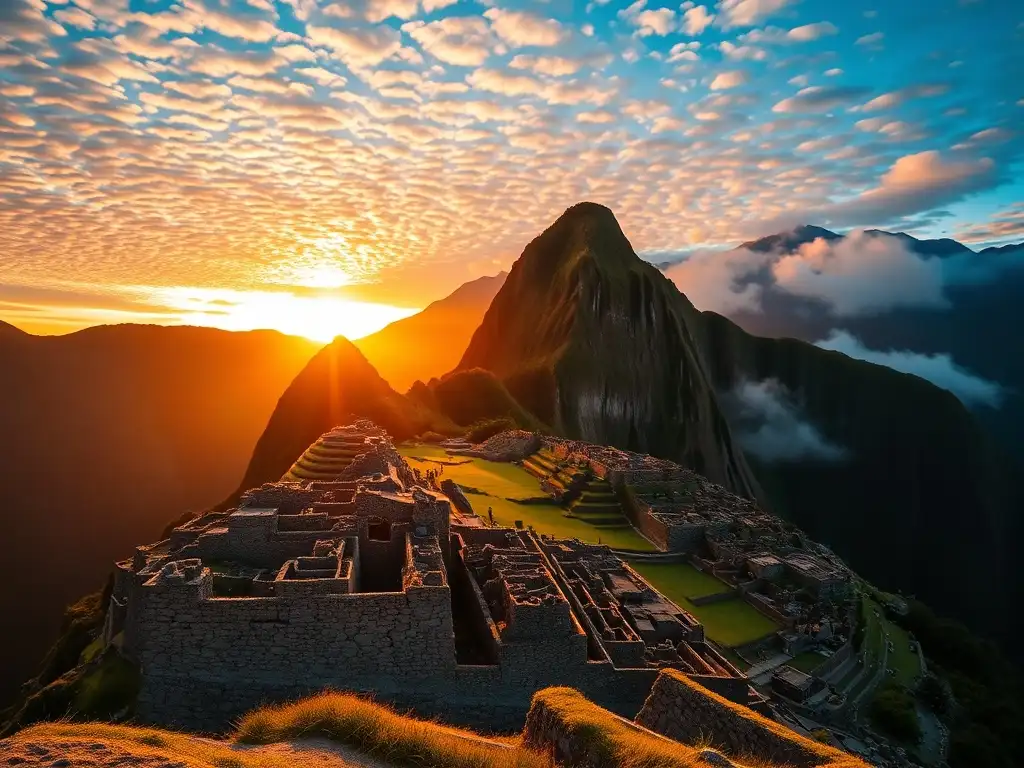
This section delves into the fascinating astronomical alignments found within Machu Picchu, a testament to the Inca's sophisticated understanding of the cosmos. The meticulous planning and construction of the site reveal a deep connection between the Incas and the celestial bodies, particularly the sun, moon, and stars. Their observations weren't merely for calendrical purposes; they were integral to their religious beliefs, agricultural practices, and social organization.
Understanding these astronomical alignments provides invaluable insight into the Inca worldview and their advanced knowledge of astronomy. The precision of these alignments, considering the available technology, remains a source of wonder and ongoing research. We'll explore some key structures and their apparent celestial connections, focusing on the evidence supporting their astronomical function.
The Intihuatana Stone: A Solar Observatory
The Intihuatana stone, meaning "Hitching Post of the Sun," is arguably the most iconic example of Machu Picchu's astronomical significance. Located at the highest point of the main ceremonial plaza, this monolithic stone structure is believed to have served as a solar observatory.
Its design, with its precisely carved angles and surfaces, suggests that it was used to mark solstices and equinoxes. While the exact methods of observation remain debated, some researchers propose that the stone's unique shape and orientation allowed Inca priests to track the sun's movement throughout the year, using shadows cast by the stone itself and possibly other strategically placed markers.
The Intihuatana stone's importance is further emphasized by its prominent location within the sacred precinct of Machu Picchu. Its placement, commanding a view of the surrounding landscape and the rising and setting sun, reinforces its role as a focal point for celestial observations and ritual activities. Further research is needed to fully understand the intricacies of its design and its precise astronomical functions, but its significance as a key element in Machu Picchu's astronomical layout is undeniable. The precision of its construction, even considering the limitations of Inca technology, highlights the advanced astronomical knowledge of the civilization.
Observing the Sun's Path at Machu Picchu
Observations of the sun's path at Machu Picchu weren't limited to the Intihuatana stone. Many structures within the site seem to be strategically aligned to mark key solar events, such as the solstices and equinoxes. For example, the orientation of certain buildings and windows appears to be designed to frame specific sunrise or sunset positions on these significant dates. These alignments could have been used to determine the precise timing of agricultural cycles, influencing planting and harvesting schedules.
This sophisticated understanding of the sun's movement demonstrates a remarkable level of astronomical precision. The Incas were not simply observing the sun; they were using their observations to manage their agricultural practices and maintain their complex social structure. This integration of astronomy into daily life underscores the pervasive influence of celestial events on Inca society.
Further studies, incorporating modern astronomical software and techniques, may reveal additional alignments that remain undiscovered. The meticulous planning and execution of these alignments suggest a deeply ingrained understanding of the cosmos and its influence on their world. Detailed archaeoastronomical surveys are crucial to further unravel the secrets of Machu Picchu's solar alignments.
The Temple of the Sun and its Astronomical Significance
The Temple of the Sun, a circular structure located within the royal sector of Machu Picchu, is another site of potential astronomical significance. Its unique architecture, with its trapezoidal windows and carefully oriented walls, suggests a potential role in celestial observations. The precise alignment of its entrances and interior spaces may have been used to observe specific stellar events or lunar cycles. Some researchers even suggest that the temple may have been used to track the movements of certain constellations, although this remains a topic of ongoing investigation.
While the precise astronomical functions of the Temple of the Sun are still under investigation, its design and location within the royal complex highlight its probable importance in Inca religious and ceremonial practices. The integration of astronomical features into such a significant structure emphasizes the close link between the celestial world and the Inca worldview.
Further research combining archaeological data with modern astronomical modeling is needed to fully determine the extent of the Temple of the Sun's astronomical significance. The potential for uncovering more precise alignments and understanding their purpose within the broader context of Inca beliefs offers exciting avenues for future research regarding Machu Picchu's astronomical alignments.
Celestial Observations from Machu Picchu
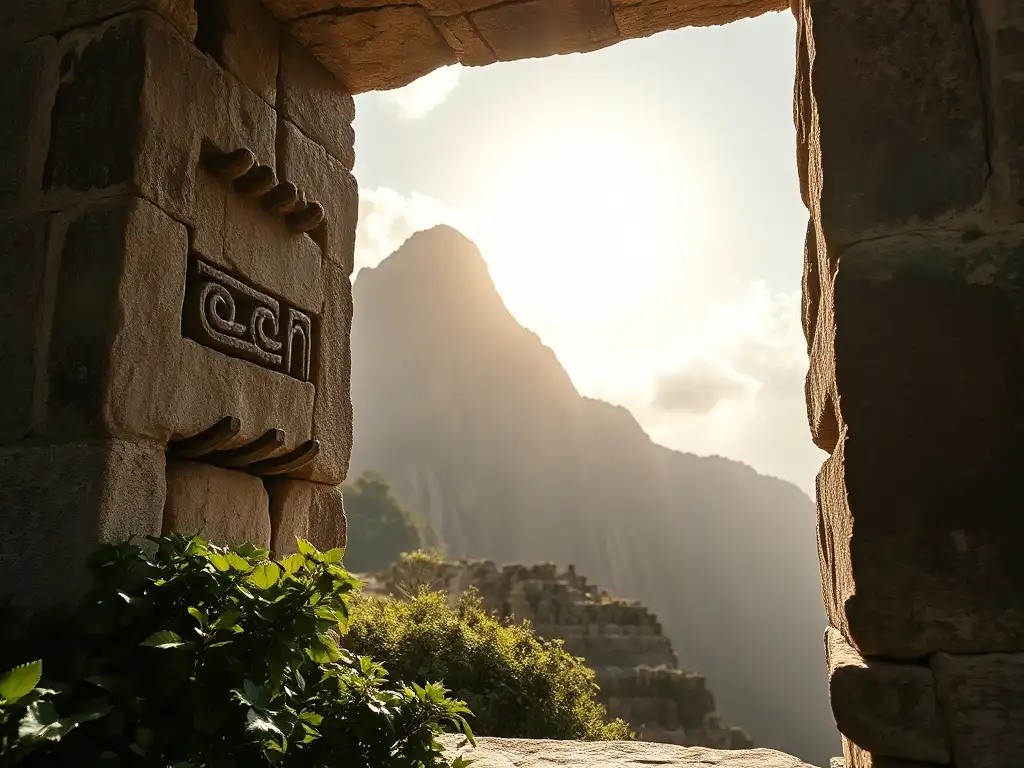
Machu Picchu's astronomical alignments are not merely coincidental; they represent a sophisticated understanding of celestial movements and a deep integration of astronomy into Inca life. The site's builders meticulously planned its layout to align with key astronomical events, reflecting a worldview where the cosmos played a central role in their society. This wasn't simply about stargazing for leisure; celestial observations were likely crucial for agricultural planning, religious ceremonies, and maintaining the Inca calendar system.
The precision involved in these alignments suggests a highly developed understanding of geometry and observational astronomy, far surpassing what was previously assumed about Andean knowledge. Evidence suggests that Machu Picchu's inhabitants used various methods to track the sun, moon, and stars, demonstrating a remarkable level of astronomical expertise. The precise nature of these Machu Picchu astronomical alignments continues to fascinate researchers and inspires ongoing investigation.
Studying the Stars from the Andes
The high altitude of Machu Picchu provided unparalleled opportunities for celestial observation. The clear Andean skies, free from light pollution, allowed for a detailed study of the night sky. Inca astronomers likely used simple instruments, perhaps incorporating carefully positioned stones or markers to track the movement of stars and constellations.
The Intihuatana stone, often interpreted as a sundial, may have also played a role in observing the stars, though its exact function remains debated among scholars. The orientation of many buildings within the complex, such as the Temple of the Sun, suggests a deliberate attempt to align with specific celestial events, such as solstices and equinoxes. Further research is needed to fully understand the techniques employed by Inca astronomers, but the surviving evidence points towards a sophisticated system of observation and interpretation.
Analyzing the precise alignments of structures and their relationship to the movements of celestial bodies is key to uncovering the intricate astronomical knowledge embedded within Machu Picchu. This meticulous approach to observing the stars is a testament to the Inca's deep connection with the cosmos.
Tracking the Moon's Cycles at Machu Picchu
The Inca calendar was intimately linked to the lunar cycle. Evidence suggests that the inhabitants of Machu Picchu closely monitored the moon's phases, using this knowledge to regulate agricultural practices and religious festivals. While specific lunar alignments within the site are still being investigated, the importance of the moon in Inca cosmology is undeniable.
The cyclical nature of the moon mirrored the cyclical nature of life and the agricultural calendar. Understanding the moon's phases was essential for planning planting and harvesting times, maximizing crop yields, and ensuring the community's sustenance. The precise relationship between lunar cycles and specific architectural features at Machu Picchu remains an area of active research.
However, the general importance of lunar observations in Inca society is well-documented, highlighting the integral role of the moon in their daily lives and spiritual beliefs. Further study may reveal more specific evidence of lunar tracking at Machu Picchu, enriching our understanding of their calendrical system.
Using the Pleiades and other Constellations
The Pleiades star cluster held significant importance in Inca cosmology, often associated with agricultural cycles and fertility. Several researchers suggest that specific structures at Machu Picchu were aligned with the rising and setting points of the Pleiades, marking important times in the agricultural calendar. Other constellations, though less extensively studied, likely also played a role in Inca astronomical practices.
The Inca’s knowledge of constellations extended beyond the Pleiades, encompassing a broader understanding of the night sky. The precise identification and interpretation of these constellations requires further research and analysis of existing data, along with further investigation of potential astronomical alignments within the site.
The identification of other constellations and their significance in the Inca worldview would provide a more complete picture of their astronomical knowledge and its integration into their daily lives. The use of the Pleiades and other constellations in the Machu Picchu astronomical alignments demonstrates the depth and complexity of the Inca's understanding of the cosmos.
The Significance of Astronomical Knowledge for the Incas
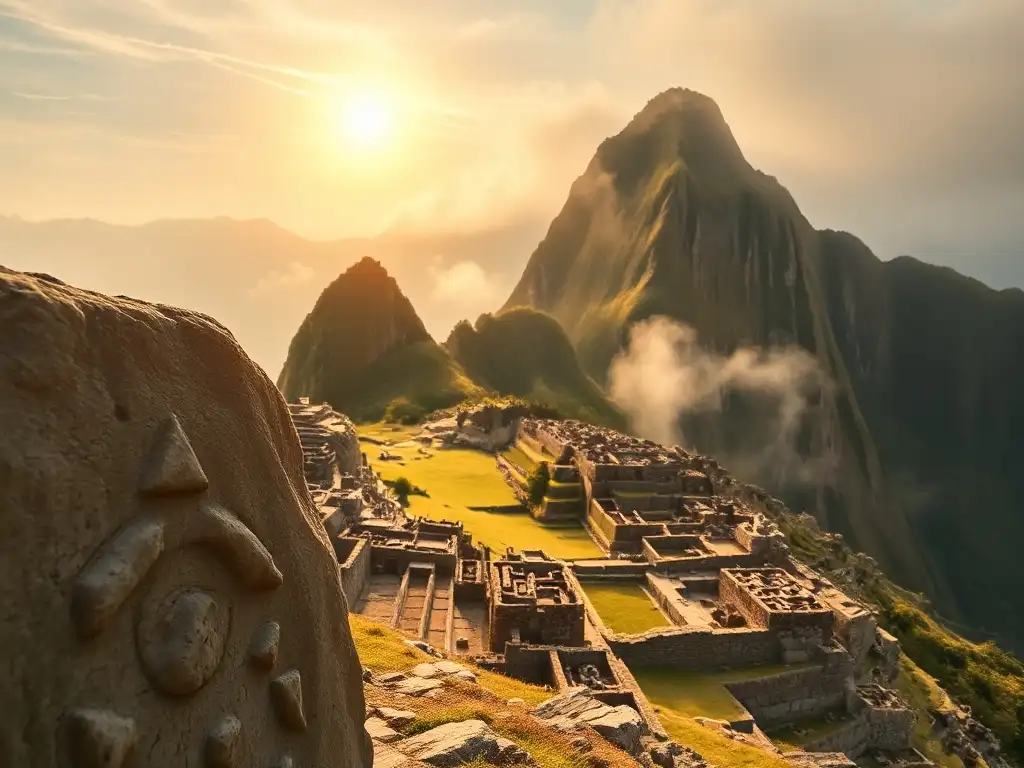
The Inca civilization, renowned for its sophisticated engineering and intricate social structures, possessed a deep understanding of astronomy. This wasn't merely a matter of intellectual curiosity; astronomical knowledge was inextricably woven into the fabric of Inca life, influencing their agricultural practices, religious beliefs, and urban planning. The precise observation of celestial bodies was crucial for their survival and spiritual well-being, shaping their worldview and societal organization.
Understanding the Inca's astronomical expertise is key to appreciating the complexity and ingenuity of their civilization, especially when analyzing sites like Machu Picchu. The meticulous planning and construction evident in Inca architecture reflect a profound connection to the cosmos, further emphasizing the importance of celestial observations in their society. This intimate relationship between earthly life and the heavens is a defining characteristic of Inca culture, and its impact is visible throughout their empire.
Agricultural Calendar and Astronomical Events
The Inca's agricultural success depended heavily on their precise understanding of the annual solar cycle. They developed a sophisticated agricultural calendar intricately linked to astronomical events. The solstices and equinoxes, for instance, marked critical times for planting and harvesting.
The rising and setting points of specific stars served as indicators for the optimal times to cultivate different crops, ensuring maximum yields. Evidence suggests they used various methods to track these celestial events, potentially including sophisticated instruments [specific information pending] and detailed observations passed down through generations. This meticulous attention to astronomical cycles allowed the Inca to optimize their agricultural practices and successfully sustain their large population, even in challenging Andean terrains.
The accuracy of their agricultural calendar, directly tied to astronomical observations, highlights the practical applications of their astronomical knowledge and its crucial role in their economic prosperity. Moreover, this deep understanding allowed them to adapt to the varied microclimates within the Andes, maximizing agricultural output across diverse regions.
Religious Ceremonies and Celestial Alignment
Inca religion was deeply intertwined with astronomy. Celestial bodies were not merely observed; they were revered as deities or powerful symbols, influencing religious practices and ceremonies. Many Inca festivals and rituals were timed to coincide with specific astronomical events, reflecting the belief that the cosmos held sway over human affairs.
The sun, moon, and stars played pivotal roles in their mythology and cosmology. For example, the Inti Raymi, the festival dedicated to the sun god Inti, was held at the winter solstice, a time of great significance in the Inca calendar. The alignment of temples and sacred sites with celestial events further underscores the crucial role of astronomy in Inca religious practices.
This intricate relationship highlights the integration of astronomy not just into practical life but also into the spiritual core of Inca society. The meticulous alignment of structures with astronomical occurrences suggests a deliberate effort to create sacred spaces that resonated with the cosmic order, reinforcing the spiritual power of these sites.
Machu Picchu's Role as a Sacred and Astronomical Center
Machu Picchu, often described as the "Lost City of the Incas," serves as a prime example of the Inca's astronomical expertise. While the precise function of Machu Picchu remains a subject of ongoing research, the evidence strongly suggests its role as a significant religious and astronomical center. The precise alignment of numerous structures within the city with specific celestial events – including the solstices and equinoxes – indicates a conscious effort to integrate astronomical observations into urban planning.
For example, the Intihuatana stone, a prominent feature of Machu Picchu, is believed to have been used for astronomical observations and possibly played a vital role in religious ceremonies. The meticulous planning involved in the construction of Machu Picchu, with its intricate network of buildings and terraces, reflects a profound understanding of astronomy and its integration into the daily life of the city's inhabitants. This demonstrates the seamless integration of astronomy into the practical and spiritual fabric of Inca society, where celestial observations weren't merely scientific pursuits, but integral components of their religious beliefs and societal structures.
Further research into Machu Picchu's astronomical alignments continues to reveal the sophistication of Inca astronomical knowledge and its profound impact on their culture. The discovery of new alignments and their interpretations further solidify Machu Picchu's status as a key site for understanding Inca astronomy and its profound significance within their civilization.
Exploring the Evidence of Ancient Inca Astronomy at Machu Picchu
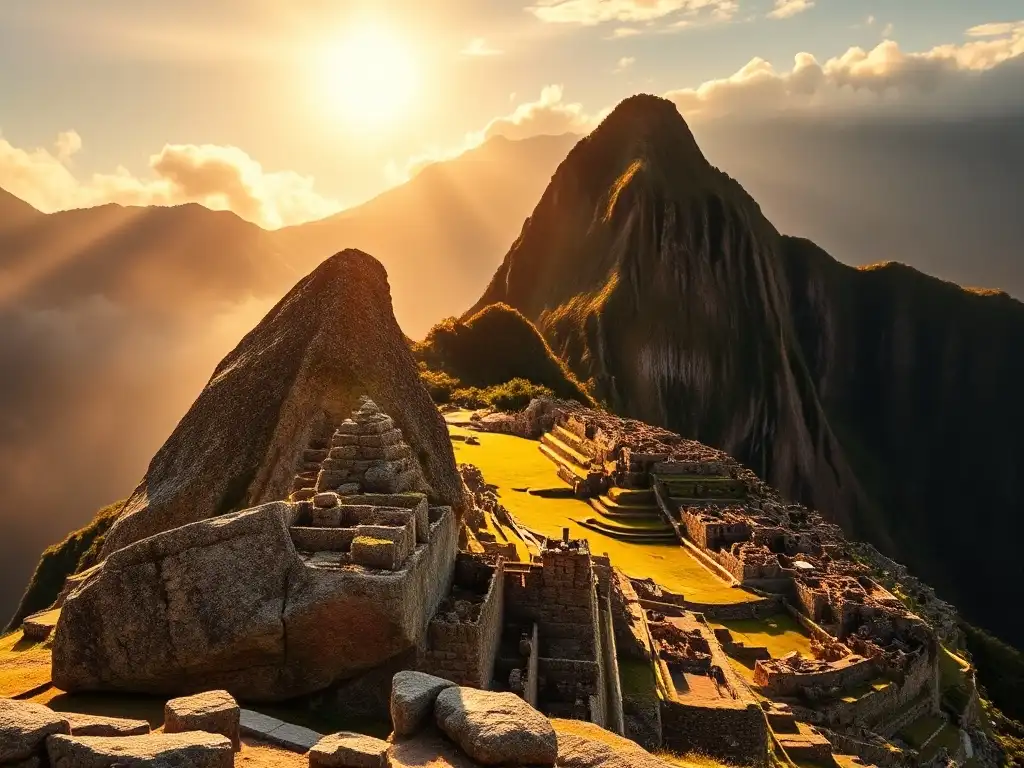
This section delves into the compelling evidence suggesting a sophisticated understanding of astronomy within the Inca civilization, specifically focusing on its manifestation at Machu Picchu. We will explore the architectural design, significant discoveries related to astronomical alignments, and the profound meaning attributed to specific celestial events, particularly the June solstice sunrise. The meticulous planning and execution evident in Machu Picchu's construction strongly indicate a deliberate integration of astronomical knowledge into its very fabric.
This wasn't simply a matter of chance; rather, it reflects a deep-seated cosmological worldview integral to Inca culture and society. The precision of the alignments speaks volumes about the Inca's advanced observational skills and their ability to translate celestial phenomena into tangible architectural features.
Understanding these astronomical alignments offers a unique perspective on the Inca worldview and their relationship with the cosmos. The study of Machu Picchu's astronomical alignments offers a fascinating window into the intellectual and spiritual life of the Inca civilization, revealing a level of sophistication often underestimated.
The Architectural Design and its Connection to the Sky
Machu Picchu's architecture is far from haphazard. The precise placement of buildings, terraces, and even individual stones suggests a deliberate attempt to align structures with significant celestial events. Consider the Intihuatana stone, often interpreted as a "sun dial," although its precise function remains a subject of ongoing debate among scholars. Its carefully carved features and orientation seem directly related to the observation of the sun's movement throughout the year.
Similarly, many windows and doorways appear strategically positioned to frame specific sunrise or sunset points on the horizon during solstices and equinoxes. This meticulous attention to detail is not confined to prominent structures; even the seemingly minor architectural elements contribute to the overall astronomical design. For example, the orientation of certain pathways might have facilitated the tracking of constellations or the observation of lunar cycles.
The intricate network of terraces, often cited for their agricultural function, also demonstrates a keen awareness of solar angles and the impact of sunlight on crop growth. Further research is needed to fully understand the subtle astronomical implications of all architectural features, but the existing evidence strongly suggests a complex system of astronomical observation embedded within the very fabric of Machu Picchu. The precision evident in the stonework itself points towards a deep understanding of both engineering and astronomy, highlighting the Inca's remarkable capabilities.
Discoveries and Interpretations of Astronomical Alignments
Numerous studies have documented various astronomical alignments at Machu Picchu. These discoveries have significantly contributed to our understanding of Inca astronomical practices. Researchers have identified alignments with the solstices, equinoxes, and specific constellations. The precision of these alignments varies depending on the feature and the methodology used for their identification.
Some alignments are relatively straightforward, involving the direct sighting of the sun from a specific location. Others are more subtle and require sophisticated analysis of the site's layout and the interplay of light and shadow throughout the year. The interpretation of these alignments, however, remains a complex and sometimes contentious field. Different scholars offer varying explanations for the same alignments, reflecting the ongoing debate surrounding the precise function and meaning of specific structures within Machu Picchu.
The lack of written records from the Inca themselves adds another layer of complexity, forcing researchers to rely heavily on archaeological evidence, comparative studies with other Andean sites, and ethnohistorical accounts. Despite these challenges, the accumulating evidence consistently points towards a deliberate integration of astronomical knowledge into the design and function of Machu Picchu. The ongoing research into these alignments promises to further illuminate the sophisticated astronomical understanding of the Inca civilization.
Alignment with the June Solstice Sunrise and its Significance
The alignment of certain structures with the June solstice sunrise holds particular significance. The June solstice, marking the shortest day of the year in the Southern Hemisphere, was likely a crucial event in the Inca calendar. The precise alignment of specific features with the sunrise on this day suggests a deliberate attempt to mark this astronomically significant event. This alignment might have served both practical and symbolic purposes.
From a practical perspective, it could have been used to regulate agricultural practices or to mark the beginning of important ceremonies. Symbolically, the solstice sunrise, representing the rebirth of the sun and the return of longer days, likely held profound religious significance. The Inca's reverence for the sun is well documented, and the meticulous alignment with the June solstice sunrise suggests a direct connection between the astronomical event and their religious beliefs. The precise manner in which the June solstice sunrise was observed and celebrated at Machu Picchu remains a subject of ongoing research.
However, the existing evidence strongly suggests its importance within the broader cosmological worldview of the Inca civilization. This alignment is not merely a coincidence; it represents a deliberate act of astronomical marking, emphasizing the centrality of celestial events within Inca society. The June solstice sunrise alignment at Machu Picchu stands as a powerful testament to the Inca's profound understanding of astronomy and its integration into their daily lives and religious practices.
Machu Picchu's Legacy: Continued Study of Inca Astronomy
Machu Picchu's astronomical alignments continue to fascinate researchers and inspire new investigations. The sheer scale and precision of the Inca's celestial observations, as evidenced by the city's layout and structures, suggest a sophisticated understanding of the cosmos that is only gradually being unveiled. The enduring mystery surrounding the city's purpose and the intricacies of its design fuel ongoing efforts to decipher the Inca's astronomical knowledge.
This legacy isn't merely about uncovering past practices; it's about understanding the profound connection the Inca held with the natural world and the role astronomy played in their society. The meticulous planning evident in Machu Picchu's construction, the deliberate orientation of buildings, and the incorporation of astronomical features into the city's design all point towards a deep-seated cosmological understanding. This intricate relationship between the terrestrial and celestial realms is a crucial element of understanding Inca civilization's complexity.
Modern Research on Inca Celestial Knowledge
Modern research utilizes a range of techniques to investigate Machu Picchu's astronomical alignments. These include:
- High-precision surveying and mapping: Sophisticated instruments allow for the accurate measurement of building orientations and the identification of subtle alignments previously overlooked. Researchers meticulously document the positions of structures relative to the sun's solstices and equinoxes.
- Digital modeling and simulations: Computer programs recreate the celestial positions at different times of the year, allowing researchers to test hypotheses about the purpose of specific alignments. This virtual reconstruction aids in understanding the Inca's perspective and the visibility of celestial events from various points within Machu Picchu.
- Ethnohistorical analysis: The study of Inca oral traditions, colonial-era accounts, and surviving artifacts helps contextualize the astronomical observations. This interdisciplinary approach combines scientific data with cultural insights to provide a more holistic understanding of Inca astronomy.
For example, recent studies have focused on the Intihuatana stone, a significant structure believed to have been used for solar observations. Researchers have employed advanced techniques to analyze its orientation and potential function in tracking the sun's movement throughout the year. The results of these investigations continue to refine our understanding of Inca astronomical practices and their significance within the broader context of Inca society. Further research is needed to fully grasp the intricacies of the Inca's celestial knowledge and its influence on their daily lives, agricultural practices, and religious beliefs.
Preserving and Understanding Machu Picchu's Astronomical Heritage
The preservation of Machu Picchu's astronomical heritage is crucial for future research and understanding. This involves not only protecting the physical structures but also ensuring the continued study and interpretation of the site's astronomical significance. Several key aspects are crucial:
- Minimizing environmental impact: Careful management of tourism and environmental factors is essential to prevent deterioration of the structures and the surrounding landscape. This includes controlling erosion, mitigating the effects of pollution, and preventing damage from human activity.
- Supporting interdisciplinary research: Collaboration between archaeologists, astronomers, anthropologists, and other specialists is vital for a comprehensive understanding of Machu Picchu's astronomical aspects. This collaborative approach brings diverse perspectives and expertise to bear on the research process.
- Public education and outreach: Making the findings of astronomical research accessible to the public is crucial for fostering appreciation of Inca heritage and promoting responsible stewardship of the site. Educational programs, museum exhibits, and public lectures can effectively communicate the importance of Machu Picchu's astronomical legacy.
The long-term preservation of Machu Picchu's astronomical heritage requires a sustained commitment to research, conservation, and public engagement. Only through these combined efforts can we ensure that future generations can appreciate and learn from the Inca's remarkable astronomical achievements. The site's intricate relationship with the cosmos represents a valuable window into a sophisticated and complex civilization.
Advancements in Archaeoastronomy Techniques and Future Discoveries
Advancements in archaeoastronomy techniques promise exciting new discoveries related to Machu Picchu's astronomical alignments. The use of:
- Ground-penetrating radar (GPR): GPR can reveal subsurface features, potentially uncovering previously unknown structures or alignments related to astronomical observations. This non-invasive technique allows for the exploration of areas without causing damage to existing structures.
- LiDAR (Light Detection and Ranging): LiDAR provides high-resolution 3D models of the site, allowing for detailed analysis of building orientations and alignments. This technology enables the creation of precise digital maps that facilitate the identification of subtle features.
- Improved astronomical software: Sophisticated software enables more accurate simulations of past celestial events, allowing researchers to test hypotheses with greater precision. This increased accuracy enhances the reliability of astronomical interpretations.
These technological advancements, combined with ongoing interdisciplinary research, hold the potential to significantly enhance our understanding of Machu Picchu's astronomical significance. Future studies may reveal new alignments, refine existing interpretations, and further illuminate the Inca's deep connection with the cosmos. The ongoing exploration of Machu Picchu's astronomical heritage promises to continue to unveil fascinating insights into Inca culture and technology for years to come. The potential for new discoveries remains high, fueled by both technological advancements and the enduring intrigue of this remarkable site.
Frequently Asked Questions
What is the significance of Machu Picchu's astronomical alignments?
Machu Picchu's astronomical alignments weren't merely decorative; they were integral to the Inca's religious and agricultural practices. The precise positioning of structures allowed for accurate tracking of the solstices and equinoxes, crucial for their calendar and farming cycles.
How did the Inca use astronomy in their daily life?
Inca astronomy deeply influenced their daily life. Celestial events guided agricultural practices, religious ceremonies, and even their social organization. Understanding the cosmos was fundamental to their worldview.
What specific astronomical alignments are found at Machu Picchu?
Several key alignments exist, including those marking the solstices and equinoxes, particularly noticeable with the Intihuatana stone. Researchers continue to discover and interpret additional alignments throughout the site.
Were all Andean cultures equally focused on astronomy?
While all Andean civilizations demonstrated some astronomical awareness, the Inca's sophisticated understanding and integration of astronomy into their society was particularly noteworthy. Other cultures, like the Nazca, focused on different astronomical aspects.
How accurate were the Inca's astronomical observations?
The Inca's astronomical observations were remarkably accurate, considering their lack of advanced instruments. Their ability to precisely align structures with celestial events demonstrates a deep understanding of celestial mechanics and meticulous observation skills.
Final Reflection: Unveiling the Cosmos in the Andes
Machu Picchu's astronomical alignments weren't merely coincidences; they were a testament to the Inca's profound understanding of the cosmos and their intricate connection to the natural world. This sophisticated knowledge, woven into the very fabric of their sacred city, continues to resonate today, reminding us of the enduring power of human ingenuity and our innate desire to understand the universe around us. The precision and intentionality behind these alignments challenge our modern perspectives, urging us to reconsider the capabilities and achievements of pre-Columbian civilizations.
The enduring legacy of Machu Picchu's astronomical observations transcends its historical significance; it speaks to the universal human need to connect with something larger than ourselves. The Inca's meticulous charting of celestial events highlights a deep spiritual and practical relationship with the cosmos, influencing their agricultural practices, religious ceremonies, and societal structure. The universe is within you, as you are within the universe.
This ancient wisdom, expressed in countless ways across cultures, finds a powerful echo in the carefully planned alignments of Machu Picchu.
Consider, for a moment, the implications of this knowledge. How did the Inca achieve such accuracy without the technology we possess today? What can we learn from their deep connection to the natural world?
I urge you to look up at the night sky, to marvel at the celestial dance, and to reflect on the enduring human quest for understanding our place within the cosmos. Let the legacy of Machu Picchu inspire you to seek out your own connections to the universe, to appreciate the wonders of the natural world, and to strive for a deeper understanding of the past to illuminate our future.
**Unveil the Stars of Machu Picchu! **
Thank you for exploring the captivating astronomical alignments of Machu Picchu with us! You've discovered the wonders of ancient Andean celestial observations. Now, let's connect this newfound knowledge to the universe around you.
Here are some inspiring next steps:
- **Plan a visit! ** Consider experiencing the magic of astronomy firsthand by visiting Machu Picchu or a similar archaeological site.
- **Share your passion! ** Join a local astronomy club or stargazing event to connect with fellow enthusiasts and share your insights.
- **Continue your exploration! ** Expand your understanding of how ancient cultures interacted with the cosmos by reading books or watching documentaries on ancient astronomy.
What celestial event most fascinates you in the context of ancient cultures and the stars? We'd love to hear your thoughts!