
The Mysteries Still Unsolved at Machu Picchu: Ongoing Research and Discoveries

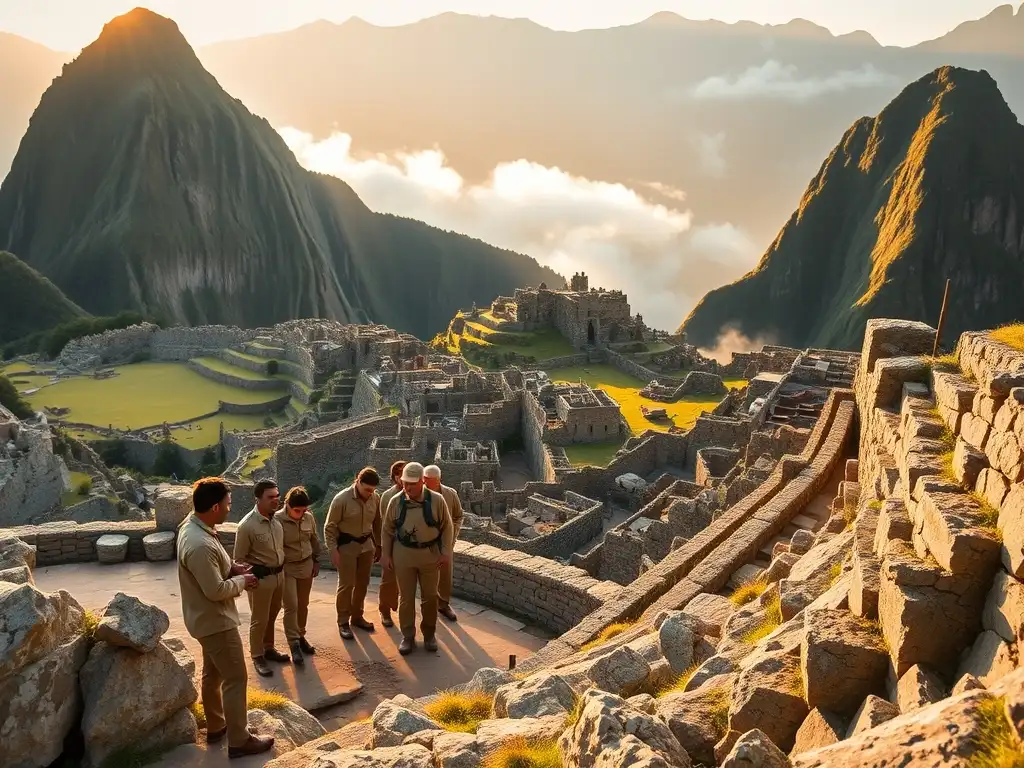
Step into a world lost to time, yet echoing with untold stories. Andean Civilizations unveils the captivating legacy of empires that shaped a continent. From the intricate artistry of the Nazca lines to the awe-inspiring engineering of the Incas, prepare to be amazed. But some secrets remain stubbornly hidden... Dive into our exploration of Machu Picchu's unsolved mysteries, a journey into ongoing research that promises to rewrite history. What will we uncover next?
-
Machu Picchu's Enduring Enigmas: Ongoing Research and Discoveries
- Unraveling the Secrets of Machu Picchu: An Introduction to Ongoing Research
- The Purpose of Machu Picchu: Investigating the Original Function
- The Construction of Machu Picchu: Engineering Marvels and Unanswered Questions
- The Abandonment of Machu Picchu: Why Was the City Left Behind?
- The Rediscovery of Machu Picchu: Hiram Bingham and the Early Explorations
- Current Archaeological Research at Machu Picchu: New Techniques and Findings
- The Future of Machu Picchu Research: What Mysteries Remain?
- Machu Picchu Unsolved Mysteries Research: A Summary of Key Questions
-
Frequently Asked Questions
- What are some of the biggest unsolved mysteries surrounding Machu Picchu?
- What kind of research is currently being conducted at Machu Picchu?
- How did the Incas manage to build Machu Picchu with such precision?
- What role did Machu Picchu play in Inca society?
- Where can I find more information about the ongoing research at Machu Picchu?
- Final Reflection: Unraveling the Enigmas of Machu Picchu
- **Unlock the Secrets of Machu Picchu! **
Machu Picchu's Enduring Enigmas: Ongoing Research and Discoveries
Machu Picchu, the iconic "Lost City of the Incas," perched high in the Andes Mountains, continues to captivate the world with its breathtaking beauty and enduring mysteries. Despite decades of archaeological investigation, significant questions remain unanswered about this remarkable site. This article delves into the ongoing research and discoveries that are gradually unveiling the secrets of Machu Picchu, shedding light on its purpose, construction, and the lives of its inhabitants.
We will explore the fascinating, and often conflicting, theories surrounding its function, examining the latest archaeological evidence and the innovative research techniques employed to unlock its hidden narratives. Understanding the ongoing research surrounding Machu Picchu is crucial to appreciating the complexity and enduring legacy of this incredible Inca citadel, and to unraveling the many unsolved mysteries that continue to fuel our fascination with this ancient wonder.
The quest to understand Machu Picchu is a testament to humanity's enduring curiosity and our commitment to preserving and interpreting the rich history of the Andean civilizations. This exploration of "Machu Picchu unsolved mysteries research" will reveal the ongoing efforts to piece together the puzzle of this breathtaking site.
Unraveling the Secrets of Machu Picchu: An Introduction to Ongoing Research
Research into Machu Picchu is a multifaceted endeavor, involving archaeologists, historians, anthropologists, and other specialists. Modern techniques such as LiDAR (Light Detection and Ranging) scanning allow for a non-invasive survey of the landscape, revealing previously unknown structures and pathways hidden beneath the dense vegetation. Ground-penetrating radar is also used to detect subsurface features, potentially uncovering hidden chambers or other architectural elements. Furthermore, meticulous analysis of artifacts, including pottery, textiles, and human remains, provides valuable insights into the daily lives and social structures of the inhabitants.
The interdisciplinary nature of this research emphasizes the complexity of understanding Machu Picchu, requiring collaboration and the integration of diverse perspectives to paint a complete picture. The ongoing research reflects a commitment to both preserving the site and uncovering its secrets responsibly and ethically. This commitment is crucial for the long-term preservation of this important historical and cultural landmark.
The Purpose of Machu Picchu: Investigating the Original Function
The exact purpose of Machu Picchu remains a subject of intense debate among scholars. While it is widely accepted that it served as an important site for the Inca Empire, its precise function continues to elude definitive explanation. Was it primarily a royal estate, a religious center, an astronomical observatory, or a combination of these?
This ongoing discussion highlights the complexity of interpreting archaeological evidence and the need for a nuanced understanding of Inca society and beliefs. The investigation involves analyzing the layout of the city, the distribution of structures, and the symbolic meaning of architectural elements. The lack of a single, simple answer underscores the multifaceted nature of Inca civilization and the richness of its cultural heritage.
Theories on Machu Picchu's Role: Royal Estate, Religious Site, or Astronomical Observatory?
Several competing theories attempt to explain Machu Picchu's function. Some scholars propose it was a royal estate, a secluded retreat for Inca royalty. This theory points to the presence of luxurious residences and the strategic location of the site, offering breathtaking views and a sense of seclusion. Others suggest it was a significant religious center, highlighting the presence of temples and shrines dedicated to Inca deities.
The intricate astronomical alignments of some structures have led to the theory that it also served as an astronomical observatory, used for tracking celestial events and conducting religious rituals. The possibility that Machu Picchu fulfilled multiple functions simultaneously is also a compelling consideration, reflecting the complex interplay of political, religious, and astronomical practices within Inca society. The ongoing research aims to reconcile these competing theories, seeking a more comprehensive understanding of the site's multifaceted role.
Archaeological Evidence and the Function of Machu Picchu: Analysis of Terraces, Temples, and Water Systems
The meticulous analysis of Machu Picchu's architectural features provides crucial clues to its function. The extensive system of agricultural terraces, for example, suggests a significant focus on food production and resource management. The intricate design of the temples and religious structures reflects the importance of religious practices in Inca life.
The sophisticated water management systems, with their intricate channels and fountains, demonstrate advanced engineering skills and a deep understanding of hydraulic principles. The combination of these elements points to a complex and multifaceted society capable of sophisticated planning and execution. Examining the evidence within the context of Inca cosmology and social structures is paramount to interpreting the site's overall significance.
The ongoing excavation and analysis of these features continue to yield new insights into the lives and practices of the people who inhabited Machu Picchu. Careful documentation and preservation efforts are crucial to ensuring the continued study and understanding of this remarkable site for future generations.
The Construction of Machu Picchu: Engineering Marvels and Unanswered Questions
Machu Picchu's construction remains a source of wonder and fascination, prompting ongoing research into the Inca's remarkable engineering prowess. The city's intricate design, perched high in the Andes Mountains, showcases a deep understanding of both architecture and the environment. The sheer scale of the undertaking, considering the available technology and resources, is truly breathtaking.
Researchers continue to debate the methods employed, attempting to unravel the secrets behind the seemingly impossible feats of construction. The precision and sophistication of the stonework, the effectiveness of the drainage systems, and the sheer logistical challenge of transporting materials across challenging terrain all contribute to the enduring mystery surrounding Machu Picchu's construction. Understanding these aspects is crucial to appreciating the ingenuity of the Inca civilization and the complexities of their societal organization.
The city stands as a testament to their advanced knowledge and ability to adapt their building techniques to the demanding Andean landscape. New discoveries continue to refine our understanding, challenging previously held assumptions and revealing further intricacies of Inca engineering. The ongoing research into the construction techniques used at Machu Picchu provides valuable insights into the advanced knowledge and skills of the Inca civilization.
Inca Engineering at Machu Picchu: Examining the Precision Stonework and Drainage Systems
The precision stonework at Machu Picchu is legendary. Stones are fitted together with such accuracy that even a knife blade cannot be inserted between them. This remarkable level of precision is evident throughout the site, from the intricately carved walls to the perfectly aligned terraces. Researchers are still analyzing the techniques used to achieve this level of accuracy, exploring potential methods of shaping and fitting the stones.
Beyond the aesthetics, the effectiveness of the Inca drainage systems is equally impressive. Channels and conduits were carefully integrated into the architecture, diverting rainwater and preventing erosion. The sophisticated understanding of hydraulics displayed in these systems is a testament to the Inca's advanced knowledge of engineering principles.
These systems not only protected the structures from damage but also contributed to the overall sustainability of the city. Understanding how these systems functioned and were maintained provides crucial insight into the daily life and resource management of the Inca people at Machu Picchu. The efficiency and longevity of these systems are a remarkable feat of engineering, even by today's standards.
The Quarrying and Transportation of Stone: The Use of Inclined Planes and Human Labor
The sourcing and transportation of the massive stones used to build Machu Picchu presents a significant logistical challenge. Researchers believe that the stones were quarried from various locations in the surrounding area, some at considerable distances from the city. The exact methods of transportation remain a subject of ongoing debate, but evidence suggests the use of inclined planes, ramps, and a significant amount of human labor.
The sheer scale of this undertaking, moving enormous blocks of stone over difficult terrain, underscores the organizational capabilities and manpower of the Inca empire. The lack of animal power for such tasks further emphasizes the impressive human engineering and resourcefulness involved. Ongoing research continues to investigate the routes used for transporting the stones, employing techniques like geophysical surveys and analysis of ancient pathways.
These investigations are crucial to fully understanding the immense effort and planning required to construct Machu Picchu. The challenges faced and overcome by the Inca builders highlight the impressive scale of their undertaking.
Unexplained Construction Methods: The Assembly of Massive Stones Without Mortar
One of the most enduring mysteries surrounding Machu Picchu is the method used to assemble the massive stones without the use of mortar. The incredibly precise fit of the stones suggests a sophisticated understanding of stonework and construction techniques far beyond what was previously assumed. Researchers continue to investigate potential methods, exploring theories involving the use of sophisticated tools, precise measurements, and possibly the utilization of natural binding agents.
The absence of mortar makes the construction even more remarkable, raising questions about the level of precision and craftsmanship involved. The ability to fit stones so perfectly together without mortar is a testament to the Inca’s advanced engineering skills and their deep understanding of stone properties.
Ongoing research is attempting to replicate the construction methods to test various hypotheses and potentially unlock the secrets of this remarkable feat of engineering. The precise methods remain elusive, but the results are undeniable: a testament to the Inca's skills and ingenuity.
The Abandonment of Machu Picchu: Why Was the City Left Behind?
The abandonment of Machu Picchu remains one of history’s most intriguing questions. While the city's construction is impressive, its sudden desertion is equally puzzling. The lack of definitive records and the complex interplay of historical factors have led to numerous theories, each with its own proponents and detractors.
Understanding the reasons behind the abandonment is crucial to completing the picture of Machu Picchu's history and significance within the Inca Empire. The investigation into the abandonment is an ongoing process, involving meticulous analysis of archaeological data, historical records, and environmental factors. The precise reasons are still debated, but the event itself remains a significant historical puzzle.
Theories on Machu Picchu's Abandonment: The Impact of the Inca Civil War and Spanish Conquest
Several theories attempt to explain the abandonment of Machu Picchu. The Inca Civil War, a period of intense conflict in the late 15th century, is frequently cited as a possible contributing factor. Disruption of trade routes, resource allocation, and the displacement of populations could have led to the city's desertion. The subsequent Spanish conquest further complicated the situation, resulting in widespread disruption and the destruction of Inca infrastructure.
The Spanish conquest and the associated diseases devastated the Inca population, and the effects rippled throughout the empire, potentially leading to the abandonment of settlements like Machu Picchu. The impact of disease, conflict, and the disruption of societal structures should not be underestimated. Ongoing research continues to refine our understanding of the specific events and their influence on the city's fate. The interplay of these factors remains a subject of ongoing debate and research.
The Lack of Written Records: The Challenge of Tracing the City's Final Years
The absence of extensive written records from the Inca civilization presents a significant challenge to understanding the final years of Machu Picchu. Unlike many other ancient civilizations, the Inca did not have a widespread system of written language in the same way as the Egyptians or Mesopotamians. Instead, they relied on a system of knotted strings called quipus which are still not fully understood. The limited information provided by the quipus, combined with the destruction of many Inca records during the Spanish conquest, makes reconstructing the city's final years particularly difficult.
Scholars are working to decipher the quipus and to glean information from other sources such as oral traditions and archaeological evidence. However, the absence of a comprehensive written history creates substantial gaps in our understanding. The challenge lies in piecing together a coherent narrative from fragmented sources, a task requiring significant interdisciplinary research.
Ongoing Research into the Abandonment of the City: Analyzing Settlement Patterns and Material Culture
Current research into the abandonment of Machu Picchu focuses on analyzing settlement patterns and material culture. Archaeologists are carefully excavating the site, studying the distribution of artifacts and structures to gain insights into the city's final days. The analysis of material culture—the tools, pottery, and other objects left behind—can provide crucial clues about the circumstances of the abandonment.
Researchers are also studying the surrounding area to understand the broader context of the city's decline. Analyzing settlement patterns in neighboring areas can provide insights into whether the abandonment was a gradual process or a sudden event. The application of advanced technologies such as remote sensing and GIS mapping is further enhancing our understanding of the site and its surroundings.
This multi-faceted approach is crucial to building a more complete picture of the events leading to Machu Picchu's abandonment. The ongoing research promises to shed more light on this enduring mystery, potentially revealing new details and challenging existing theories.
The Rediscovery of Machu Picchu: Hiram Bingham and the Early Explorations
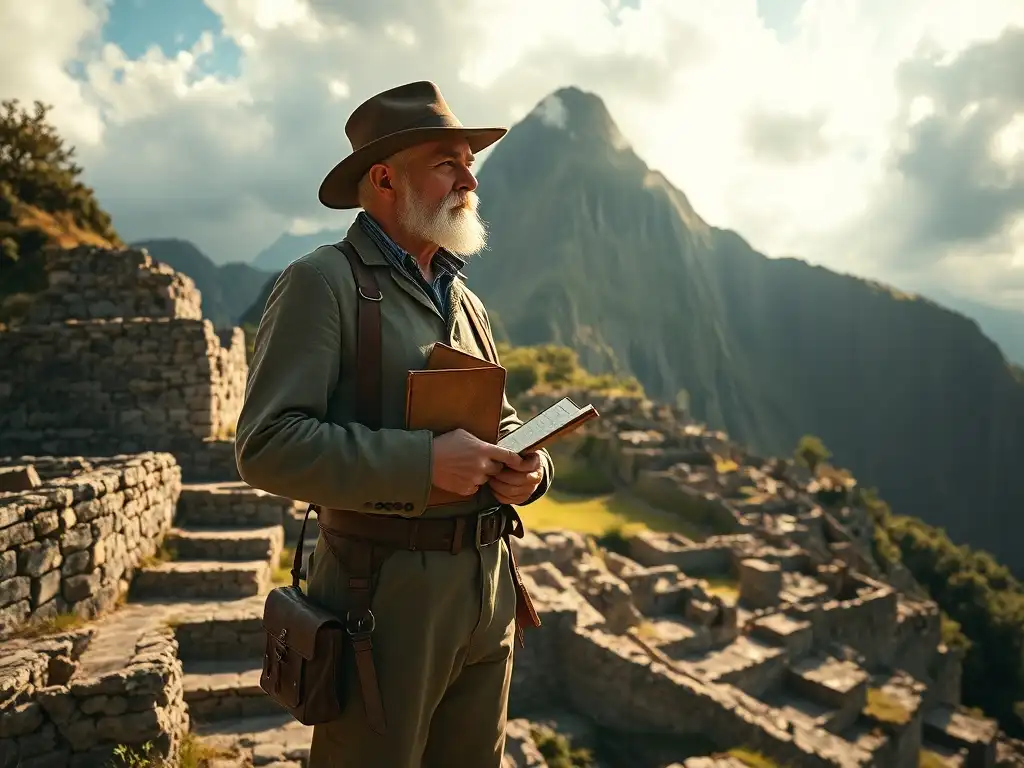
Hiram Bingham III's "rediscovery" of Machu Picchu in 1911 is a pivotal moment in the understanding of Inca history. While local people knew of the site, Bingham's expedition brought it to the world's attention, sparking decades of research and fascination. His initial explorations, however, were characterized by a certain lack of methodological rigor by today's standards, focusing more on the dramatic narrative of a "lost city" than a detailed archaeological investigation.
This initial narrative, while captivating, also shaped early interpretations of the site, sometimes overshadowing the nuances of Inca life and society. The romanticism surrounding Bingham's discovery, though undeniably effective in bringing global attention to Machu Picchu, has also presented challenges for later researchers attempting to separate fact from legend.
The initial lack of rigorous documentation and the somewhat haphazard nature of the early excavations have left gaps in our understanding that researchers are still working to fill. Bingham's legacy is complex: a mixture of groundbreaking discovery and methodological limitations that continue to impact how we approach the site today.
Bingham's Expeditions to Machu Picchu: The 1911 Expedition and Its Impact
Bingham's 1911 expedition wasn't a singular event; it was the culmination of several trips to the region, fueled by his ambition to locate the last Inca stronghold, Vilcabamba. His journey, fraught with challenges and aided by local guides, ultimately led him to Machu Picchu. The impact of this expedition was immediate and far-reaching.
The photographs and initial reports captivated the public imagination, transforming Machu Picchu from a relatively unknown site into a global symbol of Inca civilization. Bingham's narrative, emphasizing the lost city aspect, became deeply ingrained in popular culture, influencing countless books, films, and documentaries. However, this initial focus on the dramatic story, while beneficial for raising awareness, sometimes overshadowed the need for a systematic archaeological approach.
The initial excavations, while uncovering many artifacts and structures, lacked the precision and documentation that modern archaeology demands. This has, in turn, made it more challenging for later researchers to fully understand the context of the discoveries made during Bingham's time.
Challenges in the Early Research: Limited Technology and Biased Interpretations
Early research at Machu Picchu was hampered by technological limitations. The tools and techniques available in the early 20th century were significantly less sophisticated than those used today. This meant that excavation methods were often less precise, potentially damaging delicate artifacts and obscuring valuable contextual information. Furthermore, interpretations were often colored by prevalent biases and assumptions about Inca society.
The prevailing narratives of a "lost city" and a sophisticated but ultimately defeated civilization influenced how researchers interpreted the site's layout, function, and inhabitants. The lack of rigorous anthropological and sociological perspectives in the early decades led to a skewed understanding of the complexity of Inca life at Machu Picchu. Over time, however, these biases have been challenged and revised as new research methodologies and a more nuanced understanding of Inca culture have emerged.
The Evolution of Understanding Machu Picchu: From Lost City to Cultural Icon
Our understanding of Machu Picchu has evolved dramatically since its rediscovery. The initial romantic narrative of a lost city, while captivating, has gradually given way to a more complex and nuanced interpretation. Modern research emphasizes the site's role as a royal estate, a significant administrative center, and possibly a religious sanctuary.
The ongoing discovery of new structures and artifacts continues to refine our understanding of its function and the lives of its inhabitants. Machu Picchu's status has also shifted from a purely archaeological site to a globally recognized cultural icon. Its designation as a UNESCO World Heritage Site underscores its immense historical and cultural significance.
The evolving understanding of Machu Picchu reflects not only advancements in archaeological techniques but also a broader shift in scholarly perspectives on Inca civilization and its complexity. The site continues to be a source of inspiration and a testament to the enduring legacy of the Inca Empire.
Current Archaeological Research at Machu Picchu: New Techniques and Findings
Modern research at Machu Picchu employs cutting-edge technology and interdisciplinary approaches to unravel its mysteries. The site continues to yield new discoveries, challenging and refining previous assumptions. Archaeologists are now able to utilize non-invasive techniques to explore areas previously inaccessible, revealing previously unknown structures and artifacts.
This approach minimizes damage to the site while maximizing the potential for new discoveries. The integration of various disciplines, including anthropology, botany, and geology, provides a more holistic understanding of the site's history and the lives of its inhabitants. The ongoing research is not only adding to our knowledge but also refining our understanding of Inca society, architecture, and daily life.
Cutting-Edge Technologies in Machu Picchu Research: Ground-Penetrating Radar and 3D Modeling
Ground-penetrating radar (GPR) is proving invaluable in identifying subterranean features at Machu Picchu, revealing previously unknown structures and potential burial sites. This non-invasive technology allows researchers to map the subsurface without disturbing the site's integrity. 3D modeling, based on meticulous surveying and photographic documentation, is transforming our visualization of the site.
These models allow researchers to reconstruct past landscapes and structures, providing a clearer understanding of the site's evolution and spatial organization. The combination of GPR and 3D modeling allows for a comprehensive and detailed analysis of the site, providing insights that would be impossible with traditional methods alone. This technology allows for a more accurate and comprehensive understanding of the site's layout and construction, leading to a more nuanced interpretation of its function and purpose.
New Discoveries at Machu Picchu: The Identification of Previously Unknown Structures and Burials
Recent research has led to the discovery of previously unknown structures and burial sites at Machu Picchu, significantly expanding our understanding of the site's complexity. These discoveries challenge previous assumptions about the site's size, population, and organization. The ongoing excavation and analysis of these new findings are providing valuable insights into Inca architecture, social structures, and burial practices.
The discovery of these previously unknown features underscores the enduring potential of Machu Picchu to yield new knowledge and challenge existing interpretations. The meticulous documentation and analysis of these new discoveries are crucial for expanding our understanding of Inca civilization and its relationship to the site.
Ongoing Investigations into the Inhabitants of Machu Picchu: Isotopic Analysis of Human Remains
Isotopic analysis of human remains found at Machu Picchu is providing crucial insights into the origins and diets of the site's inhabitants. This analysis allows researchers to trace the movement of people and identify the sources of their food. The results are challenging previous assumptions about the site's population and its connections to other parts of the Inca Empire.
By analyzing the isotopic signatures in bone and teeth, researchers can gain a deeper understanding of the daily lives and social structures of the people who lived at Machu Picchu. This non-destructive method provides valuable information about the inhabitants without damaging the fragile remains. The application of this technique is revolutionizing our understanding of the social dynamics and migratory patterns associated with Machu Picchu.
The Future of Machu Picchu Research: What Mysteries Remain?
Machu Picchu, despite decades of research, continues to hold a wealth of unanswered questions. The sheer scale of the site, coupled with the challenges of accessing and preserving it, means that significant portions remain poorly understood. Future research promises to unveil more secrets, potentially revolutionizing our understanding of Inca civilization. The intricate network of pathways, agricultural terraces, and residential areas still presents many puzzles.
Why were certain structures built in particular locations? What were the precise functions of less understood buildings? These are some of the key questions that will drive future research.
The advanced understanding of Inca engineering, manifested in the precise stonework and sophisticated water management systems, also requires further investigation to fully grasp their methods and knowledge. Additionally, ongoing analysis of artifacts unearthed at the site continues to provide valuable data, shedding light on daily life, religious practices, and the social structure of the Inca elite. The potential for discovering new structures and artifacts remains high, promising even more exciting revelations in the years to come.
Unsolved Enigmas of Machu Picchu: The Precise Function of Specific Structures and the Role of the Elite
Many structures at Machu Picchu defy easy categorization. While some areas are clearly residential or agricultural, others remain enigmatic. The precise function of certain buildings, such as the Intihuatana stone, a significant astronomical feature, is still debated.
Some scholars propose it was used for ritualistic purposes, while others suggest astronomical observations. Similarly, the role of the elite within the city remains a topic of ongoing discussion. Did they live permanently at Machu Picchu, or was it primarily used for ceremonial or administrative purposes?
Archaeological evidence suggests a complex social hierarchy, but the specific roles and interactions of the different social groups are still unclear. The distribution of artifacts and the architecture itself provide clues but require further detailed analysis to fully understand the dynamics of power and social organization at Machu Picchu. The study of skeletal remains found at the site also provides insights into the health, diet, and lifestyle of the inhabitants, offering crucial information about the lives of both elites and commoners.
Preservation Challenges at Machu Picchu: Managing Tourism and Protecting the Site
The immense popularity of Machu Picchu presents significant challenges for its preservation. The sheer volume of tourists visiting the site each year puts a strain on the infrastructure and the delicate environment. Balancing the needs of tourism with the imperative to protect the site's integrity is a constant struggle. Erosion, damage to structures, and the impact on the local ecosystem are all major concerns.
Sustainable tourism practices are crucial, requiring careful management of visitor numbers, the implementation of protective measures, and ongoing monitoring of the site's condition. The development of infrastructure, including improved access routes and visitor facilities, must be carefully planned to minimize environmental impact. Furthermore, ongoing research into the best conservation methods is essential to ensure the long-term preservation of Machu Picchu for future generations. The delicate balance between accessibility and preservation remains a central challenge for the site's management.
The Importance of Continued Research: Deepening Our Understanding of Inca Civilization
Continued research at Machu Picchu is not merely about unraveling the site's mysteries; it is about deepening our understanding of Inca civilization as a whole. The information gleaned from Machu Picchu provides invaluable insights into Inca urban planning, agricultural practices, religious beliefs, and social structures. This knowledge contributes to a broader understanding of the Inca Empire's rise, its sophisticated systems of governance, and its ultimate decline.
By studying Machu Picchu, we gain a richer understanding of the Inca worldview, their relationship with their environment, and their remarkable achievements in engineering and architecture. The detailed analysis of the site's artifacts, architecture, and landscape provides crucial evidence for reconstructing the history and culture of this remarkable civilization, filling in gaps in our knowledge and challenging existing assumptions. The ongoing research enhances our understanding not only of the Incas but also of the complexities of ancient civilizations worldwide.
Machu Picchu Unsolved Mysteries Research: A Summary of Key Questions
Machu Picchu’s enduring allure stems from the many unanswered questions surrounding its construction, purpose, and inhabitants. Years of research have yielded significant discoveries, yet many crucial mysteries remain. The complexity of the site and the challenges of its preservation contribute to the ongoing need for research and analysis. This section summarizes the key unanswered questions driving current and future research efforts. Understanding Machu Picchu is key to expanding our knowledge of Inca civilization and its impressive achievements.
Recap of the Main Unresolved Questions at Machu Picchu
The main unresolved questions at Machu Picchu revolve around several key areas: the precise function of specific structures; the role and social organization of the elite; the city’s relationship to other Inca settlements; the reasons for its abandonment; and the detailed understanding of its construction and engineering techniques. The precise role of the Intihuatana stone, for example, continues to be debated. Also, the extent of the city's population and the social dynamics within the community remain subjects of ongoing research.
Furthermore, the connection between Machu Picchu and other Inca settlements, as well as the reasons for its eventual abandonment, continue to puzzle researchers. The advanced engineering and precision of the stonework also demand further investigation to unlock the secrets of Inca construction methods. These questions represent the core of ongoing research efforts at Machu Picchu.
The Significance of Continued Exploration and Analysis
Continued exploration and analysis of Machu Picchu are crucial for several reasons. Firstly, it allows for a deeper understanding of Inca civilization, providing invaluable insights into their culture, technology, and social organization. Secondly, it helps in the preservation of the site, allowing for informed decision-making regarding conservation and tourism management.
Thirdly, it fosters collaboration between researchers from various disciplines, leading to innovative approaches and new discoveries. The ongoing research at Machu Picchu is not merely an academic pursuit but a vital endeavor that contributes to our understanding of human history and the preservation of cultural heritage. Finally, it sparks public interest and inspires future generations to appreciate the wonders of the past and the importance of preserving our shared heritage.
The Ongoing Efforts to Preserve and Interpret the Site for Future Generations
Preserving and interpreting Machu Picchu for future generations is a collaborative effort involving archaeologists, historians, conservationists, and government agencies. These ongoing efforts aim to balance the needs of tourism with the preservation of the site's integrity. This involves meticulous documentation of existing structures, ongoing monitoring of the site's condition, and the development of sustainable tourism practices.
Educational programs and public outreach initiatives play a crucial role in raising awareness about the importance of Machu Picchu and the need for its preservation. The successful management of Machu Picchu serves as a model for the preservation of other vulnerable historical sites around the world. The long-term goal is to ensure that this extraordinary site remains accessible and well-preserved for generations to come, enabling future researchers to continue to unlock its secrets.
Frequently Asked Questions
What are some of the biggest unsolved mysteries surrounding Machu Picchu?
The biggest mysteries include the precise purpose of Machu Picchu, the methods used in its construction, and the full extent of its population. Ongoing research continues to shed light on these questions.
What kind of research is currently being conducted at Machu Picchu?
Current research employs advanced technologies like LiDAR and ground-penetrating radar to map the site, uncover hidden structures, and analyze the environment around Machu Picchu. Archaeological excavations also continue to yield new discoveries.
How did the Incas manage to build Machu Picchu with such precision?
The Incas' remarkable engineering skills and understanding of stonework allowed them to create the impressive structures of Machu Picchu. The precise methods used, however, remain a source of ongoing debate and research.
What role did Machu Picchu play in Inca society?
While believed to be a royal estate or a religious center, Machu Picchu's exact function within Inca society is still debated. Research suggests it may have served multiple purposes, possibly a combination of religious, agricultural, and administrative functions.
Where can I find more information about the ongoing research at Machu Picchu?
You can find more information through academic journals, publications from organizations like the National Geographic Society, and the official websites of Peruvian archaeological institutions involved in the research at Machu Picchu.
Final Reflection: Unraveling the Enigmas of Machu Picchu
The enduring allure of Machu Picchu lies not just in its breathtaking beauty, but in the countless unanswered questions that continue to shroud its history. The mysteries surrounding its construction, its inhabitants, and its ultimate abandonment remain a powerful testament to the enduring power of the past and the limits of our current understanding. This persistent enigma fuels ongoing research and inspires a deeper appreciation for the complexities of human civilization.
Machu Picchu's legacy extends far beyond the archaeological site itself; it resonates deeply within our collective consciousness, shaping our understanding of Inca civilization and prompting ongoing debates about societal structures, technological advancements, and the human relationship with the natural world. The past is never dead. It's not even past.
- William Faulkner. This quote perfectly encapsulates the ongoing relevance of Machu Picchu's unsolved mysteries, reminding us that the past continues to inform and challenge our present. The ongoing research, with its discoveries both large and small, keeps the spirit of inquiry alive and ensures that Machu Picchu remains a vibrant source of learning and inspiration.
Consider, for a moment, the implications of these unsolved mysteries. What can we learn from the Inca's ingenuity and resilience? How can we apply their understanding of sustainable living to our modern challenges? You, the reader, are now part of this ongoing conversation. Engage with the research, explore the available resources, and continue to question the narratives we've constructed around this magnificent site. Let the mysteries of Machu Picchu inspire you to seek your own answers, to delve deeper into the past, and to appreciate the enduring power of human curiosity.
**Unlock the Secrets of Machu Picchu! **
Thank you for joining us on this journey through the fascinating mysteries of Machu Picchu. We hope you've gained insights into the ongoing research that continues to unravel the secrets of this incredible site. Now, let's take your exploration further!
Here's how you can delve deeper:
- **Stay informed** about the latest archaeological discoveries by subscribing to our newsletter for updates on Machu Picchu and other Andean sites.
- **Engage** with the local culture and connect with fellow history enthusiasts by participating in cultural events or online forums to share your thoughts and perspectives.
- **Plan a visit** to Machu Picchu! Experiencing this wonder in person is truly inspiring and could lead to your own unique discoveries.
Are you ready to embark on your own adventure to uncover the mysteries of the ancient world? What aspect of Machu Picchu captivates you most, and how would you like to explore it further? Share your thoughts in the comments below!