
Comparing Machu Picchu to Other Inca Sites: Similarities and Differences

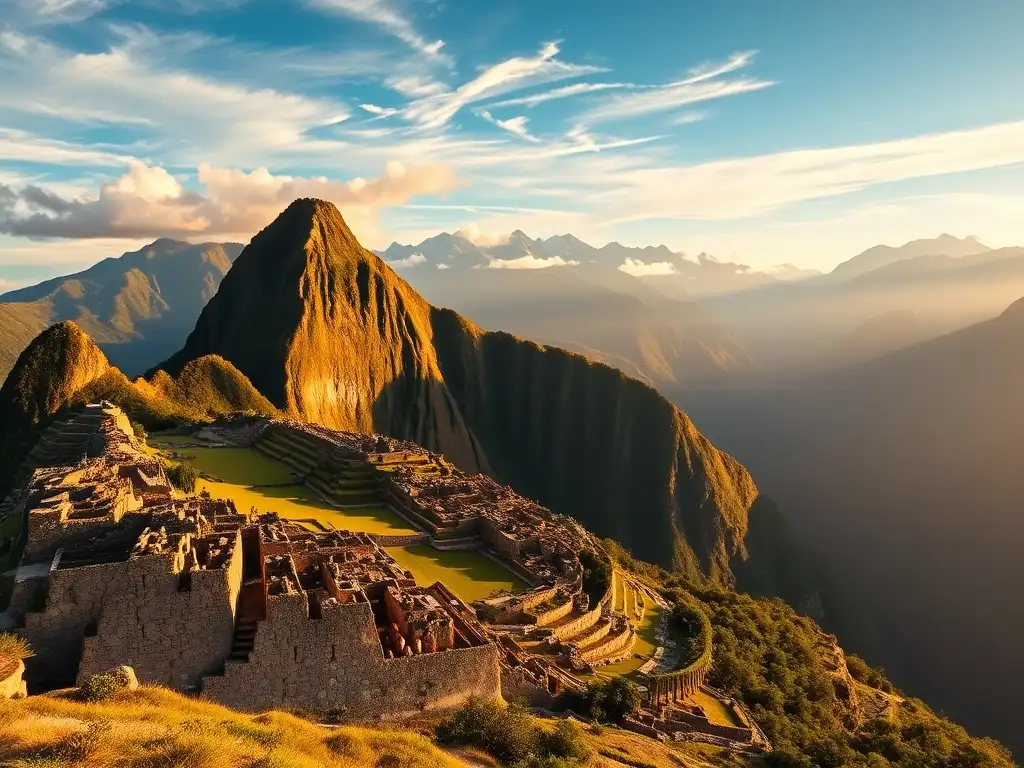
Step into a world lost to time, yet echoing with the whispers of empires. Journey with us through the breathtaking landscapes and remarkable achievements of the Andean civilizations. While Machu Picchu rightfully claims its place as an icon, the Inca legacy extends far beyond this single marvel. Discover striking similarities and unexpected differences as we compare Machu Picchu to other Inca sites in our in-depth exploration of " Inca sites Machu Picchu comparison"—a journey that will redefine your understanding of Inca ingenuity and power. Prepare to be amazed.
- Inca Sites Machu Picchu Comparison: A Detailed Analysis
- Exploring the Architectural Marvels: Machu Picchu and Beyond
- Comparing Machu Picchu to Other Inca Citadels
- Similarities Between Inca Sites: Common Architectural Traits
- Differences in Purpose and Location: Machu Picchu vs. Other Inca Ruins
- The Significance of Preserving Inca Heritage
-
Frequently Asked Questions
- What makes Machu Picchu so unique compared to other Inca sites?
- How do the agricultural techniques at Machu Picchu compare to those at other Inca sites?
- What are some similarities in the architecture found at Machu Picchu and other Inca sites?
- Are there any significant differences in the purpose of Machu Picchu compared to other Inca sites?
- Which Inca sites are most comparable to Machu Picchu in terms of scale and complexity?
- Final Reflection: Unveiling the Majesty Beyond Machu Picchu
- **Experience the Richness of Inca Heritage! **
Inca Sites Machu Picchu Comparison: A Detailed Analysis
Machu Picchu's fame often overshadows the vast network of Inca sites scattered throughout the Andes. While Machu Picchu stands as an iconic symbol of Inca ingenuity and power, understanding its place within the broader Inca landscape requires a comparative analysis.
This article delves into the similarities and differences between Machu Picchu and other significant Inca sites, exploring their architectural styles, urban planning, agricultural techniques, and social functions to provide a richer understanding of Inca civilization. We will examine how Machu Picchu's unique characteristics, while sharing commonalities with other sites, contribute to its unparalleled status as a historical and archaeological marvel.
This comparative approach will illuminate not only Machu Picchu's individual significance but also the broader complexity and sophistication of the Inca Empire's urban development and societal organization. The comparison will focus on key aspects to highlight the nuances and variations within the Inca architectural and urban planning traditions, ultimately enriching our comprehension of this remarkable civilization.
Inca architecture is characterized by its masterful use of stone, precise craftsmanship, and integration with the natural environment. Machu Picchu showcases these traits brilliantly, with its iconic dry-stone walls, perfectly fitted without mortar, and its terraces that seamlessly blend into the mountain slopes. However, while the fundamental principles of Inca architecture—such as the use of polygonal masonry and the incorporation of natural features—are consistent across various sites, subtle variations exist.
For instance, the size and shape of the stones, the complexity of the stonework, and the overall scale of structures can differ significantly. Some sites might feature more elaborate carved stones or distinct architectural elements reflecting regional variations or specific functional needs. The Ollantaytambo fortress, for example, displays impressive, massive stone blocks, some weighing several tons, demonstrating a different approach to construction than the more refined, smaller stones frequently seen in Machu Picchu.
This variation reflects the adaptation of Inca architectural techniques to diverse geographical and functional contexts. Furthermore, certain sites, like Sacsayhuamán, near Cusco, utilize significantly larger stones, suggesting a greater emphasis on defensive capabilities compared to Machu Picchu's likely combination of religious and residential functions.
Urban Planning and Infrastructure: A Network of Interconnected Settlements
The Inca Empire was renowned for its sophisticated urban planning, creating a network of interconnected settlements across challenging terrains. Machu Picchu, with its intricate system of terraces, pathways, and water management systems, exemplifies this urban planning prowess. However, the scale and complexity of urban planning varied across different Inca sites.
Some, like Cusco, the imperial capital, were much larger and more densely populated than Machu Picchu, exhibiting a more elaborate urban grid and a wider range of public and private structures. Other sites, like Pisac, served primarily as agricultural centers, with extensive terrace systems dominating the landscape. The differences in urban planning reflect the diverse functions and hierarchies of different settlements within the Inca Empire.
While Machu Picchu's urban layout is remarkably well-preserved and displays a high degree of planning, it was not the largest or most complex Inca city. Its unique characteristics lie in its combination of agricultural terraces, religious structures, residential areas, and defensive features, all integrated within a breathtaking natural setting.
Agricultural Practices: Adapting to Diverse Environments
The Inca's mastery of agriculture was crucial to their empire's success. Machu Picchu's extensive agricultural terraces, adapted to the steep slopes of the Andes, are a testament to their ingenuity. However, Inca agricultural techniques varied depending on the environment. Coastal regions utilized different irrigation systems and crops compared to the highlands.
Sites like Moray, with its concentric circular terraces, suggest experimental agricultural practices. While Machu Picchu's terraces are remarkably efficient in maximizing arable land, they are not unique in their overall concept. Many other Inca sites, particularly those in the Sacred Valley, feature similarly impressive agricultural terraces, demonstrating a widespread adoption of this crucial technology across the empire. The specific agricultural practices, however, differed based on altitude, soil type, and available water resources.
While Machu Picchu's exact social and religious functions remain a subject of ongoing research and debate, its layout suggests a combination of residential, religious, and possibly administrative roles. The presence of temples, palaces, and residential quarters indicates a complex social structure. Other Inca sites, however, might have focused more specifically on religious practices (e.g., religious centers like Ollantaytambo) or administrative functions (e.g., storage facilities and administrative buildings in various sites).
Determining the precise social and religious significance of Machu Picchu compared to other Inca sites necessitates further archaeological investigation and interpretation of the available evidence. The unique blend of functions within Machu Picchu, however, distinguishes it from sites primarily dedicated to a single purpose, such as purely agricultural or military centers. The integration of multiple functions within a single site contributes significantly to its complexity and enigmatic nature.
Exploring the Architectural Marvels: Machu Picchu and Beyond
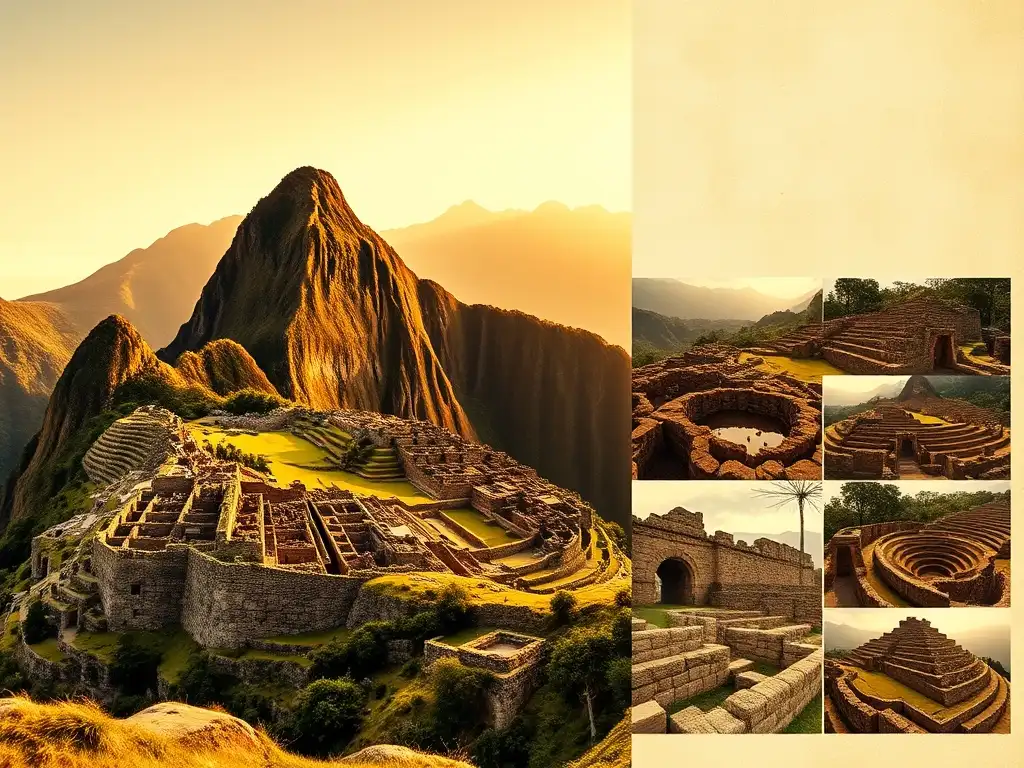
This section delves into a comparative analysis of Machu Picchu's architecture against other prominent Inca sites, focusing on similarities and differences in design, construction techniques, and overall purpose. Understanding these nuances provides a richer appreciation for the ingenuity and sophistication of Inca engineering and the unique position Machu Picchu holds within the broader Inca landscape. The keyword "Inca sites Machu Picchu comparison" will be strategically woven throughout the analysis.
Understanding the Significance of Inca Architectural Design
Inca architecture, renowned for its precision and integration with the natural environment, showcases a remarkable understanding of engineering principles and aesthetic sensibilities. Many Inca sites, including Ollantaytambo, Sacsayhuamán, and Pisac, exhibit common characteristics such as the use of precisely cut stones fitted together without mortar ( ashlar masonry), a technique demonstrating exceptional craftsmanship and knowledge of stonework. These sites often feature intricate terraces carved into hillsides, serving both agricultural and defensive purposes.
The mastery of stonework is evident in the perfectly fitted blocks, some weighing several tons, demonstrating a sophisticated understanding of leverage and transportation. The integration with the landscape is another key feature; structures were often built to complement the natural contours of the terrain, minimizing environmental impact and maximizing functionality. This harmonious blend of human engineering and natural beauty is a defining characteristic of Inca architectural design.
The sophisticated water management systems found in many Inca sites, including Machu Picchu, further highlight their advanced engineering capabilities. These systems, comprising canals, fountains, and reservoirs, ensured a reliable water supply, crucial for both daily life and agriculture. The Inca’s understanding of hydraulics and their ability to build such efficient systems are testament to their advanced civilization.
The Unique Features of Machu Picchu's Construction
While sharing commonalities with other Inca sites in terms of stonework and integration with the landscape, Machu Picchu possesses certain unique architectural features that set it apart. Its location, perched high in the Andes Mountains, presents a significant challenge that highlights the Inca's impressive engineering capabilities. The sheer scale and complexity of the site, with its intricate network of buildings, terraces, and pathways, is unparalleled. The precision of the stonework at Machu Picchu is often cited as being superior to that found in other Inca sites, with some stones fitted so tightly that a knife blade cannot be inserted between them.
This level of precision is not consistently replicated across all Inca sites, suggesting perhaps specialized expertise or a heightened focus on quality at Machu Picchu. Furthermore, the presence of unique architectural elements like the Intihuatana stone (a possible astronomical device) and the Royal Tomb further distinguishes Machu Picchu from other sites. These elements, coupled with the relatively intact state of the site compared to others, contribute to its iconic status and its unique place in the study of Inca civilization.
The combination of these factors makes a direct "Inca sites Machu Picchu comparison" particularly revealing, showcasing the pinnacle of Inca architectural achievement. Further research is needed to fully understand the extent of the specialized techniques employed at Machu Picchu and the reasons behind its exceptional level of craftsmanship. Analyzing the variations in construction techniques between Machu Picchu and other Inca sites offers valuable insights into the organization, specialization, and overall capabilities of the Inca Empire.
Comparing Machu Picchu to Other Inca Citadels
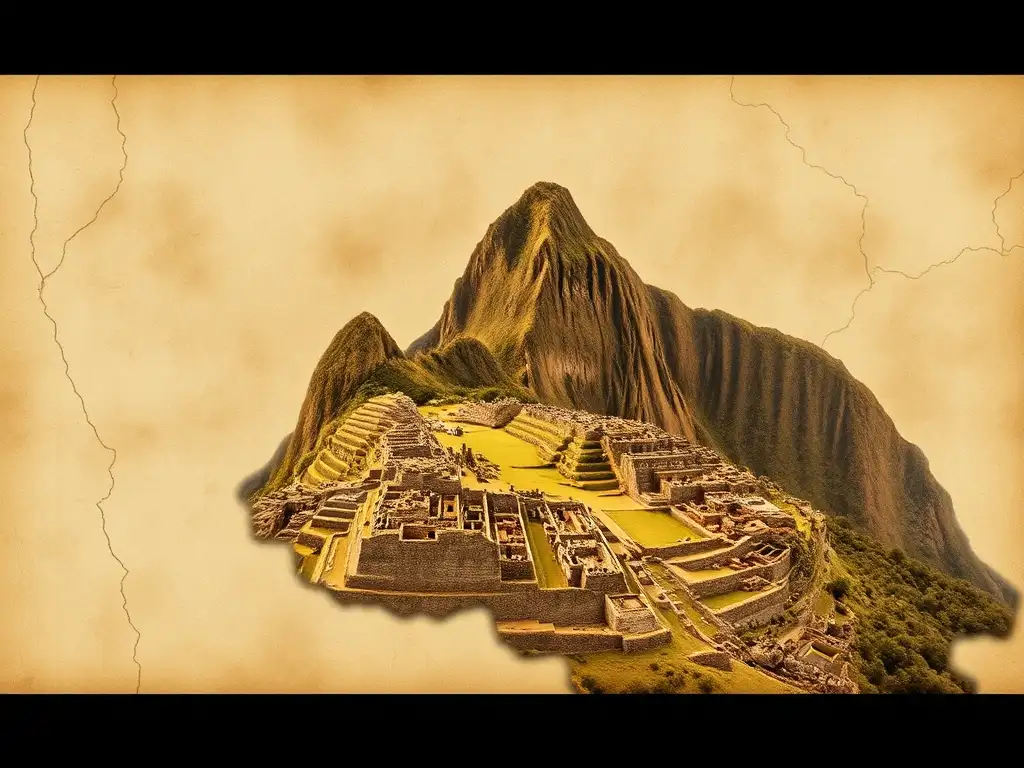
This section delves into a comparative analysis of Machu Picchu with other significant Inca sites, focusing on their architectural styles, functionalities, and overall significance within the Inca empire. Understanding these comparisons enriches our appreciation of Machu Picchu's unique characteristics and its place within the broader context of Inca civilization. We will explore key similarities and differences, highlighting the nuances that make each site distinct. The keyword "Inca sites Machu Picchu comparison" will be naturally integrated throughout the analysis.
Ollantaytambo: A Fortified Inca Town
Ollantaytambo, located in the Sacred Valley, presents a fascinating contrast to Machu Picchu. While both sites showcase impressive Inca engineering, their primary functions differed significantly. Ollantaytambo's strategic location and imposing fortifications suggest a primarily military and administrative role, whereas Machu Picchu's purpose remains somewhat more enigmatic, although evidence strongly suggests it served as a royal estate or religious sanctuary. This difference in function profoundly impacted the design and construction of each site.
Ollantaytambo's Terraces and Military Structures
Ollantaytambo's most striking feature is its extensive network of agricultural terraces carved into the mountainside. Unlike the more organically integrated terraces of Machu Picchu, Ollantaytambo's terraces are more imposing and rigidly structured, reflecting their dual purpose: agricultural production and defensive fortifications. The massive stone blocks used in the construction of its walls and temples are significantly larger than those found in many areas of Machu Picchu, further emphasizing its military character.
This difference in scale directly reflects the contrasting purposes of the two sites. The sheer size and strength of the structures at Ollantaytambo clearly suggest a focus on defense and control.
Differences in Construction Techniques Compared to Machu Picchu
While both sites exhibit the hallmarks of Inca stonework—precisely cut stones fitted together without mortar— subtle differences exist. Ollantaytambo employs a more overtly monumental style, with larger blocks and a greater emphasis on imposing structures. Machu Picchu, in contrast, often utilizes smaller stones and a more integrated approach, blending seamlessly with the surrounding landscape.
This difference might reflect varying levels of available resources or differing priorities in construction. Further research is needed to definitively ascertain the reasons behind these variations in construction techniques between these two significant Inca sites. More detailed analysis of the stone types and quarrying methods used at each site could provide valuable insights into the logistical challenges faced by Inca builders.
Pisac: The Agricultural and Ceremonial Center
Pisac, another site in the Sacred Valley, offers a different perspective on Inca urban planning and functionality. While possessing impressive agricultural terraces similar to Ollantaytambo, Pisac also incorporated significant ceremonial and religious elements, creating a unique blend of agricultural productivity and spiritual significance. This multifaceted nature contrasts with the more specialized roles seemingly assigned to Ollantaytambo and Machu Picchu.
Pisac's Agricultural Terraces and Ritual Sites
Pisac's agricultural terraces, while impressive, are less dramatically scaled than Ollantaytambo's. They are more subtly integrated into the landscape, often appearing as extensions of the natural contours of the mountain. However, the site also features numerous ritual sites, including temples and intricately carved stone structures, suggesting a significant religious function alongside its agricultural purpose. This combination of agricultural and religious activities suggests a different social and economic organization compared to the seemingly more specialized functions of Ollantaytambo and Machu Picchu. Further research into the specific rituals performed at Pisac could illuminate this difference more clearly.
Contrasting Pisac's Purpose with Machu Picchu's
While both Machu Picchu and Pisac incorporated agricultural elements, their primary functions were likely distinct. Machu Picchu's focus seems to have been primarily on royal residence and possibly religious ceremonies, while Pisac served a more integrated community, balancing agriculture with religious practices. This difference is reflected in the scale and layout of the sites.
Machu Picchu's more secluded and carefully planned layout suggests a focus on privacy and control, while Pisac's more integrated design implies a more communal and less strictly controlled environment. A more detailed comparison of the social structures and administrative systems of each site would further clarify these differences. The differing distribution of residential structures and public spaces at each site provides further evidence for these contrasting functionalities.
Sacsayhuaman: The Massive Fortress Near Cusco
Sacsayhuaman, located on the outskirts of Cusco, Peru, stands as a testament to Inca engineering prowess and military might. Unlike Machu Picchu's secluded mountaintop location, Sacsayhuaman dominates the Cusco landscape, its imposing walls a clear declaration of Inca power. The citadel's construction, believed to have begun in the 15th century, showcases the Inca's mastery of stonework, utilizing massive blocks of varying sizes and shapes to create a formidable defensive structure. Its strategic location overlooking Cusco provided a crucial vantage point for monitoring and protecting the Inca capital.
The sheer scale of Sacsayhuaman is breathtaking; its walls stretch for hundreds of meters, incorporating intricate designs and impressive engineering solutions. While Machu Picchu focused on religious and administrative functions, Sacsayhuaman's primary purpose was undeniably military defense. The site's imposing presence served as a deterrent to potential invaders and a symbol of the Inca Empire's strength.
The construction of Sacsayhuaman involved a significant mobilization of labor and resources, highlighting the Inca's capacity for large-scale projects and their sophisticated organizational skills. Unlike Machu Picchu's relatively well-preserved structures, Sacsayhuaman bears the scars of Spanish conquest, yet its surviving walls still convey a powerful sense of the Inca Empire's military capabilities. The site's intricate network of walls and zig-zagging pathways further demonstrates the sophistication of Inca military planning and architectural innovation.
Sacsayhuaman's Gigantic Stone Blocks
One of Sacsayhuaman's most striking features is the sheer size of the stones used in its construction. These massive blocks, some weighing many tons, were meticulously shaped and fitted together without the use of mortar. The precision of the stonework is astonishing, with blocks interlocked with such accuracy that even a knife blade cannot be inserted between them.
The exact methods employed by the Inca to transport and manipulate these colossal stones remain a subject of ongoing debate and research among archaeologists and engineers. Theories range from the use of ramps and rollers to the harnessing of human power and potentially more advanced techniques that remain undiscovered. The sheer scale of the stone blocks, combined with their precise placement, underscores the remarkable engineering skills of the Inca, surpassing the capabilities of many contemporary societies.
The effort involved in quarrying, transporting, and assembling these massive stones speaks volumes about the Inca's dedication to their construction projects and their advanced understanding of structural engineering. Studying these enormous blocks provides valuable insights into Inca resource management and their exceptional ability to organize and execute ambitious building programs. The legacy of Sacsayhuaman's impressive stonework continues to inspire awe and wonder, prompting ongoing research to unravel the secrets of its construction.
Comparison of Sacsayhuaman's Defensive Role to Machu Picchu's
While both Sacsayhuaman and Machu Picchu represent significant achievements of Inca architecture and engineering, their functions differed considerably. Sacsayhuaman, with its imposing walls and strategic location, served primarily as a military fortress designed to defend Cusco, the Inca capital. Its massive stonework and intricate defensive systems underscore its role as a bulwark against potential enemies. In contrast, Machu Picchu, nestled high in the Andes Mountains, appears to have served primarily as a royal estate, a religious center, and potentially an administrative hub.
While Machu Picchu possessed some defensive features, its primary purpose was not military defense. Its location, though offering some natural protection, was less strategically important than Sacsayhuaman's position overlooking Cusco. Therefore, while both sites demonstrate the Inca's architectural and engineering prowess, their design and function reflect different priorities: military defense for Sacsayhuaman and royal, religious, and administrative functions for Machu Picchu.
The contrast between these two sites highlights the diversity of Inca architecture and the adaptability of their building techniques to suit a range of purposes. Understanding these differences enriches our understanding of the Inca civilization and its complex social and political structures. The comparison of these two iconic Inca sites provides a valuable insight into the multifaceted nature of Inca civilization and its ability to construct sites tailored to specific purposes and locations.
Similarities Between Inca Sites: Common Architectural Traits
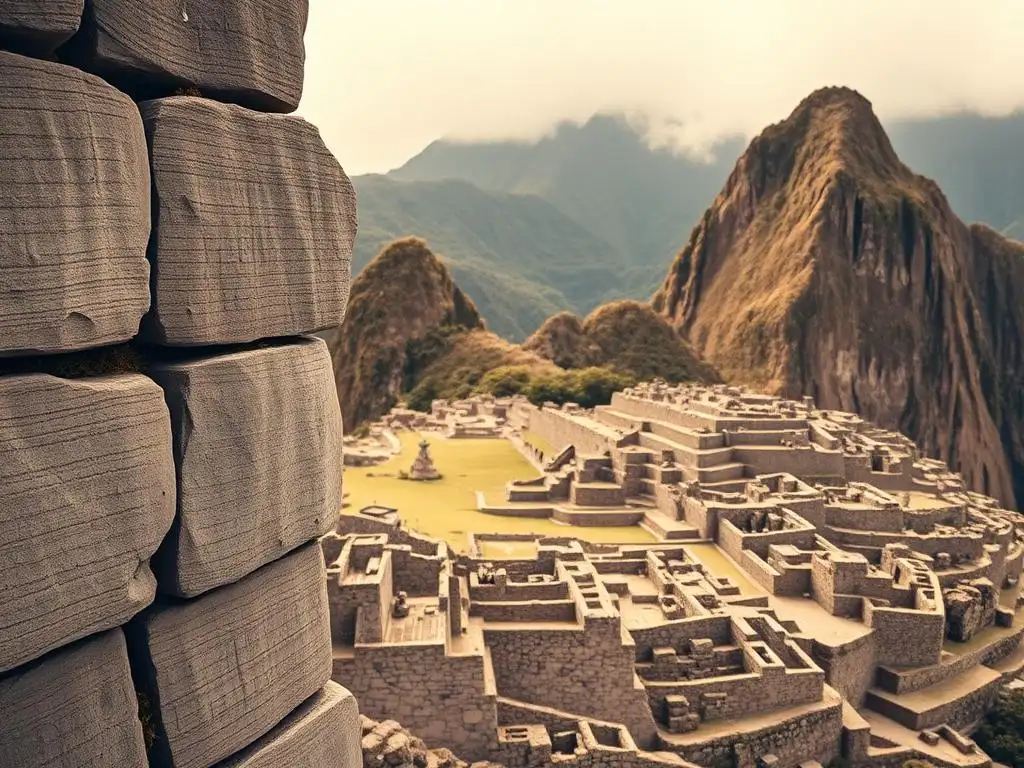
This section delves into the remarkable architectural similarities found across various Inca sites, highlighting the ingenuity and consistency of their building techniques and design principles. Understanding these commonalities helps us appreciate the broader scope of Inca civilization and its impressive engineering feats, beyond the iconic Machu Picchu. The keyword phrase "Inca sites Machu Picchu comparison" is relevant here because we're directly comparing Machu Picchu's architectural style to that of other Inca sites.
The Use of Ashlar Masonry in Inca Construction
One of the most striking similarities across Inca sites is the masterful use of ashlar masonry. This technique involved precisely cutting and fitting large stones together without the use of mortar, creating incredibly strong and durable structures. The precision is breathtaking; stones are often fitted so tightly that a knife blade cannot be inserted between them.
This sophisticated technique wasn't limited to Machu Picchu; it's evident in sites like Ollantaytambo, Sacsayhuamán, and Pisac, showcasing the widespread application of this advanced building method throughout the Inca Empire. The quality of the ashlar masonry, while consistently impressive, might vary slightly depending on the site's location and the available resources, but the fundamental technique remained constant.
Consider the imposing walls of Sacsayhuamán, for instance, which demonstrate the scale and precision achievable with this technique. The sheer weight and perfect fit of these stones are a testament to the Inca's engineering prowess and their deep understanding of stonework.
Beyond individual building techniques, Inca urban planning reveals remarkable consistency across their settlements. Many Inca sites, including Machu Picchu, exhibit a distinct pattern of urban organization characterized by carefully planned streets, plazas, and residential areas. These urban centers were often strategically located to take advantage of natural resources and defensible terrain.
The integration of agriculture into urban design is also noteworthy; terraced farming systems were frequently incorporated into the urban landscape, providing a reliable food source close to the population centers. While the specific layout and scale of these urban centers varied based on their function and size, the underlying principles of organization and integration with the environment remained remarkably consistent across sites like Cusco, Ollantaytambo, and even Machu Picchu. This coherent approach to urban planning is a testament to the sophisticated administrative and organizational capabilities of the Inca Empire.
Similarities in Water Management Systems
The Inca's mastery of water management is another striking similarity across their various sites. Ingenious systems of canals, aqueducts, and fountains were constructed to ensure a reliable supply of fresh water, even in challenging terrains. These systems were not merely functional; they were often integrated aesthetically into the landscape, demonstrating a deep understanding of both engineering and aesthetics.
Machu Picchu's renowned water management system, with its intricate network of channels and fountains, is a prime example. However, similar sophisticated systems are found at other sites, such as Tiwanaku and Ollantaytambo, indicating a widespread understanding and application of advanced hydraulic engineering throughout the Inca Empire.
The consistent focus on water management reflects the Inca's deep respect for water as a vital resource and their ability to adapt their engineering solutions to diverse geographical contexts. These systems, often remarkably well-preserved, stand as enduring testaments to Inca ingenuity and their commitment to sustainable resource management.
Differences in Purpose and Location: Machu Picchu vs. Other Inca Ruins
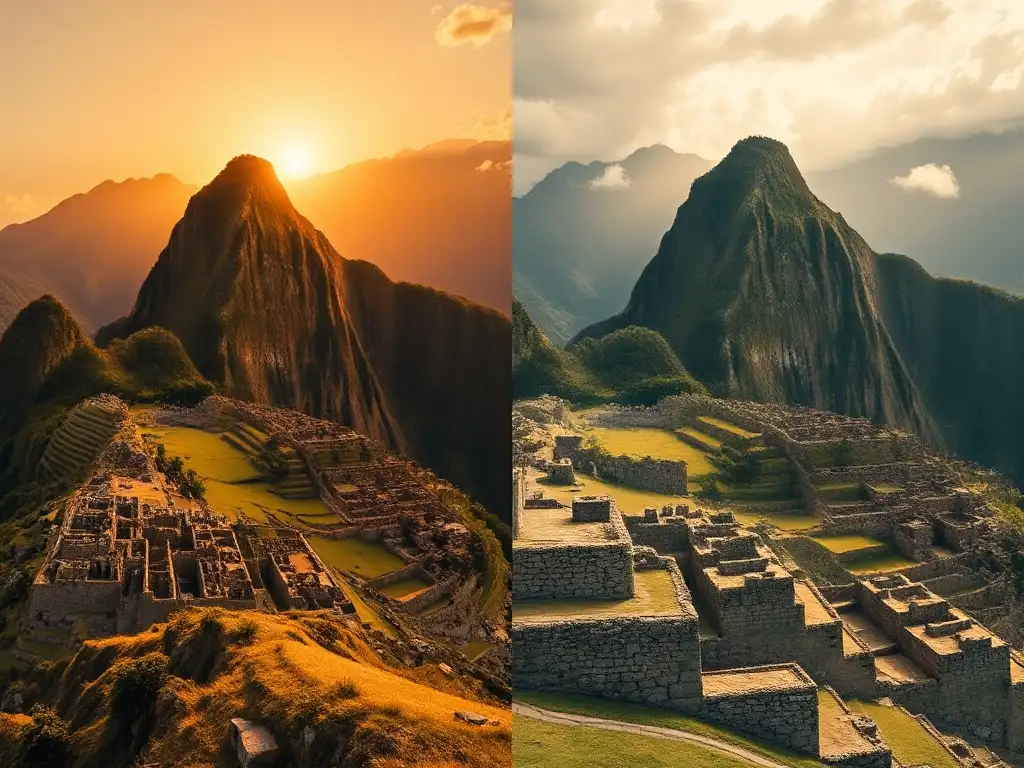
This section delves into the key distinctions between Machu Picchu and other Inca sites, focusing on their intended purposes and geographical contexts. While all Inca sites reflect the ingenuity and organizational prowess of the empire, Machu Picchu stands apart in several crucial aspects. Understanding these differences enriches our appreciation of the Inca's diverse architectural and urban planning achievements. The comparison of Inca sites with Machu Picchu reveals a fascinating spectrum of functionality and purpose within the vast Inca empire.
Machu Picchu's Unique Geographical Setting
Machu Picchu's dramatic location, perched high in the Andes Mountains, is arguably its most striking feature. Unlike many other Inca sites situated in more accessible valleys or plains, Machu Picchu's steep, mountainous terrain presented significant logistical challenges. This inaccessibility likely contributed to its function as a secluded and protected site.
The precise engineering required to carve terraces into the mountainside and construct buildings on such uneven ground showcases the advanced knowledge of Inca builders and their mastery of stonework. This strategic location, offering breathtaking views and natural defenses, sets it apart from the more strategically located, but less dramatically situated, administrative centers found in other Inca sites.
The exceptional geographical setting directly influenced the site's purpose and the nature of its construction. The sheer scale of the engineering feat involved in building Machu Picchu on such a challenging terrain is a testament to Inca ingenuity and further distinguishes it from other Inca sites.
The Function of Machu Picchu: Royal Estate or Religious Sanctuary?
The exact purpose of Machu Picchu remains a subject of ongoing scholarly debate. While some scholars suggest it served as a royal estate or retreat for Inca royalty, others propose a primarily religious function, or perhaps a combination of both. Evidence suggests the presence of both residential structures and temples, hinting at a multifaceted purpose. The intricate agricultural terraces suggest self-sufficiency, supporting the idea of a long-term residence.
However, the presence of sophisticated astronomical alignments in some structures points towards a significant religious component. Unlike many other Inca sites which clearly served administrative or agricultural purposes, Machu Picchu's dual nature makes it a unique and enigmatic example of Inca architecture and urban planning. Further research and analysis of archaeological findings are needed to definitively resolve this ongoing discussion about Inca sites and their function. The debate itself underlines Machu Picchu's exceptional status among other Inca sites.
Other Inca Sites: Primarily Administrative or Agricultural Centers
In contrast to the debated function of Machu Picchu, many other Inca sites served more clearly defined purposes. Sites like Ollantaytambo, for example, functioned primarily as administrative centers, strategically located to oversee agricultural production and control regional populations. These sites often featured large plazas, storehouses, and administrative buildings, reflecting their role in managing the empire's resources.
Other Inca sites, such as those located in the Sacred Valley, were primarily focused on agriculture. These sites featured extensive terrace systems designed to maximize agricultural output in the challenging Andean terrain. These sites, while impressive in their own right, lacked the unique blend of residential, agricultural, and potentially religious elements found at Machu Picchu.
This difference in primary function highlights the diversity of Inca urban planning and the specific roles various sites played within the broader Inca empire. The clear functionality of these sites, in contrast to Machu Picchu's multifaceted nature, further emphasizes Machu Picchu's unique position within the network of Inca sites. The comparison of Inca sites reveals a sophisticated and varied approach to urban planning and resource management.
The Significance of Preserving Inca Heritage
The preservation of Inca heritage sites is crucial for several interconnected reasons. Firstly, these sites offer invaluable insights into the sophisticated civilization that once thrived in the Andes. Their meticulous construction, intricate artistry, and advanced agricultural techniques reveal a level of societal organization and ingenuity that continues to inspire awe and wonder. Understanding this past allows us to appreciate the complexities of human development and the diverse paths societies can take.
Secondly, preserving these sites contributes to the cultural identity and national pride of modern Peru and other Andean nations. Machu Picchu, for instance, is a powerful symbol of Peruvian heritage, attracting millions of visitors annually and boosting the national economy. Thirdly, the preservation of Inca sites is vital for future generations.
These sites are irreplaceable repositories of information, offering a tangible connection to the past that can inspire future research, education, and cultural appreciation. Failing to protect these sites would represent an immense loss for humanity, robbing future generations of a crucial link to their shared history. Finally, the preservation effort supports sustainable tourism, ensuring the economic benefits of these sites are distributed fairly and sustainably, benefiting local communities and preserving the sites for future enjoyment.
The Importance of Understanding Inca History Through its Sites
Understanding Inca history requires more than just reading textbooks; it necessitates engaging directly with the physical remnants of their civilization. Inca sites, such as Machu Picchu, Ollantaytambo, Sacsayhuamán, and Pisac, provide tangible evidence of Inca life, revealing details often absent from written records. The meticulous stonework of Machu Picchu, for example, speaks volumes about Inca engineering prowess and their understanding of structural stability. The agricultural terraces carved into the mountainsides illustrate their mastery of water management and their ability to cultivate crops in challenging terrain.
The intricate designs and craftsmanship of their pottery and textiles offer glimpses into their artistic sensibilities and social structures. By studying these sites, we gain a richer, more nuanced understanding of Inca society, its beliefs, its challenges, and its triumphs. This understanding is not limited to academic pursuits; it enriches our appreciation of the Inca legacy and fosters a deeper respect for the cultural achievements of this remarkable civilization.
Analyzing the layout of cities like Ollantaytambo, with its complex network of streets, plazas, and temples, provides insights into their urban planning and social organization, significantly different from other contemporary societies. These sites are not simply ruins; they are living archives, constantly revealing new layers of information through ongoing research and technological advancements. The more we learn, the more we appreciate the sophisticated culture that built them.
How to Visit and Respect the Legacy of Machu Picchu and other Inca ruins
Responsible tourism is paramount when visiting Inca sites. This involves respecting the fragility of these ancient structures and minimizing any negative impact on the environment and local communities. Choosing official tour operators committed to sustainable practices is crucial. These operators often employ local guides, support local businesses, and actively contribute to preservation efforts.
Visitors should adhere to all posted guidelines, refrain from touching or climbing on ancient structures, and dispose of waste responsibly. Respecting the cultural significance of these sites means avoiding disrespectful behavior and dressing modestly. Furthermore, supporting local communities by purchasing handicrafts and utilizing local services directly contributes to the long-term preservation of these sites, as local communities have a vested interest in their protection.
The Inca sites are not just tourist attractions; they are sacred places with profound historical and spiritual significance for many. Understanding and respecting this aspect of their heritage is fundamental to ensuring their preservation for future generations. Consider participating in citizen science projects that aid in the documentation and preservation of these sites, furthering the understanding and appreciation of this significant cultural heritage.
Future Research and Discoveries at Inca sites
Ongoing research at Inca sites continues to yield exciting discoveries, challenging existing theories and expanding our understanding of Inca civilization. Advancements in technology, such as ground-penetrating radar and LiDAR, allow archaeologists to uncover previously hidden structures and features, revealing new insights into Inca urban planning, agricultural practices, and social organization. Furthermore, the ongoing analysis of artifacts, including textiles, ceramics, and tools, provides valuable information about Inca technology, artistic styles, and daily life.
Future research may uncover new sites, shedding light on previously unknown aspects of Inca history and their vast empire. The potential for future discoveries is immense, promising a deeper understanding of this fascinating civilization. The collaborative efforts of archaeologists, historians, and local communities are essential in ensuring the ethical and responsible exploration of these sites, safeguarding their integrity for future study and appreciation.
The continuous application of new technologies and interdisciplinary research approaches will undoubtedly unlock further secrets of the Inca civilization, enriching our understanding of their remarkable legacy for years to come. This ongoing research not only enhances our knowledge but also underscores the enduring importance of preserving these invaluable sites for future generations of researchers and enthusiasts.
Frequently Asked Questions
What makes Machu Picchu so unique compared to other Inca sites?
Machu Picchu's isolated mountaintop location and remarkable state of preservation set it apart. While other sites show similar architectural styles, Machu Picchu's combination of factors makes it exceptionally iconic.
How do the agricultural techniques at Machu Picchu compare to those at other Inca sites?
Machu Picchu's terracing system is sophisticated, but similar techniques, though perhaps on a smaller scale, are found at other Inca sites like Ollantaytambo and Pisac. Efficient water management was a key feature across all sites.
What are some similarities in the architecture found at Machu Picchu and other Inca sites?
Many Inca sites share similar stonework precision, use of granite, and characteristic architectural styles like trapezoidal doorways and niches. Religious structures and urban planning principles are also common.
Are there any significant differences in the purpose of Machu Picchu compared to other Inca sites?
While the exact purpose of Machu Picchu remains debated, it's believed to have been a royal estate or religious center, unlike some other sites primarily serving as administrative or agricultural centers. However, it likely combined elements of both.
Which Inca sites are most comparable to Machu Picchu in terms of scale and complexity?
While none perfectly match Machu Picchu's unique combination, sites like Ollantaytambo and Sacsayhuamán exhibit similar scale and complexity in their architecture and urban planning, showcasing the Inca Empire's engineering prowess.
Final Reflection: Unveiling the Majesty Beyond Machu Picchu
The allure of Machu Picchu casts a long shadow, often eclipsing the rich tapestry of other Inca sites. But understanding Machu Picchu's unique position requires acknowledging the broader Inca civilization and its remarkable architectural and societal achievements scattered across the Andes. This comparison reveals not just differences in scale and function, but also a deeper understanding of Inca ingenuity and adaptability.
The enduring legacy of the Inca Empire extends far beyond the iconic image of Machu Picchu. Its influence on Andean culture, its sophisticated agricultural techniques, and its intricate social structures continue to resonate today. The Inca were masters of adaptation, building their cities and infrastructure in harmony with the challenging Andean landscape.
This understanding, gained through comparing Machu Picchu with other sites like Ollantaytambo, Sacsayhuamán, and Pisac, allows us to appreciate the complexity and brilliance of an entire civilization, not just one of its most famous expressions. The sheer diversity of Inca architecture and city planning, revealed through this comparative lens, is truly breathtaking.
Consider the implications of this exploration. You've now glimpsed the broader context of Machu Picchu, enriching your understanding of its significance. Don't let the fame of one site overshadow the remarkable achievements of the entire Inca civilization. Seek out further knowledge, explore the lesser-known sites, and let the legacy of the Inca inspire you to appreciate the ingenuity and resilience of human societies in the face of challenging environments. Let the echoes of their past resonate within you, prompting a deeper appreciation for the wonders of history and the enduring power of human creativity.
**Experience the Richness of Inca Heritage! **
Thank you for exploring the fascinating world of Inca civilization through Machu Picchu and other significant sites. You've gained a deeper appreciation for their unique histories and lasting legacies. Now, let's build on that knowledge!
Here are some ways to further engage with this incredible heritage:
- **Plan your next adventure:** Begin crafting an itinerary to visit these stunning Inca sites. Whether you choose Machu Picchu or another remarkable location, each offers a unique and captivating story to discover.
- **Join a community group:** Connect with fellow enthusiasts online or in person to share experiences, tips, and insights into Inca history and exploration.
- **Share your insights:** Write about what most surprised or impressed you during your exploration, and encourage others to appreciate the rich cultural significance of these sites.
Which Inca site excites you most for future exploration, and what makes it particularly compelling compared to Machu Picchu?