
Machu Picchu's Enduring Mystique: Why it Captivates the World

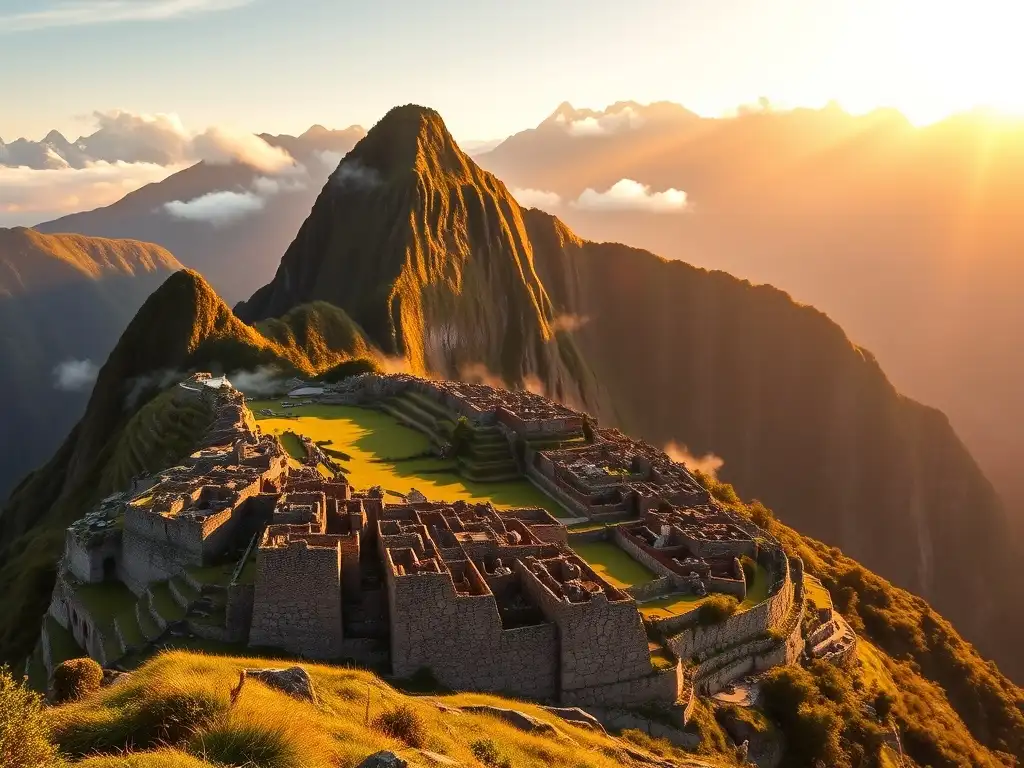
Welcome to Andean Civilizations, where the echoes of a lost world whisper secrets of ingenuity and power. Prepare to be captivated by the breathtaking artistry and advanced engineering of ancient Andean cultures. But first, unravel the enduring mystery surrounding Machu Picchu's historical significance – a journey that will leave you questioning everything you thought you knew about the Inca Empire. Dare to delve deeper?
Machu Picchu, the iconic "Lost City of the Incas," continues to hold a powerful grip on the world's imagination. More than just a breathtaking collection of stone structures perched high in the Andes Mountains, Machu Picchu represents a profound intersection of history, engineering, and spiritual significance. This article delves into the historical importance of Machu Picchu, exploring the reasons behind its enduring mystique and its captivating hold on the global consciousness.
We will unpack its role within the Inca Empire, its architectural marvels, and the enduring mysteries that continue to fuel scholarly debate and popular fascination alike. Understanding Machu Picchu's historical significance is key to appreciating its enduring legacy and its place as a UNESCO World Heritage site. The exploration of its historical context will reveal not only the impressive achievements of Inca civilization but also shed light on the resilience and adaptability of Andean cultures.
The Inca Empire and the Strategic Importance of Machu Picchu
Machu Picchu's location, high in the Andes Mountains, wasn't arbitrary. The Incas, renowned for their sophisticated understanding of terrain and resource management, strategically chose this site for several crucial reasons. Its elevated position offered unparalleled defensive advantages, providing a natural barrier against potential invaders.
Moreover, the fertile lands surrounding the city allowed for successful agriculture, ensuring a reliable food supply for its inhabitants. The abundant water sources further contributed to the site's sustainability. Archaeological evidence suggests that Machu Picchu served multiple purposes, functioning as a royal estate, a religious center, and a vital administrative hub within the vast Inca Empire.
The intricate network of roads and trails connecting Machu Picchu to other Inca settlements underscores its importance as a central point in the empire's communication and transportation network. The city's strategic placement and multifaceted functions highlight the Incas' mastery of urban planning and their ability to seamlessly integrate their settlements into the challenging Andean environment.
Architectural Marvels and Engineering Prowess
The architectural brilliance of Machu Picchu is undeniable. The precision and artistry displayed in the construction of its stone structures remain a testament to the Incas' advanced engineering skills. The flawlessly fitted stones, without the use of mortar, showcase a deep understanding of structural mechanics and an unparalleled level of craftsmanship.
The intricate network of terraces carved into the mountainside demonstrates the Incas' ingenuity in adapting to the challenging terrain and their commitment to sustainable agriculture. Features such as the Intihuatana stone, believed to have been used for astronomical observations, further highlight the sophisticated knowledge and spiritual beliefs of the Inca civilization.
The architectural complexity and the precision of the construction techniques continue to inspire awe and wonder, leaving researchers and visitors alike captivated by the scale and sophistication of the city's design. The precision stonework, the integration with the natural landscape, and the sophisticated water management systems all contribute to Machu Picchu's enduring appeal and its recognition as a masterpiece of Andean architecture.
Enduring Mysteries and Ongoing Research
Despite extensive research, many mysteries surrounding Machu Picchu persist. The exact purpose of certain structures remains debated, and the full extent of the city's population and its social organization is still under investigation. The sudden abandonment of Machu Picchu around the 16th century continues to fuel speculation, with theories ranging from disease outbreaks to Spanish conquest. Ongoing archaeological excavations and technological advancements continue to shed new light on the city's past, revealing new details about its inhabitants and their lives.
This ongoing research not only deepens our understanding of the Inca civilization but also helps preserve and protect this invaluable historical site for future generations. The unanswered questions surrounding Machu Picchu only add to its allure, making it a subject of continuous fascination and scholarly inquiry. The blend of known facts and lingering enigmas contributes significantly to its enduring mystique and its status as a global icon.
Machu Picchu's Legacy and its "Machu Picchu historical significance"
Machu Picchu's historical significance extends far beyond its architectural beauty and strategic location. It serves as a powerful symbol of a sophisticated and advanced pre-Columbian civilization, challenging Eurocentric narratives of history and highlighting the richness and complexity of Andean cultures. Its designation as a UNESCO World Heritage site underscores its global importance and the need for its preservation.
The site's enduring popularity as a tourist destination contributes to the economic development of the region while simultaneously raising awareness about the importance of cultural heritage preservation. The ongoing efforts to protect Machu Picchu from the impact of tourism reflect a global commitment to safeguarding this invaluable piece of history. The site's continuing relevance in the 21st century highlights its enduring legacy and its profound impact on our understanding of the past.
Its impact on our understanding of Inca civilization and Andean cultures makes its historical significance undeniable. The study of Machu Picchu continues to inform and inspire, enriching our understanding of human history and cultural achievements.
- The Inca Empire and the Strategic Importance of Machu Picchu
- Architectural Marvels and Engineering Prowess
- Enduring Mysteries and Ongoing Research
- Machu Picchu's Legacy and its "Machu Picchu historical significance"
The Historical Significance of Machu Picchu: An Overview
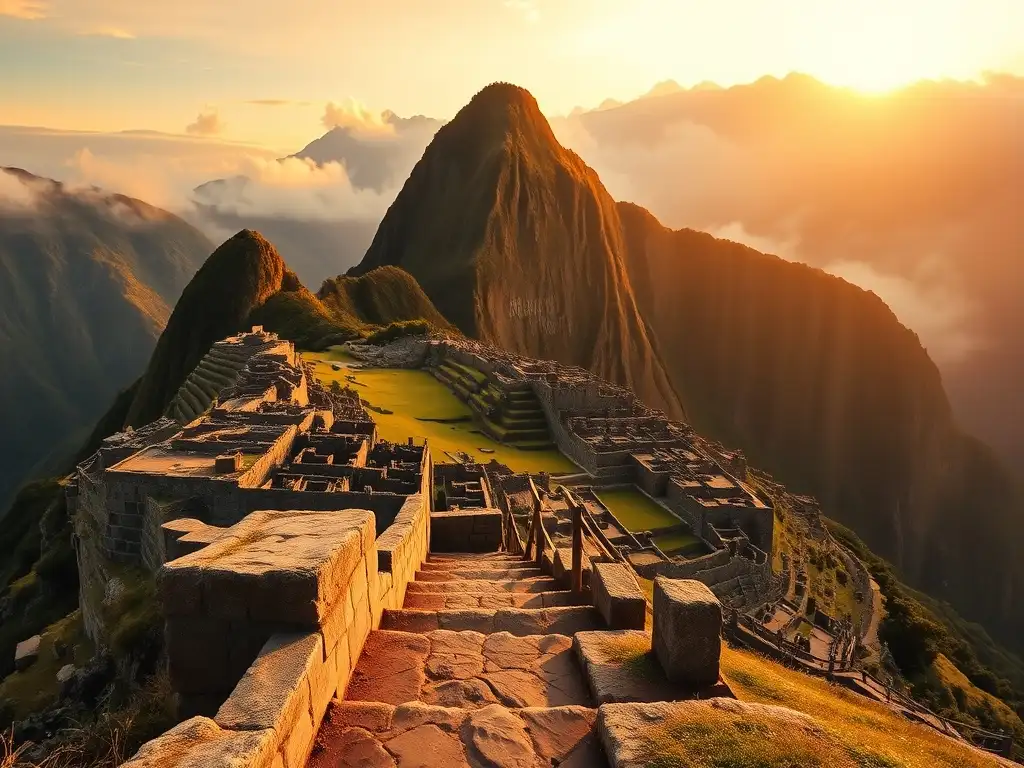
Machu Picchu's historical significance extends far beyond its breathtaking beauty. It represents a crucial piece in understanding the Inca Empire's advanced civilization, its sophisticated engineering prowess, and its unique relationship with its environment. The site's enduring mystique stems from a combination of factors: its dramatic mountaintop setting, its remarkably preserved architecture, and the enduring mysteries surrounding its precise purpose and ultimate abandonment.
Understanding its historical context is key to appreciating its profound impact on our understanding of Andean history and culture. Analyzing the site reveals not only details about Inca daily life but also broader insights into Inca political organization, agricultural practices, and religious beliefs. The meticulous planning and execution of the city's construction showcase the Inca's mastery of stonework and their ability to adapt to challenging terrain.
This mastery, combined with the city's strategic location, highlights the Inca's sophisticated understanding of both their physical environment and their social structures. The ongoing archaeological research continues to unveil new facets of Machu Picchu's historical significance, enriching our knowledge of this remarkable civilization. The ongoing discovery of artifacts and the refinement of dating techniques constantly reshape our understanding of this incredible site, solidifying its place as a cornerstone of Inca studies.
Unveiling the Inca Citadel: A Brief History of Machu Picchu
Machu Picchu, often called the "Lost City of the Incas," was constructed during the reign of Pachacuti Inca Yupanqui (1438-1471), a pivotal period of Inca expansion and consolidation. While the precise date of its construction remains debated among scholars, evidence suggests it was likely built sometime in the 15th century. The city's strategic location, high in the Andes Mountains, provided both protection and access to vital resources. Its construction involved an immense undertaking, requiring the precise fitting of massive stones without the use of mortar, a testament to the Inca's advanced engineering skills.
The city flourished for approximately 100 years, serving as a vital center for the Inca Empire. However, its abandonment remains shrouded in mystery, with various theories ranging from disease outbreaks to Spanish conquest. The site's rediscovery in 1911 by Hiram Bingham brought it to global attention, igniting widespread fascination and sparking extensive research that continues to this day.
The ongoing archaeological excavations are continually revealing new insights into the daily lives of the inhabitants, their social structures, and the city's intricate workings. Detailed analysis of the agricultural terraces, water management systems, and residential structures provides compelling evidence of the sophisticated organization and advanced technology employed by the Inca civilization. The meticulous craftsmanship visible in the remaining structures speaks volumes about the Inca's dedication to precision and their deep connection to their environment.
Machu Picchu's Purpose: Royal Estate or Religious Sanctuary?
The exact purpose of Machu Picchu remains a subject of ongoing scholarly debate. While some scholars propose it served primarily as a royal estate or retreat for Inca royalty, others suggest a more significant religious function. Evidence supports both interpretations. The presence of lavish residential structures, intricate agricultural terraces, and sophisticated water management systems points towards a royal or elite residential area.
However, the discovery of numerous religious structures, including temples and shrines, suggests a significant religious component. The city's location in a geographically significant area, with its connection to sacred mountains and water sources, further supports the religious interpretation. It is likely that Machu Picchu served a multifaceted purpose, combining elements of royal residence, religious center, and administrative hub. The intricate interplay of these functions likely contributed to the city's unique character and its enduring mystique.
Further research, including detailed analysis of the artifacts recovered from the site, is crucial to resolving the ongoing debate and gaining a more complete understanding of Machu Picchu's multifaceted role within the Inca Empire. The ongoing analysis of the discovered artifacts and the continuing research into Inca cosmology will undoubtedly shed more light on this fascinating aspect of Machu Picchu's historical significance. The ongoing excavations and analyses offer a continually evolving perspective on this complex and captivating site.
Architectural Marvels of Machu Picchu: A Testament to Inca Engineering
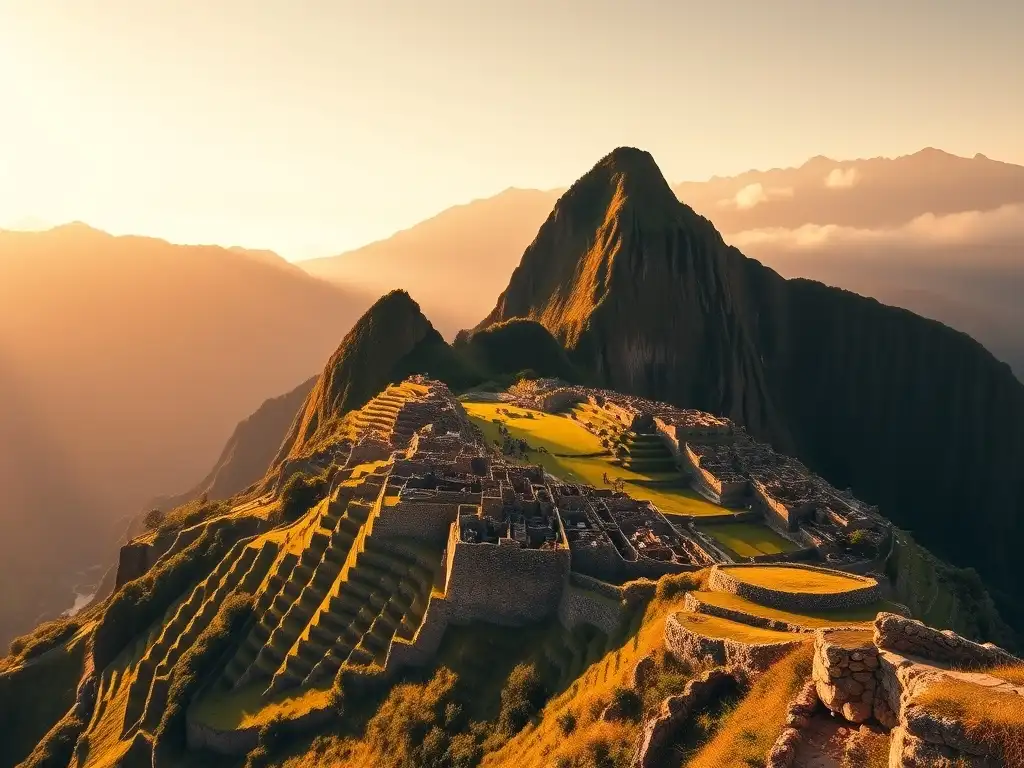
Machu Picchu's enduring mystique stems not only from its breathtaking location but also from the sheer ingenuity of its architecture. The city's construction, perched high in the Andes Mountains, represents a remarkable feat of Inca engineering, showcasing sophisticated techniques and a deep understanding of the environment. The meticulous planning and execution evident in every stone and terrace speak volumes about the advanced capabilities of the Inca civilization.
Understanding the historical significance of Machu Picchu necessitates appreciating the architectural brilliance that defines it. This section will delve into the key elements that make Machu Picchu an architectural marvel, focusing on the Inca's mastery of stonework, urban planning, and astronomical alignment.
The site's enduring appeal is undeniably linked to its remarkable construction, a testament to the Inca's impressive technological prowess and their profound connection to the natural world. The historical significance of Machu Picchu is intrinsically tied to its exceptional architecture, a legacy that continues to captivate and inspire awe.
Inca Stone Masonry Techniques: Ashlar and Precision Cutting
The hallmark of Inca architecture, particularly at Machu Picchu, is its masterful stonework. The Incas employed a technique known as ashlar masonry, which involved precisely cutting and fitting massive stones without the use of mortar. The stones, often weighing several tons, are interlocked with such accuracy that even a knife blade cannot be inserted between them.
This precision is astounding, particularly considering the lack of advanced tools. The Incas achieved this through a combination of skilled craftsmanship, sophisticated understanding of stone properties, and possibly the use of rudimentary tools like copper chisels and mallets. The result is an incredibly strong and stable structure that has withstood the test of time, earthquakes, and the elements.
This mastery of ashlar masonry is a key element in understanding the historical significance of Machu Picchu and the advanced technological capabilities of the Inca civilization. The sheer precision of the stonework is a testament to their dedication and skill, underscoring the immense effort and planning involved in creating this remarkable city. Further research into the specific tools and techniques employed would enhance our understanding of this aspect of Inca engineering.
Urban Planning and Design: Terraces, Temples, and Residences
Beyond the impressive stonework, Machu Picchu's urban planning and design further highlight the Inca's sophisticated understanding of engineering and environmental adaptation. The city is built on steep, mountainous terrain, yet its layout is remarkably organized and functional. Extensive agricultural terraces carved into the mountainside maximized arable land, providing food for the inhabitants.
These terraces, built with meticulous precision, showcase the Inca's mastery of water management, as intricate irrigation systems channeled water to the crops. The residential areas are strategically placed, taking advantage of natural features for protection and access to resources. Temples and sacred sites are positioned to align with astronomical events, further emphasizing the Inca's deep connection to the cosmos.
The integrated design of Machu Picchu, combining agricultural efficiency with careful placement of residential and religious structures, highlights the sophisticated urban planning of the Inca civilization and contributes to its enduring historical significance. The harmonious blend of functionality and aesthetics is a hallmark of Inca architecture. Further study into the social organization reflected in the urban layout would be beneficial.
The Intihuatana Stone and Astronomical Significance: Solar Alignment
The Intihuatana stone, a significant feature of Machu Picchu, is believed to have served as an astronomical observatory. Its name translates to "hitching post of the sun," suggesting its role in tracking solar movements. The stone’s precise alignment with the solstices and equinoxes indicates a sophisticated understanding of astronomy and its integration into the Inca worldview.
This alignment is not coincidental; it demonstrates a deliberate effort to connect the city's architecture with the celestial cycles. The Intihuatana stone's significance underscores the Inca's deep reverence for the sun and their advanced knowledge of astronomy. The integration of astronomical observations into the urban planning of Machu Picchu further enhances its historical significance, revealing a complex interplay between religious beliefs and technological capabilities.
More research is needed to fully understand the precise astronomical functions and rituals associated with the Intihuatana stone and other similar structures found within the Machu Picchu complex. The study of these alignments helps us unravel the spiritual and practical aspects of Inca life and their sophisticated understanding of the cosmos, adding another layer to Machu Picchu's captivating historical significance.
The Spiritual and Cultural Importance of Machu Picchu
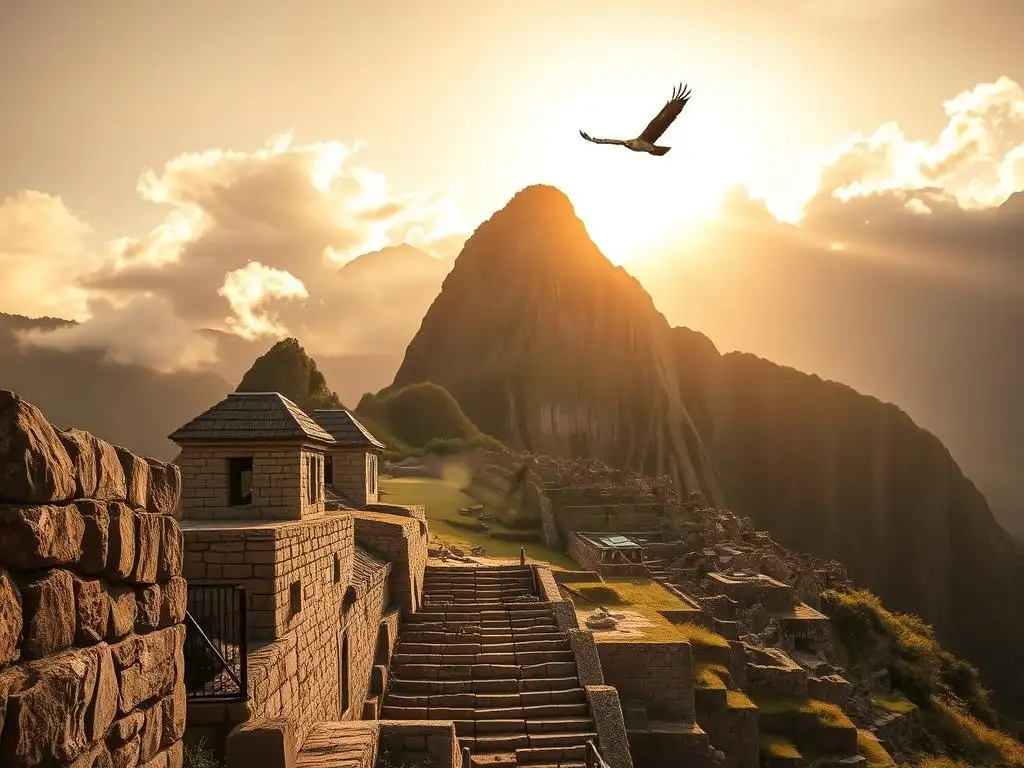
Machu Picchu's enduring mystique stems not only from its breathtaking architecture but also from its profound spiritual and cultural significance to the Inca people. Understanding its historical importance requires delving into the interwoven threads of religious beliefs, social structures, and the Inca worldview. The site wasn't merely a city; it was a living embodiment of their cosmological beliefs and a testament to their sophisticated understanding of the natural world. The "Machu Picchu historical significance" is multifaceted, extending beyond its impressive engineering feats.
Machu Picchu as a Sacred Site: Worship of Inti and Pachamama
Machu Picchu served as a crucial center for the worship of Inti, the Inca sun god, and Pachamama, the earth mother goddess. The orientation of many structures, particularly the Intihuatana stone, suggests a deliberate alignment with celestial events, indicating a sophisticated astronomical knowledge integral to their religious practices. Evidence suggests that Intihuatana, meaning "place where the sun is tied," was used for solstice observations and rituals.
This meticulous attention to astronomical alignments underscores the profound religious significance of the site. The presence of numerous temples and shrines further reinforces the idea that Machu Picchu was not just a residential area but a sacred space dedicated to appeasing and honoring the deities central to Inca cosmology.
Furthermore, the meticulous agricultural terraces surrounding the city demonstrate the Inca's deep respect for Pachamama and their understanding of the delicate balance between humanity and nature. The abundance of agricultural products produced within these terraces ensured the community's sustenance and reinforced their reverence for the earth's bounty.
The Role of Machu Picchu: Elite Residence and Ceremonial Center
While undoubtedly a sacred site, Machu Picchu was also a carefully planned urban center, serving as a residence for the Inca elite and a venue for important ceremonial events. The layout of the city, with its distinct residential areas, temples, and agricultural terraces, reveals a complex social structure.
The presence of sophisticated water management systems, such as intricate channels and fountains, highlights the Inca's engineering prowess and their ability to create a comfortable and functional environment, even in a challenging mountainous terrain. Analysis of the architecture reveals a hierarchical organization, with larger, more elaborate structures reserved for the nobility and smaller quarters for commoners.
The distinct separation of residential areas from sacred spaces further underscores the complex interplay between the sacred and the secular aspects of Inca life. The "Machu Picchu historical significance" is thus enriched by understanding its role as a carefully planned urban space, reflecting the advanced social and engineering capabilities of the Inca civilization.
Connecting with Nature: Mountain Setting and Symbolic Landscape
The strategic location of Machu Picchu, nestled high in the Andes Mountains, is not accidental. The Inca believed in the interconnectedness of the human and natural worlds, viewing mountains as sacred entities. The mountain setting itself served as a powerful symbol of their connection to the cosmos.
The city's integration with its natural environment, evident in its terraced agriculture and the utilization of natural rock formations in its architecture, is a testament to their profound understanding of the landscape and their ability to harmonize their built environment with the surrounding natural world. The careful selection of building materials and the precise placement of structures suggest a deliberate attempt to integrate Machu Picchu within the existing topography, creating a space that was both functional and symbolically resonant. The symbolic landscape of Machu Picchu, imbued with spiritual significance, contributed significantly to its enduring appeal and its role within the Inca worldview.
The "Machu Picchu historical significance" is therefore deeply rooted in its harmonious relationship with its surrounding environment, a characteristic that sets it apart from other Inca settlements. The careful integration of the city into the natural landscape speaks volumes about the Inca's sophisticated environmental management practices and their spiritual connection to the Andes Mountains.
Exploring the Mysteries of Machu Picchu's Abandonment
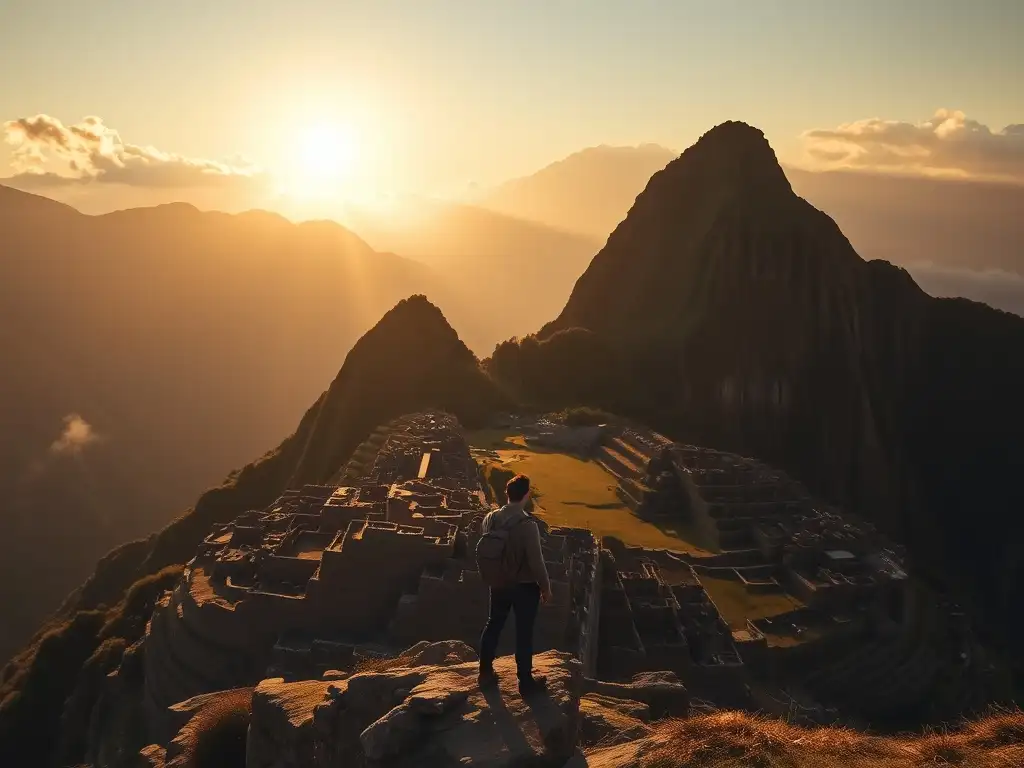
Machu Picchu's historical significance is intrinsically linked to the mystery surrounding its abandonment. While the Incas certainly constructed and inhabited the site, the reasons behind its seemingly swift desertion remain a subject of ongoing scholarly debate. The lack of a definitive answer fuels the site's enduring mystique and contributes significantly to its enduring allure for researchers and tourists alike.
Several factors likely intertwined to contribute to the city's eventual emptiness, making a single, conclusive explanation unlikely. The absence of substantial written records from the Inca themselves further complicates the process of historical reconstruction, forcing researchers to rely on archaeological evidence, comparative studies of other Inca sites, and careful analysis of the environmental context.
Theories on the Decline: Disease, Internal Conflicts, or Strategic Retreat
Several compelling theories attempt to explain Machu Picchu's abandonment. One prominent hypothesis centers on the devastating impact of disease. The introduction of Old World diseases—such as smallpox, measles, and influenza—following the arrival of Europeans in the Americas decimated Indigenous populations.
While the direct impact on Machu Picchu's abandonment might be difficult to pinpoint definitively, the widespread mortality across the Inca Empire undoubtedly weakened its infrastructure and societal organization, potentially leading to the depopulation of outlying settlements like Machu Picchu. The scale of this demographic collapse is difficult to fully quantify, but estimates suggest a drastic reduction in the population across the Andes.
Another theory focuses on internal conflicts and succession struggles within the Inca Empire itself. The Inca political system, while powerful, was not impervious to internal strife. Power struggles and civil wars could have destabilized the empire, leading to the neglect or abandonment of less strategically vital sites. The relative isolation of Machu Picchu, while offering protection, might also have made it vulnerable during times of conflict. This hypothesis emphasizes the importance of considering the broader political landscape of the Inca Empire during this period.
A third compelling theory proposes a strategic retreat. It suggests that Machu Picchu, perhaps functioning as a royal estate or a religious center, was simply abandoned as the Inca adapted to changing circumstances. This could have been a response to shifting demographics, resource scarcity, or a reassessment of strategic priorities. The lack of extensive defensive fortifications at Machu Picchu lends some credence to this idea, suggesting a less militaristic purpose than other Inca settlements. Further research is needed to fully evaluate this possibility. The precise reasons for the abandonment remain a complex puzzle.
The Impact of the Spanish Conquest: Isolation and Obscurity
The Spanish conquest of the Inca Empire in the 16th century undoubtedly played a role in shrouding Machu Picchu in mystery. The Spanish systematically destroyed Inca records and infrastructure, aiming to erase the legacy of the preceding civilization and impose their own. Machu Picchu's remote location, however, ironically shielded it from the immediate destructive forces of the conquest.
Its isolation—a factor that might have contributed to its abandonment—also helped to preserve it from the complete destruction that befell many other Inca sites. The Spanish conquest, while not directly causing the abandonment, significantly contributed to the site's subsequent obscurity, preventing its history from being widely known for centuries. The lack of Spanish records concerning Machu Picchu underscores the city's successful evasion of their immediate attention.
The post-conquest period saw a significant shift in the Andean landscape, with the Inca way of life gradually being replaced by the colonial system. This transition involved the displacement of populations, the disruption of traditional agricultural practices, and the suppression of Inca cultural traditions. The combined effects of these changes resulted in Machu Picchu being lost to memory for many generations, adding to its enigmatic character and enhancing its later "rediscovery."
Rediscovering Machu Picchu: Hiram Bingham's 1911 Expedition
The "rediscovery" of Machu Picchu in 1911 by Hiram Bingham III is a pivotal moment in understanding the site's historical significance. While local communities were aware of the ruins, Bingham's expedition brought Machu Picchu to the attention of the international community. His work, while lauded for bringing the site to global recognition, is also viewed with a critical lens today.
Historians now acknowledge that Bingham's accounts might have been somewhat embellished and that local knowledge of the site predated his arrival. However, his expedition undeniably sparked a wave of interest in Inca history and spurred further archaeological investigations. The impact of Bingham's work on the perception and understanding of Machu Picchu's historical significance cannot be overstated.
His expedition launched decades of research and conservation efforts, solidifying Machu Picchu's place as an icon of Inca civilization and a testament to the enduring power of human ingenuity and cultural heritage. The ongoing research continues to refine our understanding of this remarkable site.
Machu Picchu Today: A Global Heritage Site
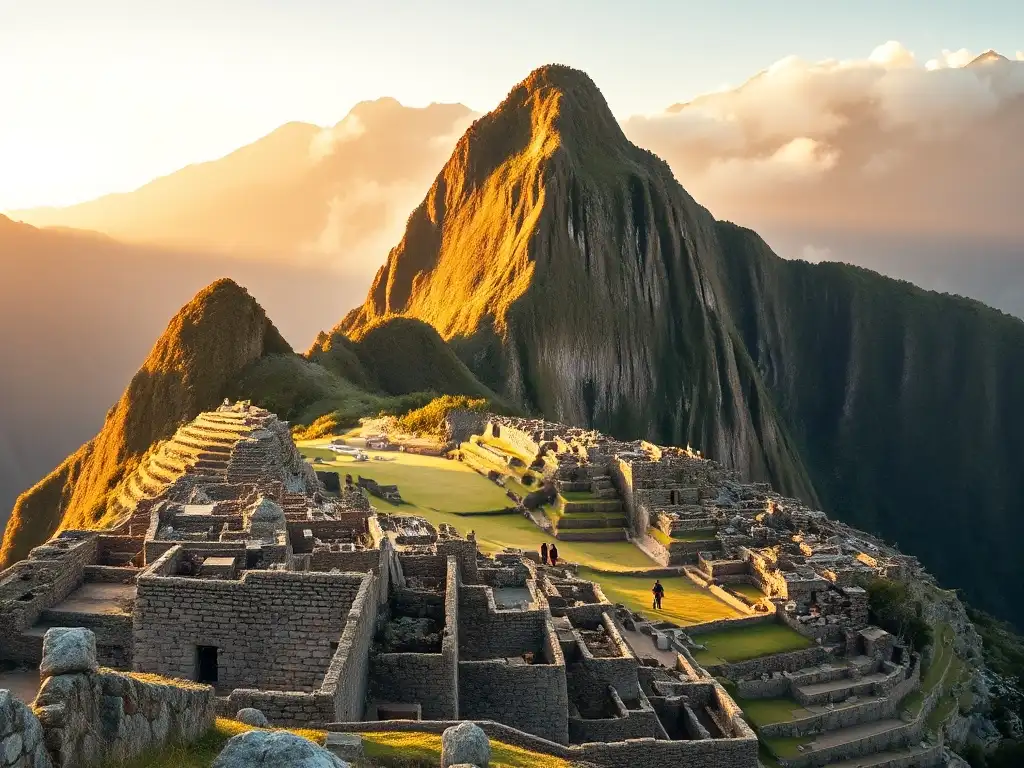
Machu Picchu's historical significance extends far beyond its breathtaking beauty. Today, it stands as a testament to the Inca Empire's sophisticated engineering and profound cultural achievements, captivating millions annually. Its enduring appeal stems not only from its dramatic setting nestled high in the Andes Mountains, but also from its ongoing relevance as a global heritage site, a symbol of cultural preservation, and a window into a lost civilization.
Understanding Machu Picchu's current status is crucial to appreciating its full impact on the world. The site's ongoing preservation and management are vital to ensure its continued existence for future generations, safeguarding its invaluable historical and cultural legacy for all. The sheer scale of its impact underscores its importance in the global conversation about cultural heritage and responsible tourism.
Preservation Efforts: UNESCO World Heritage Designation and Conservation
Machu Picchu's designation as a UNESCO World Heritage Site in 1983 was a pivotal moment, recognizing its outstanding universal value. This designation triggered increased international cooperation in conservation efforts, leading to significant investments in preservation and research. These efforts combat the natural deterioration caused by the Andean climate—including earthquakes, landslides, and erosion—as well as the impact of human activity. Ongoing projects focus on stabilizing structures, preventing further damage, and mitigating the effects of tourism. The meticulous work undertaken includes:
- Structural Reinforcement: Engineers utilize modern techniques to reinforce vulnerable walls and buildings, preventing collapse and preserving the integrity of the original Inca architecture.
- Erosion Control: Measures are implemented to control soil erosion and manage water runoff, protecting the delicate archaeological landscape.
- Vegetation Management: Careful management of vegetation helps prevent damage to structures while preserving the surrounding biodiversity.
- Monitoring and Research: Continuous monitoring and scientific research are crucial for understanding the site's vulnerabilities and developing effective preservation strategies. This includes studying the effects of climate change on the site's stability.
The success of these preservation efforts hinges on a multi-faceted approach combining scientific expertise, technological innovation, and ongoing international collaboration. The long-term preservation of Machu Picchu requires sustained commitment and resources to ensure its survival for centuries to come. This continuous effort highlights the global recognition of its immense Machu Picchu historical significance.
Experiencing Machu Picchu: Tourism, Permits, and Accessibility
The sheer volume of tourists visiting Machu Picchu annually presents both opportunities and challenges. While tourism generates revenue crucial for preservation efforts, it also necessitates careful management to minimize negative impacts on the site's fragile environment and archaeological integrity. The implementation of a permit system, limiting the number of daily visitors to designated time slots, is a key strategy in balancing accessibility with preservation. This controlled access helps to prevent overcrowding and reduce the wear and tear on the site's structures and paths. Furthermore, efforts are constantly being made to improve accessibility for visitors with disabilities, ensuring that the experience is inclusive and enriching for all. Balancing the needs of tourism with the imperative of preserving Machu Picchu's integrity remains an ongoing challenge requiring innovative solutions and continuous adaptation. The delicate equilibrium between these two factors is crucial for the long-term sustainability of the site. The careful management of tourism is a vital part of ensuring the Machu Picchu historical significance remains relevant for future generations.
The Lasting Legacy of Machu Picchu: A Symbol of Inca Ingenuity
Machu Picchu's enduring mystique lies not only in its stunning beauty but also in its profound representation of Inca ingenuity. The site showcases the remarkable architectural and engineering skills of the Inca civilization. The precise stonework, intricate water management systems, and the overall integration of the city into its mountainous environment demonstrate a level of sophistication rarely seen in ancient societies. The city’s strategic location, complex agricultural terraces, and sophisticated infrastructure all point to a highly organized and advanced society. Machu Picchu serves as a powerful symbol of Inca innovation, highlighting their mastery of stone construction, hydraulic engineering, and urban planning. This legacy of ingenuity continues to inspire architects, engineers, and researchers worldwide. The study of Machu Picchu's construction techniques and urban design provides invaluable insights into Inca technology and societal organization, cementing its Machu Picchu historical significance as a landmark of human achievement. The site's enduring impact resonates far beyond the Andes, serving as a testament to the remarkable capabilities of a civilization that thrived centuries ago.
Machu Picchu's Enduring Appeal: Why it Continues to Captivate
Machu Picchu's enduring appeal stems from a potent combination of factors, solidifying its place not just as a remarkable archaeological site, but as a global symbol of mystery, ingenuity, and cultural heritage. Its historical significance resonates deeply, captivating visitors and scholars alike. The site’s breathtaking location, perched high in the Andes Mountains, immediately commands attention.
However, the true allure lies in the complex interplay of historical context, architectural marvel, and the enduring questions surrounding its purpose and abandonment. Understanding this multifaceted appeal requires examining both the tangible aspects of the site and the intangible mystique it cultivates.
The sheer scale of the undertaking involved in constructing Machu Picchu, coupled with the advanced knowledge of engineering and astronomy displayed, continues to amaze and inspire. This section will delve into the key elements contributing to Machu Picchu's enduring captivation, focusing on its historical significance and the enduring fascination it holds for the world.
The Mystique of the Lost City of the Incas: Mystery and Wonder
The very name, "Machu Picchu," evokes a sense of mystery. Translated as "Old Mountain," the name itself hints at the site's secluded nature and its long-lost status. For centuries, Machu Picchu remained hidden from the outside world, only rediscovered relatively recently.
This prolonged isolation fueled speculation and legend, contributing significantly to its mystique. The lack of complete understanding regarding its precise purpose—was it a royal estate, a religious center, a military stronghold, or a combination thereof?—further adds to the intrigue. The careful planning evident in its construction, the sophisticated irrigation systems, and the intricate stonework, all executed without the use of metal tools, continue to puzzle and amaze researchers and visitors.
The very inaccessibility of the site, requiring a trek through stunning Andean landscapes, enhances its allure, transforming the journey into an integral part of the experience. This element of adventure and discovery fuels the ongoing fascination with Machu Picchu. The site’s inherent mystery continues to fuel new research and inspire countless stories, solidifying its status as a place of wonder and captivating imagination.
The Timeless Fascination with Inca Civilization and Machu Picchu
Machu Picchu's enduring appeal is inextricably linked to the broader fascination with Inca civilization. The Inca Empire, with its vast territory, sophisticated social structures, and impressive achievements in engineering, agriculture, and administration, holds a unique place in human history. Machu Picchu serves as a powerful symbol of this remarkable civilization, a tangible link to a lost world.
The site's exceptional preservation, despite the passage of centuries, offers a rare glimpse into Inca life, providing invaluable insights into their daily routines, religious practices, and social organization. The intricate stonework, meticulously fitted without mortar, stands as a testament to the Inca's mastery of engineering and their deep understanding of the natural environment. This sophisticated understanding of the natural world—evident in their agricultural terraces, water management systems, and architectural integration with the landscape—continues to capture the attention of scientists and historians.
The enduring legacy of Inca craftsmanship, as exemplified in Machu Picchu, continues to inspire awe and respect, cementing its place as a testament to human ingenuity and cultural achievement. The site's historical significance is not just about its physical remains; it’s about the story it tells of a remarkable civilization and its connection to the majestic Andes Mountains. The combination of architectural brilliance, environmental harmony, and enduring mystery makes Machu Picchu's historical significance truly unparalleled.
Frequently Asked Questions
What is the historical significance of Machu Picchu?
Machu Picchu's significance lies in its remarkable Inca architecture and its role as a royal estate or sacred site. Its discovery revealed much about Inca urban planning, agricultural techniques, and religious practices.
Why is Machu Picchu considered such an important archaeological site?
Machu Picchu's exceptional state of preservation, despite its age and location, makes it invaluable for understanding Inca civilization. It provides unique insights into their society and daily life, offering a relatively intact example of an Inca settlement.
How did the Incas build Machu Picchu?
The Incas employed sophisticated engineering techniques and precise stonework, fitting stones together without mortar. Their mastery of terracing and water management allowed them to thrive in a challenging mountainous environment.
What is the connection between Machu Picchu and the Inca Empire?
Machu Picchu served as a critical component of the Inca Empire, possibly a royal estate, religious center, or both. Its strategic location and impressive architecture reflect the power and sophistication of the Inca civilization.
What makes Machu Picchu's mystique so enduring?
The combination of its breathtaking setting, mysterious history, and remarkably preserved ruins fuels Machu Picchu's enduring appeal. Its inaccessibility and the ongoing unraveling of its secrets continue to captivate the world.
Final Reflection: The Unfading Legacy of Machu Picchu
Machu Picchu's enduring allure isn't merely a tourist attraction; it's a potent symbol of a civilization's resilience and a testament to humanity's enduring connection to the past. The intricate stonework, the breathtaking mountain setting, and the unanswered questions surrounding its history continue to resonate deeply, reminding us of the rich tapestry of human experience and the importance of preserving our shared heritage.
The impact of Machu Picchu extends far beyond its physical presence. It serves as a powerful reminder of the ingenuity and sophistication of the Inca civilization, challenging Eurocentric narratives of history and highlighting the achievements of indigenous cultures. The past is never dead. It's not even past.
- William Faulkner. This quote perfectly encapsulates Machu Picchu's ongoing influence; its story continues to unfold, inspiring new research, sparking discussions about preservation, and shaping our understanding of the past's relevance to the present. The site's continued existence, despite the ravages of time and the challenges of modern tourism, is a testament to the power of human endeavor and the enduring spirit of a remarkable civilization.
Consider, for a moment, the echoes of Inca ingenuity that resonate in the precise placement of each stone, the breathtaking views from the Sun Gate, and the enduring mystery surrounding the city's ultimate fate. Let Machu Picchu inspire you to seek out the hidden wonders in your own world, to appreciate the rich history that surrounds you, and to actively participate in the preservation of cultural heritage for future generations. Embrace the lessons of the past, and let the enduring mystique of Machu Picchu ignite a passion for exploration, understanding, and responsible stewardship of our shared human legacy.
Ignite Your Adventure at Machu Picchu!
Thank you for exploring the enchanting allure of Machu Picchu with us! We hope its rich history and breathtaking landscapes have inspired you. Now, let's delve deeper and forge your own connection with this magnificent wonder.
Here's how you can begin:
- Plan your Machu Picchu trip: Research the best time to visit, find budget-friendly accommodation, and consider hiring a local guide to enhance your experience.
- Share your excitement: Tell us—and the world!—what intrigues you most about this ancient site. Share your thoughts on social media or in our comments section.
- Uncover the hidden history: Explore the Andean civilizations through our website. Discover lesser-known sites and legends waiting to be unearthed.
What aspect of Machu Picchu's history or culture are you most eager to discover during your visit?