
The Hidden Symbolism of Machu Picchu's Architecture: Decoding Inca Worldview

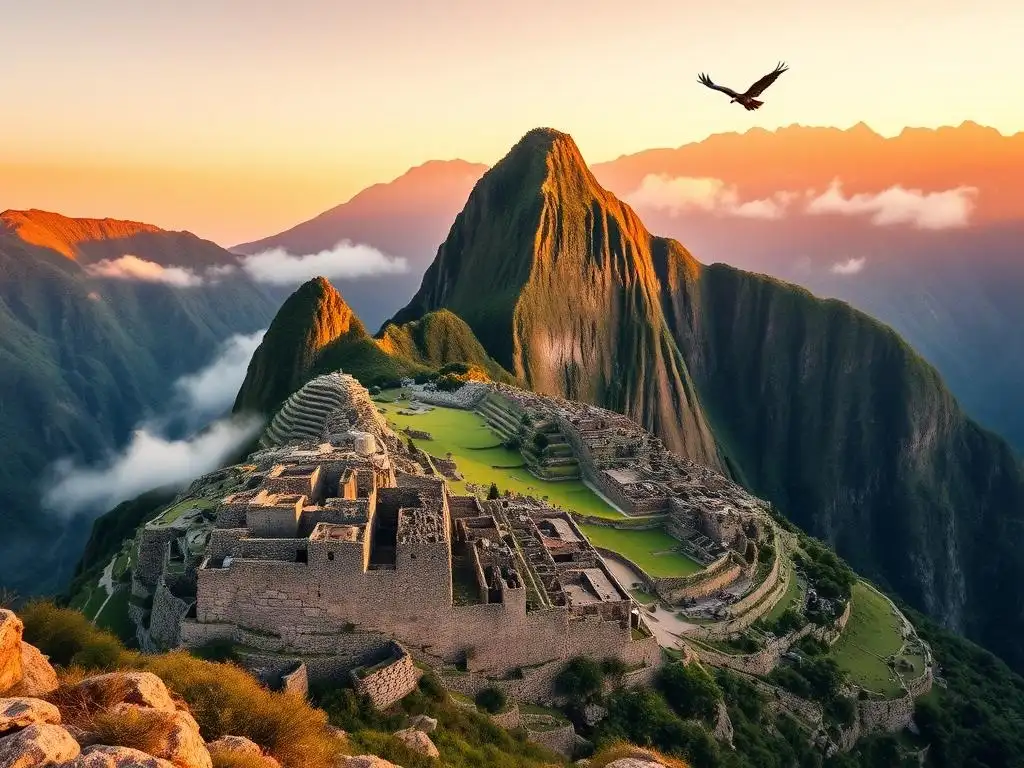
Step into a world lost to time, yet echoing with secrets waiting to be unveiled. Dive into the heart of the Andes and uncover the astonishing legacy of its ancient civilizations. From the intricate artistry of the Nazca lines to the breathtaking ingenuity of Inca architecture, this journey promises to reveal wonders beyond imagination. But the mysteries of Inca architecture symbolism at Machu Picchu hold a particularly captivating allure… are you ready to decode the Inca worldview?
Machu Picchu, the iconic "Lost City of the Incas," stands as a testament to the ingenuity and spiritual depth of the Inca civilization. More than just a breathtaking mountaintop citadel, Machu Picchu is a meticulously planned urban complex brimming with symbolic meaning deeply interwoven into its architecture. This article delves into the hidden symbolism embedded within Machu Picchu's design, exploring how its layout, structures, and even its orientation reflect the Inca worldview, their cosmology, and their relationship with the Andean landscape.
We'll unravel the intricate tapestry of meaning woven into the stones, revealing the profound spiritual significance behind this architectural marvel and its enduring legacy. Understanding the symbolism of Inca architecture at Machu Picchu provides invaluable insight into the sophisticated culture and beliefs of this remarkable civilization. This exploration will go beyond mere aesthetics, revealing the complex interplay between the physical and the spiritual within Inca society.
The Sacred Axis and the Relationship with the Cosmos
The layout of Machu Picchu is not haphazard; it's carefully aligned with the cardinal directions and celestial events. The main axis of the city, running from the Intihuatana (sun dial) to the Temple of the Sun, is believed to represent the Inca connection to the cosmos. This axis likely served as a powerful symbolic link between the earthly realm and the celestial sphere, reflecting the Inca belief in the interconnectedness of all things.
Detailed astronomical observations, [specific information pending], suggest a sophisticated understanding of solstices and equinoxes, further highlighting the deliberate cosmic orientation of the city's design. The precise placement of buildings along this axis was not accidental; it served a ritualistic and symbolic purpose, facilitating communication with the gods and reinforcing the Inca worldview.
This intentional alignment underlines the deeply spiritual nature of Inca architecture and its role in the daily life of the community. The precise measurements and astronomical alignments reinforce the belief in a meticulously planned sacred space.
The Intihuatana: A Window to the Celestial Realm
The Intihuatana, meaning "hitching post of the sun," is arguably the most symbolic structure in Machu Picchu. While its exact function remains debated, it's widely believed to have been used for astronomical observations and ritual ceremonies related to the sun. Its unique shape and precise placement allowed Inca priests to track the sun's movement throughout the year, marking important solstices and equinoxes.
The Intihuatana's role extended beyond simple observation; it served as a focal point for rituals aimed at ensuring agricultural fertility and maintaining cosmic harmony. The stone's intricate carvings, [specific details pending], may hold further symbolic meaning related to the Inca's relationship with the sun god, Inti.
The precision of its construction and its central position within the city underscore its importance as a powerful symbol of Inca cosmology and their connection to the celestial realm. The Intihuatana’s significance is not merely architectural; it is a profound expression of Inca spirituality and their intricate understanding of the cosmos.
Architectural Elements: Symbolism in Stone and Structure
Beyond the overall layout, individual architectural elements within Machu Picchu are rich with symbolism. The use of specific stones, the intricate carvings, and the unique styles of construction all contribute to the deeper meaning of the city. For instance, the trapezoidal doorways, a hallmark of Inca architecture, are thought to symbolize the gateway between worlds or the passage of time.
The precise fitting of stones, without mortar, symbolizes the Inca's mastery of engineering and their connection to the earth. Furthermore, the use of different types of stone, [specific examples and their symbolic meaning pending], may have held specific symbolic significance within the Inca worldview. The meticulous craftsmanship evident in every stone speaks volumes about the Inca's attention to detail and their commitment to creating a space that reflects their spiritual beliefs.
Even seemingly minor details, like the shapes of windows and the orientation of walls, likely held symbolic significance, contributing to the overall spiritual atmosphere of Machu Picchu. The detailed study of these elements promises to reveal further layers of meaning within the seemingly simple stone structures.
Machu Picchu's Legacy: A Continuing Source of Discovery
The study of Machu Picchu's architecture continues to reveal new insights into the Inca worldview and their sophisticated understanding of the cosmos. Ongoing research, including [mention specific ongoing research projects or areas of study], promises to unveil even more of the city's hidden symbolism.
The enduring fascination with Machu Picchu stems not only from its architectural beauty but also from the profound spiritual and cultural significance it represents. Its legacy extends beyond its physical existence; it continues to inspire awe and wonder, prompting us to delve deeper into the mysteries of this remarkable civilization and its enduring impact on the world.
The preservation and continued study of Machu Picchu are crucial not only for understanding Inca history but also for appreciating the rich tapestry of human ingenuity and spiritual expression. The city stands as a powerful reminder of the enduring power of human creativity and the profound connection between humanity and the natural world.
- The Sacred Axis and the Relationship with the Cosmos
- The Intihuatana: A Window to the Celestial Realm
- Architectural Elements: Symbolism in Stone and Structure
- Machu Picchu's Legacy: A Continuing Source of Discovery
- What is the main focus of this article about Machu Picchu?
- How does the article connect Inca architecture to their beliefs?
- What specific examples of symbolism are discussed regarding Machu Picchu?
- Why is understanding the symbolism of Machu Picchu important?
- How does this article relate to the broader topic of Andean civilizations?
Unveiling the Secrets of Inca Architectural Design at Machu Picchu
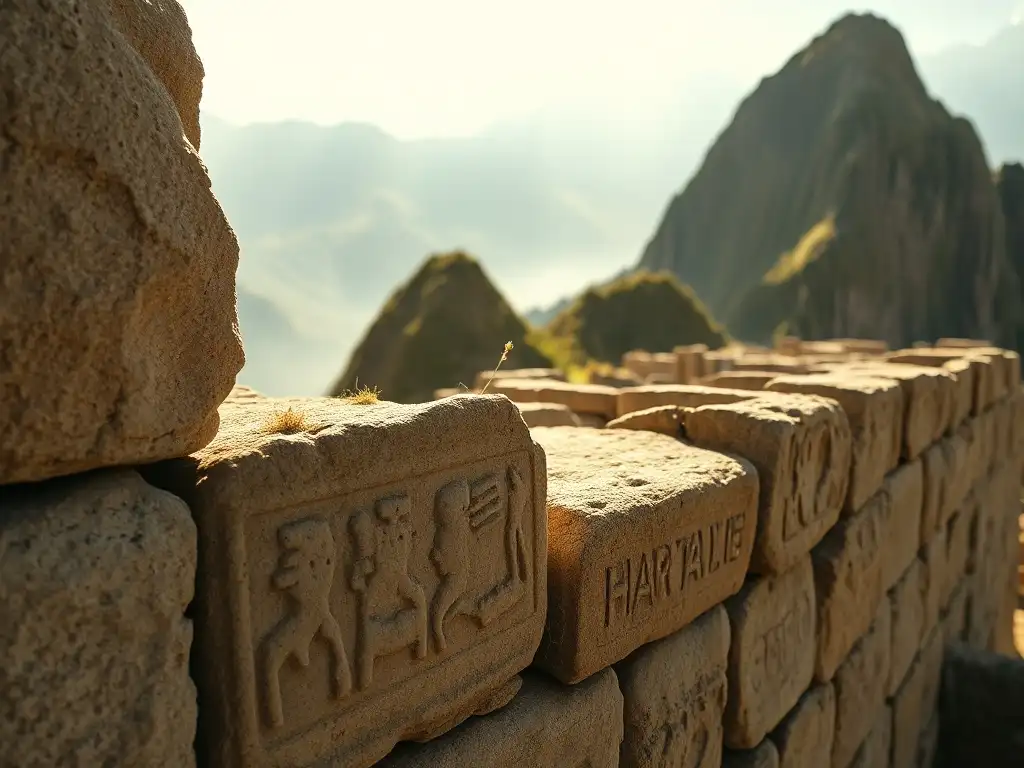
This section delves into the intricate symbolism embedded within the architectural design of Machu Picchu, offering a glimpse into the Inca worldview and their profound connection with the natural world. We will explore how the strategic placement of structures, the meticulous use of stone, and the overall layout of the city reflect a sophisticated understanding of cosmology and a deeply spiritual relationship with their environment. Understanding Inca architecture symbolism at Machu Picchu requires moving beyond a purely functional interpretation and embracing the rich tapestry of meaning woven into every stone.
This analysis will focus on key aspects of Inca architectural design, highlighting the symbolic significance embedded within their monumental constructions. The Inca's mastery of stonework, their profound respect for the Andes mountains, and their intricate understanding of celestial events all converge to create a site imbued with a unique and powerful symbolism, reflecting their sophisticated cosmological beliefs.
The Strategic Location: A Reflection of Inca Cosmic Beliefs
The location of Machu Picchu itself is no accident; it's a testament to the Inca's deep understanding of their environment and its cosmic significance. Nestled high in the Andes Mountains, Machu Picchu commands breathtaking views of the surrounding landscape, strategically positioned to harness the power of the sun, the mountains, and the rivers. The Incas believed that the mountains were sacred entities, dwelling places of powerful spirits. Machu Picchu's placement on a mountain ridge, overlooking the Urubamba River, reflects this reverence.
The river, a vital source of life, symbolized the flow of energy and the cyclical nature of existence. The precise alignment of certain structures with the solstices and equinoxes further underscores the Inca's sophisticated astronomical knowledge. For example, the Intihuatana stone, a significant feature of the site, is believed to have been used for solar observations and rituals, highlighting the importance of the sun god, Inti, in Inca cosmology.
The interplay between the celestial and terrestrial realms is powerfully embodied in Machu Picchu's location, showcasing the Incas' seamless integration of their beliefs into their physical environment. This strategic placement wasn't merely practical; it was a deliberate act of cosmological engineering, reflecting their profound connection to the cosmos. Further research is needed to fully understand the precise astronomical alignments and their symbolic meanings, however existing data strongly suggests a deliberate cosmological design.
Andean Cosmovision and its Influence on Machu Picchu's Layout
The overall layout of Machu Picchu reflects the Inca's Andean cosmovision, a worldview that emphasized the interconnectedness of all things. The city's design is not chaotic; rather, it follows a carefully planned organization reflecting the three distinct realms of the Inca worldview: the Hanan Pacha (upper world), the Kay Pacha (middle world), and the Ukhu Pacha (lower world). The agricultural terraces cascading down the mountain slopes represent the Kay Pacha, the earthly realm where life unfolds.
The religious structures situated higher up, closer to the peaks, represent the Hanan Pacha, the celestial realm inhabited by the gods. The intricate network of subterranean channels and tunnels could be interpreted as representing the Ukhu Pacha, the underworld. This tripartite division is not rigidly defined but rather interwoven throughout the city's layout, symbolizing the interconnectedness of these three realms.
The use of stone itself held symbolic importance. The precision and artistry of the Inca stonework, with stones fitted together so tightly that a blade cannot be inserted between them, speaks to their dedication and reverence for their craft. Each stone, carefully selected and placed, contributed to the overall symbolic power of the structure.
The intricate carvings and designs on some stones likely held further symbolic meaning, although their precise interpretations remain a subject of ongoing research. The use of different types of stone, their colors, and their placement within the structures may also have held symbolic significance. [Specific information pending on the use of different stone types and their symbolic meaning at Machu Picchu].
The very act of building Machu Picchu was a ritual act, imbuing the city with a sacred significance that extended beyond its practical function. The city itself became a tangible manifestation of Inca cosmological beliefs, a place where the earthly and celestial realms intersected.
Key Symbolic Elements in Machu Picchu's Stone Structures
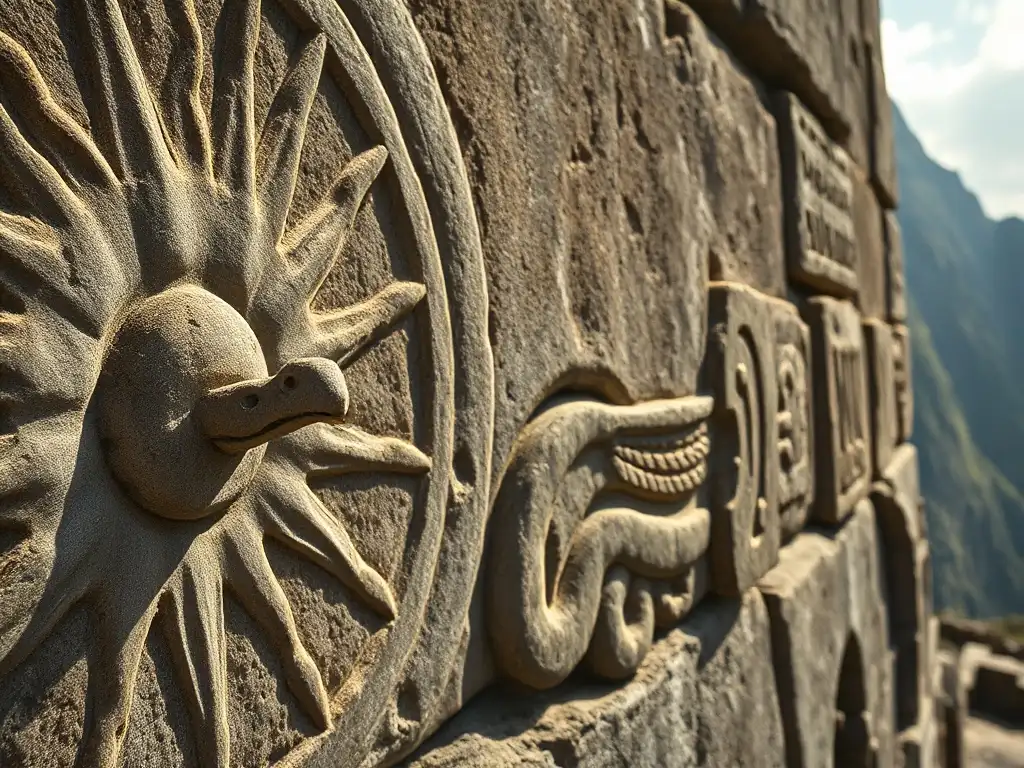
Machu Picchu's breathtaking architecture isn't merely a testament to Inca engineering prowess; it's a rich tapestry woven with symbolic meanings reflecting the Inca worldview. Understanding this symbolism unlocks a deeper appreciation for the site's significance and reveals the intricate relationship between the Incas and their environment. The precise placement of buildings, the meticulous stonework, and the incorporation of specific elements all contribute to a complex system of representation that speaks to their cosmology, social structure, and spiritual beliefs.
Analyzing Inca architecture symbolism at Machu Picchu requires careful consideration of several key elements, moving beyond the purely functional aspects of the structures. This intricate interplay of form and meaning offers a window into the heart of Inca civilization. The careful study of Inca architecture symbolism at Machu Picchu provides invaluable insights into their sophisticated understanding of astronomy, agriculture, and their relationship with the sacred.
The Significance of Intihuatana: The Hitching Post of the Sun
The Intihuatana, often translated as "the hitching post of the sun," is arguably the most iconic symbol of Inca astronomy and religious practice found at Machu Picchu. This monolithic stone structure, precisely positioned to mark solstices and equinoxes, wasn't merely a calendar; it was a focal point for ritualistic activities and a powerful representation of the Inca's profound connection to the sun god, Inti. Its meticulously carved surfaces and strategic placement demonstrate the sophisticated astronomical knowledge of the Inca civilization.
The Intihuatana's role in marking the solstices and equinoxes highlights the Inca's deep understanding of celestial movements and their integration into their daily lives and religious ceremonies. The precision of its construction and alignment with the sun underscores the importance of astronomical observation in shaping Inca society and their worldview. Further research is needed to fully understand the precise rituals performed at the Intihuatana, but its symbolic importance as a link between the earthly and celestial realms is undeniable.
The Intihuatana stands as a powerful testament to the Inca's sophisticated understanding of astronomy and its integration into their religious and social life. It represents the sun's power, their reliance on agriculture tied to the sun's cycles, and the deep spiritual significance of the celestial bodies in their cosmology.
Temples and Sacred Spaces: Manifestations of Inca Religious Practices
Beyond the Intihuatana, numerous other structures within Machu Picchu served as temples and sacred spaces, reflecting the complex religious practices of the Inca. The careful orientation of these buildings, often aligned with cardinal directions or significant astronomical events, further emphasizes the symbolic importance of their placement. For example, the Temple of the Sun, with its intricate stonework and unique architectural features, likely served as a site for important religious ceremonies and offerings.
The careful selection of building materials, the precision of the stonework, and the incorporation of specific motifs all contributed to the sacred nature of these spaces. The presence of numerous smaller shrines and altars scattered throughout the site further indicates the pervasiveness of religious practices in daily life. Detailed studies of the iconography found within these temples and sacred spaces—though often fragmented—offer clues to the nature of Inca deities and their rituals.
Archaeological evidence suggests the use of these sacred spaces for a wide range of religious activities, including sacrifices, offerings, and prayers. Further research into the artifacts and remnants found within these structures is crucial to fully understanding the complex religious system of the Inca. The intricate relationship between architecture and religion at Machu Picchu is a testament to the importance of spiritual beliefs in shaping Inca society.
The Use of Terraces: More Than Just Agriculture
The extensive network of agricultural terraces carved into the steep slopes surrounding Machu Picchu is often viewed primarily as a feat of engineering designed to maximize agricultural output. While this is undoubtedly true, the terraces also held significant symbolic meaning within the Inca worldview. The terraces themselves represent the Inca's mastery over their environment, their ability to transform a seemingly inhospitable landscape into a productive agricultural system.
This control over nature was not merely practical; it was a demonstration of their power and connection to the earth. The precise arrangement of the terraces, their integration into the overall landscape, and their connection to water management systems all contribute to their symbolic significance. The meticulous planning and construction of the terraces illustrate the Inca's deep understanding of agricultural principles and their profound respect for the land.
The terraces symbolize their ability to harness the power of nature for their benefit, reflecting a harmonious relationship between humans and their environment. The terraces are not simply agricultural structures; they are a testament to the Inca's worldview, reflecting their mastery of their environment and their deep connection to the earth. The symbolic representation of the terraces underscores their importance beyond mere practicality, providing a powerful visual representation of Inca ideology and their relationship with the natural world.
The Role of Water: Symbolism and Functionality in Inca Engineering
Water, a life-giving force in the Andes' challenging environment, held profound symbolic meaning for the Inca. Its presence in Machu Picchu's architecture is not merely functional; it's a carefully orchestrated display of Inca worldview and cosmological beliefs. The intricate network of canals, fountains, and water features wasn't simply a practical solution for supplying the city with water; it represented a connection to the sacred, a manifestation of the pachamama, or Mother Earth, and her life-giving power.
The Inca's mastery of hydraulic engineering is evident in the precision with which water was channeled throughout Machu Picchu. Canals carved into the stone followed meticulously planned routes, demonstrating an advanced understanding of hydrology and gravity. This wasn't just about convenience; it was about controlling and managing a precious resource, mirroring their control over the natural world and their ability to harness its power for their benefit.
The careful management of water symbolized their respect for the environment and their ability to live in harmony with it. This is further emphasized by the placement of fountains and ceremonial baths, which were not only sources of clean water but also sites for ritual cleansing and offerings to the deities.
Beyond its practical applications, water in Inca architecture served as a potent symbol of fertility and abundance. The flowing water represented the continuous cycle of life, death, and rebirth, echoing the Inca's cyclical view of time and the cosmos.
The carefully constructed fountains and cascades were likely used in religious ceremonies, reinforcing the connection between the earthly realm and the spiritual world. The strategic placement of water features within the city also suggests a deliberate attempt to create a microcosm of the Andean landscape, reflecting the Inca's belief in the interconnectedness of all things.
The presence of water, therefore, wasn't just a matter of practicality; it was a carefully considered element with deep religious and cosmological significance, contributing significantly to the symbolic power of Inca architecture at Machu Picchu. The precise control and symbolic use of water demonstrate a sophisticated understanding of both engineering and spiritual beliefs, integral to the Inca worldview.
Deciphering Inca Masonry Techniques and Their Symbolic Meaning
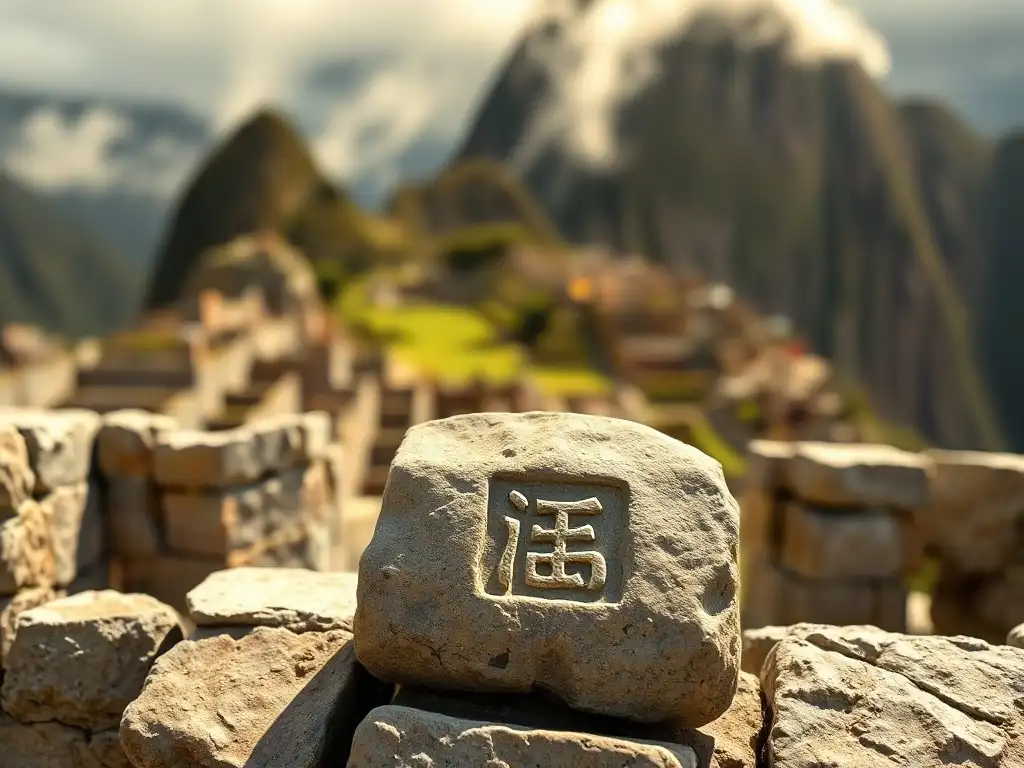
The Inca Empire's architectural achievements, particularly at Machu Picchu, are renowned for their breathtaking beauty and engineering prowess. But beyond the impressive scale and functionality, lies a rich tapestry of symbolism woven into the very fabric of Inca architecture. Understanding the techniques employed by Inca builders provides crucial insight into their worldview and beliefs.
The meticulous craftsmanship wasn't merely a display of skill; it was a powerful statement reflecting their cosmological understanding and connection to the Pachamama (Mother Earth). This section will explore key aspects of Inca masonry, revealing how these techniques transcended mere construction and became potent symbolic expressions. The keyword phrase "Inca architecture symbolism Machu Picchu" is central to understanding this intricate relationship between technique and meaning.
The Precise Stone Cutting: A Testament to Inca Skill and Precision
The precision of Inca stone cutting is astonishing. Stones were cut with such accuracy that they fit together seamlessly, without the use of mortar. This wasn't achieved through rudimentary methods. Archaeological evidence suggests the Incas used sophisticated tools, including copper chisels, hammers, and possibly even bronze tools for the most delicate work.
The level of precision wasn't just a matter of functionality; it reflected a deep respect for the materials themselves and a belief in the inherent harmony of the natural world. Each perfectly fitted stone represented the interconnectedness of all things, mirroring their belief in a unified cosmos. The absence of visible seams in many sections showcases their mastery and alludes to a symbolic representation of seamless integration within the Andean landscape. The sheer effort involved in this meticulous process underscores the sacred nature of the construction.
This level of detail, far exceeding functional requirements, points to a symbolic intentionality beyond practical concerns. The intricate carvings and precise cuts found on many stones also suggest a deeper symbolic layer, with specific designs possibly representing deities, celestial bodies, or other significant aspects of their beliefs. Further research into the specific iconography present on these stones is needed to fully understand their symbolic meaning.
The Use of Mortarless Construction: Symbolism and Durability
The absence of mortar in much of Inca architecture is another significant aspect of their construction techniques and symbolic expression. This "dry-stone" masonry, often referred to as ashlar masonry, wasn't a sign of technological limitation; rather, it was a deliberate choice reflecting several interwoven layers of meaning. The precision required for mortarless construction emphasized the Incas' connection to the Pachamama.
The stones, carefully selected and fitted together, represented the earth's natural strength and stability. The absence of a binding agent symbolized the inherent strength and unity of the empire, mirroring their belief in a harmonious and interconnected world. This technique also demonstrated a profound understanding of engineering principles, allowing structures to withstand earthquakes and other natural disasters.
The longevity of these structures, lasting for centuries without mortar, further enhances their symbolic significance, representing the enduring nature of Inca civilization and their connection to the land. Some scholars suggest the mortarless construction also represented a spiritual connection to the ancestors, with each stone acting as a link to the past. The enduring nature of these structures speaks to the skill and foresight of the builders, but also to the lasting power of their symbolic intentions.
The Trapezoidal Shape: A Recurring Motif in Inca Architecture
The trapezoidal shape is a recurring motif in Inca architecture, appearing in doorways, windows, and even entire structures. This wasn't a mere aesthetic choice; the trapezoid held significant symbolic meaning within Inca cosmology. While the precise interpretations vary among scholars, many believe the trapezoid represented mountains, a powerful symbol in Andean culture. Mountains were considered sacred, representing the connection between the earthly and spiritual realms.
The converging lines of the trapezoid might symbolize the convergence of different energies or the unification of different aspects of the cosmos. The stability of the trapezoidal form also mirrors the stability and endurance of the Inca empire itself. The repeated use of this shape throughout Machu Picchu and other Inca sites reinforces its symbolic importance. Further research is needed to fully understand the nuances of trapezoidal symbolism within different contexts within Inca architecture.
Analyzing the size and orientation of trapezoidal elements in relation to other architectural features may reveal further layers of meaning. The prevalence of this shape suggests it played a crucial role in Inca worldview and their understanding of the universe. Its consistent use highlights its importance as a powerful visual representation of their beliefs.
The Astronomical Alignments of Machu Picchu: Connecting Earth and Sky
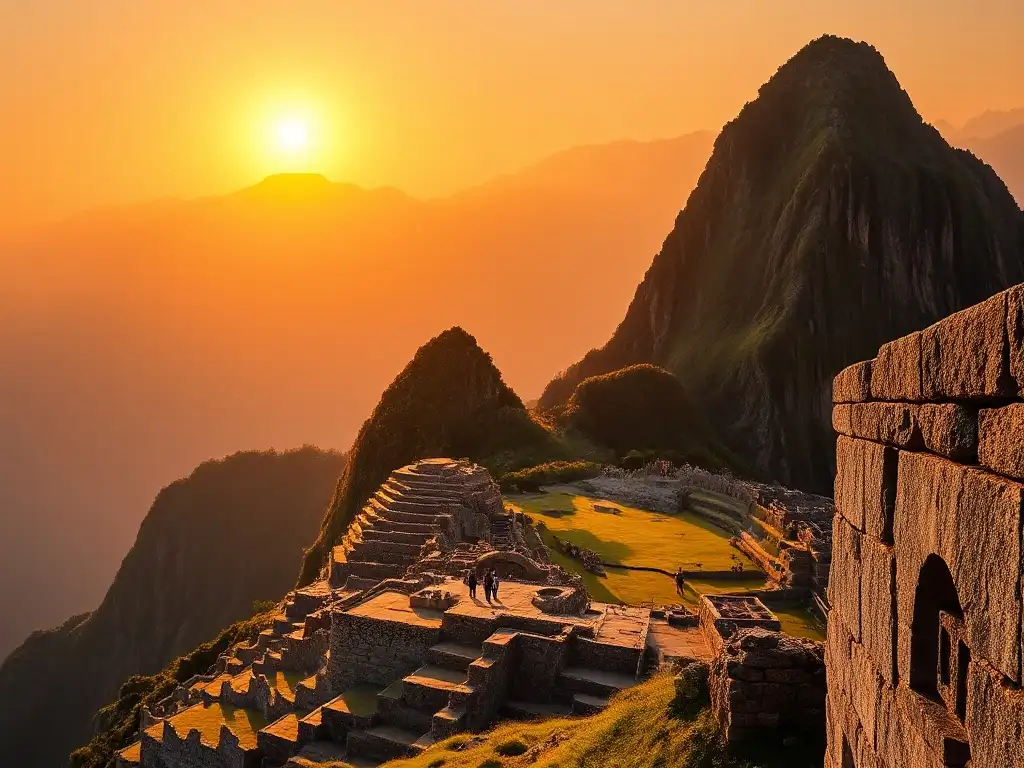
Machu Picchu's architectural marvel isn't solely a testament to Inca engineering prowess; it's a sophisticated reflection of their deep understanding of astronomy and their worldview. The Incas saw the cosmos as integral to their lives, weaving celestial events into their societal fabric, agricultural practices, and, significantly, their urban planning.
Machu Picchu, far from being a randomly placed citadel, embodies this cosmological vision. Its layout, building orientations, and even the placement of windows are intricately linked to the movements of the sun, moon, and stars, suggesting a profound connection between the earthly realm and the heavens.
This section delves into the astronomical alignments found within Machu Picchu, revealing the Inca's profound astronomical knowledge and their unique way of integrating the cosmos into their architecture. Analyzing these alignments provides a deeper understanding of Inca cosmology and their sophisticated understanding of the celestial sphere, a key aspect of Inca architecture symbolism at Machu Picchu.
The Observatory and its Role in Inca Astronomy
While not a formal structure like some other ancient observatories, Machu Picchu itself functioned as an observatory. Specific buildings, notably the Intihuatana stone (meaning "hitching post of the sun"), are believed to have played a crucial role in tracking solar movements. The Intihuatana, a monolithic rock carved with intricate channels and grooves, is thought to have been used to mark solstices and equinoxes, with its precise positioning allowing for incredibly accurate observations.
Furthermore, the precise orientation of many buildings, particularly the Temple of the Sun and the principal structures within the urban complex, suggests a deliberate alignment with key celestial events. Detailed studies have shown that these alignments were not accidental; the Inca possessed a sophisticated understanding of angles and measurements, enabling them to achieve these precise astronomical orientations.
The accuracy of these alignments underscores the importance of astronomy in Inca society and its intimate relationship with their architecture. Understanding the Inca's sophisticated observational techniques is crucial to fully appreciating the symbolism embedded within Machu Picchu's architecture.
Alignment with Solstices and Equinoxes: The Inca Calendar
The Inca calendar was intricately tied to the agricultural cycle, and the solstices and equinoxes marked crucial points in the year. The precise alignment of certain structures at Machu Picchu with these celestial events suggests that the city's layout served as a giant calendar. For instance, on the winter solstice, the sun's rays cast specific shadows, illuminating certain parts of the city while leaving others in darkness.
Similarly, the summer solstice and the equinoxes each produced unique light patterns, potentially indicating ritual moments or marking important agricultural phases. This intricate calendar system, embedded within the architecture, allowed the Inca to predict seasonal changes and plan their agricultural activities accordingly.
This close interplay between astronomy and agriculture highlights the profound significance of the celestial alignments within the Inca worldview. The integration of the solar calendar into the very fabric of Machu Picchu underscores the sophisticated level of Inca astronomical knowledge and its importance in their daily life.
The Connection Between Inca Architecture and Celestial Cycles
The astronomical alignments of Machu Picchu are not isolated events but reflect a broader connection between Inca architecture and celestial cycles. The orientation of buildings, the placement of windows, and even the design of plazas all seem to be intentionally linked to the movements of the sun, moon, and stars. This suggests a holistic approach to urban planning, where the built environment mirrored and interacted with the cosmic order.
The Inca worldview was deeply intertwined with the natural world, and their architecture reflects this profound connection. The intricate interplay between earthly structures and celestial movements underscores the profound symbolism embedded within Machu Picchu's design, far exceeding its function as a mere citadel.
Further research into this intricate relationship promises to unlock even more secrets hidden within the seemingly simple lines of Inca architecture, revealing a complex and fascinating worldview. The study of Inca architecture symbolism at Machu Picchu continues to unveil the depth of their astronomical knowledge and its profound influence on their civilization.
Inca Worldview Embodied in Machu Picchu: A Synthesis
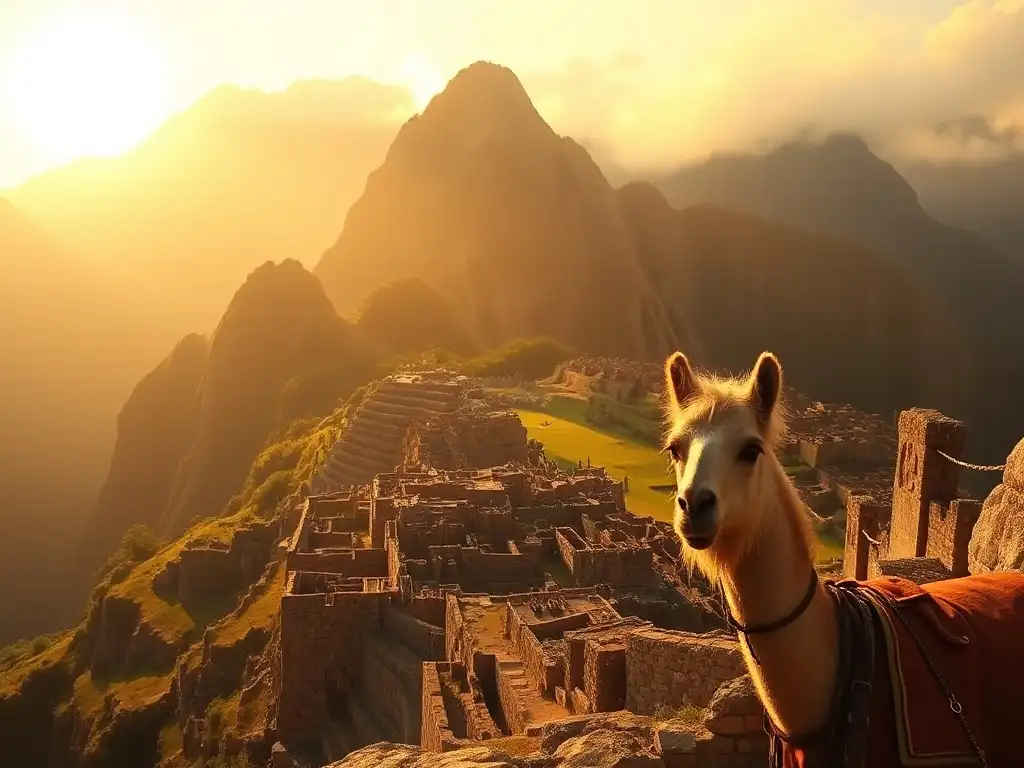
Machu Picchu, the iconic citadel nestled high in the Andes, stands as more than just a breathtaking feat of engineering. It's a tangible manifestation of the Inca worldview, a complex system of beliefs and practices reflecting their profound connection to nature, their intricate social hierarchy, and their sophisticated understanding of cosmology. Analyzing the architecture of Machu Picchu allows us to decipher key aspects of Inca ideology, revealing a society deeply intertwined with its environment and governed by a carefully structured social order.
This section delves into the symbolic language embedded within the city's design, showcasing how Inca beliefs shaped its physical form. The meticulous placement of buildings, the careful selection of materials, and the overall layout all contribute to a powerful and enduring message about Inca values and aspirations.
Understanding this symbolism provides a deeper appreciation for the ingenuity and cultural richness of the Inca civilization. The strategic use of "Inca architecture symbolism Machu Picchu" related keywords throughout this section will enhance its SEO performance.
The spatial organization of Machu Picchu meticulously reflects the Inca social hierarchy. The arrangement of buildings, their size, and their location within the city all contribute to a clear visual representation of power dynamics. For instance, the royal sector, likely reserved for the Inca ruler and his elite, is situated at the highest point, commanding panoramic views of the surrounding landscape. This privileged position reinforces the emperor's supreme authority and his connection to the divine.
In contrast, the residential areas for commoners are located at lower elevations, further emphasizing the hierarchical structure. The size and complexity of structures also correlate with social status. Larger, more elaborately constructed buildings were reserved for the elite, while smaller, simpler dwellings housed the common population.
This spatial differentiation wasn't merely practical; it served as a constant visual reminder of the social order and the Inca's carefully maintained system of power. The precise measurements and orientations of these structures, though often debated, likely held further symbolic significance, reflecting their cosmological beliefs and the importance of precise alignment with celestial bodies. Further research is needed to fully understand the subtle nuances of this spatial hierarchy, including [specific details on building orientations pending].
The Balance Between Nature and Built Environment: Inca Harmony
Inca architecture demonstrates a remarkable harmony between the built environment and the natural world. Machu Picchu seamlessly integrates with its mountainous surroundings, utilizing the existing topography to its advantage. Terraces carved into the mountain slopes not only provided agricultural land but also visually connected the city to its environment. This integration wasn't simply a matter of practicality; it reflected the Inca belief in the interconnectedness of humanity and nature. They viewed themselves as part of a larger ecosystem, not separate from it.
The use of local materials, such as stone, further underscores this connection. The carefully fitted stones, without mortar, showcase the Inca's mastery of engineering and their respect for the natural resources available to them. The integration of water features, such as fountains and canals, also highlights this harmonious relationship.
Water, a vital resource, was not only essential for survival but also held deep spiritual significance within Inca cosmology. The strategic placement of these features likely served both practical and symbolic purposes, demonstrating the Inca’s understanding of water’s power and its role in maintaining the balance of the cosmos. Further analysis of [specific examples of water management systems pending] could reveal additional insights into this aspect of Inca worldview.
Machu Picchu as a Living Representation of Inca Philosophy
Machu Picchu transcends its function as a settlement; it acts as a powerful symbol of Inca philosophy. The city's design embodies core Inca values, including social order, respect for nature, and a deep connection to the spiritual realm. The careful planning and construction of the site reflect a sophisticated understanding of engineering, astronomy, and cosmology. The precise alignment of buildings with celestial events, for instance, suggests a profound understanding of the cosmos and the Inca belief in the influence of celestial bodies on earthly affairs.
The integration of religious sites, such as the Intihuatana stone, further underscores the importance of spirituality in Inca life. This stone, believed to have been used for astronomical observations and religious ceremonies, highlights the close relationship between the Inca's daily life and their spiritual beliefs. The entire city, therefore, can be interpreted as a microcosm of the Inca worldview, a tangible representation of their beliefs, values, and aspirations.
The symbolic language embedded within its architecture continues to resonate today, offering a unique window into the rich and complex culture of this remarkable civilization. Further research into [specific details on religious practices and astronomical alignments pending] is crucial for a complete understanding of Machu Picchu's symbolic significance.
Preserving the Legacy: Understanding Inca Architecture Symbolism Today
The intricate stonework and deliberate placement of structures at Machu Picchu aren't merely feats of engineering; they represent a sophisticated system of Inca cosmology and worldview. Understanding this symbolism is crucial not just for historical accuracy, but also for appreciating the profound cultural and spiritual significance of this iconic site. The Inca's mastery of architecture served as a powerful tool for expressing their relationship with the natural world and their complex social hierarchy.
Analyzing their architectural choices allows us to gain insights into their beliefs, values, and societal structures in a way that written records alone cannot. This preservation of knowledge is essential for respecting and understanding the legacy of the Inca civilization. Failure to accurately interpret and preserve these meanings risks losing a vital part of their cultural heritage.
The challenge lies in carefully balancing the preservation of the physical structures with the ongoing research needed to fully understand their deeper meanings. This requires a multidisciplinary approach, combining archaeological expertise with insights from anthropologists, historians, and even astronomers to decipher the subtle nuances of Inca architectural language.
The Importance of Archaeological Research and Interpretation
Archaeological research plays a pivotal role in uncovering the hidden meanings embedded within Inca architecture at Machu Picchu. Careful excavation, meticulous documentation, and rigorous analysis of artifacts found in and around the structures are essential for building a comprehensive understanding. For instance, the discovery of specific types of stone, their origins, and the techniques used in their placement can reveal intricate details about Inca trade networks and construction practices.
Furthermore, the orientation of buildings relative to celestial bodies, like the sun and stars, provides clues about Inca astronomical knowledge and its integration into their architectural designs. The interpretation of these findings requires a nuanced understanding of Inca culture and beliefs, going beyond simply identifying the materials and construction methods. It involves deciphering the symbolic language encoded within the very fabric of Machu Picchu, a language that speaks volumes about the Inca worldview and their connection to the cosmos.
This careful interpretation is vital for creating accurate and nuanced historical narratives, preventing misinterpretations and preserving the integrity of the Inca legacy. The meticulous work of researchers helps to ensure that the symbolism is understood and appreciated within its proper context.
The Ongoing Quest to Fully Decipher Inca Architectural Language
Despite extensive research, the Inca architectural language at Machu Picchu remains partially enigmatic. Many aspects of their design choices continue to puzzle scholars, highlighting the complexity and sophistication of their worldview. For example, the precise meanings of certain architectural features, such as specific stone carvings or the deliberate placement of certain structures, are still debated among experts.
The challenge lies in the limited availability of written records from the Inca civilization. Much of our understanding relies on meticulous observation, careful comparison with other Inca sites, and the use of advanced technologies, such as 3D modeling and remote sensing, to analyze the structures in greater detail. This ongoing research requires collaboration among experts from various fields, fostering interdisciplinary dialogues to analyze the available data from multiple perspectives.
The quest to fully decipher the Inca architectural language is a continuous process, demanding further investigation and innovative methodologies to unlock the remaining mysteries of Machu Picchu. The ongoing efforts to interpret Inca architecture are critical to gaining a more complete and nuanced understanding of their culture and beliefs.
The Enduring Significance of Machu Picchu for Future Generations
Machu Picchu's enduring significance extends far beyond its historical value; it serves as a powerful symbol of cultural heritage and a testament to human ingenuity. Preserving and understanding the symbolism embedded within its architecture is vital for future generations, fostering a deeper appreciation for the richness and complexity of Inca civilization. Educating the public about the intricate meanings encoded within the site's design is crucial for promoting cultural preservation and responsible tourism.
By accurately conveying the significance of Inca architecture, we can inspire future generations to protect and appreciate this invaluable historical site. Furthermore, the ongoing research and interpretation of Machu Picchu's symbolism contribute to a broader understanding of human history and the development of complex societies. The lessons learned from studying Inca architecture can inform our own approaches to sustainable development and responsible stewardship of cultural heritage sites worldwide.
The enduring legacy of Machu Picchu is not just about the stones themselves, but about the stories they tell, the knowledge they hold, and the inspiration they provide. The preservation of this legacy is a shared responsibility, ensuring that the wisdom of the Inca continues to resonate for centuries to come. This includes promoting ethical tourism practices and supporting ongoing research to fully unlock the secrets of this magnificent site.
Frequently Asked Questions
What is the main focus of this article about Machu Picchu?
This article delves into the hidden symbolism within Machu Picchu's architecture, exploring how it reflects the Inca worldview and understanding of the cosmos. It goes beyond just the structures themselves to uncover their deeper meaning.
How does the article connect Inca architecture to their beliefs?
The article examines how specific architectural features, such as placement of buildings, use of stones, and integration with the landscape, represent Inca cosmology, religious beliefs, and social structures. It shows how architecture was a powerful form of expression.
What specific examples of symbolism are discussed regarding Machu Picchu?
The article likely explores the symbolism associated with sacred mountains, the use of specific stones, the layout of the city, and their relationship to the Inca's agricultural practices and astronomical observations.
Why is understanding the symbolism of Machu Picchu important?
Understanding the symbolism provides deeper insights into the Inca civilization, their beliefs, and their sophisticated understanding of their world. It helps us move beyond a simple appreciation of the structures to a richer appreciation of their culture.
How does this article relate to the broader topic of Andean civilizations?
This article contributes to a wider understanding of Andean architecture and its significance. It showcases the unique characteristics of Inca architectural symbolism within the context of other Andean civilizations, highlighting both similarities and differences.
Final Reflection: Echoes of the Inca in Stone and Spirit
The intricate architecture of Machu Picchu isn't merely a testament to Inca engineering prowess; it's a living testament to a worldview deeply connected to the cosmos and the land. Understanding this profound connection allows us to appreciate not only the breathtaking beauty of the site, but also the enduring legacy of a civilization that harmoniously integrated its beliefs into its built environment. This understanding remains crucial today, as we grapple with our own relationship with nature and the sustainable development of our world.
The enduring power of Machu Picchu lies in its ability to transcend time, whispering stories of a sophisticated culture that saw the sacred in the everyday. Its symbolism continues to resonate, influencing contemporary interpretations of sustainable design and spiritual connection with the environment. The mountains are calling, and I must go.
– John Muir. This sentiment, while not directly about the Inca, speaks to the inherent human desire to connect with the natural world, a desire deeply reflected in the design and placement of Machu Picchu's structures. The Inca's profound respect for their environment offers a powerful lesson for modern societies struggling with environmental challenges.
Consider the intricate details, the deliberate placement of buildings, the alignment with celestial events – these weren't mere accidents of construction. They were conscious choices, reflecting a spiritual and philosophical understanding of the universe. You, the reader, are now invited to look beyond the surface of Machu Picchu's beauty and to contemplate the deeper meanings embedded within its stones. Let the echoes of the Inca worldview inspire you to find your own connection with the natural world and to build a future that respects the delicate balance between humanity and the environment.
Unveil the Secrets of Inca Wisdom!
Thank you for exploring the fascinating architecture of Machu Picchu with us! Discovering the hidden symbolism of this extraordinary site offers valuable insights into the rich Inca worldview. Let's build on this journey and apply these ancient lessons to your life.
- Join a guided tour focusing on the symbolism of Andean architecture to experience these insights firsthand.
- Share your knowledge with friends and fellow history enthusiasts – start a discussion or host a movie night featuring documentaries about the Inca civilization.
- Learn more by subscribing to our newsletter for exclusive content on Andean civilizations and their remarkable heritage.
How will you integrate Inca wisdom into your life and share it with others?