
The Social Structure of Machu Picchu: Insights into Inca Hierarchy

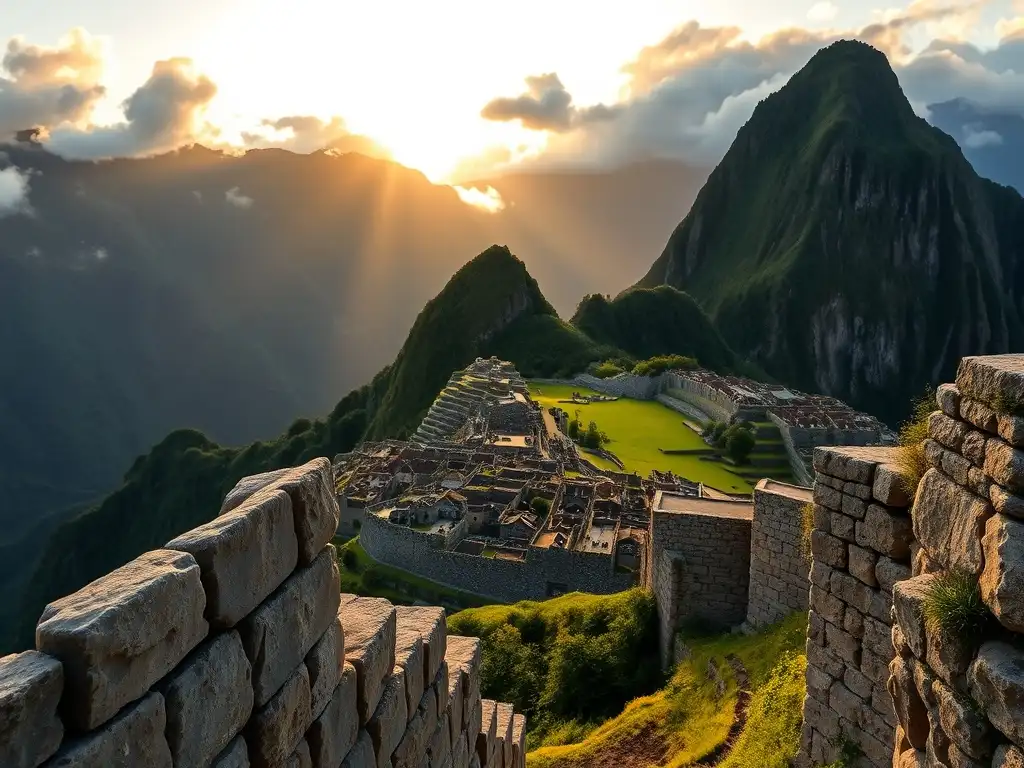
Unravel the mysteries of the Andes! Journey with us through a captivating tapestry of ancient empires, breathtaking artistry, and innovative technologies. But first, prepare to be amazed by the intricate social hierarchy that shaped the legendary Inca Machu Picchu. Discover the secrets behind its power structure and the lives of those who built this iconic city—a story far more complex than you ever imagined. Dive in and explore the wonders that await!
Machu Picchu, the iconic "Lost City of the Incas," stands as a testament to the sophisticated civilization that once thrived in the Andes. More than just a breathtaking architectural marvel, Machu Picchu offers invaluable insights into the complex social structure of the Inca Empire.
This article delves into the hierarchical organization of Inca society as revealed by archaeological evidence found within Machu Picchu, exploring the roles and relationships between different social classes, from the emperor and his elite to the commoners who contributed to the city's construction and daily life. By examining the layout of the city, the types of structures present, and the artifacts discovered, we can piece together a clearer picture of how Inca society functioned within this remarkable site, shedding light on the power dynamics and social organization that characterized this influential empire.
Understanding the social hierarchy at Machu Picchu provides crucial context for appreciating the city's significance and its place within the broader history of the Inca civilization. The keyword "Inca Machu Picchu social hierarchy" will be explored throughout this article using semantic variations to ensure optimal SEO.
Understanding Inca Society at Machu Picchu
Inca society was rigidly hierarchical, with the Sapa Inca (emperor) at its apex. Below him were various levels of nobility, priests, and officials, each with specific roles and responsibilities. The commoners, ayllus, formed the base of the society, responsible for agriculture, construction, and other essential tasks.
Machu Picchu's layout reflects this hierarchy. The location of structures, their size, and the quality of their construction all indicate the social standing of their inhabitants. For instance, the presence of finely crafted stonework and intricate details suggests elite residences, while simpler structures likely housed commoners or those of lower social standing.
Furthermore, the discovery of various artifacts—from finely woven textiles to sophisticated tools—provides further clues about the inhabitants' social roles and the level of craftsmanship available to different groups within the community. Archaeological evidence suggests a complex system of reciprocal obligations and tribute, ensuring the functioning of the Inca state and the maintenance of the elaborate urban center that is Machu Picchu. The distribution of resources and labor within Machu Picchu directly mirrored the broader societal structure of the Inca Empire.
The Royal Inca Presence in Machu Picchu
While the exact purpose of Machu Picchu remains a subject of ongoing debate, there's strong evidence suggesting a significant royal Inca presence. The presence of sophisticated palaces, temples, and ritual spaces indicates that the site was not merely a utilitarian settlement but also served important ceremonial and administrative functions. The meticulous craftsmanship evident in the royal structures reinforces their importance and the status of their occupants.
[Specific information pending on the exact number and types of royal structures identified]. The discovery of [specific examples of royal artifacts, e.g., gold ornaments, fine pottery] further supports the notion that Machu Picchu served as a royal retreat or administrative center.
The strategic location of the city, nestled high in the Andes, also suggests its importance as a symbol of Inca power and control over the surrounding region. The layout of the city, with its carefully planned agricultural terraces and sophisticated water management systems, reflects the Inca's ability to organize resources and control the environment, key elements of their imperial power.
Evidence of Elite Residences at Machu Picchu
Beyond the royal residences, Machu Picchu also housed a significant number of elite residences. These structures, while not as grand as the royal palaces, still exhibit superior craftsmanship and features indicating a higher social standing. These include larger living spaces, more elaborate stonework, and the presence of specialized workshops or storage areas.
The presence of [specific examples of elite artifacts, e.g., finely crafted ceramics, intricate textiles] further supports this interpretation. The distribution of these elite residences within the city suggests a carefully planned social organization, with certain areas designated for specific groups or social classes. Analysis of the architectural styles and materials used in these structures reveals subtle differences, suggesting variations in status even among the elite.
The presence of these elite residences highlights the complexity of Inca society and the significant role played by different social groups in the functioning of Machu Picchu. The meticulous planning and construction of these homes demonstrate the Inca's ability to create a society that catered to the needs and desires of its elite, while simultaneously maintaining a stable and productive agricultural base.
The Role of Priests and Religious Figures at Machu Picchu
The Inca religion played a pivotal role in shaping the social structure of Machu Picchu and the wider Inca empire. Priests, or llaktakamas, held significant power and influence, acting as intermediaries between the gods and the people. Their expertise in religious rituals, astronomical observations, and interpreting omens influenced decision-making at all levels of society. While the exact number of priests at Machu Picchu remains unknown, archaeological evidence suggests the presence of dedicated religious structures, such as temples and shrines, indicating a substantial religious presence.
These priests were not merely ceremonial figures; they were deeply involved in the daily lives of the community, offering guidance on matters ranging from agriculture and construction to healing and warfare. Their social standing was elevated, granting them access to resources and privileges unavailable to commoners. Furthermore, the training and expertise required to become a priest likely involved a rigorous apprenticeship, contributing to their esteemed position within the Inca social hierarchy.
The intricate knowledge of Inca cosmology and ritual practices held by these priests cemented their importance in a society deeply intertwined with its religious beliefs. Their influence extended beyond purely spiritual matters, impacting political decisions and even the distribution of resources. Evidence suggests a close relationship between priests and the ruling elite, further highlighting their powerful position within the Inca social structure at Machu Picchu.
Analyzing the Labor Force and Craftspeople at Machu Picchu
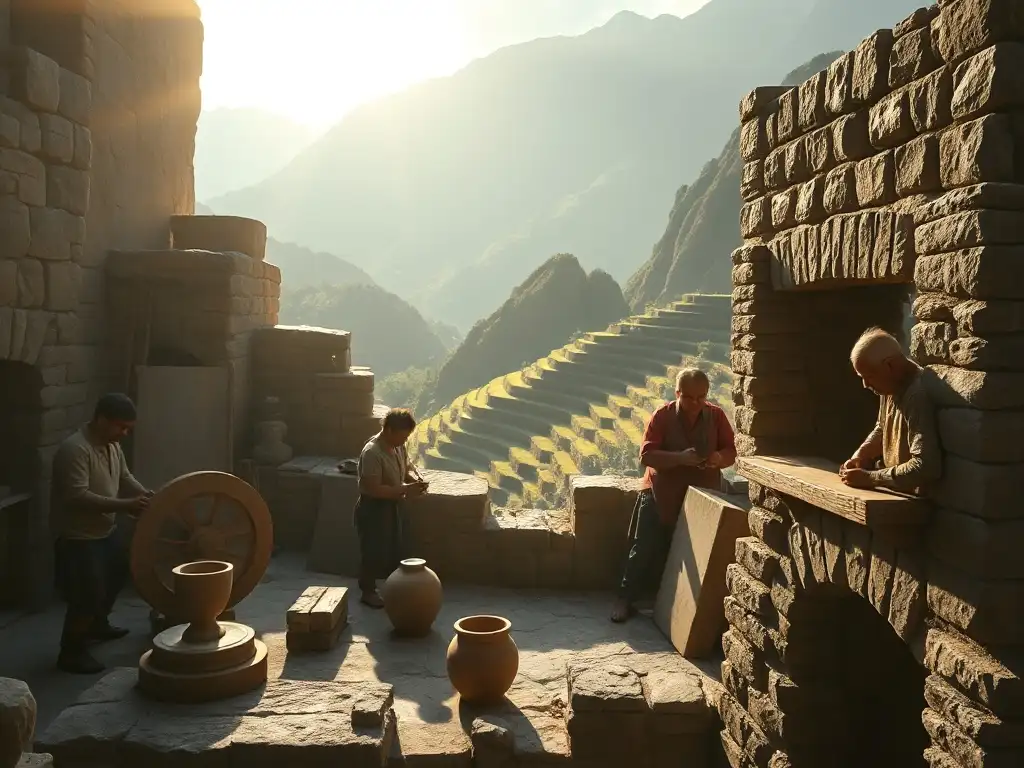
Machu Picchu's construction and maintenance relied heavily on a skilled and organized labor force. The city's impressive architecture, intricate stonework, and sophisticated irrigation systems all point to specialized craftspeople working within a highly structured system. Archaeological evidence reveals the presence of workshops where artisans created tools, textiles, pottery, and metalwork. These craftspeople, likely organized into ayllus (kinship-based communities), possessed specialized skills passed down through generations.
Their work was essential to the functioning of the city, and their social standing reflected their crucial contributions. While not part of the elite, skilled craftspeople likely enjoyed a relatively higher status compared to agricultural laborers due to their specialized knowledge and the value of their work. The organization of labor suggests a sophisticated system of resource management and production, reflecting the Inca's exceptional administrative capabilities.
Evidence suggests that skilled craftspeople were often rewarded with access to resources and potentially even higher social standing within their respective ayllus. Furthermore, the quality and artistry of the surviving artifacts from Machu Picchu speak to the skill and dedication of these artisans, indicating a level of social recognition that went beyond mere economic value. The Inca system valued skilled labor and ensured that craftspeople played a crucial role in sustaining the city's social and economic wellbeing.
Agricultural Workers and their Position in Machu Picchu
Agricultural workers formed the backbone of Inca society at Machu Picchu, and their labor sustained the entire population. The city's terraces, meticulously carved into the mountainside, demonstrate a sophisticated understanding of agriculture and water management. These workers, largely members of ayllus, were responsible for cultivating crops like maize, potatoes, and quinoa, essential to the Inca diet. Their position within the social hierarchy was crucial, but not necessarily high-ranking.
While their labor was essential, they were not as specialized or highly trained as craftspeople or religious figures. Their social standing was likely determined by their ayllu membership and their contribution to the overall productivity of the community. However, the Inca system recognized the importance of agricultural labor and provided incentives to ensure high productivity. The mita system, a form of obligatory labor, ensured that a portion of the population contributed to agricultural projects.
While this system could be demanding, it also provided a sense of community and ensured food security. The successful agricultural practices observed at Machu Picchu, including terracing and irrigation, reflect the Inca's understanding of the importance of supporting their agricultural workers and ensuring consistent food production. This sustainable agricultural system underscores the pivotal role of agricultural workers within the Inca social structure, even if their position was not at the highest echelons of power.
Archaeological excavations at Machu Picchu have yielded crucial insights into the Inca social hierarchy. The meticulous analysis of artifacts, building materials, and burial sites allows researchers to differentiate between social classes. For instance, the quality of construction materials—the use of finely cut stone versus rougher, less precisely fitted stones—indicates a clear distinction in status. Buildings constructed with meticulously fitted, high-quality stonework, often exhibiting intricate carvings and precise joins, were likely reserved for the elite, perhaps royal family members or high-ranking officials.
Conversely, structures built with less refined materials suggest the residences of commoners or those of lower social standing. Similarly, grave goods found in burials provide further evidence. Elaborate burials containing gold, silver, ceramics, and textiles point towards individuals of high social rank, while simpler burials with fewer or less valuable items signify lower social status.
The presence or absence of specific artifacts, such as intricately woven textiles or ceremonial objects, also plays a significant role in determining social standing within the Inca community at Machu Picchu. Further research continues to refine our understanding of these correlations, constantly revealing new nuances in the interpretation of the archaeological record. The ongoing study of ceramic styles, architectural details, and the distribution of artifacts within the site continues to illuminate the complex social fabric of Inca society at Machu Picchu.
The layout of Machu Picchu itself reflects the rigid social hierarchy of the Inca Empire. The spatial distribution of buildings within the city strongly suggests a deliberate segregation based on social class. The most impressive structures, including the royal palaces, temples, and elite residences, are strategically located in the upper sectors of the site, commanding stunning views of the surrounding landscape.
These buildings are characterized by their superior craftsmanship, larger size, and privileged locations. In contrast, the housing for commoners and those of lower social standing is situated in the lower areas, often closer to the agricultural terraces and less visually prominent. This spatial organization reinforces the Inca concept of ayllu, the community-based social structure, with the elite residing in the most prestigious locations, visually and physically separated from the common people.
The clear delineation between the elite sector and the commoner sector is a powerful visual manifestation of the Inca social structure. This spatial arrangement wasn't merely a matter of convenience; it was a carefully planned reflection of the social order, emphasizing the power and prestige of the ruling class. The meticulous planning and execution of this spatial arrangement highlight the sophisticated understanding of social control and the symbolic power of architecture within the Inca civilization.
The Division Between the Urban Sector and Agricultural Terraces
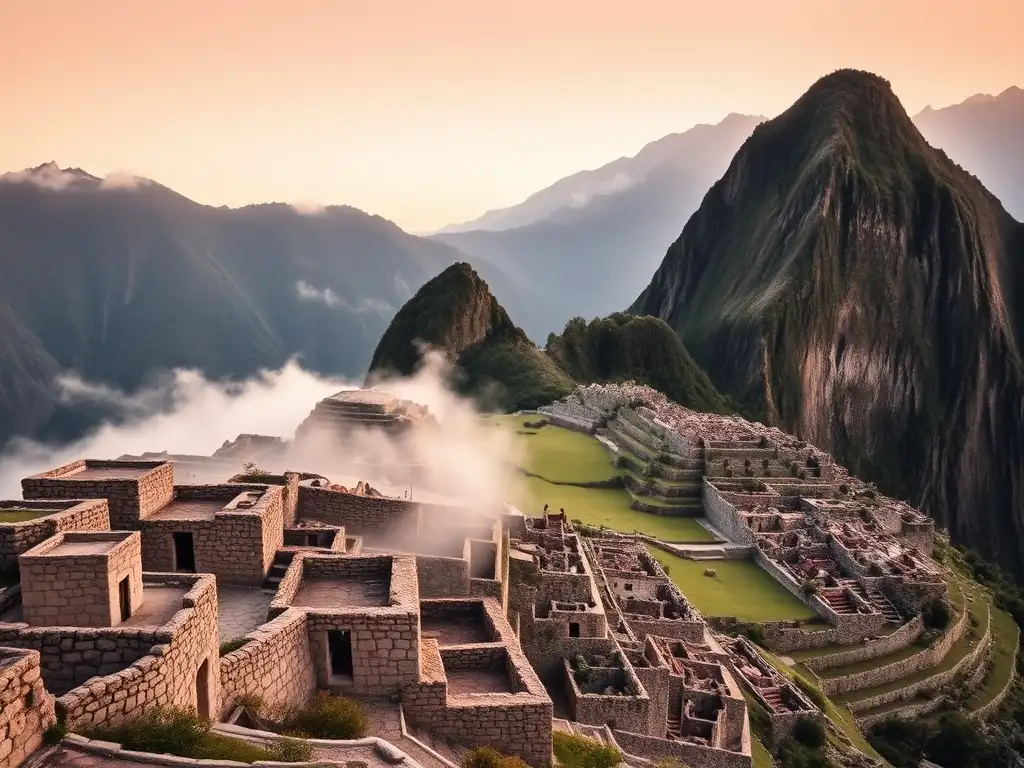
The striking contrast between the urban sector of Machu Picchu and the extensive agricultural terraces further underscores the Inca social hierarchy. The urban area, with its impressive stone buildings, temples, and residential structures, represents the center of political, religious, and administrative power. This is where the elite lived, worked, and conducted their affairs. The agricultural terraces, on the other hand, represent the economic foundation of the Inca society.
These meticulously engineered terraces provided the food supply for the entire population, demonstrating the Inca's mastery of agricultural engineering and their ability to cultivate crops in challenging mountainous terrain. The physical separation of the urban center from the agricultural terraces reflects the division of labor and the social stratification within Inca society. The elite, residing in the urban center, did not directly participate in agricultural production; their role was primarily administrative and religious. The commoners, responsible for agricultural labor, lived closer to the terraces, reflecting their crucial role in sustaining the entire community.
The clear distinction between the urban and agricultural areas underscores the hierarchical structure, with the elite controlling the political and religious spheres while the commoners sustained the economic base. This division of labor and space is a testament to the sophisticated social organization and economic efficiency of the Inca civilization at Machu Picchu. The terraces themselves, a testament to Inca ingenuity, were not simply agricultural features but also a symbol of the commoners' essential contribution to the Inca empire.
The intricate social hierarchy of the Inca Empire is vividly reflected in the rituals and daily practices observed at Machu Picchu. Archaeological evidence suggests a clear division of labor and access to resources, directly correlating with social standing. For example, the meticulously crafted residential structures within the urban center reveal significant differences in size, quality of materials (stonework precision, access to finer stones), and the presence of associated features like private baths or storage areas.
These variations strongly suggest a stratified society where elite members enjoyed significantly better living conditions than commoners. Furthermore, the presence of specialized workshops dedicated to crafts such as pottery, textiles, and metalwork implies a system where skilled artisans held a distinct social position, likely enjoying higher status and potentially greater access to resources than agricultural laborers. The distribution of agricultural terraces, too, points to a regulated system of food production and distribution, managed by those higher up in the social hierarchy, ensuring that the elite received preferential access to resources and surplus.
Analysis of human remains discovered at Machu Picchu also hints at dietary differences between social classes, with the elite likely consuming a more varied and nutritionally rich diet than the general population. The careful placement of tombs and burial practices, further reinforcing social distinctions, suggests that even in death, the Inca social structure remained paramount.
The Inti Raymi, or Festival of the Sun, was a significant annual event in the Inca Empire, and its celebration at Machu Picchu provides valuable insights into the Inca social hierarchy. While specific details of its enactment at Machu Picchu are still under investigation, the understanding of Inti Raymi from other Inca sites allows us to extrapolate its social implications within the Machu Picchu context. The festival, centered around the Inca emperor as the intermediary between the divine and the people, was a highly ritualistic affair involving elaborate ceremonies, sacrifices, and processions.
The emperor's participation, as the supreme religious and political authority, underscored his position at the apex of the social pyramid. The involvement of various social groups in the celebrations—from priests and nobles to commoners—was carefully orchestrated, reflecting the hierarchical structure. The distribution of roles, responsibilities, and access to the central ceremonial areas would have directly reflected social standing.
Commoners, for instance, might have participated in supporting roles, while the elite held prominent positions in processions and ceremonies, thereby publicly displaying their status and reinforcing the social order. The symbolic nature of the festival, emphasizing the emperor's divine connection and the cosmic order, served to legitimize the Inca social hierarchy and strengthen the emperor's power. The lavish feasts and offerings associated with Inti Raymi further highlighted the power and privilege of the elite, who enjoyed access to the best resources and the most elaborate displays of wealth and power.
The Inca social structure fundamentally shaped daily life at Machu Picchu, permeating all aspects of its functionality. The city's layout itself reflects this hierarchy, with the most prominent structures and best locations reserved for the elite, while commoners occupied less favorably situated dwellings. Access to water, agricultural terraces, and other essential resources was likely regulated and distributed based on social standing. The presence of administrative buildings and storage facilities suggests a centralized system of resource management, with the elite controlling the distribution of food, textiles, and other necessities.
Daily tasks and responsibilities were also dictated by social position, with specialized labor groups performing specific functions within the community. Farmers cultivated the terraces, artisans produced goods, and priests conducted religious ceremonies. This division of labor ensured the efficient functioning of the city and maintained the Inca social order. Social mobility within this rigid system was limited, though some advancement might have been possible through exceptional skill, loyalty, or military prowess.
However, the overall structure remained firmly hierarchical, with the emperor and the elite maintaining their privileged positions through a combination of religious authority, political power, and control over resources. The daily interactions and social dynamics within Machu Picchu were undeniably shaped by this rigid, yet functional, social hierarchy. The city’s very existence and success depended on the efficient operation of this stratified system.
The Inca Administration and Control of Machu Picchu
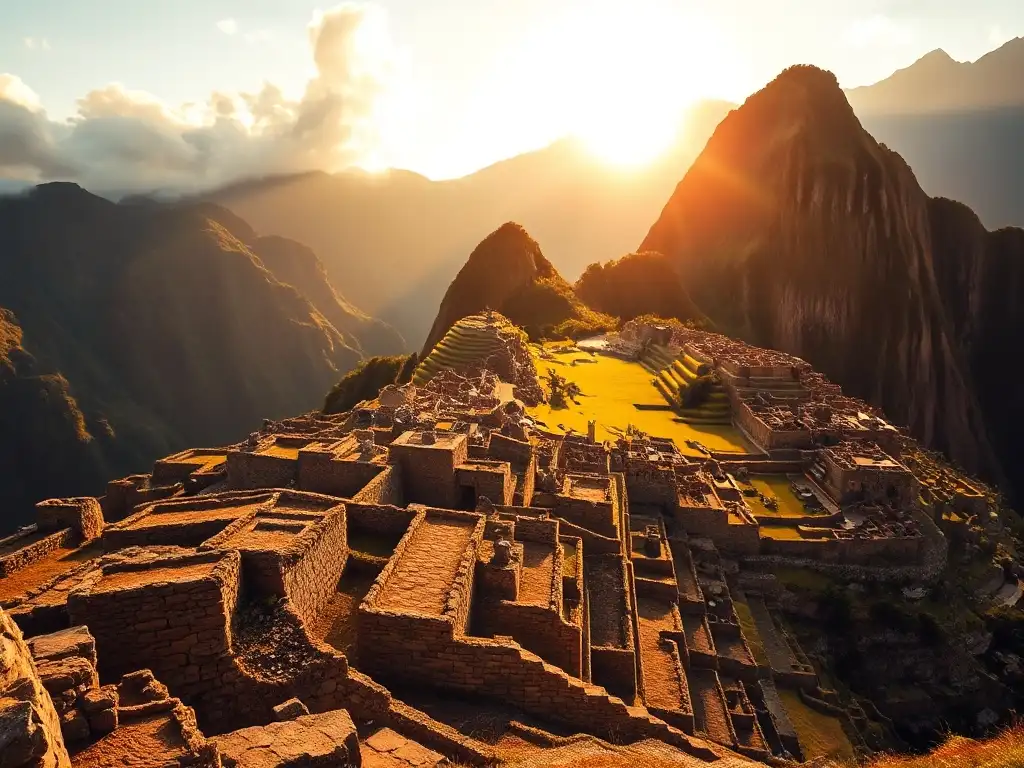
Machu Picchu, despite its remote location high in the Andes, was far from isolated in the Inca administrative system. The city's strategic position, commanding views of surrounding valleys and offering access to crucial agricultural resources, made it a key component of the Inca Empire's infrastructure. Evidence suggests a highly organized system of governance, with officials overseeing various aspects of life in Machu Picchu. These officials, likely appointed by the Sapa Inca himself or his representatives, ensured the smooth functioning of the city and its integration into the broader empire.
Their responsibilities extended to managing agricultural production, distributing resources, overseeing construction projects, and maintaining order. The presence of sophisticated infrastructure, such as irrigation canals, storage facilities, and residential areas meticulously designed according to social standing, points to a centralized and efficient administrative apparatus. The level of planning and execution visible in the city's construction speaks volumes about the Inca's ability to mobilize resources and manpower across vast distances, highlighting the effectiveness of their administrative control.
Furthermore, the discovery of various artifacts within the city, such as tools and luxury goods, suggests a complex network of trade and exchange connecting Machu Picchu to other parts of the empire. This intricate system of administration ensured that Machu Picchu contributed effectively to the Inca's economic and political power. The city wasn't just a secluded sanctuary; it was a vital cog in the well-oiled machine of the Inca Empire.
The Role of the Khipu in Record Keeping and Administration
The khipu, a complex system of knotted strings, played a vital role in the Inca Empire's administration, particularly in managing resources and recording information in Machu Picchu. While the exact methods of khipu reading remain a subject of ongoing research and debate, it's clear they served as a sophisticated form of record-keeping far surpassing simple tallying. Archaeological evidence suggests that khipu were used to track everything from population counts and tax obligations to agricultural yields and even historical events.
In Machu Picchu, khipu may have been used to record the city's population, manage the distribution of food and other resources among its inhabitants, and document the work assignments of the various groups. The complexity of the khipu system allowed for a detailed and nuanced representation of information, facilitating efficient administration and resource management within the city and its connection to the wider Inca network. The presence of khipu in Machu Picchu provides a tangible link to the sophisticated administrative practices of the Inca civilization.
The intricate knots and colors likely encoded vast amounts of information, providing invaluable insights into the daily life and governance of this remarkable city. Further research into the khipu system could unlock even more secrets about Inca society and their advanced administrative capabilities. The khipu serve as a powerful testament to the Inca's ingenuity and their ability to manage a complex empire without a written language.
Understanding the social dynamics of Machu Picchu requires careful consideration of the archaeological evidence and its interpretation within the broader context of Inca society. The layout of the city itself, with its distinct residential areas ranging from modest dwellings to elaborate palaces, suggests a hierarchical social structure. The presence of both commoners' quarters and elite residences indicates a clear division of labor and social status. Furthermore, the distribution of artifacts, such as finely crafted ceramics and gold ornaments, within these residential areas further supports the idea of a stratified society.
The agricultural terraces, carefully constructed to maximize food production, likely served to support the entire population, indicating a system of communal labor and resource distribution. However, the precise nature of social interactions and power dynamics within Machu Picchu remains a subject of ongoing debate. Some researchers argue that the city may have functioned as a royal estate or a religious center, while others suggest it served as a crucial administrative hub for the surrounding region. Regardless of its specific function, the archaeological evidence undeniably points to a complex social structure with clear distinctions between different social groups.
The varying sizes and amenities of the buildings, combined with the distribution of artifacts, clearly reflect the hierarchical nature of Inca society and its presence in Machu Picchu. Further research, including detailed analysis of human remains and the ongoing decipherment of the khipu system, is crucial to fully unravel the intricate social dynamics of this fascinating city. The ongoing study of Machu Picchu provides continuous insights into the rich and complex social fabric of the Inca civilization.
- Understanding Inca Society at Machu Picchu
- The Royal Inca Presence in Machu Picchu
- Evidence of Elite Residences at Machu Picchu
- The Role of Priests and Religious Figures at Machu Picchu
- Analyzing the Labor Force and Craftspeople at Machu Picchu
- Agricultural Workers and their Position in Machu Picchu
- Identifying Social Classes Through Archaeological Remains
- The Spatial Segregation and Social Hierarchy of Machu Picchu
- The Division Between the Urban Sector and Agricultural Terraces
- Rituals and Social Practices Reflecting Inca Hierarchy at Machu Picchu
- The Inti Raymi Celebration and its Social Implications
- How the Inca's Social Structure Shaped Daily Life at Machu Picchu
- The Inca Administration and Control of Machu Picchu
- The Role of the Khipu in Record Keeping and Administration
- Interpreting the Social Dynamics of Machu Picchu
- What was the social hierarchy of the Inca Empire, and how did it impact Machu Picchu?
- What role did Machu Picchu play within the Inca social structure?
- How did the Inca social system affect daily life at Machu Picchu?
- Were there different levels of housing at Machu Picchu based on social class?
- How did the Inca maintain social control at a site like Machu Picchu?
Frequently Asked Questions
The Inca Empire had a rigid social hierarchy, with the Sapa Inca at the top, followed by nobles, priests, and commoners. This hierarchy was reflected at Machu Picchu, with different levels of housing and access to resources based on social status. Machu Picchu's layout itself reflects this structure.
Machu Picchu's function is still debated, but it's likely it served as a royal estate, a religious center, or both. Its location and construction suggest it was reserved for the elite of Inca society, showcasing the power and influence of the ruling class.
Daily life was highly structured, reflecting the hierarchical organization. Labor was organized, with commoners working on agricultural terraces and construction projects, overseen by nobles and priests. Access to food and resources was also determined by social standing.
Yes, archaeological evidence suggests distinct housing variations based on social status. Elite residences were larger, better constructed, and had better views than those of commoners. This spatial arrangement reinforces the rigid social hierarchy.
The Inca maintained control through a combination of factors, including religious ideology, a highly organized bureaucracy, and the strategic placement of settlements. Machu Picchu's isolation and controlled access likely contributed to social stability and reinforced the Inca's authority.
Final Reflection: Echoes of Empire in the Clouds
The intricate social structure unearthed at Machu Picchu remains a powerful testament to the sophisticated organization of the Inca Empire, a system whose echoes resonate even in our modern world. Understanding this hierarchical system, from the elite residing in the finest structures to the commoners contributing to the city's functioning, provides crucial insights into the Inca's ability to manage a vast and diverse population, a feat of logistical and social engineering that continues to fascinate and inspire.
The enduring legacy of Machu Picchu's social hierarchy extends far beyond the archaeological site itself; it speaks to the fundamental human need for structure and organization within society. The careful planning and execution evident in the city's layout and the distribution of resources underscore the importance of social stratification in the Inca worldview. Civilization is not a matter of numbers, but of order.
This quote, though not directly from an Inca source, perfectly encapsulates the essence of the carefully constructed social order visible at Machu Picchu. The impact of this system, both positive and negative, continues to shape our understanding of power dynamics and social organization in civilizations across time.
Consider, for a moment, the implications of this meticulously planned society. How does the Inca model of social hierarchy compare to our own? What lessons can we glean from their successes and failures in managing a complex social structure?
You, the reader, are now invited to reflect on the enduring relevance of Machu Picchu's social structure, not just as a historical artifact, but as a mirror reflecting our own ongoing societal experiments with power, organization, and the very definition of community. Let the stones of Machu Picchu inspire you to contemplate the intricate tapestry of human society and the enduring quest for a just and equitable world.
Unveil the Mysteries of Inca Society Today!
Thank you for exploring the fascinating social structure of Machu Picchu with us! Your curiosity about the Inca hierarchy significantly enhances your understanding of this incredible civilization. Let's build on that knowledge and take the next step.
- Deepen your understanding of the Incas by reading more articles on Andean civilizations.
- Connect with fellow enthusiasts by joining a local archaeology club or an online forum dedicated to ancient societies. Share your insights and learn from others.
- Consider a trip to Machu Picchu to witness the wonders of Inca engineering and society firsthand. It's an unforgettable experience.
What aspect of Inca society finds you most intrigued, and how do you believe it has influenced modern cultures?