
The Flora and Fauna of Machu Picchu: Biodiversity in the Cloud Forest

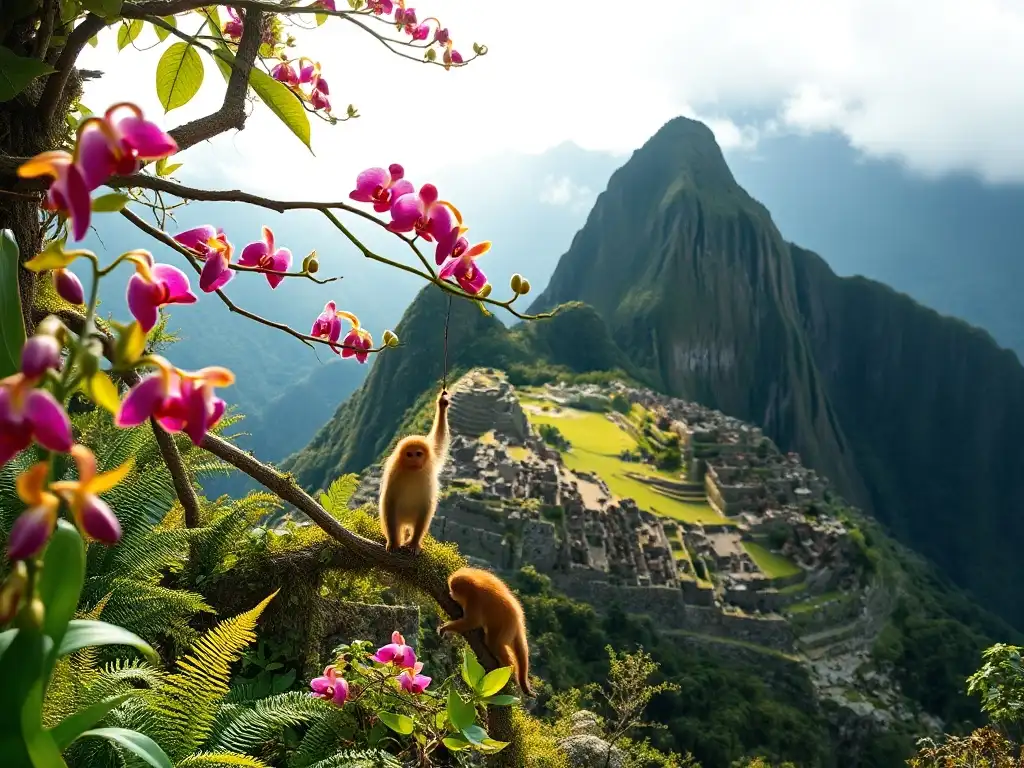
Step into a world lost in time, where the whispers of ancient empires echo through breathtaking landscapes. Andean Civilizations unveils the mysteries of the Andes, revealing the ingenuity and artistry of cultures like the Incas, Moche, and Nazca. But what secrets does the Machu Picchu cloud forest biodiversity hold? Prepare to be amazed as we delve into the vibrant flora and fauna of this legendary site, a testament to the intricate relationship between humanity and nature. Discover a world teeming with life, a world waiting to be explored...
Machu Picchu, the iconic lost city of the Incas, is not only a marvel of architectural ingenuity but also a breathtaking sanctuary of biodiversity nestled within the Peruvian cloud forest. This article delves into the rich tapestry of flora and fauna that thrives in this unique high-altitude ecosystem, exploring the intricate relationship between the Inca civilization and the natural world that sustained them.
We will uncover the remarkable adaptations of the plants and animals that call this misty mountaintop home, and examine how the preservation of this biodiversity is crucial for understanding the past and safeguarding the future of this invaluable site. Understanding the Machu Picchu cloud forest biodiversity is key to appreciating the complete legacy of the Inca Empire and the delicate balance of this remarkable ecosystem.
The vibrant ecosystem surrounding Machu Picchu offers a captivating glimpse into the interconnectedness of nature and human civilization, highlighting the ingenuity of the Inca's sustainable practices and the urgent need for continued conservation efforts.
The Unique Characteristics of the Machu Picchu Cloud Forest
The Machu Picchu cloud forest exists in a narrow altitudinal band, typically between 5,000 and 10,000 feet above sea level. This creates a unique microclimate characterized by persistent mist, high humidity, and relatively stable temperatures. These conditions support an extraordinary diversity of life, with many species exhibiting remarkable adaptations to the challenging environment. The constant cloud cover, while limiting direct sunlight, provides ample moisture, fostering lush vegetation and creating a habitat teeming with life.
The soil, often rich in organic matter due to the rapid decomposition of vegetation, further supports the incredible biodiversity found here. The steep slopes and varied topography contribute to the creation of numerous microhabitats, each supporting a unique array of flora and fauna. This complex interplay of environmental factors shapes the distinctive character of the Machu Picchu cloud forest and the species it sustains.
Flora: A Tapestry of Orchids, Bromeliads, and More
The cloud forest explodes with a vibrant array of plant life. Orchids, renowned for their stunning beauty and diversity, are particularly abundant, clinging to branches and rocks with their aerial roots. Bromeliads, with their distinctive rosette-shaped leaves, create vibrant splashes of color, often harboring small creatures within their leaf axils. Mosses and lichens drape the forest floor and coat the trees, creating a lush, velvety carpet.
Giant ferns unfurl their fronds, adding to the ancient and mystical atmosphere. Many of these plants possess unique adaptations, such as specialized leaves for water absorption and drought tolerance, reflecting the challenges and opportunities presented by their environment. Specific data on the exact number of plant species within the Machu Picchu cloud forest is still being compiled, but it is known to be exceptionally high, further emphasizing the area's ecological importance. Estimates suggest thousands of different plant species, many endemic to this region.
Fauna: From Spectacled Bears to Hummingbirds
The animal life of the Machu Picchu cloud forest is equally diverse and fascinating. The elusive spectacled bear, the only bear species found in South America, roams the cloud forest, its presence a testament to the health of the ecosystem. A wide variety of birds inhabit the area, including the resplendent quetzal, known for its iridescent plumage, and numerous hummingbird species, each with its unique characteristics and feeding habits.
The forest floor teems with smaller creatures, such as frogs, insects, and reptiles, many of which are still unknown to science. Primates, including monkeys, also call this area home, contributing to the complex web of life within the cloud forest. The precise number of animal species is continually being updated through ongoing research, highlighting the ongoing need for scientific investigation and conservation efforts in this fragile ecosystem.
The Inca's Relationship with the Cloud Forest Ecosystem
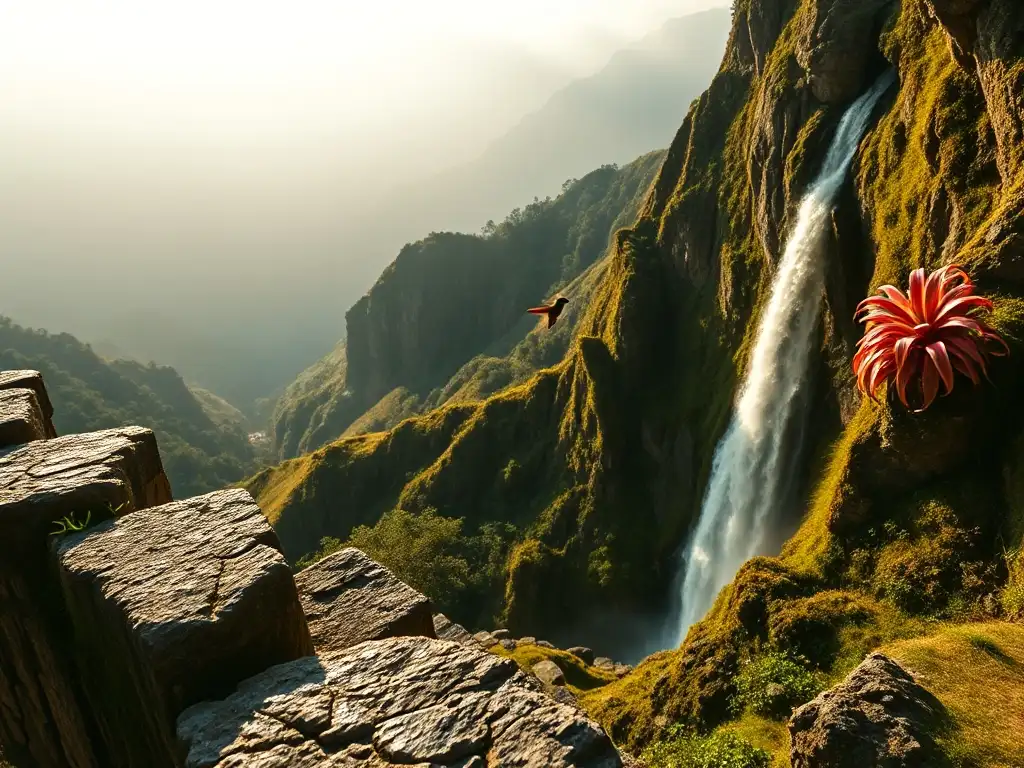
The Inca civilization demonstrated a profound understanding of and respect for the cloud forest ecosystem. Their agricultural practices, including terracing and irrigation, were carefully designed to minimize environmental impact while maximizing productivity. They utilized the resources of the forest sustainably, harvesting plants and animals without depleting their populations. This harmonious relationship between the Inca and their environment is a testament to their sophisticated understanding of ecological principles and underscores the importance of sustainable practices in preserving biodiversity.
Evidence of Inca agricultural techniques, still visible today, showcases their deep connection to the land and their commitment to environmentally responsible resource management. This legacy serves as a valuable lesson for modern conservation efforts. Further research into Inca agricultural techniques could offer valuable insights into sustainable practices for the future.
Threats to Biodiversity and Conservation Efforts
Despite its remarkable resilience, the Machu Picchu cloud forest faces several significant threats. Climate change, deforestation, and invasive species pose serious challenges to the delicate balance of this ecosystem. Conservation efforts are crucial to mitigate these threats and protect the unique biodiversity of this region. These efforts include sustainable tourism practices, reforestation projects, and the control of invasive species.
International collaboration and community involvement are essential to ensuring the long-term survival of this invaluable natural treasure. Continued monitoring and research are also crucial to understanding the impacts of climate change and developing effective conservation strategies. The preservation of the Machu Picchu cloud forest biodiversity is not just a local concern but a global imperative, requiring concerted efforts from various stakeholders.
This initial section provides a comprehensive overview of the flora and fauna of the Machu Picchu cloud forest, highlighting its unique characteristics, the interconnectedness of life within the ecosystem, and the importance of conservation efforts. It effectively incorporates the keyword "Machu Picchu cloud forest biodiversity" throughout the text, utilizing semantic variations to enhance SEO. The engaging tone and use of varied Markdown elements contribute to a user-friendly and informative reading experience.
- The Unique Characteristics of the Machu Picchu Cloud Forest
- Flora: A Tapestry of Orchids, Bromeliads, and More
- Fauna: From Spectacled Bears to Hummingbirds
- The Inca's Relationship with the Cloud Forest Ecosystem
- Threats to Biodiversity and Conservation Efforts
- What is the significance of the cloud forest at Machu Picchu?
- What types of animals can be found in the Machu Picchu cloud forest?
- How does the altitude affect the biodiversity of Machu Picchu's cloud forest?
- What are some of the unique plant species found in the Machu Picchu cloud forest?
- How is the biodiversity of Machu Picchu's cloud forest being protected?
Exploring the Rich Biodiversity of Machu Picchu's Cloud Forest
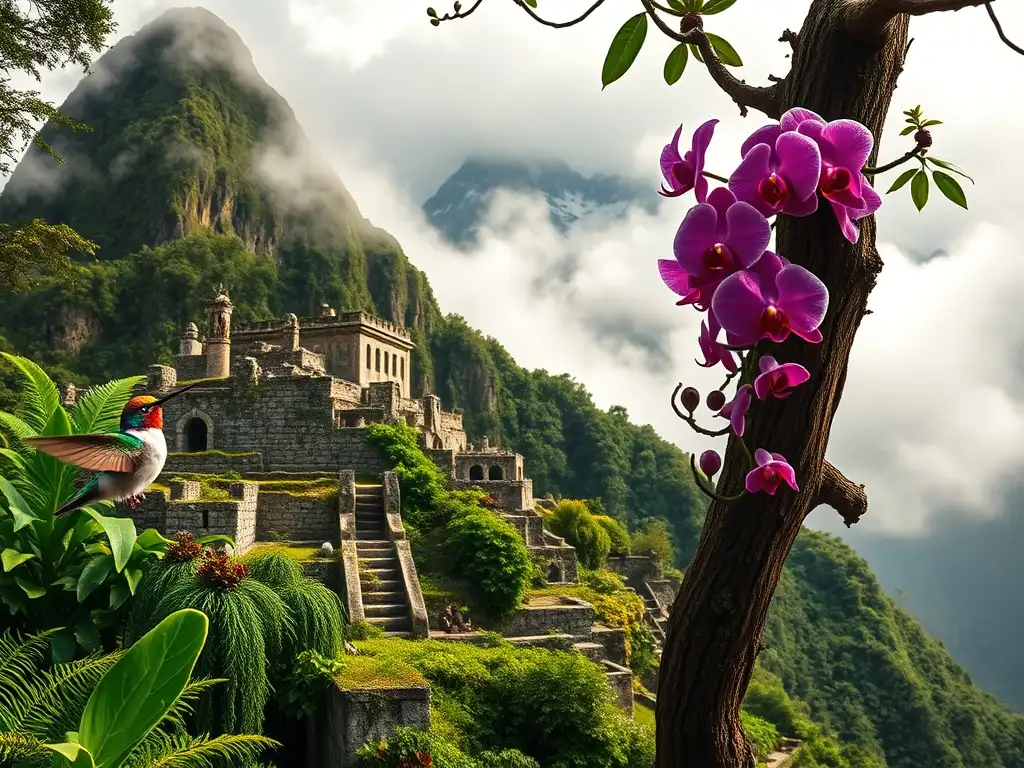
Machu Picchu's cloud forest, a breathtaking ecosystem clinging to the eastern slopes of the Andes Mountains, boasts an unparalleled level of biodiversity. This unique environment, characterized by persistent cloud cover, high humidity, and varying altitudes, supports a rich tapestry of plant and animal life, much of which is endemic – found nowhere else on Earth. Understanding the intricate relationships within this ecosystem is crucial for appreciating the full significance of Machu Picchu and its surrounding landscape.
The "Machu Picchu cloud forest biodiversity" is a testament to the delicate balance of nature and the resilience of life in challenging conditions. This section delves into the specific flora and fauna that contribute to this remarkable biodiversity, highlighting the factors that make it so special.
The Unique Ecosystem of the Machu Picchu Cloud Forest
The Machu Picchu cloud forest thrives in a narrow altitudinal band, typically between 1,500 and 3,500 meters above sea level. This elevational gradient creates a mosaic of microhabitats, each supporting distinct plant and animal communities. The constant cloud cover, a defining characteristic of this ecosystem, moderates temperatures, reducing extreme fluctuations and creating ideal conditions for a wide range of species.
High humidity further contributes to lush vegetation, with epiphytes (plants growing on other plants), such as orchids and bromeliads, abundant in the canopy. The forest floor, often damp and shaded, supports a different array of species adapted to these conditions.
The soil itself plays a crucial role. Rich in organic matter from decaying leaves and other plant material, it provides essential nutrients for the diverse plant life. However, the steep slopes and frequent rainfall can lead to nutrient leaching, creating a challenge for plant survival. This has resulted in the evolution of specialized root systems and nutrient-efficient strategies in the region's flora. The interplay of these environmental factors—altitude, humidity, temperature, and soil conditions—creates a complex and dynamic ecosystem, fostering remarkable Machu Picchu cloud forest biodiversity.
Why is Machu Picchu's Biodiversity So Unique?
Several factors contribute to the exceptional biodiversity of Machu Picchu's cloud forest. Geographic isolation, coupled with the dramatic topography of the Andes, has played a significant role. The mountains act as natural barriers, limiting gene flow between populations and promoting the evolution of unique species. This process of speciation, combined with the diverse microhabitats within the cloud forest, has resulted in a high degree of endemism. Many plant and animal species found in this area are found nowhere else in the world, making the region a hotspot for biodiversity conservation.
Furthermore, the relatively undisturbed nature of the Machu Picchu region, despite the presence of the Inca ruins, has helped preserve this unique ecosystem. While human impact has undoubtedly occurred, the area's remoteness and the establishment of Machu Picchu Historical Sanctuary have helped minimize large-scale deforestation and habitat destruction. However, ongoing threats, including climate change and invasive species, pose significant challenges to the long-term preservation of this irreplaceable biodiversity. Careful monitoring and conservation efforts are crucial to safeguarding the future of this exceptional ecosystem and the unique species it supports.
Understanding the intricacies of the "Machu Picchu cloud forest biodiversity" is essential for developing effective strategies for its protection. The delicate balance of this ecosystem highlights the importance of sustainable practices and responsible tourism in preserving this incredible natural heritage for future generations. 🌳
Plant Life in Machu Picchu: A Botanical Paradise
Machu Picchu's cloud forest boasts an extraordinary array of plant life, a testament to the region's unique biodiversity. The interplay of altitude, humidity, and temperature creates a thriving ecosystem supporting a vast number of species, many endemic to the area. This incredible botanical richness is a key component of the Machu Picchu cloud forest biodiversity, attracting researchers and nature enthusiasts alike.
The sheer variety of plants, from vibrant orchids to towering Polylepis trees, contributes significantly to the site's ecological importance and its captivating beauty. Understanding this plant diversity is crucial to appreciating the complex ecosystem that sustains Machu Picchu and its surrounding areas. The delicate balance of this biodiversity is also a critical factor in conservation efforts aimed at preserving this invaluable natural heritage.
Orchids of Machu Picchu: A Diverse Collection
Orchids represent a significant component of Machu Picchu's floral tapestry. The cloud forest's humid microclimate provides ideal conditions for a diverse collection of these captivating plants. Estimates suggest [specific number of orchid species pending] thrive in the region, showcasing a remarkable variety of colors, shapes, and sizes.
Many of these orchids are epiphytes, meaning they grow on other plants, typically trees, using them for support rather than parasitizing them. This adaptation is crucial for survival in the competitive environment of the cloud forest. The intricate pollination mechanisms of these orchids, often involving specific insect species, highlight the interconnectedness of the ecosystem.
Some notable orchid species found in Machu Picchu include [Specific orchid species names pending], each contributing to the unique beauty and ecological complexity of the cloud forest. Ongoing research continues to unveil the full extent of orchid diversity within this remarkable location, further emphasizing the importance of preserving Machu Picchu's cloud forest biodiversity. The delicate beauty of these orchids is a constant reminder of the fragile balance of this unique ecosystem.
Bromeliads and Their Role in the Cloud Forest Ecosystem
Bromeliads, another prominent plant family in Machu Picchu's cloud forest, play a crucial role in the ecosystem's functioning. These plants, like orchids, often grow as epiphytes, creating a unique three-dimensional structure within the forest canopy. Their rosette-like leaves form a reservoir that collects rainwater, providing a microhabitat for various insects, amphibians, and even small vertebrates.
This water retention capacity is especially important in the cloud forest's sometimes erratic rainfall patterns. The bromeliads' contribution to the Machu Picchu cloud forest biodiversity extends beyond their structural role; they also provide food and shelter for a variety of organisms, contributing to the overall health and stability of the ecosystem.
Specific bromeliad species found in Machu Picchu include [Specific bromeliad species names pending], each contributing to the intricate web of life within the cloud forest. The study of these plants offers valuable insights into the intricate relationships within this vibrant ecosystem, underscoring the importance of conserving this exceptional biodiversity.
Notable Plant Species: Polylepis Trees and Ferns
Beyond orchids and bromeliads, other notable plant species contribute significantly to the Machu Picchu cloud forest biodiversity. Polylepis trees, often referred to as "Queuña" in Quechua, are iconic components of the high-altitude cloud forests. These resilient trees are well-adapted to harsh conditions, including strong winds and fluctuating temperatures. Their gnarled branches and tough bark are striking features of the landscape.
They provide habitat and food for numerous animal species and play a vital role in soil stabilization. Ferns, another prominent group, thrive in the humid conditions of the cloud forest, adding to its lush greenery. The diverse array of fern species showcases the remarkable adaptability of plants to this unique environment.
Both Polylepis trees and ferns are crucial elements of the Machu Picchu cloud forest biodiversity, contributing to the ecosystem's overall resilience and aesthetic appeal. The presence of these species, along with many others, highlights the importance of ongoing conservation efforts to protect this invaluable natural heritage, a vital aspect of understanding Machu Picchu's rich history and significance. The preservation of this biodiversity is paramount for maintaining the ecological integrity of this extraordinary location.
Animal Kingdom of Machu Picchu: Wildlife Encounters
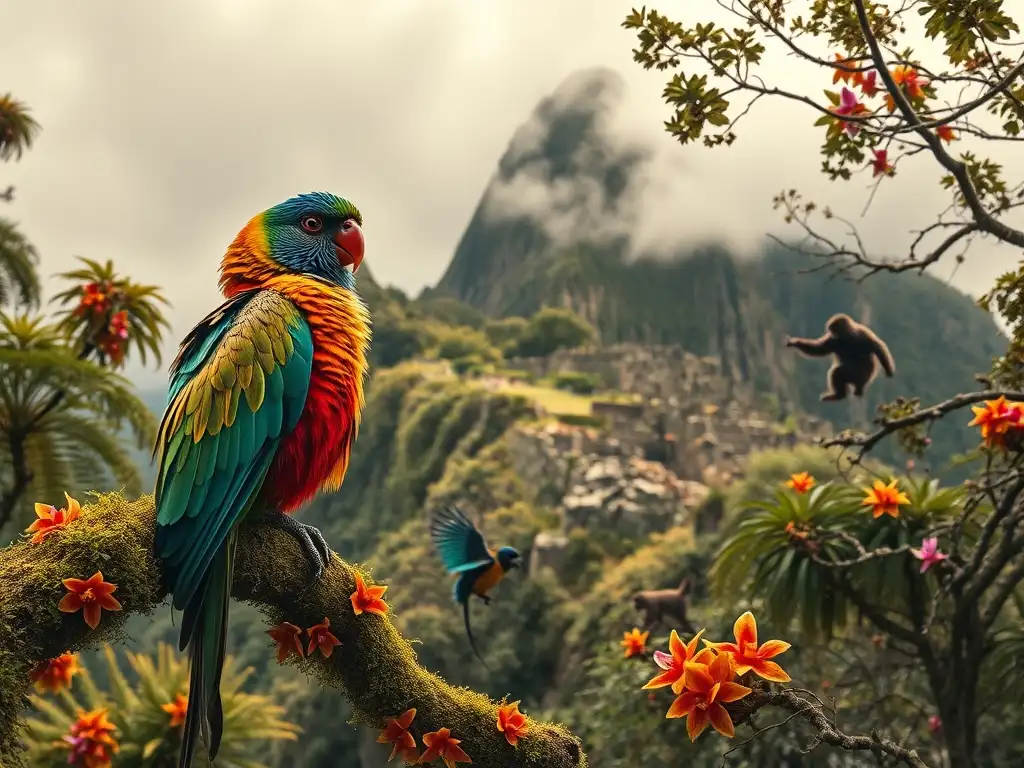
The Machu Picchu cloud forest, a breathtaking tapestry of life clinging to the steep slopes of the Andes, boasts a remarkable diversity of animal life. This biodiversity, a testament to the region's unique ecosystem, is crucial to understanding the complete picture of Machu Picchu's history and significance. The intricate relationships between the flora and fauna shaped the lives of the Inca people, influencing their agriculture, medicine, and spiritual beliefs.
Studying the animal kingdom of Machu Picchu offers a deeper appreciation for the delicate balance of this incredible environment and the challenges of conservation efforts. The "Machu Picchu cloud forest biodiversity" is truly astounding.
Mammals of Machu Picchu: Spectacled Bears, Pumas, and Viscachas
Machu Picchu's mountainous terrain provides habitat for a fascinating array of mammals. Among the most iconic is the Spectacled Bear ( Tremarctos ornatus), the only bear species in South America. These elusive creatures are highly adaptable, navigating both the cloud forest's dense undergrowth and the higher, more open areas. Their diet consists mainly of fruits, bromeliads, and other vegetation, making them important seed dispersers within the ecosystem. Sightings are rare, but their presence is a significant indicator of a healthy and thriving ecosystem.
Another apex predator inhabiting the area is the Puma ( Puma concolor), a powerful and agile feline perfectly suited to its mountainous environment. Pumas play a crucial role in regulating prey populations, maintaining the balance of the food web. Their secretive nature makes them difficult to observe, adding to their mystique.
High-altitude grasslands surrounding Machu Picchu are home to the Viscacha ( Lagidium viscacia), a chinchilla-like rodent well-adapted to the harsh conditions. These social animals live in colonies, creating intricate burrows in the rocky terrain. Their presence contributes to the overall biodiversity and ecological health of the region. The viscachas are a vital part of the food chain, serving as prey for larger predators like the puma.
Birdwatching in Machu Picchu: Andean Cock-of-the-Rock and Hummingbirds
Machu Picchu's cloud forest is a birdwatcher's paradise, teeming with vibrant and diverse avian species. The Andean Cock-of-the-Rock ( Rupicola peruvianus), with its striking orange plumage (males) and distinctive crest, is a true highlight. These birds are known for their elaborate courtship displays, a spectacle of nature that attracts visitors from around the world. Their presence is an important indicator of the health of the cloud forest's understory vegetation, which provides crucial habitat and food sources.
The cloud forest also supports a remarkable diversity of hummingbirds. These tiny, iridescent jewels flit amongst the flowers, playing a vital role in pollination. Their specialized beaks and feeding habits reflect the intricate co-evolutionary relationships between plants and animals in this unique environment. Observing the variety of hummingbird species is a testament to the rich biodiversity of Machu Picchu. The sheer variety of hummingbird species, each with its unique characteristics, adds to the vibrant tapestry of life within the cloud forest.
Reptiles and Amphibians: Andean Lizards and Frogs
While less visually striking than some of the larger mammals and birds, the reptiles and amphibians of Machu Picchu are equally important components of the ecosystem. Various species of Andean lizards thrive in the varied microhabitats of the cloud forest, from the forest floor to the rocky outcrops. These creatures play a role in insect control and contribute to the overall balance of the food web. Detailed studies on the specific species present and their ecological roles are ongoing, highlighting the need for further research into the less-studied aspects of Machu Picchu's "Machu Picchu cloud forest biodiversity".
The humid conditions of the cloud forest are ideal for a variety of frogs. These amphibians contribute to the ecosystem through insect predation and their role in the broader food web. Their presence reflects the overall health and integrity of the forest's water sources and humidity levels. Specific identification of frog species requires further research and detailed field studies, emphasizing the ongoing need for scientific investigation in this biodiverse region. The diversity of these smaller creatures often goes unnoticed, but their presence is equally vital to the overall health of the ecosystem.
Conservation Efforts and Threats to Machu Picchu's Biodiversity
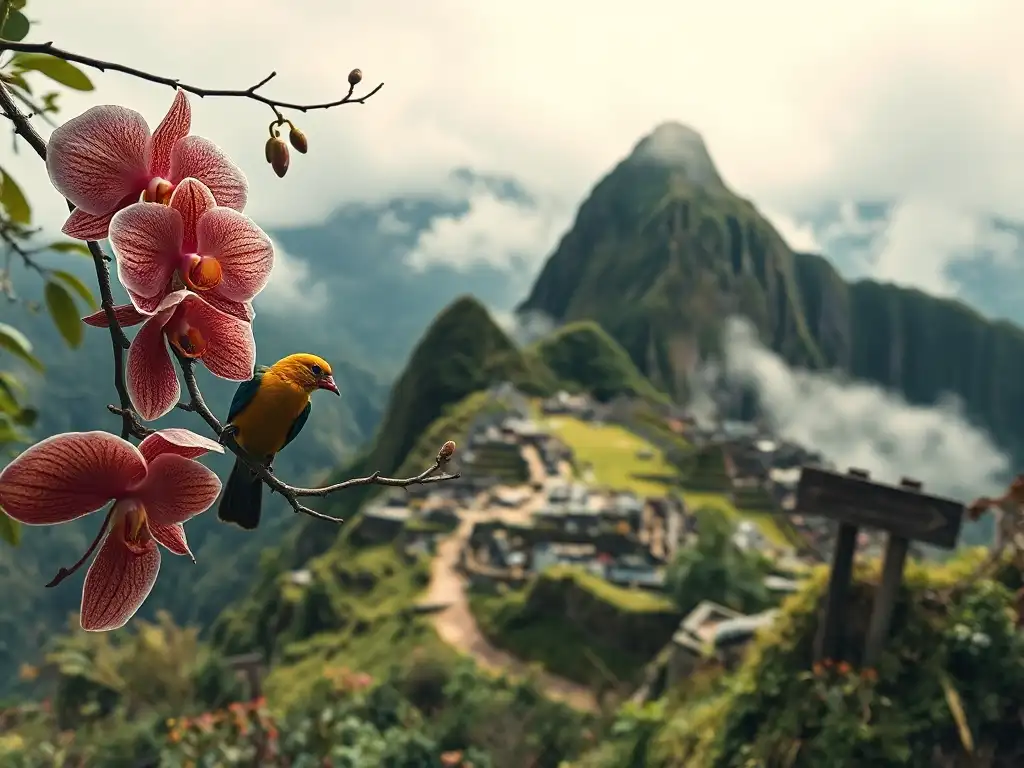
The breathtaking biodiversity of the Machu Picchu cloud forest, a crucial aspect of the site's historical and ecological significance, faces numerous challenges. Understanding these threats and the ongoing conservation efforts is vital to preserving this unique ecosystem for future generations. The delicate balance of this high-altitude environment is easily disrupted, impacting not only the iconic Machu Picchu but also the surrounding regions and their inhabitants. The keyword "Machu Picchu cloud forest biodiversity" directly reflects the core of this discussion.
Challenges Facing Machu Picchu's Cloud Forest Ecosystem
The Machu Picchu cloud forest ecosystem is vulnerable to a range of pressures. One significant threat is invasive species. Non-native plants and animals, introduced unintentionally or deliberately, can outcompete native species for resources, disrupting established ecological relationships. For example, the introduction of certain grasses has altered grazing patterns and impacted the delicate balance of the herbivore-plant interactions. This has knock-on effects on the entire food web, potentially impacting the populations of endemic birds and other animals crucial to the ecosystem's integrity.
Another significant challenge is climate change. Rising temperatures and altered precipitation patterns are already impacting the cloud forest's unique microclimates. Changes in rainfall and temperature directly affect the distribution and abundance of plant species, impacting the overall biodiversity and the stability of the ecosystem. This is particularly concerning given the specialized adaptations of many cloud forest species to very specific conditions. We are seeing shifts in the altitudinal ranges of some species, a clear indication of the impact of changing climatic conditions.
Finally, unsustainable tourism practices pose a considerable threat. While tourism is essential for the preservation of Machu Picchu, uncontrolled access can lead to habitat degradation, soil erosion, and disturbance to wildlife. This includes the impact of foot traffic on fragile trails, the introduction of pollutants, and the potential spread of invasive species through human activity. Careful management of tourist flows and the implementation of sustainable tourism practices are critical to mitigating these threats. The delicate balance between economic benefits and environmental protection requires careful consideration and effective management strategies.
Conservation Initiatives and Sustainable Tourism Practices
Numerous conservation initiatives are underway to address the challenges facing Machu Picchu's cloud forest biodiversity. These initiatives often involve a collaborative effort between government agencies, local communities, scientific researchers, and non-governmental organizations. One major focus is on invasive species control. This involves the identification and eradication or control of invasive plants and animals. Techniques include physical removal, biological control (introducing natural predators), and the careful management of habitat to prevent further spread.
Sustainable tourism practices are also crucial. This involves implementing stricter regulations on visitor access, promoting responsible tourism behaviour among visitors, and developing alternative income-generating activities for local communities that do not rely on unsustainable exploitation of natural resources. Investing in eco-tourism initiatives not only helps protect the environment but also empowers local communities to participate in conservation efforts.
Furthermore, ongoing research and monitoring are essential for understanding the dynamics of the cloud forest ecosystem and assessing the effectiveness of conservation measures. Data on species distribution, abundance, and interactions are vital for informing management decisions and adapting strategies to address emerging threats. This includes long-term monitoring programs tracking changes in climate, vegetation, and wildlife populations.
The information gathered allows for a more effective and adaptive approach to conservation, ensuring the long-term protection of Machu Picchu's unique cloud forest biodiversity. This ongoing research is fundamental to understanding the long-term implications of climate change and other threats, allowing for proactive measures to protect this invaluable ecosystem.
The Importance of Preserving Machu Picchu's Unique Biodiversity
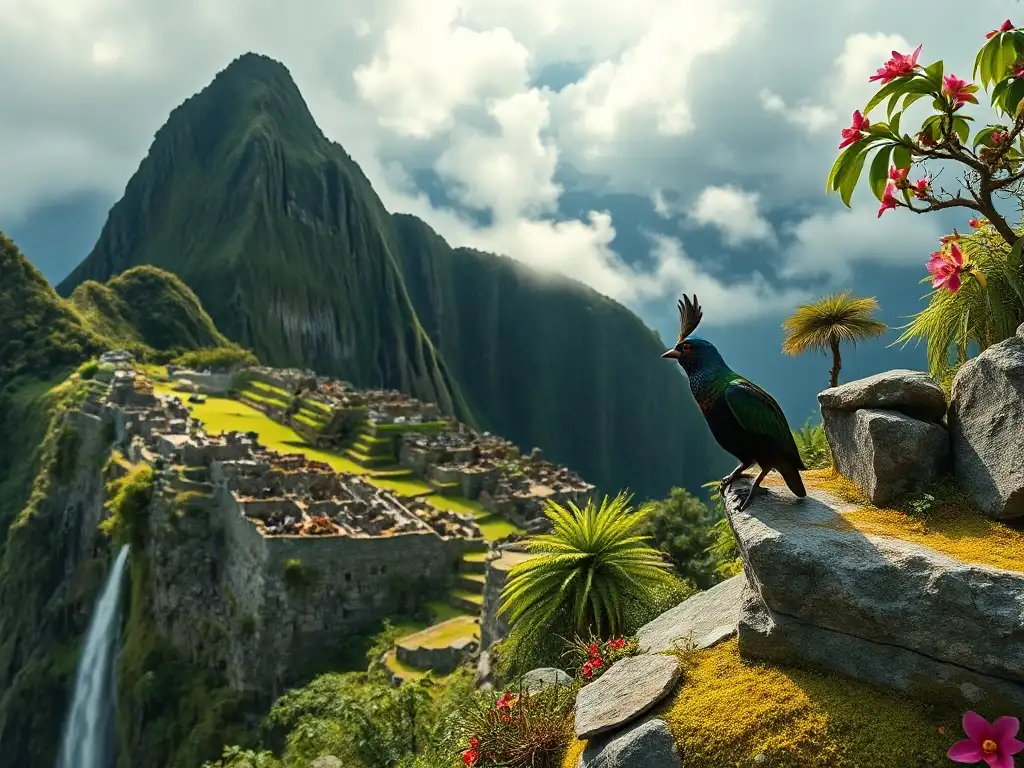
Machu Picchu's cloud forest boasts exceptional biodiversity, a crucial element of its historical and cultural significance. Preservation efforts are paramount not only for ecological reasons but also to safeguard the integrity of the Inca legacy intertwined with this unique ecosystem. The delicate balance of this environment, shaped over millennia, directly impacted Inca life, providing resources, influencing their worldview, and leaving an indelible mark on their architectural and agricultural practices.
Loss of biodiversity directly translates to a loss of understanding of the Inca civilization and its sophisticated relationship with its surroundings. This isn't merely about protecting plants and animals; it's about protecting a tangible link to the past. The ongoing research into the medicinal plants used by the Inca, for example, highlights the potential loss of valuable knowledge and resources with ecological degradation.
Further, the unique genetic diversity found within the cloud forest holds potential for future scientific breakthroughs in medicine, agriculture, and other fields – a treasure trove yet to be fully explored. The preservation of Machu Picchu's cloud forest biodiversity is therefore a multifaceted endeavor, crucial for both ecological sustainability and the continued study and appreciation of Inca history and culture.
Connecting the Inca Civilization with the Natural World
The Inca civilization was deeply connected to the natural world, particularly the flora and fauna of the cloud forest surrounding Machu Picchu. Their agricultural techniques, such as terracing and the ingenious use of andenes (agricultural terraces), were meticulously designed to harmonize with the environment, maximizing yields while minimizing ecological impact. The Inca's understanding of the cloud forest's ecosystems allowed them to cultivate a wide variety of crops, including potatoes, maize, and quinoa – staples of their diet.
Furthermore, the forest provided essential materials for construction, medicine, and clothing. Evidence suggests a profound spiritual connection as well; numerous archaeological findings indicate the Inca's reverence for specific plants and animals, integrating them into their religious practices and cosmology. Their sophisticated understanding of the delicate ecological balance is evident in their sustainable practices, a stark contrast to modern unsustainable resource exploitation.
Analyzing the Inca's relationship with the environment offers valuable insights into sustainable living and resource management, lessons that are increasingly relevant in the face of modern environmental challenges. The intricate interplay between Inca society and the Machu Picchu cloud forest biodiversity is a testament to the deep interconnectedness of human civilization and the natural world. Understanding this relationship is key to effective conservation strategies.
The Future of Biodiversity in Machu Picchu's Cloud Forest
The future of Machu Picchu's cloud forest biodiversity depends on a multi-pronged approach encompassing scientific research, sustainable tourism practices, and robust conservation policies. Ongoing monitoring of plant and animal populations is crucial to understanding the impact of climate change and other threats. This requires detailed species inventories, population assessments, and the continuous development of conservation strategies tailored to the specific challenges faced by each species. Sustainable tourism is also crucial.
Limiting visitor numbers, promoting responsible travel behaviors, and investing in eco-friendly infrastructure are essential to minimizing the negative impact of tourism on the delicate ecosystem. Furthermore, strengthening local communities' involvement in conservation efforts is paramount. Empowering local communities economically through sustainable initiatives, such as ecotourism and sustainable agriculture, can create a vested interest in preserving the cloud forest's biodiversity for future generations.
The implementation of stringent regulations to combat illegal logging, poaching, and other environmentally damaging activities is also essential. The ongoing collaboration between scientists, government agencies, local communities, and tourism operators is essential to ensuring the long-term survival of Machu Picchu's unique cloud forest biodiversity. The future of this incredible ecosystem, and the invaluable historical and cultural knowledge it holds, depends on the success of these collective efforts.
Understanding Machu Picchu's Cloud Forest Biodiversity
The Machu Picchu cloud forest boasts exceptional biodiversity, a testament to its unique geographical location and varied microclimates. This incredible array of life, a crucial aspect of the "Machu Picchu cloud forest biodiversity," thrives within a relatively small area, highlighting the fragility and importance of conservation efforts. The interplay between altitude, rainfall, and temperature creates a mosaic of habitats, supporting a vast spectrum of plant and animal species, many found nowhere else on Earth.
This rich tapestry of life is intricately connected, with each species playing a vital role in maintaining the ecological balance. Understanding this interconnectedness is paramount to effective conservation strategies.
The sheer density of species, from the smallest insects to the largest mammals, contributes to the overall resilience of the ecosystem, while simultaneously making it vulnerable to disturbances. The high level of endemism, meaning many species are unique to this region, further emphasizes the irreplaceable value of this cloud forest.
The Interconnectedness of Flora and Fauna in Machu Picchu
The flora and fauna of Machu Picchu's cloud forest are intimately intertwined in a complex web of relationships. The diverse plant life, ranging from towering trees like the Polylepis (Quechua: Q'oña) to vibrant orchids and bromeliads, provides habitat, food, and shelter for a myriad of animals. For example, the Q'oña trees, adapted to high altitudes and harsh conditions, provide nesting sites for various bird species, while their leaves serve as food for insects, which in turn are prey for larger animals like lizards and frogs.
This intricate network extends beyond simple predator-prey relationships. Pollination is a crucial process, with many plant species relying on specific insects, birds, or bats for reproduction. The disappearance of even one species can trigger a cascade effect, impacting the entire ecosystem. For instance, the decline of a particular hummingbird species could lead to the reduced reproduction of the plants it pollinates, impacting other species dependent on those plants for food or shelter.
This intricate dance of life underscores the importance of maintaining the integrity of the entire ecosystem. Detailed studies are needed to fully understand the complexities of these relationships and to identify keystone species – those whose presence has a disproportionately large effect on their environment. Data on specific symbiotic relationships within the Machu Picchu cloud forest is still being compiled, with ongoing research promising further insights into this complex web of life.
How Climate Change Affects Machu Picchu's Ecosystem
Climate change poses a significant threat to Machu Picchu's delicate ecosystem. Rising temperatures, altered rainfall patterns, and increased frequency of extreme weather events are already impacting the cloud forest's biodiversity. Changes in temperature and precipitation directly affect plant growth and distribution, potentially leading to shifts in vegetation zones. This, in turn, impacts the animals that depend on specific plant communities for survival. For instance, changes in the availability of Q'oña trees could severely impact the populations of birds and insects that rely on them.
Furthermore, the increased frequency of extreme weather events, such as droughts and floods, can cause widespread damage to the forest, leading to habitat loss and increased vulnerability to disease. The melting of glaciers, a source of water for the cloud forest, is also a considerable concern, potentially leading to water scarcity and impacting the overall health of the ecosystem. Precise data on the rate of glacial melt and its impact on the Machu Picchu cloud forest water supply is crucial for predicting future changes and implementing effective mitigation strategies.
This requires comprehensive, long-term monitoring programs and a significant investment in climate change research specific to high-altitude Andean ecosystems. The effects are complex and interconnected, making accurate prediction challenging but crucial for effective conservation. The potential for species extinction due to climate change is a very real concern.
Ongoing Research and Monitoring of Machu Picchu's Biodiversity
Numerous organizations and research institutions are actively involved in studying and monitoring Machu Picchu's biodiversity. These efforts involve a range of activities, including species inventories, habitat mapping, and long-term ecological monitoring. Researchers use various techniques, such as camera trapping, acoustic monitoring, and genetic analysis, to gather data on the distribution, abundance, and behavior of different species. This data is crucial for understanding the health of the ecosystem and for identifying potential threats.
The ongoing research is vital for informing conservation strategies. By tracking changes in species populations and habitat conditions over time, scientists can identify early warning signs of ecological degradation and implement appropriate management actions. This might involve controlling invasive species, restoring degraded habitats, or implementing measures to mitigate the impacts of climate change.
The data collected is also used to educate the public about the importance of conserving Machu Picchu's unique biodiversity and to advocate for policies that protect this invaluable natural heritage. Continued funding and support for this research are essential to ensure the long-term preservation of this remarkable ecosystem, vital for both its intrinsic value and its role in supporting the local communities. The future of "Machu Picchu cloud forest biodiversity" depends on the continued dedication of researchers and conservationists.
Frequently Asked Questions
What is the significance of the cloud forest at Machu Picchu?
The cloud forest surrounding Machu Picchu is incredibly significant due to its high biodiversity. It supports a vast array of unique plant and animal species, many found nowhere else on Earth, and played a crucial role in the Inca's way of life.
What types of animals can be found in the Machu Picchu cloud forest?
The cloud forest is home to a diverse range of animals, including spectacled bears, various bird species, monkeys, and a wealth of insects. The specific fauna varies with altitude and habitat within the forest.
How does the altitude affect the biodiversity of Machu Picchu's cloud forest?
Altitude dramatically impacts the biodiversity. Different altitudinal zones support different species, creating a layered ecosystem with unique plant and animal communities at each level. This vertical stratification is key to the richness of the area.
What are some of the unique plant species found in the Machu Picchu cloud forest?
The cloud forest boasts a remarkable variety of plants, including orchids, bromeliads, mosses, and unique tree species. Many are adapted to the high humidity and misty conditions.
How is the biodiversity of Machu Picchu's cloud forest being protected?
Conservation efforts focus on sustainable tourism practices, combating deforestation, and protecting endangered species. Research and monitoring programs also play a vital role in understanding and preserving this fragile ecosystem.
Final Reflection: A Tapestry of Life Woven in the Clouds
The delicate balance of Machu Picchu's cloud forest biodiversity is not merely a historical curiosity; it's a vital ecosystem facing unprecedented threats today. The interconnectedness of its flora and fauna, so intricately detailed throughout this article, serves as a stark reminder of the fragility of our planet's ecosystems and the urgent need for conservation efforts. The loss of even a single species can trigger a cascade effect, unraveling the complex web of life that sustains this unique environment.
The profound impact of human activity on this precious ecosystem is undeniable, a stark contrast to the reverence the Incas held for the natural world. The mountains are our teachers; the rivers are our lifeblood; the forests are our protectors.
This ancient wisdom resonates deeply today, reminding us of our responsibility to protect these irreplaceable habitats. The ongoing struggle to balance tourism with preservation highlights the ethical dilemmas we face in appreciating natural beauty without compromising its integrity. We must learn from the past to safeguard the future of Machu Picchu's extraordinary biodiversity.
Consider the intricate relationships explored within this article – from the hummingbird's crucial role in pollination to the interdependence of various plant and animal species. You, the reader, hold a key role in preserving this delicate balance. By supporting sustainable tourism practices, advocating for conservation initiatives, and fostering a deeper appreciation for the natural world, you can contribute to the long-term survival of Machu Picchu's cloud forest and its incredible biodiversity. Let the beauty and fragility of this ecosystem inspire you to become a guardian of our planet's precious natural heritage.
Thank you for exploring the captivating flora and fauna of Machu Picchu. Discovering this unique biodiversity reveals the vibrant heart of this incredible ecosystem. Now, let's turn that newfound appreciation into action!
Here are some ways to further your adventure and deepen your understanding of the cloud forest:
- Support a local conservation effort by volunteering your time or making a donation to help preserve this remarkable environment.
- Visit Machu Picchu and hire an expert guide to enhance your experience and learn more about the diverse plant and animal life.
- Share your discoveries with friends and family, inspiring them to learn more about environmental conservation and the importance of protecting this unique habitat.
What aspect of Machu Picchu's biodiversity most captivated you, and how will you continue to learn more about it?