
The Intricate Water System of Machu Picchu: A Testament to Inca Ingenuity

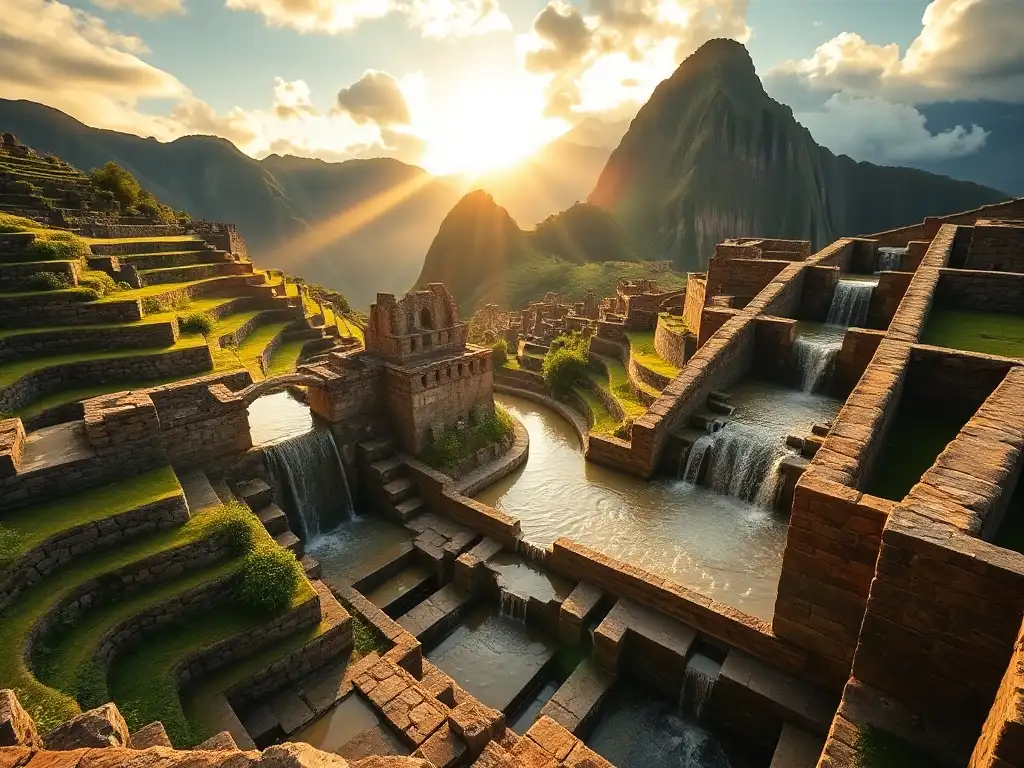
Step into a world lost to time, yet echoing with the whispers of a magnificent empire. Discover the secrets of the Andean Civilizations, from the awe-inspiring artistry of the Nazca lines to the sophisticated engineering prowess of the Incas. But prepare to be amazed by something truly extraordinary: the Inca water system of Machu Picchu. How did they achieve such a feat of engineering in the heart of the Andes? Unravel the mysteries and delve into the ingenuity of this lost civilization – the answers await within.
Machu Picchu, the iconic lost city of the Incas, perched high in the Andes Mountains, is a marvel of engineering and architectural ingenuity. Beyond its breathtaking terraces and meticulously crafted stonework, lies a sophisticated and remarkably efficient water management system that allowed this city to thrive for centuries.
This intricate network of canals, fountains, and aqueducts stands as a testament to the advanced understanding of hydraulics possessed by the Inca civilization, showcasing their profound respect for water and their ability to harness its power for their needs. This article delves into the fascinating details of the Inca water system at Machu Picchu, exploring its design, functionality, and enduring legacy as a symbol of Inca innovation and resourcefulness.
We will uncover the secrets behind this remarkable achievement and examine its significance within the broader context of Inca societal organization and environmental adaptation. Understanding this system offers a deeper appreciation for the complexity and sophistication of Inca civilization and its ability to thrive in a challenging Andean environment.
The Design and Construction of Machu Picchu's Water System
The Inca water system at Machu Picchu wasn't merely a haphazard collection of channels; it was a meticulously planned and executed network designed to efficiently distribute water throughout the city. The system utilized a combination of gravity and strategically placed canals carved directly into the mountainside. These canals, constructed with remarkable precision, channeled water from natural springs located high above the city.
The Incas expertly manipulated the terrain, creating a series of carefully graded channels that transported water downhill with minimal loss. The use of polished stone and expertly fitted joints minimized leakage, ensuring a consistent and reliable water supply. Evidence suggests that the Incas employed sophisticated techniques to filter and purify the water, further demonstrating their advanced understanding of sanitation and public health.
The system’s robustness is evident in its ability to withstand both the torrential rains of the wet season and the dry spells of the dry season. This resilience is a testament to the Incas’ deep knowledge of the local environment and their capacity to adapt their infrastructure to the specific climatic conditions.
Water Distribution and Usage within Machu Picchu
The carefully engineered canals delivered water to various parts of Machu Picchu, serving a multitude of purposes. Water was channeled to residential areas, agricultural terraces, and public fountains. The distribution network was remarkably efficient, ensuring that even the most remote sections of the city had access to a clean and reliable water supply.
The presence of numerous fountains throughout the city suggests that water played a significant role in daily life, not only for practical purposes but also for ceremonial and ritualistic practices. The Incas' reverence for water is further highlighted by the careful placement of fountains near important structures, suggesting a symbolic connection between water and spirituality.
Detailed analysis of the water system reveals that the Incas may have also employed techniques for water storage, allowing them to cope with periods of drought. While the exact methods remain under investigation, the evidence suggests a level of sophistication and foresight that was remarkable for its time.
The Enduring Legacy of Inca Hydraulic Engineering
The Inca water system at Machu Picchu stands as a powerful example of their advanced understanding of engineering, environmental adaptation, and societal organization. Its sophisticated design and efficient functionality allowed the city to flourish for centuries, supporting a thriving population amidst the challenging Andean environment. The system's enduring legacy extends beyond its historical significance; it serves as a valuable source of knowledge for modern-day engineers and water management professionals.
Studying the Inca's innovative techniques can offer valuable insights into sustainable water management practices, particularly in regions facing water scarcity. The ingenuity of the Incas in harnessing and managing water resources remains a source of inspiration, reminding us of the importance of respecting and sustainably utilizing our planet's precious resources.
The preservation of this remarkable system is crucial, not only for its historical value but also for its potential to inform and inspire future generations of engineers and environmental stewards. The Inca water system at Machu Picchu is more than just an ancient marvel; it is a timeless lesson in resourcefulness, ingenuity, and sustainable living.
Further Research Areas
Further research is needed to fully understand certain aspects of the system, including [specific information pending] and [specific information pending]. The ongoing study of the Inca water system at Machu Picchu continues to reveal new insights into the remarkable achievements of this ancient civilization.
- The Design and Construction of Machu Picchu's Water System
- Water Distribution and Usage within Machu Picchu
- The Enduring Legacy of Inca Hydraulic Engineering
- How did the Inca manage water in Machu Picchu?
- What was the purpose of the Machu Picchu water system?
- What materials were used in constructing the Inca water system at Machu Picchu?
- How did the Inca ensure a clean water supply at Machu Picchu?
- Was the Machu Picchu water system unique among Inca settlements?
Understanding the Importance of Water Management in the Inca Empire
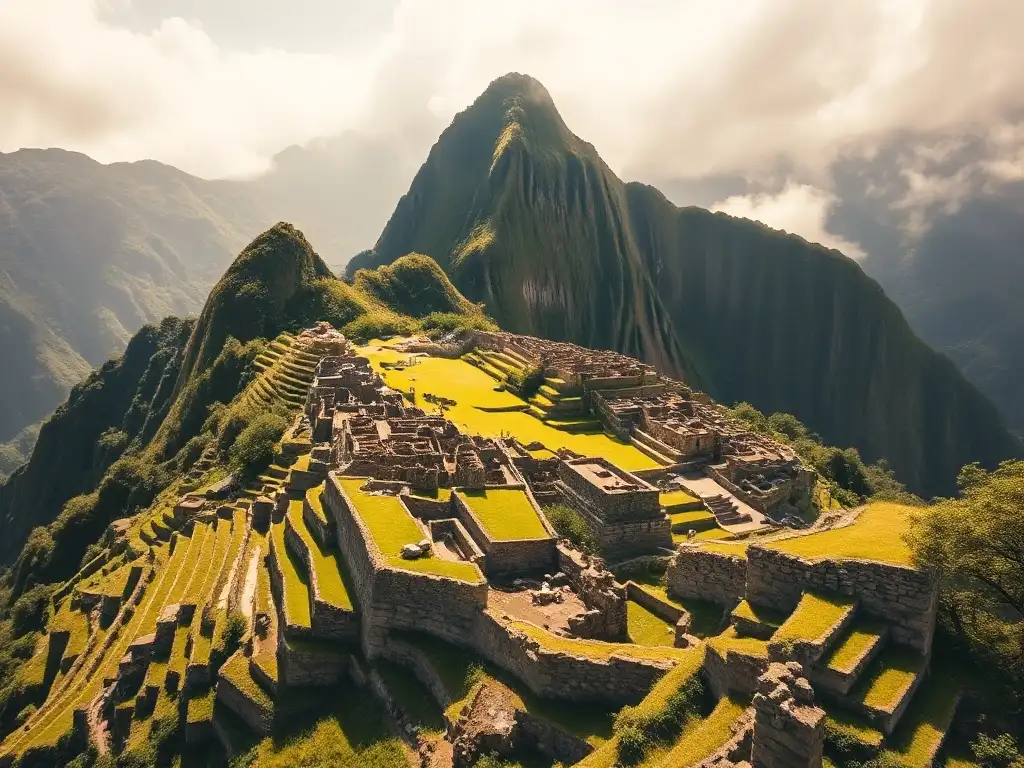
The Inca Empire, renowned for its sophisticated infrastructure and agricultural prowess, thrived in a geographically diverse landscape characterized by high altitudes, arid coastal regions, and fertile valleys. Effective water management wasn't merely a convenience; it was absolutely crucial for the empire's survival and prosperity. The Inca's success hinged on their ability to harness and distribute water resources efficiently, supporting a dense population and intensive agriculture in challenging environments.
This involved a complex interplay of sophisticated engineering, intricate social organization, and a deep understanding of their environment. Their mastery of hydraulic engineering is evident in the impressive water systems found throughout their empire, most famously showcased at Machu Picchu. Without a reliable water supply, the Inca's ambitious agricultural projects, urban centers, and overall societal structure would have been unsustainable.
Understanding the Inca's water management strategies provides invaluable insight into their ingenuity and the factors that contributed to the empire's remarkable success. The efficient channeling and storage of water directly impacted food production, population density, and ultimately, the empire's political and economic stability.
The Vital Role of Water for Inca Civilization
Water was fundamental to every facet of Inca life. It was essential not only for drinking and sanitation but also for agriculture, the backbone of the Inca economy. The Inca developed highly productive agricultural techniques, including terracing, irrigation canals, and raised fields, all heavily reliant on precise water control. These techniques allowed them to cultivate crops at diverse elevations and in challenging terrains, maximizing food production.
For example, the waru waru system, a type of raised-field agriculture, utilized sophisticated water management to create microclimates suitable for a variety of crops, even in arid areas. This system also helped regulate soil temperature and moisture, increasing yields significantly. Beyond agriculture, water played a crucial role in religious practices and daily life.
Sacred springs and fountains were often incorporated into Inca religious sites, reflecting the profound spiritual significance of water within their culture. The meticulous care given to water management underscores its central role in the Inca worldview and its contribution to the empire's overall societal structure. The intricate network of canals and aqueducts wasn't just a feat of engineering; it was a testament to the Inca's deep respect for and understanding of the vital role water played in their lives.
Inca Engineering Prowess and Water Control
The Inca's mastery of hydraulic engineering is evident in the precision and scale of their water management systems. They constructed extensive networks of canals, aqueducts, and reservoirs using sophisticated techniques and materials adapted to the local environment. Stone channels, often lined with carefully fitted stones to prevent leakage, were built to carry water over long distances, traversing challenging terrain with remarkable accuracy.
The Inca's ability to precisely grade and align their channels over uneven ground showcases their advanced understanding of surveying and hydraulic principles. They also developed innovative techniques for water storage, including the construction of reservoirs and cisterns to collect and store water for use during dry periods. The integration of these systems into the broader urban and agricultural landscape demonstrates a deep understanding of water flow dynamics and the ability to plan and execute large-scale infrastructure projects.
For instance, the intricate water system at Machu Picchu, with its carefully designed channels and fountains, is a prime example of this engineering prowess, highlighting the Inca's skill in adapting their techniques to diverse environments and elevations. The longevity and effectiveness of these systems stand as a testament to the Inca's exceptional engineering skills and their enduring legacy in the field of water management. The precise construction and enduring functionality of these systems are a source of continued fascination and study for engineers and archaeologists alike.
The Marvel of the Machu Picchu Water System
The Inca water system at Machu Picchu stands as a remarkable feat of engineering, a testament to the advanced hydraulic knowledge of the Inca civilization. This intricate network, seamlessly integrated into the mountain landscape, provided a reliable and sustainable water supply for the entire city, supporting its population and agriculture. Understanding the intricacies of this system reveals not only the Incas' practical skills but also their profound respect for water as a sacred and vital resource.
The system's efficiency and resilience, even today, highlight the ingenuity and foresight that characterized Inca urban planning. The precise placement of channels, fountains, and storage systems showcases a deep understanding of topography, hydrology, and material science, all crucial elements in successfully managing water resources in a challenging environment.
This wasn't just a functional system; it was a carefully planned and integrated part of the city's overall design, reflecting the Inca worldview and their ability to harmoniously coexist with their surroundings. The enduring legacy of the Machu Picchu water system continues to inspire modern engineers and water management experts.
The Unique Challenges of Building in a Mountainous Region
Constructing a sophisticated water system in the steep, rugged terrain of Machu Picchu presented significant engineering hurdles for the Inca builders. The uneven topography required innovative solutions to manage water flow, prevent erosion, and ensure even distribution across the city. The challenges were multifaceted:
- Steep Slopes: The steep inclines of the mountain necessitated the creation of intricate channels and aqueducts that followed the contours of the land, often carved directly into the rock face. This required precise surveying and construction techniques to maintain a consistent gradient and prevent water from overflowing or stagnating.
- Terraced Agriculture: The Incas' mastery of terracing played a crucial role in the water system's success. Terraces not only provided level land for agriculture but also acted as natural reservoirs, slowing down water runoff and allowing it to infiltrate the soil. This minimized erosion and provided a more controlled water supply for crops.
- Seismic Activity: The Andes are a seismically active region. The Inca builders had to consider the potential for earthquakes when designing their structures, including the water system. The use of durable materials and flexible designs likely contributed to the system's resilience to seismic events.
- Material Availability and Transportation: Transporting building materials, such as stone and clay, to the construction sites at Machu Picchu was a labor-intensive process. This required careful planning and efficient organization to ensure a sufficient supply of materials for the project.
The Inca engineers overcame these challenges through meticulous planning, precise execution, and the utilization of locally sourced materials. Their understanding of the mountain's hydrology and their skill in manipulating water flow are evident in the system's enduring functionality.
Location within the Andean Cloud Forest and its Influence on Water Sources
Machu Picchu's location within the Andean cloud forest significantly influenced the design and function of its water system. The cloud forest's unique microclimate, characterized by high humidity and frequent rainfall, provided a reliable source of water. However, this abundance also presented challenges:
- Water Collection: The high rainfall meant that the Inca engineers had to develop efficient methods for collecting and channeling rainwater to prevent flooding and erosion. They achieved this through a network of carefully constructed channels and drains that redirected water flow.
- Water Purification: The cloud forest environment is prone to contamination. The Incas likely employed natural purification methods, such as allowing water to settle in reservoirs before distribution, to ensure the quality of their drinking water. Further research is needed to fully understand their purification techniques. [Specific information pending on Inca water purification methods]
- Seasonal Variations: While rainfall is generally abundant, there are seasonal variations in precipitation. The Inca system likely incorporated features to manage water storage and distribution during drier periods. Evidence suggests the use of reservoirs and cisterns to store water for times of lower rainfall.
- Water Distribution: The design of the water system ensured an equitable distribution of water throughout the city, supplying both residential areas and agricultural terraces. This involved a complex network of channels, fountains, and spigots strategically placed to meet the needs of the entire population.
The Inca's intimate knowledge of the cloud forest ecosystem allowed them to design a water system that not only harnessed the abundant water resources but also mitigated the potential risks associated with high rainfall and seasonal variations. The system's resilience underscores the Inca’s deep understanding of both engineering principles and environmental factors.
Components of the Inca Water System at Machu Picchu
The Inca water system at Machu Picchu stands as a remarkable feat of engineering and a testament to the advanced understanding of hydraulics possessed by the Inca civilization. This intricate network, seamlessly integrated into the mountain landscape, provided a reliable and efficient supply of fresh water to the entire city. Understanding its components reveals the ingenuity and meticulous planning that went into its creation, solidifying Machu Picchu's status as a marvel of Inca ingenuity and a prime example of their sophisticated water management techniques.
The system's effectiveness is even more impressive considering the challenging terrain and the sheer scale of the undertaking. Analyzing its key components illuminates the advanced knowledge and skills of Inca engineers and their deep respect for water as a vital resource. The effectiveness of the Inca water system at Machu Picchu serves as a compelling case study in sustainable water management, even by today's standards.
The Primary Source: Natural Springs and Water Collection
The foundation of Machu Picchu's water system rested upon the strategic utilization of abundant natural springs located high in the surrounding mountains. These springs, carefully identified and selected for their consistent flow and purity, served as the primary source of water for the entire city. The Incas didn't simply rely on the springs' natural flow; they implemented sophisticated techniques for collecting and channeling the water.
This involved constructing carefully designed collection points, often using meticulously carved stone structures to direct the water into a network of channels. These collection points were not haphazardly placed; evidence suggests that the Incas understood the geological features of the mountain and strategically located these collection points to maximize water capture, even during periods of low rainfall. The careful selection of spring locations and the construction of efficient collection points demonstrate a profound understanding of hydrology and water resource management, essential for sustaining a large population in a challenging environment.
The system's resilience to droughts highlights the Incas’ ability to predict water availability and manage resources sustainably. This was crucial to their ability to thrive in the high-altitude environment of the Andes.
Intricate Network of Stone Channels and Aqueducts
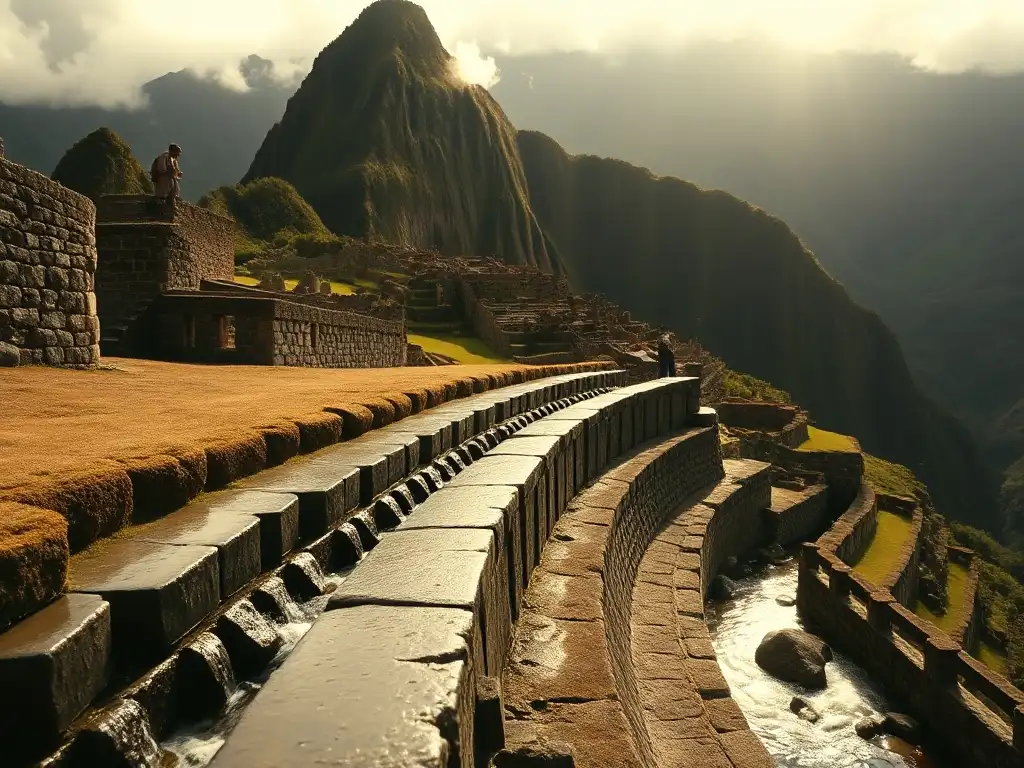
From the collection points, water flowed through a complex network of meticulously constructed stone channels and aqueducts. These weren't simple ditches; they were engineered marvels, showcasing the Incas' mastery of stonework. The channels were carved from the native rock, seamlessly integrated into the landscape, and often built along contours to minimize the need for significant earthworks.
The use of precisely cut stones ensured a smooth, even flow of water, minimizing friction and leakage. The network was remarkably extensive, reaching virtually every part of Machu Picchu, including residential areas, agricultural terraces, and public spaces. The channels were designed with varying gradients to control the water flow, ensuring an adequate supply to all areas while preventing erosion and flooding.
The precise alignment and construction of these channels, often built across uneven terrain, highlight the advanced surveying and engineering skills of the Inca builders. This intricate network wasn't just functional; it was a testament to Inca craftsmanship and their deep connection to their environment. The network's complexity shows a sophisticated understanding of hydraulics and water distribution.
Trapezoidal Channel Design and Use of Precise Stone Cutting
A distinctive feature of the Inca water system at Machu Picchu is the prevalent use of trapezoidal channels. This wasn't arbitrary; the trapezoidal shape was strategically chosen to optimize water flow and minimize erosion. The wider base provided stability, while the narrower top reduced water surface area, thus minimizing evaporation in the high-altitude climate. The precision with which the stones were cut and fitted is astonishing.
The stones were so precisely shaped and joined that the channels were virtually watertight, minimizing water loss. This precision also facilitated the creation of smooth, even surfaces that further reduced friction and ensured a consistent flow. Evidence suggests that different types of stone were selected based on their properties, with harder, more durable stones used in areas subject to higher water pressure or increased wear.
The combination of the trapezoidal design and the precise stone cutting demonstrates a high level of technical expertise and a deep understanding of engineering principles. The longevity of the system is a direct result of this careful design and construction, highlighting the lasting impact of Inca ingenuity. The system's resilience over centuries underscores the excellence of Inca craftsmanship and their mastery of stonework.
Strategic Placement of Fountains and Water Distribution Points
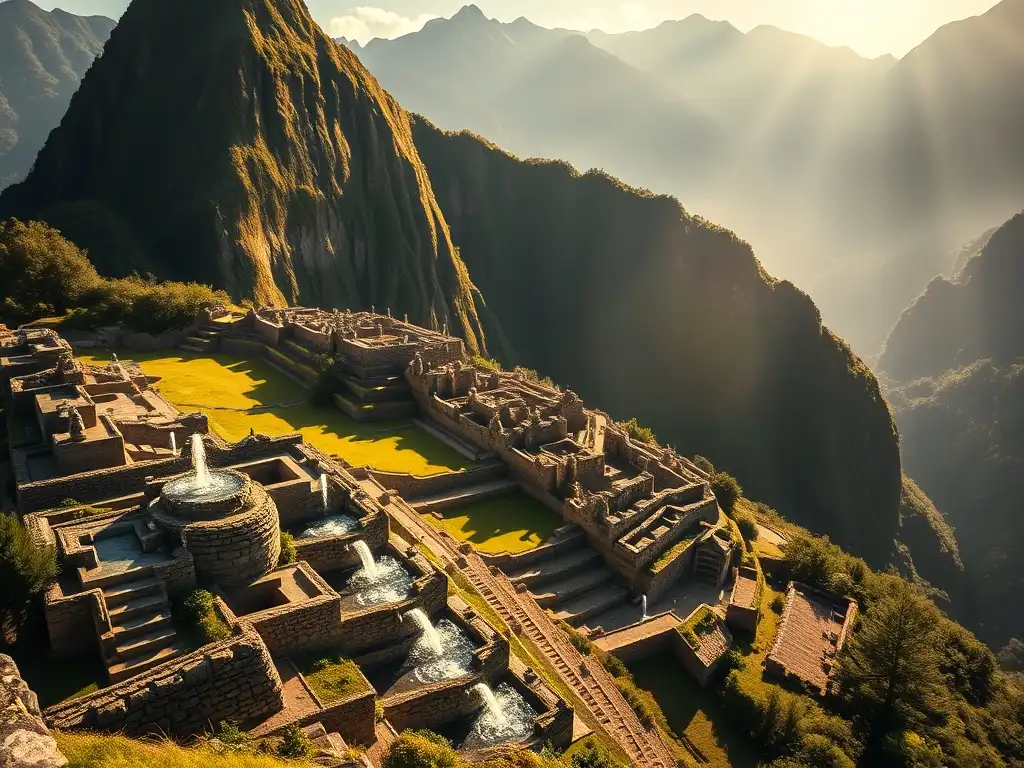
The Inca water system at Machu Picchu wasn't merely a functional network; it was a meticulously planned system reflecting a deep understanding of hydraulics and topography. Fountains weren't randomly placed; their locations were strategically chosen to maximize accessibility and efficiency. Many were situated at key points within the urban layout, providing convenient access for the city's inhabitants. For example, fountains were often found near residential areas, public spaces, and agricultural terraces, ensuring a consistent supply of fresh water for daily needs, from drinking and cooking to irrigation.
The placement also considered the natural slope of the land. Water flowed naturally downhill through a series of channels and aqueducts, minimizing the need for significant pumping or artificial pressure. This clever design ensured a reliable and sustainable water supply, even during periods of drought. The system's efficiency is further emphasized by the fact that water was channeled to different areas according to their specific requirements.
Higher-elevation areas, for instance, may have received water through a more complex network of canals and channels, while lower areas relied on simpler systems due to the natural flow of water. The strategic distribution of water, therefore, was integral to the city's functionality and demonstrates the sophisticated understanding of hydraulic engineering possessed by the Inca. The system's resilience underscores the Inca's profound respect for water conservation and their ability to adapt to the challenging terrain of Machu Picchu.
The Function of the Ritual Baths and their Connection to Water
Beyond its practical applications, the Inca water system at Machu Picchu held significant ritualistic importance. The numerous ritual baths, intricately carved into stone, are a prime example. These weren't simply bathing facilities; they were integral to the religious and spiritual life of the Inca people. Their connection to the water system is crucial to understanding their function.
The water flowing into these baths was considered sacred, often sourced from springs or carefully selected locations believed to possess spiritual significance. The baths themselves were often associated with specific deities or ceremonies, and their use was likely restricted to certain individuals or social groups. Archaeological evidence suggests that some baths were used for purification rituals before religious ceremonies, while others may have been associated with healing practices.
The precise rituals performed within these baths remain partially unknown, shrouded by the mists of time, but their presence indicates a deep connection between water, spirituality, and the Inca worldview. The intricate design and placement of these baths within the wider water system underlines their importance, demonstrating that the Inca viewed water not merely as a resource but as a vital element in their spiritual and social life. The precise chemical composition of the water used in specific baths could provide further insights into their intended use, and ongoing research continues to shed light on this fascinating aspect of Inca culture.
The Ingenious Design of the Inca Water System
The Inca water system at Machu Picchu stands as a remarkable feat of engineering, a testament to the advanced understanding of hydraulics possessed by the Inca civilization. This intricate network, carved into the mountainside, efficiently supplied water to the entire city, demonstrating a sophisticated grasp of gravity, materials science, and construction techniques. Understanding the design principles behind this system reveals the ingenuity and foresight of the Inca engineers, who skillfully adapted their technology to the challenging terrain.
The system's efficiency and longevity are a compelling example of sustainable infrastructure, even by today's standards. The Inca water system Machu Picchu is a key element in understanding the city's success and resilience.
Gravity-Fed System and its Efficiency
The core principle behind the Inca water system at Machu Picchu was the utilization of gravity. Water sources, located high in the surrounding mountains, were channeled down through a series of carefully constructed canals and aqueducts. This gravity-fed system eliminated the need for pumps or other mechanical devices, relying solely on the natural force of gravity to move water.
The efficiency of this design minimized energy expenditure and ensured a consistent water supply, even during periods of drought. Analysis of the canal gradients suggests a remarkable precision in their design, allowing for a consistent flow of water without excessive speed or spillage. The system’s efficiency is further highlighted by the fact that the water reached various points throughout the city with minimal loss, even over considerable distances and changes in elevation.
This was achieved through a network of carefully placed channels, reservoirs, and fountains. The Inca's understanding of water pressure and flow control was crucial for the system's success.
Precision in Construction and Alignment
The precision involved in the construction of the Inca water system at Machu Picchu is truly astonishing. The canals and aqueducts were carved directly into the rock face, demonstrating an impressive mastery of stonework. The alignment of these channels was exceptionally accurate, with minimal deviation even over long distances.
This accuracy ensured a smooth and continuous flow of water, preventing blockages and ensuring efficient distribution. Evidence suggests the Inca used sophisticated surveying techniques, perhaps employing rudimentary versions of levels and plumb bobs, to achieve this level of precision. The straightness and unwavering alignment of many sections of the canals are a testament to their advanced understanding of geometry and engineering principles.
The intricate network, with its numerous branches and diversions, demonstrates a sophisticated planning process and a deep understanding of the city's hydrological needs. The construction precision also highlights the Inca’s ability to work with the natural environment, rather than against it.
Use of Granite and Clay for Construction and Sealing
The Inca utilized local materials in the construction of their water system, primarily granite and clay. Granite, readily available in the region, was used to create the channels and aqueducts. The stones were carefully fitted together, often without the use of mortar, demonstrating remarkable skill in dry-stone construction. The tight fit of the stones minimized water leakage, enhancing the system's overall efficiency.
Clay, another readily available material, played a crucial role in sealing the channels and preventing water loss. It was likely applied to the inner surfaces of the channels, creating a waterproof barrier. The use of these locally sourced materials not only reduced the environmental impact of construction but also ensured the sustainability and longevity of the system.
The combination of durable granite and watertight clay contributed significantly to the system's remarkable resilience and its continued functionality for centuries. The selection of materials also reflects an understanding of their properties and their suitability for the specific demands of the water system. This sustainable approach to construction is a key factor in the system’s remarkable longevity.
The System's Resilience and Longevity
The Inca water system at Machu Picchu stands as a testament to not only ingenious design but also remarkable resilience and longevity. Centuries after its construction, remnants of the system still endure, a silent testament to the Inca's mastery of hydraulic engineering and their deep understanding of the local environment. The system's durability can be attributed to several factors. Firstly, the careful selection of materials played a crucial role. The Incas utilized locally sourced stone, meticulously fitted together to create channels and aqueducts that were both strong and adaptable to the mountainous terrain. This precise craftsmanship minimized leakage and ensured the efficient flow of water even during periods of heavy rainfall or seismic activity.
The integration of the system with the natural landscape further enhanced its resilience. Channels were often carved into the rock face, blending seamlessly with the contours of the mountain, minimizing the impact of erosion and landslides. The clever use of gravity, eliminating the need for pumps or other mechanical devices, further simplified maintenance and enhanced the system's longevity. This reliance on natural forces ensured that the system's functionality was less susceptible to damage from external factors. The system's design also incorporated features that facilitated self-cleaning. The carefully graded channels and strategically placed spillways prevented sediment buildup, ensuring a consistent flow of clean water.
This self-regulating mechanism significantly reduced the need for constant maintenance, contributing to the system's enduring lifespan. Indeed, the longevity of the Inca water system at Machu Picchu is a remarkable achievement, showcasing a sophisticated understanding of engineering principles and a deep respect for the natural environment. It serves as a powerful example of sustainable infrastructure, a model that continues to inspire engineers and architects today. The resilience of the system, evident in its survival through centuries of environmental challenges and the passage of time, underscores the skill and foresight of the Inca builders. This longevity is a key factor in understanding the remarkable success of the Inca civilization and its ability to sustain a large population in a challenging environment.
Significance of the Inca Water System at Machu Picchu
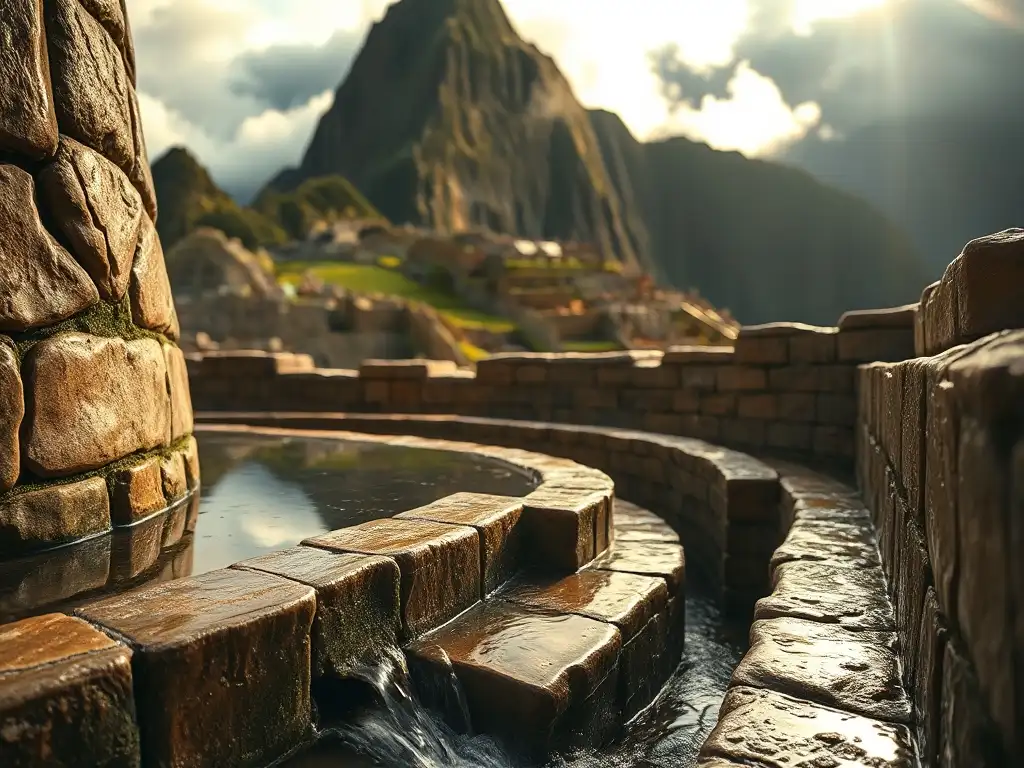
The Inca water system at Machu Picchu stands as a remarkable feat of engineering and a testament to the sophisticated understanding of hydraulics possessed by the Inca civilization. Its significance extends far beyond mere practicality; it represents a complex interplay of engineering prowess, symbolic power, and deeply ingrained cosmological beliefs. Understanding this intricate system reveals much about the Inca worldview and their mastery of their environment.
The efficient channeling and distribution of water wasn't simply a matter of survival; it was intrinsically linked to their social structure, religious practices, and overall societal success. The meticulous planning and execution of the Machu Picchu water system, perfectly integrated into the mountain's topography, showcases the Inca's exceptional capabilities in resource management and their profound respect for the natural world. This system, remarkably preserved despite the passage of centuries, continues to fascinate researchers and visitors alike, offering invaluable insights into the ingenuity and sophistication of Inca civilization.
The robust nature of the system, evidenced by its longevity, highlights the high level of skill and planning involved in its creation and maintenance. The system's effectiveness underscores the Inca's deep understanding of water flow, pressure, and gravity, allowing them to create a sustainable and reliable water supply for a large population in a challenging mountainous terrain.
Water as a Symbol of Power and Control
Access to water, particularly in a mountainous region like Machu Picchu, was a critical factor determining power and control. The Inca state meticulously managed water resources, ensuring equitable distribution within its complex social hierarchy. The sophisticated network of canals, aqueducts, and fountains wasn't just a practical solution; it was a powerful symbol of the Inca's ability to harness and control a vital resource.
The intricate system, with its precisely engineered channels and strategically placed fountains, served as a visible manifestation of state power and authority. Control over water distribution allowed the Inca elite to maintain social order and exert influence over the population. The carefully planned allocation of water for different purposes — drinking, agriculture, and religious rituals — underscored the Inca's mastery of resource management and their ability to effectively govern a complex society.
The very act of constructing and maintaining such a complex system demonstrated the Inca's ability to mobilize resources and coordinate large-scale projects, further solidifying their authority and control. This intricate network of water channels served as a constant reminder of the Inca's power and their ability to provide for the needs of their people. The strategic placement of fountains, for example, often near public spaces or religious sites, served to reinforce this symbolic power.
The Importance of Water for Agriculture and Sustenance
The Inca water system at Machu Picchu was inextricably linked to agriculture and the sustenance of the population. Terraced farming, a hallmark of Inca agricultural practices, relied heavily on a consistent and reliable water supply. The intricate network of canals and channels expertly diverted water from natural springs and streams, irrigating the agricultural terraces carved into the steep mountain slopes.
This ingenious system allowed the Incas to cultivate a variety of crops, ensuring food security for the inhabitants of Machu Picchu. The efficiency of the system is evident in the variety and abundance of crops that could be grown, despite the challenging terrain. Detailed studies of the agricultural terraces and the water channels reveal a sophisticated understanding of water management techniques, including techniques to control water flow and prevent erosion.
Evidence suggests that the Inca also employed sophisticated agricultural practices, such as crop rotation and the use of fertilizers, to maximize yields. The success of Inca agriculture at Machu Picchu was, in large part, due to their mastery of water management and their ability to create a sustainable agricultural system within a challenging environment. The agricultural productivity directly supported the population of Machu Picchu, highlighting the vital role of the water system in their daily lives and societal stability.
Water's Role in Inca Cosmology and Rituals
Water held profound spiritual significance in Inca cosmology. It was seen as a sacred element, essential for life and fertility. The Inca water system at Machu Picchu wasn't merely a practical infrastructure project; it was deeply interwoven with religious beliefs and rituals. The carefully designed fountains and strategically placed water features were not just functional; they were integral parts of religious ceremonies and symbolic representations of the Inca worldview.
The precise placement of fountains and the careful channeling of water suggest a deliberate integration of the water system into the overall sacred landscape of Machu Picchu. Evidence suggests that certain water sources were considered sacred, and rituals were performed at specific locations along the water channels. The integration of the water system with religious practices highlights the deep connection between the Inca's understanding of the natural world and their spiritual beliefs.
The careful management and distribution of water, therefore, wasn't just a practical necessity but also a way of expressing reverence and maintaining harmony with the spiritual forces believed to govern the natural world. The Inca water system at Machu Picchu, therefore, serves as a powerful example of the interplay between practical engineering and spiritual beliefs in ancient Andean society. The system's design and functionality are inseparable from the Inca's cosmology and their deep-seated respect for the life-giving power of water.
Showcasing Inca Advanced Engineering Skills
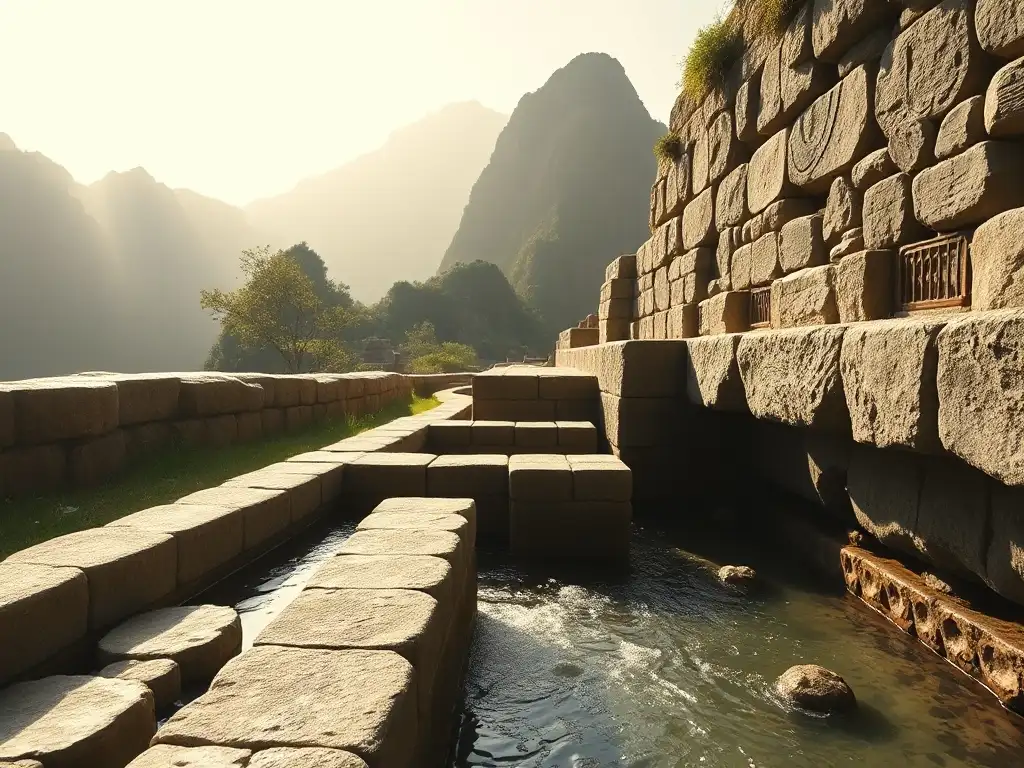
The Inca water system at Machu Picchu stands as a remarkable testament to the advanced engineering skills of the Inca civilization. Their mastery of hydraulics is evident in the intricate network of canals, aqueducts, and fountains that seamlessly integrated with the city's architecture. This wasn't simply a matter of channeling water; it was a sophisticated system designed for efficient water distribution, storage, and purification. The Incas demonstrated an impressive understanding of gravity and water pressure, skillfully manipulating these forces to create a reliable and sustainable water supply for a population living in a challenging mountainous environment.
The precision and ingenuity displayed in the construction of these waterworks are truly awe-inspiring, especially considering the tools and materials available to them. They meticulously carved channels into the rock, creating perfectly fitting stones that ensured a smooth and consistent water flow. The system's effectiveness is further highlighted by its longevity; significant portions remain functional even today, a testament to the durability and foresight of the Inca engineers.
The precise alignment of channels and the incorporation of strategically placed spillways and filters showcase their deep understanding of hydraulic principles and their commitment to creating a robust and resilient infrastructure. This advanced engineering wasn't limited to just functionality; it also served an aesthetic purpose, integrating seamlessly with the overall design of Machu Picchu, a harmonious blend of practical functionality and artistic expression. The Inca's approach to water management was far beyond simple irrigation; it was a complex system reflecting their advanced knowledge and ingenuity.
A Sustainable Approach to Water Management
The Inca water system at Machu Picchu wasn't just impressive in its engineering; it also represented a sophisticated and sustainable approach to water management. The Incas understood the importance of water conservation and developed a system that minimized waste and maximized efficiency. Their understanding of the local environment, including rainfall patterns and water sources, allowed them to design a system that could withstand periods of drought and heavy rainfall. The integration of various water sources, including springs and streams, ensured a reliable supply even during challenging climatic conditions.
Furthermore, the system's design incorporated several features that promoted water purification. Sedimentation basins and filters removed impurities from the water before it reached the city's inhabitants, ensuring a clean and safe supply. This commitment to sustainability was crucial for the survival and prosperity of Machu Picchu's inhabitants. The Incas' approach to water resource management offers valuable lessons for modern societies grappling with water scarcity and environmental challenges.
Their methods demonstrate the possibility of creating sustainable water systems that are both efficient and environmentally responsible. The integration of the water system with the agricultural terraces further emphasizes the Incas' holistic approach to resource management, maximizing the use of available water resources for both domestic and agricultural purposes. This intricate interplay of elements showcases the sophisticated understanding and sustainable practices that underpinned the Inca civilization's success.
Religious and Symbolic Significance
Beyond its practical applications, the Inca water system at Machu Picchu also held significant religious and symbolic meaning. Water was considered sacred in Inca culture, representing life, fertility, and purity. The carefully planned and meticulously executed water channels, fountains, and baths were not merely functional; they were integral components of the city's spiritual landscape. The precise placement of fountains and water features within the city suggests a deliberate intention to integrate the sacredness of water into the daily lives of the inhabitants.
The system's integration with religious sites further highlights its symbolic importance. Water was intimately connected to Inca cosmology and rituals, and the system's design likely reflected these beliefs and practices. More research is needed to fully understand the intricate relationship between the water system and Inca religious beliefs, but the evidence suggests a profound connection between the practical and the spiritual.
The presence of ritual baths and the alignment of certain water features with astronomical events strengthens the argument for a deeper, symbolic meaning embedded within the system's design. This multifaceted significance adds another layer of complexity and intrigue to the already impressive achievement of the Inca water system at Machu Picchu. The interplay of the practical and the spiritual underscores the sophisticated worldview of the Inca civilization.
Legacy of the Machu Picchu Water System
This section delves into the lasting impact of the Inca water system at Machu Picchu, exploring its influence on modern engineering and water management practices, ongoing preservation efforts, and its enduring relevance as a model for sustainable water solutions. The ingenuity of the Inca water system continues to inspire awe and serves as a powerful testament to the advanced understanding of hydraulics possessed by this ancient civilization. Understanding its legacy is crucial to appreciating the sophistication of Inca engineering and its enduring relevance in the face of modern water challenges.
Its Impact on Modern Engineering and Water Management
The Machu Picchu water system, with its intricate network of canals, fountains, and aqueducts, represents a remarkable feat of engineering. Its design principles, emphasizing gravity-fed systems and minimal environmental disruption, continue to inform contemporary water management strategies. Modern engineers study the Inca system to understand how to build efficient and sustainable water infrastructure, particularly in challenging terrains.
The system's resilience, evidenced by its ability to withstand earthquakes and the test of time, provides valuable insights into designing robust and adaptable water networks. For instance, the use of carefully selected materials and the incorporation of natural features into the system's design offer valuable lessons in minimizing environmental impact and maximizing efficiency. The Inca's understanding of water flow, pressure regulation, and catchment area optimization remains remarkably relevant in the design of modern water distribution networks.
Further research into the precise techniques employed in the construction and maintenance of the system could lead to significant advancements in modern engineering practices. The precise methods used to seal the channels and prevent leakage, for example, are still being investigated and could potentially inform the development of more durable and efficient water infrastructure.
Preservation Efforts and Future Research
Preserving the Machu Picchu water system is paramount to safeguarding a unique piece of cultural heritage and a valuable source of knowledge for future generations. The site's fragile environment and the constant threat of erosion require ongoing preservation efforts. These initiatives include careful monitoring of the system's integrity, regular maintenance of the canals and aqueducts, and the implementation of sustainable tourism practices to minimize visitor impact.
Future research should focus on a more detailed understanding of the system's construction techniques, material sourcing, and long-term maintenance strategies. This research could involve advanced surveying techniques, material analysis, and archaeological investigations to reveal further details about the system's complexity and longevity. Furthermore, understanding the Inca's approach to water resource management in the context of climate change and population growth could offer valuable insights for modern societies facing similar challenges.
The preservation efforts need to balance the needs of conservation with the desire to make the system accessible to researchers and visitors, ensuring its continued study and appreciation. The integration of modern technology, such as advanced monitoring systems, can help in the ongoing preservation efforts, allowing for proactive maintenance and early detection of potential issues. Careful documentation of ongoing research and preservation efforts is crucial to ensuring the knowledge gained is shared widely.
Enduring Example of Sustainable Water Management
The Machu Picchu water system serves as a shining example of sustainable water management. Its design principles, emphasizing minimal environmental impact and efficient resource utilization, are especially relevant in the face of modern water scarcity and climate change. The system's ability to provide water for a significant population without causing environmental degradation highlights the Inca's sophisticated understanding of ecological balance. The Inca's holistic approach to water management, integrating it seamlessly into the overall urban planning of Machu Picchu, offers valuable lessons for modern urban design.
The system’s efficiency, its reliance on gravity, and its minimal reliance on external energy sources make it a model of sustainable engineering. By studying and emulating the Inca's approach, modern societies can learn to develop water management systems that are both effective and environmentally responsible. The Machu Picchu water system serves as a powerful reminder that sustainable development is not a modern concept, but rather a practice mastered by ancient civilizations.
Its enduring legacy should inspire us to adopt more sustainable practices in our own water management strategies, ensuring that future generations have access to clean and abundant water resources. The Inca's success in integrating their water system into the very fabric of their society serves as a compelling case study for the importance of considering water management as an integral part of broader urban planning. The system's continued relevance underscores the importance of learning from the past to address the challenges of the future.
Frequently Asked Questions
How did the Inca manage water in Machu Picchu?
The Inca utilized a sophisticated system of canals, channels, and fountains to manage water at Machu Picchu. This involved diverting water from springs and streams, distributing it efficiently throughout the city. Gravity played a key role in this intricate system.
What was the purpose of the Machu Picchu water system?
The system served multiple purposes, including providing drinking water to the inhabitants, irrigating agricultural terraces, and supporting ceremonial functions. Water was a vital resource for daily life and religious practices.
What materials were used in constructing the Inca water system at Machu Picchu?
The Inca primarily used stone for the construction of their water system, expertly fitting stones together to create watertight channels and conduits. Their knowledge of hydraulic engineering was remarkable.
How did the Inca ensure a clean water supply at Machu Picchu?
The Inca implemented clever techniques to maintain water purity. These included filtering systems and the strategic placement of water sources to avoid contamination. Their understanding of hygiene was advanced for its time.
Was the Machu Picchu water system unique among Inca settlements?
While Machu Picchu's system is particularly impressive due to its scale and integration with the city, similar water management techniques were employed throughout the Inca Empire. Many other settlements boasted sophisticated water systems, demonstrating the Inca's wide-ranging expertise.
Final Reflection: The Enduring Legacy of Machu Picchu's Waters
The ingenious water management systems of Machu Picchu remain a testament to Inca ingenuity, a feat of engineering that continues to inspire awe and inform modern approaches to sustainable resource management. Their sophisticated understanding of hydraulics, far surpassing many contemporary societies, offers invaluable lessons for our own time, particularly as we grapple with issues of water scarcity and climate change. The precision and foresight demonstrated in their construction are truly remarkable.
The intricate network of canals, fountains, and aqueducts not only provided a reliable water supply for the city but also served as a powerful symbol of Inca societal organization and spiritual connection. Water was not merely a resource to the Inca, but a sacred element, integral to their worldview and daily life.
This understanding of water's multifaceted role – practical, social, and spiritual – offers a powerful counterpoint to our often-exploitative relationship with this precious resource. Reflecting on their reverence for water prompts us to reconsider our own actions and responsibilities towards environmental stewardship.
Consider the ingenuity of the Inca, their deep understanding of their environment, and the lasting impact of their water systems. You, too, can contribute to a more sustainable future. Think about your own water consumption, explore ways to conserve this precious resource, and advocate for responsible water management in your community. Let the enduring legacy of Machu Picchu's water systems inspire you to act, to protect this vital element for generations to come.
Thank you for joining us on this exploration of Machu Picchu's incredible water system! You've discovered the ingenuity of the Inca civilization and their remarkable engineering and sustainable practices. Now, let's delve deeper into this fascinating topic.
- Take a guided tour of Machu Picchu to witness the breathtaking water systems firsthand—it's truly magical!
- Share your knowledge with friends and family, or post about it on social media—let others be amazed by these ancient innovations.
- Learn more about Inca agriculture and their extensive road network to gain a complete understanding of their advanced civilization.
What aspect of the Inca water system most surprised you, and how do you think it reflects their deep understanding of the natural world?