
The Royal Estate of Pachacuti: Unveiling Machu Picchu's Incan Ruler Connection

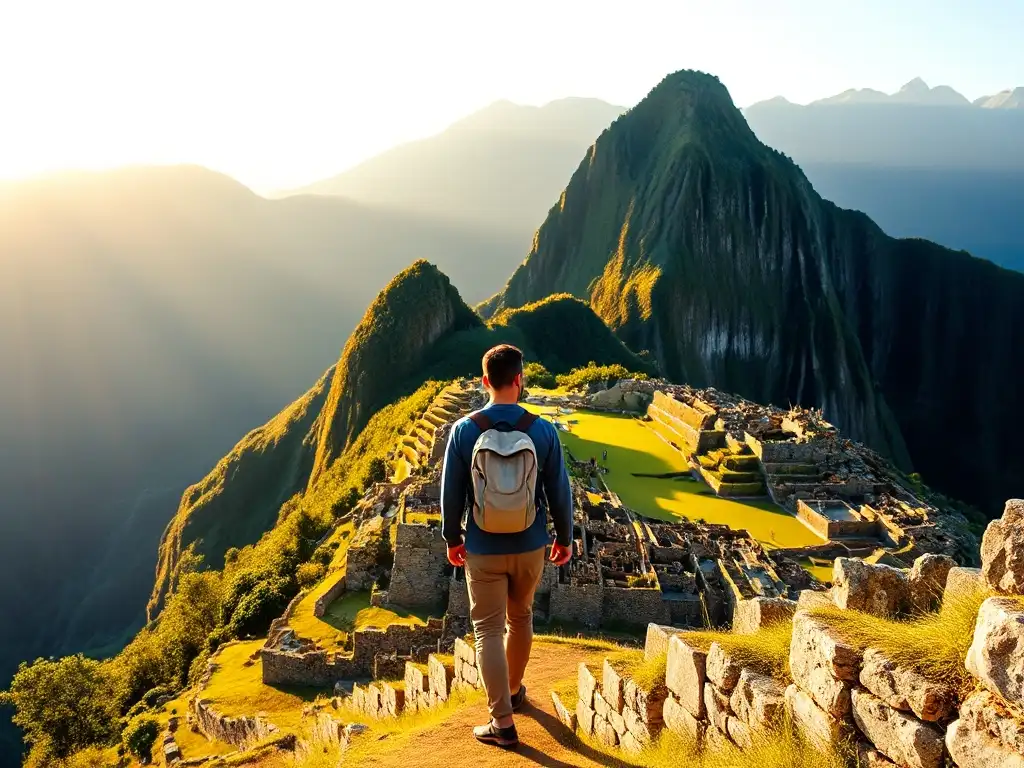
Step into a world lost to time, yet echoing with the power of a forgotten empire. Journey with us to the heart of the Andes, where breathtaking landscapes hold the secrets of ancient civilizations. Uncover the enigma surrounding Pachacuti Inca Yupanqui and Machu Picchu, a connection far more intricate than meets the eye. Dare to delve into the royal estate of one of history's most influential figures – your exploration begins now.
- Pachacuti Inca Yupanqui: Unveiling Machu Picchu's Royal Connection
- Machu Picchu's Construction: A Royal Project by Pachacuti
- The Significance of Machu Picchu in Pachacuti's Reign
- Pachacuti's Legacy and the Enduring Mystery of Machu Picchu
- Exploring the Royal Estate: Experiencing Pachacuti's Machu Picchu Today
- Frequently Asked Questions
- Final Reflection: The Enduring Legacy of Pachacuti at Machu Picchu
- Unveil the Secrets of Pachacuti Today!
Pachacuti Inca Yupanqui: Unveiling Machu Picchu's Royal Connection
Machu Picchu, the iconic "Lost City of the Incas," perched high in the Andes Mountains, continues to captivate the world with its breathtaking architecture and enigmatic history. While its precise purpose remains a subject of ongoing scholarly debate, a strong consensus points to a significant connection with Pachacuti Inca Yupanqui, the ninth Sapa Inca (emperor) of the Inca Empire.
This article delves into the evidence linking Pachacuti to Machu Picchu, exploring his reign, his visionary leadership, and the potential role this majestic site played within his vast empire. We will unravel the mysteries surrounding this iconic location and its relationship to one of the Inca Empire’s most influential rulers, solidifying the importance of Pachacuti Inca Yupanqui in the story of Machu Picchu.
Understanding this connection is crucial to appreciating the full scope of Inca ingenuity, power, and cultural significance. We will explore not only the architectural marvels but also the political and symbolic implications of Machu Picchu within the context of Pachacuti's reign.
The Enigma of Machu Picchu: Beyond the Lost City
Machu Picchu's fame as a "lost city" often overshadows the complexities of its function and purpose within the Inca Empire. While initially perceived as a purely ceremonial site, or perhaps a refuge, recent archaeological findings and historical analyses suggest a far more nuanced role. The sophisticated water management systems, agricultural terraces, and residential structures point towards a more multifaceted purpose, possibly including roles as a royal estate, a religious center, and a strategic administrative hub.
The sheer scale of the construction, the precision of the stonework, and the strategic location all point towards a significant investment of resources and planning, indicative of a project undertaken during a period of immense Inca power and prosperity – a period directly associated with the reign of Pachacuti Inca Yupanqui. The intricate network of pathways connecting Machu Picchu to other Inca settlements further underscores its importance as a central point within the empire's infrastructure.
Evidence suggests a complex interplay of religious, administrative, and residential functions, defying simple categorization. The sheer scale and sophistication of the site are undeniable indicators of royal patronage and significant resources dedicated to its creation.
Pachacuti's Rise to Power and the Inca Expansion
Pachacuti Inca Yupanqui's reign (circa 1438-1471) marked a pivotal turning point in Inca history. He inherited a relatively small kingdom and, through a combination of military prowess, shrewd political maneuvering, and innovative administrative strategies, transformed it into the vast and powerful Inca Empire. His military campaigns dramatically expanded Inca territory, incorporating numerous conquered peoples and integrating them into the empire's sophisticated administrative system.
This expansion brought immense wealth and resources to Cuzco, the Inca capital, fueling ambitious construction projects throughout the empire. The construction of Machu Picchu, with its demanding engineering feats and significant resource requirements, aligns perfectly with the scale of projects undertaken during Pachacuti's reign of expansion and consolidation of power.
His focus on infrastructure development, including roads, bridges, and agricultural terraces, is further evidence of his commitment to building and maintaining a vast and interconnected empire. The sheer logistical undertaking required to build Machu Picchu speaks volumes about the organizational capabilities and resources available under Pachacuti's rule.
The Inca Emperor Pachacuti: A Visionary Ruler
Pachacuti was more than just a conquering warrior; he was a visionary leader who implemented profound social, political, and administrative reforms. His innovative approach to governance fostered stability and prosperity within the expanding empire. He established a highly organized system of administration, dividing the empire into provinces governed by loyal officials.
This centralized system ensured efficient resource management, facilitated the collection of tribute, and maintained control over vast territories. Pachacuti's legacy extends beyond military conquest. He fostered cultural development, promoting Inca art, religion, and language.
The construction of Machu Picchu, therefore, can be viewed not only as a testament to Inca engineering prowess but also as a reflection of Pachacuti's grand vision for his empire – a symbol of his power, his administrative skill, and his commitment to building a lasting legacy. The site's strategic location, its magnificent architecture, and its sophisticated infrastructure all reflect Pachacuti's ambition and his dedication to creating a monumental symbol of Inca dominance and cultural identity. The very existence of Machu Picchu stands as a powerful testament to the legacy of Pachacuti Inca Yupanqui.
Machu Picchu's Construction: A Royal Project by Pachacuti
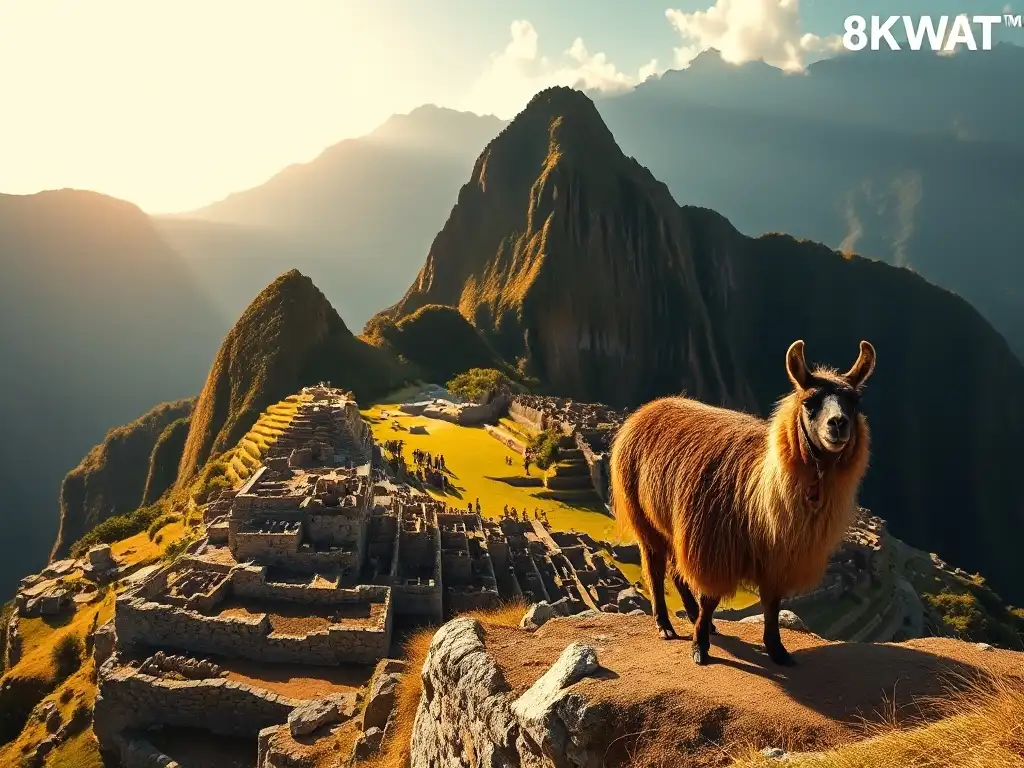
Machu Picchu's construction, a monumental undertaking showcasing Inca ingenuity, is strongly linked to the reign of Pachacuti Inca Yupanqui, the ninth Sapa Inca. While definitive proof remains elusive, compelling evidence points towards his direct involvement in initiating and overseeing the city's creation. The sheer scale of the project, the sophisticated architectural techniques employed, and the strategic location all suggest a ruler of Pachacuti's power and ambition.
The meticulous planning and execution, evident in the precise stonework and intricate water management systems, were hallmarks of Inca imperial projects under his leadership. Furthermore, the city's strategic placement, offering both defensive advantages and access to vital resources, aligns perfectly with Pachacuti's expansionist policies and his focus on consolidating Inca power. The timeframe of Machu Picchu's construction, generally accepted to be during the 15th century, firmly coincides with Pachacuti's long and impactful rule.
The absence of extensive prior settlements at the site further supports the theory of a deliberate, large-scale project launched under his direct command. This wasn't simply a gradual expansion; it was a planned, royal undertaking, reflecting the power and vision of Pachacuti Inca Yupanqui.
Architectural Evidence Linking Machu Picchu to Pachacuti
The architectural style of Machu Picchu bears the unmistakable hallmarks of the Inca Empire during Pachacuti's reign. The precise, dry-stone masonry, with stones fitted together so tightly that not even a knife blade can fit between them, is characteristic of Inca imperial architecture of that period. This advanced technique, requiring immense skill and planning, is not found in earlier Andean constructions.
The use of massive blocks of granite, meticulously shaped and placed, further emphasizes the resources and expertise commanded by Pachacuti's empire. Specific architectural elements, such as the distinctive trapezoidal doorways and niches, are also consistent with the architectural trends established during his rule. Moreover, the sophisticated agricultural terraces, meticulously crafted to maximize crop yields in the challenging mountainous terrain, demonstrate the Inca's advanced understanding of engineering and resource management – a hallmark of Pachacuti's reign.
The integration of architecture with the natural landscape, a key feature of Machu Picchu, reflects the Inca philosophy of harmonizing human settlements with the environment, a theme that gained prominence under Pachacuti. Careful analysis of the architectural style and building techniques solidifies the connection between Machu Picchu and the imperial projects of Pachacuti Inca Yupanqui.
The Royal Estate of Pachacuti: Purpose and Function
While the exact purpose of Machu Picchu remains a subject of ongoing scholarly debate, the prevailing theory suggests it served as a royal estate for Pachacuti Inca Yupanqui and subsequent Inca rulers. The city's layout, with its distinct residential areas, religious structures, and agricultural terraces, supports this interpretation. The presence of finely crafted palaces and residential buildings, showcasing sophisticated craftsmanship and luxurious materials, points towards a site intended for elite inhabitants.
The inclusion of sophisticated water management systems, including intricate canals and fountains, further suggests a level of comfort and luxury associated with royal residences. The strategic location, offering both seclusion and access to vital resources, also fits the profile of a royal retreat and administrative center.
The evidence suggests that Machu Picchu wasn't simply a fortress or a religious center, but rather a multifaceted royal estate fulfilling various functions: a place of refuge, an administrative hub, and a center for agricultural production, all crucial elements of Inca imperial power. The combination of these factors strongly supports the idea that Machu Picchu served as a royal estate, reflecting the power and prestige of Pachacuti Inca Yupanqui.
The Intihuatana Stone and Temple of the Sun
The Intihuatana stone, a significant feature of Machu Picchu, and the nearby Temple of the Sun are key indicators of the site's religious importance and its connection to Pachacuti Inca Yupanqui. The Intihuatana, meaning "place where the sun is tied," is believed to have played a crucial role in Inca astronomical observations and religious ceremonies. Its precise orientation and intricate design point to sophisticated astronomical knowledge and engineering skills, reflecting the advanced capabilities of the Inca Empire during Pachacuti's rule.
The Temple of the Sun, with its unique architectural features and its prominent location within the city, further underscores the religious significance of the site. The construction of these structures, requiring considerable resources and expertise, demonstrates the importance placed on religious practices by Pachacuti and his successors. The meticulous craftsmanship and symbolic significance of these structures suggest that they were not merely functional buildings but also powerful representations of Inca cosmology and royal authority.
The presence of these structures within the royal estate further reinforces the idea that Machu Picchu served as a center of both political and religious power during Pachacuti's reign, a critical aspect of Inca imperial control and legitimacy. The combination of the Intihuatana and the Temple of the Sun provides compelling evidence of Machu Picchu's religious significance and its connection to the imperial power of Pachacuti Inca Yupanqui.
The Significance of Machu Picchu in Pachacuti's Reign
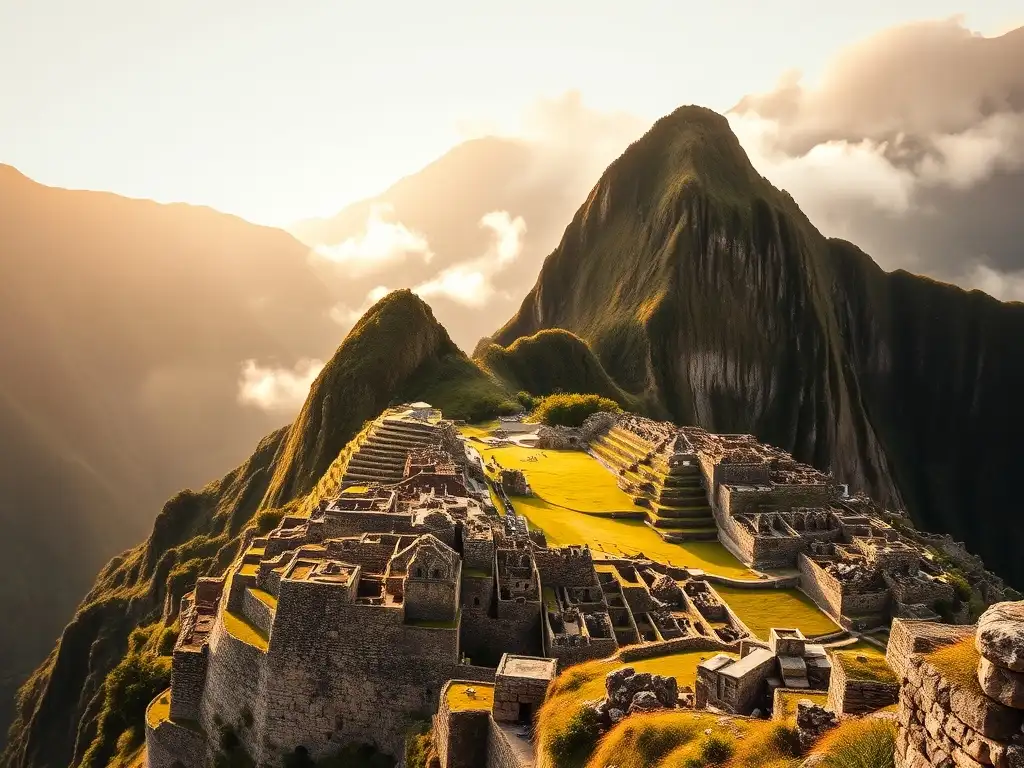
Machu Picchu's importance within the context of Pachacuti Inca Yupanqui's reign is a subject of ongoing scholarly debate, but the prevailing consensus points towards its role as a crucial component of the Inca Empire's power and prestige. While not a purely military stronghold like other Inca sites, Machu Picchu's strategic location and sophisticated design reflect Pachacuti's sophisticated understanding of both political control and resource management.
Its construction, believed to have begun during Pachacuti's reign (circa 1438-1471), coincided with a period of significant Inca expansion and consolidation of power. The sheer scale of the undertaking, the precision of the stonework, and the integration of the city with its environment all speak to the immense resources and organizational capabilities at Pachacuti's disposal.
The very existence of Machu Picchu, a meticulously planned and executed project, serves as a powerful testament to his reign's ambition and capacity for monumental construction. Analyzing the site through the lens of Pachacuti's broader political and economic strategies reveals a deeper understanding of its true significance.
Machu Picchu as a Private Retreat for the Inca Emperor
While Machu Picchu undoubtedly served administrative and possibly religious functions, evidence strongly suggests it also functioned as a private retreat for Pachacuti and subsequent Inca rulers. The presence of luxurious residences, intricate water systems providing comfortable living conditions, and stunning views of the surrounding landscape all point towards a space designed for relaxation and contemplation rather than purely utilitarian purposes. The relatively small size of the urban area compared to other Inca settlements further supports this hypothesis.
Instead of a bustling administrative center, Machu Picchu appears to have been a carefully crafted oasis, providing respite and a connection to the natural world for the Inca elite. This interpretation aligns with accounts of Inca rulers’ appreciation for secluded, scenic locations, often used for hunting, spiritual reflection, and escaping the pressures of court life.
The careful selection of the site, nestled high in the Andes with breathtaking views, underscores the importance of this aspect of its function. This wasn't just a place of power; it was a sanctuary.
The Agricultural Ingenuity of Machu Picchu: Sustaining the Royal Estate
Machu Picchu's agricultural capabilities were remarkably advanced for its time, showcasing the Inca's mastery of terracing and irrigation techniques. The extensive network of agricultural terraces carved into the mountainside demonstrates a sophisticated understanding of water management and soil conservation. These terraces, meticulously constructed to optimize sunlight and water retention, allowed for the cultivation of a variety of crops, ensuring a reliable food supply for the inhabitants.
The agricultural surplus produced likely supported not only the royal family and their retinue but also contributed to the overall economy of the Inca Empire. Detailed studies of the agricultural remains at Machu Picchu have revealed a diverse range of crops, including maize, potatoes, quinoa, and beans, demonstrating the Inca's ability to cultivate a variety of food sources in a challenging environment.
This agricultural self-sufficiency is a key factor in understanding Machu Picchu's long-term viability as a royal estate and its significance within Pachacuti's broader administrative strategies. The ingenuity shown in the agricultural systems speaks volumes about the advanced understanding of Andean ecology possessed by the Inca engineers and farmers.
While conclusive evidence directly linking Pachacuti's burial to Machu Picchu is lacking, the site's design and the presence of several burial structures suggest its potential role in Inca funerary practices, particularly for high-ranking individuals. The presence of elaborate tombs and the careful placement of certain structures within the complex indicate a possible connection to ritualistic practices associated with death and the afterlife. The Inca’s reverence for their ancestors and the importance of maintaining contact with the spiritual realm are well-documented.
Therefore, it is plausible that Machu Picchu served as a place of both life and death for the Inca elite, possibly containing the remains of key figures in Pachacuti's lineage. Further archaeological research and analysis of existing remains might reveal more concrete evidence to substantiate this hypothesis.
The connection between Machu Picchu and royal funerary practices remains an area of active research, with the potential to yield significant insights into Inca beliefs and customs related to Pachacuti and the Inca elite. The possibility of uncovering further evidence related to Pachacuti Inca Yupanqui at Machu Picchu remains a significant goal for future archaeological investigations.
Pachacuti's Legacy and the Enduring Mystery of Machu Picchu
Pachacuti Inca Yupanqui's reign (1438-1471) represents a pivotal moment in Inca history, a period of unprecedented expansion and infrastructural development. His military prowess and strategic acumen led to the consolidation of the Inca Empire, transforming it from a relatively small kingdom into a vast and powerful realm stretching across the Andes. This expansion directly impacted the development of Inca architecture, characterized by its meticulous stonework, intricate designs, and impressive scale.
Machu Picchu, often associated with Pachacuti, exemplifies these advancements, posing questions about its precise role within his grand vision. The city's strategic location, sophisticated water management system, and imposing structures suggest a level of planning and execution indicative of Pachacuti's ambitious projects. Understanding Pachacuti's influence requires examining not just Machu Picchu itself, but also the broader context of his reign and its impact on Inca society.
The Impact of Pachacuti on Inca Society and Architecture
Pachacuti's influence extended far beyond military conquest. He implemented significant administrative and social reforms, creating a highly organized and centralized state. This involved standardizing agricultural practices, developing a complex road network (the Qhapaq Ñan), and establishing a sophisticated system of tribute and labor organization (the mita system).
These changes directly influenced Inca architecture. The standardization of building techniques and the availability of labor through the mita allowed for the construction of monumental projects like Machu Picchu, showcasing the power and efficiency of Pachacuti's administrative system. The precision of the stonework, the integration of the city with its environment, and the evident planning demonstrate a level of sophistication rarely seen in pre-Columbian architecture.
The use of specific types of stone, quarried often from considerable distances, highlights the Inca's mastery of engineering and logistics, further demonstrating Pachacuti's commitment to grand-scale projects. This period witnessed the development of unique architectural styles, incorporating elements of both practicality and symbolic representation, reflecting the emperor's desire to create a lasting legacy. The construction of tampus (roadside inns) along the Qhapaq Ñan further exemplifies Pachacuti's focus on infrastructure and communication, essential for maintaining control over his vast empire.
Debates and Theories Surrounding Machu Picchu's True Purpose
While Machu Picchu's association with Pachacuti is widely accepted, its precise function remains a subject of ongoing debate. Some scholars propose it served as a royal estate or retreat, a sanctuary for the Inca elite. Others suggest it was a religious center, highlighting the presence of ritual structures and the city's strategic location within a landscape rich in spiritual significance.
Yet another theory posits it served as a military outpost, given its defensive features and proximity to important trade routes. The lack of significant evidence of large-scale residential areas, coupled with the presence of sophisticated agricultural terraces, fuels the ongoing discussion. The discovery of additional artifacts and the ongoing analysis of existing findings continue to refine our understanding of this enigmatic site.
The ongoing research, utilizing advanced technologies like LiDAR and geophysical surveys, promises to shed further light on the complexities of Machu Picchu’s purpose. The interplay of these theories highlights the richness and complexity of the site, underscoring the need for continued investigation. The mystery surrounding its true purpose contributes to its enduring fascination and its status as one of the most iconic sites of the Inca Empire.
The Continuing Exploration of Pachacuti's Influence on Machu Picchu
The connection between Pachacuti Inca Yupanqui and Machu Picchu continues to be a focus of archaeological research. New discoveries regularly emerge, offering fresh insights into the city's construction, its inhabitants, and its role within the broader context of the Inca Empire. Researchers are using advanced techniques to analyze the city's architecture, its water management systems, and the artifacts found within its structures.
This ongoing work is vital for a more complete understanding of Pachacuti's legacy and his impact on the development of Inca civilization. The study of the agricultural terraces, for example, reveals a remarkable understanding of Andean ecology and the Inca's ability to adapt their environment to their needs.
Similarly, the analysis of the city’s layout, its integration with the surrounding landscape, and the symbolic significance of its structures provides crucial insights into Inca worldview and ideology. The meticulous study of Pachacuti’s influence on Machu Picchu is not merely an academic exercise; it is a journey into the heart of Inca civilization, revealing the ingenuity, power, and enduring legacy of one of history's most remarkable emperors.
Exploring the Royal Estate: Experiencing Pachacuti's Machu Picchu Today
Machu Picchu, the iconic "Lost City of the Incas," holds a captivating connection to Pachacuti Inca Yupanqui, the ninth Sapa Inca (emperor) who is credited with significantly expanding the Inca Empire and initiating its golden age. While definitive proof of Pachacuti's direct residence remains debated amongst scholars, compelling evidence strongly suggests a royal connection, making Machu Picchu more than just a magnificent architectural marvel; it represents a tangible link to one of history's most influential rulers.
The sheer scale of the construction, the sophistication of its design, and its strategic location all point towards a site of immense importance during Pachacuti's reign. The meticulous stonework, showcasing the Inca's mastery of engineering and artistry, reflects the power and prestige of the empire under his leadership.
Even the agricultural terraces, skillfully carved into the mountainside, speak to the Inca's profound understanding of their environment and their ability to maximize resource utilization, hallmarks of Pachacuti's innovative rule.
Guided Tours and Understanding Machu Picchu's Royal Connection
Engaging with Machu Picchu requires more than simply admiring its breathtaking beauty. Guided tours offer invaluable insight into the site's intricate history, including its potential link to Pachacuti Inca Yupanqui. These tours are crucial for understanding the layout of the complex – from the royal quarters (potentially occupied by Pachacuti himself or members of his court) to the agricultural terraces that ensured food security for the inhabitants.
Experienced guides can illuminate the subtle details of the architecture, explaining the significance of specific structures and the potential roles they played within the royal estate. Furthermore, they often incorporate local legends and narratives, providing a richer, more immersive understanding of the site's historical context. Choosing a tour specifically focused on the Inca Empire and Pachacuti's reign will ensure a deeper dive into this fascinating aspect of Machu Picchu's legacy.
Many tours also incorporate discussions of recent archaeological findings and ongoing research, keeping the information current and relevant. The quality of the information provided varies greatly, so selecting a reputable and well-reviewed tour operator is essential for a truly enriching experience.
Preservation Efforts at Machu Picchu and the Legacy of Pachacuti
The ongoing preservation efforts at Machu Picchu are vital to safeguarding Pachacuti's legacy for future generations. The delicate balance between preserving the historical integrity of the site and allowing for responsible tourism is a constant challenge. Organizations dedicated to the preservation of Machu Picchu work tirelessly to combat the effects of weathering, erosion, and the impact of human activity. These efforts not only protect the physical structures but also contribute to our understanding of Inca life and the reign of Pachacuti.
The meticulous documentation of archaeological finds, coupled with ongoing research, continues to shed light on the site's significance and its connection to the Inca emperor. Understanding these preservation efforts helps appreciate the immense value of Machu Picchu as a testament to Inca ingenuity and the enduring legacy of Pachacuti Inca Yupanqui. The site's continued existence serves as a powerful reminder of the importance of cultural heritage preservation.
Further Research on Pachacuti Inca Yupanqui and Machu Picchu
For those seeking to delve deeper into the relationship between Pachacuti Inca Yupanqui and Machu Picchu, numerous resources are available. Academic journals and scholarly articles offer in-depth analyses of archaeological findings and historical interpretations. Books dedicated to Pachacuti's reign and the Inca Empire provide broader context and insights into the socio-political landscape of the time.
Furthermore, museums around the world house artifacts recovered from Machu Picchu and other Inca sites, providing tangible connections to the past. Exploring these resources allows for a more comprehensive understanding of the evidence supporting the royal connection and the role Machu Picchu played during Pachacuti's reign. This research can also lead to a greater appreciation for the complexities of Inca history and the lasting impact of Pachacuti's rule on the Andean world.
The ongoing research and discoveries continually enrich our understanding of this fascinating historical link, making it a constantly evolving area of study. The quest to unravel the mysteries of Pachacuti and Machu Picchu remains a captivating endeavor for historians and enthusiasts alike.
Frequently Asked Questions
Who was Pachacuti Inca Yupanqui?
Pachacuti Inca Yupanqui was the ninth Sapa Inca of the Inca Empire. He is credited with expanding the Inca Empire dramatically and initiating many of its impressive architectural and administrative achievements. His reign oversaw a period of unprecedented growth and power.
What is the connection between Pachacuti and Machu Picchu?
While not definitively proven, strong evidence suggests Machu Picchu was built under Pachacuti's reign as a royal estate or perhaps a sacred retreat. His architectural style is evident in the site's design and construction.
Was Machu Picchu solely a royal estate?
While likely serving as a royal retreat for Pachacuti and the Inca elite, Machu Picchu's purpose may have been more multifaceted. It likely also served religious and agricultural purposes, showcasing the Inca's integrated approach to society.
What architectural features link Machu Picchu to Pachacuti?
The precise stonework, sophisticated water management systems, and the overall urban planning of Machu Picchu bear a strong resemblance to other sites built during Pachacuti's reign, supporting the connection. This includes the characteristic Inca style of dry-stone masonry.
What other significant achievements did Pachacuti accomplish besides Machu Picchu?
Pachacuti's reign saw the expansion of the Inca Empire, significant advancements in Inca administration and infrastructure, and the development of a standardized system of record-keeping. He fundamentally reshaped Inca society and its reach.
Final Reflection: The Enduring Legacy of Pachacuti at Machu Picchu
The meticulous archaeological evidence presented throughout this article undeniably links Pachacuti Inca Yupanqui to the creation and grandeur of Machu Picchu, solidifying his role not just as a conqueror, but as a visionary architect of an empire. This connection transcends mere historical fact; it speaks to the enduring power of leadership, vision, and the lasting impact a single individual can have on the course of history and the cultural landscape.
The story of Pachacuti and Machu Picchu resonates deeply because it speaks to our own desires for legacy and lasting impact. His ambition, channeled into the creation of this breathtaking citadel, continues to inspire awe and wonder centuries later. The past is never dead. It's not even past.
– William Faulkner. This quote perfectly encapsulates the enduring relevance of Pachacuti's legacy; his influence isn't confined to the past, but actively shapes our understanding of Inca civilization and the very concept of imperial power. The ongoing research and fascination surrounding Machu Picchu are a testament to this enduring power.
Consider, for a moment, the implications of Pachacuti's vision. His dedication to creating a site of such beauty and complexity, a testament to Inca ingenuity and power, challenges us to consider our own legacies. What mark will you leave on the world? What structures, both literal and metaphorical, will you build that will endure the test of time? Let the story of Pachacuti and Machu Picchu inspire you to strive for greatness, to leave a positive and lasting impact on the world around you, and to appreciate the enduring power of human ambition and creativity.
Unveil the Secrets of Pachacuti Today!
Thank you for exploring the fascinating connection between Machu Picchu and its Incan ruler, Pachacuti. Your interest reveals a passion for Andean history, and we hope this inspires further exploration!
Now, let's take these exciting steps together:
- Deepen your understanding of Pachacuti by researching Incan history at your local library or online. **Numerous reputable resources are available, offering diverse perspectives on his reign and impact. **
- Share your discoveries with friends and family, or spark online discussions about this remarkable civilization. **Consider posting your findings on social media, or starting a conversation with fellow history enthusiasts. **
- Consider a trip to Machu Picchu to witness the incredible legacy of the Incas firsthand! **Experiencing the grandeur of this site will undoubtedly enrich your understanding of Pachacuti's achievements. **
Which aspect of Pachacuti's reign most captivates you, and how will you continue to explore his legacy?