
Engineering Marvels of Machu Picchu: Inca Stonecraft and Architectural Genius

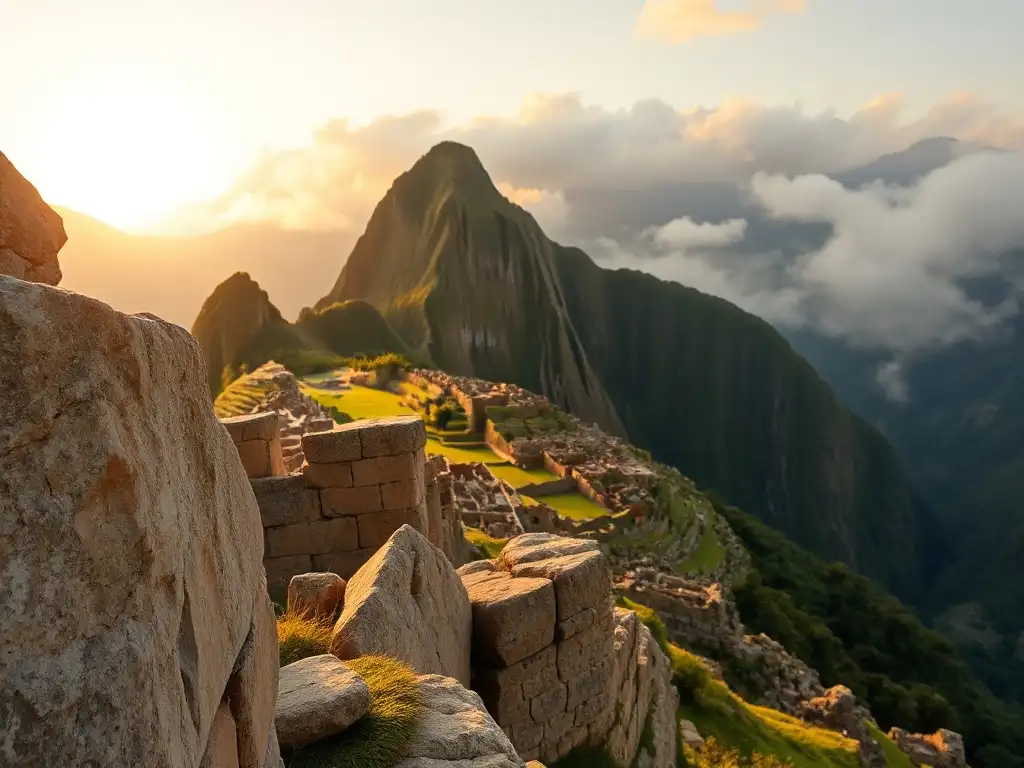
Step into a world lost to time, yet echoing with the whispers of a magnificent empire. Prepare to be amazed by the ingenuity of the Andean civilizations, where artistry and engineering converged to create wonders like no other. Discover the secrets behind the unparalleled stonework of Machu Picchu – unravel the mysteries of Inca Machu Picchu stonework techniques and witness the architectural genius that defied the very laws of gravity. Journey with us to explore the breathtaking legacy left behind...
Machu Picchu, the iconic "Lost City of the Incas," stands as a testament to the remarkable engineering prowess of the Inca civilization. This article delves into the sophisticated stonework techniques employed in its construction, revealing the ingenuity and precision that allowed the Incas to create such a breathtaking and enduring city high in the Andes Mountains. We will explore the intricacies of Inca stonecraft, examining the methods, tools, and materials used, and uncovering the secrets behind their seemingly impossible feats of architectural genius.
Understanding these techniques provides invaluable insight into the Inca worldview, their societal organization, and their mastery of their environment. This exploration of Inca Machu Picchu stonework techniques will reveal not just impressive construction, but a deeply interwoven relationship between human ingenuity and the challenging Andean landscape.
The Precision of Inca Stone Cutting and Fitting
The hallmark of Inca architecture, particularly at Machu Picchu, is the incredibly precise fitting of stones. These weren't simply placed together; they were meticulously shaped and interlocked with such accuracy that even a knife blade cannot be inserted between many of the joints. This level of precision was achieved through a combination of advanced techniques.
Evidence suggests the Incas used various types of stone hammers, chisels, and possibly even copper tools to shape the granite, andesite, and other hard stones used extensively in the construction. The process involved a significant amount of time and labor, reflecting the high value placed on craftsmanship within Inca society.
Archaeological findings show evidence of extensive quarries and workshops where the stones were initially shaped before being transported to the construction site. The sheer volume of perfectly fitted stones required for even a single building at Machu Picchu is staggering, highlighting the scale of organized labor and engineering involved.
Transportation of Massive Stone Blocks: A Feat of Logistics
Moving massive stone blocks up the steep, mountainous terrain to Machu Picchu presented a significant logistical challenge. While the exact methods remain a subject of ongoing research and debate, several theories propose the use of ramps, rollers, levers, and possibly even a rudimentary form of sleds or carts. The ingenuity of the Inca engineers is evident in their ability to overcome these obstacles. The strategic placement of quarries, the careful planning of pathways, and the efficient organization of labor all contributed to the successful transportation of these enormous stones.
Consider the weight and size of some of the stones – some weighing several tons – and the sheer verticality of the terrain. This achievement alone speaks volumes about Inca engineering capabilities and organizational skills. Further research into Inca rope technology and its strength might shed further light on the techniques they employed.
The Significance of Polygonal Masonry and its Functional Aspects
The iconic polygonal masonry, characterized by the use of irregularly shaped stones fitted together without mortar, is a defining feature of Inca architecture. This wasn't merely an aesthetic choice; it provided significant structural advantages. The irregular shapes allowed for a more stable and earthquake-resistant structure. This is particularly relevant given the seismic activity in the Andes region.
The interlocking nature of the stones meant that the weight of the structure was distributed more effectively, increasing its overall stability. Furthermore, the use of polygonal masonry allowed for the incorporation of stones of varying sizes and shapes, minimizing waste and maximizing the use of available materials. This efficient use of resources reflects the Inca's deep understanding of both engineering and environmental sustainability. The absence of mortar further underscores their mastery of stonework, as it relies entirely on the precision of the stone cutting and fitting.
Beyond Machu Picchu: Inca Stonecraft Across the Empire
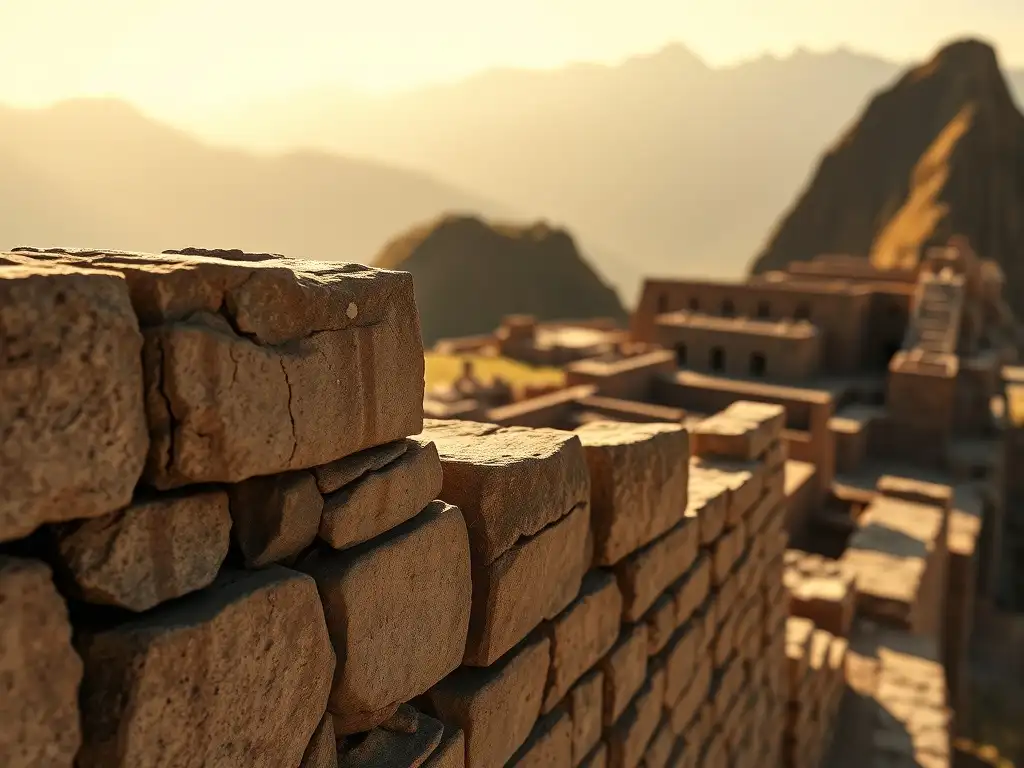
The mastery of stonework showcased at Machu Picchu was not unique to this site. Similar techniques and levels of precision can be observed in Inca constructions throughout the empire, from the impressive fortress of Sacsayhuamán near Cusco to smaller settlements and agricultural terraces across the Andes. This consistency highlights the widespread dissemination of knowledge and expertise within the Inca empire, suggesting a centralized system of training and standardized construction practices.
The broader understanding of Inca stonework techniques across various sites provides a more comprehensive picture of their engineering capabilities and their impact on the landscape. The similarities and subtle variations in techniques across different regions also offer valuable insights into regional adaptations and local variations within the broader Inca architectural style.
Unanswered Questions and Ongoing Research
Despite the significant advances in our understanding of Inca stonecraft, many questions remain unanswered. The exact tools used, the specific methods employed for transporting stones, and the detailed organization of labor still require further investigation. Ongoing archaeological research and advanced technological analyses continue to shed new light on these fascinating aspects of Inca engineering. Future discoveries may reveal even more sophisticated techniques and offer a deeper appreciation for the ingenuity of the Inca civilization. The mystery surrounding some aspects of Inca construction only adds to the enduring allure of Machu Picchu and the wider Inca empire.
- The Precision of Inca Stone Cutting and Fitting
- Transportation of Massive Stone Blocks: A Feat of Logistics
- The Significance of Polygonal Masonry and its Functional Aspects
- Beyond Machu Picchu: Inca Stonecraft Across the Empire
- Unanswered Questions and Ongoing Research
- What makes Inca stonework at Machu Picchu so unique?
- What techniques did the Incas use to achieve such precision in their stonework?
- How did the Incas transport massive stones to Machu Picchu's high altitude location?
- What is the significance of the different types of stone used at Machu Picchu?
- Beyond Machu Picchu, where else can we see examples of this impressive Inca stonework?
The Enigmatic Construction of Machu Picchu
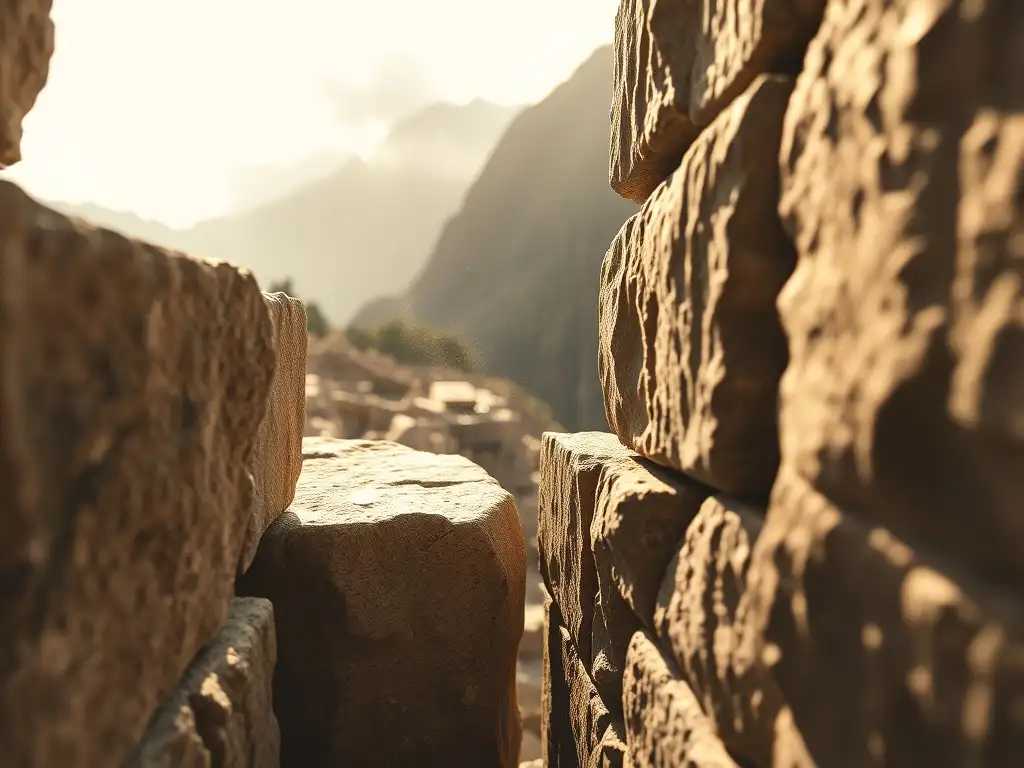
This section delves into the fascinating techniques employed by the Inca in constructing Machu Picchu, focusing on their mastery of stonework and architectural ingenuity. Understanding these methods reveals not only the impressive scale of their achievements but also their profound understanding of engineering principles and their deep connection to their environment. We will explore the specific methods used, the challenges overcome, and the enduring legacy of this remarkable site. The keyword phrase "Inca Machu Picchu stonework techniques" will be analyzed throughout the context of the site's construction.
Location and Strategic Importance of the Inca Citadel
Machu Picchu's location, high in the Andes Mountains, was far from arbitrary. The Inca strategically chose this site for its defensibility, access to resources, and its spiritual significance. Perched on a mountain ridge, the citadel offered commanding views of the surrounding Urubamba Valley, allowing for early detection of potential threats. This strategic positioning was crucial for the Inca, who were constantly managing relationships with other groups and defending their territory.
The abundance of water sources nearby, and fertile land in the valley below, ensured the city's self-sufficiency. Additionally, the location held significant spiritual importance, aligning with Inca cosmology and beliefs. The precise astronomical alignments of certain structures within Machu Picchu suggest a sophisticated understanding of celestial movements, further highlighting the multifaceted importance of its placement.
The meticulous selection of the location demonstrates the Inca’s advanced knowledge of geography, engineering, and their deep spiritual connection to their environment. This strategic choice directly influenced the design and construction of the city itself. The Inca Machu Picchu stonework techniques were therefore adapted to the difficult terrain.
Architectural Design and Urban Planning of Machu Picchu
Machu Picchu's architectural design reflects a sophisticated understanding of urban planning and engineering. The city was meticulously planned, with distinct residential areas, agricultural terraces, religious structures, and storage facilities. The Inca utilized a complex system of pathways and stairs to connect different sections of the citadel, efficiently integrating the built environment with the natural landscape. The famous Inca Machu Picchu stonework techniques were crucial in this integration.
The city’s layout was not haphazard; it followed a carefully considered plan that maximized space and functionality. The integration of agricultural terraces into the mountainside demonstrates an advanced understanding of water management and soil conservation, crucial for sustaining a population at such a high altitude. These terraces, built using precisely fitted stones, showcase the Inca's mastery of dry-stone construction, a technique requiring incredible precision and skill. The intricate network of water channels and fountains further highlights their expertise in hydraulic engineering.
The agricultural terraces, for instance, demonstrate how the Inca Machu Picchu stonework techniques were applied to practical needs, ensuring food security for the city's inhabitants. The careful planning and execution of the architectural design underscore the Inca’s advanced understanding of engineering principles, and their ability to seamlessly integrate their urban environment with the natural world. The precision and artistry of the stonework, a hallmark of Inca Machu Picchu stonework techniques, is evident throughout the city, from the grand temples to the humble dwellings.
Inca Stonework Techniques: The Foundation of Machu Picchu
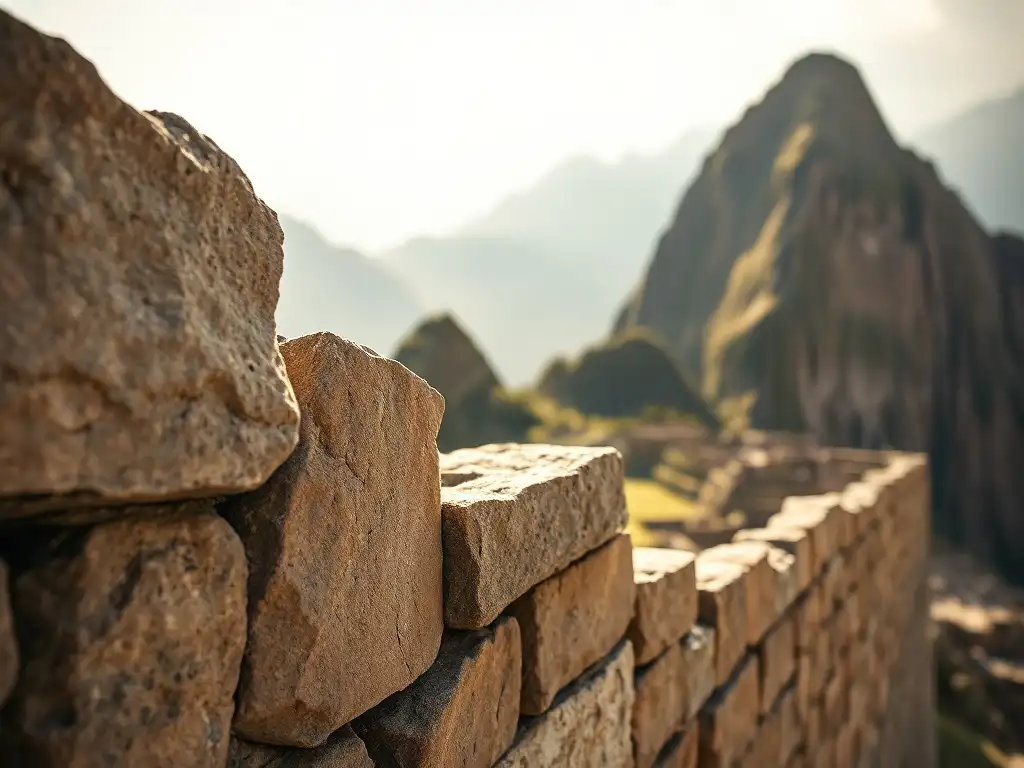
The breathtaking architecture of Machu Picchu stands as a testament to the Inca's mastery of stonework. Their ability to precisely cut, shape, transport, and assemble massive stones without mortar remains a source of wonder and ongoing research, solidifying the site's position as an unparalleled example of Inca Machu Picchu stonework techniques. This section delves into the specific techniques employed, revealing the ingenuity and skill behind this remarkable feat of engineering.
Precision Stone Cutting and Shaping Using Bronze Tools
Contrary to popular belief, the Inca did not possess iron tools. Their remarkable stonework was achieved primarily using bronze tools, along with stone hammers and chisels. The precision evident in the perfectly fitted stones of Machu Picchu suggests a sophisticated understanding of metallurgy and stoneworking techniques. Archaeological evidence reveals that Inca artisans meticulously shaped stones using a combination of techniques. They likely started by roughing out the stones using larger, heavier bronze tools, followed by finer shaping with smaller, more precise instruments. The process was iterative, with continuous adjustments and refinements to achieve the desired fit and shape.
The level of precision is astounding. Many stones fit together so tightly that a knife blade cannot be inserted between them. This level of accuracy wasn't just aesthetic; it was crucial for the structural integrity of the buildings.
The absence of mortar meant that the stones had to interlock perfectly to withstand earthquakes and the elements. This required not only exceptional skill but also a deep understanding of the properties of stone and the principles of structural engineering. Further research into the specific alloys used in their bronze tools and the techniques employed in their manufacture could significantly enhance our understanding of Inca Machu Picchu stonework techniques.
The Use of Ashlar Masonry in Inca Architecture
The Inca's signature style, ashlar masonry, is prominently displayed at Machu Picchu. Ashlar masonry involves the use of precisely cut, rectangular blocks of stone, carefully fitted together without mortar. The stones themselves are often incredibly large, weighing several tons. The remarkable aspect is not only the size of the stones but also their seamless integration. The surfaces are often so precisely cut and shaped that they create incredibly tight joints, often described as "perfectly fitting" or "interlocking."
This technique required a deep understanding of geometry and engineering. The Inca masons demonstrated a remarkable ability to create complex shapes and angles, fitting stones together with astonishing accuracy. The use of ashlar masonry allowed for the creation of incredibly strong and stable structures, capable of withstanding the test of time and the forces of nature.
The walls of Machu Picchu stand as powerful examples of this mastery, showcasing the Inca's sophisticated understanding of both artistry and engineering in their Inca Machu Picchu stonework techniques. Variations in ashlar masonry can be observed throughout the site, reflecting potential regional differences or evolving techniques over time. Further study of these variations could yield valuable insights into the organization and evolution of Inca stoneworking practices.
Transporting and Lifting Heavy Stones with Ramps and Levers
Moving massive stones across challenging terrain to the construction site presented a significant logistical challenge. The Inca engineers employed ingenious methods to overcome this obstacle, utilizing a combination of ramps, levers, rollers, and human power. The precise methods remain partially shrouded in mystery, but evidence suggests a system of carefully constructed ramps, possibly made of earth and timber, to transport the stones uphill.
The use of levers and rollers allowed workers to move the stones more easily along these ramps. This system, combined with the sheer number of workers, allowed the Inca to transport incredibly heavy stones over long distances. Once at the construction site, levers and possibly ropes and pulleys were used to lift and position the stones into place. The intricate fitting of the stones suggests a highly organized and coordinated workforce with a deep understanding of mechanical principles.
The scale of the operation is impressive, requiring meticulous planning and execution. While the exact details of the Inca's methods remain unclear, the impressive results speak volumes about their engineering prowess and their understanding of efficient methods in Inca Machu Picchu stonework techniques. Further research is needed to fully understand the logistics and manpower involved in this impressive feat of engineering.
Advanced Engineering in Inca Machu Picchu
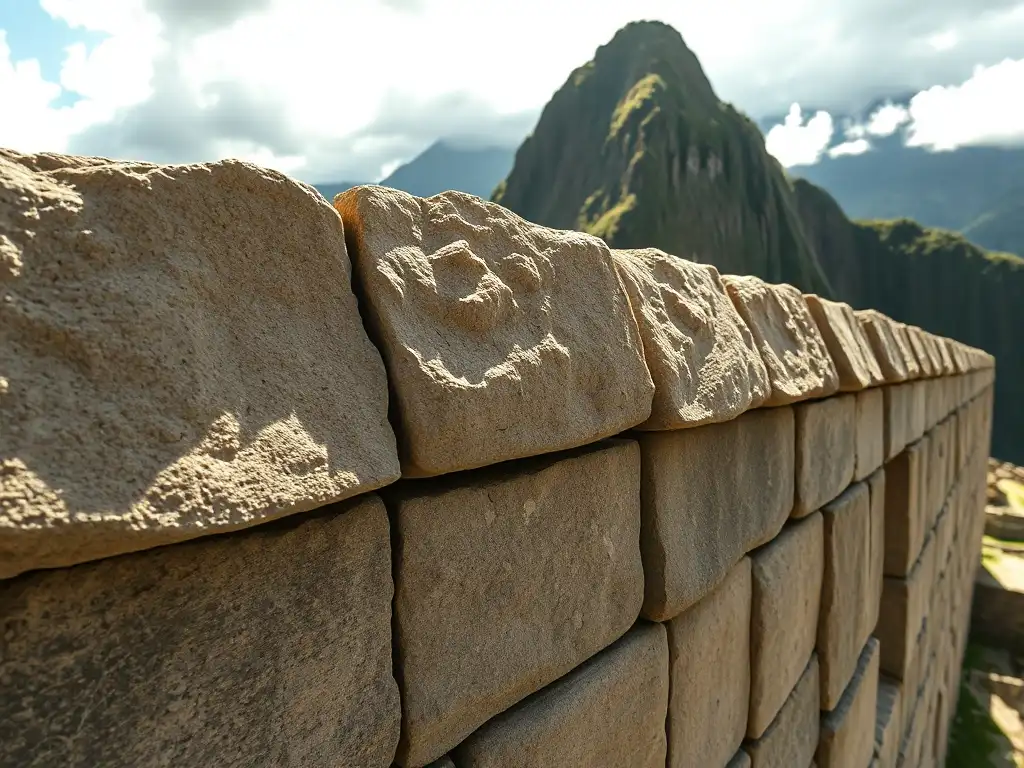
This section delves into the sophisticated engineering techniques employed by the Inca in constructing Machu Picchu, focusing specifically on their mastery of stonework and architectural ingenuity. The site's remarkable survival, even after centuries of exposure to the elements, is a testament to the advanced understanding of structural engineering and environmental factors possessed by these ancient builders.
The precision and innovation evident in Machu Picchu's construction continue to inspire awe and wonder, prompting ongoing research and study into Inca building practices. The keyword phrase "Inca Machu Picchu stonework techniques" is central to understanding the impressive feats achieved at this iconic site.
Terracing for Agriculture and Soil Conservation
The Incas' agricultural prowess is inextricably linked to their mastery of terracing. At Machu Picchu, the steep mountain slopes were transformed into a network of meticulously crafted terraces, maximizing arable land and minimizing soil erosion. These terraces weren't simply cut into the hillside; they were carefully designed and constructed using a combination of dry-stone walling techniques and sophisticated water management systems. The terraces' varying sizes and orientations reflect a deep understanding of the local topography and microclimates. This allowed the Incas to cultivate a diverse range of crops, ensuring food security for the population of Machu Picchu.
The construction involved selecting stones of varying sizes and shapes, fitting them together with remarkable precision without the use of mortar. This dry-stone walling technique, a hallmark of Inca engineering, created incredibly strong and stable retaining walls that could withstand the pressures of the soil and the elements. The terraces themselves were often further reinforced with strategically placed drainage channels to prevent waterlogging and soil erosion.
Agricultural success at Machu Picchu was not simply a matter of luck; it was the result of careful planning, meticulous execution, and a deep understanding of both agricultural principles and engineering solutions. The efficiency of this system is evident even today, with many of the terraces still remarkably intact. The ingenious Inca Machu Picchu stonework techniques used in the terraces are a clear example of sustainable agricultural practices that were far ahead of their time.
Water Management Systems for Irrigation and Drainage
Machu Picchu's sophisticated water management system is another testament to Inca engineering ingenuity. The Incas cleverly harnessed the mountain's natural water sources, creating a network of canals, aqueducts, and fountains that provided a reliable supply of fresh water for drinking, irrigation, and sanitation. These systems were incredibly efficient, utilizing gravity to transport water across the site with minimal energy expenditure. The water channels were meticulously carved into the rock, showcasing the Inca's skill in stonework and their understanding of hydraulics.
The precision of the water channels is astounding. Many were lined with carefully fitted stones to ensure a smooth flow of water, minimizing leakage and maximizing efficiency. Overflow channels and strategically placed spillways prevented flooding, demonstrating a sophisticated understanding of water control. Furthermore, the Incas incorporated purification systems into their water management, ensuring the water's cleanliness and safety for consumption.
The integration of these systems with the agricultural terraces ensured that the water was distributed effectively to irrigate the crops. The design and implementation of the water management systems at Machu Picchu are considered a prime example of Inca Machu Picchu stonework techniques applied to a critical infrastructural system. The system’s longevity, even without modern materials or technology, highlights the builders' exceptional expertise.
Structural Stability and Earthquake-Resistant Design
The remarkable stability of Machu Picchu's structures, even in a seismically active region, is a testament to the Incas' understanding of earthquake-resistant design. Their buildings were not simply constructed; they were engineered to withstand the forces of nature. The Inca Machu Picchu stonework techniques used in the construction of the buildings included the use of carefully selected, interlocking stones that could absorb seismic energy. The stones were often shaped to fit together perfectly, creating a strong, flexible structure.
The use of dry-stone walling, without mortar, was crucial to the buildings' seismic resilience. This technique allowed the walls to shift slightly during an earthquake, absorbing the energy and preventing catastrophic collapse. The incorporation of different stone sizes and shapes further enhanced the flexibility of the structures. The foundations of the buildings were also carefully designed, often incorporating multiple layers of stones and deep foundations to anchor the structures to the bedrock.
The Inca's understanding of engineering principles, combined with their mastery of stonework, resulted in buildings that have withstood the test of time and numerous earthquakes. This sophisticated approach to structural engineering significantly contributed to the longevity and survival of Machu Picchu. The ingenuity of the Inca Machu Picchu stonework techniques in earthquake-resistant design is a testament to their advanced knowledge and understanding of structural mechanics.
The Significance of Inca Engineering at Machu Picchu
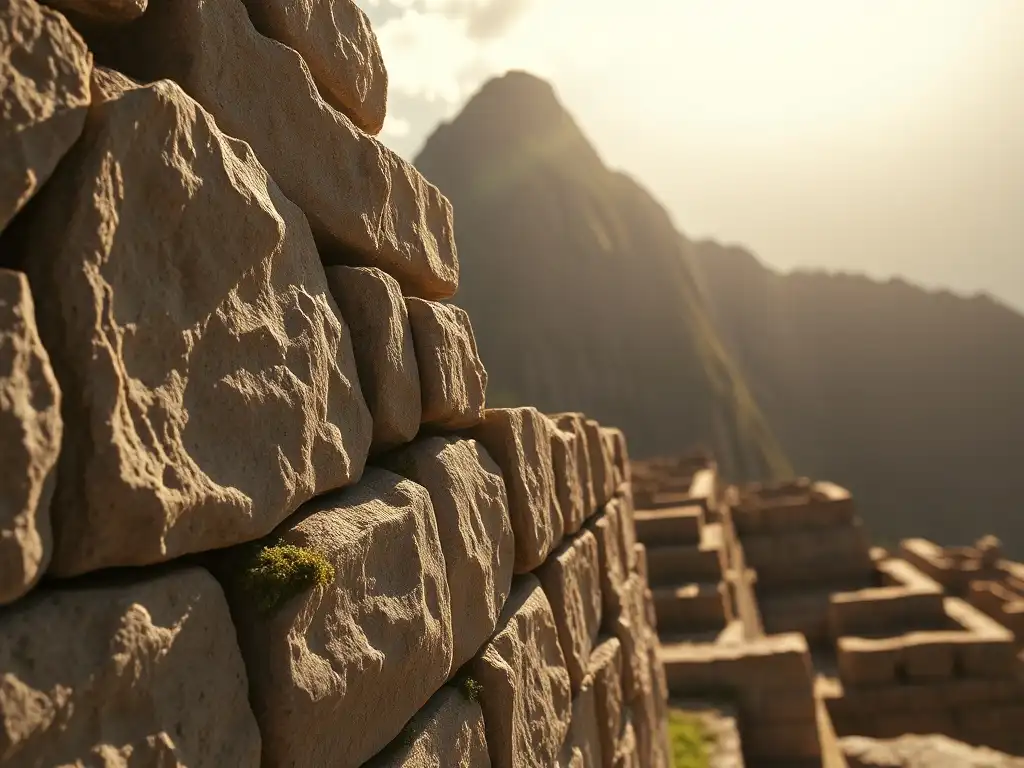
Machu Picchu stands as a testament to the advanced engineering prowess of the Inca civilization. Its construction, perched high in the Andes Mountains, showcases a sophisticated understanding of Inca Machu Picchu stonework techniques, terracing, and structural integrity, pushing the boundaries of their architectural capabilities. The precision and artistry displayed in the stonework are unparalleled, reflecting not only exceptional craftsmanship but also a deep understanding of the environment and the challenges it presented.
The site's survival for centuries, despite seismic activity and harsh weather conditions, is a direct result of the Inca's mastery of engineering principles. Understanding the significance of Machu Picchu's engineering is crucial to appreciating the broader achievements of the Inca Empire and their innovative approach to construction. The precision and complexity involved in the Inca Machu Picchu stonework techniques highlight their advanced knowledge of engineering principles.
The Role of Inca Engineers and Specialized Labor
The construction of Machu Picchu wasn't a haphazard undertaking; it involved meticulous planning and the expertise of highly specialized Inca labor. Evidence suggests a hierarchical structure within the workforce, with engineers overseeing the project and skilled masons, stonecutters, and laborers carrying out the specific tasks. Inca engineers likely used sophisticated surveying techniques to determine the optimal locations for buildings and terraces, considering factors such as drainage, stability, and access to resources.
They likely employed advanced knowledge of astronomy to align structures with celestial events, further underscoring their expertise. The organization and management of this large-scale project required intricate logistics and a deep understanding of resource allocation.
This sophisticated labor system contributed significantly to the successful completion of Machu Picchu, showcasing the Inca's ability to mobilize and manage vast human resources for ambitious construction projects. The precise fitting of stones, requiring minimal mortar, speaks to the skill and precision of these specialized workers.
Machu Picchu as a Monument to Inca Engineering Skill
Machu Picchu’s enduring legacy isn't just about its beauty; it's a powerful symbol of Inca engineering skill. The integration of the city with its environment—the seamless blending of architecture and landscape—is a remarkable feat. The intricate system of terraces, carved into the mountainside, served not only agricultural purposes but also helped to stabilize the slopes, preventing erosion and landslides.
The sophisticated drainage systems, incorporated into the stonework, efficiently channeled rainwater away from the structures, protecting them from damage. The precise fitting of stones, some weighing several tons, without the use of mortar, is a testament to the Inca's mastery of dry-stone construction. This level of precision is rarely seen in other ancient civilizations and speaks to their advanced understanding of physics and engineering principles.
Machu Picchu, therefore, stands as a monumental achievement, showcasing the pinnacle of Inca engineering capabilities and their ability to overcome significant environmental challenges. The Inca's innovative solutions to these challenges continue to inspire engineers and architects today.
Comparison with Ollantaytambo's Stone Construction
While Machu Picchu showcases remarkable Inca Machu Picchu stonework techniques, comparing it to other Inca sites like Ollantaytambo provides further insights into their engineering capabilities. Ollantaytambo, known for its massive stone blocks and impressive terraces, demonstrates a similar level of precision and mastery of dry-stone construction. However, the scale and complexity of the stonework at Ollantaytambo often differ from Machu Picchu.
Ollantaytambo's gigantic stones, some weighing over 100 tons, represent a different engineering challenge, requiring different techniques and possibly different tools. While both sites highlight the Inca's understanding of stone manipulation and structural integrity, the specific challenges and solutions employed varied depending on the site's unique geological and environmental context. This comparison underscores the adaptability and versatility of Inca engineering practices, showcasing their ability to adapt their techniques to different terrains and challenges.
Further research is needed to fully understand the subtle differences in Inca Machu Picchu stonework techniques and those employed at Ollantaytambo, and to determine the extent to which specialized knowledge was shared between different construction projects. Analyzing these differences could reveal additional insights into the evolution of Inca engineering practices.
Unveiling the Secrets of Inca Masonry at Machu Picchu
Machu Picchu stands as a testament to the unparalleled engineering prowess of the Inca civilization. Its iconic stonework, seamlessly fitted without mortar, continues to captivate and inspire awe. Understanding the techniques employed by Inca masons requires a deep dive into their methods, materials, and the enduring legacy of their artistry. This section will explore the intricacies of Inca Machu Picchu stonework techniques, focusing on the scientific analysis of the stones themselves and the lasting impact of their engineering achievements.
Scientific Analysis of Stone Composition and Construction
The precision and artistry of Inca stonework are immediately apparent, but the underlying scientific principles are equally fascinating. Analysis of the stones used in Machu Picchu reveals a strategic selection based on both availability and properties. Granite, andesite, and diorite—all readily accessible in the surrounding mountains—were carefully chosen for their durability and resistance to weathering.
The specific composition of each stone type, including mineral content and density, directly impacted its suitability for different structural components. For instance, harder, denser stones were likely favored for load-bearing walls and foundations, while softer stones may have been used for less structurally critical areas.
Further scientific investigation into the construction methods reveals a sophisticated understanding of engineering principles. The stones were not simply placed together; they were meticulously shaped and fitted to interlock perfectly, creating a remarkably stable structure capable of withstanding earthquakes and other natural disasters. This technique, often referred to as ashlar masonry, involved precise cutting and shaping of the stones to create incredibly tight joints. The precision is so remarkable that even a knife blade cannot be inserted between many of the stones.
This level of accuracy required sophisticated tools and a deep understanding of geometry and engineering. Evidence suggests that Inca masons employed various tools, including copper chisels, hammers, and possibly even rudimentary versions of saws, to achieve this level of precision. The absence of mortar further highlights the mastery of the dry-stone construction technique. The weight and interlock of the stones themselves provided the structural integrity.
The Inca's understanding of stone properties extended beyond simply selecting the right material. They also demonstrated a keen awareness of the importance of proper foundation construction. Many structures at Machu Picchu are built on carefully prepared foundations, often incorporating layers of smaller stones and drainage systems to ensure stability and prevent erosion. This attention to detail is a key factor in the enduring resilience of the site. The combination of superior stone selection, precise cutting techniques, and thoughtful foundation design resulted in structures that have stood the test of time, showcasing the advanced engineering capabilities of the Inca civilization.
The Enduring Legacy of Inca Engineering in the Andes
The Inca Machu Picchu stonework techniques were not confined to a single site. Similar construction methods and architectural styles are evident throughout the Andes, showcasing the widespread dissemination of this sophisticated knowledge. From Ollantaytambo's impressive terraces to Sacsayhuamán's cyclopean walls, the legacy of Inca engineering endures, a testament to the ingenuity and skill of the Inca masons. This legacy extends beyond mere aesthetics; it reflects a deep understanding of geology, engineering, and sustainable construction practices.
The impressive durability of Inca structures, even in the face of seismic activity and environmental challenges, speaks volumes about the quality of their workmanship and the foresight embedded in their designs. Their methods continue to inspire architects and engineers today, prompting research into sustainable and earthquake-resistant building techniques. The study of Inca stonework offers valuable insights into ancient construction methods and provides a rich source of inspiration for modern engineering practices.
The meticulous precision and innovative techniques employed by Inca artisans continue to fascinate and inspire, leaving an indelible mark on the field of engineering and a powerful legacy in the Andes. The study of Inca Machu Picchu stonework techniques is not just an exploration of the past; it's a window into the future of sustainable and resilient construction.
Frequently Asked Questions
What makes Inca stonework at Machu Picchu so unique?
Inca stonework is renowned for its precise fit and lack of mortar. Stones are shaped so perfectly that a knife blade can't fit between them, showcasing exceptional craftsmanship and engineering.
What techniques did the Incas use to achieve such precision in their stonework?
The Incas employed various techniques, including precise cutting and shaping of stones, advanced knowledge of geology, and likely sophisticated tools we are still uncovering. Their methods remain partially mysterious.
How did the Incas transport massive stones to Machu Picchu's high altitude location?
The exact methods are still debated, but theories involve systems of ramps, rollers, and possibly even human and animal power. The ingenuity required is truly remarkable.
What is the significance of the different types of stone used at Machu Picchu?
The Incas strategically selected stones based on their durability and aesthetic qualities. Different types of stone were used for different purposes, reflecting both practical and symbolic considerations.
Beyond Machu Picchu, where else can we see examples of this impressive Inca stonework?
Many other Inca sites, such as Sacsayhuamán near Cusco and Ollantaytambo, exhibit similarly impressive stonework, demonstrating the widespread mastery of these advanced techniques throughout the Inca Empire.
Final Reflection: Echoes of Ingenuity: Machu Picchu's Enduring Legacy
The precision and artistry of Inca stonecraft at Machu Picchu remain a testament to human ingenuity, a feat of engineering that continues to inspire awe and challenge our understanding of ancient civilizations. This isn't simply a historical curiosity; it's a powerful reminder of the potential for human innovation and the enduring strength of cultural heritage in the face of time and the elements. The meticulous detail and innovative techniques employed in constructing Machu Picchu offer valuable lessons in sustainable building practices and resourcefulness, lessons that are increasingly relevant in our modern world.
The impact of Machu Picchu's stonework extends far beyond its physical presence; it resonates deeply within our cultural consciousness, shaping our perceptions of ancient societies and their capabilities. The site's enduring allure speaks to a universal human fascination with mastery and beauty. The past is never dead. It's not even past,
wrote William Faulkner, and the enduring presence of Machu Picchu, a testament to the Inca's skill, powerfully reinforces this sentiment. Its stones whisper stories of a sophisticated civilization, challenging simplistic narratives and enriching our understanding of the past.
Consider the intricate joints, the perfectly fitted stones, the seamless integration with the landscape – these are not merely architectural achievements; they are expressions of a profound connection between humanity and nature. You, the reader, are now invited to reflect on the ingenuity displayed at Machu Picchu. How can we, in our own lives and communities, embrace a similar spirit of innovation, precision, and respect for both our environment and our shared heritage? Let the echoes of this ancient ingenuity inspire you to build a more sustainable and beautiful future.
Unveil the Secrets of Machu Picchu!
Thank you for exploring the incredible engineering marvels of Machu Picchu with us! The rich history of Inca stonecraft and architecture offers countless wonders, and we invite you to delve deeper into this fascinating subject.
Here are some ways to expand your knowledge and share your passion for these ancient achievements:
- **Visit Machu Picchu:** Plan a trip to experience the mystical beauty of this site firsthand. Imagine feeling the energy of the Inca civilization as you stand amongst these ancient stones!
- **Join a Community:** Connect with fellow history enthusiasts in our online forum dedicated to Andean Civilizations. Share your insights, learn from others, and participate in lively discussions.
- **Share Your Discoveries:** Share your fascination with Inca architecture by writing a blog post or creating a video. Tag us so the community can join the conversation!
As you begin your journey of discovery, we encourage you to reflect: **What aspect of Machu Picchu's engineering most captivates you, and what methods will you use to further your understanding? **