
The Best Time to Visit Machu Picchu: Planning Your Andean Adventure

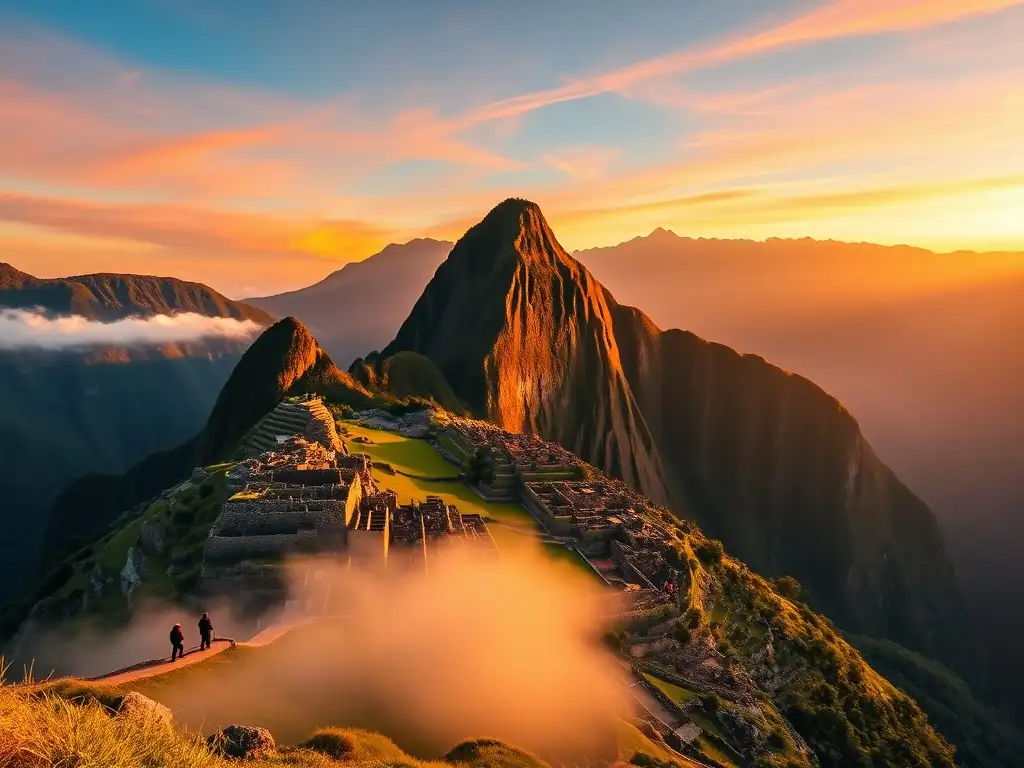
Step into a world lost to time, yet echoing with the whispers of empires. Imagine yourself standing amidst the breathtaking majesty of Machu Picchu, a pinnacle of Inca ingenuity. But when is the ideal moment to embark on this unforgettable Andean adventure? Discover the secrets to planning your perfect journey and uncover the best time to visit Machu Picchu – the key to unlocking the heart of the Inca Empire awaits.
Machu Picchu, the iconic lost city of the Incas, perched high in the Andes Mountains, draws millions of visitors each year. But the experience of exploring this breathtaking citadel is profoundly impacted by the time of year you choose to visit.
This comprehensive guide will help you determine the best time to visit Machu Picchu, considering the unique climatic conditions of the region and the resulting impact on your travel experience. We'll delve into the advantages and disadvantages of each season, helping you plan your Andean adventure to maximize your enjoyment and minimize potential disruptions.
Understanding the nuances of Machu Picchu's climate is key to unlocking the best possible visit, ensuring you fully appreciate the majesty of this UNESCO World Heritage site and the rich history it represents. Choosing the right time to visit is crucial for navigating the crowds, experiencing optimal weather conditions, and appreciating the full splendor of the Inca citadel.
Understanding Machu Picchu's Climate and Seasons
Machu Picchu's climate is significantly influenced by its high altitude and location within the Andes. The area experiences two distinct seasons: a dry season and a wet season. These seasons dramatically affect accessibility, crowd levels, and overall weather conditions. The dry season, generally running from April to October, is characterized by sunny skies and lower rainfall, making it the most popular time to visit. Conversely, the wet season (November to March) brings increased rainfall, potential landslides, and sometimes trail closures.
However, the wet season also offers a different, often less crowded, perspective on the site, with lush greenery and fewer tourists. Understanding these contrasting seasons is paramount to planning a successful trip. The following sections will break down the advantages and disadvantages of each, providing a clearer picture to aid your decision-making process. Remember that even within these seasons, microclimates exist, so packing layers is always recommended.
The Dry Season: Peak Season for Visiting Machu Picchu
The dry season (April to October) is undeniably the most popular time to visit Machu Picchu. This is largely due to the consistently pleasant weather, making hiking and exploring the site far more comfortable. The clear skies also offer stunning views of the surrounding Andes Mountains and the Urubamba River valley below. However, this popularity comes with its own set of considerations.
Advantages of Visiting Machu Picchu During the Dry Season
- Pleasant Weather: Expect mostly sunny days with lower humidity and comfortable temperatures, ideal for exploring the ruins.
- Clear Views: The clear skies provide breathtaking panoramic views of the surrounding landscape.
- Improved Accessibility: Trails are generally open and accessible, with less risk of landslides or trail closures.
- More Activities Available: More tours and activities are available during the peak season.
Disadvantages of Traveling to Machu Picchu in the Dry Season
- Higher Prices: Accommodation, flights, and tour prices are significantly higher during the dry season due to high demand.
- Larger Crowds: Expect significantly larger crowds at the site, potentially impacting your experience and photo opportunities.
- Booking in Advance is Essential: You must book your train tickets, accommodation, and tours well in advance to secure your spot.
- Potential for Sunburn: The strong sun at high altitude can lead to sunburn, so sunscreen and a hat are essential.
The Rainy Season: An Alternative Perspective on Machu Picchu
The rainy season in Machu Picchu, generally spanning from November to March, is often overlooked by tourists. However, this period offers a unique and rewarding experience for adventurous travelers willing to embrace the elements. While the increased rainfall might deter some, it also presents a quieter, less crowded Machu Picchu, allowing for a more intimate connection with the ancient site. The lush greenery explodes with vibrant life, transforming the landscape into a breathtaking spectacle.
The misty mountain backdrop adds a mystical ambiance, enhancing the overall experience. The lower tourist numbers translate to shorter queues and a more relaxed pace of exploration, allowing visitors to truly appreciate the intricate details of the ruins. Furthermore, the lower prices on accommodations and tours during this season can make it a surprisingly budget-friendly option for those seeking a more affordable Andean adventure.
Benefits of Experiencing Machu Picchu in the Rainy Season
- Fewer Crowds: This is perhaps the most significant advantage. The reduced number of visitors allows for a more peaceful and contemplative experience, providing ample opportunity for photography without the constant jostling for space. You can truly immerse yourself in the history and atmosphere of the site.
- Lush Greenery: The rains transform the landscape, painting the mountainsides in vivid shades of green. The flora is at its most vibrant, creating a stunning backdrop for your Machu Picchu exploration.
- Lower Prices: Accommodation and tour prices often drop significantly during the rainy season, making it an economically advantageous time to visit.
- Unique Atmosphere: The misty mountain air and the sound of the rain create a mystical and almost spiritual ambiance, enhancing the overall experience and adding a unique character to your memories.
- Potential for Discounts: Some tour operators and hotels offer discounted rates to entice visitors during the less popular months.
Challenges of Visiting Machu Picchu During the Rainy Season
While the rainy season offers unique advantages, it's crucial to be prepared for certain challenges. The most obvious is the rain itself. Expect frequent showers, sometimes heavy, which can make navigating the uneven paths and stone steps challenging. Proper waterproof gear, including a reliable raincoat and sturdy waterproof hiking boots, is absolutely essential.
The trails can become muddy and slippery, increasing the risk of falls. Furthermore, some trails may be temporarily closed due to landslides or flooding. Finally, the persistent cloud cover can sometimes limit visibility, obscuring some of the panoramic views. Careful planning and preparation are crucial to mitigating these potential drawbacks.
Shoulder Seasons: The Best of Both Worlds for Machu Picchu
The shoulder seasons—spring (March-May) and autumn (September-November)—represent the optimal time to visit Machu Picchu for many travelers. These periods offer a delightful balance between pleasant weather and manageable crowds, providing the best of both worlds. The rain showers are less frequent and less intense than during the rainy season, while the crowds are significantly smaller than during the peak summer months. The weather is generally mild and comfortable, making for enjoyable hiking and exploration.
Spring (March-May): A Good Time to Visit Machu Picchu
Spring in Machu Picchu ushers in warmer temperatures and clearer skies, following the rainy season. The landscape is vibrant and lush, having benefited from the recent rains. While some showers are still possible, they are usually brief and less disruptive than in the heart of the rainy season. The crowds are generally manageable, allowing for a more relaxed and enjoyable experience. The blooming flora adds a spectacular visual feast, enhancing the beauty of the ancient site. This time of year offers a great balance between pleasant weather and manageable crowds.
Autumn (September-November): Another Ideal Window for Machu Picchu Travel
Autumn presents another excellent window for visiting Machu Picchu. The weather is generally dry and sunny, with warm days and cool nights. The crowds are still relatively small compared to the peak summer months, offering a more intimate and less chaotic experience. The scenery is spectacular, with vibrant colors adding to the overall beauty of the site. The days are often sunny and clear, providing stunning views of the surrounding mountains and valleys. This period presents a wonderful opportunity to fully appreciate the magnificence of Machu Picchu without the overwhelming crowds of the peak season.
Month-by-Month Breakdown for Planning Your Machu Picchu Trip
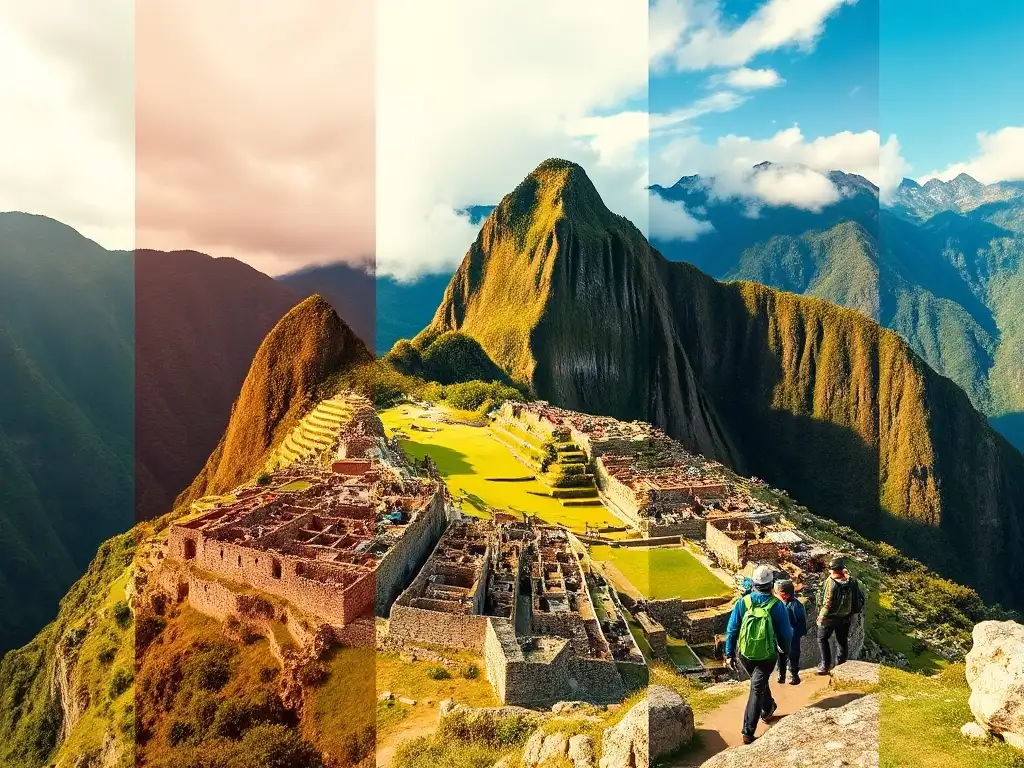
Visiting Machu Picchu in January and February
January and February fall within the rainy season in the Andes. Expect frequent showers, sometimes heavy, and higher humidity. While this might deter some, the lush greenery and vibrant landscapes are at their most spectacular during these months. The upside is fewer crowds compared to the dry season, making for a more intimate experience exploring the ancient ruins. However, be prepared for potential trail closures due to mudslides or flooding.
Packing appropriate rain gear—a waterproof jacket, sturdy hiking boots, and a poncho—is absolutely essential. Consider bringing trekking poles for added stability on potentially slippery paths. Remember to check weather forecasts regularly, as conditions can change rapidly in the mountains. The trade-off is a more adventurous, less crowded, and visually stunning experience.
Exploring Machu Picchu in March and April
March and April mark the transition from the rainy to the dry season. While showers are still possible, they tend to be less frequent and less intense. The weather becomes progressively warmer and sunnier, making for pleasant hiking conditions. The landscape continues to be vibrant and green, though perhaps slightly less so than in the peak rainy months.
This shoulder season offers a sweet spot—a good balance between pleasant weather and manageable crowds. You'll find a better chance of clear skies for those iconic Machu Picchu photographs, while still avoiding the peak season throngs. It's an excellent time for those seeking a comfortable and less crowded experience.
Discovering Machu Picchu in May and June
May and June are within the dry season, presenting generally sunny and warm days with crisp, cool nights. This is a popular time to visit, so expect larger crowds and higher prices for accommodation and tours. The trails are usually dry and well-maintained, making for enjoyable hiking.
The clear skies provide stunning views of the surrounding mountains and the ancient city itself. However, the increased tourist presence means booking accommodations and tours well in advance is critical, potentially months ahead, especially if you're traveling during peak weeks. Consider purchasing your entrance tickets online to avoid long queues at the site.
Experiencing Machu Picchu in July and August
July and August are considered peak season, meaning the highest number of tourists and consequently, the highest prices. The weather is generally dry and sunny, ideal for exploring the ruins. However, prepare for significant crowds at the site, often requiring patience and strategic planning to navigate the popular viewpoints and trails. Booking accommodations and tours well in advance is absolutely essential; last-minute trips are unlikely to be successful. Consider early morning or late afternoon visits to avoid the busiest times of the day. This period offers the best weather but requires meticulous planning and a higher budget.
Touring Machu Picchu in September and October
September and October continue the dry season, offering warm, sunny days with pleasant temperatures. While still popular, the crowds tend to be slightly smaller than in July and August, making for a more manageable experience. The weather conditions are generally excellent for hiking and exploring, making it a great choice for those seeking a balance between pleasant weather and manageable crowds. Prices for accommodation and tours will likely be lower than in the peak months but still higher than the rainy season. This period offers a good compromise between pleasant weather and manageable crowds.
Seeing Machu Picchu in November and December
November and December begin the transition back to the rainy season. While you can still experience sunny days, showers become more frequent, and humidity increases. Crowds are generally smaller, resulting in a more peaceful exploration of the site. However, be prepared for the possibility of rain and pack accordingly. Prices for accommodation and tours are likely to be lower than during the peak season. This period provides a unique blend of potential rain, fewer crowds, and lower prices.
Considerations Beyond Weather: Factors Influencing Your Machu Picchu Visit
Altitude and Acclimatization Before Your Machu Picchu Trip
Machu Picchu sits at a significant altitude, and altitude sickness can affect even the fittest travelers. Acclimatizing to the altitude before embarking on strenuous activities is crucial. Spend a few days at a lower altitude in Cusco or the Sacred Valley before heading to Machu Picchu to allow your body to adjust. Drink plenty of water, avoid alcohol and excessive exertion, and consider using coca tea, a traditional Andean remedy for altitude sickness. Ignoring acclimatization can severely impact your trip, potentially leading to serious health issues. Prioritize your health and plan accordingly.
Crowds and Ticket Availability for Machu Picchu
The best time to visit Machu Picchu to minimize crowds is during the rainy season (November-March), though be prepared for potential trail closures. However, even during the off-season, purchasing tickets in advance is essential. The official website frequently sells out, particularly for the popular Huayna Picchu and Machu Picchu Mountain hikes. Consider alternative hikes or exploring the site at less popular times of day to avoid the largest crowds. Planning ahead is crucial for a smooth and enjoyable experience.
Special Events and Festivals Near Machu Picchu
The region surrounding Machu Picchu hosts several festivals throughout the year. These events can add a unique cultural dimension to your trip but may also attract larger crowds. Researching local festivals and planning your visit accordingly can enhance your experience. However, be aware that these events might impact accessibility to certain areas or increase accommodation prices. Check local event calendars and adjust your plans accordingly.
Cost and Budgeting for Your Machu Picchu Adventure
The cost of visiting Machu Picchu can vary greatly depending on the time of year, your travel style, and the type of accommodation and tours you choose. Peak season (June-August) is the most expensive time to visit. Budgeting for flights, accommodation, entrance fees, tours, food, and transportation is essential. Consider different accommodation options, from budget-friendly hostels to luxury hotels, to fit your budget. Thorough budgeting is crucial for a stress-free and enjoyable trip. Factor in potential unexpected costs, such as emergency medical expenses.
Choosing the Right Time for Your Machu Picchu Experience: A Summary
Planning a trip to Machu Picchu requires careful consideration of the weather and crowds. The best time to visit Machu Picchu balances pleasant weather with manageable visitor numbers. Generally, the dry season (May to September) offers the best weather, with sunny skies and minimal rainfall. However, this is also the peak tourist season, meaning higher prices and more competition for accommodations and tours.
You'll find fewer crowds and lower prices during the shoulder seasons (April and October), though you might encounter some rain. The wet season (November to March) brings heavy rainfall and potential trail closures, making it less ideal for a visit, although the lush greenery is undeniably beautiful. The decision ultimately depends on your priorities: prioritizing optimal weather or minimizing crowds and costs. Consider what aspects of your Machu Picchu experience are most important to you – clear views, budget, or a less crowded experience – to determine the ideal time for your visit.
Weighing these factors carefully will ensure a truly unforgettable Andean adventure. Remember that even during the dry season, unpredictable weather can occur, so packing layers and appropriate rain gear is always recommended. No matter when you choose to go, the majestic beauty of Machu Picchu will undoubtedly leave a lasting impression.
- Understanding Machu Picchu's Climate and Seasons
- The Dry Season: Peak Season for Visiting Machu Picchu
- The Rainy Season: An Alternative Perspective on Machu Picchu
- Shoulder Seasons: The Best of Both Worlds for Machu Picchu
- Month-by-Month Breakdown for Planning Your Machu Picchu Trip
- Considerations Beyond Weather: Factors Influencing Your Machu Picchu Visit
- Choosing the Right Time for Your Machu Picchu Experience: A Summary
Frequently Asked Questions
What is the best time to visit Machu Picchu?
The best time to visit Machu Picchu is during the dry season, between May and September. Expect pleasant weather and fewer crowds compared to other times of the year.
Are there any downsides to visiting during the dry season?
Yes, the dry season is also the peak tourist season, meaning higher prices and more competition for bookings. Consider booking well in advance.
What is the weather like during the wet season?
The wet season (October to April) brings frequent rain and potential trail closures. While you might encounter fewer crowds, the weather can significantly impact your experience.
How much time should I spend at Machu Picchu?
Plan for at least one full day to fully appreciate Machu Picchu. This allows ample time to explore the site at your own pace and take in the stunning views.
Are there alternative sites to visit in the Andes besides Machu Picchu?
Absolutely! The Andes are rich in history. Consider exploring other fascinating sites like Cusco, Sacsayhuamán, Ollantaytambo, and the Sacred Valley, each offering a unique glimpse into Andean civilizations.
Final Reflection: Echoes of the Inca – Choosing Your Machu Picchu Moment
The quest for the perfect Machu Picchu experience is a journey in itself, a careful balancing act between ideal weather, manageable crowds, and the personal rhythm of your adventure. Finding that sweet spot, as explored throughout this article, is key to unlocking the true magic of this ancient citadel. The timing of your visit profoundly shapes the memories you'll carry away.
The allure of Machu Picchu transcends mere sightseeing; it's a deeply personal connection to a rich history and breathtaking landscape. It's a feeling that resonates long after you've descended from the mountain. The vibrant energy of the site, the whispers of the Inca past, and the stunning Andean backdrop all contribute to an unforgettable experience. As Hiram Bingham famously said, It was the most wonderful experience of my life.
This sentiment, I believe, is achievable for every visitor, provided they approach their planning with the insights offered in this guide.
Now, consider your own Andean adventure. What kind of experience are you seeking? Do you thrive in the vibrant energy of the dry season, or do you prefer the quieter solitude of the shoulder seasons? The choice is yours, and the journey to Machu Picchu, planned thoughtfully, promises an unparalleled encounter with history, nature, and the enduring spirit of the Inca civilization. Let the echoes of the past guide you to your perfect moment.
Embark on Your Andean Adventure Today!
Thank you for exploring the wonders of Machu Picchu with us! We hope you're feeling inspired and well-prepared for your upcoming trip. Now, let's start planning your dream adventure!
- Craft your itinerary: Use our suggestions to select the ideal travel dates, considering weather patterns, crowd levels, and local festivals.
- Connect with fellow travelers: Join our vibrant online community to share tips, discover hidden gems, and exchange insights with other Machu Picchu enthusiasts.
- Immerse yourself in the local culture: Consider booking workshops or guided tours to experience the rich Andean heritage and traditions firsthand.
What are you most looking forward to experiencing on your Machu Picchu journey? Share your thoughts—let's inspire each other!