
Machu Picchu and the Inca Calendar: Understanding Time and Rituals

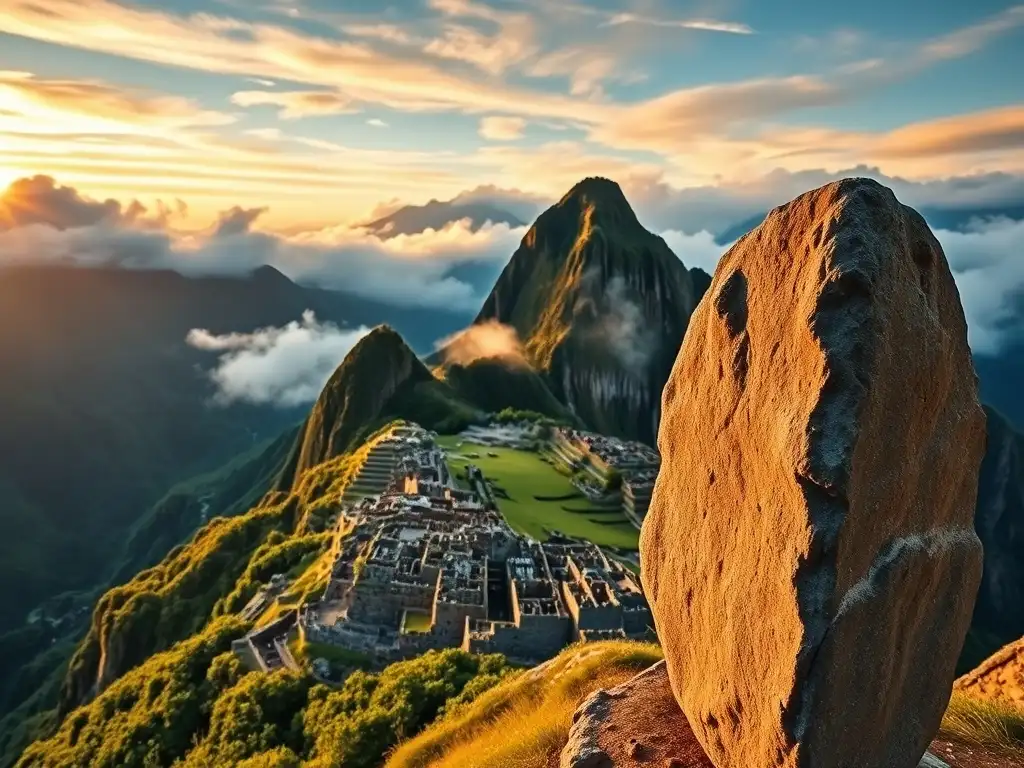
Step into a world lost to time, yet echoing with the whispers of a magnificent empire. Prepare to unravel the mysteries of the Andes, where towering mountains held secrets as vast as the sky above. Discover how the Inca calendar system rituals shaped the lives of the Inca, a civilization whose ingenuity continues to astound us. Journey with us as we delve into the heart of Machu Picchu and uncover the intricate relationship between time, ritual, and the breathtaking legacy of the Inca. Are you ready to explore?
Machu Picchu, the iconic "Lost City of the Incas," stands as a testament to the sophisticated civilization that once thrived in the Andes. Beyond its breathtaking architecture and strategic location, Machu Picchu reveals a deep understanding of time and its profound influence on Inca rituals and daily life. This article delves into the intricate Inca calendar system, exploring its connection to Machu Picchu and the significant role it played in shaping Inca religious practices and societal structures.
We will examine how the Inca's meticulous observation of celestial events informed their agricultural cycles, religious festivals, and the very layout of their sacred cities, including Machu Picchu itself. Understanding the Inca calendar system is key to unlocking the mysteries of this remarkable civilization and appreciating the profound connection between their worldview and the physical environment.
The Inca calendar system, intricately linked to their rituals, wasn't just a way to mark time; it was a fundamental aspect of their spiritual and social fabric. This exploration will shed light on the sophisticated astronomical knowledge and complex religious beliefs that underpinned Inca society.
The Inca Calendar: A Celestial Roadmap
The Inca calendar wasn't based on a single, fixed system like the Gregorian calendar we use today. Instead, it was a complex interplay of several interwoven cycles, reflecting their keen observations of the sun, moon, and stars. These observations weren't merely scientific; they were deeply intertwined with their spiritual beliefs. The Inca believed that the celestial bodies held immense power and influenced all aspects of life, from agricultural productivity to human destiny.
Their priests, known as amautas, were responsible for meticulously tracking these celestial movements, interpreting their significance, and advising the Sapa Inca (Emperor) on matters of state and religious observance. The accuracy of their astronomical observations is remarkable, demonstrating a sophisticated understanding of celestial mechanics that rivaled those of other ancient civilizations. Key to this understanding were specific locations, like Machu Picchu, which served as astronomical observatories.
Solar and Lunar Cycles: Shaping Inca Life
The Inca calendar was primarily based on the solar year, divided into twelve lunar months. However, they also incorporated a more complex system that included a 365-day solar year and a shorter agricultural cycle tied to the planting and harvesting seasons. This dual system allowed them to accurately predict both the yearly agricultural cycle and the timing of important religious festivals. The precise length of each month varied slightly, requiring continuous observation and adjustments by the amautas.
The precise calculations made by the amautas were crucial for the timely planting and harvesting of crops, ensuring the survival and prosperity of the Inca Empire. These calculations were not simply mathematical exercises; they were deeply spiritual acts, connecting the Inca with the rhythms of the cosmos. The accuracy of this system speaks volumes about their advanced understanding of astronomy and its importance in their society.
Machu Picchu's Astronomical Alignments: A Sacred Observatory
Machu Picchu's strategic location and architectural design reveal a sophisticated understanding of astronomy. Many structures within the city are believed to have been precisely aligned with key celestial events, serving as an astronomical observatory and a focal point for religious ceremonies. For example, certain windows and doorways are thought to have been aligned to mark solstices and equinoxes, allowing the Inca to accurately track the sun's movements throughout the year.
[Specific examples of alignments pending further research]. This suggests that Machu Picchu was not merely a royal estate or a refuge, but a sacred site deeply connected to the Inca calendar and their cosmology. The alignment of buildings with astronomical events points to a sophisticated understanding of the relationship between the celestial and terrestrial realms, highlighting the importance of astronomy in their worldview.
Rituals and Ceremonies: Celebrating the Cosmic Order
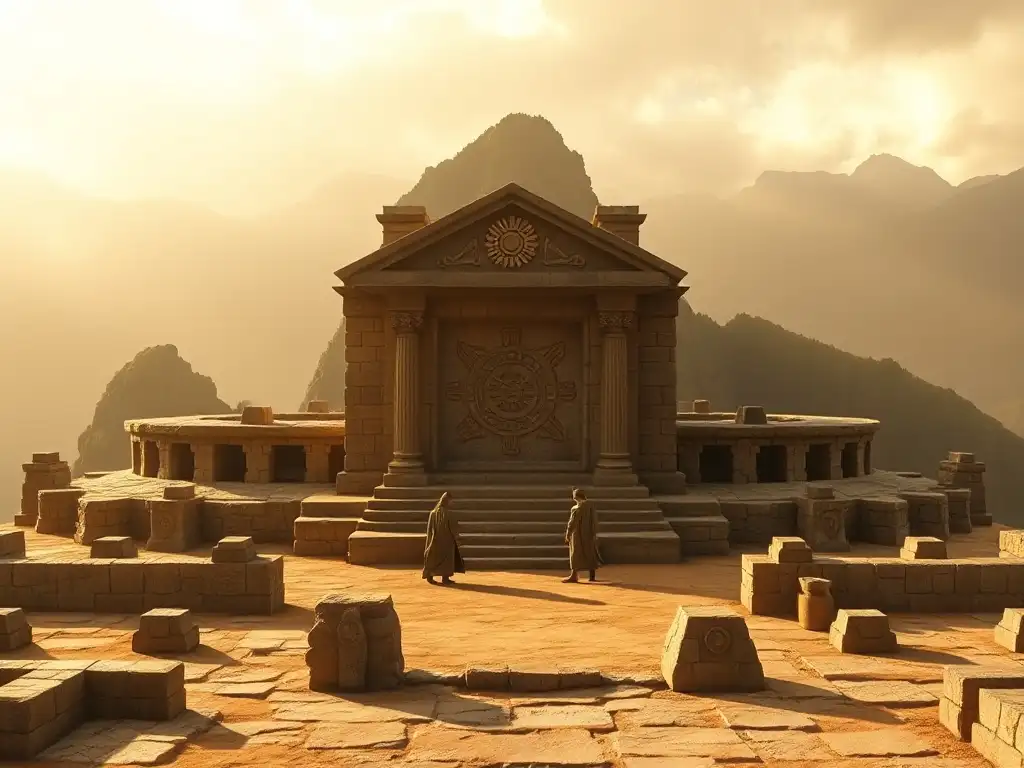
The Inca calendar dictated the timing of numerous religious festivals and ceremonies, each designed to honor specific deities and maintain the cosmic order. These events were crucial for maintaining social harmony and ensuring the prosperity of the empire. [Specific details of major festivals and rituals pending further research]. These ceremonies involved elaborate rituals, sacrifices, and processions, often involving the participation of the entire community.
The amautas played a vital role in these events, ensuring that the rituals were performed correctly and at the appropriate time, based on their interpretations of the celestial movements. The meticulous timing of these rituals emphasizes the central role the calendar system played in the religious life of the Inca people. The synchronization of the rituals with astronomical events demonstrates the close connection between the Inca's religious beliefs and their understanding of the cosmos.
The Enduring Legacy of the Inca Calendar
The Inca calendar system represents a remarkable achievement in ancient astronomy and its profound influence on Inca society continues to fascinate and inspire. Although much remains to be discovered and understood, the available evidence clearly demonstrates the sophistication of the Inca's astronomical knowledge and their deep connection to the cosmos. Their meticulous observations and intricate calendar system were not merely tools for practical purposes; they were integral to their worldview, shaping their religious beliefs, social structures, and ultimately, their legacy. The study of the Inca calendar offers a window into the rich cultural and spiritual heritage of this remarkable Andean civilization, reminding us of the enduring power of human ingenuity and the profound connection between humanity and the universe. Further research continues to uncover new insights into this fascinating aspect of Inca culture, revealing the remarkable intricacy and sophistication of their calendar system and its enduring impact on their society.
- The Inca Calendar: A Celestial Roadmap
- Solar and Lunar Cycles: Shaping Inca Life
- Machu Picchu's Astronomical Alignments: A Sacred Observatory
- Rituals and Ceremonies: Celebrating the Cosmic Order
- The Enduring Legacy of the Inca Calendar
- What was the importance of the Inca calendar system?
- How did the Inca calendar influence their rituals?
- What are some examples of Inca rituals connected to their calendar?
- Did the Inca calendar solely rely on astronomical observations?
- How does Machu Picchu relate to the Inca calendar and its rituals?
The Significance of Time in Inca Culture
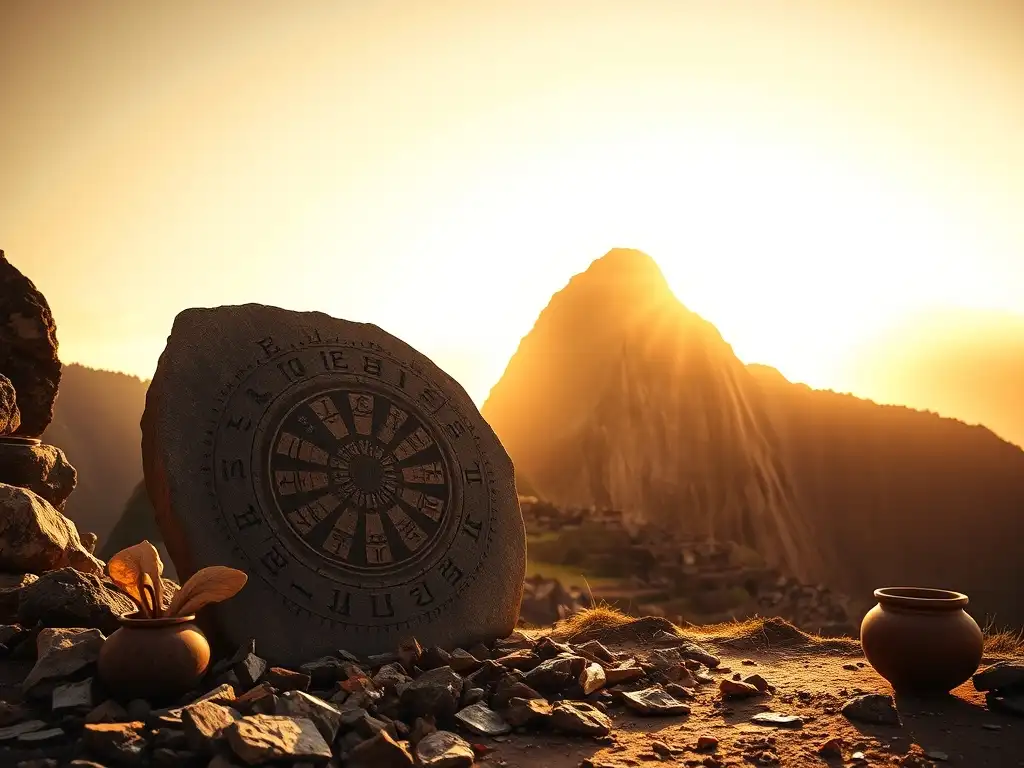
The Inca calendar system wasn't simply a method for tracking days and years; it was deeply intertwined with their worldview, religious beliefs, and agricultural practices. Understanding the Inca calendar requires appreciating its profound significance within the broader context of Inca society. Their meticulous observations of celestial phenomena, particularly the sun, moon, and stars, formed the basis of their intricate calendar system, influencing everything from agricultural cycles to elaborate religious rituals.
This intricate system reflects a sophisticated understanding of astronomy and a deep connection to the natural world. The Inca calendar system rituals were not merely symbolic; they were integral to the maintenance of cosmic order and the prosperity of the empire. This section delves into the Inca perception of time, their worldview, and the crucial role celestial events played in shaping their lives.
Inca Perception of Time and the Cosmos
The Inca viewed time not as a linear progression, but as a cyclical process reflecting the continuous renewal of life and the cosmos. This cyclical perception is evident in their agricultural practices, which were closely aligned with the solar year and the movements of celestial bodies. The Inca calendar, therefore, wasn't just a tool for scheduling; it was a representation of this cyclical worldview, emphasizing the interconnectedness of the earthly and celestial realms.
They believed that maintaining harmony between these realms was essential for their well-being, and their rituals served to ensure this balance. The precise nature of their timekeeping methods remains a subject of ongoing research, but evidence points towards a sophisticated system incorporating solar and lunar observations, possibly supplemented by other celestial markers. This system allowed for accurate predictions of solstices, equinoxes, and other significant astronomical events, which were crucial for their agricultural planning and religious observances.
Think of it as a highly developed agricultural calendar deeply embedded within their spiritual beliefs. The Inca calendar system rituals, therefore, were not separate from daily life; they were integral to it.
The Inca Worldview and its Connection to Celestial Events
The Inca worldview was fundamentally shaped by their understanding of the cosmos. They believed in a complex interplay of deities, spirits, and natural forces, all interconnected and influencing one another. Celestial events were interpreted as messages from these supernatural entities, providing guidance and warnings. The sun, in particular, held paramount importance, considered the most important deity, Inti.
The Inca calendar system rituals were meticulously designed to honor Inti and ensure his continued favor, thereby ensuring the prosperity of the empire. Solstices and equinoxes were particularly significant events, marking crucial turning points in the agricultural cycle and triggering elaborate ceremonies. These events weren't merely observed; they were actively engaged with through rituals involving offerings, processions, and feasts, reinforcing the Inca's belief in the cyclical nature of time and their dependence on the celestial order.
The precision of their astronomical observations and the complexity of their rituals demonstrate a profound understanding of the cosmos and its influence on their lives. The correlation between celestial cycles and agricultural practices highlights the practical application of their astronomical knowledge, making the Inca calendar system rituals an integral part of their survival and spiritual well-being. Further research is needed to fully understand the nuances and specific details of individual rituals associated with different celestial events, but the overarching connection between the cosmos and daily life within Inca culture is undeniable.
Decoding the Inca Calendar System
The Inca calendar system, a complex interplay of astronomical observations and agricultural practices, significantly influenced their societal structure and religious rituals. Unlike many Western calendar systems, the Inca calendar wasn't based on a single, fixed framework. Instead, it was a dynamic system, adapting to the unique challenges and opportunities presented by the Andes' diverse geography and climate. Understanding this system is key to appreciating the depth and sophistication of Inca civilization and its profound connection to the natural world.
The precise mechanics of the Inca calendar are still debated by scholars, largely due to the lack of written records. However, archaeological evidence, ethnohistorical accounts, and careful analysis of Inca structures reveal a sophisticated understanding of celestial movements and their impact on daily life. The keyword "Inca calendar system rituals" highlights the deep intertwining of timekeeping and religious observance.
The Structure of the Inca Calendar: A Lunisolar System
The Inca calendar was fundamentally a lunisolar system, meaning it incorporated both lunar cycles and solar observations. The lunar cycle, approximately 29.5 days long, was crucial for tracking time. Evidence suggests the Incas meticulously tracked the phases of the moon, using this information for agricultural planning and religious ceremonies. They likely employed quipus, complex knotted strings, to record lunar cycles and other temporal data. However, the lunar cycle alone wouldn't provide a sufficiently accurate measure for agricultural needs, especially given the variations in the Andean climate.
Therefore, the Inca calendar integrated solar observations, primarily focusing on the solstices and equinoxes. These events marked significant turning points in the agricultural year, triggering specific rituals and activities. The precise length of the Inca year is still debated, with estimates ranging from 360 to 365 days. This discrepancy reflects the ongoing research into the intricacies of their timekeeping methods.
The Inca Year: Cycles and Divisions
The Inca year was divided into several distinct periods, often aligned with the agricultural cycle. While precise details are scarce, we know that the year was structured around two main seasons: the dry season ( wakay ) and the wet season ( pacha ). These seasons were further subdivided into smaller units, possibly based on lunar months or other astronomical markers. Each division likely held specific significance, influencing agricultural practices, religious festivals, and social organization.
For example, the capacocha ceremonies, involving human sacrifice, were timed to coincide with important agricultural events and celestial alignments. The timing of these events was carefully planned, reflecting the deep connection between the Inca calendar and their cosmological worldview. This carefully constructed system allowed the Inca to optimize their agricultural production and maintain social order. The system's complexity demonstrates a highly developed understanding of astronomy and its practical applications.
Agricultural Cycles and the Inca Calendar
The Inca calendar was inextricably linked to their agricultural practices. The Andes' diverse ecology demanded a sophisticated system for planning planting and harvesting times. The Inca calendar's lunisolar structure provided a framework for anticipating seasonal changes and adapting to varying climatic conditions.
Specific rituals and festivals were associated with particular stages of the agricultural cycle, ensuring successful harvests and appeasing the deities believed to control agricultural productivity. These ceremonies often involved offerings of coca leaves, maize, and other important crops. Archaeological evidence shows the extensive use of terraces and irrigation systems, demonstrating the Inca's commitment to optimizing agricultural output.
The precise correlation between specific calendar events and agricultural practices requires further research, but it is clear that the Inca calendar played a vital role in their agricultural success. The calendar wasn't just a tool for tracking time; it was a guide for life, deeply integrated into their social, religious, and economic structures. The Inca's mastery of their environment was significantly enhanced by their sophisticated understanding and utilization of the Inca calendar system.
The Inca Calendar System Rituals at Machu Picchu
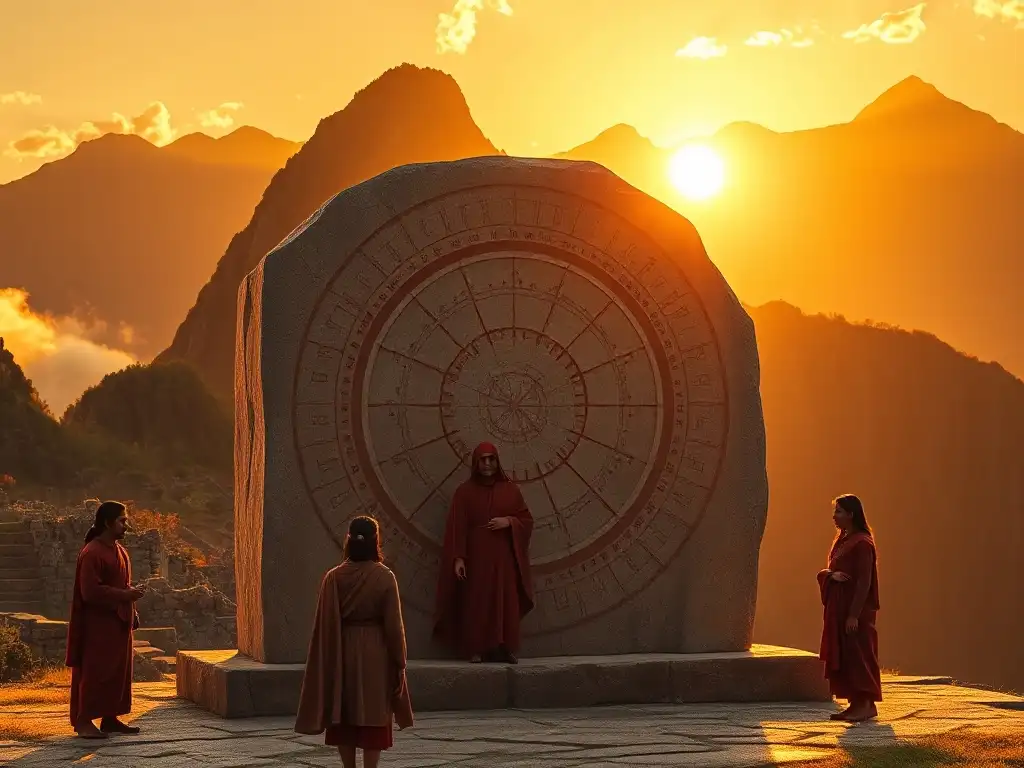
The Inca calendar system, intricately woven into the fabric of their society, dictated not only agricultural practices but also religious rituals and societal events. At Machu Picchu, this calendrical system finds its most spectacular expression, with architectural features and ceremonial spaces deliberately aligned to astronomical phenomena.
Understanding the Inca calendar system is crucial to appreciating the profound significance of Machu Picchu as a sacred site, a place where the earthly and celestial realms intersected. The meticulous planning and execution of the city's layout demonstrate a sophisticated understanding of astronomy and its relation to their spiritual beliefs.
This intricate connection between the physical and spiritual realms is a hallmark of Inca civilization and is vividly displayed in the rituals performed at Machu Picchu. The Inca calendar system rituals were not merely abstract practices; they were the very foundation of their social order, deeply intertwined with their worldview and their relationship with the natural world.
The Intihuatana Stone: A Solar Clock and Ritual Site
The Intihuatana stone, perhaps the most iconic symbol of Inca astronomical knowledge at Machu Picchu, is a testament to their advanced understanding of solar movements. This massive stone structure, meticulously carved and precisely positioned, served as a solar clock, allowing Inca priests to track the solstices and equinoxes with remarkable accuracy. But its function extended far beyond simple timekeeping.
The Intihuatana stone was a pivotal site for important rituals, a place where the Inca connected with the sun god, Inti, and offered sacrifices to ensure successful harvests and the overall well-being of the empire. Its placement, commanding a breathtaking view of the surrounding landscape, further emphasizes its importance as a sacred space. Scholars believe that the precise angles and carvings on the stone facilitated specific astronomical observations, helping to determine the precise dates of significant agricultural and religious festivals.
The intricate details of the Intihuatana's construction point to a deep understanding of geometry and astronomy, far beyond what was previously believed about Inca technological capabilities. Evidence suggests that the stone may have also been used for other ritualistic purposes, possibly involving water ceremonies and offerings to the earth. Further research is needed to fully uncover the multifaceted role of this incredible artifact.
Sun Worship Ceremonies and the Inca Calendar
Sun worship was central to Inca religion, and the Inca calendar system was meticulously designed to coordinate with the sun's movements. The calendar, primarily based on a solar year of 365 days, was divided into twelve months, each associated with specific agricultural activities and religious festivals. These festivals, often elaborate and community-wide events, were timed to coincide with key astronomical events, such as the solstices and equinoxes.
At Machu Picchu, numerous structures, including temples and plazas, were oriented to align with the sun's path throughout the year. These alignments were not accidental; they were carefully planned to facilitate the performance of rituals related to the solar calendar. For example, the rising and setting sun on specific dates would cast shadows in particular ways, potentially triggering the commencement of certain ceremonies or marking significant moments within larger rituals.
The precise details of many of these ceremonies remain lost to history, but archaeological evidence suggests the use of offerings, processions, and possibly human sacrifice in some instances. The Inca calendar system rituals at Machu Picchu were not just about observing the sun; they were about actively participating in the cosmic order, seeking to maintain balance and harmony between the human and divine worlds.
The Qhapaq Raymi and Inti Raymi Celebrations at Machu Picchu
The Qhapaq Raymi (or Capac Raymi) and Inti Raymi were two of the most important festivals in the Inca calendar. While the exact nature of their celebration at Machu Picchu remains debated, archaeological evidence strongly suggests that both were observed at the site. The Qhapaq Raymi, a festival celebrating the Inca emperor's power and the fertility of the land, likely involved elaborate processions and offerings throughout the city.
Given the strategic location and grandeur of Machu Picchu, it’s highly probable that this celebration involved a significant concentration of people and resources. Inti Raymi, the festival of the sun, was celebrated around the winter solstice, a time of crucial significance to the Inca agricultural cycle. The Intihuatana stone was undoubtedly a key focal point for the Inti Raymi celebrations, with rituals likely centered around the precise moment of the solstice.
These festivals underscore the profound integration of the Inca calendar system into the daily lives of the people and the profound significance of Machu Picchu as a sacred center for religious and political events. The scale and complexity of these celebrations highlight the importance of the Inca calendar system and its influence on all aspects of Inca society. Further research, particularly focused on uncovering more artifacts and understanding the precise spatial arrangement of ceremonial sites, could reveal even more about the specific rituals performed at Machu Picchu during these critical festivals.
Astronomical Alignments at Machu Picchu and the Inca Calendar
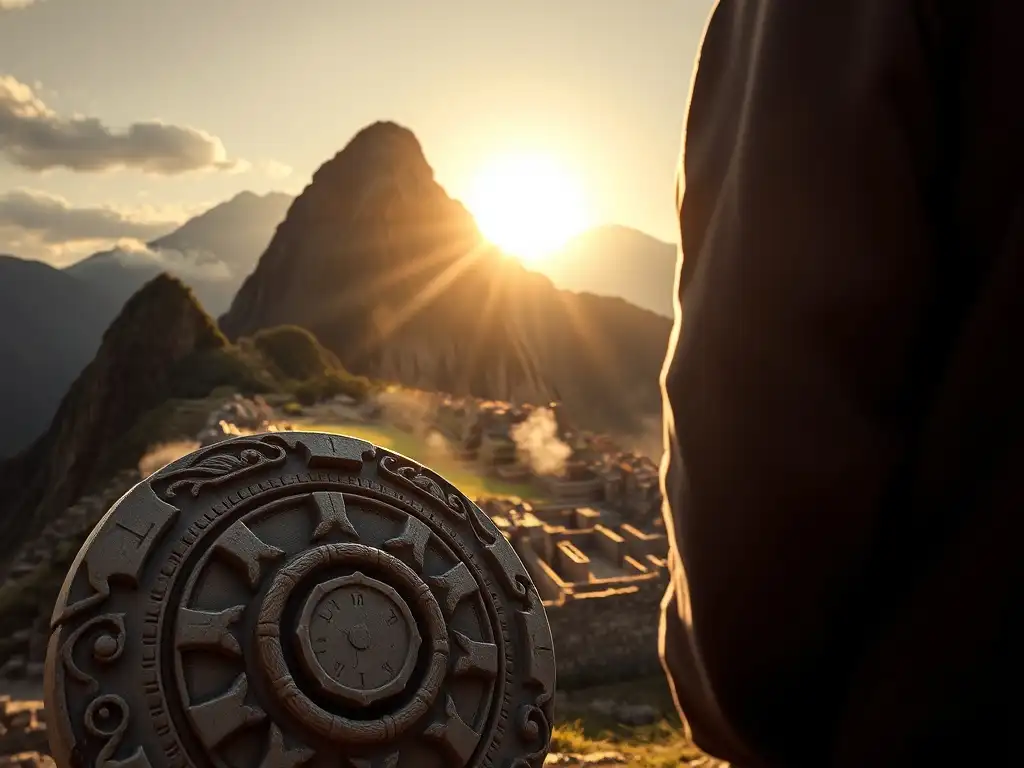
Machu Picchu, the iconic Inca citadel nestled high in the Andes, is more than just a breathtaking architectural marvel; it's a sophisticated astronomical observatory intricately woven into the very fabric of Inca life. The Inca calendar system rituals were deeply intertwined with the precise movements of the sun, moon, and stars, shaping their agricultural practices, religious beliefs, and social structures. Understanding these astronomical alignments is key to unlocking the secrets of Machu Picchu and the profound significance it held for the Inca civilization.
The meticulous placement of buildings, windows, and even individual stones suggests a deliberate intention to track celestial events with remarkable accuracy. This section delves into the compelling evidence of astronomical alignments within the site and their connection to the Inca calendar.
The precision involved points to a highly developed understanding of astronomy, far surpassing what many initially assume about pre-Columbian societies. This sophisticated knowledge wasn't merely academic; it was the backbone of their worldview and daily life.
Observing Solstices and Equinoxes at Machu Picchu
The Incas, masterful observers of the heavens, meticulously aligned structures at Machu Picchu to mark the solstices and equinoxes. The Intihuatana stone, perhaps the most famous example, is believed to have served as a solar observatory. Its design and placement allowed for precise observations of the sun's position at the solstices, crucial for the Inca agricultural calendar.
During the summer solstice, the shadow cast by the Intihuatana pinpointed the sun's highest point in the sky, marking a pivotal moment in the agricultural cycle. Similarly, the equinoxes, signifying equal day and night, were likely observed through other strategically positioned structures within the complex. Evidence suggests that the placement of windows and doorways also played a crucial role, framing specific celestial events and allowing for precise tracking of the sun's path throughout the year.
These observations were not merely passive; they were actively integrated into the Inca calendar system rituals, influencing decisions regarding planting, harvesting, and religious ceremonies. The precise alignment required an advanced understanding of geometry and astronomy, highlighting the sophistication of Inca knowledge. Furthermore, the Intihuatana stone itself is a testament to the symbolic importance of these astronomical events, representing the binding of the sun to the earth.
The Role of Astronomy in Inca Architecture
Astronomy wasn't a separate field of study for the Inca; it was fundamentally integrated into their architecture and urban planning. The orientation of buildings, the placement of windows and doorways, and the overall layout of Machu Picchu all reflect a deep understanding of celestial movements. The Inca calendar system rituals were inextricably linked to the physical environment.
For example, the careful alignment of structures with mountain peaks or significant geographical features likely served as a way to further enhance astronomical observations and mark specific celestial events. This integration of astronomy into architecture is a hallmark of Inca ingenuity, illustrating the holistic nature of their worldview. It wasn't just about building impressive structures; it was about creating a harmonious relationship between the built environment and the cosmos.
The precision involved in these alignments is striking, suggesting a level of planning and execution that underscores the importance of astronomy in Inca society. Further research is needed to fully understand the extent of this integration, but the evidence is compelling. The precise angles, alignments, and orientations of structures are not accidental; they are purposeful expressions of Inca astronomical knowledge.
The Temple of the Sun and its Alignment with the Summer Solstice
The Temple of the Sun, a significant structure within Machu Picchu, is believed to have played a crucial role in the Inca calendar system rituals centered around the summer solstice. Its orientation and the arrangement of its internal spaces suggest a deliberate alignment with the rising sun on this significant day. The precise angle of the sunrise on the summer solstice likely illuminated specific points within the temple, potentially triggering ceremonial activities or marking a specific moment within the Inca calendar.
The Temple of the Sun, therefore, wasn't merely a place of worship; it was a functional astronomical observatory integrated into the heart of the religious and social life of Machu Picchu. This alignment, coupled with the precision of other astronomical markers throughout the site, underscores the sophisticated understanding and application of astronomical knowledge within the Inca civilization. The intricate details of the Temple of the Sun's construction and its precise alignment are testaments to the Inca's ability to blend astronomical understanding with architectural and religious practices.
Further study could reveal more nuanced connections between the temple's features and the Inca calendar system, providing richer insights into the rituals and beliefs of this remarkable civilization. The meticulous planning and execution evident in the Temple of the Sun's construction speak volumes about the Inca’s reverence for the sun and their profound understanding of the cosmos.
The Inca Calendar and its Impact on Daily Life
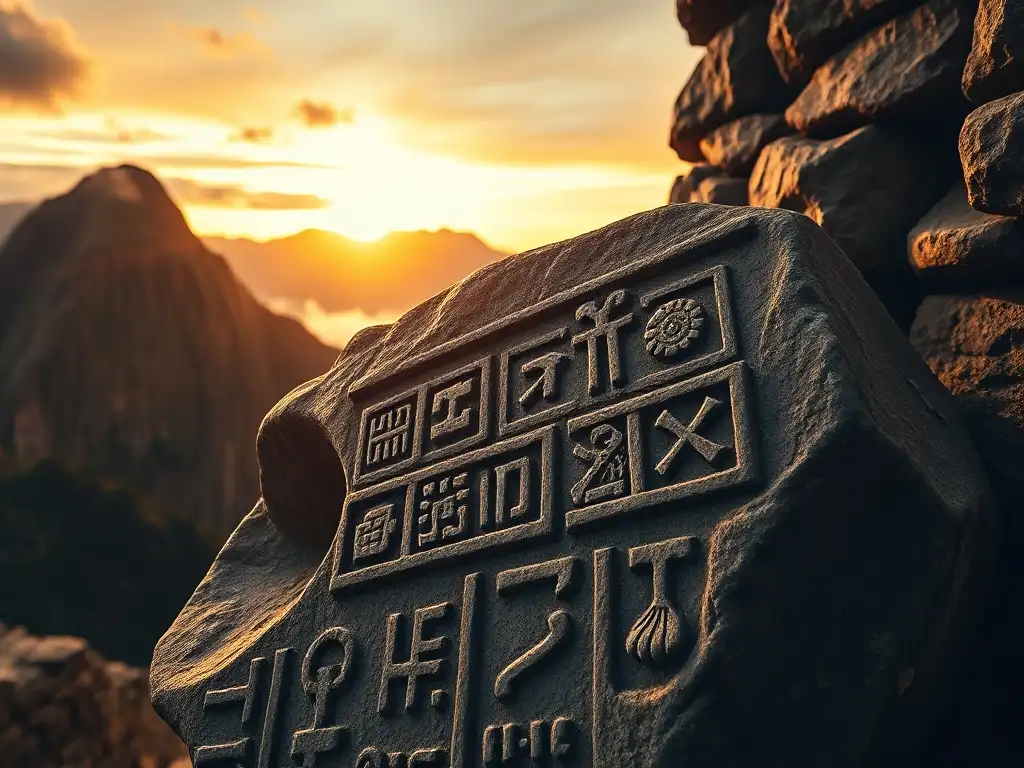
The Inca calendar system, a sophisticated blend of astronomical observation and practical agricultural knowledge, profoundly shaped daily life in the Inca Empire. Unlike the rigid, fixed calendars of many other ancient civilizations, the Inca calendar was a more flexible system, adapting to the specific needs and rhythms of their environment. This adaptability is crucial to understanding its pervasiveness in Inca society. It wasn't just a tool for tracking time; it was interwoven with their spiritual beliefs, social structure, and economic activities.
The Inca calendar dictated the planting and harvesting seasons, regulated labor assignments, and determined the timing of religious festivals, creating a cohesive societal rhythm centered around the cyclical nature of the Andes' environment. Understanding the Inca calendar system is key to understanding the very fabric of Inca society. The system's influence extended far beyond simple timekeeping; it was a fundamental organizing principle for their entire civilization.
How the Inca Calendar Guided Agricultural Practices
The Inca calendar was intimately linked to agriculture, the cornerstone of their economy. Precise observations of the sun, moon, and stars allowed Inca priests, known as amautas, to predict the best times for planting and harvesting. This wasn't a matter of simple guesswork; it involved detailed knowledge of microclimates across the vast Inca Empire.
Different altitudes and geographical locations experienced variations in weather patterns, requiring a nuanced understanding of local conditions. For example, the planting of potatoes, a staple crop, varied significantly depending on altitude and the specific variety. The amautas used a combination of celestial observation and empirical knowledge passed down through generations to optimize agricultural yields.
Failure to heed the calendar's guidance could result in crop failure, threatening the entire community. This agricultural precision was a testament to the Inca's deep understanding of their environment and their ability to integrate astronomical knowledge into their daily lives. The success of their agricultural system, a remarkable feat considering the challenging Andean terrain, was directly attributable to their sophisticated calendar system.
Religious Festivals and the Inca Calendar
Religious festivals played a vital role in Inca life, and the calendar dictated their timing. These festivals, often elaborate and community-wide events, were linked to agricultural cycles, astronomical events, and the veneration of deities. The Inti Raymi, the festival celebrating the winter solstice dedicated to the sun god Inti, is a prime example.
This festival was not merely a celebration; it was a ritual reaffirming the Inca's relationship with the sun, essential for their agricultural success. The precise timing of the Inti Raymi was crucial, marking the beginning of the agricultural year and reinforcing the societal importance of the sun's influence. Other festivals, such as those dedicated to specific deities or to mark significant agricultural milestones, were similarly timed according to the calendar's predictions.
The calendar wasn't just a secular tool; it was an integral part of their spiritual life, providing a framework for their religious practices and beliefs. The intricacy of these festivals and their connection to the calendar underscores the profound integration of religious and agricultural life within Inca society.
The Inca Calendar and the Organization of Labor
The Inca calendar also played a key role in organizing labor. The mita system, a form of mandatory public service, was often scheduled according to the agricultural calendar. During planting and harvesting seasons, a significant portion of the population would participate in communal labor to ensure the success of the agricultural cycle.
This wasn't simply a matter of assigning tasks; it was a carefully orchestrated system that ensured the efficient allocation of resources and manpower. The amautas would use the calendar to determine the optimal time for specific tasks, coordinating the efforts of thousands of individuals across vast distances. The organization of labor within the mita system was a remarkable achievement in logistical planning, showcasing the Inca's capacity to mobilize and coordinate large-scale projects based on their understanding of time and seasonal rhythms.
The efficiency of the mita system, crucial to the Inca Empire's prosperity, was inextricably linked to the accuracy and precision of their calendar. The calendar ensured not only agricultural success but also the efficient organization of a complex, large-scale society.
The Legacy of the Inca Calendar and its Rituals
The Inca calendar system, a sophisticated blend of astronomical observation and intricate ritual practices, profoundly shaped Inca life. Unlike many calendar systems based on lunar cycles, the Inca calendar was primarily solar, reflecting their deep connection to the Andean sun and its agricultural implications. This intricate system wasn't simply a means of marking time; it was interwoven with their religious beliefs, agricultural practices, and social organization.
The Inca calendar influenced everything from planting and harvesting cycles to major religious festivals and even royal succession. Understanding this system provides a crucial lens through which to interpret Inca society and its enduring legacy. The meticulous tracking of solstices and equinoxes, combined with detailed observations of constellations, allowed the Inca to accurately predict seasonal changes, crucial for their agrarian economy.
This knowledge was not held by a select few but was likely disseminated throughout the empire, demonstrating a sophisticated level of societal organization and shared understanding of the cosmos. The precision of their astronomical observations is a testament to their advanced understanding of celestial mechanics and their deep connection to the natural world. The Inca calendar system rituals were central to maintaining the cosmic order and ensuring the prosperity of the empire.
Modern Interpretations of the Inca Calendar
Modern scholars continue to unravel the complexities of the Inca calendar, employing a variety of methods to interpret the limited surviving evidence. While written records are scarce, archaeological findings, such as the placement of structures aligned with astronomical events and the iconography depicted on textiles and ceramics, provide valuable clues. For instance, the orientation of certain buildings at Machu Picchu, particularly the Intihuatana stone, strongly suggests a deliberate alignment with solstices and equinoxes, indicating their significance in Inca rituals.
Further complicating the picture is the likely existence of regional variations in Inca timekeeping, suggesting a decentralized system with local adaptations. Recent research explores the possibility of a dual calendrical system, one solar and one lunar, a hypothesis supported by some iconographic evidence, though more research is needed to confirm its validity.
The study of the Inca calendar continues to evolve, with ongoing debates surrounding the precise nature of its structure and the nuances of its ritual applications. The Inca calendar system rituals, though complex, are gradually yielding their secrets to modern scientific analysis.
The Enduring Relevance of Inca Timekeeping
The Inca calendar system's legacy extends far beyond the Inca Empire itself. Its sophisticated methodology and profound influence on Andean culture have inspired continued study and fascination. The principles of precise astronomical observation and the integration of timekeeping with agricultural and religious practices offer valuable insights into the development of ancient civilizations and their relationship with the environment.
Moreover, the enduring relevance of the Inca calendar system lies in its demonstration of a harmonious relationship between humans and nature, a concept increasingly important in our modern world grappling with environmental challenges. The Inca's deep understanding of seasonal cycles and their ability to predict them with remarkable accuracy serves as a reminder of the importance of respecting and understanding the natural rhythms of the planet.
The Inca calendar system rituals highlight the power of community and shared knowledge in achieving societal goals and maintaining a sense of cosmic order. Understanding this system helps us appreciate the ingenuity and wisdom of past civilizations and potentially learn from their approaches to sustainable living.
Archaeological Studies and Ongoing Research
Ongoing archaeological investigations at sites like Machu Picchu and other Inca settlements continue to shed light on the Inca calendar system. New discoveries, such as the uncovering of previously unknown structures or the analysis of newly unearthed artifacts, contribute to a more comprehensive understanding of Inca timekeeping. Advanced technologies, such as ground-penetrating radar and 3D modeling, are enhancing the precision of archaeological surveys and providing detailed visualizations of Inca sites.
These tools allow researchers to identify subtle alignments and features previously undetectable, furthering our understanding of the Inca calendar system rituals. Furthermore, the collaboration between archaeologists, astronomers, and anthropologists is crucial for interpreting the complex interplay of astronomical observations, religious practices, and social structures within the Inca empire.
The study of the Inca calendar system is a dynamic and evolving field, with new discoveries and interpretations continually refining our understanding of this fascinating aspect of Inca civilization. The research continues to unveil more pieces of the puzzle, enriching our knowledge of the Inca calendar system rituals and their central role in Inca society.
Frequently Asked Questions
What was the importance of the Inca calendar system?
The Inca calendar system was crucial for agricultural planning and religious ceremonies. It dictated planting and harvesting times and guided their elaborate rituals, deeply intertwined with their worldview. Understanding their calendar is key to comprehending Inca society.
How did the Inca calendar influence their rituals?
Inca rituals were intimately linked to the agricultural cycle and celestial events marked by their calendar. Festivals and ceremonies were timed to coincide with solstices, equinoxes, and other significant astronomical occurrences. This ensured harmony between the human and spiritual worlds.
What are some examples of Inca rituals connected to their calendar?
The Inti Raymi, the festival of the sun, is a prime example, celebrated at the winter solstice. Other rituals involved offerings and prayers to ensure successful harvests and appease the gods, all precisely timed according to the calendar's dictates. These rituals reinforced their social structure and beliefs.
Did the Inca calendar solely rely on astronomical observations?
While astronomical observations were fundamental, the Inca calendar also incorporated empirical knowledge of weather patterns and agricultural cycles. This blend of celestial and terrestrial observations provided a holistic understanding of time and its impact on their lives. The system was practical as well as spiritual.
How does Machu Picchu relate to the Inca calendar and its rituals?
Machu Picchu's architecture is believed to be aligned with significant celestial events, suggesting its use as an observatory and ritual center. Its layout and structures likely facilitated the precise observation of the sun and stars, crucial for the calendar's accuracy and the timing of religious ceremonies. The site's design reflects a sophisticated understanding of astronomy and its importance in Inca culture.
Final Reflection: Echoes of the Sun: Machu Picchu's Timeless Wisdom
The intricate relationship between Machu Picchu and the Inca calendar system remains a potent symbol of humanity's enduring quest to understand and harmonize with the natural world. This understanding, far from being a relic of a bygone era, offers profound insights into our own relationship with time, ritual, and the environment in a world grappling with climate change and a renewed interest in ancient wisdom.
The Inca's meticulous observation of celestial events and their integration into daily life, as reflected in the architecture and layout of Machu Picchu, continues to resonate deeply. Their profound respect for the cyclical nature of time, a concept often lost in our fast-paced modern society, serves as a powerful reminder of our interconnectedness with the cosmos. Time is the school in which we learn, time is the fire in which we burn.
– Delmore Schwartz. This quote highlights the dual nature of time – a teacher and a force of change – a duality the Inca clearly understood and incorporated into their lives through their calendar system and rituals.
Consider the profound implications of this ancient knowledge. How can we, in our own lives, cultivate a deeper appreciation for the cyclical rhythms of nature and integrate them into our daily routines? How might a renewed focus on mindful living, inspired by the Inca's reverence for time and ritual, contribute to a more sustainable and harmonious future? I invite you to reflect on these questions and to discover the echoes of the sun within yourself, finding your own path towards a more balanced and meaningful existence.
Unlock the Secrets of Time: Embrace the Inca Way!
Thank you for exploring the fascinating connection between Machu Picchu and the Inca calendar with us! You've discovered the importance of time and ritual in Inca civilization, and now it's time to apply that knowledge.
Here are some ways to delve deeper and connect with this extraordinary heritage:
- Embrace the Rhythm of Nature: Begin observing natural cycles – notice the changing seasons and how they affect your life. Create a personal calendar inspired by Inca methods, perhaps noting solstices and equinoxes.
- Join a Community: Find local groups or online forums dedicated to Andean history and culture. Connecting with others passionate about this rich heritage offers opportunities for sharing insights and learning.
- Explore Further: Plan a trip to Machu Picchu or other Inca sites to experience their majesty firsthand. Alternatively, deepen your understanding by reading books and articles that explore Inca rituals and calendrical systems in detail.
How might incorporating aspects of the Inca calendar enrich your life and daily routines? What specific elements resonate most with you?