
The Spanish Conquest and Machu Picchu: Why the City Remained Undiscovered

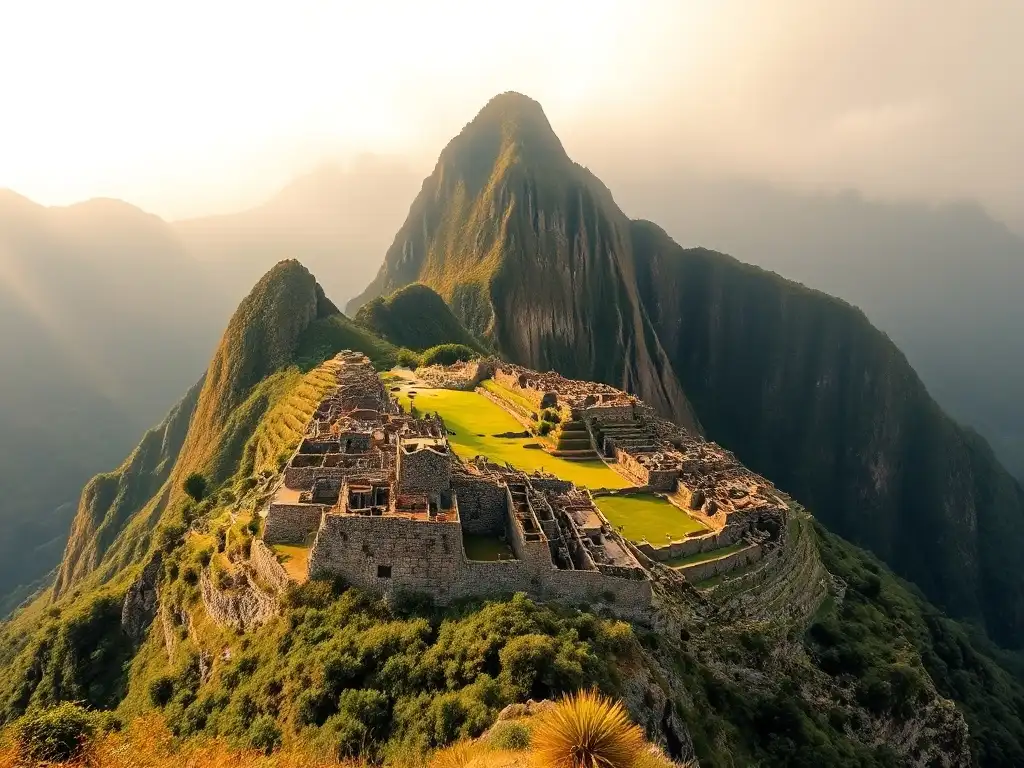
Step into a world lost in time, where breathtaking mountain peaks conceal secrets older than empires. Discover the astonishing legacy of the Andean civilizations, from the intricate artistry of the Nazca lines to the awe-inspiring engineering of Machu Picchu. But what happened to this magnificent city? The Spanish Conquest's impact on Machu Picchu remains a captivating enigma—a story of hidden histories, unexpected survival, and enduring mysteries. Unravel the truth behind its undiscovered state; begin your journey into the heart of the Inca Empire now.
- The Spanish Conquest and Machu Picchu: Unveiling the Mystery of its Undiscovery
- The Inca Empire Before the Spanish Arrival
- The Onset of the Spanish Conquest
- The Spanish Conquest Impact on Machu Picchu
- The Role of the Inca Resistance and Machu Picchu
- The Rediscovery of Machu Picchu
- Machu Picchu's Survival: A Testament to Inca Ingenuity
- Conclusion: The Spanish Conquest and the Preservation of Machu Picchu
- Frequently Asked Questions
- Final Reflection: Echoes of Conquest in the Lost City
- Unveil the Mysteries of the Andean Civilizations!
The Spanish Conquest and Machu Picchu: Unveiling the Mystery of its Undiscovery
The Spanish conquest of the Inca Empire, a cataclysmic event in South American history, dramatically reshaped the Andean landscape and its civilizations. While the conquistadors plundered vast riches and toppled empires, the fate of Machu Picchu, the iconic Inca citadel nestled high in the Andes Mountains, presents a fascinating paradox: its remarkable survival, largely untouched by the Spanish, despite its proximity to the heartland of Inca power.
This article delves into the reasons behind Machu Picchu's remarkable undiscovery during the Spanish Conquest, exploring the interplay of geography, Inca strategies, and the sheer scale of the Spanish conquest itself. Understanding this unique historical circumstance allows us to appreciate the exceptional preservation of this invaluable archaeological site and its enduring legacy as a testament to Inca ingenuity and resilience.
The Spanish Conquest's impact on Machu Picchu was not about direct destruction, but rather a complex interplay of factors that led to its accidental, yet fortunate, obscurity. We will examine these factors to understand why this incredible city remained hidden for centuries.
The Geographic Isolation of Machu Picchu
Machu Picchu's remote location, perched high in the Andes Mountains, played a crucial role in its survival. The challenging terrain, dense jungle, and steep, treacherous paths provided a natural barrier against Spanish exploration. Unlike major Inca cities situated in more accessible valleys, Machu Picchu's inaccessibility made it a difficult target for the Spanish conquistadors, whose primary objective was the acquisition of wealth and subjugation of populations. The conquistadors, primarily focused on easier-to-reach centers of population and resources, likely lacked the logistical capacity and motivation to venture into such a demanding environment.
The dense cloud forest further obscured the city from view, adding to its natural camouflage. Historians estimate that the arduous journey to Machu Picchu, even today, takes several days, highlighting the significant challenges faced by the Spanish. This inherent isolation, therefore, acted as a powerful shield protecting Machu Picchu from the devastating effects of the Spanish Conquest.
Inca Strategies and the Purpose of Machu Picchu
The very purpose of Machu Picchu likely contributed to its escape from the Spanish. While the exact function of the city remains a subject of ongoing scholarly debate, evidence suggests it may have served as a royal estate, a religious center, or perhaps a combination of both. Unlike major urban centers dedicated to administrative and economic functions, Machu Picchu's perceived less strategic importance might have lessened its appeal to the Spanish.
Furthermore, the Inca might have deliberately kept its location secret, employing a strategy of concealment to safeguard its significance. This intentional obscurity, combined with the natural barriers, created a perfect storm of circumstances that prevented its discovery during the conquest. The Inca's ability to keep this location secret adds to the mystique surrounding Machu Picchu, showcasing their organizational prowess and strategic thinking.
The Scale and Scope of the Spanish Conquest
The sheer scale and intensity of the Spanish conquest should not be underestimated. The conquistadors were focused on controlling large populations, seizing vast quantities of gold and silver, and establishing control over key administrative centers. Their resources were finite, and their priorities lay in consolidating their control over the more populous and economically significant regions of the Inca Empire. Machu Picchu, hidden away in its mountainous sanctuary, simply fell outside the immediate scope of their objectives.
The conquest was a brutal and chaotic affair, leaving little time or resources for extensive explorations of remote, less profitable areas. This focus on the most valuable assets of the Inca Empire likely overshadowed Machu Picchu's existence from the Spanish perspective. The sheer logistical demands of conquering the empire preoccupied the Spanish, making detailed exploration of remote regions like Machu Picchu a low priority.
The Rediscovery and its Significance
The eventual rediscovery of Machu Picchu in 1911 by Hiram Bingham highlights the lasting impact of its initial obscurity. The city's remarkable state of preservation, a direct result of its escape from the Spanish Conquest, allowed archaeologists and historians to gain invaluable insights into Inca culture, architecture, and daily life. The rediscovery of Machu Picchu is a testament to the enduring power of both geographical isolation and deliberate concealment.
The contrast between the devastation caused by the Spanish conquest in other Inca centers and the pristine condition of Machu Picchu underscores the unique circumstances that allowed it to remain hidden for centuries. This exceptional preservation makes Machu Picchu a vital and invaluable source for our understanding of the Inca civilization. 🎉
The Spanish Conquest's impact on Machu Picchu, therefore, was less about direct destruction and more about a fortunate combination of geographical inaccessibility, Inca strategic planning, and the practical limitations of the Spanish conquest itself. The city's survival stands as a testament to the resilience of the Inca legacy and the enduring power of hidden places.
The Inca Empire Before the Spanish Arrival
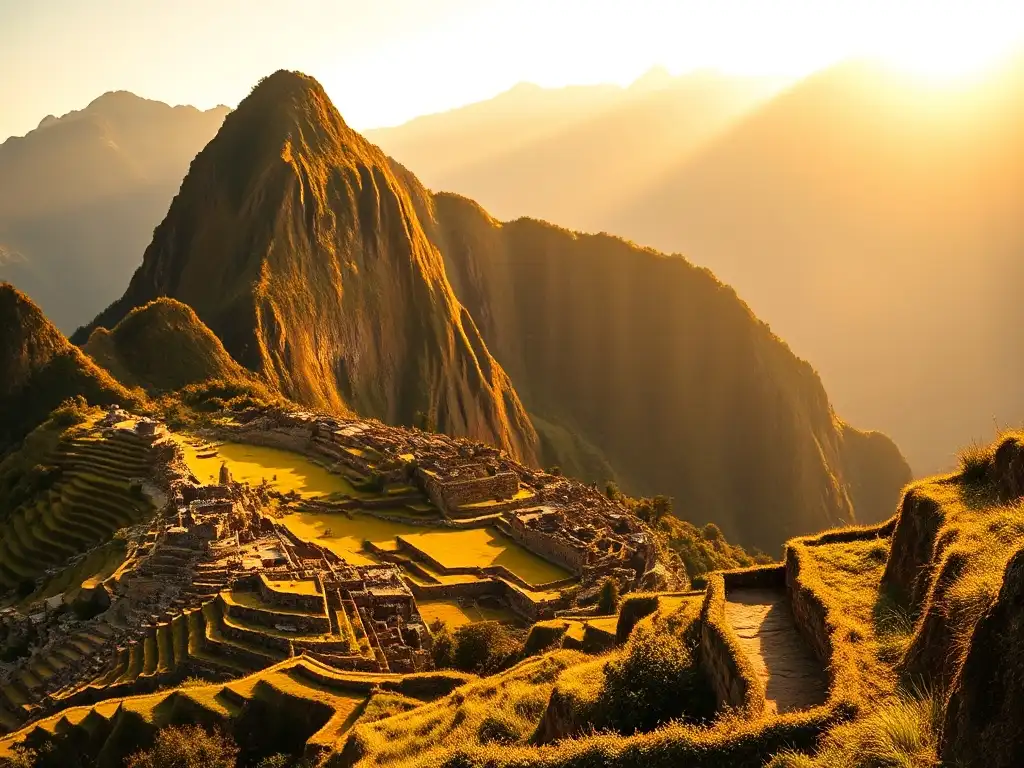
This section explores the state of the Inca Empire prior to the arrival of the Spanish conquistadors, providing crucial context for understanding why Machu Picchu might have remained hidden. We'll delve into the Inca civilization's rise to power, its sophisticated governance, and its remarkable engineering feats, all of which contributed to the empire's complexity and, arguably, its capacity for secrecy. The impact of the Spanish Conquest on Machu Picchu cannot be fully understood without appreciating the advanced civilization that preceded it.
The Rise of the Inca Civilization
The Inca Empire, at its zenith, controlled a vast territory stretching along the Andes Mountains. However, its origins were humble. Emerging from the Cusco region around the 13th century, the Inca gradually expanded their influence through a combination of military prowess, strategic alliances, and skillful diplomacy.
Their expansion wasn't a simple conquest; it involved integrating conquered populations into the Inca system, often through a process of mita, a form of tribute labor that also served as a mechanism for social control and economic integration. The Inca cleverly utilized existing infrastructure and adapted it to their needs, furthering their expansion capabilities. This strategic approach to growth played a crucial role in building a powerful and far-reaching empire, one that managed to maintain control over diverse and geographically challenging territories.
The Inca's success was not just about military might, but also about their adept management of resources and people. Their ability to integrate diverse populations into a unified system, while maintaining a degree of local autonomy, speaks volumes about their sophisticated administrative skills. The swiftness of their expansion, despite facing challenges from other powerful Andean groups, highlights their effective military strategies and political acumen.
The Inca Empire was characterized by a highly centralized and hierarchical political structure. At its apex was the Sapa Inca, the emperor, considered a divine figure, possessing absolute authority. Below him was a complex bureaucracy of officials responsible for administering different aspects of the empire, including taxation, agriculture, and public works. This intricate system ensured effective communication and resource allocation across vast distances.
The Inca governance system was remarkably efficient, considering the lack of a written language. They relied on a sophisticated system of quipus, knotted cords used to record numerical data and transmit information. These quipus represented a sophisticated form of record-keeping that allowed for the efficient organization and administration of the vast empire. The social structure was equally rigid, with distinct classes ranging from the royal family and nobility to commoners and specialized artisans.
This hierarchical system, while potentially restrictive, ensured social order and stability, contributing to the empire's longevity and ability to manage its extensive territories. The intricate network of relationships and responsibilities within Inca society, supported by the mita system, facilitated both economic productivity and social cohesion. The effectiveness of this system is evidenced by the empire's impressive infrastructure and the relative peace maintained across its diverse regions.
Inca Engineering and Architectural Prowess
Inca engineering and architecture are widely recognized for their sophistication and ingenuity. Their mastery of stonework is particularly impressive, evident in the precise fitting of massive stones without mortar in structures like Sacsayhuamán. This skill was not only aesthetic but also functional, contributing to the durability and stability of their buildings, even in earthquake-prone regions.
The Inca's understanding of engineering principles is further demonstrated by their impressive road networks, irrigation systems, and agricultural terraces that allowed them to cultivate crops in challenging mountainous terrain. These feats of engineering not only facilitated trade and communication but also supported a large and complex population. The remarkable precision and durability of Inca constructions, even by modern standards, highlight their advanced understanding of engineering, mathematics, and astronomy.
The construction of Machu Picchu itself, with its intricate stonework and strategic location, serves as a testament to this exceptional level of skill. The strategic placement of the city, its sophisticated water management systems, and the intricate design of its structures underscore the Inca's profound understanding of engineering and their ability to adapt to the challenging Andean environment. The Spanish Conquest impact on Machu Picchu is further highlighted by the contrast between the Inca's advanced engineering skills and the relative simplicity of the Spanish colonial architecture.
The Onset of the Spanish Conquest
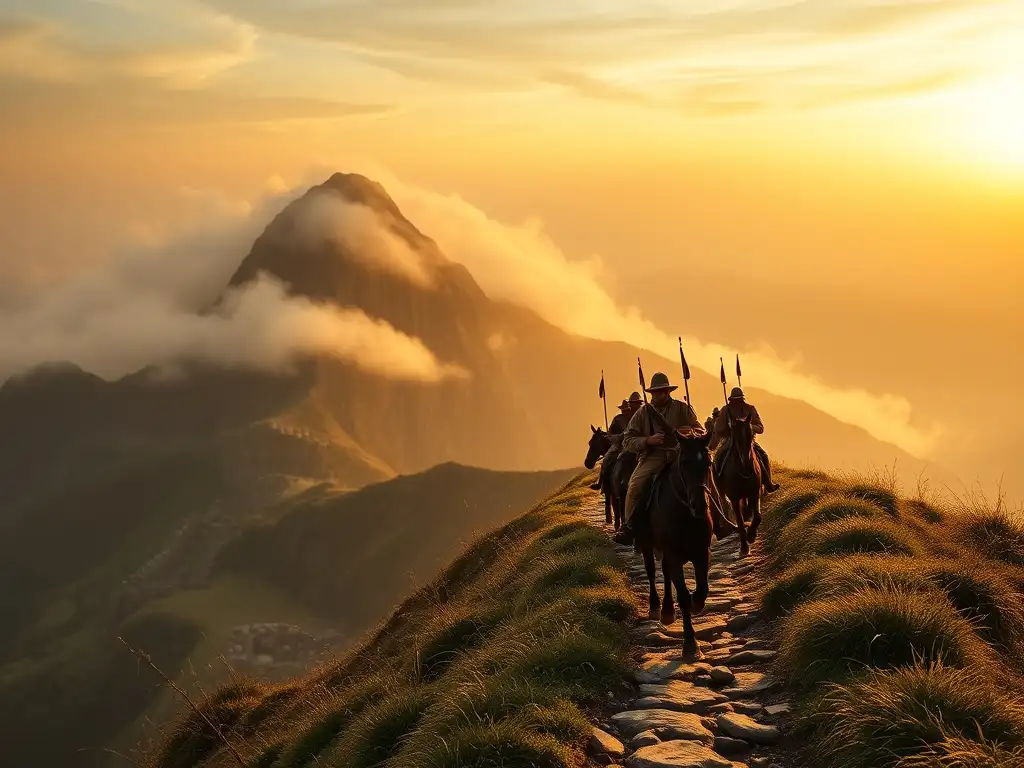
The Spanish Conquest dramatically altered the course of Andean history, profoundly impacting the Inca Empire and its magnificent cities, including Machu Picchu. Understanding the initial stages of this conquest is crucial to grasping why Machu Picchu remained hidden from the Spanish for centuries. The Spanish arrival wasn't a singular event but a process involving exploration, conflict, and ultimately, the systematic dismantling of the Inca political and social structures. The impact of the Spanish Conquest on Machu Picchu is directly linked to these initial phases.
The Arrival of the Spanish Conquistadors
Francisco Pizarro's arrival on the coast of Peru in 1532 marked the beginning of the end for the Inca Empire. His relatively small force, bolstered by superior weaponry (steel swords, firearms, and horses – all unknown to the Inca) and internal Inca conflicts, managed to conquer a vast and sophisticated empire. The Spanish conquistadors, driven by a thirst for gold, land, and religious conversion, systematically exploited pre-existing tensions within the Inca state.
Atahualpa's capture, following the infamous Battle of Cajamarca, signaled a pivotal moment. The Inca's sophisticated military organization, while impressive, proved no match for the Spanish's tactics and weaponry. The initial phase focused on securing coastal areas and establishing strategic alliances with indigenous groups who resented Inca rule.
This strategic maneuvering played a significant role in the eventual conquest. This period saw the introduction of devastating diseases like smallpox, measles, and influenza, which decimated the Inca population, weakening their resistance further. The impact on Machu Picchu was indirect at this stage, but the destabilization of the Inca Empire laid the groundwork for its long-term isolation.
The Initial Encounters and Conflicts
The early encounters between the Spanish and the Inca were characterized by a mixture of awe and hostility. The Spanish were impressed by the Inca's advanced civilization, their intricate road system, impressive architecture, and sophisticated agricultural practices. However, the conquistadors’ primary goal was conquest, and they quickly resorted to violence to achieve their aims.
The Inca, initially unprepared for the Spanish tactics and weaponry, suffered significant losses in early battles. The Inca's belief in their own divine right to rule and their initial underestimation of the Spanish proved detrimental. The Spanish employed a strategy of divide and conquer, exploiting existing rivalries between different Inca factions.
This tactic, combined with the devastating effects of introduced diseases, significantly weakened the Inca's ability to resist. The disruption caused by these initial conflicts, coupled with the ensuing chaos and power struggles, likely contributed to Machu Picchu's eventual abandonment and subsequent obscurity. This period of upheaval significantly impacted the Inca's ability to maintain control over their vast territory, including remote sites like Machu Picchu.
The Fall of the Inca Empire and the Capture of Cusco
The capture of Cusco, the Inca capital, in 1533 marked the symbolic end of the Inca Empire. The systematic destruction of Inca infrastructure, the execution of Inca leaders, and the imposition of Spanish rule led to a period of intense upheaval and societal transformation. The Spanish implemented a new administrative system, replacing the Inca's complex social hierarchy with a colonial structure that prioritized the extraction of resources.
The impact of the Spanish Conquest on Machu Picchu was indirect but significant. While the Spanish didn't actively seek out Machu Picchu, the overall chaos and disruption of the Inca Empire, combined with the decline in population and the shift in power dynamics, contributed to Machu Picchu’s being forgotten and left undisturbed. The city’s remote location, combined with the destruction of Inca record-keeping systems, effectively shielded it from Spanish attention.
The Spanish focused on consolidating their power in the more densely populated areas and exploiting easily accessible resources, overlooking the remote and hidden city of Machu Picchu. The legacy of the Spanish Conquest, therefore, is not just about direct conquest but also about the indirect consequences that led to the preservation, albeit in obscurity, of this remarkable site.
The Spanish Conquest Impact on Machu Picchu
The Spanish Conquest profoundly impacted the Inca Empire, yet its effect on Machu Picchu was surprisingly indirect. While the conquest led to the collapse of the Inca political and social structures, the city's relative isolation played a crucial role in its survival and subsequent rediscovery centuries later.
The Spanish, focused on consolidating power and extracting wealth from the easily accessible centers of Inca influence, seemingly overlooked this strategically hidden site. This section delves into the reasons behind Machu Picchu's evasion of Spanish attention, exploring the interplay of geography, knowledge, and the broader context of the conquest itself.
Understanding this nuanced interaction is key to appreciating the enduring legacy of Machu Picchu and its unique place within the history of the Inca Empire and the subsequent Spanish colonization. The impact of the Spanish conquest on Machu Picchu was not one of direct destruction, but rather one of indirect preservation, a fortunate twist of fate that allowed this remarkable city to endure.
Why Was Machu Picchu Not Discovered by the Spanish?
Several factors contributed to Machu Picchu's elusiveness during the Spanish Conquest. Firstly, the Inca themselves likely played a role in concealing the city's existence. After the Inca empire's fall, the strategic importance of Machu Picchu may have diminished, leading to its abandonment and deliberate concealment to protect its remaining treasures and sacred sites.
This deliberate act of concealment, combined with its remote location, effectively masked it from the Spanish conquistadors who were primarily interested in plundering easily accessible urban centers like Cusco. Secondly, the nature of the Spanish conquest itself, focused on quick gains and immediate control, didn't favor meticulous exploration of remote regions. The Spanish were driven by the pursuit of gold and silver, and their expeditions tended to follow established Inca roads and populated areas.
Machu Picchu, nestled high in the Andes, away from the main routes, simply didn't fit this pattern of conquest. Finally, the Spanish lacked detailed knowledge of the intricate Andean geography, further hindering their chance of stumbling upon the hidden city.
The Strategic Location of Machu Picchu
Machu Picchu's strategic location was both its strength and its protection. Situated high in the Andes Mountains, accessible only via treacherous mountain paths, it offered natural defense against potential invaders. The city's elevated position provided excellent surveillance capabilities, allowing inhabitants to spot approaching threats from a distance. This natural fortification, combined with its relative inaccessibility, significantly reduced the likelihood of accidental discovery by the Spanish.
The Inca's mastery of engineering is also evident in the construction of the impressive stone structures and terraces, perfectly integrated with the landscape. This integration into the natural environment further camouflaged the city, making it difficult to distinguish from the surrounding mountain terrain. Its remote location, far from the main Inca administrative centers and trade routes, also contributed to its effective concealment. The combination of natural defenses and strategic planning ensured Machu Picchu's survival during a period of intense upheaval and conquest.
The Limited Geographical Knowledge of the Spanish in the Andes
The Spanish conquistadors, despite their ambition and military prowess, possessed limited knowledge of the complex Andean geography. Their understanding of the region was largely based on information gathered from captured Inca officials and guides, which may have been incomplete or deliberately misleading. The vast and challenging terrain of the Andes, with its steep mountains, dense forests, and unpredictable weather patterns, posed significant obstacles to exploration.
Mapping techniques of the time were also rudimentary, making it difficult to accurately chart the region's topography. The conquistadors predominantly focused on establishing control over the major Inca cities and resources, neglecting the remote and less accessible areas like where Machu Picchu was located.
This limited geographical knowledge, coupled with the city's secluded location, ensured that Machu Picchu remained undiscovered for centuries after the Spanish conquest of the Inca Empire. The Spanish were more interested in immediate gains—gold, silver, and control over population centers—than in exploring the vast and potentially dangerous unknown Andean terrain.
The Role of the Inca Resistance and Machu Picchu
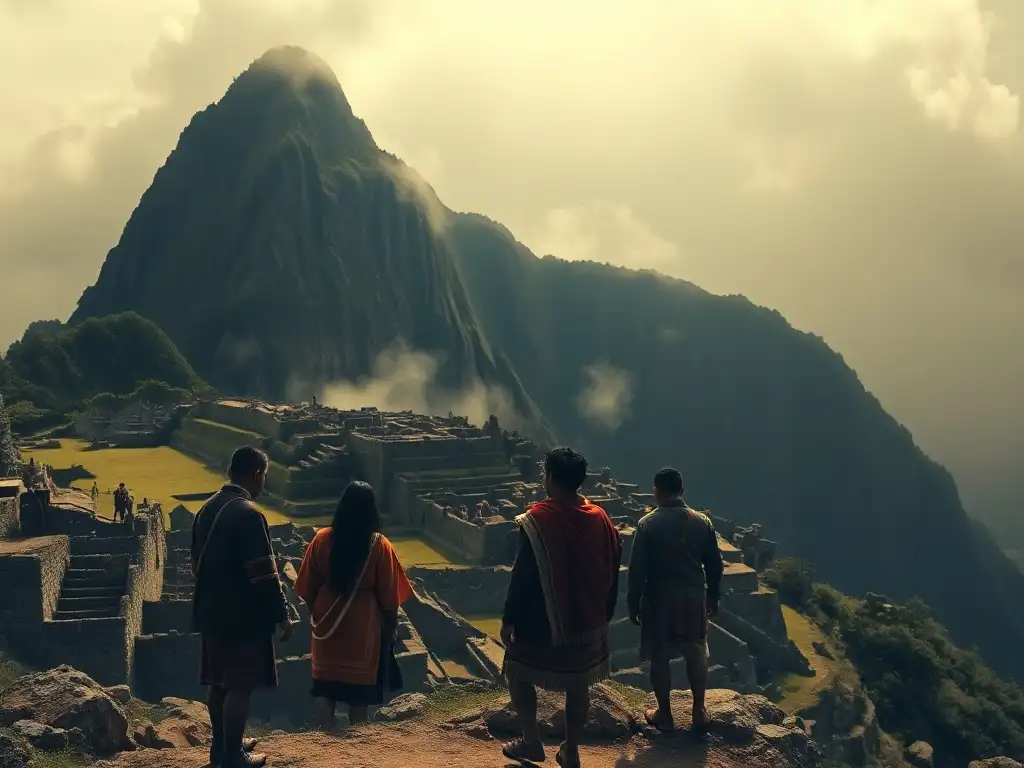
The Spanish Conquest's impact on Machu Picchu wasn't solely about the conquistadors' arrival and subsequent actions. The tenacious resistance mounted by the Inca people, both during and after the initial conquest, significantly shaped the city's fate and its eventual rediscovery centuries later. Understanding this resistance is crucial to comprehending why Machu Picchu remained hidden for so long.
The Spanish weren't simply presented with an easily conquered empire; they faced a prolonged and multifaceted struggle against a determined population fighting for its survival and independence. This resistance, while ultimately unsuccessful in preventing the collapse of the Inca Empire, played a crucial role in the preservation of Machu Picchu and other sites. The very act of hiding and protecting these places was a direct consequence of this struggle.
The Neo-Inca State and its Hideouts
Following the initial conquest of Cusco in 1533, the Inca resistance didn't simply vanish. Instead, it morphed into a series of rebellions and the formation of "Neo-Inca" states. These states, led by individuals claiming Inca lineage or wielding significant power within the former empire, continued to fight against Spanish rule for decades.
These prolonged conflicts, often involving guerilla warfare and strategic retreats, required safe havens and hidden locations. Machu Picchu, with its remote location and natural defenses, fits perfectly into this narrative as a potential hideout for rebel leaders and their followers. The city's intricate network of terraces, hidden pathways, and strategically positioned structures provided ample opportunities for defense and concealment.
Records indicate that numerous Inca leaders and soldiers sought refuge in the mountains following military defeats, suggesting that this was a common strategy throughout the Andean region. Archaeological evidence continues to be unearthed that supports this interpretation, though the precise extent of its use as a refuge remains a subject of ongoing research. The sheer difficulty in accessing the site also strongly suggests its suitability for a hiding place.
Machu Picchu as a Possible Refuge for Inca Elites
Beyond serving as a base for military operations, Machu Picchu may have also functioned as a refuge for Inca elites and their families. The city's impressive architecture and agricultural capabilities suggest a level of comfort and security not typically associated with purely military strongholds.
The presence of sophisticated water management systems, finely crafted stonework, and residential structures indicates a more permanent and comfortable habitation than a simple temporary refuge. This suggests a strategic choice to protect the Inca lineage and cultural heritage, safeguarding them from the immediate threat posed by the Spanish.
The potential for Machu Picchu to have been used as a sanctuary for Inca royalty, priests, and other important figures adds another layer of complexity to its historical significance and helps to explain why its location remained closely guarded. The Spanish might not have even known about its existence, or if they did, the inherent difficulties of accessing the site made it a low priority compared to other, more accessible areas of resistance.
The Legacy of Inca Resistance in the Andes
The enduring impact of Inca resistance on the landscape of the Andes is undeniable. The Spanish Conquest's impact on Machu Picchu was significantly mitigated by the actions taken by the Inca to protect their cultural heritage and fight against foreign rule.
The resilient spirit of the Inca people, their ability to adapt and organize even in the face of overwhelming odds, ultimately contributed to the survival of many aspects of their culture, including the preservation of sites like Machu Picchu. This legacy of resistance is not merely a historical footnote; it continues to resonate in Andean societies today, shaping cultural identities and informing perspectives on colonialism and independence.
The ongoing discovery of new archeological evidence related to the Neo-Inca state and their resistance movements further underscores the importance of understanding this pivotal period in Andean history, and how it shaped the survival of Machu Picchu itself. The Spanish Conquest's impact, therefore, is best understood not as a singular event, but as a prolonged and multifaceted process heavily influenced by the actions and resilience of the Inca people.
The Rediscovery of Machu Picchu
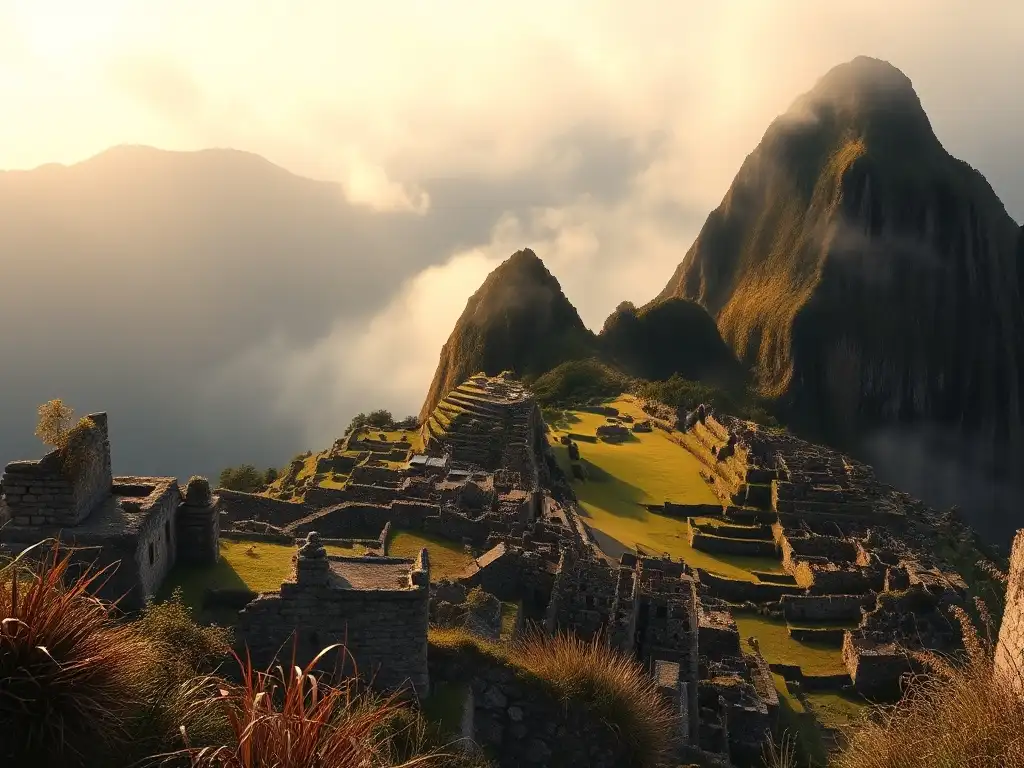
The Spanish Conquest profoundly impacted the Inca Empire, leading to the abandonment of many cities and the disruption of established societal structures. However, the question of why Machu Picchu, a significant Inca site, remained hidden from the Spanish conquistadors for centuries is complex and multifaceted. While the Spanish certainly impacted Inca life, the reasons for Machu Picchu's prolonged obscurity extend beyond simple evasion.
This section will explore the factors contributing to Machu Picchu’s late rediscovery, focusing on the role of local knowledge, the expedition that brought it to the world's attention, and the subsequent impact on our understanding of Andean history. The Spanish Conquest impact on Machu Picchu is best understood not as a single event, but as a confluence of factors that allowed this remarkable city to remain hidden for so long.
The Forgotten City and Local Knowledge
Despite the widespread devastation wrought by the Spanish conquistadors, the complete erasure of Inca knowledge and memory is a misconception. Local populations, particularly those in remote Andean communities, maintained oral traditions and practical knowledge of their ancestral sites. It's highly plausible that knowledge of Machu Picchu's location persisted within certain indigenous communities for generations after the Inca Empire's fall.
This knowledge, however, was not necessarily widely shared or easily accessible to outsiders. The difficult terrain surrounding Machu Picchu, coupled with the deliberate obfuscation of sacred sites practiced by some indigenous groups, likely contributed to its continued secrecy. The inaccessibility of the site itself, nestled high in the Andes mountains, acted as a natural barrier to discovery.
Further research is needed to fully understand the extent of indigenous knowledge about Machu Picchu and how it was transmitted across generations. The oral histories of these communities represent a crucial, yet often overlooked, source of information regarding the site's history and the reasons for its prolonged concealment. Understanding this aspect is crucial to understanding the true Spanish Conquest impact on Machu Picchu narrative.
Hiram Bingham's Expedition and the "Lost City"
Hiram Bingham III's 1911 expedition is widely credited with "discovering" Machu Picchu. However, it's important to acknowledge that Bingham's expedition built upon existing local knowledge. He was guided by local individuals who were already aware of the site’s existence.
Bingham's meticulous documentation and the subsequent publicity surrounding his "discovery" propelled Machu Picchu into the global spotlight, transforming it from a relatively unknown site into a world-renowned archaeological marvel. Bingham's narrative of a "lost city" captured the public imagination, fueling a romantic image of a hidden Inca metropolis. This romanticized version, however, often overshadows the complex history of the site and the pre-existing knowledge within Andean communities.
The expedition's success was a combination of Bingham's resources and connections, his determination, and crucial assistance from local guides. Bingham's role in bringing Machu Picchu to international attention was undeniably significant, but the narrative of sole discovery requires a nuanced understanding of the pre-existing local knowledge and the broader historical context.
The Impact of Rediscovery on Andean History
The rediscovery of Machu Picchu fundamentally altered the perception and understanding of the Inca Empire and Andean civilizations more broadly. Before Bingham's expedition, scholarly knowledge of the Inca was relatively limited. Machu Picchu's excavation and subsequent research provided invaluable insights into Inca architecture, agriculture, social organization, and religious practices.
The site's remarkable preservation offered a unique window into Inca life, challenging and expanding previous interpretations of the empire's capabilities and complexity. The influx of tourism following the rediscovery, while economically beneficial for the region, also presented challenges related to preservation and the ethical treatment of the site and its cultural significance.
The Spanish Conquest impact on Machu Picchu, therefore, is not merely a story of evasion, but also a story of rediscovery, scholarly advancement, and the ongoing complexities of cultural heritage management. The site continues to offer new insights, demonstrating the lasting legacy of the Inca civilization and the enduring power of its historical and cultural significance.
Machu Picchu's Survival: A Testament to Inca Ingenuity
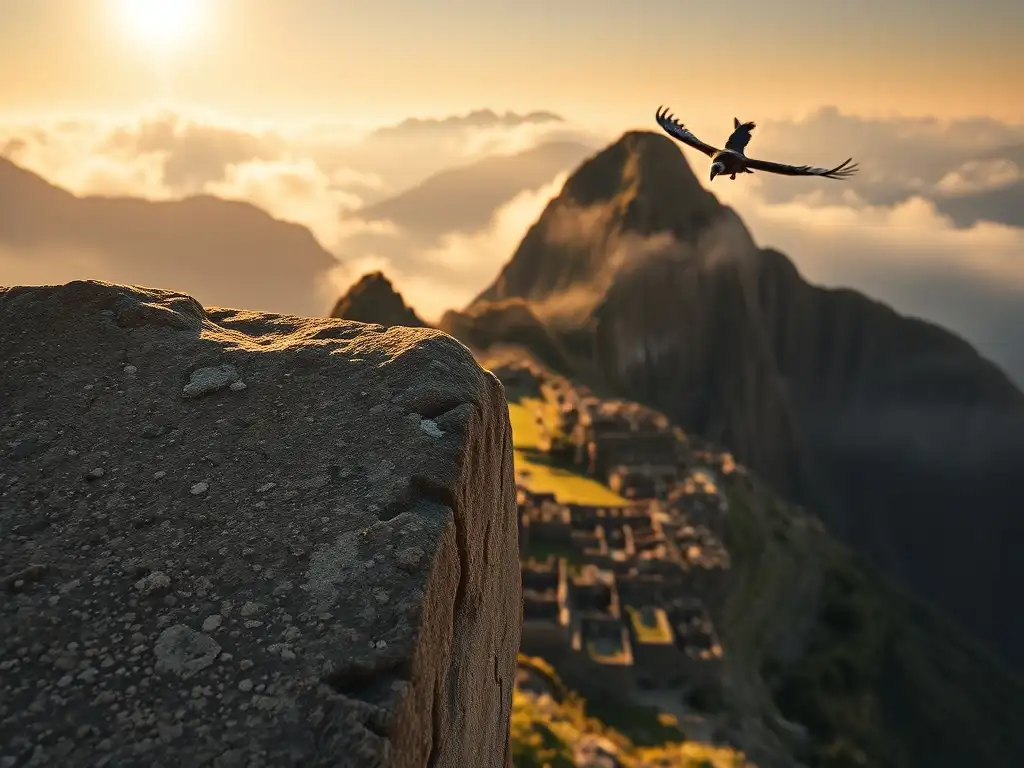
The Spanish Conquest dramatically altered the landscape of the Inca Empire, leading to the destruction of countless cities and the disruption of intricate social structures. Yet, Machu Picchu, a jewel of Inca architecture and engineering, remained hidden from the conquistadors. Its survival wasn't merely a matter of luck; it speaks volumes about the ingenuity of Inca builders and the strategic choices made in its construction and subsequent abandonment.
Understanding the factors contributing to Machu Picchu's survival helps us appreciate the sophisticated civilization that created it and the profound impact the Spanish Conquest had, or rather, didn't have, on this specific site. The Spanish Conquest impact on Machu Picchu was, surprisingly, minimal in terms of direct destruction.
The Unique Construction Techniques of Machu Picchu
Machu Picchu's remarkable survival is partly attributable to its unique construction techniques. Inca builders were masters of dry-stone masonry, fitting stones together with such precision that mortar wasn't necessary. This meticulous craftsmanship, combined with the use of locally sourced, incredibly durable granite, created structures remarkably resistant to the ravages of time and potential looting.
The interlocking stones, precisely shaped and fitted, created a structure that has withstood earthquakes and the elements for centuries. This sophisticated building style, far superior to many contemporary structures, is a testament to Inca engineering prowess and explains, in part, why the city remained intact despite the upheaval caused by the Spanish Conquest.
The precision of Inca stonework is truly astonishing. Consider the famous "twelve-angled stone," a marvel of engineering that demonstrates the level of skill and planning involved in Machu Picchu's construction. This stone, perfectly integrated into the wall, is a clear demonstration of the Inca's advanced understanding of geometry and their ability to create incredibly strong and stable structures. Such precise construction made the city less vulnerable to the type of damage that might have befallen more loosely built settlements during the chaotic period following the Spanish Conquest.
Integration with the Natural Landscape
Machu Picchu's survival is also linked to its skillful integration with the surrounding environment. The city wasn't just built in the landscape; it was built as part of the landscape. The structures were seamlessly incorporated into the mountainside, camouflaging them from view. This deliberate blending with the natural environment, aided by the lush vegetation, contributed significantly to the city's concealment from Spanish explorers. The Spanish Conquest, while devastating in many areas, was less effective in uncovering sites so cleverly integrated into their surroundings.
Furthermore, the city's location, high in the Andes Mountains, made it difficult to access. The challenging terrain discouraged exploration, particularly for the Spanish who were focused on conquering more accessible and populated areas. The remote location, combined with the city's natural camouflage, shielded Machu Picchu from the widespread destruction inflicted upon other Inca settlements. This strategic placement, a key aspect of Inca urban planning, played a vital role in its survival.
The Enduring Mystery of Machu Picchu's Purpose
While the precise purpose of Machu Picchu remains a subject of ongoing debate, its likely function as a royal estate or religious center played a role in its survival. Unlike major population centers that were targeted by the Spanish for their resources and labor, Machu Picchu, possibly having a smaller, more elite population, may have been overlooked or deemed less strategically important. The Spanish Conquest impact on Machu Picchu was therefore lessened by its likely limited population and the lack of obvious riches that might have attracted plundering.
The fact that Machu Picchu appears to have been abandoned before the arrival of the Spanish also contributed to its preservation. The absence of a significant population meant there were fewer people to exploit and fewer resources to loot. This pre-Conquest abandonment, the reasons for which are still debated among scholars, ironically, shielded the city from the worst of the Spanish Conquest's impact. The mystery surrounding Machu Picchu's purpose continues to fascinate, but its likely function as a relatively isolated, smaller-scale site, ultimately contributed to its survival.
Conclusion: The Spanish Conquest and the Preservation of Machu Picchu
The Spanish Conquest profoundly impacted the Andean world, leading to the collapse of the Inca Empire and widespread societal upheaval. However, the very thoroughness of the Spanish search for gold and other riches, ironically, contributed to the survival of Machu Picchu. The city's remote location, concealed within the Andes mountains, shielded it from the immediate attention of the conquistadors.
While the Spanish certainly impacted Inca society and its infrastructure, their primary focus was on easily accessible centers of power and wealth, leaving many smaller, less-obvious settlements relatively untouched. This fortunate circumstance, coupled with other factors, allowed Machu Picchu to remain hidden for centuries. The Spanish Conquest’s impact on Machu Picchu was therefore a complex one, with both destructive and preservative elements.
The Unintended Consequences of the Conquest
The Spanish conquest of the Inca Empire resulted in a massive disruption of the Inca road system, a critical element of the empire's administration and communication network. This disruption, while devastating for the Inca, inadvertently contributed to the isolation of Machu Picchu. The Spanish focused their efforts on securing major population centers and established routes, neglecting the arduous paths leading to remote sites like Machu Picchu.
The decline of the Inca state also led to a dispersal of the population, with many communities abandoning their previous settlements and integrating into new, often smaller, communities. This depopulation further reduced the chances of Machu Picchu's rediscovery.
The systematic destruction of Inca records and knowledge further obscured the existence of Machu Picchu. The Spanish actively sought to suppress Inca culture and religion, destroying temples, records, and even oral traditions. The loss of this knowledge likely meant that even if the location of Machu Picchu was known to some, its significance remained lost to history, further contributing to its obscurity.
The sheer scale of the destruction makes it difficult to estimate the precise extent of the loss, but the consequences for understanding Inca civilization are undeniable. We can only speculate on what further insights might have been gained from the destroyed records and traditions.
Machu Picchu as a Symbol of Inca Resilience
Despite the devastating impact of the Spanish Conquest, Machu Picchu stands as a powerful symbol of Inca resilience and ingenuity. Its survival, against the odds, speaks volumes about the tenacity of the Inca people and their ability to adapt to changing circumstances. The city's intricate agricultural systems, sophisticated architecture, and carefully planned urban design demonstrate the high level of technological and organizational skill possessed by the Inca.
The fact that this remarkable city remained hidden for centuries underscores the Inca's ability to integrate their settlements seamlessly into the challenging Andean landscape. Machu Picchu’s preservation serves as a potent reminder of the complex and enduring legacy of the Inca civilization, a civilization that did not simply disappear after the conquest but instead adapted and endured in various forms. The resilience of the Inca culture, represented by Machu Picchu, is a testament to the strength and adaptability of the Andean peoples.
Future Research and Exploration of Andean History
Further research is crucial to fully understand the complex interplay between the Spanish Conquest and the preservation of Machu Picchu. Detailed analysis of archaeological data, coupled with the study of surviving colonial records, could shed light on the movements of the Spanish conquistadors and their activities in the surrounding regions. This would help us better understand why Machu Picchu was overlooked.
Moreover, ongoing research into Inca oral traditions and ethnohistory could provide valuable insights into the city's history and significance from the perspective of the Inca themselves. This multidisciplinary approach, combining archaeological evidence with historical analysis and indigenous perspectives, is essential for a more nuanced and complete understanding of the Spanish Conquest's impact on Machu Picchu and the broader Andean world.
The ongoing discovery of new sites and artifacts across the Andes continues to reveal the vast complexity of the Inca Empire and the richness of Andean history, promising many more years of exciting discoveries. The Spanish Conquest impact on Machu Picchu remains a topic ripe for further investigation, promising to enrich our understanding of this remarkable site and the civilization that created it.
Frequently Asked Questions
What was the impact of the Spanish Conquest on Machu Picchu?
The Spanish Conquest indirectly impacted Machu Picchu. While never directly conquered or looted, the Spanish conquest of the Inca Empire led to the abandonment of Machu Picchu and its subsequent obscurity. The collapse of the Inca infrastructure and population significantly contributed to the site's concealment.
Why didn't the Spanish find Machu Picchu?
Machu Picchu's remote location and strategic placement in the Andes Mountains, coupled with the lack of easily accessible routes, hid it from the Spanish conquistadors. The Inca's knowledge of the city's existence was largely lost after the fall of the empire.
How did the Inca civilization manage to build Machu Picchu so high in the mountains?
The Inca possessed remarkable engineering skills, utilizing their knowledge of terrain, stonework, and labor organization to construct Machu Picchu. They employed advanced techniques in building, including precise stone fitting and sophisticated irrigation systems.
What role did Machu Picchu play in the Inca Empire?
The exact function of Machu Picchu remains debated, but it's believed to have served as a royal estate, a religious center, or possibly both. Its strategic location and impressive architecture suggest a site of significant importance within the Inca Empire.
Was Machu Picchu ever inhabited after the Spanish Conquest?
While there's evidence of some sporadic use after the Inca abandonment, Machu Picchu was essentially uninhabited for centuries following the Spanish conquest. It remained hidden and largely unknown until its rediscovery in the early 20th century by Hiram Bingham.
Final Reflection: Echoes of Conquest in the Lost City
The enduring mystery of Machu Picchu's late discovery isn't just a historical curiosity; it's a stark reminder of the power dynamics and biases that shape our understanding of the past. The Spanish conquest, while undeniably impacting the Inca civilization profoundly, left behind a complex legacy that continues to influence how we interpret and access history, even today. The very fact that Machu Picchu remained hidden for centuries speaks volumes about the limitations of colonial perspectives and the resilience of indigenous cultures.
The deliberate obfuscation of Inca history by the Spanish, coupled with the deliberate destruction of much of their culture, created a narrative void that only began to be filled with the rediscovery of sites like Machu Picchu. This process of uncovering a hidden past is itself a testament to the ongoing struggle for accurate representation and the reclamation of narratives lost to conquest. History is written by the victors,
a phrase often attributed to Winston Churchill, rings particularly true when considering the Spanish conquest and its impact on the Inca. The rediscovery of Machu Picchu, however, offers a chance to rewrite parts of that history, to amplify the voices that were silenced.
Consider the implications of this for your own life. How do the narratives you encounter shape your understanding of the world? Are you actively seeking out diverse perspectives, challenging dominant narratives, and ensuring that all voices are heard?
Machu Picchu's story is not just about a lost city; it's a call to critically examine the narratives that surround us, to actively seek out the untold stories, and to strive for a more inclusive and accurate understanding of our shared past. Let the enduring mystery of Machu Picchu inspire you to uncover your own hidden histories and to contribute to a more just and equitable future.
Unveil the Mysteries of the Andean Civilizations!
Thank you for exploring the fascinating history of the Spanish conquest and its impact on Machu Picchu. Your interest in these ancient cultures reveals a deep curiosity about the past. Let's transform that curiosity into action and discovery!
Here are some ways to delve deeper:
- Plan a trip to Machu Picchu this year! Experience the breathtaking ruins firsthand and immerse yourself in the rich culture of the Andean civilizations.
- Join a local history group or online forum to share your insights and learn from others passionate about Andean history and archaeology.
- Expand your knowledge by reading books and watching documentaries about the Inca Empire and the Spanish conquest; you might uncover surprising new perspectives on this captivating story!
What wonders of the Andean world are you most eager to explore next?