
Inca Architecture and the Concept of Sustainability: Resource Management

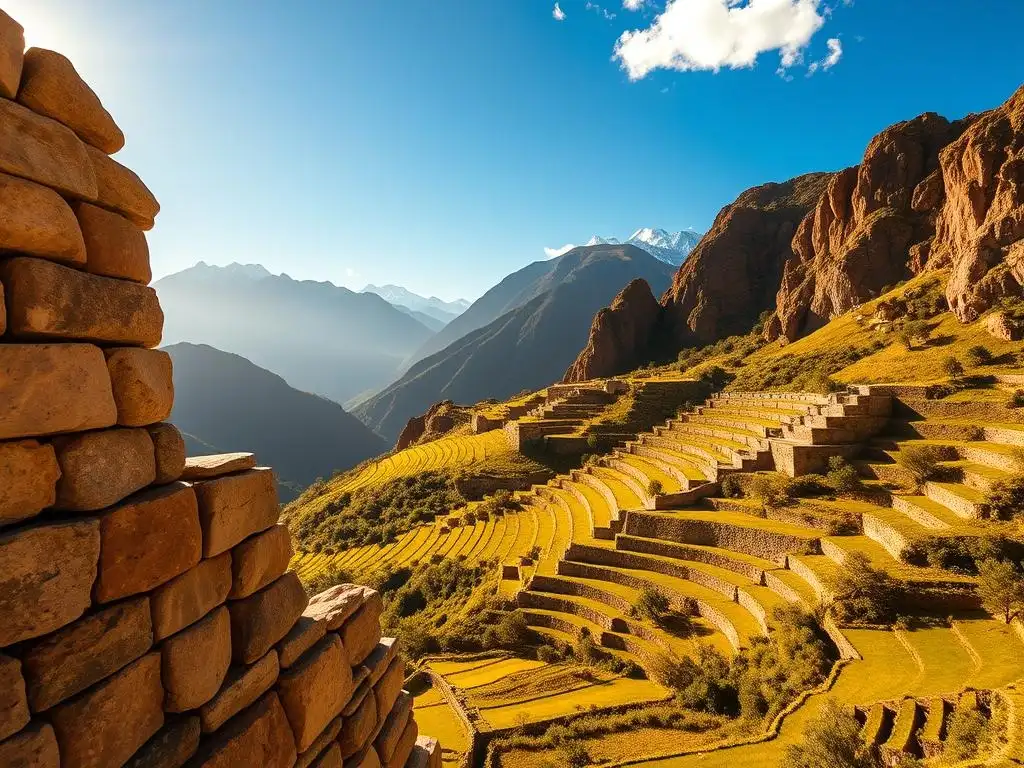
Step into a world lost to time, yet echoing with innovation. Prepare to be amazed by the ingenuity of the Andean civilizations, from the towering heights of Inca cities to the intricate artistry of the Nazca lines. But did you know that the Incas mastered sustainable architecture centuries ago? Discover the secrets behind Inca architecture sustainability practices and how their resource management shaped an empire that defied the Andes' harsh landscape. Unravel the mysteries and explore the legacy that continues to inspire us today.
The Inca Empire, renowned for its breathtaking architectural achievements spanning across the Andes Mountains, presents a fascinating case study in sustainable building practices. Far from simply constructing impressive structures, the Inca civilization demonstrated a deep understanding of resource management and environmental integration, principles that resonate powerfully with contemporary sustainability concerns. This article delves into the ingenious techniques employed by Inca architects and engineers, exploring how their resourcefulness and respect for the environment shaped their iconic cities and infrastructure, and how these ancient practices offer valuable lessons for modern sustainable design.
We will examine how the Inca’s approach to material sourcing, construction methods, and urban planning contributed to a remarkably sustainable built environment, challenging our perceptions of ancient civilizations and their impact on the landscape. Understanding the Inca's approach to "Inca architecture sustainability practices" reveals a sophisticated understanding of environmental stewardship far ahead of its time.
Material Sourcing and Adaptation
Inca architects displayed exceptional skill in adapting their building materials to the specific environmental context. Instead of relying on a single material, they ingeniously utilized readily available local resources. Stone, the primary building material, was quarried responsibly, often selecting stones that fit precisely together, minimizing waste and enhancing structural integrity.
This meticulous selection process, combined with the use of dry-stone masonry techniques, resulted in structures that were both aesthetically pleasing and remarkably resistant to earthquakes. Furthermore, the use of locally sourced materials reduced the environmental impact associated with transportation, a significant factor in minimizing their carbon footprint.
The Inca's choice of materials was not merely driven by practicality; it also reflected a deep respect for the surrounding environment and a commitment to working with nature, rather than against it. Consider the diverse landscapes: from the coastal deserts to the high-altitude mountains, each region provided unique resources that were expertly integrated into the architecture.
Construction Techniques and Minimizing Waste
The Inca's mastery of dry-stone masonry is a testament to their sustainable building practices. This technique, which involves fitting stones together without the use of mortar, showcases an impressive level of precision and craftsmanship. The precise fitting of stones not only enhanced the structural stability of buildings but also significantly reduced the need for additional materials. The absence of mortar also meant less environmental impact from the production and transportation of binding agents.
Moreover, the Inca’s meticulous planning and construction methods minimized waste throughout the building process. Stones were carefully shaped and sized to fit perfectly, ensuring that minimal material was discarded. This level of precision not only showcased their exceptional skill but also contributed to the overall sustainability of their architectural endeavors. The precision also allowed for easy dismantling and reuse of materials, further reducing waste and promoting circularity.
Urban Planning and Environmental Integration
Inca urban planning was remarkably integrated with the natural environment. Cities were strategically located to take advantage of natural resources and minimize environmental impact. The use of terraces on steep slopes not only allowed for increased agricultural productivity but also prevented soil erosion. The integration of water management systems, such as canals and aqueducts, demonstrated a sophisticated understanding of water conservation and efficient resource allocation.
These systems not only provided essential water for daily life but also played a critical role in maintaining the ecological balance of the region. This holistic approach to urban planning showcases a deep understanding of the interconnectedness between human settlements and the natural environment – a fundamental principle of sustainable development. The Inca's understanding of water management, for instance, was crucial to their survival in the often-arid Andean environment, showcasing a remarkable adaptation to their surroundings.
Lessons for Modern Sustainability
The Inca's approach to architecture and resource management offers valuable lessons for contemporary sustainable design. Their emphasis on locally sourced materials, precise construction techniques, and integrated urban planning provides a compelling model for reducing environmental impact and promoting resource efficiency. By understanding and adapting these ancient principles, we can strive to create more sustainable and resilient built environments.
The Inca's legacy challenges us to rethink our own relationship with the environment and to consider the long-term consequences of our building practices. The ingenuity and foresight displayed by Inca architects and engineers continues to inspire and inform the pursuit of sustainable development in the 21st century, offering a powerful example of how human ingenuity and environmental stewardship can coexist harmoniously. The study of Inca architecture is not just an exploration of the past, but a vital tool for shaping a more sustainable future.
- Material Sourcing and Adaptation
- Construction Techniques and Minimizing Waste
- Urban Planning and Environmental Integration
- Lessons for Modern Sustainability
- What makes Inca architecture sustainable?
- How did the Incas manage resources effectively in their building projects?
- What specific building techniques demonstrate Inca sustainability?
- Did Inca architectural practices influence modern sustainable design?
- What role did the environment play in Inca architectural choices?
Introduction to Inca Architectural Sustainability
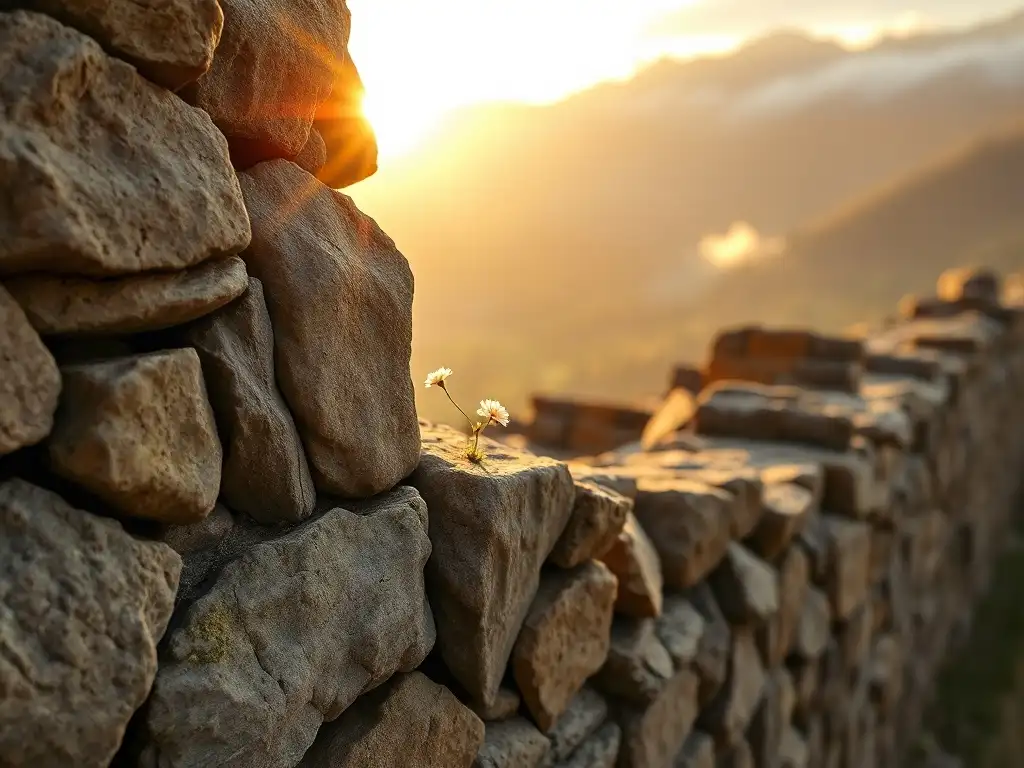
Inca architecture stands as a testament to ingenuity and a profound understanding of sustainable building practices. Far from simply constructing impressive structures, the Inca civilization meticulously integrated their architecture with the surrounding environment, demonstrating a sophisticated approach to resource management that resonates even today. This section delves into the core principles of Inca architectural sustainability, exploring their harmonious relationship with nature and the resourcefulness embedded in their building techniques.
Examining the Inca understanding of environmental harmony, their resourcefulness in construction, and the continuing relevance of their practices provides valuable insights into sustainable design and construction. The keyword phrase "Inca architecture sustainability practices" is central to understanding this remarkable civilization's achievements.
The Inca Understanding of Environmental Harmony
The Inca worldview emphasized a deep connection between humanity and the natural world. This holistic perspective permeated all aspects of their lives, profoundly influencing their architectural choices. The Inca didn't see themselves as separate from, but rather integral to, their environment.
This understanding is reflected in their careful selection of building materials, often sourced locally to minimize transportation impact and environmental disruption. For example, the use of readily available stone, adobe bricks, and thatch demonstrates a commitment to minimizing their ecological footprint. Furthermore, the integration of their structures into the landscape, often utilizing natural features like hillsides and valleys, showcased a remarkable sensitivity to the existing topography.
This wasn't merely a practical consideration; it was a fundamental aspect of their spiritual beliefs, reflecting a desire to live in harmony with Pachamama, Mother Earth. The Inca’s deep respect for the environment informed their sustainable practices, ensuring the long-term viability of their settlements. Their approach wasn't simply about building; it was about building with nature.
Resourcefulness in Inca Building Techniques
The Inca's resourcefulness is evident in their innovative building techniques. Their mastery of stonework, particularly their ability to create precisely cut stones that fit together without mortar, is legendary. This technique, known as ashlar masonry, minimized the need for binding agents, reducing reliance on potentially scarce resources.
Furthermore, the Inca skillfully adapted their construction methods to the specific environmental conditions of each region. In areas with abundant stone, they employed massive stone blocks, whereas in regions with less stone, they utilized adobe bricks and other readily available materials. This adaptability highlights their deep understanding of local ecologies and their commitment to sustainable resource use.
The precision and efficiency of their techniques are further demonstrated by the longevity of many Inca structures, which have withstood the test of time, a testament to the durability and sustainability of their methods. Careful planning and efficient resource utilization were hallmarks of Inca construction. The Inca's understanding of material science and engineering techniques further enhanced the sustainability of their buildings.
The Relevance of Inca Practices Today
The Inca's sustainable architectural practices offer valuable lessons for contemporary society grappling with environmental challenges. Their emphasis on local sourcing, minimal environmental impact, and integration with the landscape provides a powerful model for sustainable design and construction. In modern times, the principles of "Inca architecture sustainability practices" are being re-evaluated and adopted in various sustainable design projects, such as the use of locally-sourced materials and minimizing waste.
Their resourceful use of materials and innovative construction techniques can inspire architects and engineers to develop more environmentally friendly building methods. The Inca's approach to sustainable construction serves as a compelling example of how a civilization can thrive while minimizing its ecological footprint. The longevity and resilience of their structures stand as a powerful testament to the enduring value of environmentally conscious design.
Understanding and adapting these principles could significantly contribute to creating more sustainable and resilient built environments in the 21st century. The enduring legacy of Inca architecture lies not only in its aesthetic beauty but also in its profound message of sustainable living.
Inca Stone Structures and Resource Optimization
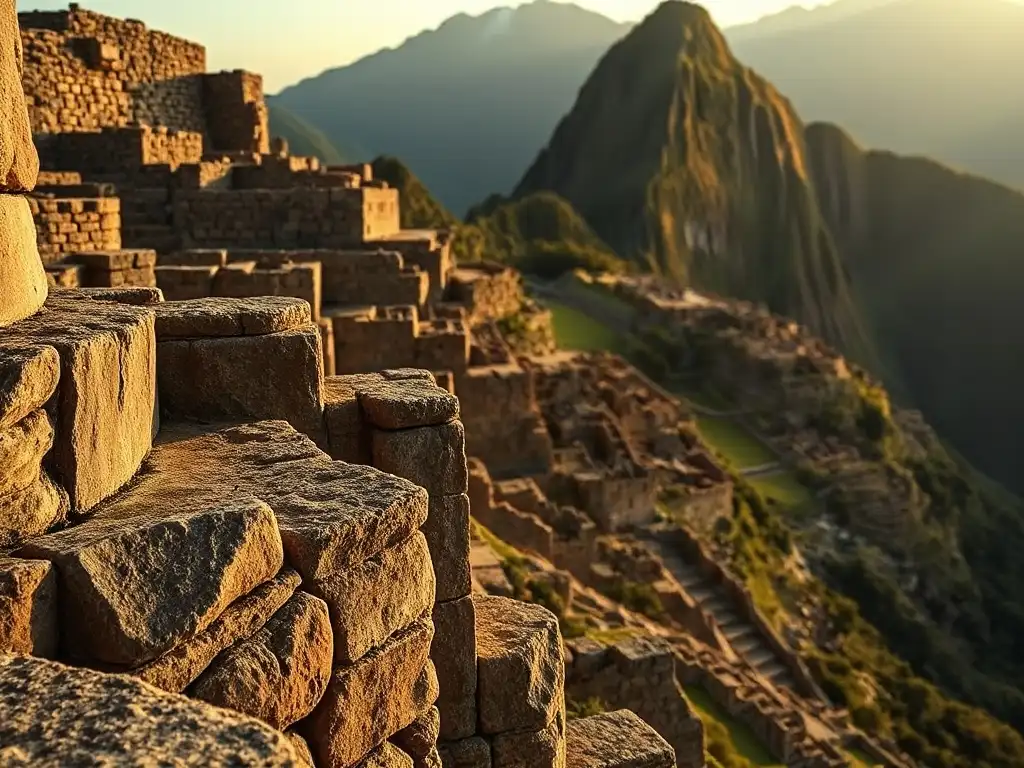
The Inca Empire's remarkable architectural achievements weren't just aesthetically pleasing; they were also testaments to sophisticated sustainability practices. The Incas demonstrated a deep understanding of resource management, minimizing environmental impact while constructing impressive cities, temples, and fortifications across challenging Andean terrain. Their approach to architecture offers valuable lessons for modern sustainable building practices, highlighting the importance of careful planning, efficient resource utilization, and respect for the environment.
The keyword phrase "Inca architecture sustainability practices" perfectly encapsulates this unique blend of engineering prowess and environmental consciousness. Analyzing their methods reveals a complex interplay of ingenuity and respect for the delicate Andean ecosystem.
Quarrying Techniques and Minimal Waste
Inca quarry sites reveal a meticulous approach to stone extraction, prioritizing minimal waste and maximum utilization. Instead of simply blasting away rock, Inca masons employed precise techniques to carefully cut and shape stones, often using copper and bronze tools. Evidence suggests they selected stones based on their quality and suitability for specific architectural purposes. This selective quarrying minimized the amount of discarded material, reducing the overall environmental footprint of their construction projects.
The precision of Inca stone cutting is truly astonishing. They achieved incredibly tight fits between stones, often without the use of mortar. This level of accuracy not only enhanced the structural integrity of their buildings but also reduced the need for excess material.
Consider the iconic walls of Sacsayhuamán: the incredibly tight-fitting stones are a testament to their mastery of quarrying and stone shaping, minimizing waste and showcasing an impressive understanding of engineering principles. Analyzing the leftover material at various Inca quarry sites reveals surprisingly small amounts of waste, further supporting the hypothesis of their efficient resource management. This contrasts sharply with modern quarrying methods that often generate significant waste.
Transportation of Stones and Labor Management
Moving massive stones across challenging Andean landscapes presented a significant logistical challenge. The Incas developed sophisticated systems for transporting stones, minimizing environmental damage and optimizing labor resources. They likely employed a combination of methods, including rollers, ramps, and human porters, strategically utilizing available resources and minimizing the need for extensive infrastructure.
The organization of labor was crucial to the success of these projects. The Inca mita system, a form of mandatory public service, provided a large workforce for construction projects. This system, while demanding, ensured a steady supply of labor and potentially reduced the overall environmental impact compared to employing a smaller, less organized workforce that might have resulted in more haphazard resource use and greater environmental disruption.
[Specific data on the efficiency of the mita system in relation to resource management pending]. Careful planning and efficient labor management were key components of Inca sustainability practices, contributing to the success of their monumental architectural achievements.
Sustainable Use of Local Materials in Inca Construction
The Incas prioritized the use of locally sourced materials in their construction projects. This reduced transportation costs and minimized the environmental impact associated with long-distance material transport. They skillfully utilized readily available resources like stone, wood, and adobe, adapting their building techniques to the specific characteristics of each material.
The choice of materials was not arbitrary. The Incas demonstrated a keen understanding of the properties of local materials and their suitability for various construction applications. Stone, for example, was chosen for its durability and resistance to the elements. Wood was often used for roofing and interior structures.
Adobe, a sun-dried brick made from clay and straw, was a common building material in less mountainous regions, demonstrating adaptability and sustainability. This intelligent use of readily available materials is a hallmark of their sustainable building practices, minimizing environmental impact and creating structures that blended harmoniously with their surroundings. The integration of local materials also contributed to the unique regional styles found in Inca architecture across the empire, reflecting a deep understanding of the local environment and its resources.
Inca Water Management and its Sustainable Approach
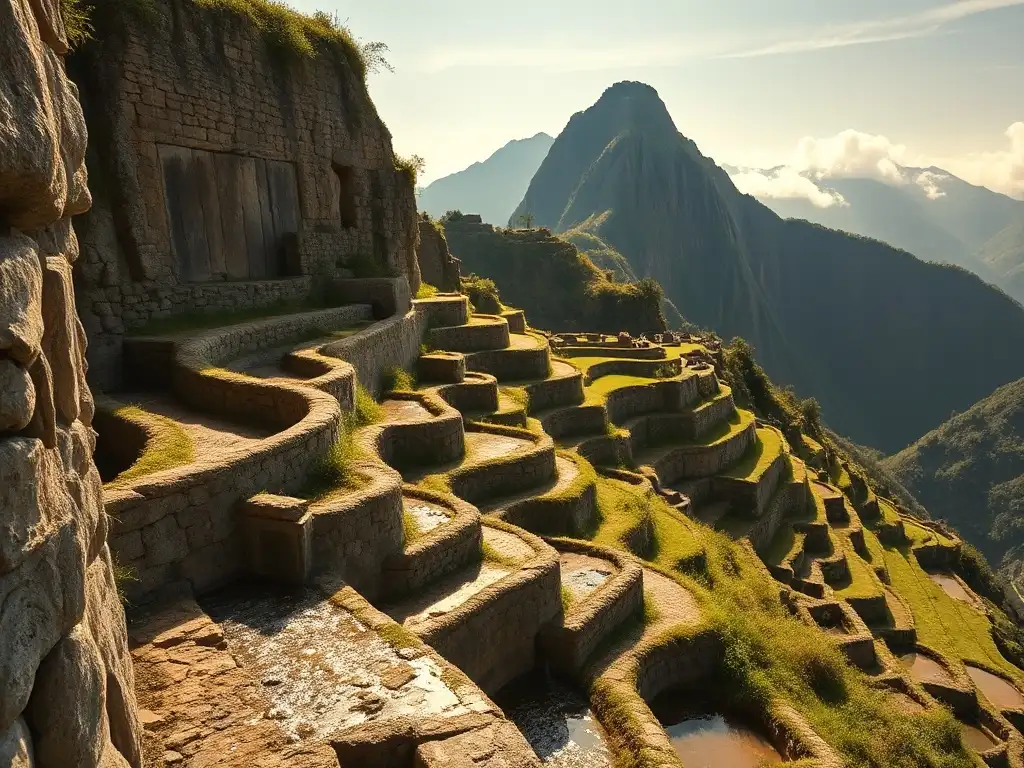
The Inca Empire, renowned for its sophisticated architecture and engineering prowess, demonstrated a remarkable understanding of sustainable practices, particularly in water management. Their ingenuity in harnessing and conserving water resources was crucial to their agricultural success and the flourishing of their urban centers, even in challenging Andean terrains. This section delves into the specific techniques employed by the Inca, highlighting their innovative approach to water management that ensured long-term sustainability.
Understanding these "Inca architecture sustainability practices" provides valuable insights into their civilization's resilience and adaptability. The key to their success lay in a holistic approach that integrated water management with agricultural techniques and urban planning.
Terraced Agriculture and Water Conservation
Inca terraced agriculture is a prime example of their sustainable water management strategies. These meticulously constructed terraces, carved into steep hillsides, served multiple purposes. Firstly, they significantly increased the arable land available for cultivation, maximizing agricultural output in a geographically challenging environment. Secondly, the terraces themselves played a crucial role in water conservation.
The design, with its retaining walls and carefully graded levels, slowed down the flow of rainwater, allowing it to seep into the soil and nourish the crops. This minimized runoff and erosion, preventing the loss of valuable topsoil and water resources. The terraces also created microclimates, providing optimal conditions for diverse crops to thrive. Evidence suggests that the Inca carefully selected the types of crops and their placement within the terraces based on factors like sunlight exposure, water availability, and soil quality, further optimizing their agricultural yield.
Detailed studies of surviving terraces reveal the precision of their construction, with variations in terrace size and orientation tailored to local environmental conditions. For instance, terraces facing south often received less direct sunlight, leading to different crop choices compared to north-facing terraces. This nuanced understanding demonstrates a sophisticated level of environmental awareness and planning.
Inca Irrigation Systems and Water Distribution
Beyond terraced agriculture, the Inca developed extensive irrigation systems to manage water resources effectively. These systems, often involving complex networks of canals, aqueducts, and reservoirs, facilitated the efficient distribution of water to agricultural lands. The ingenuity of the Inca engineers is evident in the construction of canals that traversed challenging terrain, often utilizing ingenious techniques to overcome obstacles like steep slopes and rocky landscapes.
They employed a variety of materials, including stone, clay, and even woven fabrics, to construct canals that were remarkably durable and effective. Furthermore, the Inca implemented sophisticated water distribution strategies, ensuring that water reached even the most remote agricultural areas. This often involved the use of sophisticated diversion structures and regulating devices to control the flow of water, preventing waterlogging and ensuring equitable distribution among different agricultural plots.
Records from Spanish chronicles and archaeological findings suggest that the management of these irrigation systems was often a communal effort, with communities sharing responsibility for maintaining and repairing the infrastructure. This collaborative approach underscores the importance of water management in the Inca social structure and its role in ensuring social cohesion and sustainability.
Water Management in Inca Cities and Settlements
The Inca's commitment to sustainable water management extended beyond agriculture to their urban centers. Inca cities and settlements were carefully planned to optimize water access and minimize waste. Many cities were built near sources of fresh water, such as rivers and springs, and sophisticated systems were implemented to channel water into the city for domestic and public use.
The use of fountains, public baths, and carefully designed drainage systems reflects a commitment to both hygiene and efficient water utilization. For example, Machu Picchu's intricate water management system, with its fountains, canals, and baths, highlights the integration of water into urban life and its symbolic significance. Evidence suggests that the Inca utilized a variety of techniques to purify and store water, including the construction of reservoirs and the use of natural filtration methods.
The combination of meticulous urban planning and advanced water management technologies ensured a reliable supply of clean water for the city's inhabitants, contributing to the overall health and well-being of the population and the long-term sustainability of their settlements. This holistic approach, encompassing not only access but also sanitation and conservation, showcased a deep understanding of the importance of water in urban environments.
Inca Urban Planning and Environmental Balance
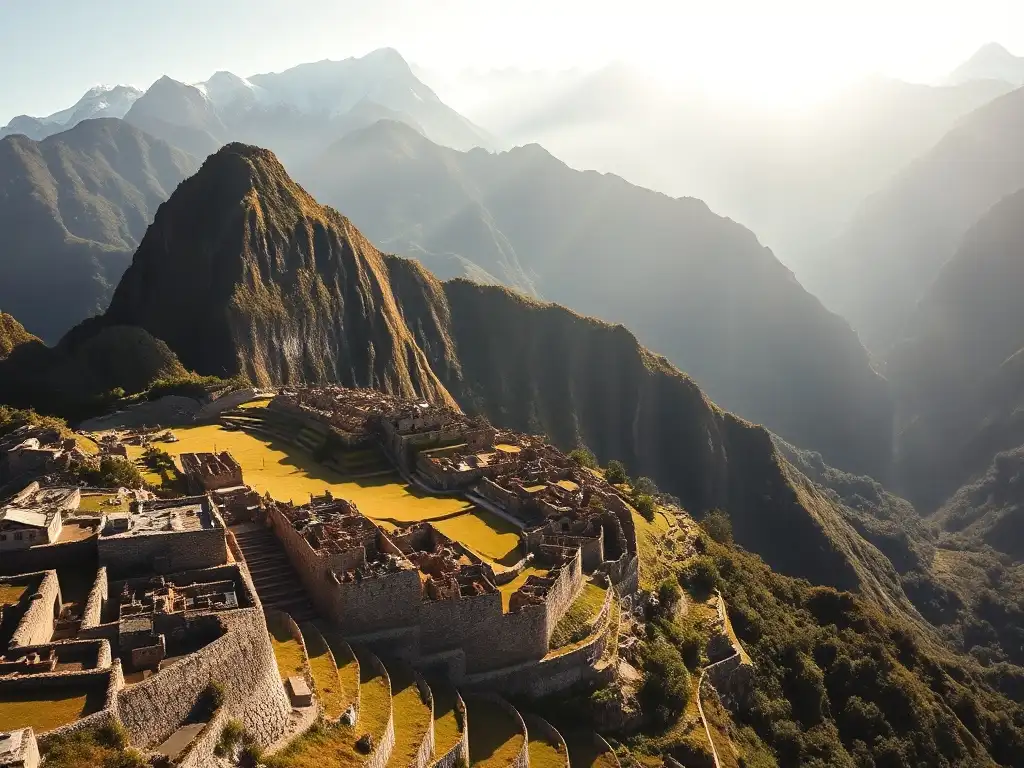
The Inca Empire, renowned for its impressive architectural feats, also demonstrated a sophisticated understanding of sustainable urban planning. Their cities weren't simply haphazard collections of buildings; they were meticulously designed to minimize environmental impact and maximize resource efficiency. This approach, deeply rooted in their worldview and understanding of the natural world, resulted in urban centers that were remarkably harmonious with their surroundings.
The Inca's approach to "Inca architecture sustainability practices" went beyond mere aesthetics; it was a fundamental principle shaping their urban development. Analyzing their urban planning reveals a remarkable foresight in resource management and environmental stewardship. We can see this clearly in their integration of architecture with the landscape, their city design for resource efficiency, and the minimal environmental impact of their urban centers.
Integration of Architecture with the Landscape
Inca cities weren't imposed upon the landscape; they were woven into it. The architecture seamlessly blended with the natural environment, utilizing existing terrain features to minimize construction impact. For example, Machu Picchu's breathtaking terraces, carved into the mountainside, not only provided agricultural land but also stabilized the slopes, preventing erosion.
This wasn't just aesthetically pleasing; it was a crucial element of their sustainable practices. The use of local stone, readily available in the surrounding area, reduced transportation needs and environmental disruption associated with quarrying distant materials. The careful selection of building materials, combined with the integration of structures into the existing topography, showcases a deep understanding of ecological principles.
The Inca's approach to "Inca architecture sustainability practices" shows a mastery of integrating built environments and natural landscapes, reducing the footprint and maximizing the benefit. This approach is a testament to their understanding of the interconnectedness of human settlements and their environment.
Inca City Design for Resource Efficiency
The design of Inca cities reflected a keen awareness of resource management. Water management was paramount. Elaborate systems of canals, aqueducts, and fountains channeled water efficiently, ensuring a reliable supply for drinking, irrigation, and sanitation. These systems minimized water waste and supported both urban and agricultural needs. Furthermore, the compact nature of Inca cities, with buildings clustered together, reduced the overall land area required, minimizing habitat disruption.
The efficient use of space also reduced the need for extensive infrastructure and transportation networks. The organization of urban spaces, with distinct zones for residential areas, religious sites, and agricultural plots, further enhanced resource efficiency. This carefully planned layout optimized the use of land and resources, reducing waste and promoting sustainability. The Inca's attention to detail in city design demonstrates their commitment to long-term resource viability, a core principle in their "Inca architecture sustainability practices".
Minimal Environmental Impact of Inca Urban Centers
The Inca's commitment to sustainability is evident in the minimal environmental impact of their urban centers. Unlike many modern cities that generate vast amounts of waste, Inca cities were characterized by a circular economy. Waste materials were often reused or repurposed, minimizing landfill needs. The use of biodegradable materials, such as wood and thatch for certain structures, further reduced long-term environmental burdens.
Moreover, the integration of agriculture within urban areas reduced the need for long-distance transportation of food, lowering carbon emissions and promoting local food systems. The sustainable practices of the Inca were not a mere afterthought; they were integral to their urban planning and architectural design. The minimal environmental impact of their cities serves as a powerful example of how thoughtful urban design can contribute to environmental stewardship.
This understanding of environmental responsibility is a key element in their "Inca architecture sustainability practices". Further research into the specifics of waste management and material sourcing within various Inca cities would further illuminate the extent of their commitment to sustainable living. The lasting legacy of Inca cities underscores the importance of integrating environmental considerations into urban planning for a sustainable future.
Specific Examples of Inca Sustainable Architecture
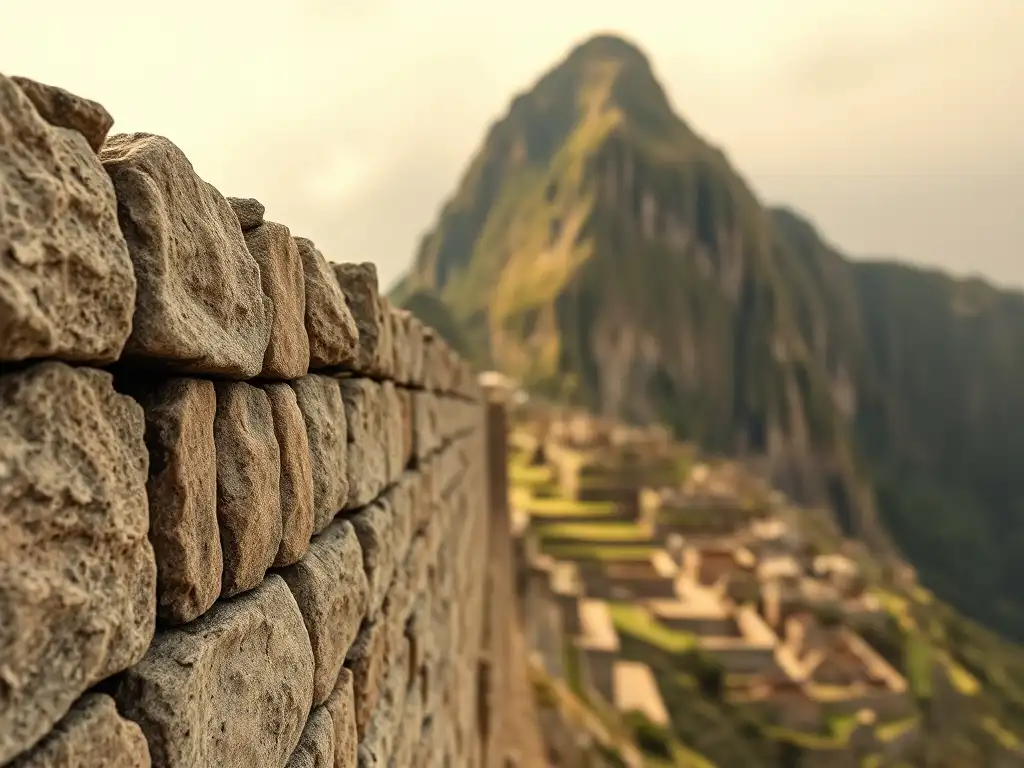
This section delves into specific examples of Inca architecture that showcase their remarkable sustainability practices. The Inca's understanding of their environment and their ingenious use of resources are evident in their monumental constructions, demonstrating a sophisticated approach to sustainable building that continues to inspire awe and admiration centuries later. Their achievements highlight the integral relationship between Inca architecture and sustainable living, a concept deeply embedded in their worldview and reflected in their impressive architectural legacy.
Analyzing these examples allows us to appreciate the ingenuity and foresight of Inca builders and the enduring relevance of their sustainable approaches to design and construction for contemporary architecture. The keyword "Inca architecture sustainability practices" is central to understanding their achievements.
Machu Picchu: A Masterclass in Sustainable Design
Machu Picchu, the iconic "Lost City of the Incas," stands as a prime example of Inca sustainable design. Its location, nestled high in the Andes Mountains, was carefully chosen to minimize environmental impact. The city's construction seamlessly integrated with the surrounding landscape, utilizing readily available materials like granite and local timber.
The intricate agricultural terraces carved into the mountainside demonstrate a sophisticated understanding of water management and soil conservation. These terraces, known as andenes, not only provided fertile land for crops but also prevented soil erosion and regulated water flow, crucial for sustaining the city's population. The ingenious drainage system, built into the city's stonework, efficiently channeled rainwater away, preventing flooding and preserving the structural integrity of the buildings.
This holistic approach to design minimized the city's ecological footprint, showcasing a deep understanding of environmental harmony. The precise integration of architecture and agriculture highlights the Inca's commitment to sustainable living, ensuring the long-term prosperity of their community. Machu Picchu embodies the principles of "Inca architecture sustainability practices" in a breathtaking and remarkably effective manner.
Ollantaytambo: Resourceful Use of Local Materials
Ollantaytambo, a significant Inca archaeological site, exemplifies the resourceful use of local materials in Inca architecture. The massive stone structures of Ollantaytambo were meticulously constructed using locally sourced granite, minimizing transportation costs and environmental disruption. The impressive agricultural terraces surrounding the site further demonstrate the Inca's commitment to sustainable agriculture.
These terraces, similar to those at Machu Picchu, show evidence of meticulous planning and execution. The precise fitting of the massive stones, without the use of mortar, showcases remarkable engineering skills and a deep understanding of structural stability. This sustainable approach to construction, utilizing readily available resources and minimizing environmental impact, is characteristic of Inca architecture.
The use of locally sourced materials in Ollantaytambo's construction not only reduced the environmental impact but also ensured the longevity of the structures, demonstrating a long-term perspective that is integral to understanding "Inca architecture sustainability practices." The site stands as a testament to the Inca's ability to blend architectural grandeur with environmental responsibility.
Sacsayhuamán: Engineering and Environmental Harmony
Sacsayhuamán, a cyclopean fortress overlooking Cusco, is a testament to the Inca's mastery of engineering and their harmonious relationship with the environment. The massive, precisely fitted stones used in its construction are a marvel of engineering, showcasing the Inca's sophisticated understanding of structural mechanics. While the scale of the project was undoubtedly significant, the Inca's careful selection of materials and construction techniques minimized environmental disruption.
The integration of the fortress into the surrounding landscape is striking, demonstrating an understanding of the importance of minimizing visual impact. The choice of materials, predominantly local stone, reduced the need for long-distance transportation, thereby minimizing the carbon footprint of the project. The strategic placement of the fortress also considered factors like water drainage and natural defense, further highlighting the holistic approach to sustainable design.
Sacsayhuamán underscores the importance of "Inca architecture sustainability practices" by demonstrating how impressive feats of engineering could be achieved while minimizing environmental impact. The site serves as a powerful example of how sustainable design principles can be seamlessly incorporated into large-scale projects, even within a challenging Andean environment.
The Legacy of Inca Sustainability Practices
The Inca Empire, renowned for its impressive architectural feats, also demonstrated a sophisticated understanding of sustainable practices. Their approach wasn't simply about building structures; it was deeply intertwined with a holistic worldview that respected the environment and ensured the long-term well-being of their communities. This philosophy, evident in their resource management techniques, offers valuable lessons for contemporary society grappling with environmental challenges.
The Inca's mastery of Inca architecture sustainability practices wasn't accidental; it was a deliberate strategy woven into the fabric of their civilization. They understood the interconnectedness of their built environment with the natural world, a principle that resonates powerfully today.
Lessons from Inca Resource Management
Inca resource management was characterized by meticulous planning and efficient utilization of available materials. They prioritized locally sourced materials, minimizing transportation costs and environmental impact. Stone, for instance, was carefully selected and shaped to fit precisely, reducing waste and maximizing structural integrity.
This is a stark contrast to modern construction practices which often prioritize speed and profit over resource efficiency. Consider the Inca's mastery of dry-stone masonry: the precise fitting of stones without mortar created incredibly strong and durable structures that withstood earthquakes and the test of time. This technique, requiring significant skill and planning, minimized the need for additional materials and reduced the environmental footprint of their construction projects.
Furthermore, the Incas understood the importance of water management. They constructed intricate irrigation systems, terraces, and aqueducts that channeled water efficiently to support agriculture and urban centers. These systems not only provided a reliable water supply but also prevented soil erosion and maintained the fertility of the land.
Their understanding of water cycles and their ability to harness water resources sustainably are remarkable achievements that continue to inspire modern engineers and architects. Detailed studies of these systems reveal sophisticated knowledge of hydrology and a deep respect for the natural environment. Their methods of water management were an integral part of their Inca architecture sustainability practices.
Inspiration for Modern Sustainable Architecture
The Inca's approach to sustainable building offers valuable insights for contemporary architects and engineers. Their emphasis on locally sourced materials, minimal waste, and efficient resource utilization can inform the design and construction of environmentally responsible buildings. The precise fitting of stones in Inca structures, for example, minimizes the need for excessive binding materials, reducing the environmental impact of construction. This contrasts sharply with modern construction practices which often rely heavily on cement, a material with a significant carbon footprint.
The Incas' mastery of water management also provides a powerful example for modern sustainable design. Their intricate irrigation systems, designed to optimize water use and prevent soil erosion, can inspire the development of more efficient and resilient water management strategies in contemporary buildings and urban planning. The integration of green spaces, rainwater harvesting systems, and other sustainable technologies can mimic the Inca's approach to creating environmentally harmonious settlements.
The study of Inca architecture provides a rich source of inspiration for creating buildings that minimize their environmental impact and contribute to a more sustainable future. This is a key area for the development of modern sustainable architecture informed by the principles of Inca architecture sustainability practices.
The Enduring Impact of Inca Engineering
The enduring legacy of Inca architecture and engineering lies not only in the impressive structures that remain but also in the underlying principles of sustainability that guided their construction. Their achievements highlight the importance of integrating environmental considerations into the design and construction of buildings, a lesson that remains highly relevant in the 21st century. The meticulous planning, efficient resource management, and respect for the environment demonstrated by the Incas offer a powerful counterpoint to the often unsustainable practices of modern construction.
Their impressive structures, many of which still stand today, are a testament to the durability and resilience of their building techniques. The study of Inca engineering serves as a compelling reminder of the enduring value of sustainable design and the importance of preserving our planet's resources for future generations. This enduring legacy is a crucial aspect of understanding the impact of Inca architecture sustainability practices.
Frequently Asked Questions
What makes Inca architecture sustainable?
Inca architecture prioritized resource efficiency and environmental integration. They used locally sourced materials, adapted designs to the terrain, and developed innovative construction techniques minimizing environmental impact.
How did the Incas manage resources effectively in their building projects?
The Incas employed sophisticated water management systems, terracing to prevent soil erosion, and carefully selected building materials readily available in the local environment, reducing transportation needs and costs.
What specific building techniques demonstrate Inca sustainability?
Precise stonework, requiring minimal mortar, and the use of earthquakes-resistant techniques showcase their mastery of construction and adaptability to the challenging Andean environment. Their designs also blended seamlessly with the landscape.
Did Inca architectural practices influence modern sustainable design?
Inca ingenuity in water management, material selection, and integration with the environment provides valuable lessons for modern sustainable architecture, influencing contemporary eco-friendly building practices.
What role did the environment play in Inca architectural choices?
The environment significantly dictated Inca architectural choices. They adapted their building styles to the specific geographical conditions, using materials readily available and minimizing the impact of their construction on the surrounding ecosystem.
Final Reflection: Echoes of the Andes: Sustainability in Inca Architecture
The ingenious sustainability practices of the Inca civilization remain a potent reminder of humanity's capacity for harmonious coexistence with the environment. Their innovative approach to resource management, far from being a relic of the past, offers crucial lessons for navigating the pressing ecological challenges of our modern world. We stand at a precipice, facing the consequences of unsustainable practices, and the Inca example provides a powerful counterpoint, a testament to what is possible when ingenuity and respect for nature are prioritized.
The enduring legacy of Inca architecture isn't merely aesthetic; it's a profound statement on the interconnectedness of human society and the natural world. Their mastery of resource management, evident in their intricate water systems, sophisticated agricultural techniques, and the very construction of their cities integrated seamlessly into the landscape, continues to inspire architects and engineers today. The Inca built not to conquer the landscape, but to become a part of it.
This simple observation encapsulates the profound difference between their approach and the often destructive practices of modern development. The impact of their philosophy resonates even now, prompting a critical re-evaluation of our own relationship with the environment.
Consider the implications of the Inca's achievements. What can we learn from their meticulous planning and resourcefulness? How can we integrate their principles of sustainability into our own lives, from the buildings we construct to the choices we make in our daily lives? You have the power to be a part of a more sustainable future. Embrace the spirit of innovation and respect for nature that characterized the Inca civilization, and let their legacy inspire you to build a world where harmony with the environment is not an exception, but the rule.
Embrace Sustainable Living Inspired by Inca Wisdom!
Thank you for exploring the fascinating world of Inca architecture and their remarkable approach to resource management! Their ingenuity in this area underscores the vital importance of sustainability in our modern world. Let's build on this knowledge and work towards a more sustainable future.
Here are some practical steps you can take:
- Reduce Your Waste: Try a week-long challenge focused on minimizing waste at home. Track your progress and see if you can find creative ways to reuse items you might normally throw away.
- Share Your Knowledge: Spread the word! Talk to friends and family, or share your newfound understanding of responsible resource management on social media.
- Get Involved in Your Community: Join a local environmental group and participate in initiatives like tree planting, clean-up drives, or workshops on sustainable living.
Reflecting on these valuable lessons from the Inca, consider how you can integrate their sustainable practices into your daily life to benefit your community. We'd love to hear your ideas in the comments!