
Beyond the Borders: International Cooperation in Andean Heritage Protection

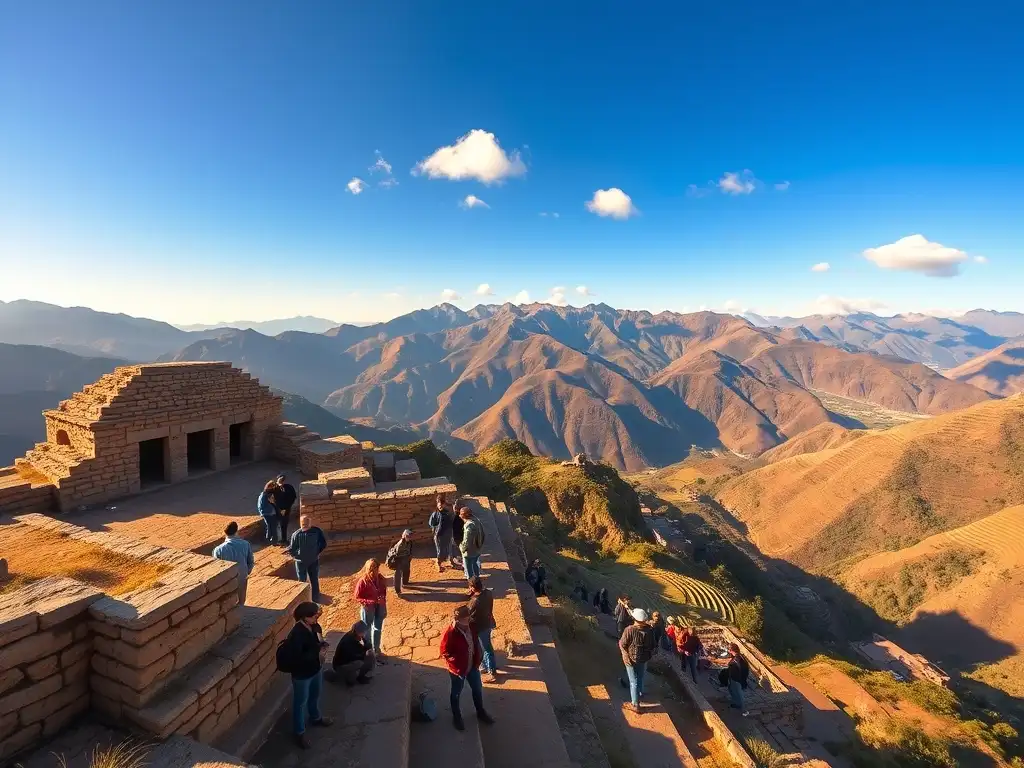
Welcome to Andean Civilizations, where the echoes of a magnificent past resonate through time. Prepare to journey through the breathtaking landscapes and astonishing achievements of the Incas, Moche, Nazca, and Tiahuanaco. But this is not just a story of ancient wonders; it's a story of urgent action. Discover how international cooperation is vital in safeguarding the Andean heritage protection, a legacy threatened yet fiercely defended.
Delve into the complexities of "Beyond the Borders: International Cooperation in Andean Heritage Protection" and uncover the vital work being done to preserve this extraordinary heritage for future generations. Are we succeeding? Read on to find out.
The breathtaking landscapes of the Andes Mountains cradle a legacy of remarkable civilizations – the Incas, Moche, Nazca, and Tiahuanaco, among others – leaving behind an unparalleled tapestry of cultural heritage. This heritage, however, faces unprecedented threats demanding immediate and concerted action.
This article explores the crucial role of international cooperation in the preservation and protection of Andean cultural treasures, examining the imperative for collaborative efforts, the significant challenges involved, and the specific threats jeopardizing these irreplaceable archaeological sites. Understanding the complexities of Andean heritage protection cooperation is paramount to ensuring the survival of these invaluable legacies for future generations.
We will delve into specific examples of successful collaborative initiatives, highlighting the strategies and partnerships that are proving effective in safeguarding this unique and fragile heritage. The preservation of Andean heritage is not merely a regional concern; it's a global responsibility, demanding a united front against the forces of destruction and neglect.
The Imperative of Collaborative Andean Heritage Preservation
The sheer scale and diversity of Andean cultural heritage necessitate a collaborative approach. Protecting sites scattered across vast and often remote territories, spanning multiple national borders, requires coordinated strategies and shared resources. Individual nations, while possessing significant expertise and resources, often lack the capacity to address the multifaceted challenges alone. International cooperation facilitates the sharing of best practices, technological advancements, and financial support, maximizing the effectiveness of preservation efforts.
This collaborative framework also promotes a shared understanding and appreciation of Andean heritage, fostering a sense of collective responsibility for its protection. The benefits extend beyond the purely practical; collaborative projects often lead to stronger diplomatic ties and enhanced cultural exchange, reinforcing the global significance of Andean cultural heritage. For example, [specific example of successful international collaboration in Andean heritage preservation pending]. This demonstrates the power of pooling resources and expertise to achieve shared goals in heritage preservation.
Challenges Facing Andean Cultural Heritage
Preserving Andean cultural heritage presents a daunting set of challenges. These include:
- Limited Resources: Many Andean nations face significant budgetary constraints, limiting their capacity for comprehensive preservation programs. This includes funding for archaeological research, site maintenance, and community engagement initiatives.
- Inadequate Infrastructure: The remote location of many sites makes access difficult and hinders effective monitoring and protection. Lack of proper infrastructure also limits tourism management, potentially leading to site degradation.
- Climate Change: The Andes region is highly susceptible to the effects of climate change, including increased erosion, melting glaciers, and extreme weather events, all of which pose serious threats to archaeological sites.
- Illegal Trafficking: The illicit trade in looted artifacts poses a significant threat, depleting cultural heritage and undermining preservation efforts. Combating this requires international cooperation in law enforcement and cross-border collaboration.
- Lack of Awareness: Raising public awareness of the importance of Andean heritage and the threats it faces is crucial to fostering a culture of responsible stewardship. Educational programs and community engagement initiatives are essential.
Threats to Andean Archaeological Sites
Andean archaeological sites face a multitude of specific threats, including:
| Threat | Description | Impact | Mitigation Strategies |
|---|---|---|---|
| Erosion and Weathering | Natural processes like rain, wind, and freeze-thaw cycles gradually damage site structures and artifacts. | Loss of structural integrity, deterioration of artifacts | Improved drainage systems, protective shelters, and climate-resilient materials. |
| Looting and Vandalism | Illegal excavation and removal of artifacts, as well as deliberate damage to sites. | Irreplaceable loss of artifacts and context, damage to site integrity. | Enhanced security measures, community-based monitoring, and stricter penalties. |
| Tourism Impact | Unmanaged tourism can lead to physical damage to sites, pollution, and disturbance of archaeological contexts. | Site degradation, loss of authenticity, negative impact on local communities. | Sustainable tourism management, visitor education, and infrastructure development. |
| Development Projects | Construction projects and infrastructure development can inadvertently damage or destroy archaeological sites. | Complete loss of sites, destruction of artifacts. | Archaeological impact assessments, mitigation measures, and site relocation (if necessary). |
Addressing these threats requires a multi-pronged approach, combining technological advancements, community engagement, sustainable tourism practices, and strong legal frameworks enforced through international cooperation. The preservation of Andean heritage is a continuous process, demanding ongoing commitment and collaboration from governments, researchers, communities, and international organizations alike. 🤝
The Impact of Climate Change on Andean Artifacts
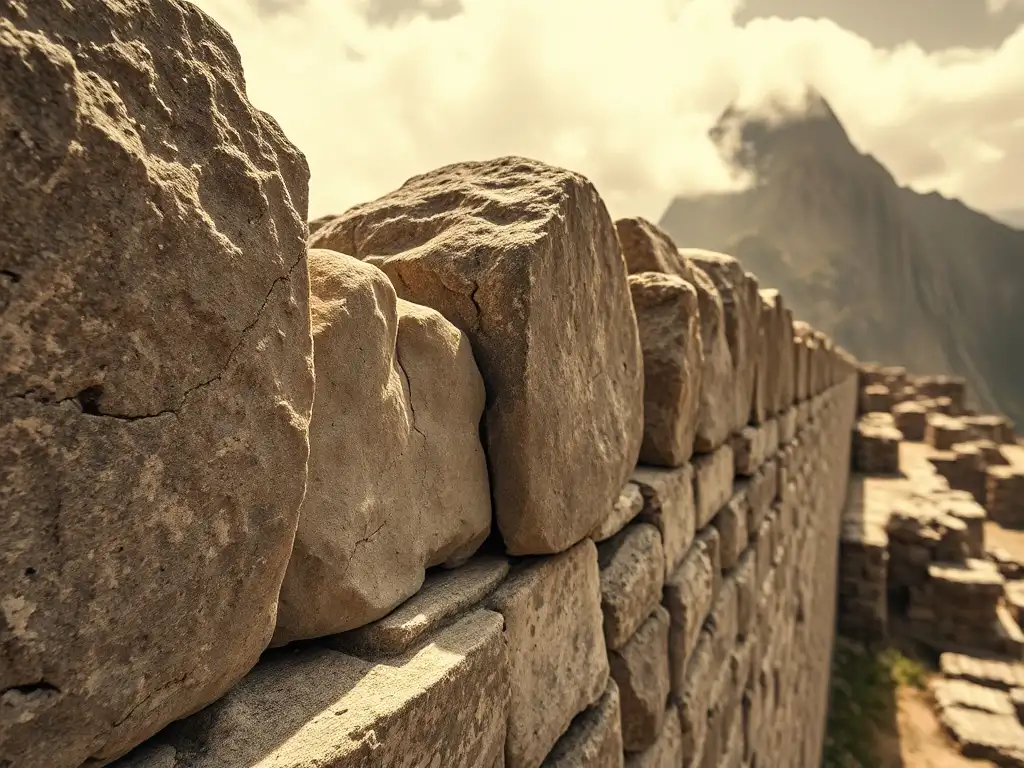
The Andes Mountains, a region boasting a breathtaking tapestry of ancient civilizations, face a significant threat: climate change. This isn't just about rising temperatures; it's a complex interplay of factors impacting the preservation of invaluable Andean artifacts. Melting glaciers, for instance, are destabilizing mountain slopes, leading to increased landslides and erosion that damage archaeological sites. The unpredictable weather patterns – intensified rainfall followed by prolonged droughts – cause further damage through water infiltration and soil degradation.
These processes accelerate the deterioration of ancient structures, pottery, textiles, and other artifacts, threatening the irreplaceable legacy of these cultures. The delicate balance of the Andean ecosystem is crucial for preserving these sites, and climate change is disrupting this balance in alarming ways. For example, the increasing frequency of extreme weather events, like flash floods and severe frosts, directly impact the physical integrity of unearthed artifacts and those still buried within the ground. The chemical composition of the soil itself is changing, impacting the long-term stability of materials like stone and metal.
This underscores the urgent need for proactive conservation strategies that account for these climate-related challenges. Effective heritage protection requires not only careful excavation and preservation techniques but also a deep understanding of the environmental factors at play. Without addressing climate change's impact, our efforts to protect Andean heritage risk being undermined. The long-term preservation of these sites requires a multifaceted approach that considers the changing climate.
The Need for International Collaboration in Andean Conservation
Protecting Andean heritage is a global responsibility, requiring a concerted effort that transcends national borders. The sheer scale and complexity of the task necessitate international collaboration. No single nation possesses all the necessary resources, expertise, and technological capabilities to tackle the challenges effectively. International cooperation fosters the sharing of best practices in conservation, allowing countries to learn from each other's successes and failures. This collaborative approach also facilitates the pooling of resources, enabling the deployment of advanced technologies and specialized skills where they are most needed.
For example, collaborative projects can leverage expertise in areas like remote sensing and digital archaeology to monitor sites and detect potential threats more efficiently. Furthermore, international partnerships can help secure funding for crucial conservation initiatives, which are often underfunded at the national level. The preservation of Andean heritage is not just about protecting physical artifacts; it's about safeguarding cultural identity and knowledge. International cooperation fosters a sense of shared responsibility and ensures that these invaluable cultural resources are protected for future generations.
This collaborative approach also allows for the development of standardized conservation protocols, enhancing the consistency and effectiveness of preservation efforts across different sites and countries. Moreover, the exchange of knowledge and expertise facilitates the training of local professionals, building capacity within Andean communities and empowering them to play a more active role in heritage protection. The collective effort strengthens the resilience of these cultural treasures against the various threats they face, ensuring their survival for years to come. Without a unified, international approach, the Andean heritage—a cornerstone of human history—risks irreversible loss.
- The Imperative of Collaborative Andean Heritage Preservation
- Challenges Facing Andean Cultural Heritage
- Threats to Andean Archaeological Sites
- The Impact of Climate Change on Andean Artifacts
- The Need for International Collaboration in Andean Conservation
- What is the main focus of international cooperation regarding Andean heritage?
- Which Andean civilizations benefit most from these cooperative efforts?
- How does international cooperation help in the fight against looting and illegal trafficking of artifacts?
- What role does technology play in Andean heritage protection?
- What are some examples of successful international cooperation projects in Andean heritage protection?
Frameworks for Andean Heritage Protection Cooperation
This section delves into the crucial frameworks underpinning international cooperation in Andean heritage protection. Effective preservation of these invaluable cultural assets requires a multifaceted approach, leveraging international organizations, legally binding agreements, and regional collaborations. Understanding these frameworks is essential for appreciating the complexities and successes of Andean heritage protection cooperation.
UNESCO's Role in Safeguarding Andean Heritage
The United Nations Educational, Scientific and Cultural Organization (UNESCO) plays a pivotal role in safeguarding Andean heritage. Its involvement ranges from providing technical assistance and expertise to designating sites as World Heritage sites, offering significant protection and international recognition. UNESCO's expertise extends to various aspects of preservation, including:
- World Heritage Site Designation: Many significant Andean archaeological sites, such as Machu Picchu and Chan Chan, benefit from UNESCO's World Heritage status. This designation attracts international funding, promotes tourism (managed sustainably), and fosters a sense of global responsibility for their preservation. The rigorous criteria for designation ensure only sites of outstanding universal value are included, further elevating the importance of Andean heritage on the world stage.
- Capacity Building and Training: UNESCO actively supports capacity building initiatives within Andean nations. This includes training programs for archaeologists, conservators, and museum professionals, equipping local experts with the skills needed for long-term heritage management. This empowerment is crucial for sustainable preservation efforts, ensuring local communities are actively involved in protecting their own heritage.
- Emergency Response and Disaster Risk Reduction: UNESCO also plays a vital role in responding to emergencies that threaten Andean heritage. This includes providing support in the aftermath of natural disasters or conflicts, aiding in the recovery and restoration of damaged sites. Proactive disaster risk reduction strategies are equally important, and UNESCO works with Andean countries to develop and implement plans to mitigate potential threats.
International Treaties and Agreements for Cultural Heritage
Several international treaties and agreements provide a legal framework for the protection of cultural heritage, including that of the Andes. These agreements establish common standards and obligations for signatory nations, promoting a collaborative approach to preservation. Key examples include:
- 1970 UNESCO Convention on the Means of Prohibiting and Preventing the Illicit Import, Export and Transfer of Ownership of Cultural Property: This convention is fundamental in combating the illicit trafficking of Andean artifacts, a significant threat to the preservation of the region's heritage. It establishes mechanisms for international cooperation in recovering stolen artifacts and preventing future illicit trade.
- 1954 Hague Convention for the Protection of Cultural Property in the Event of Armed Conflict: This agreement protects cultural heritage during times of war, emphasizing the importance of preserving cultural assets even amidst conflict. While less frequently directly applied to the Andes in recent times, its principles remain crucial for safeguarding heritage in conflict-prone regions globally.
The effectiveness of these treaties depends on the commitment of individual nations to implement their provisions and collaborate effectively. Challenges remain in enforcing these agreements and ensuring consistent application across diverse national contexts. However, these treaties represent important milestones in establishing a global legal framework for Andean heritage protection cooperation.
Regional Collaboration Initiatives in South America
Beyond international agreements, regional collaboration within South America is crucial for effective Andean heritage protection. Shared cultural heritage and geographic proximity necessitate coordinated efforts across national borders. Examples include:
| Initiative | Focus | Key Benefits | Challenges |
|---|---|---|---|
| Andean Community (CAN) programs | Joint projects for archaeological research, conservation, and tourism development | Enhanced resource sharing, collaborative expertise, and sustainable tourism practices | Differing national priorities and resource allocation |
| Bilateral agreements between Andean nations | Specific projects focusing on transboundary sites or shared cultural elements | Direct collaboration on site management, research, and conservation efforts | Potential for political disagreements or resource conflicts |
These regional initiatives highlight the growing recognition that effective Andean heritage protection necessitates collective action. While challenges exist in coordinating efforts across diverse national contexts, the benefits of collaboration in terms of resource sharing, expertise, and sustainable development are undeniable. Increased funding and political will are crucial for strengthening these regional partnerships and ensuring the long-term preservation of Andean heritage for future generations. 🌍
Bilateral Partnerships for Andean Site Preservation
Bilateral partnerships play a crucial role in Andean heritage protection cooperation. These agreements, often forged between countries sharing a common border or a specific cultural heritage interest, facilitate the exchange of expertise, resources, and personnel dedicated to preserving archaeological sites and cultural landscapes. For instance, collaborative efforts between Peru and Bolivia have yielded significant results in the joint management of sites along their shared border, such as those related to the Tiwanaku civilization. This shared responsibility extends to the conservation of fragile archaeological materials, the implementation of sustainable tourism strategies, and the coordinated combatting of illicit trafficking of artifacts.
The success of these bilateral initiatives often hinges on the establishment of clear protocols and shared governance structures. These frameworks define responsibilities, resource allocation, and decision-making processes, ensuring transparency and accountability. Effective communication and regular consultations are also essential components, fostering mutual understanding and addressing potential conflicts proactively. Without these mechanisms, even the most well-intentioned partnerships can falter.
A critical aspect is the commitment to long-term collaboration, recognizing that heritage preservation is an ongoing process requiring sustained investment and political will. Many successful examples demonstrate that consistent engagement, coupled with adaptable strategies to address evolving challenges, is key to the long-term viability of these partnerships. The ongoing collaboration between Ecuador and Colombia in the preservation of pre-Columbian art, for example, showcases the benefits of sustained commitment to these partnerships.
The effectiveness of bilateral partnerships is also measured by their impact on local communities. Successful collaborations prioritize community engagement, ensuring that local knowledge and perspectives are integrated into preservation efforts. This participatory approach not only fosters a sense of ownership and stewardship among local populations, but also contributes to the sustainability of conservation projects in the long term.
By involving communities in decision-making processes and providing them with economic opportunities linked to heritage tourism, bilateral partnerships can help to alleviate poverty and promote social development in regions rich in Andean heritage. This holistic approach recognizes that the protection of Andean heritage is intrinsically linked to the well-being of the communities who live alongside it. Many examples from the Andes show that engaging communities directly in the conservation and management of sites leads to more sustainable and effective outcomes.
Successful Models of Andean Heritage Protection Cooperation
This section examines successful examples of international cooperation dedicated to Andean heritage protection, highlighting strategies and achievements that contribute to the preservation of invaluable cultural and natural resources. Effective Andean heritage protection cooperation requires a multi-faceted approach, encompassing governmental initiatives, academic research, and crucially, the active participation of local communities. Understanding these successful models provides valuable insights for future collaborative efforts aimed at safeguarding this rich legacy for generations to come.
The success of these initiatives hinges on shared goals, transparent communication, and a commitment to respecting the cultural significance of the sites and artifacts involved. Failure to consider these elements can lead to conflicts and ultimately, hinder the effectiveness of conservation programs.
Case Study: The Qhapaq Ñan Project
The Qhapaq Ñan, or the Inca Road system, stands as a remarkable example of successful Andean heritage protection cooperation. This extensive network of roads, spanning thousands of kilometers across the Andes, is a testament to the Inca's engineering prowess and their ability to connect diverse regions of their empire. The project’s success stems from a collaborative effort involving multiple countries – Argentina, Bolivia, Chile, Colombia, Ecuador, and Peru – working together under the auspices of UNESCO. This multinational approach has facilitated the sharing of expertise, resources, and best practices in the preservation and restoration of this significant historical landmark.
The Qhapaq Ñan project showcases the importance of a holistic approach to Andean heritage protection. It involves not only the physical restoration of the road network but also the preservation of associated cultural landscapes, archaeological sites, and traditional knowledge. The project highlights the effectiveness of employing a combination of techniques, including:
- Archaeological surveys and excavations: These meticulous studies have provided valuable insights into the construction techniques and historical significance of the Qhapaq Ñan.
- Community involvement: Local communities have played a vital role in the project, contributing their knowledge and expertise in the preservation of traditional practices and the sustainable management of resources. Their participation ensures that conservation efforts are culturally sensitive and respect local traditions.
- Sustainable tourism initiatives: The project has fostered sustainable tourism strategies to generate economic benefits for local communities while protecting the site from excessive wear and tear. This is crucial for long-term financial sustainability and community buy-in.
- Capacity building: The project has invested in training local professionals in heritage management and conservation techniques, ensuring long-term sustainability. This knowledge transfer is essential for the continued preservation of the Qhapaq Ñan.
The Qhapaq Ñan project serves as a blueprint for effective Andean heritage protection cooperation, demonstrating the power of collaborative efforts in preserving a significant piece of shared history. Its success underscores the need for international partnerships and the crucial role of local communities in the preservation of Andean heritage.
The Role of Local Communities in Conservation Efforts
Successful Andean heritage protection initiatives intrinsically involve the active participation of local communities. These communities are not merely stakeholders but possess invaluable traditional knowledge, a deep understanding of the cultural significance of heritage sites, and a vested interest in their preservation. Ignoring their input risks perpetuating conservation efforts that are culturally insensitive, ineffective, and ultimately unsustainable. For example, in many Andean communities, traditional practices related to agriculture, craftsmanship, and ritualistic activities are intrinsically linked to the preservation of heritage sites.
The integration of local communities can manifest in various ways:
- Participatory management: Involving local communities in the decision-making process ensures that conservation efforts align with their needs and priorities. This fosters a sense of ownership and responsibility, enhancing the long-term sustainability of conservation projects.
- Traditional knowledge preservation: Documenting and preserving traditional knowledge related to heritage sites is crucial. This knowledge often holds valuable insights into the site's history, significance, and sustainable management practices.
- Economic empowerment: Sustainable tourism initiatives and other income-generating activities can empower local communities, reducing their reliance on unsustainable practices that might harm heritage sites. This economic incentive strengthens their commitment to conservation.
- Conflict resolution: Local communities can play a crucial role in resolving conflicts that might arise during conservation projects, facilitating a smooth and collaborative process.
Effective Andean heritage protection cooperation requires a shift from a top-down approach to a more participatory model, where local communities are recognized as essential partners in the preservation of their shared heritage. Their active involvement ensures the long-term sustainability and cultural relevance of conservation efforts.
Funding Mechanisms for Andean Heritage Preservation
Securing adequate and sustainable funding is paramount for effective Andean heritage protection. The preservation of these invaluable sites and artifacts requires significant financial resources to support research, restoration, infrastructure development, and community engagement initiatives. A diverse range of funding mechanisms is essential to ensure the long-term financial sustainability of Andean heritage preservation efforts. This includes:
| Funding Source | Description | Advantages | Disadvantages |
|---|---|---|---|
| Governmental Funding | Funding allocated by national and regional governments. | Reliable and consistent funding source, particularly for large-scale projects. | Subject to political priorities and budgetary constraints; may be insufficient. |
| International Organizations | Funding provided by organizations like UNESCO, the World Bank, etc. | Access to significant funding for large-scale international projects. | Bureaucratic processes and strict reporting requirements. |
| Private Foundations | Funding from private philanthropic organizations. | Can provide flexible funding for innovative projects and community initiatives. | Funding may be limited and competitive. |
| Corporate Sponsorships | Funding from corporations through sponsorship agreements. | Can provide significant funding and promote corporate social responsibility. | Potential for conflicts of interest and influence on project direction. |
| Crowdfunding Platforms | Public funding raised through online platforms. | Can mobilize public support and raise significant funds for specific projects. | Requires significant marketing and outreach efforts; funding is not guaranteed. |
The effective allocation and management of these funds are crucial to ensure the transparency and accountability of Andean heritage protection initiatives. The development of clear funding strategies, incorporating a mix of public and private sources, is essential for the long-term sustainability of Andean heritage preservation efforts. This diversified approach enhances resilience and ensures the continued protection of these invaluable cultural and natural resources for future generations. Further research into innovative funding models, such as impact investing and public-private partnerships, is needed to explore additional avenues for sustainable financing.
Technology and Innovation in Andean Site Management
Technological advancements have revolutionized Andean heritage protection cooperation, offering innovative solutions for site management and preservation. Sophisticated Geographic Information Systems (GIS) are now routinely employed to create detailed 3D models of archaeological sites, allowing for comprehensive monitoring of erosion, structural damage, and even illicit activities. This allows for proactive interventions, minimizing the impact of environmental factors and human interference.
For instance, the use of GIS mapping in Machu Picchu has enabled researchers to pinpoint areas most vulnerable to landslides and implement targeted preventative measures, such as improved drainage systems and slope stabilization techniques. This proactive approach, facilitated by technology, is crucial for the long-term preservation of these fragile sites.
Furthermore, the application of remote sensing technologies, including satellite imagery and drone surveys, provides non-invasive methods for monitoring large areas, detecting potential threats, and assessing the overall condition of archaeological landscapes. High-resolution images can reveal subtle changes in the landscape, such as vegetation growth patterns indicating potential looting activity or erosion patterns affecting ancient structures. This technology is especially valuable in remote and difficult-to-access areas, where traditional monitoring methods are impractical or excessively expensive.
The integration of AI and machine learning into these systems promises even greater efficiency and accuracy in the detection of threats and the assessment of damage. The development of these technologies has significantly enhanced the capacity for Andean heritage protection cooperation by providing comprehensive and timely information to stakeholders.
Beyond monitoring, technology also plays a vital role in the preservation of artifacts. Digital archiving and 3D scanning create detailed virtual replicas of artifacts, reducing the need for extensive handling of fragile original pieces. This safeguards against damage and allows for wider access to the heritage through virtual museums and online exhibitions, thus furthering educational outreach and promoting appreciation for Andean heritage globally.
This approach contributes significantly to the sustainability of Andean heritage protection efforts, ensuring that these invaluable cultural assets are available for future generations. The collaborative sharing of these digital archives facilitates international cooperation and knowledge exchange among researchers and institutions involved in Andean heritage protection.
The careful documentation and preservation of these digital assets are as important to the future of Andean heritage as the physical preservation of the sites themselves. The synergistic effect of technology and international cooperation is proving invaluable in ensuring the long-term safeguarding of the Andean cultural legacy.
Strategies for Strengthening International Cooperation
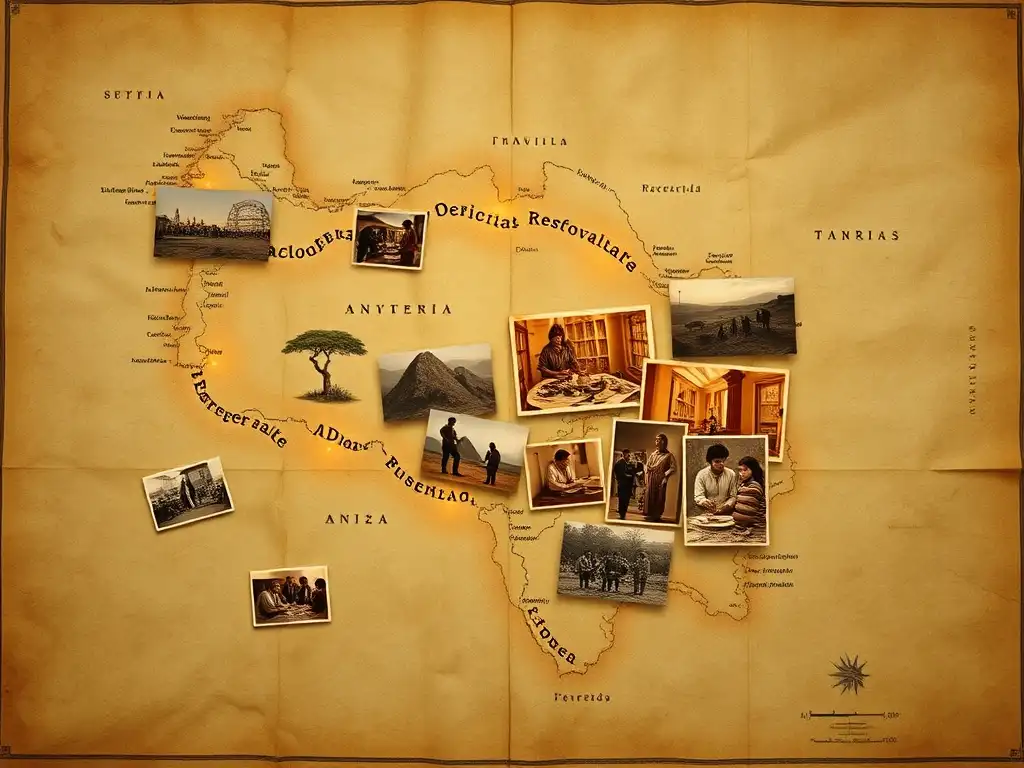
This section delves into practical strategies crucial for bolstering international cooperation in Andean heritage protection. Effective preservation requires a multifaceted approach, encompassing enhanced communication, skilled workforce development, and responsible tourism initiatives. The success of Andean heritage protection cooperation hinges on these interconnected elements.
Enhancing Information Sharing and Data Management
Efficient information sharing and robust data management are cornerstones of successful Andean heritage protection cooperation. Currently, a fragmented approach to data storage and accessibility hinders collaborative efforts. Many archaeological sites lack comprehensive digital records, and existing data is often scattered across various institutions and countries, making it difficult to access and analyze effectively.
To improve this, we need a centralized, accessible database. This database should utilize standardized formats and metadata schemas to ensure interoperability. This will allow researchers, conservationists, and government agencies across different nations to share information seamlessly. Imagine a scenario where a Peruvian archaeologist discovers a new artifact. With a robust, interconnected system, they could instantly share high-resolution images, detailed descriptions, and analytical data with colleagues in Ecuador, Bolivia, or Chile, fostering collaborative research and analysis.
Furthermore, the implementation of advanced technologies, such as GIS (Geographic Information Systems) mapping and 3D modeling, can significantly enhance data visualization and analysis. These tools allow for the creation of interactive maps showing the locations of archaeological sites, their condition, and any threats they face. This empowers stakeholders to make informed decisions regarding resource allocation and conservation priorities.
The creation of this digital archive is vital for long-term Andean heritage protection cooperation, ensuring the preservation of knowledge for future generations. This involves not only the digitization of existing data but also the establishment of clear protocols for the ongoing collection and management of new information. The benefits include increased research opportunities, improved conservation strategies, and a more holistic understanding of Andean heritage.
Developing Capacity Building Programs for Local Experts
The long-term success of Andean heritage protection hinges on the expertise of local communities and professionals. Developing capacity-building programs is therefore paramount for sustainable Andean heritage protection cooperation. These programs should focus on training local experts in various fields, including archaeology, conservation science, museum management, and sustainable tourism practices.
Consider the following example: A program could focus on training local communities in the techniques of non-invasive archaeological survey and documentation. This empowers them to actively participate in the monitoring and protection of their heritage sites, fostering a sense of ownership and responsibility. Another crucial aspect is the development of specialized training programs in conservation techniques tailored to the specific challenges faced in the Andean region. This may include training in the preservation of stone structures, textiles, and ceramics, using materials and methodologies suitable for the unique Andean environment.
The curriculum should be designed to address the specific needs and challenges of the Andean region, incorporating traditional knowledge alongside modern scientific techniques. This ensures that local experts are equipped with the necessary skills and knowledge to effectively protect and manage their heritage. Such programs should also emphasize international collaboration and knowledge exchange, allowing participants to learn from best practices in other regions and fostering a global network of Andean heritage professionals. This collaborative approach is fundamental for successful Andean heritage protection cooperation.
Promoting Sustainable Tourism to Support Preservation
Sustainable tourism offers a powerful mechanism to support Andean heritage preservation while benefiting local communities. However, uncontrolled tourism can damage fragile sites and erode cultural heritage. Therefore, strategic planning and responsible management are crucial.
Implementing sustainable tourism initiatives requires a careful balance. This involves limiting visitor numbers to prevent damage to sites, providing educational resources to increase visitor awareness, and ensuring that tourism revenue directly benefits local communities involved in heritage protection. For example, a community-based tourism project could involve training local guides, creating eco-lodges that adhere to sustainable principles, and establishing fair trade practices for locally produced crafts. This would generate income for the community while promoting responsible tourism and protecting the heritage sites.
Moreover, engaging local communities in tourism management ensures that their voices are heard and their traditional knowledge is respected. Collaboration between tourism operators, government agencies, and local communities is critical for establishing effective regulations and management plans. Careful monitoring of the environmental and social impact of tourism is essential to ensure its long-term sustainability and positive contribution to Andean heritage protection cooperation.
The integration of sustainable tourism practices is not just about generating revenue; it's about fostering a sense of shared responsibility for the preservation of invaluable Andean heritage for future generations. This necessitates a holistic approach combining economic benefits with environmental protection and cultural preservation.
Fostering Public Awareness of Andean Cultural Value
Raising global awareness of the significance of Andean heritage is paramount for successful international cooperation in its protection. This involves multifaceted strategies targeting diverse audiences. Educational initiatives, from school curricula incorporating Andean history and culture to public lectures and museum exhibits showcasing the artistry and ingenuity of Andean civilizations, play a crucial role.
These initiatives must move beyond simply presenting facts and figures; they need to evoke an emotional connection with the heritage, highlighting its enduring relevance and global significance. For example, interactive displays allowing visitors to virtually explore ancient sites or experience traditional Andean music and dance can significantly enhance engagement.
Furthermore, leveraging the power of digital media is essential. Documentaries, virtual tours of archaeological sites, and engaging social media campaigns can reach a vast international audience, fostering a sense of shared responsibility for the preservation of this invaluable cultural legacy. The use of captivating visuals and storytelling techniques can effectively communicate the fragility of these sites and the urgent need for collaborative conservation efforts.
Successful campaigns will highlight not only the historical and artistic value but also the cultural continuity and living traditions that remain vibrant in Andean communities today. This emphasis on living heritage is crucial, as it connects the past with the present and underscores the importance of supporting contemporary Andean cultures.
Finally, collaborative projects involving artists, writers, and filmmakers from different countries can create powerful narratives that resonate globally. These projects should emphasize the universality of human experiences reflected in Andean art and traditions, fostering a sense of shared cultural heritage that transcends geographical boundaries. For instance, a collaborative film project showcasing the unique perspectives of Andean communities and international experts could significantly impact global understanding and support for Andean heritage protection.
The key is to make the story of Andean civilizations compelling and accessible to a diverse global audience, thus fostering a deep appreciation for the need for its preservation. This collective appreciation forms the bedrock of effective international cooperation.
The Future of Andean Heritage Protection Through Collaboration
The preservation of Andean heritage is not merely a regional concern; it's a global responsibility. Effective Andean heritage protection cooperation demands a forward-thinking approach, moving beyond reactive measures to proactive, sustainable strategies. This necessitates a paradigm shift, embracing long-term planning and fostering robust international partnerships. The future hinges on collaborative efforts, integrating diverse expertise and resources to safeguard this invaluable legacy for generations to come. Success relies on shared commitment and a clear understanding of the complex challenges involved. The potential rewards – the preservation of irreplaceable cultural and natural treasures – are immense.
Long-Term Strategies for Conservation and Management
Sustainable management of Andean heritage sites requires a long-term vision. This goes beyond immediate preservation efforts and delves into the creation of comprehensive plans that address various aspects of site management. Key elements include:
- Community Engagement: Local communities are the custodians of much of this heritage. Their active participation in planning and management is crucial, ensuring the protection of sites aligns with their cultural values and economic needs. Successful programs emphasize capacity building within communities, empowering them to take ownership of preservation efforts. This participatory approach fosters a sense of responsibility and helps ensure the long-term sustainability of conservation initiatives.
- Technological Advancements: Employing advanced technologies like GIS mapping, drone surveying, and predictive modeling can significantly enhance monitoring and conservation efforts. This allows for more precise identification of threats, more effective resource allocation, and improved understanding of the sites' vulnerability to climate change and other environmental factors. Such technologies contribute to a more proactive and efficient approach to heritage management.
- Financial Sustainability: Securing long-term funding is paramount. This requires diversification of funding sources, including government grants, private donations, and innovative mechanisms like carbon credits for ecosystem services provided by heritage sites. Transparency and accountability in the use of funds are crucial to build trust and attract further investment in Andean heritage protection cooperation.
The Importance of Interdisciplinary Approaches
Effective Andean heritage protection cooperation demands a holistic approach, integrating diverse fields of expertise. This interdisciplinary collaboration is essential to address the multifaceted challenges involved. For instance, archaeologists, anthropologists, historians, conservation scientists, engineers, and economists must work together to develop comprehensive strategies.
Consider the preservation of a significant archaeological site: Archaeologists provide historical context and understanding of the site's significance. Conservation scientists assess the site's physical condition and develop preservation techniques. Engineers contribute expertise in structural stabilization and environmental control. Economists help design sustainable economic models that benefit local communities while safeguarding the site. This multi-faceted approach ensures a well-rounded, effective strategy. The absence of any single discipline weakens the overall effort, highlighting the crucial nature of interdisciplinary collaboration in Andean heritage protection cooperation.
Future Challenges and Opportunities for Andean Cooperation
Looking ahead, several challenges and opportunities shape the future of Andean heritage protection cooperation. Climate change poses a significant threat, with increased frequency of extreme weather events putting sites at risk. Illegal trafficking of artifacts remains a major concern, requiring enhanced law enforcement and international cooperation to combat this destructive activity. Furthermore, balancing the needs of tourism with the preservation of fragile sites is a constant challenge.
However, opportunities also exist. Growing international awareness of the importance of Andean heritage can translate into increased funding and support for conservation efforts. Technological advancements offer new tools for monitoring and preservation.
Strengthening regional partnerships and fostering a shared sense of responsibility among Andean nations are crucial for long-term success. The future of Andean heritage rests on the collective commitment to collaborative, sustainable, and innovative approaches to its protection. The successful implementation of these strategies will secure this precious legacy for future generations, ensuring that the rich tapestry of Andean civilization continues to inspire and educate.
Ensuring the Legacy of Andean Civilizations for Future Generations
Protecting Andean heritage isn't merely about preserving ancient stones and artifacts; it's about safeguarding a vibrant cultural legacy for future generations. This requires a multifaceted approach that goes beyond simply preventing looting and damage. It necessitates fostering a deep understanding and appreciation of Andean culture within local communities and internationally. Education plays a crucial role; by integrating Andean history and cultural significance into school curricula, we cultivate a sense of ownership and responsibility among young people. This isn't limited to formal education; community-based museums, interactive exhibits, and storytelling initiatives can effectively transmit knowledge and pride in Andean heritage.
Furthermore, supporting local artisans and craftspeople who continue traditional techniques helps ensure the survival of these invaluable cultural practices. Their skills represent a living link to the past, and their livelihoods are intrinsically tied to the preservation of these traditions. Without their active participation and economic empowerment, the transmission of knowledge and skills risks being lost. Investing in sustainable tourism initiatives that prioritize cultural sensitivity and benefit local communities is also vital. This approach ensures that the economic benefits derived from tourism directly support heritage preservation efforts and empower those who are most closely connected to the cultural legacy.
The long-term preservation of Andean civilizations depends on a collective commitment to education, community empowerment, and sustainable development. Only through such holistic strategies can we truly ensure that the richness and diversity of Andean heritage thrives for centuries to come. This commitment necessitates international cooperation, as many Andean sites transcend national borders, demanding a unified and coordinated effort in their preservation. The collaborative spirit is not just beneficial; it is essential for the long-term survival of this invaluable legacy.
The effective transmission of knowledge and skills related to Andean heritage is crucial for ensuring its continuity. This requires a concerted effort to document traditional practices, such as weaving, pottery, and metalworking, through detailed records, videos, and interactive digital archives. These resources can then be used to educate future generations and to support the work of artisans and craftspeople. Moreover, creating opportunities for intergenerational learning, where younger generations can learn directly from older masters, is vital in preserving these invaluable skills.
This approach also strengthens community bonds and fosters a sense of collective responsibility for the protection of their shared cultural heritage. The preservation of intangible cultural heritage, such as traditional music, dances, and storytelling, is equally important. These elements represent the living heart of Andean culture and contribute significantly to its richness and diversity.
Documenting and promoting these practices ensures that they are not lost to time, and that they continue to inspire and enrich lives for generations to come. The challenge lies in balancing the need for preservation with the desire to allow these traditions to evolve and adapt to changing circumstances. A flexible and inclusive approach is crucial to ensure that these traditions remain vibrant and relevant.
Frequently Asked Questions
What is the main focus of international cooperation regarding Andean heritage?
The primary focus is on preserving and protecting the diverse cultural and archaeological sites across the Andes. This involves collaborative efforts to combat looting, illegal trafficking, and the effects of climate change and tourism.
Which Andean civilizations benefit most from these cooperative efforts?
The cooperative efforts benefit all Andean civilizations, including the Incas, Moche, Nazca, and Tiahuanaco, among others. The aim is to protect the shared heritage of the entire Andean region.
How does international cooperation help in the fight against looting and illegal trafficking of artifacts?
Cooperation facilitates information sharing, joint investigations, and coordinated law enforcement actions across national borders to effectively combat the illegal trade of invaluable Andean artifacts.
What role does technology play in Andean heritage protection?
Technology plays a crucial role, including remote sensing, 3D modeling, and digital archiving to document and monitor sites, as well as enhancing public awareness and education efforts.
What are some examples of successful international cooperation projects in Andean heritage protection?
Successful examples include joint archaeological expeditions, the creation of transnational heritage sites, and the development of shared conservation strategies and training programs for local communities.
Final Reflection: Weaving a Future for Andean Heritage
The urgent need for international cooperation in Andean heritage protection is not merely an academic concern; it is a vital lifeline for preserving a legacy that belongs to all of humanity. The interconnectedness of Andean cultures, their shared history etched into the very landscape, demands a unified approach to safeguarding its irreplaceable treasures. Ignoring this interconnectedness risks the irreversible loss of invaluable knowledge, artistry, and ecological balance.
The impact of collaborative efforts, while significant, is a continuous work in progress. The challenges are immense, ranging from the effects of climate change to the pressures of unsustainable tourism and illegal trafficking. The past is never dead. It's not even past.
– William Faulkner. This quote resonates deeply, reminding us that the Andean heritage is not simply a relic of the past but a living, breathing entity that continues to shape the present and future. Its preservation is not just a matter of historical preservation, but of ensuring cultural continuity and the well-being of present and future generations.
Consider the threads of this intricate tapestry: the ancient knowledge systems, the breathtaking landscapes, the vibrant artistic traditions. Each thread, individually beautiful, contributes to the overall richness and strength of the Andean heritage. You, the reader, are now part of this tapestry.
By engaging with this issue, by sharing this knowledge, and by advocating for responsible stewardship, you become a vital contributor to the ongoing effort to protect and celebrate this extraordinary legacy. Let us work together to ensure that the vibrant colors and intricate patterns of Andean heritage continue to inspire and enrich the world for centuries to come.
Take Action for Andean Heritage Preservation!
Thank you for your interest in international cooperation to protect Andean heritage. Your understanding is vital to fostering global appreciation for these rich cultures. Let's turn that understanding into action!
- Support local preservation efforts: Volunteer your time or skills with organizations dedicated to preserving Andean heritage.
- Share your passion: Educate friends and family about the importance of protecting these invaluable cultures and inspire them to get involved.
- Contribute directly: Consider supporting crowdfunding campaigns or signing petitions that advocate for Andean heritage protection.
What innovative ways can you contribute to raising awareness about the importance of preserving Andean cultures? Your ideas could spark a vital conversation and inspire meaningful change!