
Health and Wellness in the Andes: Preparing for Physical Exertion

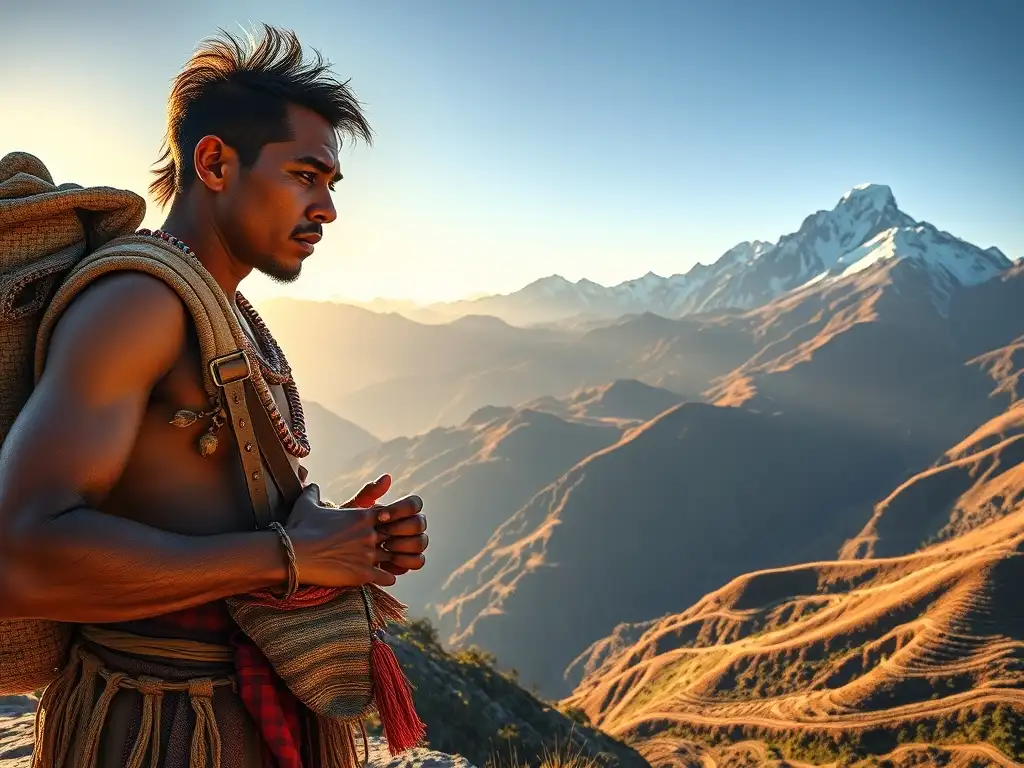
Step into a world lost to time, yet echoing with vibrant life. Imagine a civilization that thrived amidst towering peaks and unforgiving landscapes, mastering not only engineering marvels but also sophisticated healthcare. Discover the secrets of Andean preColumbian health practices, uncovering ingenious methods used to prepare for the strenuous demands of life in the Andes. Prepare to be amazed by the ingenuity and resilience of these ancient peoples – their story is waiting to be unveiled in "Health and Wellness in the Andes: Preparing for Physical Exertion."
Exploring the breathtaking landscapes of the Andes Mountains—from the majestic ruins of Machu Picchu to the enigmatic Nazca Lines—requires careful consideration of your physical well-being. This article delves into the fascinating world of Andean pre-Columbian health practices, examining how ancient civilizations thrived in this challenging environment and how understanding their strategies can enhance your own preparation for a physically demanding Andean adventure. We'll explore the unique challenges posed by altitude sickness, strenuous hikes, and varying climates, and how a blend of modern medical knowledge and ancient wisdom can ensure a safe and rewarding journey.
This guide is designed to help you not just survive, but truly thrive during your exploration of these incredible historical sites, enriching your experience by understanding the very environment you're traversing. Successfully navigating the Andes means respecting the past and preparing for the present, a journey of both physical and cultural discovery.
Understanding the Demands of Andean Exploration: A Look at Pre-Columbian Health and Modern Challenges
The Andes present a unique set of challenges for modern travelers. High altitudes, steep inclines, and unpredictable weather conditions demand physical fitness and careful planning. Understanding the demands of this environment is crucial for a safe and enjoyable trip. Pre-Columbian Andean populations developed remarkable adaptations to overcome these challenges, offering valuable insights for modern visitors. These adaptations weren't just physical; they were intertwined with their spiritual beliefs and daily practices.
Consider the following:
- Altitude Sickness: The thin air at high altitudes can cause altitude sickness (AMS), characterized by headaches, nausea, and fatigue. Pre-Columbian populations likely experienced similar issues, and their strategies for acclimatization offer lessons for modern travelers. Slow ascent, adequate hydration, and rest are crucial.
- Physical Exertion: Hiking in the Andes often involves strenuous climbs and uneven terrain. Pre-Columbian people were accustomed to this, their daily lives involving significant physical activity. Modern travelers must ensure adequate physical preparation before embarking on such journeys.
- Climate Variability: The Andes experience dramatic climate shifts, from scorching sun to freezing temperatures within short distances. Understanding these changes and packing appropriately is essential for maintaining comfort and avoiding hypothermia or heatstroke. Pre-Columbian populations likely possessed sophisticated knowledge of microclimates and seasonal changes, which influenced their agricultural practices and daily routines.
The Legacy of Andean Pre-Columbian Health Practices: Adapting to Altitude and Terrain
Ancient Andean cultures, including the Inca, Moche, Nazca, and Tiahuanaco, developed sophisticated systems for maintaining health and well-being in their challenging environment. Their practices offer valuable insights into the importance of acclimatization, nutrition, and physical fitness. While we can't replicate their entire lifestyle, understanding their strategies can significantly enhance our own preparations.
Let's examine some key aspects:
- Dietary Habits: The Andean diet, rich in potatoes, quinoa, and other high-altitude crops, provided essential nutrients for energy and endurance. These foods offered natural adaptation to the environment, and modern travelers can benefit from incorporating similar nutrient-rich foods into their pre-trip diets. Specific examples include the high-protein content of quinoa, aiding muscle recovery, and the complex carbohydrates in potatoes, providing sustained energy.
- Physical Conditioning: Pre-Columbian populations engaged in daily physical activity as part of their agricultural and social practices. Modern travelers should engage in regular physical training before their trip, focusing on cardiovascular fitness and strength training to prepare for the demands of Andean hiking. This includes endurance training, hiking with weighted backpacks, and strength training exercises that mimic the motions of climbing and navigating uneven terrain.
- Spiritual Practices: Many Andean cultures incorporated spiritual practices into their health and wellness routines. These practices emphasized harmony with nature and a holistic approach to well-being. While not directly replicable, understanding this holistic approach can influence a modern traveler's mindset, encouraging mindfulness and respect for the environment. This could manifest as taking time for meditation or simply appreciating the natural beauty surrounding them.
The legacy of Andean pre-Columbian health practices provides a valuable framework for planning a safe and enriching journey through the Andes. By understanding the challenges of the environment and incorporating insights from the past, modern travelers can ensure a successful and memorable experience. Remember, preparation is key to unlocking the wonders of this remarkable region.
Altitude Sickness Prevention: Essential Strategies Before Your Andean Adventure
Planning a trip to the Andes requires careful consideration of the significant altitude changes. Altitude sickness, or acute mountain sickness (AMS), is a real threat, impacting even the fittest individuals. Understanding and implementing preventative measures is crucial for a safe and enjoyable Andean adventure. One of the most effective strategies is gradual ascent. Instead of immediately traveling to high altitudes, spend several days at progressively higher elevations, allowing your body to acclimatize.
This allows your body to produce more red blood cells, improving oxygen absorption. For example, if your final destination is at 14,000 feet, consider spending a few days at 8,000 feet before gradually ascending. Another crucial aspect is hydration. Dehydration exacerbates altitude sickness symptoms, so drinking plenty of water—even before your trip—is essential. Aim for at least 2-3 liters of water per day in the days leading up to and during your Andean journey.
Avoid alcohol and caffeine, as they can dehydrate you. Finally, consider consulting your doctor before your trip. They can assess your overall health and advise on any necessary precautions, potentially prescribing medication like acetazolamide for altitude sickness prevention. Remember, prevention is key to enjoying the breathtaking beauty of the Andes without compromising your health.
Preparing Your Body: A Step-by-Step Guide for Physical Exertion in the Andes
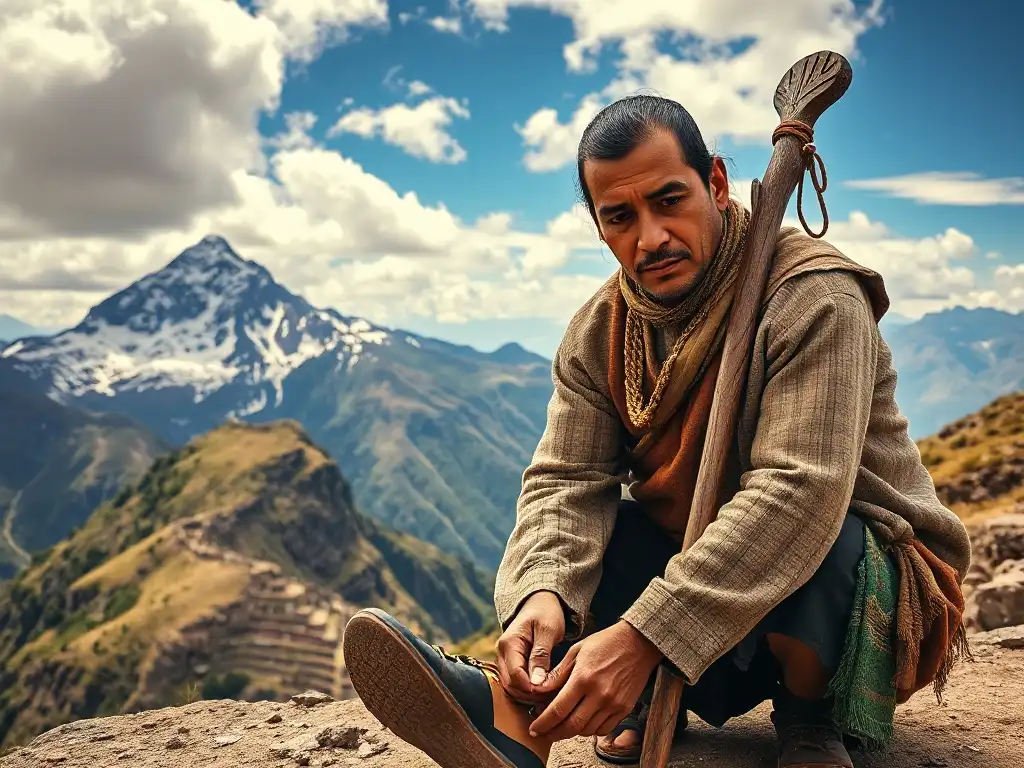
Exploring the Andes often involves strenuous physical activity, from trekking challenging trails to simply navigating cobblestone streets at high altitudes. Preparing your body adequately is paramount to enjoying your journey and avoiding injuries. This involves a holistic approach encompassing cardiovascular fitness, strength training, and flexibility exercises. Start your preparation well in advance of your trip, ideally several months prior.
A gradual increase in activity levels is more effective and minimizes the risk of injury than sudden, intense workouts. Listen to your body and adjust your training accordingly. Remember, the goal is to build endurance and strength, not to exhaust yourself before the trip even begins. Proper nutrition also plays a significant role.
A balanced diet rich in fruits, vegetables, and lean protein provides the energy and nutrients needed for physical exertion. Carbohydrate loading in the week leading up to your trip can help replenish glycogen stores and boost energy levels. Finally, adequate rest and sleep are crucial for muscle recovery and overall well-being. Prioritizing sleep in the weeks before your Andean adventure will significantly enhance your ability to handle the physical demands of your trip.
Cardiovascular Training for Andean Hikes: Building Endurance for High Elevations
Hiking in the Andes demands significant cardiovascular endurance. The thin air at high altitudes makes even moderate exertion more challenging. Therefore, incorporating cardiovascular training into your pre-trip preparation is essential. Activities like running, cycling, or swimming are excellent choices.
Aim for at least 3-4 sessions per week, gradually increasing the intensity and duration of your workouts. Interval training, which involves alternating between high-intensity bursts and periods of rest or lower intensity, is particularly effective for building endurance. For instance, you could alternate between running sprints and jogging for 30 minutes. Simulate the conditions you'll encounter in the Andes by incorporating incline training into your routine, whether through hill runs or using an incline on a treadmill.
This helps your body adapt to the increased effort required at high altitudes. Remember to monitor your heart rate and adjust the intensity accordingly. Pay attention to your body's signals and avoid overtraining, which can lead to injury and hinder your progress. Consistency is key: regular cardiovascular training will significantly improve your stamina and prepare you for the physical demands of your Andean adventure.
Strength Training for Andean Trails: Enhancing Muscle Power and Stability
The uneven terrain and steep inclines of Andean trails necessitate strong leg muscles and core stability. Incorporating strength training into your pre-trip fitness regimen is crucial for preventing injuries and ensuring a safe and enjoyable experience. Focus on exercises that target major muscle groups, including legs, glutes, and core. Squats, lunges, deadlifts, and planks are excellent choices.
These exercises build strength and stability, which are essential for navigating challenging trails. Aim for 2-3 strength training sessions per week, allowing at least one day of rest between sessions for muscle recovery. Use weights or resistance bands to increase the intensity of your workouts. Remember to maintain proper form to prevent injuries.
Start with lighter weights and gradually increase the weight as you get stronger. Consider incorporating exercises that specifically target balance and stability, such as single-leg squats or balance board exercises. These exercises will improve your coordination and reduce the risk of falls on uneven terrain. A strong and stable body will significantly enhance your ability to enjoy the beauty of the Andes while minimizing the risk of injury.
Flexibility and Balance: Key Components for Safe Trekking in the Andes
Flexibility and balance are often overlooked aspects of pre-trip preparation, yet they are crucial for safe and enjoyable trekking in the Andes. Maintaining flexibility helps prevent muscle strains and injuries, while good balance reduces the risk of falls on uneven terrain. Incorporate stretching exercises into your routine, focusing on major muscle groups such as legs, hips, and back. Hold each stretch for at least 30 seconds, and avoid bouncing.
Yoga and Pilates are excellent ways to improve flexibility and balance simultaneously. These practices enhance body awareness and core strength, both of which are vital for maintaining balance on uneven surfaces. Consider adding balance exercises to your routine, such as standing on one leg or using a balance board.
Start with easier exercises and gradually progress to more challenging ones as your balance improves. Regular stretching and balance exercises not only prepare you physically for the rigors of Andean trekking but also contribute to a more enjoyable and safer experience overall. Remember, a flexible and balanced body is a resilient body, better equipped to handle the challenges of the Andes.
Nutrition and Hydration Strategies: Fueling Your Body for Andean Exploration
Exploring the Andes requires significant physical exertion. Proper nutrition and hydration are paramount for maximizing your energy levels, preventing altitude sickness, and ensuring a safe and enjoyable trip. Ignoring these crucial aspects can lead to fatigue, decreased performance, and even serious health complications. Understanding Andean preColumbian health practices, although vastly different from modern approaches, offers valuable insights into the importance of adapting to the environment.
Pre-Trip Diet Planning: Foods to Optimize Performance in High Altitude
Before embarking on your Andean adventure, begin a gradual shift towards a diet rich in complex carbohydrates. These provide sustained energy release, crucial for long treks and challenging climbs. Focus on whole grains like quinoa (a staple in Andean cuisine! ), brown rice, and oats. Incorporate lean proteins such as chicken, fish, and beans for muscle repair and growth. Don't forget healthy fats from avocados and nuts, vital for hormone production and overall health. Avoid processed foods, sugary drinks, and excessive caffeine in the weeks leading up to your trip. These can deplete energy reserves and hinder your body's adaptation to altitude. Consider consulting a nutritionist or dietitian specializing in high-altitude performance for a personalized plan. They can help you tailor your diet to your individual needs and the specific demands of your Andean trek. Remember, proper fueling is essential for a successful and enjoyable exploration of these magnificent landscapes.
Hydration Essentials: Maintaining Electrolyte Balance in the Andes
Maintaining adequate hydration is critical, especially at high altitudes where dehydration occurs more rapidly. The thin air and increased respiratory rate exacerbate fluid loss. Begin hydrating days before your trip, aiming for at least 2-3 liters of water daily. During your trek, carry plenty of water and consider electrolyte drinks to replenish lost salts and minerals. Electrolyte imbalances can contribute to altitude sickness symptoms, so replenishing these crucial elements is key.
The Andean climate can be surprisingly variable, so plan for both excessive sweating and potential cold snaps – both impacting hydration needs. Monitoring your urine color is a good indicator of hydration levels; aim for a pale yellow hue. Ignoring hydration can lead to headaches, fatigue, and serious health issues, potentially jeopardizing your entire trip. Proper hydration is a cornerstone of Andean preColumbian health practices, albeit expressed differently than in contemporary approaches.
Essential Gear for Andean Treks: Products That Enhance Your Experience
Choosing the right gear can significantly impact your comfort, safety, and overall enjoyment during your Andean trek. Investing in high-quality equipment is an investment in your well-being and a successful journey. The diverse Andean terrain, ranging from high-altitude passes to lush valleys, demands versatility and adaptability in your gear choices. Consider the specific challenges of your chosen trek when selecting your equipment.
Hiking Boots: Investing in Proper Footwear for Andean Terrain
Your hiking boots are arguably the most critical piece of equipment. Choose sturdy, well-broken-in boots with good ankle support to protect your feet and ankles from uneven terrain. Consider boots with waterproof membranes for protection against unexpected rain or snow. Invest in high-quality socks made of moisture-wicking materials to prevent blisters and keep your feet dry. Proper footwear is essential for preventing injuries and ensuring comfortable trekking, especially considering the often-challenging Andean trails. Remember, your feet will be carrying you through some incredible landscapes – treat them well!
Layered Clothing: Adapting to Changing Weather Conditions in the Andes
The Andean climate is notoriously unpredictable. Pack versatile clothing that can be layered to adapt to changing weather conditions. Start with a moisture-wicking base layer, followed by insulating mid-layers like fleece or down jackets, and a waterproof outer shell to protect against rain or snow. Remember that temperatures can fluctuate dramatically throughout the day and at different altitudes. Layers allow you to adjust your clothing as needed, maintaining optimal body temperature and preventing overheating or hypothermia. This adaptability is crucial for maintaining comfort and safety during your journey.
Backpacks: Choosing the Right Pack for Comfort and Functionality
Selecting the right backpack is crucial for carrying your essentials comfortably and efficiently. Choose a pack that fits your torso length properly and is appropriately sized for the duration and intensity of your trek. Ensure your pack has sufficient organization compartments to separate your gear effectively. Consider packs with hip belts and shoulder straps designed for weight distribution to prevent strain and discomfort. A well-fitted and well-organized pack contributes significantly to a comfortable and enjoyable trek.
Trekking Poles: Enhancing Stability and Reducing Strain
Trekking poles offer significant benefits, especially on challenging terrain. They provide extra stability, reducing the strain on your knees and ankles, particularly during descents. They also assist with maintaining balance on uneven surfaces and aid in propulsion during ascents. Consider adjustable poles to accommodate varying terrain and altitudes. The use of trekking poles is highly recommended for enhancing safety and comfort during your Andean adventure. They are a simple yet effective addition to your gear, contributing significantly to overall trekking efficiency and reduced physical strain.
Acclimatization Tips: Adapting to High Altitudes Upon Arrival
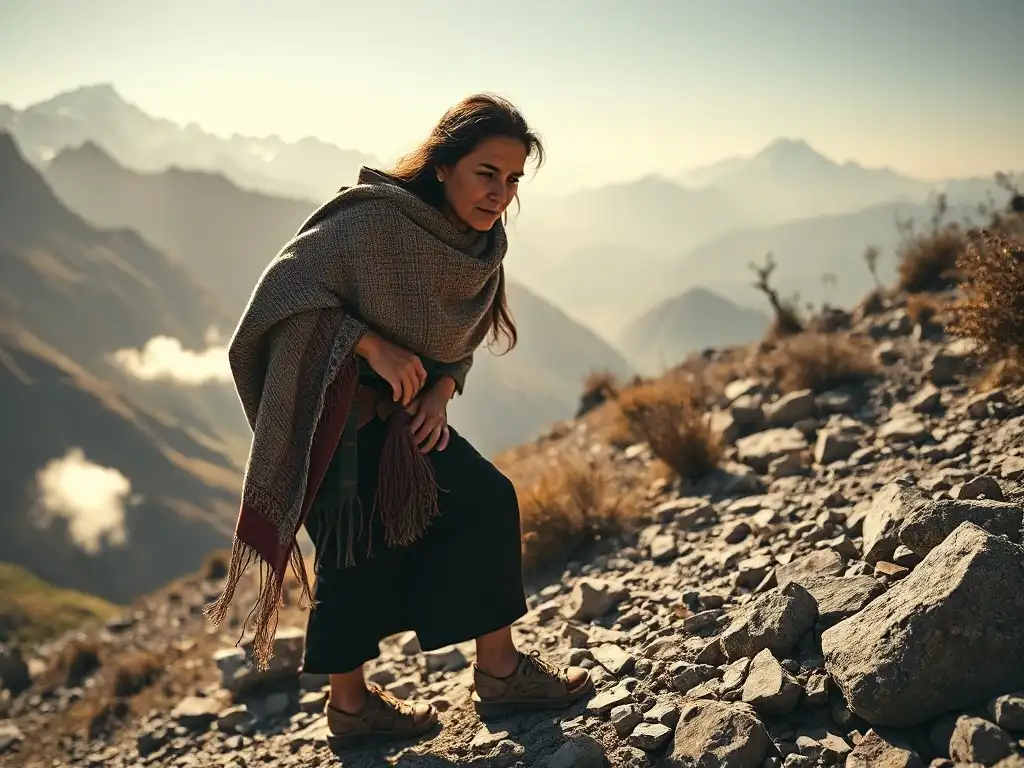
Arriving at high altitudes in the Andes requires careful planning to avoid altitude sickness. The thin air at these elevations means your body has to work harder to get enough oxygen. A gradual ascent is key, but even with careful planning, some acclimatization is necessary upon arrival. This means allowing your body time to adjust before undertaking strenuous activities.
Rest is paramount. The first 24-48 hours should be spent resting and hydrating, avoiding intense physical activity. Even simple tasks may feel more challenging initially. Listen to your body—fatigue, headaches, and shortness of breath are all common initial symptoms.
Staying hydrated is crucial; drink plenty of water, avoiding alcohol and excessive caffeine, which can dehydrate you further. Consider consuming light meals, focusing on easily digestible foods. These initial days are essential for your body's adaptation to the reduced oxygen levels. Ignoring these initial acclimatization periods can significantly increase the risk of developing acute mountain sickness.
Gradual Ascent: Allowing Your Body to Adapt Slowly
One of the most effective strategies for preventing altitude sickness is a gradual ascent. This involves ascending to higher altitudes slowly, allowing your body ample time to adjust to the decreasing oxygen levels at each stage. Instead of directly flying into a high-altitude city like Cusco (around 11,000 feet), consider spending a few days at a lower altitude, such as in Lima (near sea level) or a town at a moderate altitude, before making the final ascent.
This phased approach gives your body a chance to produce more red blood cells, which carry oxygen throughout your system. Even a slow ascent by car or train can aid in acclimatization. The slower the ascent, the better your body can adapt.
For treks, plan your itinerary with several rest days at intermediate altitudes, allowing for full acclimatization before reaching higher camps. This method significantly reduces the risk of severe altitude sickness and enhances the enjoyment of your Andean adventure.
Recognizing the Symptoms of Altitude Sickness: Early Warning Signs and Actions
Altitude sickness, also known as acute mountain sickness (AMS), manifests in various ways. Recognizing the early warning signs is crucial for preventing more severe complications. Common symptoms include headache, nausea, vomiting, dizziness, shortness of breath, and fatigue. Less common, but more serious, symptoms include loss of appetite, sleep disturbances, and swelling in the hands, feet, or face. If you experience any of these symptoms, immediately slow down your activity, rest, and rehydrate.
Descend to a lower altitude if possible; this is often the most effective treatment. Mild symptoms can often be managed with rest and hydration, while more severe cases may require medical attention. It's always advisable to carry altitude sickness medication, such as acetazolamide, after consulting your doctor. Knowing the signs and taking prompt action can prevent a minor inconvenience from becoming a serious health issue.
Integrating Andean Pre-Columbian Wisdom into Your Modern Approach
Ancient Andean civilizations possessed a deep understanding of their environment and its impact on their health. Their practices offer valuable insights for modern travelers preparing for physical exertion at high altitudes. Their knowledge, passed down through generations, offers a holistic approach to wellness that complements modern medical advice. Combining traditional Andean approaches with contemporary medical understanding can enhance your preparedness and overall experience. By understanding and appreciating these ancient practices, you can gain a deeper appreciation for the Andes’ rich cultural heritage while ensuring your well-being.
Traditional Andean Herbal Remedies: Muña tea for digestion and Soroche pills for altitude
Traditional Andean medicine utilizes various plants with medicinal properties. Muña (Minthostachys sp.) is a common herb used to alleviate digestive issues, a common problem at high altitudes due to changes in appetite and diet. Muña tea is often consumed to aid digestion and reduce nausea. "Soroche pills," a colloquial term, often refer to herbal remedies traditionally used to combat altitude sickness symptoms.
These pills typically contain a blend of herbs believed to increase oxygen absorption and alleviate symptoms such as headaches and nausea. While these traditional remedies may offer some relief, it's crucial to remember that they are not a substitute for modern medical advice or treatment. Always consult a doctor before using any herbal remedies, especially if you have pre-existing health conditions. These remedies offer a fascinating glimpse into the ancient Andean understanding of health and wellness.
Mindfulness and Connection with Nature: Enhancing the Andean Experience
Beyond physical preparations, the Andean experience can be enriched by incorporating mindfulness and a connection with nature. The ancient Andean cultures held a profound respect for the mountains and the environment. Taking time to appreciate the natural beauty, engaging in mindful activities such as meditation or yoga, and connecting with the land can enhance your overall experience and reduce stress.
The high altitudes and breathtaking landscapes provide a naturally calming environment conducive to mindfulness practices. By embracing this aspect of the Andean cultural heritage, you not only enhance your physical preparation but also cultivate a deeper appreciation for the region’s rich spiritual and cultural legacy. This holistic approach promotes both physical and mental well-being, enhancing your journey through the Andes.
Post-Trek Recovery: Restoring Your Body After Physical Exertion
After a strenuous trek through the Andes, restoring your body is paramount. The altitude, challenging terrain, and physical exertion take their toll. Ignoring proper recovery can lead to delayed-onset muscle soreness (DOMS), fatigue, and even altitude sickness complications. Effective recovery isn't just about rest; it's a proactive process involving several key strategies.
Think of it as a crucial part of your Andean adventure, just as important as the trek itself. Failing to prioritize recovery can significantly impact your enjoyment of subsequent days and potentially your overall trip. Remember, your body has worked hard; give it the respect it deserves. A well-planned recovery period ensures you'll be ready to explore more of the incredible Andean sites.
Active Recovery Strategies: Light Walking and Gentle Stretching
While complete rest is beneficial, complete inactivity can hinder recovery. Active recovery, such as light walking or gentle stretching, promotes blood flow, reduces muscle stiffness, and aids in the removal of metabolic waste products accumulated during strenuous activity. A 20-minute light walk after a challenging trek can significantly improve your recovery time compared to prolonged bed rest. Gentle stretching, focusing on major muscle groups used during your hike, further improves flexibility and reduces the risk of injury.
Remember to listen to your body; avoid any movements that cause pain. The goal is to promote blood flow and ease muscle tension, not to push yourself further. For example, stretching your quadriceps, hamstrings, and calves after a day exploring Inca trails will help to alleviate stiffness and prevent discomfort the next day. This active approach to recovery is a crucial component of Andean preColumbian health practices, adapted for modern adventurers.
Nutrition for Muscle Repair: Salmon, Berries, and Nuts
Proper nutrition plays a vital role in muscle repair and recovery. After physical exertion, your body needs an influx of nutrients to rebuild damaged muscle tissue and replenish energy stores. Foods rich in protein, such as salmon, are essential for muscle repair. Salmon provides high-quality protein and omega-3 fatty acids, which have anti-inflammatory properties beneficial for reducing muscle soreness.
Berries, packed with antioxidants, combat oxidative stress, a byproduct of intense physical activity. Antioxidants help protect your cells from damage and reduce inflammation. Nuts, a source of healthy fats and protein, provide sustained energy and support overall recovery.
A balanced diet incorporating these nutrient-rich foods will help your body recover effectively and prepare you for further exploration of Andean wonders. Think of this as fueling your journey, just as the ancient Andean civilizations relied on nutrient-rich foods to sustain their demanding lifestyles. This is a key aspect of understanding Andean preColumbian health practices in a modern context.
Assessing Your Experience: Learn from Your Andean Journey
Reflecting on your Andean experience, both the challenges and triumphs, is crucial for future treks. Did your preparation meet the demands of the altitude and terrain? Did your recovery strategies prove effective? Consider adjusting your training regimen or recovery methods based on your experience. For example, if you experienced significant altitude sickness, consider spending more time acclimatizing before undertaking future high-altitude treks.
Similarly, if your chosen recovery methods proved insufficient, explore alternative approaches. Learning from each journey enhances your future adventures, allowing you to better appreciate and respect the magnificent Andes while ensuring your well-being. This continuous learning process is an important element of understanding Andean preColumbian health practices, which emphasized a holistic approach to well-being and survival in challenging environments. This reflective practice contributes to a safer and more fulfilling experience.
- Understanding the Demands of Andean Exploration: A Look at Pre-Columbian Health and Modern Challenges
- The Legacy of Andean Pre-Columbian Health Practices: Adapting to Altitude and Terrain
- Altitude Sickness Prevention: Essential Strategies Before Your Andean Adventure
- Preparing Your Body: A Step-by-Step Guide for Physical Exertion in the Andes
- Nutrition and Hydration Strategies: Fueling Your Body for Andean Exploration
- Essential Gear for Andean Treks: Products That Enhance Your Experience
- Acclimatization Tips: Adapting to High Altitudes Upon Arrival
- Integrating Andean Pre-Columbian Wisdom into Your Modern Approach
- Post-Trek Recovery: Restoring Your Body After Physical Exertion
- What role did physical exertion play in Andean life?
- What were some common Andean pre-Columbian health practices?
- How did the Andes' altitude affect health practices?
- What evidence reveals Andean pre-Columbian knowledge of health?
- How did Andean health practices compare to those of other pre-Columbian cultures?
Frequently Asked Questions
What role did physical exertion play in Andean life?
Andean life, particularly for those in the highlands, involved significant physical exertion due to the mountainous terrain and agricultural practices. This demanded robust health and effective strategies for maintaining it.
What were some common Andean pre-Columbian health practices?
Dietary habits, including the consumption of potatoes, quinoa, and other Andean crops, formed the base of their health practices. They also utilized herbal remedies and medicinal plants for treating illnesses.
How did the Andes' altitude affect health practices?
The high altitude presented unique challenges. Andeans developed strategies to adapt, including specialized diets and potentially, techniques like altitude acclimatization passed down through generations.
What evidence reveals Andean pre-Columbian knowledge of health?
Archaeological discoveries, such as mummified remains and ancient texts, offer insights into their understanding of the human body, disease, and treatment methods. Ethnobotanical studies also shed light on their use of plants for medicinal purposes.
How did Andean health practices compare to those of other pre-Columbian cultures?
While specific practices varied, many Andean techniques like herbal medicine and dietary focus share similarities with other pre-Columbian cultures. However, the unique Andean environment shaped their specific approaches to health and wellness.
Final Reflection: Echoes of the Andes: Ancient Wisdom for Modern Wellness
The enduring legacy of Andean pre-Columbian health practices offers a powerful counterpoint to our modern, often sedentary lifestyles. Their emphasis on physical preparedness, holistic well-being, and deep connection with nature remains strikingly relevant in a world grappling with rising rates of chronic disease and a growing disconnect from the natural world. Understanding these ancient techniques isn't just about historical curiosity; it's about reclaiming a vital connection to our own bodies and the planet that sustains us.
The ingenuity and effectiveness of these pre-Columbian health strategies are truly remarkable, particularly their understanding of altitude adaptation and the importance of balanced nutrition. These weren't simply survival techniques; they were deeply ingrained cultural practices reflecting a profound respect for the body and its capabilities. The body is a temple,
a phrase often repeated in modern wellness circles, finds its ancient echo in the meticulous preparation and respect for physical well-being evident in Andean cultures. Their holistic approach, encompassing physical training, dietary wisdom, and spiritual connection, offers a valuable lesson in sustainable living and mindful movement.
Consider the implications of this knowledge for your own life. How can you incorporate elements of Andean pre-Columbian health practices – the emphasis on physical conditioning, mindful eating, and a respectful connection with nature – into your daily routine? Perhaps it's a daily walk in nature, a conscious effort to incorporate more whole foods into your diet, or simply a moment of quiet reflection to appreciate the strength and resilience of your own body. Embrace the echoes of the Andes, and discover the transformative power of ancient wisdom for your modern well-being.
Embark on Your Andean Wellness Journey Today!
Thank you for exploring the rich world of Andean health and wellness practices. You've already learned how to prepare your body for the unique challenges of this breathtaking region. Now, let's put that knowledge into action!
Here's how to begin your journey toward enhanced wellness and physical readiness for the Andes:
- Prepare Your Body: Start a training program today! Incorporate aerobic exercise, strength training, and flexibility routines designed for high-altitude conditions. Consider focusing on activities like hiking with weighted packs to simulate the conditions you'll face.
- Join a Community: Connect with fellow adventurers by joining a local hiking or wellness group. Sharing experiences and mutual support can significantly boost your fitness goals.
- Explore Nutrition: Incorporate Andean superfoods like quinoa and maca into your diet. Start by adding one new nutritious ingredient each week, gradually building a balanced and energizing meal plan.
What will be your first step toward embracing the Andean lifestyle and preparing for your next adventure?