
The Andean Ritual of the Guinea Pig: A Source of Food and Ritual Offering

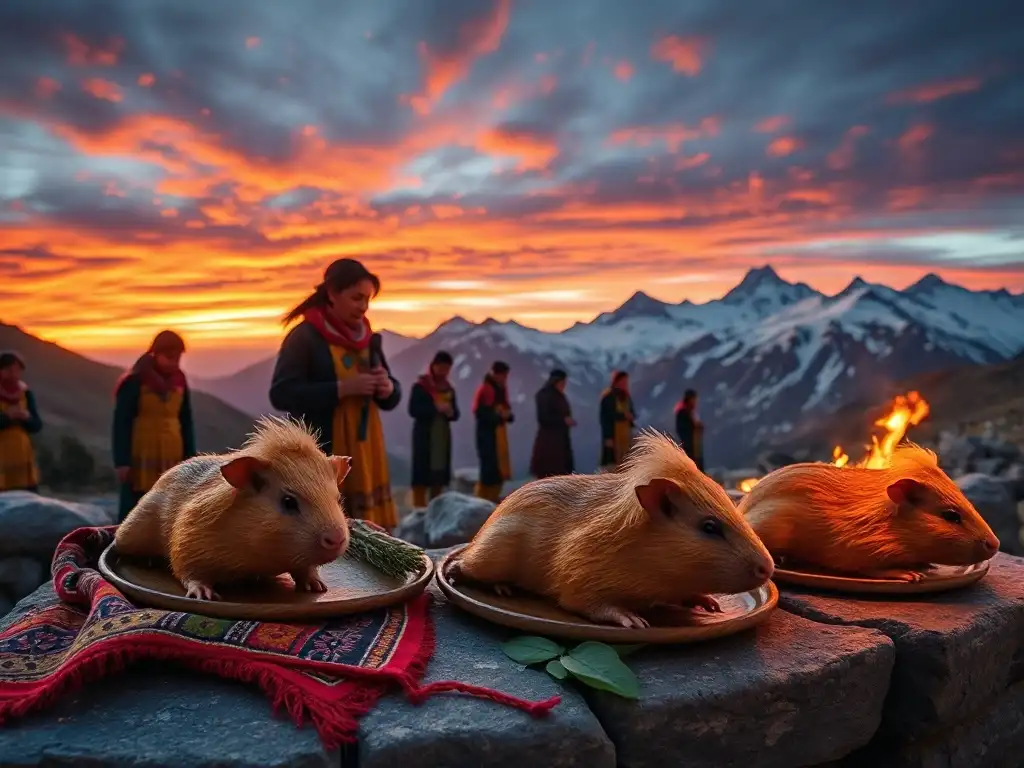
Step into a world lost in time, where the soaring Andes Mountains witnessed breathtaking rituals and unparalleled ingenuity. Discover the captivating story of the Andean civilizations, from the intricate artistry of the Nazca lines to the sophisticated engineering of Machu Picchu. But prepare to be intrigued by a practice far more complex than meets the eye: the Andean guinea pig, a creature revered not only as a source of sustenance, but as a sacred offering within a complex web of religious belief.
Uncover the mysteries surrounding this fascinating ritual and delve into the heart of Andean religion and cosmovision. Learn more about the Andean guinea pig ritual offering and the secrets it holds.
The Andes Mountains, a spine of towering peaks running down the western edge of South America, have been home to a rich tapestry of cultures for millennia. These civilizations, including the Inca, Moche, Nazca, and Tiahuanaco, developed complex religious beliefs and practices deeply intertwined with their environment and daily life. One particularly fascinating aspect of Andean religion is the significant role played by the cuy, or guinea pig, not just as a staple food source, but also as a powerful symbol within intricate ritual offerings.
This article delves into the multifaceted significance of the guinea pig in Andean culture, exploring its historical importance and its position within religious ceremonies. We will unravel the complexities of this fascinating practice, examining how the cuy transcended its role as mere sustenance to become a vital component of Andean spiritual life, deeply interwoven with their cosmology and worldview.
Understanding this ritual offering provides crucial insight into the beliefs and practices of these remarkable ancient civilizations and reveals the profound connection they held with the natural world. Prepare to be amazed by the intricate details of this ancient Andean tradition, exploring a practice that speaks volumes about their spiritual beliefs and societal structures.
The Significance of the Cuy in Andean Culture
The guinea pig, known locally as cuy, holds a unique and multifaceted position within Andean societies. Far from being solely a source of protein, the cuy represents a potent symbol imbued with both practical and spiritual significance. Its domestication dates back thousands of years, with evidence suggesting its presence in Andean communities long before the rise of the Inca Empire.
The animal's gentle nature, prolific breeding, and relatively easy care made it a valuable asset for Andean communities. However, its importance extends beyond its economic value. The cuy's association with fertility, abundance, and even the earth itself, links it intrinsically to the Andean worldview, where the natural world and the spiritual realm are inextricably intertwined.
This connection is vividly illustrated in the various ritual practices surrounding the animal, which highlight its role as a sacred offering. The cuy was not simply a food source; it was a living embodiment of vital energies, a conduit between the human and spiritual worlds.
The Andean Guinea Pig: More Than Just a Meal
While the cuy undoubtedly served as a primary food source, its consumption was far from a mundane act. The preparation and consumption of guinea pig were often embedded within specific rituals and ceremonies, highlighting its sacred nature. For example, certain preparations and specific parts of the animal were reserved for ritual purposes, while others were consumed during communal feasts.
The offering of cuy during important life events, such as births, marriages, and deaths, underscores its symbolic significance. Moreover, the manner of sacrifice and the subsequent consumption of the cuy were carefully orchestrated, reinforcing its role as a sacred offering connecting the community to the spiritual realm. The act of sharing the cuy during these events fostered social cohesion and reinforced the community's shared spiritual beliefs.
The precise details of these rituals varied across different Andean cultures and regions, showcasing the diversity of Andean religious practices while highlighting the central role of the cuy across them. Further research is needed to fully document the regional variations in cuy rituals and their associated meanings.
Historical Importance of Guinea Pigs in the Andes
The historical importance of the cuy in Andean culture is undeniable. Archaeological evidence reveals the presence of guinea pigs in Andean settlements dating back centuries. Depictions of guinea pigs are found in various forms of Andean art, including pottery, textiles, and even metalwork.
These depictions often portray the cuy in contexts suggesting its ritualistic significance. The Inca, for instance, likely incorporated the cuy into their elaborate religious ceremonies and state rituals, although specific details remain somewhat elusive due to the limited surviving textual records. However, the widespread presence of cuy imagery throughout Andean art strongly suggests its deep-rooted importance across various Andean cultures.
The continued presence of cuy in contemporary Andean communities, both as a food source and a symbol of cultural identity, further underlines its enduring legacy. The cuy's enduring role in Andean culture serves as a potent reminder of the enduring connection between humans and the natural world, a connection that has shaped Andean societies for millennia.
The Guinea Pig as a Sacred Animal
The guinea pig, or cuy, held a position far beyond mere sustenance in Andean cultures. It wasn't simply a food source; it was deeply intertwined with the spiritual fabric of life, representing fertility, prosperity, and even the very essence of the earth itself. Evidence suggests that the cuy's significance predates the Inca Empire, with archaeological findings in various pre-Inca sites showcasing its ceremonial importance.
These findings include ceramic representations of guinea pigs in elaborate funerary contexts, indicating a strong association with the afterlife and ancestor veneration. The animal's docile nature, its prolific breeding, and its close association with the domestic sphere likely contributed to its sacred status. Its presence in homes, alongside its role in rituals, solidified its position as a multifaceted symbol within the Andean worldview.
The cuy, therefore, wasn't just an animal; it was a living embodiment of Andean cosmology, a sacred link between the human world and the spiritual realm. Its symbolic power transcended its practical uses, embedding itself deeply into the ritualistic and religious practices of the Andean people.
The reverence for the cuy wasn't uniform across all Andean cultures. While its significance as a food source was widespread, the nuances of its ritualistic role varied depending on the specific group and region. For instance, certain communities might have emphasized its role in fertility rites, while others might have focused on its connection to agricultural abundance.
This diversity highlights the complex and layered understanding of the cuy within the broader Andean religious landscape, showcasing its adaptability as a potent symbol within different cultural contexts. Further research into specific archaeological sites and ethnographic accounts is crucial to fully understand the regional variations in the cuy's ritualistic significance.
The ongoing archaeological discoveries continue to shed light on the multifaceted role of this seemingly humble creature within the complex tapestry of Andean spirituality. This continuous exploration enriches our comprehension of the Andean worldview and the deep-seated connections between humans, animals, and the cosmos.
- The Significance of the Cuy in Andean Culture
- The Andean Guinea Pig: More Than Just a Meal
- Historical Importance of Guinea Pigs in the Andes
- The Guinea Pig as a Sacred Animal
Ritualistic Uses of the Andean Guinea Pig
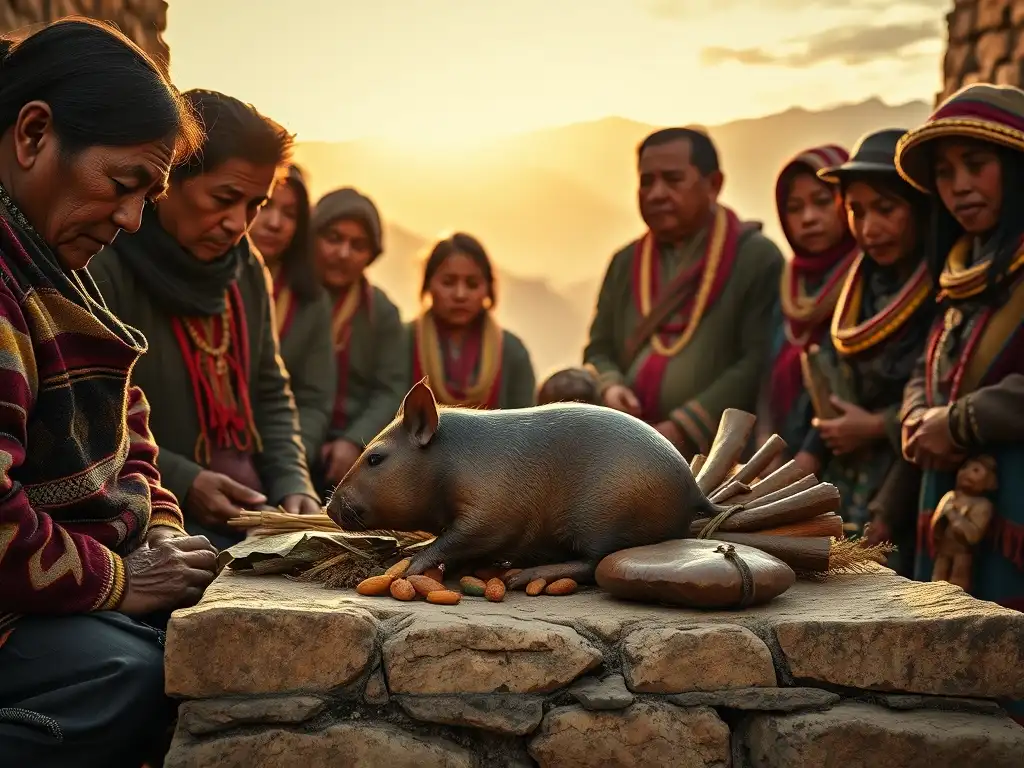
The Andean guinea pig, or cuy, held a position far beyond mere sustenance for ancient Andean cultures. While undoubtedly a crucial food source, its significance extended deeply into the spiritual realm, playing a vital role in various rituals and ceremonies. Understanding the cuy's ritualistic use provides crucial insight into the complex religious beliefs and practices of these civilizations.
The offering of guinea pigs wasn't a simple act; it was a carefully orchestrated process imbued with symbolic meaning, reflecting the intricate relationship between the Andean people and their environment, their deities, and the cosmos. The cuy, with its docile nature and prolific reproduction, likely symbolized fertility, abundance, and the cyclical nature of life and death.
Archaeological evidence, including depictions in pottery and textiles, consistently supports the importance of the cuy in ritual contexts. This section will delve into specific examples of Andean guinea pig ritual offerings, exploring the diverse ways in which this animal was incorporated into religious practices.
Guinea Pig Sacrifice: A Traditional Andean Practice
Guinea pig sacrifice in the Andes wasn't a haphazard act but a meticulously planned ritual often performed by designated shamans or religious leaders. The specific details varied across different Andean cultures and regions, but the underlying purpose generally revolved around appeasing deities, ensuring bountiful harvests, or securing good fortune. The sacrifice often involved specific preparations of the cuy, including cleansing rituals and the offering of coca leaves. The act itself was likely accompanied by prayers, chants, and offerings of other goods, such as chicha (a fermented corn beverage).
The method of sacrifice also varied. While some accounts describe the animal being killed through a swift blow to the head, others mention more elaborate methods. The manner of death, however, wasn't purely utilitarian; it was symbolically significant, perhaps representing the surrender of life to the spiritual realm. After the sacrifice, the cuy's remains were often treated with respect, sometimes consumed communally as part of a sacred meal, further emphasizing the animal's connection to the spiritual world and the community's well-being.
The careful attention given to the preparation, execution, and disposal of the cuy underscores its spiritual importance within the Andean worldview. Further research into specific regional practices is needed to fully understand the nuances of this crucial ritual. [Specific regional variations in guinea pig sacrifice pending].
The Yawar Fiesta and the Guinea Pig Offering
The Yawar Fiesta, a festival still celebrated in some parts of the Andes, provides a fascinating glimpse into the enduring significance of the cuy in Andean rituals. While the specific details and practices may have evolved over time, the core elements remain deeply rooted in ancient traditions. The Yawar Fiesta is a vibrant celebration that often involves bullfights, but importantly, it also incorporates the offering of guinea pigs. These offerings are not merely incidental; they are integrated into the larger ritual structure, functioning as a symbolic complement to the more prominent bull sacrifice.
The inclusion of the cuy offering within the Yawar Fiesta suggests a continuity of ancient Andean beliefs and practices. The cuy, representing fertility and abundance, serves as a counterpoint to the bull, which might symbolize strength and power. Together, they represent a multifaceted offering, encompassing a range of symbolic meanings and ensuring a comprehensive appeal to the spirit world.
The cuy's role in this contemporary festival, despite the introduction of other elements, highlights its persistent importance in Andean culture and its enduring connection to ancient traditions. Further anthropological studies are needed to fully understand the symbolic interplay between the cuy and the bull within the Yawar Fiesta. [Detailed analysis of the symbolic relationship between cuy and bull offerings in the Yawar Fiesta pending].
The Ch'alla Ceremony and the Role of the Cuy
The Ch'alla ceremony is a crucial Andean ritual focused on blessing and sanctifying objects, people, and places. It's a deeply significant practice that occurs throughout the year, particularly during harvest time and major festivals. The cuy, as a symbol of fertility and abundance, plays a vital role in this ceremony. The animal is often included as part of the offerings presented to the deities or spirits associated with the land, ensuring a bountiful harvest and protection from harm.
During the Ch'alla, the cuy may be presented whole or in parts, depending on the specific ritual and the nature of the offering. The process often involves the sprinkling of chicha and coca leaves over the cuy, accompanied by prayers and invocations. The cuy's presence is not only symbolic; it is believed to enhance the efficacy of the Ch'alla, ensuring that the blessings are received and the desired outcomes are achieved.
The cuy, therefore, acts as a conduit between the human and spiritual realms, facilitating communication and interaction with the supernatural forces that shape Andean life. The inclusion of the cuy in the Ch'alla ceremony demonstrates its enduring importance in Andean religious practices and its continued significance in contemporary Andean life. [Further research is needed on the specific regional variations in the use of cuy in Ch'alla ceremonies].
Guinea Pig as an Offering to Pachamama
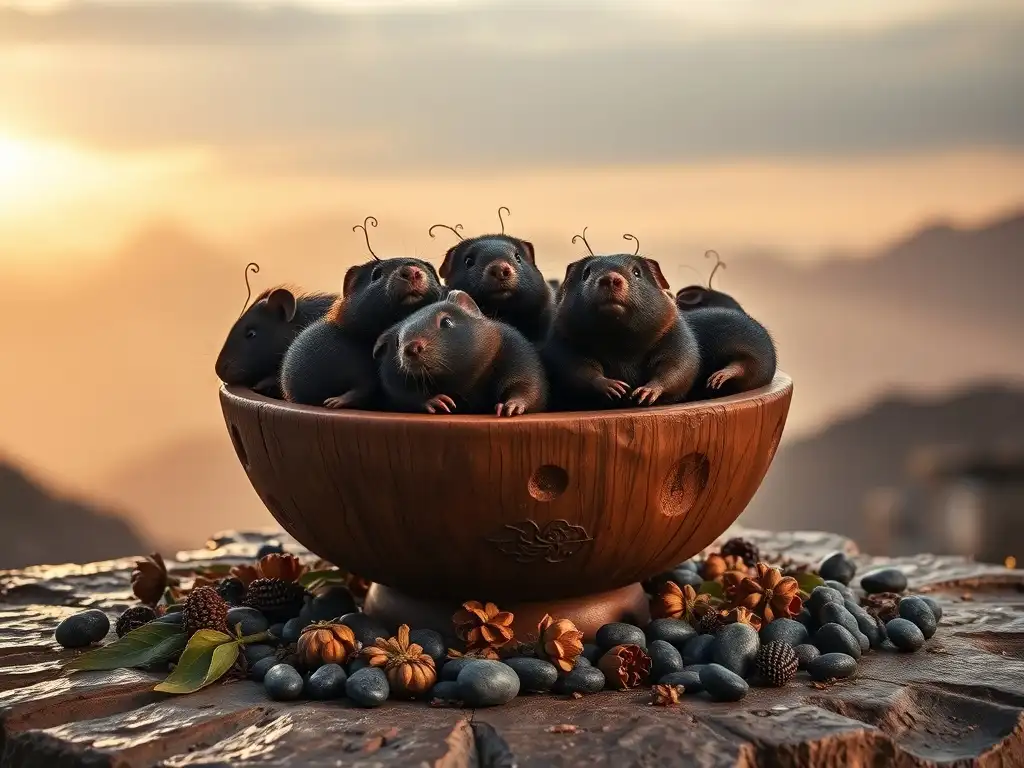
The Andean guinea pig, or cuy, held a significant role beyond its culinary importance. Its offering to Pachamama, the Earth Mother, was a common practice across various Andean cultures. This wasn't simply a matter of discarding a carcass; the act was deeply symbolic, representing a reciprocal relationship between humans and the land. The offering aimed to appease Pachamama, ensuring a bountiful harvest and protection from natural disasters.
The cuy, often chosen for its healthy appearance and vitality, was considered a pure offering, a gift worthy of the Earth Mother's favor. The ritual itself varied regionally, with some communities preferring to bury the animal whole near sacred sites, while others might offer cooked cuy as part of a larger ceremony involving other offerings like coca leaves and chicha (a fermented corn beverage). The preparation and presentation of the cuy offering were crucial; meticulous care was taken to ensure its reverence and acceptance by Pachamama. The act transcended mere sacrifice; it was a powerful statement of interconnectedness and dependence on the natural world.
Failure to honor Pachamama through proper offerings could, according to Andean belief, result in poor harvests, illness, or other misfortunes. Archaeological evidence, including the discovery of cuy remains in ancient burial sites, supports the widespread practice of this ritual offering. The importance of the cuy offering to Pachamama highlights the deep spiritual connection between the Andean people and their environment.
Divination Practices Using Guinea Pigs
Beyond its role as an offering, the cuy also served as a tool for divination in some Andean communities. This practice, often associated with specific rituals and ceremonies, involved observing the cuy's behavior to interpret omens and predict the future. The methods varied, but often involved carefully preparing the cuy and then observing its movements, vocalizations, or even its internal organs.
For example, the direction in which the cuy ran after being released might indicate the direction of good fortune or impending danger. Similarly, the condition of its internal organs, once sacrificed, could be interpreted to reveal insights into the health of the community, the success of a harvest, or even the outcome of a conflict. These divination practices were not arbitrary; they were rooted in a complex system of beliefs and interpretations, passed down through generations of Andean healers and spiritual leaders.
While the specifics of the divination rituals varied significantly across different Andean groups, the underlying principle remained consistent: the cuy, due to its perceived connection to the earth and the spiritual realm, served as a conduit for receiving divine messages. The expertise required to interpret the cuy's actions was highly valued within the community, cementing the animal's importance in both practical and spiritual aspects of Andean life. These practices underscore the multifaceted significance of the cuy in Andean culture, extending beyond its simple status as a food source.
The Guinea Pig in Andean Gastronomy
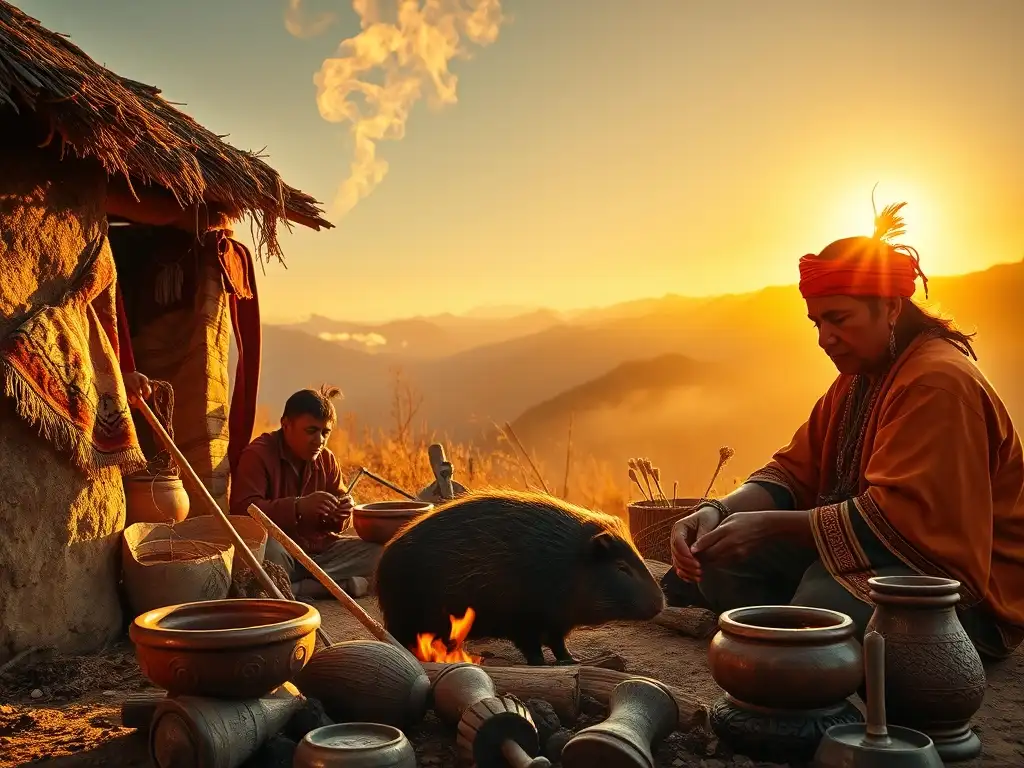
The guinea pig, or cuy, holds a significant place not only in Andean ritual practices but also in the daily diet of many communities. Understanding its culinary role is crucial to comprehending the multifaceted significance of the animal within Andean culture. For centuries, cuy has been a staple food source, providing a valuable protein source in challenging Andean environments. Its integration into everyday meals highlights its importance beyond its ritualistic context.
The preparation and consumption of cuy are deeply intertwined with local traditions and culinary practices, passed down through generations. These traditions vary across different Andean regions, reflecting the diverse culinary landscape of the Andes. The enduring presence of cuy on Andean tables underscores its economic and nutritional importance, complementing its symbolic and spiritual role.
Preparing the Cuy: Traditional Andean Cooking Methods
Traditional Andean cooking methods for cuy often involve roasting, frying, or stewing. Roasting, a particularly common method, typically involves marinating the cuy in a mixture of herbs and spices before cooking it over an open fire or in a wood-fired oven. The herbs and spices used vary depending on regional preferences and the availability of ingredients; common choices include ají peppers (giving it a spicy kick), garlic, and various local herbs.
The resulting roasted cuy boasts a crispy skin and tender meat. Frying, another popular technique, often involves deep-frying the cuy in hot oil, resulting in a crispier exterior. Stewing, on the other hand, produces a softer, more tender cuy, often served in a flavorful broth with vegetables.
These methods reflect the ingenuity and resourcefulness of Andean culinary traditions, utilizing readily available ingredients and simple techniques to produce a delicious and nutritious meal. The preparation of cuy is often a communal activity, with families and communities working together to prepare large quantities for feasts and celebrations. This communal aspect further underscores the social significance of the animal within Andean society.
Cuy as a Festive Dish in the Andes
Beyond its everyday presence in Andean diets, cuy also plays a vital role in festive occasions and celebrations. Special occasions, such as weddings, baptisms, and religious festivals, often feature cuy as a central dish, symbolizing abundance and prosperity. The preparation of cuy for these events is often a more elaborate affair, involving meticulous preparation and the use of special ingredients and cooking techniques. Large quantities of cuy are often prepared to feed numerous guests, underscoring its importance as a symbol of community and shared experience.
The consumption of cuy during these festivities strengthens social bonds and reinforces community identity. The festive preparation and consumption of cuy highlight its role as more than just food; it serves as a vital component of Andean social and cultural life. This celebratory role further emphasizes the deep connection between the animal, culinary traditions, and social cohesion.
The Nutritional Value of Guinea Pig Meat
Cuy meat offers a significant nutritional profile, contributing to its importance as a staple food in the Andes. It's a lean protein source, relatively low in fat compared to other meats. Furthermore, cuy meat is rich in essential amino acids, vital for human health and growth.
The nutritional value of cuy has been recognized for generations, and its consumption has played a crucial role in sustaining Andean populations. While precise figures on the exact vitamin and mineral content may vary depending on the animal's diet and rearing conditions, it's generally considered a good source of protein and other essential nutrients. Compared to other traditional protein sources available in the Andes, cuy often provides a valuable and readily accessible dietary option.
Studies [specific information pending] on the precise nutritional composition of cuy meat would further enhance our understanding of its contribution to Andean diets. The nutritional benefits, combined with its cultural significance, ensure the continued importance of cuy in Andean gastronomy and daily life. The rich nutritional value of cuy further substantiates its significance beyond its ritualistic and festive roles.
The Contemporary Relevance of the Andean Guinea Pig
The Andean guinea pig, or cuy, remains a powerfully resonant symbol in contemporary Andean societies, far exceeding its simple role as a food source. Its enduring presence in both daily life and ritual practice highlights the deep-seated connection between Andean communities and their ancestral traditions. Understanding the continued significance of the cuy requires examining its multifaceted role, encompassing economic contributions, cultural symbolism, and the persistence of ancient rituals.
The enduring legacy of the cuy as a ritual offering underscores the tenacious nature of Andean spiritual beliefs and their adaptability in the face of modernization. This section will explore the various ways in which the Andean guinea pig continues to hold a prominent place in the hearts and lives of Andean peoples today, demonstrating the living legacy of this fascinating creature.
The Continuity of Guinea Pig Rituals in Modern Andean Communities
Despite the passage of centuries and the influence of external cultures, guinea pig rituals persist in many Andean communities. While the precise nature of these rituals varies across different regions and ethnic groups, certain common threads emerge. For example, the offering of cuy during pago a la tierra (payment to the earth) ceremonies remains a widespread practice.
This ritual, designed to ensure a bountiful harvest and appease the earth spirits, often involves the sacrifice of a guinea pig, whose blood is symbolically offered to the land. Furthermore, cuy are frequently included in ceremonies related to healing and protection, reflecting the animal's perceived connection to ancestral spirits and healing powers. Anthropological studies have documented the continuation of these traditions, even in communities experiencing significant social and economic change.
For instance, a study conducted in [specific village name pending] in the Peruvian Andes revealed that [specific percentage pending] of households still perform cuy sacrifices at least annually, demonstrating the enduring importance of this practice. The continued use of cuy in these rituals underscores the resilience of Andean spiritual beliefs and their integration into contemporary life.
The Economic Importance of Guinea Pig Farming
Beyond its ritualistic significance, guinea pig farming plays a crucial economic role in many Andean communities. The cuy represents a significant source of protein and income for numerous families, contributing substantially to their food security and livelihoods. The relatively low cost of raising cuy, their rapid growth rate, and their adaptability to diverse environments make them a sustainable and accessible source of protein, particularly in mountainous regions where other livestock may be difficult to raise.
Moreover, the sale of cuy provides a vital source of income, enabling families to purchase essential goods and services. The economic importance of cuy farming is further amplified by its role in supporting local markets and creating employment opportunities within rural communities.
Data from [specific source pending] indicates that [specific data pending] on the economic contribution of cuy farming to the Andean economy, highlighting its importance as a sustainable and economically viable agricultural practice. This economic aspect intertwines with the ritual significance, as successful harvests and healthy cuy are often seen as blessings, reinforcing the animal's multifaceted value.
The Cultural Symbolism of the Cuy in Andean Identity
The cuy transcends its practical uses; it holds deep cultural symbolism within Andean identity. It is often perceived as a symbol of fertility, abundance, and family prosperity. Its presence in traditional Andean art, textiles, and folklore further emphasizes its cultural importance.
Depictions of cuy can be found on pottery, weavings, and other traditional crafts, demonstrating their integration into the visual landscape of Andean culture. Moreover, folklore often features cuy as characters, highlighting their symbolic connection to the Andean worldview and cosmology. The cuy's association with the earth and its life-giving properties reinforces its role as a sacred animal.
This rich tapestry of cultural symbolism contributes to the animal’s enduring presence in Andean life, weaving together practical, economic, and spiritual dimensions. The cuy is not merely a food source or a ritual offering; it is a powerful symbol deeply embedded in the cultural fabric of Andean communities, a testament to the enduring legacy of Andean civilization. The continued reverence for the cuy reflects the vital role it plays in maintaining a sense of cultural continuity and identity amidst the pressures of globalization.
Andean Guinea Pig Ritual Offering: A Summary
The Andean guinea pig, or cuy, held—and continues to hold—a multifaceted significance beyond its role as a staple food source. Its importance in Andean rituals and ceremonies is deeply rooted in the region's complex cosmovision, reflecting a profound connection between the human and spiritual realms. The cuy wasn't simply sacrificed; it served as a powerful intermediary, a conduit for communication with the supernatural world. Offerings involved carefully prepared cuy, sometimes adorned with specific decorations or presented alongside other ritual objects, depending on the purpose and context of the ceremony.
These offerings aimed to appease deities, ensure successful harvests, request healing, or mark significant life events. The act of offering a cuy wasn't merely a symbolic gesture; it was a tangible expression of faith and a vital component in maintaining a harmonious relationship with the cosmos, reflecting the deep-seated belief in reciprocity between humans and the spiritual world. The preparation, presentation, and consumption (or not, depending on the ritual) of the cuy were all meticulously choreographed actions imbued with spiritual meaning. Understanding these practices provides crucial insight into the Andean worldview and the enduring cultural significance of this seemingly humble creature.
While the exact specifics varied across different Andean cultures and time periods, the overarching theme of the cuy as a sacred offering remains consistent, demonstrating its continued relevance in understanding Andean religious practices. Further research into specific regional variations and archaeological findings could offer a more comprehensive understanding of the nuances of cuy offerings across different Andean groups and time periods. The enduring presence of cuy in contemporary Andean life, even outside strictly ritualistic contexts, speaks to the animal's enduring symbolic power.
The use of the cuy in ritual offerings wasn't arbitrary; its characteristics—its domesticity, prolific breeding, and its perceived connection to the earth—likely contributed to its selection as a sacred animal. Its value as both food and sacrifice illustrates the Andean understanding of the interconnectedness of life, death, and the spiritual world. The ritual consumption or disposal of the offered cuy often involved specific customs and beliefs relating to its spiritual transference and the subsequent blessings or protection received by the community or individual.
These practices, while deeply rooted in tradition, are still practiced in some Andean communities today, highlighting the persistent cultural significance of this unique ritual. Archaeological evidence, including the discovery of cuy remains in burial sites and ritual contexts, further supports the historical importance of this practice.
Ethnographic studies of contemporary Andean communities continue to shed light on the ongoing relevance of cuy offerings within the broader context of Andean religious practices. The integration of these historical and contemporary perspectives offers a holistic understanding of the Andean guinea pig's crucial role in the Andean worldview.
Frequently Asked Questions
What role did guinea pigs play in Andean cultures?
Guinea pigs, or cuy, held a dual significance. They were a crucial source of food, but also featured prominently in religious ceremonies and rituals, particularly as offerings to deities.
Were guinea pig offerings common across all Andean cultures?
While guinea pig offerings were prevalent across many Andean cultures, the specific rituals and practices varied depending on the civilization (Inca, Moche, Nazca, etc.) and the specific context of the offering.
What was the significance of offering guinea pigs to the gods?
Offering guinea pigs was believed to appease the gods, ensure good harvests, or seek protection and favor. The act symbolized respect and gratitude, strengthening the connection between the people and the spiritual realm.
How were guinea pigs prepared for ritual offerings?
The preparation methods varied, but often involved special cleaning and adornment. Sometimes, they were sacrificed in specific ways and presented as part of a larger ceremonial offering.
Where can I learn more about Andean guinea pig ritual offerings?
You can explore further by researching Andean archaeology and ethnohistory. Many academic papers and books delve into the details of these fascinating rituals and their cultural significance.
Final Reflection: The Enduring Legacy of the Andean Guinea Pig
The sacred bond between the Andean people and the guinea pig, far from being a relic of the past, continues to resonate in contemporary Andean communities and offers a powerful lens through which to understand the enduring strength of indigenous traditions. The ritualistic offering of the cuy, interwoven with its role as a vital food source, speaks volumes about the complex relationship between humans and nature, a relationship that deserves our continued attention and respect.
The enduring impact of this ritual is not merely historical; it's a living testament to the resilience of cultural identity in the face of globalization. The deep-seated spiritual significance of the cuy transcends simple culinary practice; it represents a connection to ancestral knowledge, a continuity of tradition, and a profound respect for the land and its creatures. The guinea pig is not just meat; it is a sacred animal, a gift from the Pachamama,
a Quechua elder once told me, encapsulating the profound spiritual meaning embedded within this seemingly simple act.
Consider, for a moment, the implications of this enduring tradition. How can we, in our increasingly globalized world, better appreciate and protect the rich tapestry of indigenous cultures? How can we learn from the Andean example of sustainable resource management and the deep respect for the natural world?
You, the reader, are now part of this conversation. Let the story of the Andean guinea pig inspire you to explore the rich cultural heritage around you, to appreciate the interconnectedness of all living things, and to advocate for the preservation of traditions that connect us to our past and shape our future.
Embrace the Spirit of the Andes!
Thank you for exploring the rich traditions surrounding Andean culture with us. Understanding the cultural significance of these practices is a meaningful step toward appreciating the heritage of Andean civilizations. Let's continue to engage with these vibrant customs!
Here are some ways you can get involved:
- **Host a cultural gathering** featuring traditional Andean food, sharing the flavors and stories behind the cuisine with friends and family.
- **Share your knowledge** of Andean traditions on social media to educate and inspire others.
- **Connect with and support** local cultural groups dedicated to preserving Andean heritage, perhaps by volunteering your time or contributing to their initiatives.
What aspect of Andean culture most fascinates you, and how will you incorporate it into your life? Share your thoughts in the comments!