
The Aftermath of Rebellion: Shifting Power Dynamics in Colonial Society

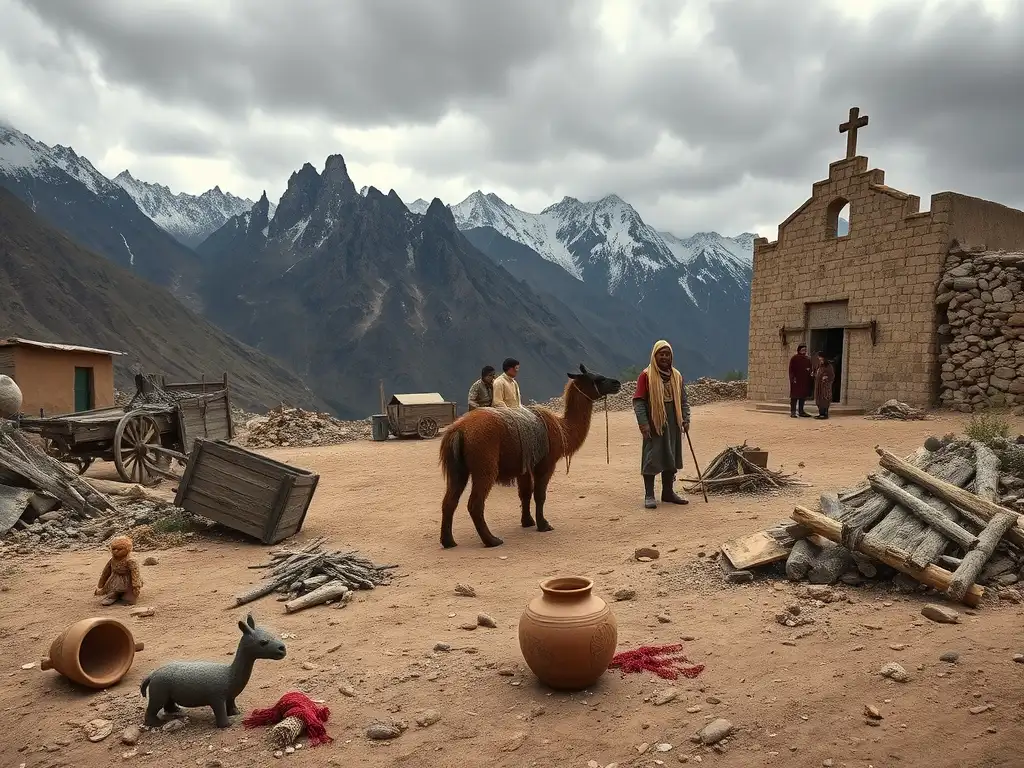
Step into a world lost to time, yet echoing powerfully through history. Imagine the Andes Mountains, a majestic backdrop to civilizations that defied the odds and left behind a legacy of breathtaking artistry and intricate engineering. But what happened when the seemingly unstoppable Spanish conquistadors arrived? Discover how the Andean rebellion impact on colonial society irrevocably altered the course of history, shifting power dynamics and leaving an enduring mark on the world we know today. Uncover the untold stories and prepare to be amazed.
The Spanish conquest of the Andes, while initially swift and brutal, did not result in immediate and complete subjugation. The diverse Andean societies, boasting sophisticated political structures and rich cultural traditions, offered staunch resistance. This article delves into the profound and lasting impact of these rebellions on the colonial power structures of the Andes, exploring how uprisings, large and small, reshaped the social, political, and economic landscape of the region.
We will examine not only the immediate consequences of specific rebellions but also the long-term shifts in power dynamics, the adaptations employed by both the colonizers and the colonized, and the enduring legacy of resistance in the face of colonial oppression. Understanding this complex interplay of rebellion and reaction is crucial to grasping the multifaceted history of the Andean region during the colonial period and its lasting effects on the modern world.
The keyword "Andean rebellion impact on colonial society" will be explored through a detailed examination of specific events and their cascading consequences. The rich tapestry of Andean resistance, woven with threads of defiance and resilience, is a testament to the enduring spirit of these societies.
Understanding the Roots of Andean Resistance to Spanish Rule
The Spanish conquest was not merely a military victory; it was a complex process involving the dismantling of existing social structures, the imposition of a new religious and political order, and the exploitation of indigenous labor. This forceful transformation encountered significant resistance from various Andean groups, stemming from a multitude of factors. The Inca Empire, although weakened by internal conflicts prior to the arrival of the Spanish, still possessed a strong sense of identity and a complex administrative system.
Other pre-Columbian societies, such as the Moche, Nazca, and Tiahuanaco, also maintained distinct cultural and political structures that clashed with Spanish colonial rule. The imposition of encomienda and mita systems, which involved forced labor and tribute extraction, fueled widespread resentment and discontent. Religious syncretism, while initially a survival strategy, also became a powerful tool of resistance, as indigenous populations subtly incorporated their beliefs and practices into the imposed Catholic faith.
These factors, combined with the inherent inequalities and injustices of the colonial system, provided fertile ground for the numerous rebellions that would shake the foundations of Spanish power in the Andes. The depth and persistence of this resistance highlight the enduring strength of Andean cultural identity and the determination to preserve their way of life.
Initial Colonial Power Structures and Their Fragility
The initial Spanish colonial administration in the Andes was characterized by a relatively decentralized structure. This, however, masked a fundamental fragility. The vast distances, difficult terrain, and the sheer diversity of the Andean populations made effective control challenging. The Spanish crown's attempts to impose a centralized system often clashed with the realities on the ground, leading to inconsistencies in governance and the emergence of powerful local actors who could challenge Spanish authority.
The initial reliance on indigenous elites for collaboration and administration – a strategy born out of necessity – proved to be a double-edged sword. While it temporarily facilitated control, it also provided opportunities for indigenous groups to leverage their positions within the colonial system to resist oppression. The fragility of Spanish power was further exposed by the numerous rebellions that erupted throughout the colonial period.
These uprisings, while often brutally suppressed, demonstrated the limitations of Spanish control and the persistent strength of Andean resistance. The Spanish response to these challenges often involved brutal tactics, further exacerbating tensions and fueling further resistance, creating a vicious cycle of rebellion and repression that shaped the colonial experience in the Andes. The success or failure of these early colonial structures heavily depended on the context of each region and the specific dynamics between the Spanish authorities and the indigenous populations.
- Understanding the Roots of Andean Resistance to Spanish Rule
- Initial Colonial Power Structures and Their Fragility
- What was the main cause of Andean rebellions during the colonial period?
- How did the Andean rebellions impact the Spanish colonial economy?
- What role did indigenous leaders play in the rebellions?
- Did the rebellions lead to any lasting changes in colonial society?
- How did the Spanish respond to the Andean rebellions?
The Immediate Impact of Andean Uprisings on Colonial Governance
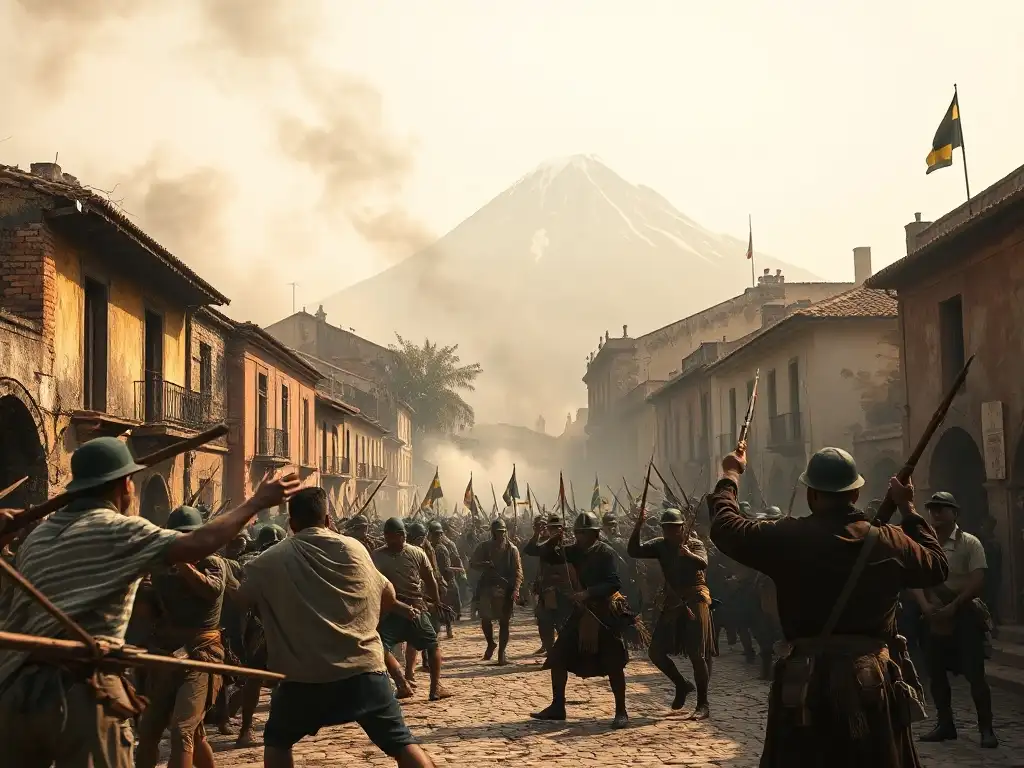
The Andean rebellion impact on colonial society was profound and multifaceted, extending far beyond the immediate battlefield. Uprisings, while brutally suppressed, fundamentally altered the power dynamics within the colonial structure, forcing the Spanish crown to reassess its strategies and governance models. The scale and intensity of these rebellions, particularly those led by figures like Tupac Amaru II, exposed the inherent fragility of Spanish control and the enduring strength of indigenous resistance.
The ripple effects were felt across various aspects of colonial life, from economic systems to military deployments and social structures. Understanding these immediate impacts is crucial to grasping the long-term consequences of Andean resistance.
Disruption of the Encomienda System Following the Tupac Amaru II Rebellion
The Tupac Amaru II Rebellion (1780-1783) stands as a pivotal moment illustrating the Andean rebellion impact on colonial society. This massive uprising, fueled by widespread discontent with the encomienda system – a system granting Spanish conquistadors control over indigenous labor and resources – significantly disrupted its operation. The rebellion's success in certain regions led to the temporary dismantling of encomiendas, freeing indigenous populations from forced labor and tribute.
While the Spanish ultimately regained control, the rebellion forced a reevaluation of the system's viability. The crown, facing increasing pressure from both within and outside Spain, began to introduce reforms aimed at mitigating the system's worst abuses, although the complete abolition of the encomienda would take decades.
The rebellion exposed the system's inherent instability and its vulnerability to widespread indigenous resistance, ultimately contributing to its slow decline. Data on land redistribution following the rebellion is unfortunately scarce, but anecdotal evidence suggests a temporary shift in land ownership and control in some areas affected by the uprising.
Increased Indigenous Mobilization and Its Effects
The Andean rebellions acted as catalysts for increased indigenous mobilization across the Andes. The success of certain rebellions, even on a localized scale, inspired other communities to actively resist Spanish rule. This increased mobilization manifested in various forms: from small-scale acts of defiance and sabotage to larger-scale coordinated uprisings.
The rebellion's impact extended beyond the immediate participants; it fostered a sense of shared identity and purpose among indigenous populations, strengthening their collective resistance. The sharing of strategies and tactics between different communities, facilitated by the increased communication and interaction during the rebellion, further amplified the effectiveness of future resistance movements.
This collective action, born from the shared experience of oppression and the hope for liberation, became a defining characteristic of Andean resistance in the later colonial period. This increased solidarity is evidenced by the numerous smaller rebellions that followed in the wake of major uprisings, often echoing the tactics and demands of their predecessors.
How Rebellions Transformed Spanish Military Strategies in the Andes
The Andean rebellions forced a significant reassessment of Spanish military strategies in the Andes. The initial reliance on small, relatively lightly armed forces proved insufficient to quell the widespread and often well-organized uprisings. The Spanish were forced to deploy larger, better-equipped armies, and to adopt new tactics to counter the guerilla warfare employed by indigenous rebels.
This involved increased reliance on fortifications, improved communication networks to facilitate quicker troop movements, and a greater emphasis on intelligence gathering to anticipate and counter rebel actions. The rebellion's impact on military organization is clearly visible in the increased investment in military infrastructure and the development of new strategies designed to better control the vast Andean terrain.
The Spanish also began to employ indigenous auxiliaries, a strategy that, while fraught with complexities, ultimately proved to be crucial in their efforts to suppress rebellion. The long-term consequences included a more robust and centralized military presence in the Andes, further solidifying Spanish control, albeit at a significant cost.
Long-Term Consequences of Andean Resistance on Colonial Society
The Andean rebellion impact on colonial society was profound and long-lasting, extending far beyond the immediate suppression of uprisings. The sustained resistance of indigenous populations forced the Spanish Crown to adapt its strategies of governance and control, leading to significant shifts in power dynamics, social structures, and the very fabric of colonial Andean life. Understanding these consequences requires examining the evolving relationship between indigenous peoples and the colonial administration, the transformations in land ownership and resource control, and the crucial role resistance played in shaping Andean identity.
The Evolving Relationship between Indigenous Peoples and the Colonial Administration
The initial brutal subjugation of Andean populations following the Spanish conquest gradually gave way to a more complex, albeit still exploitative, relationship. Repeated rebellions, such as Túpac Amaru II's uprising in the late 18th century, demonstrated the enduring strength of indigenous resistance and the limitations of Spanish military power. This forced the colonial administration to reconsider its approach. While outright repression remained a key tool, the Crown also implemented measures aimed at co-opting indigenous leadership and integrating them into the colonial system.
This involved creating a tiered system of indigenous authorities, often appointing compliant individuals to positions of power within their communities. This strategy, however, was fraught with contradictions. While it offered a degree of self-governance, it also served to further consolidate Spanish control and exploit indigenous labor.
The system was inherently unstable, constantly threatened by the potential for rebellion amongst those who felt marginalized or exploited. The balance between coercion and co-option shifted throughout the colonial period, reflecting the ongoing struggle between resistance and control. Records from colonial archives show a fluctuating pattern of increased repression following major uprisings, followed by periods of relative appeasement, only to be broken by further acts of defiance.
Changes in Land Ownership and Resource Control After Rebellions
Andean rebellions significantly impacted land ownership and resource control. The initial Spanish conquest led to the seizure of vast tracts of land, previously held communally by indigenous communities, and their redistribution to Spanish encomenderos and later, to private landowners. However, indigenous communities consistently fought to retain control over their ancestral lands and resources, often through guerilla tactics and sustained resistance.
The outcome was not a simple reversal of land ownership, but rather a complex negotiation of access and control. Successful rebellions, even on a localized scale, frequently resulted in the renegotiation of tribute payments, labor demands, and access to vital resources like water and pastureland. Conversely, the failure of rebellions often led to further land confiscations and the intensification of forced labor.
The struggle over land and resources was a central theme in Andean resistance, shaping the very landscape of colonial society and leaving an enduring legacy on patterns of land tenure that persist to this day. The impact of these struggles can be seen in the fragmented and contested nature of land ownership in many parts of the Andes.
The Impact of Resistance on the Formation of Andean Identity
The continuous struggle against Spanish rule played a crucial role in shaping Andean identity. Repeated rebellions fostered a sense of shared experience and collective identity among diverse indigenous groups, transcending pre-colonial ethnic and linguistic divisions. The shared experience of resistance against a common oppressor forged new forms of solidarity and cultural expression.
This is evident in the emergence of syncretic religious practices, blending indigenous beliefs with elements of Catholicism, and in the development of new artistic forms that incorporated both indigenous and European influences. The Andean rebellion impact on colonial society extended to the realm of cultural production, with resistance itself becoming a powerful symbol of cultural survival and resilience. The legacy of this resistance continues to resonate in contemporary Andean societies, shaping their cultural expressions, political movements, and ongoing struggles for self-determination.
The fight for autonomy and recognition of indigenous rights is a direct descendant of the centuries-long struggle against colonial domination. The symbols and narratives of these rebellions remain potent forces in shaping Andean identity and political consciousness.
Socioeconomic Shifts Driven by Colonial Rebellions
The Andean rebellion impact on colonial society was profound and multifaceted, leaving an indelible mark on the socioeconomic fabric of the region. The uprisings, while ultimately suppressed by the Spanish crown, forced significant adjustments in colonial policies and practices, creating a ripple effect that reshaped the economic and social landscapes for generations. Understanding these shifts requires examining the specific ways rebellions challenged, disrupted, and ultimately altered established power structures and systems.
The Altered Landscape of Labor Practices in the Colonial Andes
The Spanish colonial system relied heavily on the mita, a system of forced labor, to extract resources from the indigenous population. Rebellions directly challenged this exploitative system. While the mita persisted, its implementation was often modified in response to resistance.
For example, after significant uprisings, the Spanish authorities sometimes attempted to mitigate open rebellion by implementing (or at least appearing to implement) more "humane" versions of the mita, reducing the workload or offering (often meager) compensation. However, these changes were often superficial, designed to maintain control rather than address the fundamental injustices of the system. The constant threat of rebellion, however, did force the Crown to reassess its labor strategies, leading to experimentation with other forms of forced labor and the increased reliance on enslaved African populations in certain regions.
The fluctuating success of these strategies highlights the ongoing struggle between colonial power and indigenous resistance, a dynamic that continually shaped the nature of labor in the Andean region. The impact of these shifts on the lives of Andean peoples was devastating, leading to widespread suffering, disease, and death. Detailed records of the precise changes in mita implementation after specific rebellions are unfortunately scarce, requiring further research to fully quantify the scale of these alterations.
How Rebellions Influenced Trade and Economic Development
Rebellions significantly disrupted established trade routes and economic activities within the colonial Andes. The destruction of infrastructure, the loss of labor, and the general instability created by conflict all impacted the flow of goods and resources. For example, the Tupac Amaru II rebellion (1780-1783) caused widespread disruption to silver mining operations in the southern Andes, leading to a temporary decline in silver production and impacting Spain's global economic standing.
This disruption, however, also inadvertently created opportunities for local artisans and merchants who filled the gaps left by the disruption of established trade networks. The increased demand for goods and services in the aftermath of rebellions sometimes led to the emergence of new markets and economic opportunities, particularly for those who were able to capitalize on the instability.
Analyzing the long-term consequences of these economic disruptions requires a careful consideration of both the immediate negative impacts and the potential for unforeseen positive consequences, highlighting the complex interplay between conflict and economic development. Further research into regional variations in economic impact is needed to fully understand the nuanced effects of these rebellions.
The Andean rebellions had a profound impact on the existing social hierarchies within colonial society. While the Spanish colonial system established a rigid social structure with Spaniards at the top and indigenous populations at the bottom, rebellions challenged this hierarchy, albeit temporarily. Successful uprisings, even on a localized scale, momentarily disrupted the established order, creating spaces for indigenous leaders to assert their authority and challenge Spanish dominance.
The aftermath of these rebellions often saw a tightening of control by the Spanish, but the very act of rebellion served as a powerful demonstration of resistance and a challenge to the legitimacy of colonial rule. The Spanish response often involved attempts to reinforce social hierarchies through stricter enforcement of laws and regulations designed to control and subdue the indigenous population. However, the seeds of change were sown.
The sustained resistance demonstrated through these uprisings contributed, in the long run, to the gradual erosion of colonial power and the eventual emergence of new social dynamics in the post-colonial era. More research is needed to fully understand the long-term consequences of these rebellions on the social fabric of Andean communities and the evolving power dynamics between indigenous and colonial populations. The legacy of these struggles continues to shape the social and political landscape of the region today.
Cultural Transformations and the Legacy of Andean Rebellions
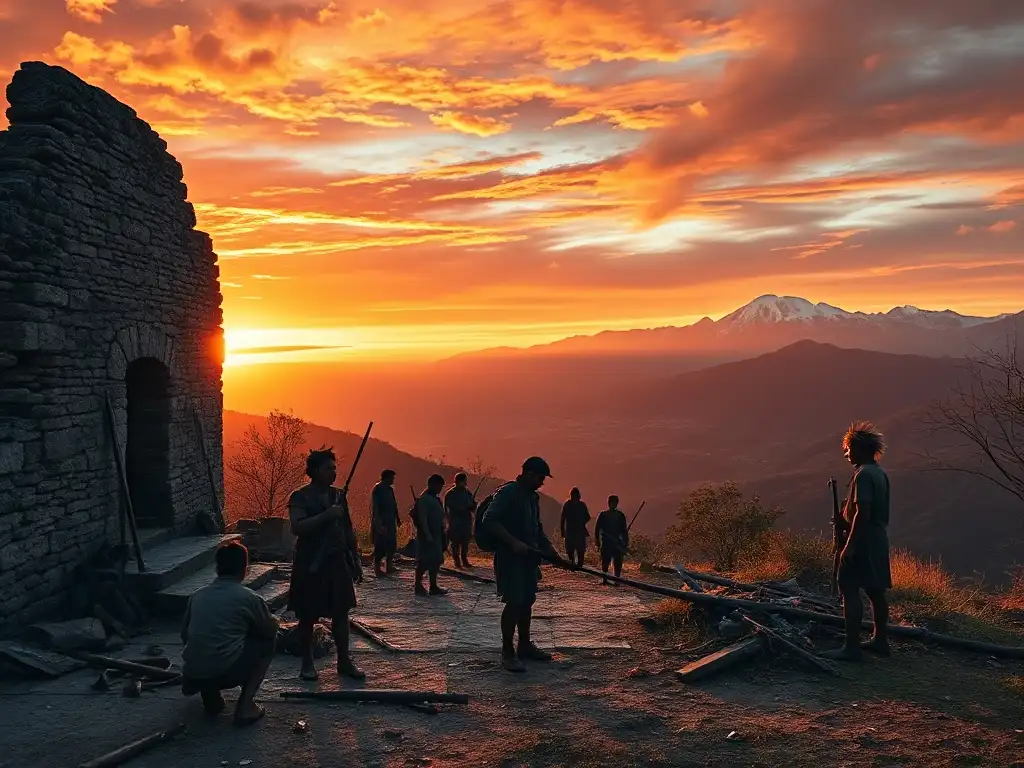
The Andean rebellion impact on colonial society was profound and multifaceted, extending far beyond the immediate military conflicts. The uprisings, while ultimately unsuccessful in overthrowing Spanish rule, significantly altered the cultural landscape of the Andes, leaving an indelible mark on indigenous identities, artistic expressions, and social structures. Understanding this transformation requires examining the intricate interplay between indigenous resistance strategies and the evolving dynamics of colonial power. The rebellions weren't simply military campaigns; they were deeply rooted in cultural preservation and a struggle for self-determination. This section will explore the lasting effects of these rebellions on Andean culture and society.
The Role of Andean Culture in Shaping Resistance Movements
Andean resistance movements weren't monolithic entities. They drew strength from the diverse cultural tapestry of the region, adapting strategies and utilizing existing social structures. For instance, the Inca legacy, despite its subjugation under Spanish rule, provided a framework for mobilization.
Symbols of Inca power, such as the chasqui messenger network (adapted for rebellion communication) and the concept of the ayllu (kinship-based community), were strategically employed to organize and coordinate resistance efforts. The huacas, sacred sites integral to Andean cosmology, often became rallying points, imbued with spiritual significance that transcended the immediate political conflict. The rebels' deep connection to their ancestral lands and spiritual beliefs fueled their determination, providing a powerful counter-narrative to Spanish attempts at cultural assimilation.
This indigenous cultural resilience formed the bedrock of many rebellions, shaping their strategies and providing a sense of shared identity amongst diverse groups. The use of traditional warfare tactics, combined with knowledge of the terrain, also played a crucial role in the success of some rebellions, demonstrating the enduring relevance of Andean cultural practices even in the face of foreign domination.
The Evolution of Indigenous Art and Expression as a Form of Protest
The Andean rebellion impact on colonial society is also evident in the evolution of indigenous art and expression. Forced conversion to Catholicism didn't eradicate Andean spiritual beliefs; instead, it led to a fascinating syncretism. Indigenous artists cleverly incorporated Christian iconography into existing Andean motifs, creating hybrid forms of religious expression that subtly challenged colonial authority.
For example, depictions of the Virgin Mary might subtly incorporate pre-Columbian clothing or postures, blurring the lines between the imposed and the indigenous. Similarly, textiles, long a significant medium of Andean artistic expression, became a vehicle for coded messages of resistance. Specific patterns, colors, and weaving techniques could convey messages of defiance or preserve historical narratives, acting as a silent form of protest accessible only to those initiated into their meaning.
This coded communication within artistic expression demonstrates the ingenuity and resilience of Andean communities in the face of cultural suppression. The preservation of these artistic traditions, despite attempts at eradication, stands as a testament to the enduring power of Andean culture.
The Lasting Influence of Rebellions on Contemporary Andean Societies
The legacy of Andean rebellions continues to resonate in contemporary Andean societies. The struggles for land rights, cultural preservation, and self-determination, themes central to the historical rebellions, remain potent forces in modern political discourse. Indigenous communities continue to fight for recognition of their ancestral rights and the protection of their cultural heritage.
The memory of past rebellions serves as a powerful source of inspiration and a reminder of the ongoing struggle for social justice and equality. Moreover, the syncretic cultural forms that emerged during the colonial period continue to shape contemporary Andean identity, demonstrating the resilience and adaptability of Andean culture. The study of these rebellions provides valuable insights into the complexities of colonial encounters, highlighting the importance of understanding the cultural dimensions of resistance and their lasting impact on the shaping of modern Andean societies.
The ongoing struggle for social justice and cultural preservation reflects a direct lineage from the brave resistance movements of the past, demonstrating the enduring power of the Andean spirit. The impact of these rebellions is not merely a historical footnote; it is a living legacy that continues to inform and inspire Andean communities today.
Analyzing Specific Examples of Andean Rebellion Impact
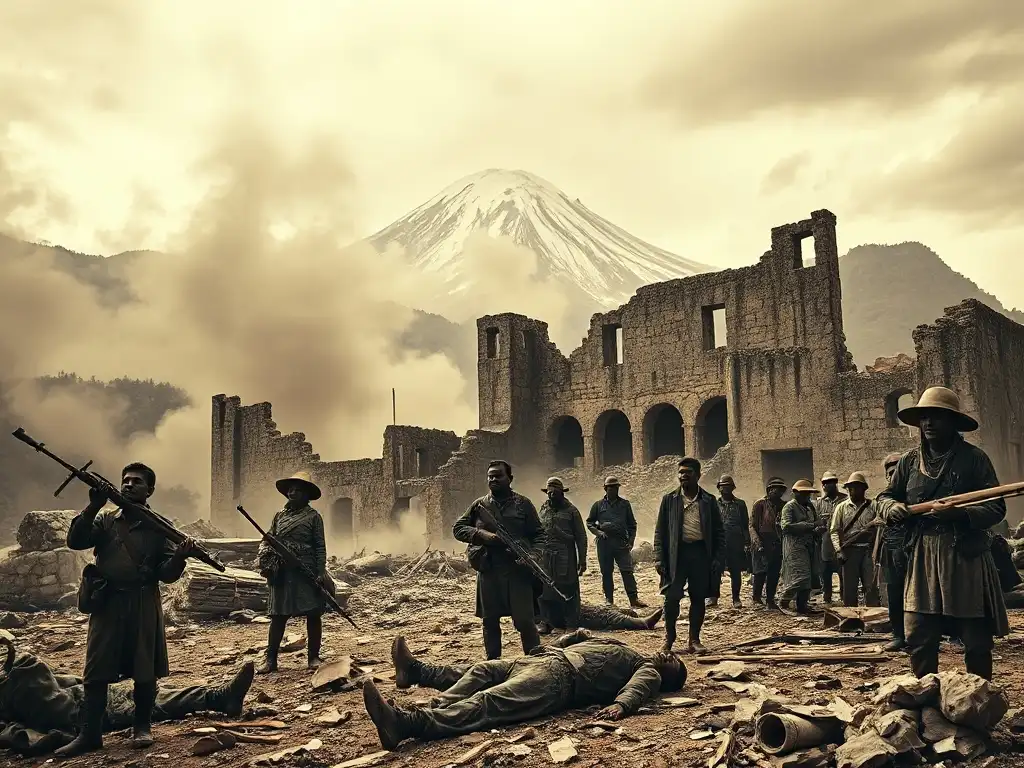
This section delves into the tangible and lasting effects of Andean rebellions on the socio-political fabric of colonial society. We will examine specific uprisings, analyzing their immediate consequences and long-term impacts on power dynamics, economic structures, and social hierarchies within the Andean region during the colonial period. The ripple effects of these rebellions extended far beyond the immediate conflict zones, shaping the trajectory of colonial rule and influencing the eventual independence movements.
Understanding these consequences is crucial to grasping the complex interplay between resistance and control during the Spanish colonial era. The keyword phrase "Andean rebellion impact on colonial society" is central to this analysis.
The Case of the Tupac Katari Rebellion and its Aftermath
The Tupac Katari Rebellion (1780-1781), led by Túpac Katari, a self-proclaimed descendant of the Inca emperors, significantly impacted the colonial power structure in the Bolivian Altiplano. While ultimately unsuccessful in overthrowing Spanish rule, the rebellion caused widespread disruption and demonstrated the enduring strength of indigenous resistance. The rebellion's impact extended beyond military engagements; it profoundly affected the colonial economy.
The disruption of agricultural production, mining operations, and trade routes led to significant economic hardship for the Spanish Crown. The rebellion also exposed the vulnerabilities of Spanish colonial administration, highlighting the limitations of their control over vast and geographically challenging territories. The brutal suppression of the rebellion, characterized by mass executions and widespread violence, did little to quell indigenous resentment and instead fueled further resistance in the years that followed.
The long-term consequences included increased indigenous mobilization and a heightened awareness of the possibility of challenging colonial authority. The Tupac Katari Rebellion serves as a potent example of how even a seemingly failed rebellion could have profound and lasting repercussions on the colonial order, influencing the later independence struggles. The rebellion's legacy continues to resonate in Bolivian national identity, illustrating the enduring impact of Andean rebellions on colonial society.
The Case of the Great Rebellion of 1780-1783 and its Long-Term Effects
The Great Rebellion of 1780-1783, also known as the Túpac Amaru II Rebellion, stands as one of the largest and most impactful indigenous uprisings against Spanish rule in the Andes. Led by José Gabriel Condorcanqui, who adopted the name Túpac Amaru II, this rebellion encompassed a vast territory, spanning modern-day Peru, Bolivia, and Ecuador. The rebellion's immediate impact was devastating to the colonial infrastructure. Towns were sacked, mines were disrupted, and the Spanish administration faced a serious challenge to its authority.
The rebellion's success in mobilizing a large and diverse coalition of indigenous communities demonstrated the deep-seated discontent with colonial rule. The rebellion's impact on the colonial economy was immense, leading to a significant decline in silver production and disrupting trade networks. The Spanish Crown's response was brutal and ultimately successful in quashing the rebellion, but the long-term consequences were significant.
The rebellion's legacy included increased scrutiny of the colonial system by the Spanish Crown, leading to some administrative reforms aimed at improving governance and mitigating some of the worst abuses of colonial power. However, these reforms were insufficient to address the underlying causes of indigenous discontent, ultimately contributing to the conditions that fueled later independence movements. The sheer scale and scope of the Great Rebellion underscore the profound impact of Andean rebellions on the colonial society.
Comparative Analysis of Different Andean Uprisings and their Outcomes
Comparing various Andean uprisings reveals important patterns and variations in their impact on colonial society. While each rebellion had its unique characteristics, several common themes emerge. The immediate impact often involved disruption of the colonial economy, particularly in mining and agriculture. The Spanish response typically involved brutal repression, including mass executions and the destruction of indigenous communities. However, the long-term effects varied depending on factors such as the scale of the rebellion, the level of indigenous mobilization, and the effectiveness of the Spanish response.
Some rebellions, like the Tupac Katari uprising, while ultimately unsuccessful militarily, still succeeded in exposing the vulnerabilities of the colonial system and inspiring future resistance. Others, such as the Great Rebellion, had a more immediate and wide-ranging impact on the colonial economy and administration.
A comparative analysis reveals that even seemingly "failed" rebellions played a crucial role in shaping the long-term trajectory of colonial society in the Andes, contributing to the eventual decline of Spanish power and paving the way for independence movements. Further research into less documented uprisings is needed to fully understand the multifaceted impact of Andean rebellions on colonial society.
Analyzing these diverse cases, considering factors such as leadership, geographic location, and the specific grievances of the participants, provides a richer understanding of the complex dynamics of resistance and control in the Andean colonial world. The varied outcomes highlight the enduring legacy of Andean rebellions and their profound impact on the shaping of modern Andean societies.
Conclusion: The Enduring Legacy of Andean Resistance
The Andean rebellion impact on colonial society was profound and multifaceted, extending far beyond the immediate consequences of any single uprising. While the Spanish crown ultimately maintained its control, the persistent resistance of Andean communities fundamentally reshaped the colonial landscape, leaving an indelible mark on its social, economic, and political structures.
Understanding this legacy requires analyzing not only the immediate victories and defeats, but also the long-term shifts in power dynamics and the enduring cultural resilience of Andean peoples. The echoes of these rebellions continue to resonate in contemporary discussions of indigenous rights and the ongoing struggle for social justice.
Summarizing the Profound Changes Brought About by Rebellions
The impact of Andean rebellions on colonial society wasn't merely a series of isolated incidents; it was a continuous process of negotiation, adaptation, and resistance. Rebellions forced the Spanish to constantly reassess their strategies, leading to significant changes in their administrative practices. For example, the Crown implemented new policies aimed at controlling indigenous populations more effectively, such as the introduction of stricter labor regulations (though often inconsistently enforced) and attempts to integrate indigenous elites into the colonial power structure. However, these measures often backfired, fueling further resentment and prompting new waves of rebellion.
The economic impact was equally significant. While the Spanish sought to exploit Andean resources for their own benefit, rebellions disrupted this process, causing periodic economic instability and impacting the flow of silver and other valuable goods to the Spanish crown. The constant threat of uprising forced the colonial authorities to divert resources towards maintaining military control, diverting funds from other areas of governance.
The disruption of agricultural production during rebellions also caused widespread famine and hardship, further destabilizing colonial society. These economic disruptions, coupled with the social upheaval, highlight the significant cost of colonial rule in the face of persistent Andean resistance.
The Continuing Relevance of Andean Resistance in Understanding Colonial History
The study of Andean rebellions offers a crucial counter-narrative to traditional colonial histories, which often minimize or ignore the agency and resistance of indigenous populations. By focusing solely on the narrative of Spanish conquest and dominance, these traditional accounts fail to capture the complexity and dynamism of colonial society.
Andean rebellions demonstrate the active participation of indigenous communities in shaping their own destinies, even within the confines of colonial rule. Analyzing the strategies, motivations, and consequences of these uprisings provides a deeper understanding of the lived experiences of Andean people under colonial domination, moving beyond simplistic narratives of passive victimhood.
Furthermore, understanding the long-term impact of Andean rebellions is crucial for interpreting subsequent historical events and contemporary social issues. The legacy of resistance continues to inform indigenous movements and struggles for self-determination in the Andean region. The strategies and tactics employed during colonial rebellions, such as the use of guerilla warfare and the mobilization of vast networks of support, have served as models for subsequent resistance movements.
The Importance of Remembering the Impact of Andean Rebellion on Colonial Society
Remembering the impact of Andean rebellion on colonial society is not merely an academic exercise; it is a vital act of historical justice. By acknowledging the scale and significance of Andean resistance, we challenge Eurocentric narratives that often marginalize or erase the contributions and struggles of indigenous populations. The stories of these rebellions offer powerful lessons about the resilience of human spirit in the face of oppression, the importance of collective action, and the enduring power of cultural identity.
The ongoing relevance of this history is undeniable. The struggle for indigenous rights and recognition continues in many parts of the world, and understanding the historical context of this struggle is essential for promoting social justice and equality. By remembering the impact of Andean rebellions, we honor the sacrifices of those who fought for their freedom and inspire future generations to continue the fight for a more just and equitable world.
The legacy of Andean resistance serves as a powerful reminder of the enduring power of the human spirit and the importance of remembering and learning from the past. 🗺️ ✊🏽
Frequently Asked Questions
What was the main cause of Andean rebellions during the colonial period?
The main causes were exploitation, oppression, and the destruction of indigenous social structures imposed by the Spanish colonizers. These led to widespread resentment and ultimately, violent uprisings.
How did the Andean rebellions impact the Spanish colonial economy?
Rebellions significantly disrupted the flow of resources like silver and agricultural products to Spain. This economic instability weakened colonial power and forced adjustments in their exploitative systems.
What role did indigenous leaders play in the rebellions?
Indigenous leaders played a crucial role, organizing resistance, providing military leadership, and rallying their people against colonial rule. Figures like Túpac Amaru II are iconic examples.
Did the rebellions lead to any lasting changes in colonial society?
While not achieving full independence, the rebellions forced the Spanish to implement some reforms, including modifying labor systems (though often superficially) and acknowledging certain indigenous rights (though often selectively enforced).
How did the Spanish respond to the Andean rebellions?
The Spanish responded with brutal repression, using military force to quell the uprisings. This often involved mass executions, enslavement, and the destruction of entire communities to maintain their control.
Final Reflection: Echoes of Rebellion, Seeds of Change
The echoes of Andean rebellion resonate powerfully in today's discussions of power, resistance, and social justice. The struggles of indigenous populations against colonial oppression weren't merely historical events; they laid the groundwork for ongoing conversations about self-determination, equitable representation, and the lasting impact of systemic injustice. Understanding these historical dynamics is crucial for addressing contemporary inequalities and building a more just future.
The Andean rebellions weren't isolated incidents; they were part of a larger tapestry of resistance woven throughout colonial history. Their influence continues to shape our understanding of indigenous rights, cultural preservation, and the complexities of decolonization. The fight for autonomy and recognition continues, mirroring the struggles of past generations. Those who cannot remember the past are condemned to repeat it.
– George Santayana. This quote serves as a stark reminder of the importance of studying these rebellions and learning from their successes and failures.
You, the reader, are now equipped with a deeper understanding of the profound impact of Andean rebellions on colonial society. Consider how these historical struggles inform present-day movements for social change. Reflect on the enduring legacy of resistance and the ongoing fight for justice and equality. Let the stories of those who dared to challenge oppression inspire you to actively participate in building a more just and equitable world, one where the voices of the marginalized are heard and respected.
Unveil the Power of Knowledge: Shape Tomorrow's Narrative
Thank you for exploring the complexities of colonial society with us! Your engagement with these historical shifts demonstrates the importance of understanding how past events continue to shape our world. Now, let's put that knowledge to work.
Here are some ways you can build on what you've learned:
- Dive Deeper: Explore the specific rebellions discussed in the article further. Our website offers additional resources to broaden your understanding.
- Join the Conversation: Share your insights on social media. Engage with your community by discussing what you've learned and tag us—we'd love to connect you with other history enthusiasts!
- Reflect and Act: Consider how colonial history impacts contemporary society. Attend local discussions or workshops on colonial history and its modern relevance to contribute to ongoing conversations.
What aspect of colonial rebellion resonates most with you, and how do you see it influencing power structures today? Share your thoughts below!