
Nazca Art as a Window to the Past: Insights into Their Beliefs and Worldview

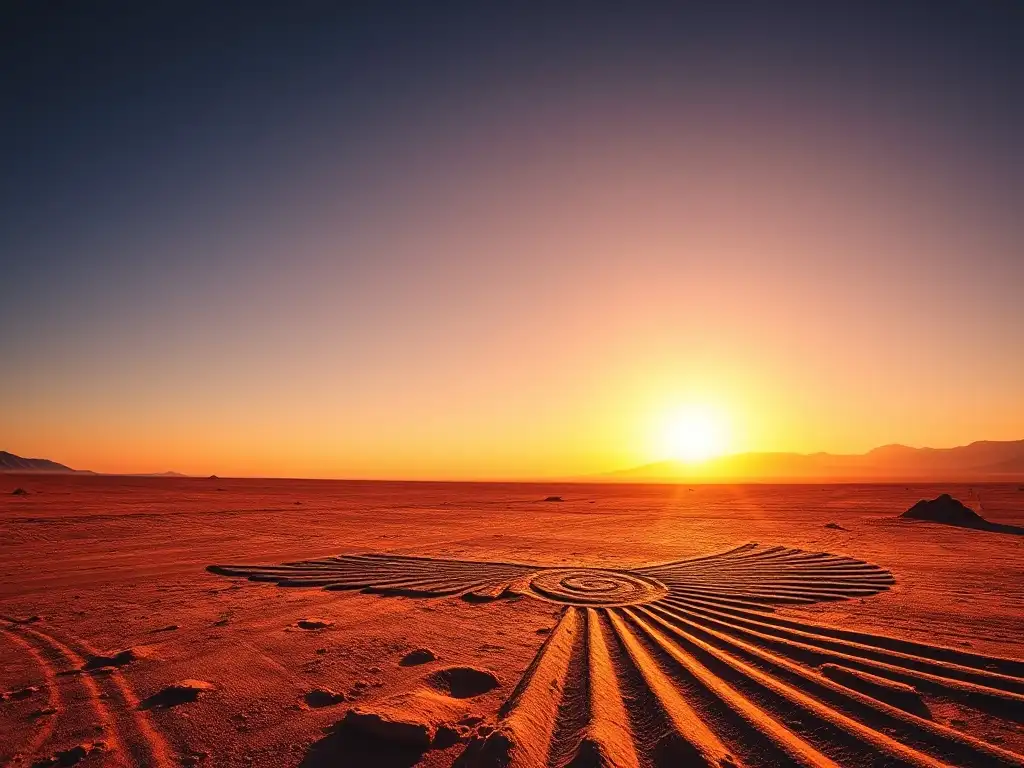
Step into a world lost to time, where vibrant artistry whispers secrets of a vanished civilization. Dive into the enigmatic world of the Nazca, a culture whose legacy continues to baffle and inspire. Prepare to uncover the Nazca art historical significance—a journey through breathtaking geoglyphs, intricate ceramics, and captivating textiles that reveal profound insights into their beliefs and worldview. Unravel the mysteries that lie hidden within these ancient masterpieces; their story awaits.
The Nazca civilization, flourishing along Peru's southern coast between 100 BCE and 800 CE, left behind a legacy of breathtaking artistry that continues to fascinate and intrigue researchers and the public alike. Their intricate pottery, stunning textiles, and the enigmatic geoglyphs etched into the desert landscape offer invaluable insights into their complex beliefs, social structures, and worldview.
This article delves into the profound historical significance of Nazca art, exploring how these artifacts serve as a window into the past, revealing the rich tapestry of their culture and offering a glimpse into the minds of a people who skillfully harnessed their environment and expressed their spirituality through vibrant and intricate artistic creations. We will explore the chronological development of Nazca art, its cultural importance within their society, and its enduring impact on our understanding of this remarkable civilization.
Understanding the historical significance of Nazca art allows us to appreciate not only its aesthetic beauty but also its crucial role in reconstructing a nuanced picture of this ancient Andean society. This exploration will focus specifically on the keyword "Nazca art historical significance," providing a comprehensive overview of its impact on our understanding of the Nazca people.
Unveiling the Secrets of Nazca Art
Nazca art is characterized by its distinctive style and technical mastery. Pottery, a dominant art form, showcases incredibly detailed and vibrant polychrome designs. These designs often depict mythical beings, stylized plants and animals, and complex geometric patterns.
The precision and intricacy of these designs, achieved using sophisticated techniques, are truly remarkable. Consider, for example, the intricate depictions of hummingbirds, often rendered with astonishing realism, showcasing the artists' keen observation skills and their profound connection with the natural world. Alongside pottery, Nazca textiles exhibit similar complexity and artistry, displaying intricate weaving techniques and vibrant color palettes.
These textiles, often used for ceremonial purposes or as grave goods, provide further insight into the beliefs and practices of the Nazca people. The use of specific colors and motifs in both pottery and textiles suggests a complex symbolic language, with certain patterns likely representing specific deities, rituals, or social status. Further research is needed to fully decipher the meaning behind these intricate designs, but initial studies suggest a deep connection between the art and the spiritual beliefs of the Nazca people.
The Historical Significance of Nazca Art
The historical significance of Nazca art is multifaceted and profound. It provides invaluable evidence for understanding several aspects of Nazca society, including their religious beliefs, social structures, and daily life. The artifacts unearthed from Nazca tombs and settlements reveal a sophisticated society with a complex worldview.
The recurring motifs and stylistic elements found across various art forms suggest a shared cultural identity and a cohesive belief system. The remarkable preservation of these artifacts, due to the arid climate of the region, has allowed archaeologists to reconstruct a detailed picture of Nazca culture, offering a unique opportunity to study a relatively well-preserved ancient civilization.
The sheer volume and diversity of Nazca art also contribute to its historical importance, providing a vast amount of data for researchers to analyze and interpret. This wealth of information allows for a much richer and more nuanced understanding of Nazca society than might be possible with fewer surviving artifacts.
Nazca Art's Chronological Context
The development of Nazca art can be traced through distinct stylistic phases, reflecting changes in artistic techniques, motifs, and possibly social structures. Early Nazca pottery, for example, exhibits simpler designs and a more limited color palette compared to the later periods. As the civilization evolved, the complexity and sophistication of their art increased, with later styles demonstrating a greater mastery of techniques and a wider range of colors and motifs.
This chronological development allows archaeologists to create a timeline of Nazca artistic production, correlating stylistic changes with potential shifts in social or religious practices. While precise dating of individual artifacts can be challenging, the overall stylistic evolution provides a valuable framework for understanding the temporal development of Nazca culture. Further research, particularly through advanced dating techniques, is needed to refine our understanding of the precise chronological context of individual art pieces and stylistic phases.
Nazca Art's Cultural Importance
Nazca art played a central role in the cultural and religious life of the Nazca people. Pottery and textiles were likely used in rituals, ceremonies, and burial practices. The intricate designs and vibrant colors suggest that these artifacts held significant symbolic meaning, potentially representing deities, ancestors, or important events.
The careful craftsmanship and the use of high-quality materials further emphasize the importance of these artistic creations within Nazca society. The presence of specific motifs, such as stylized plants and animals, indicates a deep connection between the Nazca people and their environment, reflecting their understanding of the natural world and their reliance on agriculture.
The discovery of elaborate tombs containing numerous examples of Nazca art highlights the significance of these artifacts in the afterlife beliefs of the Nazca people, suggesting they believed these items would accompany them into the next world. The cultural importance of Nazca art underscores its significance as a means of expressing religious beliefs, social status, and cultural identity.
Nazca Pottery: More Than Just Vessels
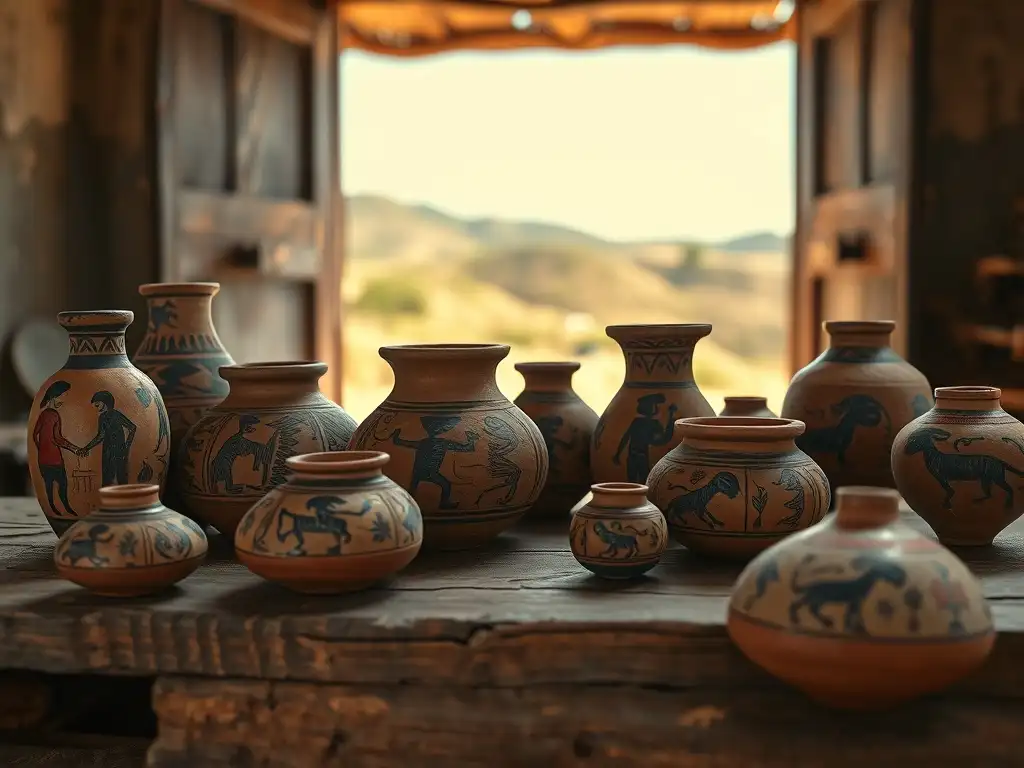
Nazca pottery holds immense Nazca art historical significance, transcending its utilitarian function as mere vessels. These intricately decorated ceramics offer a captivating glimpse into the spiritual beliefs, social structures, and daily life of the Nazca people (c. 100 BCE – 800 CE). Far from being simple containers, they served as vital components of religious rituals, markers of social status, and even as grave goods, reflecting the profound importance placed on artistry and craftsmanship within their society.
The sheer volume of surviving pottery, discovered in tombs and settlements across the Nazca desert, attests to the widespread prevalence and cultural significance of this art form. Analysis of these artifacts reveals a complex and sophisticated artistic tradition that continues to fascinate and inspire researchers today.
The vibrant colors, detailed imagery, and innovative techniques employed in their creation speak volumes about the advanced technological capabilities and artistic sensibilities of the Nazca civilization. Understanding Nazca pottery is key to unlocking a deeper understanding of their worldview and cultural practices.
Nazca Ceramic Art: A Canvas of Beliefs
Iconography in Nazca Ceramics
Nazca ceramic art is replete with intricate iconography, providing invaluable insights into their cosmology and religious beliefs. Common motifs include stylized depictions of deities, mythical creatures, and scenes from their daily lives. The recurring presence of certain symbols suggests a structured system of beliefs, with specific images representing particular deities or concepts.
For example, the frequent appearance of anthropomorphic figures with exaggerated features – large heads, elongated limbs, and elaborate headdresses – likely represent powerful deities or ancestral figures. Detailed studies of these figures, along with their associated symbols, allow researchers to piece together fragments of the Nazca worldview, revealing a complex interplay of supernatural forces and human experience. Careful analysis of the placement and combination of these symbolic elements within a single pot can provide clues to the specific ritual context or narrative depicted.
The study of Nazca iconography is an ongoing process, with new discoveries continually refining our understanding of their symbolic language. Further research is needed to fully decipher the meaning of all the symbols and their relationships to one another.
The Symbolic Language of Nazca Pottery
The symbolic language of Nazca pottery is far from fully understood. Many images remain enigmatic, their precise meaning lost to time. However, through careful comparison of different vessels and the identification of recurring patterns, researchers have begun to assemble a rudimentary understanding of their symbolic system. For example, certain plant and animal motifs might represent specific deities or natural forces. Geometric designs, often intricately woven into the overall composition, could represent cosmological concepts or social structures.
The use of color also plays a significant role. Specific colors may be associated with particular deities or symbolic meanings, adding further layers of complexity to the interpretation of the imagery. The dynamic interplay of these visual elements creates a rich tapestry of meaning, challenging researchers to unravel the intricate narratives encoded within these remarkable artifacts. The ongoing study of Nazca pottery promises to reveal further insights into their beliefs and worldviews.
Techniques in Nazca Pottery Creation
Nazca Ceramic Painting Techniques
The Nazca were masters of ceramic painting, employing a range of sophisticated techniques to achieve their stunning visual effects. Their mastery of slip painting, a technique involving applying a liquid clay mixture to the pottery surface before painting, allowed for the creation of vibrant, long-lasting colors. They utilized a variety of brushes, made from natural materials, to achieve different effects, from fine lines to broad washes of color. Evidence suggests that they employed a multi-stage painting process, layering colors and applying thin washes to achieve subtle shading and depth.
The precision and detail evident in their work underscore their advanced artistic skills and profound understanding of ceramic materials. The vibrant colors and intricate details have survived for centuries, a testament to the durability of their techniques and the quality of the materials they used. The analysis of these techniques provides valuable insights into their technological advancements and artistic innovation.
The Use of Natural Pigments in Nazca Pottery
The creation of Nazca pottery's vibrant hues relied heavily on natural pigments derived from minerals and plants found in the surrounding environment. These pigments, carefully ground and mixed with a binding agent, were applied to the pottery surface using various techniques. Common pigments included iron oxides for reds and yellows, manganese oxides for blacks and browns, and various clays for whites and creams.
The skillful blending of these pigments allowed the Nazca artisans to achieve a wide range of colors and shades, adding depth and complexity to their designs. The remarkable preservation of these colors, even after centuries of exposure to the harsh desert climate, speaks to the effectiveness of the pigments and the techniques employed in their application.
Further research into the specific sources and preparation of these pigments is needed to fully understand the technological sophistication of their artistic practices. The use of natural pigments also reveals the close relationship between the Nazca people and their environment.
Nazca Textiles: Woven Narratives of the Past
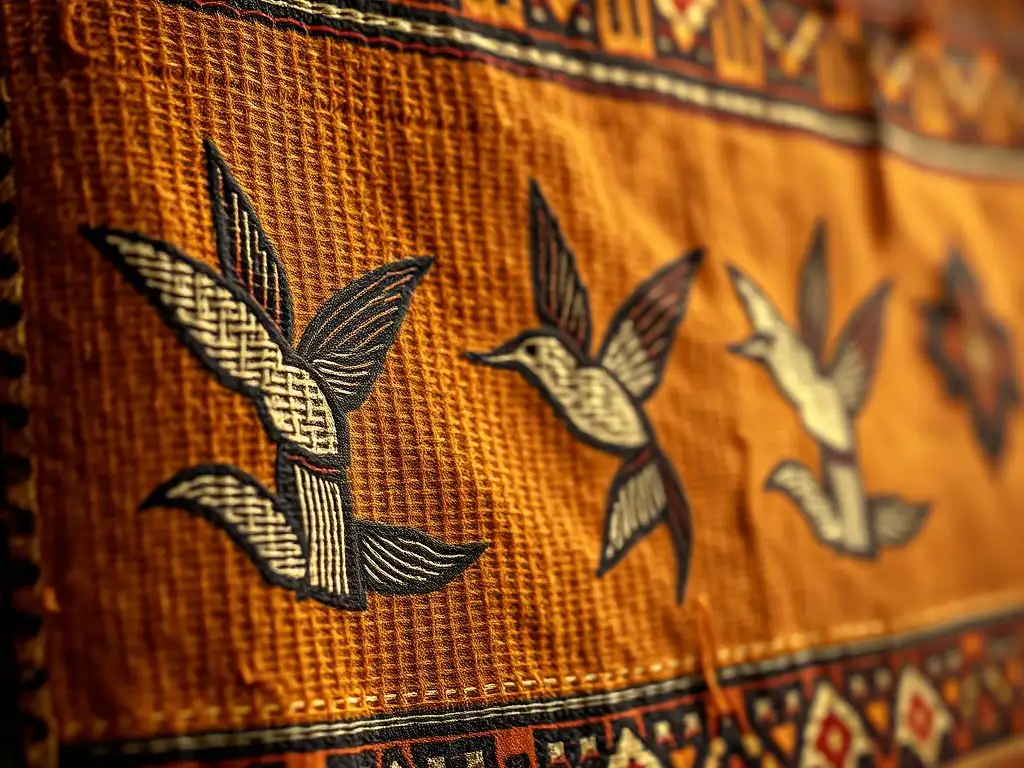
Nazca textiles represent a significant aspect of Nazca art historical significance, offering invaluable insights into the daily lives, beliefs, and social structures of this fascinating Andean civilization. Unlike many other ancient cultures where textile remnants are scarce, the arid climate of the Nazca desert has remarkably preserved a wealth of textiles, allowing for a detailed examination of their artistry and cultural importance. These textiles, often vibrant and intricately woven, are not mere utilitarian objects; they are powerful narratives woven into cloth, reflecting the complex worldview of the Nazca people.
Their exceptional preservation provides a unique opportunity to understand the Nazca's artistic capabilities and their sophisticated understanding of textile production. The study of these textiles significantly contributes to our understanding of Nazca art historical significance, offering a richer and more nuanced perspective than what might be gleaned from pottery alone.
Nazca Textile Art: Expressing Identity and Status
Motifs and Patterns in Nazca Textiles
The motifs and patterns found in Nazca textiles are incredibly diverse and symbolically rich. Recurring themes include stylized representations of animals, such as hummingbirds, snakes, and felines, often depicted with a level of detail and realism that is astonishing. These weren't simply decorative elements; they likely held deep religious or symbolic meaning, potentially representing deities, clan affiliations, or shamanic experiences.
Geometric patterns, often incorporating intricate spirals, zigzags, and stepped designs, frequently accompany the figurative motifs, adding another layer of complexity to the visual narratives. Analysis of these patterns reveals a sophisticated understanding of design principles and a clear aesthetic sensibility. The precise arrangement of these elements suggests a highly structured and codified system of visual communication, where each motif and pattern carried specific significance.
For example, the frequent appearance of the hummingbird might signify speed, agility, or a connection to the spirit world. Further research into the specific meanings of these symbols is ongoing, but the sheer variety and complexity hint at a rich and nuanced symbolic language woven into the fabric of Nazca society.
The Role of Textiles in Nazca Society
Nazca textiles played a multifaceted role within their society, extending beyond mere clothing and decoration. Evidence suggests that textiles were integral to ritual practices, possibly used in ceremonies and offerings. The high quality and elaborate designs of certain textiles point to their use in elite contexts, signifying status and power.
Burial sites have yielded richly decorated textiles, indicating their importance in funerary rites and beliefs about the afterlife. The presence of textiles in elite tombs suggests that textile production and artistry were highly valued skills, possibly controlled by specialized artisans or guilds. Furthermore, textiles may have served as a form of currency or exchange, facilitating trade and interaction within the Nazca region and beyond.
The sheer quantity and variety of surviving textiles suggest that textile production was a significant economic activity, employing a considerable portion of the population. Detailed analysis of textile distribution patterns across different Nazca sites may reveal further insights into the social and economic organization of this remarkable civilization.
Nazca Textile Production and Techniques
Weaving Methods in Nazca Textile Art
Nazca weavers employed a variety of sophisticated weaving techniques, demonstrating a remarkable mastery of their craft. Evidence suggests the prevalent use of tapestry weaving, a complex technique involving the interweaving of different colored threads to create intricate designs. This technique allowed for a high degree of precision and detail, enabling the creation of the finely rendered images characteristic of Nazca textile art.
Other techniques, such as plain weave and weft-faced weaving, were also employed, often in combination with tapestry weaving to achieve a variety of textural effects. The complexity and precision of these techniques reflect a high level of skill and specialized knowledge passed down through generations of weavers.
The use of multiple techniques within a single textile demonstrates a sophisticated understanding of textile construction and design. Further research could focus on identifying the specific tools and techniques used by Nazca weavers, offering a more complete understanding of their artistic processes.
Materials Used in Nazca Textiles
The materials used in Nazca textiles provide further insights into their resource management and technological capabilities. Cotton was a primary fiber source, likely cultivated in the Nazca region's river valleys. The quality and fineness of the cotton yarns suggest a sophisticated understanding of agricultural practices and fiber processing.
Camelid fibers, such as alpaca and llama wool, were also utilized, likely obtained through trade or pastoral activities. The use of different fibers, combined with various dyeing techniques, allowed for a wide range of colors and textures. The dyes themselves were derived from natural sources, reflecting the Nazca's knowledge of local flora and their ability to extract and process pigments.
Analysis of the dyes used in Nazca textiles may reveal additional information about their botanical knowledge and trade networks. The selection of materials, combined with the sophisticated weaving techniques, demonstrates the level of artistry and technological advancement achieved by Nazca weavers. This mastery of textile production further enhances our understanding of the Nazca art historical significance.
Deciphering Nazca Art: Understanding their Worldview
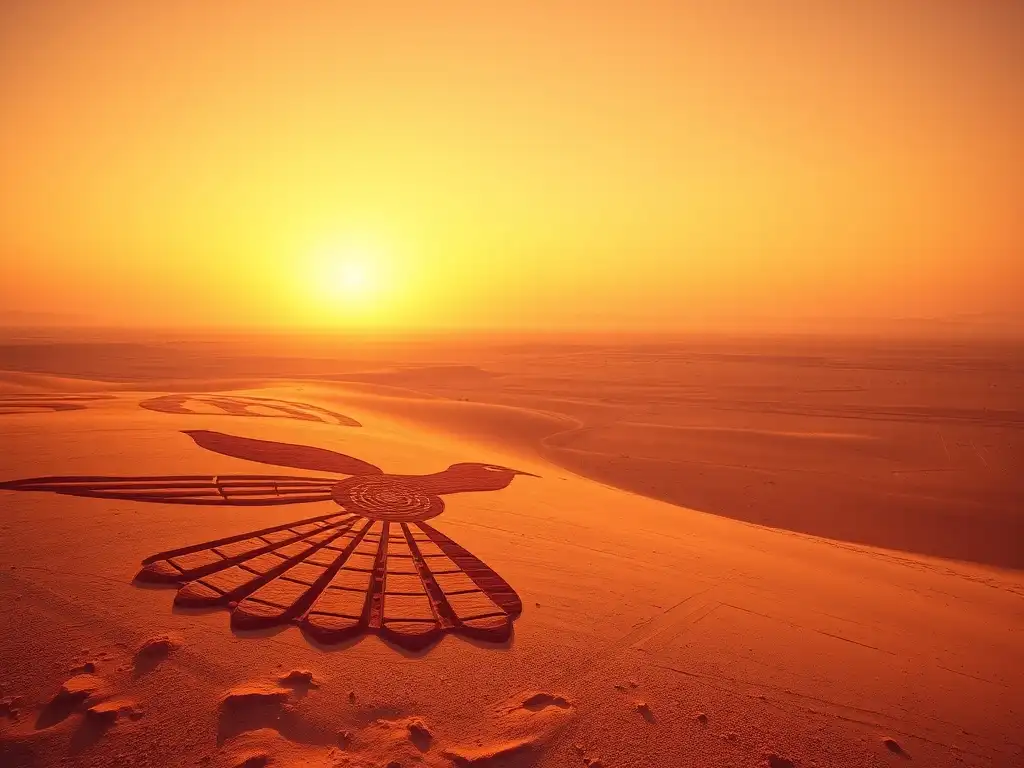
The Nazca civilization, flourishing along the southern coast of Peru from approximately 100 BC to 800 AD, left behind a remarkable legacy of art. Their pottery, textiles, and geoglyphs offer invaluable insights into their complex worldview, religious beliefs, and daily life. Analyzing Nazca art allows us to reconstruct aspects of their society, providing a window into the minds and lives of these ancient people.
The historical significance of Nazca art lies not only in its aesthetic beauty but also in its capacity to illuminate a fascinating and relatively well-preserved culture. Understanding the context of these artistic expressions is crucial to appreciating their profound cultural and historical weight. The intricate detail and symbolic representations within Nazca art provide a rich tapestry of information for modern researchers.
Nazca Art and Religious Beliefs
The religious beliefs of the Nazca people are vividly portrayed in their art. Many pieces depict deities and supernatural beings, suggesting a complex pantheon and intricate ritual practices. The stylistic choices, color palettes, and the positioning of figures within the artwork all contribute to understanding the hierarchy and importance of these figures within Nazca cosmology. Analyzing the iconography allows researchers to piece together narratives and interpret the meaning behind specific symbols and motifs. The pervasiveness of religious themes in Nazca art underlines the significant role that religion played in their daily lives and social structure.
Depictions of Deities in Nazca Art
Many Nazca ceramics showcase anthropomorphic figures with exaggerated features, often adorned with elaborate headdresses and regalia. These are often interpreted as representations of deities. Some deities are depicted with feline characteristics, suggesting a possible association with animalistic power and shamanistic practices. Others possess features that link them to fertility and the agricultural cycle, reflecting the importance of agriculture in Nazca society.
The recurring motifs and specific attributes associated with certain deities provide clues to their roles and influence within the religious framework. Further research is needed to definitively identify each deity and their specific functions within the Nazca pantheon. [Specific information pending on the precise identification of each deity and their associated attributes].
The Ritual Significance of Nazca Art
Beyond depictions of deities, many Nazca artifacts clearly suggest ritualistic practices. Ceremonial vessels, often intricately decorated with scenes of rituals and sacrifices, are common. The presence of specific motifs, such as stylized plants or animals, may indicate the use of hallucinogenic plants in rituals, a theory supported by archaeological findings in other Andean cultures. The careful craftsmanship and the evident importance placed on the creation of these ritual objects underscore their significance within the Nazca society. The recurring themes and symbolic elements in these artifacts provide further evidence of complex ceremonial practices and beliefs.
Nazca Art Reflecting Daily Life
Alongside religious themes, Nazca art also offers glimpses into the everyday lives of the people. Representations of animals, plants, and scenes of daily activities provide valuable information about their environment, social structures, and economy. The accuracy and detail in these depictions suggest a deep connection with their surroundings and a keen observation of the natural world. The diversity of subjects portrayed highlights the richness and complexity of Nazca life.
Representations of Animals and Plants in Nazca Art
Nazca pottery often features remarkably lifelike depictions of local flora and fauna. From hummingbirds and monkeys to various species of fish and cacti, the artists demonstrated a keen eye for detail and a profound understanding of their natural environment. The accuracy of these representations suggests a close relationship between the Nazca people and their surroundings.
The prominence given to certain animals might also hint at their importance in their social and economic life, such as specific animals used for food or those with symbolic significance. Further research is needed to fully understand the symbolic meaning behind each depicted species. [Specific information pending on the symbolic meaning of different animal and plant species].
Scenes of Everyday Activities in Nazca Art
Beyond depictions of nature, Nazca art also captures scenes of daily life. Some pottery depicts people engaged in activities like fishing, weaving, and farming, providing insights into their economic activities and social organization. These scenes often offer glimpses into their social hierarchies and the division of labor. The depiction of everyday activities provides a more complete picture of Nazca society, moving beyond religious themes to showcase the practical aspects of their lives.
The detail in these depictions allows researchers to understand the tools and techniques used in these activities, providing further insights into their technology and lifestyle. The dynamic nature of these scenes brings the Nazca people to life, allowing us to connect with their past in a more meaningful way. 🎨
The Legacy of Nazca Art: A Lasting Impact
The Nazca civilization, renowned for its enigmatic geoglyphs, left behind a rich artistic legacy that continues to resonate even today. Their mastery of pottery, textiles, and even the monumental scale of their desert drawings speaks volumes about their sophisticated understanding of art, technology, and their worldview. The historical significance of Nazca art isn't just confined to its aesthetic beauty; it offers invaluable insights into the social structures, religious beliefs, and daily lives of this fascinating ancient culture.
Understanding the enduring impact of Nazca art requires exploring its influence on subsequent Andean cultures and its continued relevance in modern Peru. The profound impact of Nazca artistic styles and techniques on later Andean cultures is a testament to the creativity and innovation of this civilization. Their unique artistic expressions continue to inspire and inform our understanding of the broader Andean artistic tradition.
The Nazca's artistic contributions are a significant part of the narrative of Peruvian art history, providing a crucial link between earlier and later Andean cultures. This enduring legacy underscores the importance of preserving and studying Nazca art for future generations.
Nazca Art's Influence on Later Andean Cultures
The striking imagery and technical prowess displayed in Nazca pottery and textiles influenced subsequent Andean cultures, notably the Wari and Inca. Many motifs, such as stylized animals, geometric patterns, and deity representations, found in Nazca art reappear, albeit with variations, in the artistic traditions of later periods. For example, the vibrant polychromy characteristic of Nazca pottery finds echoes in the ceramics of the Wari, showcasing a clear lineage of artistic inspiration.
The sophisticated textile techniques developed by the Nazca, including intricate weaving patterns and the use of vibrant natural dyes, were also adopted and refined by later cultures, underscoring the continuity and evolution of Andean artistic practices. This artistic inheritance demonstrates the lasting influence of Nazca art on the development of Andean artistic styles and techniques.
Analyzing these continuities and changes helps us trace the flow of artistic ideas and innovations throughout the Andean region. The study of these influences provides a more complete understanding of the evolution of Andean art and its underlying cultural values.
The Enduring Appeal of Nazca Designs
The enduring appeal of Nazca designs lies in their unique combination of vibrant colors, intricate details, and symbolic representations. The seemingly simple geometric patterns often hold deep religious or social significance, reflecting the complex worldview of the Nazca people. The recurring motifs, such as stylized birds, felines, and mythical creatures, suggest a profound connection to the natural world and a rich mythological system.
This enduring appeal is evident in the continued interest in Nazca artifacts and the inspiration they provide to contemporary artists and designers. Their vibrant colors and intricate patterns continue to capture the imagination, making them a valuable resource for understanding the cultural and artistic achievements of the Nazca people. The beauty and complexity of these designs are a testament to the artistic skill and creativity of the Nazca artisans, and their legacy continues to inspire awe and wonder in viewers today.
Nazca Art and its Influence on Contemporary Peruvian Art
The influence of Nazca art extends to contemporary Peruvian art. Modern Peruvian artists often draw inspiration from Nazca motifs and techniques, incorporating them into their own works. This can be seen in various art forms, ranging from textiles and ceramics to painting and sculpture. The distinct aesthetic of Nazca art, with its emphasis on vibrant colors and symbolic imagery, continues to resonate with contemporary artists, influencing their styles and themes.
This resurgence of interest in Nazca art reflects a broader recognition of its historical significance and enduring artistic value. This ongoing engagement with Nazca art highlights its relevance to contemporary Peruvian identity and artistic expression. The vibrant legacy of Nazca art is not merely a historical artifact; it is a living tradition that continues to inspire and inform artistic creation in Peru.
Preserving Nazca Art for Future Generations
The preservation of Nazca art is crucial for understanding the past and ensuring that future generations can appreciate this remarkable cultural heritage. The fragility of many artifacts, coupled with the challenges of environmental degradation and looting, necessitates a multifaceted approach to conservation. Effective preservation strategies require a combination of scientific research, community engagement, and robust legal frameworks to protect these invaluable treasures.
The ongoing efforts to preserve Nazca art are essential for maintaining a vital link to the past and ensuring that this rich cultural legacy continues to enrich our understanding of Andean civilization. The importance of these efforts cannot be overstated, as the loss of Nazca art would represent an irreplaceable loss to our collective cultural heritage.
The Importance of Archaeological Research
Archaeological research plays a vital role in understanding the context and significance of Nazca art. Careful excavation and analysis of Nazca sites provide crucial information about the production, use, and social meaning of artifacts. Detailed studies of pottery styles, textile techniques, and burial practices shed light on the social organization, religious beliefs, and daily lives of the Nazca people.
This meticulous research is essential for interpreting the symbolic language embedded within Nazca art and for reconstructing the cultural landscape of this remarkable civilization. The meticulous work of archaeologists helps to piece together the rich tapestry of Nazca culture, providing invaluable insights into their beliefs, practices, and artistic achievements. Careful documentation and analysis of archaeological findings are essential for ensuring the long-term preservation and understanding of Nazca art.
Conservation Efforts for Nazca Art
Conservation efforts for Nazca art encompass a wide range of strategies, from the preservation of fragile artifacts in museums to the protection of archaeological sites from looting and environmental damage. These efforts often involve collaborations between archaeologists, conservators, and local communities. The use of advanced technologies, such as digital imaging and 3D modeling, aids in the documentation and preservation of Nazca art, allowing for the creation of detailed records and virtual reconstructions.
Such innovative approaches are essential for safeguarding this fragile heritage for future study and appreciation. These comprehensive conservation strategies are vital for protecting and preserving Nazca art, ensuring its accessibility and appreciation by generations to come. The continued implementation and refinement of these efforts are paramount for the long-term survival of this significant cultural legacy.
Frequently Asked Questions
What is the historical significance of Nazca art?
Nazca art holds immense historical significance as it offers invaluable insights into the beliefs, rituals, and worldview of the Nazca culture. The intricate designs provide clues to their social structures and relationship with their environment.
What are the most prominent features of Nazca art?
The most striking features are the geoglyphs, enormous figures and lines etched into the desert surface, and their elaborate pottery, often depicting deities, plants, and animals. Their textiles are also renowned for their intricate designs and vibrant colors.
How did the Nazca people create their geoglyphs?
The precise methods remain debated, but it's believed they removed the dark surface stones to reveal the lighter subsoil, creating the contrasting images. The vast scale and precision of the work are truly remarkable.
What are the main themes depicted in Nazca art?
Nazca art frequently depicts mythological beings, stylized plants and animals, and scenes that may represent ritual ceremonies or shamanistic practices. These provide glimpses into their spiritual and social life.
What is the connection between Nazca art and their environment?
Nazca art reveals a deep connection to their arid environment. Depictions of flora and fauna highlight the importance of scarce resources and their understanding of the natural world. The geoglyphs themselves may have played a role in water management or astronomical observation.
Final Reflection: Echoes Across Millennia: The Enduring Legacy of Nazca Art
The intricate geoglyphs of the Nazca desert continue to resonate today, not merely as ancient artifacts, but as powerful testaments to a civilization's ingenuity and spiritual depth. Their enduring mystery, coupled with recent advancements in research, offers a compelling glimpse into a world lost to time, challenging our understanding of human creativity and societal development. The sheer scale and precision of the Nazca lines, alongside the vibrant artistry found in their textiles and pottery, demand our attention and inspire further exploration.
The impact of Nazca art extends far beyond the arid plains of Peru; it has profoundly shaped our understanding of pre-Columbian cultures and continues to influence contemporary artistic expression and archaeological methodology. The enduring fascination with these enigmatic creations speaks to a universal human need to connect with our past, to decipher the stories etched into the landscape. The past is never dead. It's not even past.
– William Faulkner. This quote perfectly encapsulates the ongoing relevance of Nazca art, reminding us that the echoes of these ancient voices continue to shape our present understanding of history and culture.
Consider the profound implications of this ancient civilization's artistic achievements. What can we learn from their dedication to creating such monumental works? How can we apply their innovative approaches to problem-solving and artistic expression in our own lives? I urge you to delve deeper, to explore the wealth of information available, and to allow the enduring legacy of Nazca art to inspire your own creativity and curiosity. Let their story serve as a reminder of the power of human ingenuity, the importance of preserving our cultural heritage, and the enduring mysteries that continue to shape our world.
Unveil the Mysteries of Nazca Art!
Thank you for exploring the captivating world of Nazca art. It offers fascinating insights into the beliefs and worldview of this ancient civilization. Your curiosity allows for a meaningful connection with their rich history. Now, let's delve deeper.
- Visit the Nazca Lines: Plan a trip to Peru to see these incredible geoglyphs in person, or explore them through high-quality images and documentaries. Consider visiting a museum with a significant collection of Nazca artifacts.
- Share your discoveries: Discuss your thoughts and interpretations of Nazca art online or with others interested in ancient cultures. Join relevant forums or social media groups to connect with like-minded individuals.
- Support local artisans: Help preserve the cultural heritage of the region by supporting indigenous artisans who continue to create art inspired by the Nazca tradition. Purchasing their work directly contributes to their livelihoods and helps keep these artistic traditions alive.
Reflecting on this journey, consider what aspect of the Nazca worldview most resonates with you and why? We eagerly await your perspectives.