
Moche Cultural Exchange: Sharing Ideas and Technologies

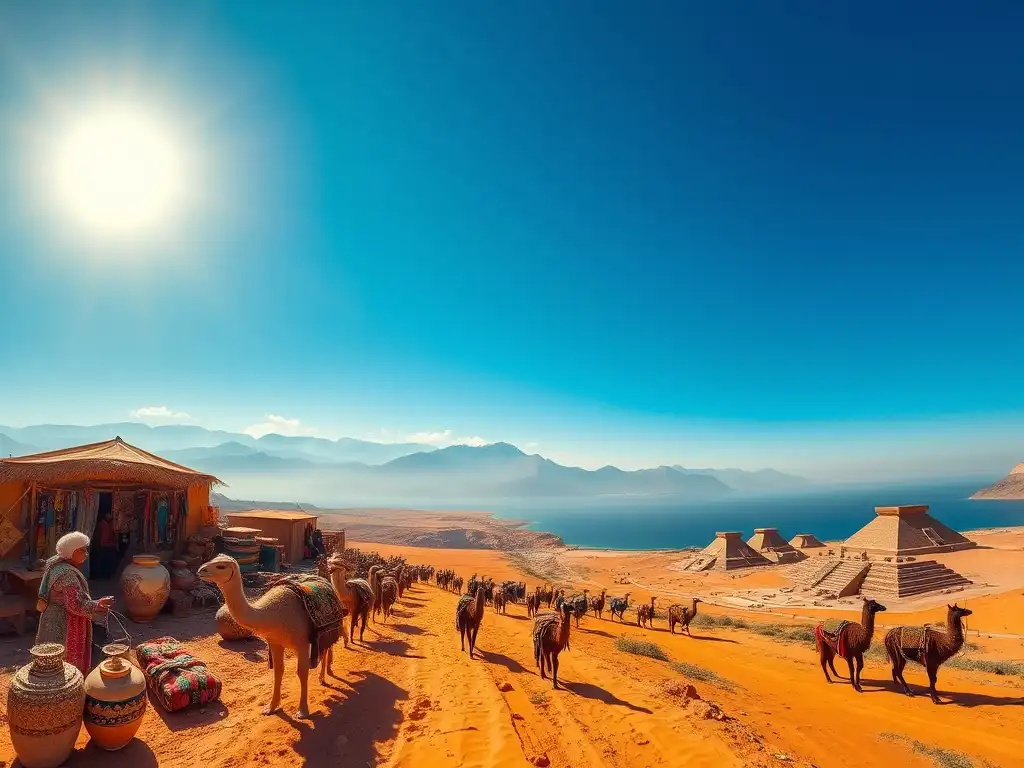
Step into a world lost to time, yet echoing with vibrant life. Discover the secrets of the Andes, a land shaped by ingenuity and breathtaking artistry. This journey into the heart of Andean civilizations begins with the Moche, a culture whose mastery of trade routes and technology remains astonishing even today. Prepare to be captivated by the intricate details of their remarkable cultural exchange, a story waiting to unfold before your eyes. Unravel the mysteries of the Moche trade routes and technology – the path to understanding a civilization that continues to fascinate and inspire.
The Moche civilization, flourishing along the northern coast of Peru from approximately 100 CE to 800 CE, was far from isolated. Their remarkable achievements in art, architecture, and engineering were not developed in a vacuum but were instead shaped by a vibrant network of trade and cultural exchange that extended across significant distances. This article delves into the intricate system of Moche trade routes and the crucial role they played in disseminating ideas, technologies, and resources throughout their territory and beyond.
Understanding the Moche trade routes and technology is key to comprehending the complexity and sophistication of this fascinating ancient civilization. We will explore the geographical reach of their trading networks, the key commodities exchanged, and the lasting impact of this exchange on Moche society and its neighbors. This exploration will reveal how the Moche's ingenuity and entrepreneurial spirit contributed to their remarkable success and cultural influence.
Introduction to Moche Trade and Cultural Diffusion
The Moche were masterful traders, establishing extensive networks that facilitated the exchange of goods, ideas, and technologies across diverse geographical regions. Their ability to navigate the challenging Andean terrain and the Pacific Ocean was crucial to their success. This wasn't simply a matter of economic expediency; the exchange of goods was inextricably linked to the dissemination of cultural practices, religious beliefs, and technological innovations.
Evidence suggests that Moche artisans and traders actively participated in reciprocal exchanges, fostering relationships with neighboring communities and potentially influencing their artistic styles and technological advancements. The impact of Moche trade wasn't limited to material goods; it fundamentally shaped their cultural identity and fostered a dynamic interaction between different groups.
This intricate web of connections significantly contributed to the Moche's overall prosperity and cultural flourishing. The extent of this influence is still being uncovered through ongoing archaeological research, revealing a more nuanced picture of the Moche's place within a broader Andean context.
The Significance of Moche Trade Routes
The Moche trade routes were far more than simple pathways for transporting goods; they were vital arteries connecting disparate communities and facilitating the flow of information and cultural practices. The establishment and maintenance of these routes required significant organizational skills and infrastructure. We can infer the importance of these routes from the sheer volume and diversity of goods discovered in archaeological sites across the Moche territory.
The efficient transport of goods facilitated economic growth, supported the development of specialized crafts, and contributed to the overall social stability of the Moche state. Moreover, the routes themselves fostered interactions and alliances between different communities, creating a sense of shared identity and mutual dependence. The control and management of these trade routes likely played a crucial role in the political and economic power of the Moche elite.
Geographical Scope of Moche Trading Networks
The geographical reach of the Moche trading networks was impressive, extending far beyond their immediate coastal territory. Archaeological evidence suggests that Moche goods, including ceramics, textiles, and metalwork, have been found in sites hundreds of kilometers away, both inland and along the coast. The extent of their reach highlights the sophisticated logistical capabilities of the Moche, including their mastery of maritime navigation and their ability to traverse challenging mountain passes.
Their trading partners likely included communities from the Andes highlands, as well as other coastal settlements. The precise nature and extent of these interactions are still under investigation, but the presence of Moche artifacts in distant locations provides compelling evidence of their extensive trade networks. [Specific details regarding the furthest reach of Moche trade routes pending further research].
Key Commodities in Moche Commerce
Moche commerce involved a diverse range of goods, reflecting the rich resources available within their territory and beyond. Key commodities included:
| Commodity | Source/Origin | Significance |
|---|---|---|
| Fine ceramics | Moche workshops | Status symbol, ritual objects, trade goods |
| Metalwork (gold, silver, copper) | Andean highlands/coastal areas | Elite status, ritual use, trade items |
| Textiles | Various regions | Clothing, ritual objects, trade goods |
| Spondylus shells | Ecuadorian coast | High-value trade goods, ritual significance |
| Cotton | Coastal regions | Clothing, textiles |
| Agricultural products | Various regions | Foodstuffs, trade items |
The exchange of these commodities not only fueled the Moche economy but also facilitated the spread of cultural ideas and technological innovations. The presence of exotic goods in Moche sites indicates a complex and far-reaching network of trade relationships, highlighting the interconnectedness of Andean societies during the Moche period. Further research is needed to fully understand the intricacies of Moche trade and its impact on the wider Andean region.
Moche Technological Innovations and their Dissemination
The Moche, a pre-Columbian civilization flourishing on Peru's northern coast from roughly 100 CE to 800 CE, were renowned for their technological prowess. Their innovations weren't confined to their own territory; evidence strongly suggests a significant dissemination of Moche technologies along established trade routes and through cultural exchange with neighboring societies. This exchange wasn't a one-way street; the Moche undoubtedly adopted and adapted technologies from other cultures as well, contributing to a vibrant and dynamic technological landscape.
Understanding the extent and nature of this exchange is crucial to understanding the Moche's overall technological achievements and their influence on the wider Andean region. The sophisticated systems they developed didn't emerge in isolation; they were products of interaction and adaptation.
The impact of this technological diffusion is still being discovered by archaeologists today, as new sites are excavated and analyzed. The Moche's success was, in part, a direct result of their ability to adapt and improve upon existing techniques while simultaneously sharing their own innovations.
Moche Ceramic Technology and its Spread
Moche ceramic production was exceptionally advanced for its time. The mastery of different firing techniques allowed them to create incredibly lifelike and detailed pottery, ranging from simple utilitarian vessels to elaborate portrait jars depicting individuals and scenes from daily life. These distinctive ceramics, characterized by their fine craftsmanship and vibrant colors, have been found far beyond the core Moche territory, indicating a wide-ranging trade network.
The stylistic consistency of certain pottery types across geographically disparate locations suggests the movement of Moche potters themselves, perhaps as part of trade missions or even as migrating communities. Alternatively, the dissemination of Moche ceramic techniques may have occurred through apprenticeships or the exchange of knowledge between communities.
The presence of Moche-style ceramics in distant sites offers a tangible testament to the far-reaching influence of their ceramic expertise. Further research into chemical analysis of the clay and pigments used could provide further insights into the origins of specific pottery pieces and the pathways of their distribution.
Metalworking Skills and Moche Metallurgy
The Moche were skilled metallurgists, adept at working with gold, silver, copper, and other metals. Their metalwork, often incorporated into elaborate jewelry and ceremonial objects, demonstrates a high level of technical sophistication. The techniques employed, including casting, hammering, and alloying, were not unique to the Moche but represent a refinement and advancement of pre-existing Andean metalworking traditions.
The spread of Moche metallurgical techniques is evident in the similarities observed in metal artifacts found in neighboring regions. The use of similar alloys and decorative motifs suggests a shared knowledge base and, perhaps, the movement of skilled artisans across regional boundaries.
The impact of Moche metallurgy extends beyond the purely aesthetic; access to high-quality metal tools likely had a significant impact on agricultural production and other aspects of Moche society, and the dissemination of these technologies would have had a similarly transformative effect on neighboring communities. Further analysis of metal artifacts using techniques like X-ray fluorescence can help identify the sources of the metals and trace the pathways of exchange.
Agricultural Techniques and Water Management
The Moche's success was significantly tied to their mastery of agriculture in a challenging desert environment. Their sophisticated irrigation systems, including canals and reservoirs, allowed them to cultivate crops in arid coastal regions. Evidence suggests that these water management techniques were not solely a Moche innovation but rather a refinement and expansion of pre-existing practices. The widespread adoption of similar irrigation systems in nearby regions points to the dissemination of Moche knowledge and expertise.
The construction of canals and reservoirs required collaboration and a shared understanding of water management principles, fostering cultural exchange and potentially leading to the standardization of techniques across communities. The impact on agricultural production was profound, leading to increased food surpluses and supporting the growth of larger and more complex societies. The adoption of Moche agricultural techniques likely contributed to the prosperity and stability of neighboring communities.
Evidence of Cultural Exchange in Moche Society
The Moche civilization wasn't isolated; evidence strongly suggests a significant degree of cultural exchange with other contemporaneous Andean societies. This interaction is reflected in various aspects of Moche life, from architecture and art to religious beliefs and practices. The exchange wasn't simply the adoption of foreign elements; it involved a dynamic process of adaptation and integration, resulting in a unique and complex culture.
Examining these interactions provides critical insights into the factors that contributed to the Moche's cultural dynamism and their ultimate success. The identification and analysis of these interactions are crucial to understanding the complexity and richness of Moche society.
Architectural Influences in Moche Centers
Moche architectural styles, particularly the construction of large-scale adobe structures, show influences from other Andean cultures. Certain architectural features, such as the use of specific building materials or construction techniques, suggest the adoption of pre-existing practices. This is particularly evident in the construction of monumental platforms and temples, which incorporate elements found in the architecture of other contemporary societies.
The presence of similar building techniques and materials across different sites indicates a shared understanding of architectural principles and, potentially, the movement of skilled builders and architects. The exchange of architectural knowledge resulted in the creation of impressive structures that served a variety of social and religious functions. The adaptation and integration of foreign architectural elements contributed to the distinctive Moche architectural style.
Iconographic Motifs and their Regional Adaptations
Moche iconography, prominently featured in their pottery and textiles, is rich in symbolism and often depicts deities, mythical creatures, and scenes from daily life. Certain motifs and stylistic elements appear in the art of other Andean cultures, indicating the exchange of artistic ideas and the potential adoption of religious or symbolic traditions. The adaptation of these motifs across different regions demonstrates a dynamic process of cultural exchange, where symbols and concepts were reinterpreted and integrated into existing belief systems.
The presence of similar iconographic elements in geographically distant locations suggests the movement of artistic ideas and potentially the migration of artists and artisans. The analysis of variations in these motifs across different regions can help trace the pathways of cultural exchange and identify the specific interactions between different Andean societies.
Shared Beliefs and Ritual Practices
Religious beliefs and ritual practices played a central role in Moche society. Evidence suggests that certain religious beliefs and practices were shared with other Andean cultures, indicating a degree of cultural exchange and the adoption of common religious traditions. This is particularly evident in the similarities observed in burial practices, the use of specific ritual objects, and the depiction of certain deities in Moche art.
The presence of shared religious beliefs and practices across different cultures suggests a degree of interaction and the adoption of common religious traditions. The exchange of religious ideas and practices would have had a profound impact on the social and political organization of Moche society, contributing to its stability and longevity. Further research into Moche religious practices and beliefs can provide further insights into the nature and extent of cultural exchange.
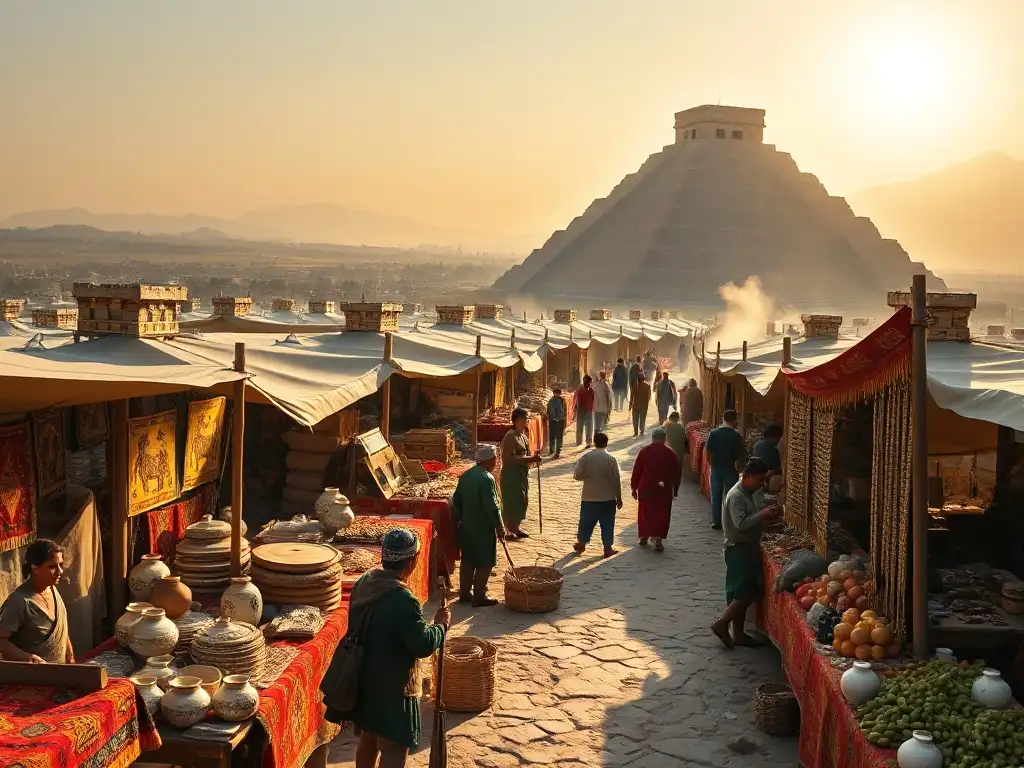
The Moche's sophisticated understanding and utilization of trade routes significantly impacted their political and social structures. Their extensive network wasn't merely an economic endeavor; it was a cornerstone of their power and influence. Control over these routes, and the resources they yielded, directly translated into political dominance and social hierarchy. The Moche state actively managed and regulated trade, ensuring the flow of vital goods and the accumulation of wealth within the elite's control. This centralized approach to trade solidified the power of the ruling class and contributed to the overall stability of the Moche state, at least for a considerable period. The efficient management of trade also allowed for the redistribution of resources, potentially mitigating social unrest by ensuring a degree of access to essential goods for the wider population. However, the extent to which this redistribution occurred and its effect on social equity remain areas of ongoing scholarly debate.
Moche Elite Control of Trade Routes
Evidence suggests the Moche elite maintained a tight grip on their extensive trade networks. Archaeological findings reveal the existence of strategically located administrative centers and storage facilities along major trade routes. These locations likely served as points of control, allowing the elite to tax goods, regulate trade flows, and potentially even confiscate items for their own use. The elite's control extended beyond merely physical infrastructure; it also involved the control of information and access to resources. Only select individuals, likely those closely associated with the ruling class, would have possessed the knowledge and authority to navigate the complex web of trade partnerships and agreements that underpinned the Moche economy. This control over trade routes directly contributed to the concentration of wealth and power within the Moche elite, further solidifying their social standing and political influence. The precise mechanisms of this control, however, remain a subject of ongoing research and interpretation.
Impact on Social Stratification
The Moche's trade-based economy deeply influenced their social stratification. Access to luxury goods, often obtained through trade, became a marker of social status. The elite's exclusive access to these items, such as exotic feathers, fine textiles, and precious metals, visually reinforced their elevated position within society.
Conversely, those lower in the social hierarchy had limited access to these trade goods, highlighting the inherent inequalities within the Moche social structure. This system of trade-based social stratification played a crucial role in maintaining the existing power dynamics, reinforcing the elite's dominance and the subordinate position of the commoners. The extent to which social mobility was possible within this rigid structure remains an open question, with ongoing research exploring the potential for individuals to improve their social standing through economic activity and trade.
Case Studies of Moche Trade and Technology Transfer
Examining specific sites and artifacts offers deeper insights into the Moche's trade networks and the transfer of technologies. By analyzing the distribution of specific materials and crafting techniques, researchers can trace the pathways of exchange and understand the interconnectedness of different Moche communities and even beyond. This detailed approach reveals not just the exchange of goods but also the diffusion of ideas and innovations.
The Huaca de la Luna and its Trade Connections
The Huaca de la Luna, a significant Moche ceremonial center, provides compelling evidence of their extensive trade connections. The site's elaborate murals depict various exotic goods, including shells, feathers, and precious stones, suggesting a wide-ranging trade network extending far beyond the immediate Moche territory.
The presence of these items indicates the Moche's ability to acquire and control resources from diverse geographical locations, highlighting their sophisticated trade organization and political influence. Analysis of the materials used in the construction and decoration of the Huaca de la Luna itself, also reveals the use of materials not locally sourced, further supporting the evidence of extensive trade networks.
The Spread of Moche Metalworking Techniques to Sipán
The renowned Sipán burials showcase the advanced metalworking techniques of the Moche. However, evidence suggests that these techniques weren't solely developed within the Moche heartland. The similarities between Moche metalwork and that of other contemporaneous cultures suggest a possible exchange of knowledge and techniques, potentially facilitated through trade networks.
The precise nature of this technology transfer—whether it involved direct instruction, the movement of skilled artisans, or the dissemination of techniques through traded objects—remains a subject of ongoing debate among archaeologists and specialists in metallurgy. Further research, including detailed metallurgical analysis of artifacts from different sites, is needed to fully understand the dynamics of this technological diffusion.
Conclusion: The Legacy of Moche Trade and Technology
The Moche's sophisticated trade networks and innovative technologies left an indelible mark on the Andean world. Their mastery of irrigation, metalworking, and ceramics, facilitated by extensive trade routes, propelled their civilization to remarkable heights. The widespread dissemination of Moche artistic motifs and technological advancements across the Andes demonstrates the far-reaching influence of their cultural exchange.
The legacy of the Moche is not simply confined to their impressive archaeological remains; it's woven into the fabric of subsequent Andean cultures, shaping their artistic styles, technological innovations, and societal structures. Understanding the Moche's impact on Andean civilization requires a nuanced appreciation of their trade routes and the flow of goods, ideas, and people across vast distances. Further research into the intricacies of their trade networks, particularly the analysis of traded goods and their provenance, will undoubtedly reveal even more about the extent and significance of Moche cultural influence.
The study of Moche trade routes and technology continues to provide valuable insights into the complexities of ancient Andean societies and the dynamics of cultural exchange in pre-Columbian South America. Their story serves as a powerful testament to the transformative power of trade and the enduring legacy of a vibrant and innovative civilization.
Moche Contributions to Andean Civilization
The Moche's contributions to Andean civilization are multifaceted and profound. Their advancements in irrigation techniques, for instance, allowed for intensive agriculture in arid coastal regions, supporting a large and densely populated society. This knowledge likely spread through trade and migration, influencing agricultural practices in neighboring cultures. Their mastery of metallurgy, particularly in gold and silver, produced exquisite artifacts and tools that were highly valued and traded throughout the Andes.
This advanced metalworking technology undoubtedly influenced other Andean societies, leading to advancements in their own metalworking traditions. Furthermore, the Moche's distinctive ceramic artistry, renowned for its intricate detail and lifelike depictions, served as a powerful vehicle for cultural exchange. The widespread distribution of Moche pottery suggests extensive trade networks and the adoption of Moche artistic styles by other groups.
Their sophisticated understanding of astronomy and mathematics is also evident in their monumental architecture and intricate designs. These advancements likely contributed to the development of similar skills and knowledge in other Andean societies. The Moche's legacy is not limited to material culture; their societal structures, religious beliefs, and artistic expressions all contributed to the rich tapestry of Andean civilization.
The Enduring Impact of Moche Cultural Exchange
The impact of Moche cultural exchange continues to resonate in the Andean region. The stylistic influences of Moche pottery and metalwork are evident in the artistic traditions of later cultures, demonstrating the long-term effects of their trade networks. Many subsequent Andean societies adopted and adapted Moche technological innovations, such as irrigation techniques and metalworking processes, to suit their own environmental and social contexts.
The exchange of ideas, beliefs, and practices facilitated by Moche trade routes contributed to the development of shared cultural elements across the Andes. The legacy of Moche cultural exchange is not merely a historical curiosity; it is an integral part of the cultural heritage of the Andean region. The Moche's influence can be seen in the artistic styles, technological advancements, and societal structures of later Andean civilizations, highlighting the enduring power of cultural exchange and the interconnectedness of ancient Andean societies.
The study of Moche trade routes and technology continues to illuminate the complex interactions and cultural transmission that shaped the development of Andean civilization. The Moche's story is a compelling example of the transformative potential of cultural exchange and the long-lasting impact of a vibrant and innovative civilization.
- Introduction to Moche Trade and Cultural Diffusion
- The Significance of Moche Trade Routes
- Moche Technological Innovations and their Dissemination
- Evidence of Cultural Exchange in Moche Society
- The Role of Trade in Moche Political and Social Structures
- Case Studies of Moche Trade and Technology Transfer
- Conclusion: The Legacy of Moche Trade and Technology
Frequently Asked Questions
What were the main goods traded by the Moche?
The Moche traded a variety of goods, including agricultural products like corn and beans, textiles, metalwork, and ceramics. Their extensive trade network facilitated the exchange of these valuable resources.
How did the Moche establish and maintain their trade routes?
The Moche utilized a complex network of roads and waterways, including the coastal highway and various river systems, to transport goods across their empire. Political alliances and diplomatic relations also played a significant role.
What technological innovations facilitated Moche trade?
Moche technology included advanced irrigation systems supporting agriculture for trade, specialized pottery techniques for creating transportable goods, and efficient transportation methods like rafts and pack animals.
How far did the Moche trade network extend?
The Moche trade network reached across much of coastal Peru, connecting them with other Andean cultures. Evidence suggests possible connections as far as the highlands and the Amazon basin.
What impact did trade have on Moche culture and technology?
Trade significantly influenced Moche culture by facilitating the exchange of ideas and technologies. It led to cultural diffusion and innovation, contributing to their artistic and technological achievements.
Final Reflection: The Enduring Legacy of Moche Innovation
The intricate network of Moche trade routes wasn't merely a system of exchange; it was a vibrant artery pumping lifeblood—ideas, technologies, and resources—into a flourishing civilization that continues to resonate with us today. The ingenuity and ambition displayed by the Moche in their mastery of irrigation, metallurgy, and artistic expression serve as a powerful testament to human potential and the transformative power of cultural exchange.
The impact of Moche ingenuity extends far beyond the geographical boundaries of their empire. Their sophisticated irrigation systems, for example, represent a remarkable feat of engineering that continues to inspire modern approaches to water management in arid regions. The past is never dead. It's not even past.
- William Faulkner. This quote perfectly encapsulates the enduring relevance of the Moche, whose innovations continue to inform and challenge us to find creative solutions to contemporary problems. Their artistic achievements, too, continue to captivate and inspire artists and scholars alike, proving the timeless power of creative expression.
Consider the implications of the Moche's achievements. Their success wasn't built in isolation; it was fostered through the collaborative exchange of knowledge and resources. You, too, can harness the power of collaboration and shared learning to achieve your own goals. Think about the connections you make, the knowledge you share, and the potential for growth that lies within those interactions. Embrace the spirit of innovation and exchange that defined the Moche, and discover the transformative power it holds for your own life and the world around you.
Thank you for exploring the vibrant world of Moche culture with us! We hope you found inspiration in their rich history and ingenuity. Let's build on this knowledge to make a positive impact in our communities.
Here are a few ways you can continue to engage with the Moche legacy:
- Dive Deeper: Learn more about Moche innovations and their lasting influence by exploring the related articles on our site. You'll find fascinating insights into their impact on modern practices.
- Share the Knowledge: Discuss the remarkable achievements of this ancient civilization with friends, family, or in local history groups. Spark a conversation about their ingenuity and its relevance today.
- Get Creative: Let the spirit of Moche ingenuity inspire your own creative projects. This could involve art, technology, or creative writing – the possibilities are endless!
As you reflect on these ideas, consider how we can best integrate the innovative spirit of ancient cultures like the Moche into our modern lives to foster greater collaboration and creativity. What unique approaches can we explore?