
The Mountain's Wisdom: Unveiling the Sacred Role of HighAltitude Environments

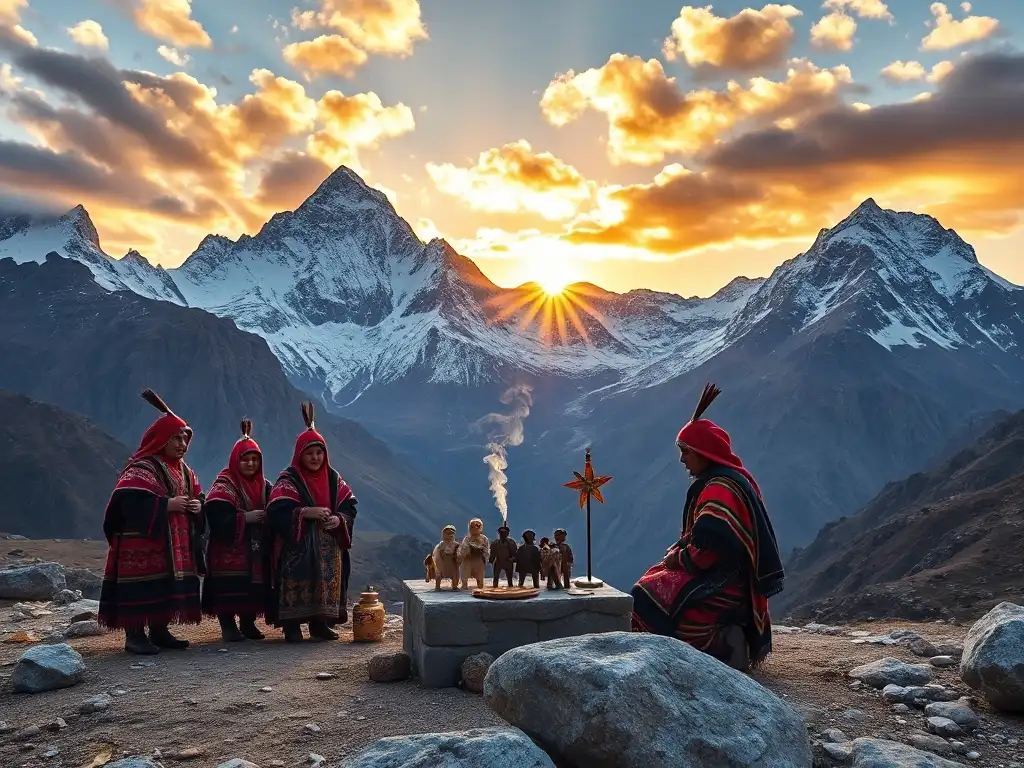
Step into a world lost in time, where the towering Andes held more than just breathtaking landscapes. Ancient Andean high-altitude rituals whisper secrets of a civilization deeply connected to the celestial realm. Uncover the profound spiritual significance of these sacred heights and explore the captivating cosmology that shaped the lives of the Incas, Nazca, and other remarkable Andean cultures. Prepare to be amazed by the ingenuity and spiritual depth of a people who built empires amongst the clouds. Journey with us to unravel the Mountain's Wisdom.
The towering Andes Mountains, a spine of rock and ice running down the western coast of South America, were far more than just a geographical feature to the ancient Andean civilizations. These imposing peaks, reaching dizzying heights above the clouds, held profound spiritual significance, shaping their cosmology, rituals, and daily lives.
This article delves into the sacred role high-altitude environments played in the belief systems of cultures like the Inca, Moche, Nazca, and Tiahuanaco, exploring how these societies interacted with, venerated, and even utilized the challenging conditions of the puna – the high-altitude grasslands – and the imposing presence of the apus – the mountain gods. We will uncover evidence of ancient Andean high-altitude rituals, examining their purpose, practices, and lasting impact on our understanding of these remarkable societies.
Understanding this intricate relationship between humanity and the high Andes is crucial to unlocking the complexities of ancient Andean cosmology and worldview.
The Apus: Sacred Mountains and Divine Guardians
The apus, the personified mountain spirits, were central figures in the Andean worldview. These weren't simply geographical formations; they were powerful deities, considered the protectors and providers for the communities nestled in their shadows. Ancient Andean high-altitude rituals often focused on appeasing and honoring these powerful beings.
Evidence suggests that offerings, ranging from coca leaves and llama sacrifices to intricately crafted textiles and ceramics, were deposited at high-altitude shrines and mountain passes. The act of ascending to these locations, often a physically demanding journey, was itself a ritualistic act, demonstrating devotion and respect. The precise nature of these offerings varied between different cultures and across time periods, but the underlying theme of maintaining a harmonious relationship with the apus remained constant.
Furthermore, the specific locations chosen for these rituals often possessed unique geological or geographical characteristics, adding another layer of complexity to their significance. For example, certain caves or springs at high altitudes may have been considered particularly sacred, acting as portals to the spirit world.
High-Altitude Agriculture and Ritual Practice
The challenging conditions of high-altitude agriculture demanded ingenuity and resilience from the Andean people. Their mastery of terracing, irrigation, and crop domestication wasn't merely a technological feat; it was deeply intertwined with their spiritual beliefs. The successful cultivation of crops at these extreme altitudes was seen as a testament to their connection with the apus and a demonstration of their ability to cooperate with the forces of nature.
This success, in turn, often fueled elaborate rituals of thanksgiving and appeasement. Festivals celebrated bountiful harvests, while rituals aimed to ensure continued fertility and ward off crop failures.
The meticulous planning and execution of these agricultural practices, along with the accompanying rituals, showcase the sophisticated understanding of both the natural world and the spiritual realm held by ancient Andean societies. The integration of agricultural practices with their religious beliefs highlights the holistic nature of their worldview, where the mundane and the sacred were inextricably linked.
Archaeological Evidence of High-Altitude Ritual Sites
Numerous archaeological sites across the Andes provide compelling evidence of high-altitude rituals. These sites, often located at precarious heights, reveal the extent to which these societies ventured into the challenging environments to engage in their spiritual practices. Researchers have unearthed remnants of shrines, ceremonial structures, and sacrificial offerings at various locations, providing valuable insights into the nature and purpose of these rituals.
The discovery of intricately crafted artifacts, such as gold ornaments and finely woven textiles, suggests that these were not spontaneous or casual events but rather meticulously planned ceremonies of great importance. The sheer number and geographic distribution of these sites underscore the widespread nature of high-altitude worship throughout the Andean region. Further analysis of these sites and their artifacts promises to shed even more light on the rich tapestry of ancient Andean high-altitude rituals.
The Legacy of High-Altitude Rituals in Contemporary Andean Culture
The legacy of ancient Andean high-altitude rituals continues to resonate in contemporary Andean culture. Many traditions and practices, passed down through generations, reflect the enduring reverence for the apus and the sacred nature of high-altitude environments. While the specific forms of rituals may have evolved, the core beliefs and principles remain, demonstrating the enduring power of these ancient traditions.
This continuity highlights the deep-rooted connection between the past and the present in the Andean world, underscoring the enduring importance of these ancient high-altitude rituals in shaping the cultural identity of the region. The study of these contemporary practices offers valuable insights into the persistence and transformation of ancient beliefs and provides a crucial link between the past and the present.
- The Apus: Sacred Mountains and Divine Guardians
- High-Altitude Agriculture and Ritual Practice
- Archaeological Evidence of High-Altitude Ritual Sites
- The Legacy of High-Altitude Rituals in Contemporary Andean Culture
- What role did high-altitude environments play in ancient Andean cultures?
- What types of rituals were performed at high altitudes?
- Were all Andean cultures equally involved in high-altitude rituals?
- What evidence supports the existence of these high-altitude rituals?
- How did the challenging high-altitude environment influence these rituals?
The Significance of High Altitudes in Andean Cosmology
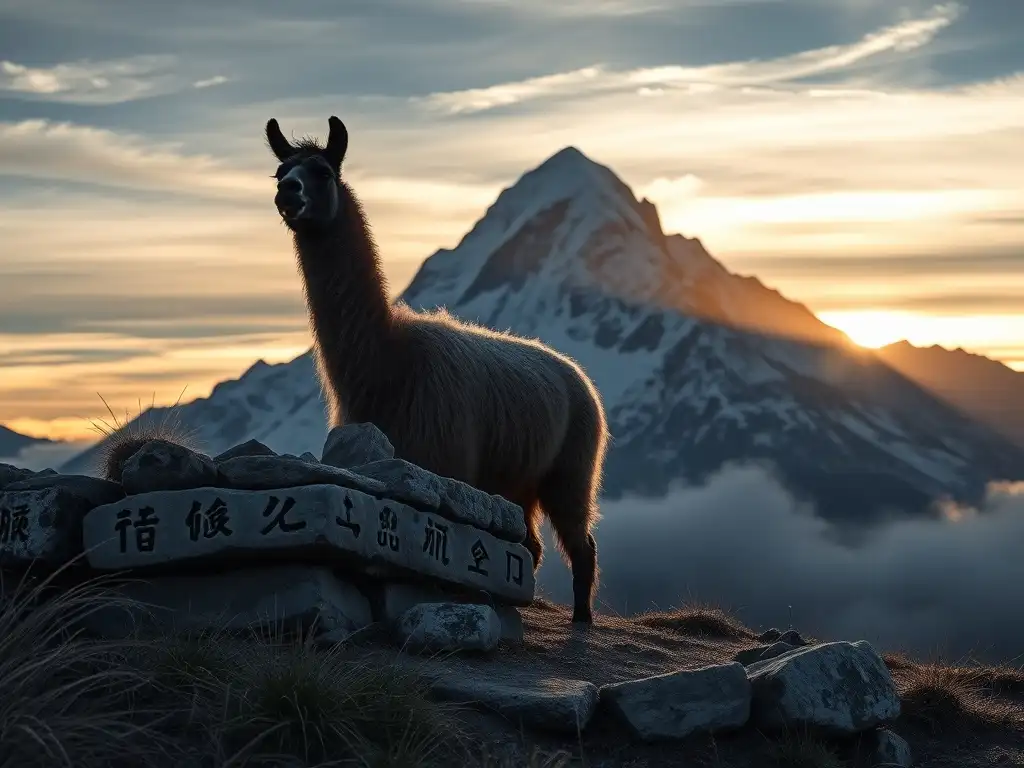
The Andean worldview, profoundly shaped by the imposing Andes Mountains, didn't simply perceive high-altitude environments as geographical features; they were integral to their cosmology, deeply imbued with spiritual significance. Ancient Andean high-altitude rituals were not mere ceremonies; they were acts of connection, reaffirming the relationship between the human world and the divine realm manifested in the towering peaks. This section delves into the profound meaning attributed to these elevated spaces, exploring how their unique characteristics influenced spiritual beliefs and practices.
The thin air, the challenging terrain, and the breathtaking vistas all contributed to the sacred aura surrounding high-altitude sites. Understanding this perspective is key to deciphering the complex tapestry of ancient Andean religious practices.
Andean Worldview and the Vertical Axis
The Andean worldview is famously characterized by its concept of a vertical axis, a three-tiered cosmology connecting the underworld ( ukhu pacha), the human world ( kay pacha), and the upper world ( hanan pacha). High-altitude environments were considered crucial links within this vertical axis, acting as a bridge between the earthly realm and the celestial sphere. Mountains, specifically, were seen as pathways to the upper world, the abode of powerful deities and ancestral spirits.
This perception is evidenced by the numerous mountaintop shrines and ceremonial sites found throughout the Andes, many of which required arduous treks to reach, emphasizing the spiritual significance of the journey itself. The effort required to ascend these sacred peaks was interpreted not as a hardship, but as a demonstration of devotion and commitment, strengthening the connection between the individual and the divine. The thin air at high altitudes, often associated with a closer proximity to the gods, further enhanced this sacred connection.
Evidence suggests that certain rituals, including offerings and sacrifices, were specifically designed for high-altitude settings, highlighting their unique role in Andean spiritual life. The inaccessibility of these sites also contributed to their sacredness, limiting access and reinforcing their status as spaces of profound spiritual power.
Mountains as Sacred Entities in Ancient Andes
Mountains weren't merely geographical obstacles; they were considered living entities, powerful deities deserving of respect and veneration. Ancient Andean high-altitude rituals often focused on appeasing these mountain spirits ( apu), ensuring their continued benevolence and protection. The apu were believed to influence weather patterns, agricultural yields, and the overall well-being of the communities living in their shadow. Therefore, maintaining a harmonious relationship with them was paramount.
This involved regular offerings of coca leaves, food, and other precious items, often left at designated shrines located on mountain passes or peaks. These offerings were not simply gifts; they were acts of communication, demonstrating respect and seeking favor from the powerful mountain spirits. The specific rituals and offerings varied among different Andean cultures, reflecting the diverse beliefs and practices across the region. However, the fundamental concept of the mountain as a sacred entity, deserving of reverence and appeasement, remained consistent.
Archaeological evidence, including the discovery of numerous high-altitude shrines and the remains of sacrificial offerings, provides compelling support for this interpretation. Furthermore, the enduring presence of mountain worship in contemporary Andean communities underscores the lasting impact of these ancient beliefs and practices. The legacy of ancient Andean high-altitude rituals continues to resonate in the cultural landscape of the Andes, demonstrating the enduring power of these ancient traditions.
Ancient Andean High-Altitude Rituals: Connecting with the Divine
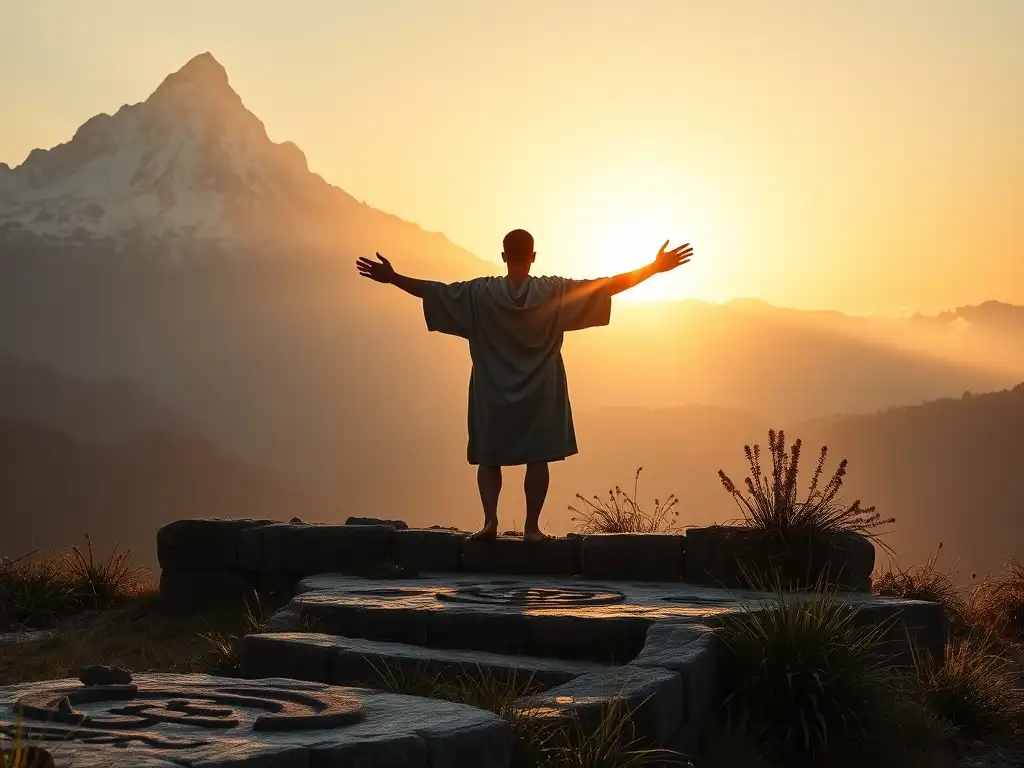
The towering Andes Mountains weren't merely geographical features to ancient Andean civilizations; they were sacred landscapes, imbued with spiritual power and considered the dwelling place of deities. High-altitude environments, often shrouded in mist and perpetually close to the celestial realm, served as crucial locations for rituals aimed at connecting with the divine and ensuring the well-being of the community. Understanding these ancient Andean high-altitude rituals provides a crucial window into their complex cosmology and intricate relationship with the natural world.
The sheer effort involved in reaching these remote, challenging locations underscores the profound significance these ceremonies held. The physical journey mirrored the spiritual ascent towards a closer communion with the supernatural.
The Purpose of High Altitude Ceremonies
High-altitude ceremonies in the Andes served a multitude of interconnected purposes. Many were focused on ensuring successful agricultural cycles, vital for the survival of these societies. Prayers and offerings were made to mountain deities, apus, to secure bountiful harvests and protect crops from frost, hail, and drought. These weren't simply requests; they were acts of reciprocity, acknowledging the apus's power and offering gratitude for their blessings. Evidence suggests that specific rituals were performed at different times of the year, corresponding to agricultural stages, indicating a deep understanding of the cyclical nature of life and the environment.
Further, these rituals played a crucial role in maintaining social order and political legitimacy. Rulers often participated in, or oversaw, these ceremonies, reinforcing their authority as intermediaries between the human and divine realms. By successfully conducting these rituals and securing favorable outcomes, they solidified their power and maintained social cohesion. The elaborate preparations and the participation of the entire community fostered a sense of shared identity and purpose. The success of the harvest, for example, directly impacted the social stability of the entire community.
Finally, high-altitude ceremonies were also associated with ancestor veneration. The mountains were believed to be the resting places of ancestors, and rituals were performed to honor them and seek their guidance. This connection between the living, the dead, and the divine further solidified the spiritual significance of these high-altitude locations. The continuity of life, death, and rebirth were all intertwined within the sacred geography of the Andes.
Ritual Practices and Offerings in Mountain Sanctuaries
The specific practices varied across different Andean cultures and time periods, but certain common threads emerge. Many rituals involved processions to mountaintops, often involving arduous journeys on foot, carrying offerings and performing specific acts of worship. These offerings included llama sacrifices – considered a particularly potent offering due to the llama's importance in Andean society – as well as coca leaves, chicha (fermented corn beer), textiles, and other precious goods. The act of making the arduous journey itself was an important component of the ritual, demonstrating commitment and devotion.
Examples of Offerings
Archaeological evidence reveals a wide range of offerings found in high-altitude sanctuaries. These include:
- Ceramic vessels filled with chicha
- Intricately woven textiles, often adorned with symbolic designs
- Metal artifacts, showcasing the advanced metallurgical skills of Andean cultures
- Human remains, indicating the practice of human sacrifice in some cases
The location of these ceremonies wasn't arbitrary. Specific mountain peaks or caves were chosen for their perceived spiritual significance, often linked to particular deities or ancestral figures. These locations frequently featured natural features, such as springs or unusual rock formations, further enhancing their sacred status.
The construction of huacas (sacred sites) at high altitudes further emphasizes their importance as centers of ritual activity. These sites often featured stone structures, terraces, and other architectural elements that facilitated the performance of ceremonies. The meticulous planning and execution of these rituals reflect the deep-seated spiritual beliefs and practices of ancient Andean societies.
The careful selection of locations and the nature of the offerings demonstrate a profound respect for the mountains and the supernatural forces they embodied. The legacy of these ancient Andean high-altitude rituals continues to resonate today, shaping our understanding of Andean cosmology and the enduring connection between humanity and the natural world.
Key Archaeological Sites: Testaments to Andean Mountain Spirituality
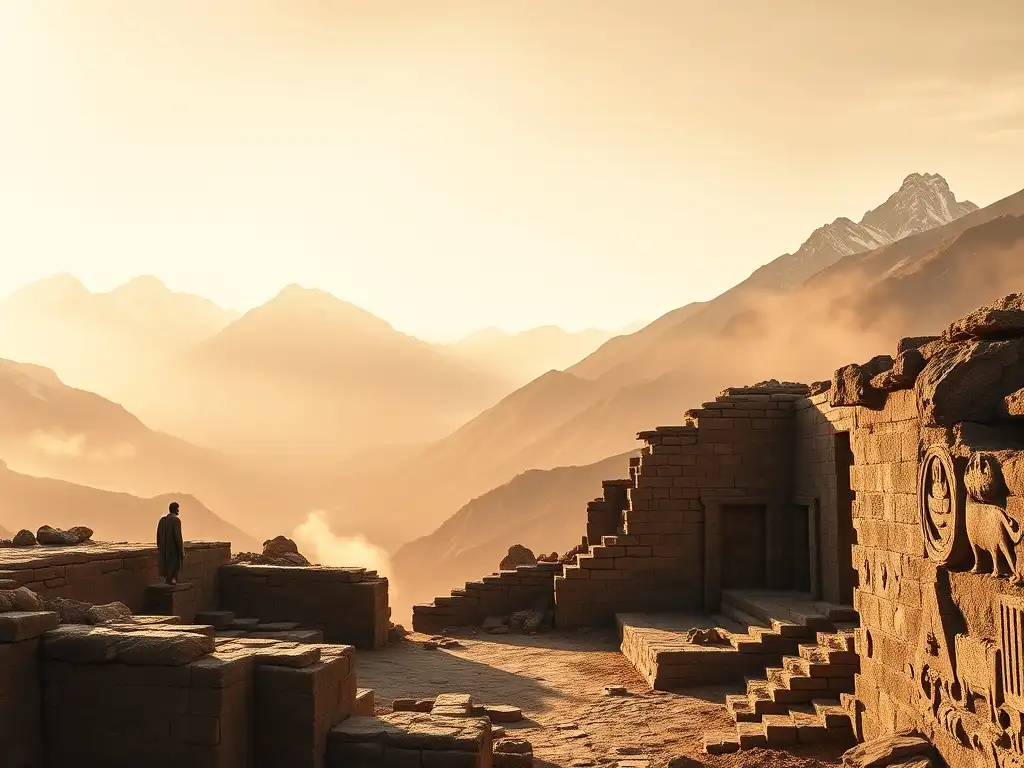
This section delves into specific archaeological sites that offer compelling evidence of the sacred role high-altitude environments played in ancient Andean cultures. These locations weren't merely geographical points; they were integral parts of a complex spiritual landscape, where rituals and offerings were performed to appease deities and ensure the well-being of communities. The sites discussed below showcase the profound connection between Andean peoples and their mountainous world, revealing practices that continue to fascinate and inspire researchers today. Understanding these ancient Andean high-altitude rituals provides crucial insight into their cosmology and worldview.
Llullaillaco and its Ritual Significance
Llullaillaco volcano, situated in the Andes Mountains at a breathtaking altitude of over 6,700 meters (22,000 feet), stands as a powerful testament to the significance of high-altitude rituals in Inca culture. The discovery of remarkably preserved Inca children mummified at the summit in 1999 provided unprecedented insight into Inca sacrificial practices. These "children of the mountain," believed to be offerings to the gods, were adorned with exquisite clothing and artifacts, reflecting the immense importance placed on these rituals.
The meticulous preparation and the sheer effort involved in transporting the children to such an extreme altitude underscore the deep reverence the Inca held for their high-altitude deities and the belief in the power of these sacrificial offerings to maintain cosmic balance. Analysis of the mummies and their accompanying objects continues to yield new data, enriching our understanding of ancient Andean high-altitude rituals and their social, political, and religious implications.
The sheer scale of the undertaking, the meticulous preparation of the children, and the stunning artifacts found with them all point to a highly organized and deeply spiritual society. Further research is ongoing, with scientists continuing to analyze the preserved organic materials for clues about the children's lives and the rituals themselves.
Pachacamac as a Center of Pilgrimage
While not strictly a high-altitude site, Pachacamac, located on the Peruvian coast, served as a crucial pilgrimage center connected deeply to the Andean mountain range. While situated at a lower elevation, its importance stemmed from its perceived connection to the powerful forces of nature, including the mountains. Pachacamac, meaning "world creator" or "earth shaper," was venerated as a powerful deity associated with fertility, earthquakes, and the overall well-being of the land.
Pilgrims travelled from across the Andean region, including from high-altitude communities, to offer sacrifices and seek divine favor. The archaeological evidence at Pachacamac reveals a complex interplay between coastal and highland cultures, highlighting the interconnectedness of Andean societies and their shared beliefs regarding the spiritual power of both the coast and the mountains.
The vast temple complex, with its intricate architecture and numerous offerings, testifies to the immense religious significance of this site, and the presence of pilgrims from various altitudes underscores the shared spiritual landscape that transcended geographical boundaries. The artifacts unearthed at Pachacamac, including textiles, ceramics, and metalwork, often depict mountain imagery, further emphasizing the profound connection between the coastal sanctuary and the Andean highlands.
Evidence of Ancient Andean Rituals at High Altitude Locations
Beyond specific sites like Llullaillaco and Pachacamac, numerous other high-altitude locations across the Andes bear witness to ancient Andean rituals. These include mountain peaks, caves, and springs, all considered sacred places where rituals were conducted. Archaeological findings like ritual offerings, including ceramics, textiles, and metal objects, discovered at these sites confirm their religious significance.
The arduous journeys undertaken to reach these remote and often treacherous locations further underscore the profound spiritual beliefs that motivated these practices. The precise nature of these rituals often remains elusive due to the limited surviving evidence, but the very presence of these artifacts at such challenging locations strongly suggests a deep-seated belief in the power of high-altitude spaces to connect with the divine. Further research, including careful excavation and analysis of these sites, is essential to uncover more about these practices.
The preservation of these fragile high-altitude environments is crucial to safeguarding our understanding of ancient Andean high-altitude rituals and their lasting impact on Andean culture. The ongoing study of these locations promises to unveil more secrets of this fascinating aspect of ancient Andean spirituality. Careful documentation and preservation of these sites are paramount to understanding the full extent of ancient Andean high-altitude rituals and their place within the broader Andean worldview.
The Role of High-Altitude Environments in Andean Agriculture
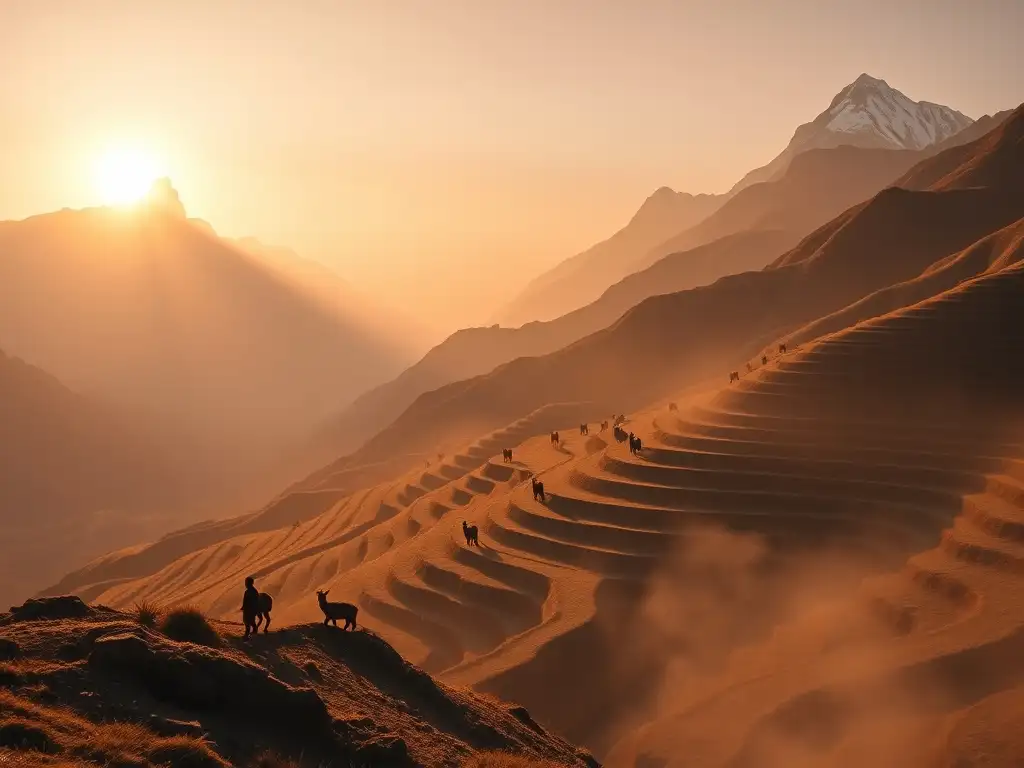
The ancient Andean civilizations, renowned for their ingenuity, developed sophisticated agricultural techniques to thrive in the challenging high-altitude environments of the Andes Mountains. Their relationship with these environments wasn't merely utilitarian; it was deeply intertwined with their spiritual beliefs and cosmology, shaping their rituals and worldview. Understanding their agricultural practices offers crucial insight into their understanding of, and reverence for, the sacred power of the high Andes.
The success of Andean agriculture wasn't just a matter of survival; it was a testament to their profound connection with the mountain's wisdom. This section will delve into the specific adaptations they employed to cultivate food in these demanding conditions, highlighting the ingenuity and resilience of these ancient cultures. The keyword "ancient Andean highaltitude rituals" will be naturally incorporated throughout the discussion, demonstrating the interconnectedness of agricultural practices and spiritual beliefs.
Adapting to Mountain Ecosystems for Food Production
Andean farmers didn't simply adapt to the high-altitude ecosystems; they actively shaped them to enhance agricultural productivity. The thin air, steep slopes, and unpredictable weather presented significant obstacles. Yet, through careful observation and experimentation over centuries, they developed techniques to overcome these challenges.
They understood the importance of microclimates, selecting specific crops suited to variations in altitude, sun exposure, and soil conditions. This intricate knowledge, passed down through generations, allowed them to cultivate a remarkable diversity of crops, including potatoes (a staple crop with thousands of varieties), maize, quinoa, beans, and various fruits and vegetables. Their success depended not just on the choice of crops, but also on innovative farming methods.
For example, the use of waru waru agriculture, a technique involving raised beds and irrigation channels, allowed for better water management and soil temperature regulation in the harsh high-altitude conditions. This method, still practiced in some areas today, demonstrates a remarkable understanding of soil science and water conservation. Furthermore, the development of frost-resistant varieties of crops was critical for survival in areas prone to frequent freezes.
This selection process, combined with careful crop rotation and fertilization techniques, helped to optimize yields and ensure food security. These agricultural practices weren't simply practical solutions; they were deeply embedded within the spiritual fabric of Andean society, reflecting a profound respect for the land and its resources. The success of these methods speaks volumes about the ancient Andean's understanding of their environment and their ability to work with nature, not against it.
Terraces and Irrigation Systems in the High Andes
The construction of extensive terrace systems across the Andean slopes represents a monumental feat of engineering and a testament to the ancient Andean's deep understanding of landscape modification. These terraces, meticulously carved into the mountainsides, served multiple purposes. They increased the amount of arable land available, reducing erosion and providing level surfaces for planting. They also helped to control water flow, preventing soil runoff and ensuring that crops received adequate irrigation. Moreover, the terraces modified microclimates, creating warmer pockets that extended the growing season.
The ingenuity of the ancient Andean irrigation systems is equally impressive. They developed intricate networks of canals and aqueducts to channel water from distant sources to the terraced fields. These systems often involved sophisticated techniques, such as diverting meltwater from glaciers or utilizing underground springs.
The construction and maintenance of these systems required significant community effort, highlighting the importance of collective labor and cooperation within Andean society. This collaborative approach further reinforces the sacred nature of these projects, viewed as a shared responsibility to maintain the balance of the ecosystem and honor the mountain spirits. The precision and scale of these projects are striking, underscoring the advanced knowledge of engineering, hydrology, and agriculture possessed by these ancient civilizations.
The construction and maintenance of these systems were undoubtedly accompanied by rituals and ceremonies, further emphasizing the sacred role of high-altitude environments in their cosmology. The enduring legacy of these terrace and irrigation systems stands as a powerful symbol of the ancient Andean’s remarkable ability to harness the power of the mountains for sustenance and spiritual fulfillment. Their efforts represent a profound and lasting example of "ancient Andean highaltitude rituals" intertwined with agricultural practices.
The Enduring Legacy of Andean Mountain Traditions
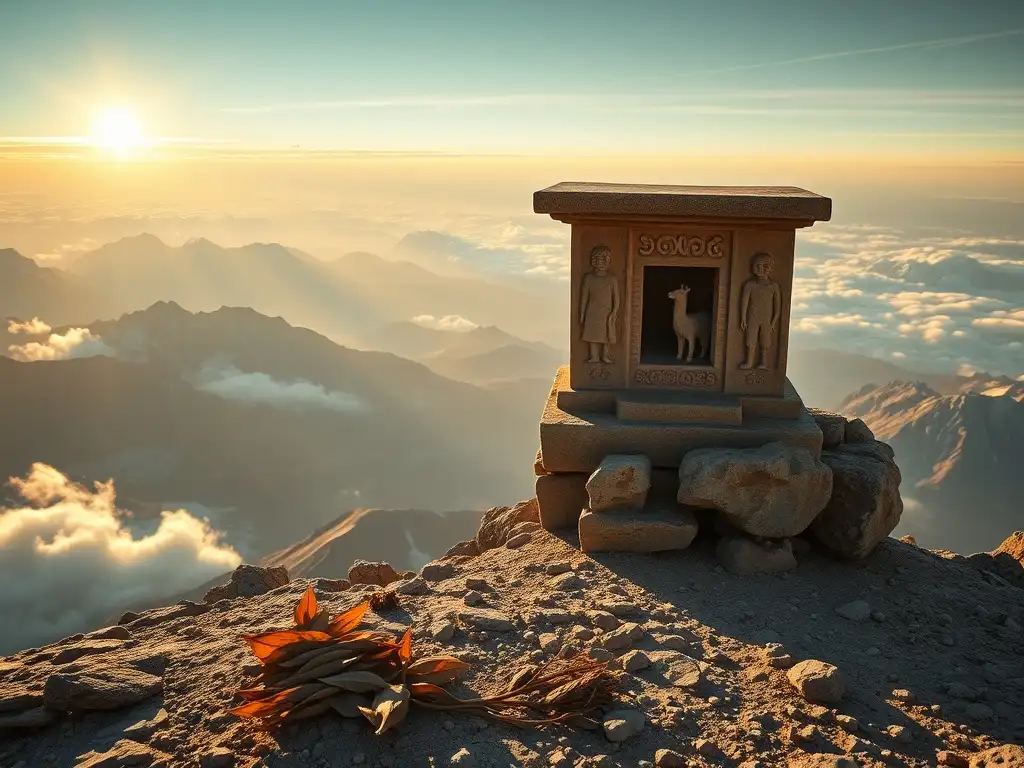
The towering Andes Mountains weren't merely geographical features to ancient Andean cultures; they were sacred landscapes, imbued with spiritual significance and deeply intertwined with their daily lives. This enduring legacy, passed down through generations, continues to shape Andean identities and worldviews today. Understanding the ancient Andean high-altitude rituals requires acknowledging the profound connection between these communities and their environment. The mountains provided sustenance, resources, and a framework for their complex cosmological beliefs.
This symbiotic relationship manifested in intricate ritual practices, agricultural techniques, and social structures uniquely adapted to the challenging high-altitude environment. The legacy of these traditions is not merely historical; it's a living testament to the resilience and ingenuity of Andean peoples. Their ancient practices offer valuable insights into sustainable living and harmonious coexistence with nature – lessons profoundly relevant in our modern world.
Contemporary Relevance of Ancient High-Altitude Practices
Ancient Andean high-altitude rituals, while seemingly distant in time, hold surprising contemporary relevance. Many traditional practices, once considered solely historical, are being re-evaluated for their potential to address modern challenges. For example, the ancient Inca's sophisticated agricultural techniques, adapted to the harsh conditions of the high Andes, are now being studied to improve crop yields in similar environments facing climate change.
Techniques like terracing and the creation of andenes (agricultural terraces) minimized soil erosion and optimized water usage – practices that are crucial for sustainable agriculture today. Furthermore, traditional Andean knowledge of medicinal plants found at high altitudes is increasingly recognized for its potential in pharmaceutical research. Many of these plants possess unique properties, adapted to their extreme environment, which could hold the key to developing new treatments for various ailments.
The resurgence of interest in ancient Andean practices is not merely a nostalgic pursuit; it represents a proactive engagement with traditional wisdom to address present-day concerns. The holistic approach to environmental stewardship practiced by ancient Andean cultures offers valuable lessons for sustainable development and environmental conservation in the 21st century. This renewed focus highlights the enduring value of these ancient high-altitude rituals and their continued contribution to human well-being.
The Preservation of Andean Mountain Culture and Knowledge
The preservation of Andean mountain culture and knowledge is crucial for safeguarding a rich heritage and ensuring the continuity of sustainable practices. However, challenges remain. Rapid modernization, migration to urban centers, and the pressures of globalization threaten to erode traditional knowledge and practices. The loss of these traditions would not only represent a cultural tragedy but also a loss of valuable insights into sustainable living and environmental management.
Efforts to preserve this heritage include the documentation of traditional knowledge through oral histories, ethnographic studies, and archaeological research. Community-based initiatives, focusing on the revitalization of traditional arts, crafts, and agricultural practices, are also playing a crucial role. Educational programs that integrate Andean knowledge into school curricula help transmit this cultural legacy to future generations. Moreover, the establishment of protected areas and the promotion of ecotourism can contribute to the economic sustainability of Andean communities while simultaneously preserving their cultural heritage.
The successful preservation of ancient Andean high-altitude rituals requires a concerted effort involving governments, researchers, and most importantly, the Andean communities themselves. This collaborative approach is vital to ensuring that the wisdom of the mountains continues to inspire and guide future generations. The preservation of this knowledge is not just a matter of cultural preservation; it is a vital step towards building a more sustainable and resilient future for all.
Understanding the Interconnectedness: Nature, Ritual, and Andean Society
This section delves into the intricate relationship between ancient Andean societies and their high-altitude environments, focusing on how this connection profoundly shaped their spiritual beliefs and ritual practices. We will explore the symbiotic relationship between the Andes and its people, demonstrating how the mountains weren't merely a backdrop to their lives but an integral part of their cosmology, influencing their daily existence and shaping their understanding of the world.
The study of ancient Andean high-altitude rituals reveals a sophisticated system of beliefs and practices deeply rooted in the natural world. Understanding this interconnectedness is crucial to grasping the depth and complexity of Andean civilization.
The Symbiotic Relationship between the Andes and its People
The Andes Mountains were not just a geographical feature for the ancient Andean peoples; they were a living entity, a powerful force shaping their lives in profound ways. The mountains provided sustenance—water sources for agriculture, grazing lands for livestock, and minerals for tools and adornments. However, the relationship extended far beyond the purely material.
The peaks, often shrouded in mist and snow, were considered sacred spaces, the abodes of powerful deities and ancestral spirits. This reverence is evident in the carefully planned agricultural terraces that sculpted the mountain slopes, a testament to both their ingenuity and their respect for the delicate balance of the ecosystem. These terraces weren't simply efficient farming techniques; they were also a physical manifestation of their spiritual connection to the land, a way of harmonizing human activity with the natural rhythms of the mountains.
The careful management of water resources, often involving complex irrigation systems, further underscores this symbiotic relationship. Water, a precious commodity at high altitudes, was not simply a resource but a sacred element, essential for both life and ritual.
The agricultural practices themselves were imbued with ritual significance. The planting and harvesting seasons were marked by ceremonies designed to ensure a bountiful yield and appease the mountain spirits. These rituals, often involving offerings and prayers, highlight the deep-seated belief in the reciprocal nature of the relationship—humans provided respect and offerings, and the mountains provided sustenance.
This reciprocal relationship is a key element in understanding ancient Andean high-altitude rituals. The cycle of life and death, mirrored in the agricultural cycle, was understood as a continuous interaction between the human and the spiritual realms, both deeply intertwined with the Andean landscape.
The Wisdom of the Mountains: Lessons from Ancient Andean Civilizations
Analyzing ancient Andean high-altitude rituals reveals a remarkable level of adaptation and ingenuity. The challenges of living at high altitudes—thin air, unpredictable weather, and limited resources—shaped their societal structures, technologies, and spiritual beliefs. For example, the development of sophisticated agricultural techniques, such as terraced farming and irrigation systems, allowed them to cultivate crops in challenging environments.
These weren't simply technological advancements; they were also expressions of their spiritual worldview, demonstrating their ability to harmonize their needs with the environment's limitations. The construction of impressive mountaintop shrines and ceremonial centers, often located at significant geographical points, further illustrates their deep connection with the sacred landscape. These sites served not only as places of worship but also as focal points for community gatherings, reinforcing social bonds and reaffirming their shared connection to the mountains.
The Inca civilization, perhaps the most well-known of the Andean cultures, exemplifies this close relationship. Their elaborate road system, which connected different parts of their vast empire, was not only a practical achievement but also a symbolic representation of their ability to integrate diverse communities and environments under a unified system of beliefs.
Their worldview emphasized the interconnectedness of all things—the mountains, the stars, and humanity—all participating in a cosmic order maintained through ritual and respect for the natural world. The study of Inca textiles, often adorned with intricate designs representing both earthly and celestial elements, offers further insights into their cosmology and the profound significance they attributed to the mountain environment.
The vibrant colors and symbolic patterns woven into these textiles serve as tangible reminders of the deep spiritual connection between the Inca people and their high-altitude world. Many ancient Andean high-altitude rituals involved specific offerings and ceremonies connected to the agricultural cycles, reflecting the importance of reciprocity and balance in their relationship with the mountains.
Frequently Asked Questions
What role did high-altitude environments play in ancient Andean cultures?
High-altitude environments held significant spiritual importance for many ancient Andean cultures. They were considered sacred spaces, often associated with deities and ancestor veneration. Many rituals and ceremonies took place at these elevated locations.
What types of rituals were performed at high altitudes?
Ancient Andean peoples performed a variety of rituals at high altitudes, including human sacrifice, ceremonial offerings, and pilgrimages. These practices were often connected to appeasing deities, ensuring successful harvests, or ensuring the well-being of the community.
Were all Andean cultures equally involved in high-altitude rituals?
While many Andean cultures utilized high-altitude sites, the degree of involvement varied. The Incas, for example, are well-known for their high-altitude rituals, but other cultures like the Nazca also incorporated these practices into their beliefs and customs, though perhaps in different ways.
What evidence supports the existence of these high-altitude rituals?
Archaeological evidence, including mummified remains, offerings found at high-altitude sites, and iconography depicting rituals, supports the existence of these practices. These findings provide valuable insights into the beliefs and practices of ancient Andean civilizations.
How did the challenging high-altitude environment influence these rituals?
The harsh conditions of the high Andes likely played a role in shaping the nature of these rituals. The extreme altitude, thin air, and unpredictable weather might have added to the spiritual significance of the locations and the rituals performed there.
Final Reflection: Echoes of the Andes, Whispers of the Future
The enduring legacy of ancient Andean high-altitude rituals continues to resonate today, a powerful testament to humanity's enduring connection with the sacred. These practices, far from being relics of a bygone era, offer profound insights into our relationship with nature, spirituality, and the very essence of human existence. Their echoes reverberate in contemporary environmental movements, spiritual quests, and our growing understanding of the interconnectedness of all things.
The impact of these high-altitude rituals extends far beyond the physical realm of the Andes Mountains. They represent a profound understanding of the delicate balance between humanity and the environment, a lesson desperately needed in our current age of ecological crisis. The mountains are calling, and I must go.
This sentiment, though seemingly simple, encapsulates the powerful draw of these sacred spaces and the enduring wisdom they hold for us. Their influence on our understanding of cosmology, community, and sacrifice continues to shape our cultural landscape, reminding us of the importance of respecting the natural world and finding meaning beyond material pursuits.
Consider the profound wisdom embedded within these ancient practices. How can we, in our modern world, reconnect with the sacredness of nature? How can we learn from the Andean peoples' deep respect for the mountains and their inherent power? You, the reader, hold the key. Embrace the lessons of the Andes, seek your own connection with the natural world, and let the echoes of these ancient rituals inspire you to live a life of purpose, reverence, and harmony with the earth.
Embrace the Wisdom of the Mountains: Take Action Today!
Thank you for exploring the profound insights offered by high-altitude environments! By understanding the vital role these majestic mountains play in shaping cultures and heritage, you've taken a significant step towards appreciating their invaluable contributions. Now, let's put this knowledge into action!
- Begin your own journey: Plan a visit to a nearby mountain range or national park to experience the tranquility and wisdom firsthand. Whether it's a short hike or a longer, more immersive experience, immerse yourself in the natural beauty.
- Share your insights: Inspire others to appreciate and protect these sacred spaces by sharing this article on social media. Let your friends and family discover the wonders of these environments.
- Engage with the community: Join a local conservation group or participate in online forums dedicated to preserving high-altitude environments. Your voice and participation can make a real difference!
Which mountain or high-altitude experience has resonated most with you, and how will you further explore its significance?