
Inca Doorways and Windows: Architectural Details and Symbolism

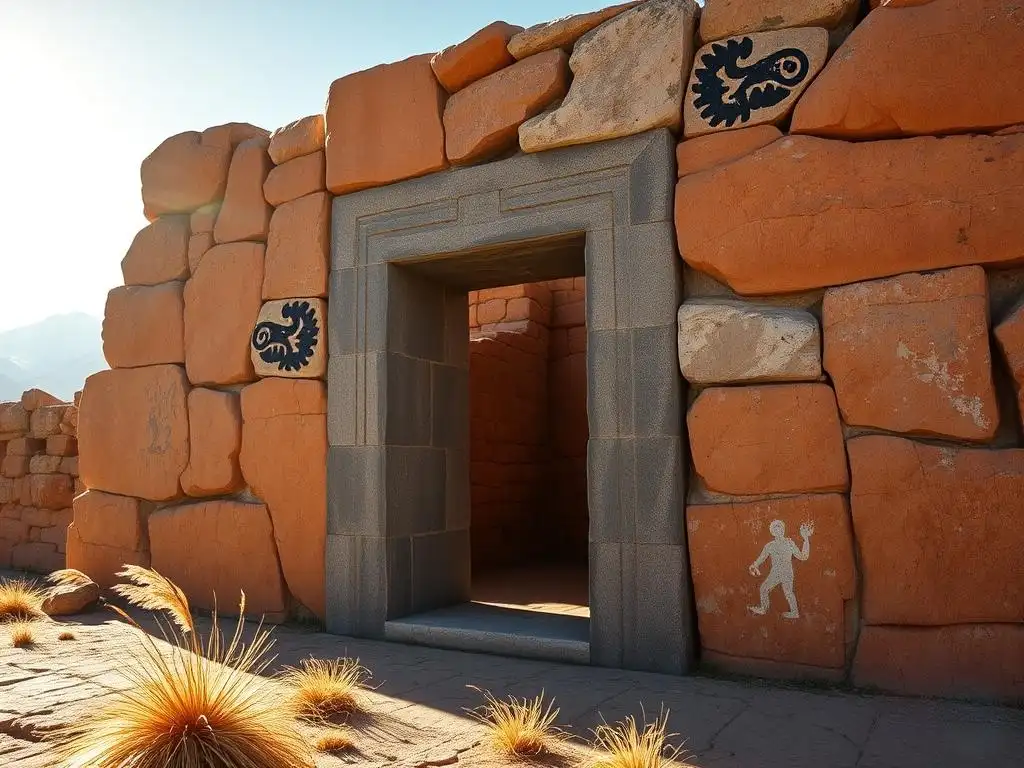
Step into a world lost to time, yet echoing with whispers of grandeur. Andean Civilizations unveils the secrets held within the majestic mountains, revealing the ingenuity and artistry of ancient empires. But what stories do the intricate designs of Inca architecture symbolism tell? Journey with us to unravel the mysteries hidden within Inca doorways and windows – a glimpse into a civilization that continues to fascinate and inspire. Discover the profound meanings etched in stone, and unlock the enigmatic legacy of the Incas.
The Inca Empire, renowned for its sophisticated engineering and intricate social structures, left behind a legacy of breathtaking architecture. This article delves into the fascinating world of Inca doorways and windows, exploring their architectural details and the rich symbolism embedded within their design. We will examine the significance of these openings not merely as functional elements, but as integral components of Inca worldview, reflecting their cosmological beliefs and societal organization.
Understanding the symbolism inherent in Inca architecture provides crucial insight into their culture, beliefs, and the sophisticated level of planning and execution that went into their impressive constructions. We'll explore the prevalent use of trapezoidal shapes, analyzing their structural and symbolic implications, and uncovering the subtle nuances that make Inca architecture so uniquely captivating and enduring. This exploration of Inca architecture symbolism will illuminate the ingenuity and artistry of this remarkable civilization.
The Significance of Openings in Inca Architecture
Inca architecture is characterized by its meticulous planning and symbolic integration. Openings, such as doorways and windows, were not simply functional elements; they held profound symbolic meaning, representing portals between different realms or connecting the earthly world with the spiritual. The precise placement, shape, and size of these openings were carefully considered, reflecting the Inca's deep understanding of cosmology and their relationship with the natural world.
Consider, for example, the carefully positioned windows in Machu Picchu, which seem to frame specific mountain peaks or celestial events. This deliberate placement suggests a connection between the built environment and the cosmos, reinforcing the Inca belief in a harmonious relationship between humanity and the natural world. The orientation of doorways, often aligned with significant geographical features or celestial events, further emphasizes this connection.
Many scholars believe that these alignments were not accidental but rather deliberate choices made to imbue the structures with spiritual significance. The size and shape of the openings also played a role in the overall symbolic narrative, with larger openings potentially representing greater importance or power. This holistic approach to design, where every element held symbolic weight, is a testament to the sophistication of Inca architectural thought.
Trapezoidal Forms: A Hallmark of Inca Design
The trapezoidal shape is a recurring motif in Inca architecture, particularly evident in their doorways and windows. This distinctive feature is not merely an aesthetic choice; it serves both structural and symbolic purposes. The consistent use of the trapezoid across various Inca structures suggests a deliberate design principle, hinting at a deeper cultural or cosmological significance. The prevalence of this shape, far beyond its practical application, points to its symbolic role in Inca society.
The precise angles and proportions of the trapezoids vary slightly from structure to structure, potentially signifying subtle differences in status or function. Further research is needed to fully understand the range of variations and their meaning. The use of trapezoidal forms in Inca architecture is a testament to their advanced understanding of geometry and their ability to integrate aesthetics and functionality seamlessly.
Why the Inca Used Trapezoidal Doorways
The use of trapezoidal doorways in Inca architecture is not solely aesthetic. While visually striking, the trapezoidal shape also offered structural advantages. The slightly converging sides of the doorway likely contributed to increased stability, particularly in earthquake-prone regions. This is especially important considering the stonework's precision and the weight of the massive blocks used in construction.
The converging sides also provided a subtle visual effect, often creating an illusion of greater height and grandeur. Furthermore, the trapezoidal form may have facilitated the use of specific stone-fitting techniques, allowing for a more secure and durable structure. The precision in the cutting and placement of the stones in these doorways is remarkable, showcasing the advanced skills of Inca masons. Further research into the specific techniques used in constructing these doorways would be beneficial in understanding their functionality and durability.
Structural Benefits of Trapezoidal Windows
Similar to doorways, trapezoidal windows in Inca architecture likely offered structural benefits. The converging sides might have helped to distribute weight more effectively, increasing the overall stability of the walls. This is particularly relevant in structures built on steep slopes or in areas susceptible to seismic activity. The shape might also have improved the overall strength of the window frames, reducing the risk of collapse or damage.
Furthermore, the trapezoidal shape could have influenced the amount and direction of light entering the structure, potentially impacting the interior's temperature and ambiance. More research is needed to fully understand the interplay between the trapezoidal shape and the structural integrity of Inca buildings. Analyzing the construction techniques and the materials used in creating these windows will be crucial in understanding their structural performance.
Inca Doorway Construction Techniques
The remarkable precision and ingenuity of Inca architecture are nowhere more evident than in their doorways and windows. These weren't simply functional openings; they were carefully crafted elements integrated into the overall design and symbolic narrative of Inca structures. Understanding their construction reveals a sophisticated understanding of engineering and a deep respect for the materials used.
The creation of these openings involved a complex interplay of planning, resource management, and skilled labor. Detailed surveys of Inca sites show that the process began with meticulous planning, laying out the precise dimensions and location of each opening within the larger structure. This planning often took into account the orientation of the structure relative to the sun and other celestial bodies, a key element in Inca cosmology.
Precision Stone Cutting for Door Frames
The Inca's mastery of stonework is legendary. For doorways, they employed a technique of incredibly precise stone cutting, achieving tolerances so fine that even modern engineers marvel at the feat. The stones, often massive blocks of andesite, diorite, or granite, were shaped using tools like copper chisels and hammers, employing a combination of percussion and abrasion. The surfaces of the stones were finely dressed to create perfectly fitting joints, often without the use of mortar.
Evidence suggests the Inca may have used water and possibly abrasive materials to refine the surfaces to an almost imperceptible level of precision. Examining these door frames today reveals the remarkable level of craftsmanship, with joints so tight that a knife blade can barely fit between the stones. This level of precision wasn't just aesthetic; it contributed significantly to the structural integrity of the buildings.
Use of Mortarless Construction in Inca Openings
A defining characteristic of Inca architecture is the widespread use of mortarless construction. In the case of doorways and windows, this technique was particularly challenging, requiring an exceptional level of precision in stone cutting and placement. The stones were carefully shaped and fitted together, creating interlocking joints that held the structure together without the need for any binding agent. This technique, while seemingly simple, demanded a high level of skill and planning.
The careful selection of stone shapes and sizes allowed for a natural interlocking system, reducing the need for mortar and enhancing the building's ability to withstand seismic activity. The absence of mortar further highlights the Inca's understanding of structural engineering principles, showcasing their ability to create stable and durable structures using only stone. The success of this method is evidenced by the remarkable preservation of many Inca structures, even after centuries of exposure to the elements.
Symbolism Embedded in Inca Doorways
Beyond their practical function, Inca doorways and windows held profound symbolic meaning within the Inca worldview. These openings weren't just passages; they represented transitions between different realms and served as powerful symbols of Inca cosmology and beliefs. The careful design and placement of these architectural features further underscore their importance within Inca culture. Scholars have extensively studied the symbolism associated with these elements, revealing layers of meaning that reflect Inca religion, social structure, and worldview.
Entryways as Portals to Sacred Spaces
Inca doorways frequently served as portals to sacred spaces, acting as liminal zones between the everyday world and the sacred realm. The design and decoration of these entryways often reflected the function and significance of the space beyond. For instance, doorways leading to temples or royal residences would often be more elaborately decorated than those leading to ordinary dwellings.
The size and shape of the doorway also played a role in its symbolic meaning. Larger, more imposing doorways often signified greater power and status. The use of specific materials, such as intricately carved stone, further enhanced the symbolic importance of the doorway, emphasizing its role as a transition point between worlds.
Doorway Orientation and Cosmic Alignment
The orientation of Inca doorways and windows was not arbitrary; it often reflected a deep understanding of astronomy and cosmology. Many doorways were aligned with significant celestial events, such as solstices and equinoxes. This alignment wasn't merely coincidental; it suggests a deliberate attempt to connect the built environment with the cosmic order.
The precise positioning of doorways in relation to the sun's path could also have had practical implications, such as controlling the amount of sunlight entering a building or creating specific lighting effects during important ceremonies. By aligning their buildings with celestial events, the Inca reinforced the connection between the earthly and spiritual realms, highlighting the importance of cosmic harmony within their worldview.
This deliberate alignment is a testament to the Inca's sophisticated understanding of astronomy and their ability to integrate these astronomical observations into their architecture. The precise angles and orientations of these doorways are a continuing source of fascination for researchers, who continue to unravel the complex interplay between Inca architecture and their celestial observations.
Inca Windows and Their Function
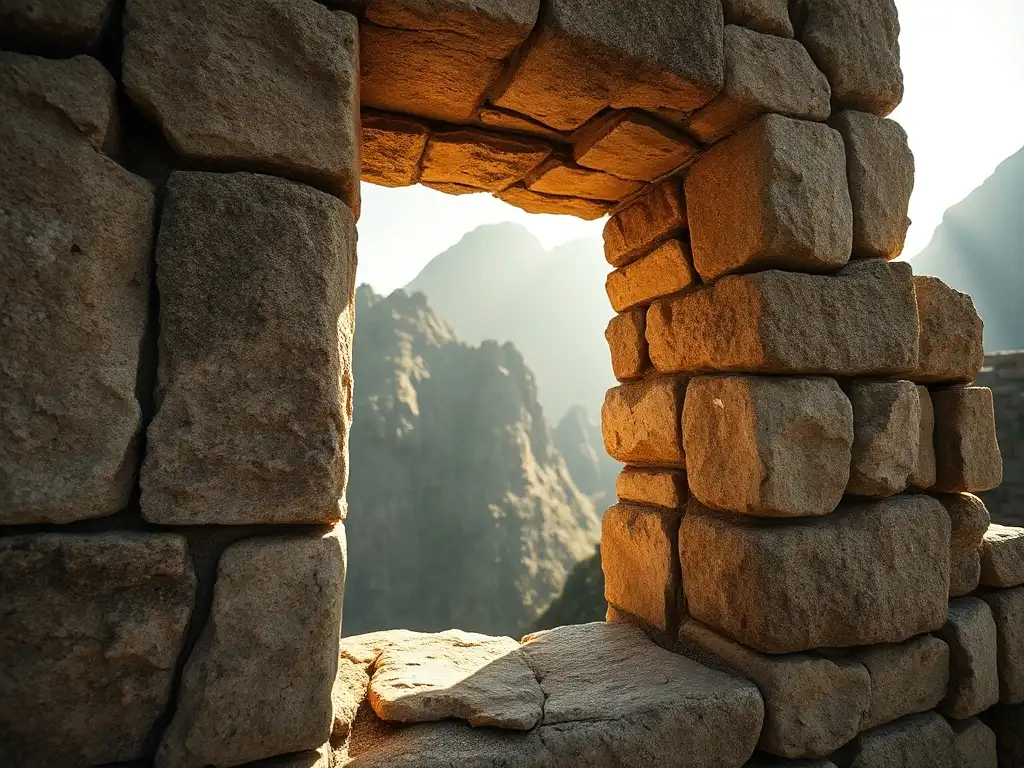
Inca windows, unlike their doorways, were not primarily designed for passage. Their function was multifaceted, reflecting the Inca's practical and symbolic approach to architecture. While providing some ventilation and limited natural light, their primary role was far more subtle and deeply connected to the Inca worldview. The size and placement of windows were carefully considered, contributing to the overall design and functionality of the structure.
Their strategic placement often maximized the limited sunlight penetration, minimizing heat loss during colder months and preventing excessive heat buildup during warmer periods. This showcases the Inca's advanced understanding of passive solar design, a testament to their architectural ingenuity. The careful integration of these seemingly small elements into the larger architectural scheme demonstrates the sophisticated planning and execution of Inca construction projects. This functionality extended beyond simple environmental control, however; their placement also played a part in symbolic representation, as we shall explore later.
Limited Window Openings in Inca Structures
A striking feature of Inca architecture is the relative scarcity of large windows. Many structures, even substantial ones like palaces and temples, feature remarkably few and small window openings. This wasn't due to a lack of technical skill; the Inca were capable of creating impressive stonework, as evidenced by their intricate doorways and other architectural elements. Instead, the limited number of windows points to a deliberate design choice, reflecting both practical considerations and symbolic meaning.
The smaller windows helped to maintain a stable internal temperature and provided a degree of security, protecting the interior from the elements and potential intruders. This practical approach to window design demonstrates a keen understanding of environmental factors and the need for defensive measures, characteristic of Inca engineering. The relatively small size also reflects a preference for controlled light and ventilation, prioritizing the internal environment's stability and comfort.
The Purpose of Small Inca Windows
The small size of Inca windows was not simply a matter of practicality; it also carried symbolic weight. The limited openings could be interpreted as a way to control the flow of energy, both physical and spiritual. Small windows acted as portals, carefully regulating the interaction between the interior and exterior worlds.
This controlled access to light and air can be seen as a reflection of the Inca's hierarchical society and their belief in the importance of maintaining order and balance. The restricted view from these small windows may have also served a symbolic purpose, emphasizing the importance of the interior space and the rituals or activities conducted within. The smaller size also reflects a more introspective design philosophy, emphasizing the importance of community and shared space over expansive views.
Ornamentation and Decoration of Inca Openings
While Inca architecture is renowned for its precise stonework and impressive scale, the ornamentation of doorways and windows was generally understated. In contrast to the elaborate decoration found in some other Andean cultures, Inca openings tended towards a minimalist aesthetic, focusing on clean lines and precise craftsmanship rather than profuse embellishment.
The emphasis on functionality and structural integrity is evident in the design and construction of the doorways and windows, suggesting a focus on practical considerations over elaborate decoration. This minimalist approach, however, doesn't imply a lack of artistry; rather, it suggests a different aesthetic sensibility, one that valued precision and simplicity.
Minimalist Approach to Doorway Adornment
The minimalist approach to doorway adornment in Inca architecture is particularly striking when compared to the elaborate detailing found in some other pre-Columbian cultures. Inca doorways, while often perfectly crafted from massive stone blocks, typically lacked the extensive carvings and relief sculptures seen in, for example, some Moche or Nazca structures. Instead, the emphasis was on the precision of the stonework itself, the perfect fit of the blocks, and the overall structural integrity of the opening.
This focus on clean lines and precise execution highlights the Inca's mastery of stone construction techniques. The lack of excessive ornamentation underscores the Inca’s emphasis on functionality and the integration of architecture with the surrounding landscape. This restraint didn't imply a lack of artistry, but rather a different aesthetic preference.
Symbolic Motifs Around Inca Windows
Despite the generally minimalist approach, some Inca windows and doorways did incorporate symbolic motifs. These were often subtle, integrated into the stonework itself rather than being added as separate decorative elements. While detailed information on the specific meanings of these motifs is still being researched, they likely played a role in reinforcing the sacred or ceremonial nature of certain structures. These symbolic elements may have included geometric patterns, zoomorphic representations, or other designs reflecting Inca cosmology and religious beliefs.
These subtle yet powerful symbols further enhance the significance of the architectural elements within the broader context of Inca society and spirituality. The study of these motifs continues to reveal insights into the Inca worldview and their approach to integrating symbolism into their architectural designs. Further research is needed to fully understand the specific meanings of these subtle but significant details.
Variations in Inca Doorway and Window Styles
Inca doorways and windows, while sharing common characteristics, exhibit fascinating variations across different regions and time periods. These variations aren't merely aesthetic choices; they often reflect practical considerations, such as the availability of materials and the specific needs of the structures they adorn. For instance, doorways in more densely populated urban centers, like Cusco, tend to be smaller and more closely spaced than those found in rural areas or isolated settlements. This difference likely reflects the higher population density and the need for efficient use of space in urban settings.
The size and shape of the openings also varied depending on their function. Larger doorways might have served as entrances to important buildings or temples, while smaller ones were used for residential structures or storage rooms. Furthermore, the intricacy of the stonework surrounding the openings also varied widely. Some doorways feature simple, rectangular frames, while others are adorned with elaborate carvings, niches, and decorative elements.
These variations provide valuable insights into the social hierarchy and the symbolic meaning attached to different structures within the Inca empire. The study of these variations helps us understand the diverse ways in which the Incas adapted their architectural techniques to suit various contexts and needs. The careful examination of even seemingly minor differences in design can reveal a wealth of information about Inca society and their engineering capabilities.
Regional Differences in Inca Architecture Openings
The Inca Empire spanned a vast and geographically diverse territory, encompassing a range of climates and terrains. This diversity is reflected in the variations observed in Inca architecture, particularly in the design of doorways and windows. In regions characterized by abundant stone resources, like the Sacred Valley, we find more elaborate stonework, with precision-cut blocks fitted together without mortar. In contrast, areas with less accessible stone might feature simpler designs utilizing adobe bricks or a combination of materials.
The size and shape of openings also varied regionally. For example, doorways in the highlands, where colder temperatures prevailed, tended to be smaller to minimize heat loss. Coastal regions, on the other hand, might have featured larger openings to allow for better ventilation.
These regional variations underscore the Incas' adaptability and their ability to integrate local resources and environmental factors into their architectural designs. Studying these regional differences provides a more nuanced understanding of Inca architectural practices and their relationship to the environment. The subtle but significant variations in doorway and window designs across the empire showcase the ingenuity and resourcefulness of Inca builders.
Examples of Inca Doorways in Machu Picchu
Machu Picchu, the iconic Inca citadel, provides numerous examples of the diverse styles of Inca doorways. The doorways found in the residential structures are generally smaller and simpler in design, reflecting their functional purpose. These often feature rectangular frames made of precisely cut stone blocks.
In contrast, the doorways leading to more important structures, such as temples or administrative buildings, are typically larger and more elaborately decorated. Some feature trapezoidal shapes, a characteristic feature of Inca architecture, while others incorporate niches or recessed panels. The precision of the stonework is remarkable, showcasing the advanced engineering skills of the Inca builders.
The intricate fitting of the stones, without the use of mortar, is a testament to their mastery of stone construction techniques. The doorways of Machu Picchu are not merely functional elements but also integral parts of the overall architectural design, contributing to the site's aesthetic and symbolic significance. Analyzing the variation in these doorways within a single complex like Machu Picchu allows for a deeper understanding of the principles guiding Inca architectural design.
The Influence of Inca Doorways on Modern Architecture
The elegance and functionality of Inca doorways continue to inspire architects and designers today. The principles of precision, simplicity, and integration with the natural environment found in Inca architecture resonate strongly with contemporary sustainable design practices. The use of locally sourced materials, the emphasis on structural integrity, and the minimal use of mortar all align with modern green building initiatives.
Many contemporary architects draw inspiration from the Inca's mastery of stonework, incorporating similar techniques and aesthetics into their designs. The incorporation of trapezoidal shapes, a hallmark of Inca architecture, can be seen in some modern buildings, serving as a subtle nod to the rich heritage of Inca design.
Moreover, the focus on creating harmonious relationships between structures and their surroundings, a key element of Inca design, has become increasingly important in modern architecture. The lessons learned from Inca building practices are not only aesthetically pleasing but also offer valuable insights for creating sustainable and resilient structures.
Contemporary Architectural Inspirations from Inca Design
Modern architects frequently cite Inca architecture as a source of inspiration, particularly in projects that emphasize sustainability and a connection to the environment. The seamless integration of Inca structures with their surroundings serves as a model for contemporary eco-friendly building design. The use of natural materials and the emphasis on minimizing environmental impact are key themes that resonate with many modern architects.
Several contemporary buildings incorporate trapezoidal shapes and precise stonework reminiscent of Inca styles. These design elements add a unique aesthetic dimension, while also paying homage to the Inca's advanced engineering skills. The exploration of Inca architectural principles also informs the design of sustainable building techniques, promoting energy efficiency and reducing environmental impact.
Contemporary architects find in Inca architecture a powerful model for creating both beautiful and sustainable structures that connect harmoniously with the natural world. This enduring influence reflects a continuing appreciation for the ingenuity and artistic vision of the Inca civilization.
Lessons from Inca Engineering for Modern Buildings
The ingenuity of Inca engineering, particularly in their construction of doorways and other architectural elements, offers valuable lessons for modern builders. The precision of their stonework, achieved without the use of mortar, highlights the importance of meticulous planning and craftsmanship. The durability of Inca structures, many of which have withstood the test of time, speaks to the effectiveness of their building techniques.
The Incas' ability to adapt their designs to diverse environments and resource availability emphasizes the importance of context-specific design solutions. These lessons are particularly relevant in the context of modern sustainable building practices. By focusing on precision, durability, and adaptability, modern architects and engineers can create structures that are both aesthetically pleasing and environmentally responsible.
The enduring legacy of Inca engineering continues to inspire innovation and best practices in the modern construction industry. Understanding and applying the principles of Inca architecture can lead to more sustainable, resilient, and aesthetically pleasing buildings in the present day.
- The Significance of Openings in Inca Architecture
- Trapezoidal Forms: A Hallmark of Inca Design
- Inca Doorway Construction Techniques
- Symbolism Embedded in Inca Doorways
- Inca Windows and Their Function
- Ornamentation and Decoration of Inca Openings
- Variations in Inca Doorway and Window Styles
- The Influence of Inca Doorways on Modern Architecture
- What is the significance of Inca doorways and windows?
- What architectural features are commonly found in Inca doorways?
- How did Inca architecture use symbolism in doorways and windows?
- What materials were primarily used in Inca doorways and windows?
- How does the study of Inca doorways and windows contribute to our understanding of Inca culture?
Frequently Asked Questions
What is the significance of Inca doorways and windows?
Inca doorways and windows were not merely functional; they held deep symbolic meaning. Their shapes, sizes, and placement often reflected spiritual beliefs and the social status of the building's occupants.
What architectural features are commonly found in Inca doorways?
Inca doorways frequently featured trapezoidal shapes, precisely cut stones, and intricate carvings. These features showcased the Inca mastery of stonework and their sophisticated understanding of architecture.
How did Inca architecture use symbolism in doorways and windows?
The size and placement of doorways and windows often symbolized the importance of the building and its inhabitants. Specific carvings could represent deities, animals, or celestial bodies, further reinforcing their symbolic meaning.
What materials were primarily used in Inca doorways and windows?
Stone was the predominant material, reflecting the Inca's advanced knowledge of stone cutting and fitting. The precision of their work is a testament to their engineering skills.
How does the study of Inca doorways and windows contribute to our understanding of Inca culture?
Analyzing Inca doorways and windows provides valuable insights into Inca cosmology, social hierarchy, and artistic expression. Their construction reveals much about their belief system and engineering prowess.
Final Reflection: Echoes of the Andes: Inca Architecture's Enduring Legacy
The intricate artistry of Inca doorways and windows isn't merely a testament to a bygone civilization; it's a powerful reminder of the enduring human need to connect with the spiritual and the physical world. These architectural details, meticulously crafted from stone, speak volumes about a sophisticated understanding of cosmology, social structure, and the profound relationship between humanity and nature, a relationship that remains profoundly relevant today as we grapple with our own place in the environment.
The symbolism embedded within Inca architecture continues to resonate, influencing contemporary art, design, and even our understanding of cultural heritage. The precise placement of doorways, the symbolic use of trapezoidal shapes, and the careful integration of natural elements all contribute to a holistic worldview that challenges our modern, often fragmented perspectives. The past is never dead. It's not even past.
– William Faulkner. This quote perfectly encapsulates the enduring power of Inca architectural symbolism; it continues to shape our understanding of the past and inform our vision for the future.
Consider the meticulous craftsmanship, the deep spiritual meaning, and the enduring legacy of Inca architecture. You too can find inspiration in this ancient wisdom. Take a moment to reflect on the ways in which your own surroundings reflect your values and beliefs. How can you, in your own life, create spaces that are both functional and imbued with meaning, spaces that connect you to something larger than yourself? Let the echoes of the Andes inspire you to build a more meaningful and connected world.
Unveil the Secrets of Inca Architecture!
Thank you for exploring the fascinating world of Inca doorways and windows with us! We hope you gained valuable insights into the intricate details and rich symbolism of these structures. Now, let's delve deeper and apply your newfound knowledge!
Here are some exciting ways to further engage with this incredible topic:
- Explore further: Take a virtual tour of renowned Inca sites like Machu Picchu or Ollantaytambo to experience these architectural marvels firsthand. You can also find many high-quality images and videos online.
- Share your knowledge: Discuss your discoveries with friends, family, or colleagues. Consider joining online forums or communities dedicated to Andean civilizations to expand your understanding and connect with fellow enthusiasts.
- Design your own creation: Try sketching your own Inca-inspired doorway or window, incorporating their distinctive geometric patterns and symbolic elements. This is a great way to solidify your understanding of their architectural principles.
What aspect of Inca architecture captivates you most, and how do you believe it reflects their cultural values and beliefs? We'd love to hear your thoughts in the comments!